The Scraps Now Cost More Than The Steak
Beef prices follow demand more closely than flavor. For decades, tender steaks fetched the big money while tougher cuts went cheaply into stews or the grinder. Then restaurants started giving those overlooked pieces top billing. A braised shank becomes the dish everyone wants to order, and before long, the butcher's bargain isn't much of a bargain anymore. Here are 20 cuts of beef that went from cheap to expensive once diners caught on.
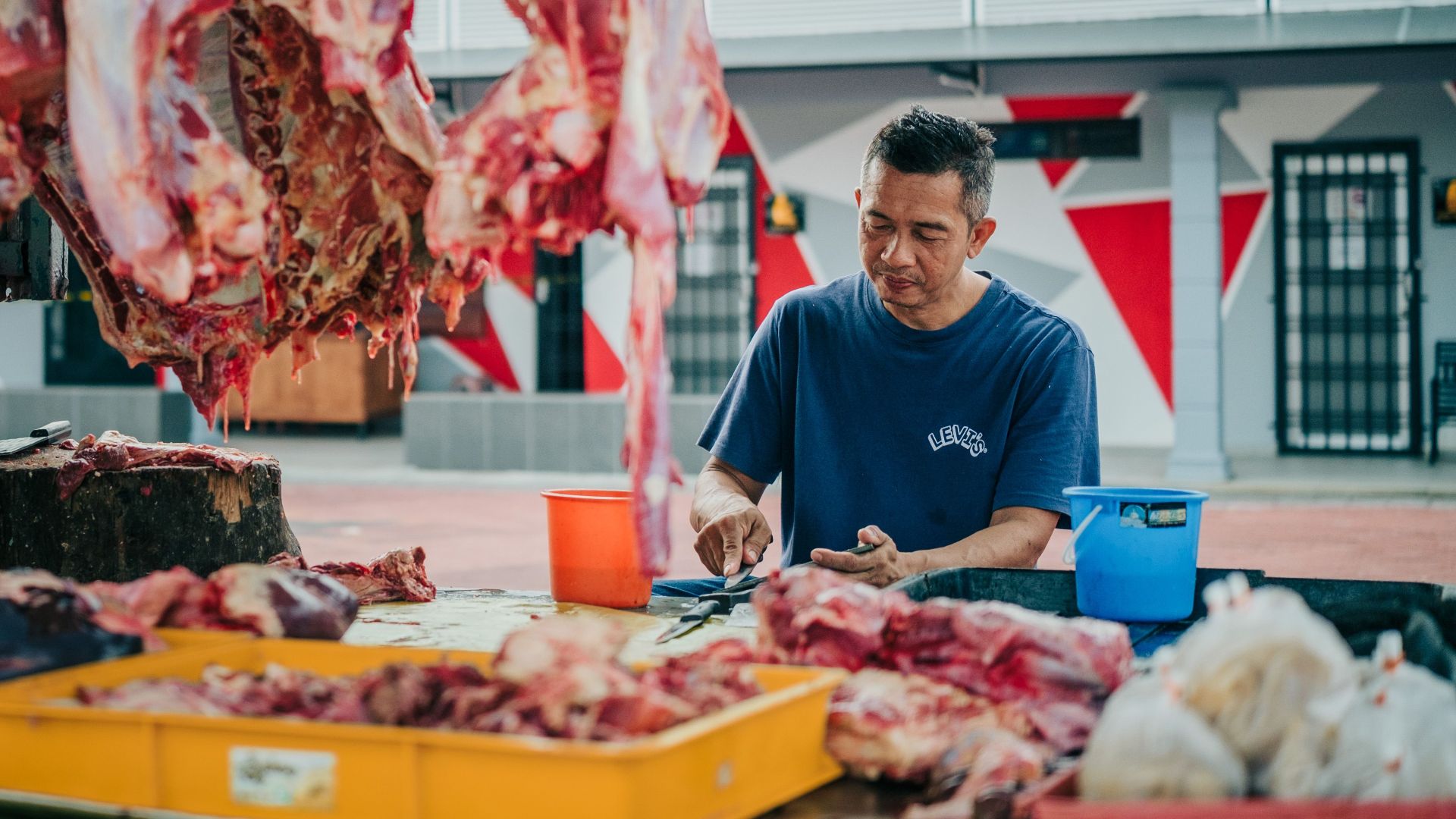
1. Hanger Steak
French butchers called it onglet and kept it for themselves, since there's one per animal and it never earned counter space. American kitchens caught up a few decades later, and the chewiness gets treated as character at a bistro price.
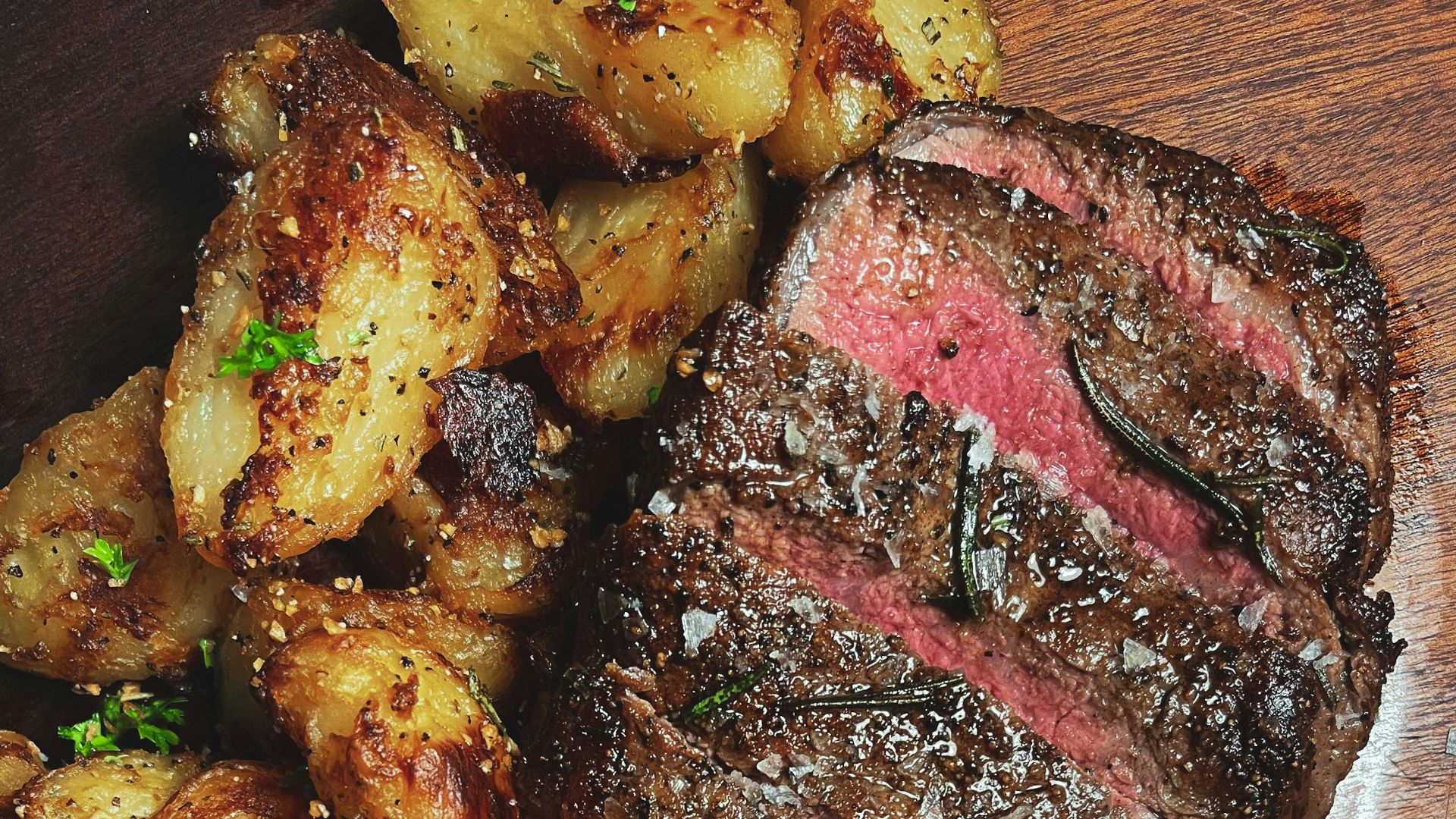
2. Skirt Steak
Fajitas changed everything for skirt steak. The cut comes from the diaphragm and once sold for next to nothing. Then Tex-Mex restaurants started serving it on sizzling platters in the 1980s, turning a cheap cut into a menu favorite. Wholesale prices shot up and never really came back down.
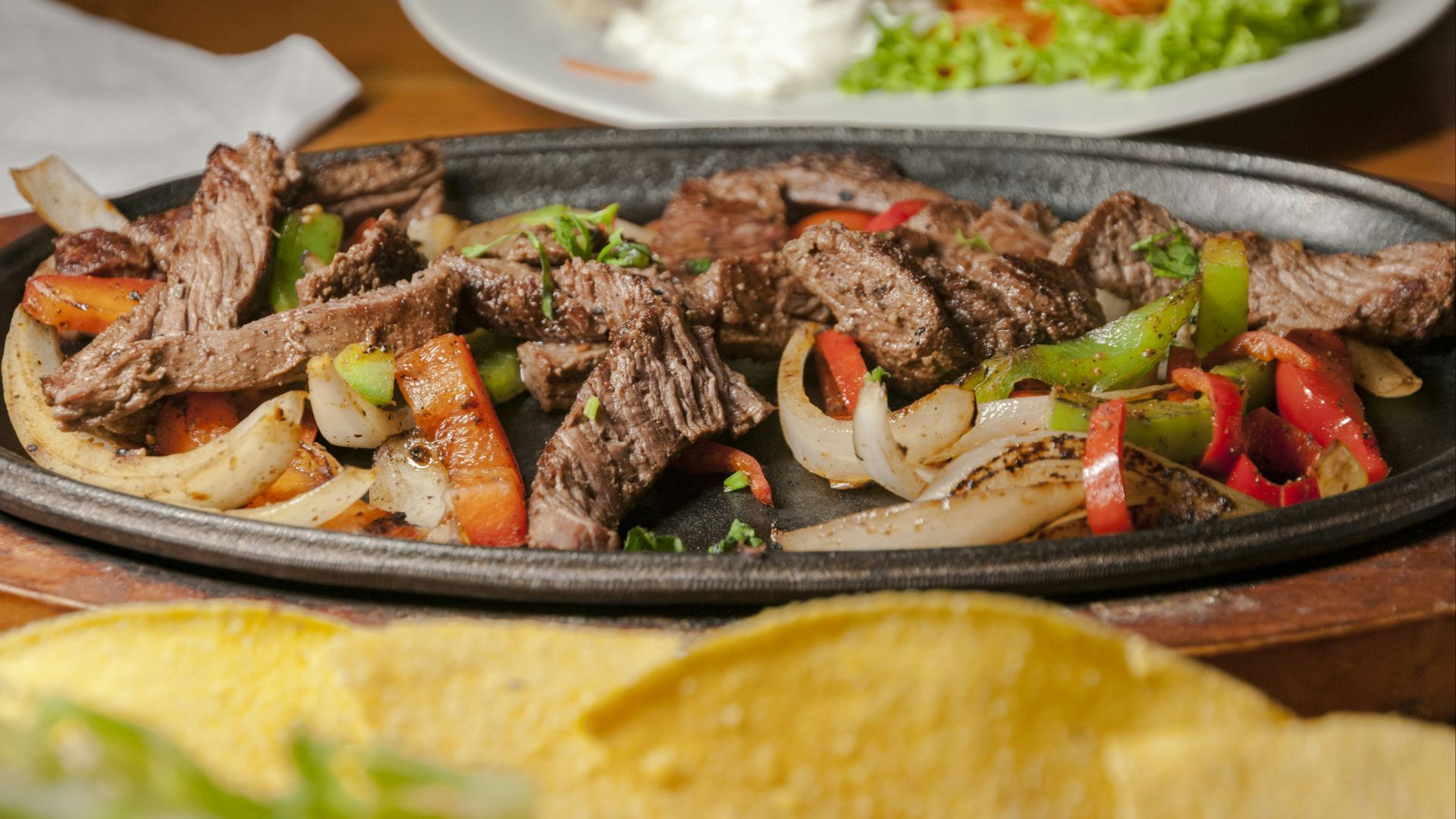
3. Chicken Wings
Processors treated wings as trim and sold them cheap. A Buffalo bar started frying them in the 1960s, and demand for a part with barely any meat on it rewrote the whole bird's economics. There are stretches now when wings cost more per pound than breast.
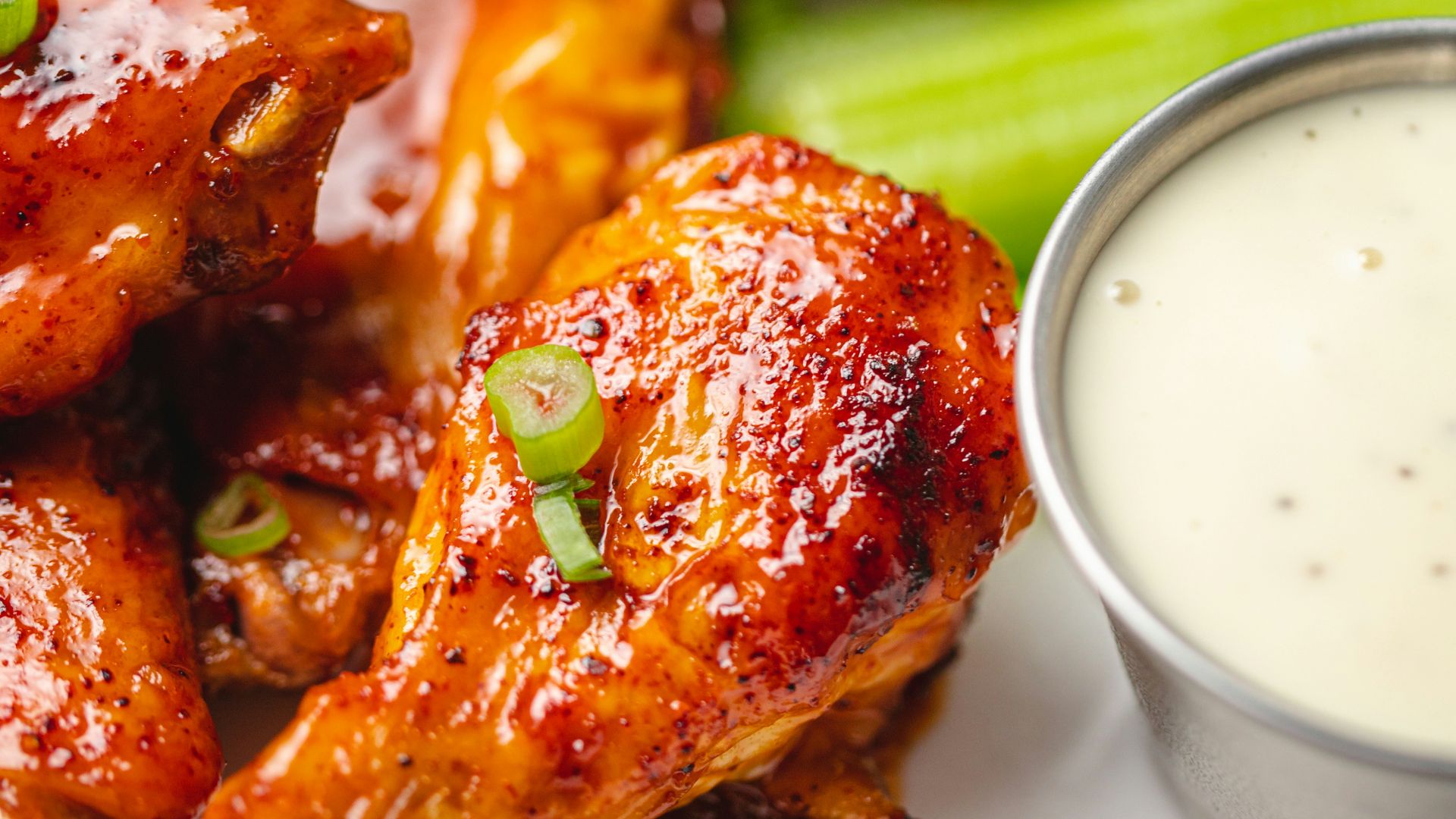
4. Short Ribs
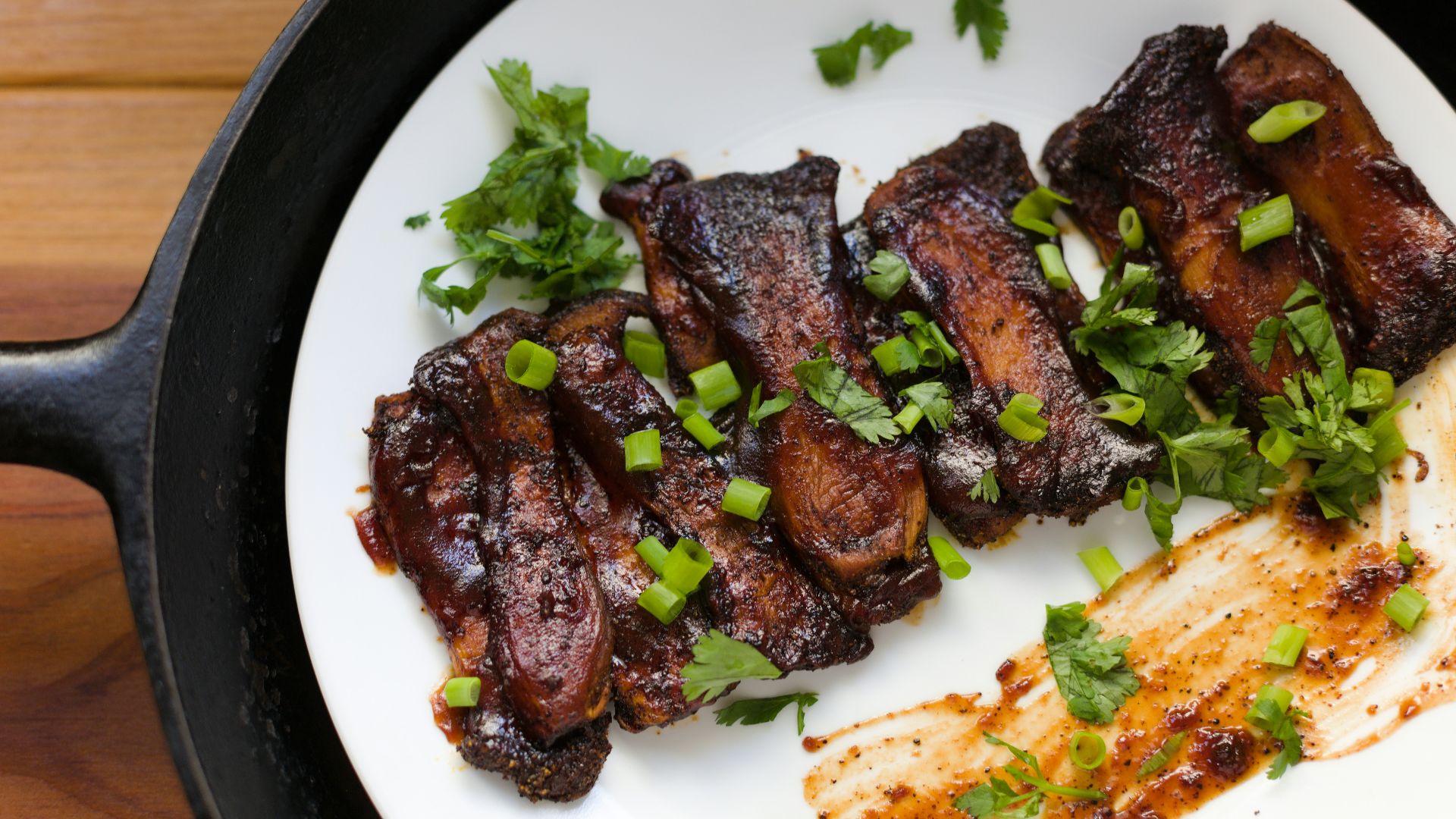
A braise needs cheap meat and time, and short ribs were the cheap part for most of the last century. Boneless short rib then turned into a tasting menu staple, glossy and square, and supermarket prices followed.
5. Oxtail
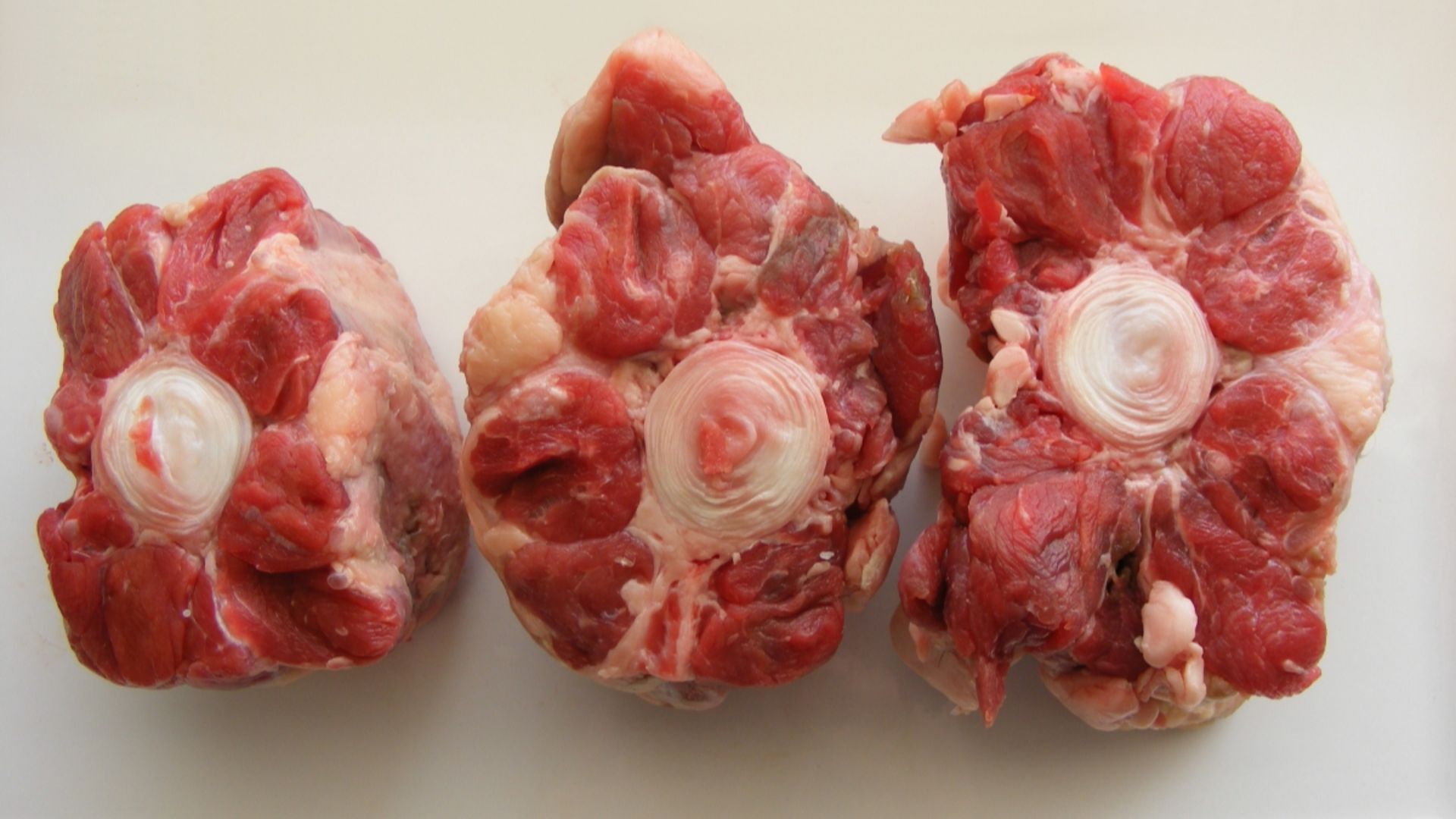
Oxtail is mostly bone and connective tissue, so it sat in the discount bin while Caribbean and Chinese home cooks did the real work on it. Restaurant ragùs and pressed terrines arrived later. The price per pound competes with cuts that have actual steaks attached.
6. Pork Belly
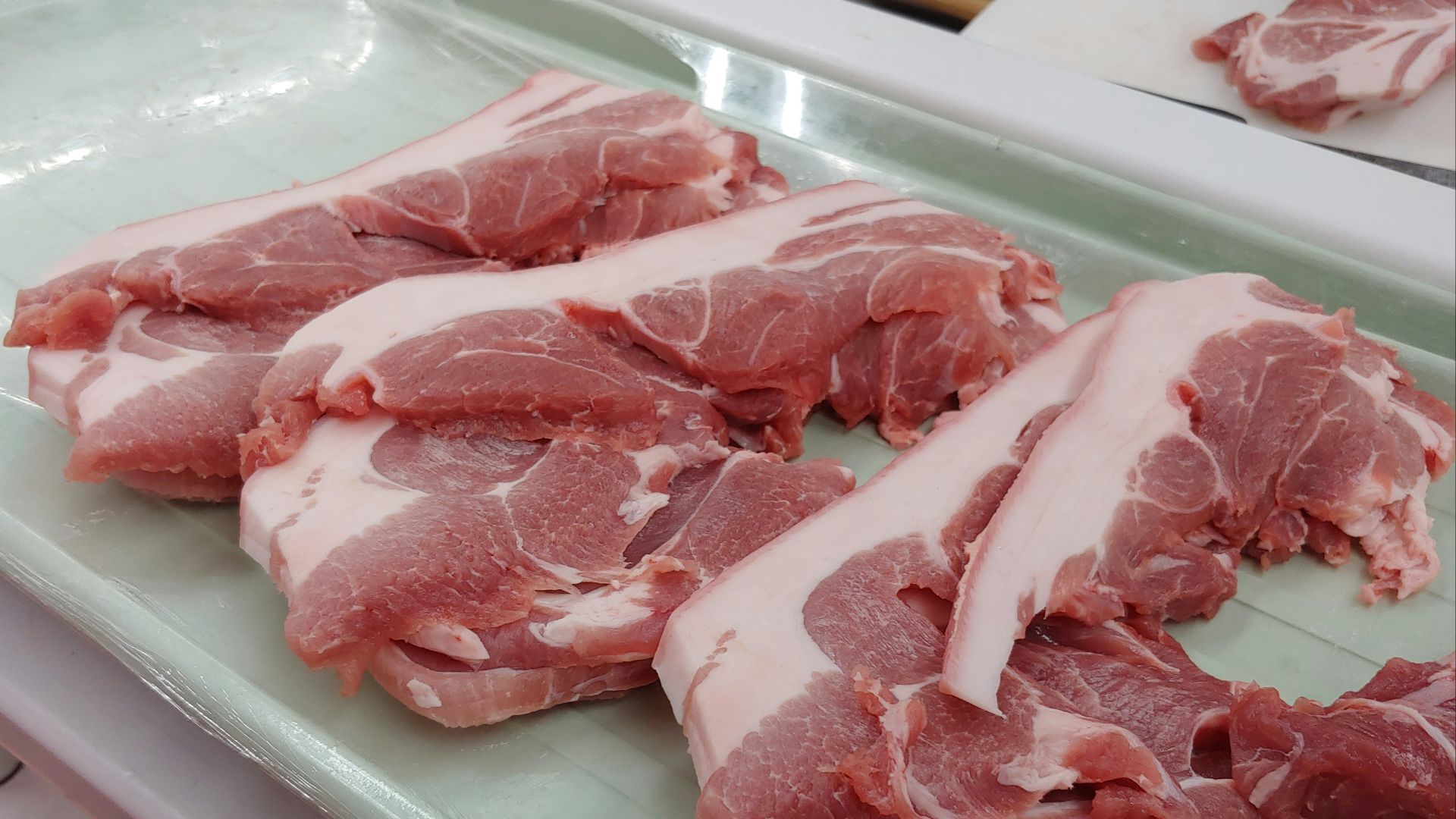
Most pork belly ends up as bacon, so its price has traditionally followed the bacon market. In the 2000s, chefs began serving thick pieces with crisp skin and sweet glazes, turning a familiar cut into a fine-dining favorite. For much of the following decade, pork belly was one of the trendiest things on restaurant menus.
7. Brisket
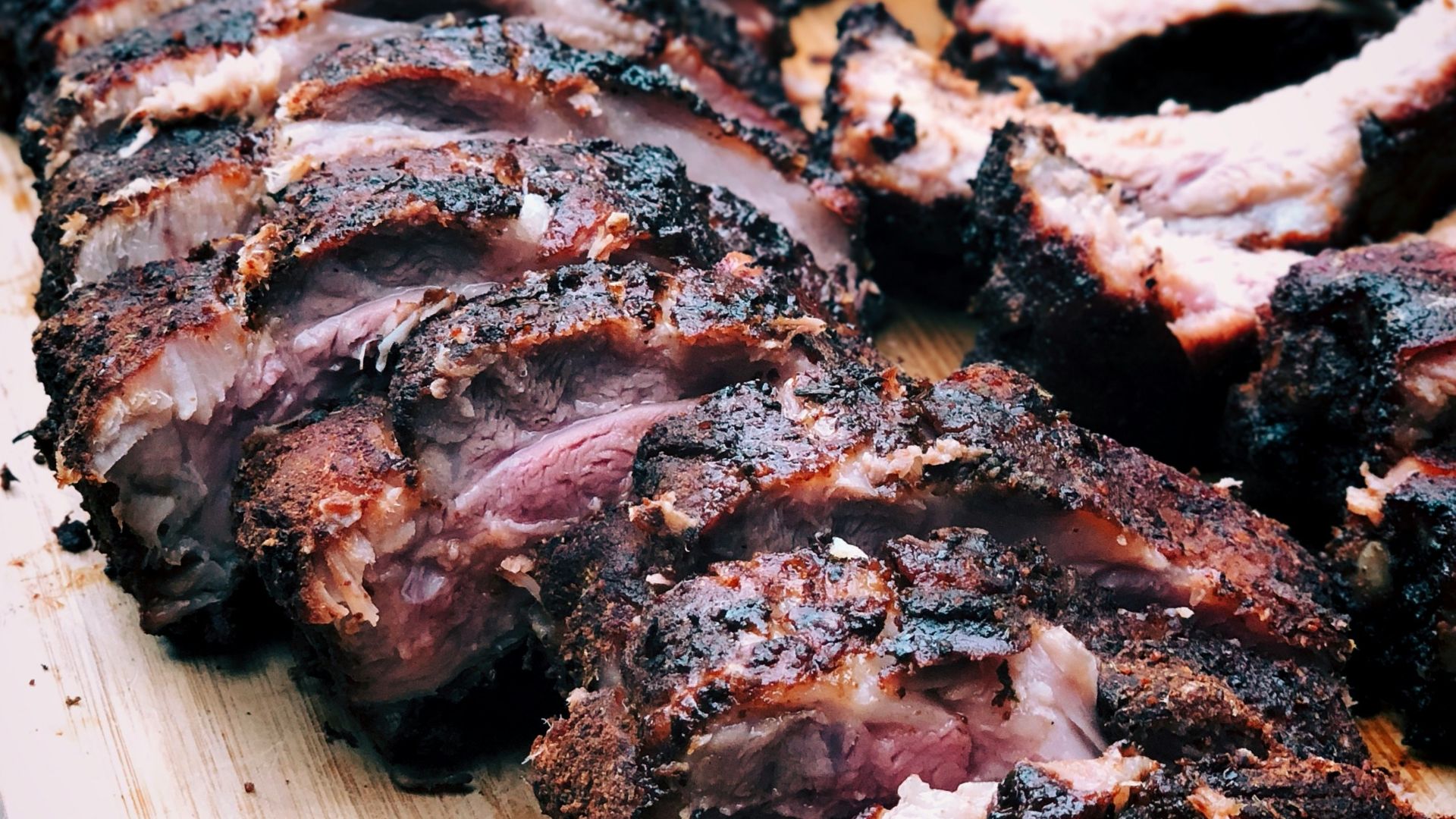
Central Texas barbecue built this market. Brisket is a tough chest muscle that needs most of a day over wood, and it moved cheap because nobody wanted the trouble. A run of famous smokehouses later, a whole packer costs what better cuts used to.
8. Beef Cheeks
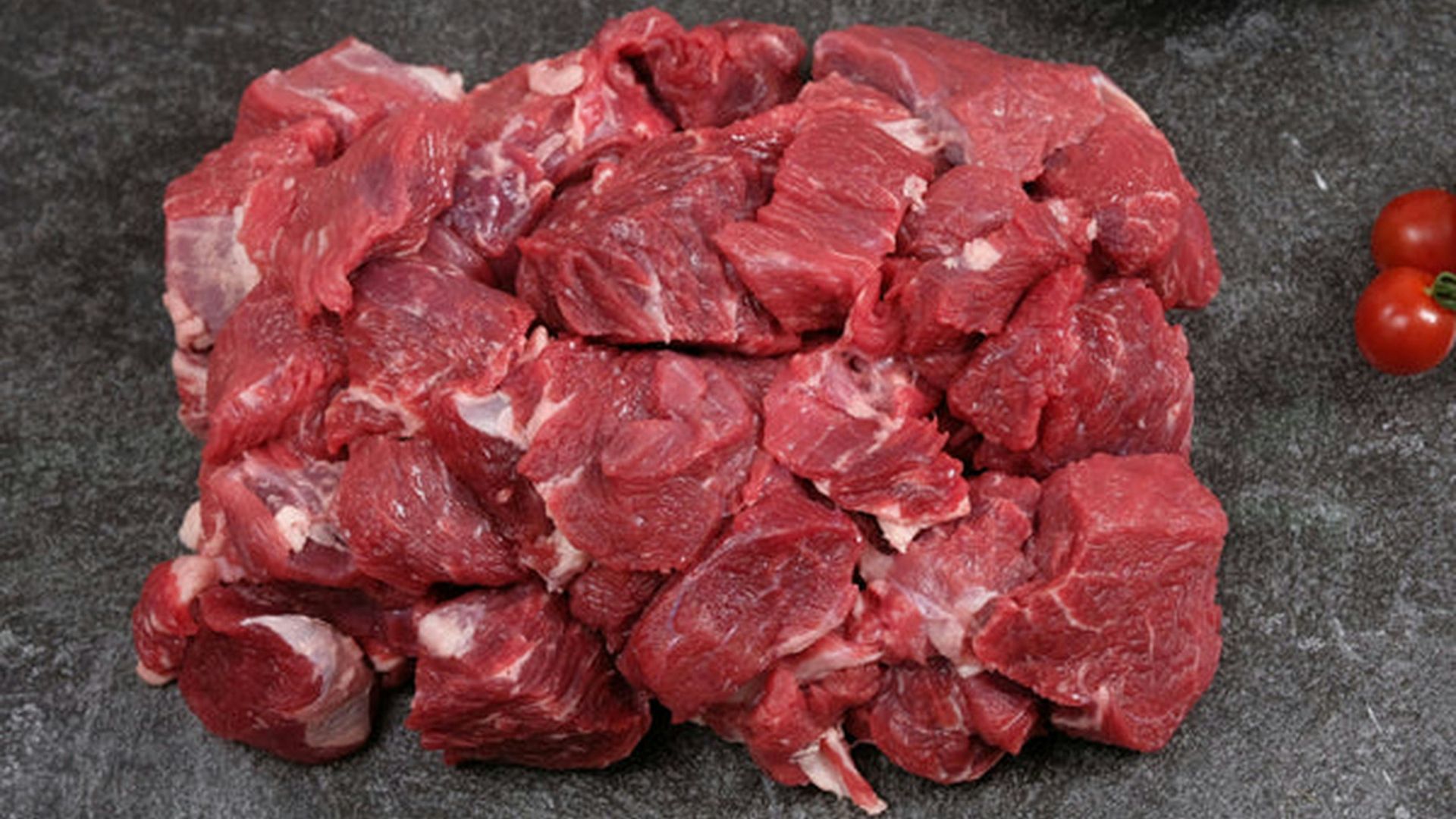
Cheeks chew all day on grass, so they come out of the animal dense and loaded with collagen. Braise one for an afternoon and that collagen turns into something closer to pudding than steak. Kitchens that once took cheeks for free now charge main-course money.
9. Bone Marrow
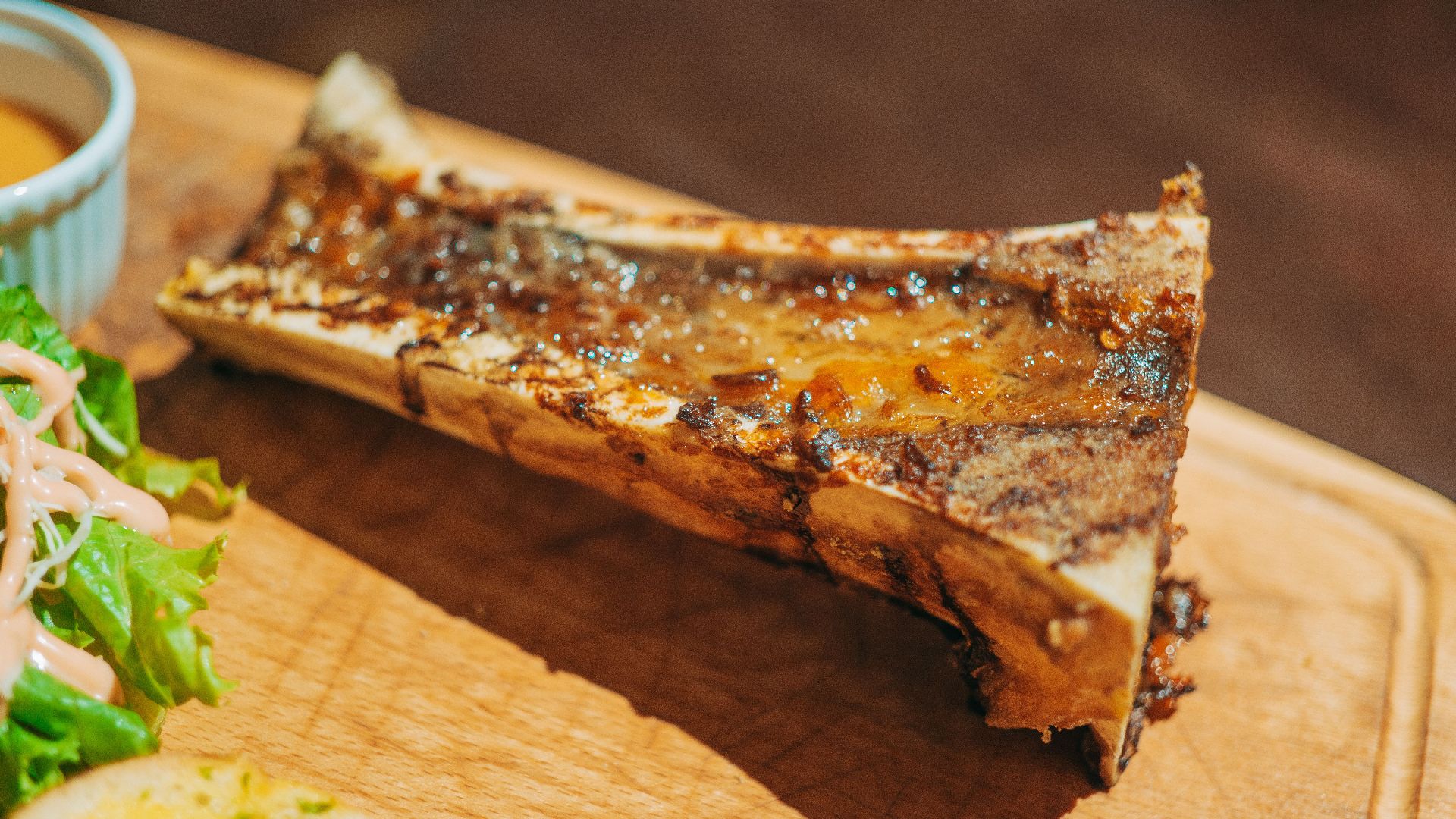
Roast bone marrow with parsley salad came out of a London restaurant in the 1990s and has been copied ever since. Ordering it means paying markup on a bone that went out the back door.
10. Tri-Tip
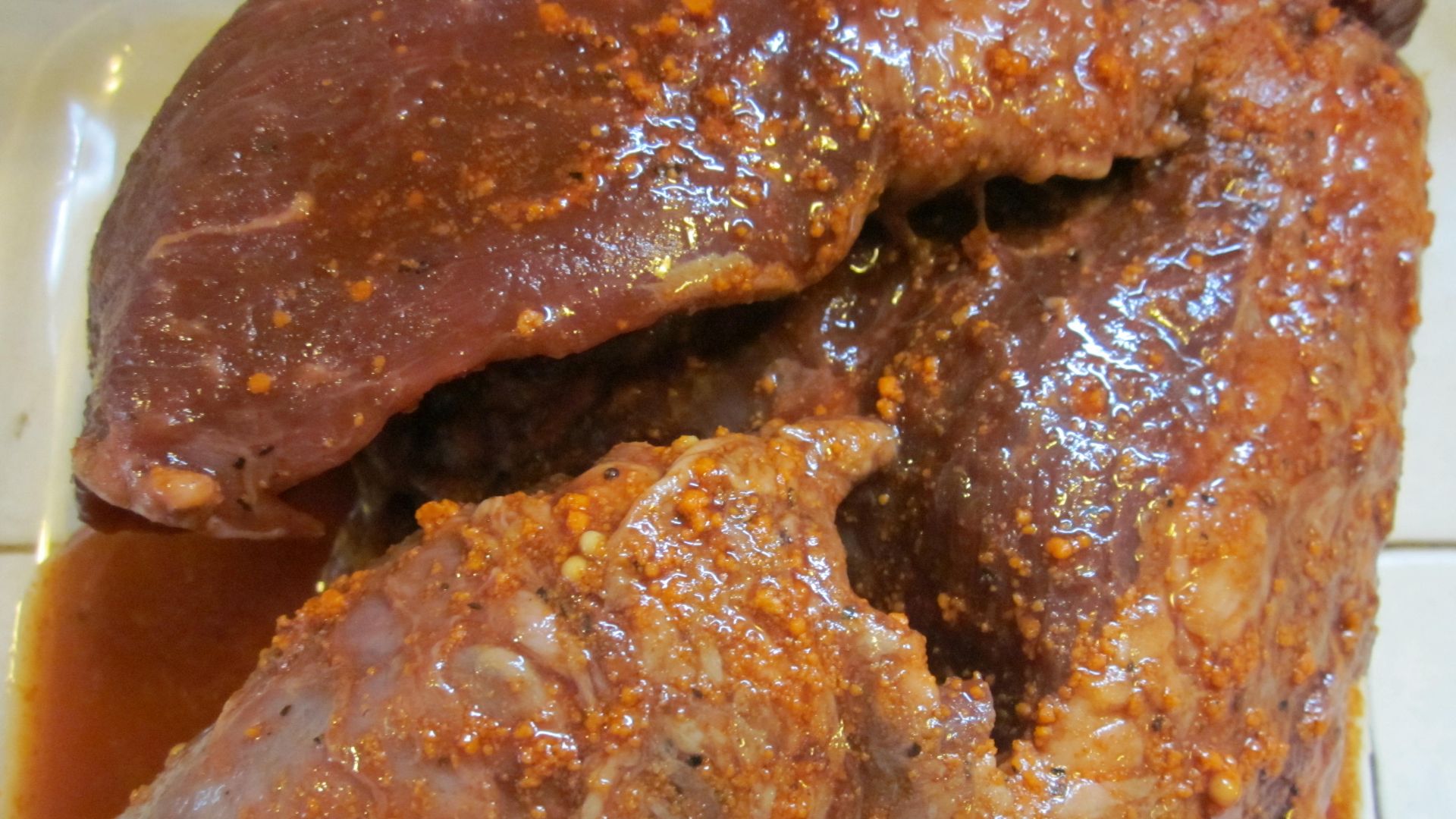
Butchers in Santa Maria ground this triangle of sirloin into hamburger until the 1950s, when a local market started seasoning it whole and cooking it over red oak. Once the rest of the country found it, the budget pricing went away.
11. Flat Iron
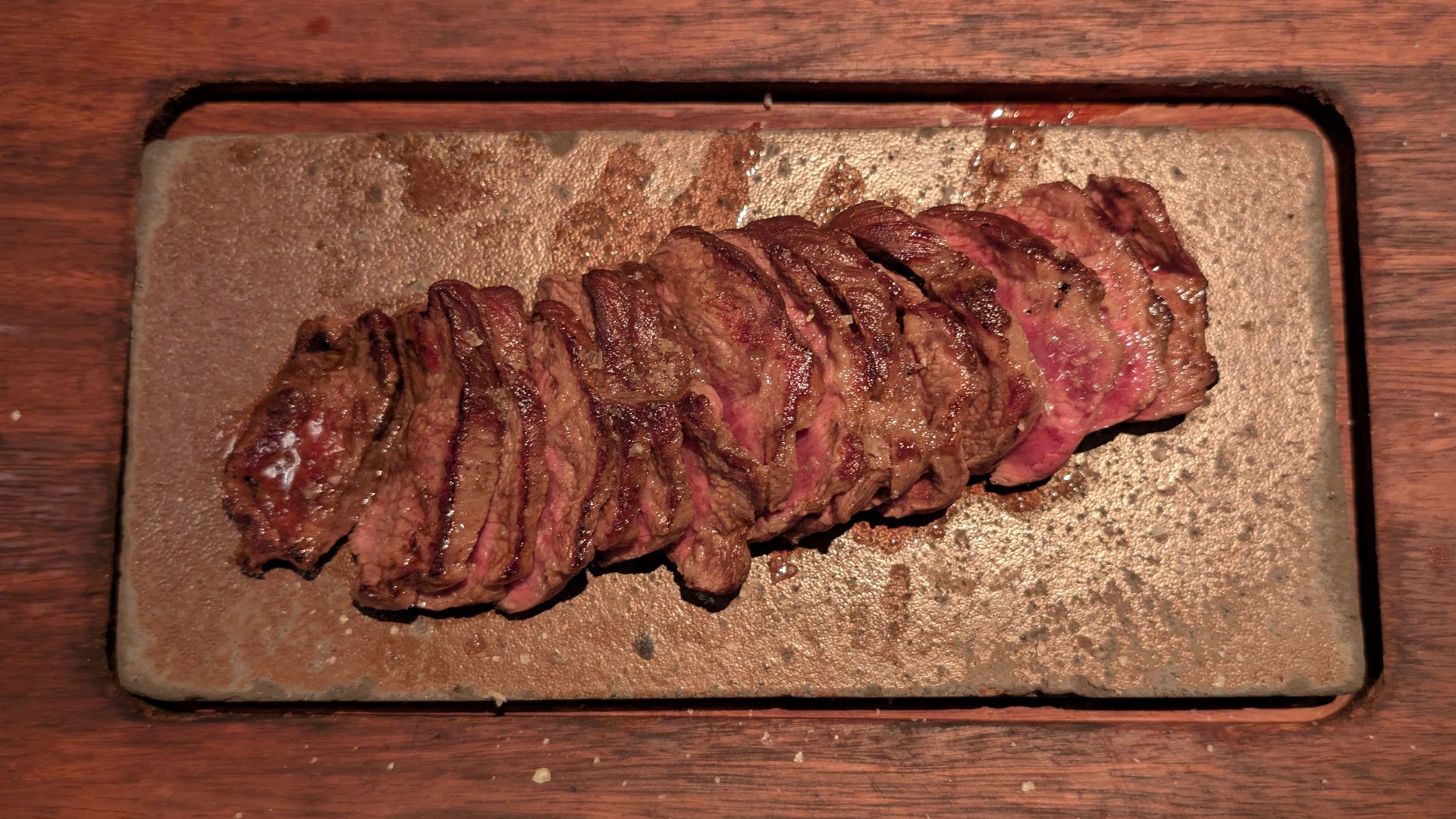
The flat iron did not exist as a retail cut until the late 1990s, when beef industry research went hunting for tender muscles in the cheap chuck. Researchers found one in the shoulder and trimmed out the tough seam inside it. It sells at a steak price because the name and the marketing arrived together.
12. Beef Tongue
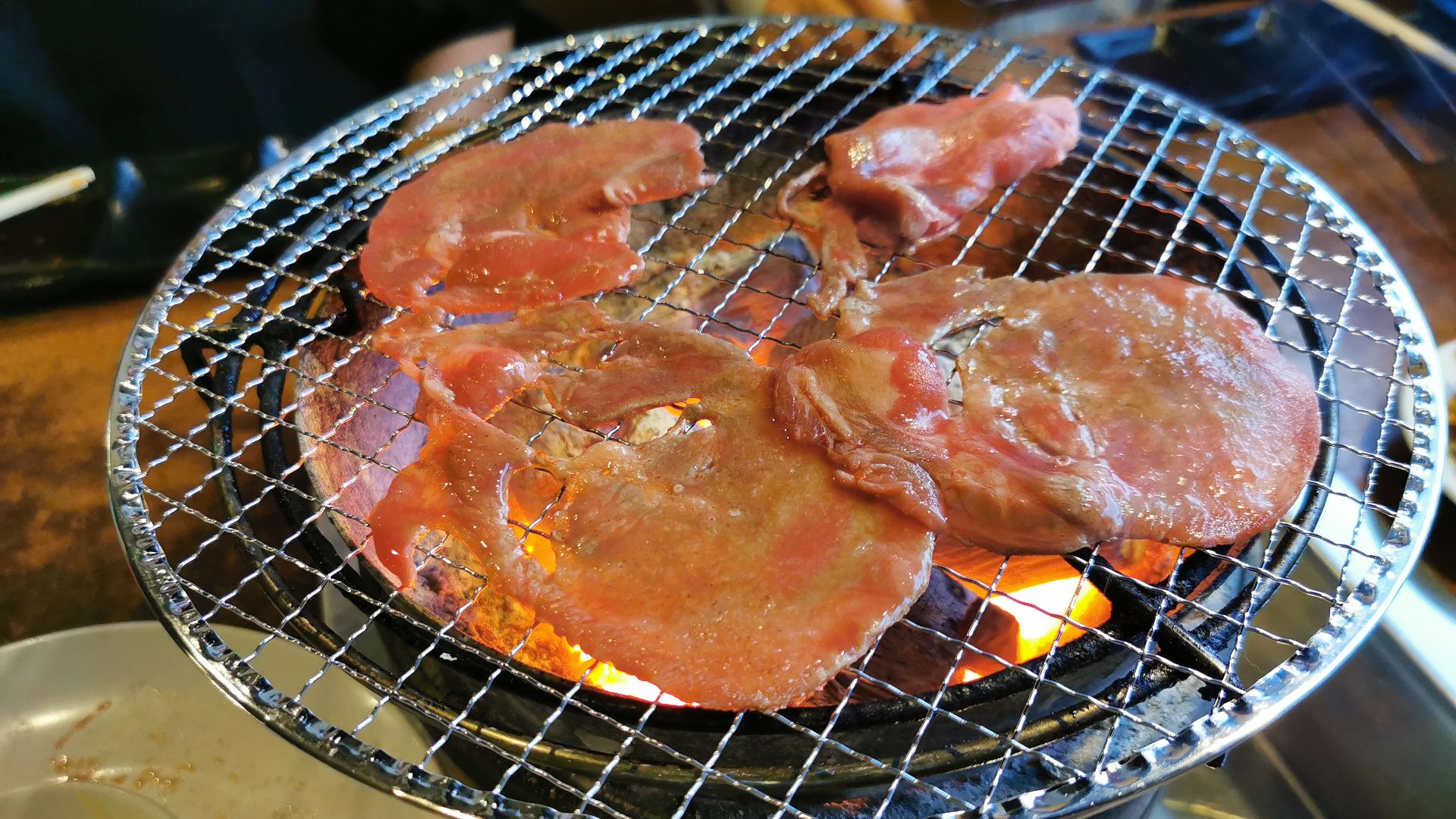
Taquerías have sold lengua at taco prices for generations. Fine dining rediscovered the muscle and started pressing it into cold slices with mustard alongside. The ingredient still costs almost nothing, and the menu price has stopped reflecting that.
13. Picanha
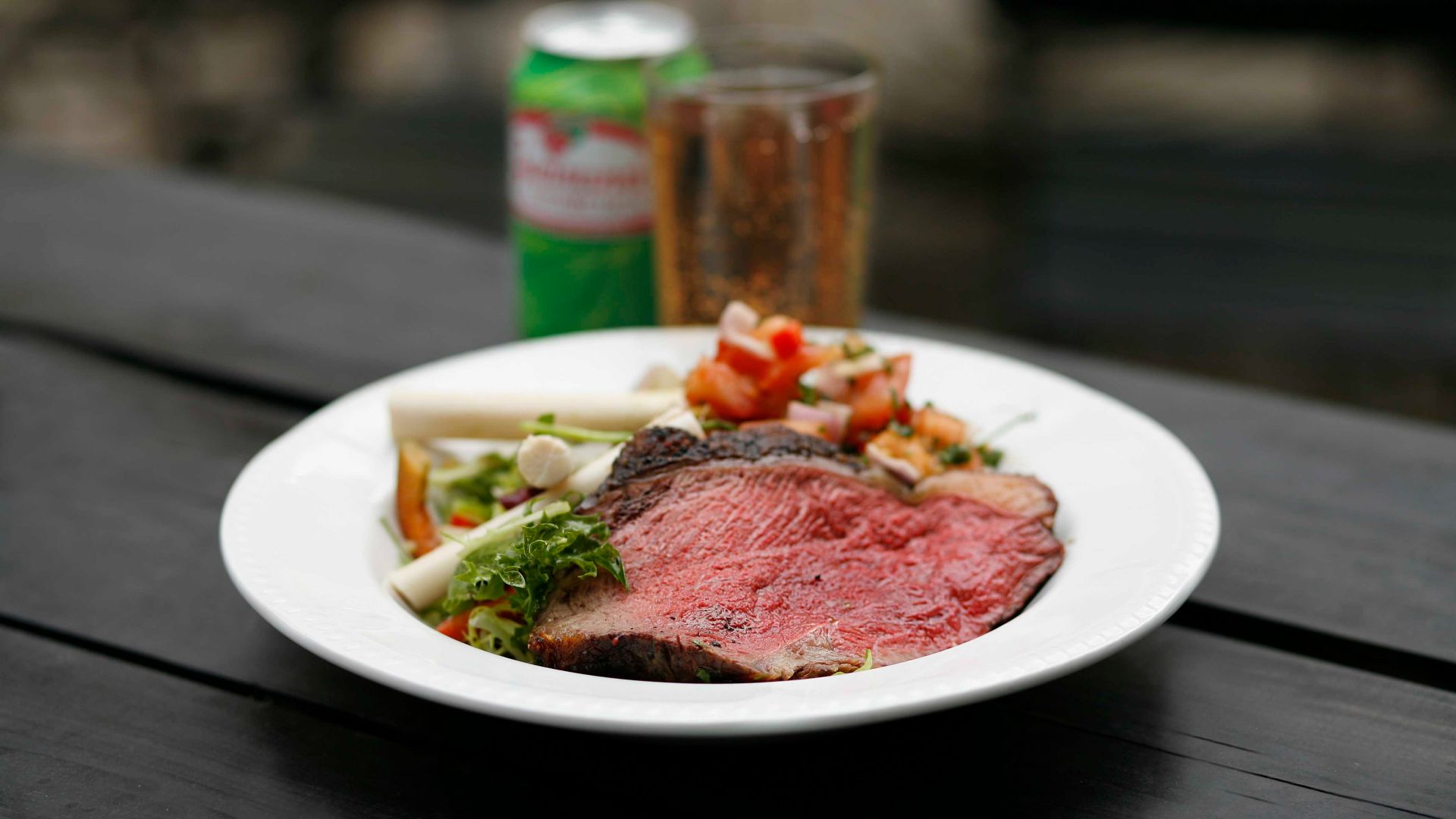
Churrascarias in Brazil center the whole meal on the sirloin cap, salted heavy and carved off a skewer at the table. American butchers buried that muscle inside a larger roast or sent it to the grinder. Steakhouse demand pulled it out and gave it a name and a price.
14. Lamb Neck
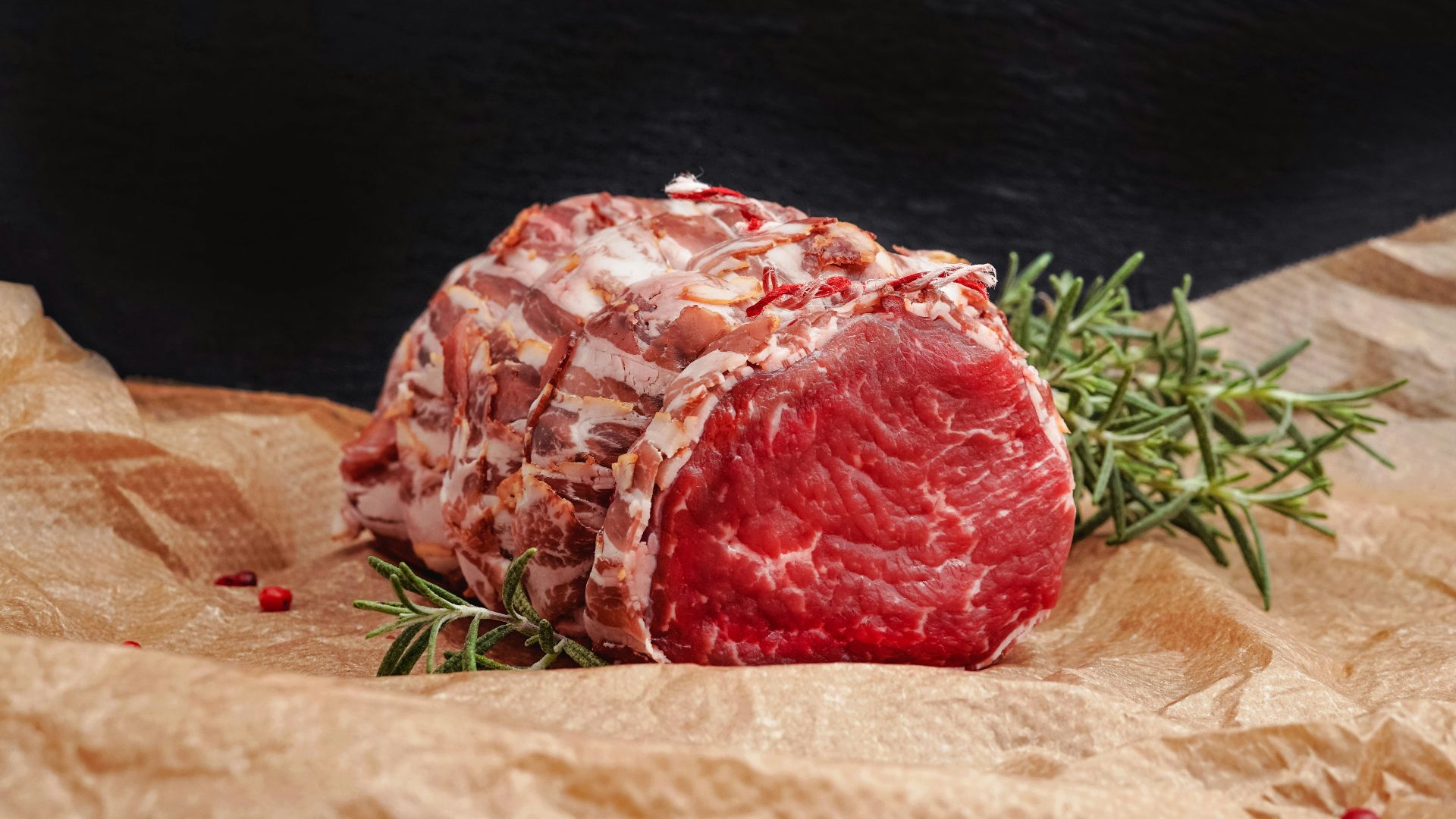
Neck carries the most work and the least meat per pound, so it stayed at stew money. Cooks who like a long braise found the flavor sitting somewhere between shoulder and shank, and menus list it without apology now.
15. Pork Jowl
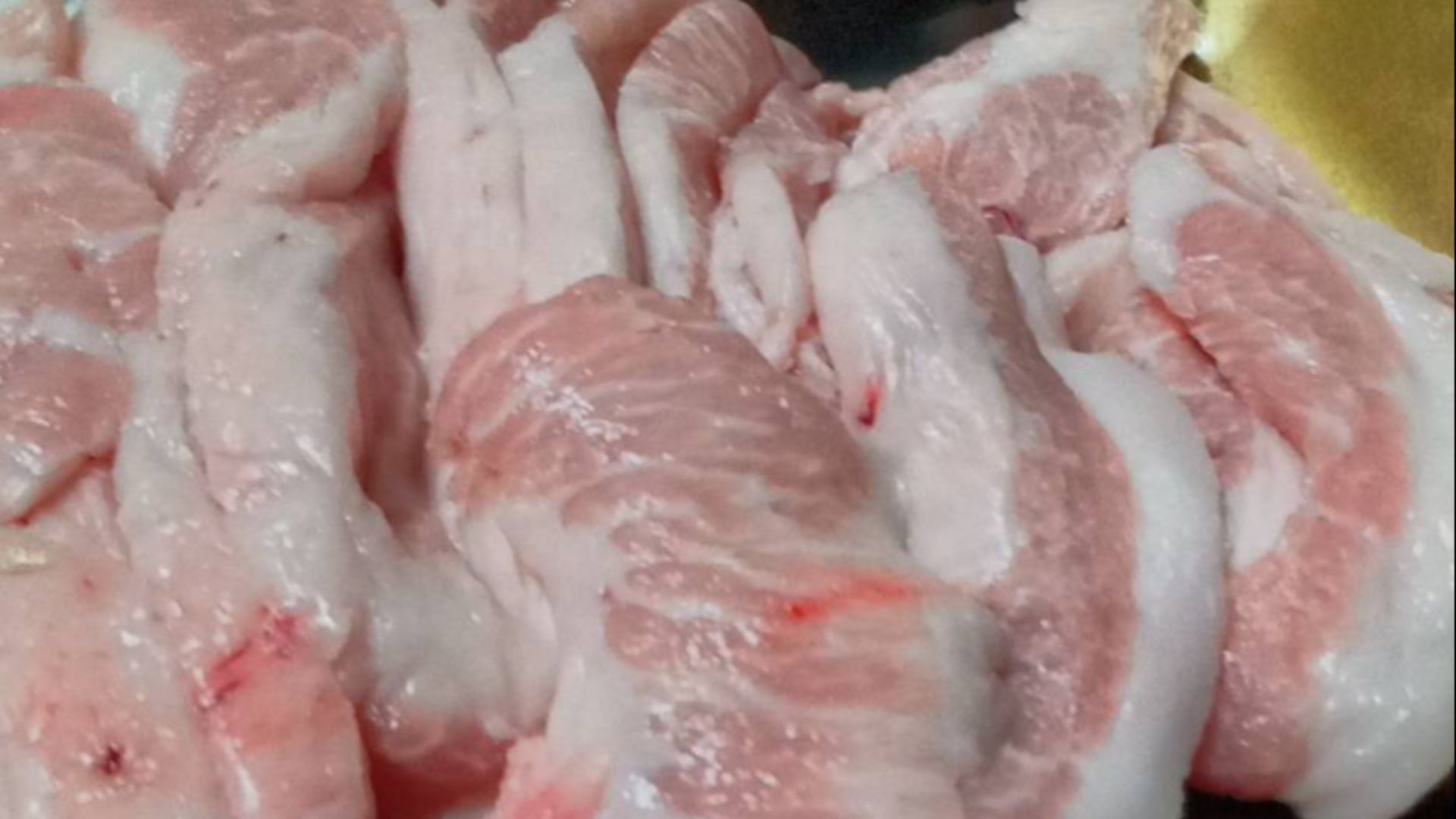
Guanciale is cured jowl, and Roman pasta has leaned on it longer than bacon has been an American breakfast. Italian restaurants abroad listed it by name, and the English word turned up on Southern menus as a fried slab. The cheek of a pig can run dearer than the loin.
16. Beef Shin
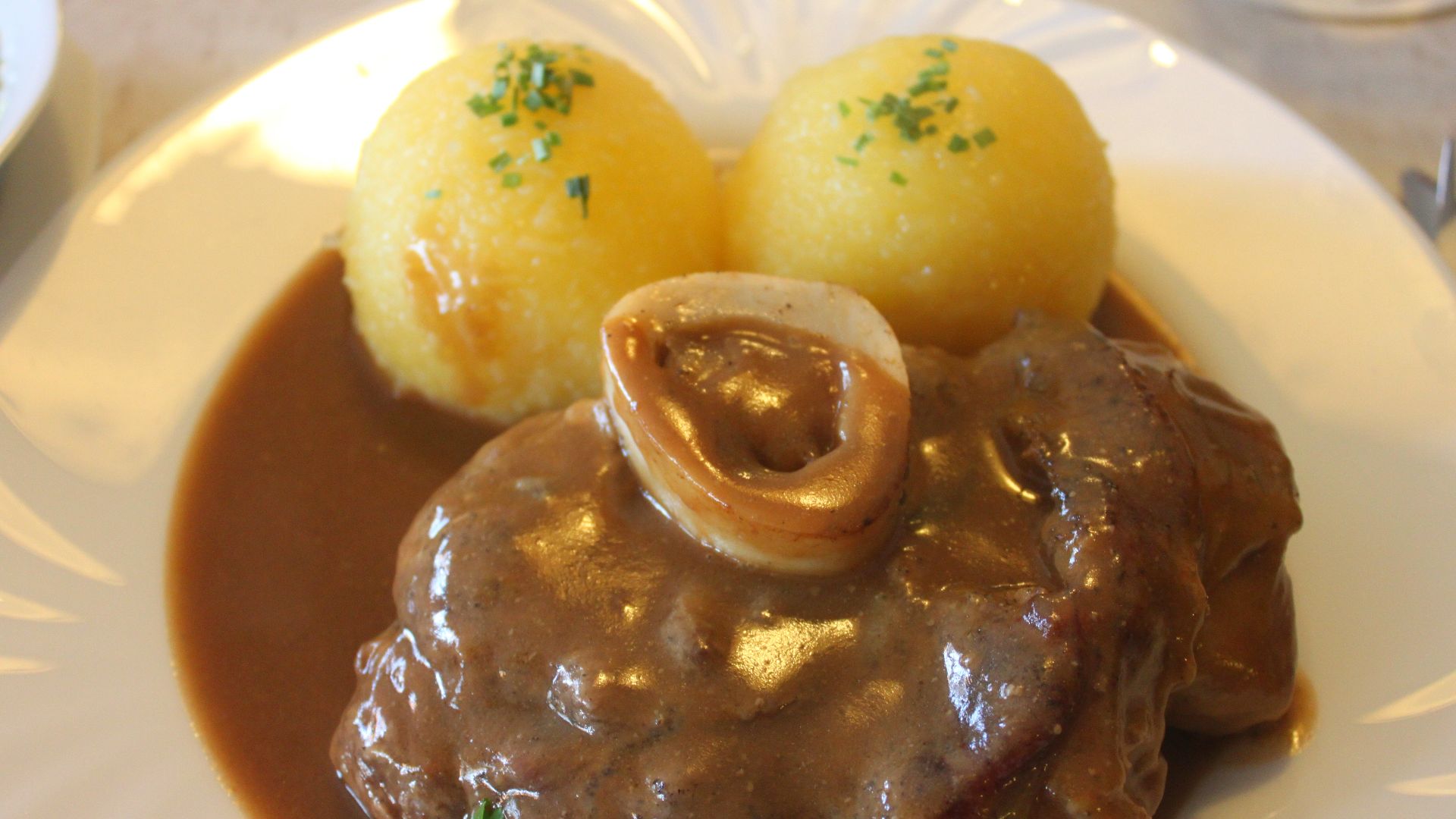
Shin sits above the hoof and spends its life taking impact, so the meat is tough and the marrow inside is good. Osso buco made the veal version famous, and the beef version followed into trattorias as the cheaper substitute that stopped being cheap.
17. Chicken Thighs
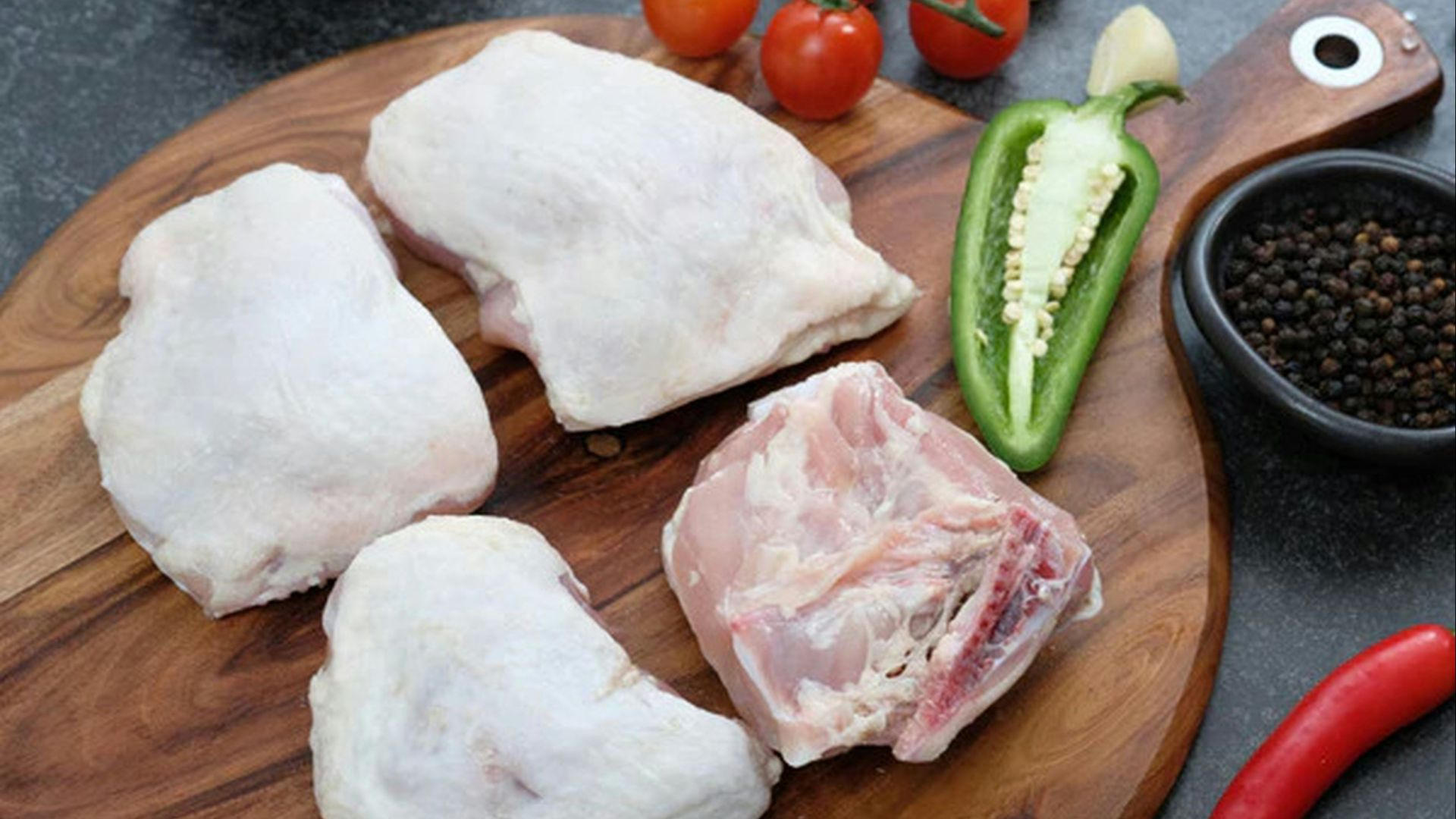
Restaurant kitchens went to thighs long before shoppers did, because they hold moisture through a long service and taste like something. Fried chicken sandwiches and Korean and Japanese menus pushed demand up through the 2010s, and thigh pricing crept toward breast in plenty of markets.
18. Duck Legs
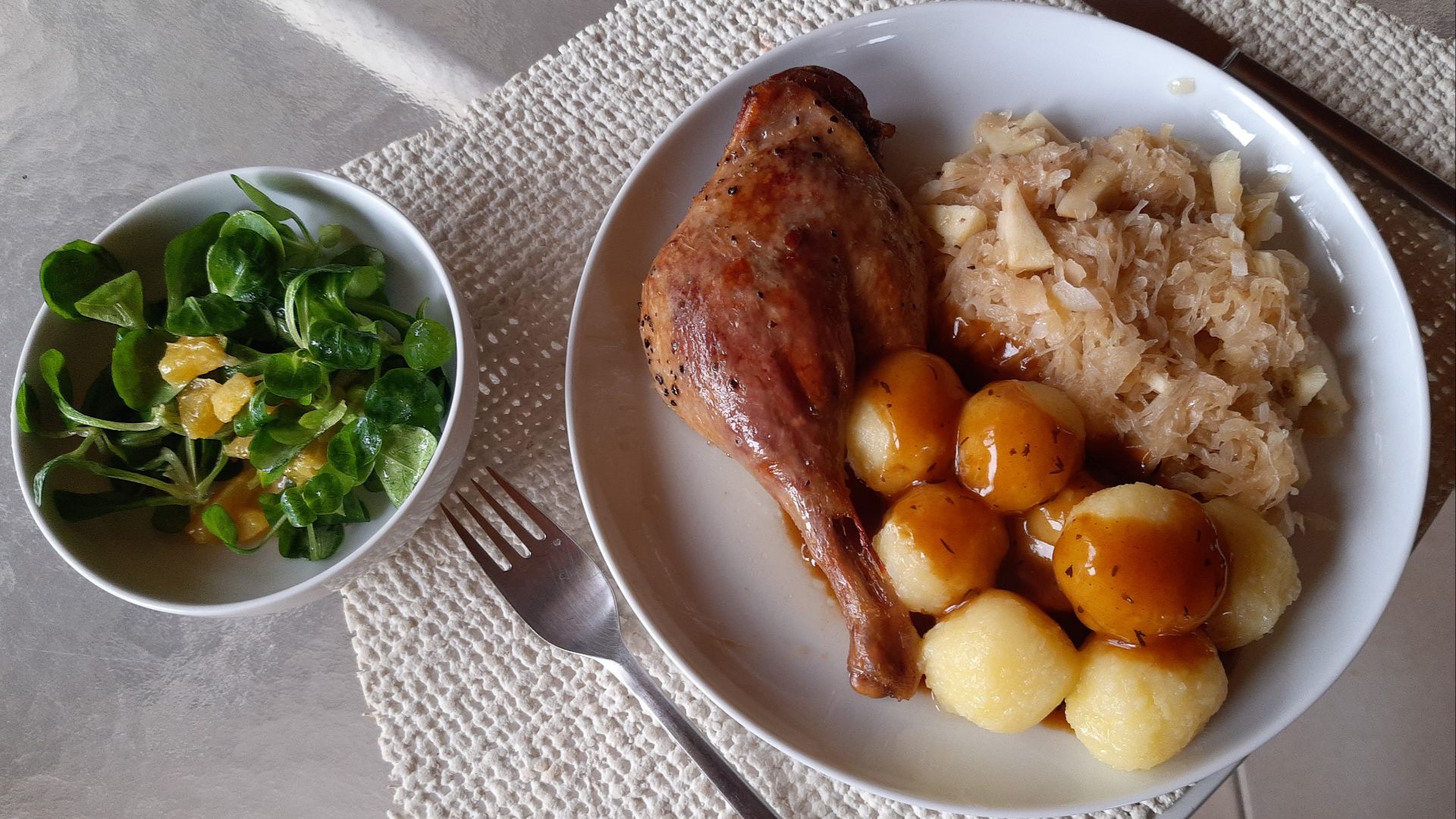
Confit started as a way to keep legs edible through a winter, back when the legs were what you dealt with rather than what you sold. Bistro menus turned a crisp confit leg into a destination order, and whole ducks stopped being bought for the breast alone.
19. Chicken Livers
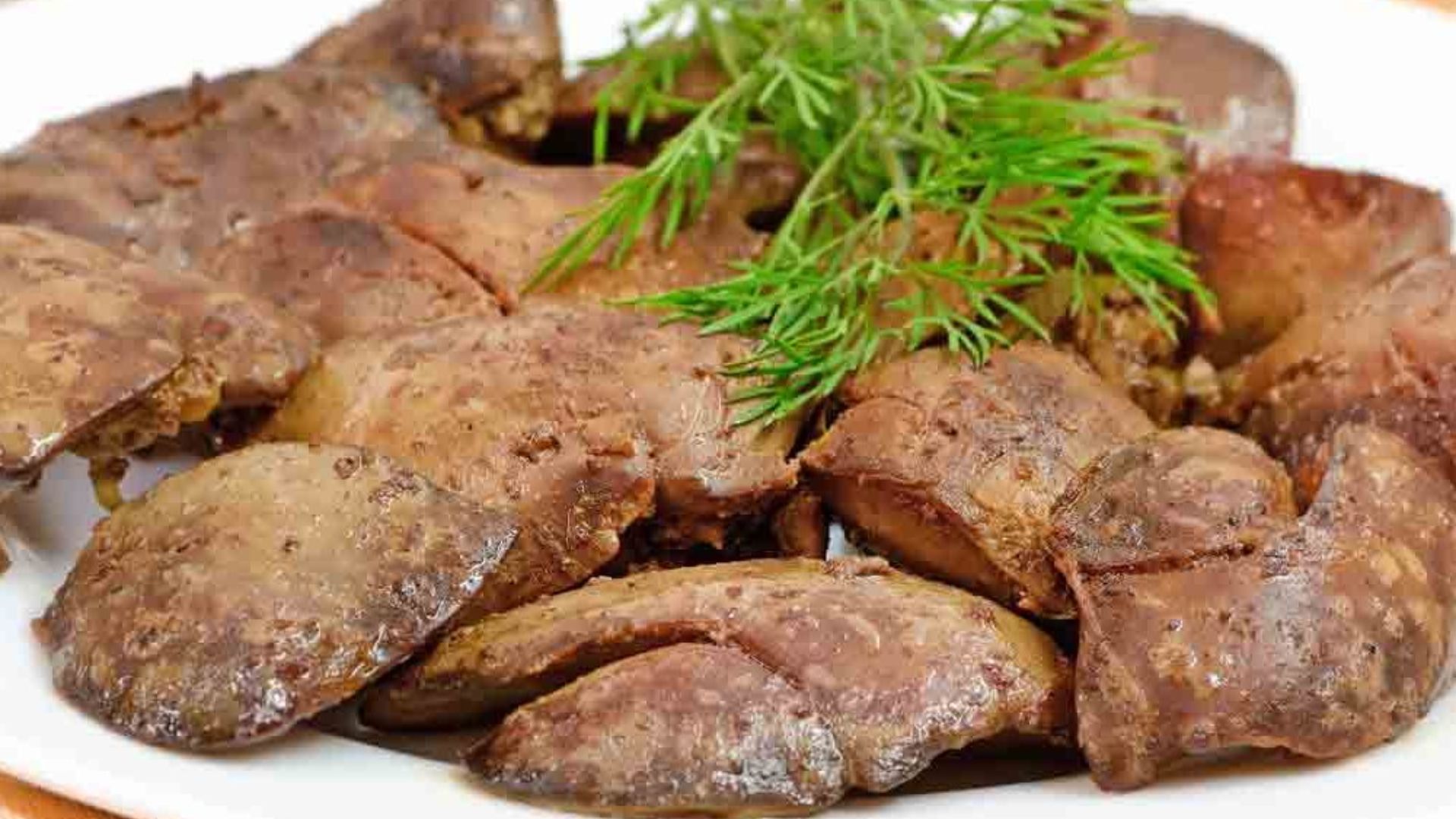
A pound of livers costs less than almost anything else in the case. Whipped with butter and set in a jar under a cap of fat, those same livers become a pâté carrying appetizer pricing.
20. Tripe
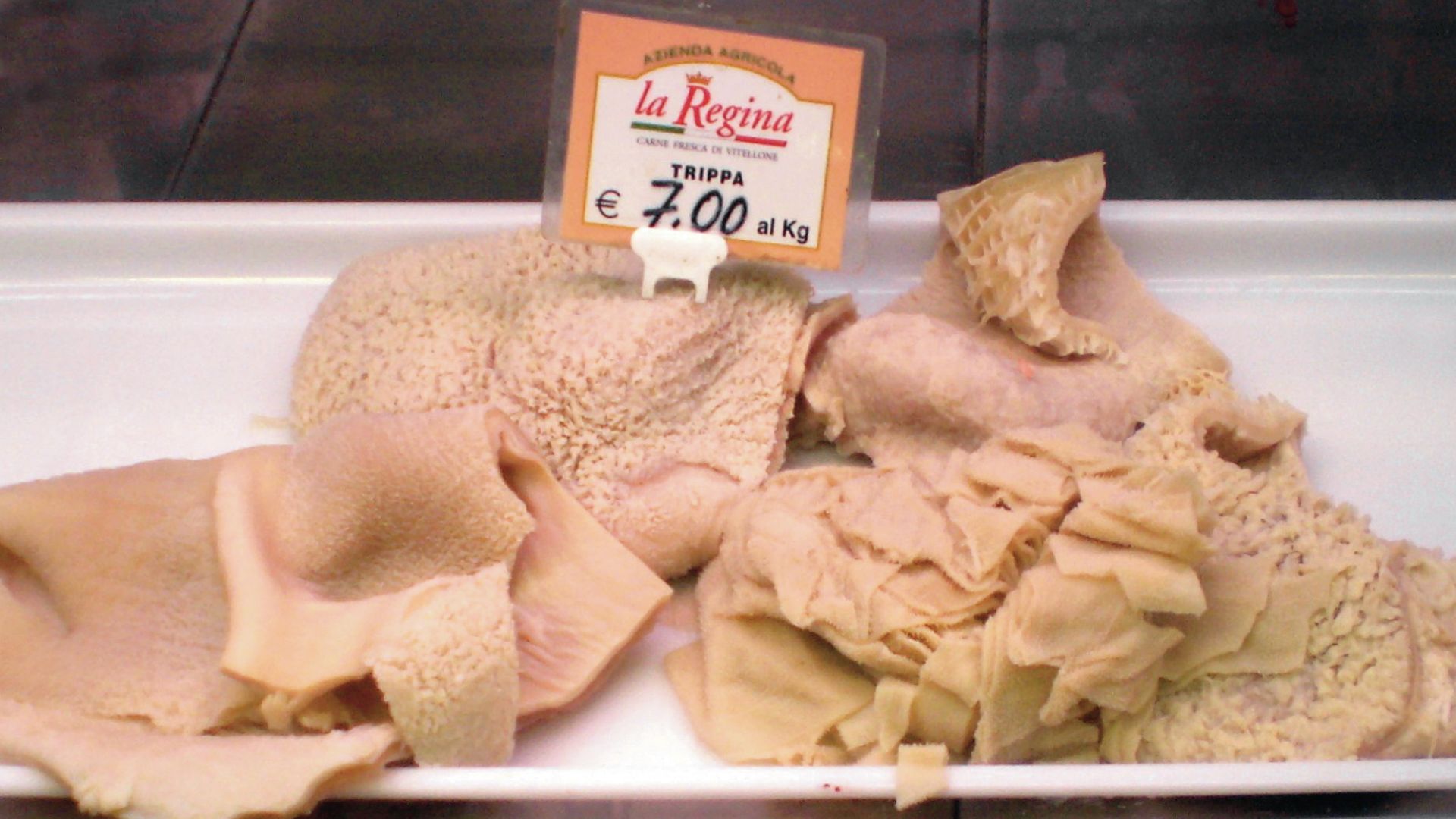
Tripe takes serious cleaning and hours of cooking, which kept it out of most restaurants for a generation. Menudo and trippa alla romana carried it the whole time at low prices. Nose-to-tail cooking put honeycomb tripe back on expensive menus, usually in a small portion with a lot of sauce.
KEEP ON READING
How Greek Farmers Harvest Edible Crystals From Trees