Regional Dishes That Never Left Home
American food is often reduced to burgers, hot dogs, and a handful of other familiar dishes. But much of the country's cooking is regional, with recipes that have been passed down for generations without ever spreading far beyond their hometowns. Some rely on ingredients that are hard to find elsewhere, while others use parts of an animal most people wouldn't think to eat. Here are 20 distinctly American dishes that most people outside their home regions have probably never tried.
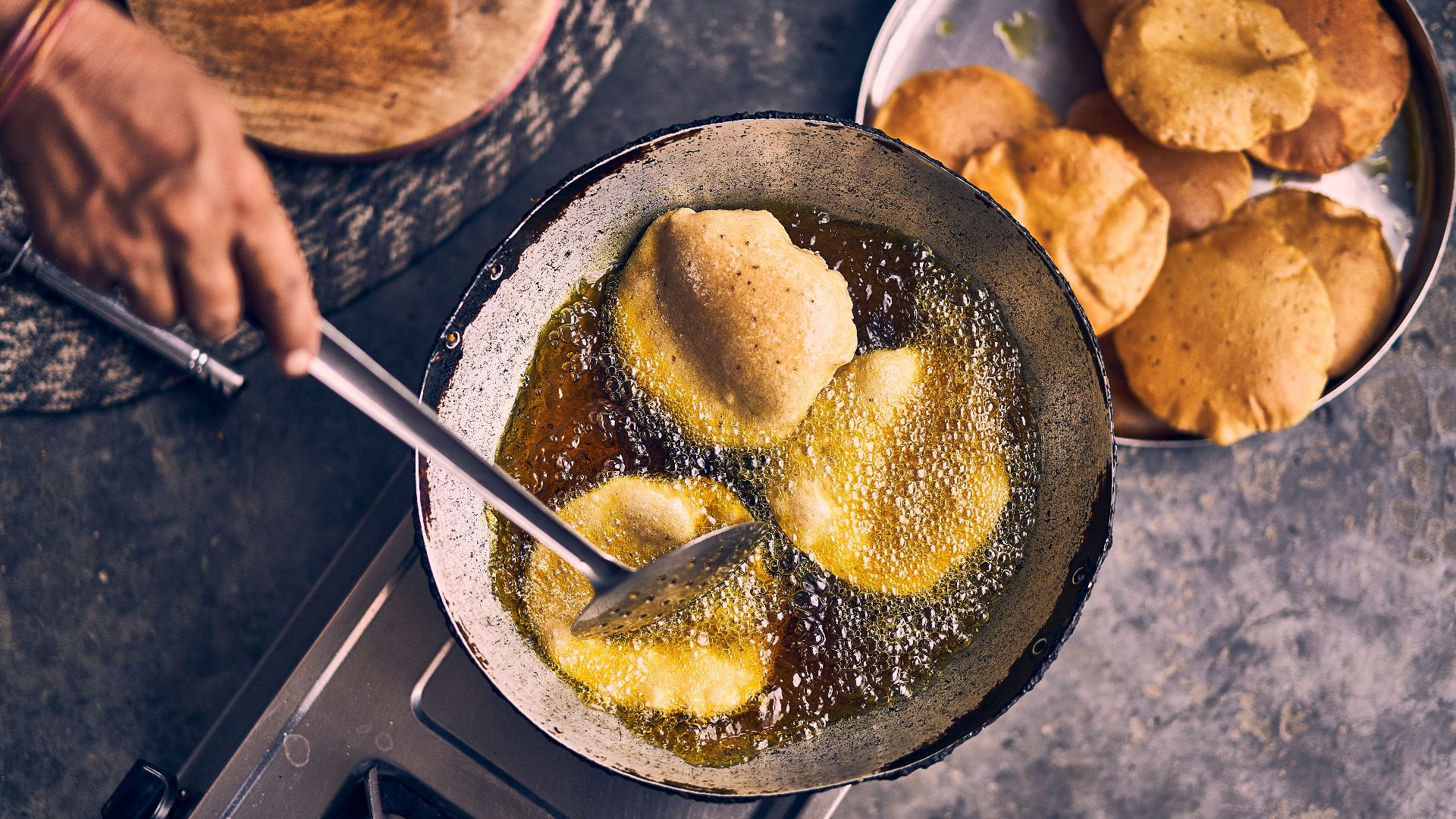 Ashwini Chaudhary(Monty) on Unsplash
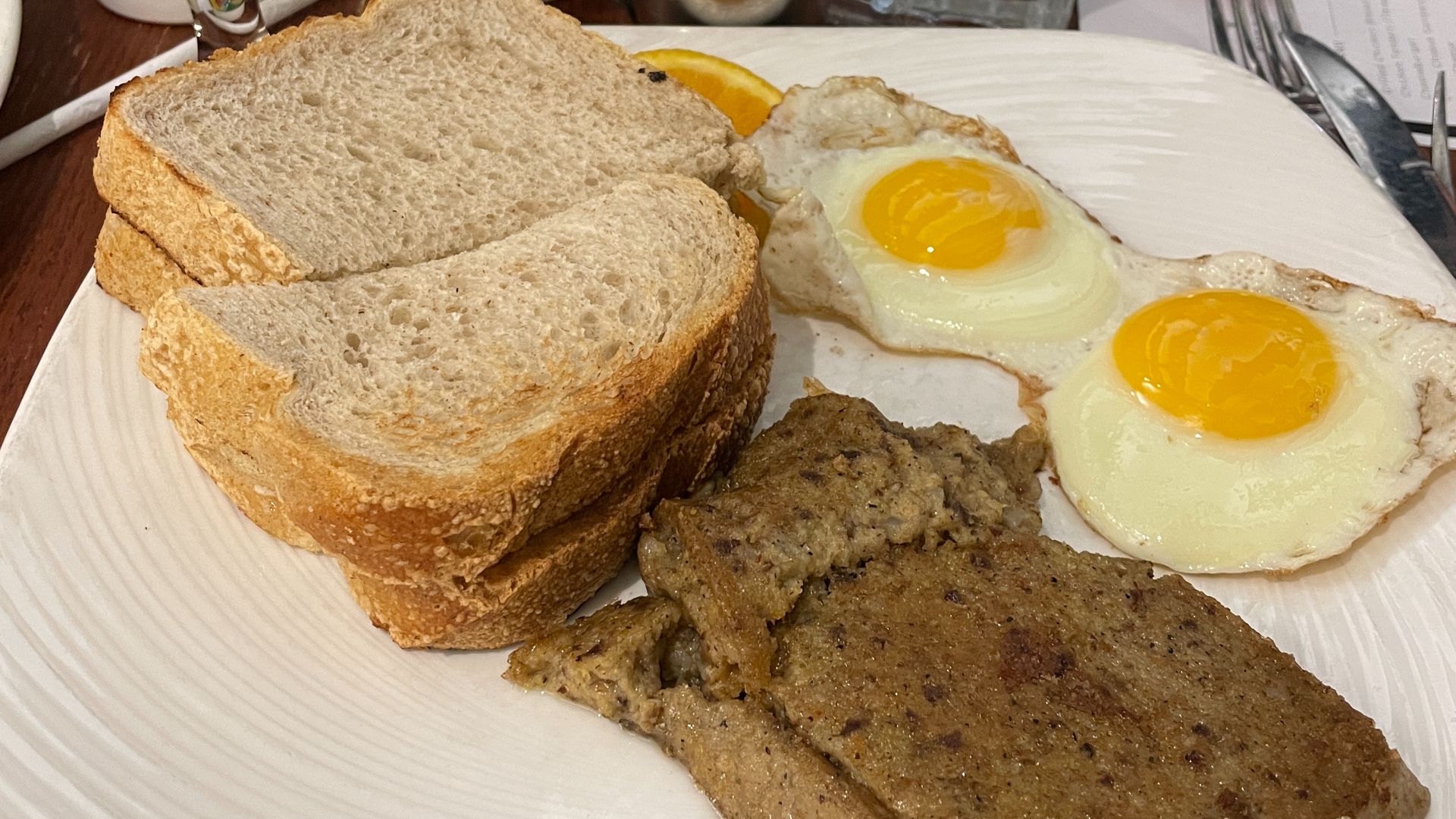
1. Scrapple
Pork trimmings get simmered with cornmeal and set in a loaf pan, then sliced thin for a hot griddle. Pennsylvania Dutch kitchens have made it this way for centuries, and Mid-Atlantic diners put it next to the eggs. Cross into Ohio and it disappears from the menu.
2. Pawpaw
The largest fruit native to North America tastes like a mango raised in a cold climate. Pawpaws bruise almost as soon as they are picked, so grocery chains have never bothered with them. Eating one means knowing a forager or an Ohio Valley farmers market.
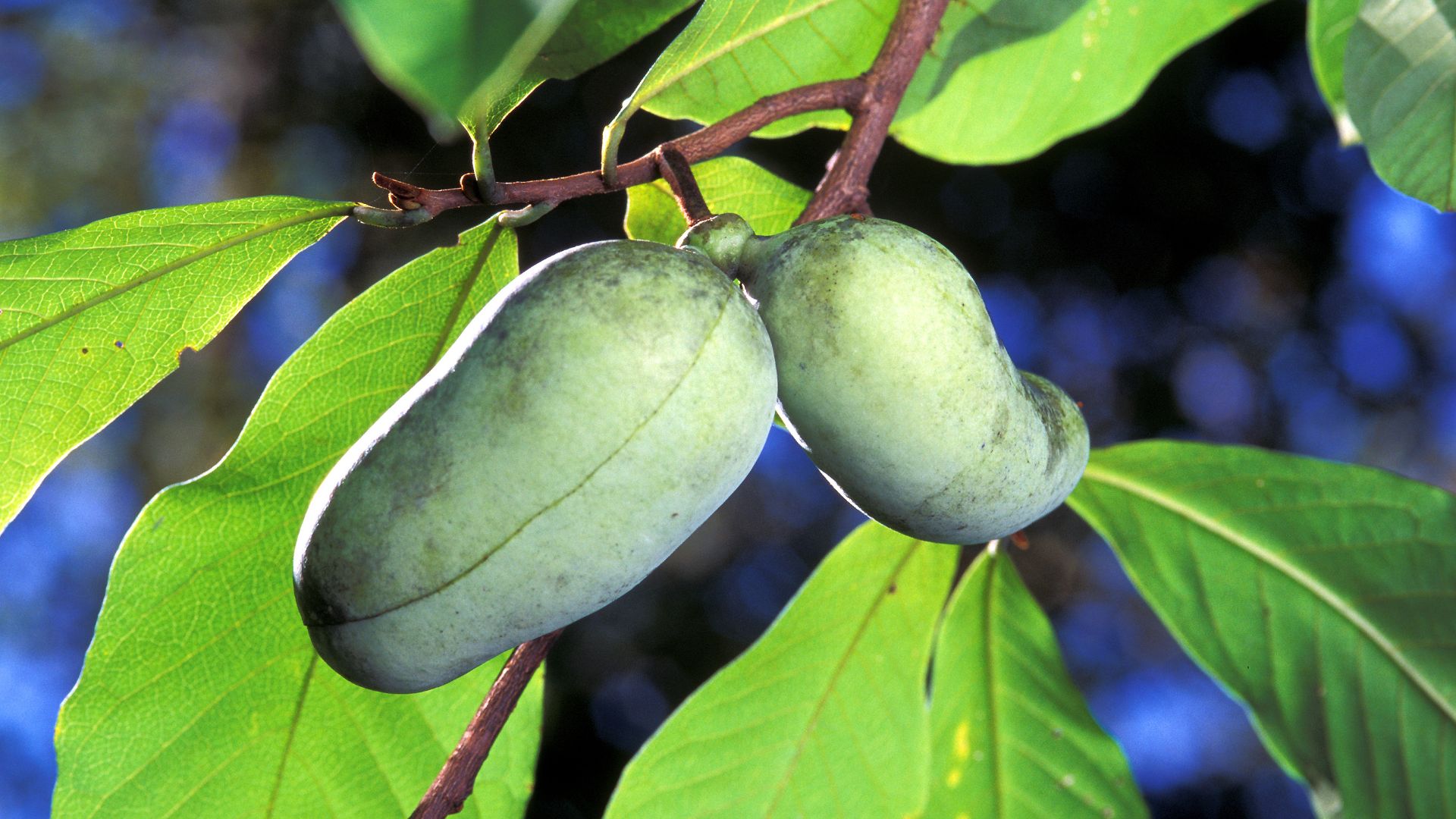 Scott Bauer, USDA on Wikimedia
3. Boiled Peanuts
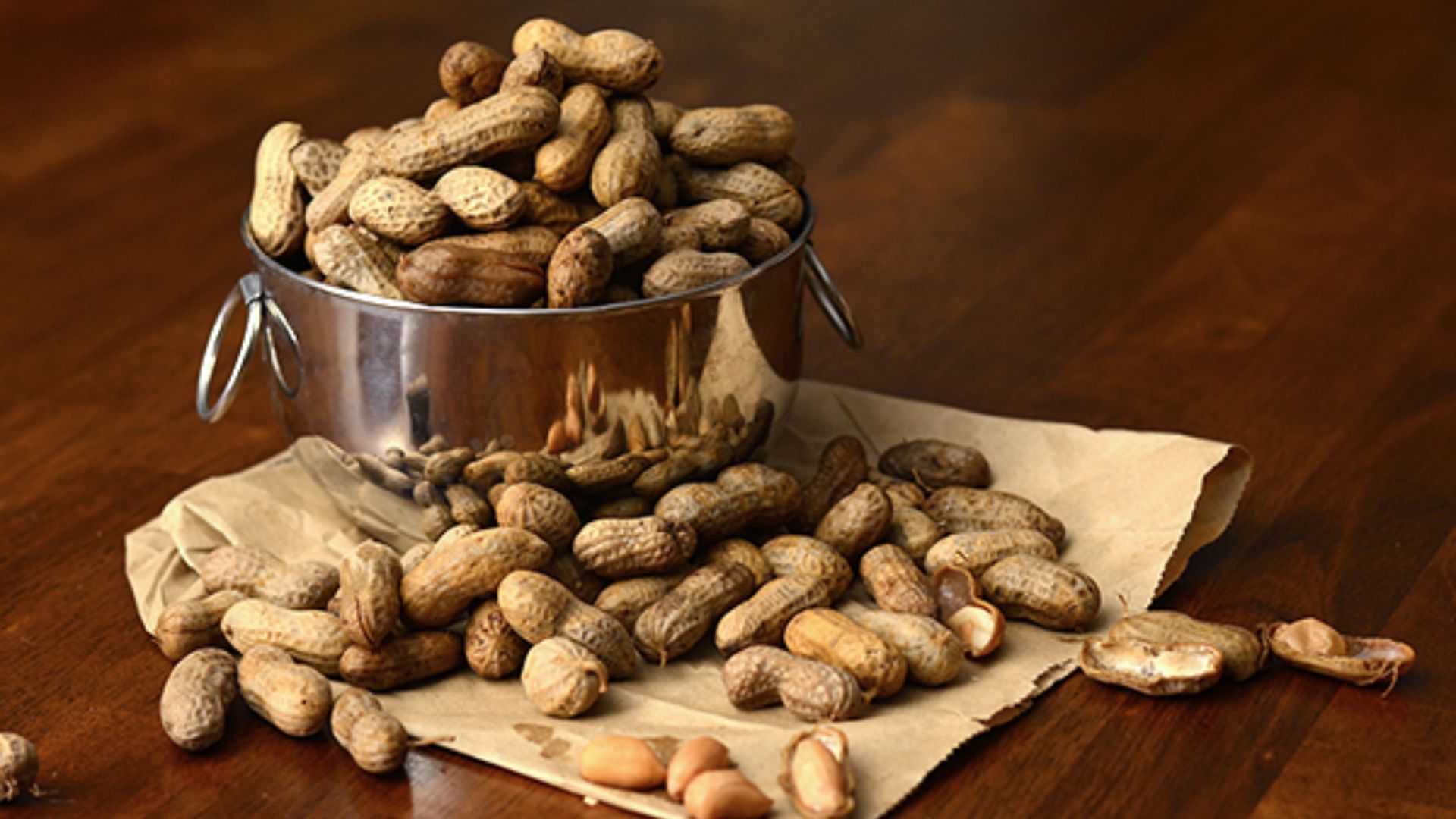
Green peanuts sit in salted water until the shells soften and the insides turn into something closer to a bean. Drivers in the Lowcountry buy them by the cup at roadside stands. South Carolina made them its state snack, and the rest of the country still assumes peanuts come roasted.
4. Burgoo
Burgoo is a Kentucky stew cooked in a kettle big enough to feed a church, usually built on mutton. Owensboro treats it as a barbecue side rather than a main. Outside western Kentucky almost nobody has had a bowl.
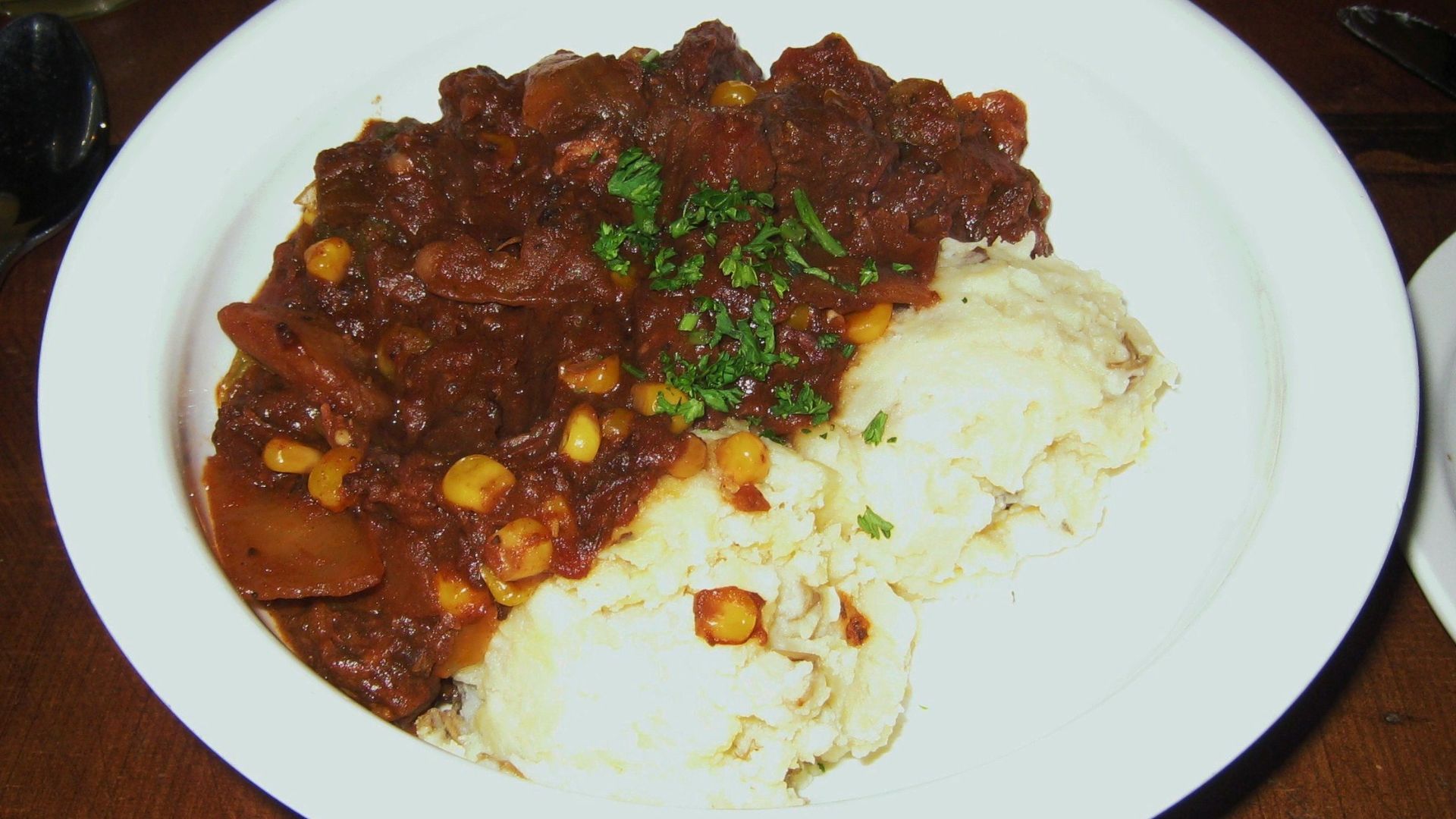
5. Akutaq
Yup'ik cooks whip animal fat until it goes light and airy, then fold in berries. The mixture keeps through a long winter and carries easily, which is why it exists. Seal oil or caribou fat does the work that cream does everywhere else.
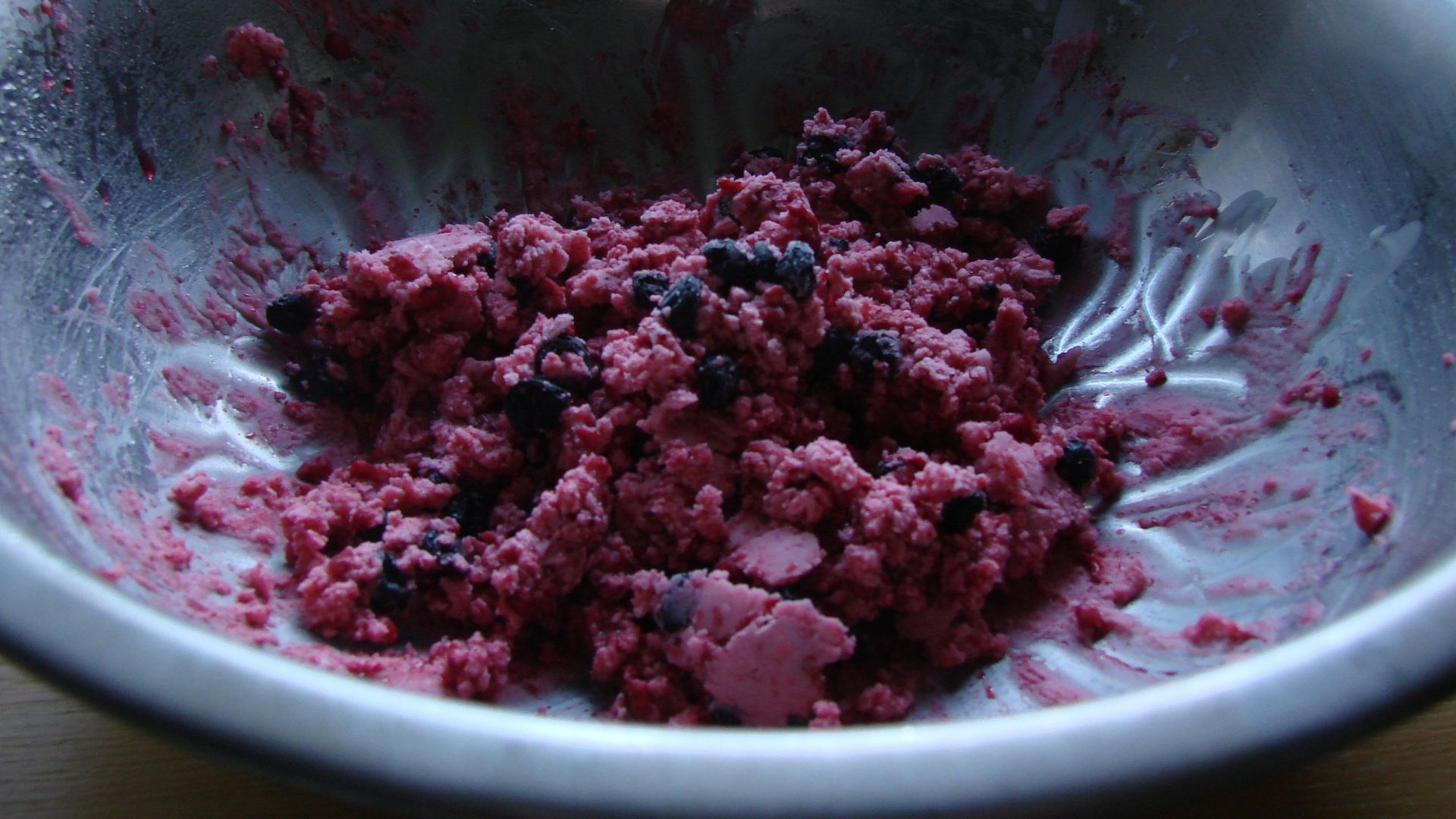
6. Poi
Steamed taro gets pounded with water into a thick purple paste that ferments on the counter. Mainland groceries carry almost none of it, so it stays a Hawaii staple. Fresh poi tastes faintly sweet, and a few days of sitting turns it sour.
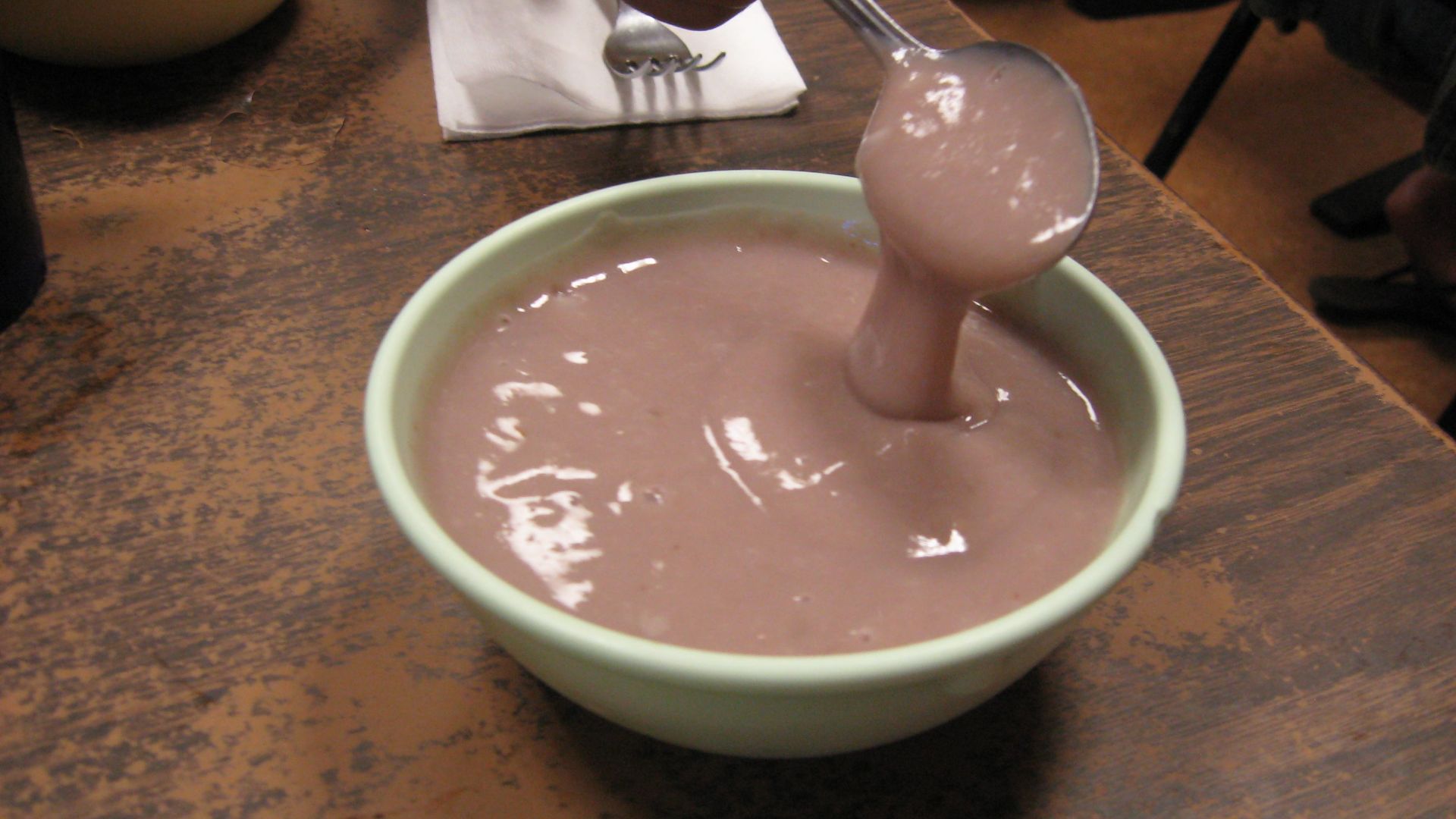
7. Frybread
Frybread came out of government commodity rations after Indigenous communities were moved onto land where their crops would not grow. Flour and lard in a hot pan produce a chewy disc strong enough to hold beans and chili. Plenty of people meet it first at a powwow, folded over as a Navajo taco.
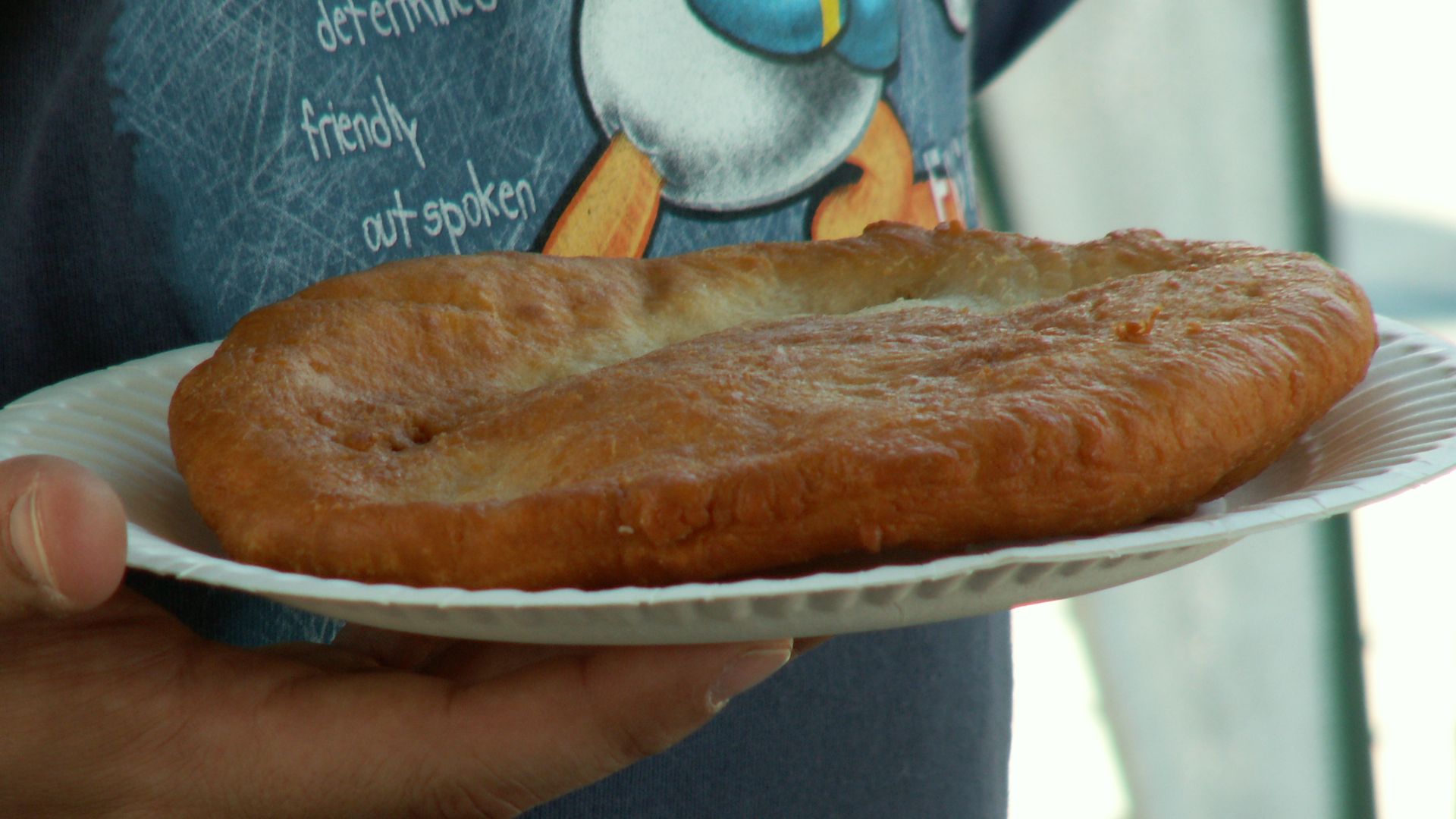
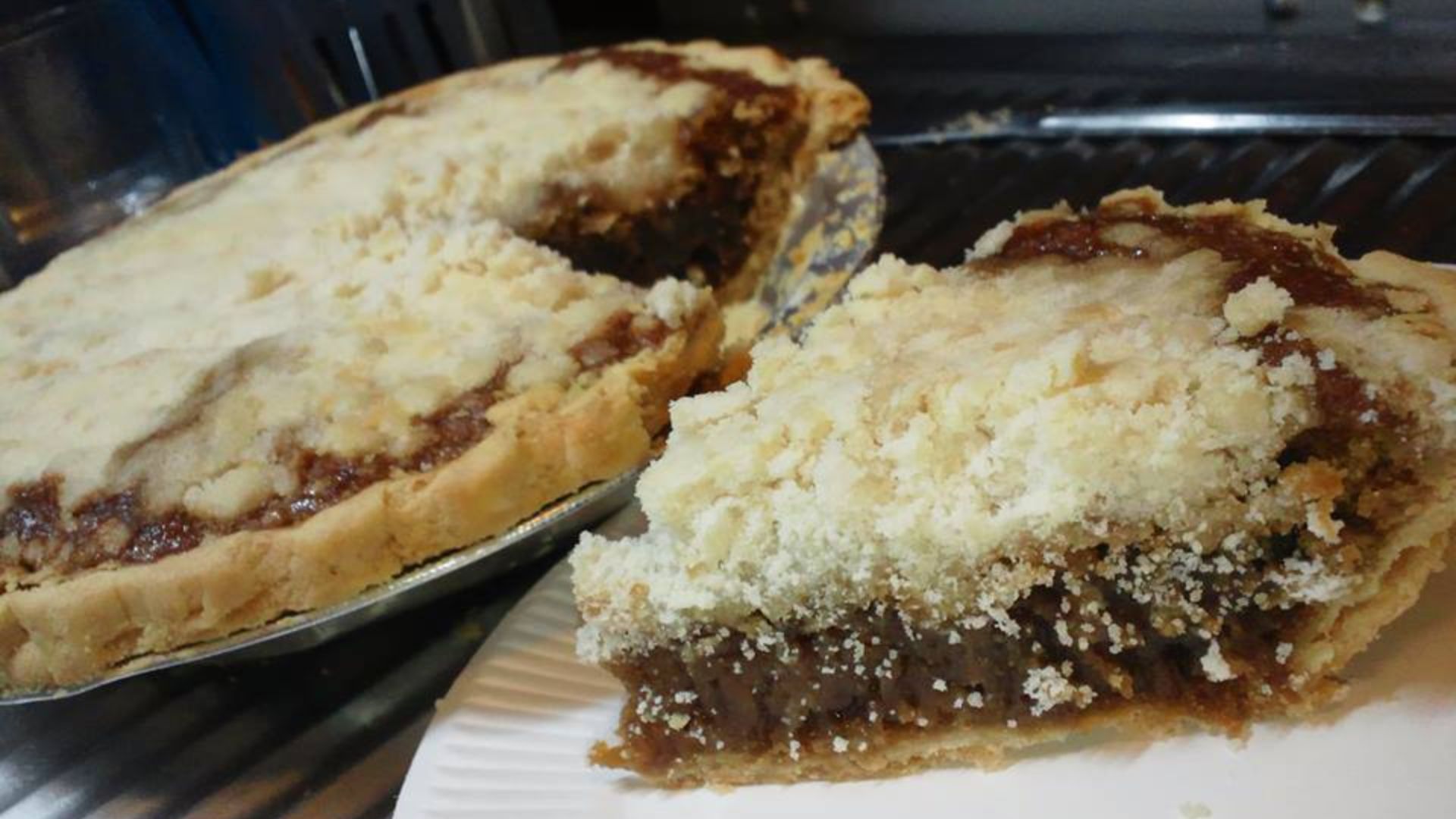
8. Shoofly Pie
Molasses and brown sugar bake into a crumb-topped pie that stays wet at the bottom when it is made the old way. Farm stands and church sales across Pennsylvania Dutch country sell it year round. It barely registers as dessert outside that stretch of the state.
9. Garbage Plate
A Rochester plate starts with home fries and macaroni salad, then takes two cheeseburger patties and a ladle of meat hot sauce. The original shop owns the name, so competitors sell the same pile under invented ones.
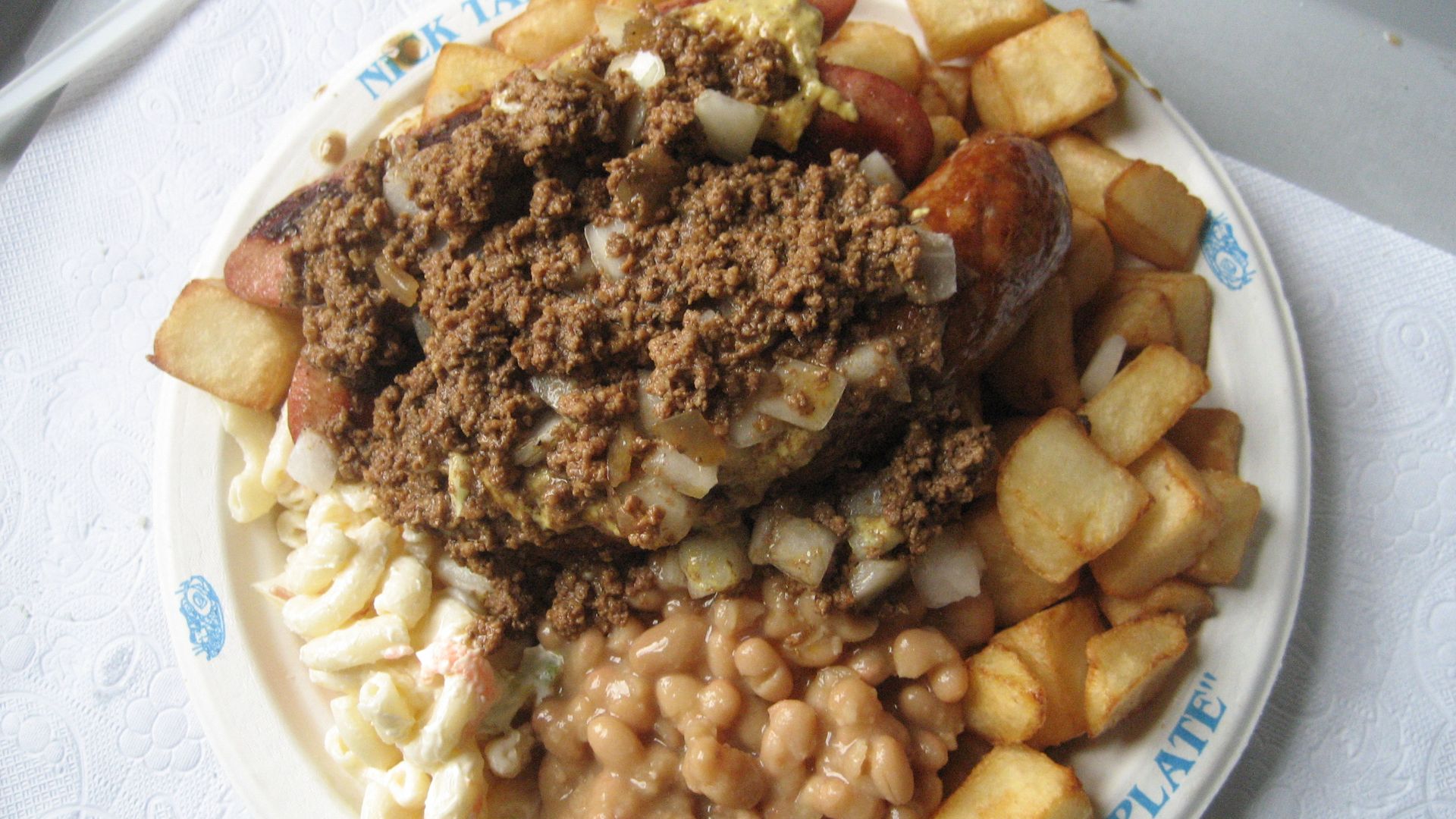 Eugene Peretz from Northampton, MA, USA on Wikimedia
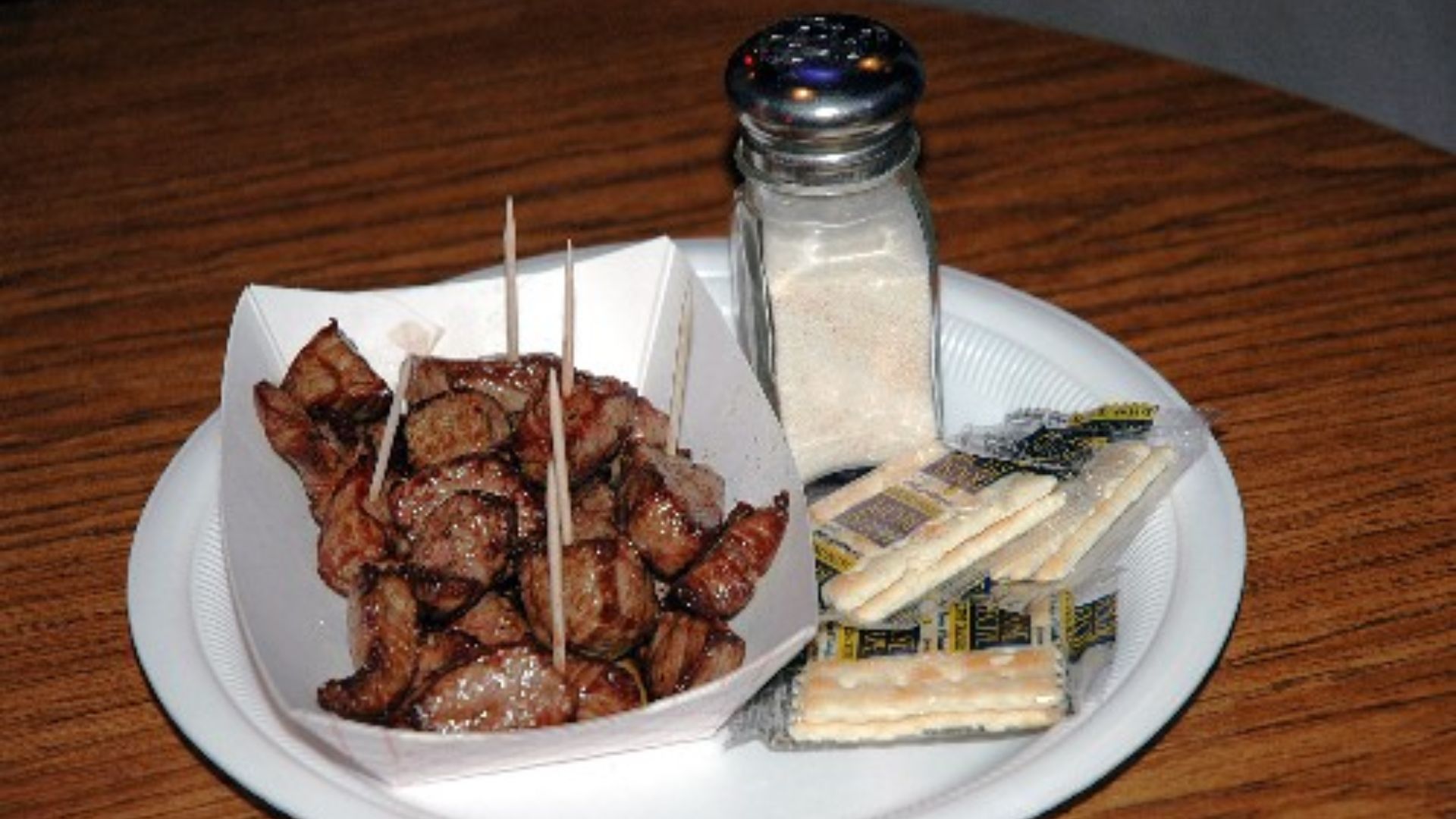
10. Chislic
South Dakota named chislic the official state nosh, which indicates how seriously the place takes it. Cubes of mutton or lamb go into hot oil and come out with saltine crackers alongside. German Russian settlers brought the dish over and it mostly stayed where they landed.
11. Pasties
Pasties reached the copper country of Michigan with Cornish miners, who needed lunch that survived a shift underground. Rutabaga in the filling marks a real one. Gas stations in the Upper Peninsula keep them in warmers all day.
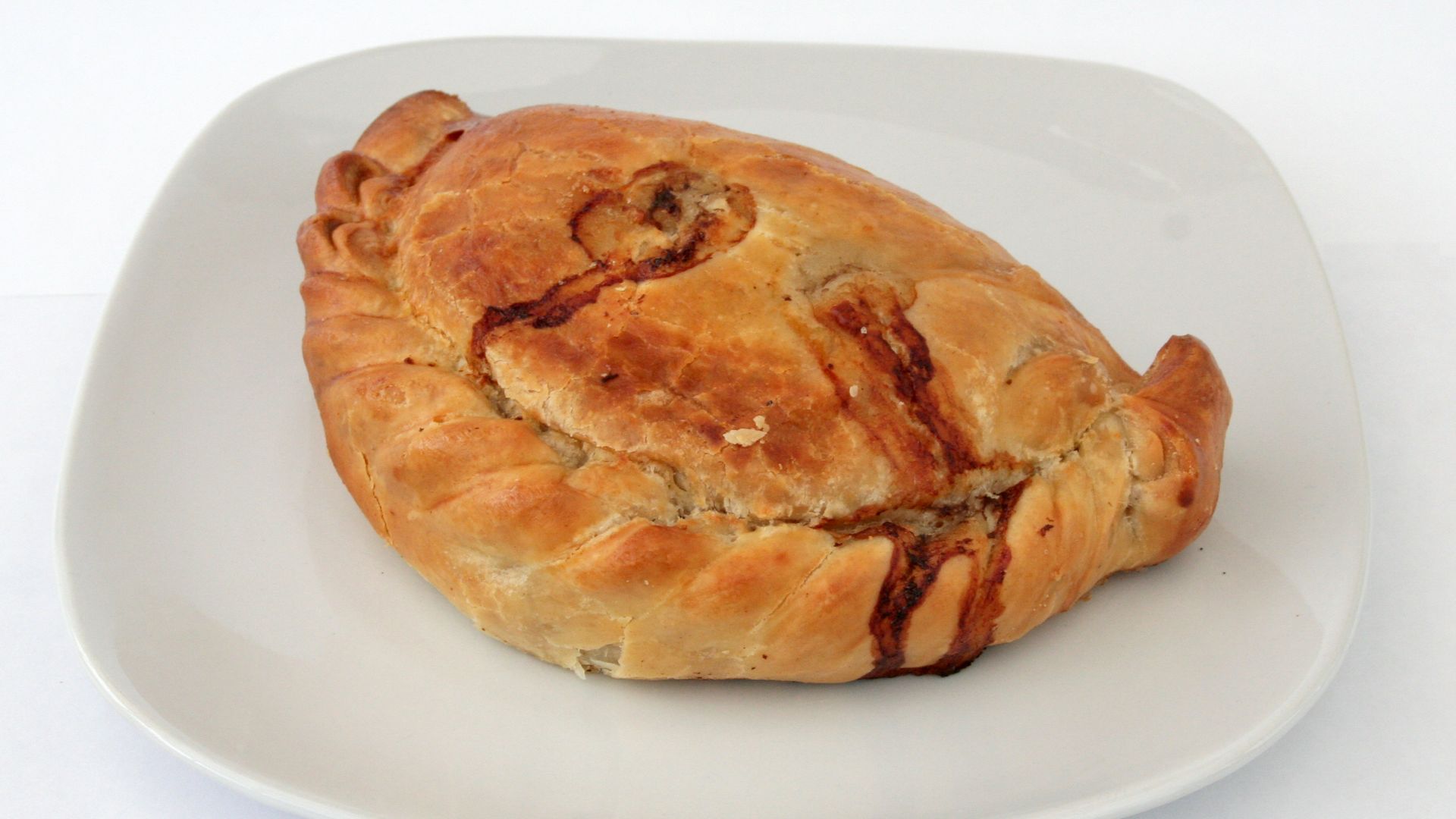 David Johnson [1] on Wikimedia
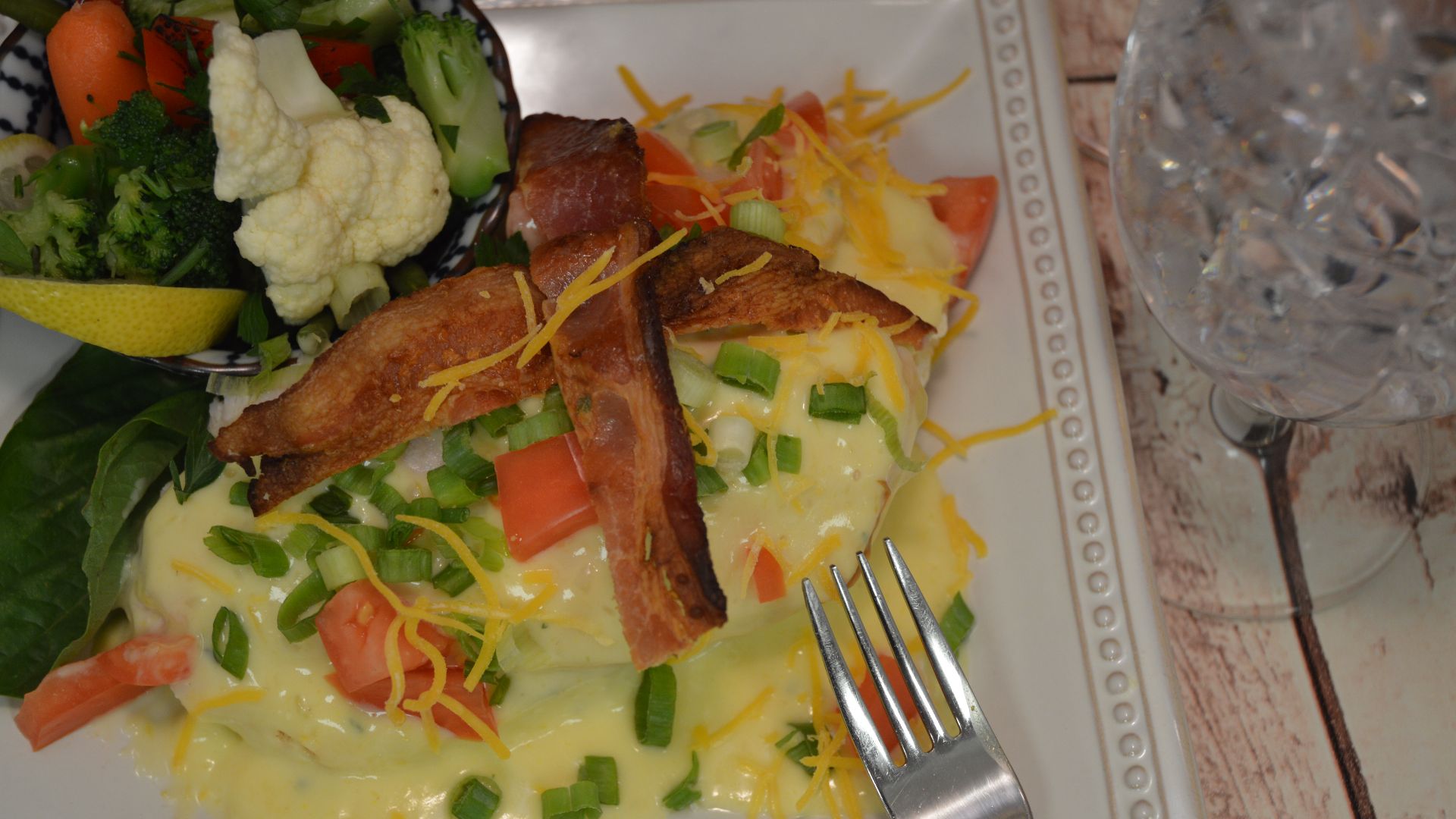
12. Hot Brown
A Louisville hotel put the hot brown together in the 1920s for guests who wanted something after the dancing. Turkey goes on toast under a heavy Mornay sauce, with bacon and tomato added before the plate hits a broiler. Louisville still serves it and the recipe never traveled.
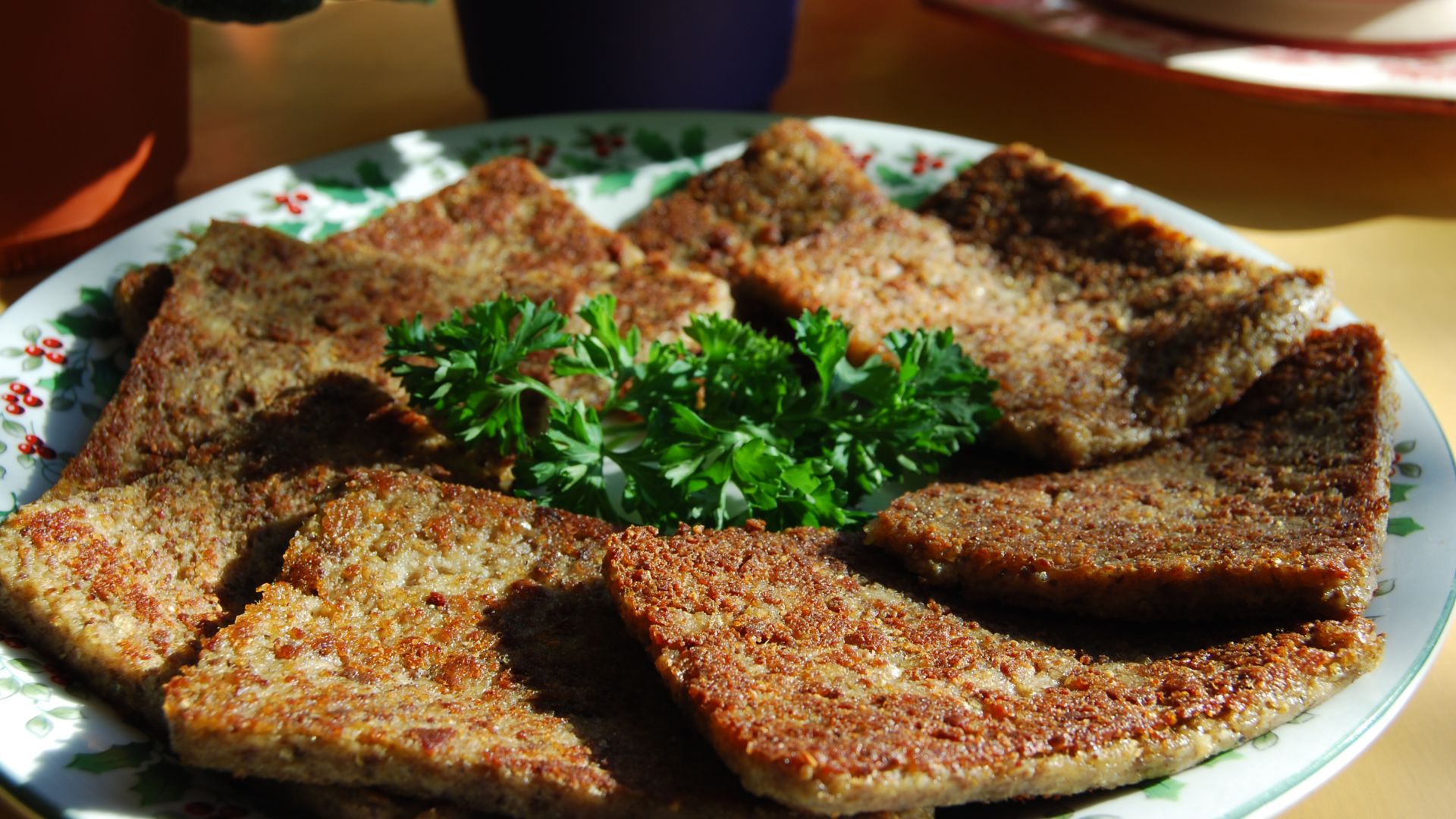
13. Livermush
Pork liver and cornmeal get pressed into a block, then fried in slices for a biscuit. Grocery cases in western North Carolina stock several brands of it. Towns there hold festivals for the stuff every year.
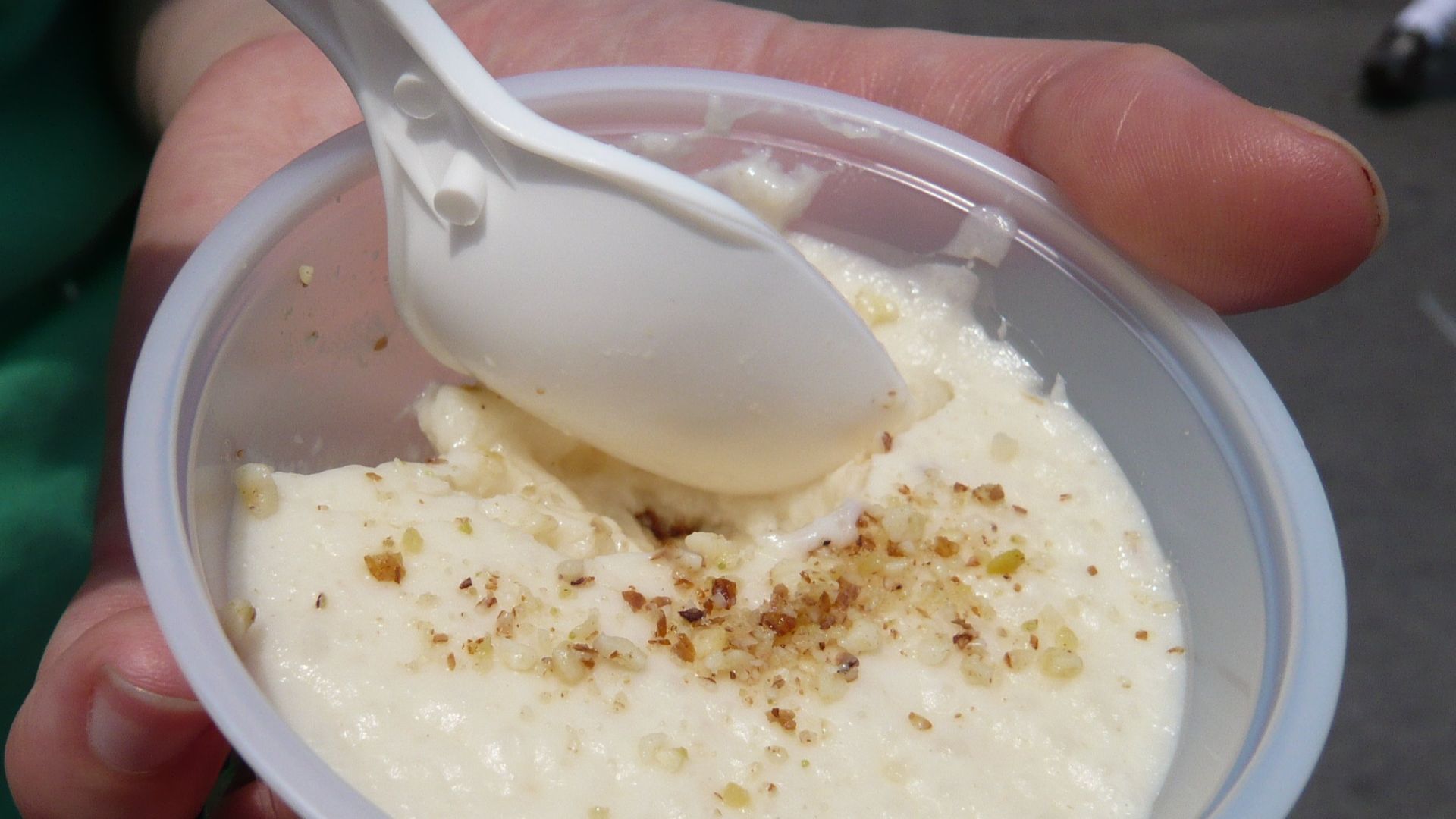
14. Indian Pudding
Colonial New England baked cornmeal and molasses slowly until the mixture set into something between custard and porridge. A few old taverns in Boston still serve it warm with ice cream. The recipe predates the country and almost nobody alive has tasted it.
 commons.wikimedia.org on Google
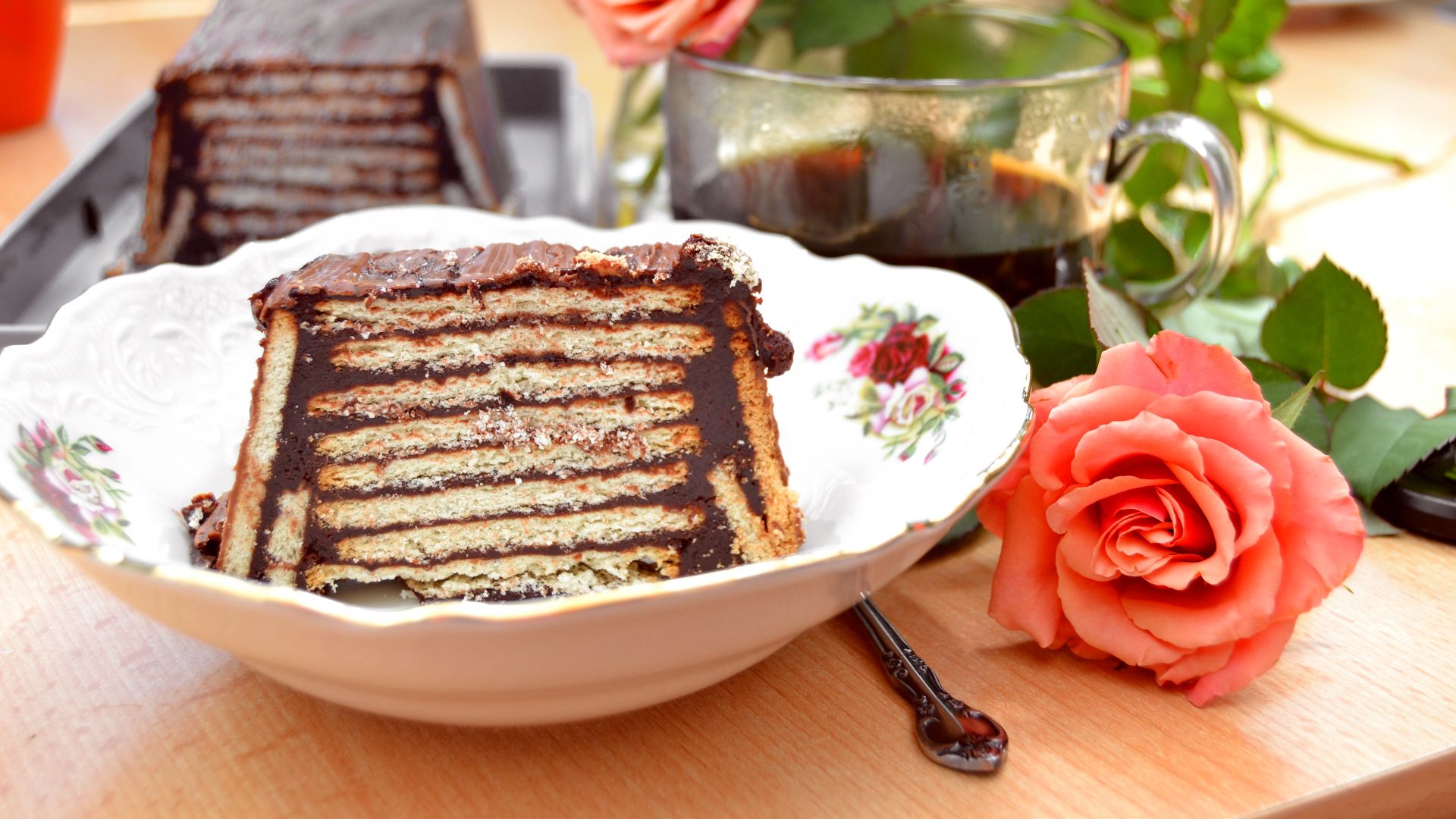
15. Smith Island Cake
Maryland's official state dessert comes from a shrinking Chesapeake island and stacks eight to ten thin layers with fudge between them. Watermen's wives built the cake tall so it would survive a long day on the water. Getting one now usually means paying to have it shipped.
16. Gooey Butter Cake
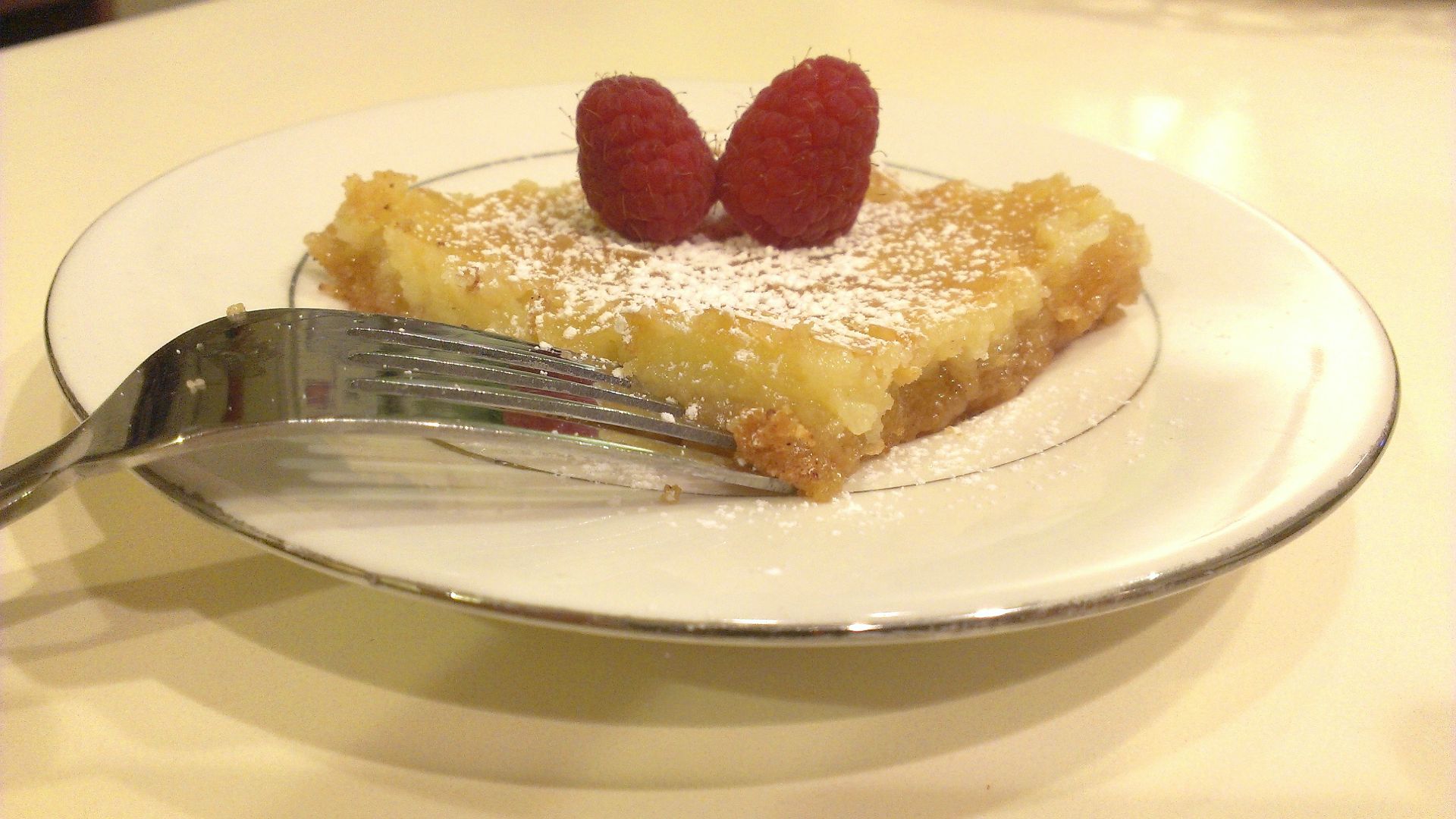
A St. Louis baker got the proportions wrong on a coffee cake and ended up with a dense slab that never sets in the middle. Bakeries there have sold it ever since. Ask for a slice in another city and you get a blank look.
17. Pepper Pot Soup
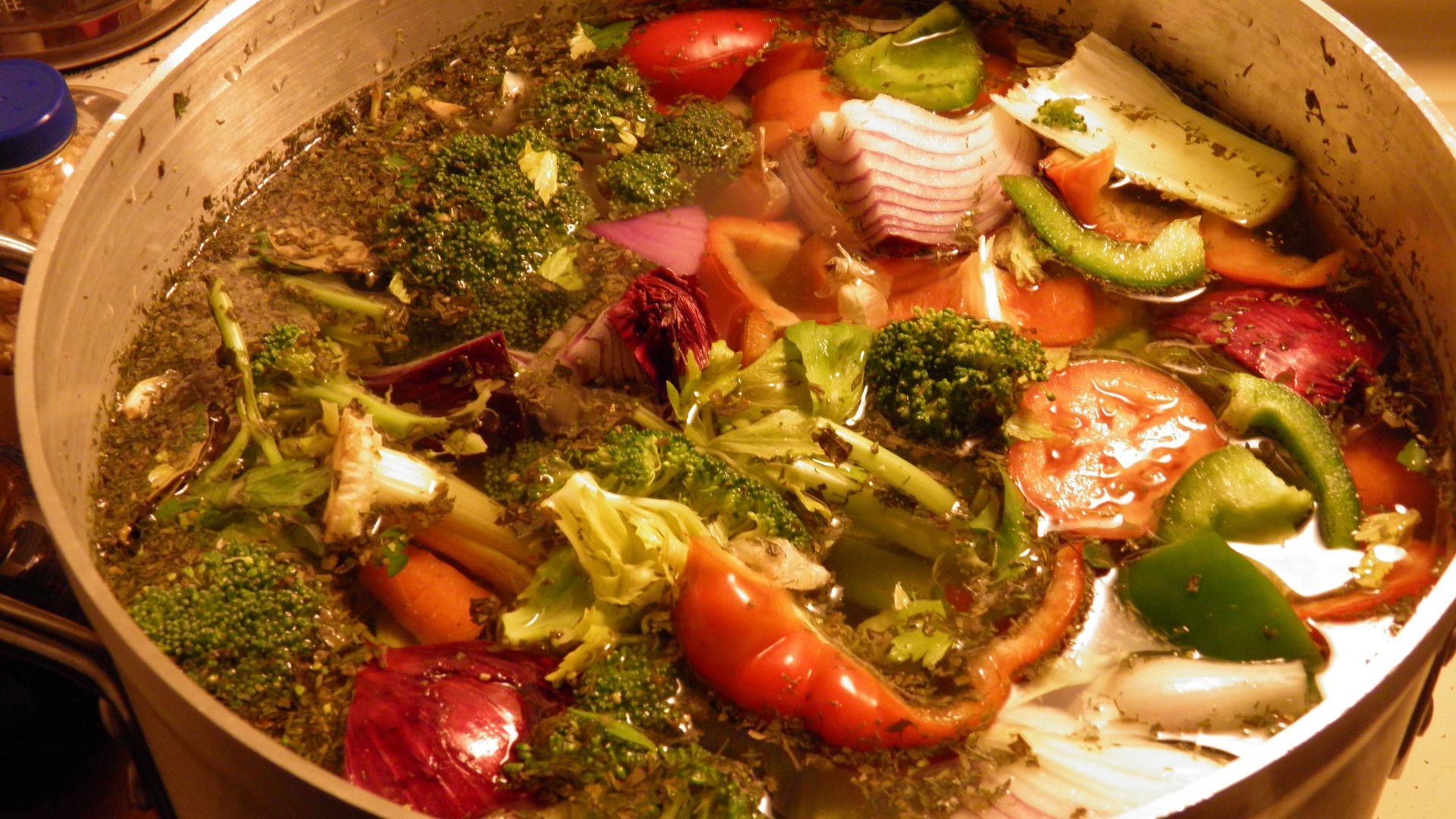
Philadelphia street vendors sold pepper pot by the bowl for generations, calling it out as they walked. The soup is tripe and peppercorns in a thick broth, a harder sell now than it was then. Some long-running places in the city keep it on.
 Michael W. Kolton (Talk) on Wikimedia
18. Rocky Mountain Oysters
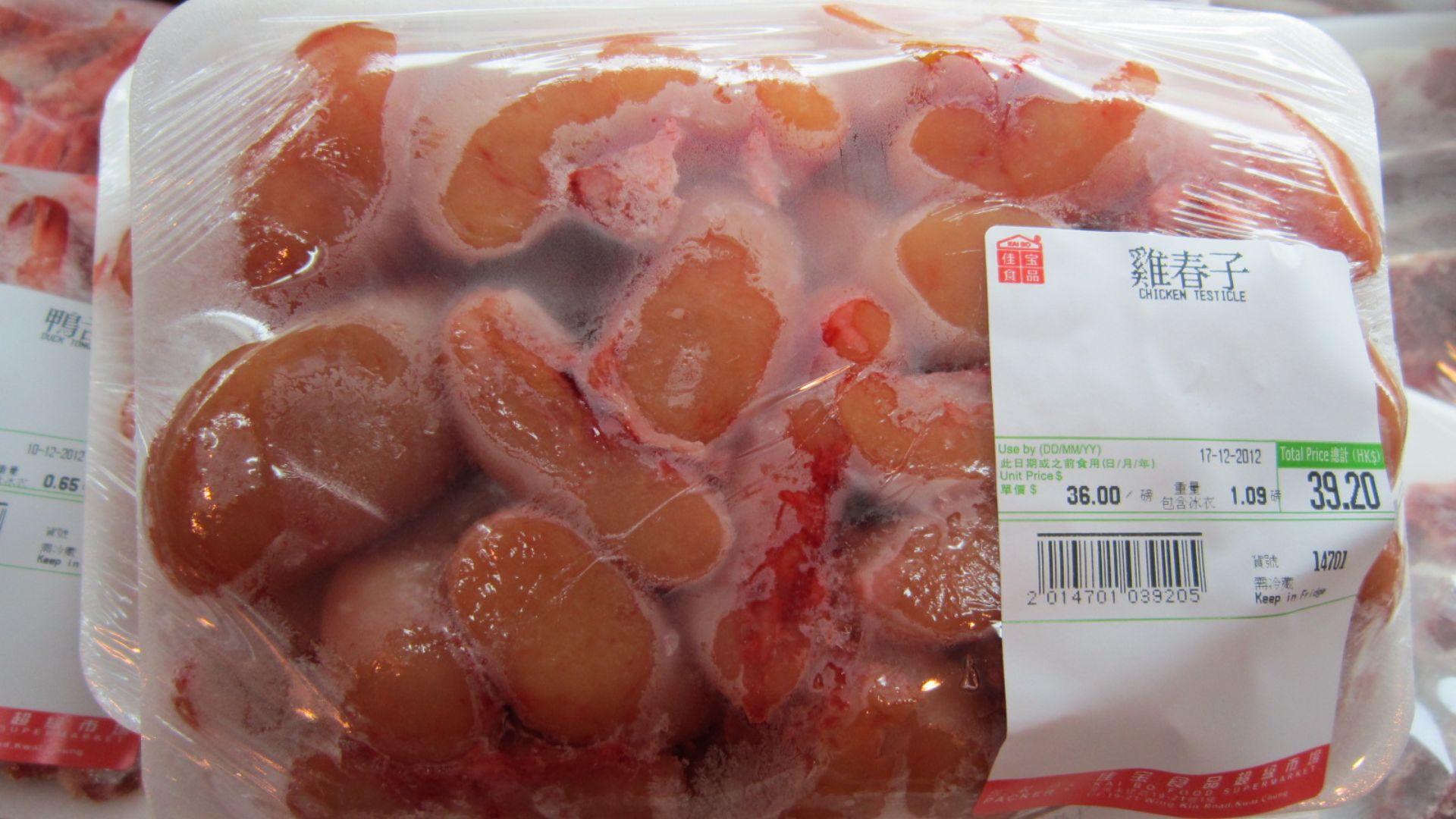
Branding season leaves ranchers with a bucket of bull calf testicles, and frying them in batter is the practical answer. Mountain West bars serve them with cocktail sauce, and one Montana town runs a festival. Most Americans have never been offered one.
19. Calas
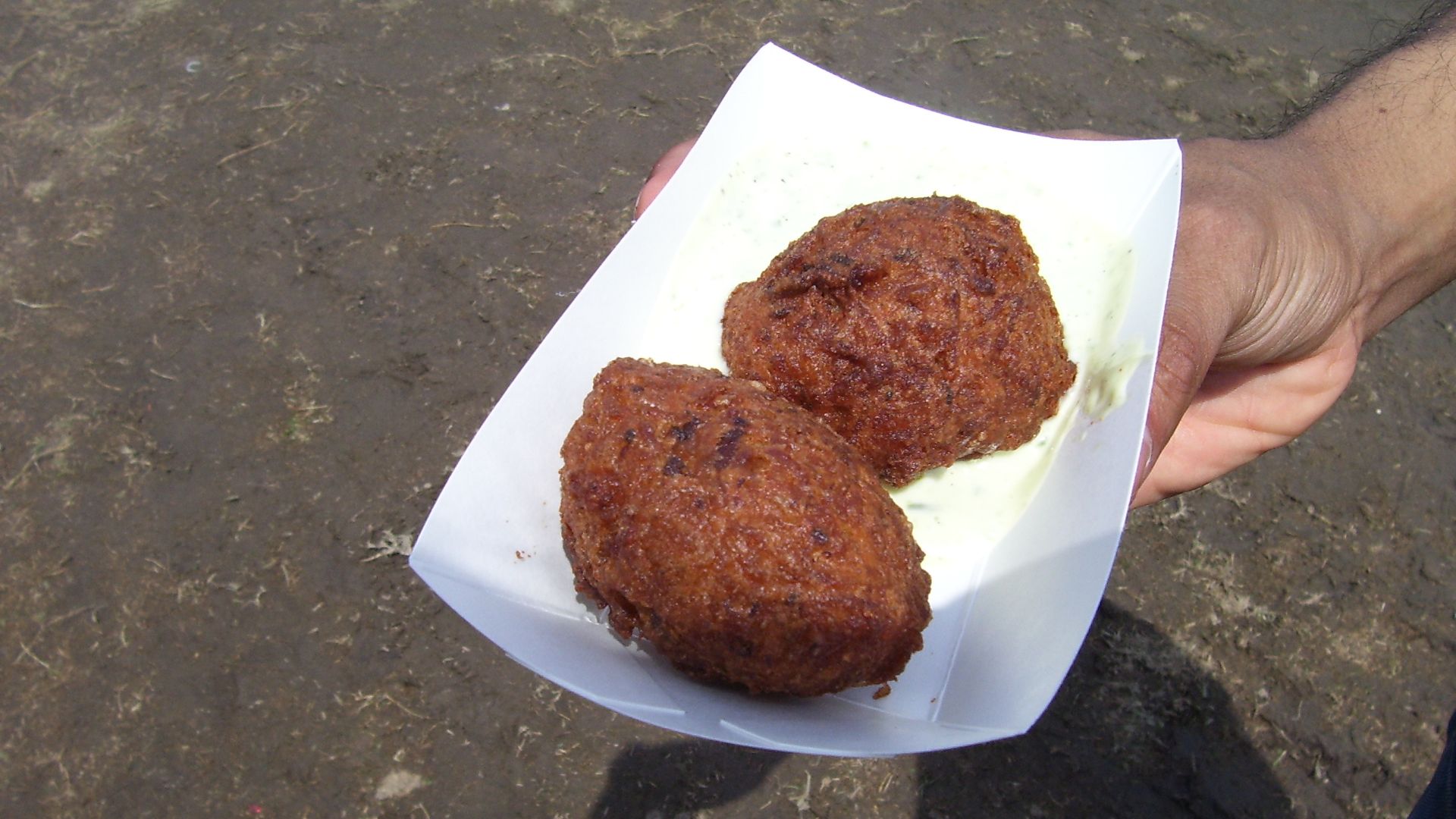
Creole women carried baskets of calas through the French Quarter at dawn, selling warm fritters to churchgoers. The recipe turns leftover rice into a sweet fritter under powdered sugar. Only a handful of New Orleans kitchens still make them.
20. Runza
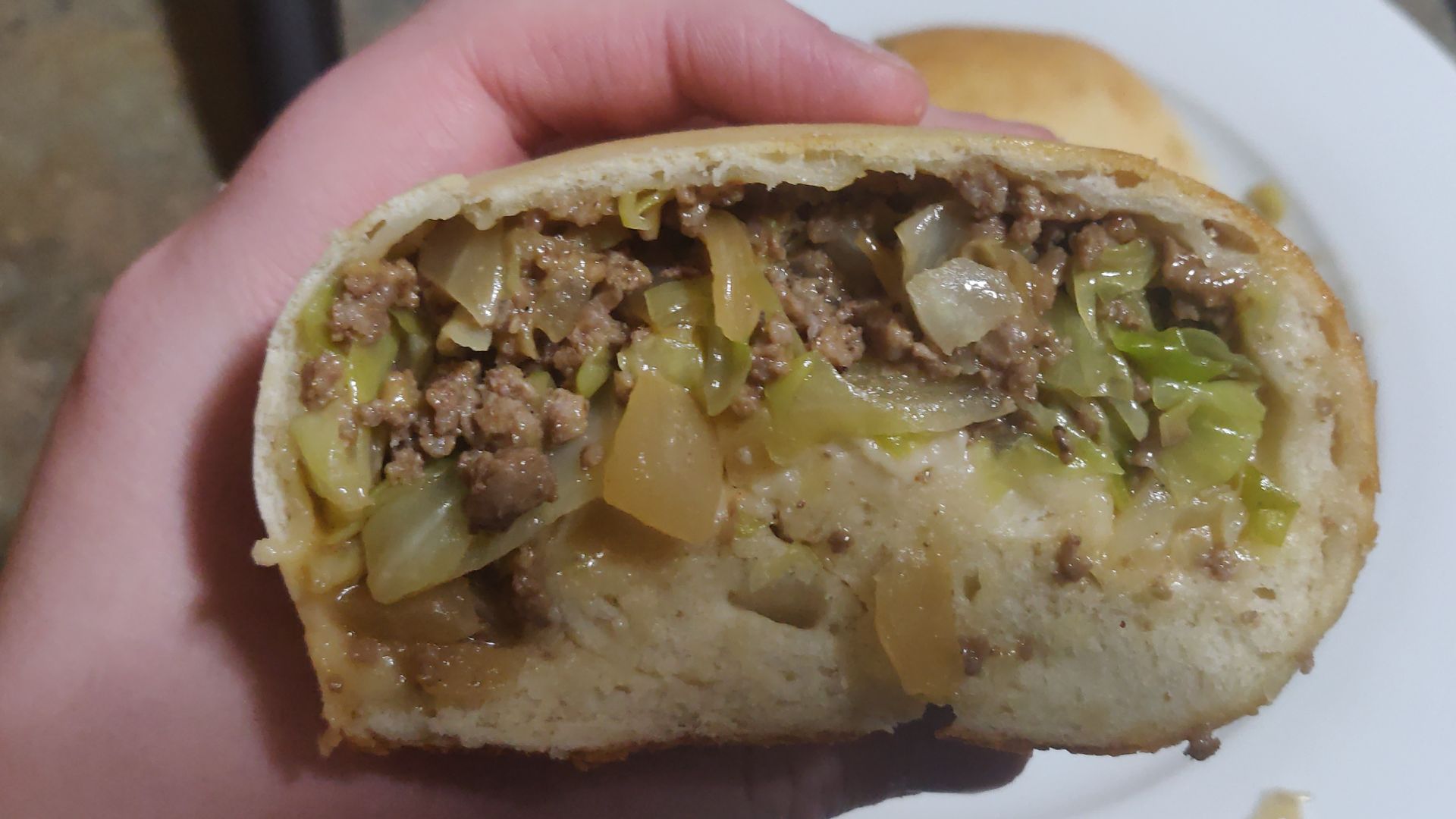
Volga German settlers brought a beef and cabbage pocket to Nebraska, where a local chain trademarked the name. The dough stays soft and onion does most of the seasoning. A drive through Lincoln is the realistic way to try one.
 InDefenseOfToucans on Wikimedia
KEEP ON READING
Happy Hour: The 20 Best Foods For Social Snacking
How Greek Farmers Harvest Edible Crystals From Trees