Lost In Translation, Aisle By Aisle
American food companies rarely export a product unchanged. Recipes change to suit local tastes, and familiar names disappear when someone else owns the trademark. Sometimes regulators object to what's on the label, and sometimes a chain misjudges the market badly enough to leave altogether. Here are 20 American foods that went overseas and came back looking nothing like the originals.
1. Subway's Bread Isn't Legally Bread In Ireland
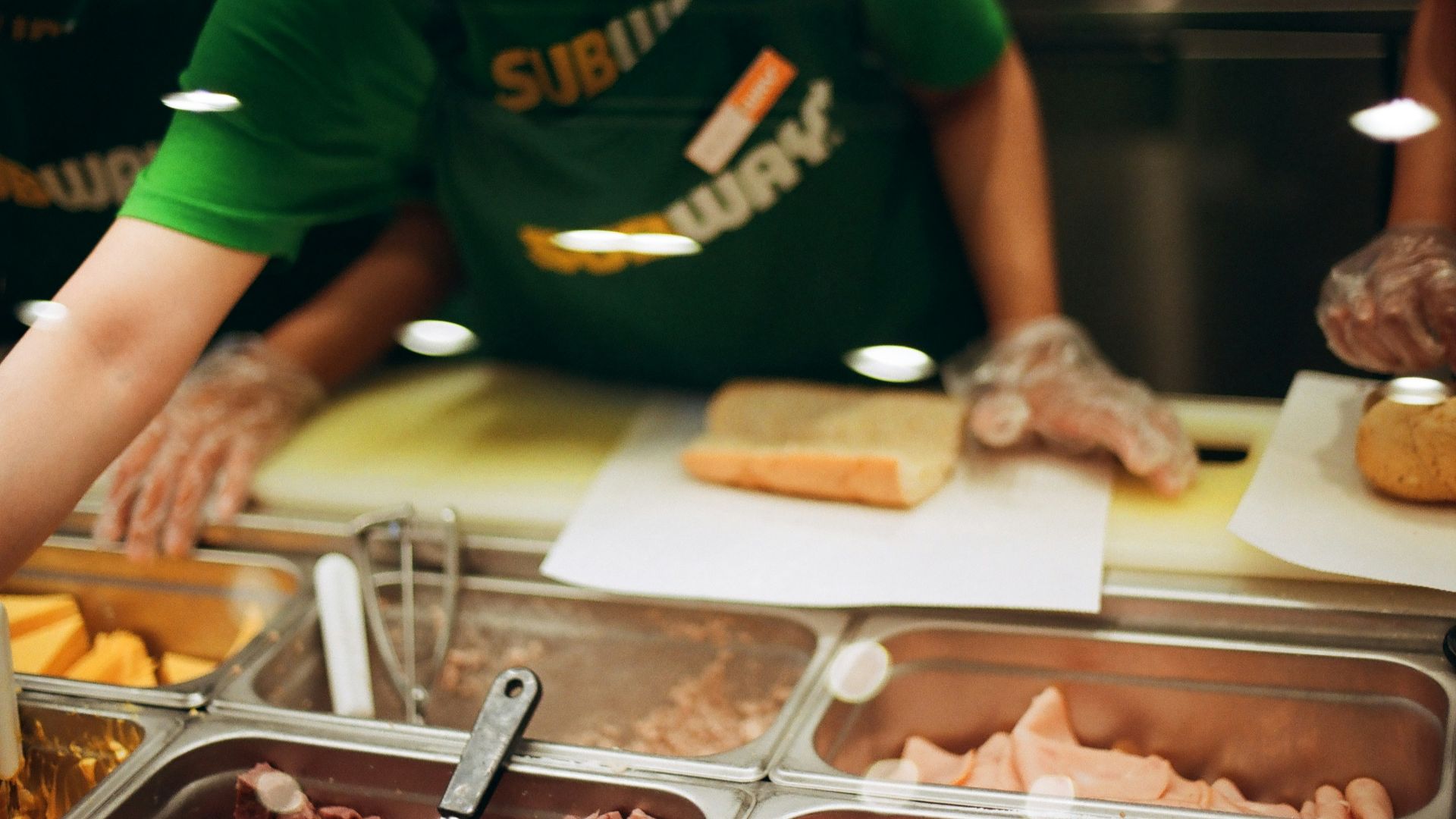
Ireland's Supreme Court settled a 14-year tax dispute in 2020 by ruling that Subway's rolls contained too much sugar to qualify as bread under Irish tax law. Sugar accounted for 10 percent of the flour's weight, five times the 2 percent ceiling for bread treated as a staple food. The ruling didn't stop Subway from calling its rolls bread, but it did exclude them from the tax exemption.
2. Starbucks Closed Most Of Its Australian Stores
Sixty-one of 84 Australian stores closed inside a single month in mid-2008, taking 685 jobs and A$143 million with them. Starbucks had opened in Sydney in 2000 and expanded in clusters, the way it had at home. Twenty-three outlets survived, mostly on prime city corners.
3. Israel Made Heinz Relabel Its Ketchup as Tomato Seasoning
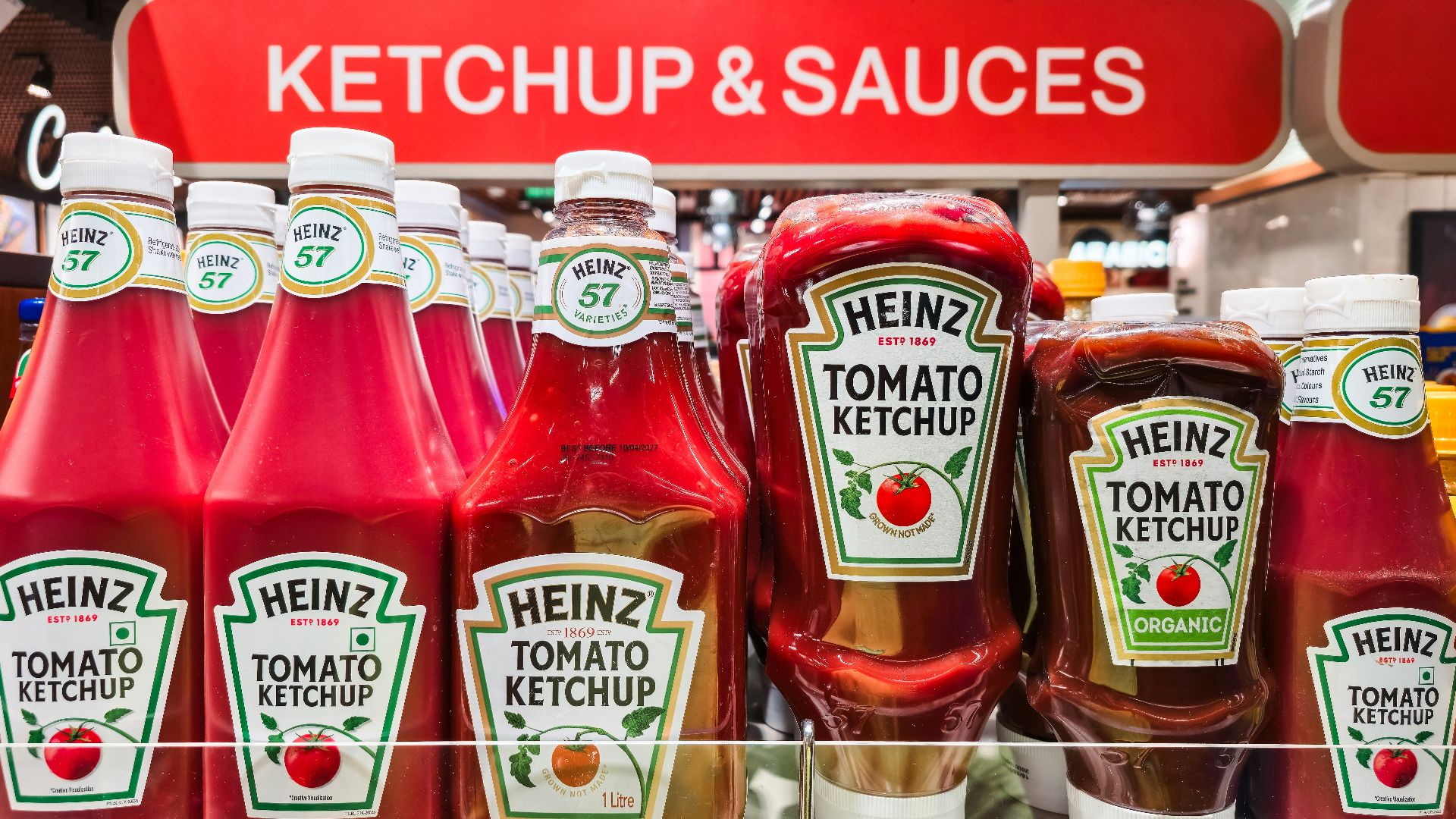
In 2015, Israel's Health Ministry ruled that Heinz ketchup didn't contain enough tomato solids to qualify as ketchup under local standards. The complaint came from Osem, the country's leading ketchup maker, which commissioned tests claiming Heinz contained just 21 percent tomato paste against the 61 percent listed on the bottle.
4. Iceland's Last McDonald's Meal Sits In A Glass Case
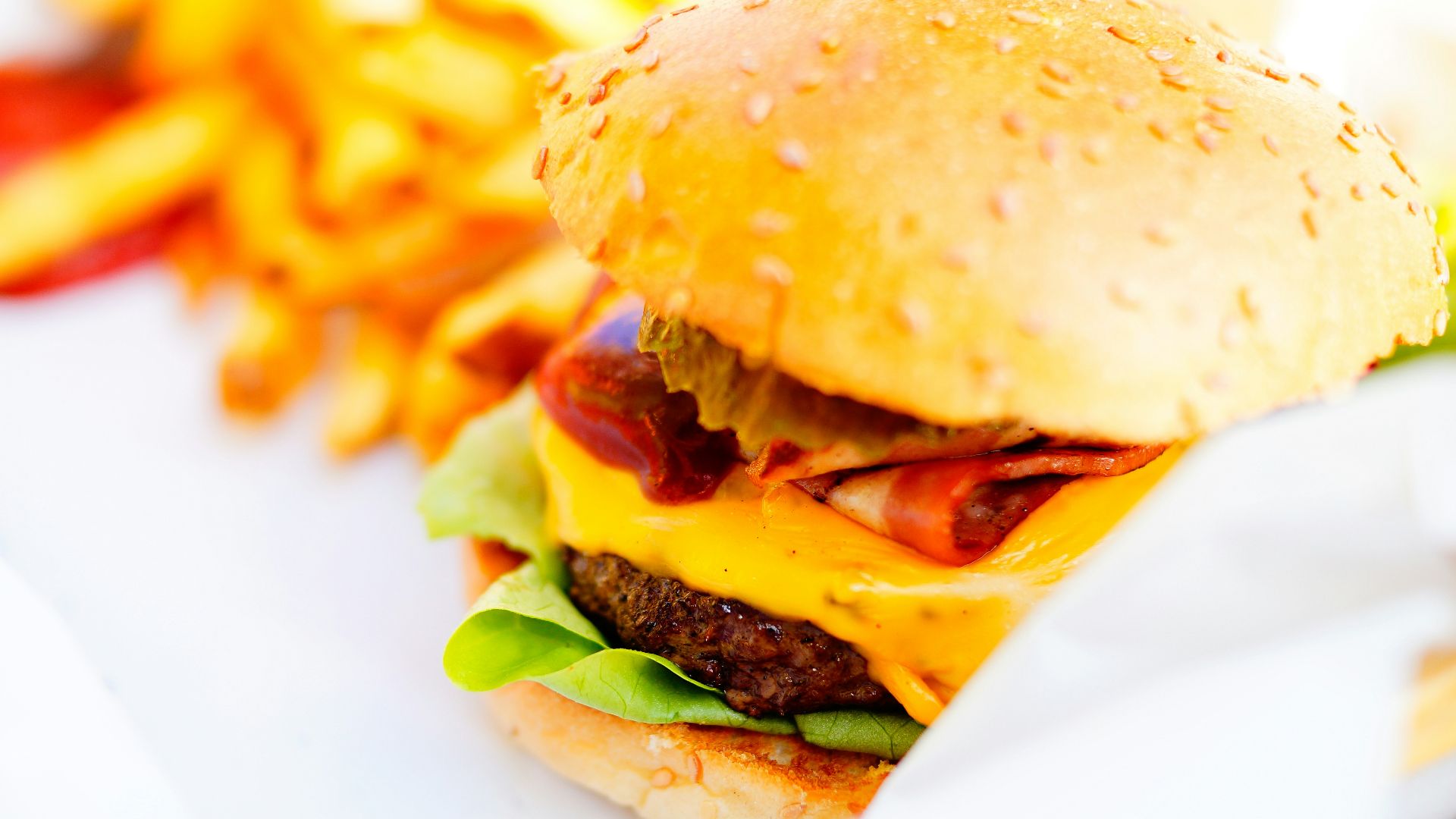
A McDonald's cheeseburger and fries bought on October 30, 2009, still sit in a display case at a hostel in southern Iceland, looking much as they did when they were served. McDonald's shut all three of its Icelandic restaurants the following day after the financial crash made imported ingredients too expensive. Hjörtur Smárason bought the meal just before the closures to see how long it would take to decay.
5. Hershey's Chocolate Tastes Sour To Foreign Palates
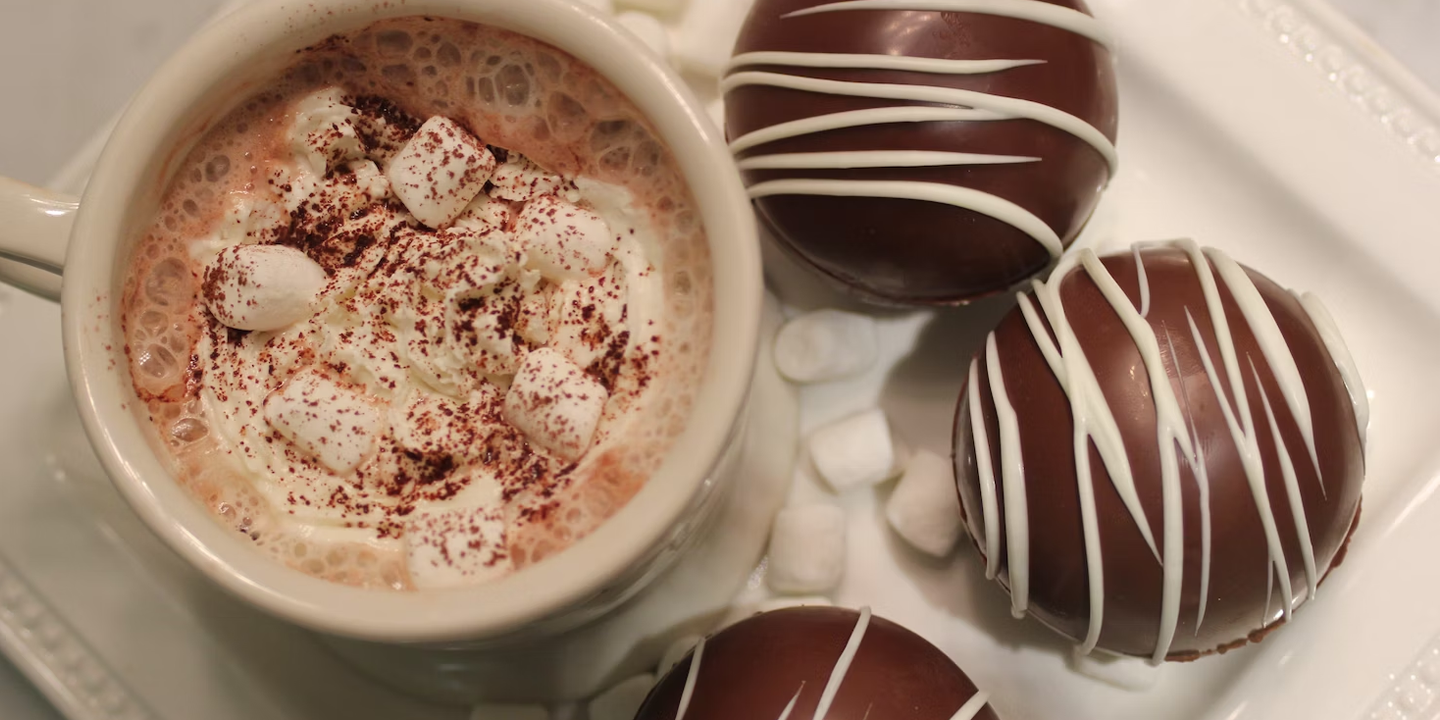
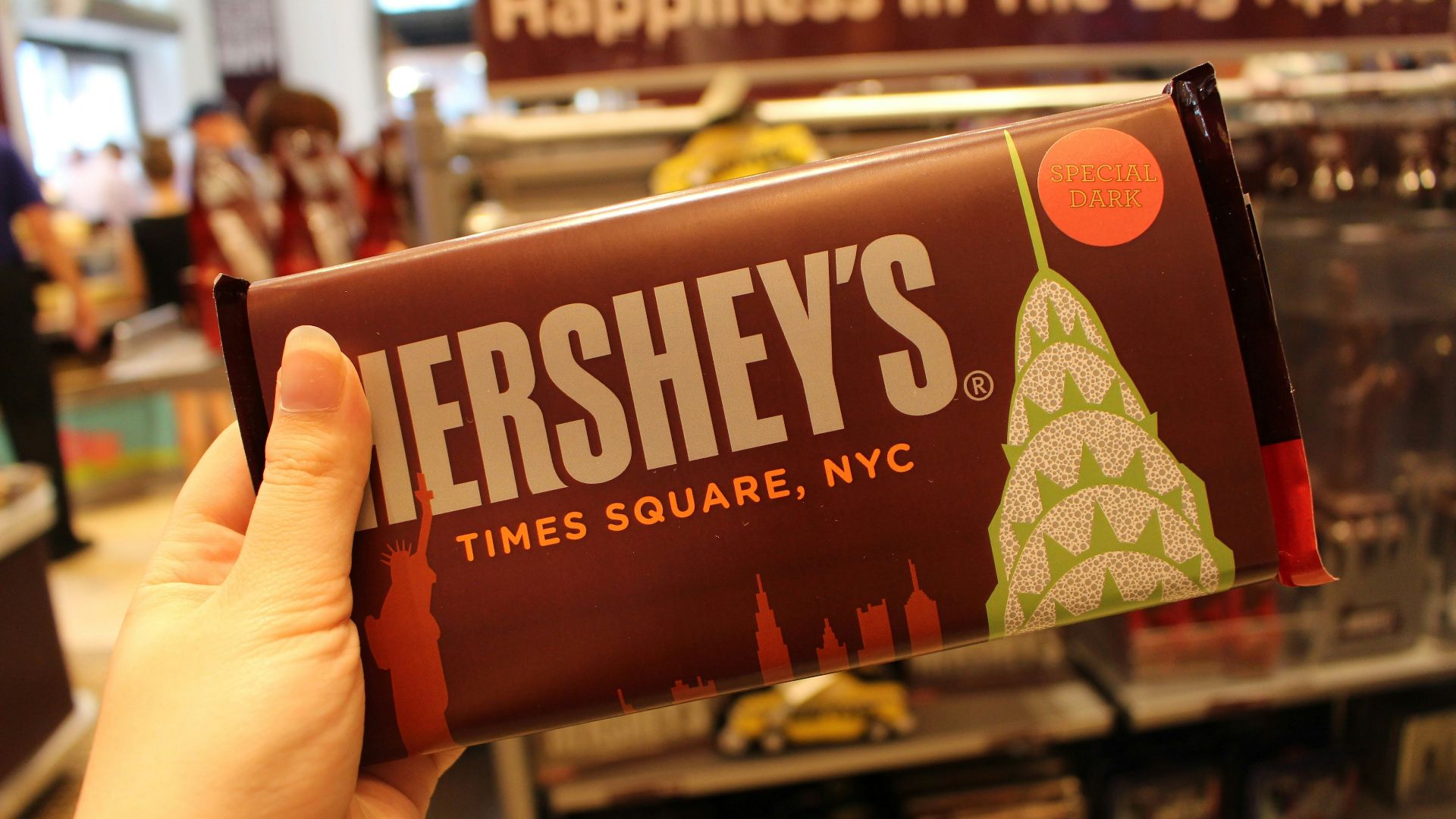
Hershey's milk chocolate has a sour tang that many people outside the United States compare to vomit. The flavor is commonly attributed to butyric acid, a compound also found in rancid butter, and linked to the way Hershey's processes its milk. Americans who grew up eating the chocolate tend to recognize the taste as normal, while newcomers often find it unpleasant.
.
6. Taco Bell Failed In Mexico Twice
Taco Bell has tried to break into Mexico twice and failed both times. Its first attempt, a food cart in Mexico City, closed in 1992. The chain returned in 2007 with a restaurant in Monterrey, adding french fries and soft-serve ice cream to emphasize that it was selling American fast food rather than authentic Mexican cuisine.
7. Kraft Renamed Vegemite iSnack 2.0
iSnack 2.0 won a public contest in 2009 to name Kraft's new Vegemite and cream cheese spread, beating out some 48,000 other entries. Kraft announced it during the AFL Grand Final. Ridicule arrived within hours and the name was scrapped four days later, with about half a million jars already printed.
8. Dasani Lasted 38 Days In Britain
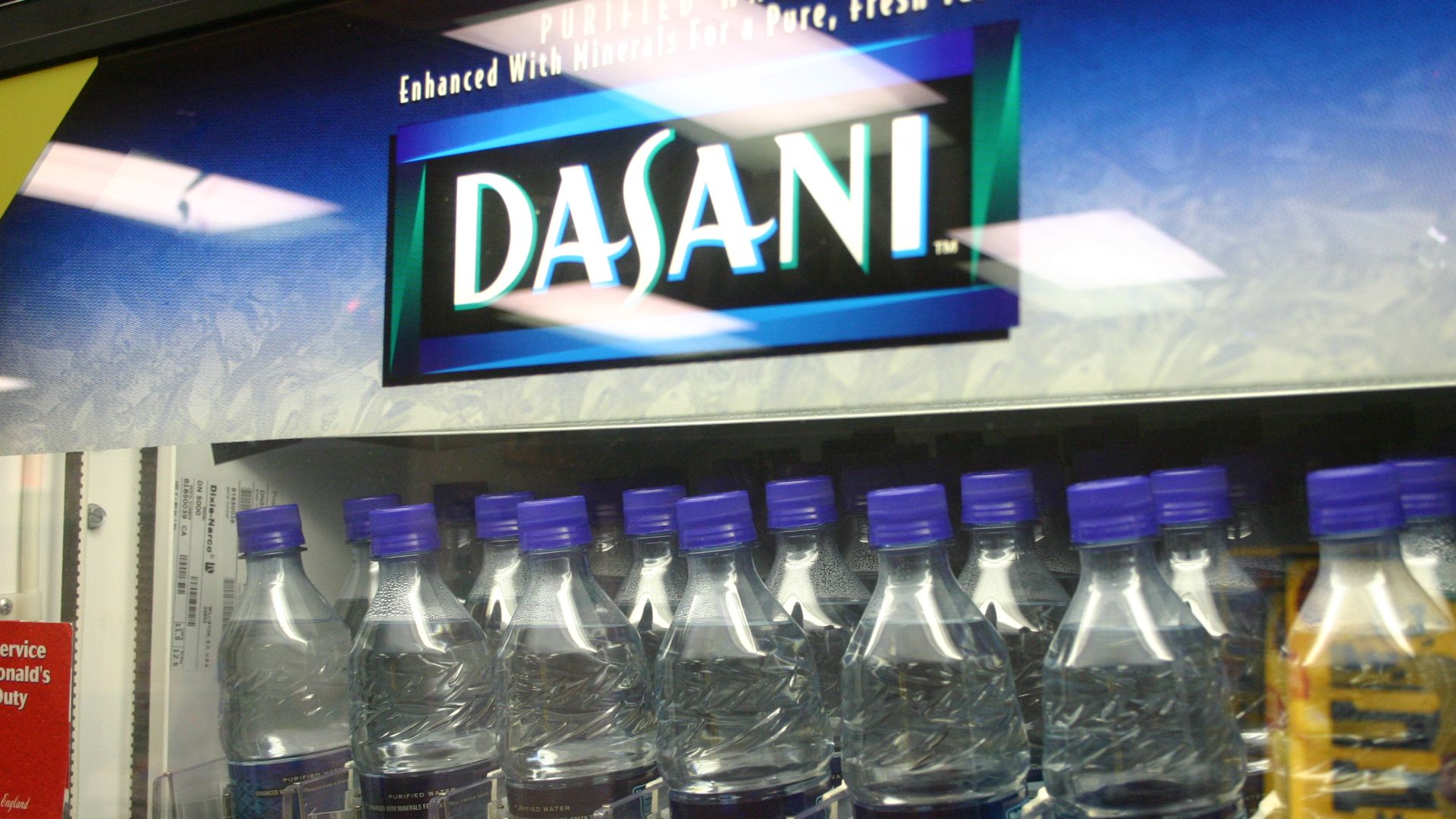
Coca-Cola spent around £7 million launching Dasani in Britain in February 2004, and the press soon reported that the water came from the mains at a plant in Sidcup. Regulators then found a batch with bromate above UK limits. Coke recalled 500,000 bottles and pulled the brand after 38 days.
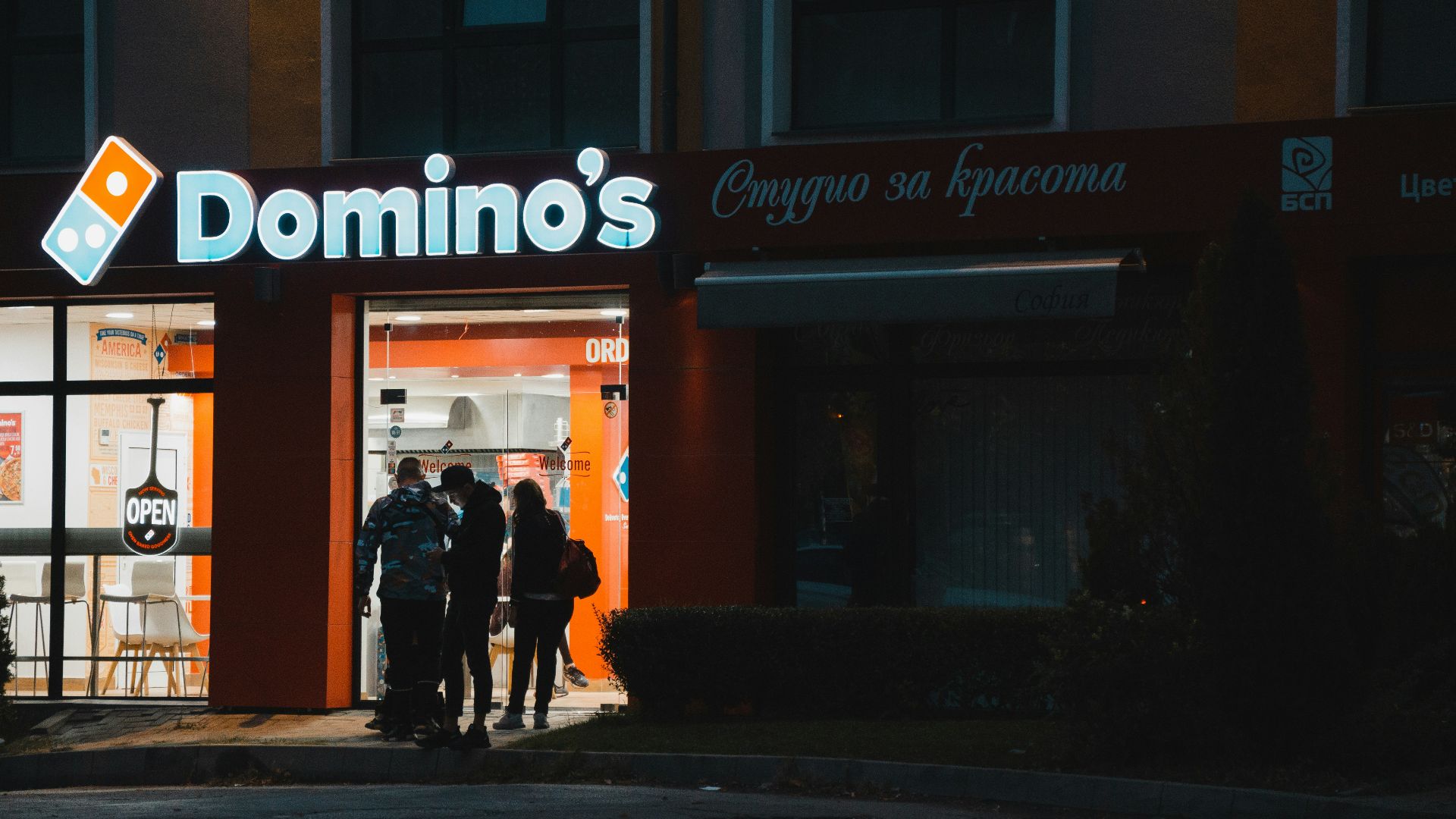
9. Domino's Shut Every Store In Italy
Domino's entered Italy in 2015 with plans to open 880 stores, but managed just 29 before shutting them all in 2022. Its Italian franchisee had run into financial trouble, and the closures followed the expiration of court protection from creditors. With an estimated 63,000 pizzerias already operating across Italy, the American chain had entered a market with little shortage of pizza.
10. Corn Flakes Went Soggy In Indian Hot Milk
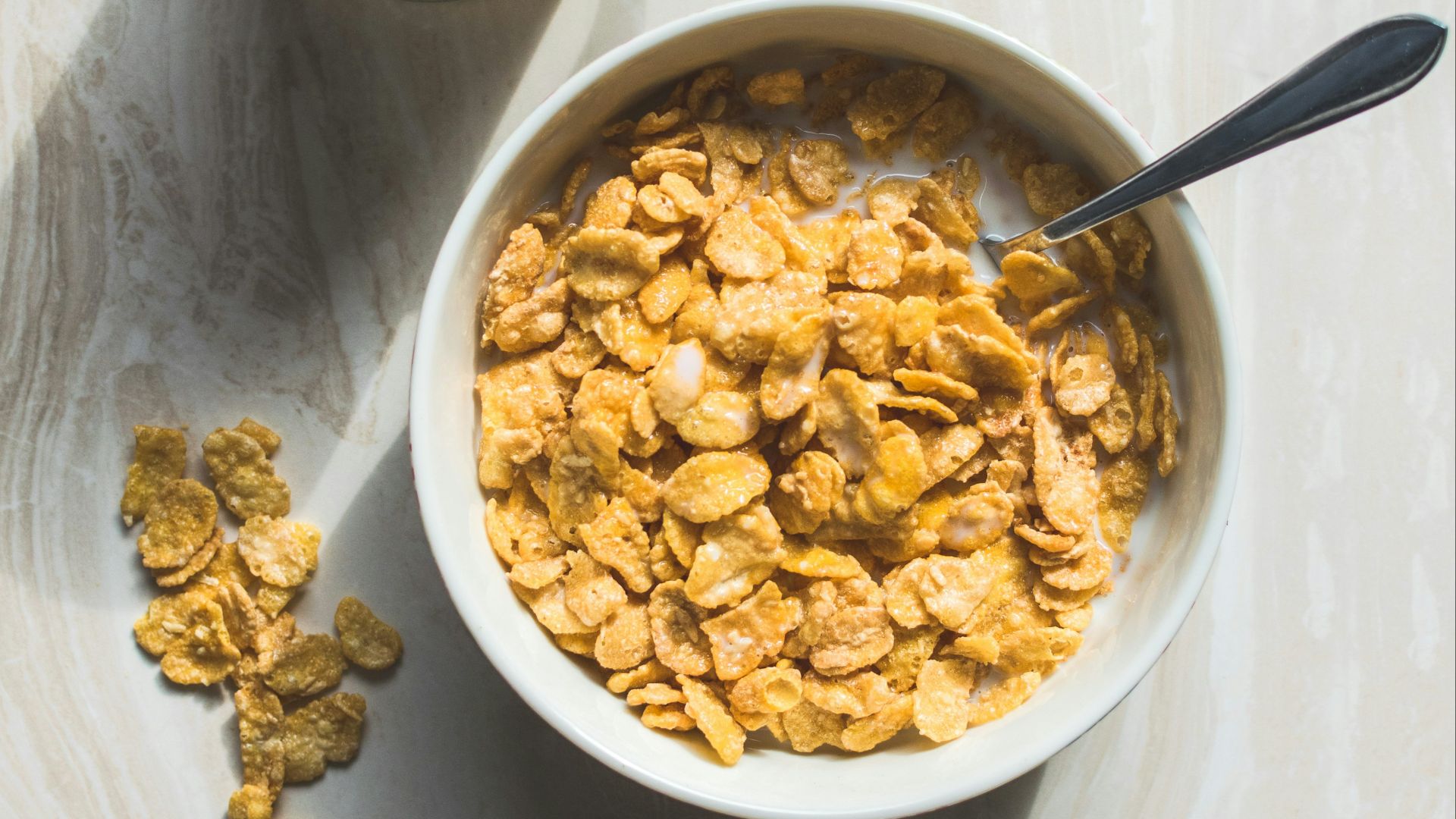
Indians boil their milk and drink it warm and sweetened, which turns a cold-milk cereal to mush. Kellogg's launched corn flakes there in September 1994 anyway, behind a heavy marketing push. Sales slid within months, and the company spent years reworking its lineup for local breakfasts.
11. Burger King Had To Be Hungry Jack's
A burger shop in Adelaide already held the Australian trademark on the name Burger King, so the chain's local franchisee had to choose something else. Jack Cowin went with Hungry Jack's in 1971. The two brands later fought it out in court, and by 2003 every Australian Burger King had been converted to Hungry Jack's.
12. McDonald's Launched The McAfrika During A Famine
McDonald's Norway added a burger called the McAfrika to its rotating exotic food series in 2002, a pita sandwich with beef, cheese and tomato. Southern Africa was in the middle of a famine that threatened millions. Norwegian Church Aid handed out emergency ration crackers outside Oslo restaurants, and CARE Norway demanded the burger be withdrawn.
13. A UK Court Had To Decide If Pringles Were Crisps
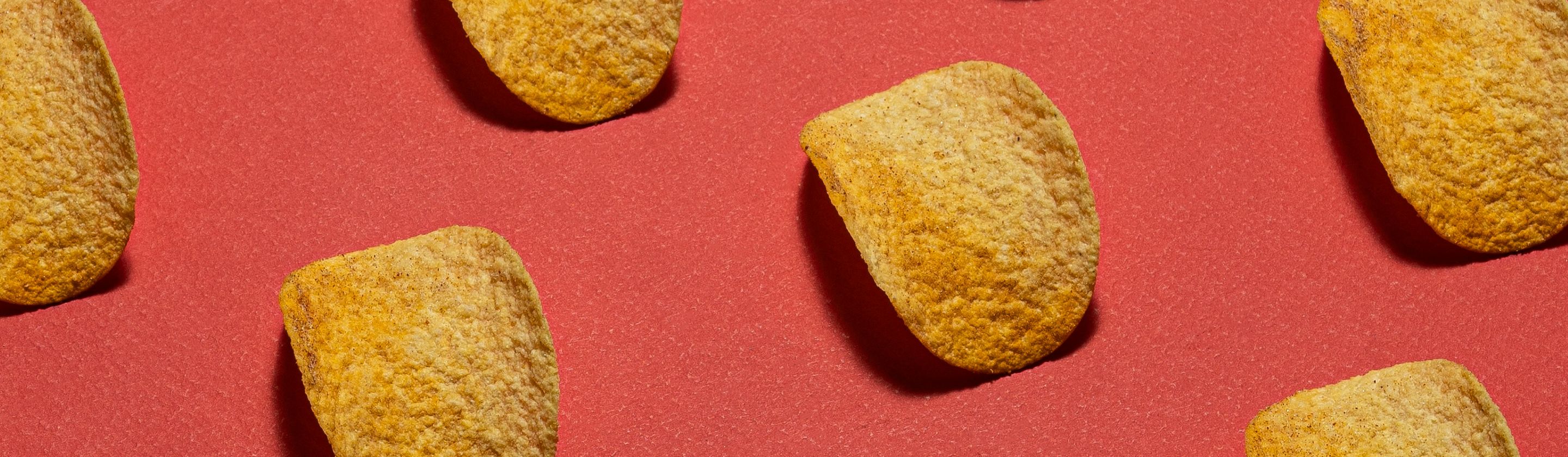
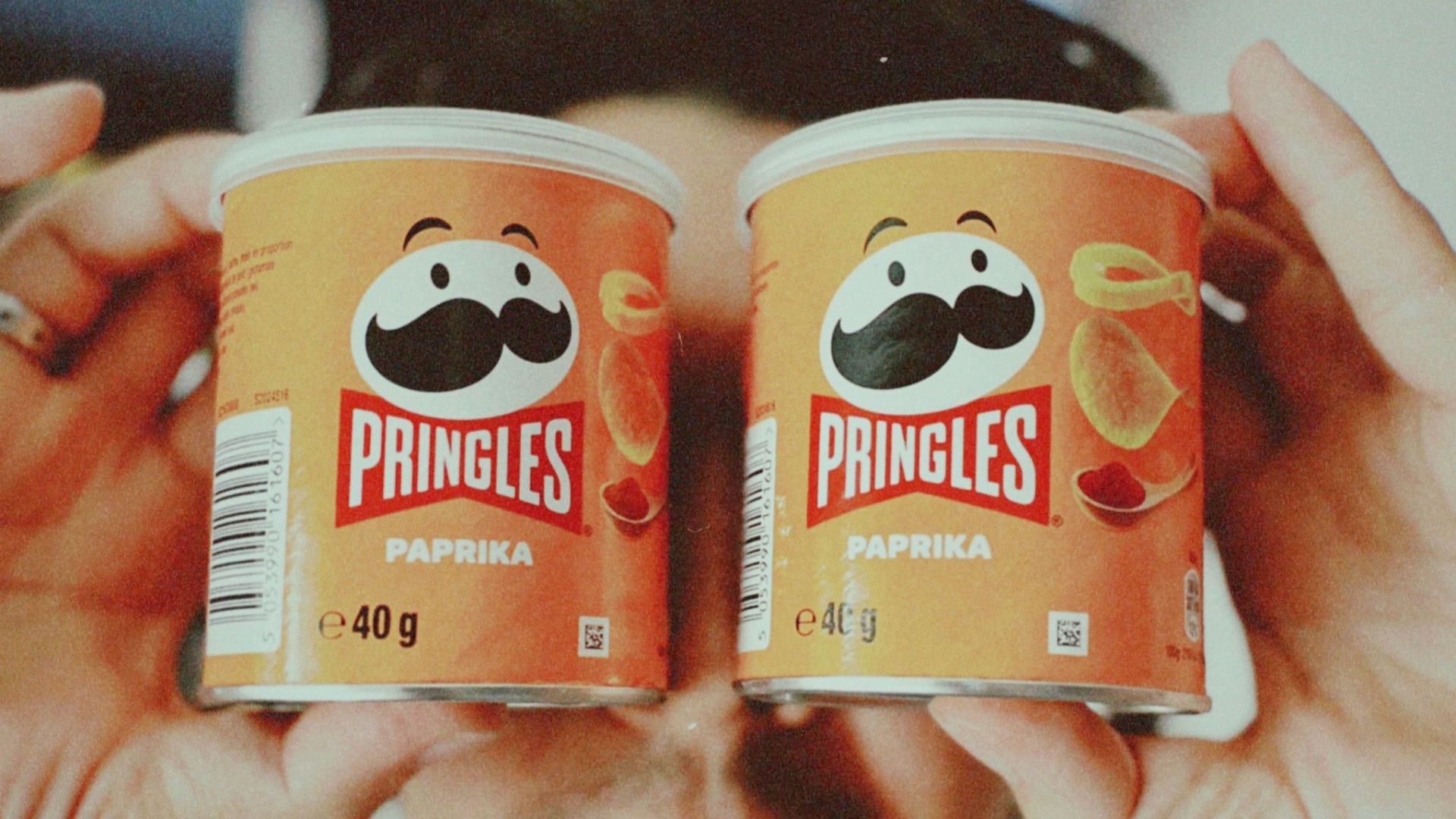
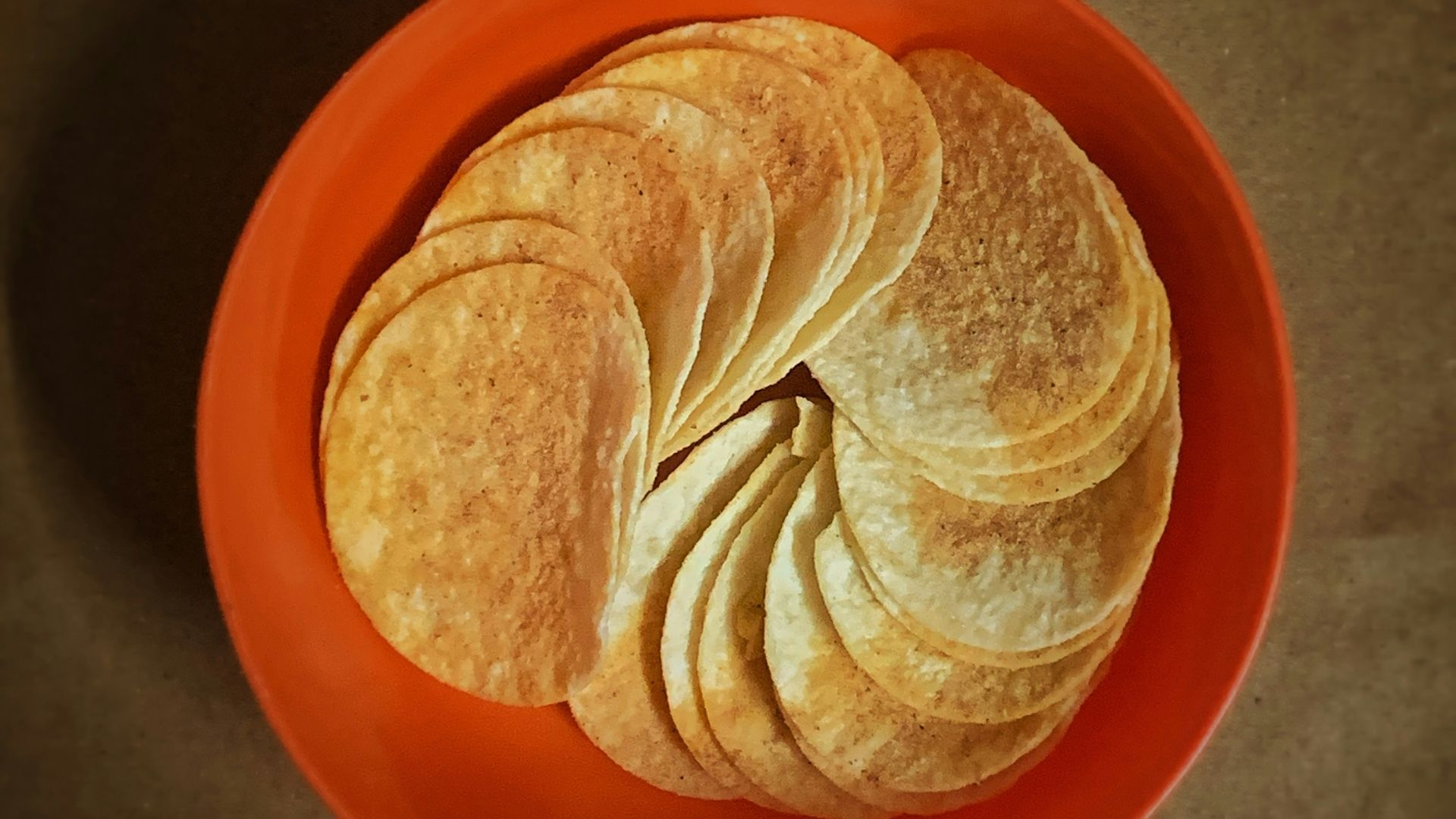
The VAT bill turned on whether a Pringle counts as a crisp. Procter & Gamble argued it doesn't, since the tube holds about 40 percent potato flour alongside corn and wheat, and a High Court judge agreed in 2008. The Court of Appeal reversed that the next year, at a cost of roughly £20 million a year.
14. KFC's Kosher Recipe Killed It In Israel
Kosher rules forbid mixing milk and meat, so KFC's Israeli kitchens swapped the milk powder in the breading for a non-dairy substitute in 2009. The franchise owner later blamed that switch for the collapse. Every location had closed by 2012, and the 2020 relaunch skipped kosher certification to protect the original flavoring.
 Spencer Scott Pugh on Unsplash
15. Canada Calls Smarties Rockets
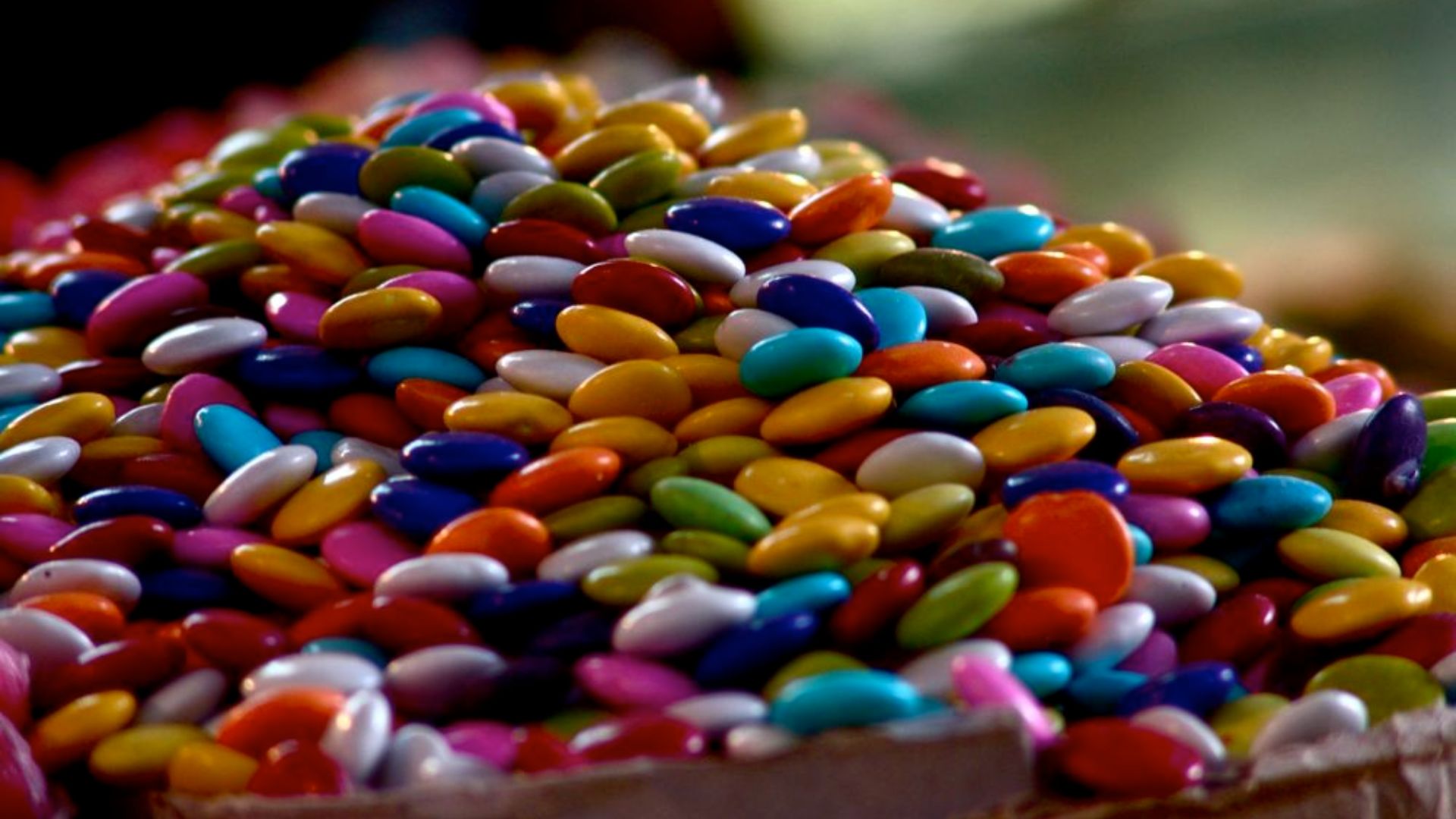
The tart tablet candy Americans know as Smarties is sold in Canada as Rockets, because Nestlé holds the Canadian trademark on the name for its chocolate lentils. Ce De Candy set up Canadian production in 1963 and needed a second name for the same tablets.
16. Dunkin' Thailand Sold A Charcoal Donut
In 2013, Dunkin' Donuts advertised its Charcoal Donut on Bangkok commuter trains with posters showing a woman in blackface makeup and bright pink lipstick. Human Rights Watch condemned the campaign as racist and called for the ads to be withdrawn. Dunkin's Thai chief executive initially dismissed the criticism as ridiculous, but the company's American parent apologized and pulled the campaign.
17. Mountain Dew's Emulsifier Wasn't Allowed Abroad
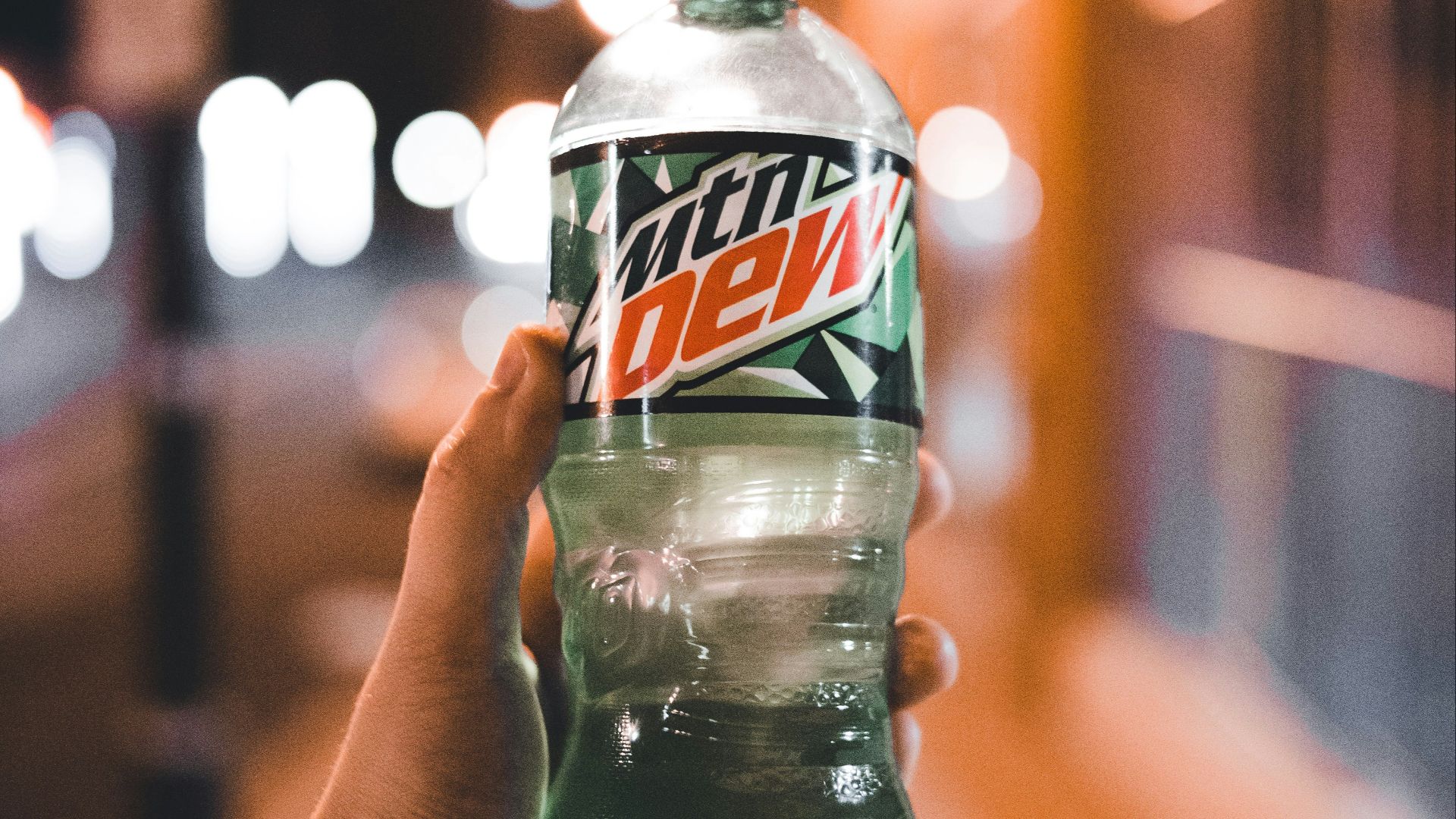
The American recipe for Mountain Dew long relied on brominated vegetable oil to hold the citrus flavoring in suspension, an additive neither Japan nor Europe permitted in food. Overseas versions used a different emulsifier. PepsiCo and Coca-Cola both committed to dropping it in 2014, and US regulators eventually revoked its approval too.
18. Krispy Kreme Overbuilt In Australia
Krispy Kreme expanded so aggressively in Australia that it ended up with one store for every 420,000 people, compared with one for every 1.4 million in the United States. Poor sales and high rents caught up with the chain in October 2010, when its Australian business entered voluntary administration. It emerged from restructuring in December with just 27 outlets remaining.
19. Milky Way Means A Different Bar Abroad
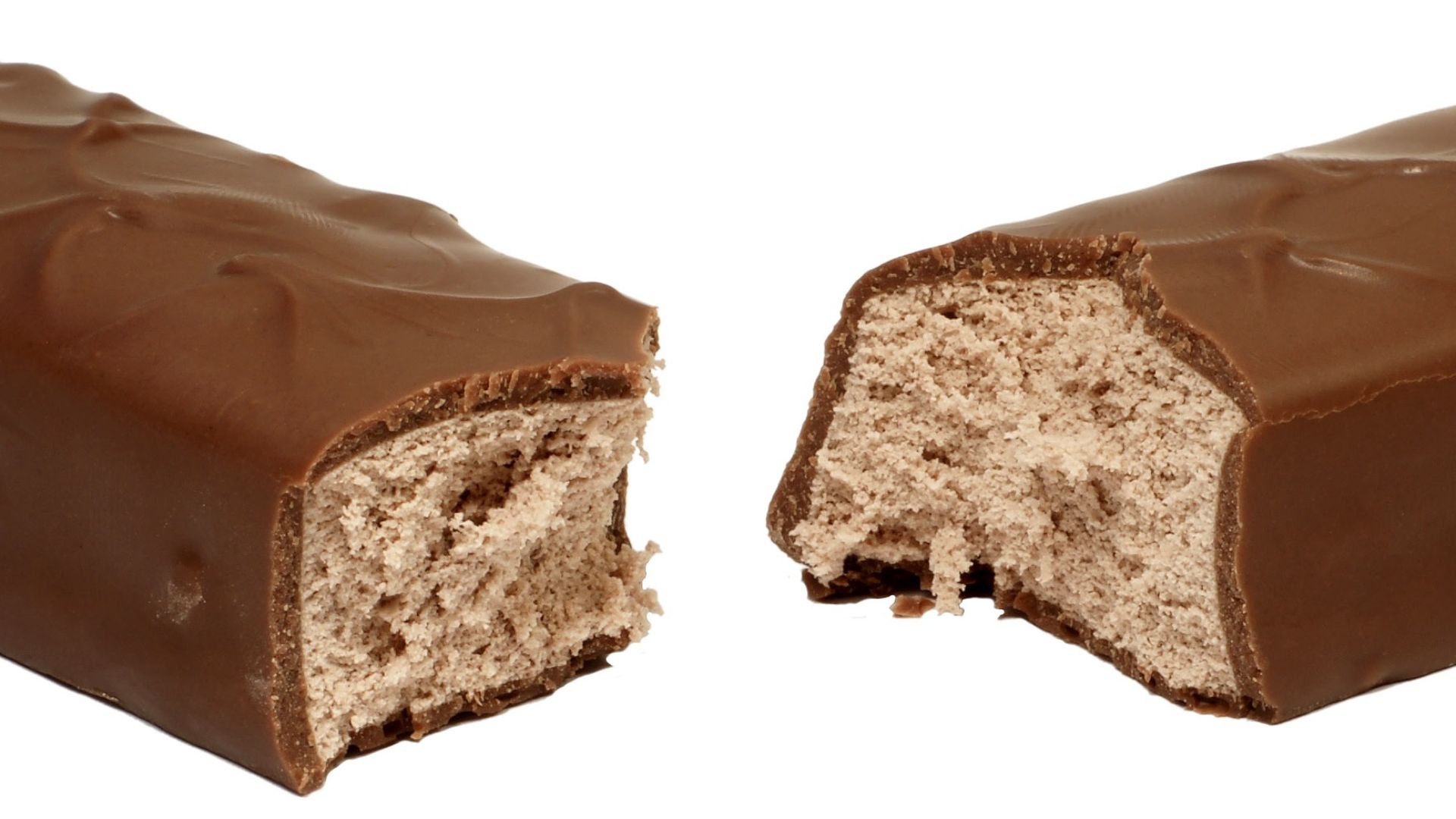
Mars sells a bar called Milky Way on both sides of the Atlantic, and they are not the same bar. The American one layers caramel over nougat, which is what most of the world buys as a Mars bar, while the British Milky Way matches what Americans pick up as 3 Musketeers.
20. Bolivia Closed All Eight McDonald's
McDonald's closed all eight of its Bolivian restaurants in 2002 after roughly five years of losses. The company cited commercial reasons, but the failure attracted enough attention to become the subject of a 2011 documentary investigating why the chain couldn't make it work. More than two decades later, McDonald's has yet to return to Bolivia.
KEEP ON READING