Bringing History to the Table
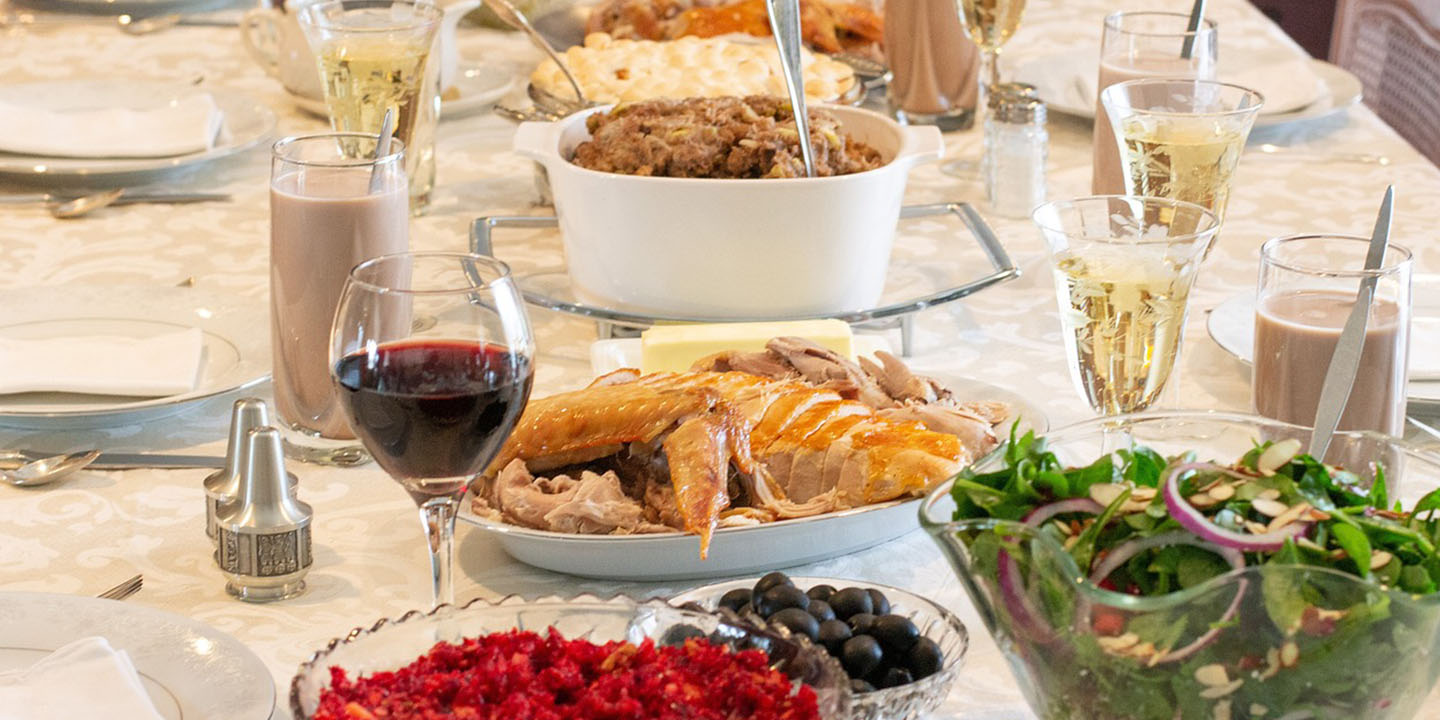
You don't need a time machine to experience the flavors of the distant past because many ancient dishes are surprisingly easy to recreate with modern pantry staples. By stepping into your kitchen, you can bridge the gap between centuries and discover that what people loved eating in ancient Rome or Mesopotamia still tastes incredible today. It is a fun way to explore different cultures while enjoying a hearty meal that’s stood the test of time.
 Carole Raddato from FRANKFURT, Germany on Wikimedia
1. Mesopotamian Mersu
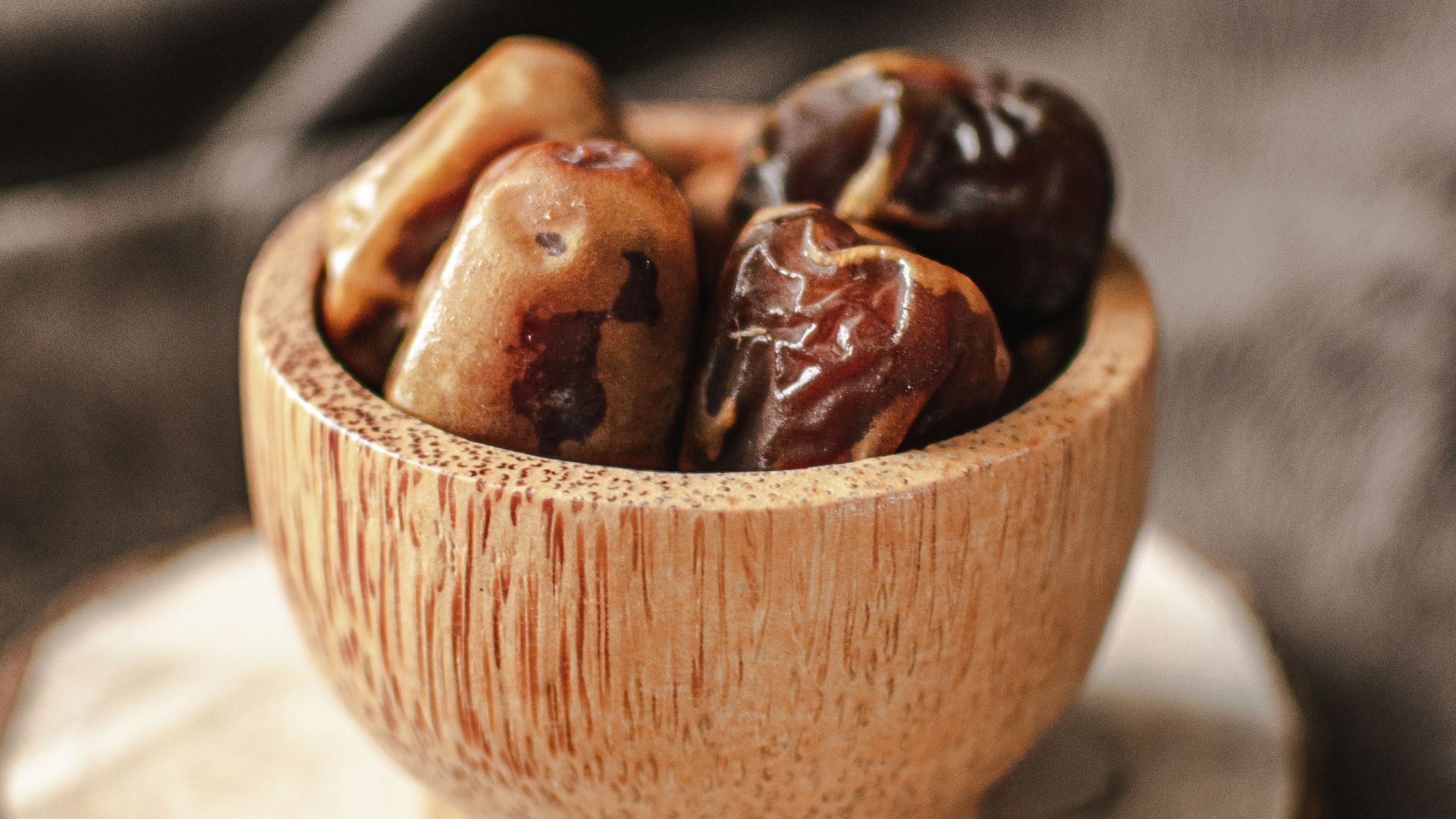
This sweet confection from ancient Sumeria is made from mashed dates stuffed with crushed nuts and rolled into bite-size balls. The dates supply enough sweetness that you won’t even miss the chocolate. Try blending up some of these healthy treats in five minutes or less.
 Masjid Pogung Dalangan on Unsplash
2. Roman Libum
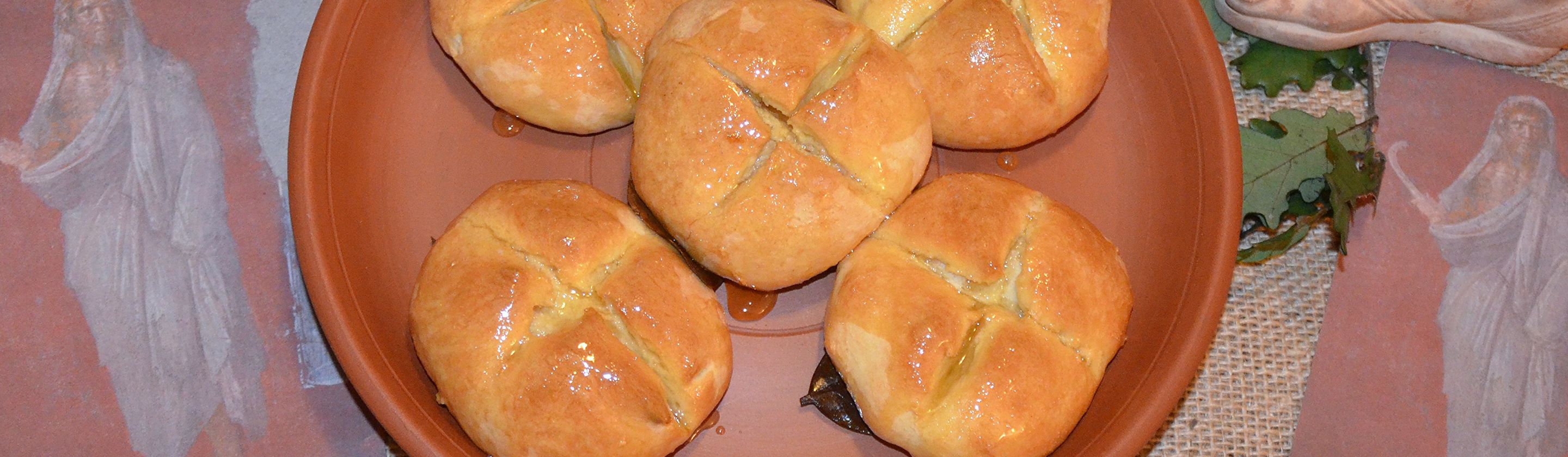
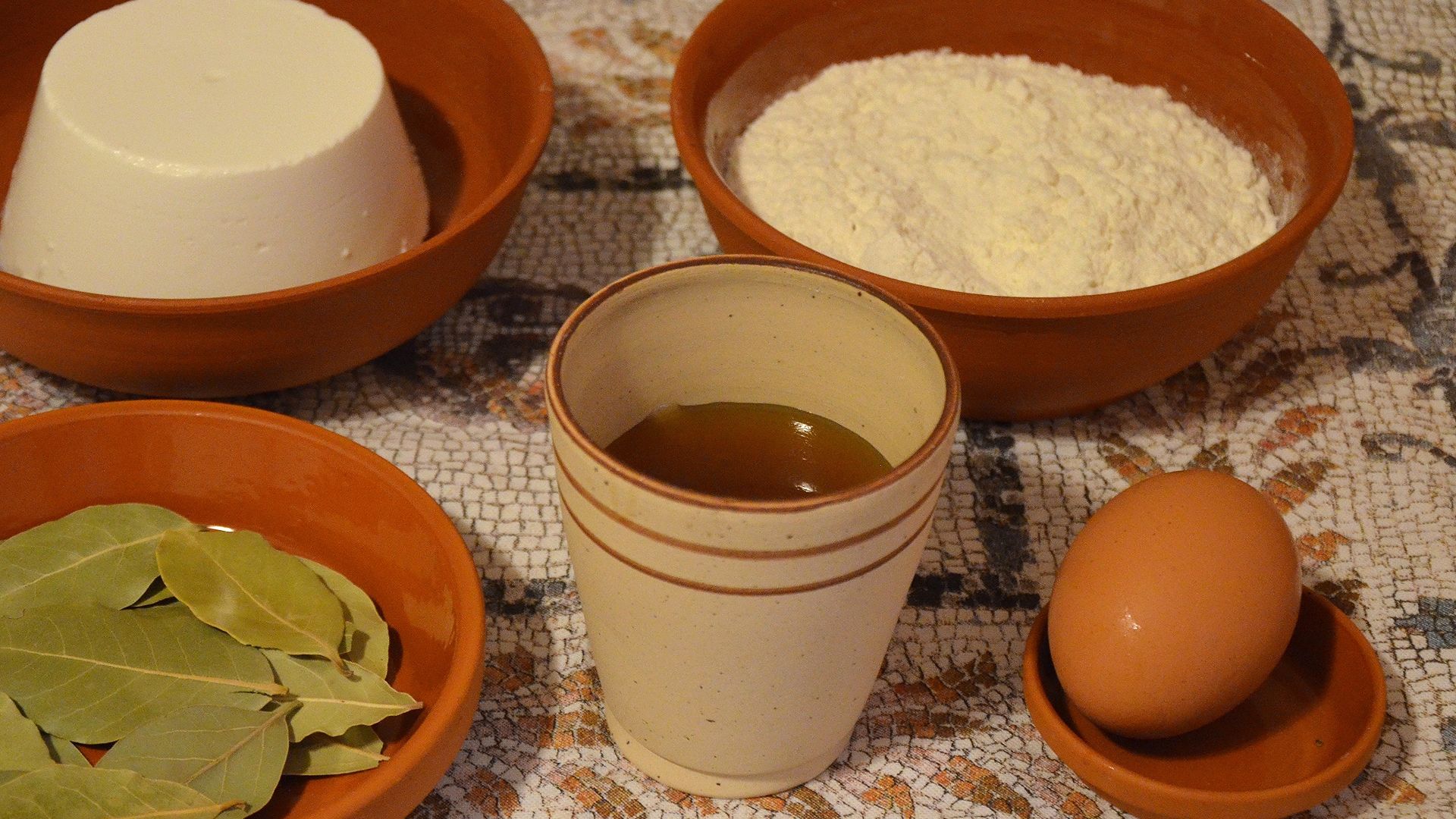
Thought to be a favorite among Roman soldiers, this savory cheesecake is as simple to make as combining ricotta, flour, and an egg. Bake the small loaves on top of bay leaves to give them extra fragrance. Drizzle with honey just before serving to cut the saltiness of the cheese.
 Carole Raddato from FRANKFURT, Germany on Wikimedia
3. Ancient Greek Kykeon
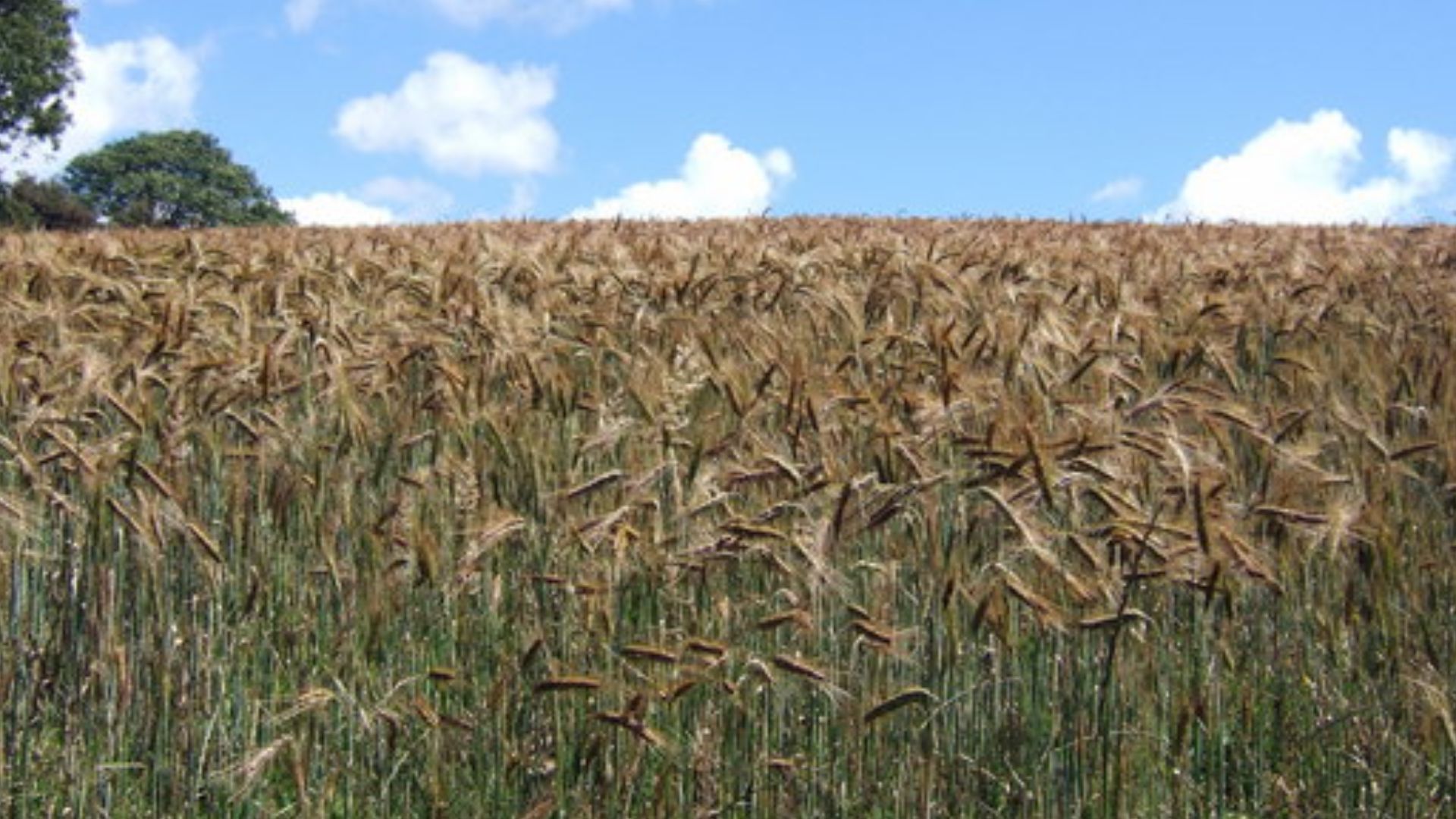
References to this thick wine and barley drink can be found throughout Greek poetry. Once you get past the strangeness of mixing cheese into your beer, you’ll have made a meal that even Homer would approve of. Be sure to mix the ingredients thoroughly so you get a rich and creamy texture.
4. Egyptian Tiger Nut Sweets
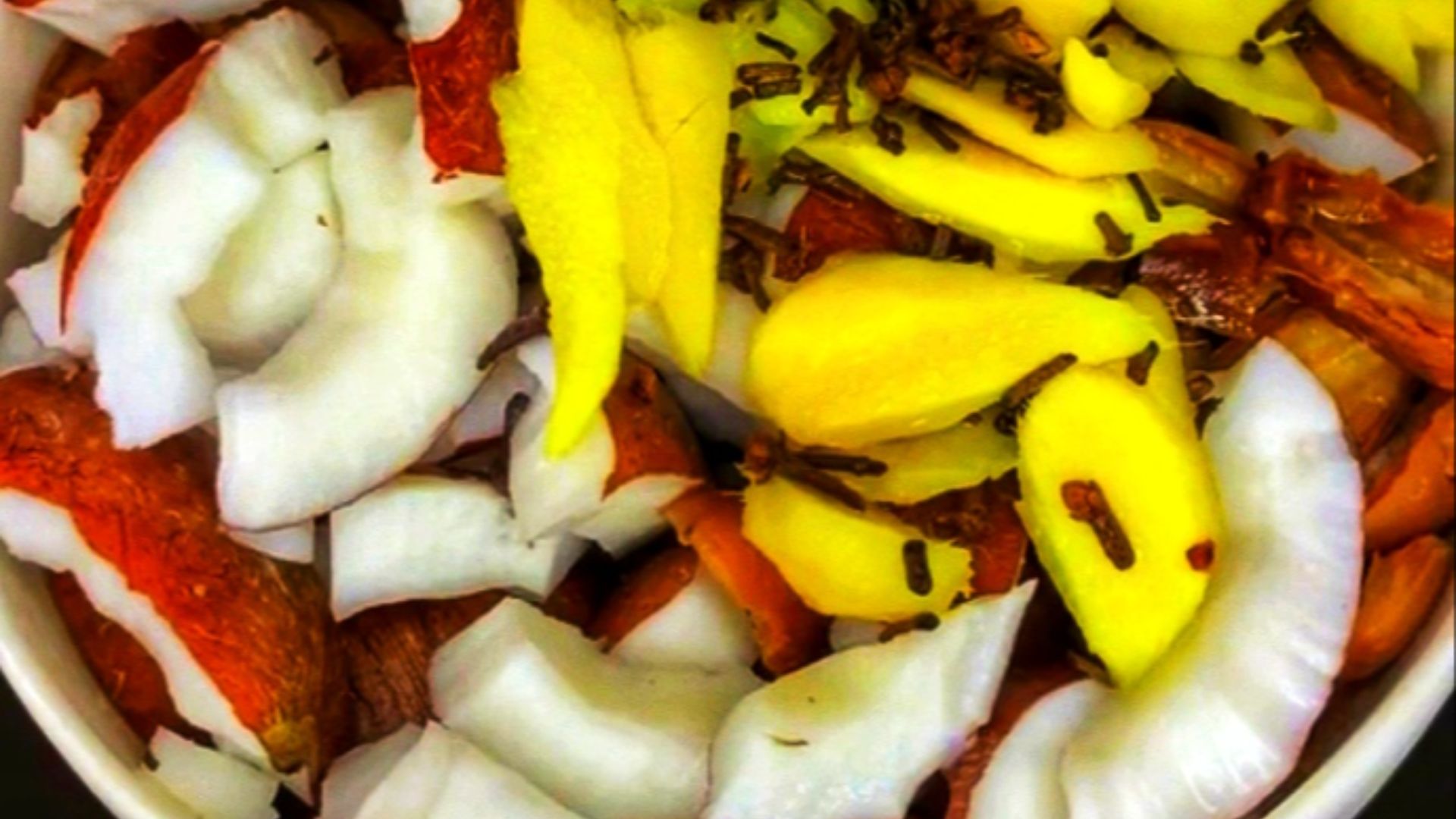
Pounded tiger nuts mixed with honey and cinnamon were a favorite snack along the Nile. Simply form the dough into cone or cylinder shapes, and sprinkle with a few extra nuts if desired. They may not look like much, but these gluten-free treats are sure to revive you during your afternoon slump.
5. Garum-Infused Vegetables
Garum was a fermented fish sauce that the Romans used in place of salt. You can substitute a Thai fish sauce to achieve a similar salty, umami flavor profile. Toss your carrots or parsnips in some olive oil and the fish sauce before roasting.
6. Aztec Xocolatl
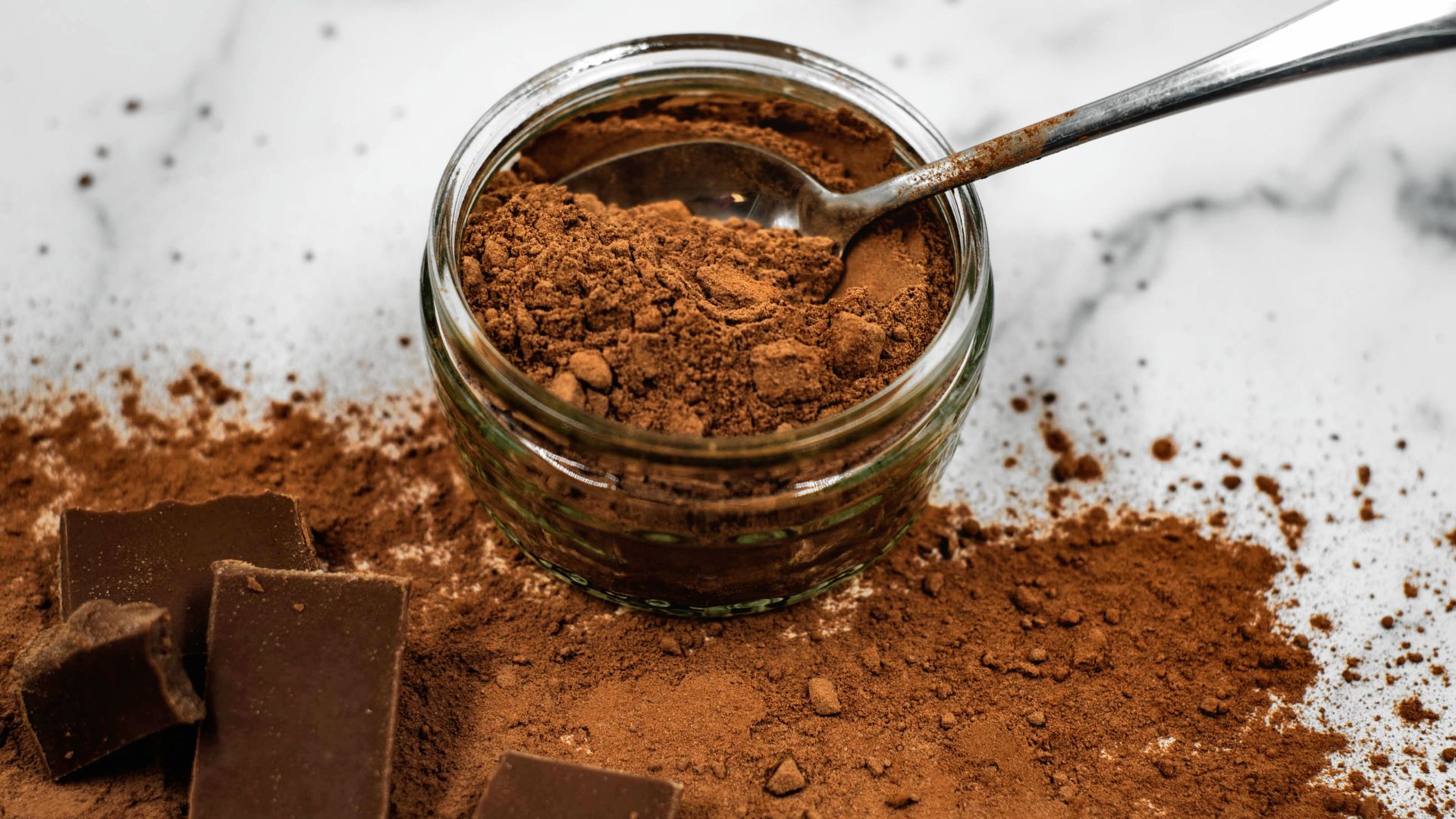
Whisk together unsweetened cocoa powder, hot water, chili peppers, and vanilla to make this ancient version of chocolate. Frothy, bitter, and spicy, this drink is very different from the sugary cocoa we are used to today. Take a few moments to enjoy this divine beverage and remember the origins of your favorite dessert.
7. Parthian Chicken
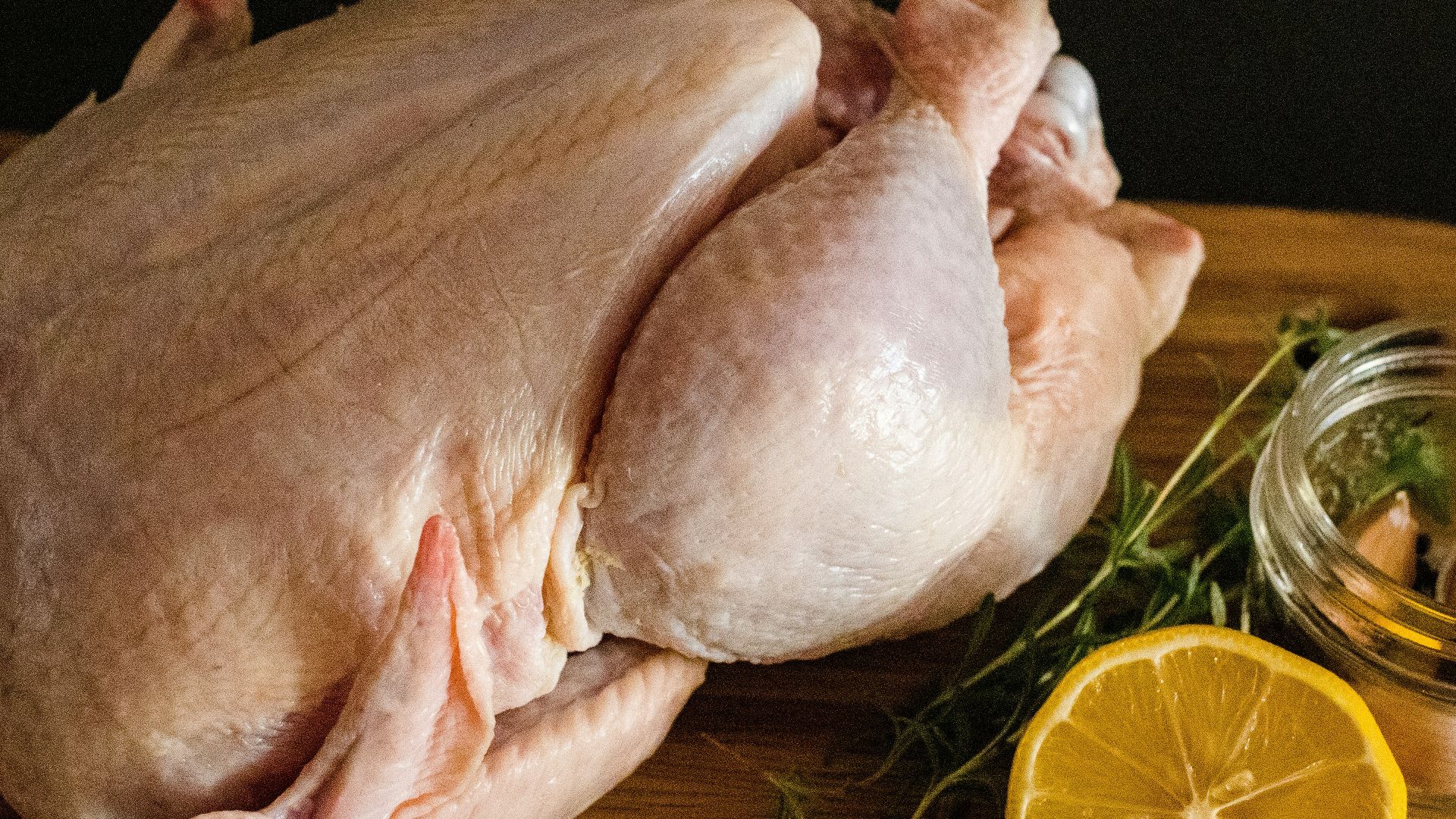
From De Re Coquinaria, an ancient Roman cookbook, this dish uses lovage, caraway seeds, and a dash of dreaded asafoetida to spice up poultry. You should cook the chicken until crispy so that the juices can marinate the herbs within the meat. The end result is surprisingly fragrant and worldly.
8. Biblical Ash Cakes
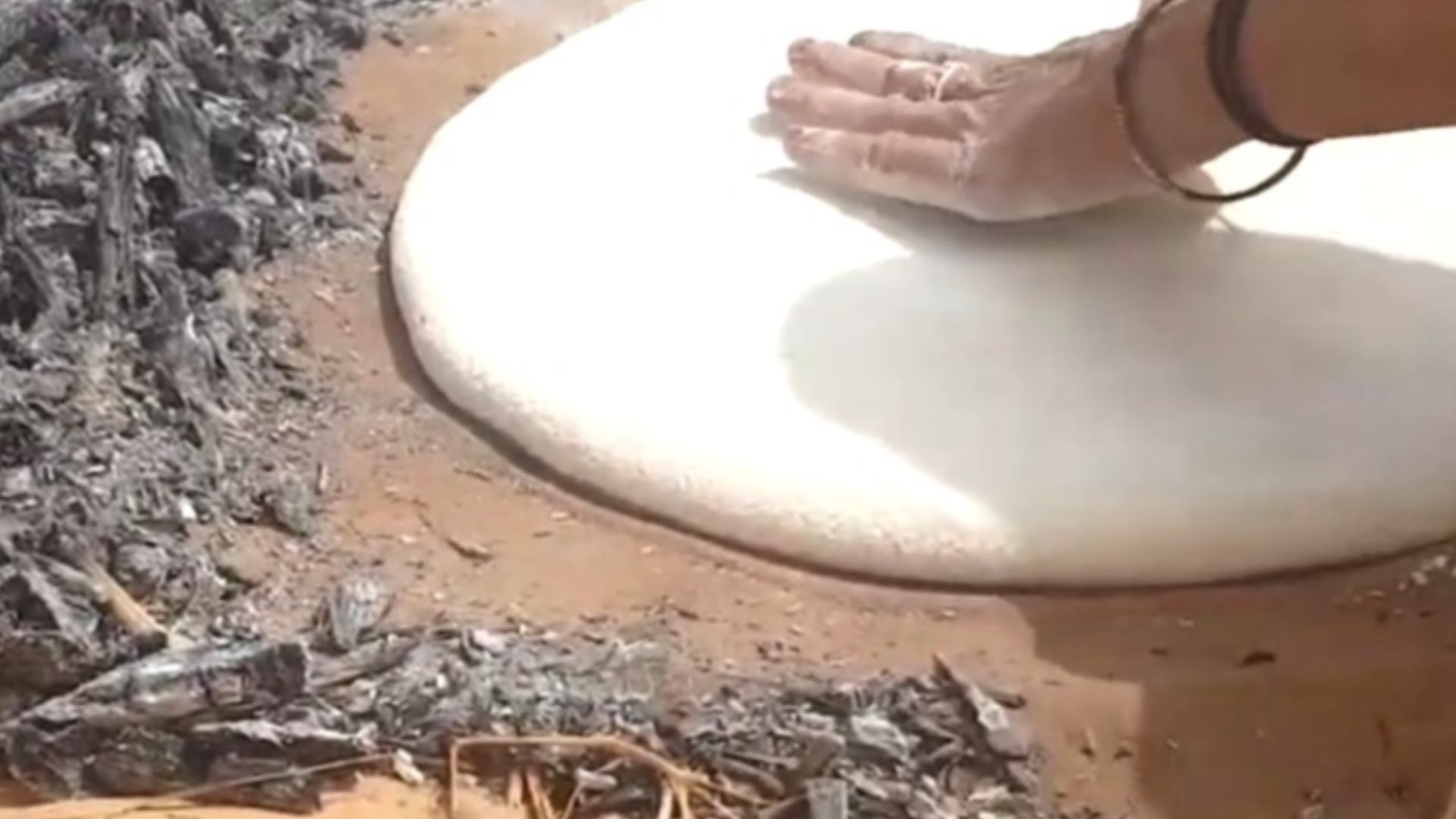
Ancient travelers often baked these simple flatbreads directly on hot stones covered by the embers of a fire. You only need flour, water, and a pinch of salt to create a sturdy bread that's perfect for dipping into olive oil. Learning to cook over an open flame gives you a real appreciation for the resourcefulness of nomadic ancestors.
9. Moretum Herb Spreads
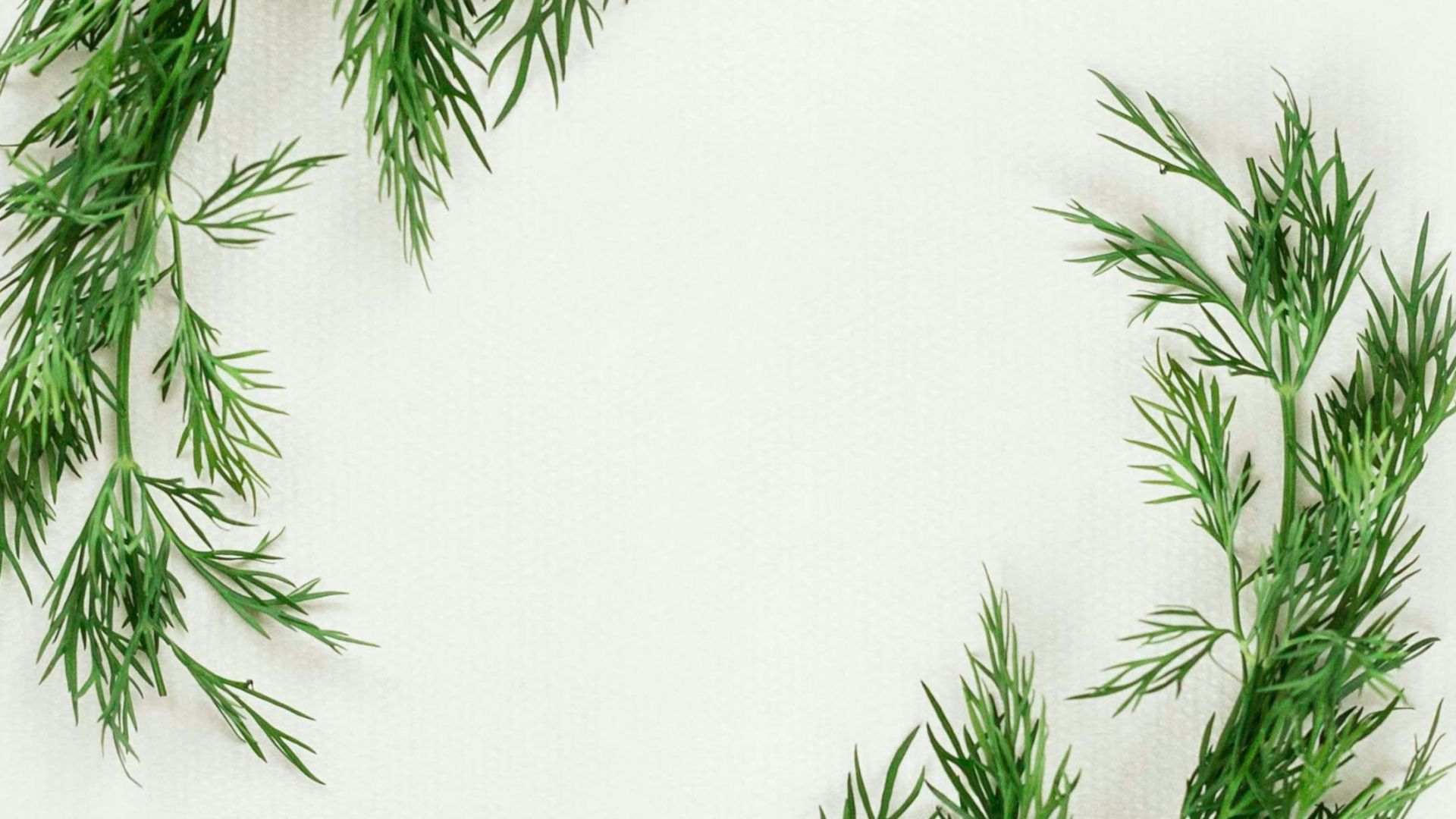
This vibrant green pesto from ancient Rome features a heavy dose of garlic, celery seeds, and fresh coriander mashed together with sheep's cheese. You’ll want to serve it on a thick slice of crusty bread to let the sharp, peppery flavors shine. It’s an incredibly fresh appetizer that proves the Romans really knew how to handle their herbs.
 Priscilla Du Preez 🇨🇦 on Unsplash
10. Mayan Squash Seed Dip
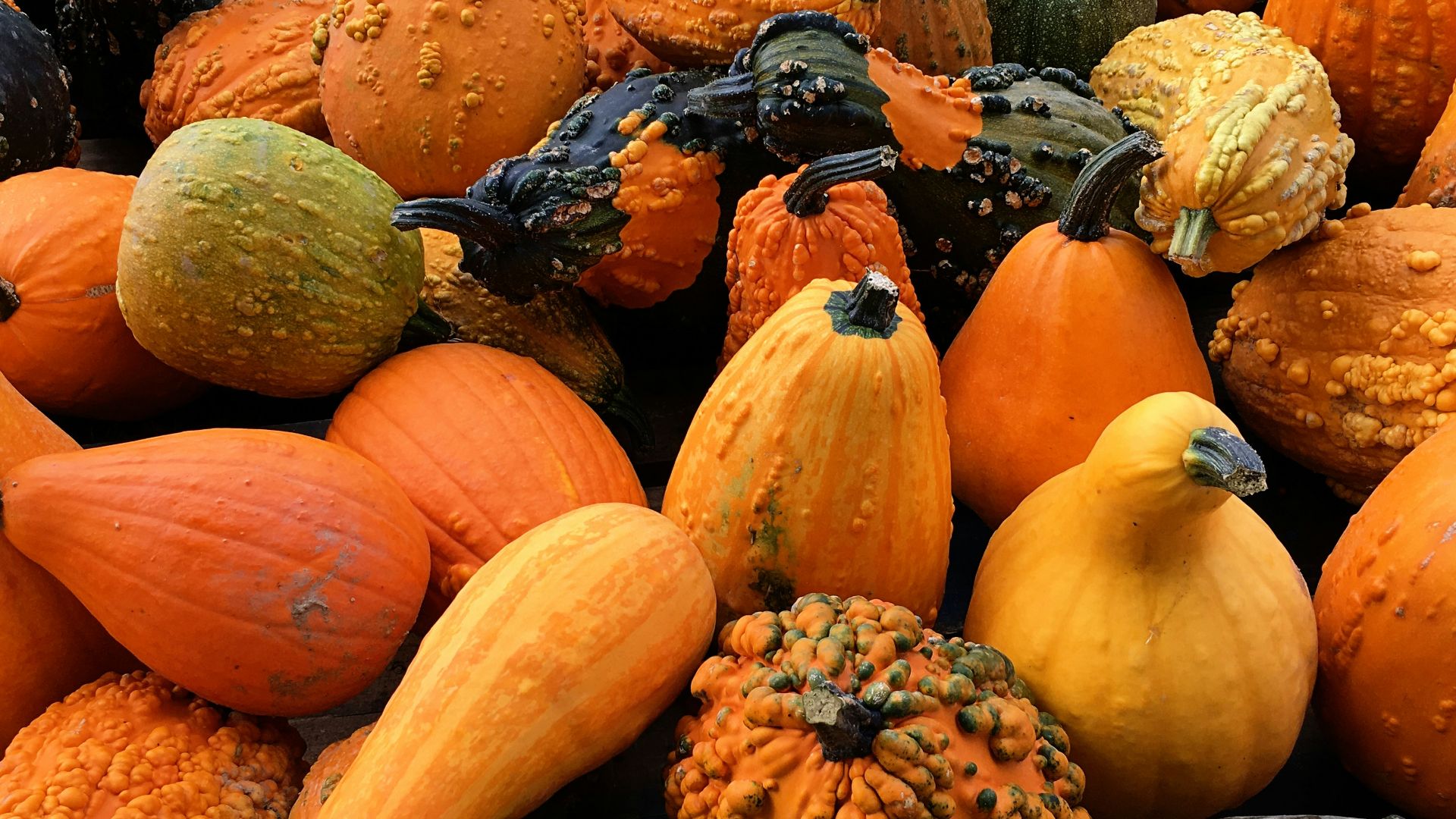
The ancient Maya have a great dip called Sikil Pak, which is similar to hummus but made from toasted pumpkin seeds. You’ll want to blend the squash seeds with roasted tomatoes and habanero peppers for a nutty, spicy treat. Enjoy as you would regular dip.
11. Globi Fried Cheese
The Romans loved these little balls of fried dough that are made from a mixture of spelt flour and cheese. After you fry them to a golden brown, you should roll them in poppy seeds for an added layer of texture. They’re best enjoyed while they are still hot and gooey on the inside.
12. Viking Skier
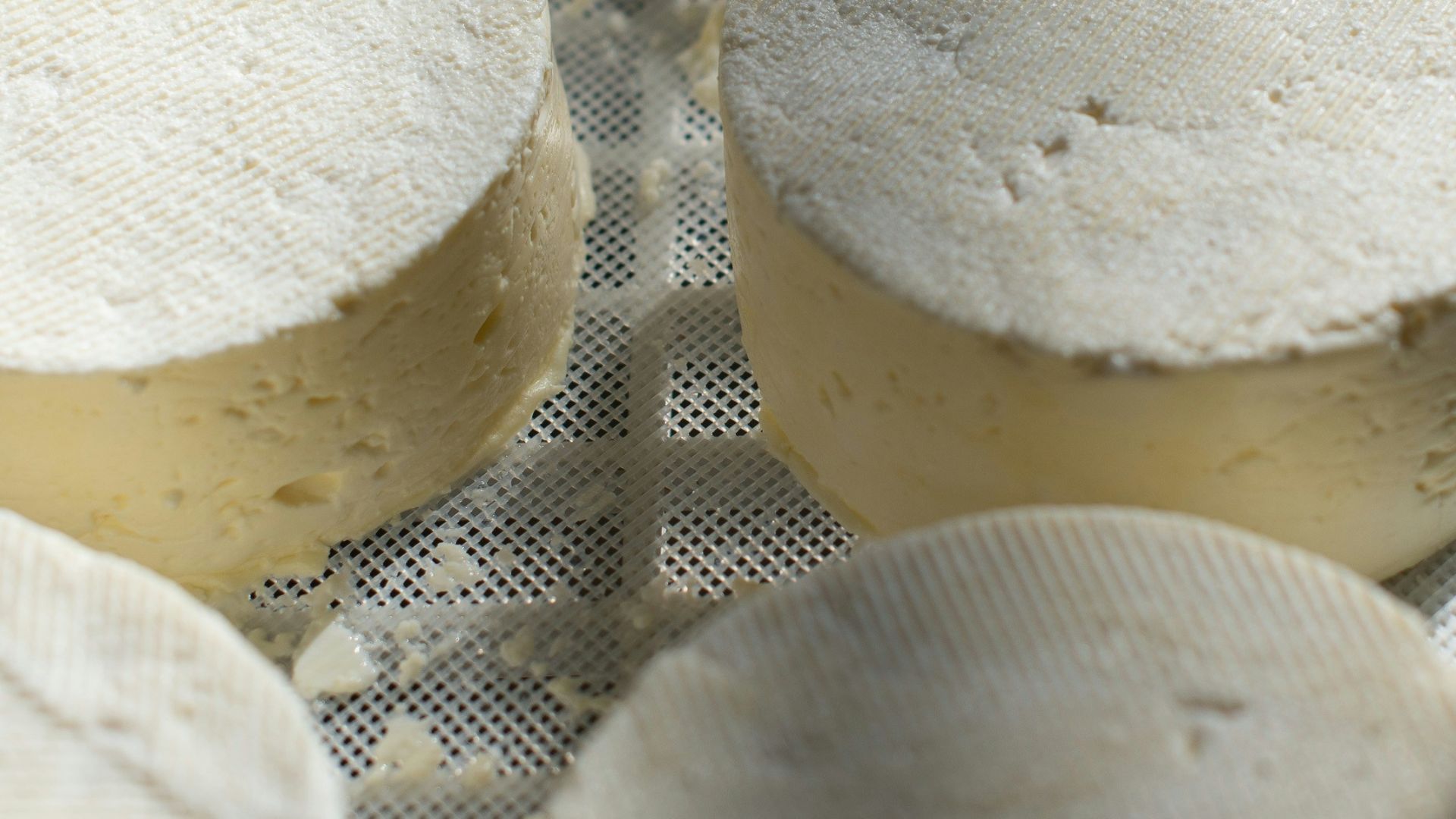
Skier is a cultured dairy product that has been enjoyed in Iceland for over 1,000 years. Make your own by draining yogurt in cheesecloth until you are left with a thick substance reminiscent of cream cheese. Not only is skier packed with protein, but it also tastes amazing topped with freshly foraged berries.

13. Puls Porridge
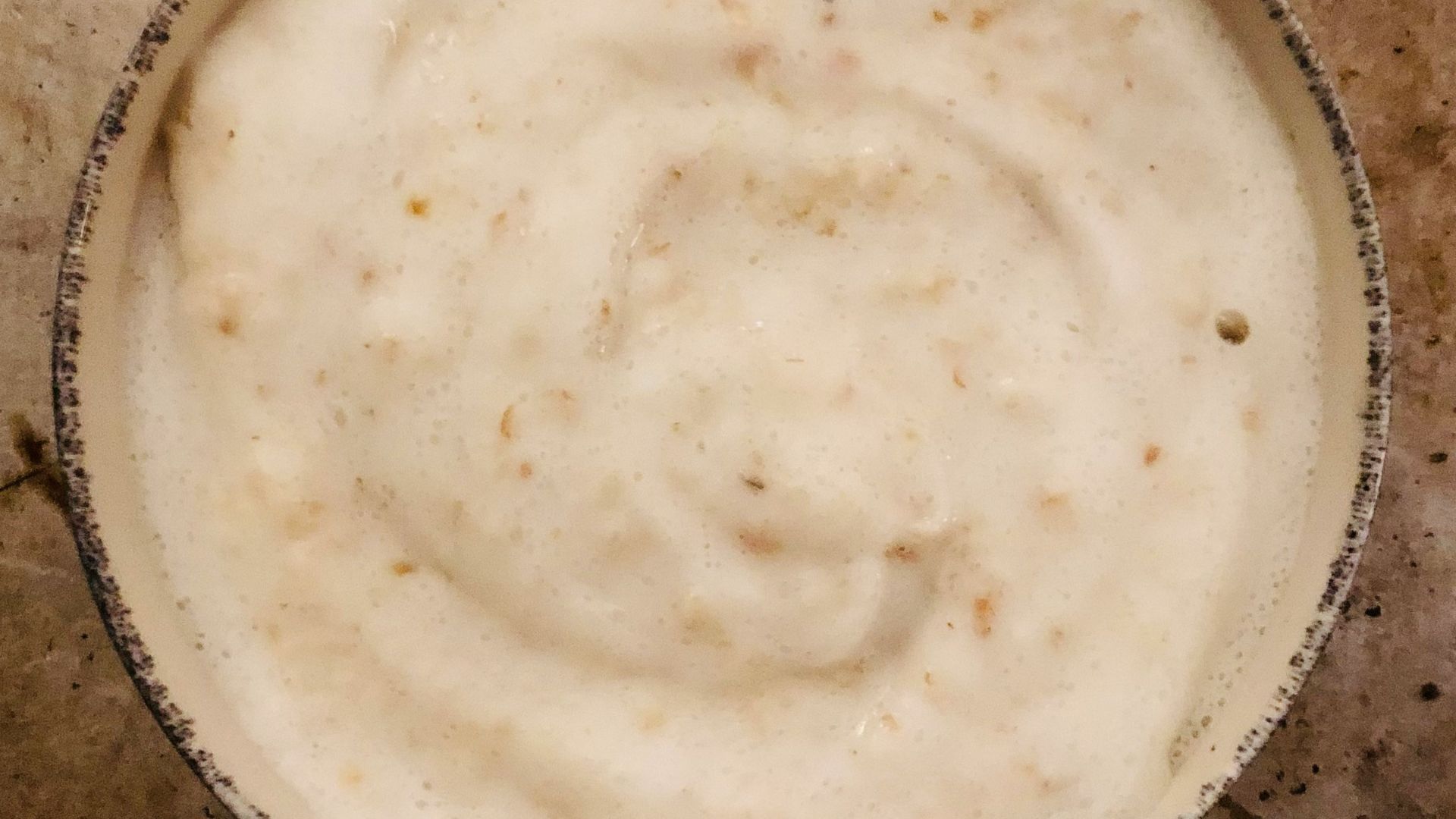
Puls was a popular grain pottage made from either farro or spelt and boiled in milk or water. You can add any number of vegetables or meats to change up the flavor. Once you get comfortable with making puls, you can really let your culinary creativity run wild.
14. Medieval Hyssop Cider
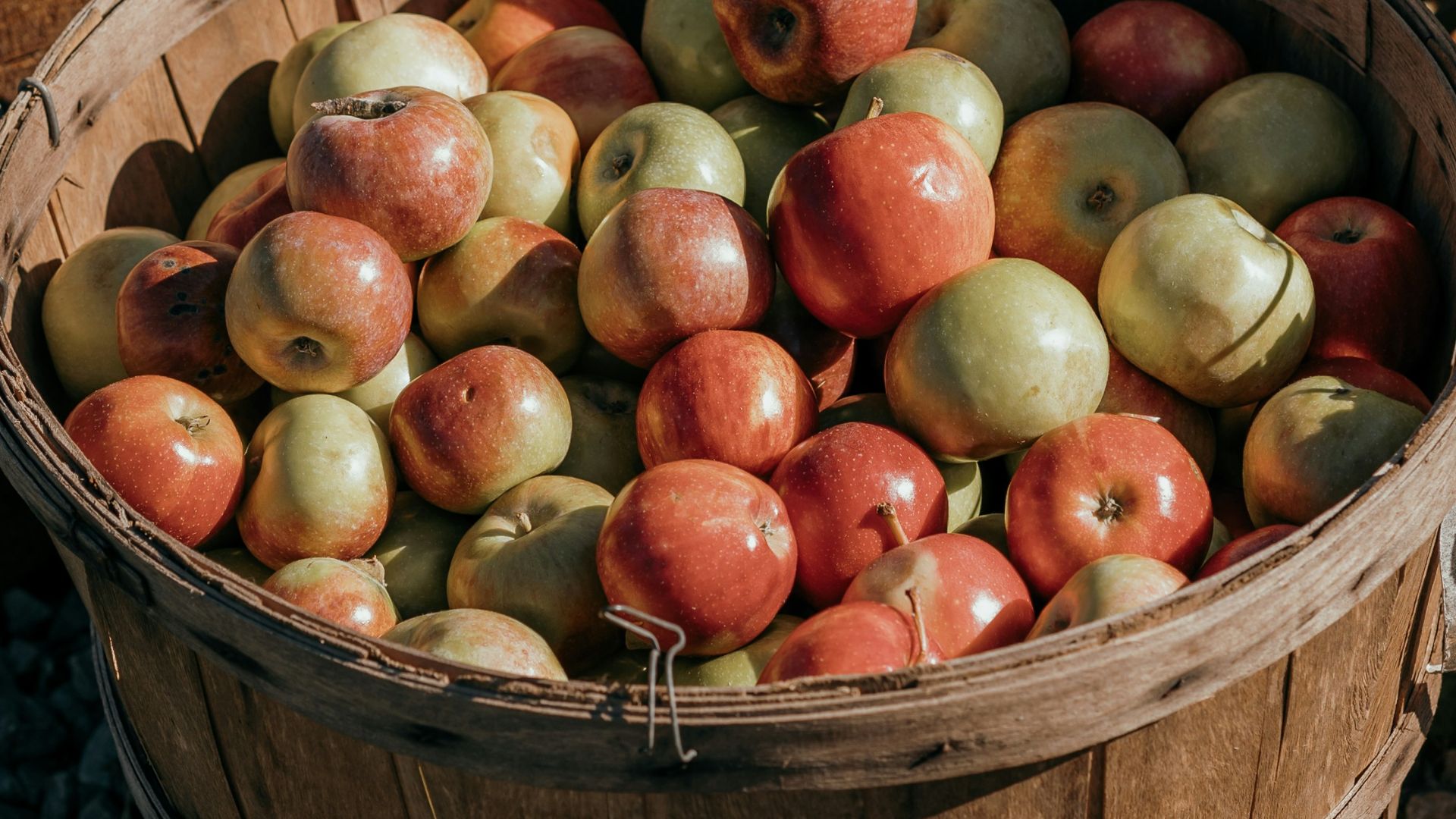
Add some dried hyssop to your apple cider along with a dash of ginger for a bubbly beverage enjoyed by Medieval Europeans. The hyssop will leave your cider tasting slightly minty and much more refreshing. Serve over ice during the summer or warm up on cold winter nights.
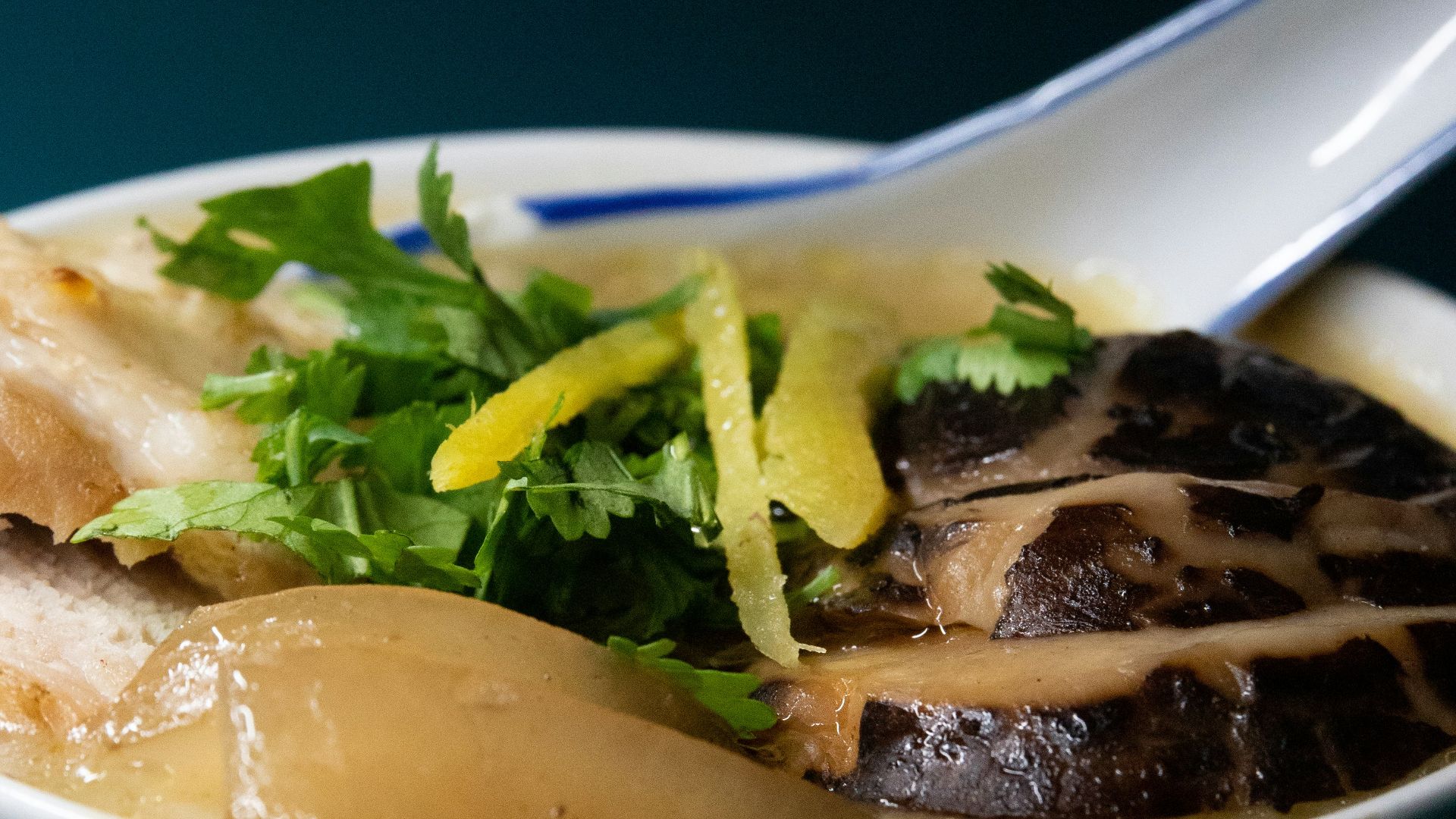
15. Ancient Chinese Congee
Congee has been a breakfast favorite in China for millennia. To make congee, you simply boil rice in large amounts of water until it achieves a porridge-like consistency. You can top your congee with anything from seaweed to meat, but a few scallions or a soft-boiled egg truly make the dish.
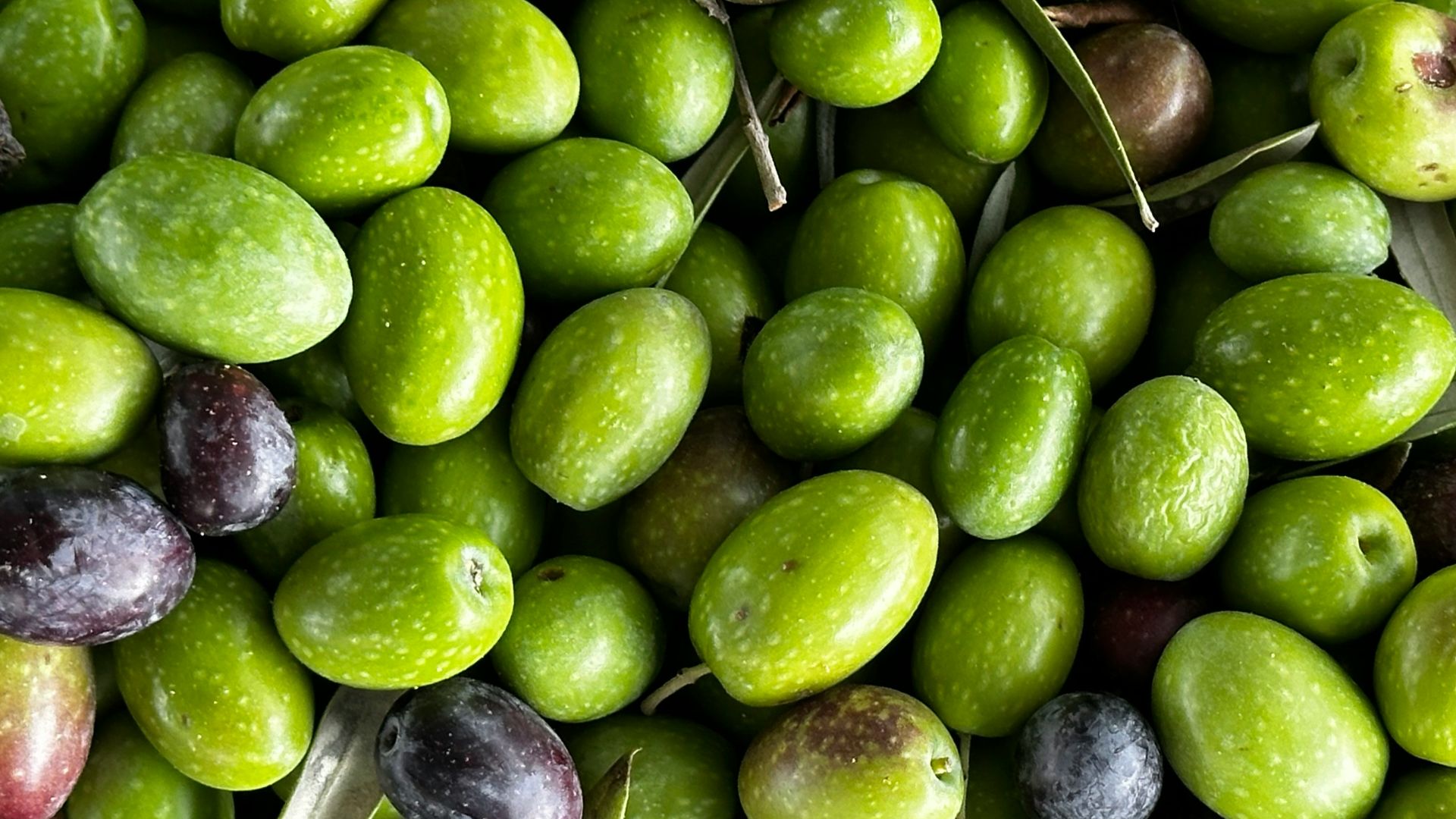
16. Epityrum Olive Relish
If you enjoy bold flavors, this Roman olive spread made with rue, cumin, and coriander is exactly what you need. You just chop up a variety of green and black olives and mix them with the herbs and a little vinegar. It works brilliantly as a topping for grilled meats or as a standalone snack with crackers.
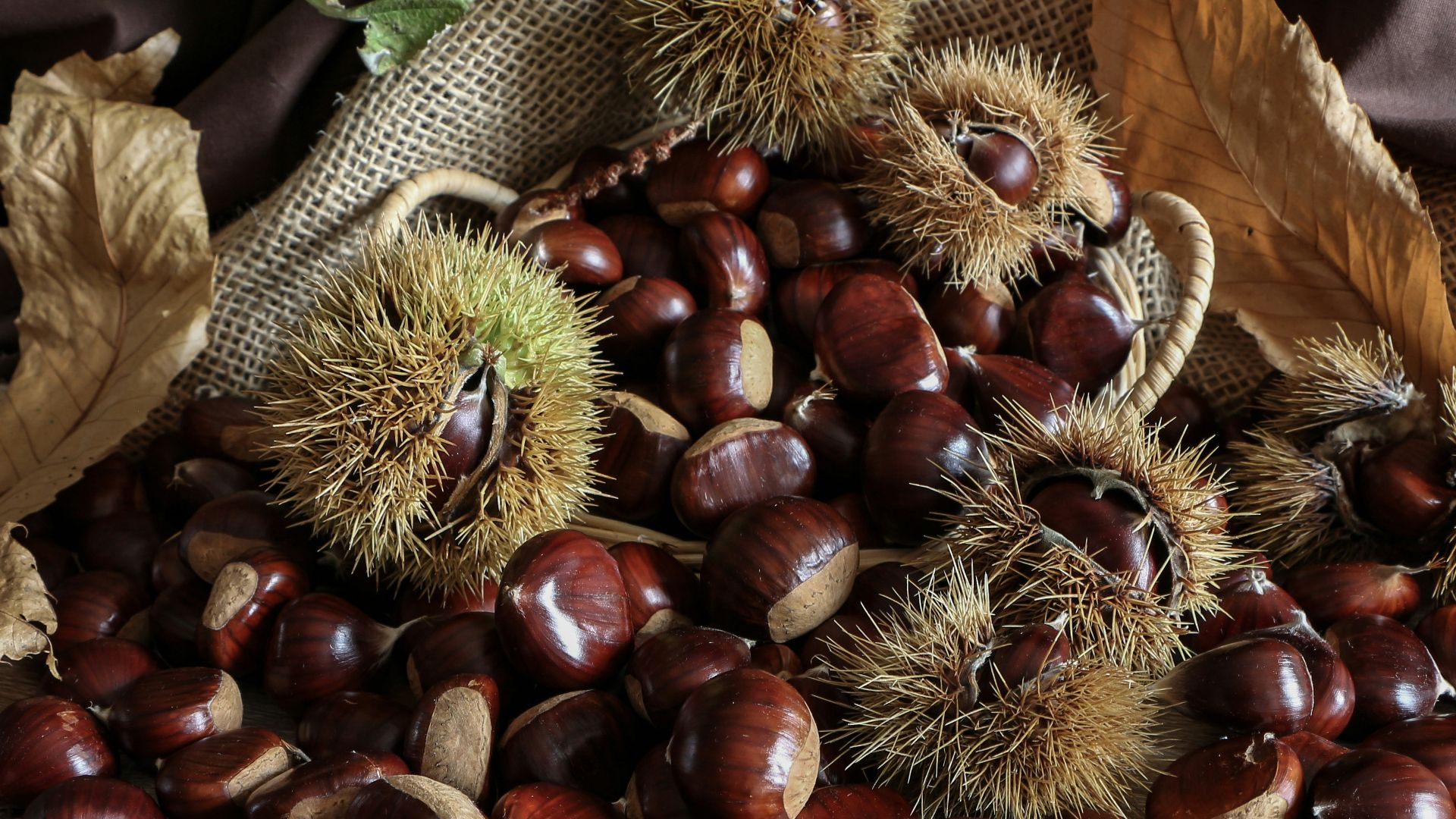
17. Lentils with Chestnuts
Warm, comforting foods like this combination of brown lentils and roasted chestnuts were common in many ancient Mediterranean cultures. To make the dish, simply simmer the two ingredients together and add a splash of vinegar. You’ll be amazed how something so simple can taste so gourmet.
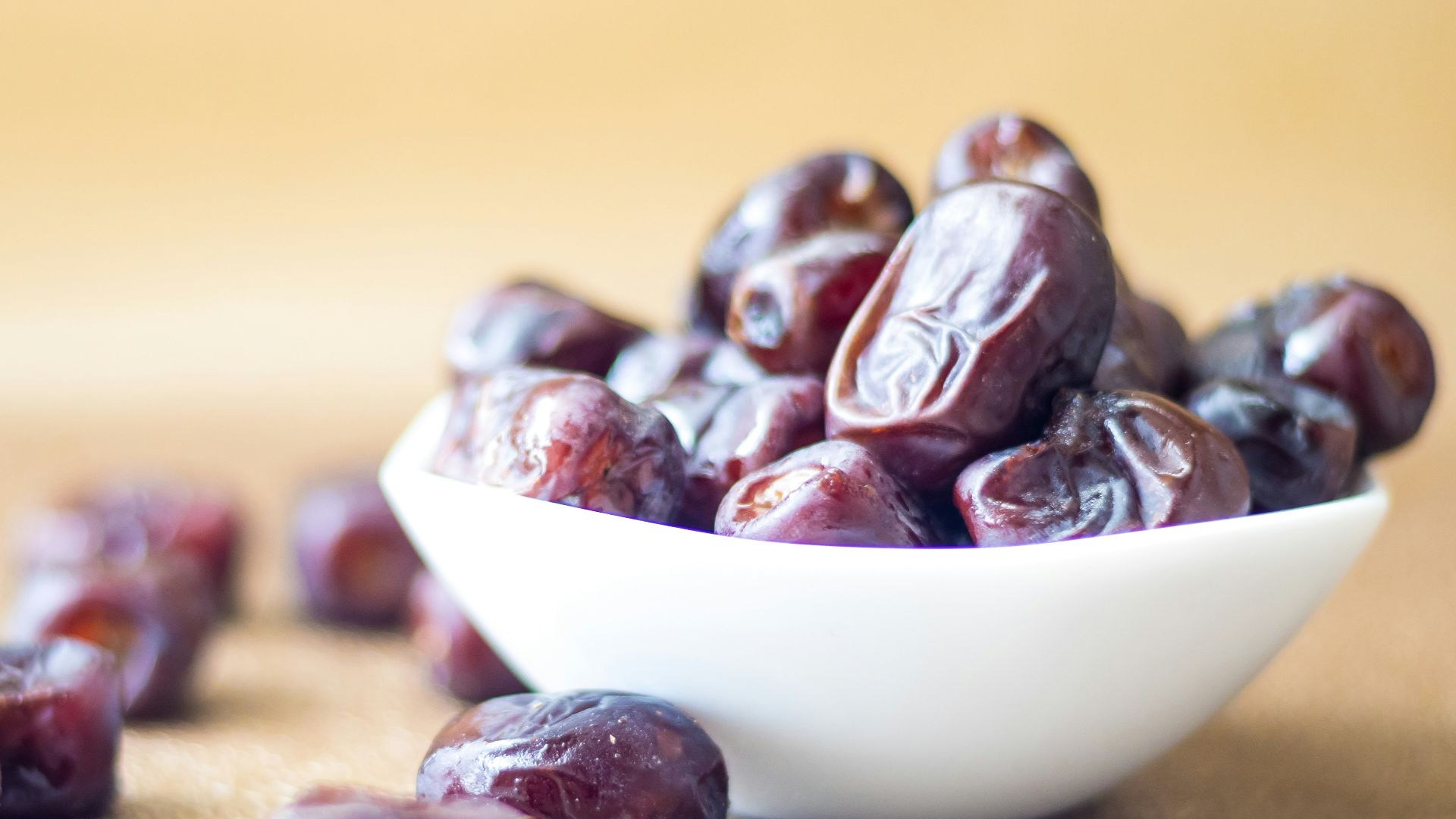
18. Honey-Glazed Dates
One of the easiest and tastiest desserts you can make is honey-glazed dates. Simply pit the dates and stuff them with salted almonds or walnuts. After stuffing your dates, pan fry them in honey until caramelized.
19. Barley Bread with Figs
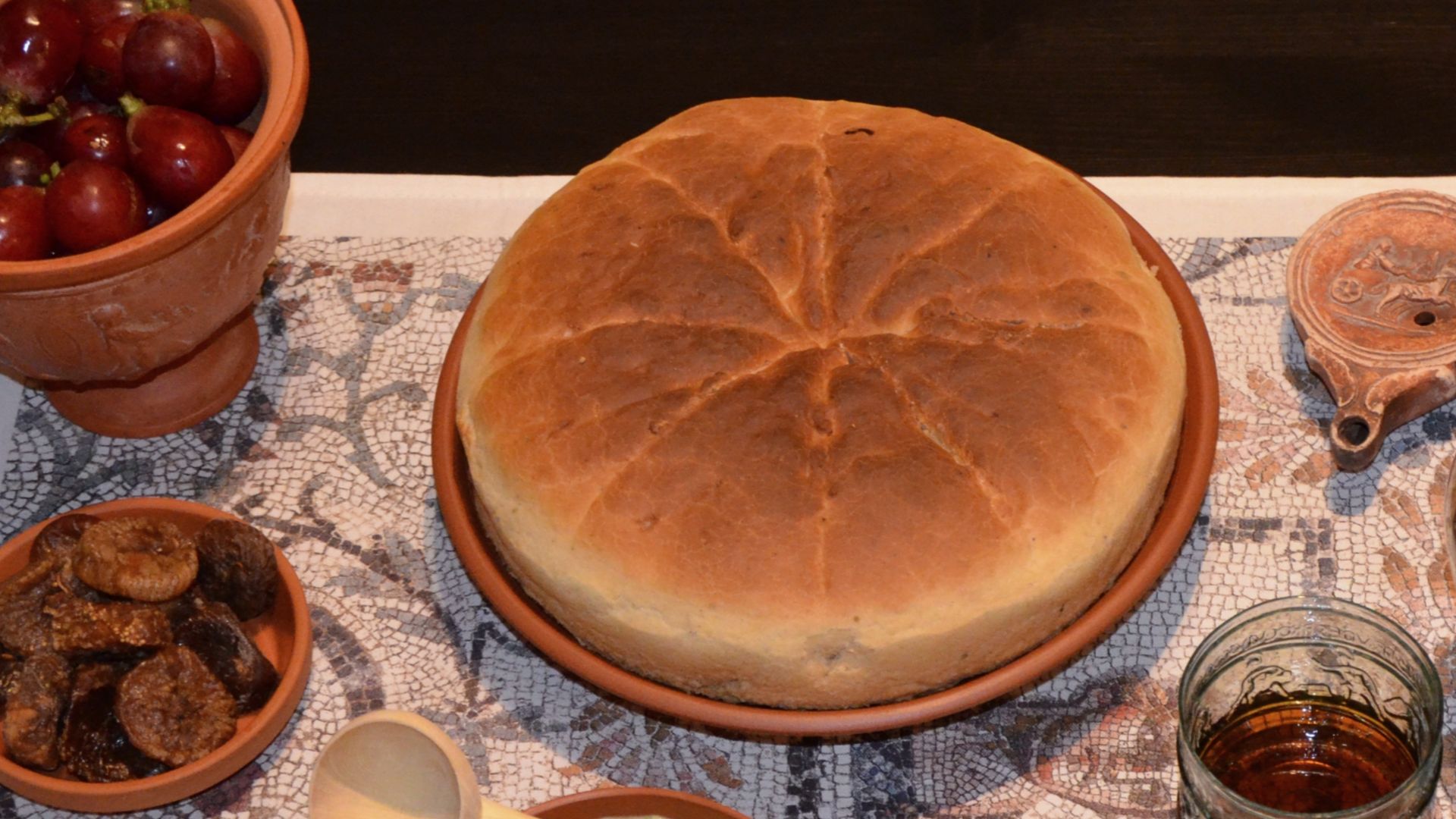
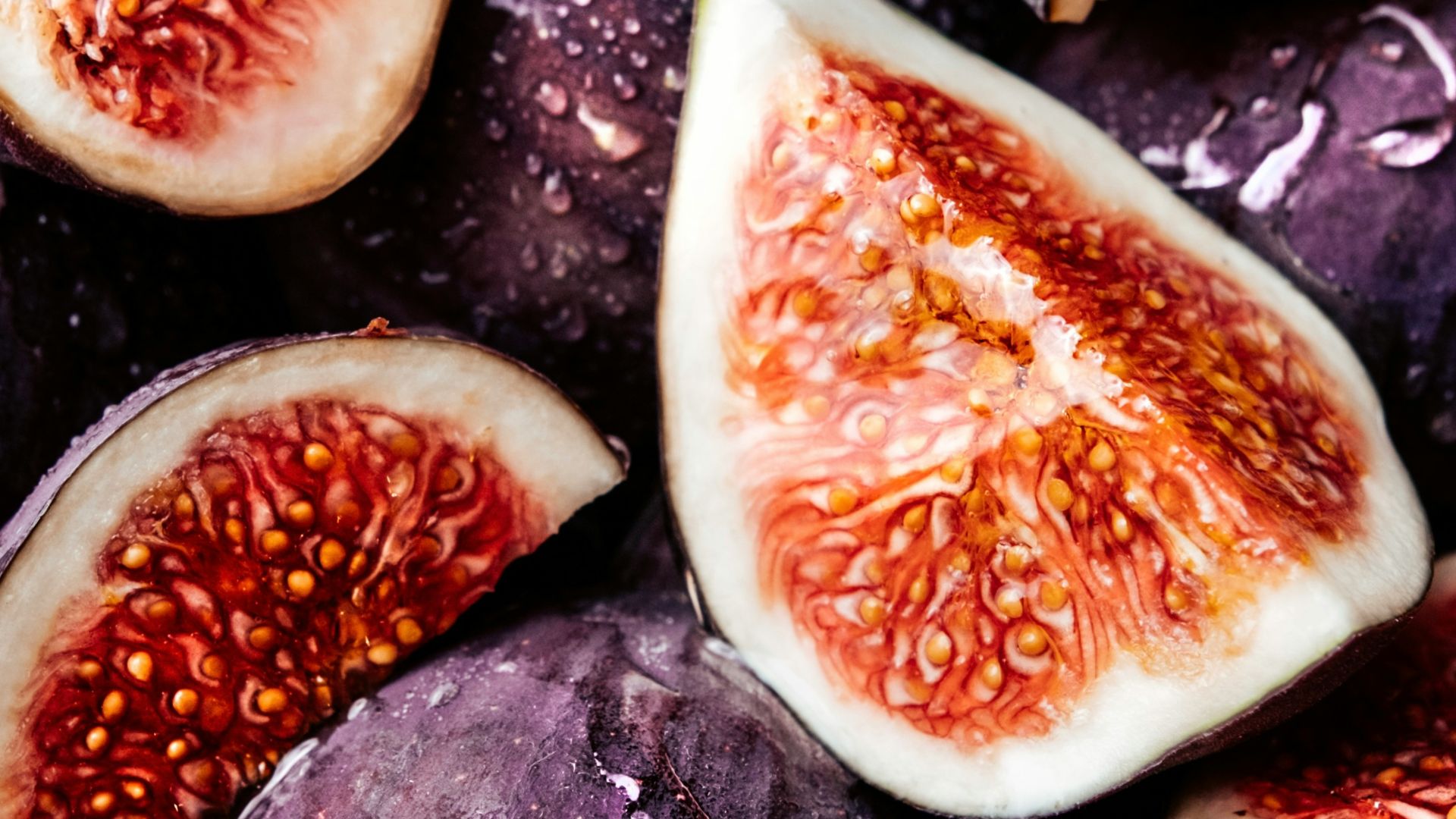
Fig-filled barley bread was a tasty treat in ancient Greece. Adding dried figs to your homemade barley bread will give it an extra chewiness and sweetness that you didn’t know you were craving. The figs will burst with flavor as they soften during the baking process.
20. Persian Herb Frittata
Known as Kuku Sabzi, this ancient dish is packed with so many greens that the eggs mainly serve to hold the herbs together. You can use parsley, cilantro, and dill to create a vibrant green cake that’s both healthy and flavorful. It’s a stunning centerpiece for any brunch and showcases the timeless appeal of fresh garden ingredients.
KEEP ON READING