20 Immigrant Dishes That Became Small-Town American Traditions
The Potluck Foods That Put Down Roots
A lot of the food people call small-town American wasn’t necessarily born in the United States. It came with families who arrived from Bohemia, Poland, Norway, Italy, Germany, Ukraine, El Salvador, and Mexico - just to name a few. These communities kept cooking what they knew in mining towns, farm towns, mill towns, and railroad towns that were trying to become home. Over time, those dishes got folded into church basements, VFW halls, festival tents, high school fundraisers, and Friday-night suppers until the town started talking about them like they’d always been there. This is that story, 20 dishes at a time.
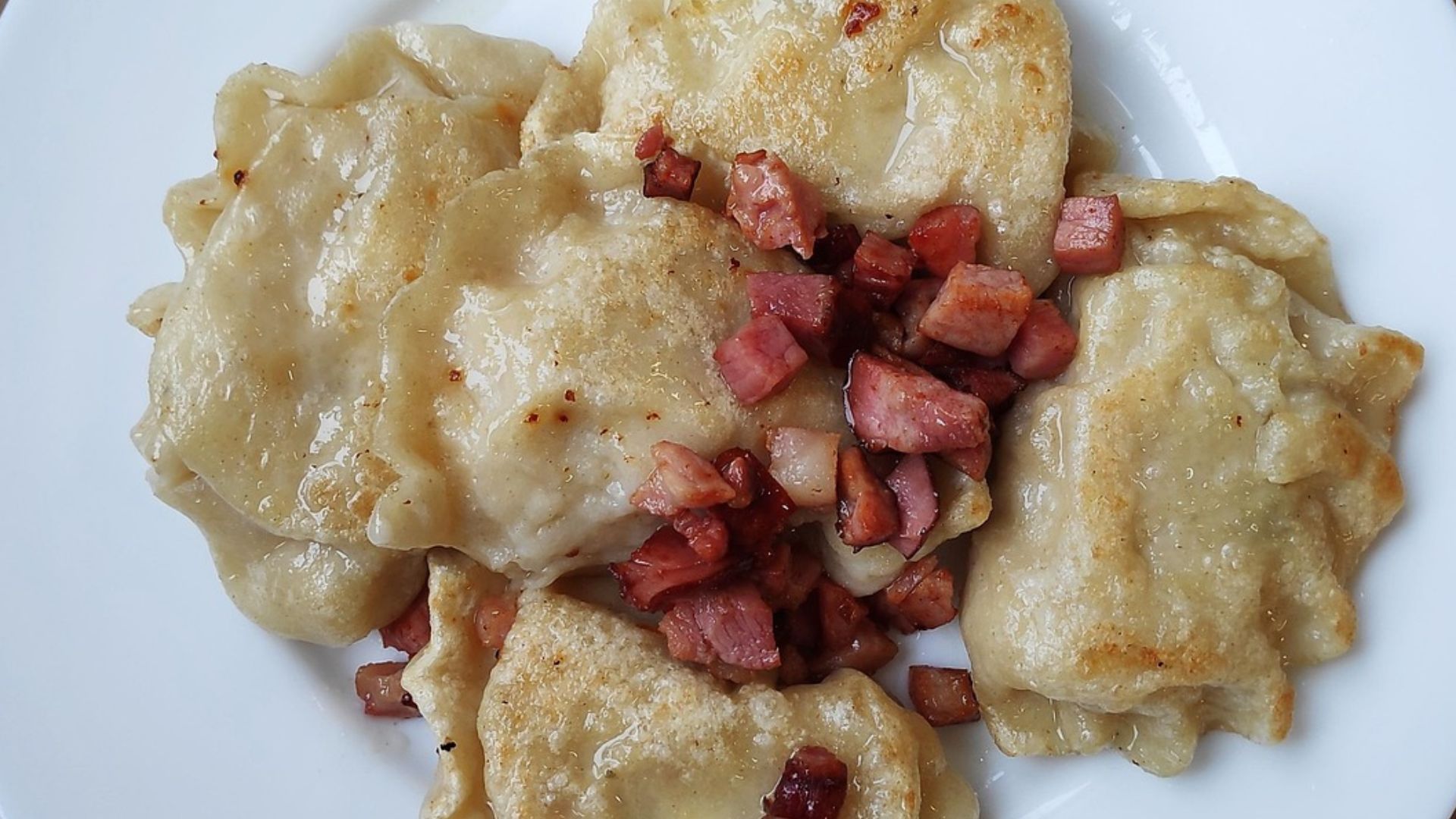
1. Kolaches
In West, Texas, kolaches aren’t treated like some niche old-country pastry. Czech settlers brought them to Central Texas in the late 1800s. Now they’re road-trip breakfast, bakery-box tradition, and one of the first foods people mention when the town comes up.
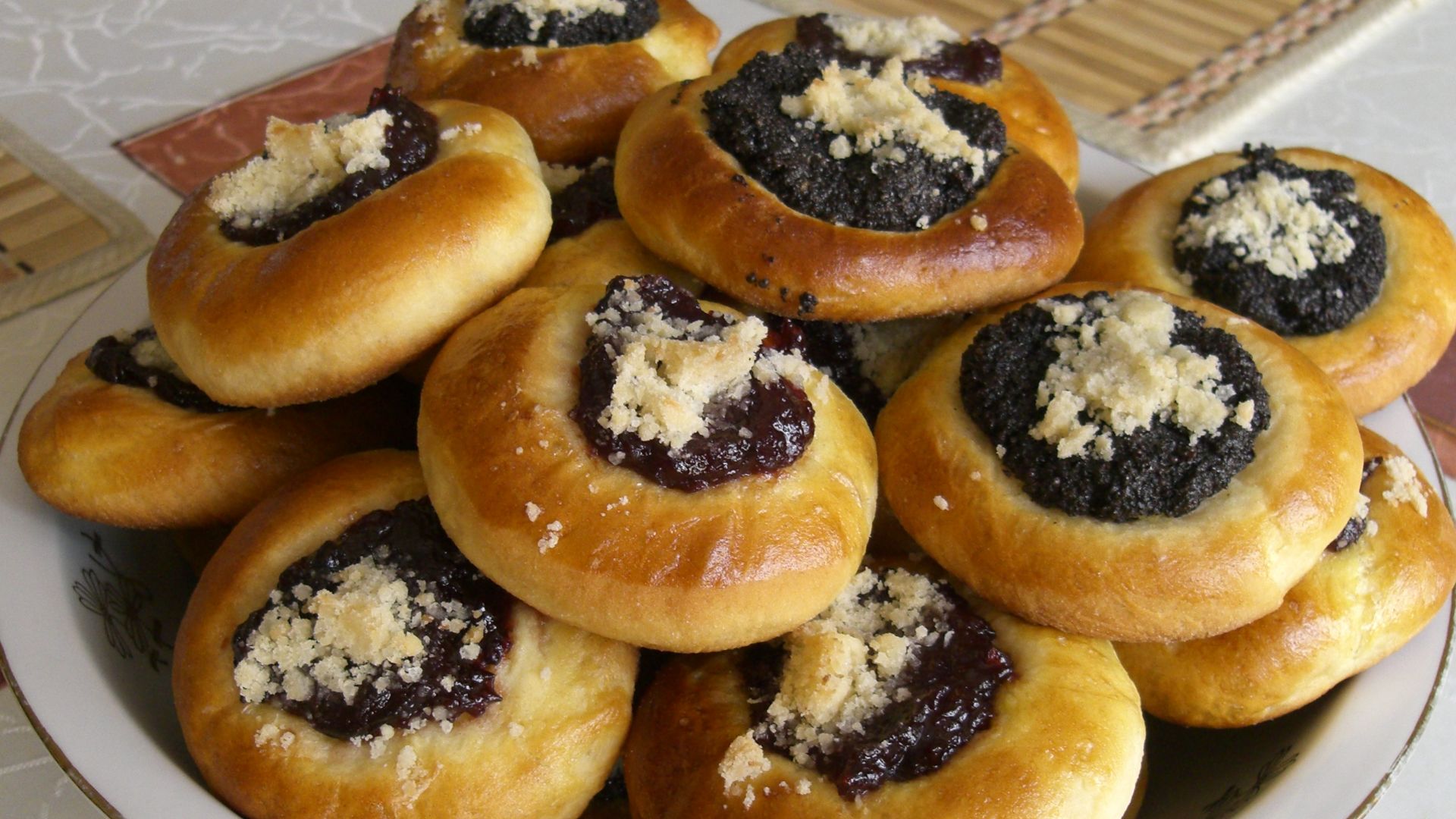
2. Pierogies
In Pennsylvania coal country, especially around Shenandoah, pierogies moved from home kitchens and church halls into everyday local life. Mrs. T’s built a frozen-food empire out of that tradition, though the heart of it still feels small-town: potato, cheese, and dough.
 Karolina Kołodziejczak on Unsplash
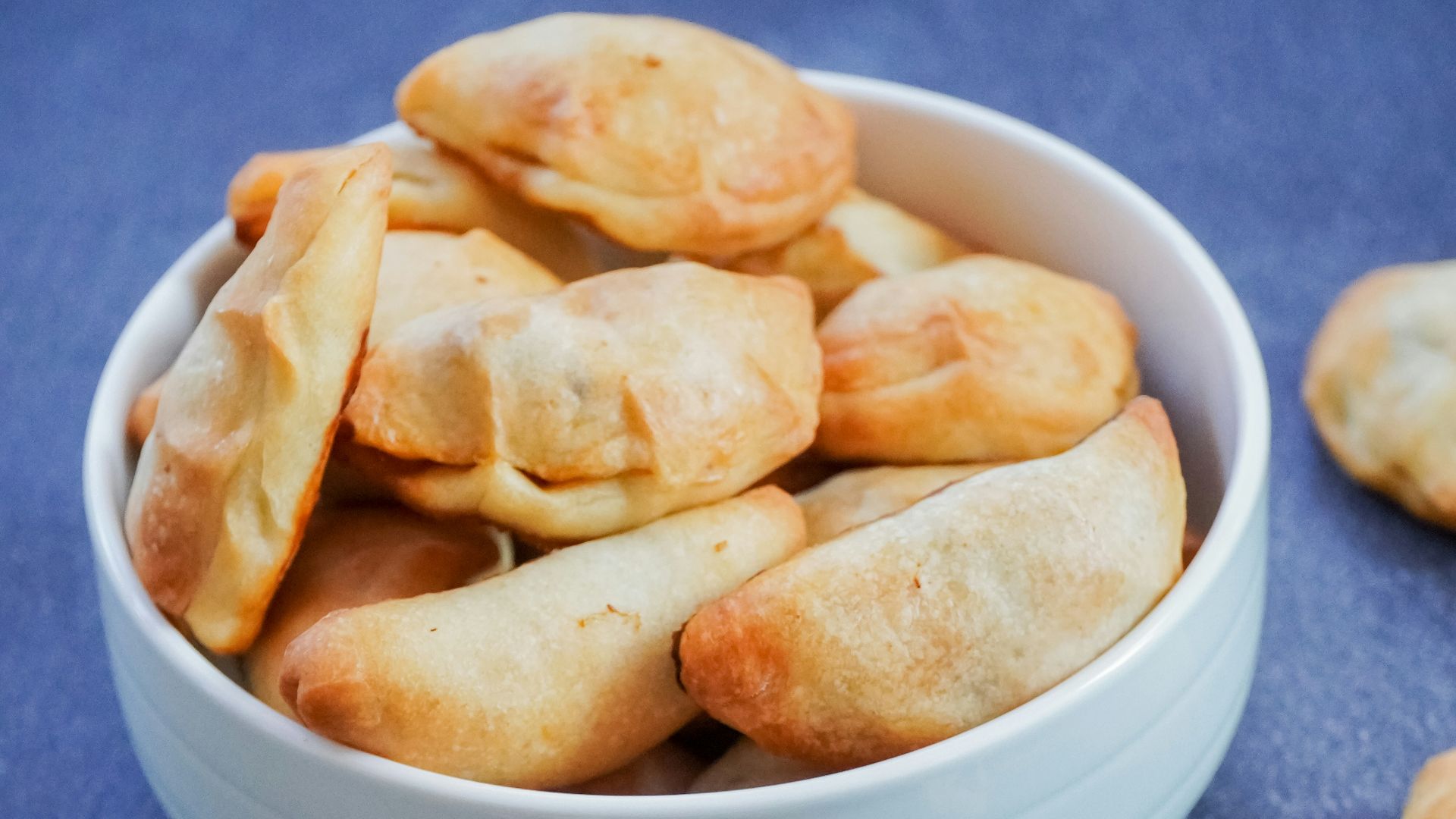
3. Runza
Runza in Nebraska is one of the clearest cases of immigrant food turning fully local. The sandwich grew out of Volga German bierock traditions, and by the time Sally Brening helped turn it into a fast-food staple in 1949, Nebraska had already decided that beef and cabbage in bread made perfect sense.
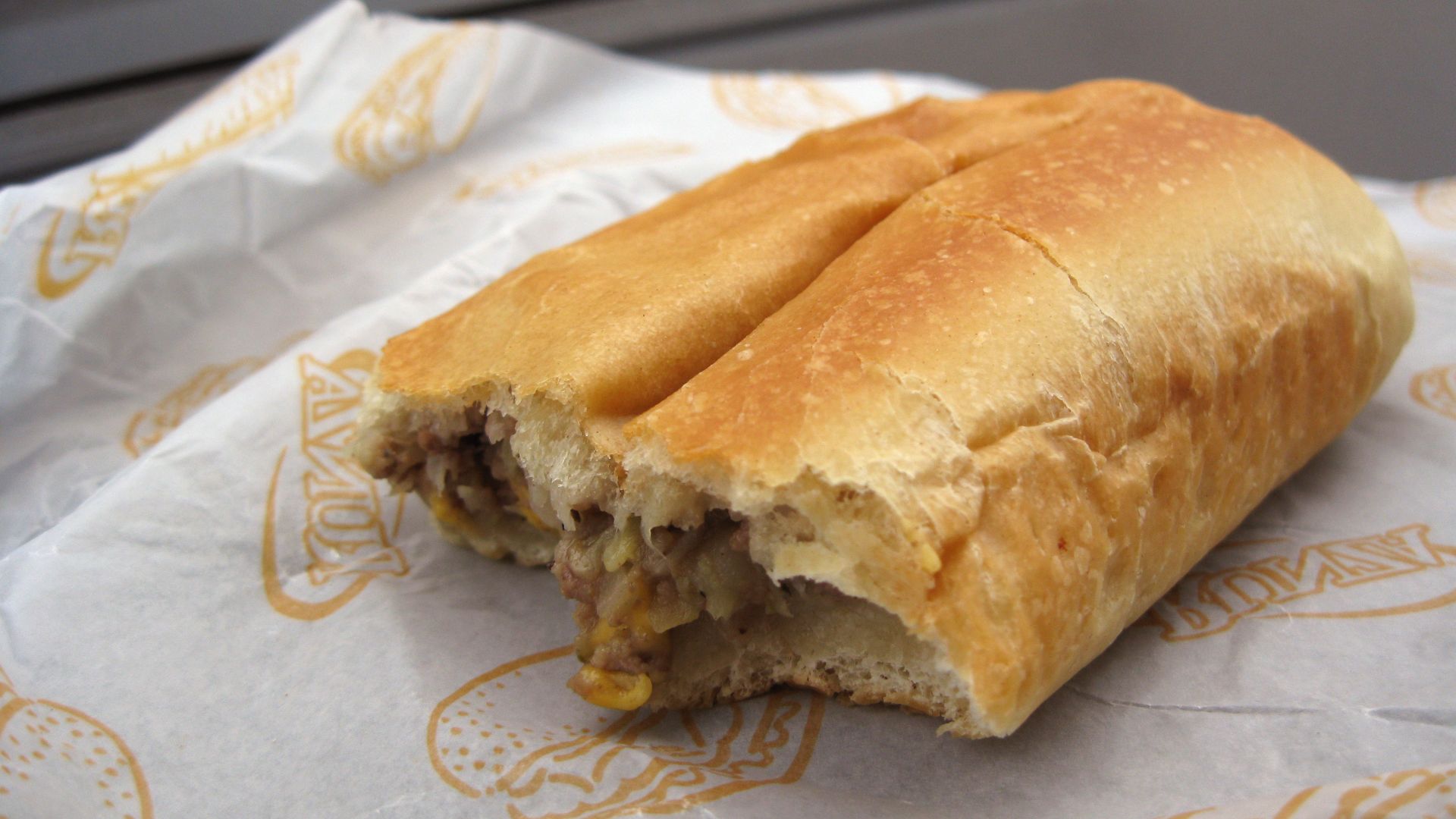
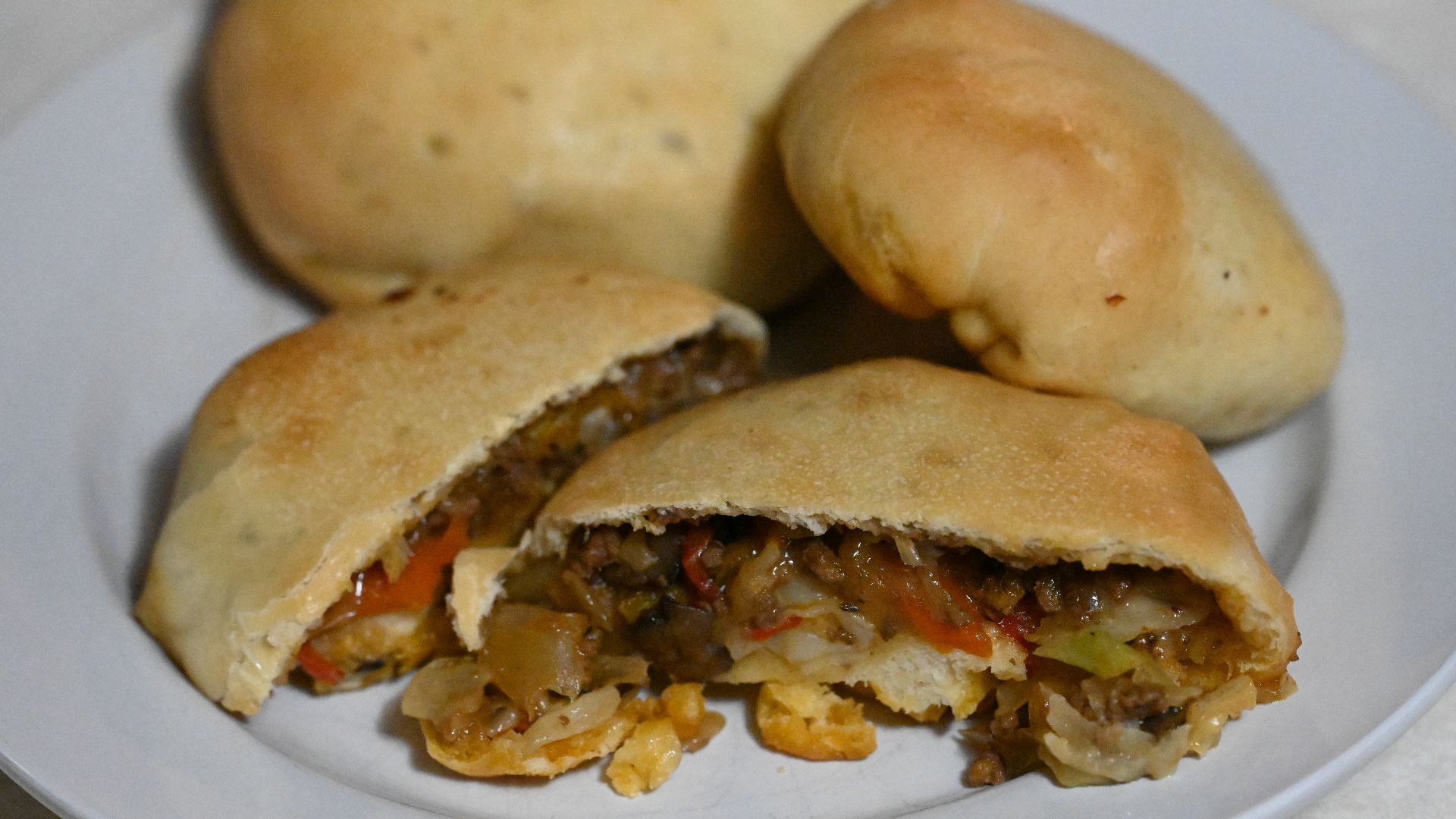
4. Bierocks
In western Kansas, bierocks still carry that same Volga German story, just with a different local accent. In places like Hays, they’ve stuck around through church sales, county fairs, and football weekends.
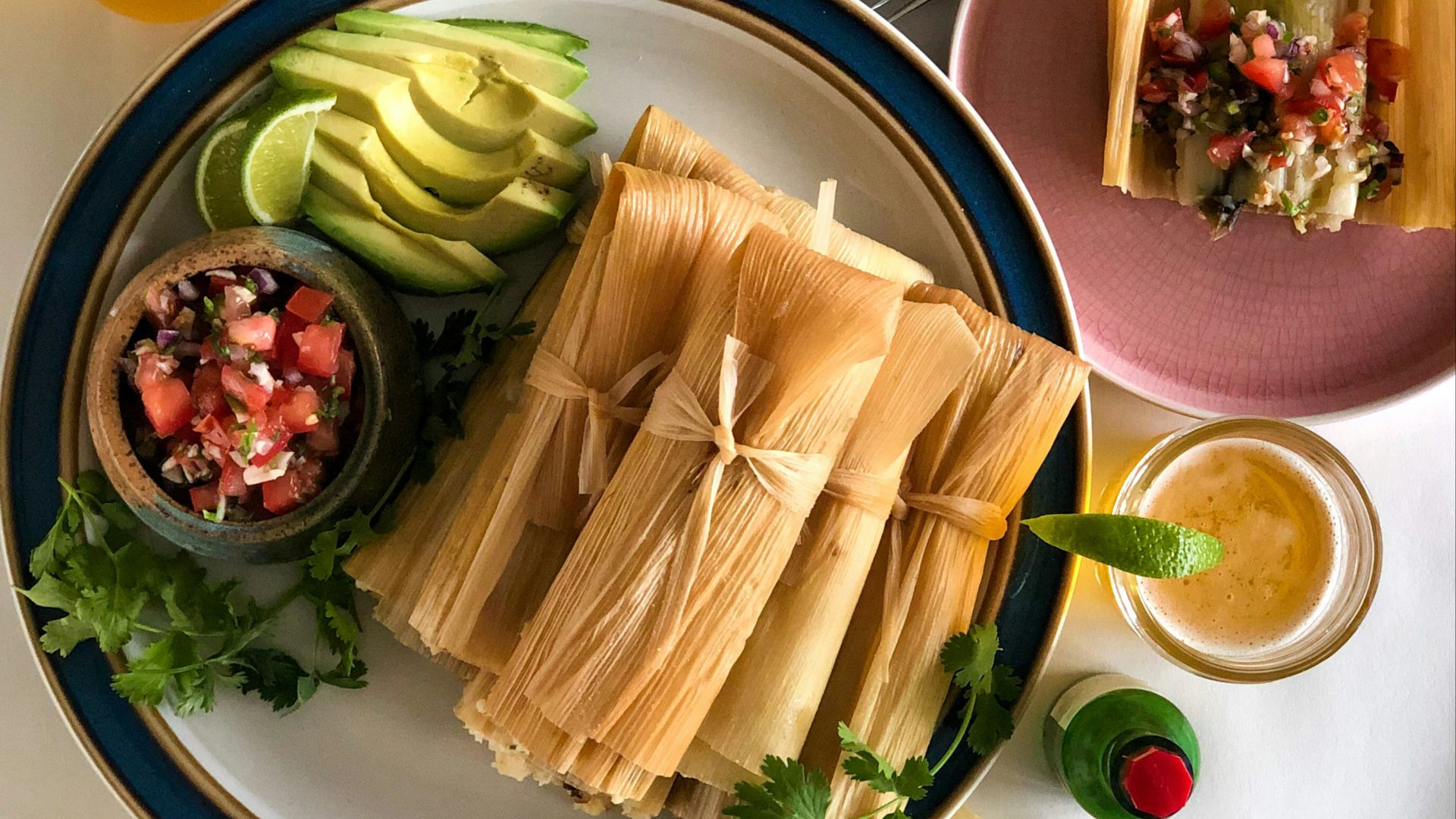
5. Tamales
Tamales have long since pushed past holiday-special status in plenty of Plains and Southwest towns, though the Christmas tamale season still hits hardest. In Kansas and nearby states, tamaladas and family preorders turned them into the kind of food people build their holidays around.
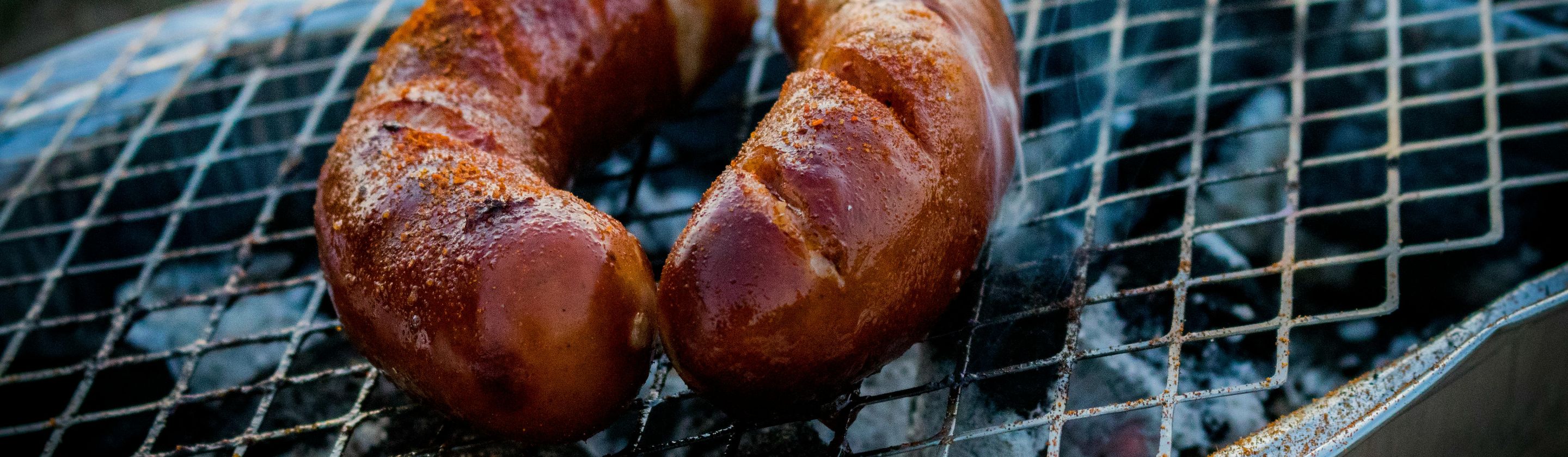
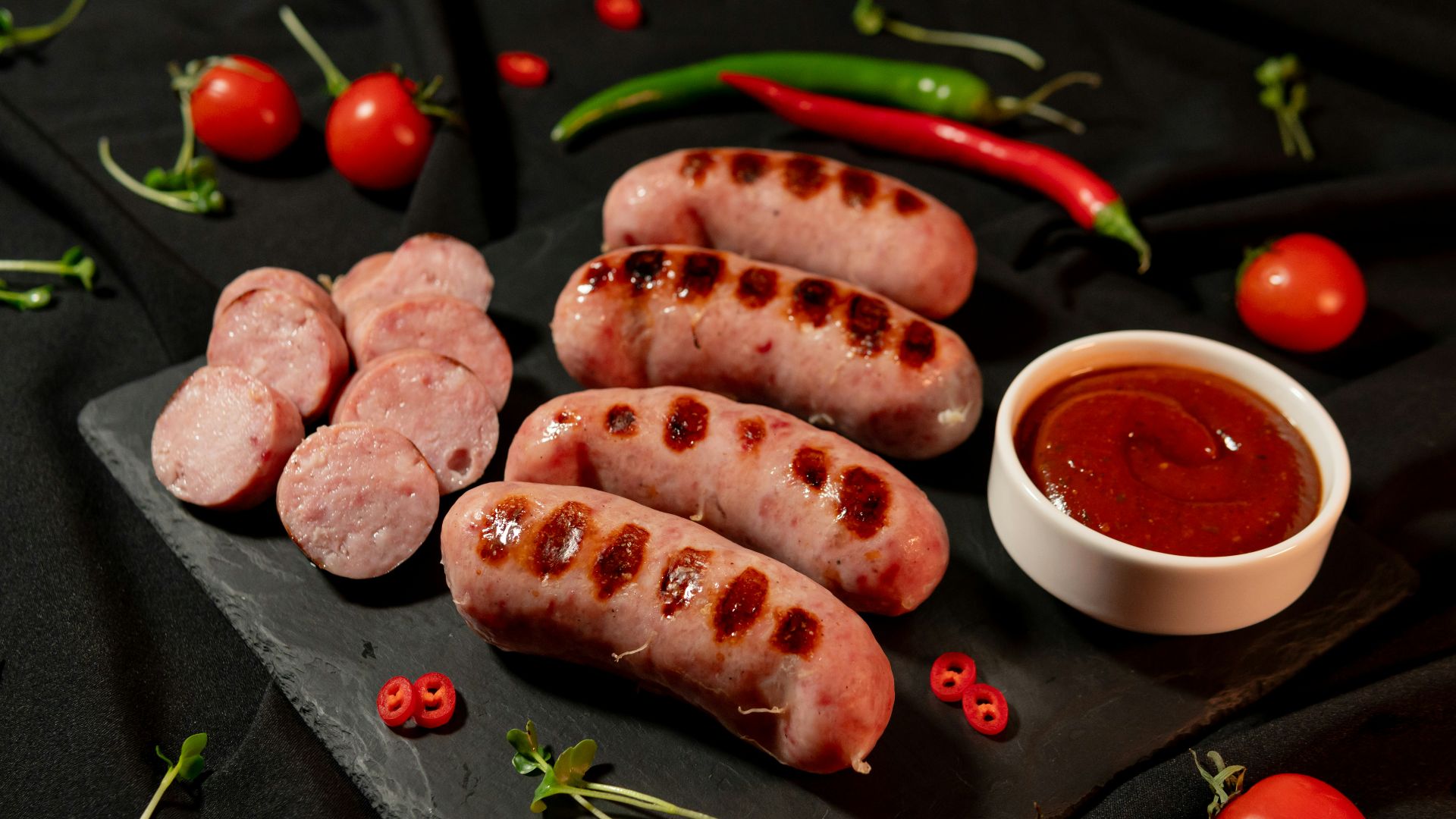
6. Kielbasa And Kraut
In Milwaukee-area Polish communities and places like West Allis, kielbasa and kraut paired nicely with the local appetite for hearty, beer-friendly food. Once sausage dinners start showing up at veterans' halls, parish events, and neighborhood bars, nobody treats them like an outsider anymore.
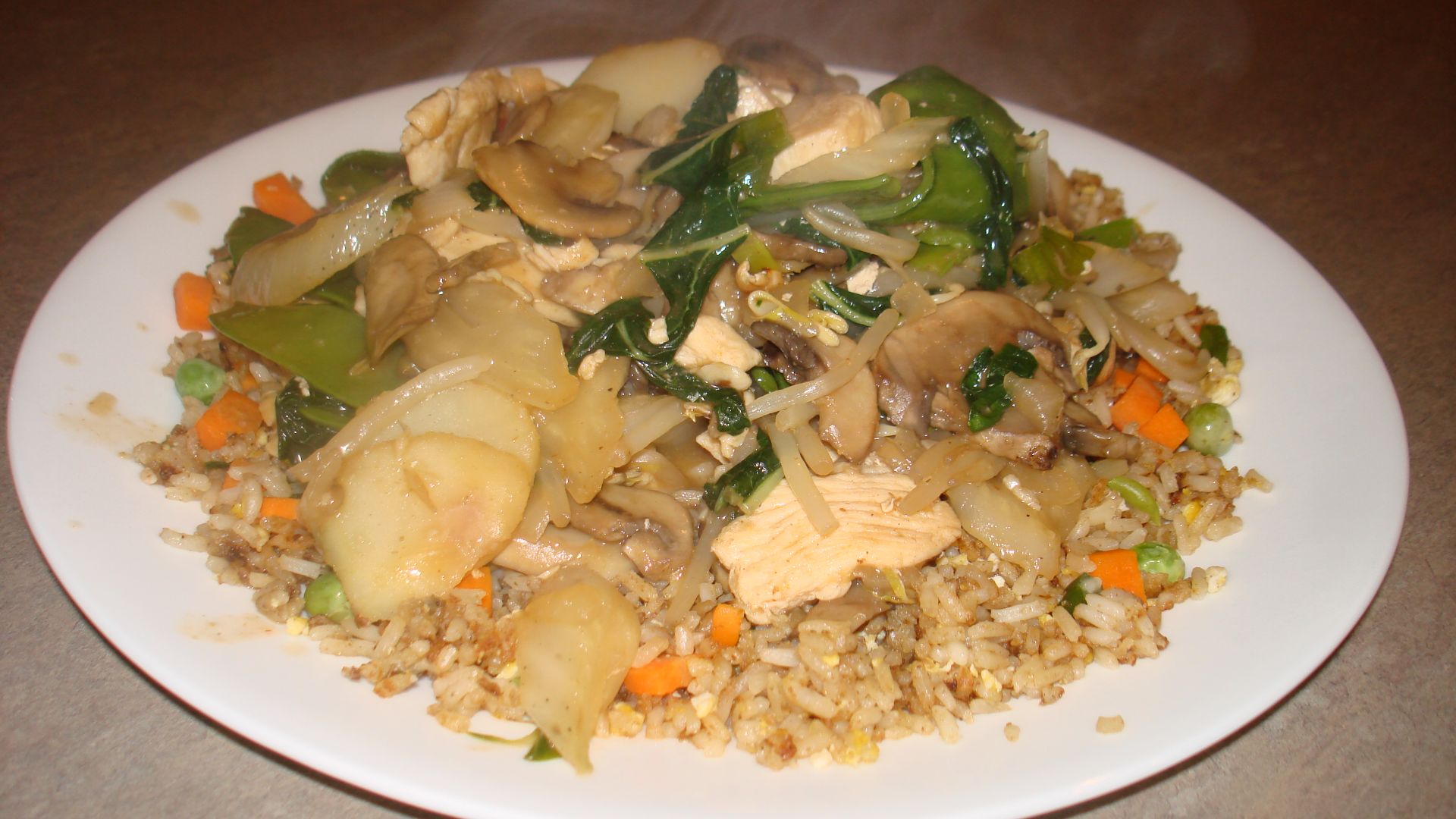
7. Chop Suey
Marysville, California, still carries one of the deepest Chinese American histories in the state. Dishes sold as chop suey or American chow mein came out of adaptation and survival, then stuck around long enough to feel like part of the town’s own restaurant history.
 Eli Hodapp from Naperville, United States on Wikimedia
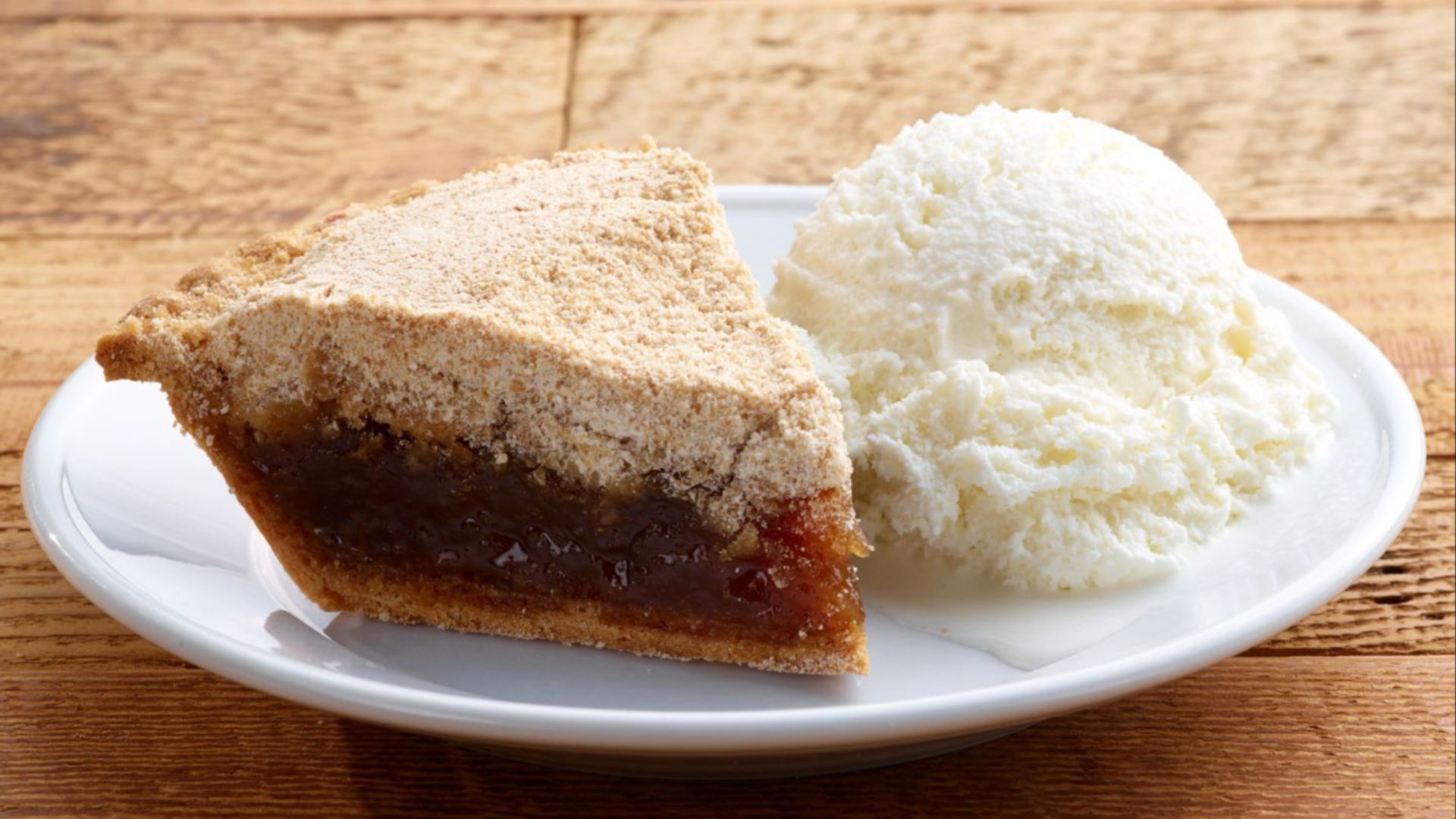
8. Shoofly Pie
Shoofly pie is so tied to Pennsylvania Dutch country now that a lot of visitors forget it came out of German-speaking immigrant foodways. In Lancaster County, especially around places like Bird-in-Hand and Intercourse, it’s more than a tourist-oriented dessert.
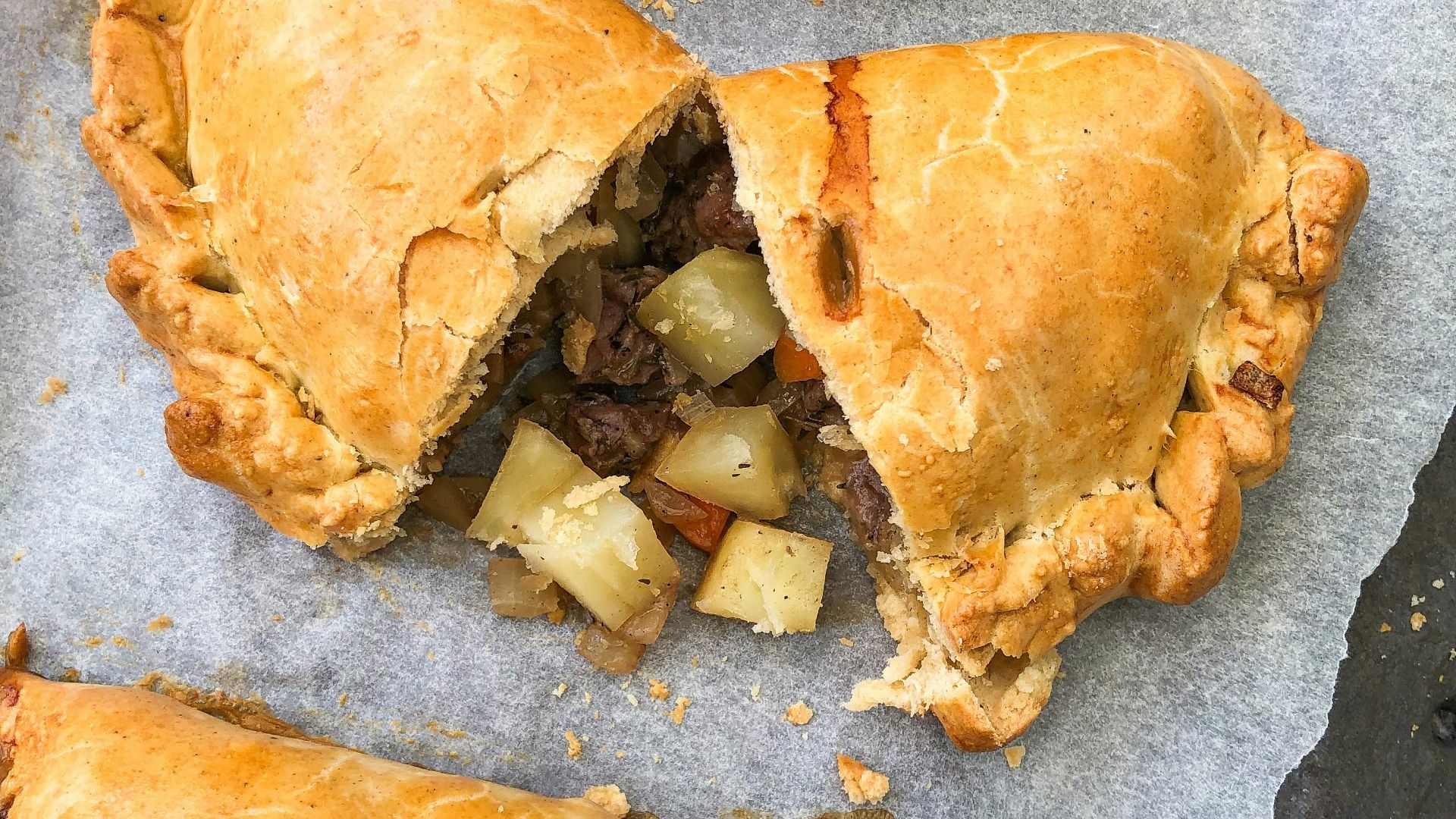
9. Pasties
Pasties in Michigan’s Upper Peninsula are an important part of the area's identity. Cornish miners brought them in the 19th century because a sturdy meat-and-vegetable hand pie made sense underground. Now Yoopers defend them with the kind of energy people usually save for sports teams.
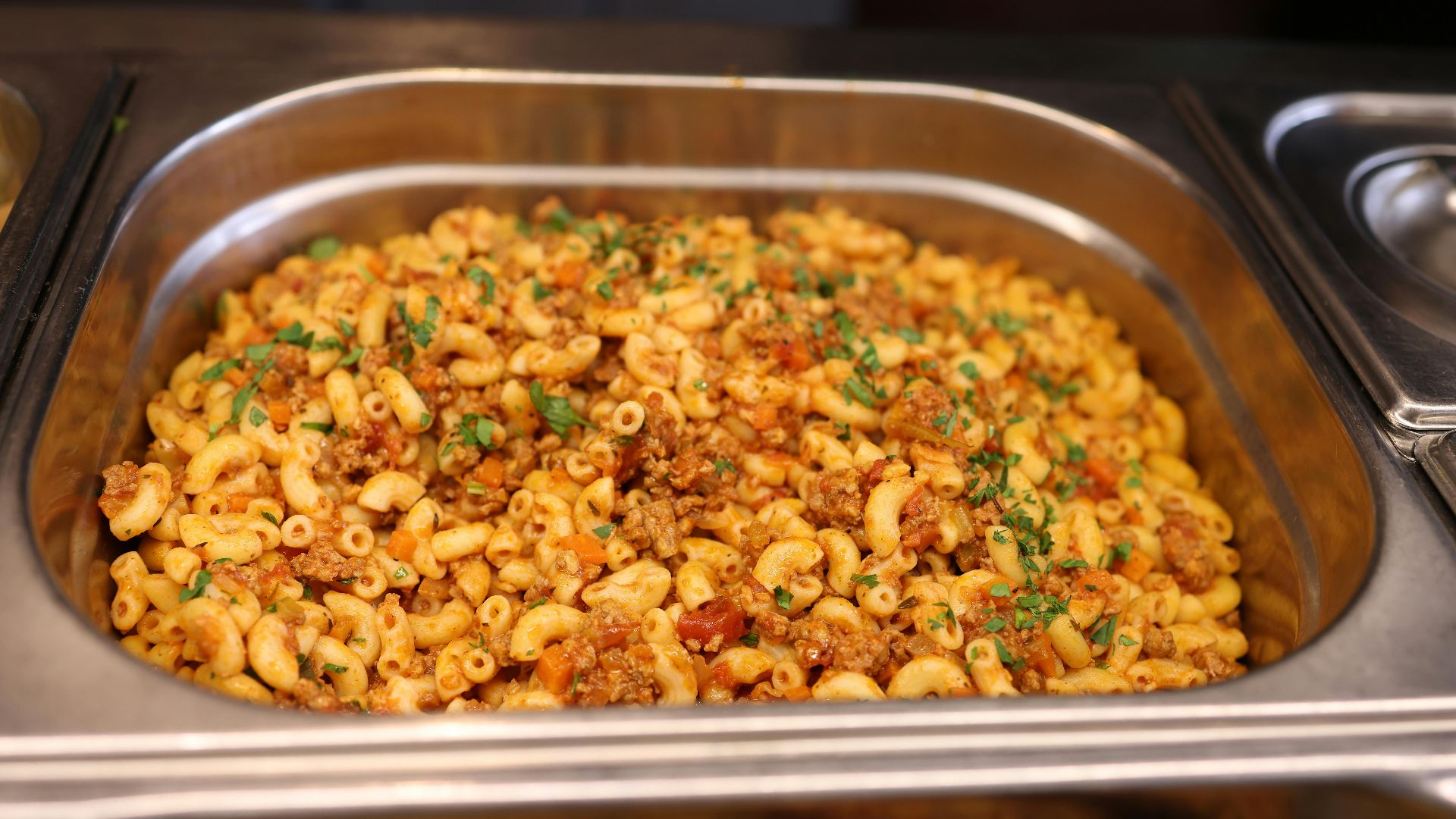
10. American Goulash
American goulash changed a lot from the traditional Hungarian food, though the paprika-and-starch comfort is still there if you know what you’re looking for. In Ohio and Pennsylvania steel-country kitchens, it became church-hall food and weeknight food, the kind of meal that fed a crowd.
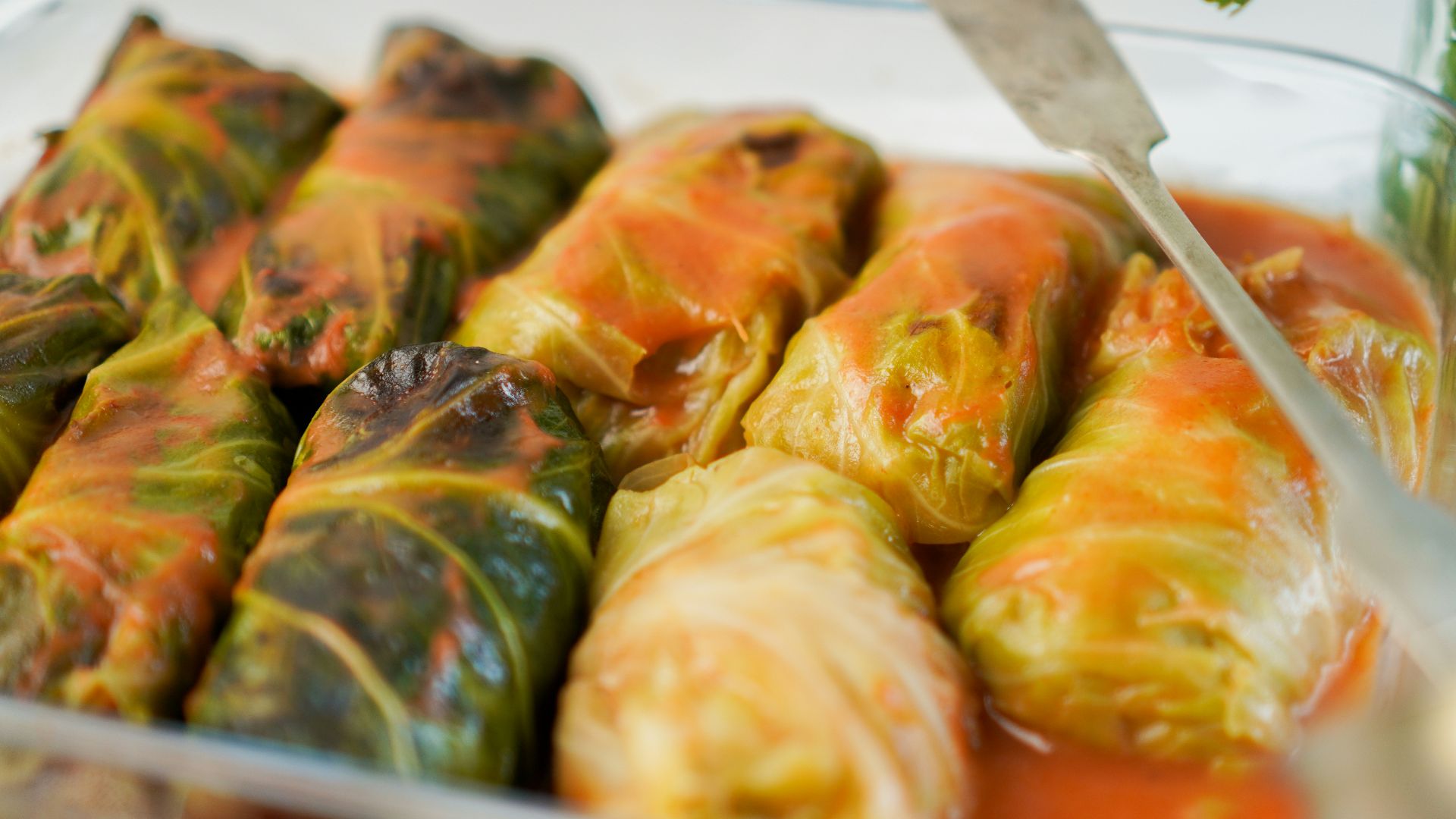
11. Stuffed Cabbage
Whether you call it golabki, galumpkis, or holubtsi, stuffed cabbage settled beautifully into communities across the Midwest and Rust Belt. This is thanks to the influx of Slavic and Eastern European communities that settled there.
 Karolina Kołodziejczak on Unsplash
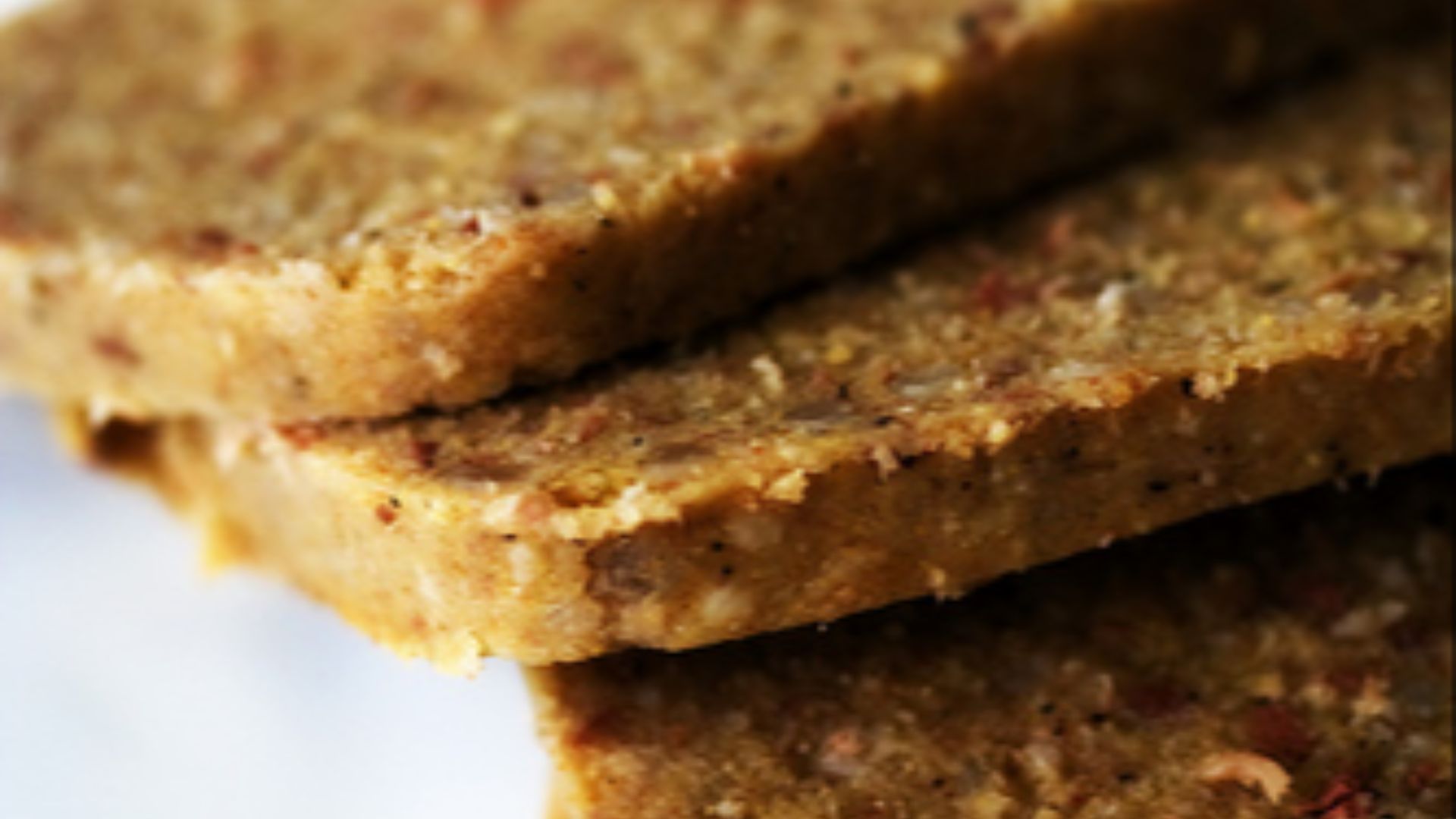
12. Scrapple
Scrapple has old German roots, though on Delmarva it grew into something much more local than that. Bridgeville’s Apple-Scrapple Festival tells you everything you need to know, because foods don't often get whole-town fall festivals unless the place has cemented them as one of their own.
 Steamykitchen SteamyKitchen.com on Wikimedia
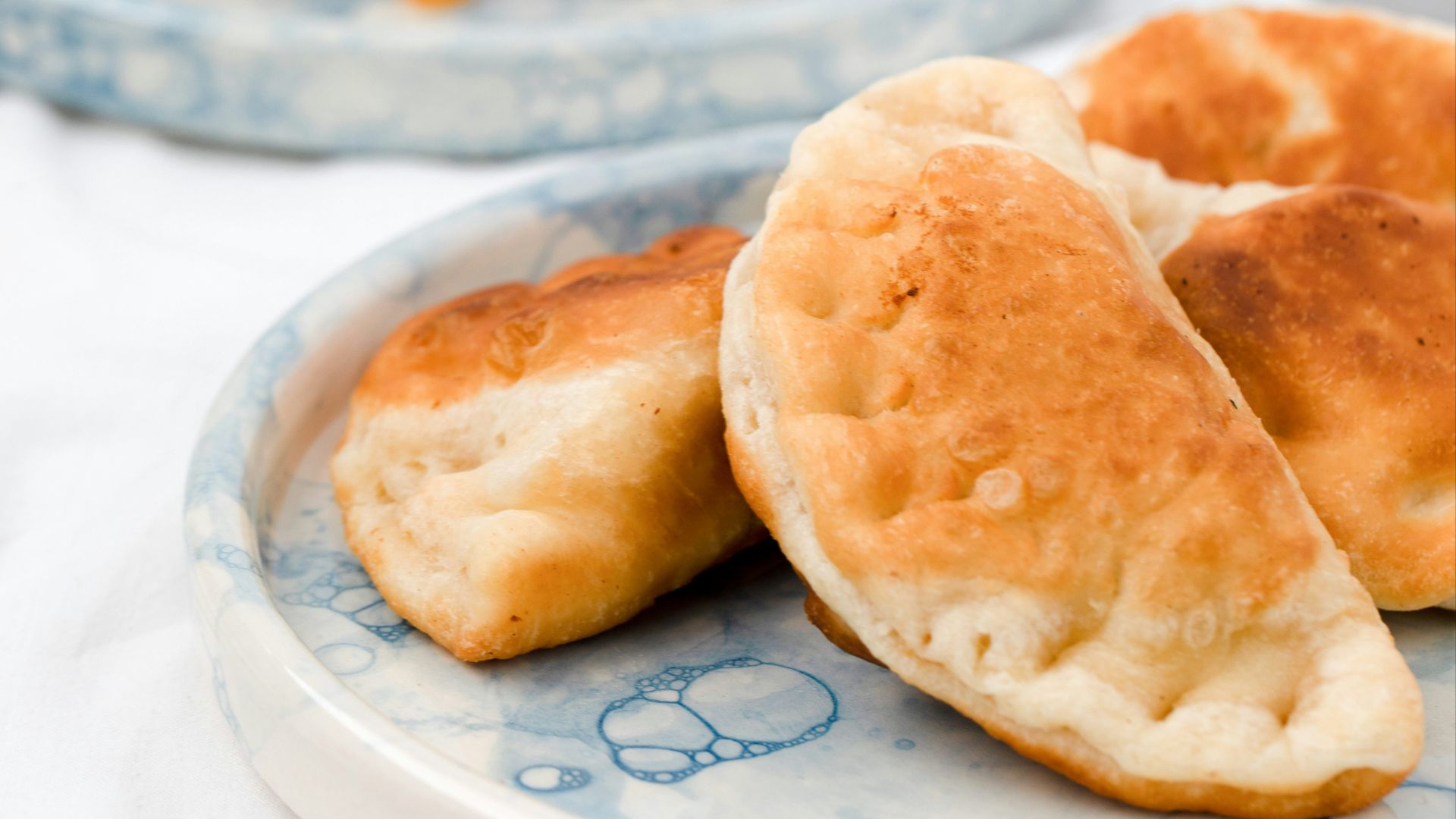
13. Pupusas
In Maryland, especially in Prince George’s County and the D.C. suburbs, pupusas became neighborhood favorites, thanks to Salvadoran families in the area. The meal quickly became a local staple, rather than a specialty dish.
 Bakd&Raw by Karolin Baitinger on Unsplash
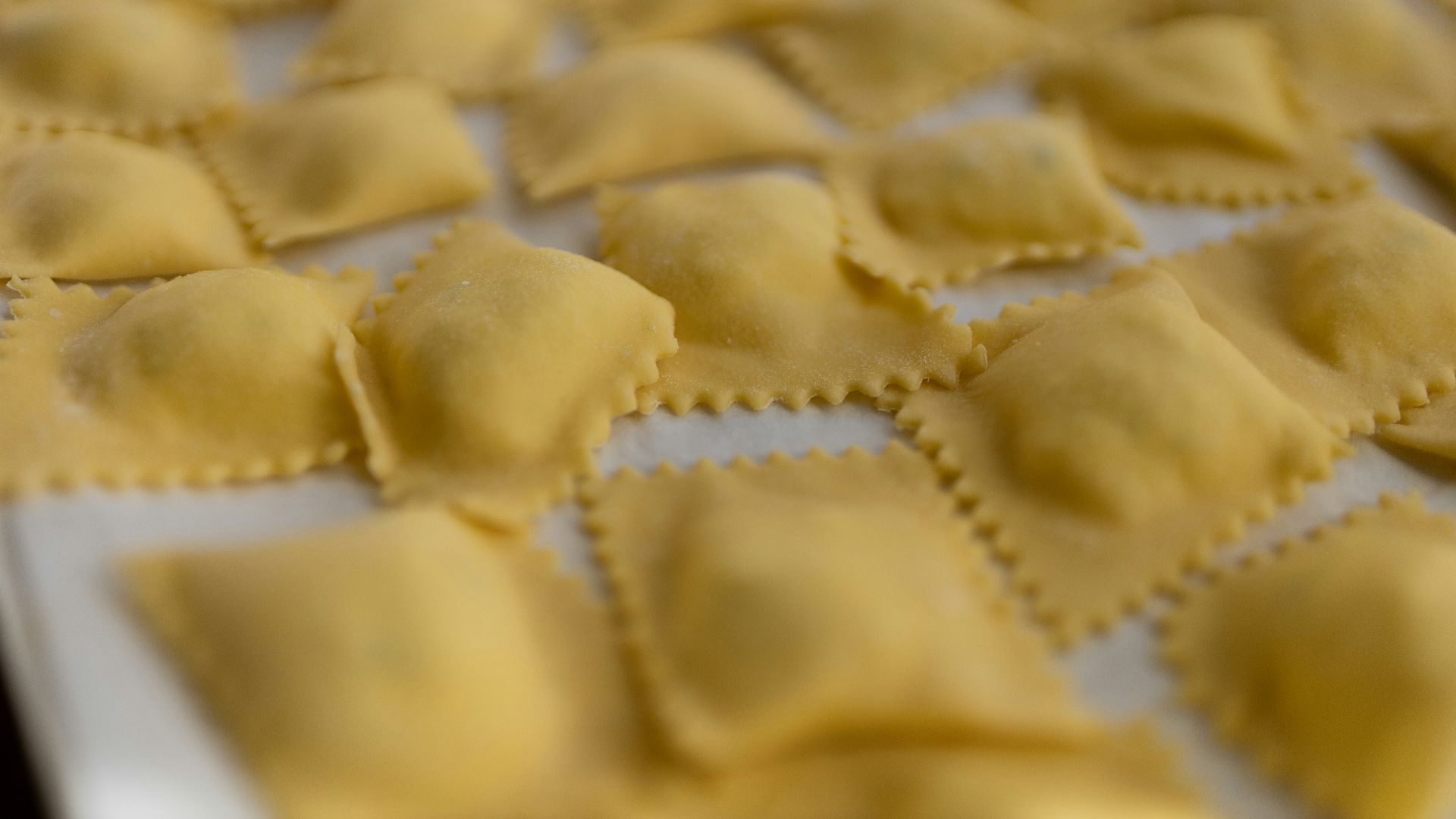
14. Homemade Ravioli
Kenosha’s Italian American community has held onto homemade ravioli with an iron grip. This tasty pasta dish is a staple among church dinners, holidays, and the city's Italian Festival.
 Lorenzo Tomassetti on Unsplash
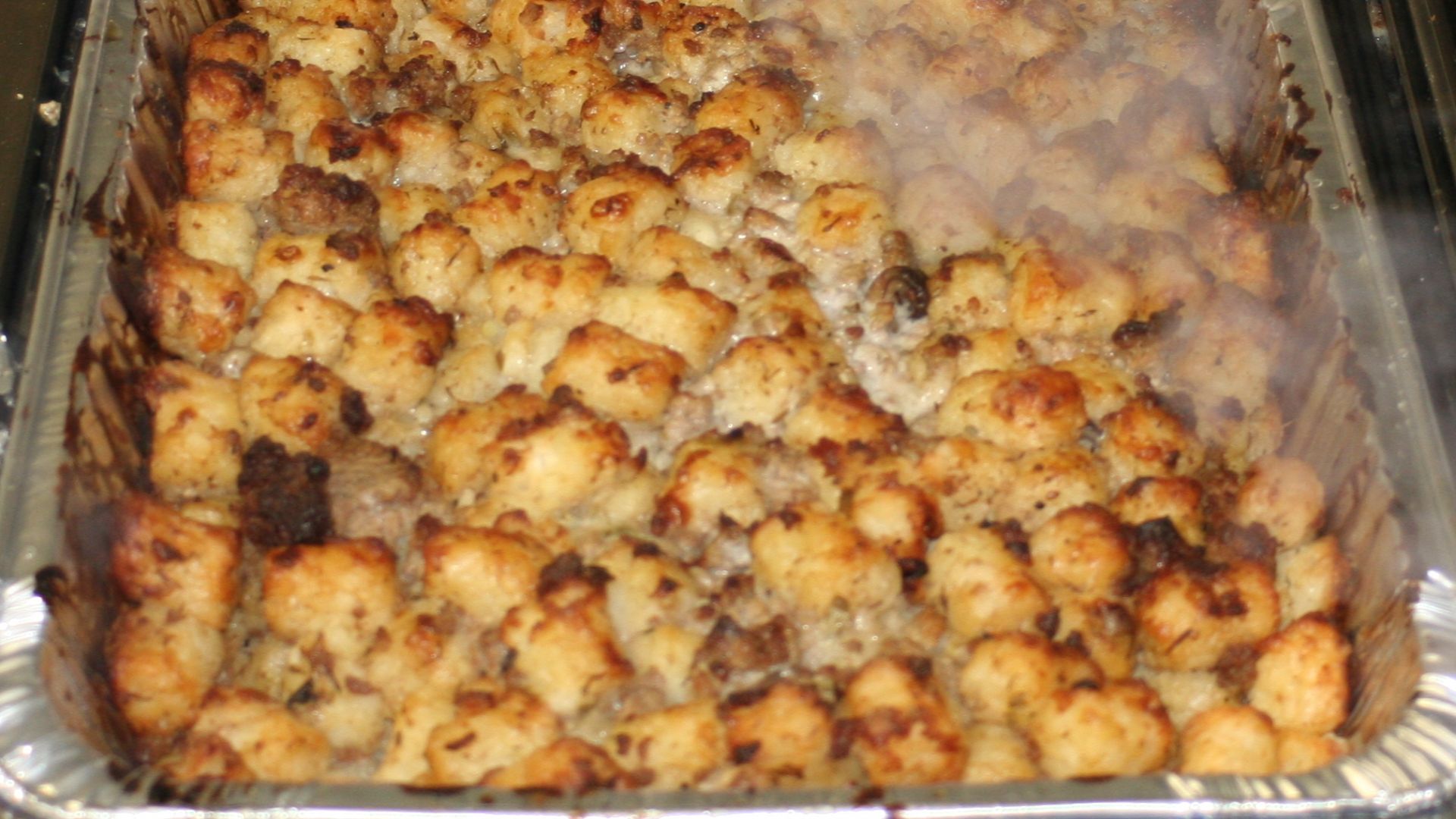
15. Tater Tot Hotdish
Hotdish is Minnesota through and through, and small-town church culture helped cement its place on the dinner table. Its roots run through early-20th-century casserole culture and wartime thrift, then straight into Lutheran potlucks and Iron Range kitchens, where practical food always had a real audience.
16. Falafel Pitas
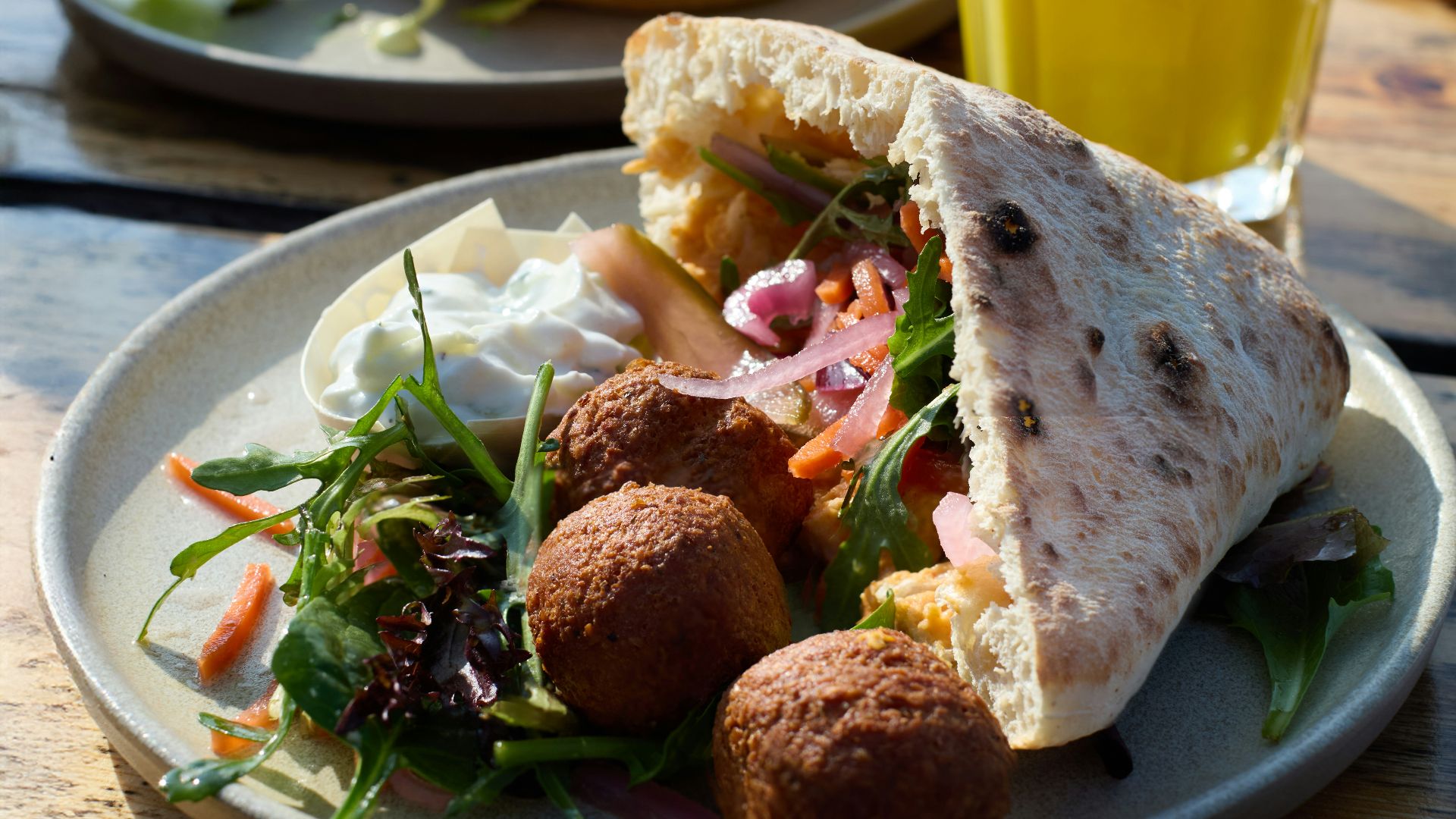
Falafel never became a small-town staple everywhere, though in some college towns and immigrant-shaped communities it found a very real foothold. In a place like Decorah, where Norwegian heritage sits alongside a more curious local food scene than outsiders might expect, a falafel pita can settle in without much fuss.
17. Potato Knishes
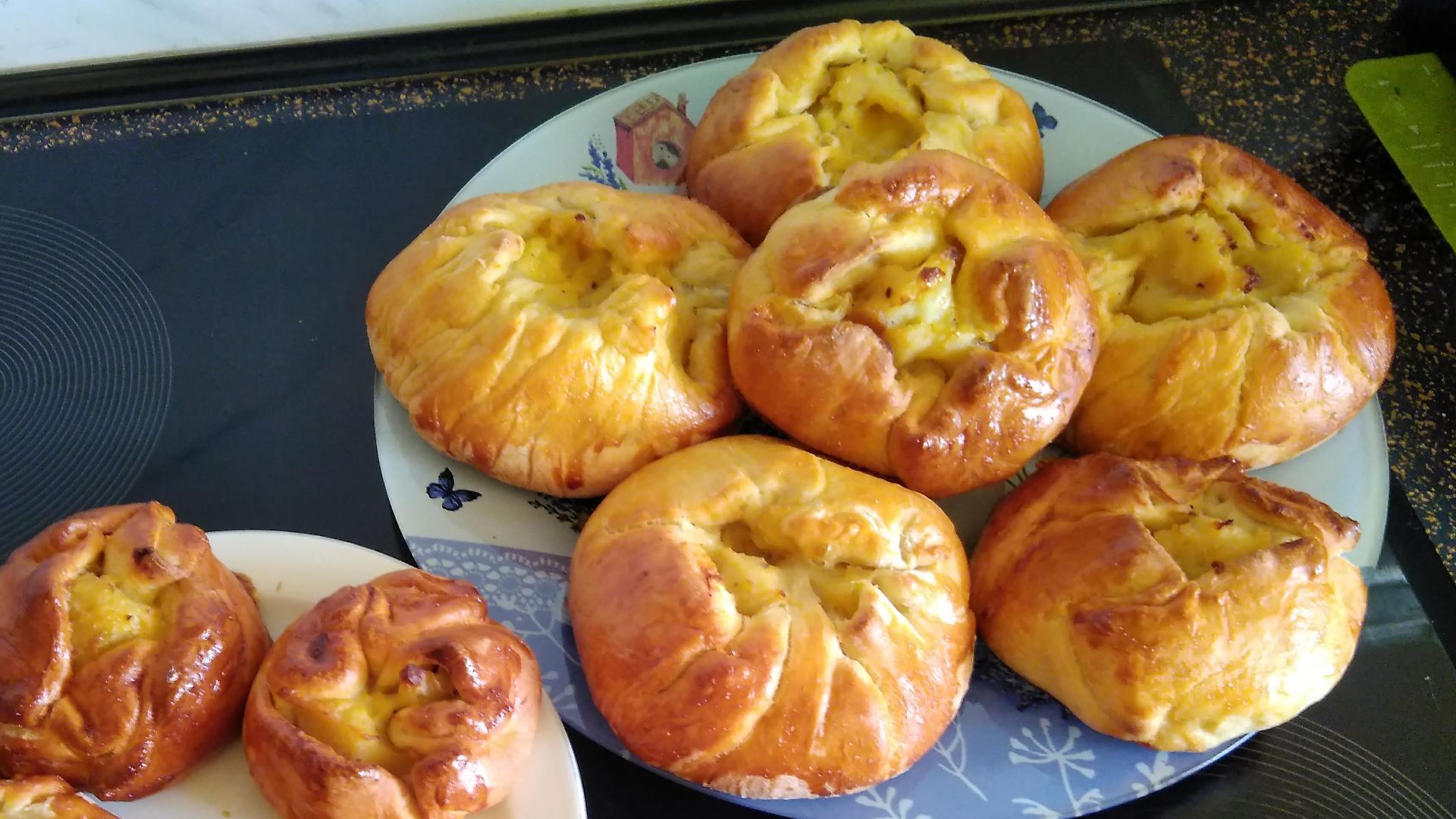
Knishes followed Jewish immigrant cooking into factory cities, lunch counters, and steel-town neighborhoods where a cheap, filling hand pie made perfect sense. Once something starts being sold beside coneys, diner coffee, and shift-change snacks, it becomes a local habit faster than people realize.
18. Carnitas Tortas
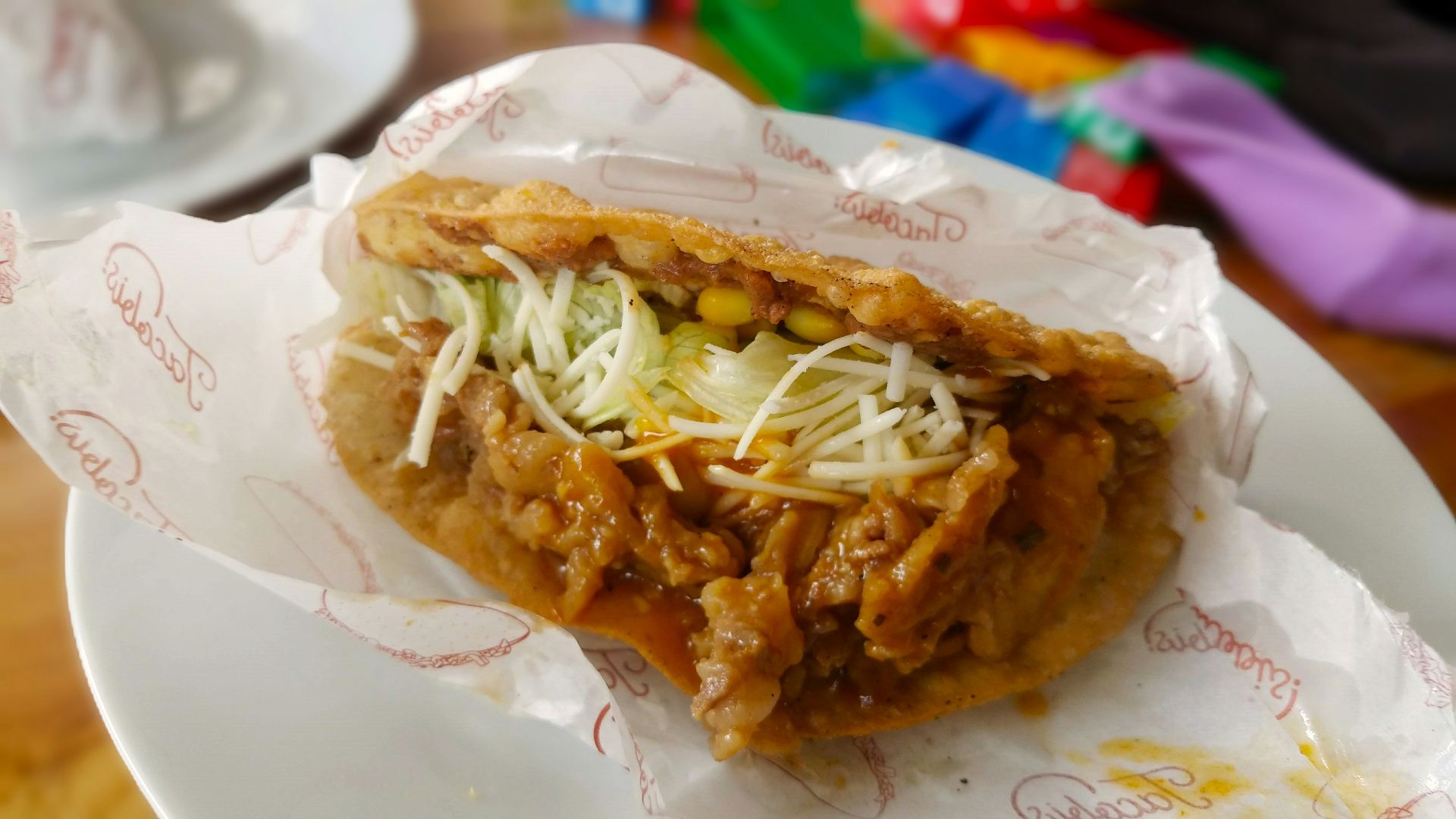
In meatpacking towns like Guymon, Oklahoma, carnitas tortas fit naturally into daily life, as immigrant workers brought the food they actually wanted to eat. That's how a lot of American local food gets made, really, one truck, one counter, one school-night crowd at a time.
19. Kiffles
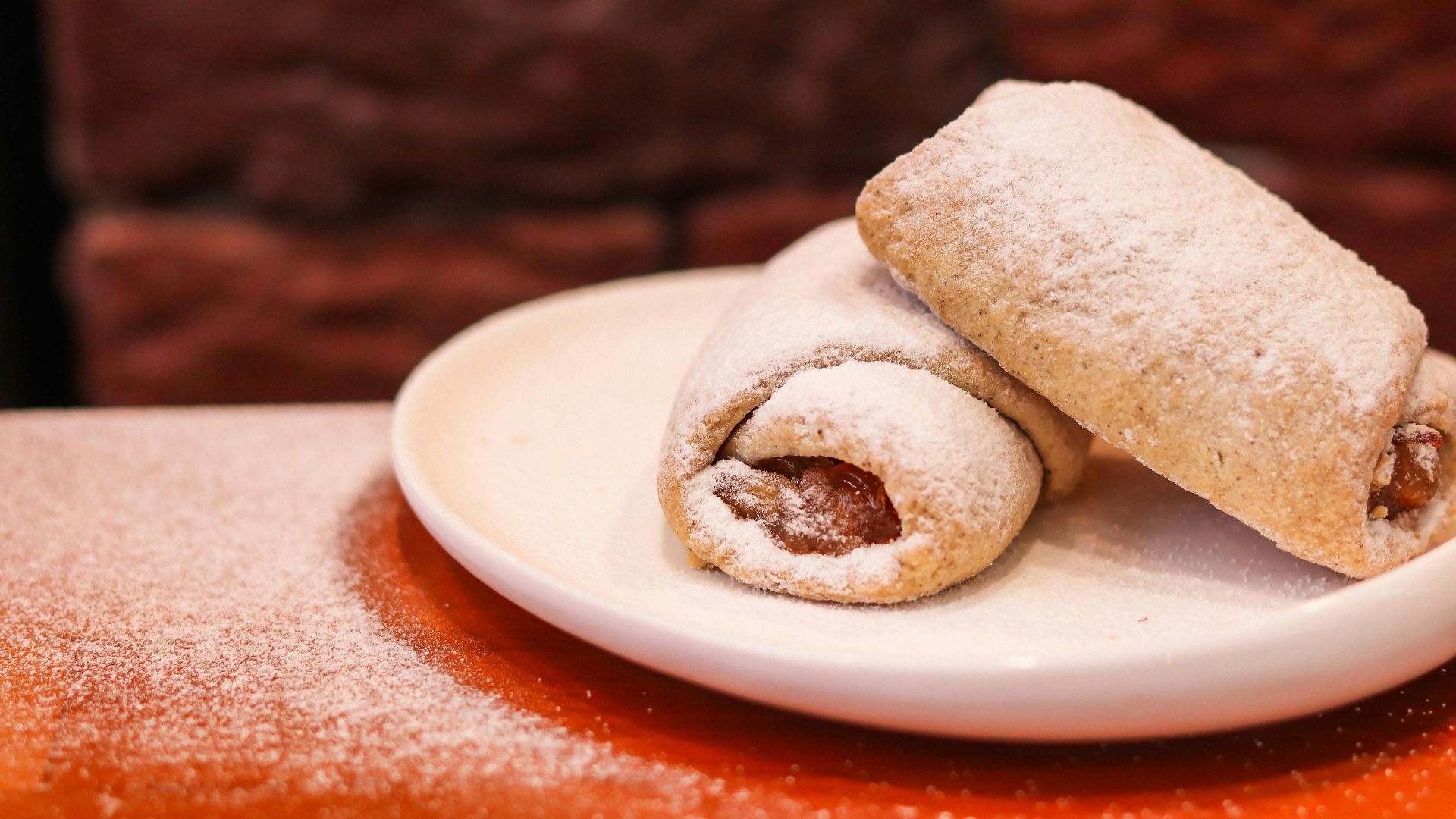
In places like western Pennsylvania and the Lehigh Valley, Kiffles still belong to Christmas. They came through Hungarian, Slovak, and Eastern European family baking traditions. Once a cookie becomes part of holiday club sales, it's fully embedded into the culture.
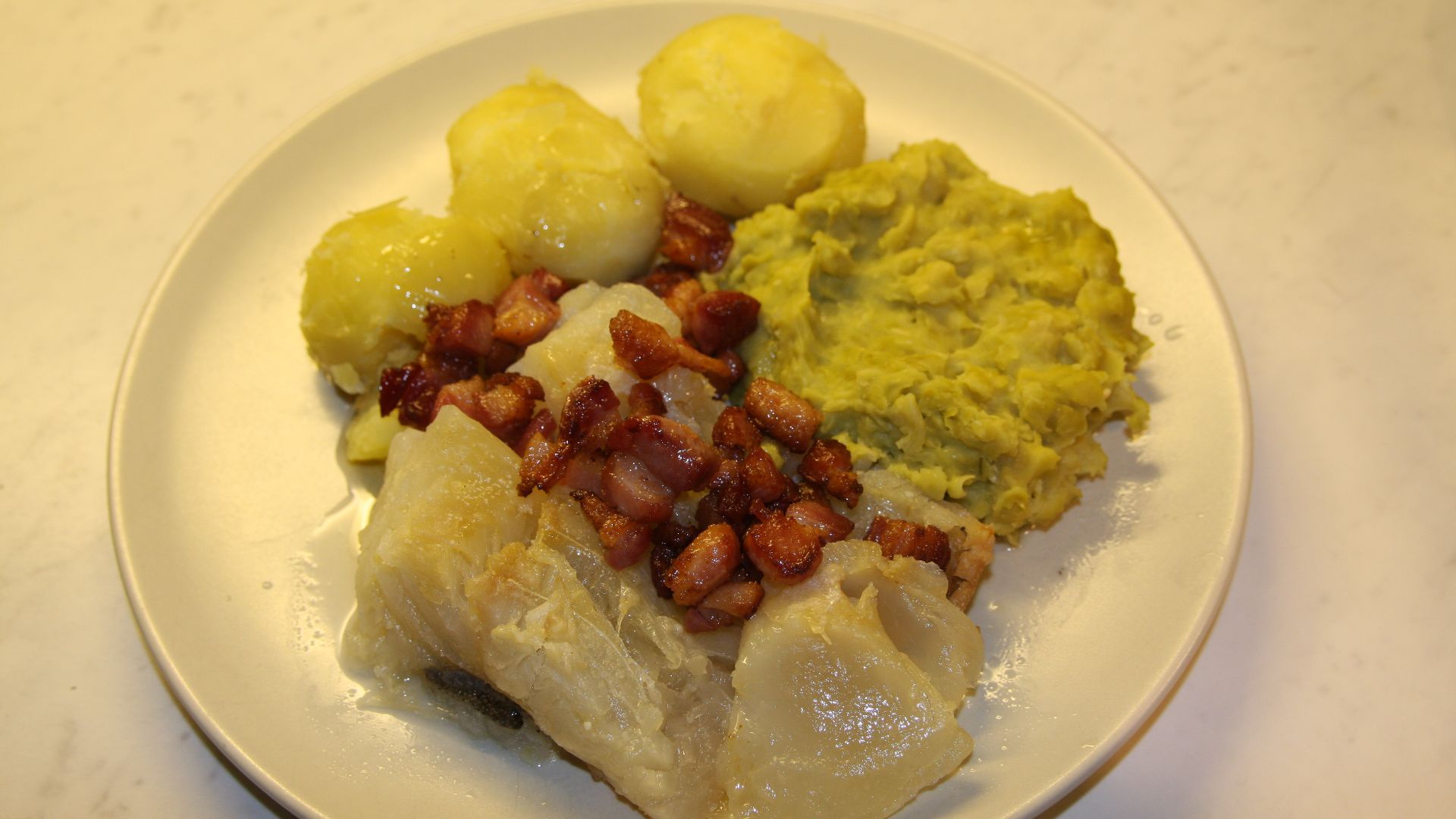
20. Lutefisk Dinners
Lutefisk still survives in northern Minnesota. Church suppers and annual dinners kept it going. Today, in Norwegian-American towns, the dish feels like a shared winter ritual.
 Jarvin Jarle Vines on Wikimedia
KEEP ON READING
20 Fast Food Items With Surprisingly Weird Origins