One Country's Pet Is Another's Plate
Draw a circle around any animal and someone, somewhere, will tell you it's sacred, endangered, or simply too cute to touch. Draw that same circle in a different country and you'll find the same animal turning up on a dinner menu, seasoned and plated without a second thought. Food taboos rarely have much to do with biology. They're shaped by religion and geography as much as anything else, plus a good deal of old habit nobody's bothered to question. What one culture guards with legislation and quiet reverence, another treats as a Tuesday night meal, and neither side is really wrong. Here's 20 animals that prove just how relative the line between pet, pest, and protein really is.
1. Horse
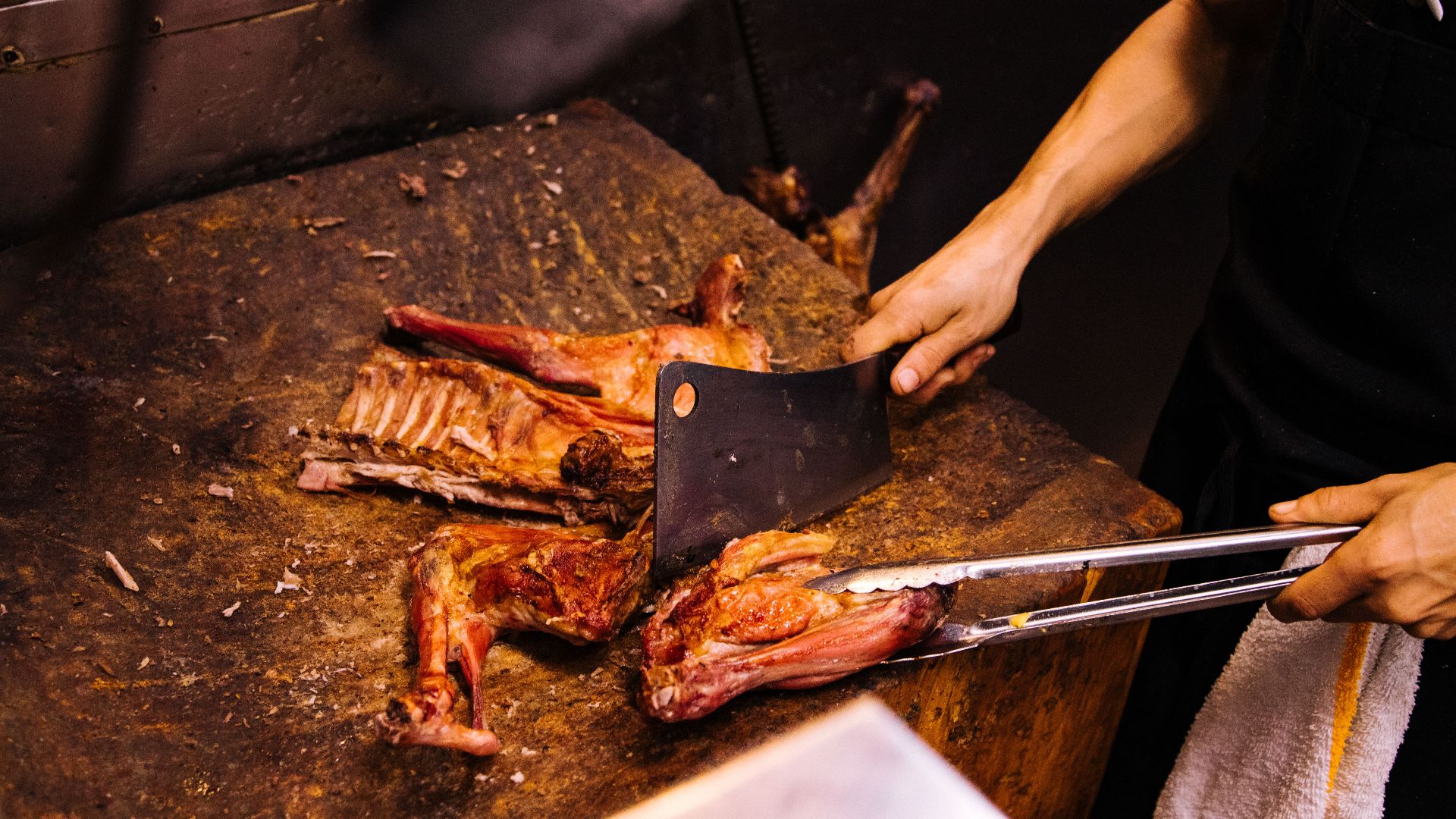
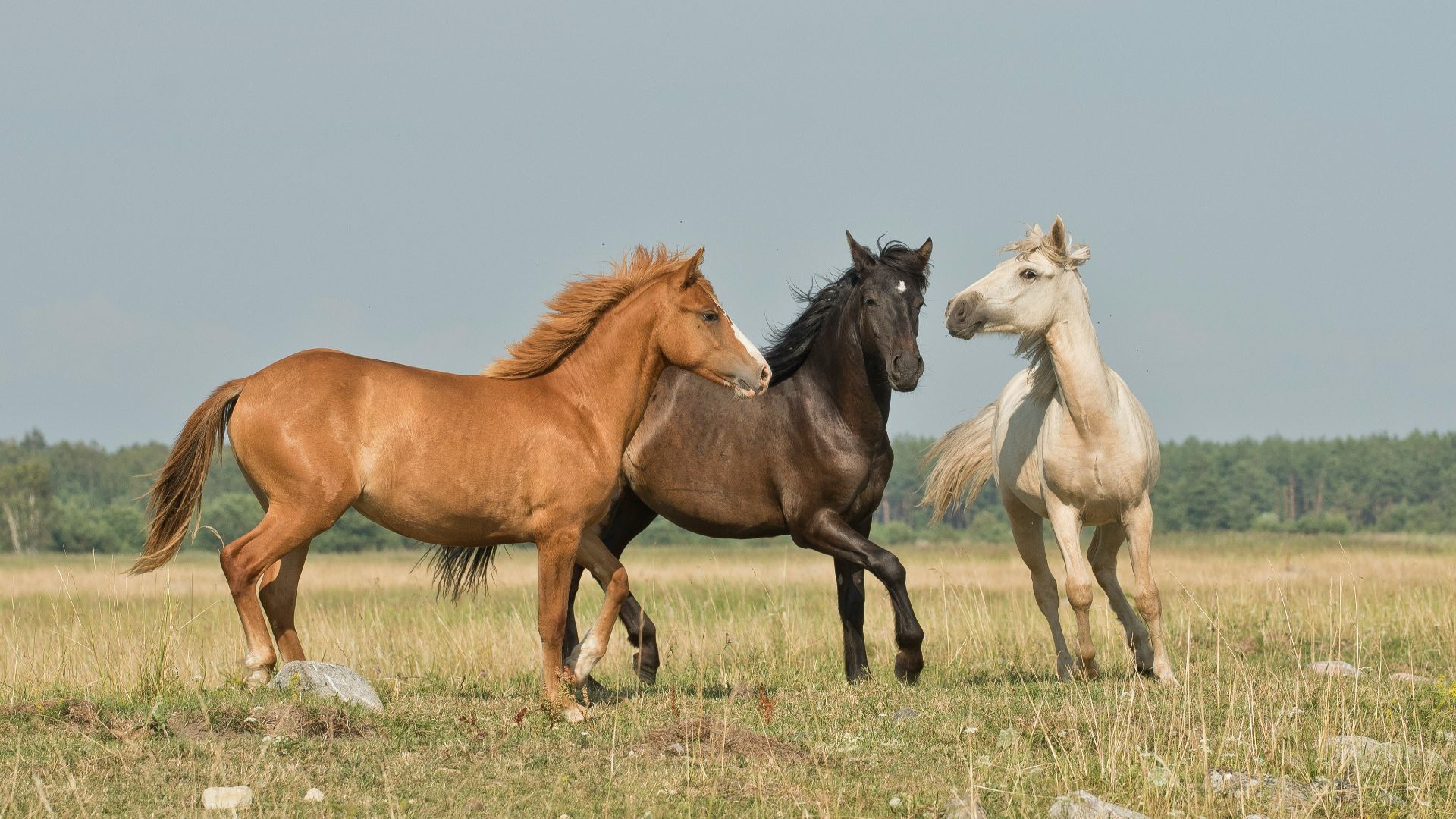
In the United States and the United Kingdom, horses tend to live out their lives as companions, racers, or retired pasture ornaments, and the idea of eating one draws genuine horror. Cross into France or Belgium, though, and horse meat sits comfortably in butcher shop windows, sold as a leaner, slightly sweeter alternative to beef. Kazakhstan takes it even further, building entire dishes and rituals around horse meat that go back centuries.
2. Cow
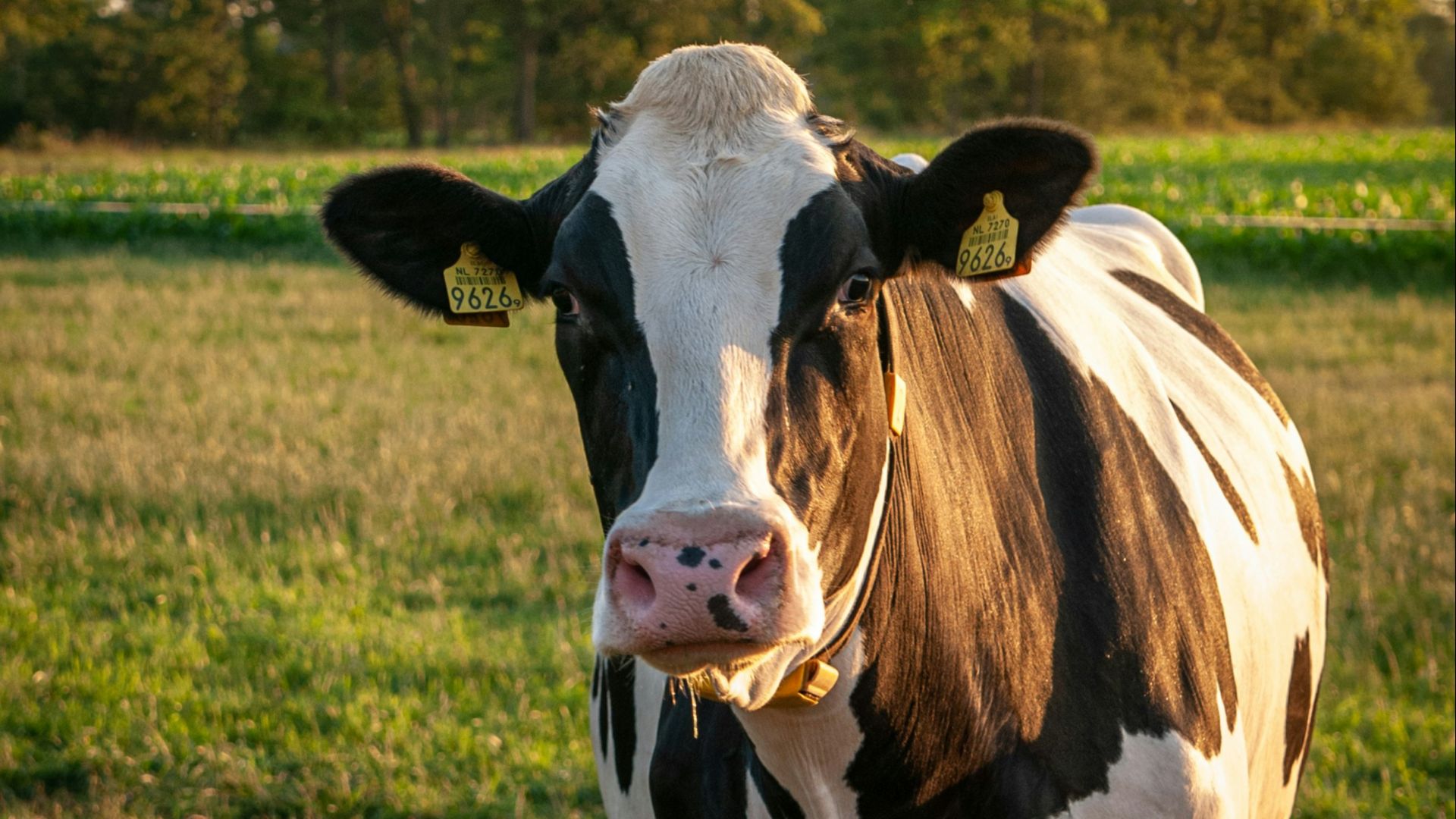
Cows hold a protected, near-sacred status across much of India, where slaughtering one is illegal in many states and cow vigilante groups have made headlines for enforcing that reverence themselves. Meanwhile, the same animal is the backbone of the American diet, ground into burgers and grilled into steaks without much thought at all. Beef exports from Brazil and Australia keep global demand humming along just fine.
3. Dog
Dogs are family in most Western households, dressed in tiny sweaters and mourned like relatives when they pass. In parts of Vietnam and a shrinking corner of China, though, dog meat still shows up on menus, tied to old beliefs about warmth and stamina during colder months. The practice is fading under pressure, but it hasn't disappeared.

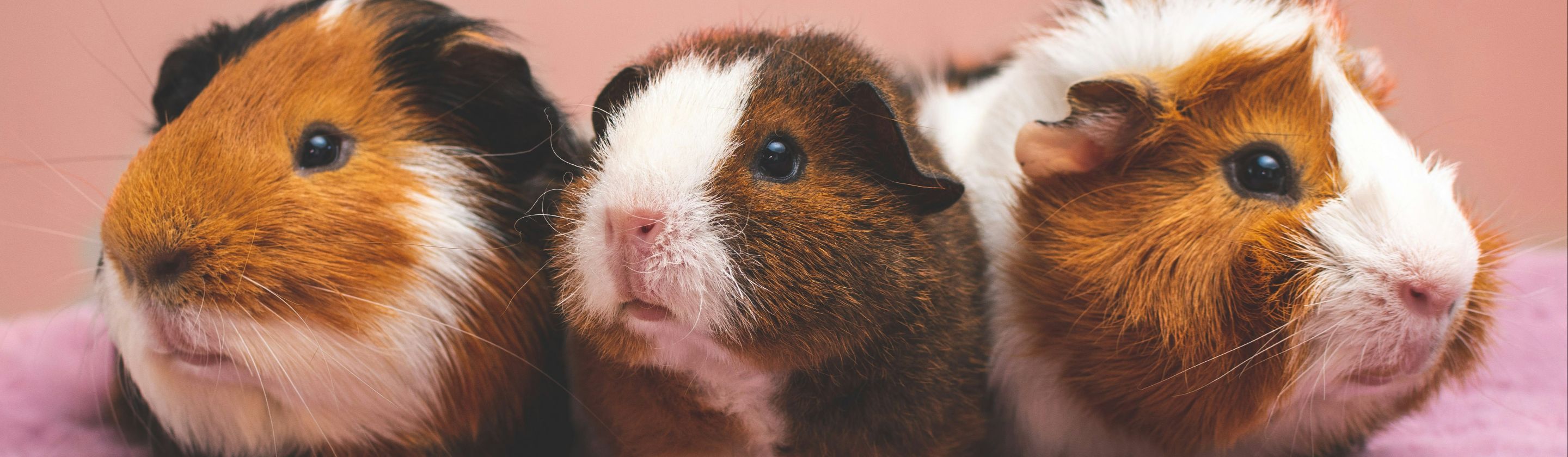
4. Guinea Pig
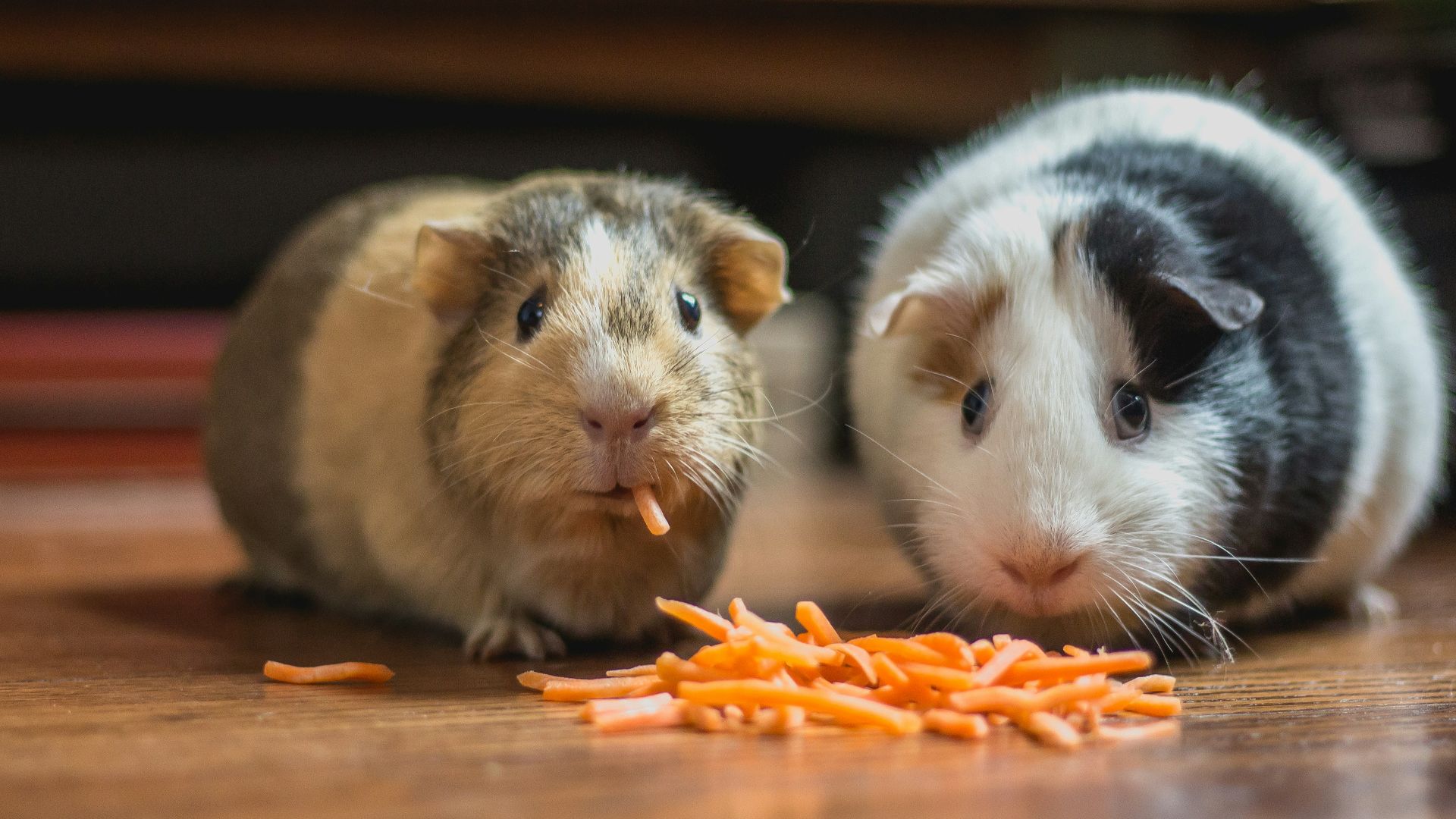
Guinea pigs live in glass tanks in kids' bedrooms across the US and Europe, fed pellets and given names like Waffles. In Peru, the same rodent is called cuy, and it's roasted whole for weddings, holidays, and pretty much any occasion that calls for a proper feast. It isn't treated as a novelty dish there. It's just Sunday dinner.
5. Rabbit
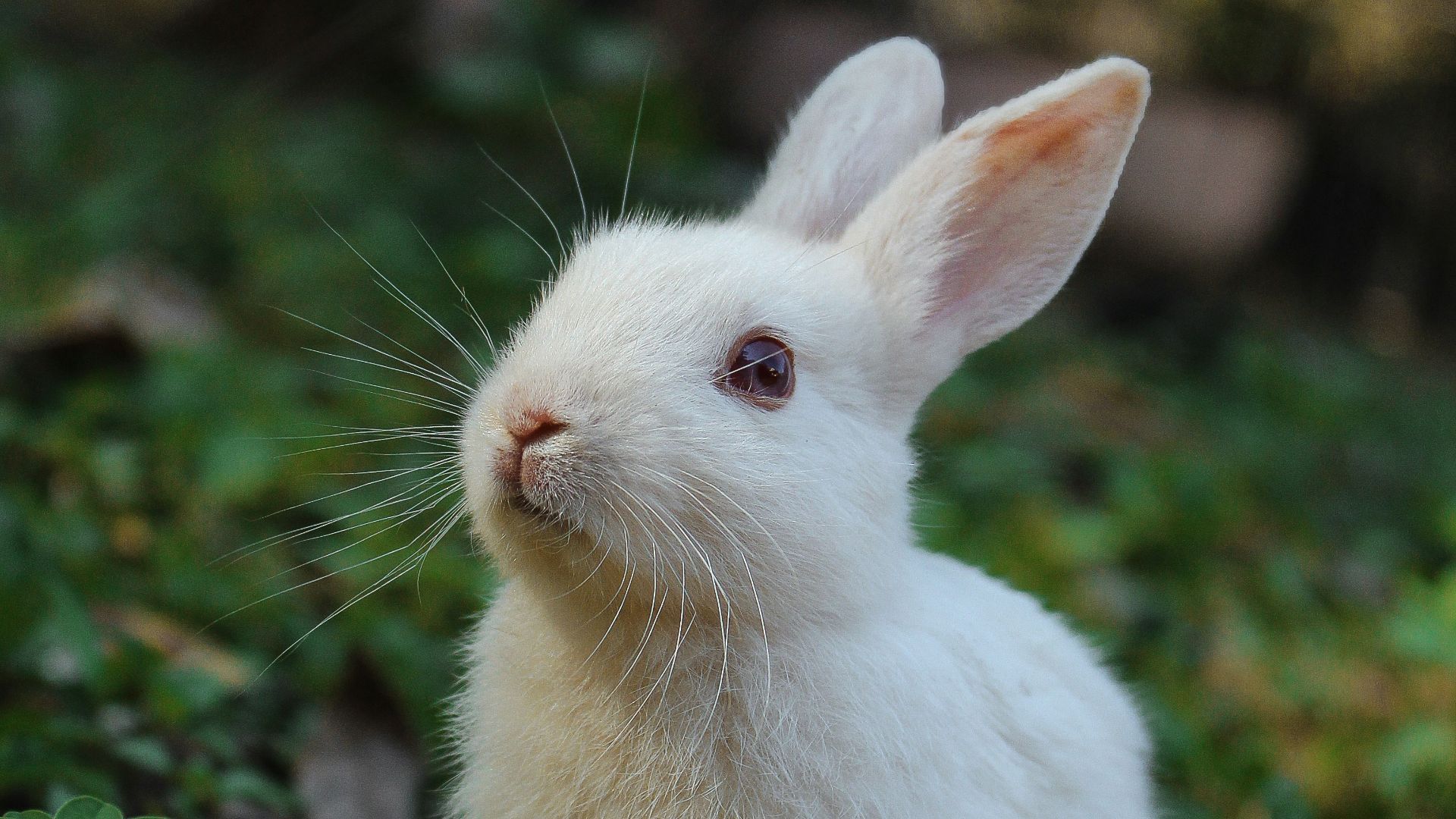
Rabbits get the pet treatment in plenty of American backyards, hopping around hutches with names and favorite treats. France and Italy see things differently, treating rabbit as an everyday, affordable meat that shows up braised, stewed, or roasted with mustard. China raises rabbits commercially at a scale most Americans would find surprising.
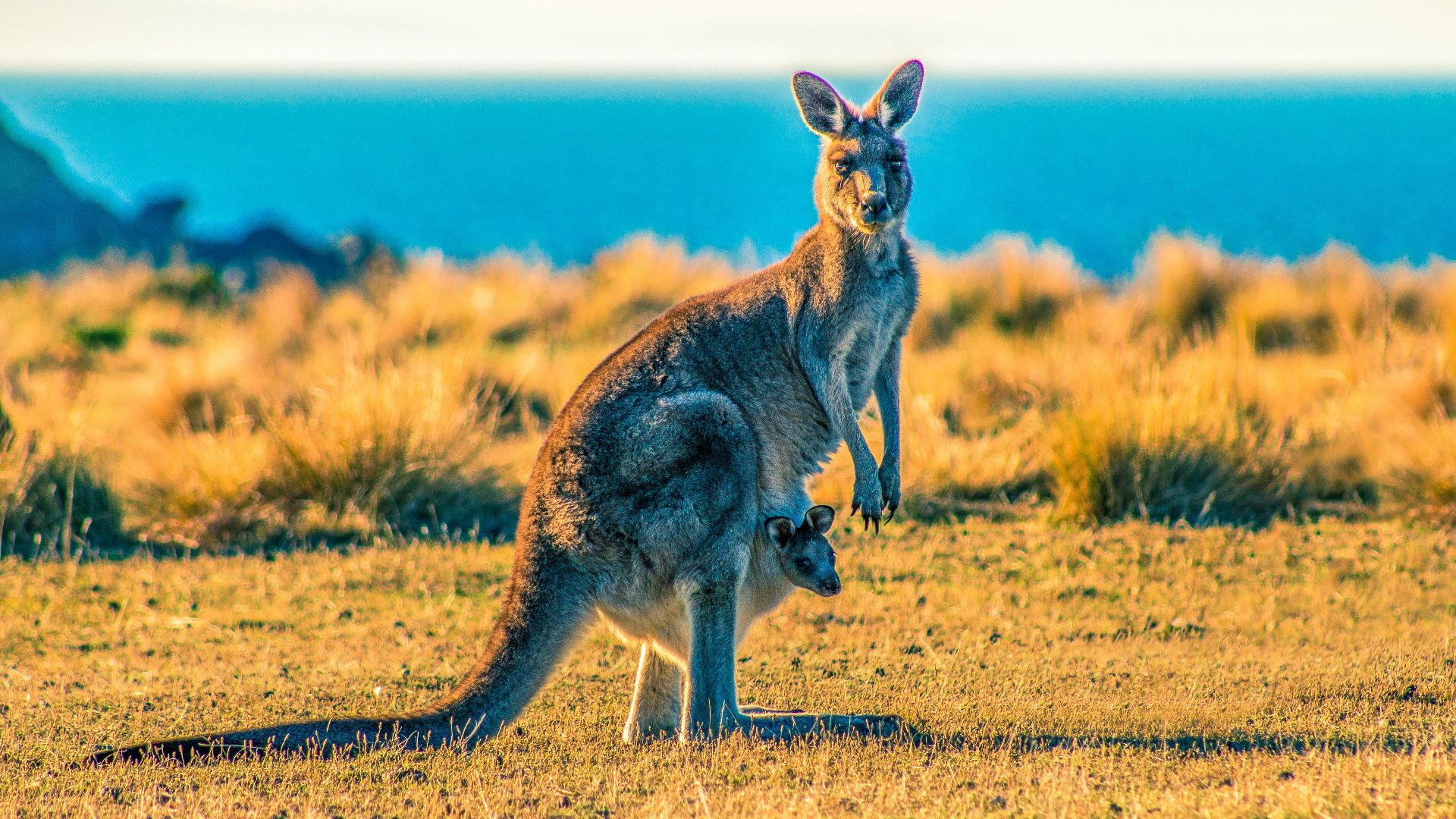
6. Kangaroo
Kangaroos appear on Australia's coat of arms and get a fierce cultural protectiveness from people who see them as a national symbol. That hasn't stopped kangaroo meat from being commercially harvested and sold in Australian supermarkets as a lean, low-fat alternative to beef. Export it to a country like the US, though, and you'll get some raised eyebrows at the mere suggestion.
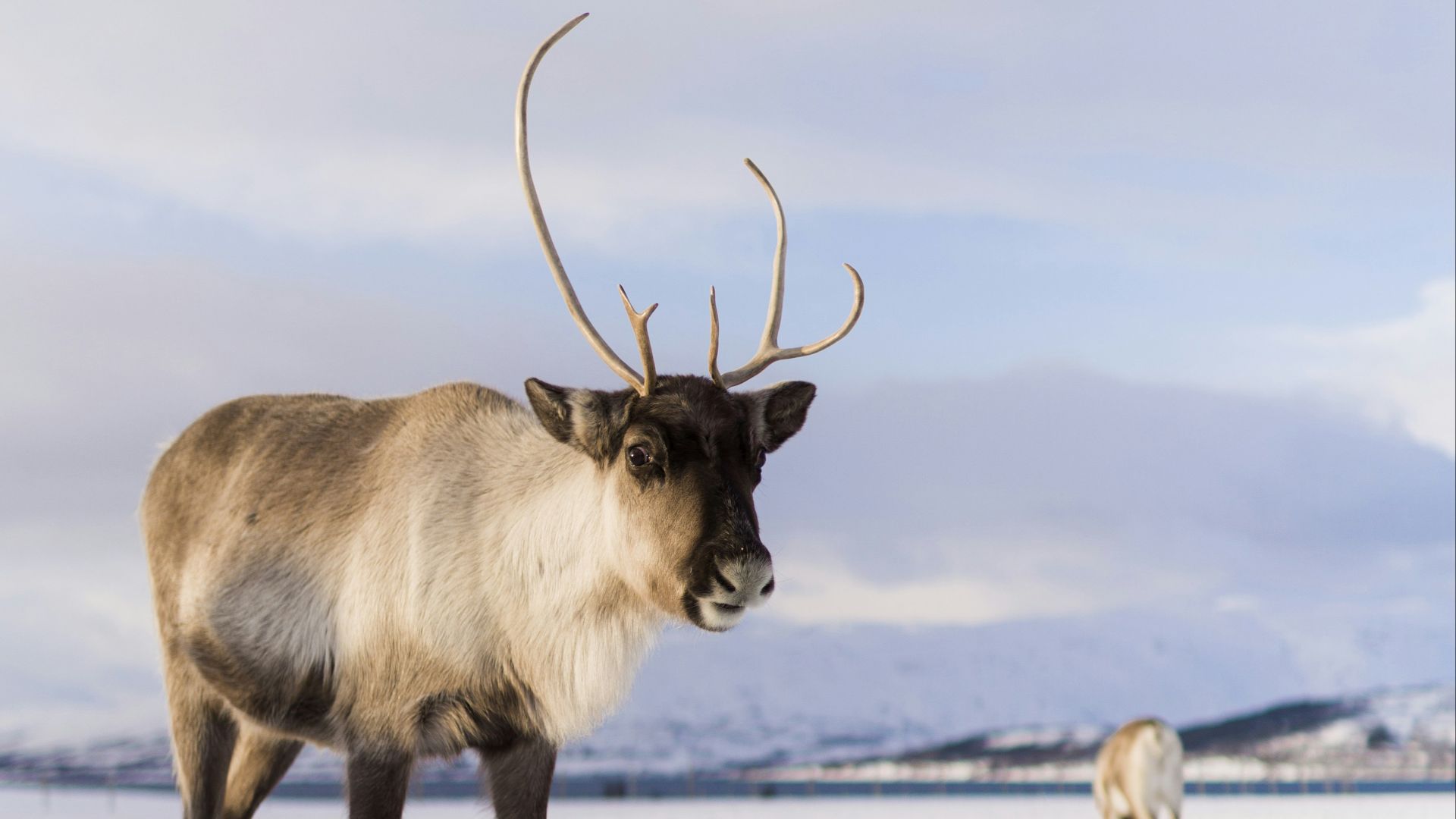
7. Reindeer
Reindeer star in Christmas movies and get treated like magical, untouchable creatures across most of the English-speaking world. In Finland, Norway, and Siberia, reindeer meat has been a staple for generations, often smoked or served in a rich stew with lingonberries. Sami communities in particular have built entire livelihoods around herding them, and eating reindeer is simply part of that tradition.
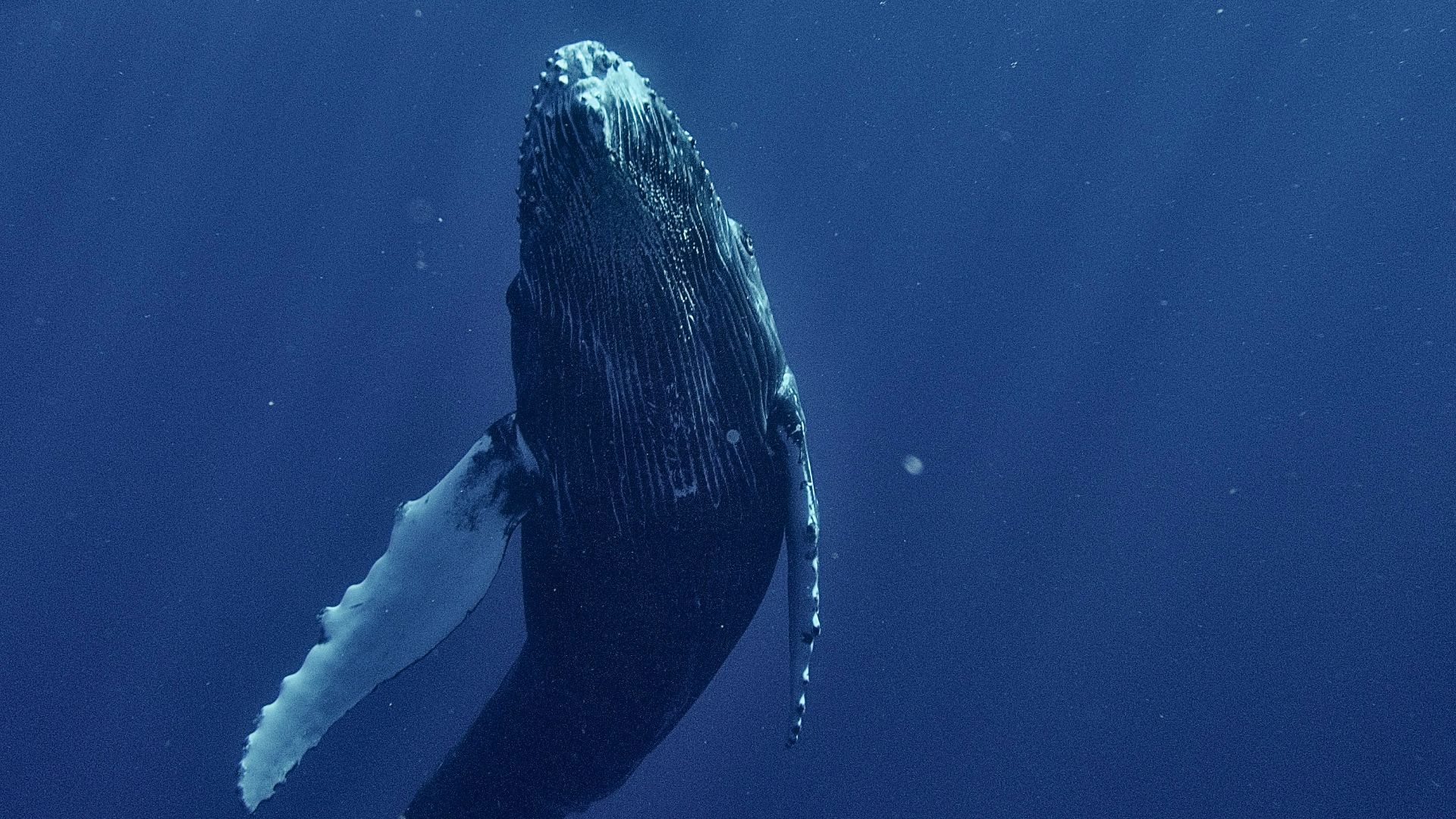
8. Whale
Whaling bans and conservation campaigns have made whales one of the most protected animals on the planet in most countries' eyes. Japan, Norway, and Iceland still permit commercial or scientific whaling, and whale meat continues to show up in restaurants and grocery stores in those places. The practice draws international criticism nearly every season, yet it persists.
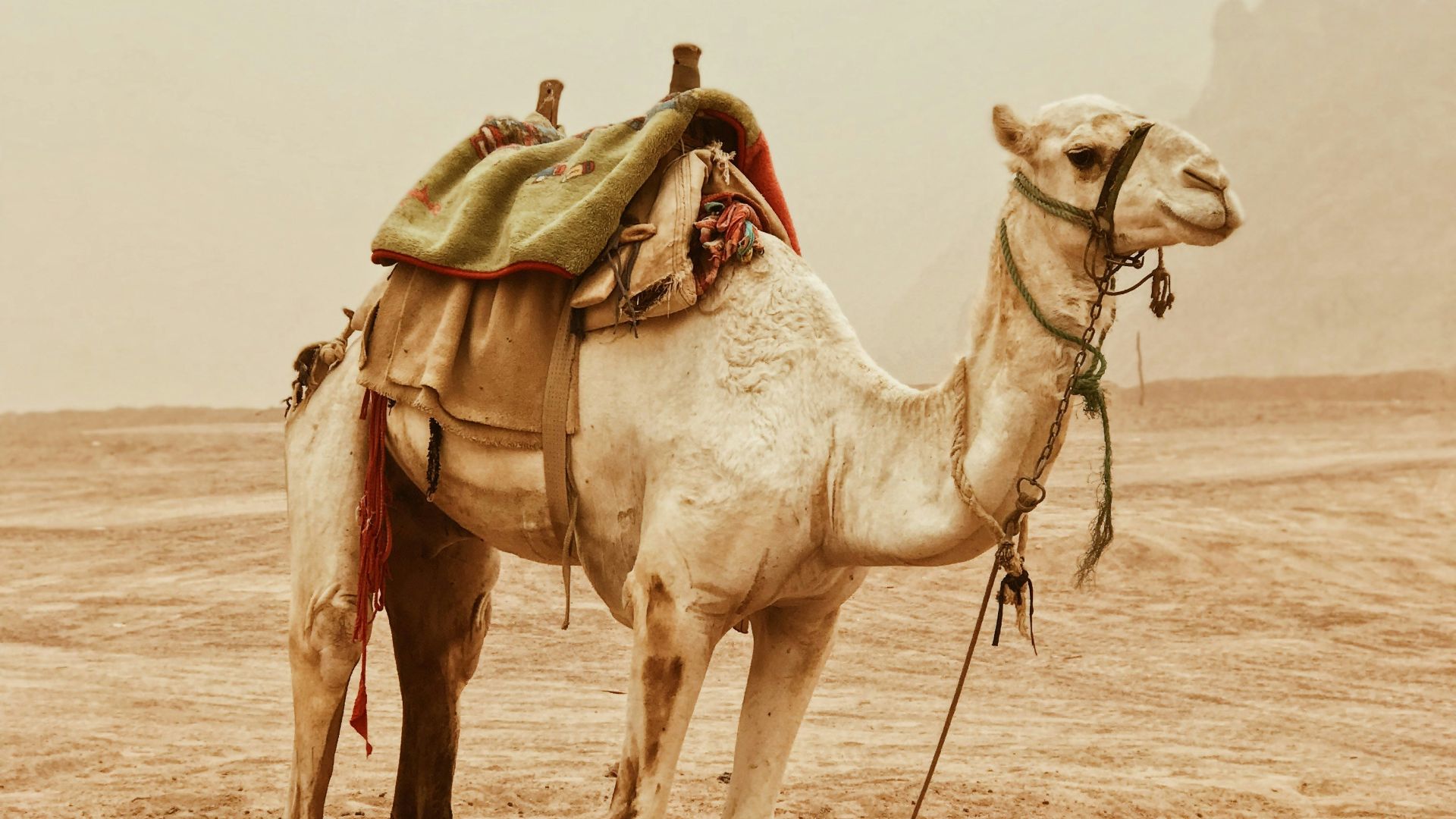
9. Camel
Camels get near-mythic status across much of the Middle East, prized for racing and milk as much as for their sheer usefulness in desert life. In Somalia and Saudi Arabia, camel meat is also a genuine delicacy, served at weddings and special gatherings. Australia, oddly enough, has a massive feral camel population that's increasingly being processed for meat too, since the animals cause real damage to the outback ecosystem.
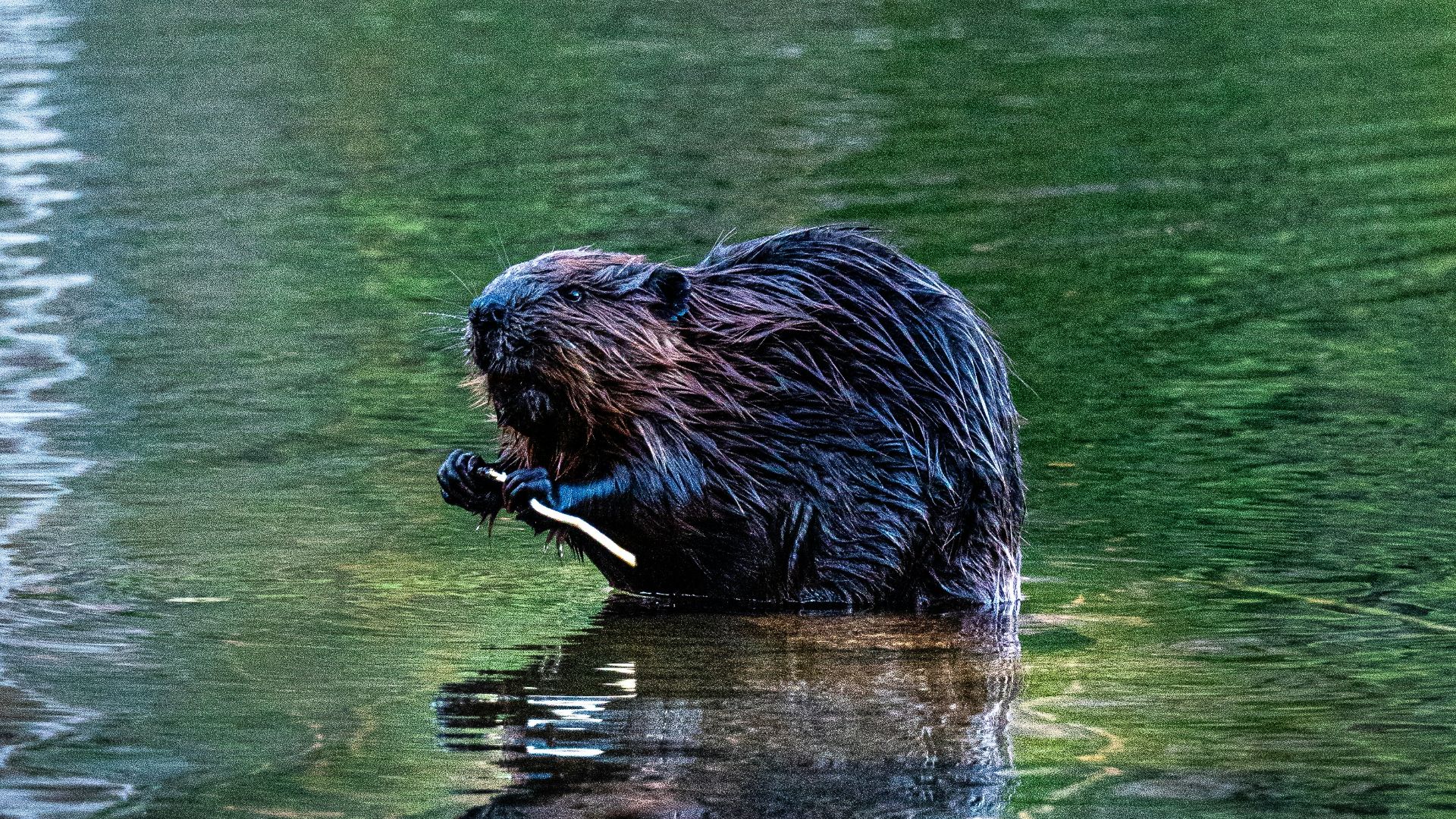
10. Beaver
Beavers have become a conservation success story in the UK, reintroduced after centuries of local extinction and now protected under law. In Canada, beaver has a long culinary history, and beaver tail, the meat cut and not the pastry, still turns up in some traditional Indigenous and rural cooking. It's rich and fatty, closer to a dark, gamey pork than anything else.
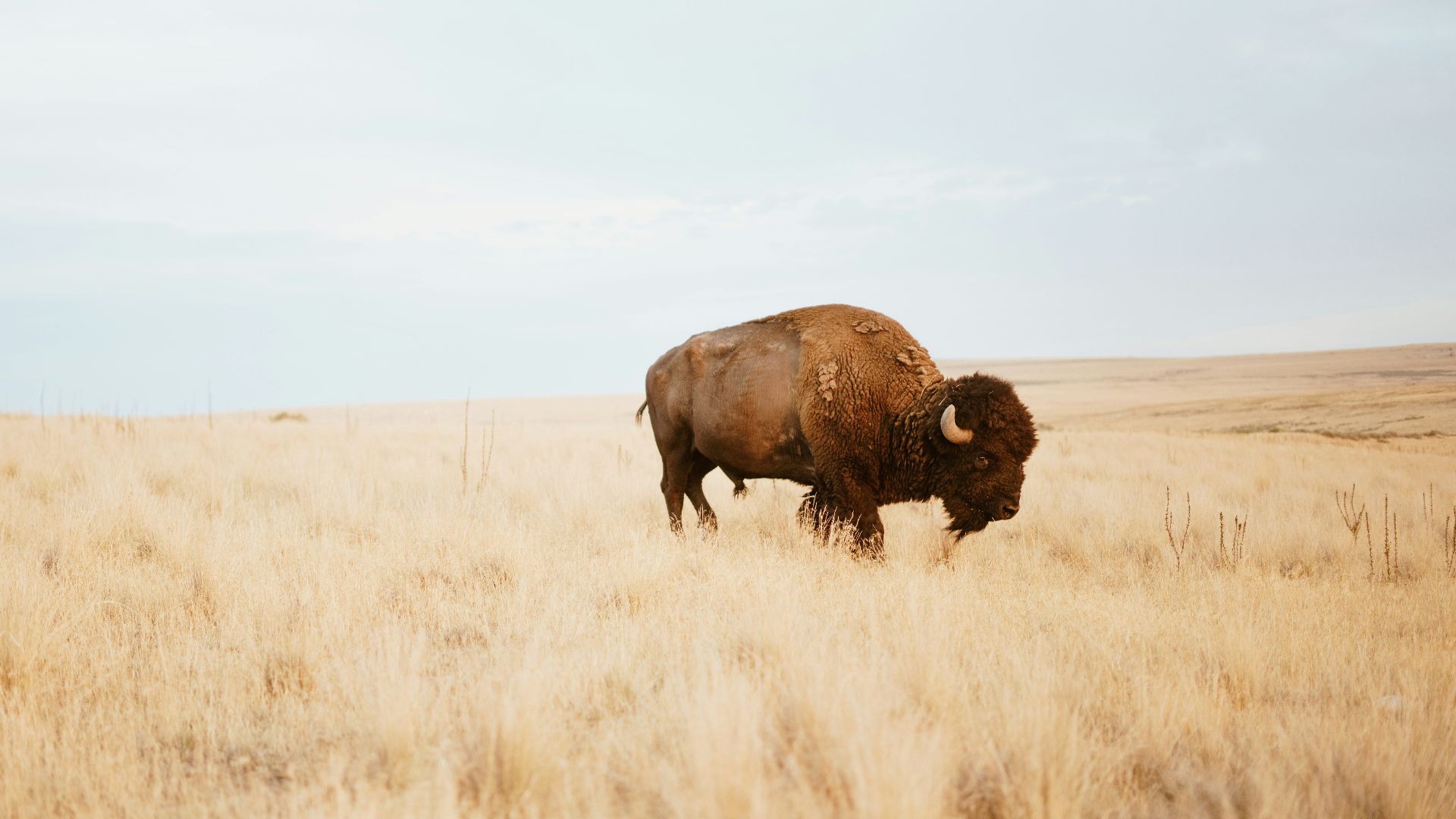
11. Bison
Bison were hunted to the edge of extinction in the 1800s, and conservation efforts spent the following century clawing the species back from near total loss. Today, bison ranching is a real industry across the American Midwest, and bison burgers show up on menus as a leaner, slightly sweeter alternative to beef. The same animal that once needed federal protection now needs USDA grading.
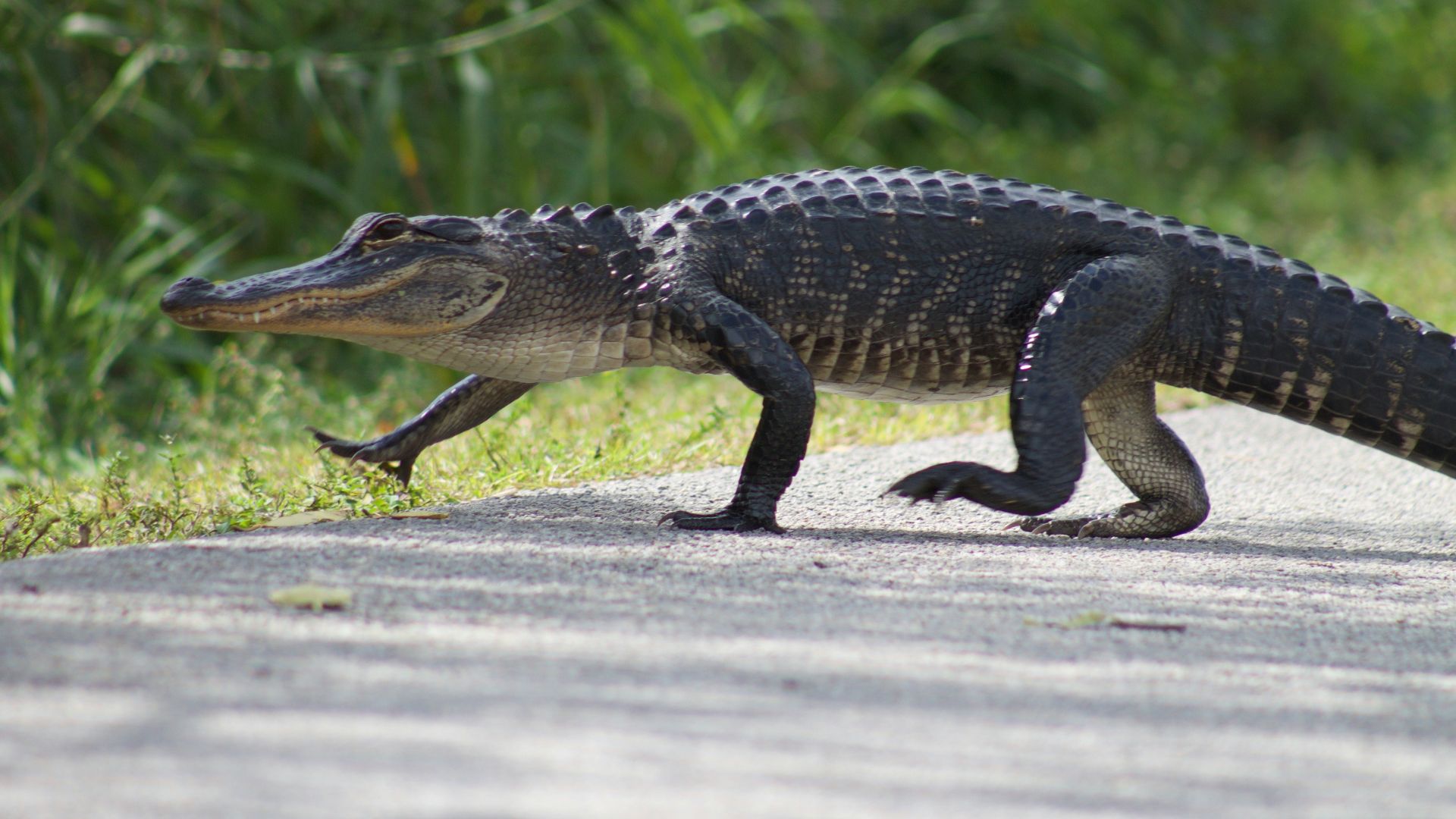
12. Alligator
Alligators were listed as endangered in the US back in the 1960s, and hunting them was illegal for decades while populations recovered. Now that numbers have rebounded, states like Louisiana run regulated hunting seasons, and alligator meat, often fried, shows up on menus across the Gulf Coast. It tastes closer to chicken than anything reptilian, which surprises most first-timers.
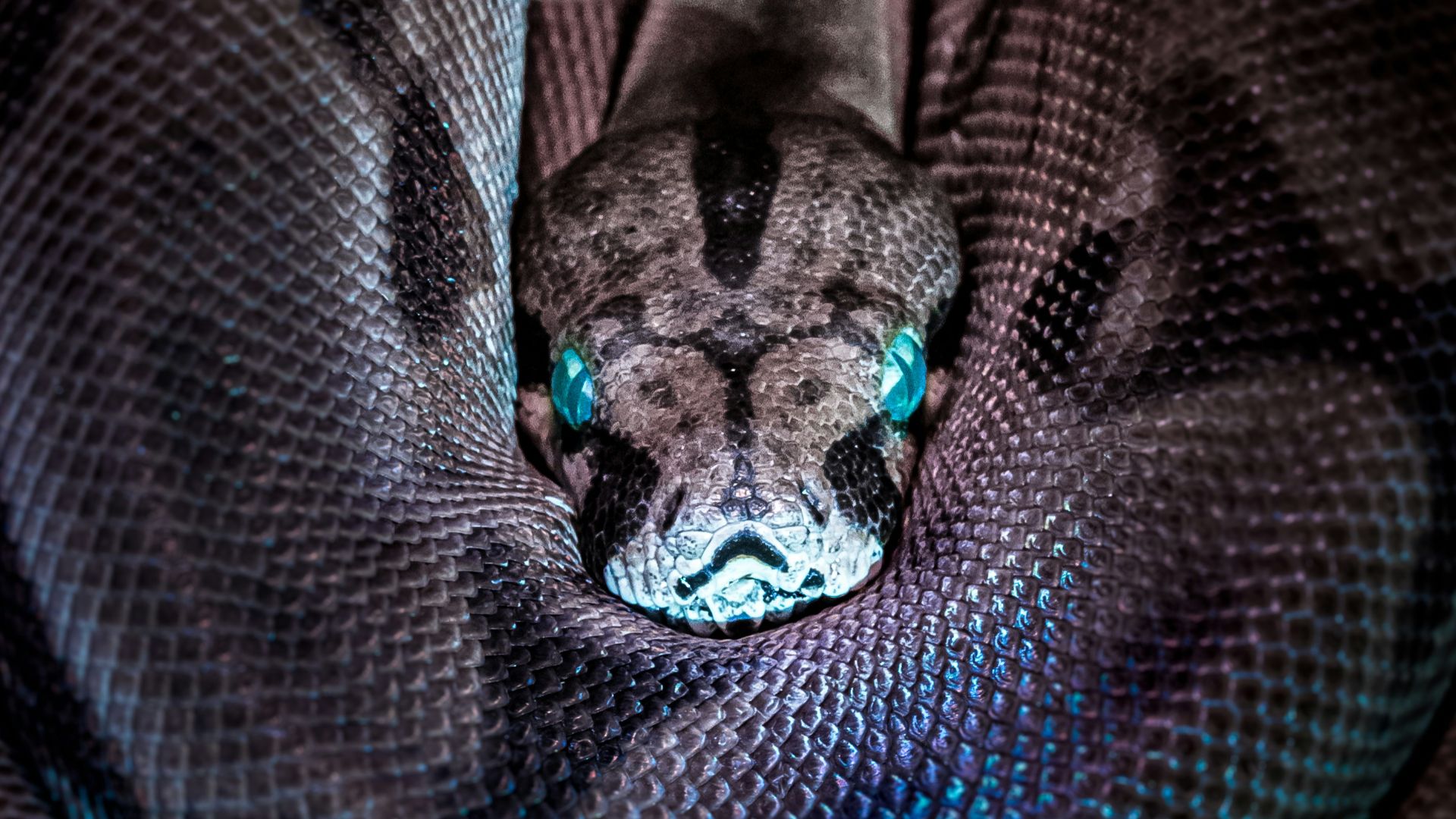
13. Snake
Snakes get legal protection in most US states, especially native or threatened species, and killing one without cause can bring real fines. In parts of China, Vietnam, and Indonesia, snake meat is a common ingredient, used in soups and stir-fries, and sometimes steeped into wine with a whole snake coiled inside the bottle. Street vendors in some cities skin and cook them fresh, right in front of customers.
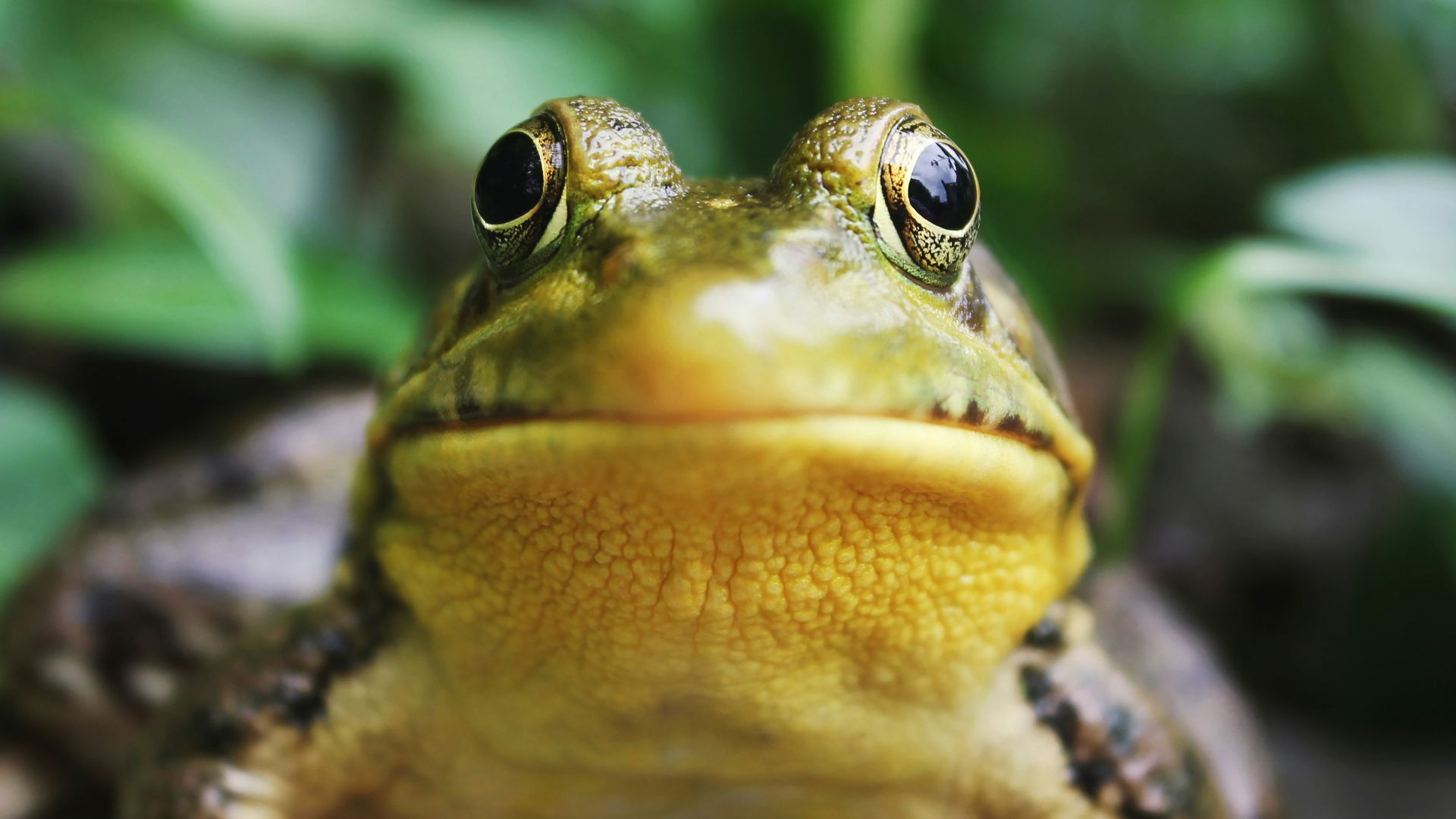
14. Frog
Wild frogs are protected across much of the US and Europe, where declining amphibian populations have made harvesting them illegal in most states. France, ironically, remains famous for frog legs, though most of the supply now gets imported from Indonesia and Vietnam rather than caught locally. Southeast Asian markets sell frogs live, right alongside the fish and chickens.
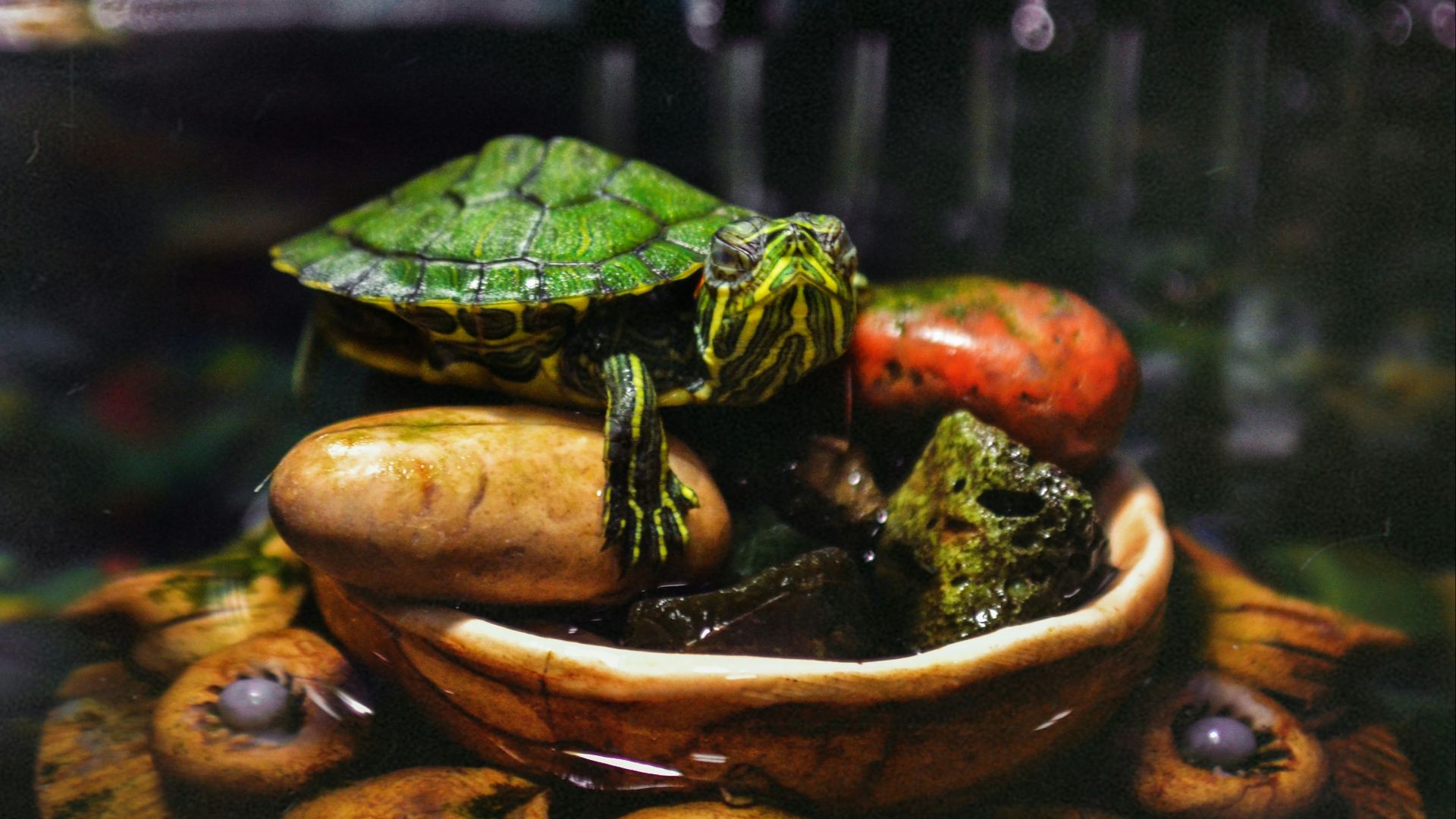
15. Turtle
Sea turtles are protected under international law almost everywhere, with strict penalties for harming or trading them. Freshwater turtle meat, though, still appears in parts of southern China and the Caribbean, often in soups believed to carry medicinal benefits. The Cayman Islands even run a licensed turtle farm specifically to keep that tradition legal and sustainable.
 Renata Kurtveliieva-Berezhna on Unsplash
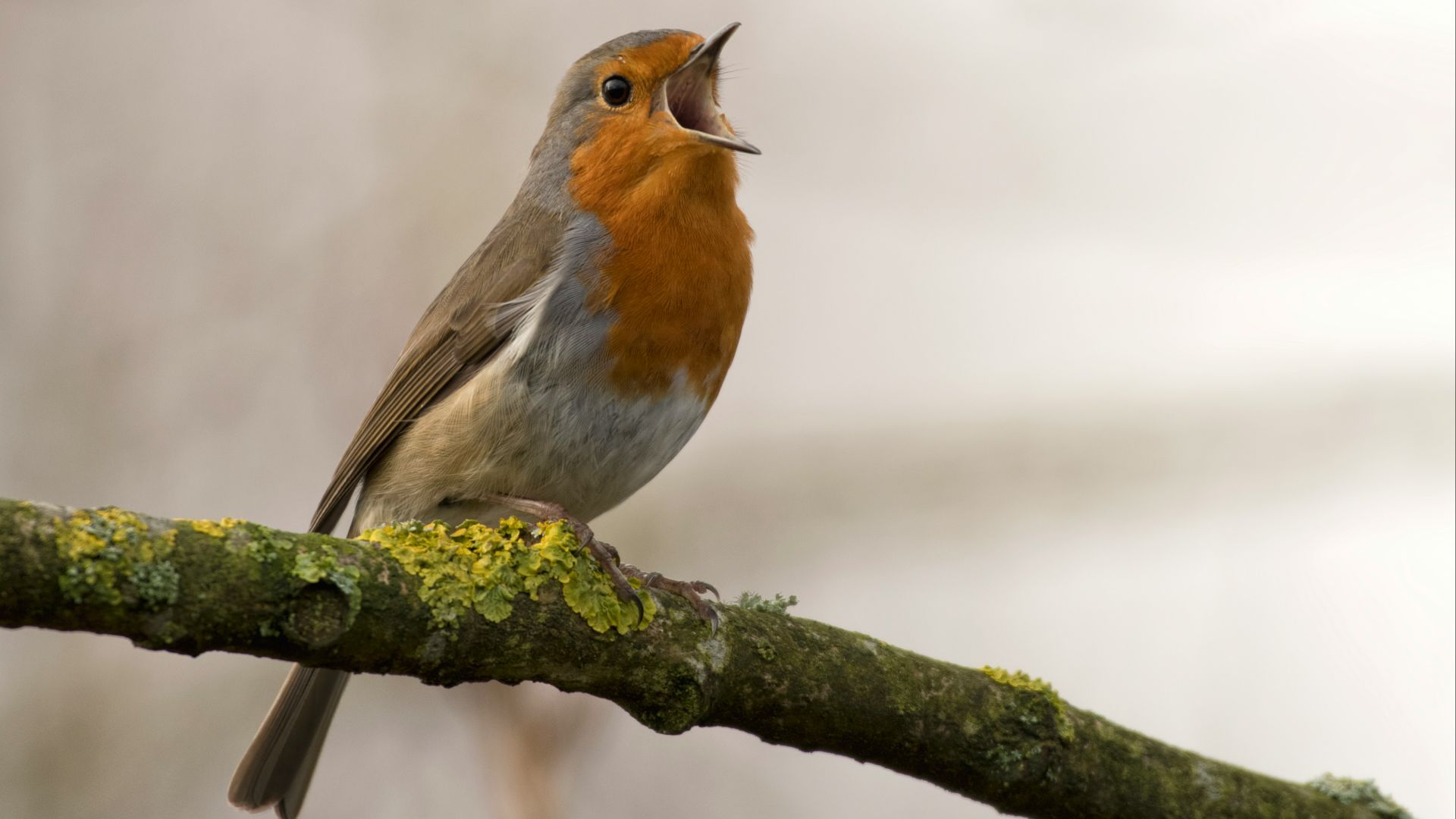
16. Songbirds
Migratory songbirds are protected under international treaties across most of Europe and North America, with hunting them treated as a serious offense. In Malta and Cyprus, illegal trapping still persists despite EU bans, and tiny songbirds like ortolan buntings remain a quiet, controversial delicacy in parts of France. The dish is so ethically fraught that diners traditionally eat it under a napkin, hiding the act from God and each other.
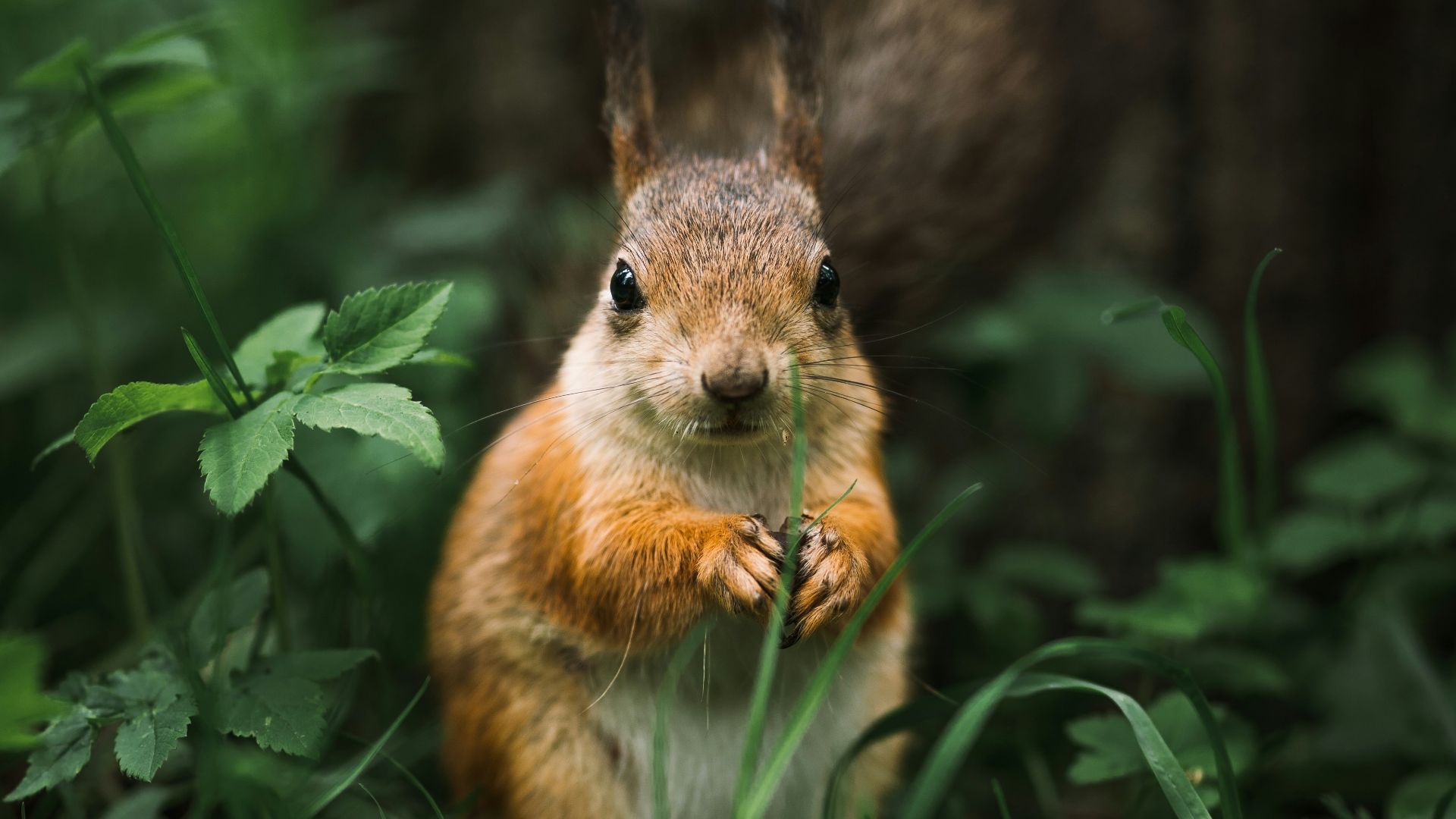
17. Squirrel
Squirrels get treated like harmless park mascots across most American and British cities, fed peanuts by kids who'd never dream of harming one. In the American South, though, squirrel stew has deep rural roots, and older generations still hunt them the same way their grandparents did. It's a small animal, but it stretches surprisingly far in a pot of dumplings.
18. Pigeon
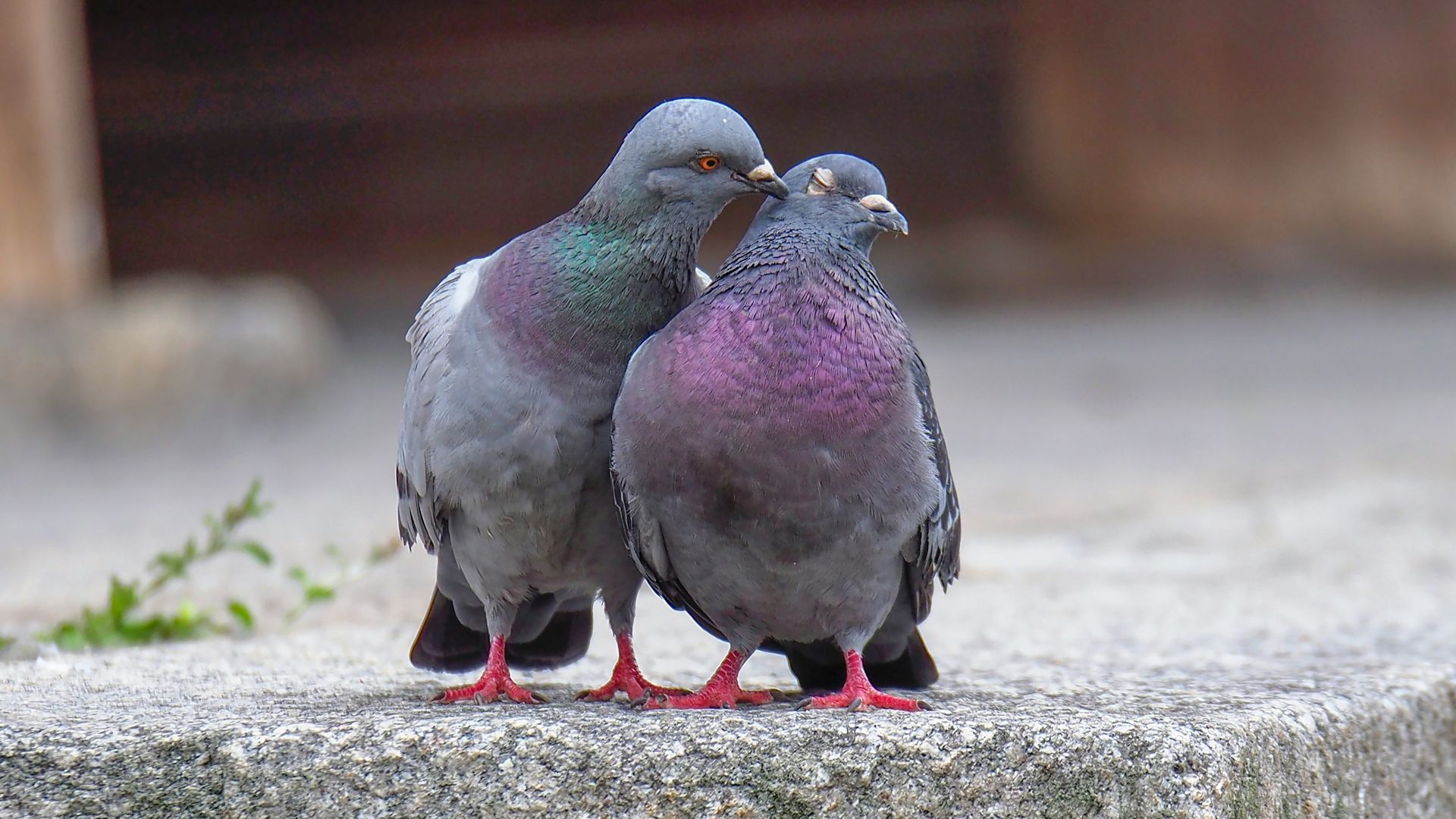
City pigeons get largely ignored or mildly resented across most of the US, tolerated as background noise rather than food. In France and Egypt, pigeon, sold as squab when farm-raised, is considered a genuine delicacy, served roasted whole in upscale restaurants. The wild park variety isn't what ends up on the plate. It's a specially bred bird raised just for that purpose.
19. Goose
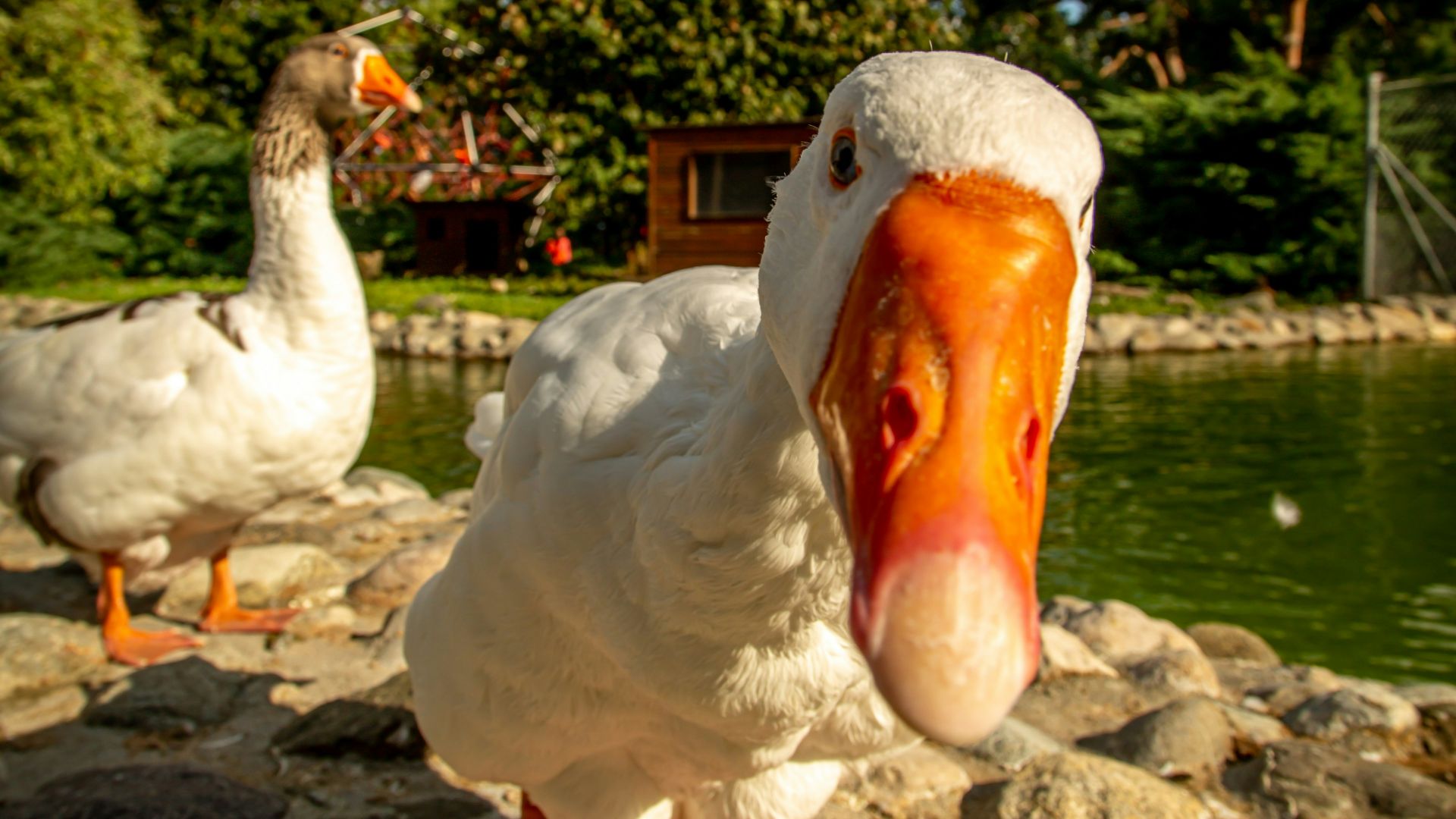
Wild geese are protected under migratory bird laws for much of the year across the US, with strict hunting seasons and limits. In Germany and other parts of Central Europe, goose is the traditional centerpiece of a Christmas dinner, rich and fatty in a way that turkey never quite manages. Farms there raise geese specifically for the holiday, and butchers sell out weeks in advance.
20. Octopus
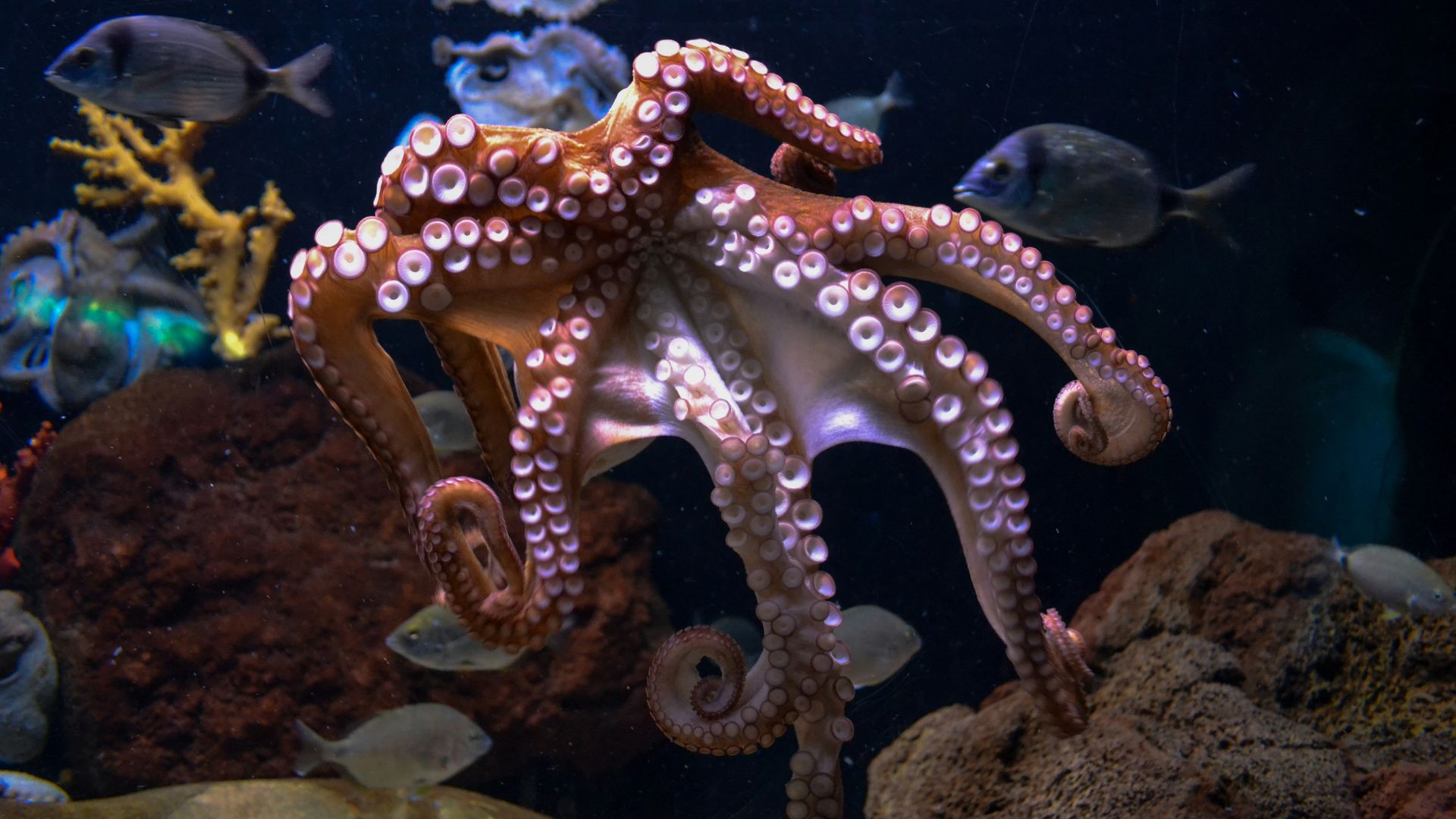
Octopus welfare has become a genuine legal issue in places like Washington state, which recently banned octopus farming over concerns about the animal's intelligence. Meanwhile, octopus is a staple across Mediterranean and East Asian coastal cuisine, grilled in Greece and battered into takoyaki in Japan, among plenty of other coastal traditions. Few animals swing that hard between protected and popular depending on which coastline you're standing on.
KEEP ON READING