The Bold Ingredients and Combinations Showing Up Everywhere
Food trends tend to move in cycles, and lately the shift has been toward stronger, sharper, and more layered flavors that stand out immediately. Restaurants, snack brands, and home cooks are leaning into combinations that balance heat, acidity, smoke, bitterness, and deep savory notes instead of relying on overly sweet or mild profiles. Many of these flavors have existed for years in regional cuisines, but they’re now appearing far more often in mainstream menus, packaged foods, and social media recipes.
1. Chili Crisp
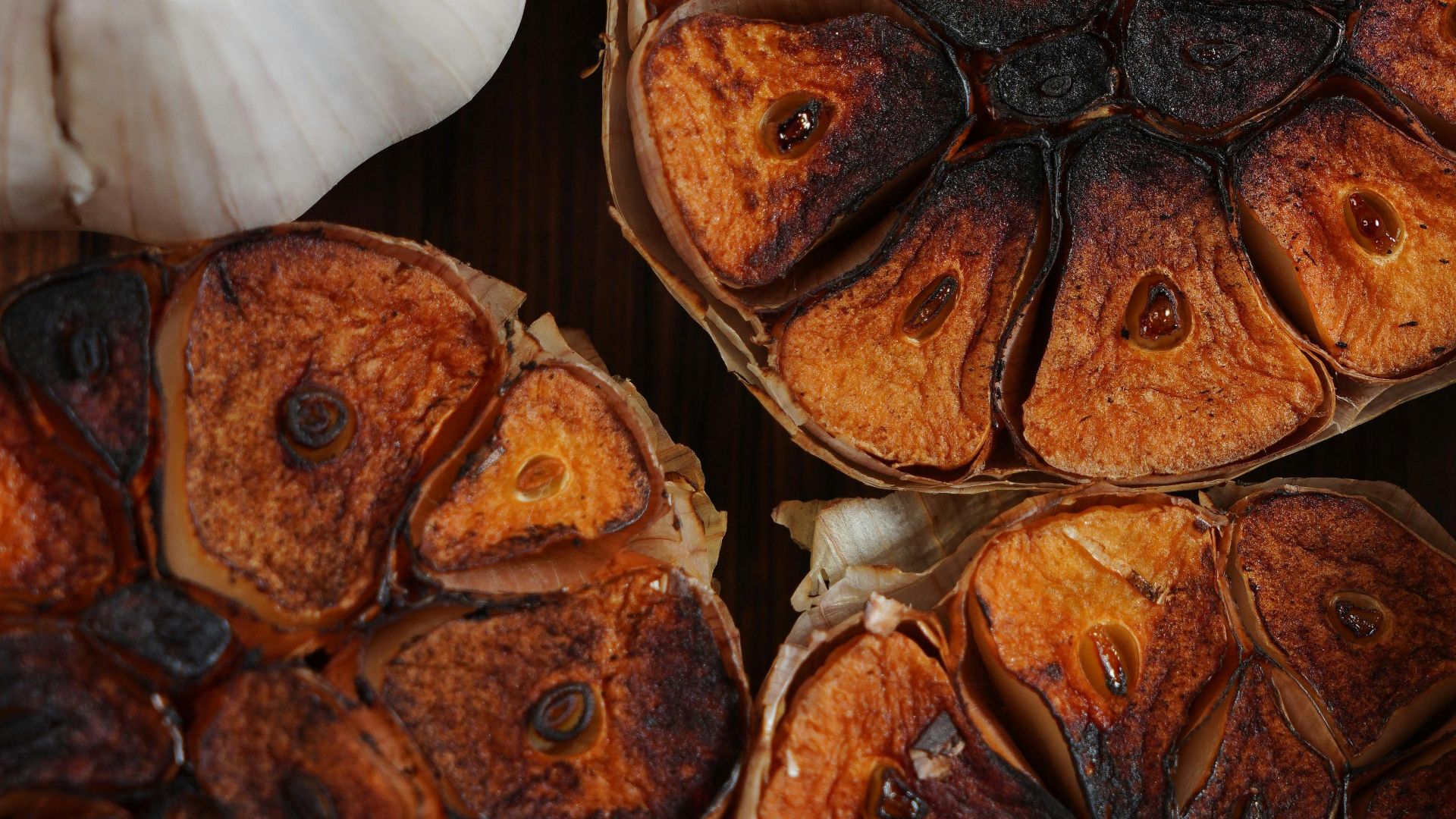
Crunchy chili oil blends packed with garlic, peppers, and spices continue expanding far beyond noodles and rice dishes. People are adding chili crisp to eggs, pizza, sandwiches, and even roasted vegetables for extra texture and heat. Its combination of spice and savory flavor makes it especially versatile.
2. Black Garlic
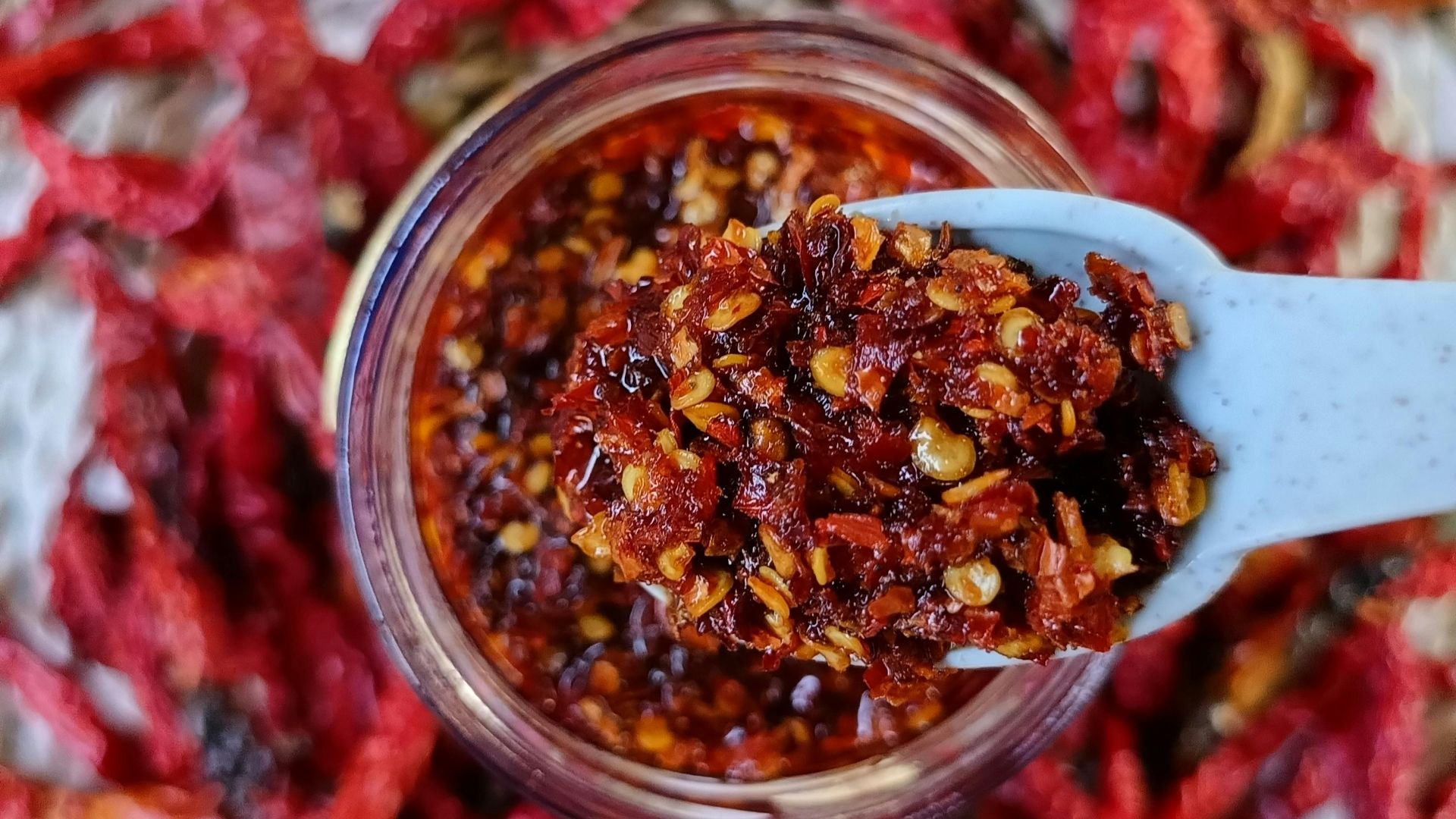
Black garlic develops through a slow aging process that creates a softer texture and sweeter, deeper flavor than raw garlic. Chefs increasingly use it in sauces, marinades, burgers, and pasta because it adds richness without overwhelming dishes. Its mild sweetness also pairs surprisingly well with dairy and meats.
3. Yuzu
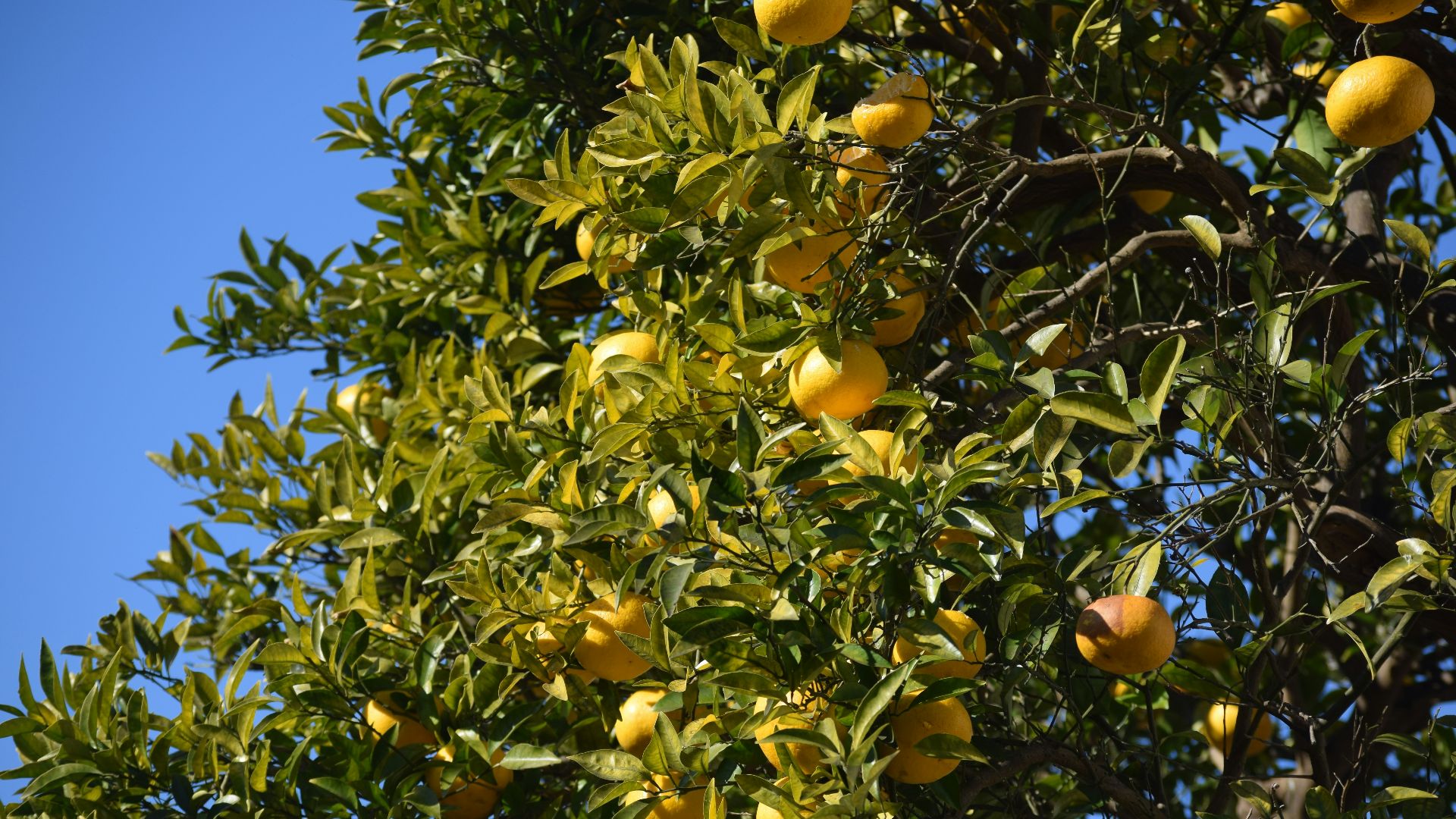
Yuzu’s sharp citrus flavor has become increasingly popular in desserts, drinks, dressings, and seafood dishes. It tastes brighter and slightly more floral than traditional lemons or limes, which helps foods feel lighter and fresher. The flavor has spread steadily through both fine dining and packaged products.
4. Hot Honey
Sweet and spicy combinations remain extremely popular, and hot honey continues appearing on everything from fried chicken to cocktails. The balance of sugar and chili heat creates flavor without making foods overwhelmingly spicy. Restaurants especially use it to add contrast to salty or crispy dishes.

5. Charred Flavors
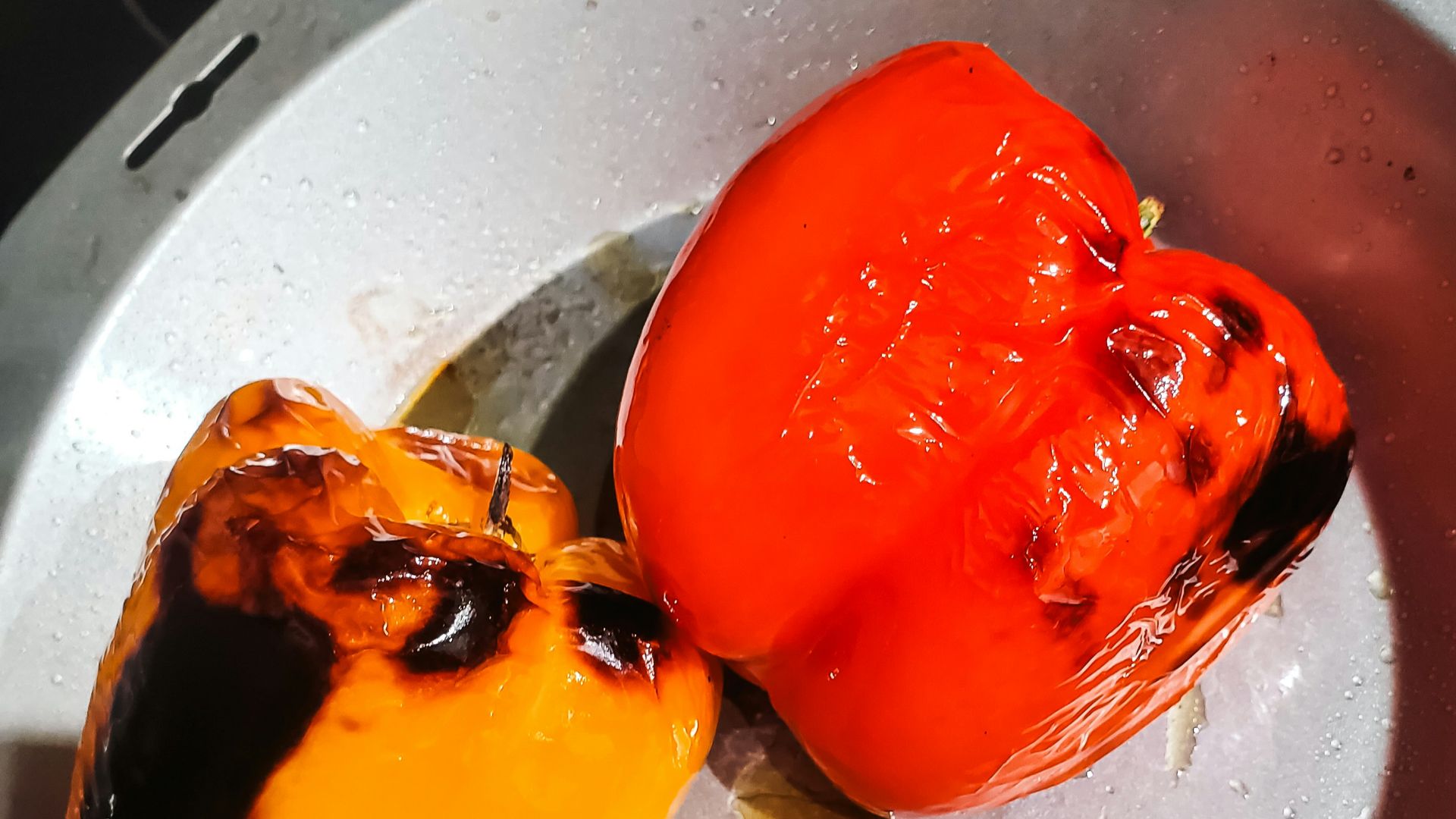
Cooking techniques that add smoky or lightly burnt notes are becoming more common across vegetables, sauces, and proteins. Charring creates bitterness and depth that help foods taste more layered and less predictable. Grilled cabbage, blistered peppers, and fire-roasted sauces have all gained popularity recently.
6. Tamarind
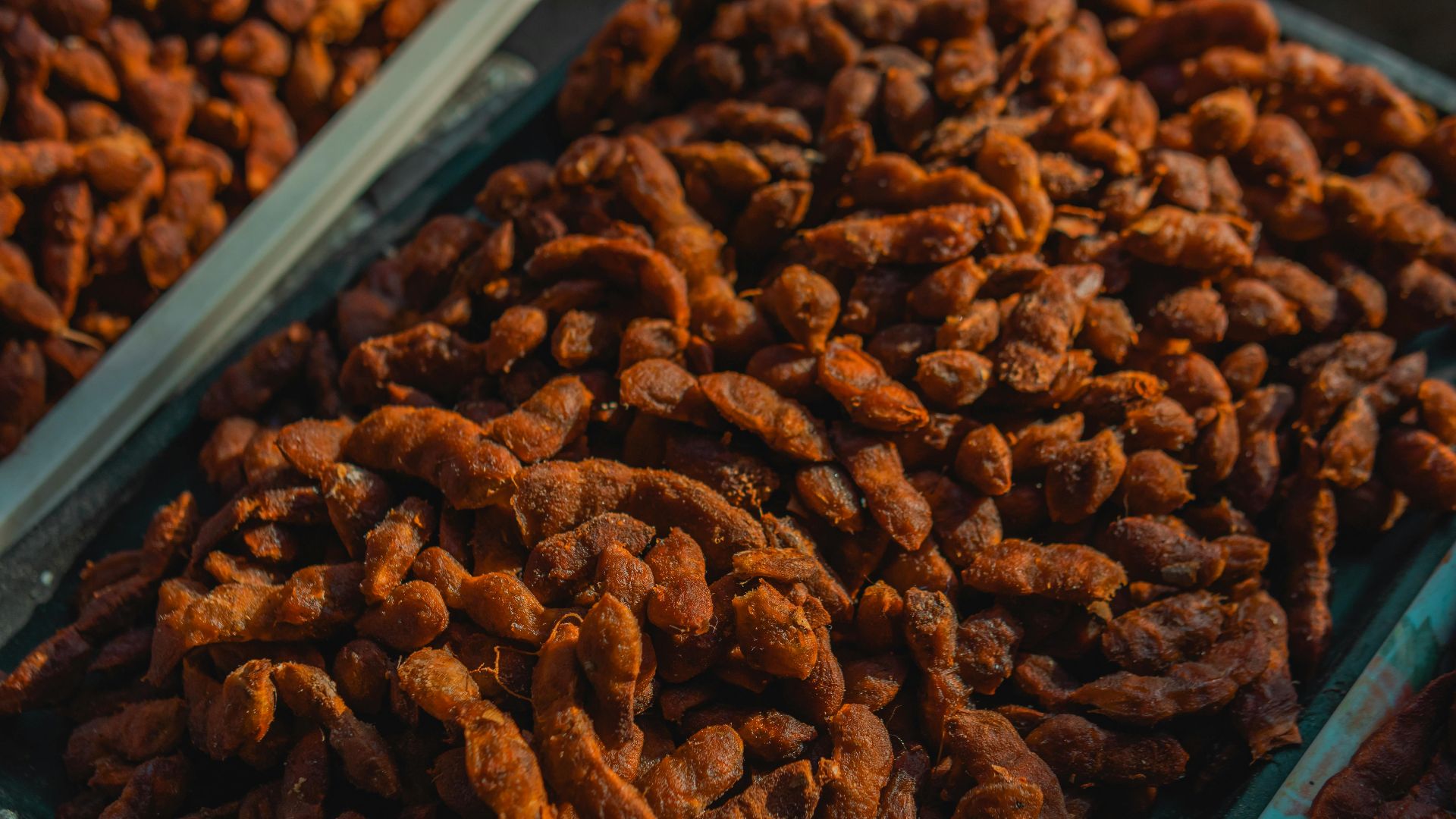
Tamarind adds a sweet, sour, and slightly earthy flavor that works especially well in sauces and marinades. More restaurants and packaged foods are using it to create stronger acidity without relying entirely on vinegar or citrus. Its versatility makes it popular in both savory dishes and drinks.
7. Fermented Heat
Fermented peppers and sauces provide spice with more complexity than standard hot sauces. The fermentation process adds tanginess and savory depth while softening harsh heat slightly. These flavors have become especially popular in sandwiches, wings, and noodle dishes.

8. Pistachio
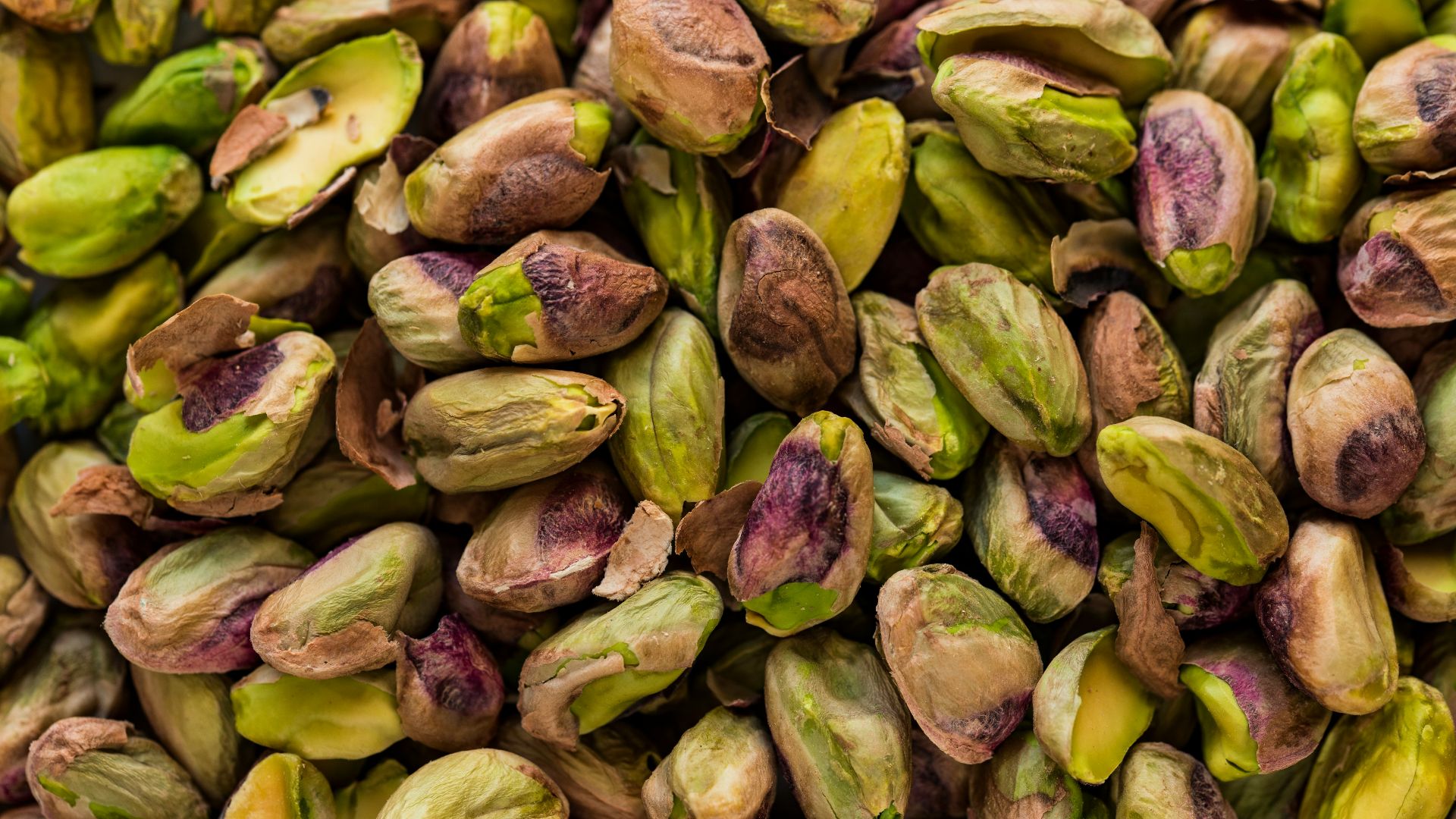
Pistachio flavor is appearing far beyond desserts and ice cream in 2026. Cafés and bakeries increasingly use it in lattes, pastries, spreads, and sauces because it adds richness without feeling too heavy. Its subtle nuttiness also works well in savory recipes.
9. Smoked Salt
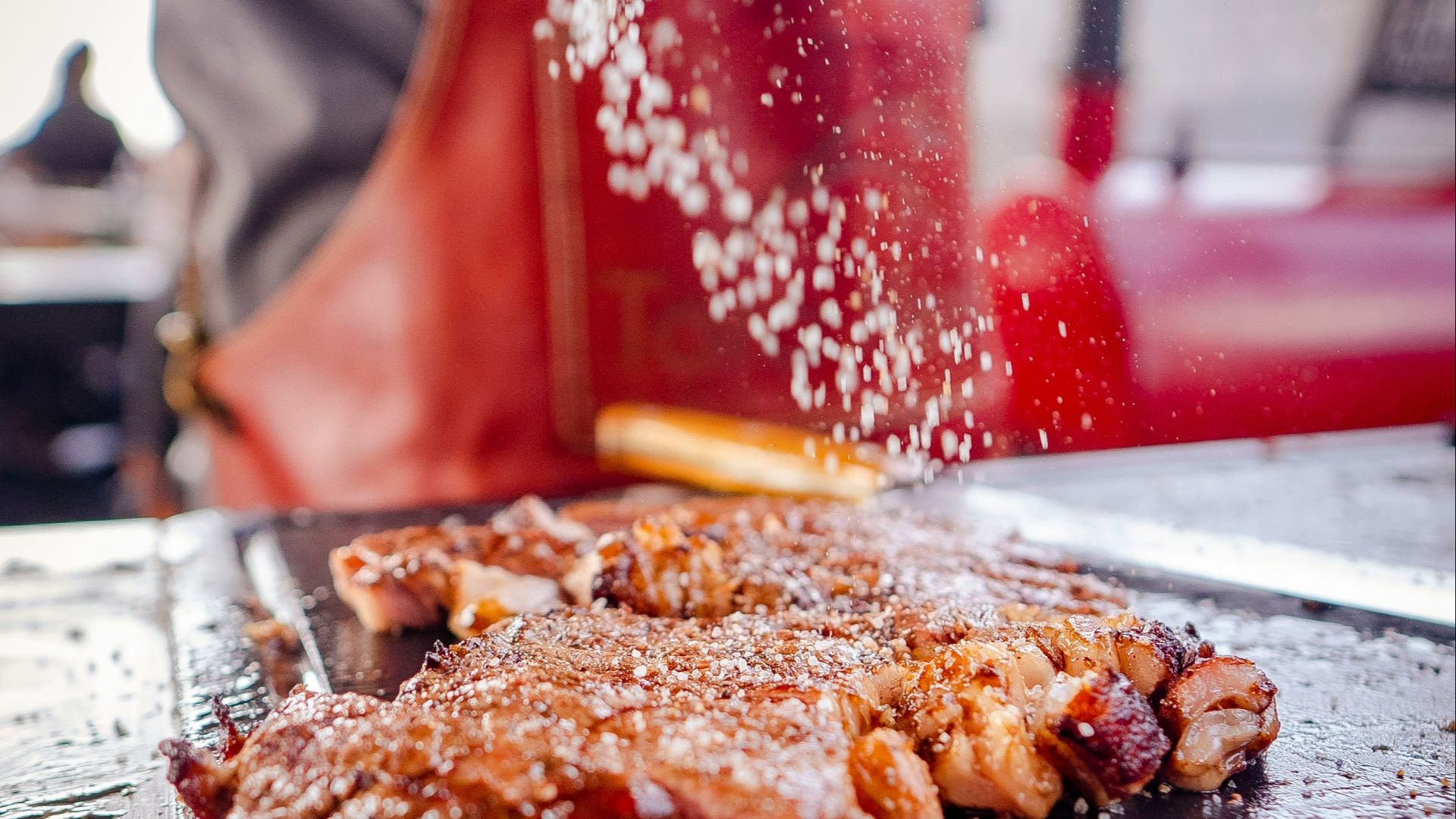
Seasoned salts continue evolving, with smoked varieties becoming especially popular in casual cooking. Even small amounts can add barbecue-like depth to vegetables, eggs, or roasted potatoes. Home cooks like it because it creates stronger flavor without complicated preparation.
10. Calabrian Chili
Calabrian chili peppers bring moderate heat along with smoky and fruity notes that stand out in pasta sauces and sandwiches. Their flavor tends to feel warmer and more balanced than sharper hot peppers. Restaurants continue using them heavily in spreads and pizza toppings.
11. Ube
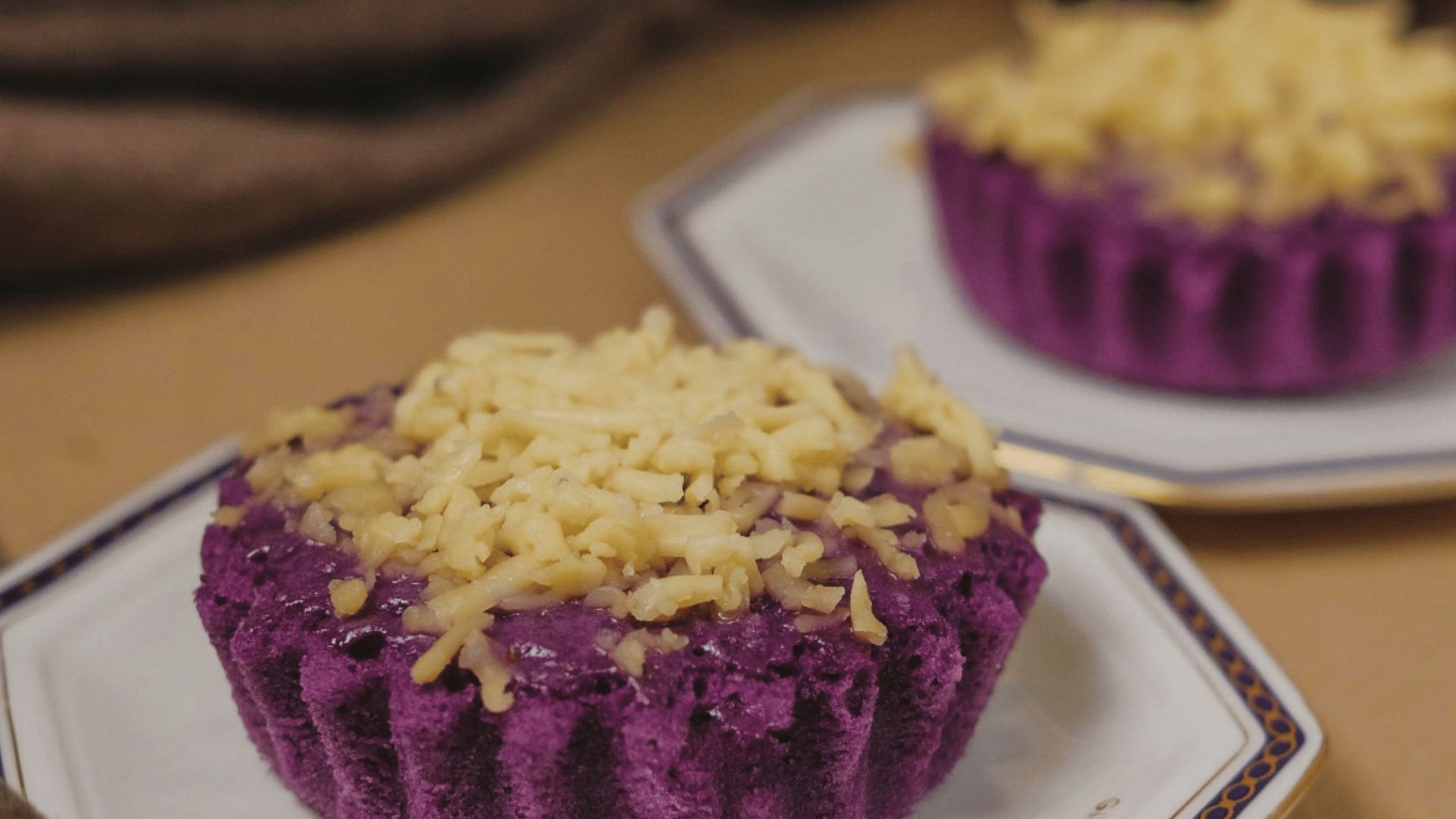
Ube’s earthy vanilla-like sweetness keeps expanding beyond traditional Filipino desserts into mainstream bakeries and cafés. The flavor works especially well in cakes, cream fillings, and sweet drinks because it feels rich without becoming overly sugary. Its vibrant purple color also makes it visually appealing.
12. Brown Butter
Brown butter adds a toasted, nutty flavor that instantly makes simple dishes taste more complex. It’s increasingly used in cookies, pasta sauces, mashed vegetables, and even cocktails. The flavor feels comforting while still adding noticeable depth.

13. Sichuan Peppercorn
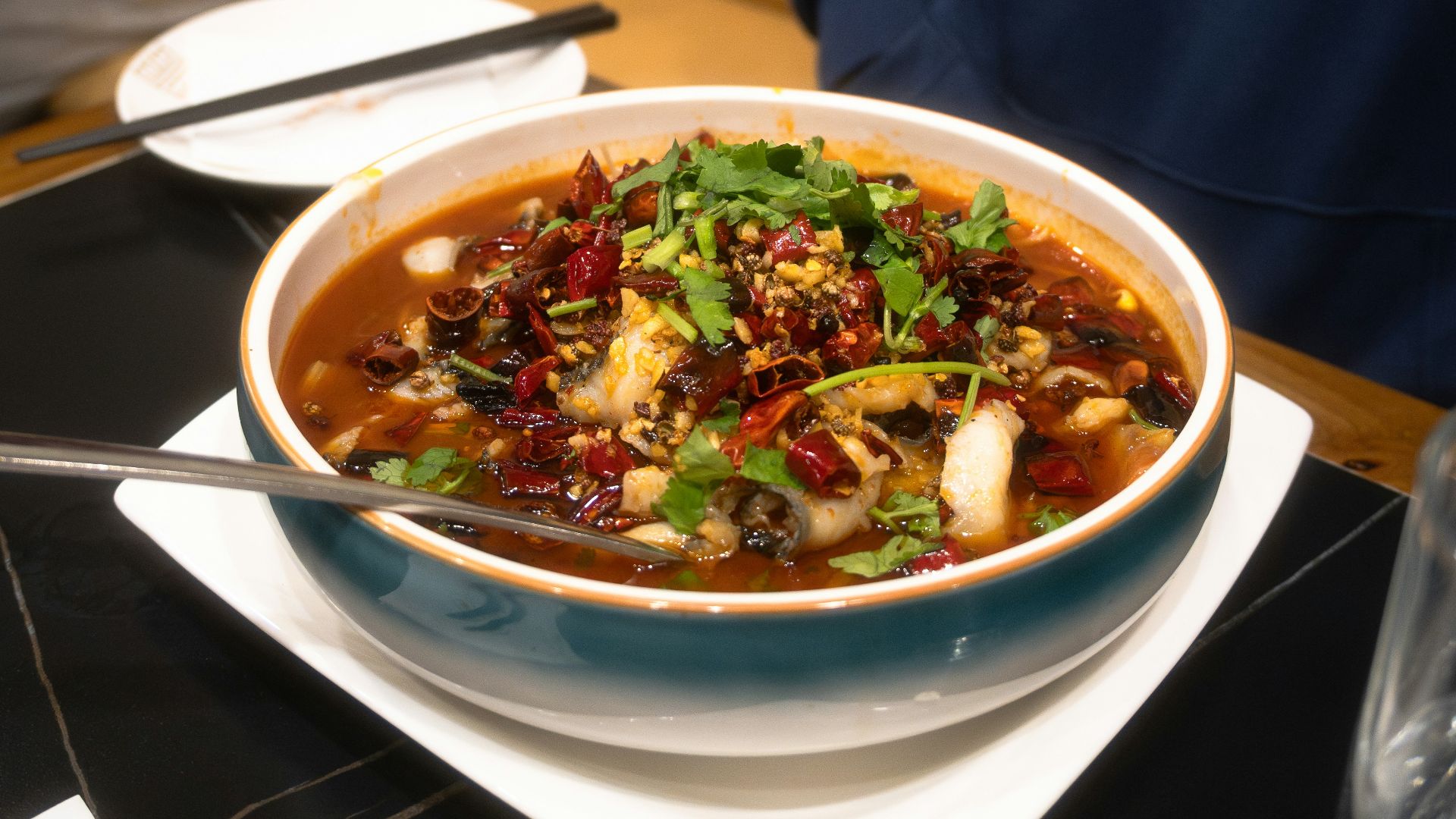
Sichuan peppercorn’s unique numbing sensation continues gaining popularity outside traditional Chinese cuisine. This ingredient creates a tingling effect that changes how spicy foods feel overall.
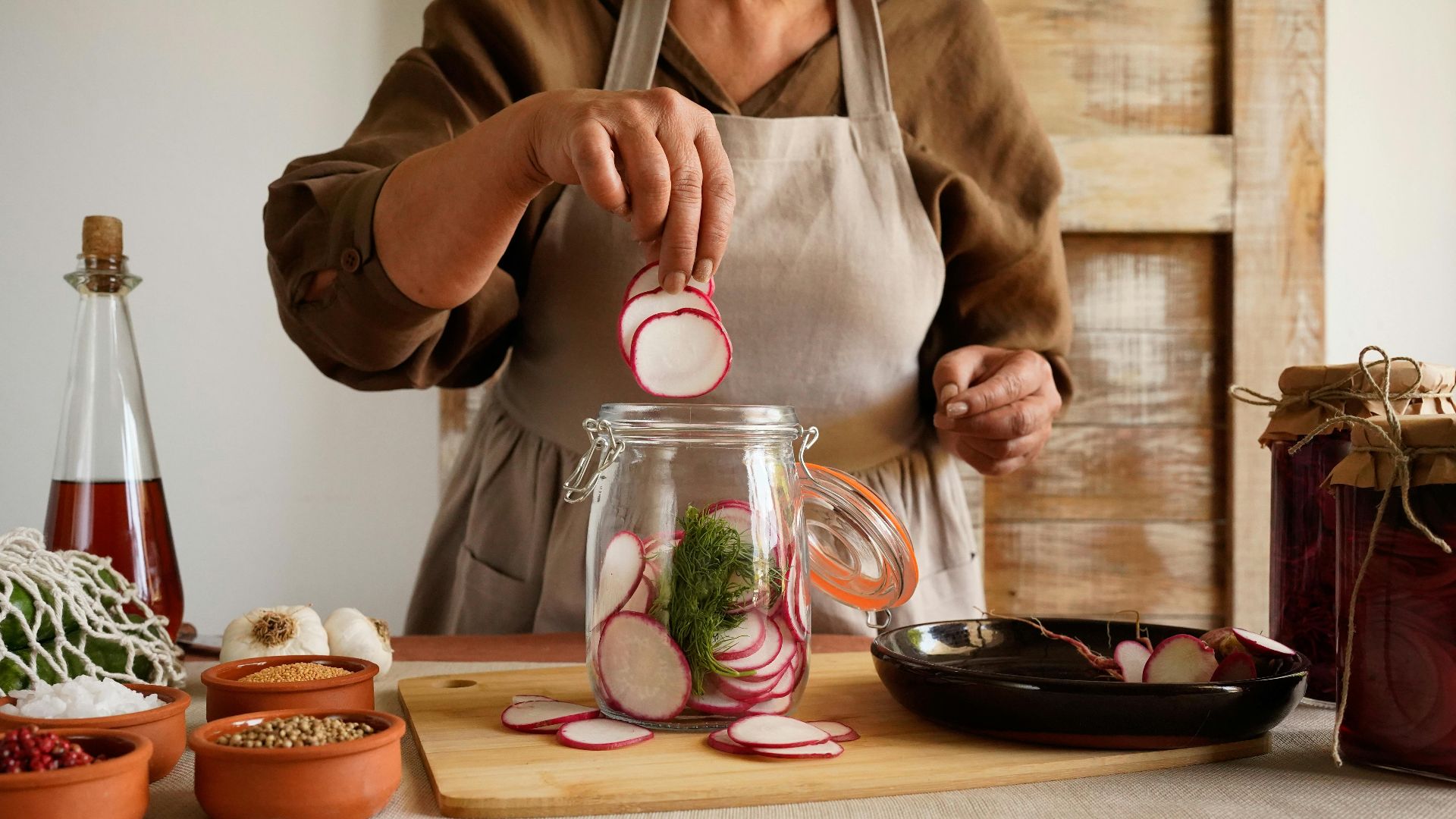
14. Pickled Ingredients
Sharp acidity from pickled onions, cucumbers, and peppers has become increasingly common in casual dining. Pickled toppings help balance heavier foods by adding brightness and crunch. Their popularity also reflects the growing demand for stronger contrast in flavor combinations.
15. Coconut Curry
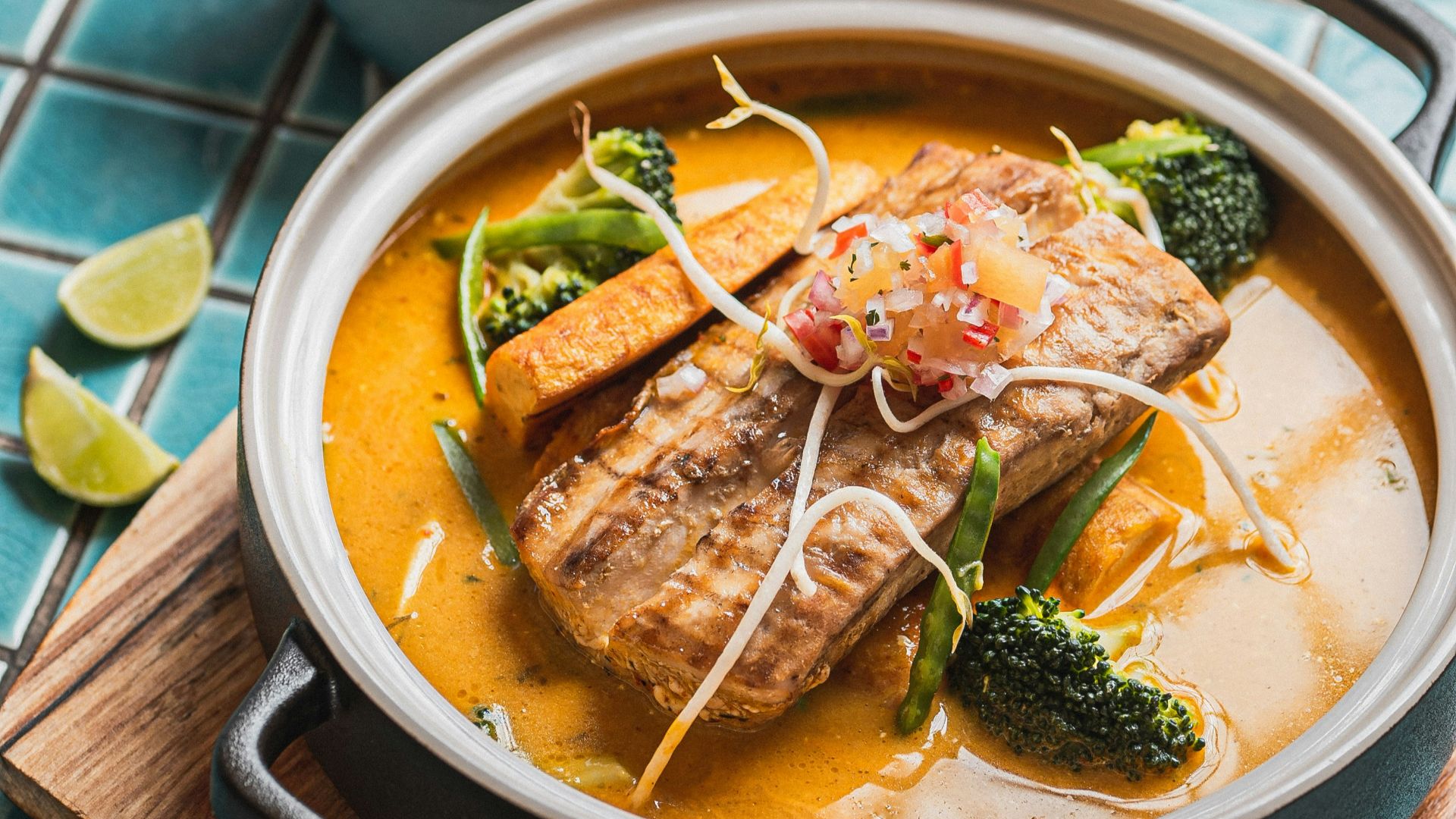
Rich coconut-based curries continue influencing everything from soups to snack foods. The combination of creaminess, spice, and aromatics creates bold flavor without relying entirely on heat. More packaged sauces and ready-made meals now use these profiles as well.
 Diego Arenas de Rodrigo on Unsplash
16. Miso Caramel
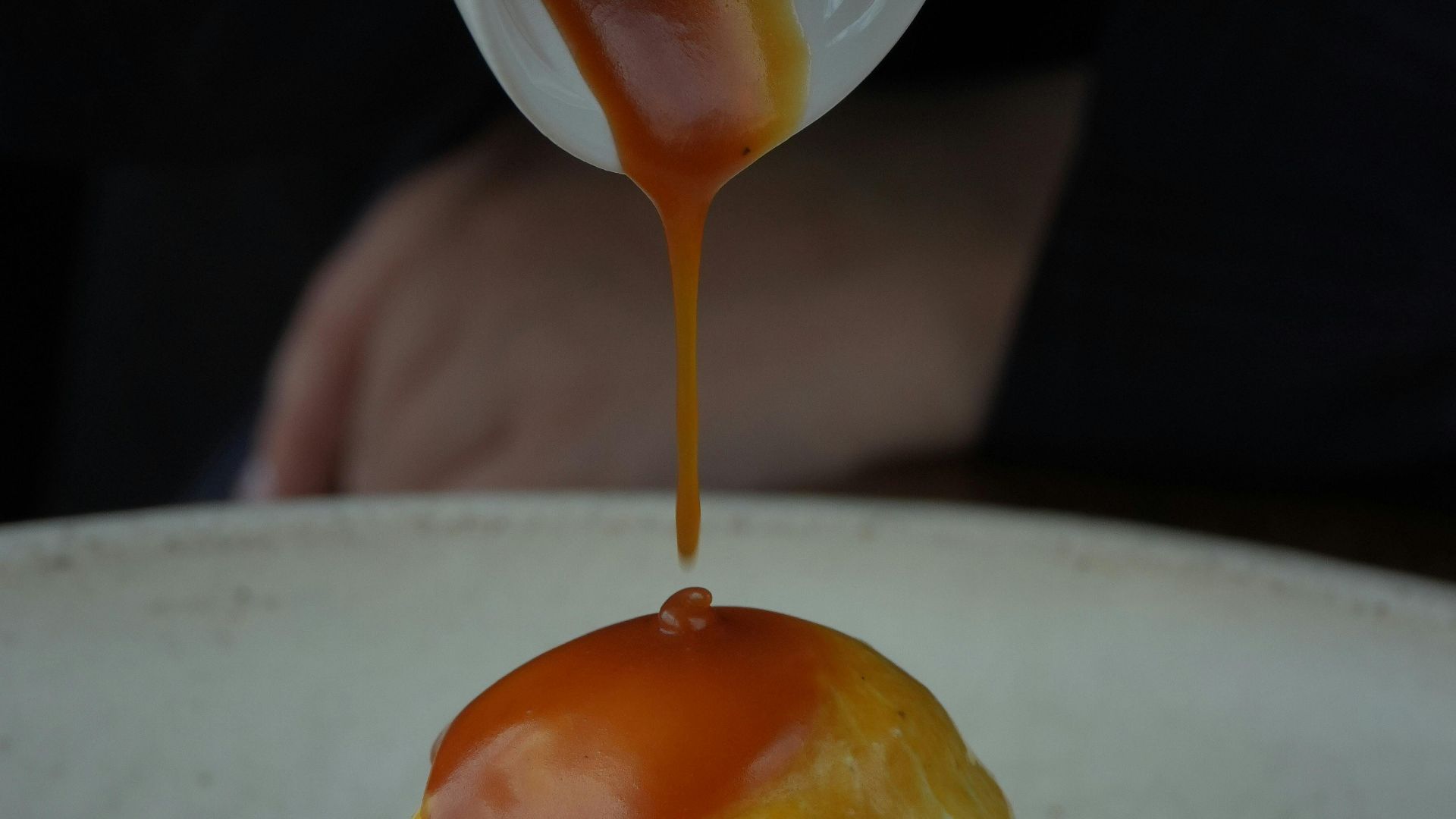
Sweet and savory dessert combinations remain popular, and miso caramel continues growing because it balances saltiness with deep sweetness. The fermented flavor prevents desserts from tasting overly sugary while adding richness underneath.
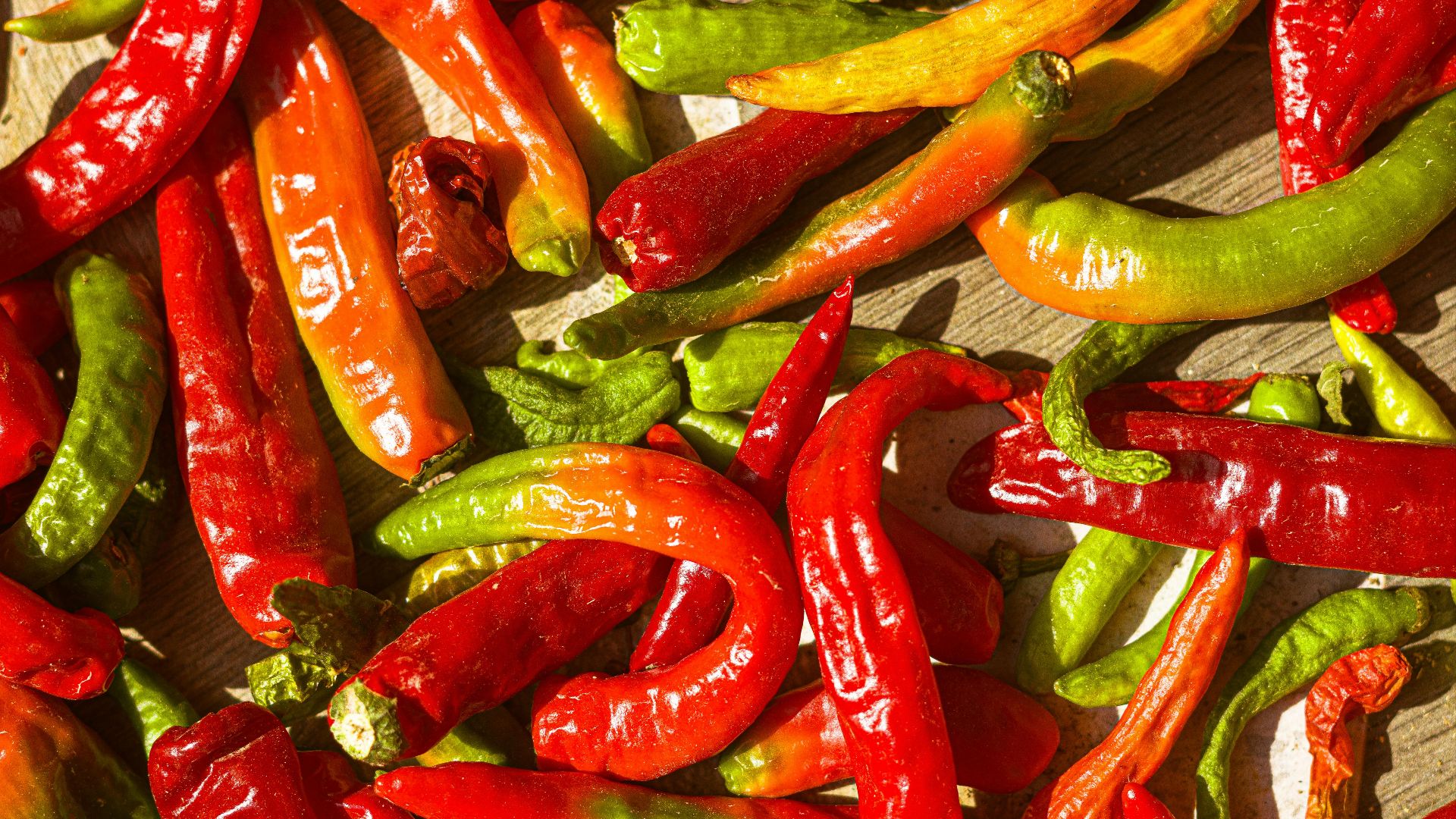
17. Green Chili
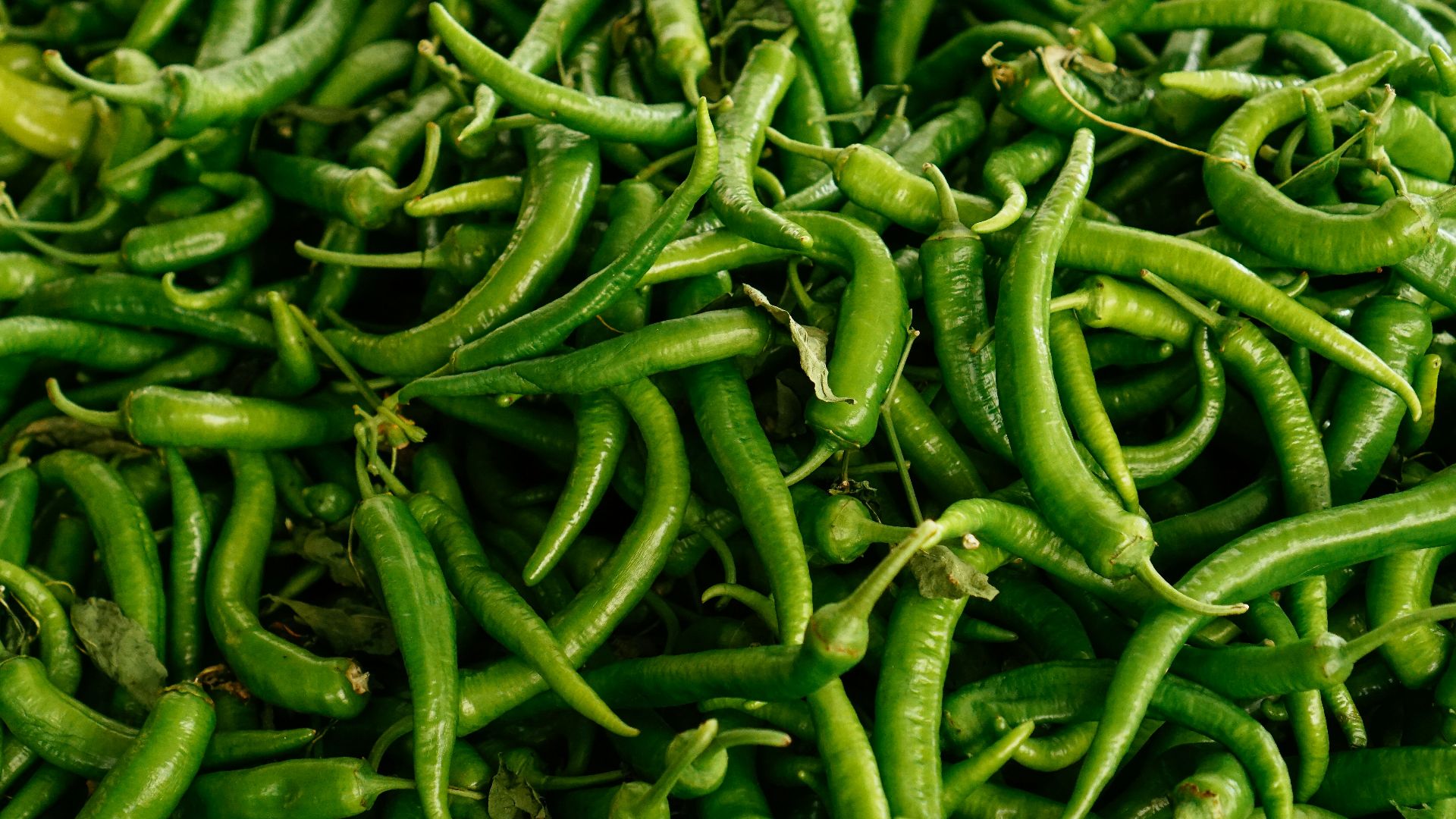
Green chili flavors are becoming more common as people look for heat that feels fresher and brighter than dried pepper blends. Roasted green chilies especially add warmth without overpowering dishes completely. They work well in dips, breakfast foods, and sauces.
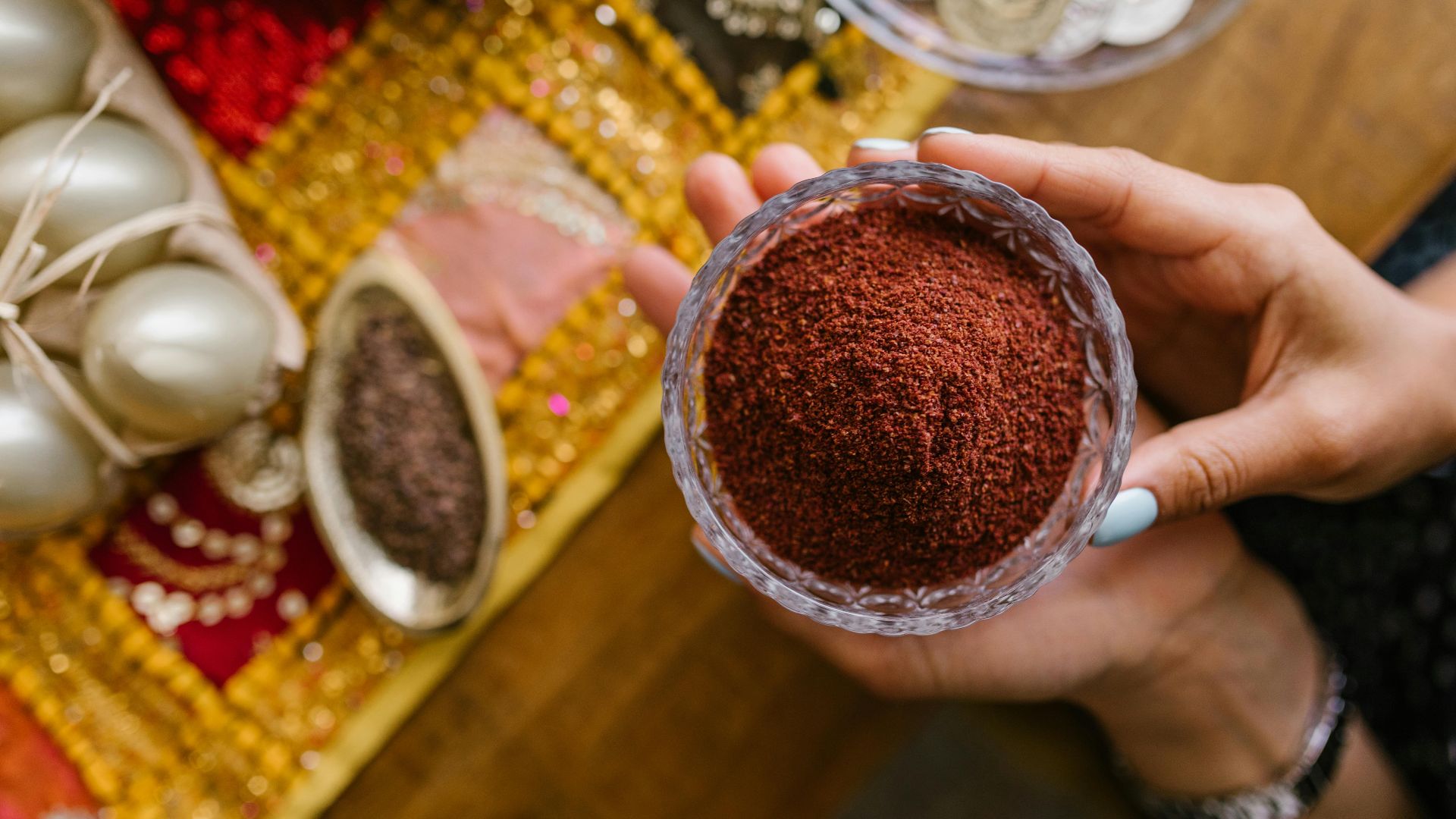
18. Sumac
Sumac’s tart, citrus-like flavor has become increasingly popular in seasoning blends and roasted dishes. It provides brightness without the liquid acidity of lemon juice or vinegar.
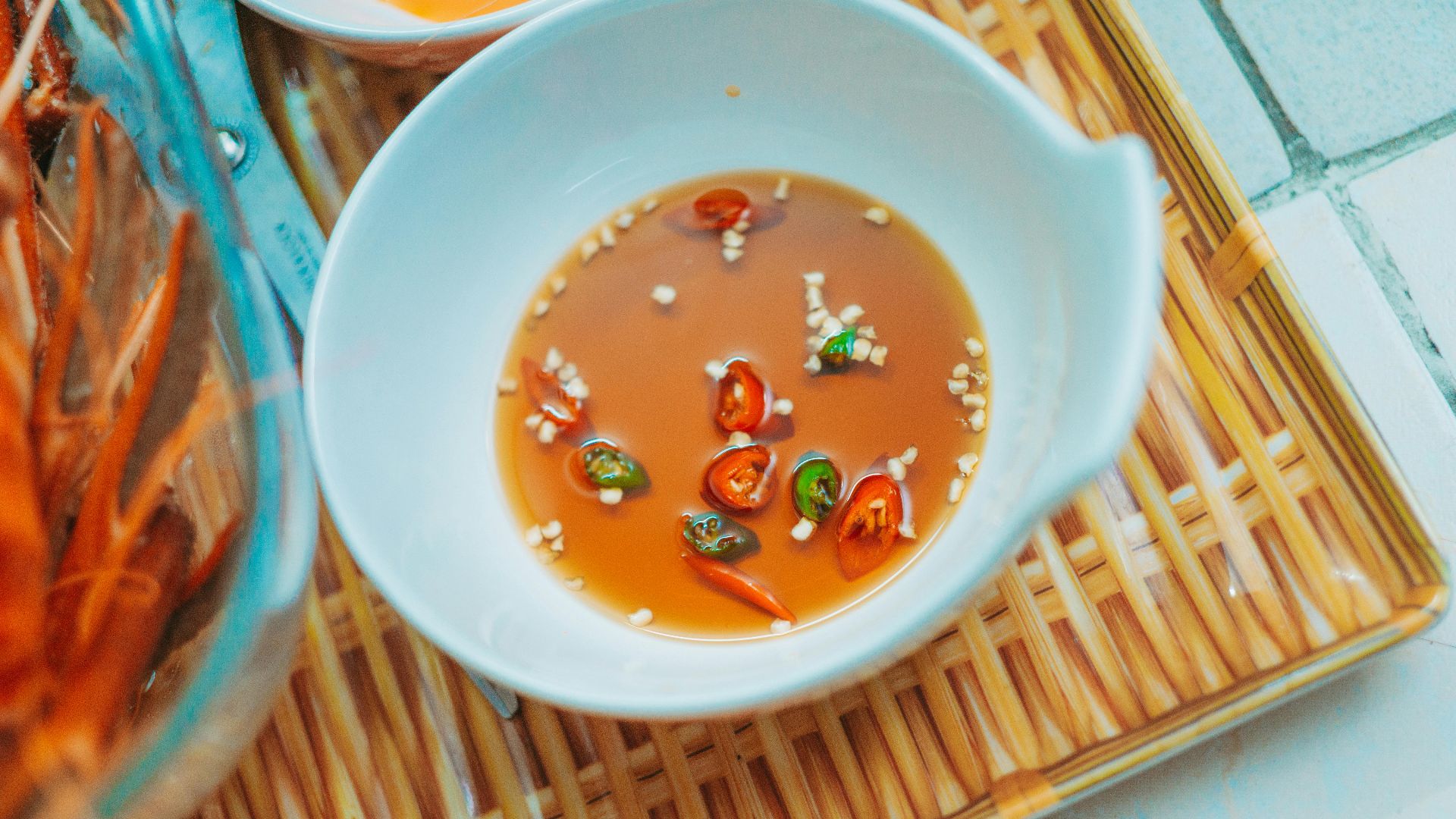
19. Fish Sauce-Based Umami
Fish sauce is quietly appearing in more sauces, soups, and marinades because small amounts create strong savory depth. Even dishes that don’t taste obviously seafood-based often use it to strengthen overall flavor.
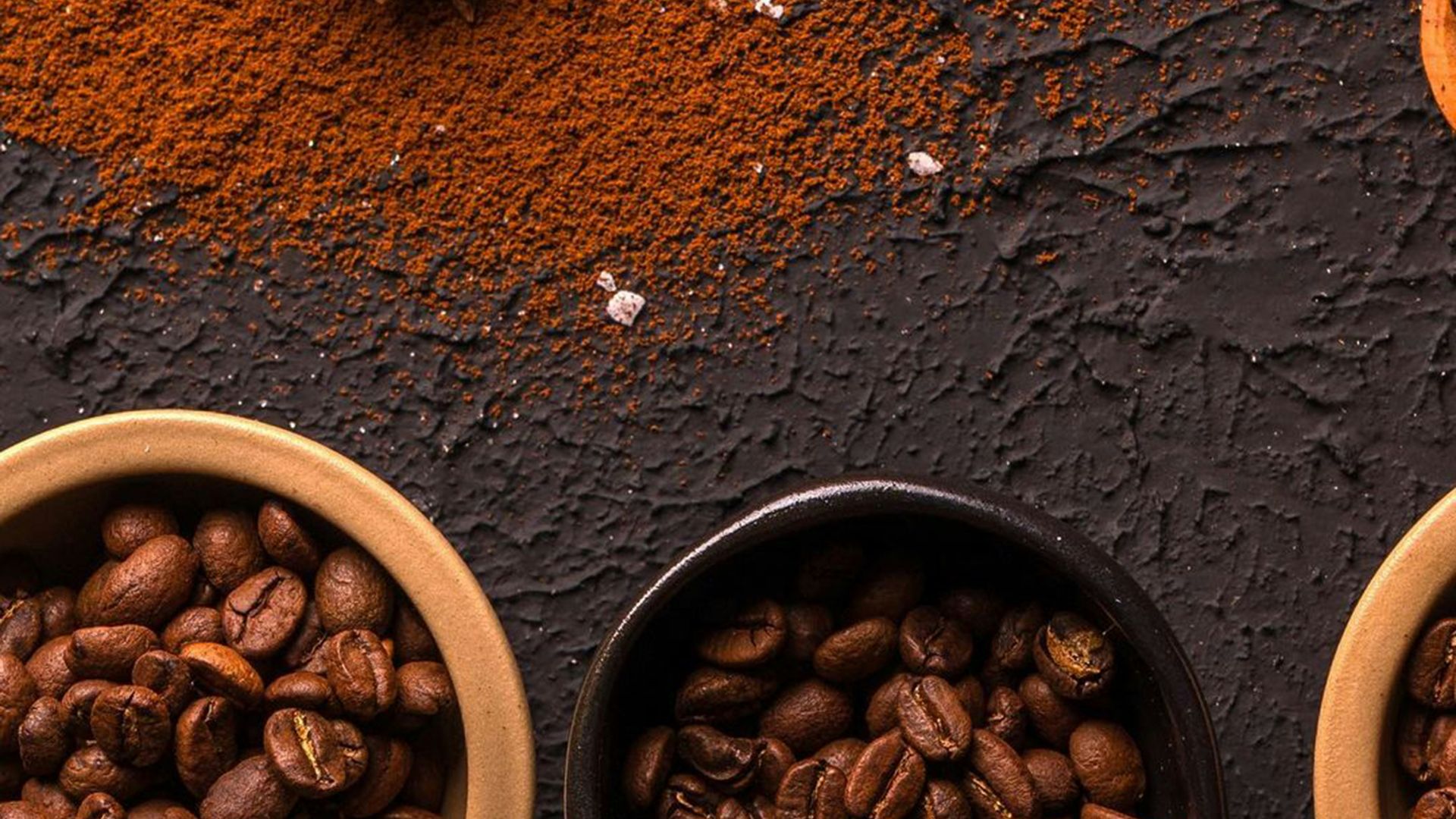
20. Coffee in Savory Foods
Coffee flavors are moving beyond desserts and drinks into rubs, barbecue sauces, and meat preparations. The bitterness and roasted depth help balance sweet or smoky ingredients particularly well.
KEEP ON READING

The Most Popular Signature Dishes Around the World