How Food Trends Shape What You Love (and What You Don’t)
Food trends have always influenced how dishes are prepared, presented, and even perceived, sometimes elevating classics while other times pushing them so far from their roots that they lose their original appeal. You’ve likely seen familiar meals reinvented with modern twists that don’t always land well, while others benefit from renewed attention that brings them back into the spotlight. Looking at both sides shows how trends can reshape your experience of food in ways that feel either refreshing or unnecessarily complicated. Here are 10 dishes ruined by trends and 10 brought back to life by them.
1. Avocado Toast
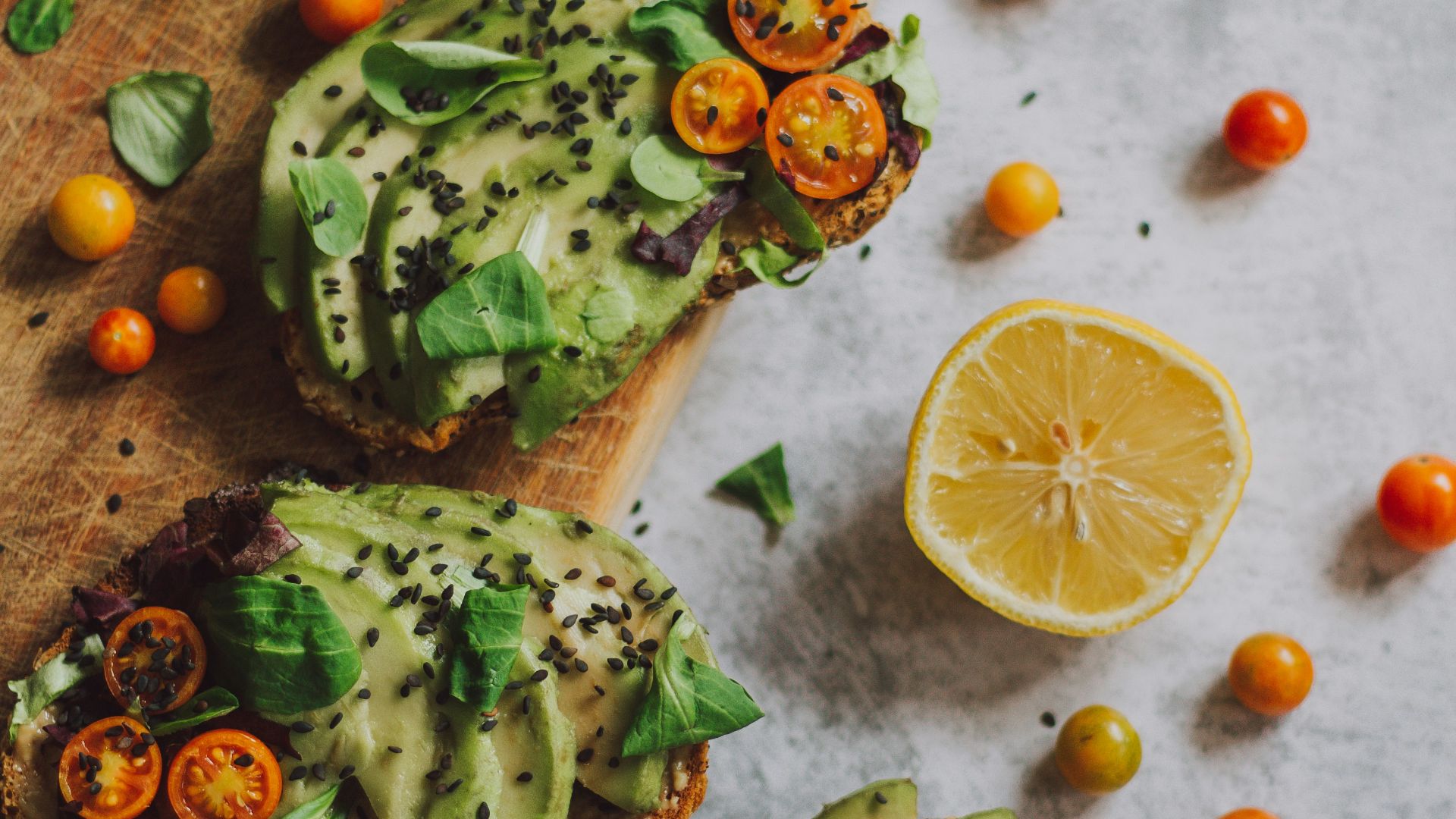
Avocado toast was once a simple combination of mashed avocado, bread, and basic seasoning, but it became heavily commercialized in the 2010s. Many versions now include excessive toppings that overwhelm the original balance. What started as a quick, satisfying snack can feel unnecessarily elaborate and overpriced.
2. Burgers
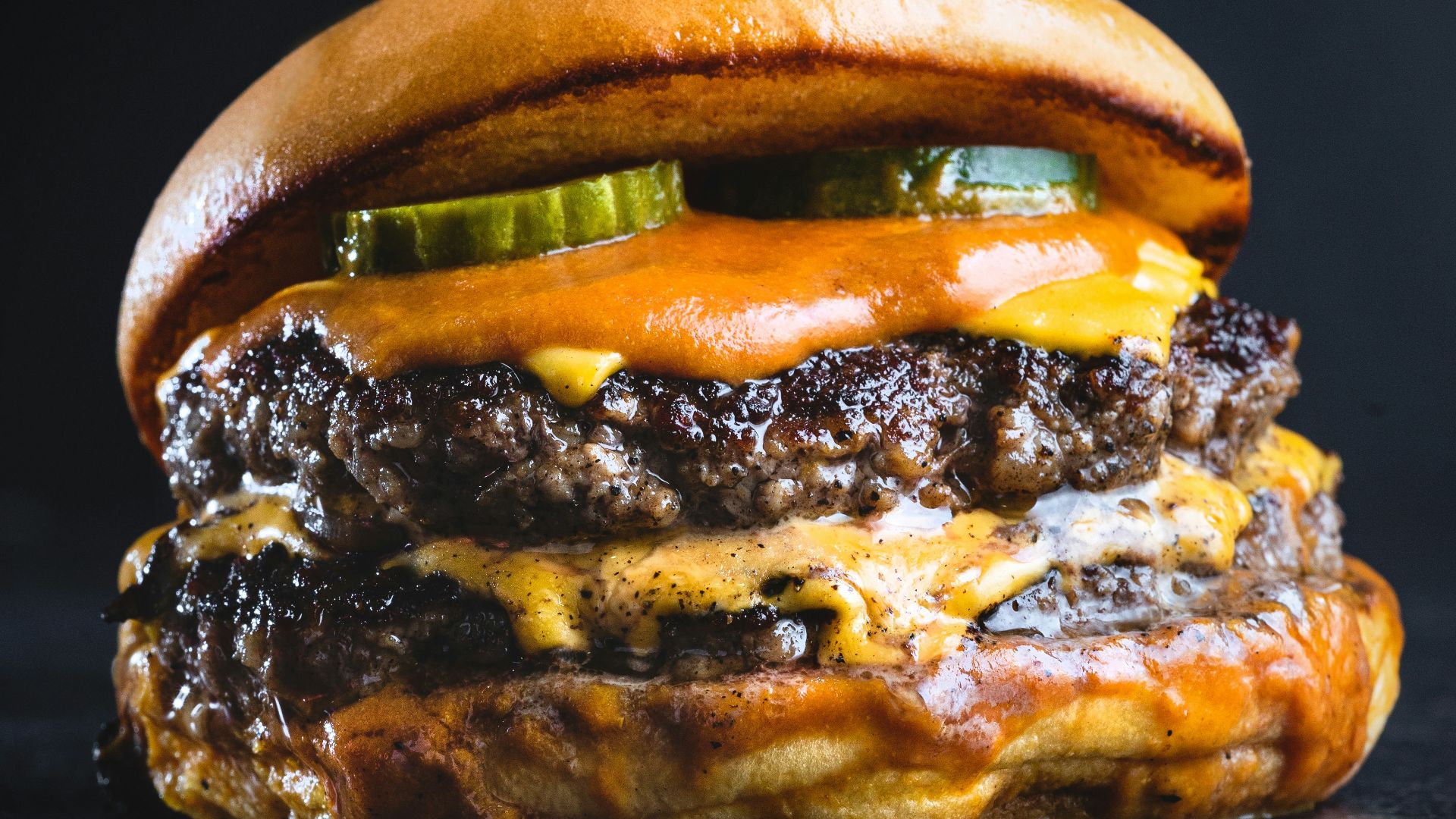
Classic burgers have been pushed into extreme territory with oversized patties, unusual toppings, and towering builds. While creativity has its place, these versions often sacrifice practicality and flavor balance. You’re left with something harder to eat and less enjoyable overall.
3. Milkshakes
Milkshakes were traditionally simple blends of ice cream and milk, but “freakshakes” changed that. Loaded with candy, cake slices, and syrups, they became more about appearance than taste. The original refreshing quality often gets lost in the excess.

4. Pizza
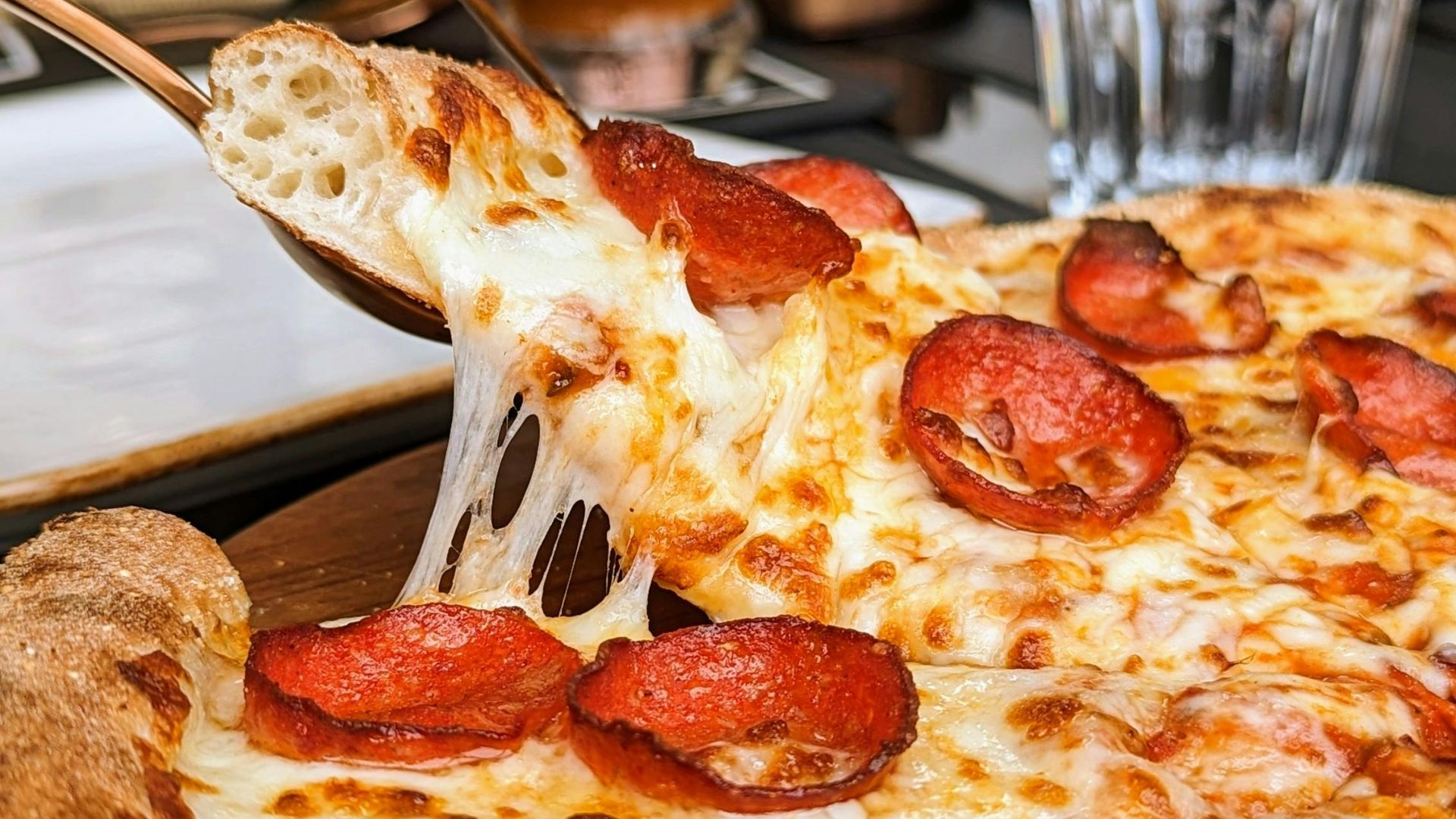
Pizza has seen countless reinterpretations, from unconventional crusts to unusual toppings like dessert-style combinations. While experimentation can be interesting, some versions move too far from the traditional balance of dough, sauce, and cheese. It can end up feeling disconnected from what makes pizza satisfying.
5. Mac and Cheese
Mac and cheese has been altered with luxury ingredients like truffle oil, lobster, or elaborate blends of cheeses. These additions can overshadow the comforting simplicity that defines the dish. Instead of enhancing it, they sometimes make it feel less approachable.

6. Ramen
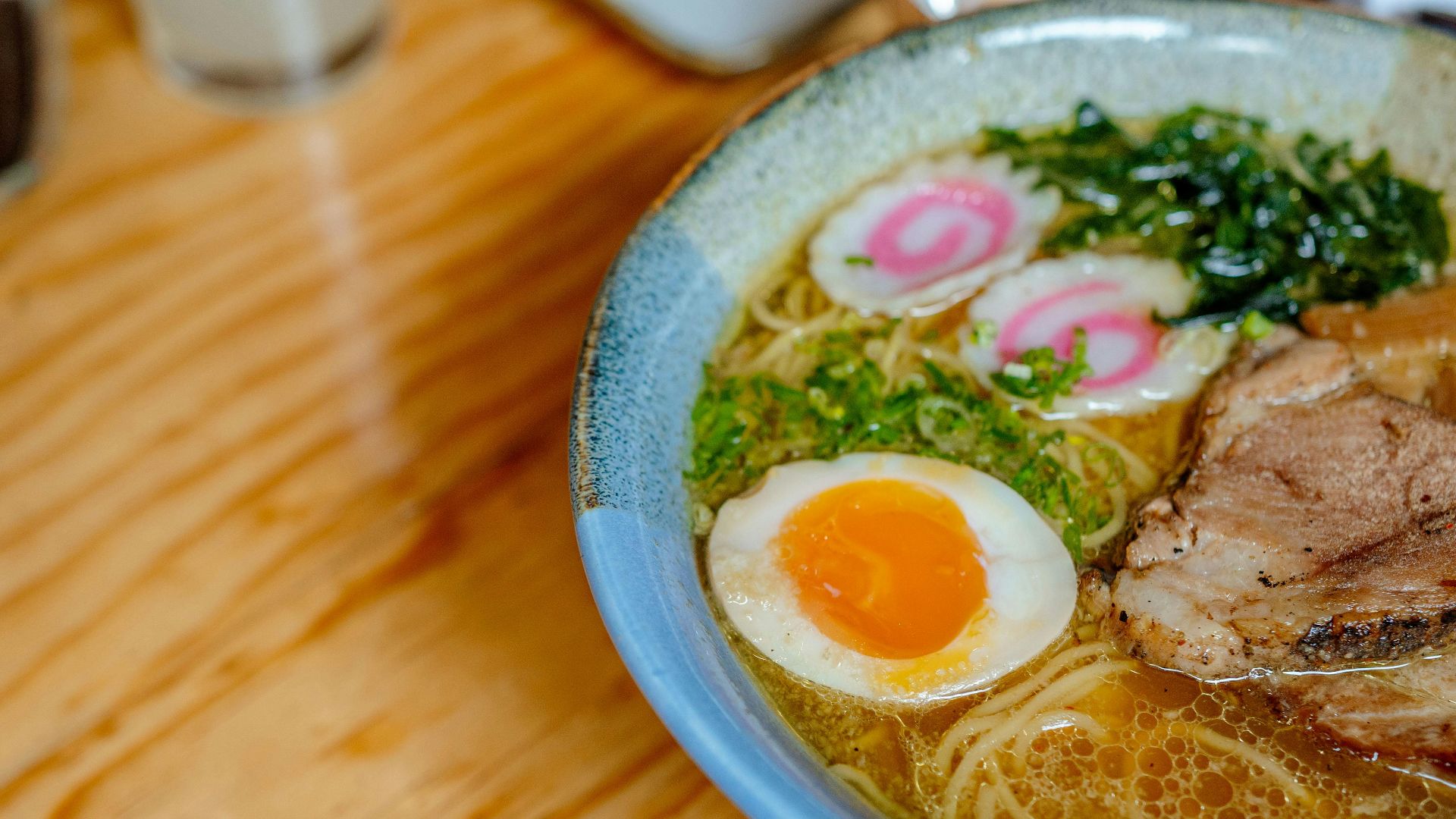
Ramen has been transformed from a quick, affordable meal into a highly stylized dining experience. Some versions focus more on presentation and novelty than on broth quality and balance. You may find that the simplicity of traditional ramen gets lost in the process.
7. Donuts
Donuts have become a canvas for extreme flavors, toppings, and fillings that go far beyond their original form. While creativity can be appealing, these versions often prioritize novelty over taste. The classic light, sweet pastry can feel overshadowed.

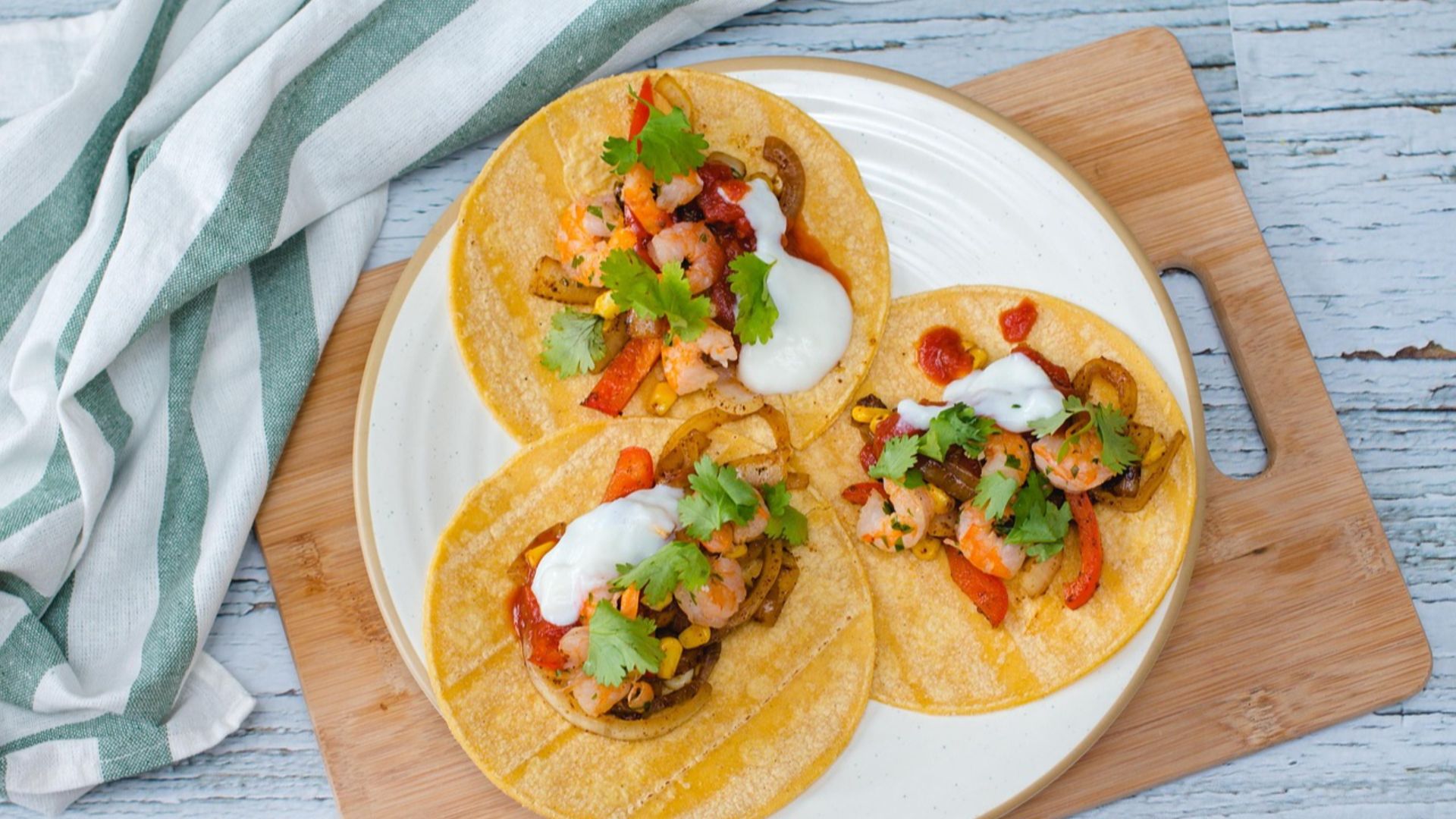
8. Tacos
Tacos have been reimagined with unconventional fillings that sometimes stray far from traditional roots. Fusion can work well, but not every combination respects the balance of flavor and texture. Some versions end up feeling more gimmicky than satisfying.
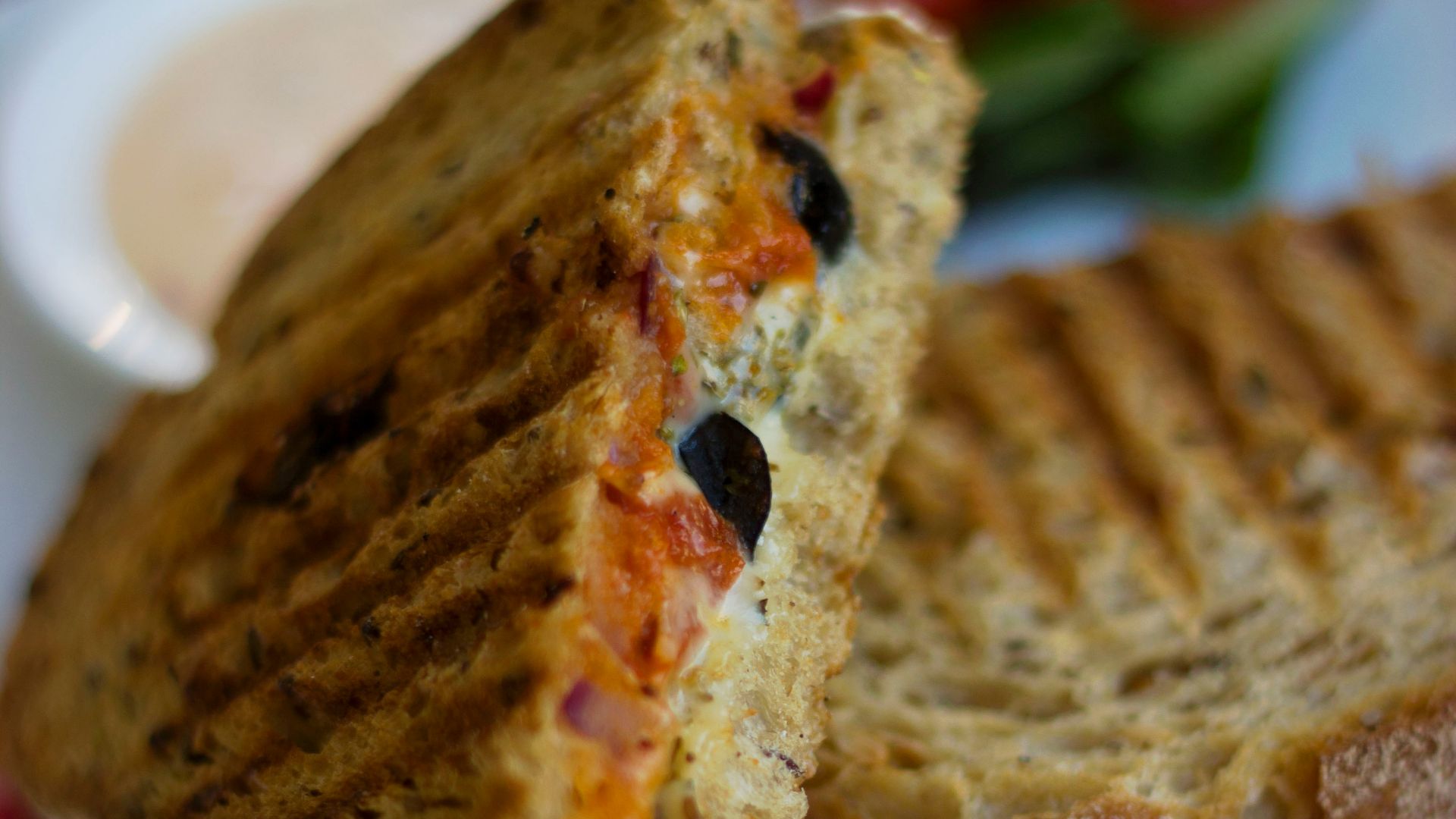
9. Grilled Cheese
Grilled cheese sandwiches have been overloaded with meats, sauces, and extras that complicate their simplicity. The focus shifts away from the crisp bread and melted cheese combination. You may find the result less comforting than the original.
 micheile henderson on Unsplash
10. Bloody Mary
The Bloody Mary has evolved into a drink topped with full meals, including burgers, seafood, and more. While visually striking, these versions often distract from the drink itself. The balance of flavors can be overshadowed by excessive garnishes.
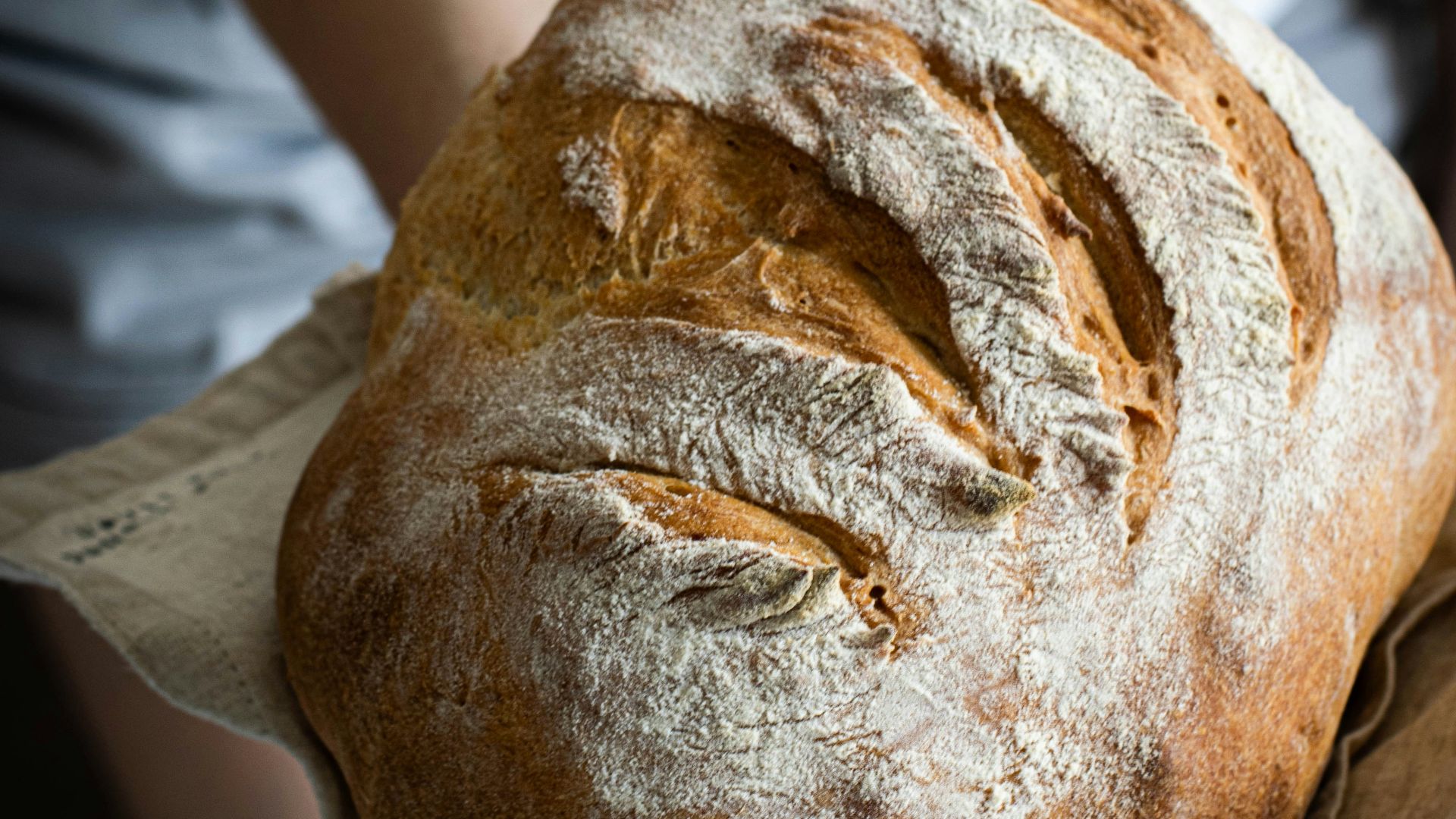
1. Sourdough Bread
Sourdough bread saw a resurgence during the early 2020s, especially during periods when home baking became popular. Its natural fermentation process and distinct flavor gained renewed appreciation. You’ll now find it valued both for its taste and traditional preparation.
2. Fermented Foods
Foods like kimchi, sauerkraut, and kombucha have been reintroduced through wellness and culinary trends. These items have long histories but gained new attention for their flavor and preservation methods. Their popularity has helped maintain traditional techniques.

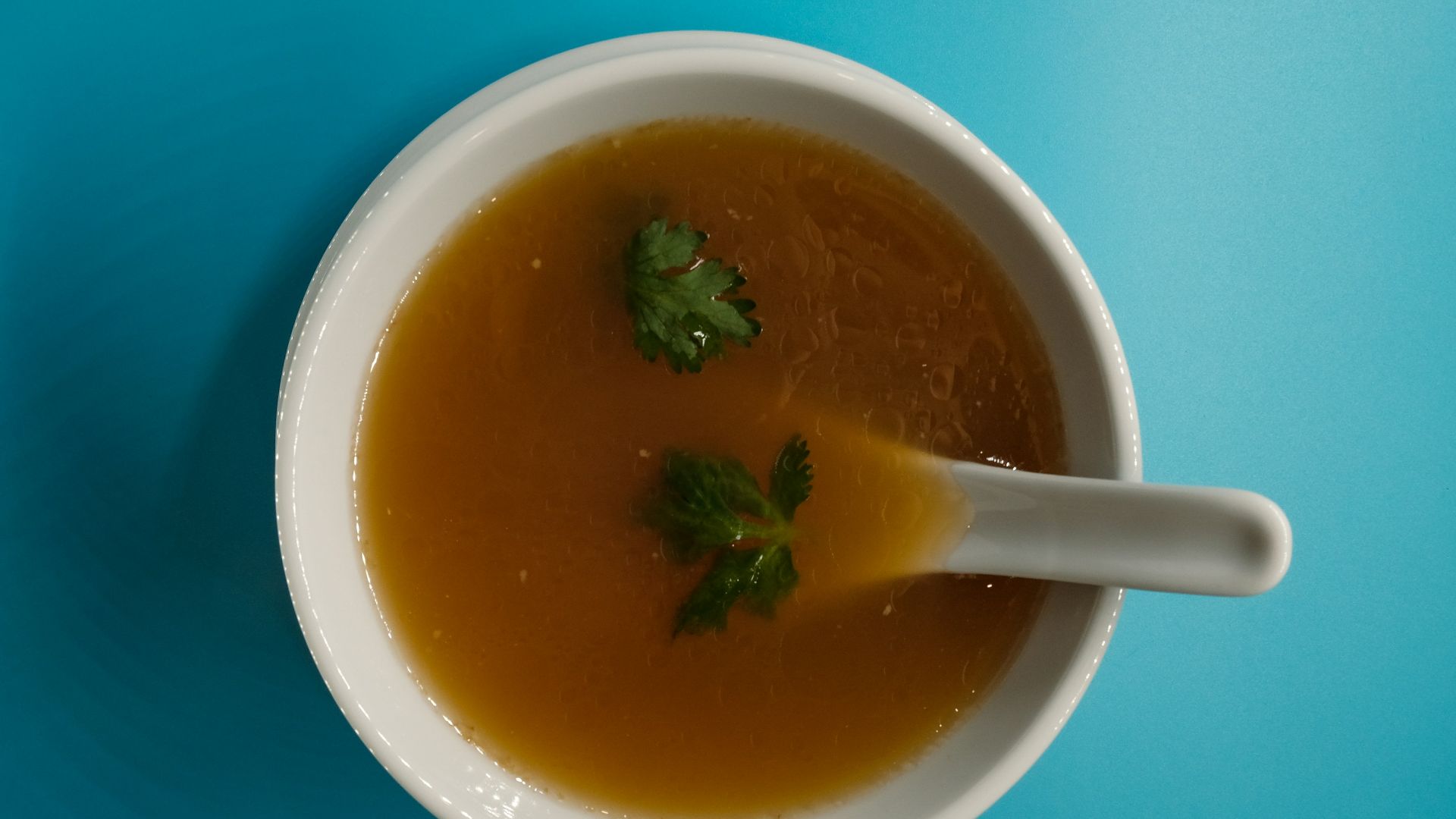
3. Bone Broth
Bone broth has been part of cooking traditions for centuries, but was rebranded as a health-focused trend. This renewed attention brought it back into everyday use. You might now see it used both as a drink and a cooking base.
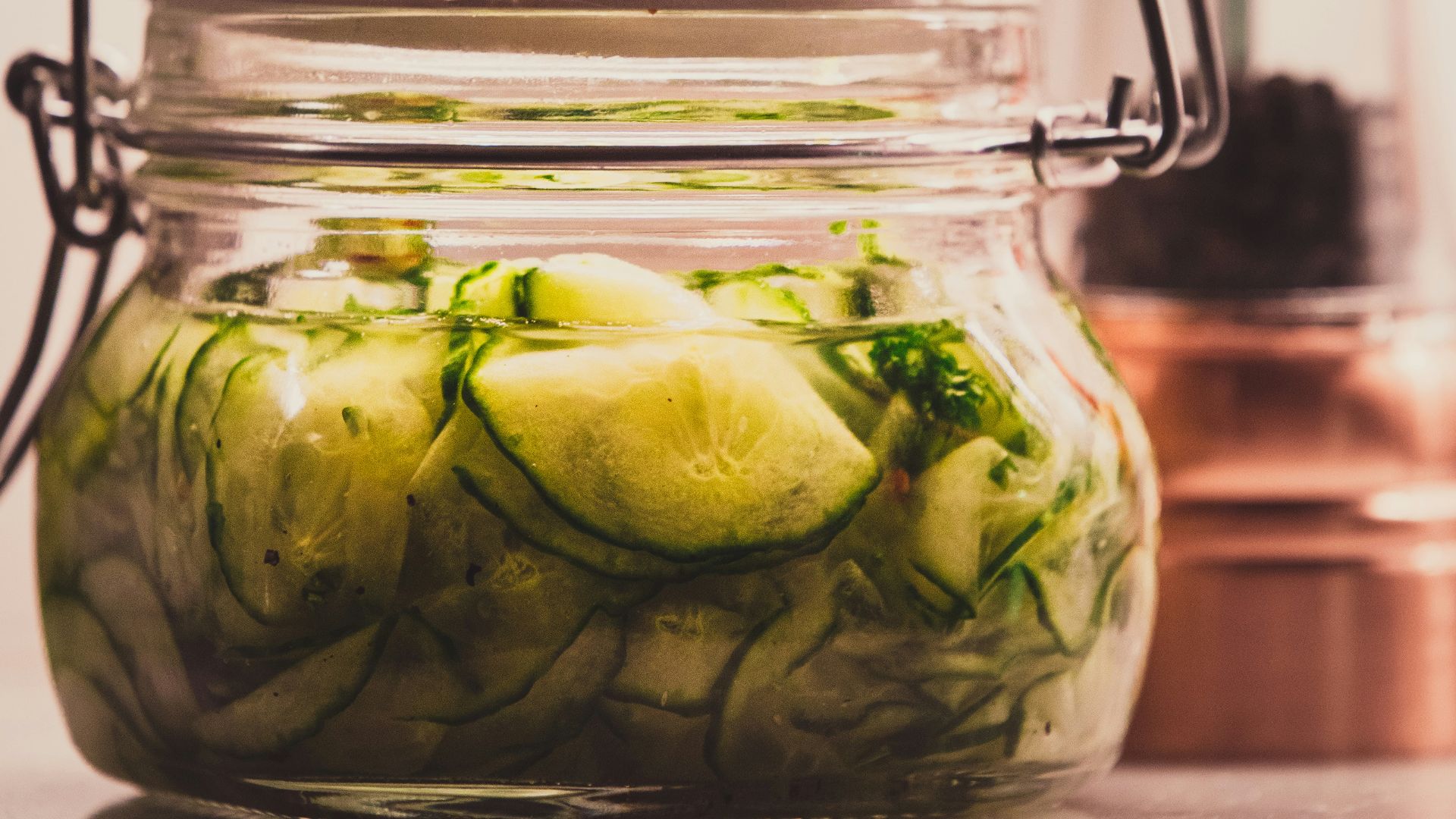
4. Pickled Vegetables
Pickling has existed for centuries as a preservation method, but modern trends have made it popular again. Chefs and home cooks alike experiment with different vegetables and flavors. This has helped reintroduce a classic technique to a wider audience.
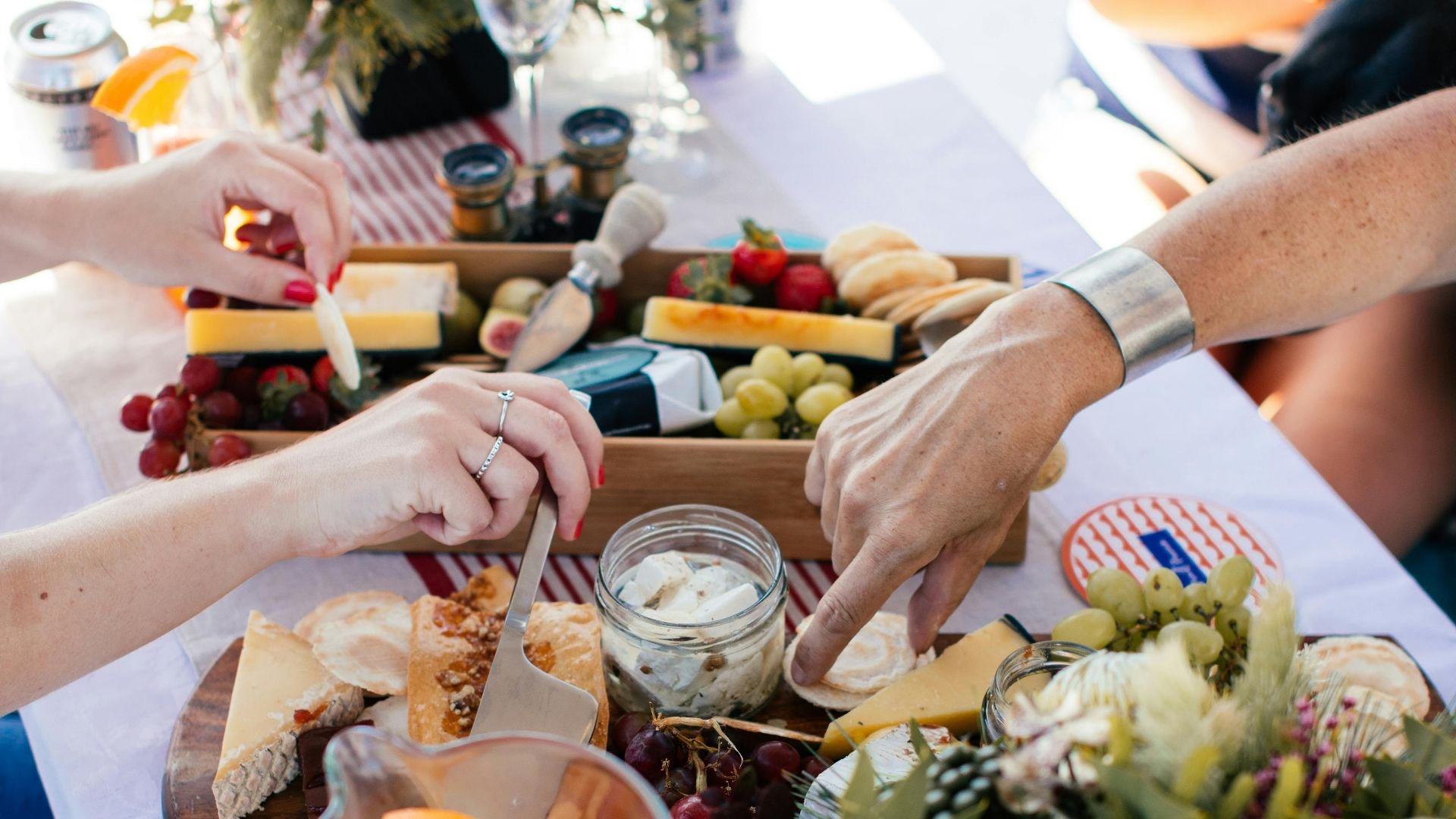
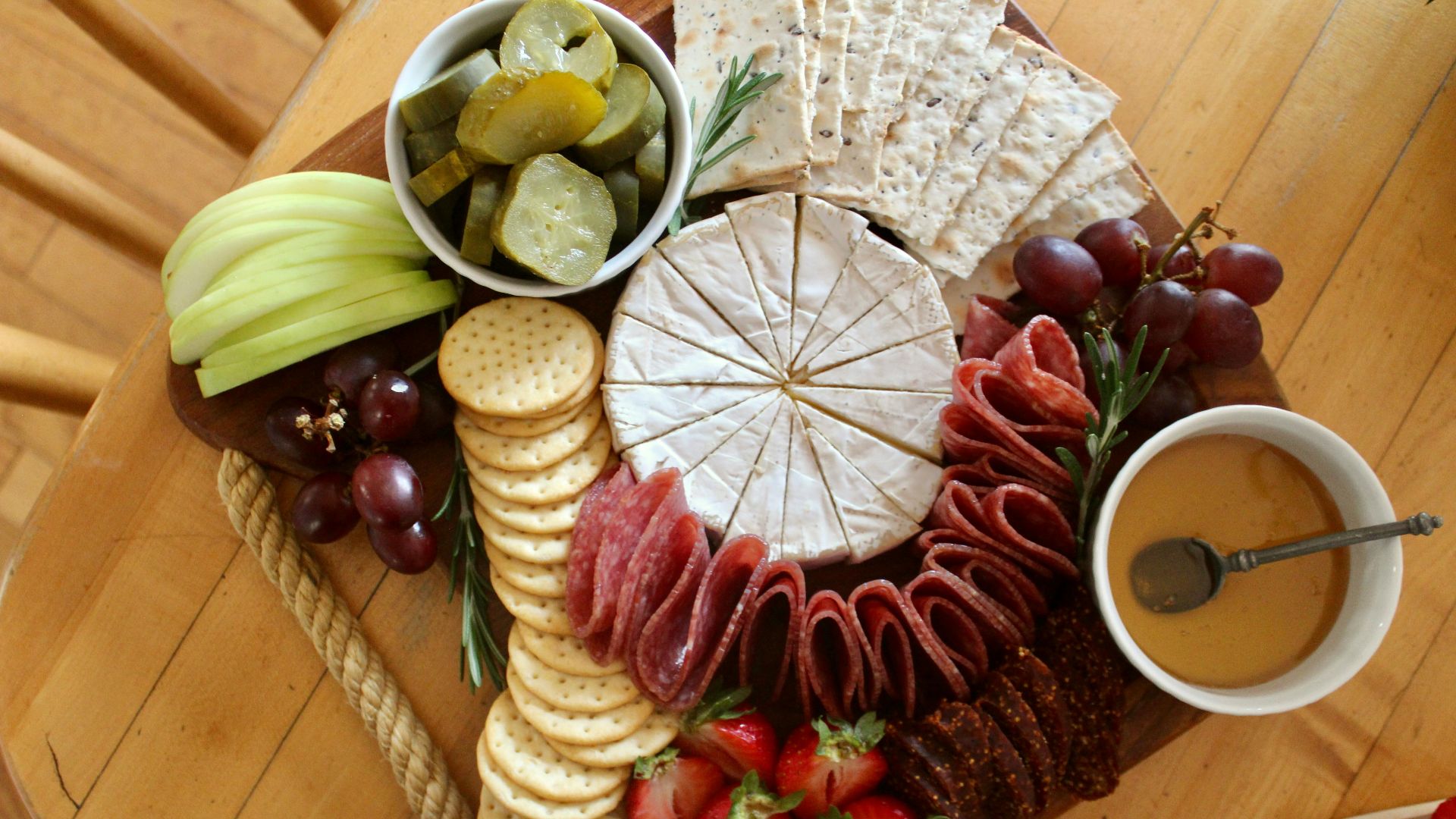
5. Charcuterie Boards
Charcuterie has roots in French culinary traditions, but it gained widespread popularity through modern entertaining trends. The focus on presentation and variety brought renewed interest. You’ll now see it used in both casual and formal settings.
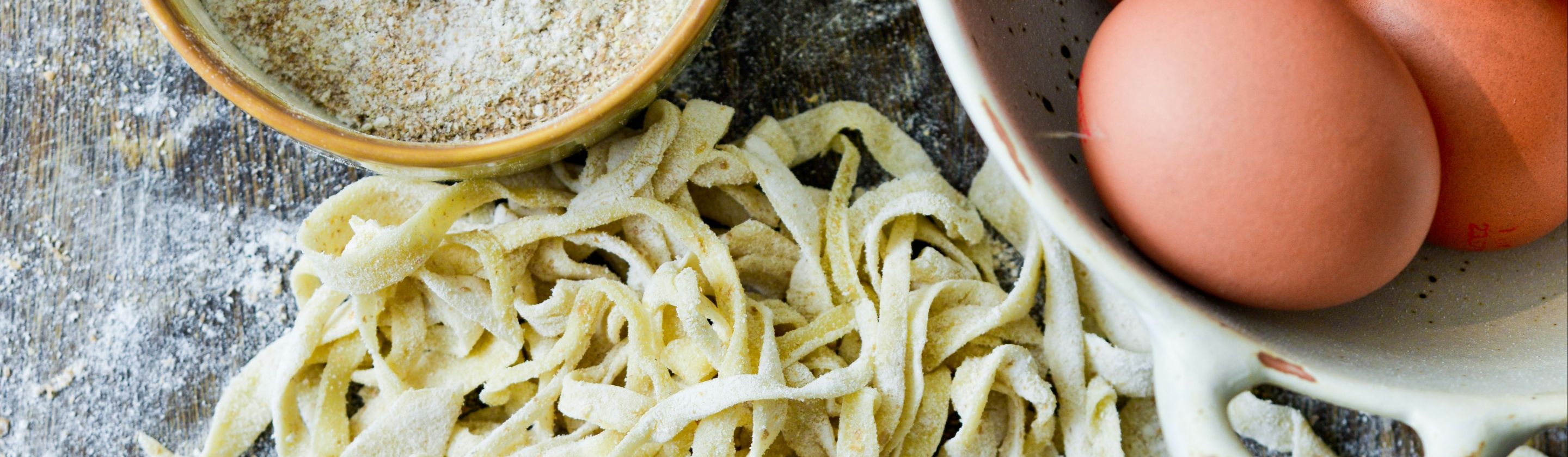
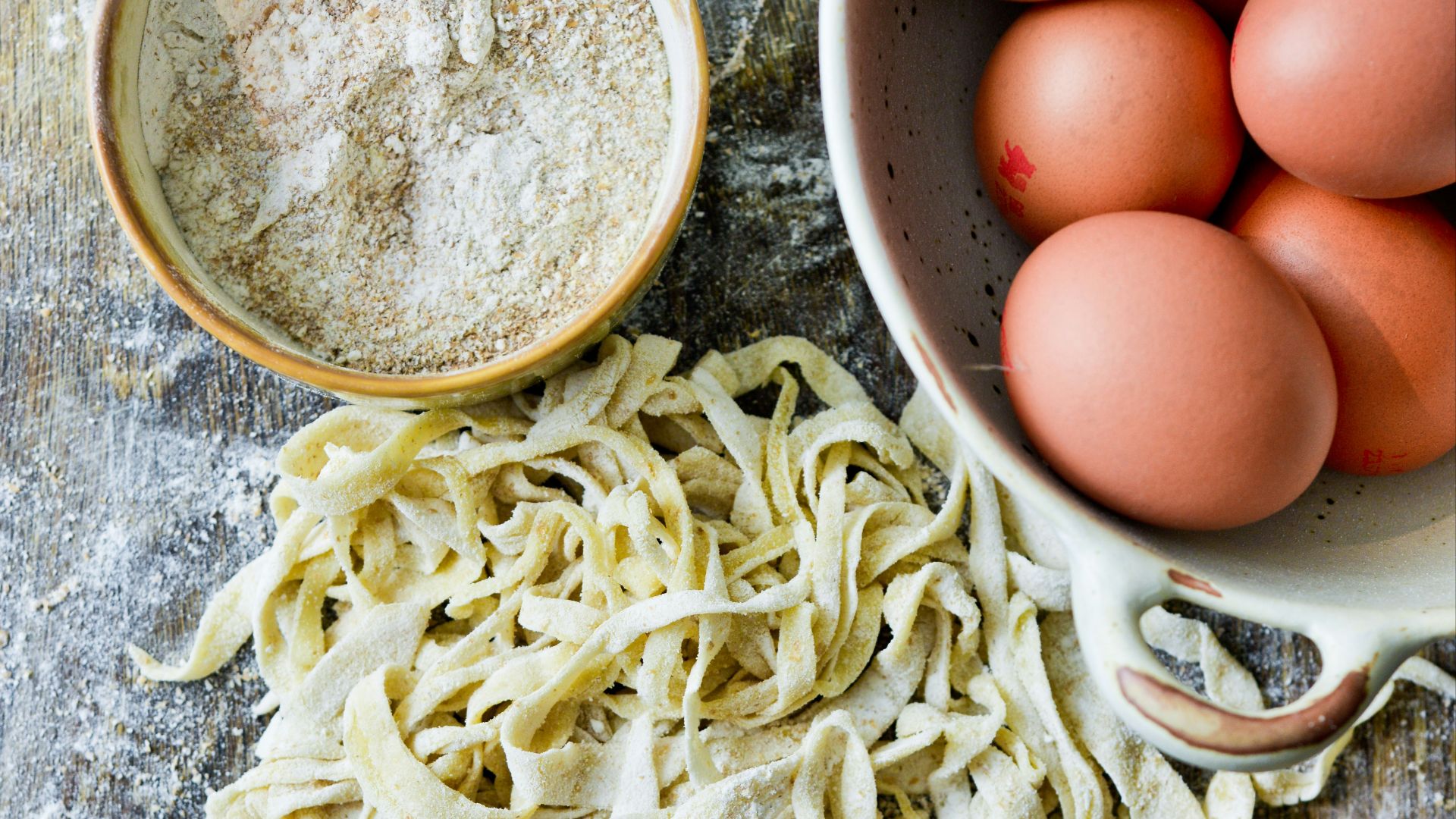
6. Craft Pasta
Handmade and artisanal pasta has gained attention through a focus on traditional cooking methods. This trend emphasizes quality ingredients and careful preparation. It has helped bring back appreciation for simpler, well-made dishes.
 Margaret Jaszowska on Unsplash
7. Plant-Based Versions of Classics
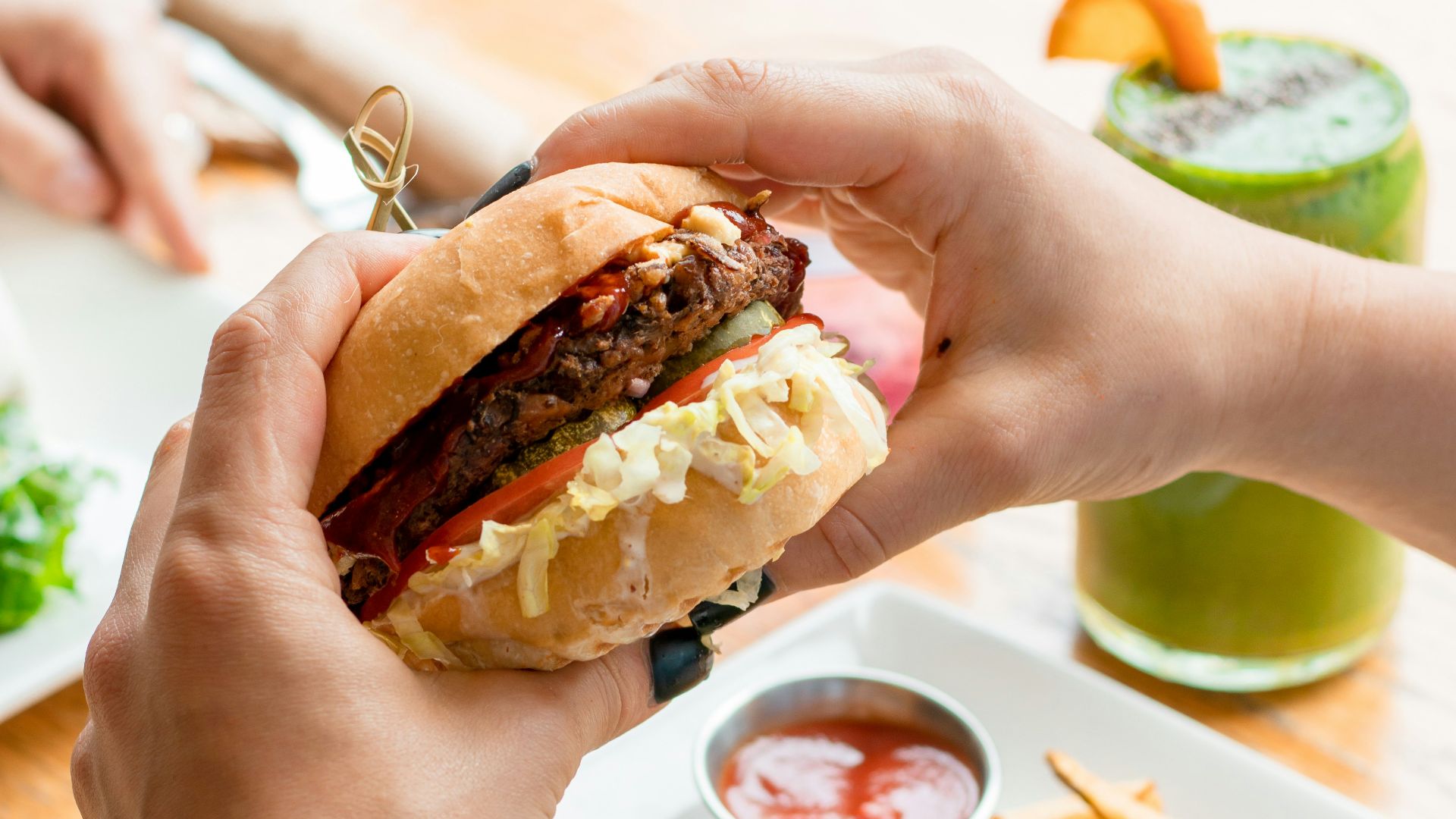
Plant-based cooking trends have reintroduced traditional dishes in new forms, making them accessible to more people. Classic meals like burgers and meatballs now have alternative versions. This has expanded how these dishes are enjoyed.
8. Retro Desserts
Desserts like Jell-O molds, baked Alaska, and pineapple upside-down cake have returned through nostalgia-driven trends. Modern takes often refine the original recipes while keeping their identity intact. You get a blend of familiarity and updated presentation.

9. Slow-Cooked Meals
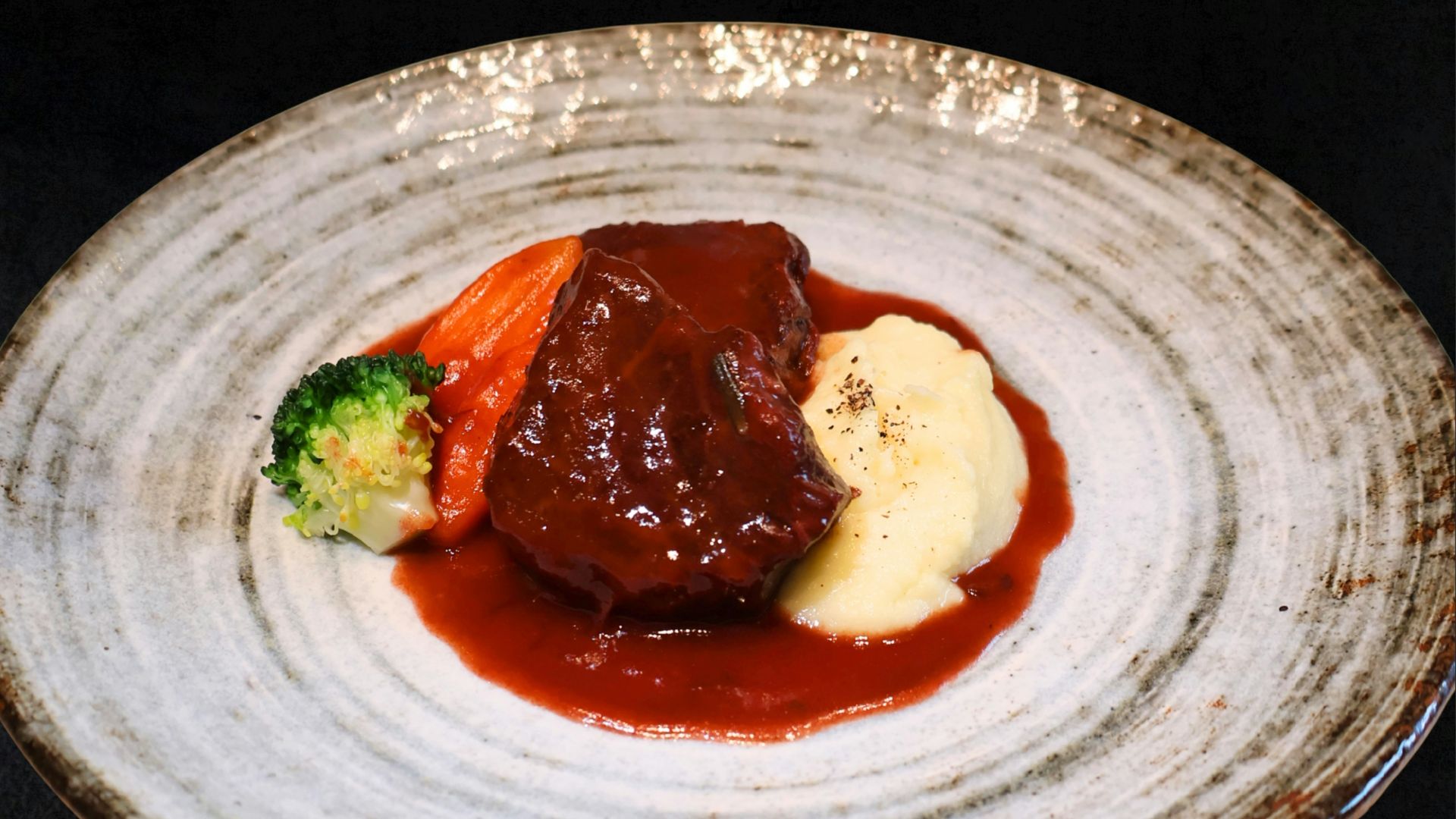
Slow cooking has regained popularity through appliances like slow cookers and renewed interest in traditional methods. Dishes like stews and braised meats benefit from this approach. The trend has helped bring attention back to patience in cooking.
10. Farm-to-Table Dishes
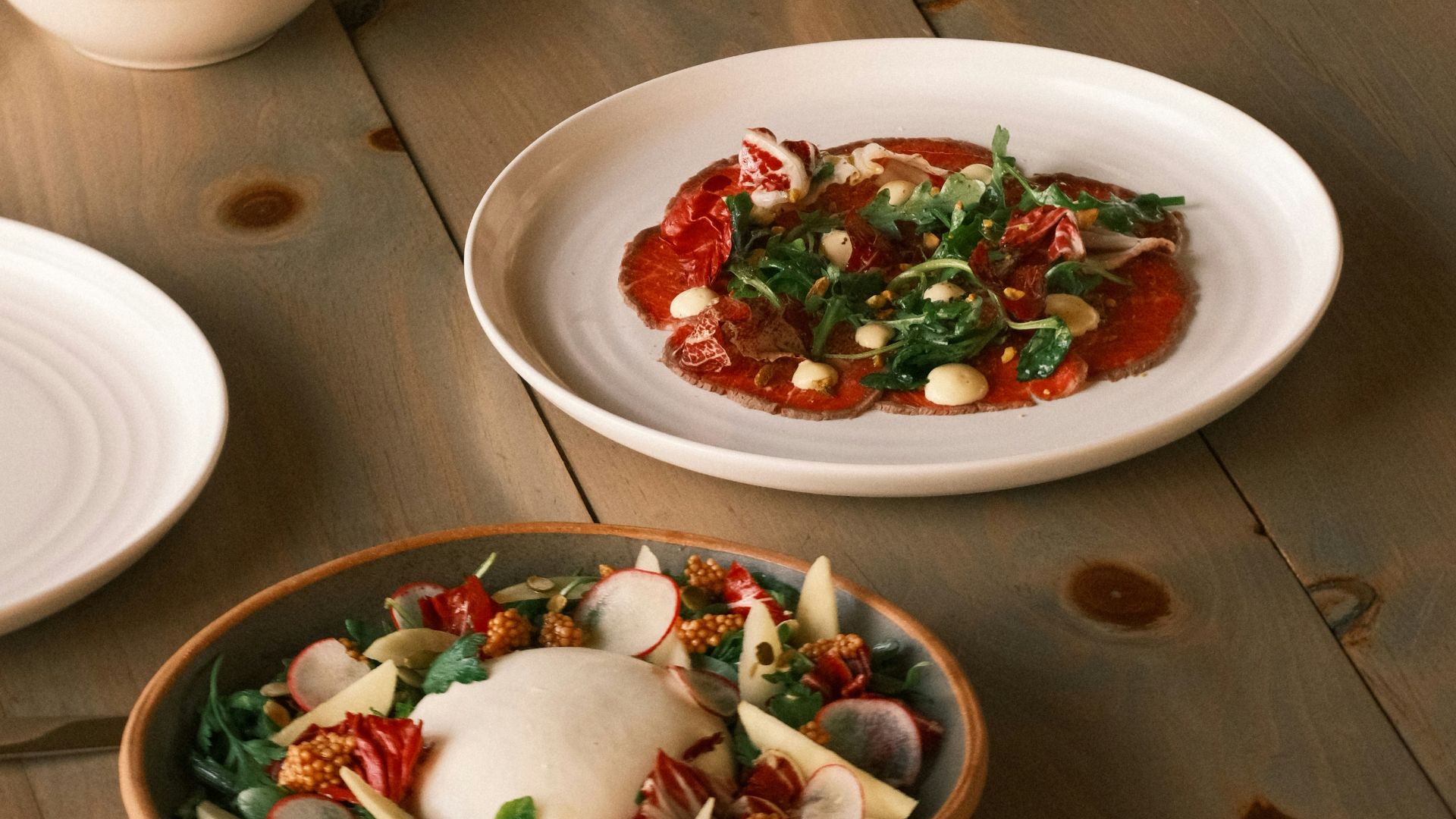
The farm-to-table movement has highlighted seasonal and locally sourced ingredients. This approach reconnects dishes with their origins and emphasizes freshness. It has brought renewed respect for simple, ingredient-focused cooking.
KEEP ON READING