Food trends can be fun to follow, especially when they introduce new ingredients or techniques that inspire creativity in the kitchen. However, not every trend improves the cooking experience, and some end up complicating dishes that were better in their original form. When style starts to outweigh substance, it becomes harder to enjoy the simplicity and balance that make meals satisfying. Taking a step back from these habits can help you rediscover what actually works.
At the same time, moving away from overdone trends doesn’t mean giving up variety or interest in your cooking routine. There are plenty of alternatives that focus on flavor, practicality, and consistency rather than presentation or novelty. By shifting your focus slightly, you can keep your meals enjoyable without feeling like you’re chasing the latest idea. This approach often leads to better results and a more relaxed experience overall.
Overcomplicated Presentation vs. Simple, Thoughtful Plating
Some modern cooking trends place heavy emphasis on presentation, often turning everyday meals into elaborate displays that take more time than the cooking itself. While visually appealing dishes can be enjoyable, excessive garnishes and intricate arrangements can make the process feel unnecessarily demanding. You may find yourself focusing more on appearance than on how the food actually tastes. This shift can take away from the purpose of cooking, which is to create something satisfying and enjoyable.
A more practical alternative is to focus on clean, simple plating that highlights the food rather than distracting from it. Arranging ingredients neatly and using a balanced portion approach allows the dish to speak for itself. You don’t need multiple decorative elements to make a meal look appealing when the ingredients are well-prepared. This approach saves time and keeps your attention on flavor and quality.
Simple plating also makes meals feel more approachable and easier to recreate regularly. When you remove the pressure to present food perfectly, cooking becomes less stressful and more enjoyable. This encourages consistency in your routine and helps you stay focused on what matters most. Over time, this shift can make a noticeable difference in how you experience everyday meals.
Excessive Ingredient Additions vs. Balanced Flavor
Another common trend involves adding as many ingredients as possible in an effort to create something unique or elevated. While variety can enhance a dish, too many competing flavors often result in a lack of balance. Instead of complementing each other, ingredients can clash and make the final result less satisfying. This approach can also make cooking more complicated than it needs to be.
Focusing on a smaller number of well-matched ingredients often produces better results. When each component has a clear role, the overall flavor becomes more cohesive and easier to appreciate. You don’t need a long list of additions to create depth, because thoughtful combinations can achieve the same effect. This method also makes recipes easier to follow and repeat.
Keeping things balanced allows you to better understand how flavors work together over time. You begin to notice how small adjustments can improve a dish without overwhelming it. This builds confidence in your cooking and helps you rely less on trends for inspiration. As a result, your meals feel more consistent and enjoyable.
Novelty Over Function vs. Practical Cooking Methods
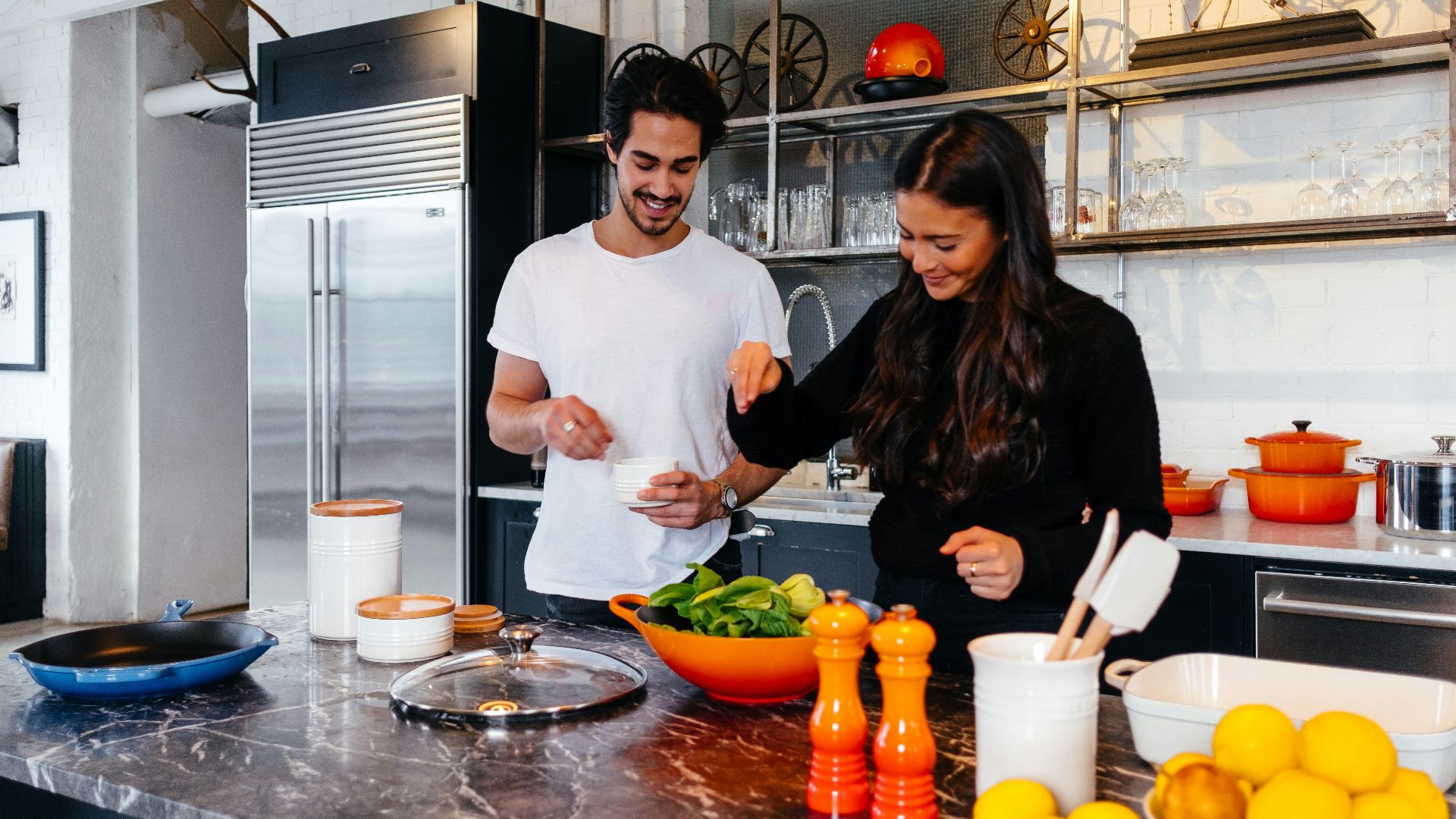
Some trends prioritize novelty, such as unusual cooking techniques or unconventional combinations that don’t always improve the final dish. While experimentation can be valuable, not every idea translates into something worth repeating. You might find that certain methods add unnecessary steps without enhancing flavor or texture. This can make cooking feel more complicated than it should be.
A more effective approach is to focus on practical methods that consistently deliver good results. Techniques like roasting, sautéing, and slow cooking have stood the test of time because they work reliably. By using methods that enhance natural flavors, you can create meals that are both satisfying and efficient. This keeps your cooking grounded in approaches that are easy to maintain.
Practical cooking also makes it easier to adapt recipes to your own preferences and schedule. When you’re not relying on complicated trends, you can adjust techniques and ingredients with confidence. This flexibility helps you build a routine that feels sustainable rather than overwhelming. Over time, it leads to a more enjoyable and consistent cooking experience.
Shifting away from unnecessary trends allows you to focus on what truly improves your meals, which is thoughtful preparation, balanced flavors, and reliable techniques. When you simplify your approach, cooking becomes less about keeping up and more about creating something you genuinely enjoy.
KEEP ON READING