Before Wellness Learned To Read A Label
Long before protein bowls and grocery aisles full of better-for-you snacks, people were sold strange shortcuts with a completely straight face. Some were ordinary foods dressed up as magic. Others were chemical experiments that had no business anywhere near the dinner table. Looking back, the weirdest part isn't just what people tried. It's how confidently these products were packaged as modern, sensible, and glamorous. These 20 vintage diet foods and fads show just how strange the road to wellness has been.
1. Tapeworm Diet Pills
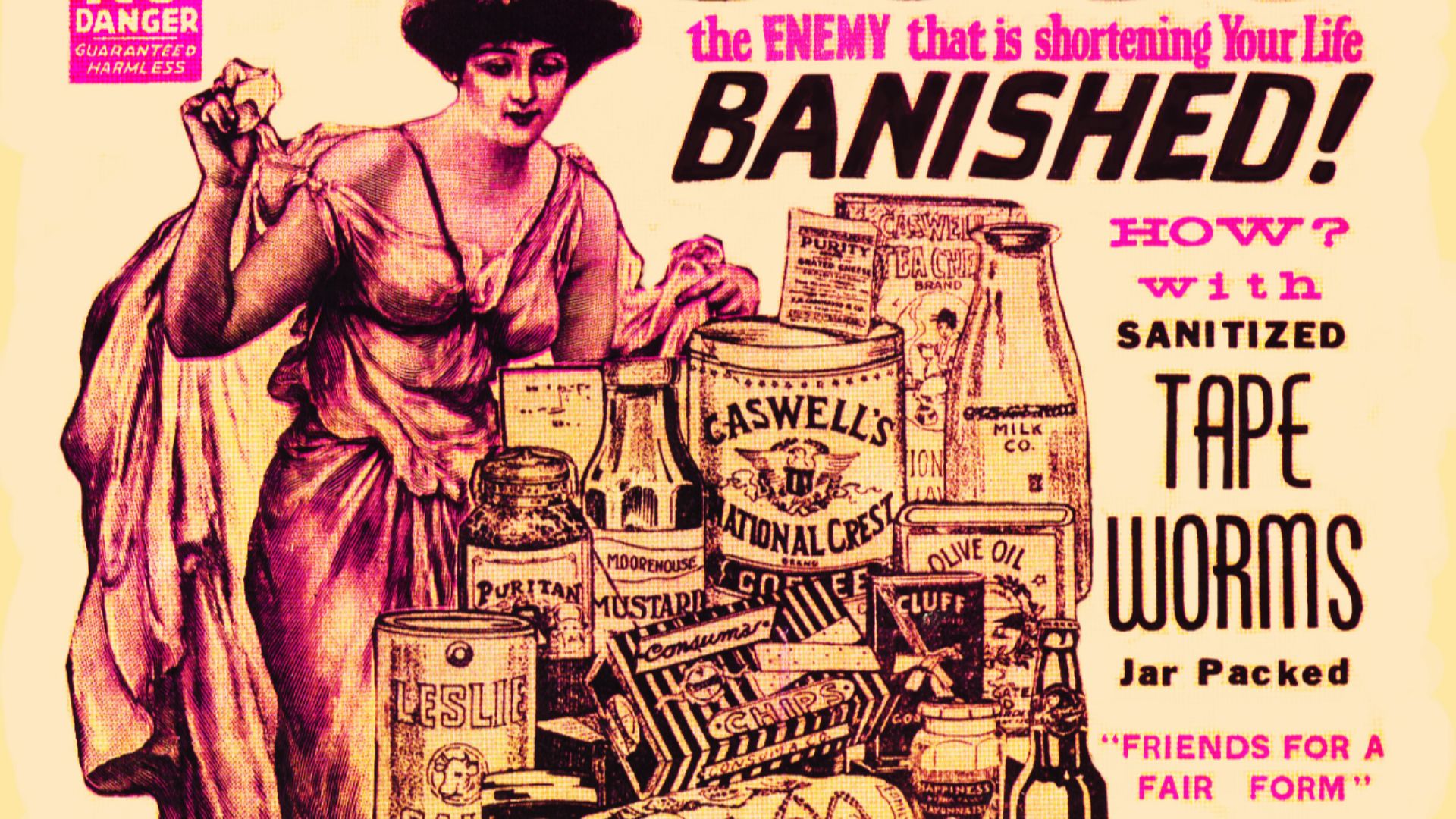
The tapeworm diet is one of those old weight-loss stories that sits somewhere between danger and legend. Whether or not vintage pills were as widespread as rumors suggest, the concept was grim: invite a parasite into the body and hope it helped with the scale. Today, that pitch would be shut down before the ad copy even got started.

2. Gerber Singles Adult Baby Food
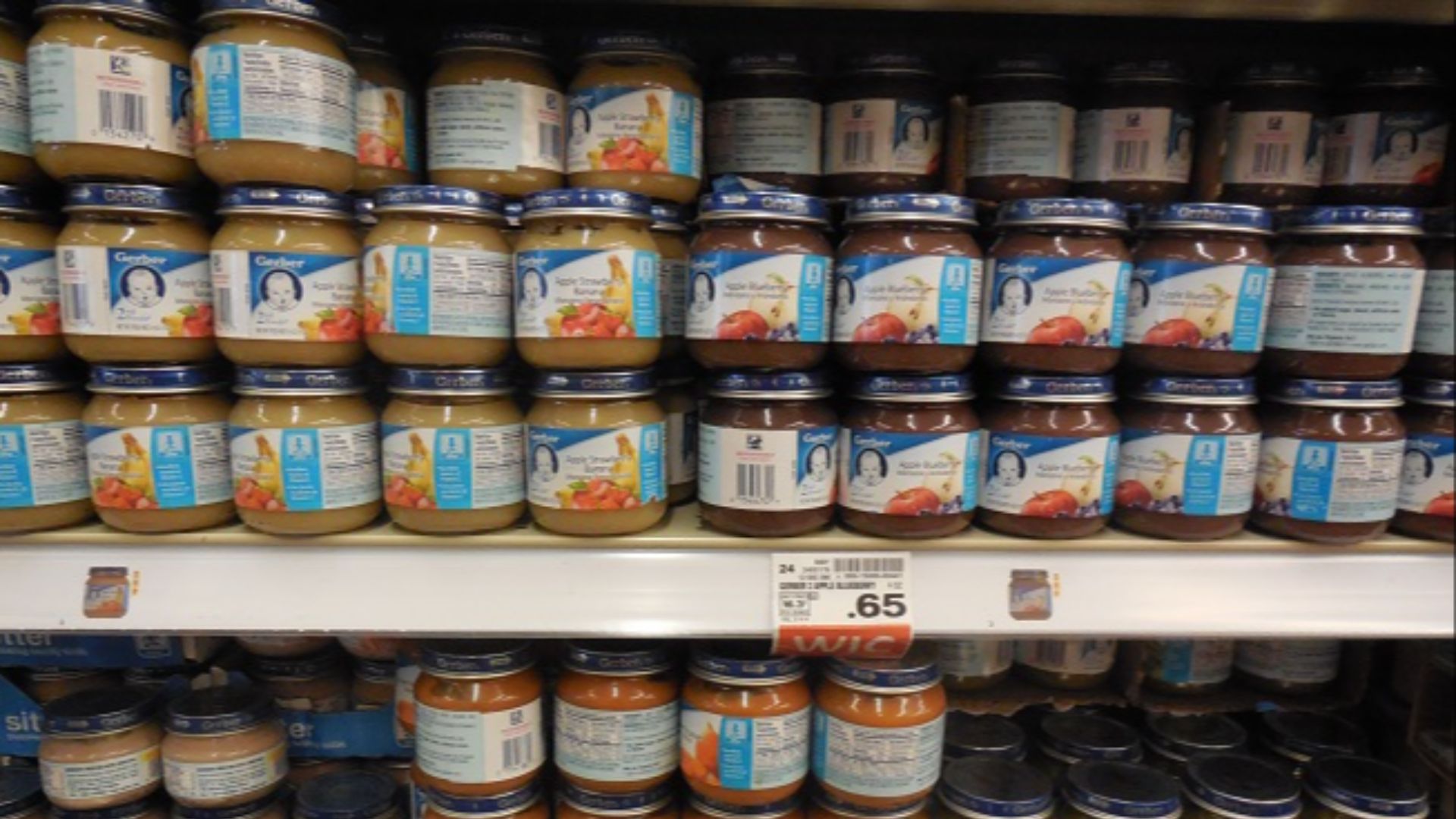
Gerber Singles tried to sell jarred, ready-to-eat meals to adults in the 1970s. The concept leaned on convenience, but the packaging looked too much like the nursery shelf. Adults may want easy dinners, but they generally don't want to feel like that's where the comparison ends.
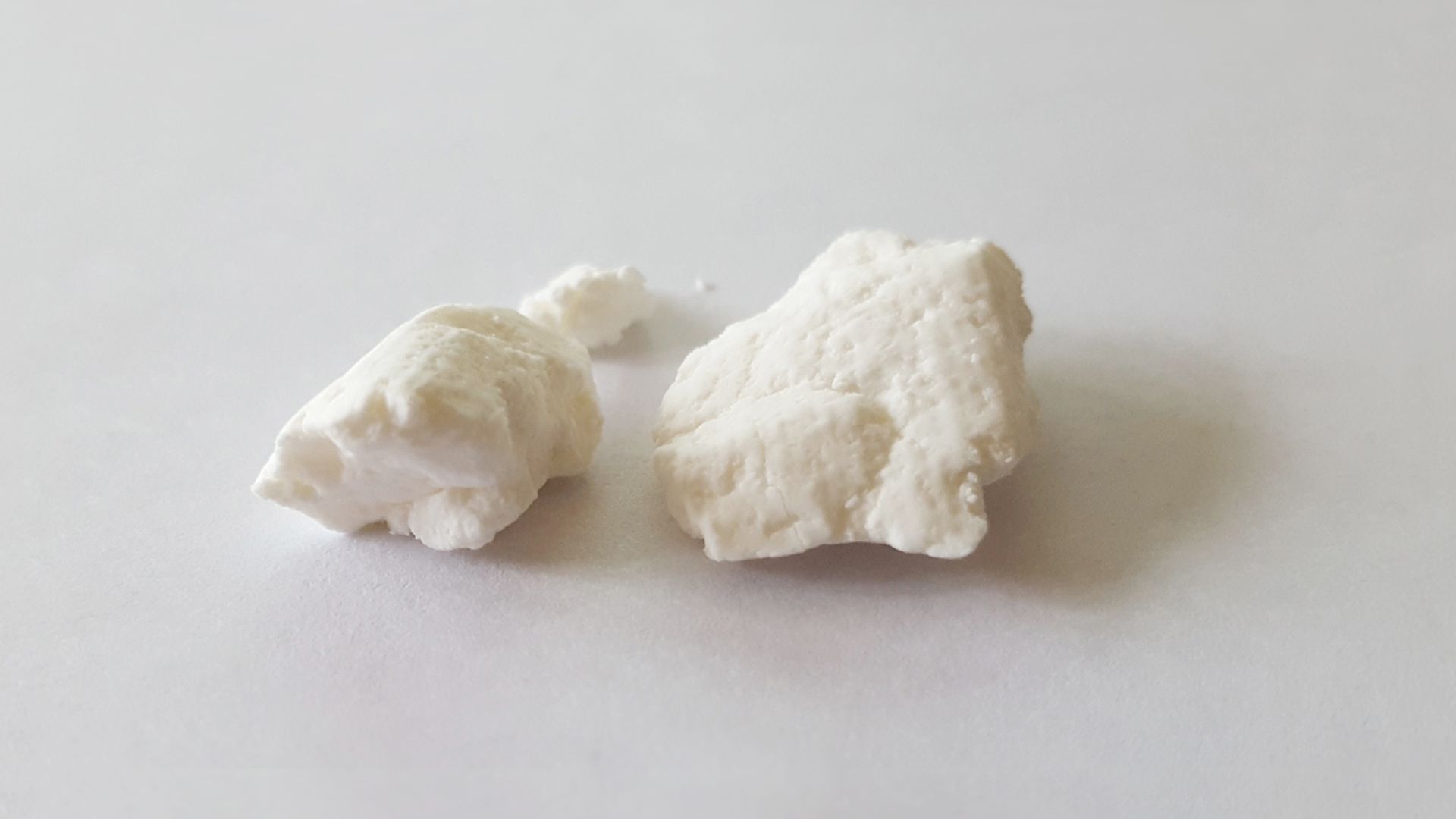
3. DNP Tablets
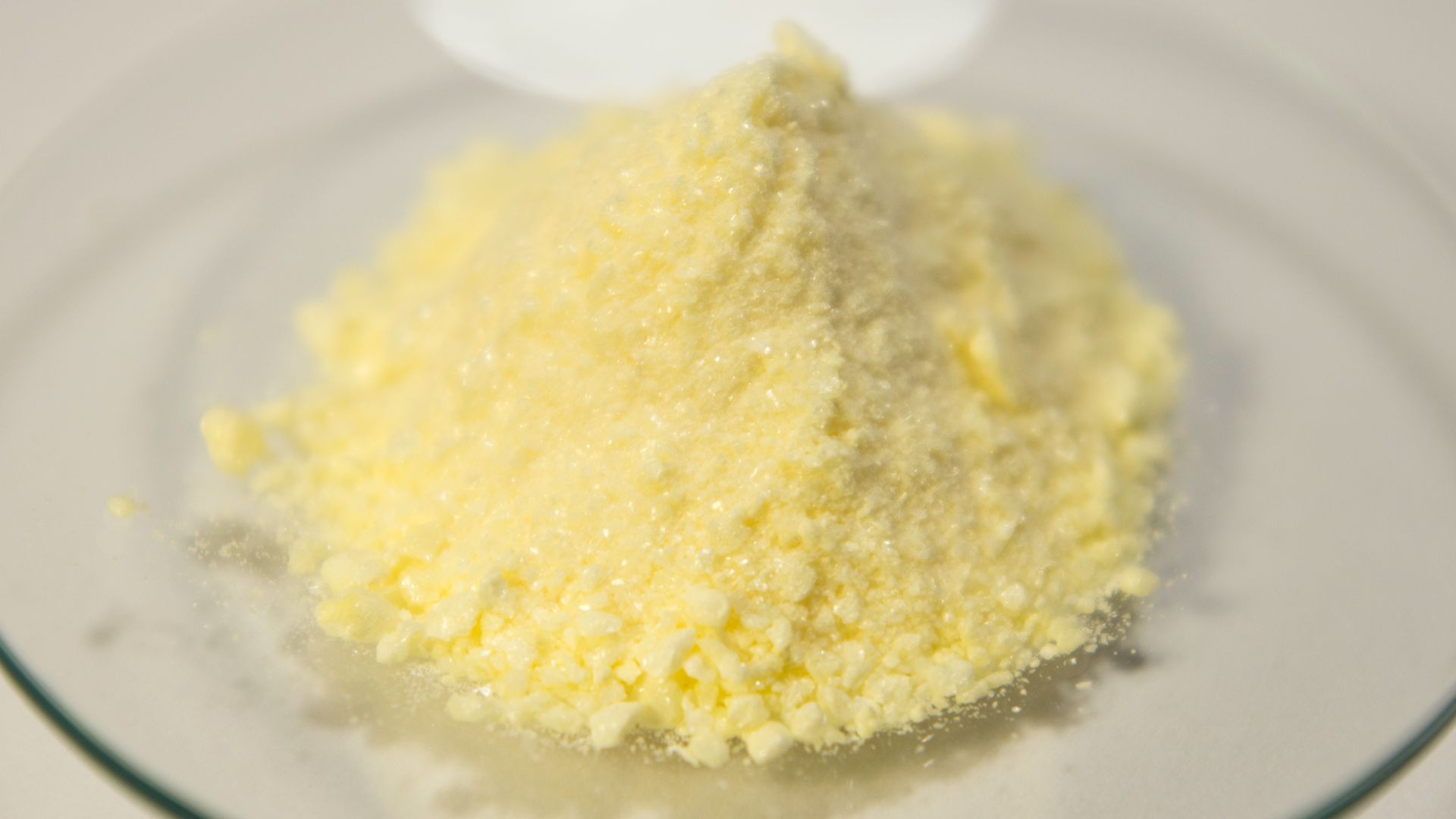
DNP was promoted as a powerful weight-loss aid because it pushed the body to burn more energy as heat. That sounds almost reasonable until you consider that serious side effects, including severe overheating, vision problems, and deaths, made it one of diet history's clearest cautionary tales. Some shortcuts aren't shortcuts at all.
 Aleksander Sobolewski on Wikimedia
4. Amphetamine Diet Pills
Amphetamine-based diet pills became popular mid-century because they suppressed appetite and kept people energized. For a while, they were efficient. The problem, fairly predictably, was dependence, overuse, and serious strain on the body.
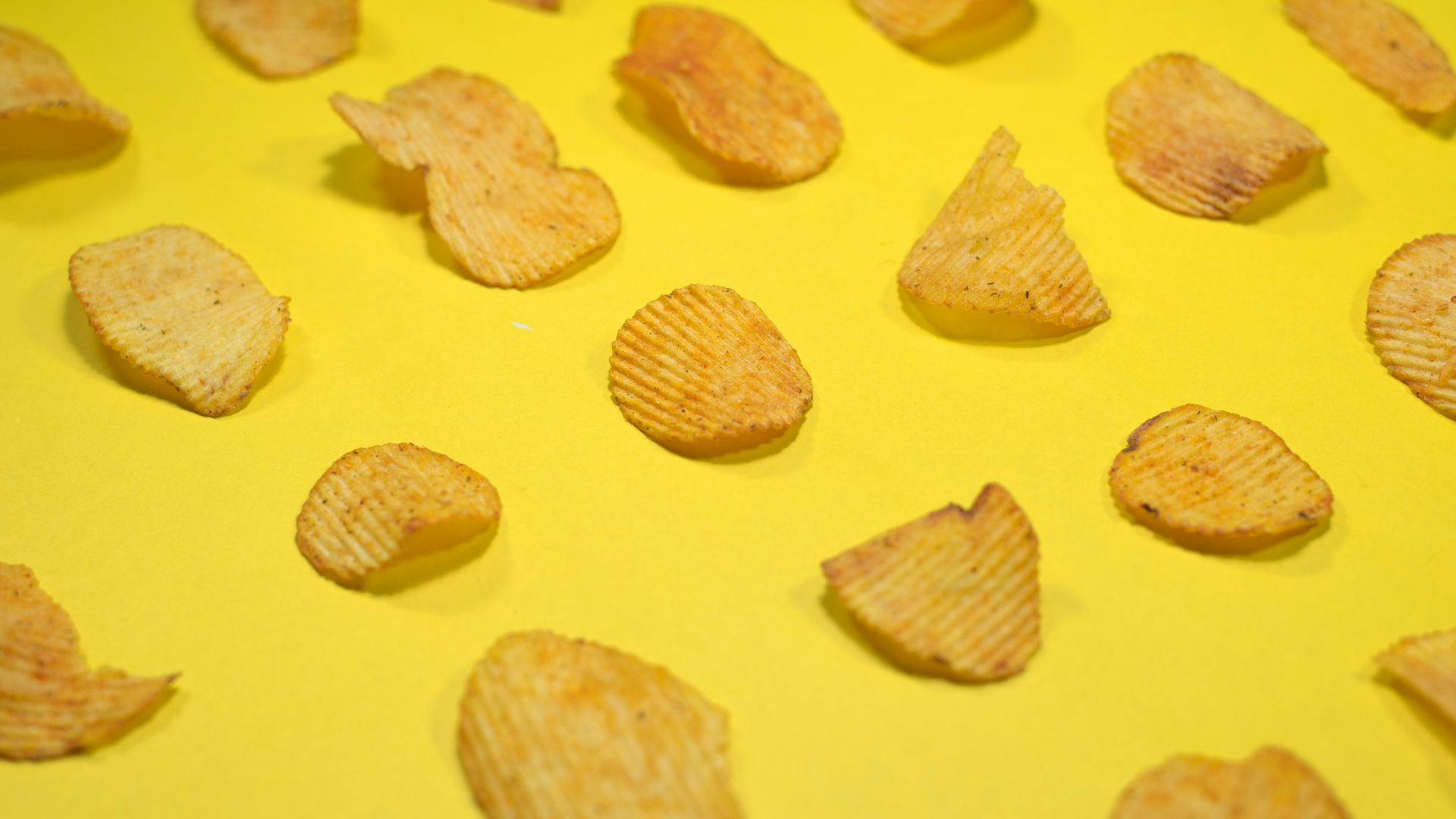
5. WOW! Chips With Olestra
WOW! Chips promised fat-free snacking without sacrificing the salty crunch people already loved. The trouble was Olestra, a fat substitute that passed through the body differently from regular fat and became notorious for digestive complaints.
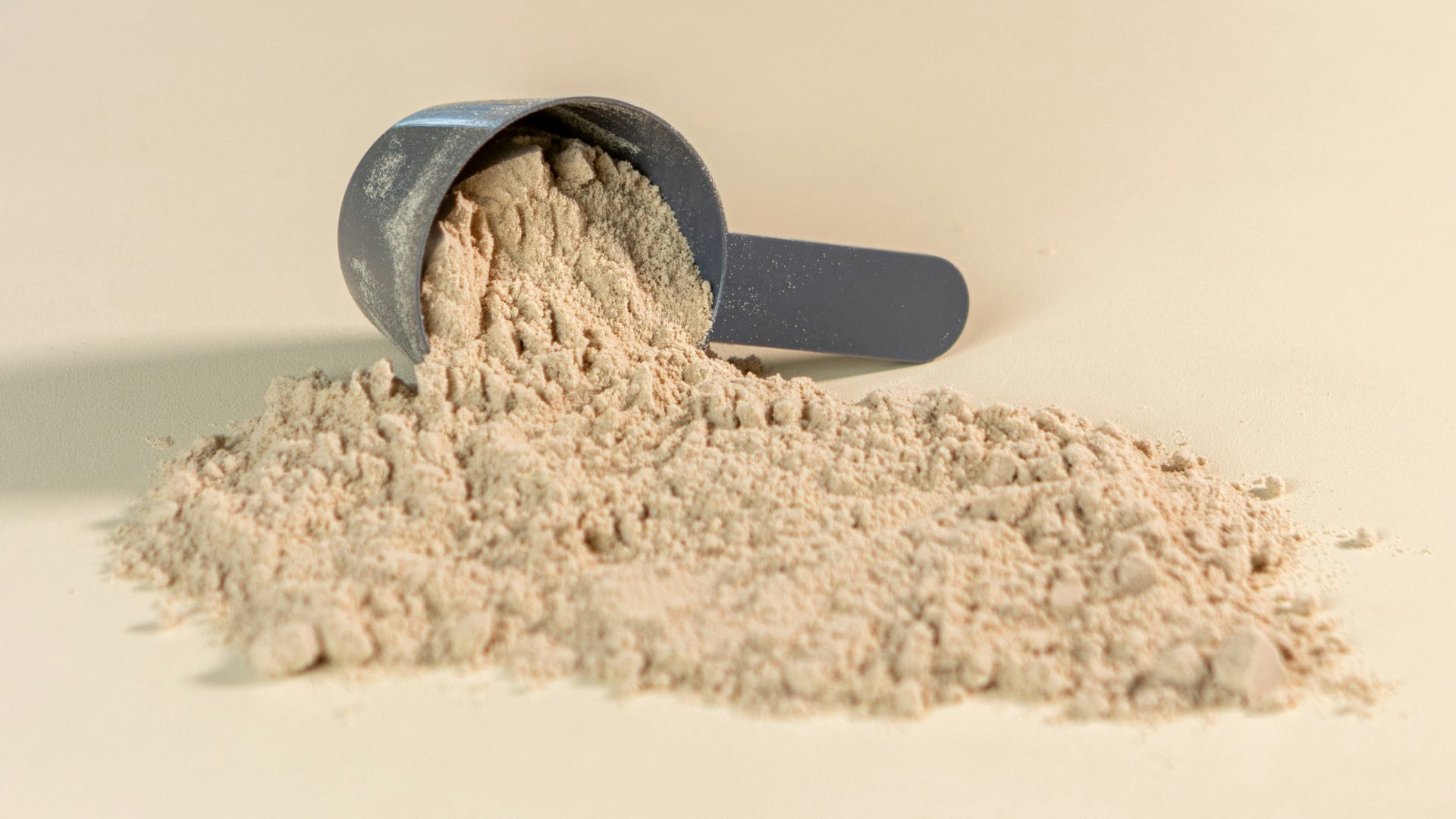
6. Metrical Meal Replacements
Metrecal made meal replacement feel sleek. The powders and canned shakes offered careful calorie control, but the routine turned monotonous quickly. There's only so much glamour in drinking your meals while pretending that you weren’t hungry.
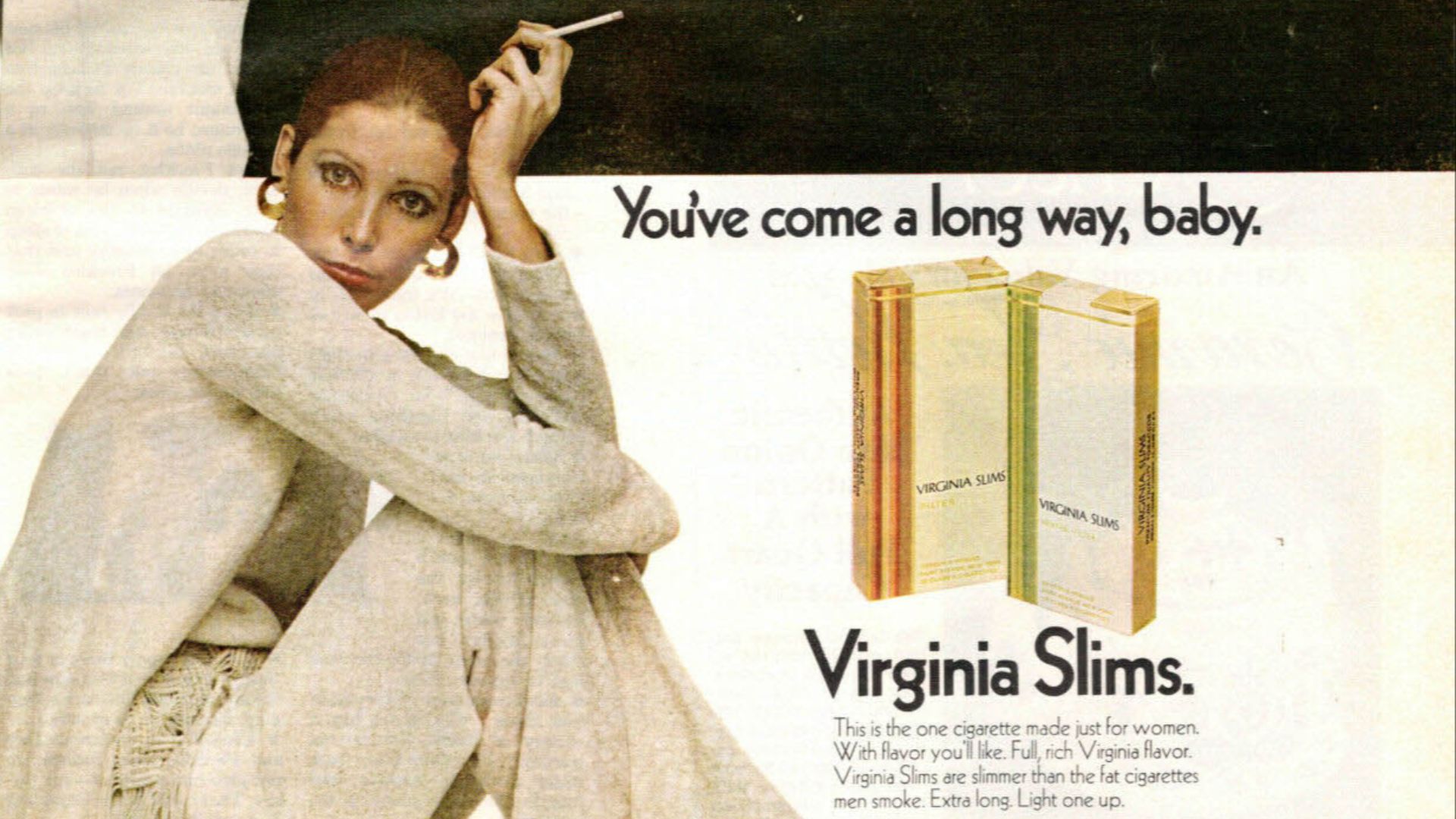
7. Slimming Cigarette Ads
Some cigarette campaigns in the early 20th century openly tied smoking to appetite control and slimness. The message was brutally simple: skip the sweet and reach for a smoke instead.
 Unknown authorUnknown author on Wikimedia
8. Vinegar Diets
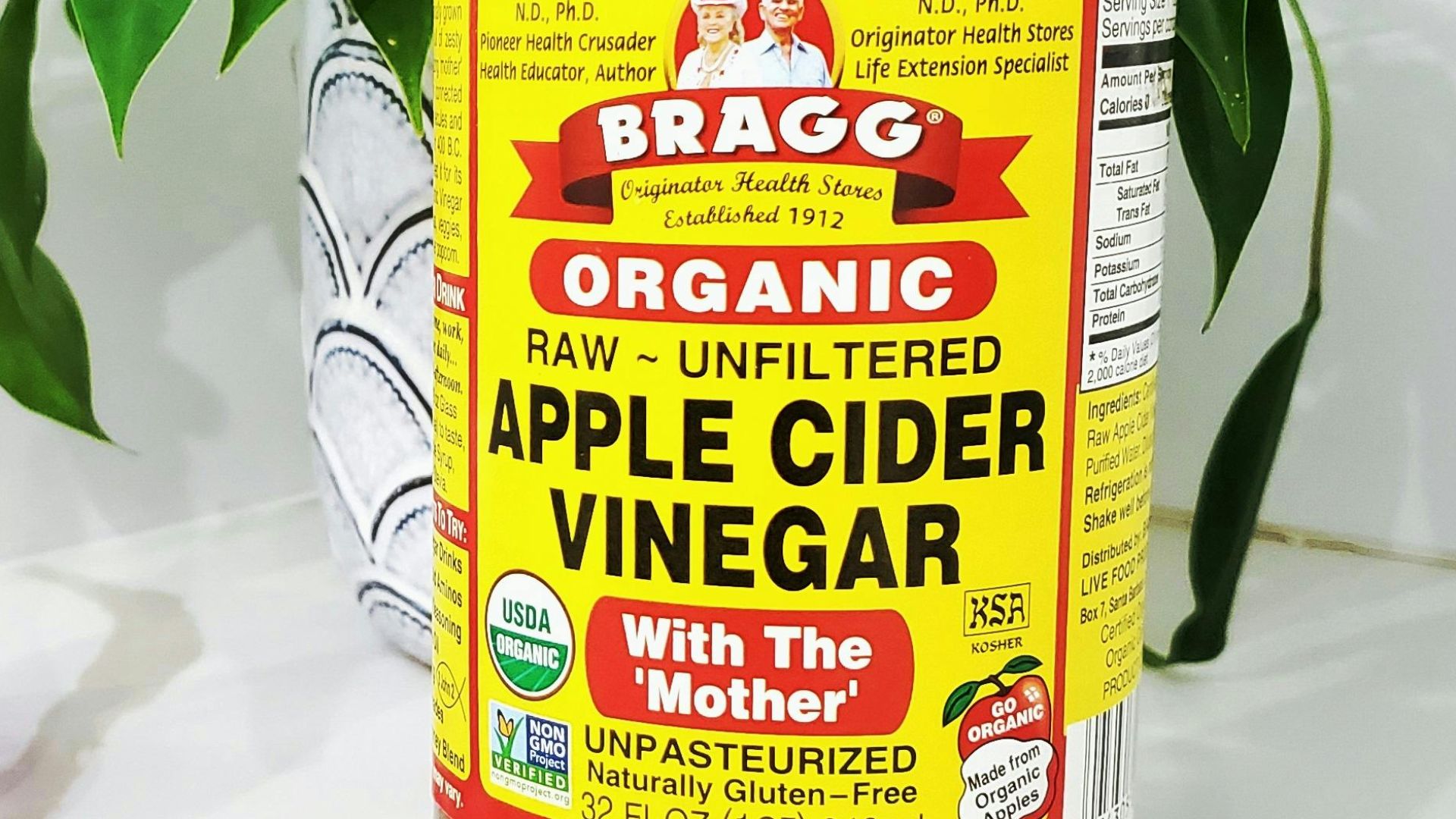
Vinegar diets have been around in various forms for a very long time, with the old promise that sour liquid could help strip away weight. A little vinegar in food is perfectly fine. Treating it like a fat-dissolving tonic is where reality and wishful thinking part ways.
9. Seaweed Tablets
Seaweed tablets were often sold around the idea that iodine could stimulate the thyroid and speed up weight loss. Seaweed can be a normal part of eating well, but concentrated iodine isn't something you should ingest in large quantities. Too much iodine leads to symptoms such as abdominal pain, delirium, fever, and tooth and gum soreness.

10. Artificial Sweetener Diet Foods
The artificial sweetener boom gave dieters puddings, drinks, and desserts that promised sweetness without the sugar. The idea had obvious appeal, especially when calorie counting ruled every conversation about food. The taste, aftertaste, and long-running health debates around various sweeteners made many of these products only short-term fads.

11. Crystal Light-Style Drink Mixes
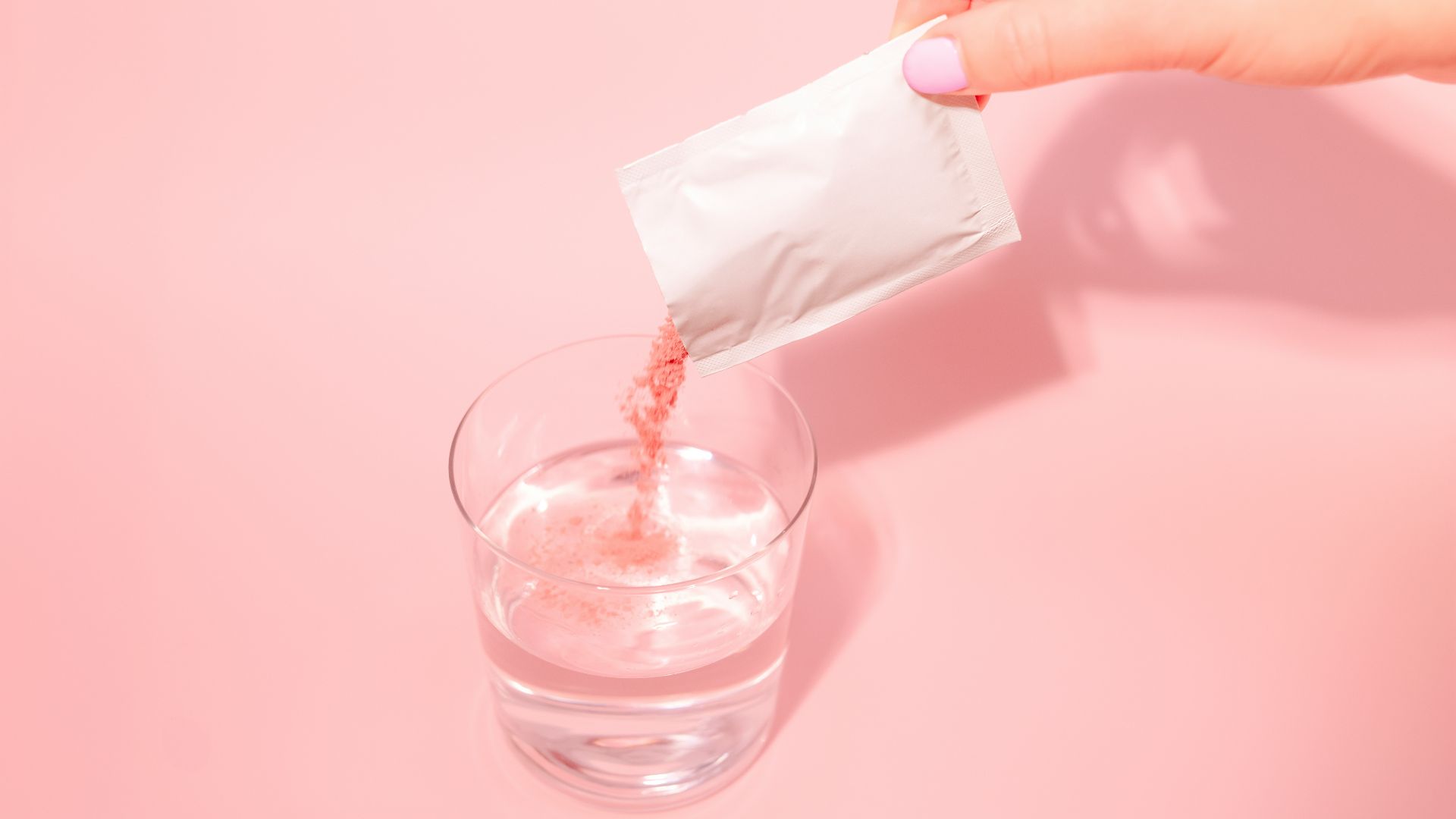
Low-calorie drink mixes became a bright, powdery symbol of 1980s diet culture. They made plain water taste like lemonade or fruit punch, which did help some people drink more fluids. Still, the artificial flavor and sweetener-forward profile would have a harder time passing as a wellness choice today.
12. Gelatin Diets
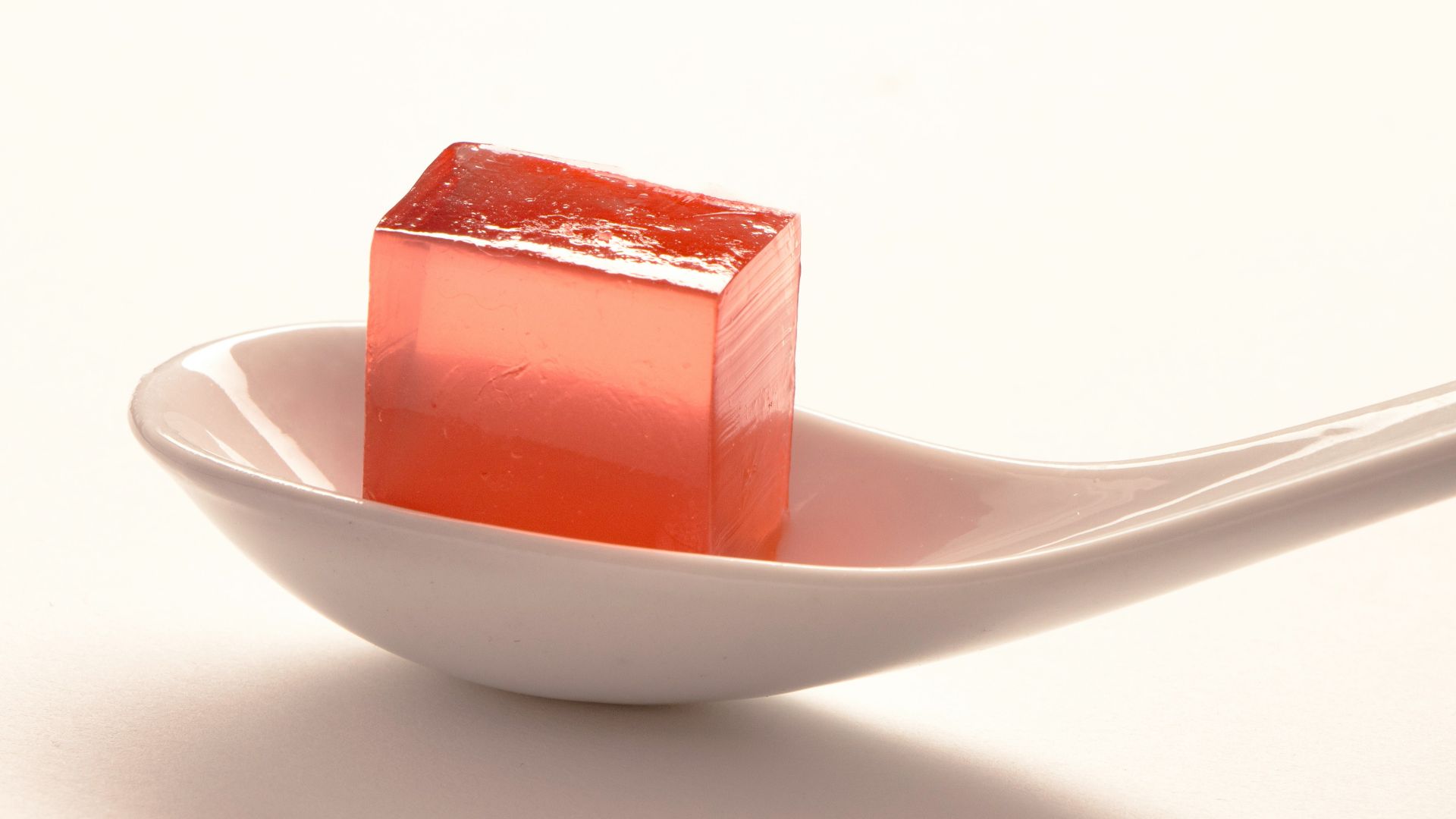
Gelatin diets leaned on the idea that something jiggly, colorful, and low in calories could help fill the stomach between meals. The appeal made sense in a budget-friendly, old-school kitchen kind of way. Sadly, snacking through meals on gelatin doesn't make for a sustainable routine.
13. HCG Diet Plans
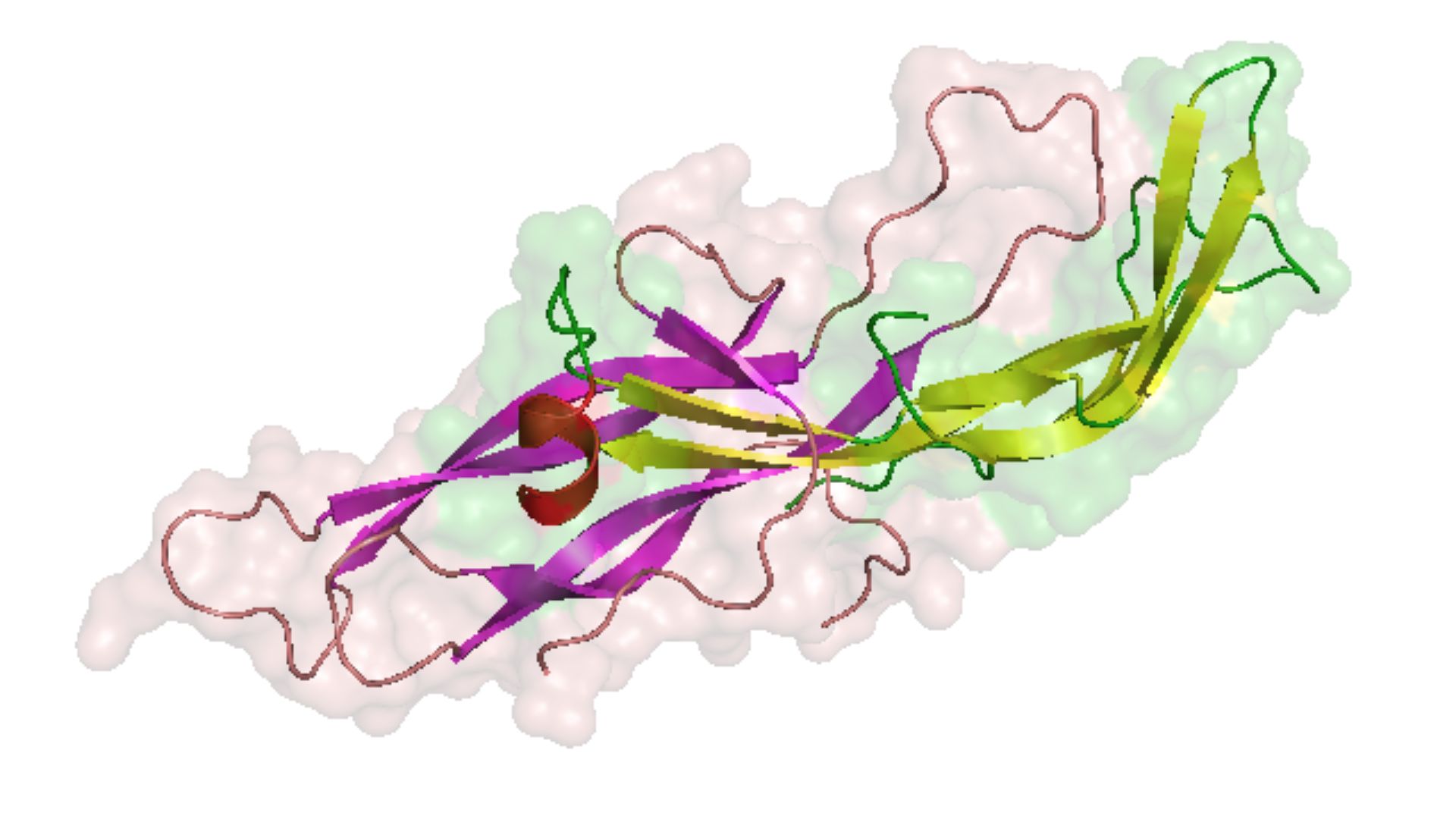
HCG diet plans paired hormone use with extremely low-calorie eating. The weight-loss claims had far more to do with severe restriction than anything special about the hormone itself. Today, that kind of setup raises immediate red flags for anyone trying to separate actual health from punishment.
 Borislav Mitev - [email protected] on Wikimedia
14. Carrot Juice Cleanses
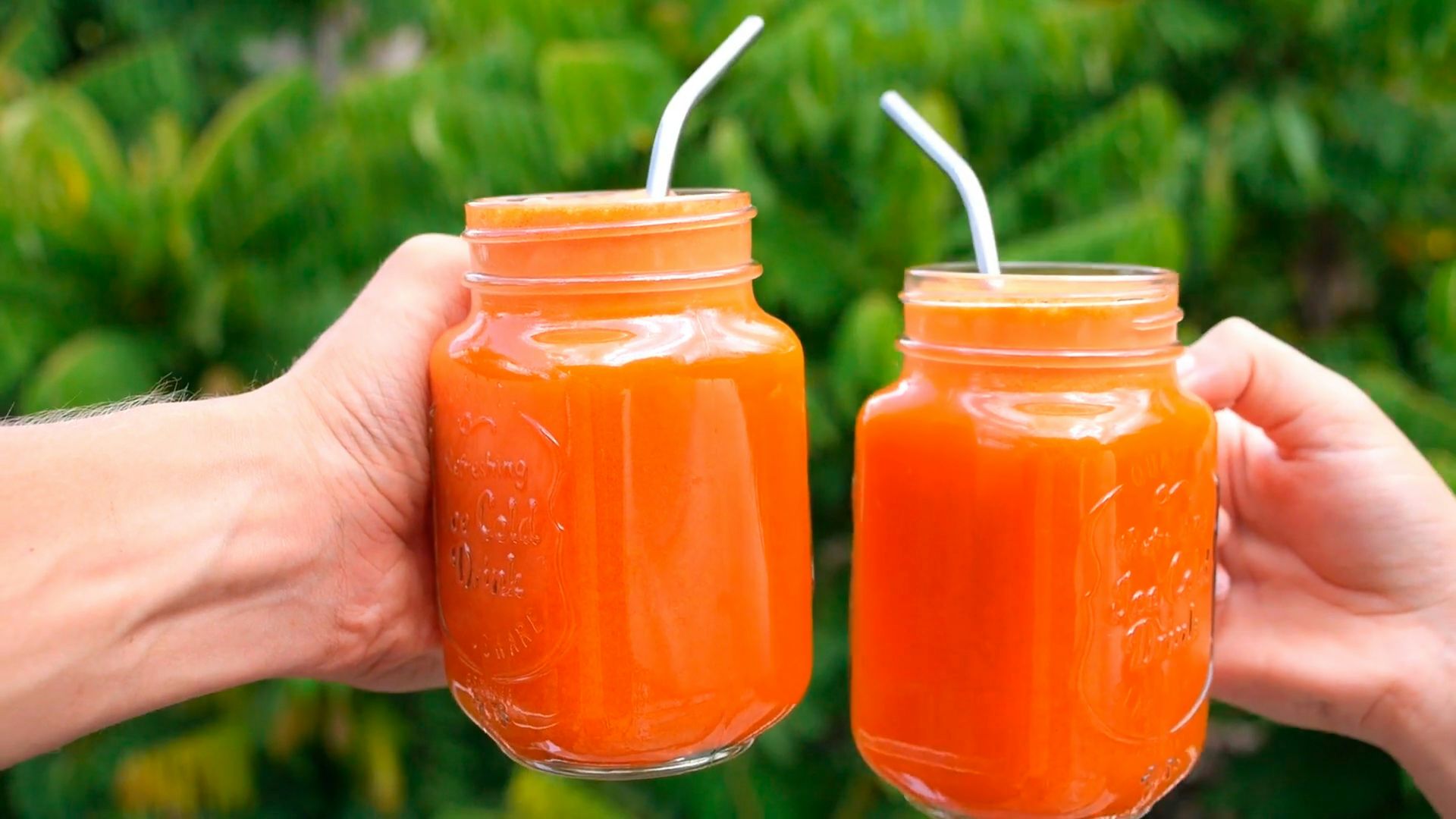
Carrot juice itself is fine, but building an entire health cleanse around it turns variety into an afterthought. Overdoing carrot-heavy routines is better known for giving skin an orange tint than for any special cleansing effect.
15. Grapefruit Diets
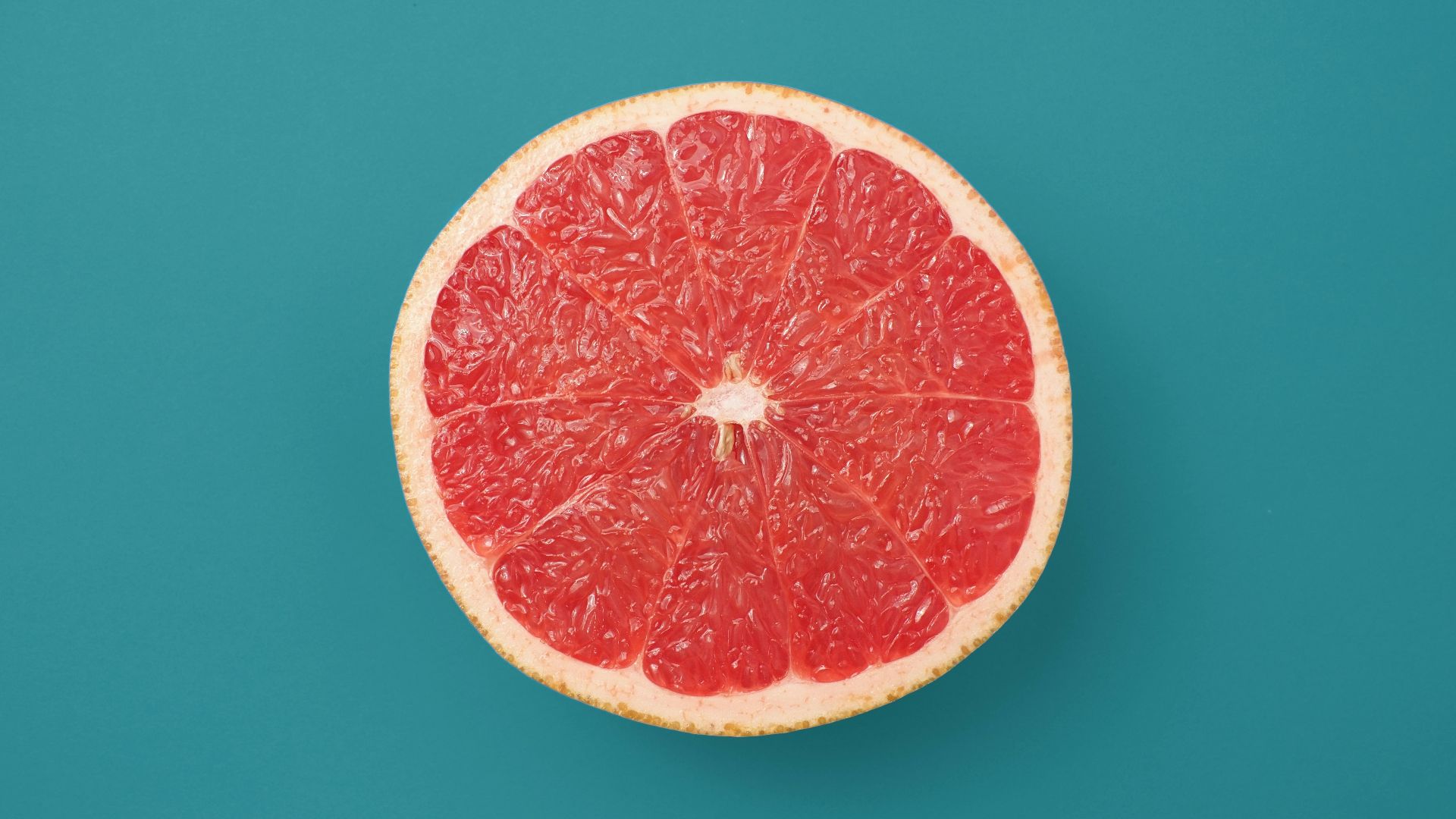
The grapefruit diet became famous for promising that half a grapefruit with each meal could help burn fat. In reality, the plan worked, when it worked at all, because it cut calories and narrowed food choices considerably. Grapefruit is a fine breakfast addition, though it never does the heavy lifting those plans claimed.
16. Cabbage Soup Diet
The cabbage soup diet offered a short-term plan built around eating very large amounts of cabbage soup for a week. It was cheap, straightforward, and easy to pass around, which helped it survive for decades. It also brought boredom, low energy, and the digestive side effects you'd expect from consuming large quantities of cabbage.

17. Breakfast Cola
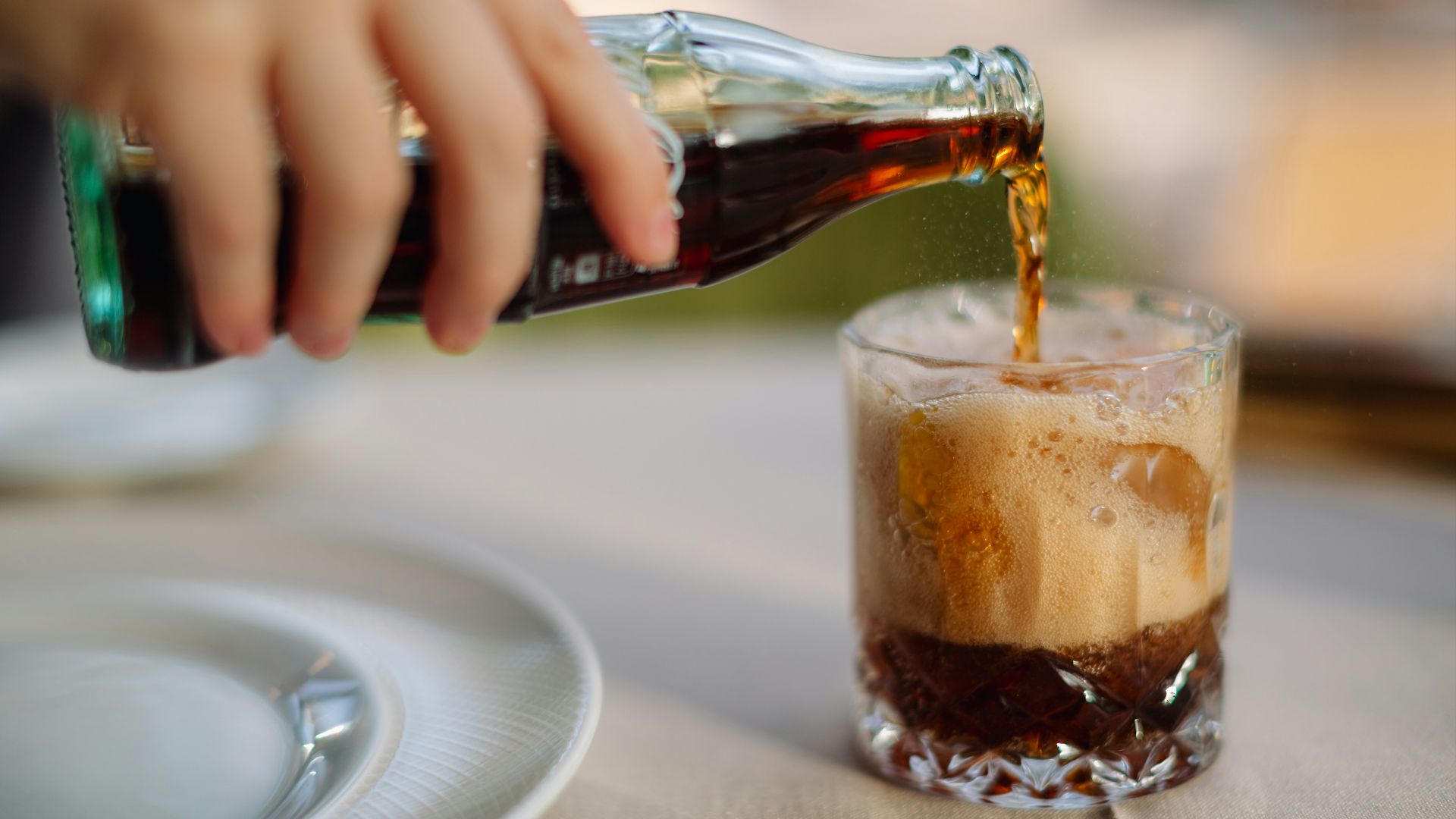
Breakfast Cola tried to sell soda as a morning beverage for people who wanted caffeine without coffee. While some people do prefer the caffeine to come from something carbonated, Cola for breakfast still isn’t the most sound wellness idea.
18. Fortified Diet Bars
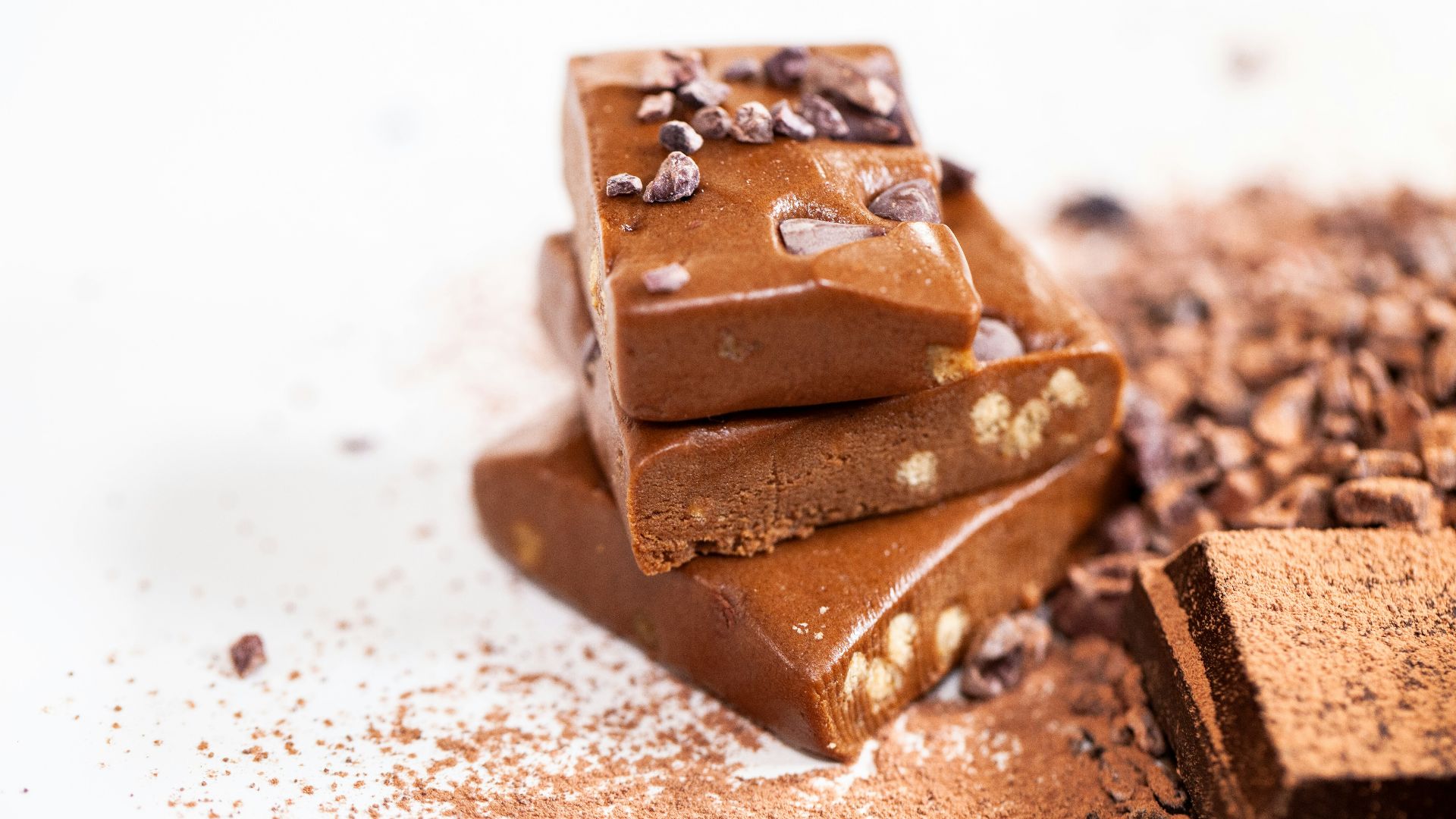
Fortified diet bars promised controlled calories, added nutrients, and the ease of eating on the run. Some were useful in a pinch, but many early versions had the taste and texture of sweetened office supplies. Modern bars have their own problems, but at least most of them know they're supposed to resemble food.
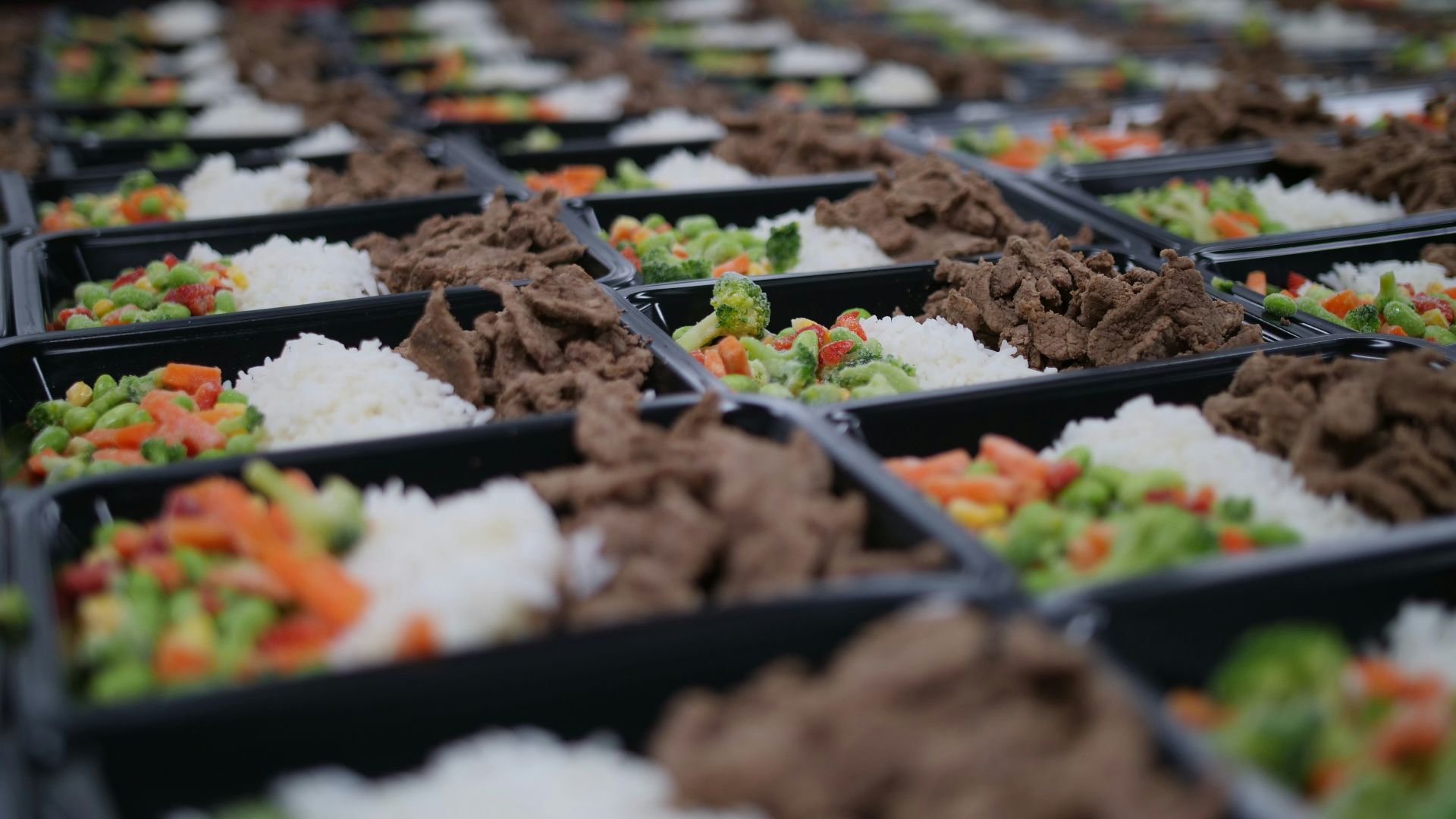
19. Low-Calorie Frozen Dinners
Low-calorie frozen dinners gave dieters portion control long before apps started tracking every bite. The appeal was obvious: heat, eat, and stop thinking about it. The downside was that many early versions leaned hard on small servings, salty sauces, and less-than-favorable textures.
20. Liquid Protein Diets
Liquid protein diets took the meal-replacement idea into risky territory. Some very low-calorie versions in the 1970s were linked to serious illness and deaths, particularly when people used them as a near-total food substitute. A protein drink can be useful in the right context, but turning it into a crash-diet lifeline is where things went south.

KEEP ON READING