Small Moves, Big Damage
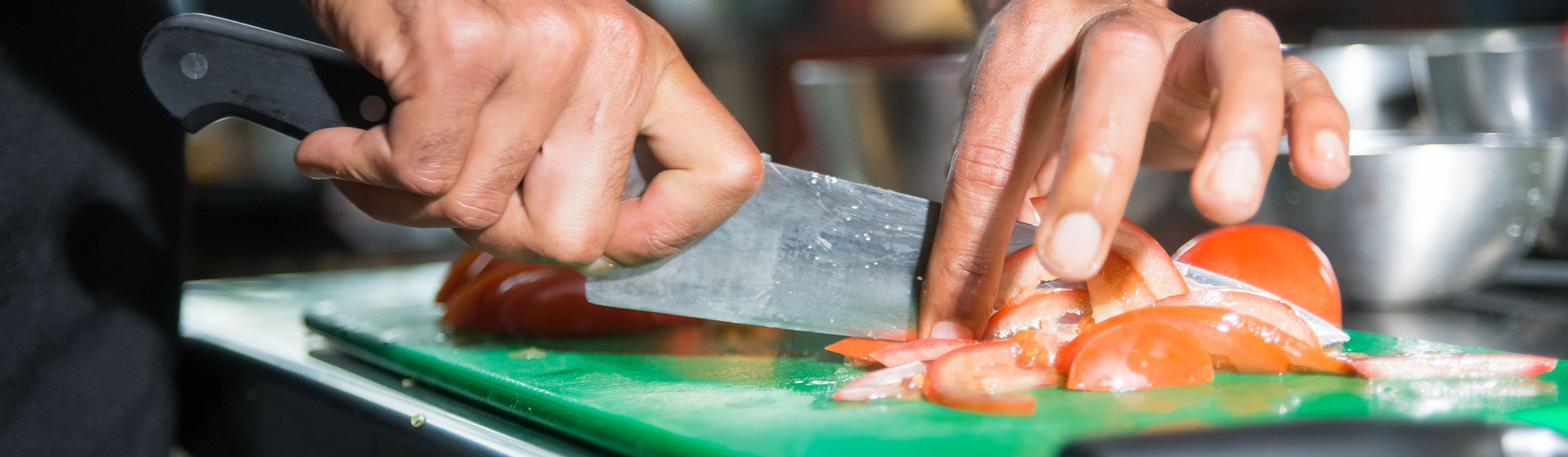
Most bad meals do not come from bad ingredients. They come from a string of small habits that quietly work against you while you are standing right there at the stove. A pan that is a little too crowded, a step skipped because you were hungry and impatient, a knife that has not been sharpened since last year. None of it feels like a big deal in the moment, but it adds up, and the dinner on the table ends up flatter and sloppier than it needed to be. Here's 20 habits worth catching before they become the reason your cooking never quite gets better.
1. Crowding The Pan
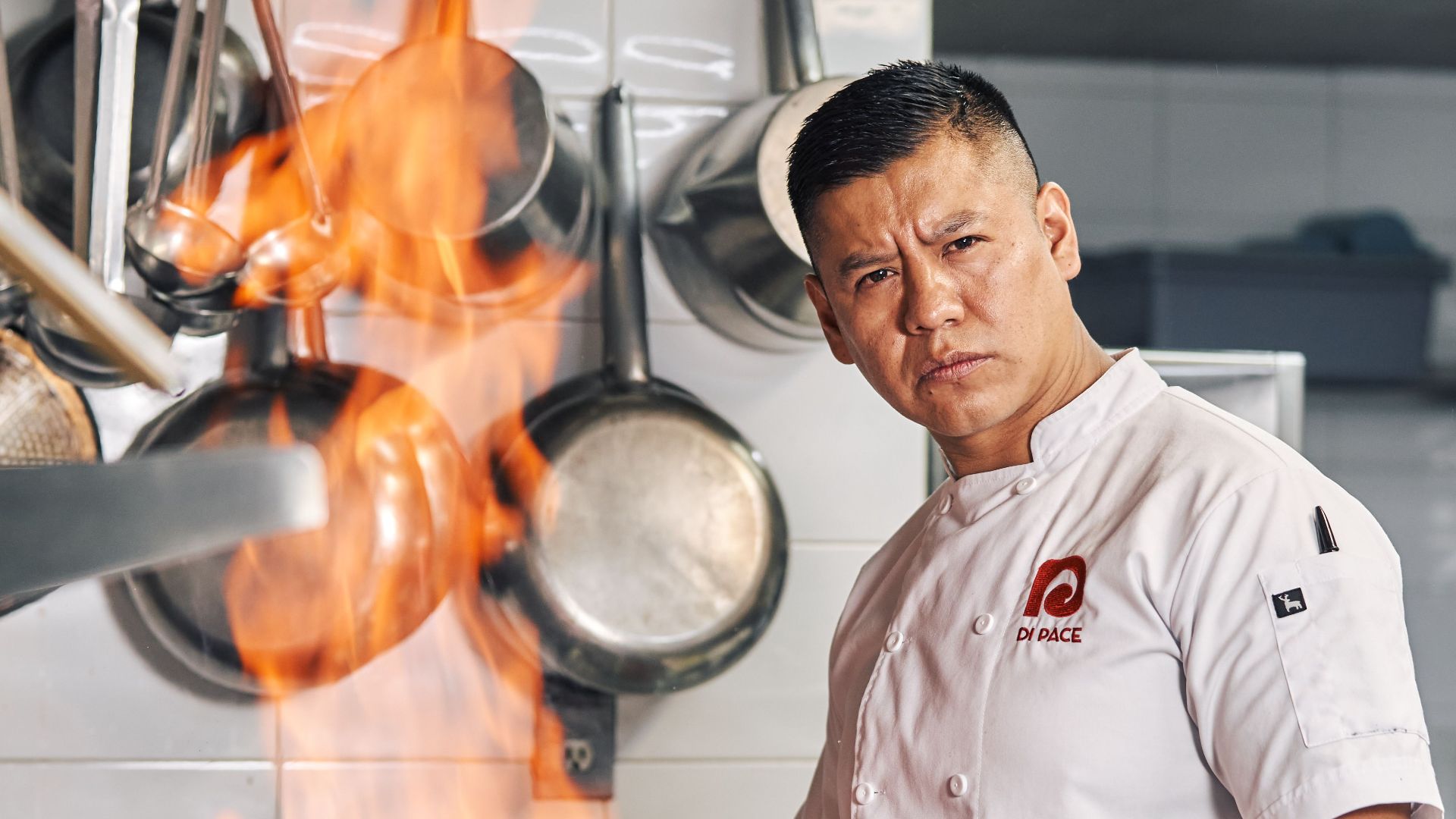
Toss too much into a hot pan and everything starts steaming instead of browning. You lose the crust, the color, and a good chunk of the flavor that only shows up when food actually touches metal. Give ingredients room, even if it means cooking in two batches.
2. Under-Salting Along The Way
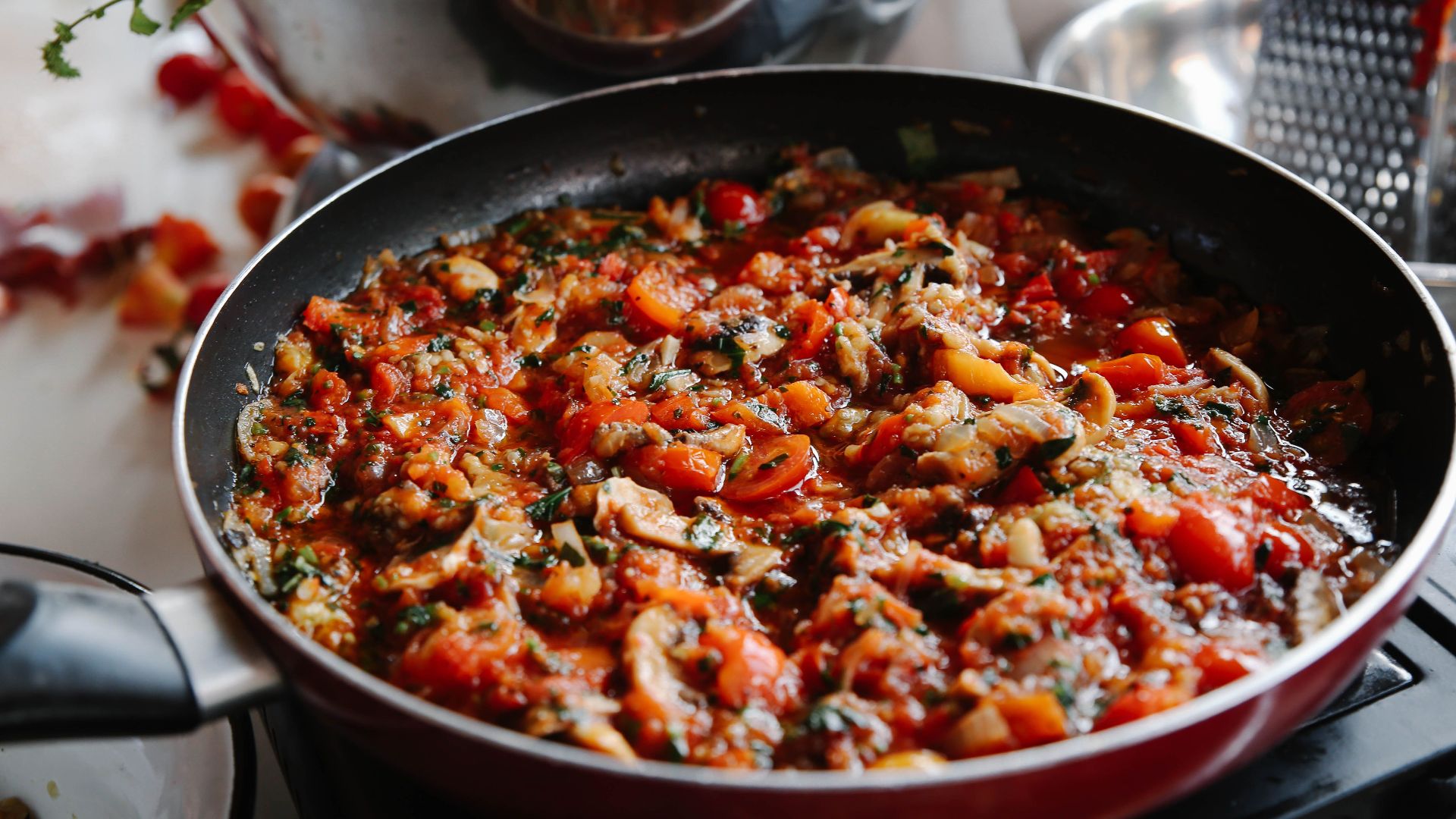
Salting only at the end means you are trying to fix a whole dish in one shot instead of building flavor as you go. Season the onions, season the sauce, taste again after the pasta joins in. A dish salted in layers tastes rounder than one salted once at the finish line.
3. Starting With A Cold Pan
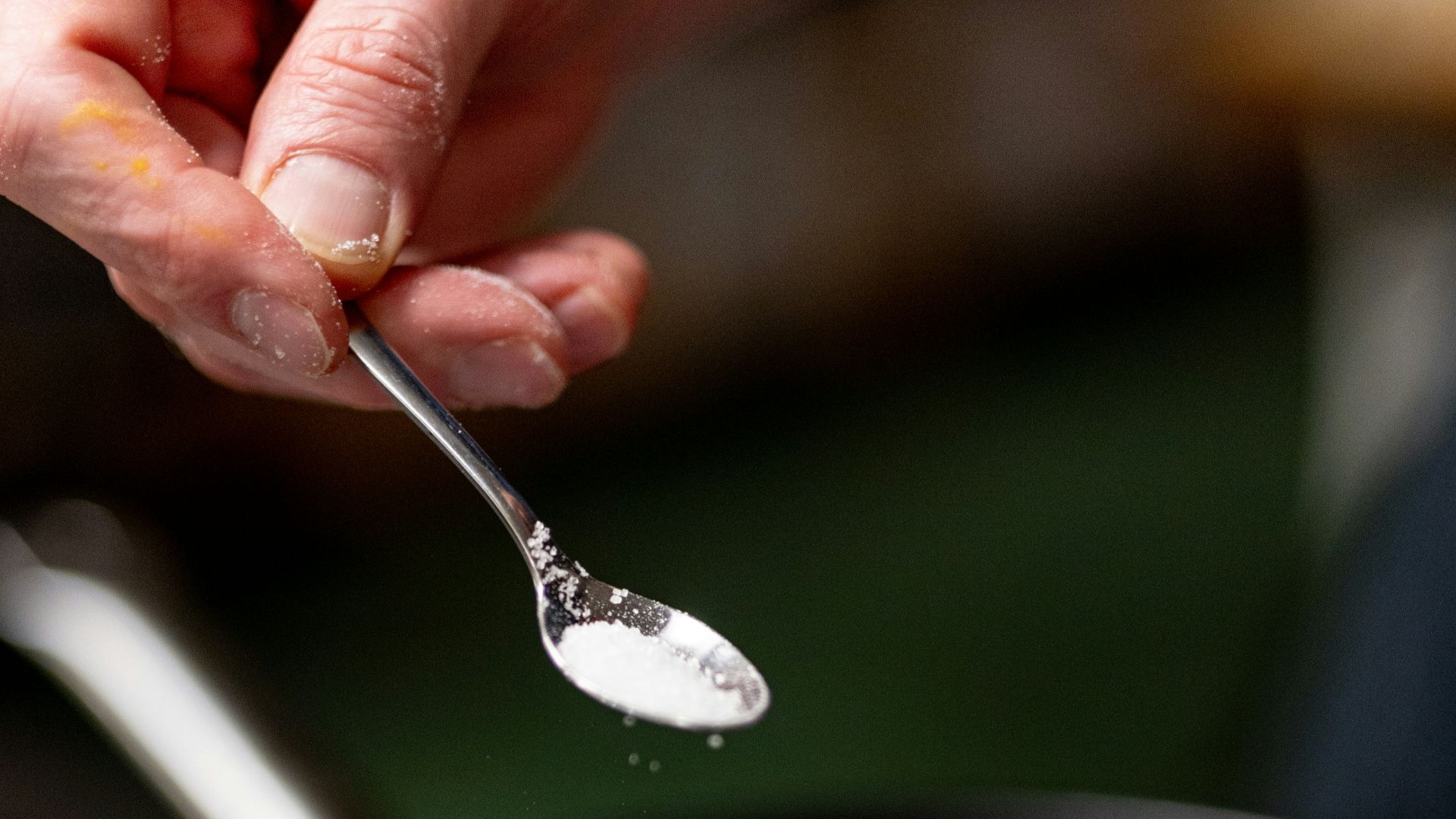
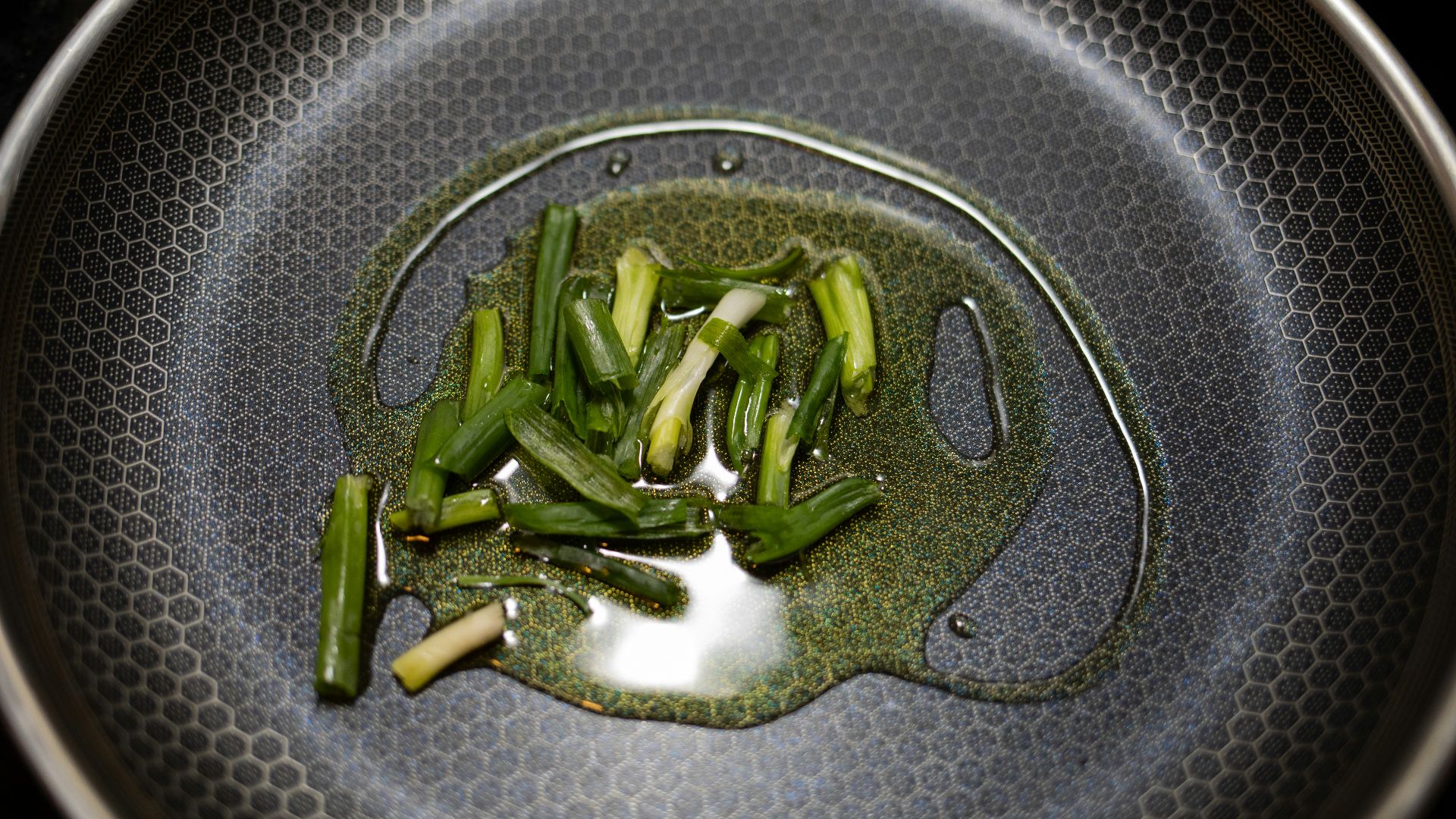
Oil poured into a pan that has not heated up yet just sits there instead of doing its job. Food dropped in too early sticks, and it never develops that first good sear. Let the pan tell you it is ready before anything goes in.
4. Skipping The Rest
Cutting into meat the second it comes off the heat sends all that juice straight onto the cutting board instead of staying in the meat. A five or ten minute rest makes a real difference, especially with anything thicker than a chicken breast. It is the easiest step to skip and the one that costs you the most.
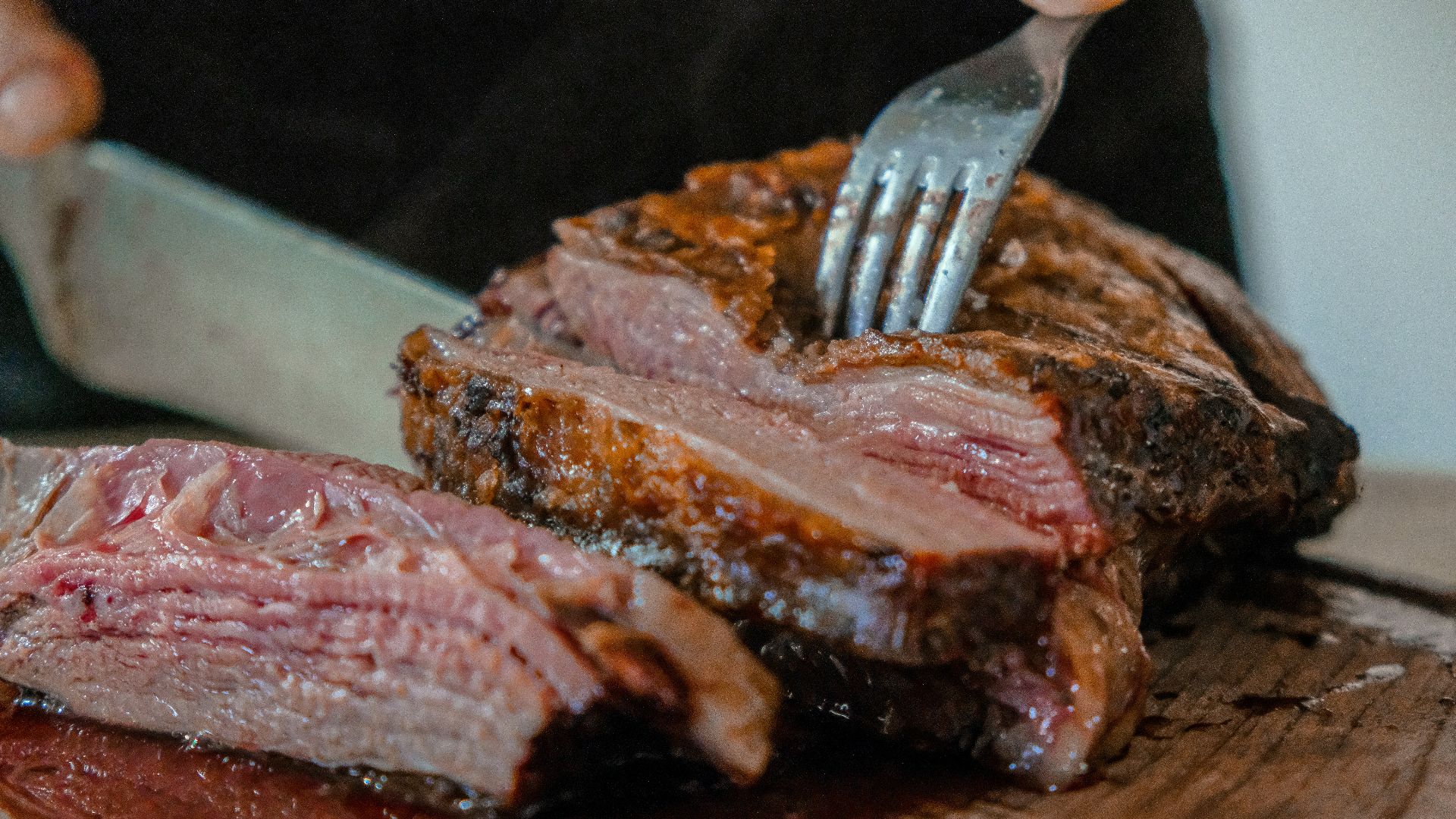 José Ignacio Pompé on Unsplash
5. Never Tasting As You Cook
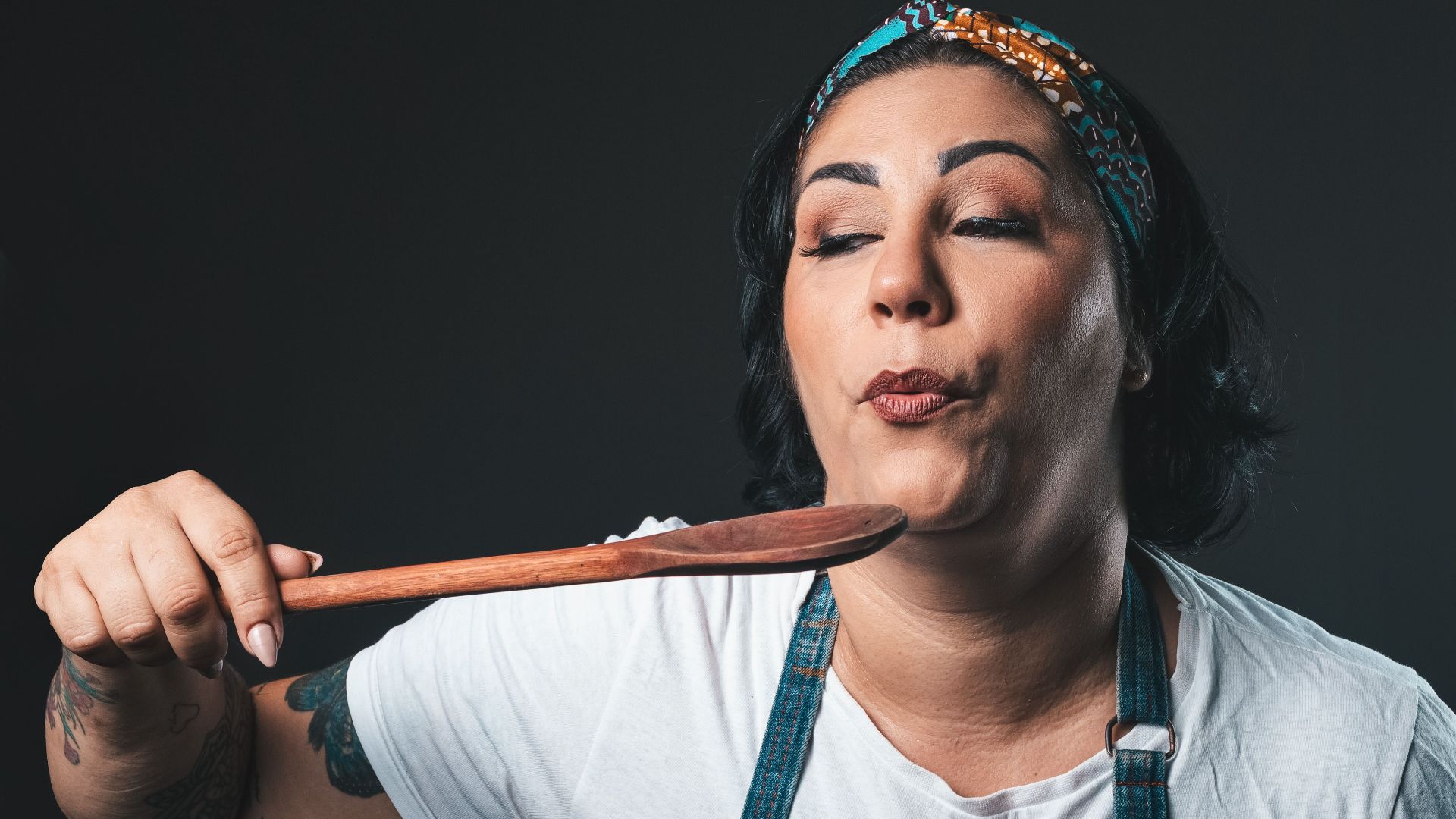
Cooking a whole meal without tasting along the way is a bit like driving with your eyes closed. Sauces reduce, spices mellow, salt levels shift the entire time something is on the heat. A spoon and a willingness to taste twice will save more dishes than any recipe.
6. Overcomplicating Something Simple
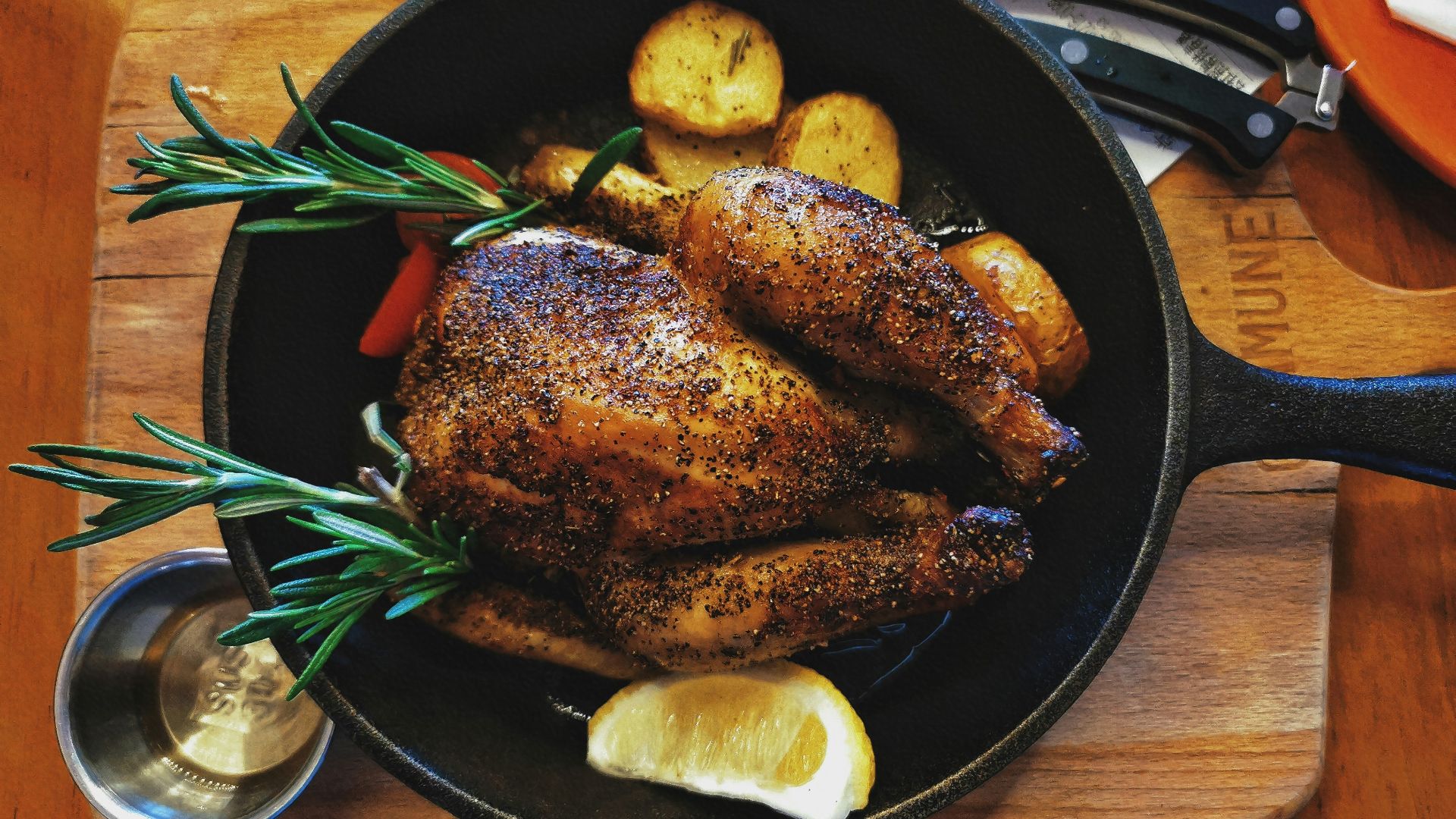
A good roast chicken does not need eleven ingredients fighting for attention. Piling on extra herbs, extra glazes, and extra steps often buries the thing that made the dish good in the first place. Simple food usually just wants a little restraint.
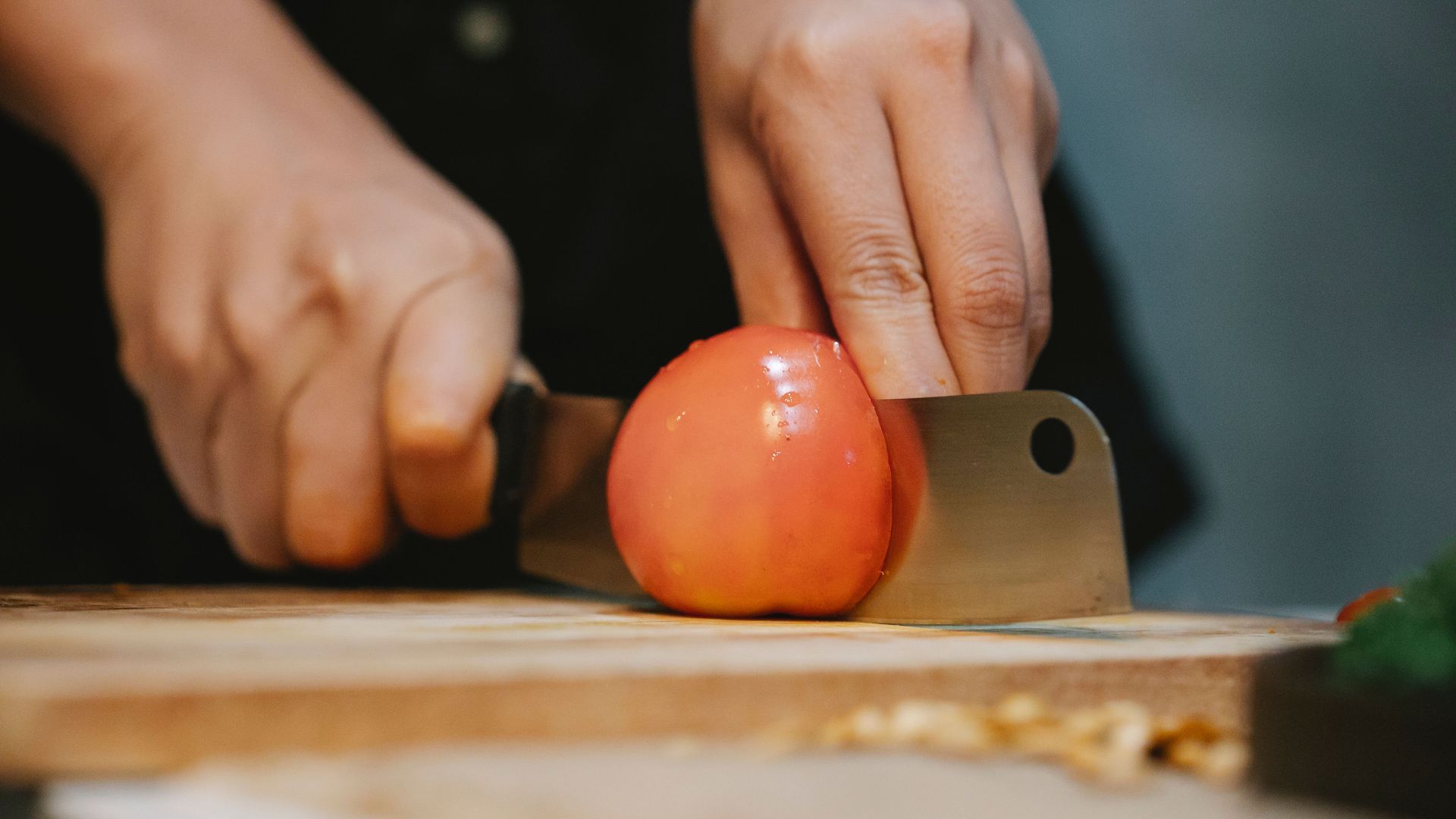
7. Cooking With A Dull Knife
A dull knife does not cut so much as crush, and it shows up in uneven pieces that cook at different rates. It is also more dangerous, since a dull blade needs more force and slips more easily. A few minutes with a sharpener changes almost everything about how prep feels.
8. Not Reading The Recipe First
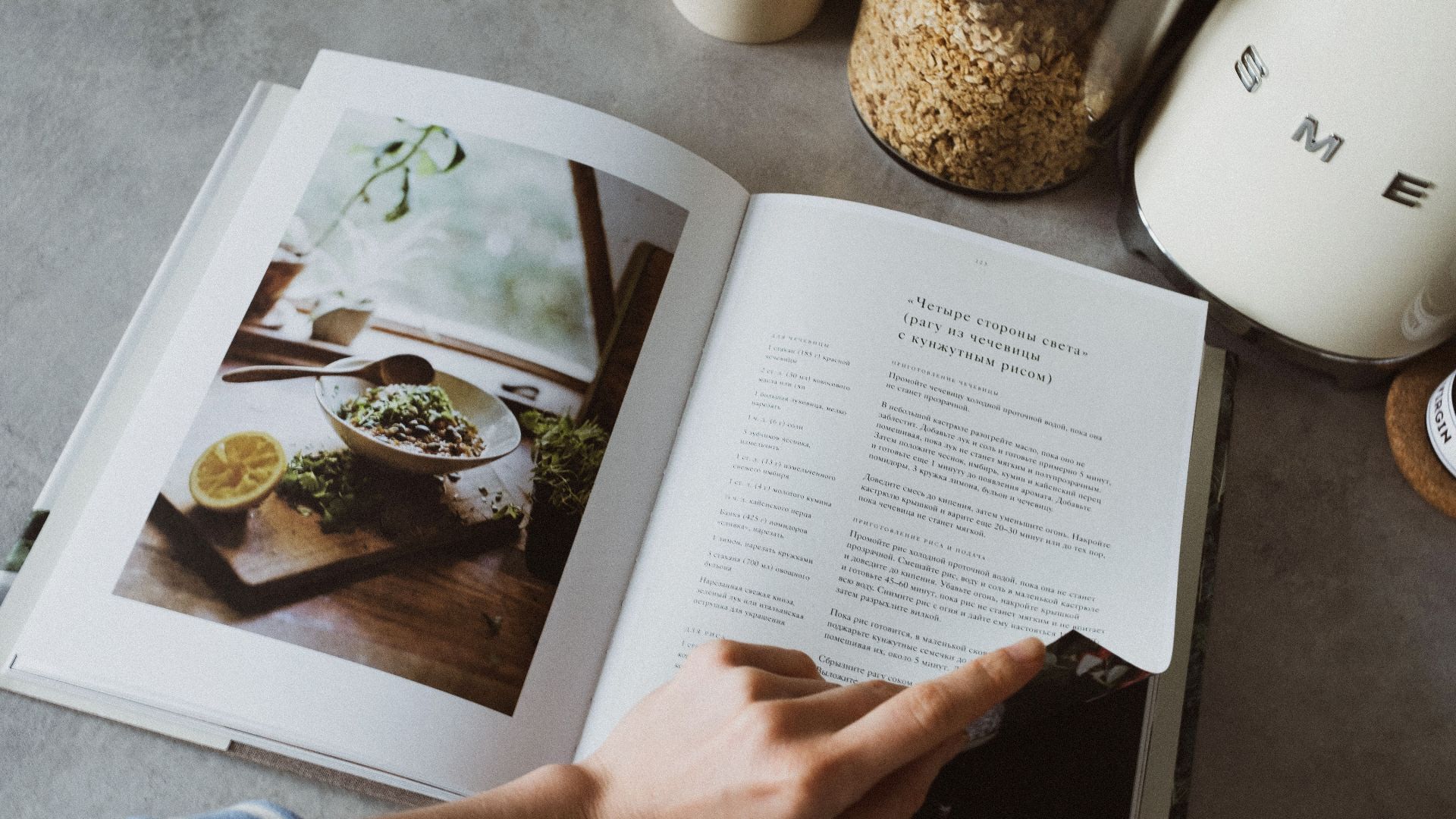
Starting to cook before you have read the whole recipe is how people end up realizing, halfway through, that something needed to marinate for two hours. Read it once from top to bottom before you touch a single ingredient. It takes two minutes and saves a lot of scrambling later.
9. Prepping As You Go Instead Of Ahead
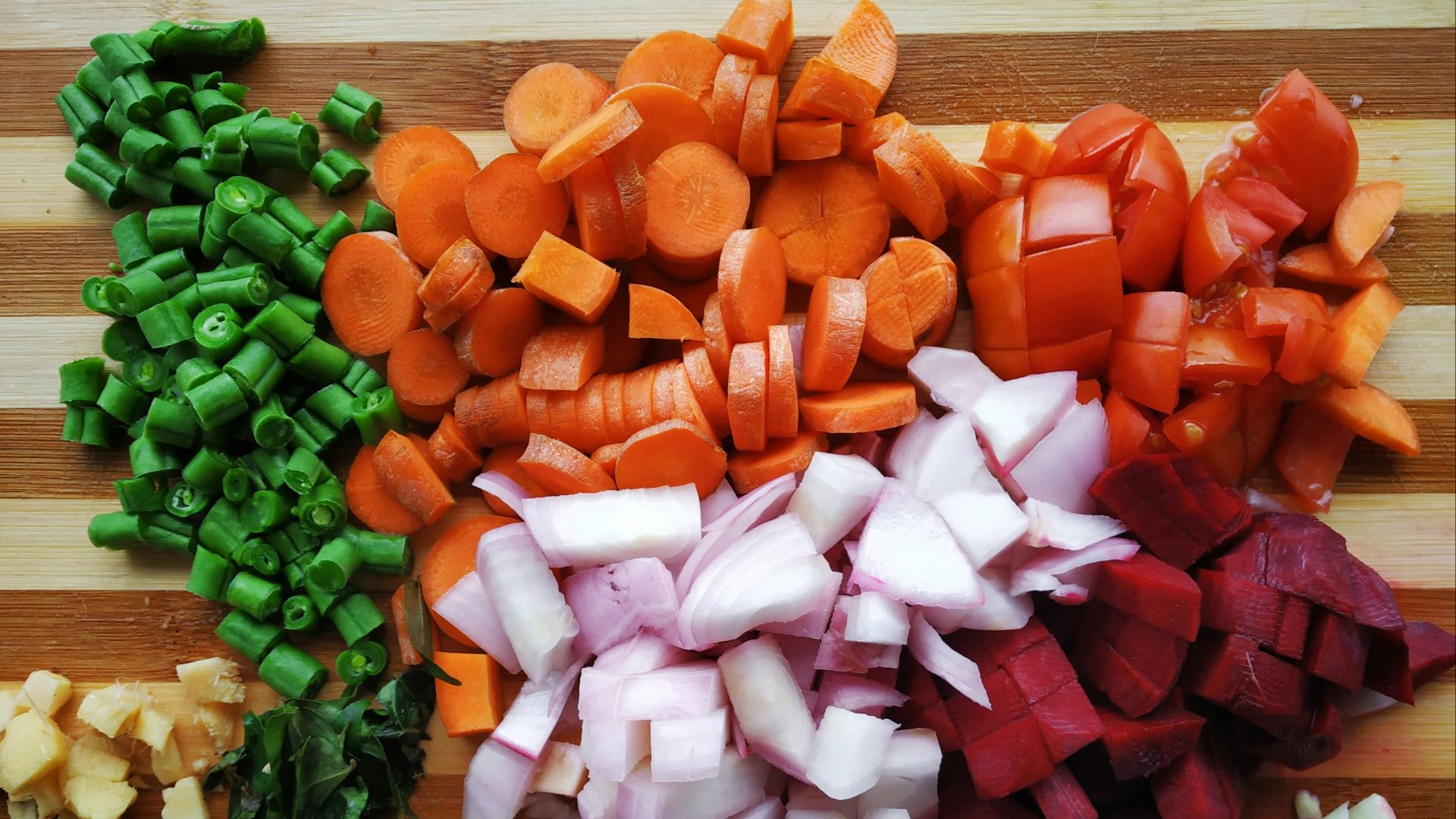
Chopping the onion while the garlic is already browning is a great way to burn the garlic. Get your ingredients cut, measured, and within reach before the heat goes on. It feels slower at first, but it makes the actual cooking part smoother and calmer.
10. Cranking The Heat Too High
High heat feels like it is getting dinner done faster, but it usually just burns the outside while the inside stays raw. Medium heat, held a little longer, gives food time to cook through evenly. Patience here pays off more than people expect.
11. Cooking Meat Straight From The Fridge
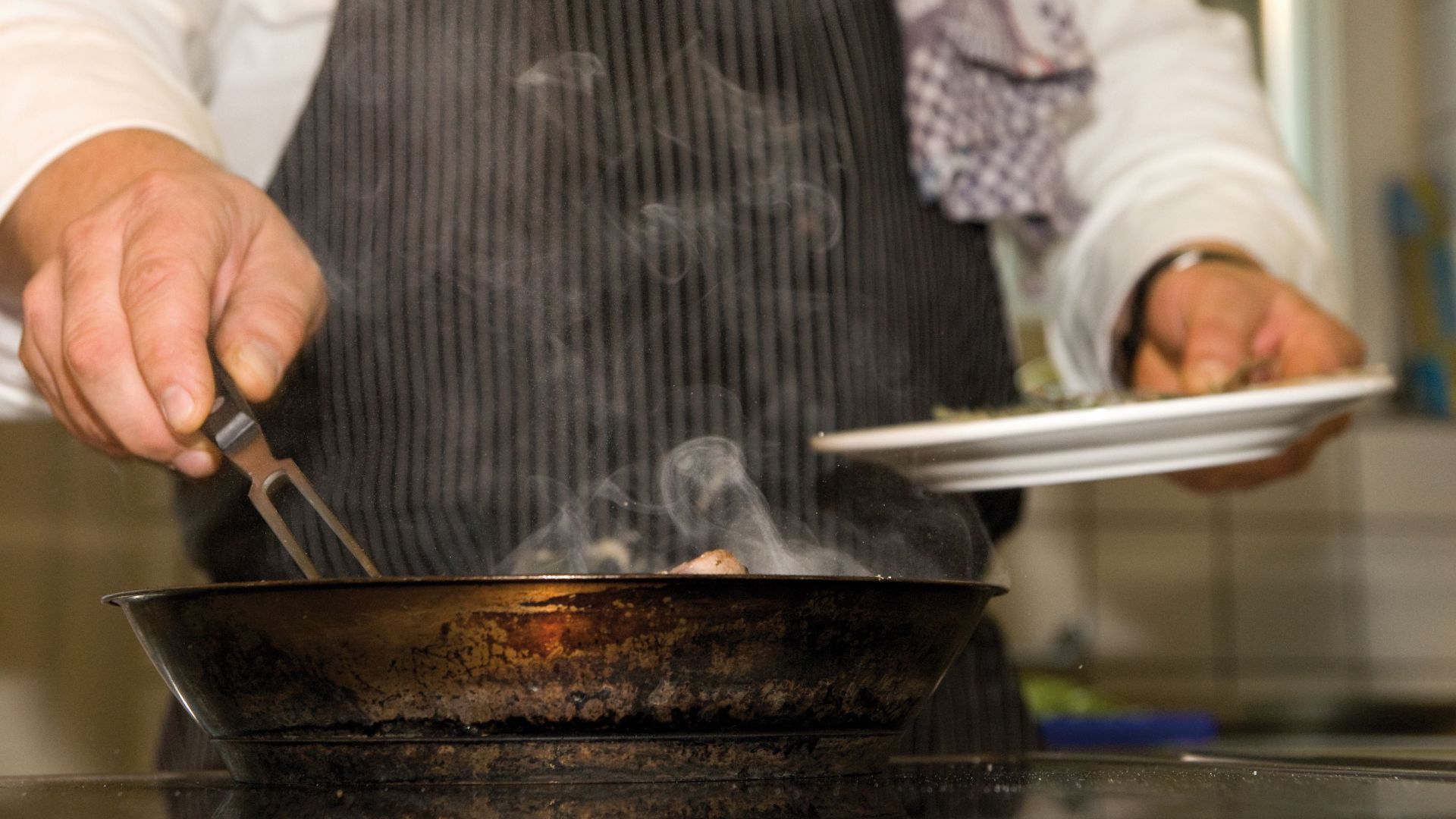
Meat that goes straight from the fridge to the pan cooks unevenly, seared on the outside and still cold in the middle. Give steaks, chops, and roasts twenty or thirty minutes on the counter first. That small window makes the whole cook far more even.

12. Using The Wrong Size Pan
A pan that is too small crowds everything, and a pan that is too large lets liquids evaporate faster than the recipe expects. Match the pan to the amount of food, not just whatever is closest at hand. It sounds minor until you notice how much smoother a dish turns out.
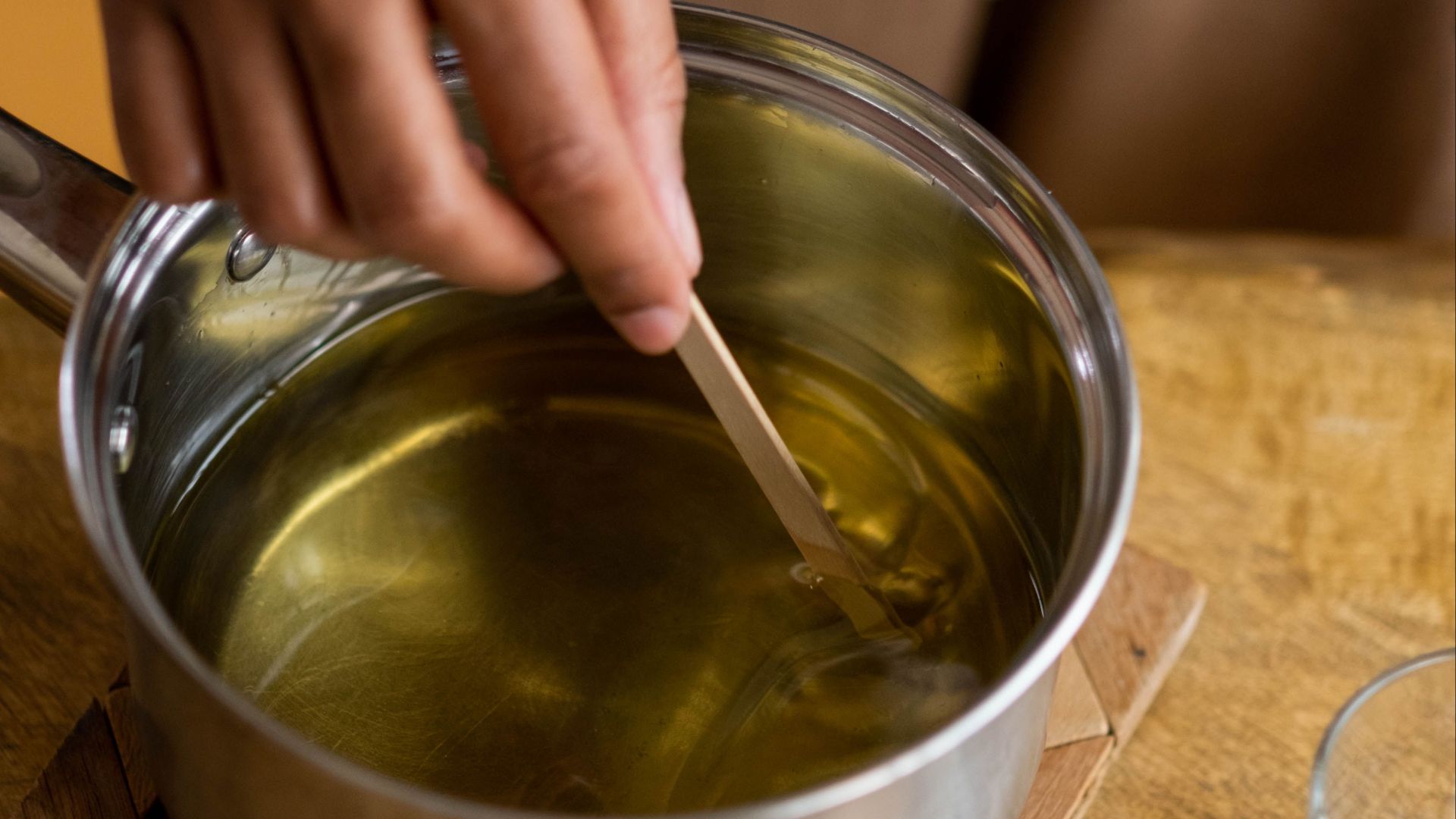
13. Rushing The Oven Preheat
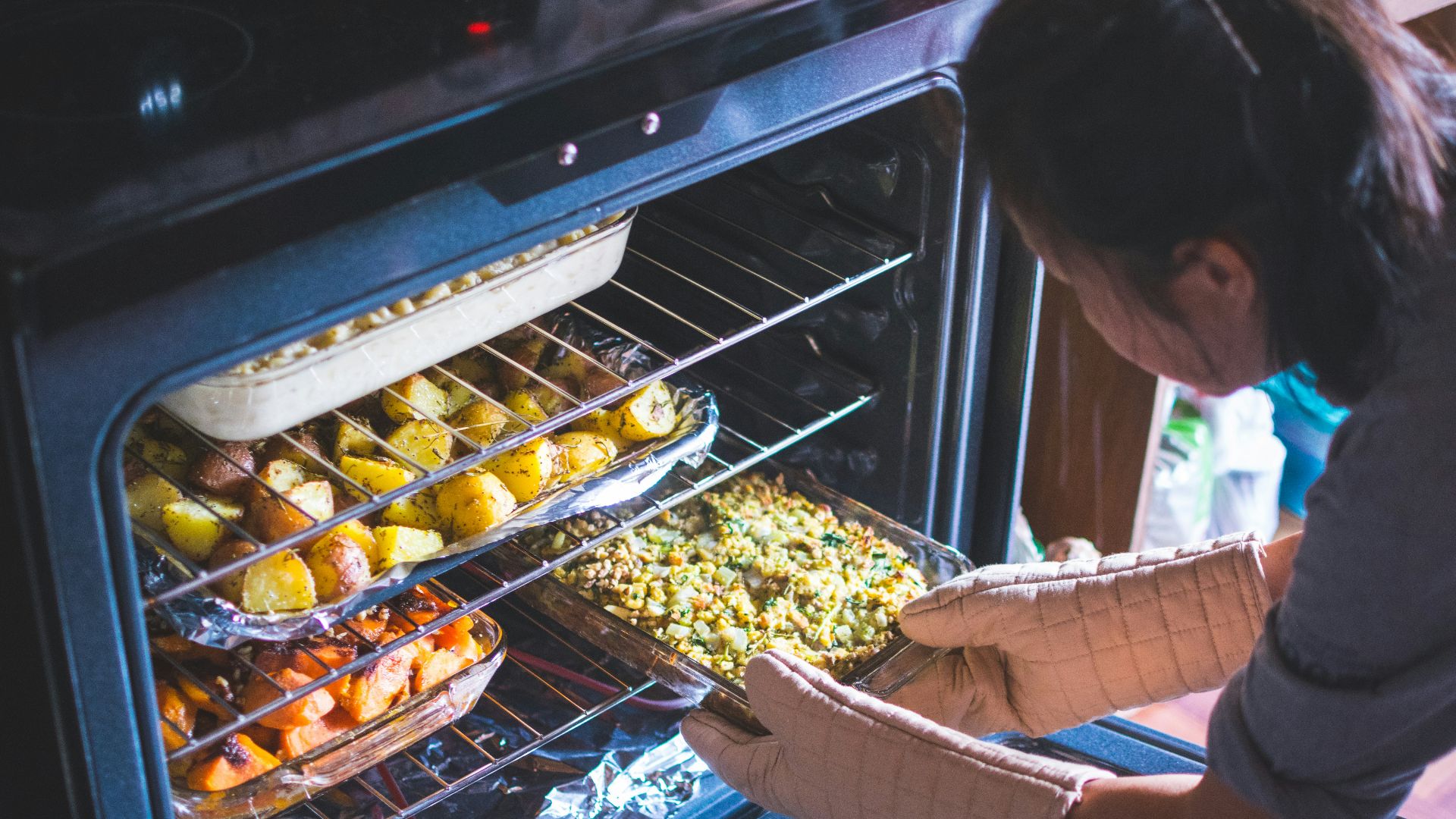
Sliding a dish into an oven that has not fully preheated throws off baking times and, with things like bread or pastry, can ruin the rise entirely. Give it the full time to reach temperature, not just until the light clicks off. That extra five minutes is doing real work.
14. Drowning Food In Sauce
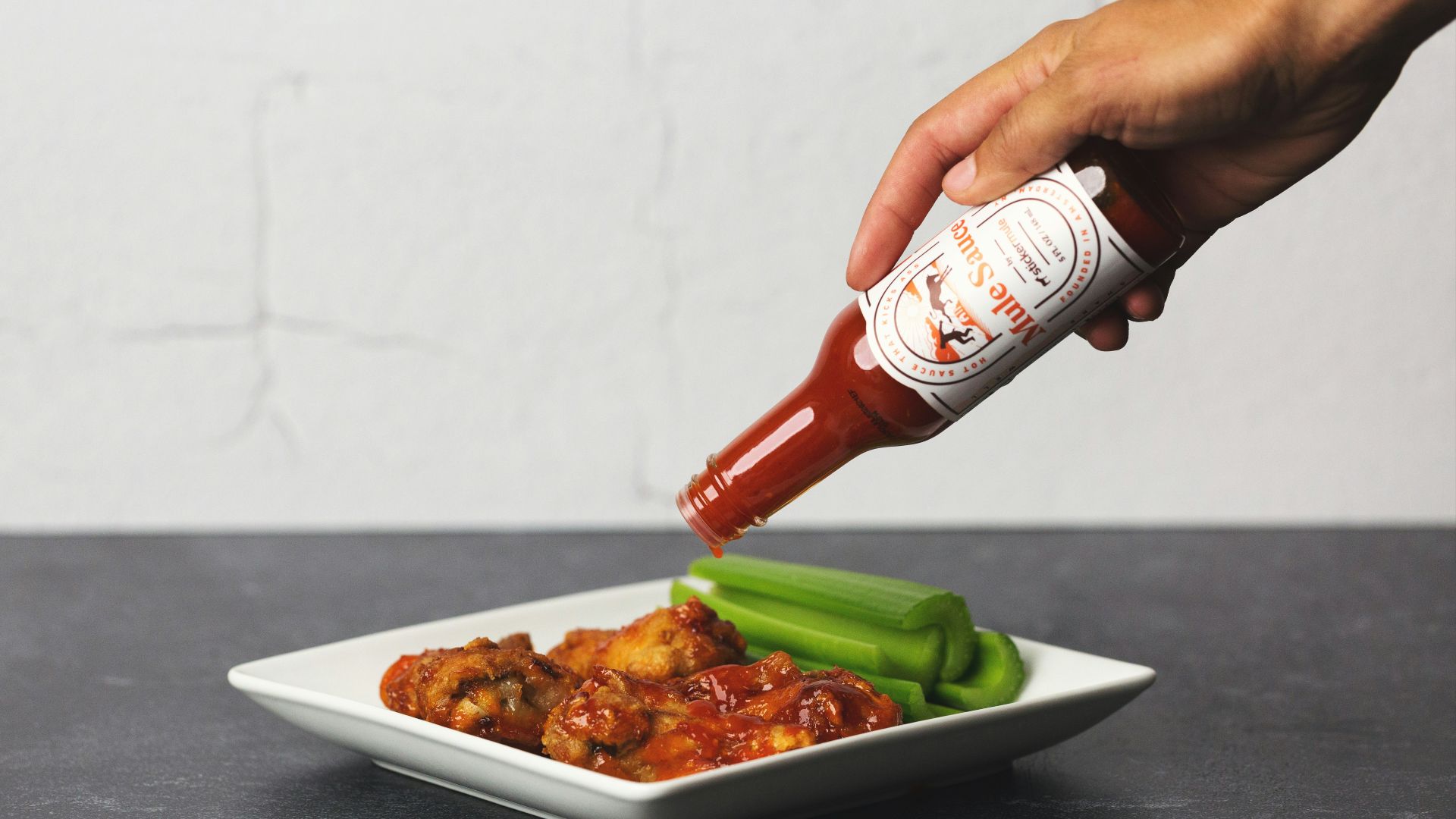
A sauce is meant to support the dish, not bury it. Pour on too much and every bite tastes like the sauce alone, with whatever protein or vegetable underneath losing its voice completely. Add it gradually and stop once it coats things nicely.
15. Overmixing Batter
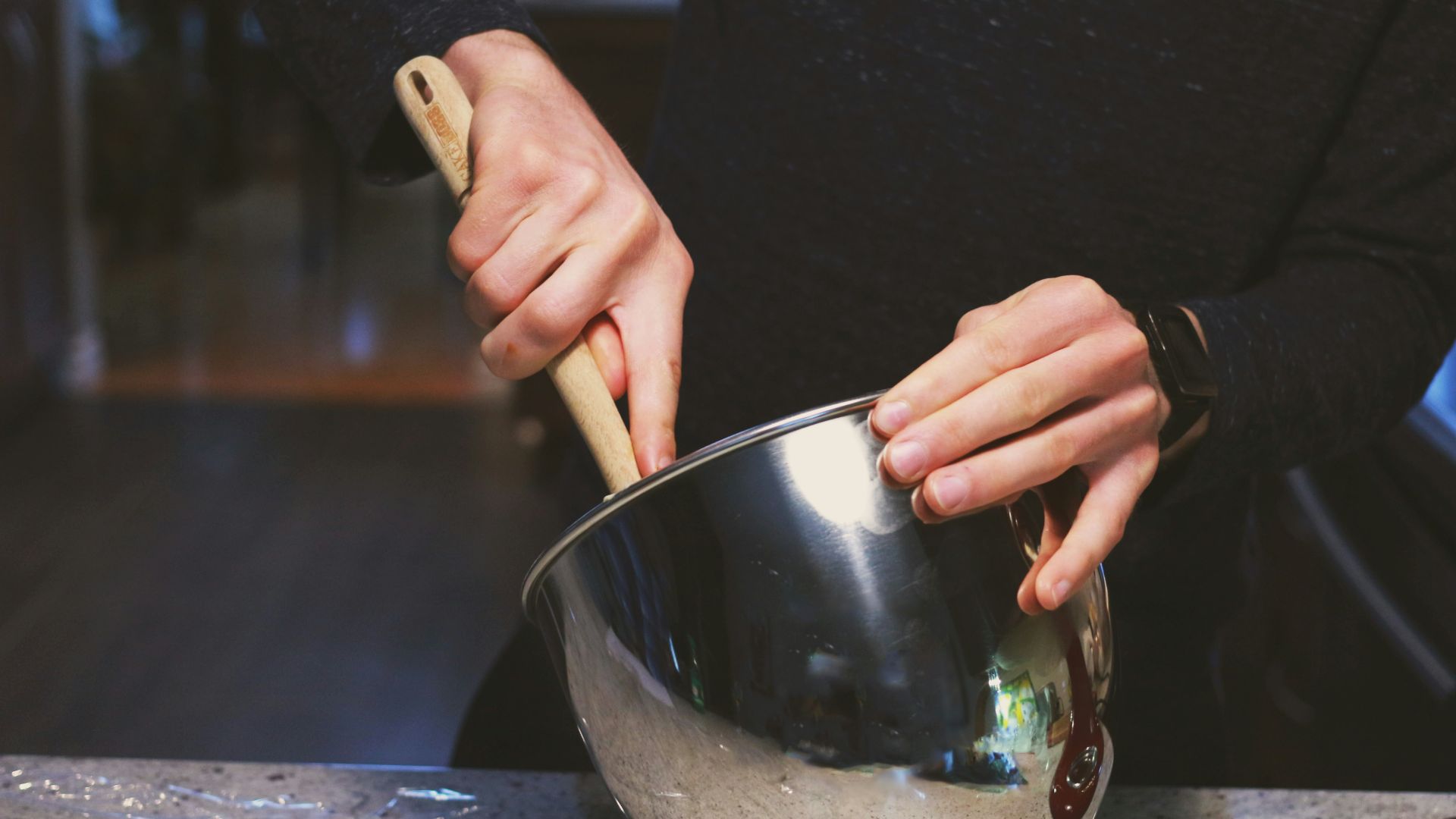
Stir pancake or muffin batter too long and you develop gluten you did not want, which leaves the final result dense and a little tough. Mix just until the dry streaks disappear, even if a few small lumps remain. Overmixing is one of those habits that feels productive but quietly works against you.
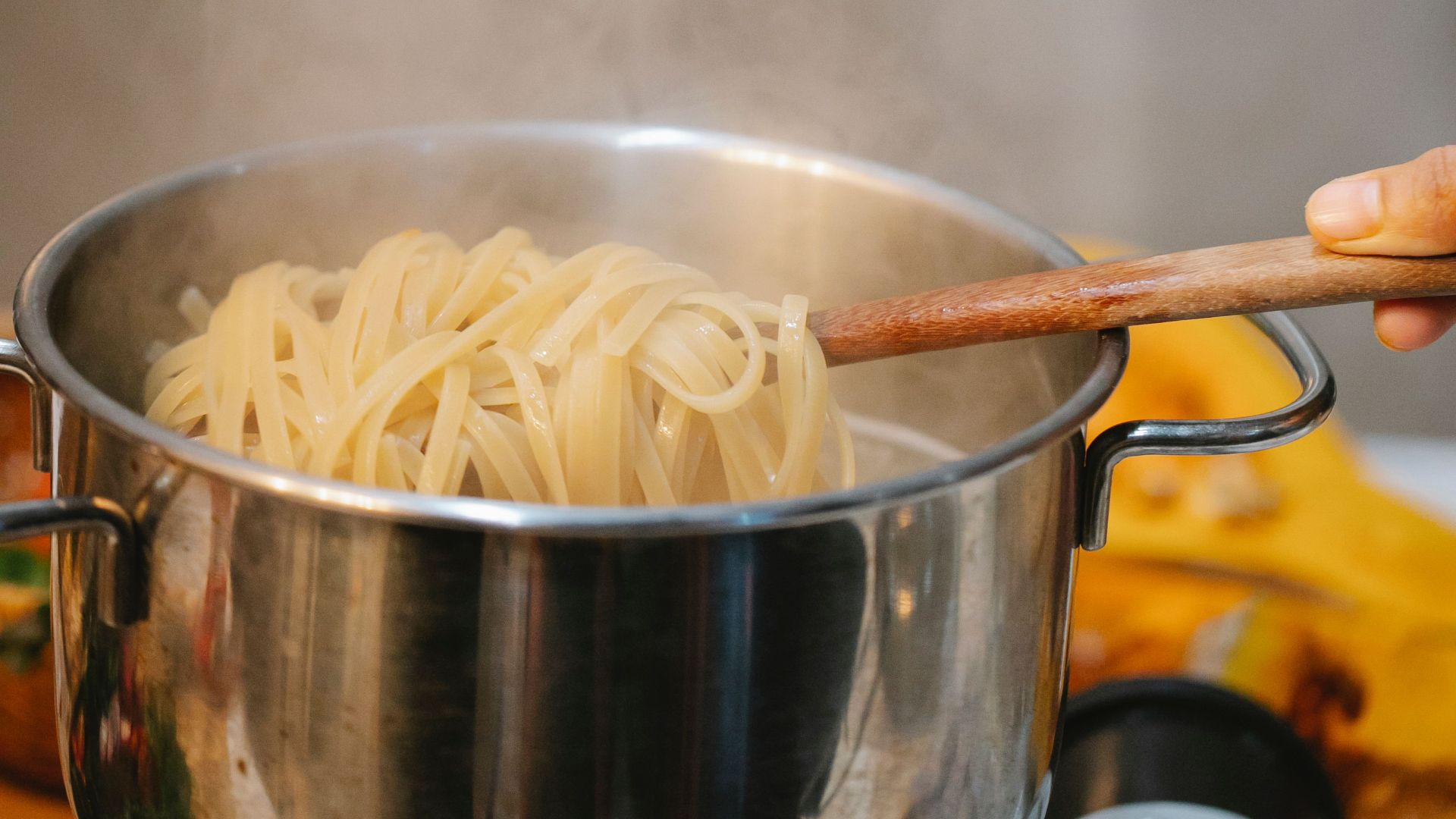
16. Under-Salting Pasta Water
Pasta water should taste like the sea, and most people barely season it at all. That water is the only chance the noodles have to pick up flavor from the inside. Skimp here and no amount of sauce afterward fully makes up for it.
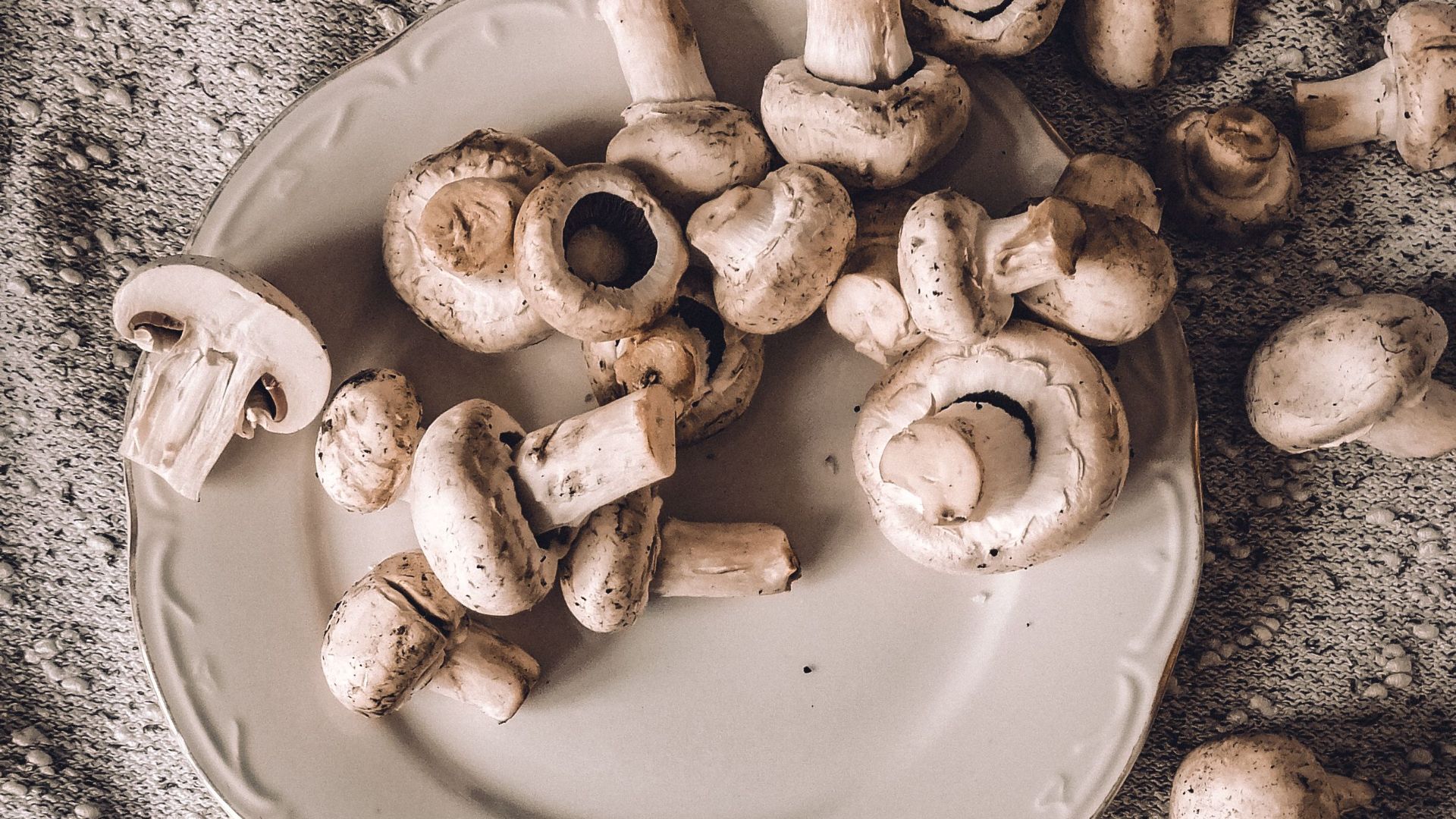
17. Soaking Mushrooms In Water
Mushrooms act like little sponges, and running them under water or letting them soak waterlogs them before they ever hit the pan. Wipe them clean with a damp towel instead. They will brown properly instead of steaming in their own trapped moisture.
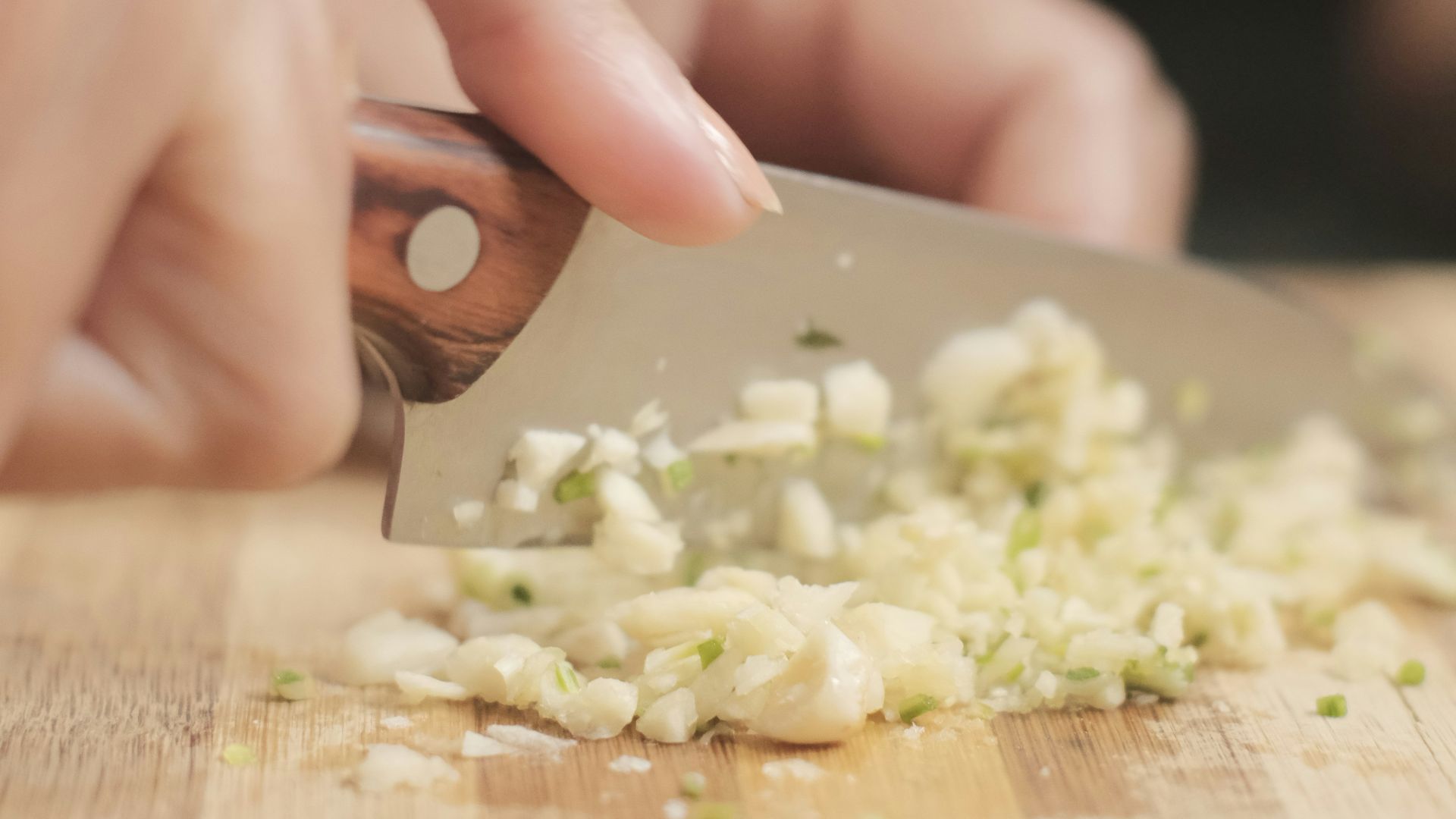
18. Adding Garlic Too Soon
Garlic cooks fast, and tossing it in at the same time as onions or other slower vegetables almost guarantees it burns before everything else is ready. Add it near the end of the sauté, once the rest has already softened. Burnt garlic turns bitter fast, and there is no saving it once it happens.
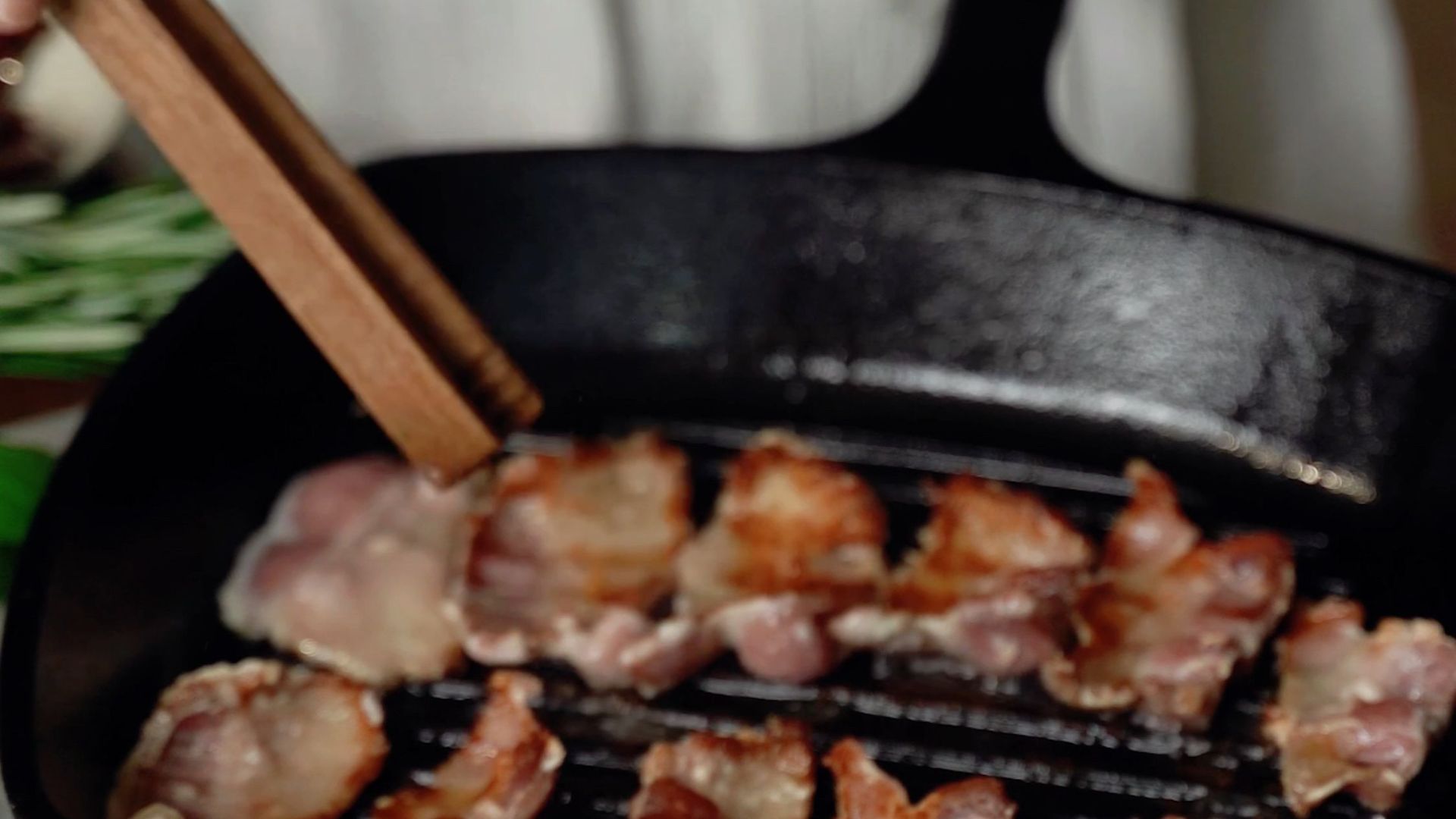
19. Not Letting Cast Iron Fully Heat
Cast iron holds heat well, but it takes a while to get there, and rushing it leads to sticking and uneven cooking. Give it several minutes on the burner before anything goes in, longer than you would with a nonstick pan. Once it is hot, it stays hot, which is the entire point of using it.
20. Treating Plating As An Afterthought
Food that gets shoved onto a plate at the last second, sauce splattered wherever it lands, tastes the same as food plated with a little care, but it never feels that way. A wipe around the rim and a bit of intention in how things sit on the plate change how the whole meal reads. It costs almost nothing and it is the last impression before the first bite.
KEEP ON READING