Should You Cook Your Veggies?
Do you like eating your veggies raw or cooked? If you're like most, you're probably split on that: some vegetables, like cucumbers, taste much better raw than they do after spending some time in a pan. Nobody likes warm, mushy cucumbers, after all! Others however, like cauliflower, are far more flavorful when they're cooked. Yet, while cooking can certainly deepen sweetness, soften tough fibers, and remove bitterness, all vegetables are different. Personal preference will always matter, of course, but texture and flavor can still change pretty dramatically depending on how a vegetable is prepared. Here are 10 vegetables we guarantee you like better raw, and 10 that you'll find far more enjoyable with some seasoning and heat.
 Tyrrell Fitness And Nutrition on Unsplash
1. Cucumbers
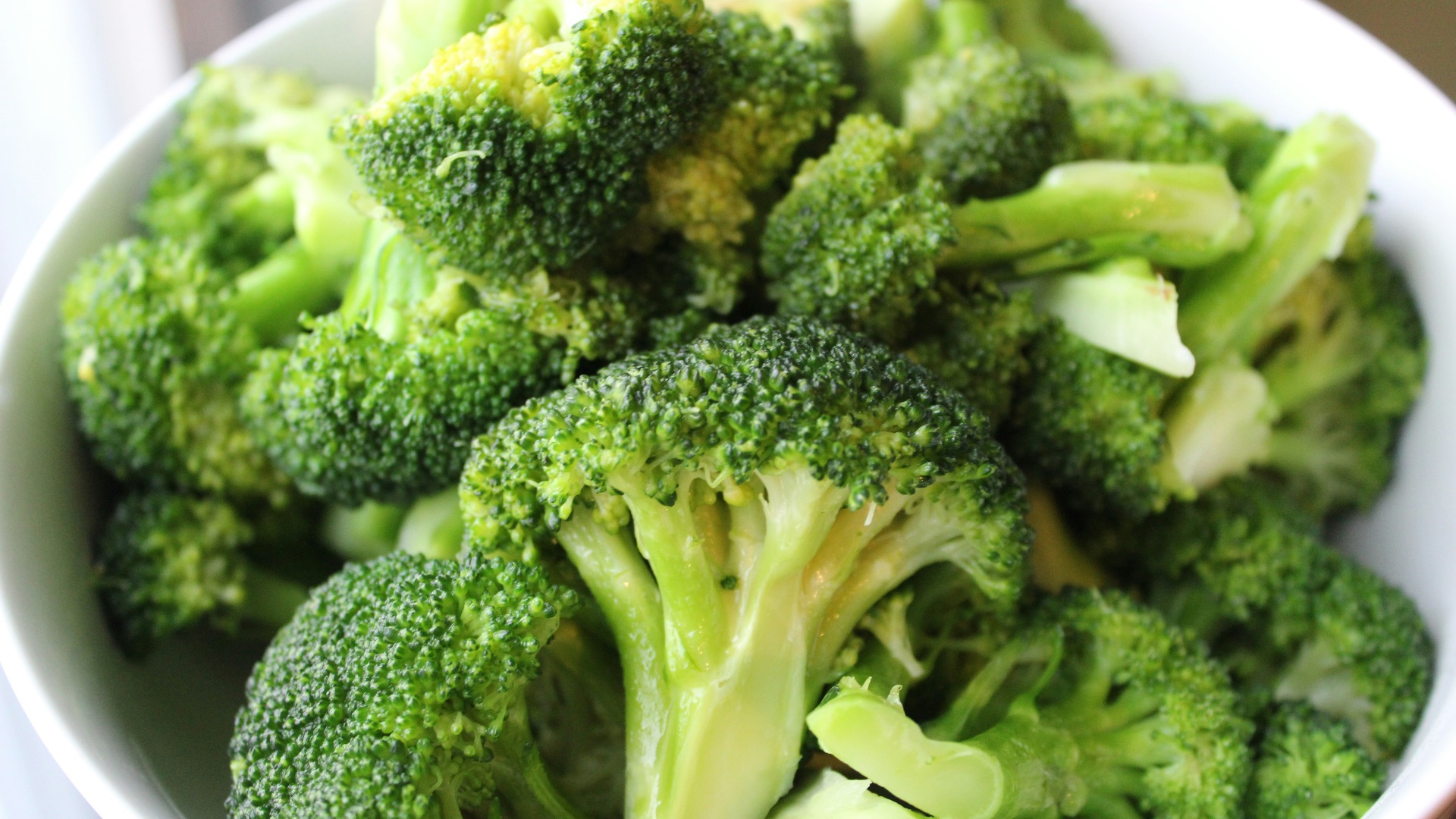
Few vegetables are as refreshing as a chilled cucumber sliced straight from the refrigerator. Its high water content and crisp texture make it ideal for salads, sandwiches, and quick snacks with a little salt. Cooking tends to soften cucumbers and reduce the fresh crunch that makes them so appealing. While cooked cucumber dishes do exist, raw preparation lets its clean flavor stand out.
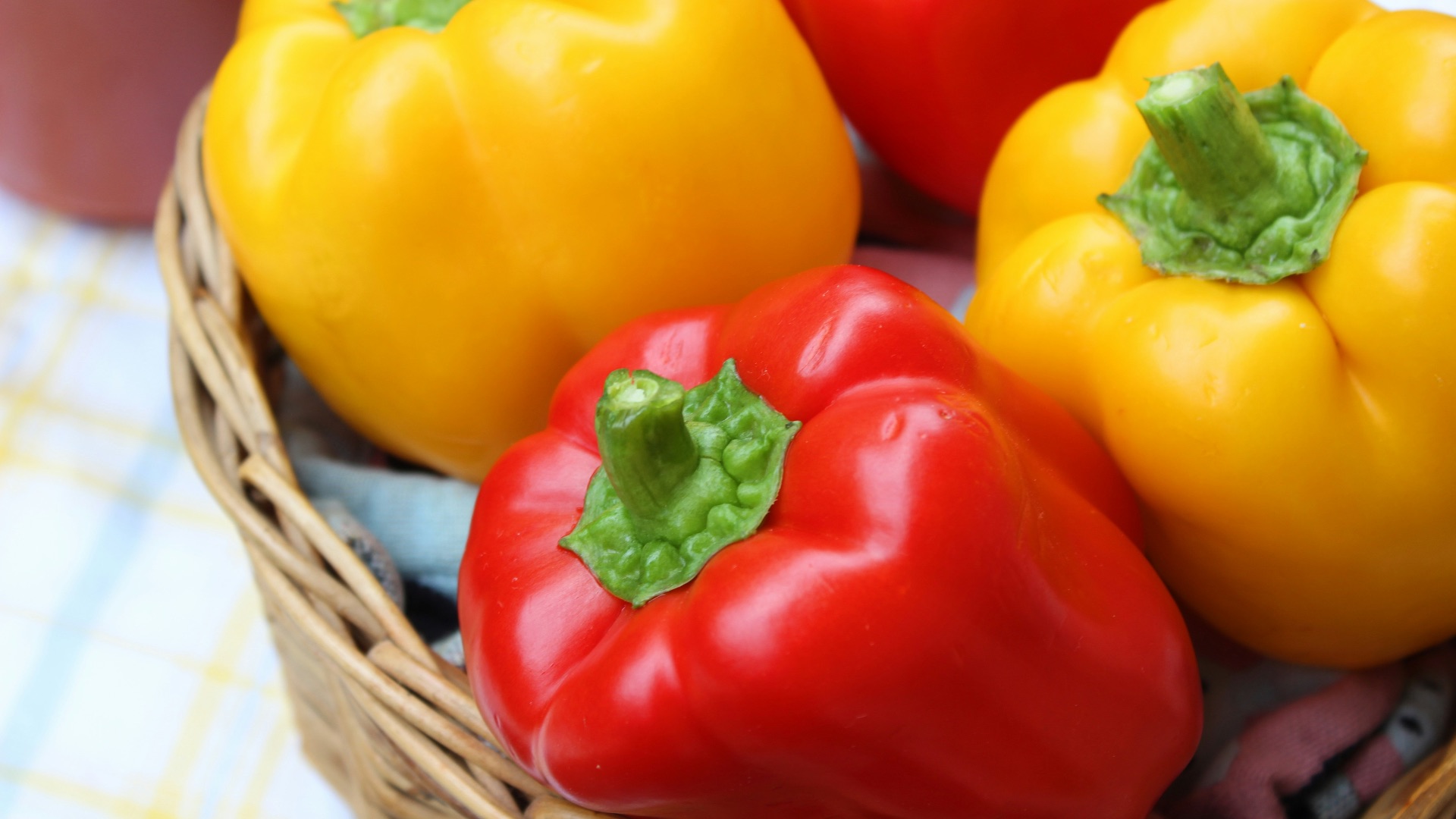
2. Bell Peppers
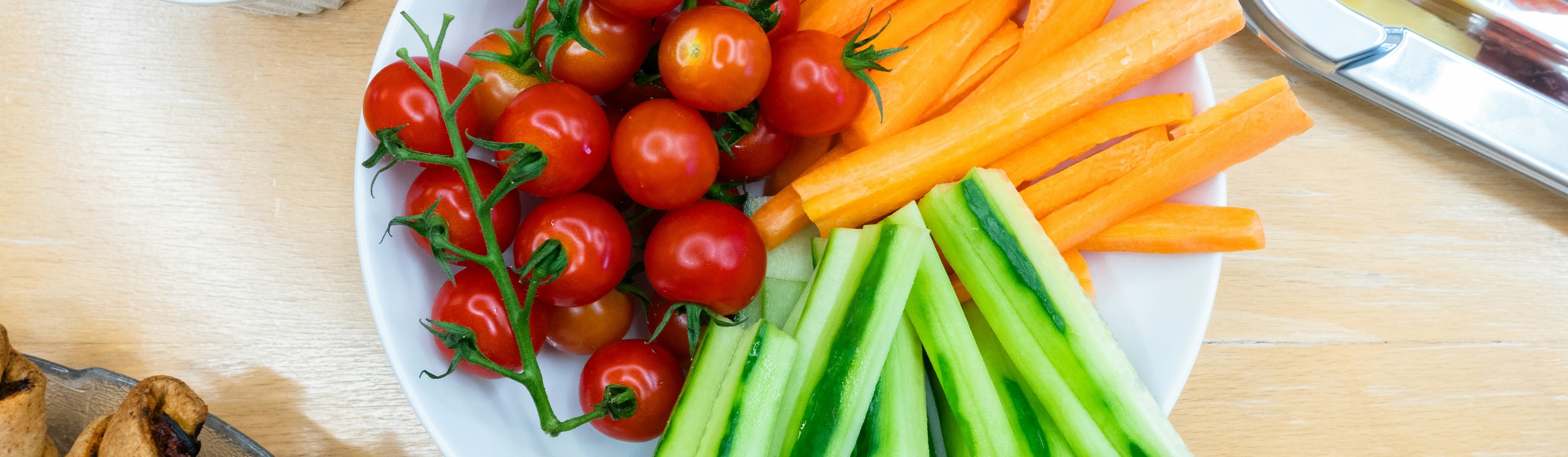
Raw bell peppers have a satisfying snap and a fresh sweetness that becomes especially noticeable in red, orange, and yellow varieties. They add color and texture to salads, wraps, and vegetable platters without needing much seasoning. Heat makes them softer and sometimes sweeter, but it also removes their distinctive crispness. When freshness is the priority, raw peppers are difficult to improve upon.
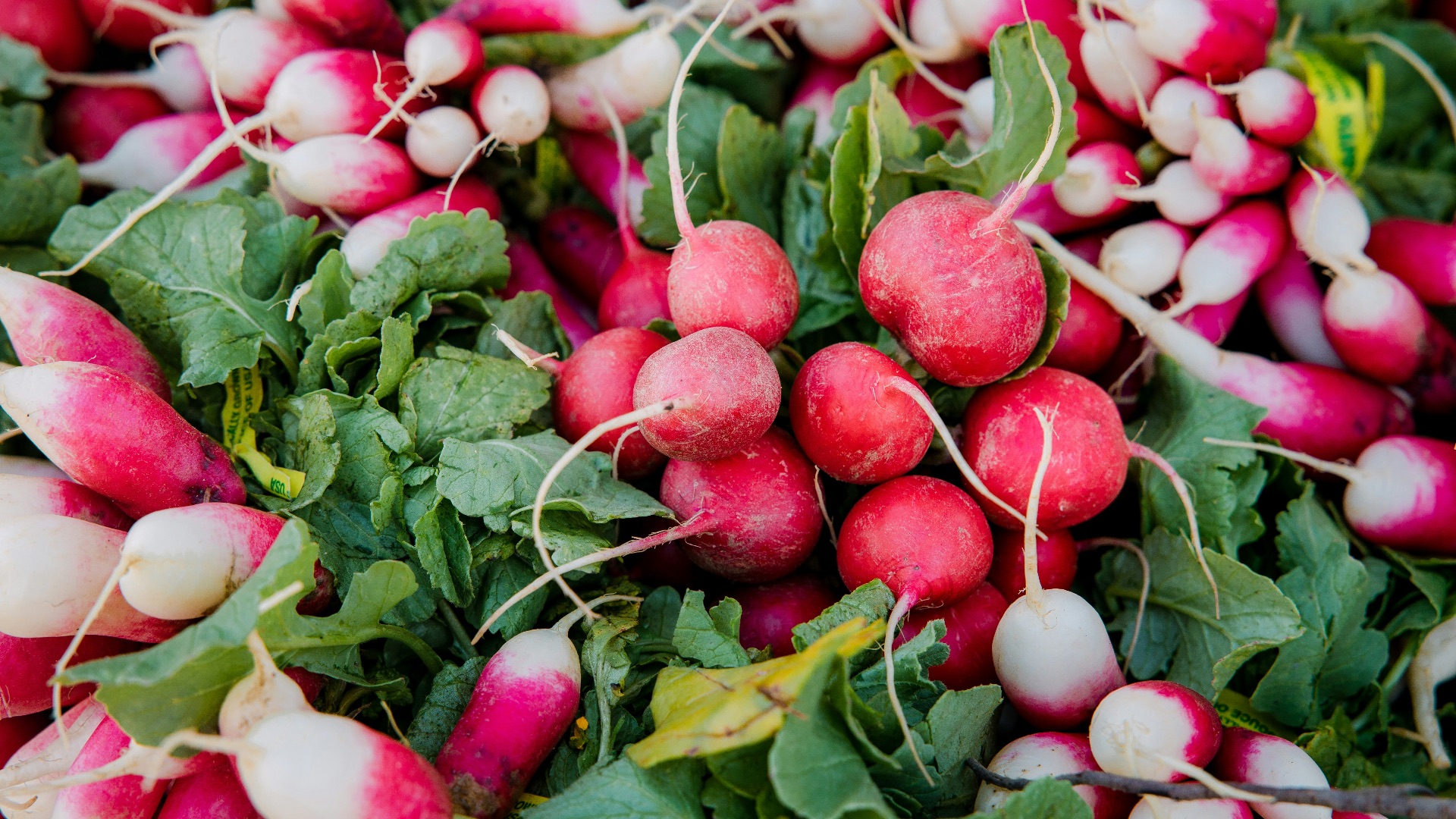
3. Radishes
The sharp bite of a raw radish gives salads and tacos an immediate burst of flavor. Its crunchy texture balances creamy dressings, rich meats, and soft cheeses particularly well. Cooking tones down that peppery intensity, which can be useful when you want something milder. However, anyone who enjoys radishes for their boldness will probably prefer them uncooked.
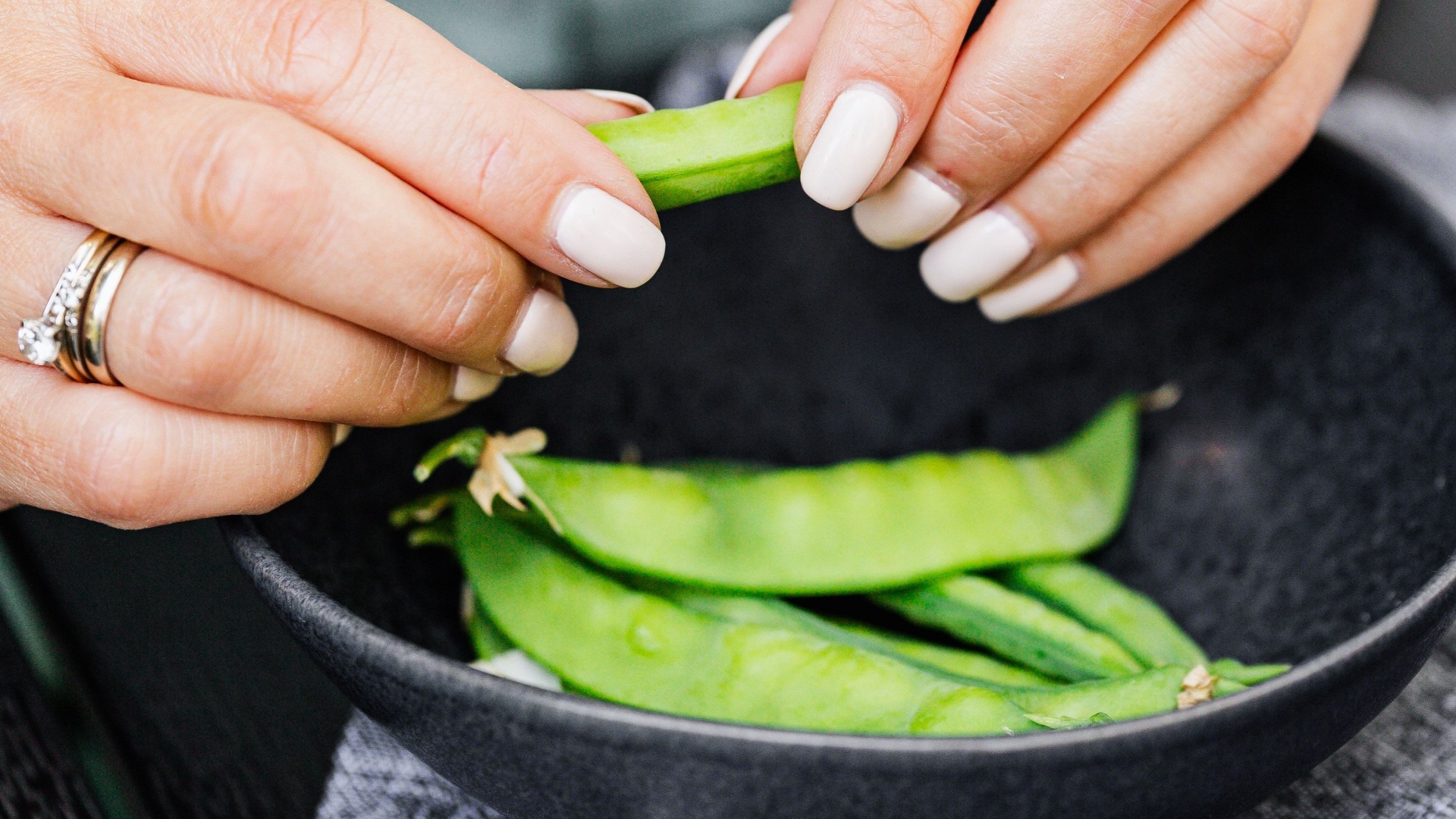
4. Snap Peas
Snap peas are naturally sweet, crisp, and easy to eat without any preparation beyond rinsing them. Their edible pods provide a juicy crunch that works well in lunch boxes, salads, or snack trays. Cooking them for too long can leave the pods limp and diminish their fresh flavor. Raw snap peas offer the strongest combination of sweetness and texture.
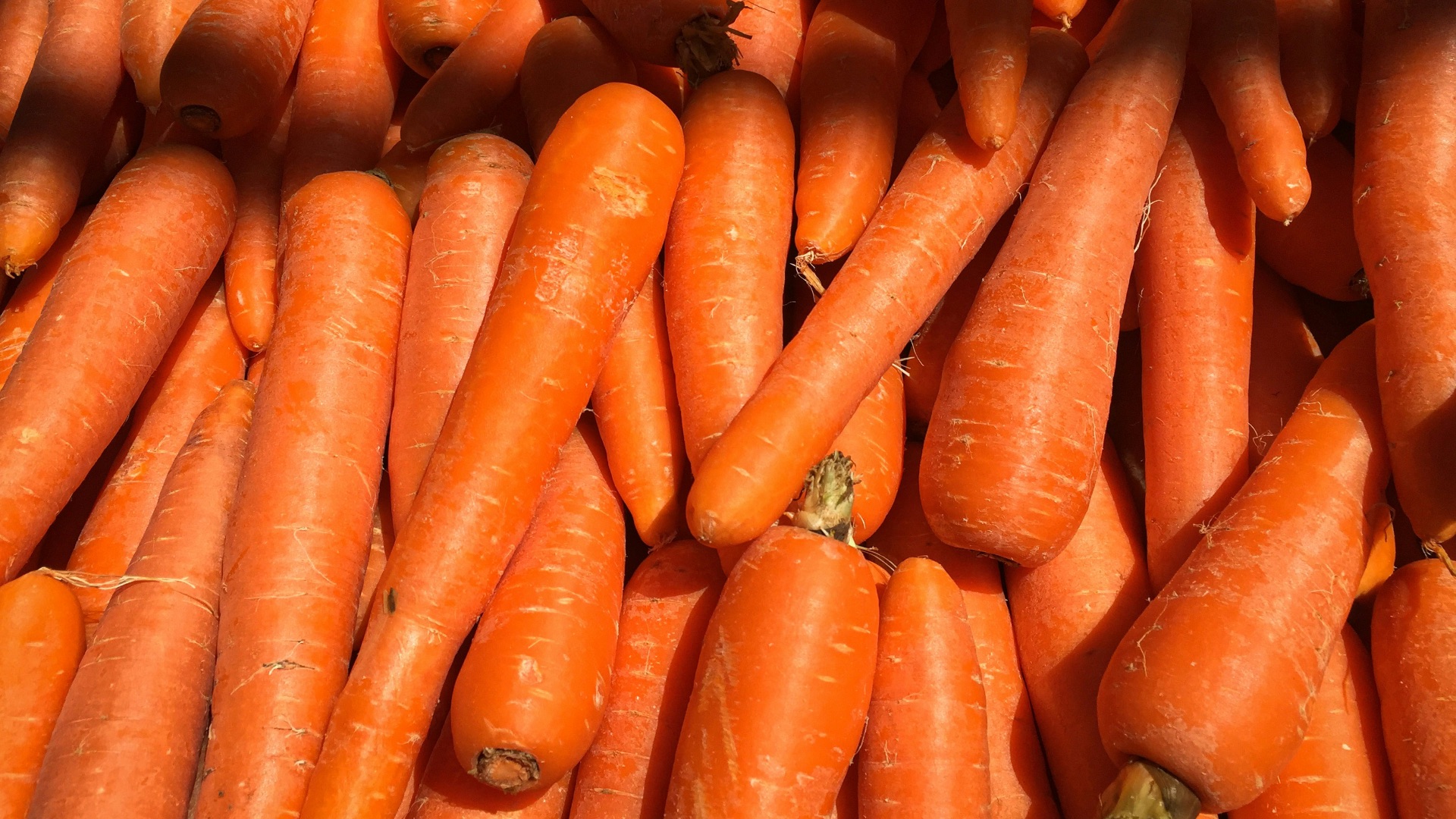
5. Carrots
Raw carrots deliver a firm crunch and a lightly sweet taste that makes them one of the easiest vegetables to snack on. Shredded carrots also add texture to slaws, grain bowls, and sandwiches without overpowering other ingredients. Cooking can make them much sweeter, but it also removes the sturdy bite many people enjoy. For dipping or casual snacking, raw carrots usually have the advantage.
 JACQUELINE BRANDWAYN on Unsplash
6. Celery
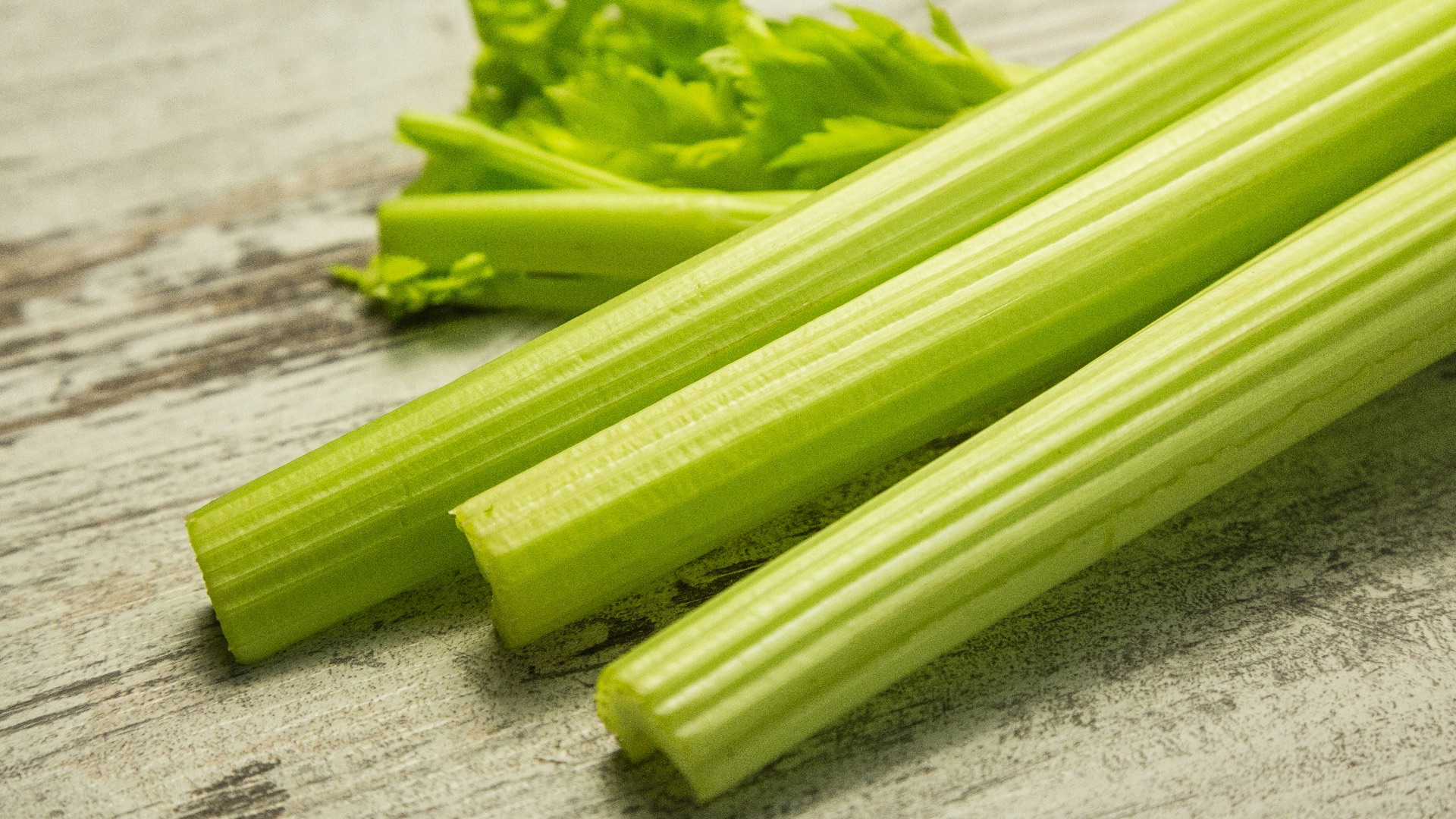
Celery’s crisp texture is its biggest strength, especially when paired with peanut butter, cream cheese, or a creamy dip. Its mild bitterness and fresh flavor also help balance rich fillings in salads and sandwiches. Once cooked, celery becomes soft and usually blends into the background of a dish. Raw celery gives you a much more noticeable eating experience.
7. Jicama
Jicama has a crisp, juicy texture and a mild sweetness that’s best appreciated without heat. It can be cut into sticks, tossed with lime juice, or added to slaws for extra crunch. Cooking makes it softer but doesn’t necessarily add much flavor. Served raw, it remains refreshing and pleasantly firm.

8. Lettuce
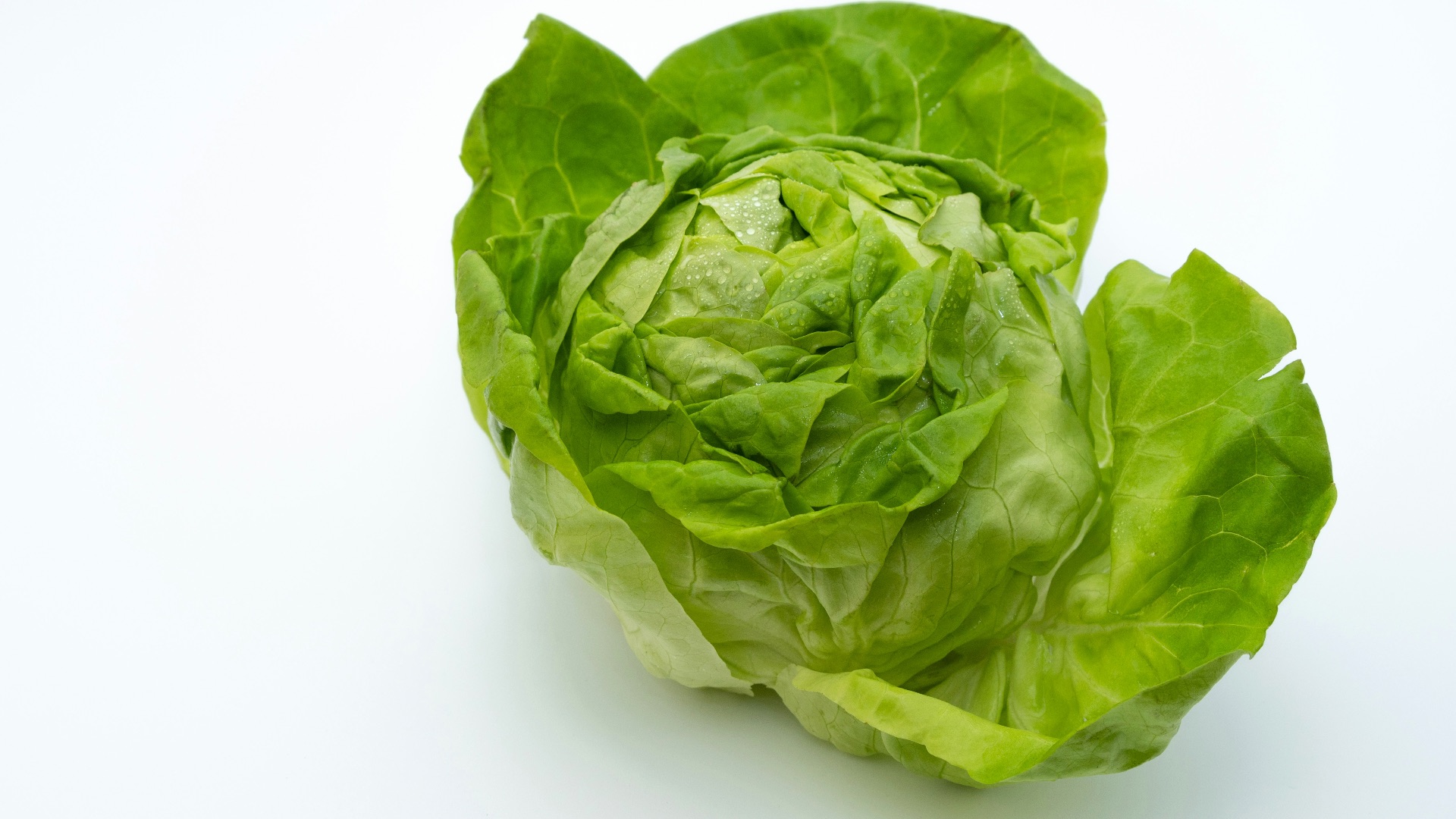
Lettuce tastes best when it’s cool and crisp, when it adds texture to salads, sandwiches, wraps, and burgers without competing with stronger ingredients. Although some varieties can certainly be grilled or sautéed, cooking often leaves the leaves limp and warm, which takes away the vegetable's natural texture. For most everyday meals, raw lettuce is easily the more appealing option.
9. Broccoli
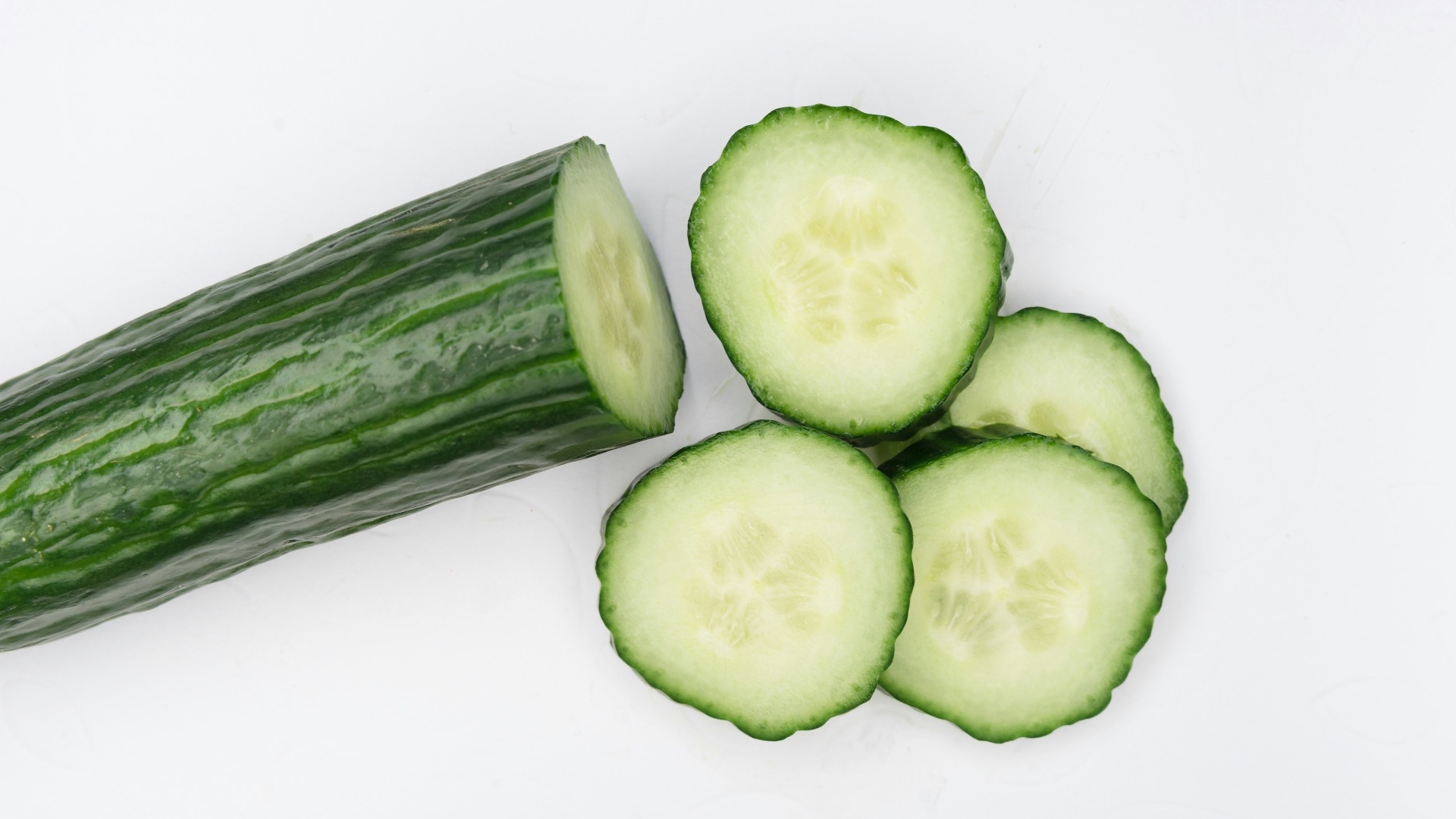
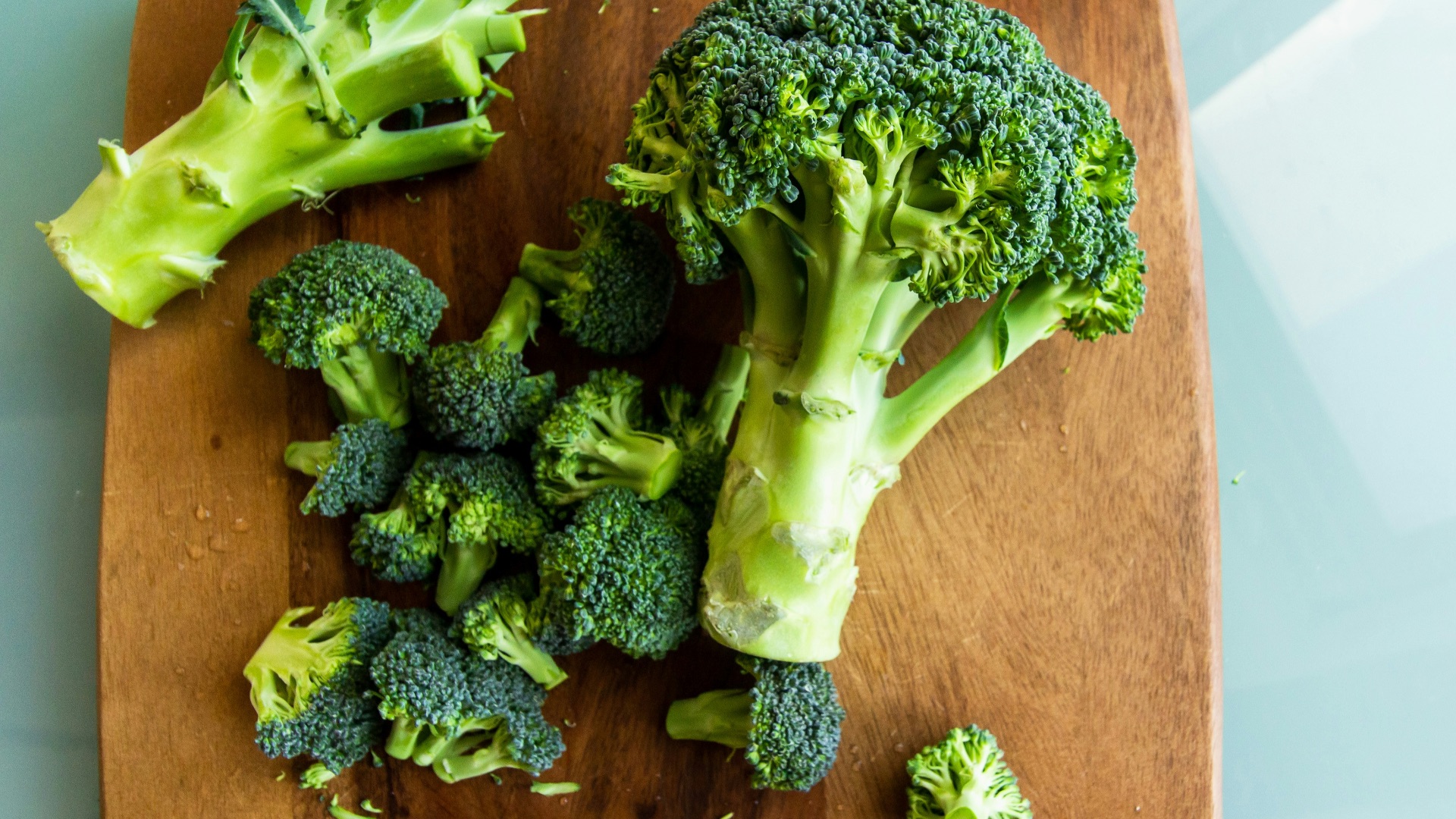
Raw broccoli has a firm crunch and a fresh, mildly earthy flavor that works well in salads, slaws, and vegetable platters. The florets hold creamy dips and dressings especially well, while the peeled stems can be sliced into crisp sticks. Cooking often brings out a stronger cabbage-like smell and can turn the texture soft if it goes on too long. When you want broccoli to taste fresh and retain plenty of bite, raw is often the better option.
10. Red Cabbage
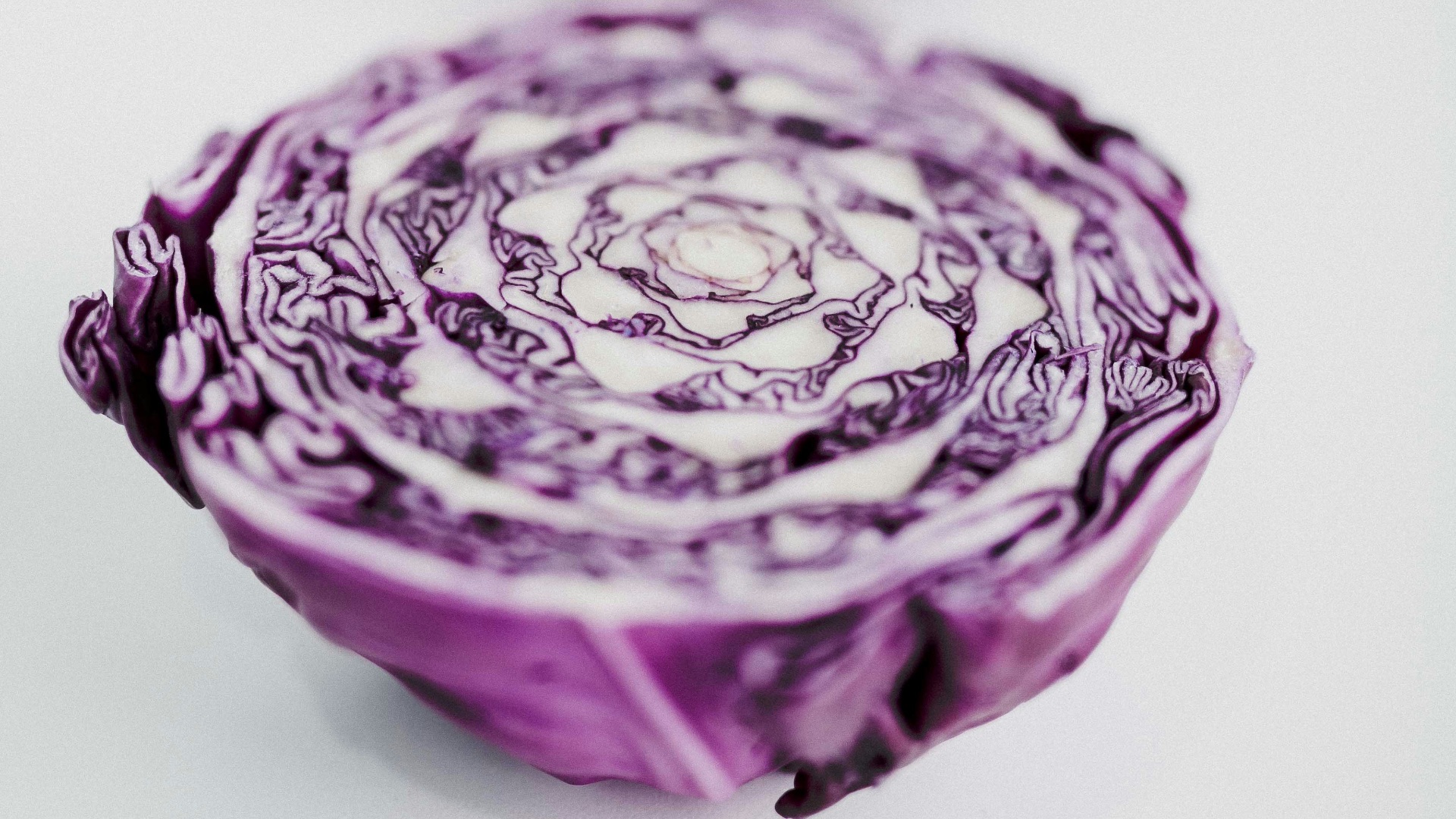
Raw red cabbage has a sturdy crunch that gives slaws and salads plenty of structure. Its slightly peppery flavor works well with tangy dressings, sweet fruit, and creamy ingredients. Cooking can make it softer and more strongly flavored, which isn’t always appealing to people who dislike cabbage. In its raw form, it tastes fresher and usually feels less heavy.
Yet, while raw vegetables can be crisp and satisfying, some varieties aren’t nearly as pleasant straight from the cutting board. Let's take a look at 10 choices that taste much better cooked.
 Tanalee Youngblood on Unsplash
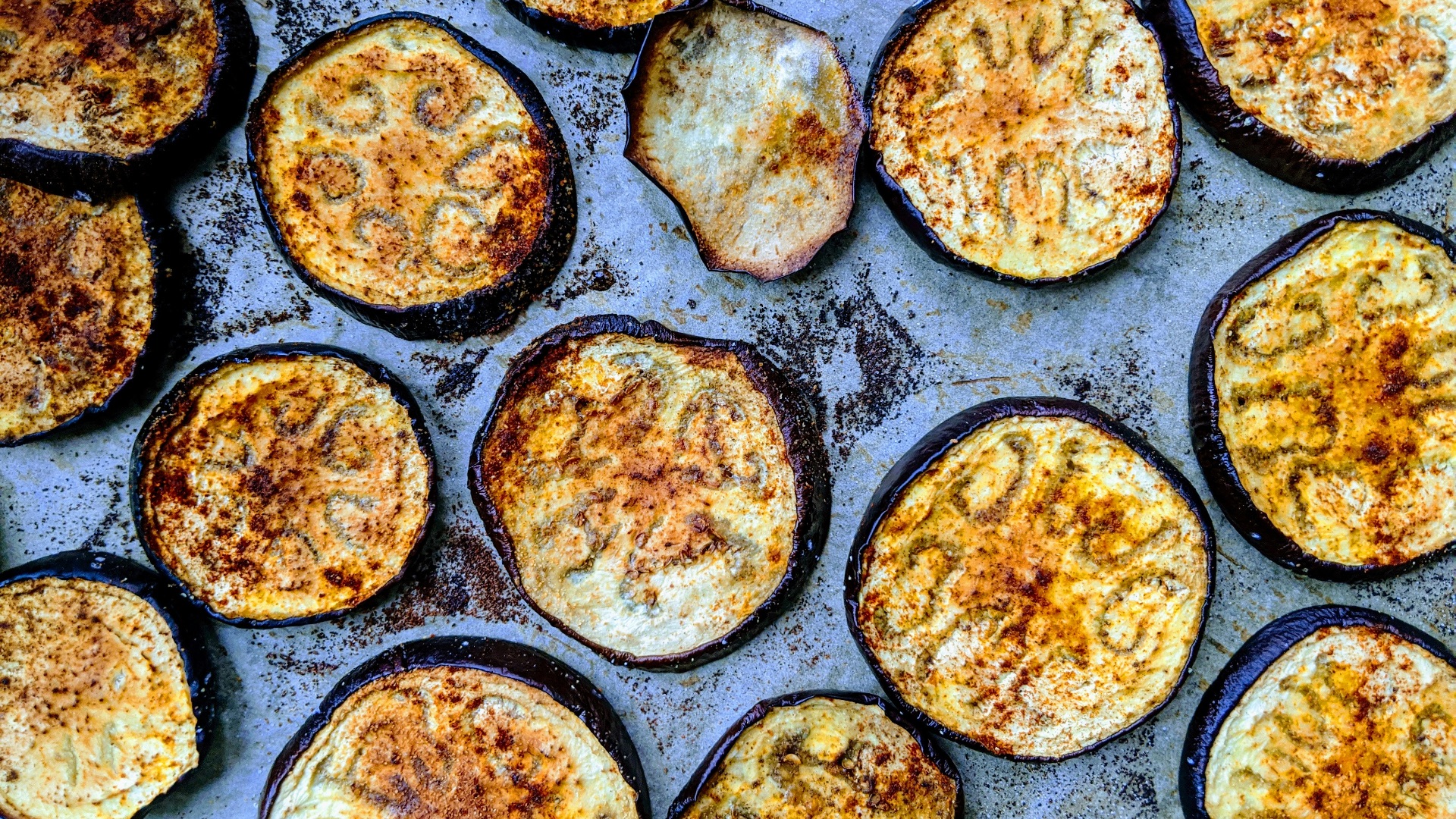
1. Eggplant
Raw eggplant has a spongy, firm texture and a bitter taste that makes it unpleasant for most people. Cooking transforms the flesh into something tender and much easier to season. Roasting, grilling, and frying also allow eggplant to absorb sauces, spices, and marinades. It’s a vegetable that needs heat before its best qualities become noticeable.
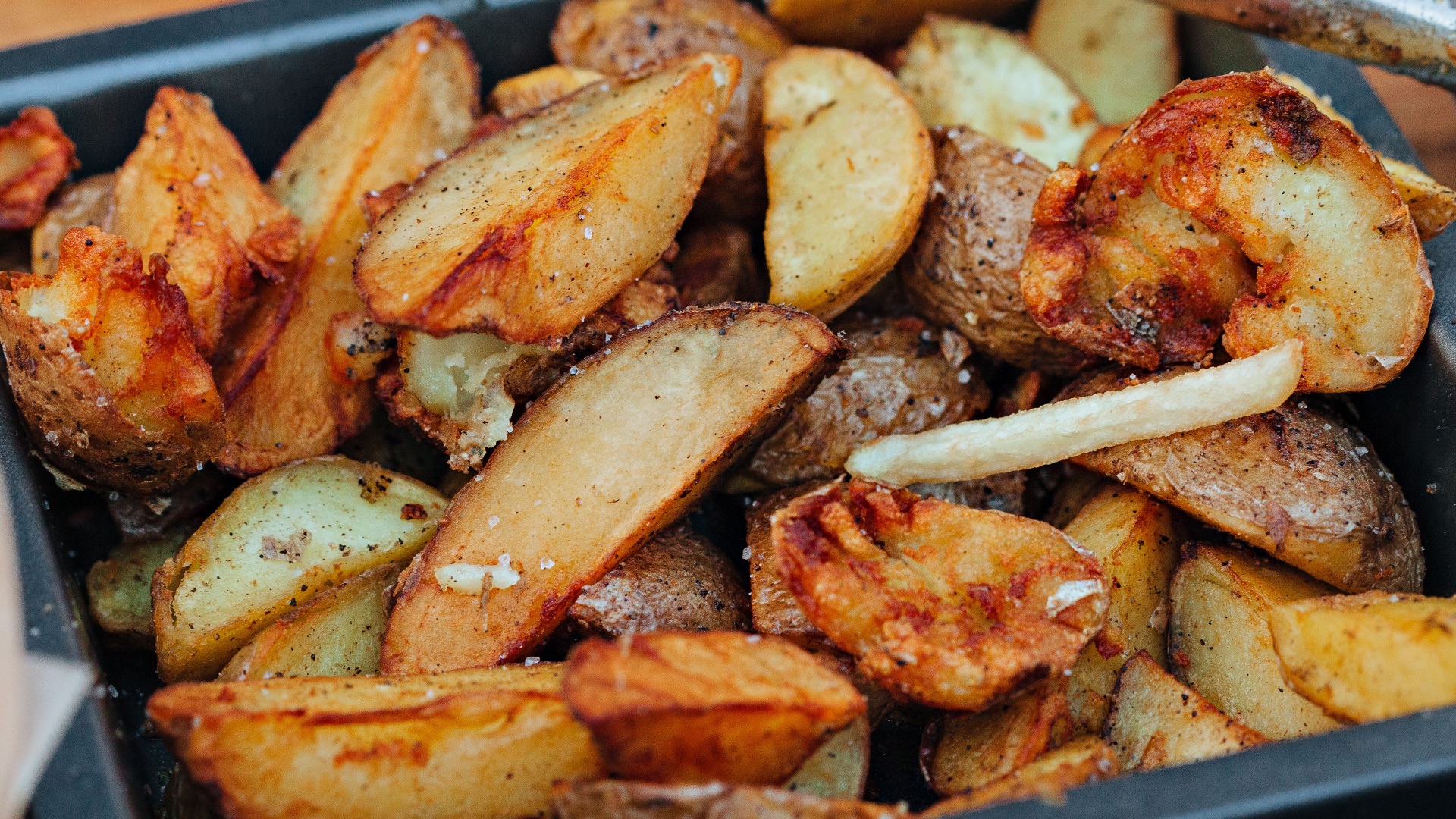
2. Potatoes
Raw potatoes are starchy, hard, and difficult to chew, so there’s little reason to serve them uncooked. Heat softens the interior while creating countless possible textures, from fluffy and creamy to crisp and browned. Baking, boiling, roasting, and frying each produce a very different result. Few vegetables change as dramatically or as successfully through cooking.
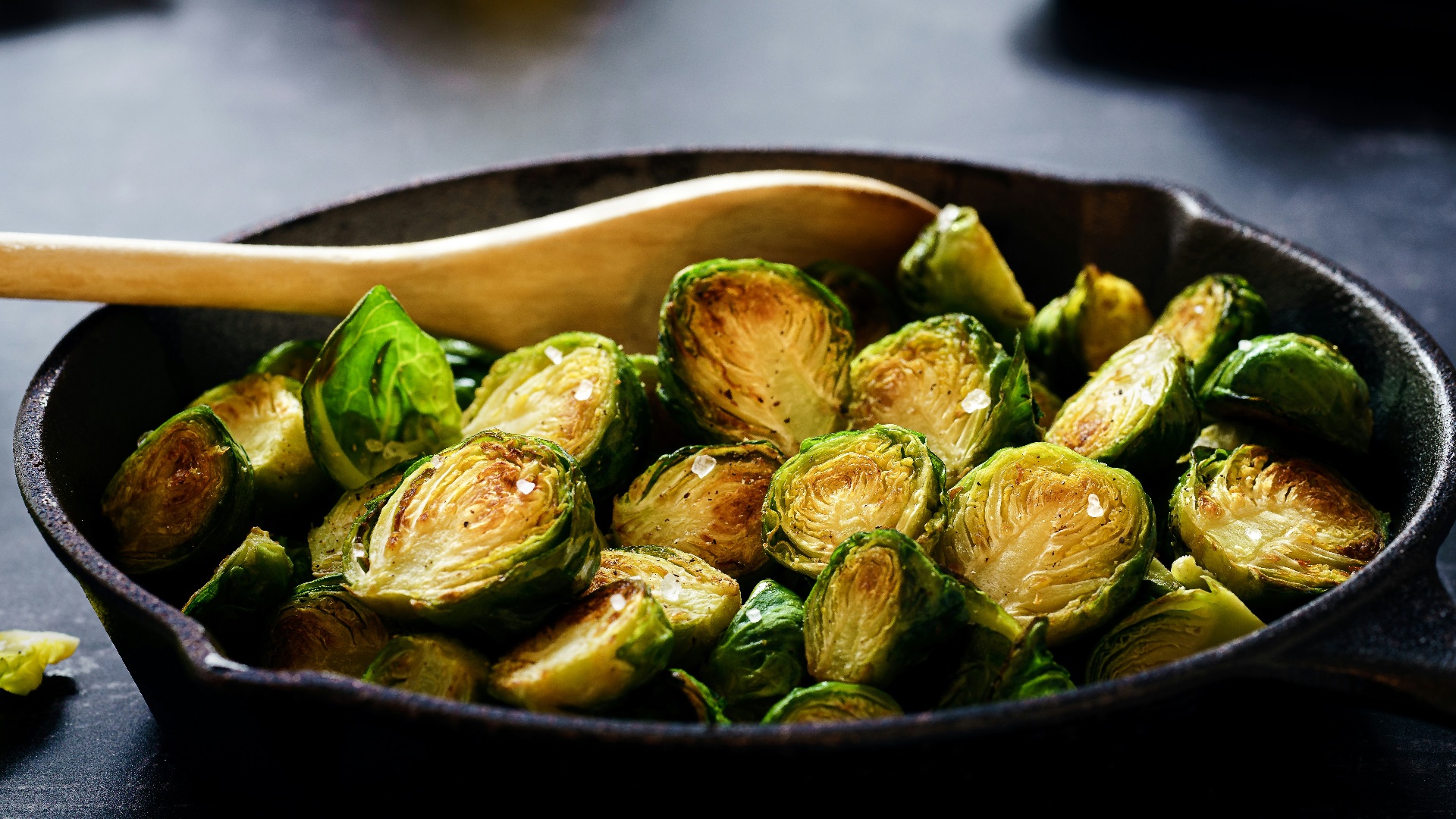
3. Brussels Sprouts
Raw Brussels sprouts can taste bitter and feel overly dense unless they’re sliced extremely thin. Roasting or sautéing softens their texture and brings out a sweeter, nuttier flavor. Browning the outer leaves adds another layer of flavor that raw preparation can’t provide. Properly cooked Brussels sprouts are far more appealing than their reputation suggests.
 Sebastian Coman Photography on Unsplash
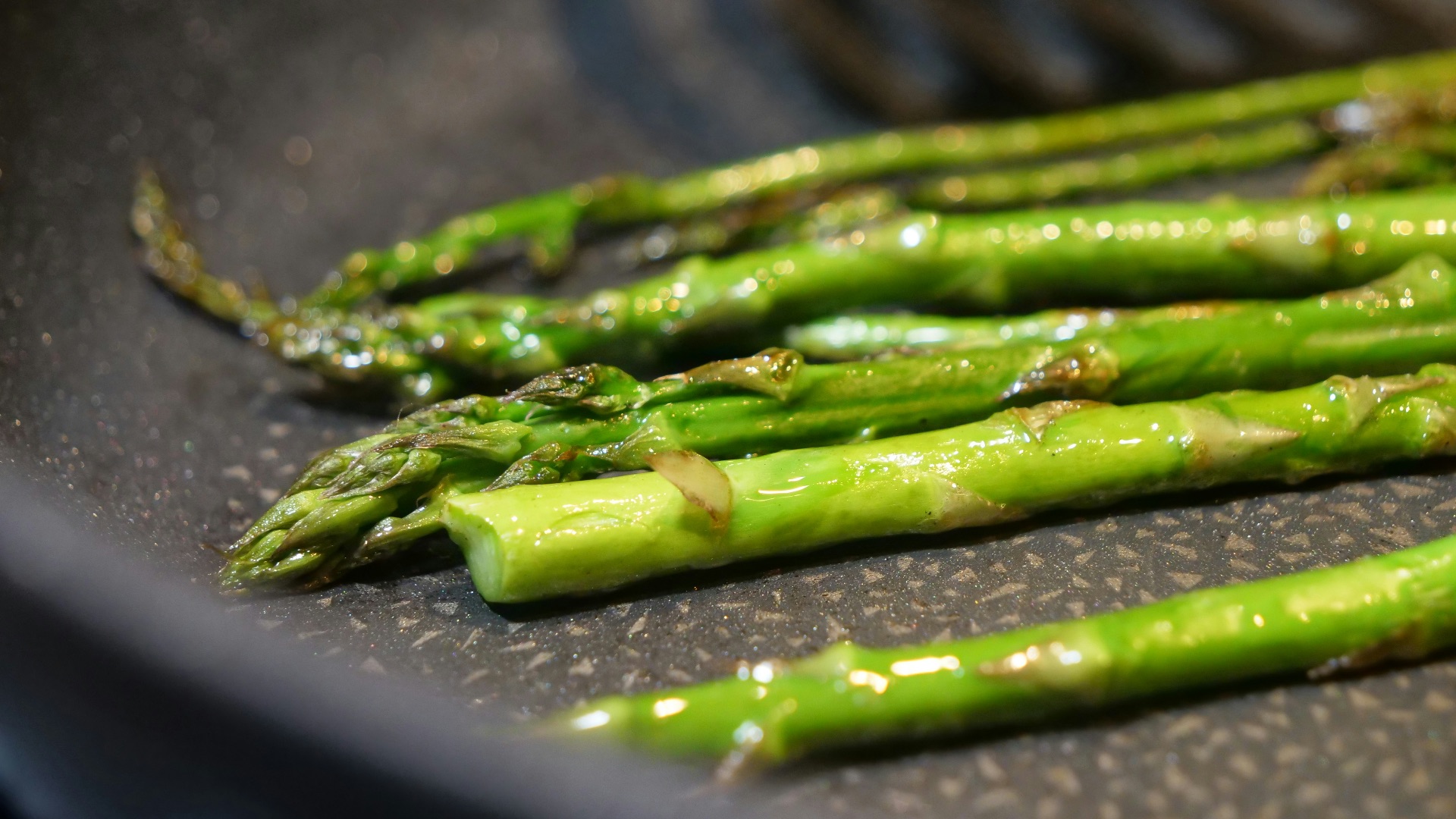
4. Asparagus
Uncooked asparagus can be fibrous, grassy, and difficult to bite through, particularly when the stalks are thick. A few minutes of roasting, grilling, or sautéing makes the spears tender while preserving a slight snap. Cooking also softens the stronger green flavor without making the vegetable bland. Asparagus is usually most enjoyable when it’s cooked just until tender.
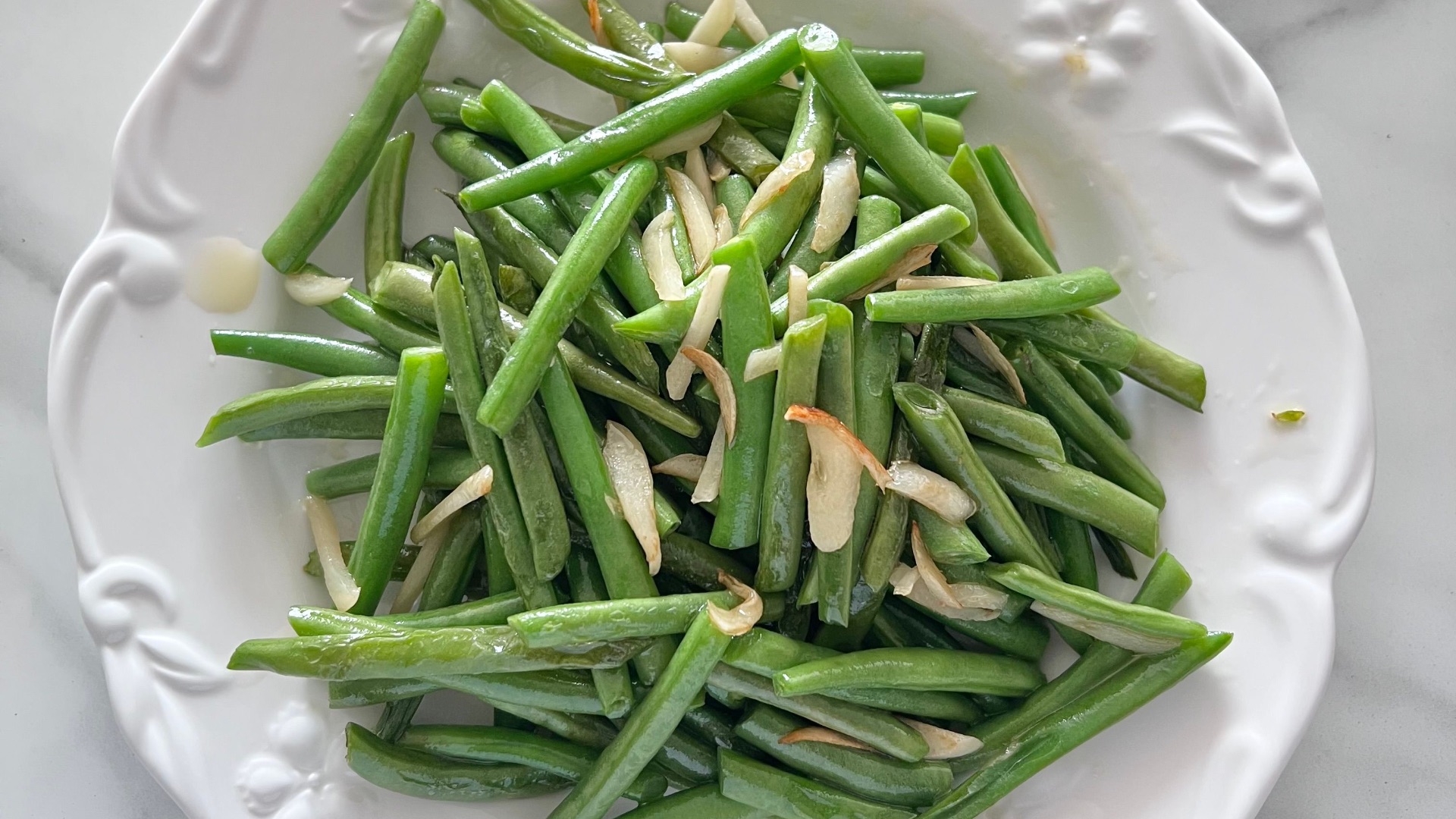
5. Green Beans
Raw green beans are firm and can have a slightly grassy flavor that some people find unpleasant. Blanching or sautéing improves their tenderness while allowing them to retain enough crispness to stay interesting. They also absorb garlic, butter, lemon, and other seasonings more effectively after being heated. The goal is to cook them without letting them become soft and dull.
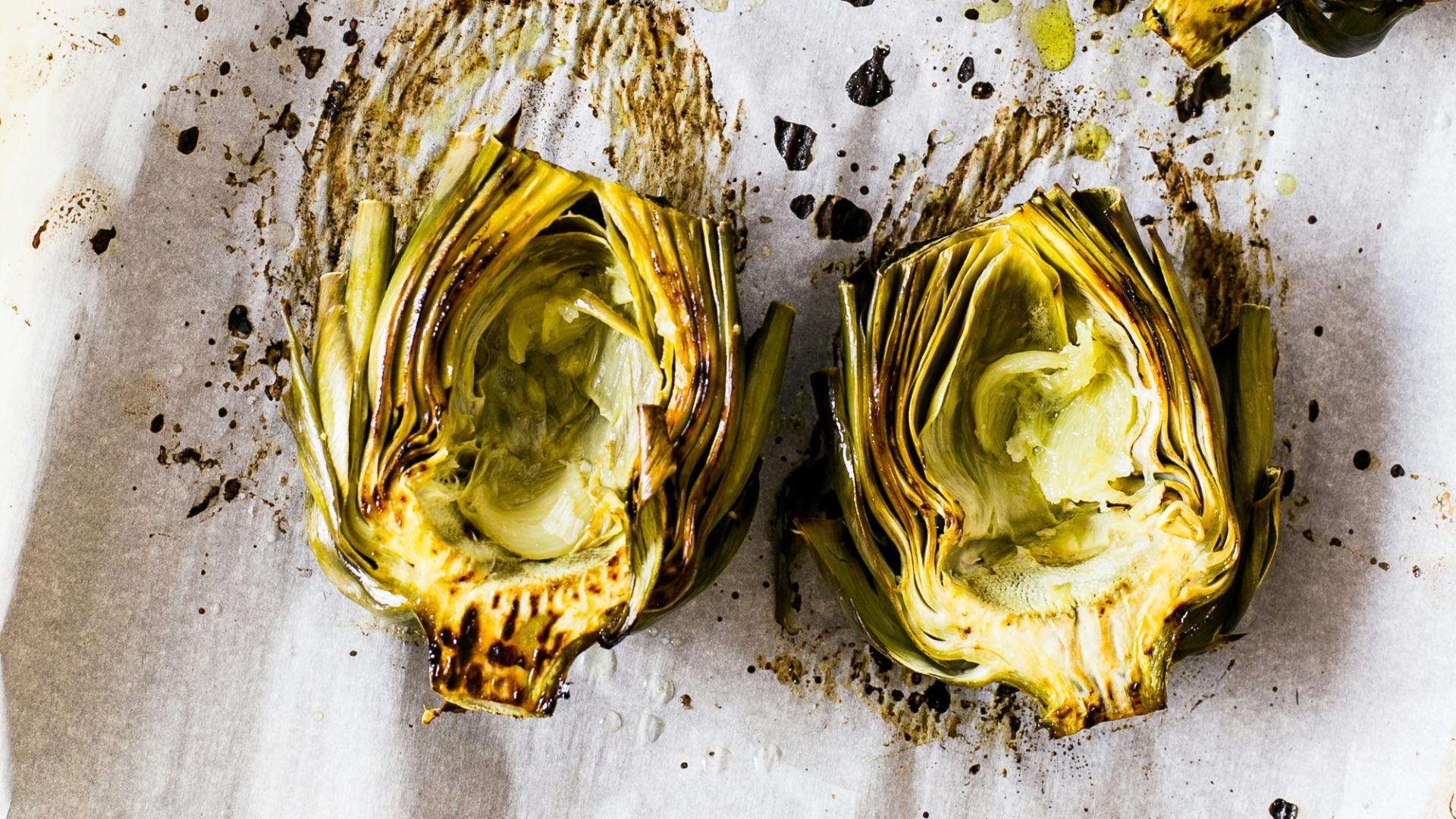
6. Artichokes
Artichokes are far too tough and fibrous to enjoy raw in their whole form. Steaming, boiling, or roasting softens the leaves and makes the tender flesh at their base easy to scrape away. Cooking is also necessary to reach and enjoy the soft heart in the center. Although thinly shaved raw artichoke appears in some dishes, most varieties are much better after thorough cooking.
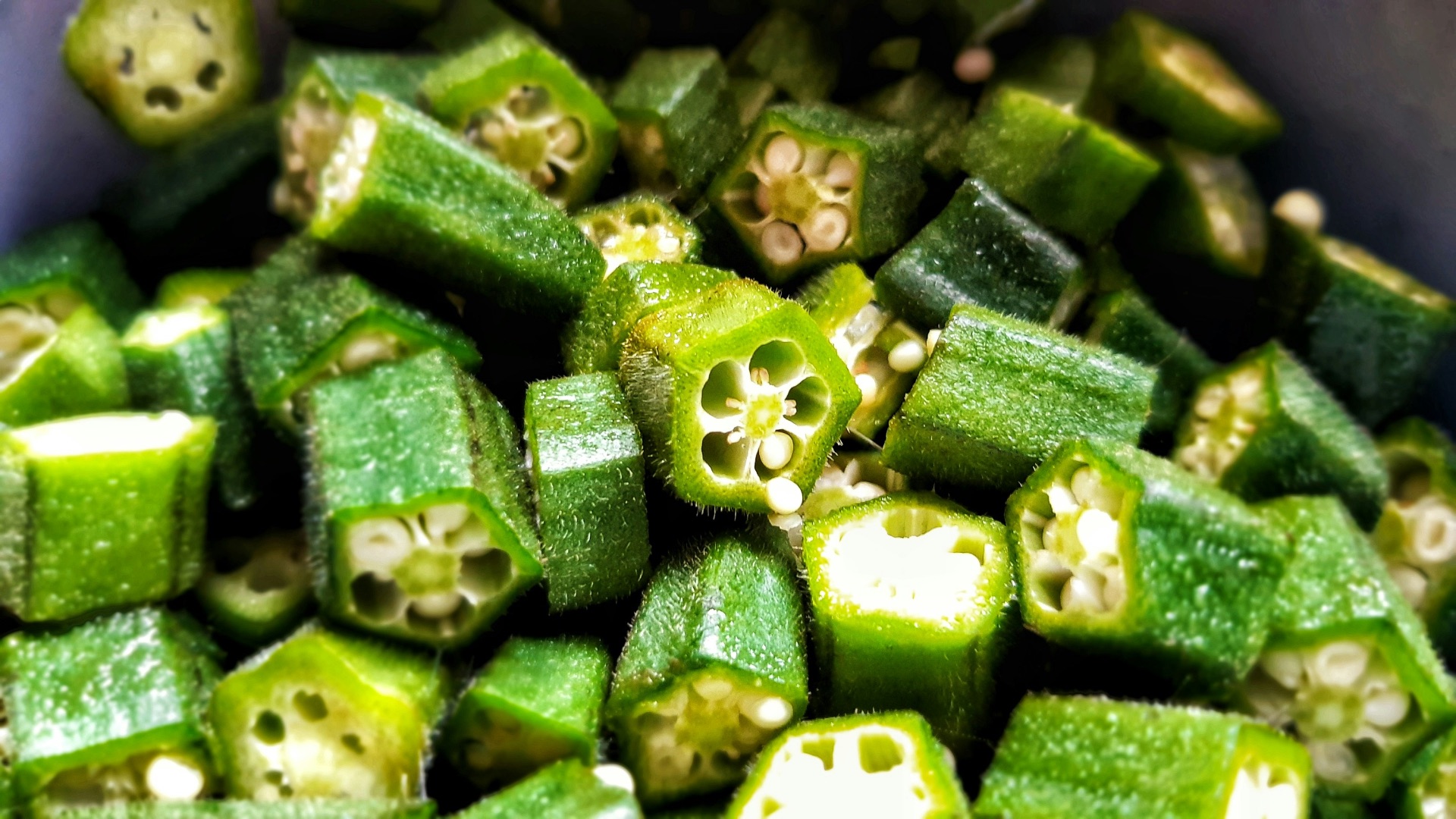
7. Okra
Raw okra has a grassy taste and a firm texture that doesn’t appeal to everyone. Cooking allows it to become tender and gives it the chance to absorb stronger flavors from spices, tomatoes, or sauces. Roasting and frying can also reduce the slippery texture that often concerns hesitant eaters. The right cooking method makes okra far more flavorful and approachable.
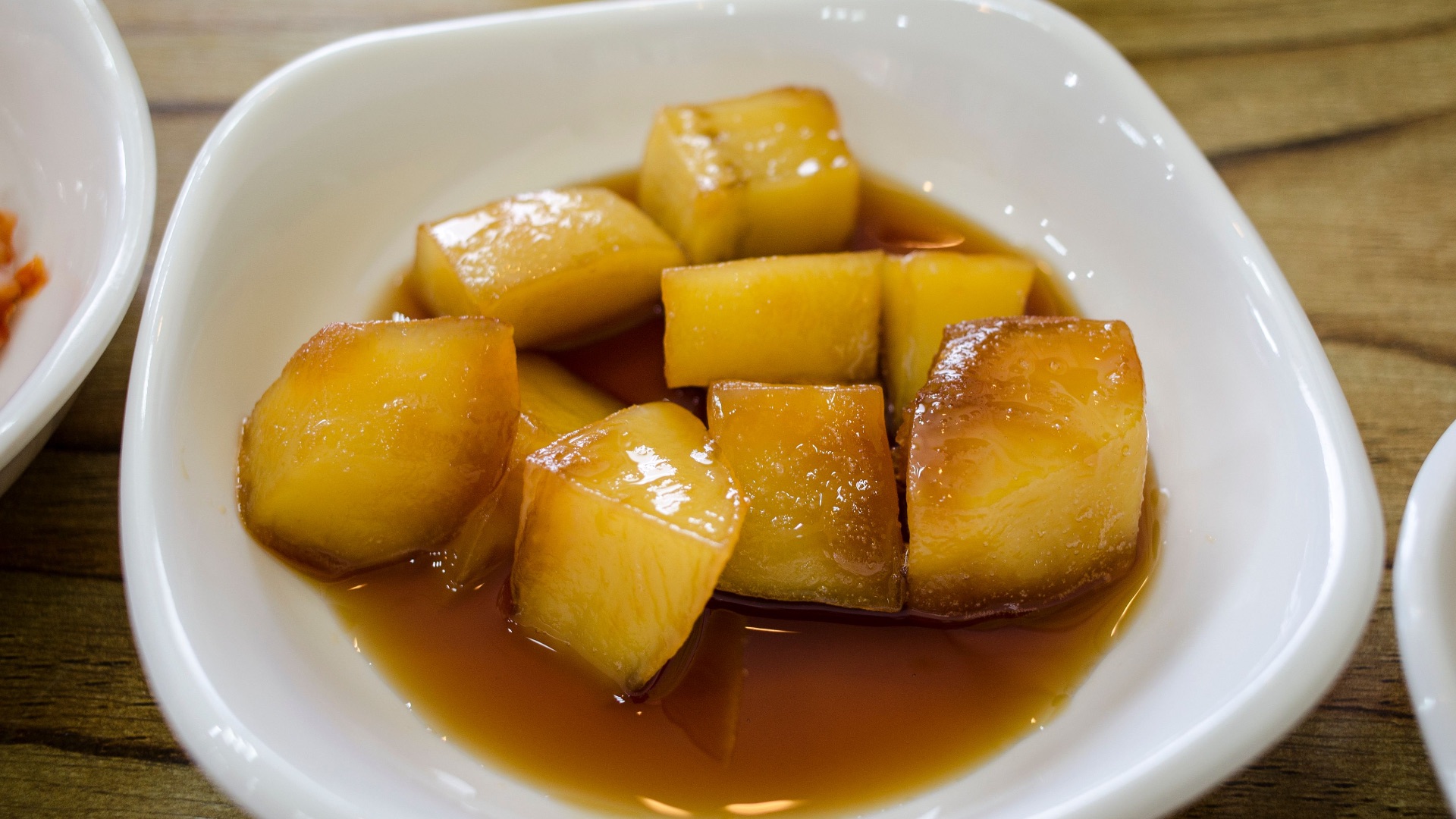
8. Turnips
Raw turnips can be sharp, peppery, and harder than many people expect. Roasting mellows their bitterness and brings out a subtle sweetness, while boiling makes them soft enough to mash. They also pair well with herbs, butter, and other root vegetables once cooked. Heat makes their flavor less aggressive and their texture considerably more pleasant.
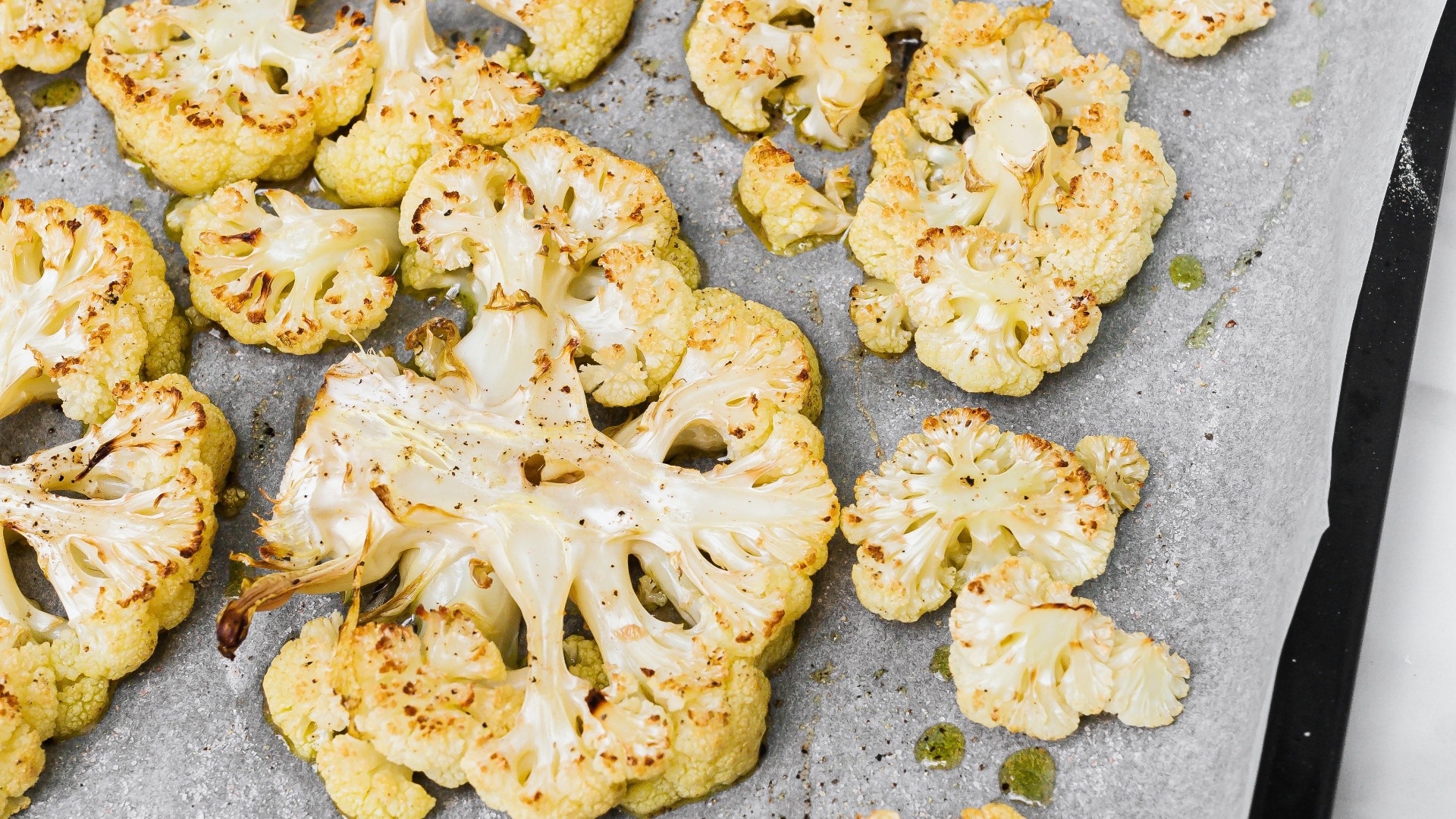
9. Cauliflower
Raw cauliflower is edible, sure, but its dense texture and slightly sharp flavor can make it feel dry and bland. Roasting brings out a deeper sweetness while creating browned edges that add far more flavor. Steaming, mashing, or sautéing also softens the florets and helps them absorb seasonings more effectively. For most people, cauliflower becomes much more enjoyable once it’s cooked.
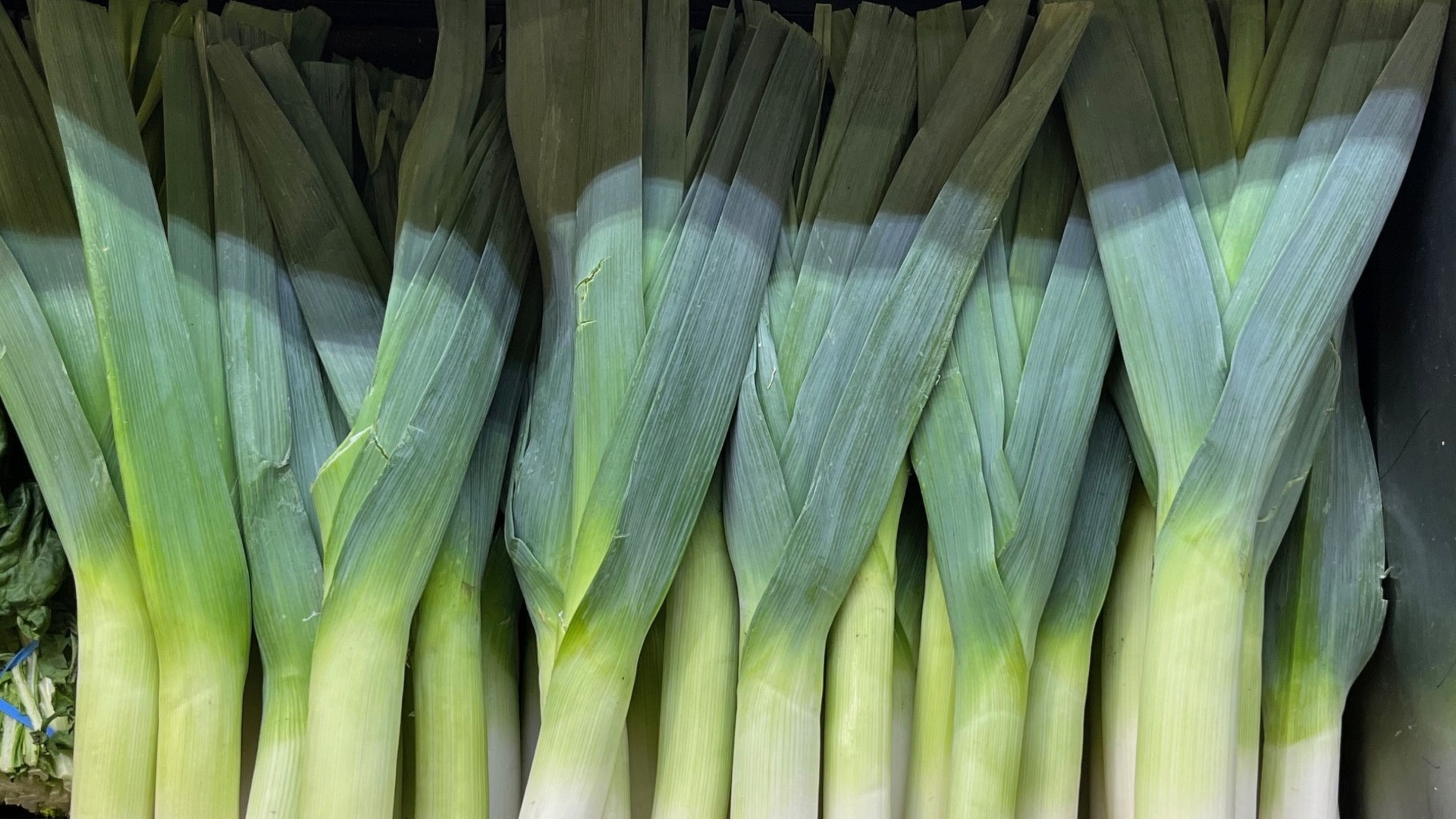
10. Leeks
Raw leeks have a strong onion flavor and a firm, fibrous texture that can be overwhelming in large amounts. Cooking makes them tender, mild, and noticeably sweeter. They work especially well in soups, savory pies, pasta dishes, and roasted vegetable mixtures. Once softened, leeks provide a delicate flavor that’s far more balanced than their raw bite.
KEEP ON READING


20 Food-Related Art Projects