Some Foods Need That Home Field Advantage
Plenty of talented cooks can reproduce international dishes almost anywhere, so calling any food “only good” in one country is a hard sell. Still, certain specialties depend heavily on regional ingredients, practiced techniques, local serving customs, or the freshness that comes from being prepared close to their roots. Here are 20 dishes that are especially difficult to beat in their country of origin.
 Andri Klopfenstein on Unsplash
1. Pizza Napoletana, Italy
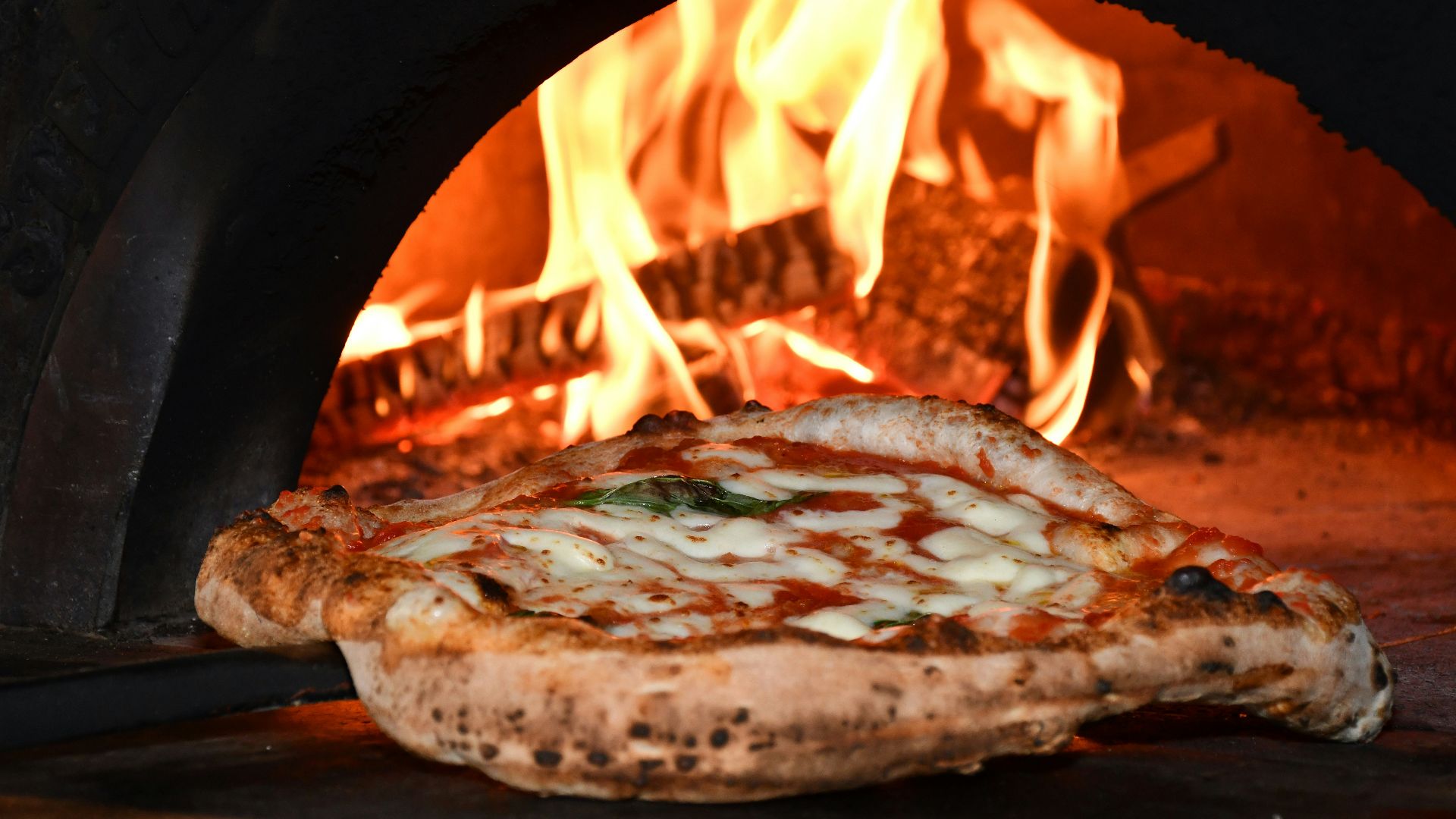
Neapolitan pizza has become an international standard, but Naples still provides the reference point for the real thing. Traditional versions use a soft, highly hydrated dough, restrained toppings, and extremely hot ovens that produce a tender center and raised crust.
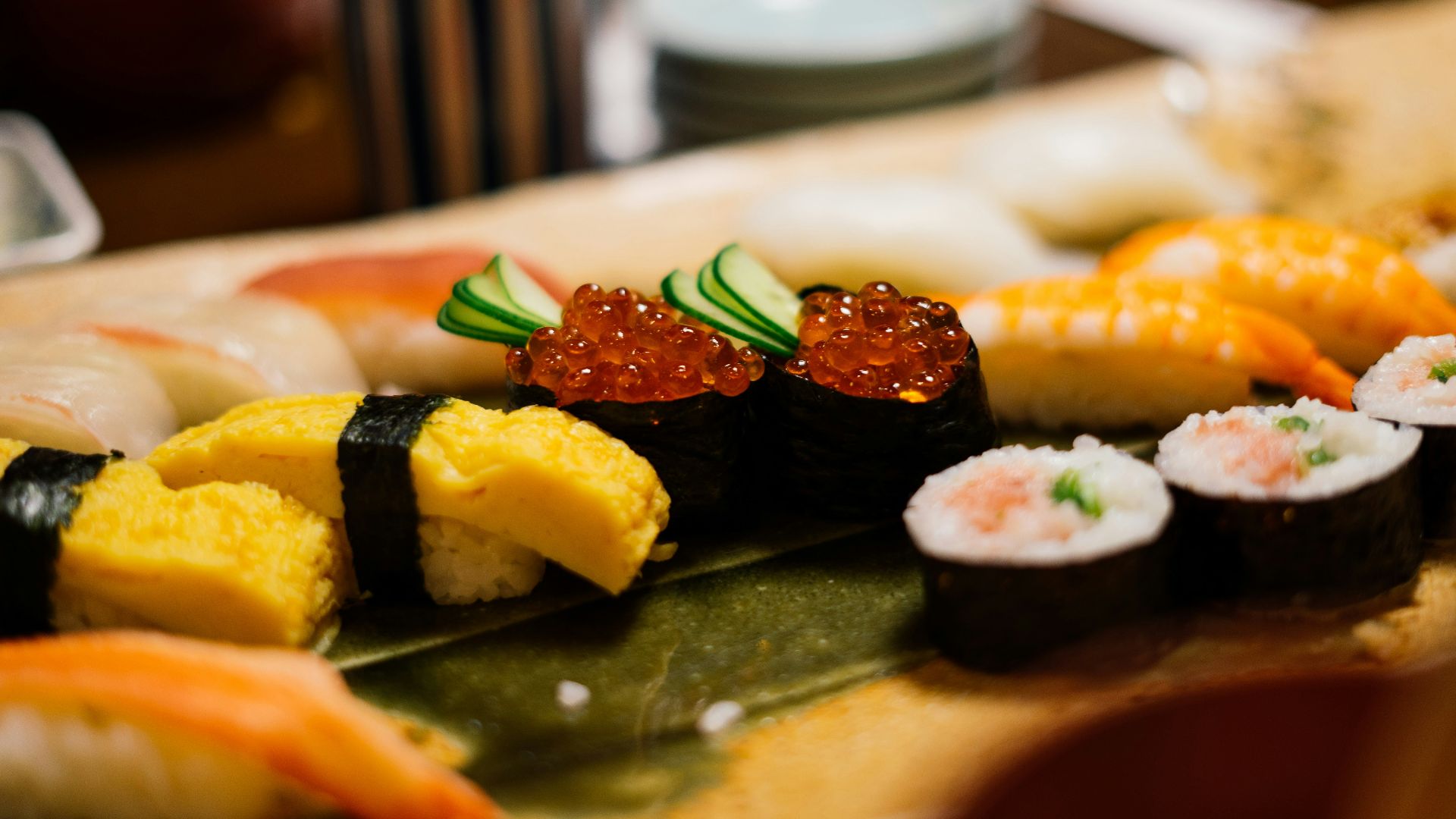
2. Sushi, Japan
Excellent sushi restaurants exist all over the world, yet eating sushi in Japan brings you closer to the regional and seasonal traditions that make it special. Skilled sushi chefs pay close attention to rice temperature, seasoning, slicing, and the characteristics of individual seafood.
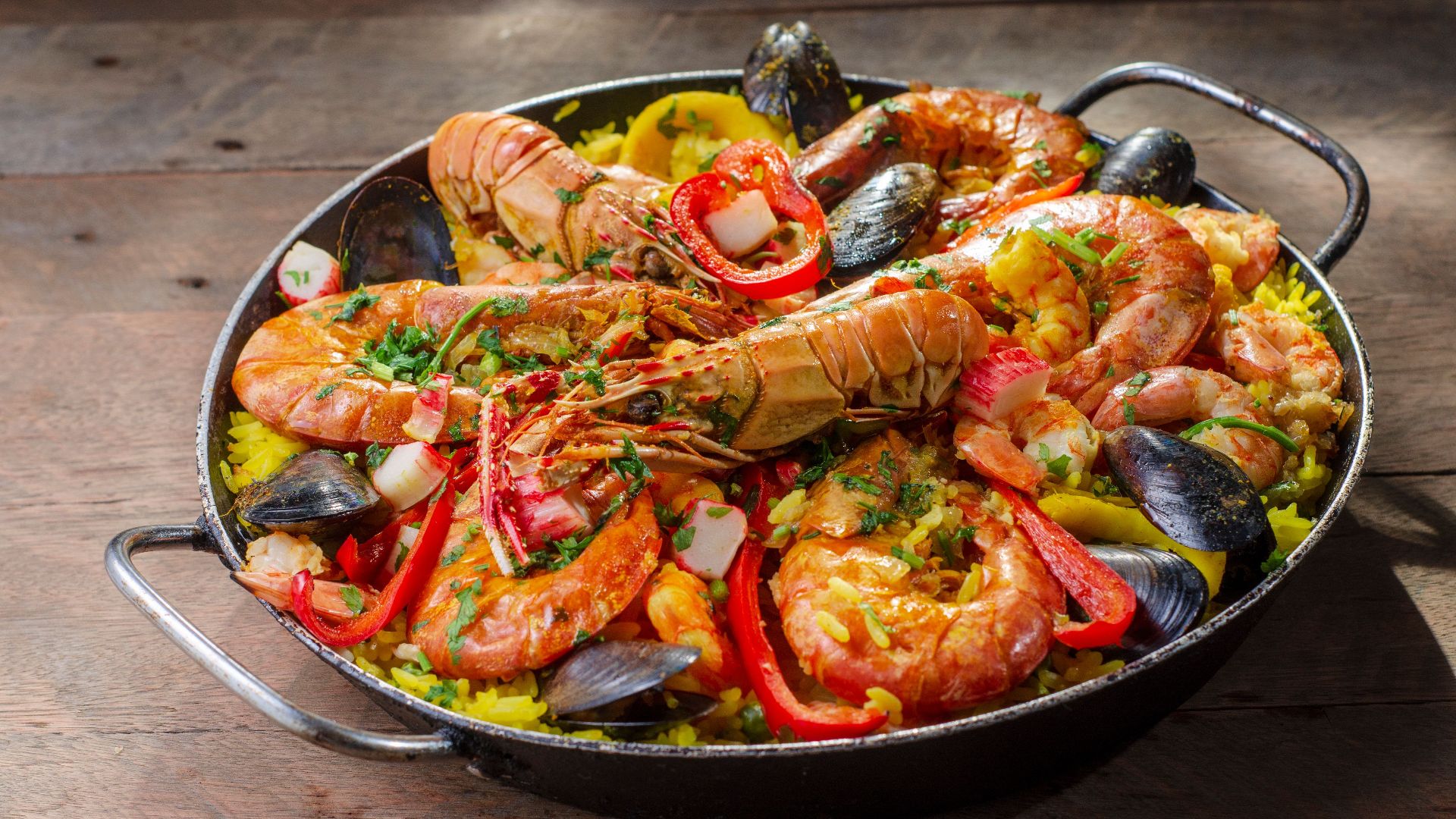
3. Paella Valenciana, Spain
Paella often becomes a generic seafood-and-rice dish once it travels abroad, but traditional Valencian paella follows a very specific tradition and identity. Eating it in Valencia makes the difference between the regional original and the many international interpretations particularly clear.
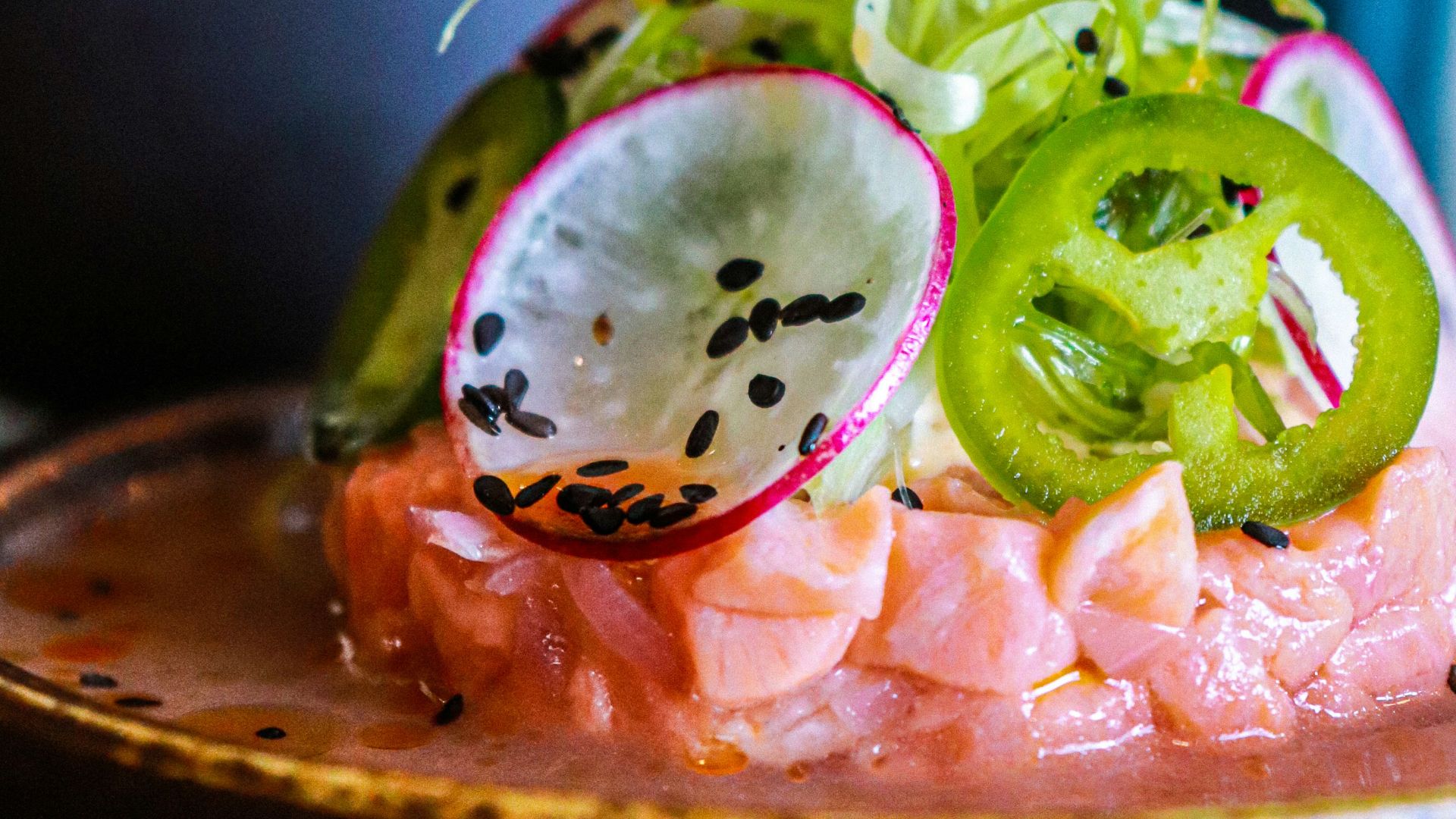
4. Ceviche, Peru
Peruvian ceviche depends on freshness, timing, and specific seasoning, which makes mediocre recreations particularly noticeable. Raw fish is briefly dressed with citrus, chile, onion, and other seasonings rather than being left to marinate indefinitely. In Peru, access to fresh seafood and established cevichería culture helps preserve the bright flavor and firm texture the dish needs to shine.
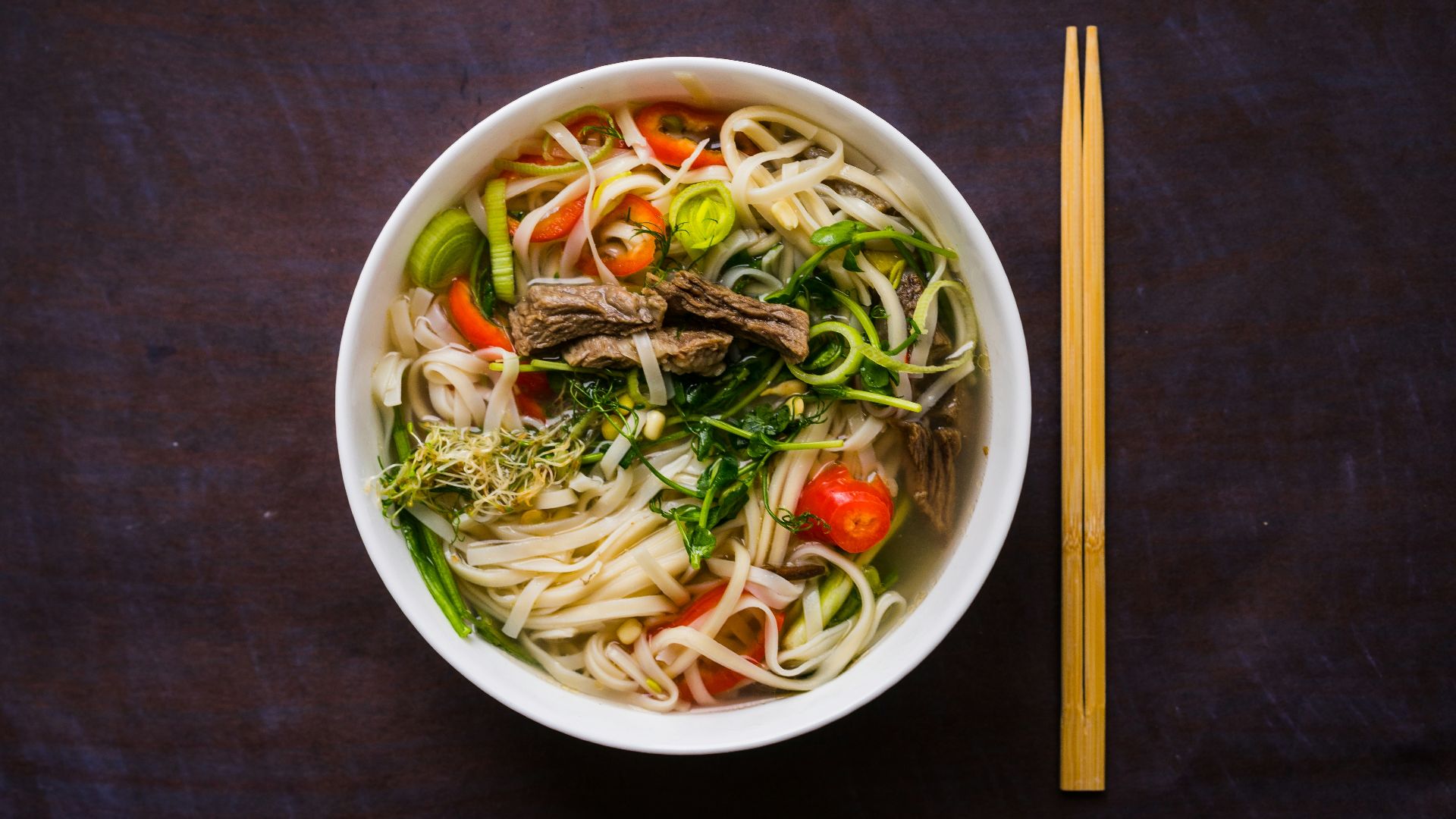
5. Phở, Vietnam
A convincing bowl of phở is far more complicated than simply combining noodles, beef, and broth. Vietnamese versions typically rely on patiently prepared stock, rice noodles, fragrant spices, herbs, and carefully selected accompaniments that vary by region.
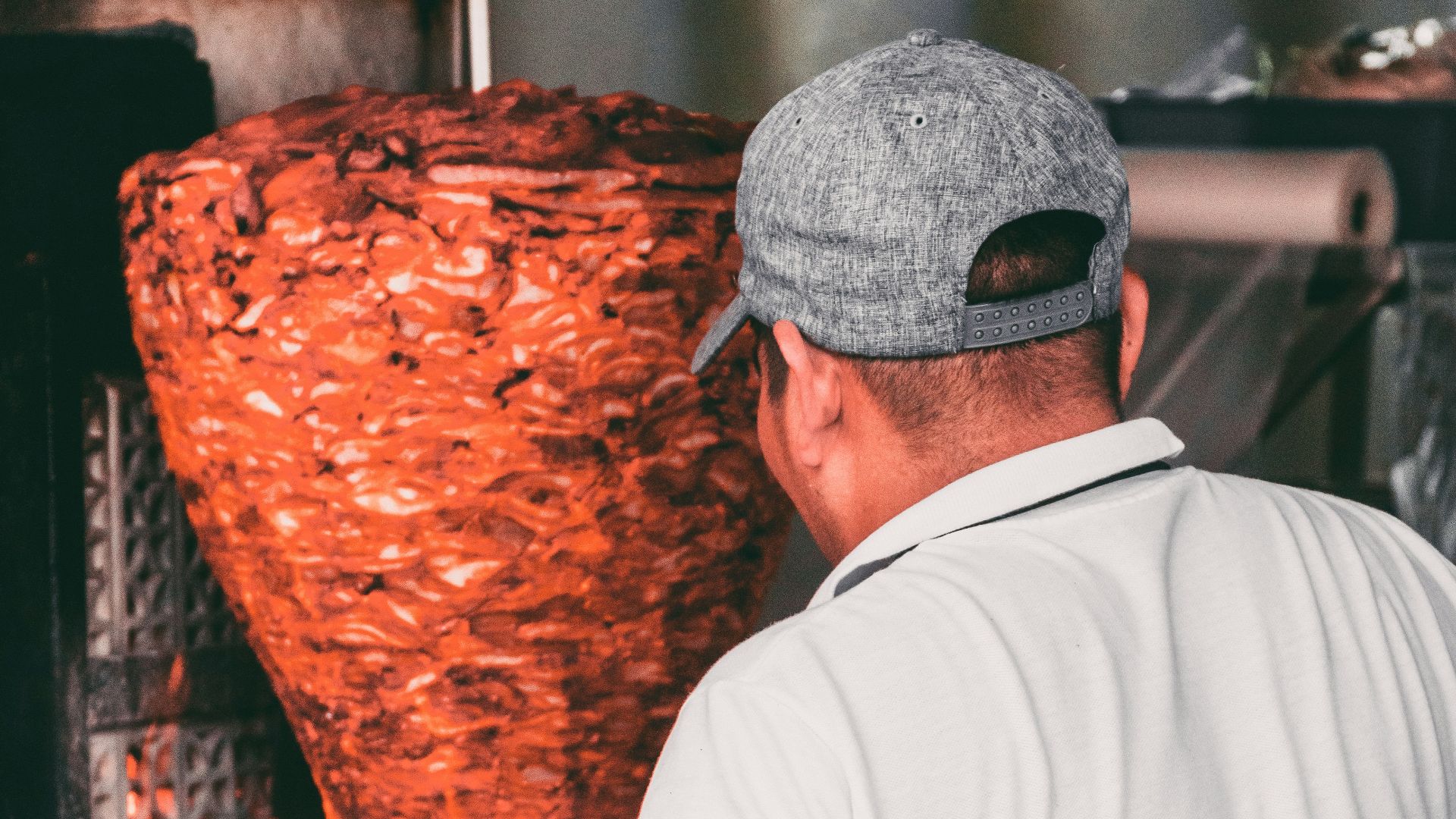
6. Tacos al Pastor, Mexico
Tacos al pastor are best when thinly sliced marinated pork is cooked on a vertical spit and served immediately. Mexico City's taquerías have refined the combination of meat, small corn tortillas, onion, cilantro, salsa, and often pineapple into a remarkable meal. Thick tortillas or pre-cooked pork rarely deliver the same experience.
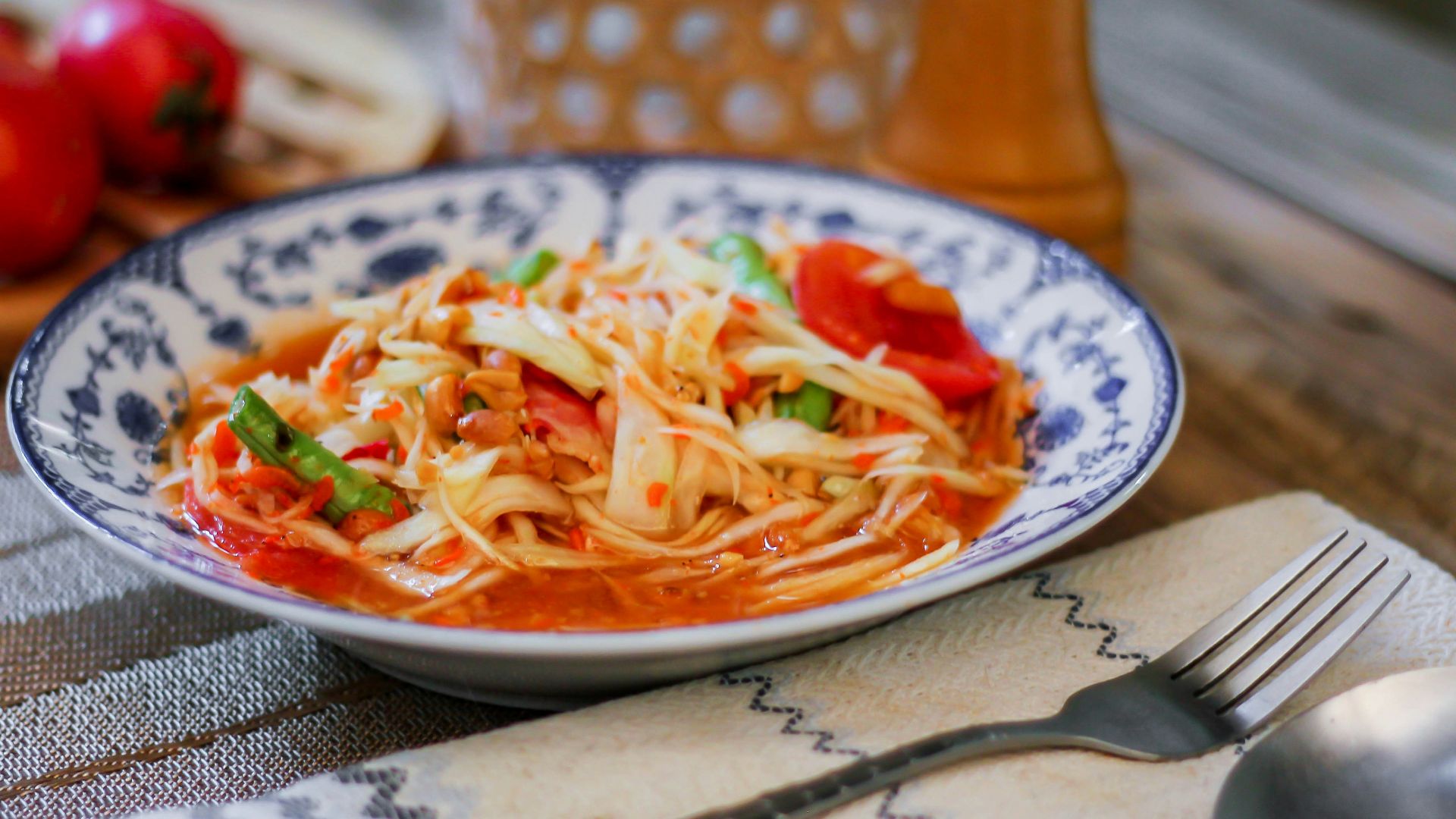
7. Som Tam, Thailand
Thailand's green papaya salad relies on a combination of crunch, acidity, sweetness, saltiness, and chile heat that needs careful adjustment. Versions made cautiously for unfamiliar diners can lose much of the potent seasoning that gives som tam its character.
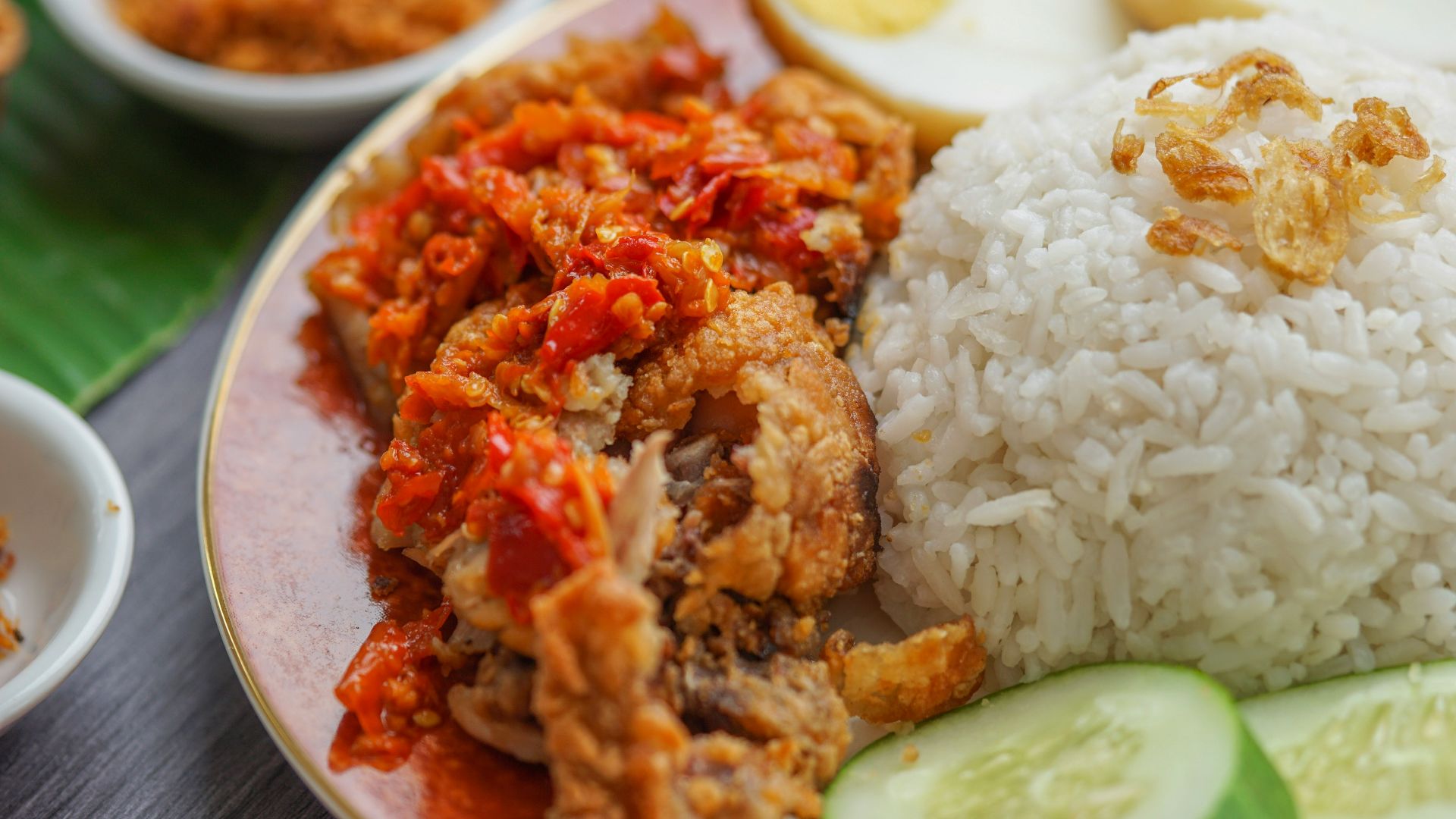
8. Nasi Lemak, Malaysia
Nasi lemak may look straightforward, but every component has an important job. Malaysia's countless roadside stalls and restaurants make it easy to appreciate how much variation can exist within this familiar national favorite.
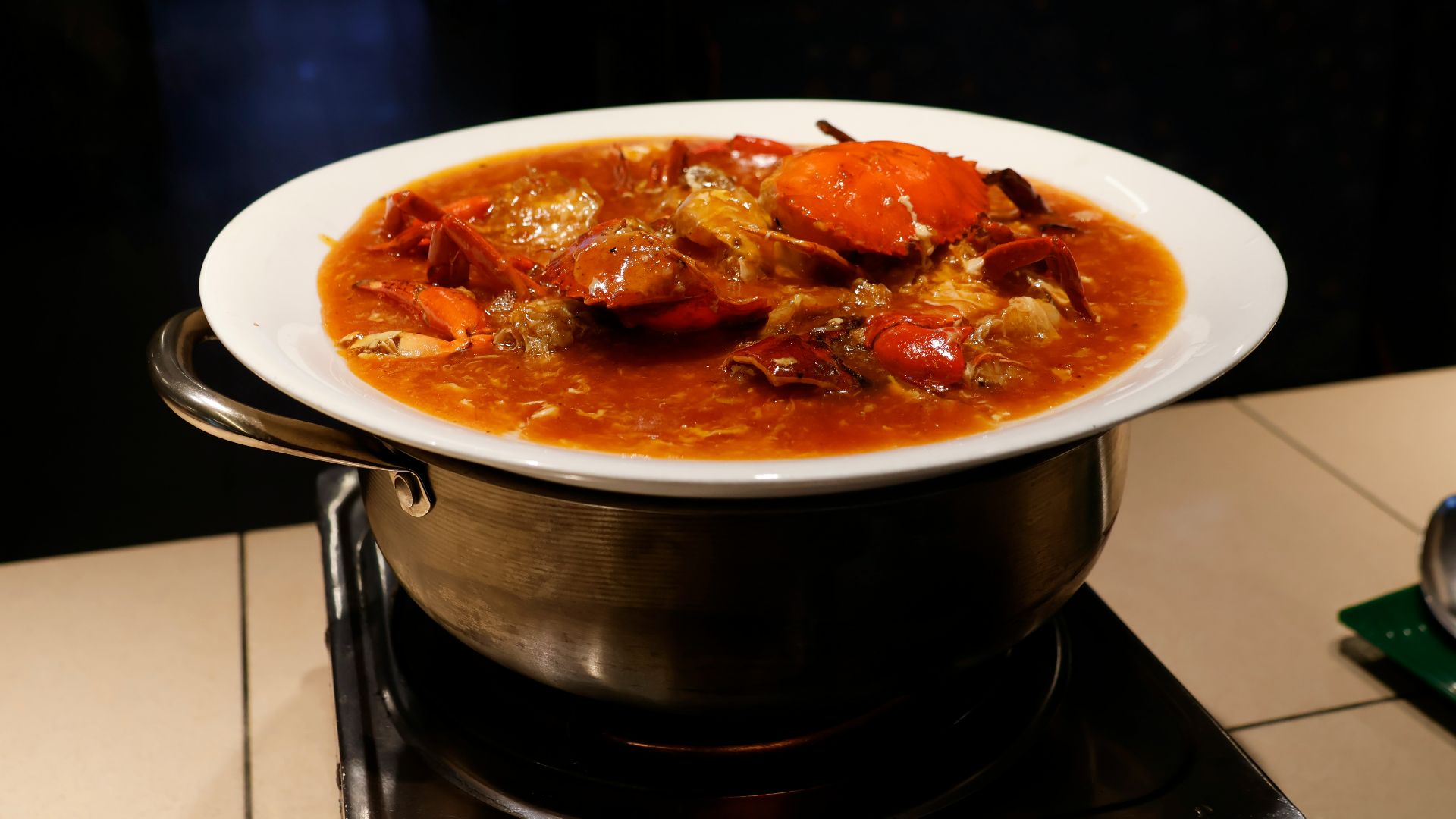
9. Chili Crab, Singapore
Singapore's chili crab isn't meant to be a neat or restrained dining experience. Because the quality of the crab and sauce both matter enormously, diluted overseas versions can leave you wondering why the original earned such prominence.
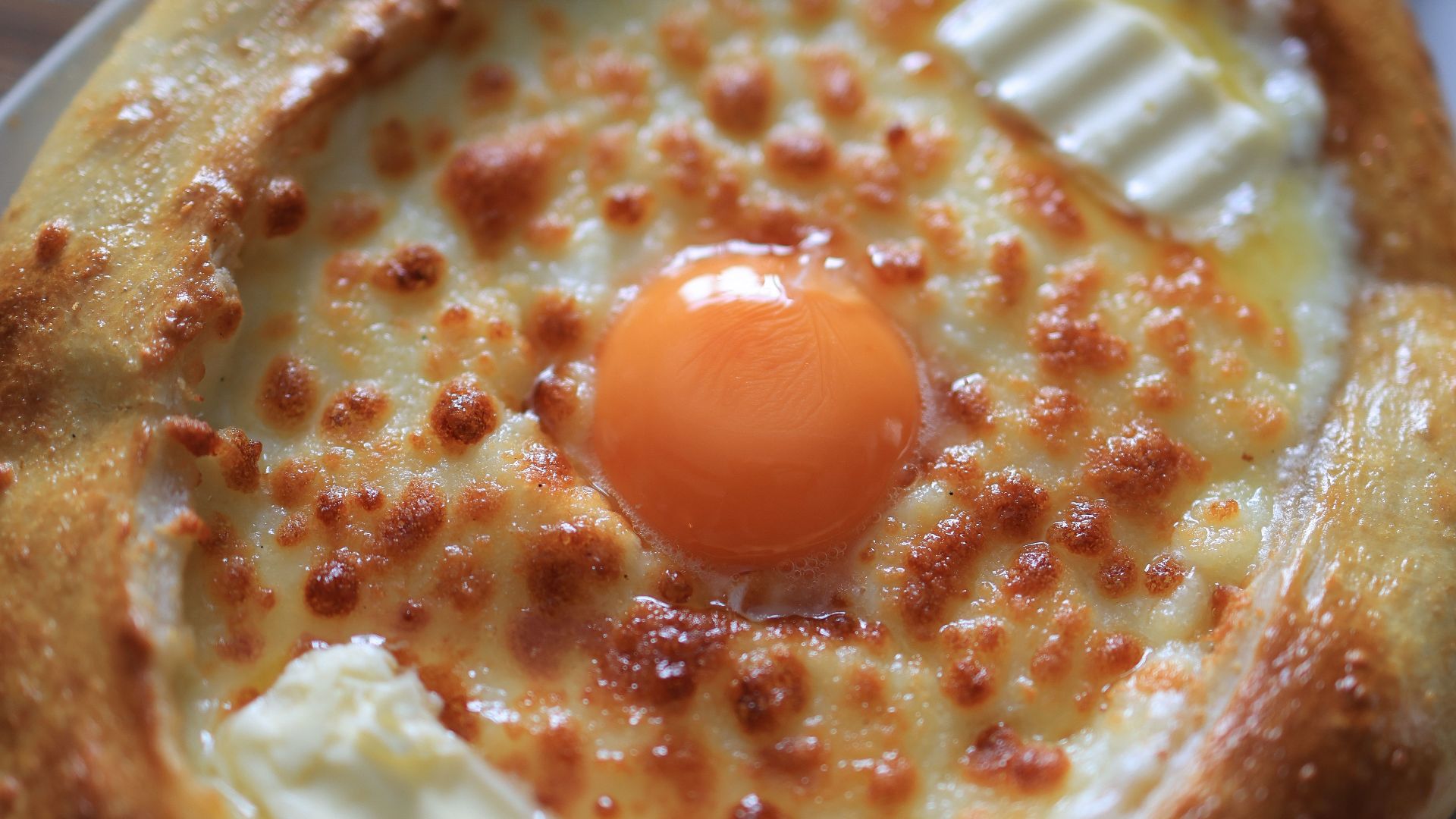
10. Khachapuri, Georgia
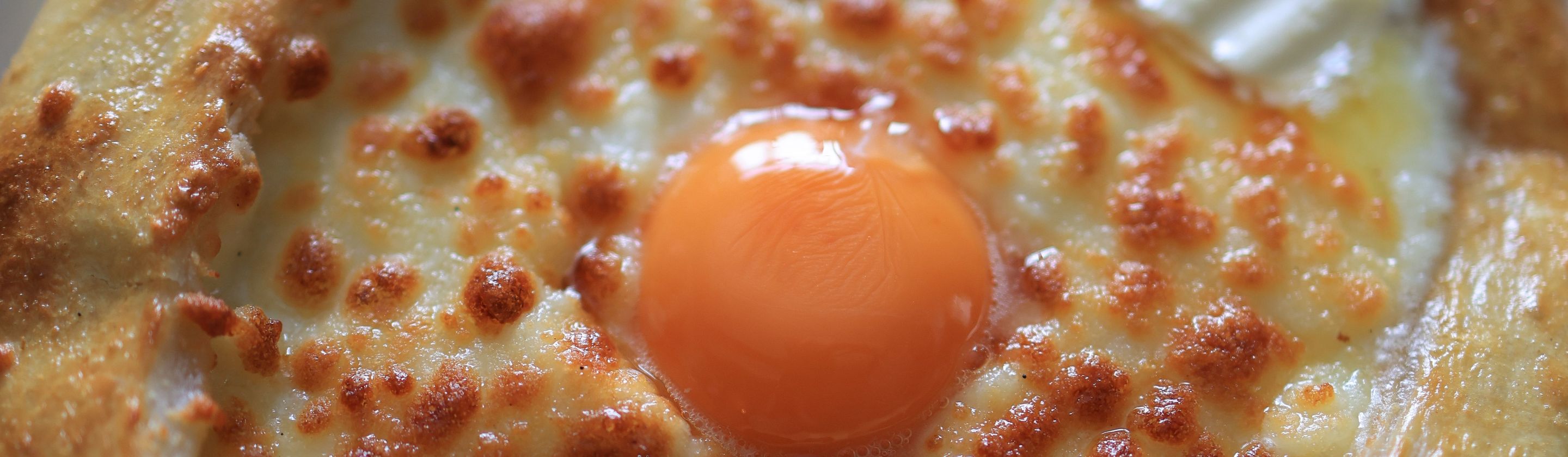
Georgia has numerous regional forms of khachapuri, making the generic cheese-filled versions found abroad only part of the story. Adjarian khachapuri is especially recognizable, with its boat-shaped bread, melted cheese, egg, and butter served piping hot.
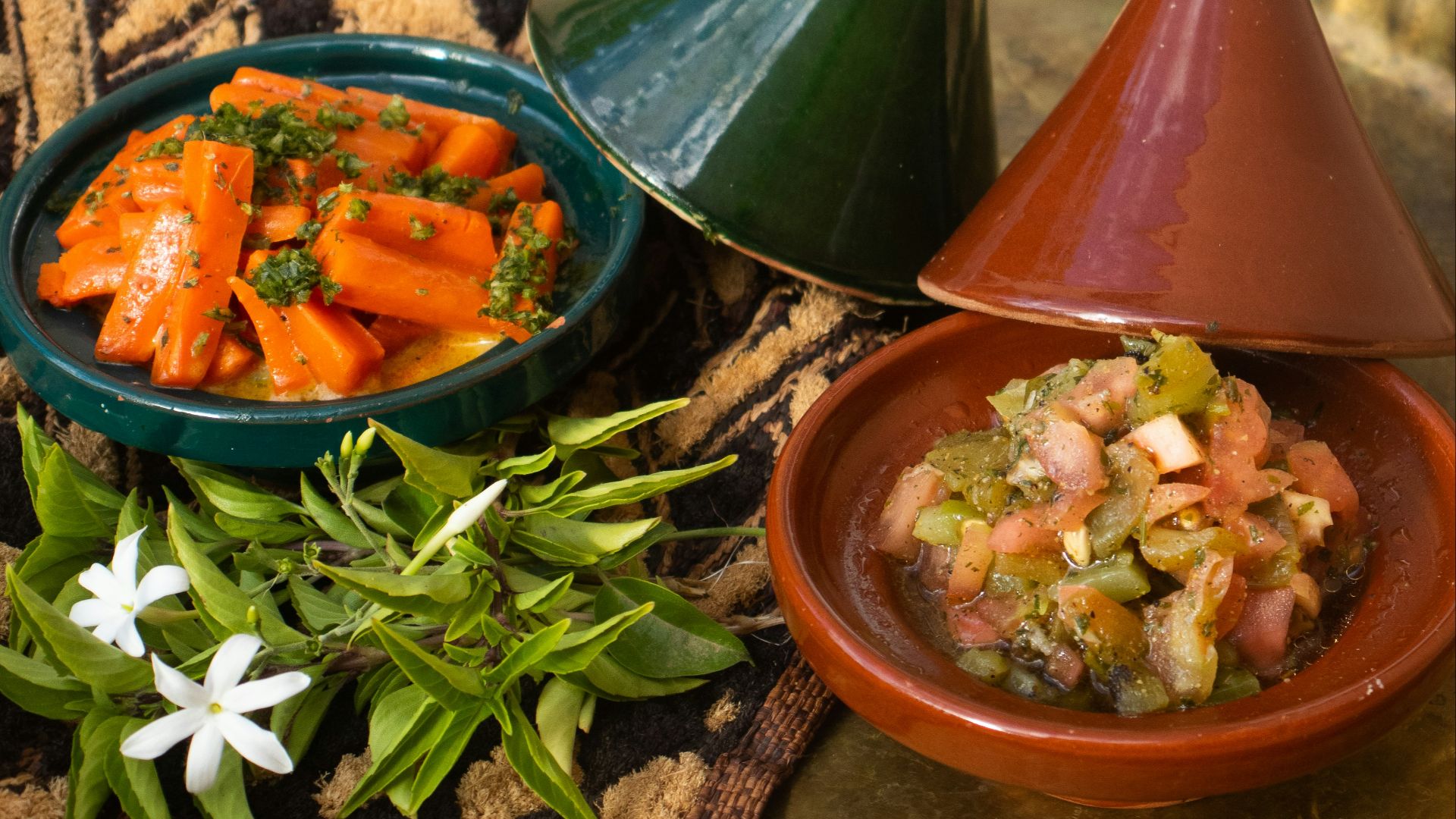
11. Tagine, Morocco
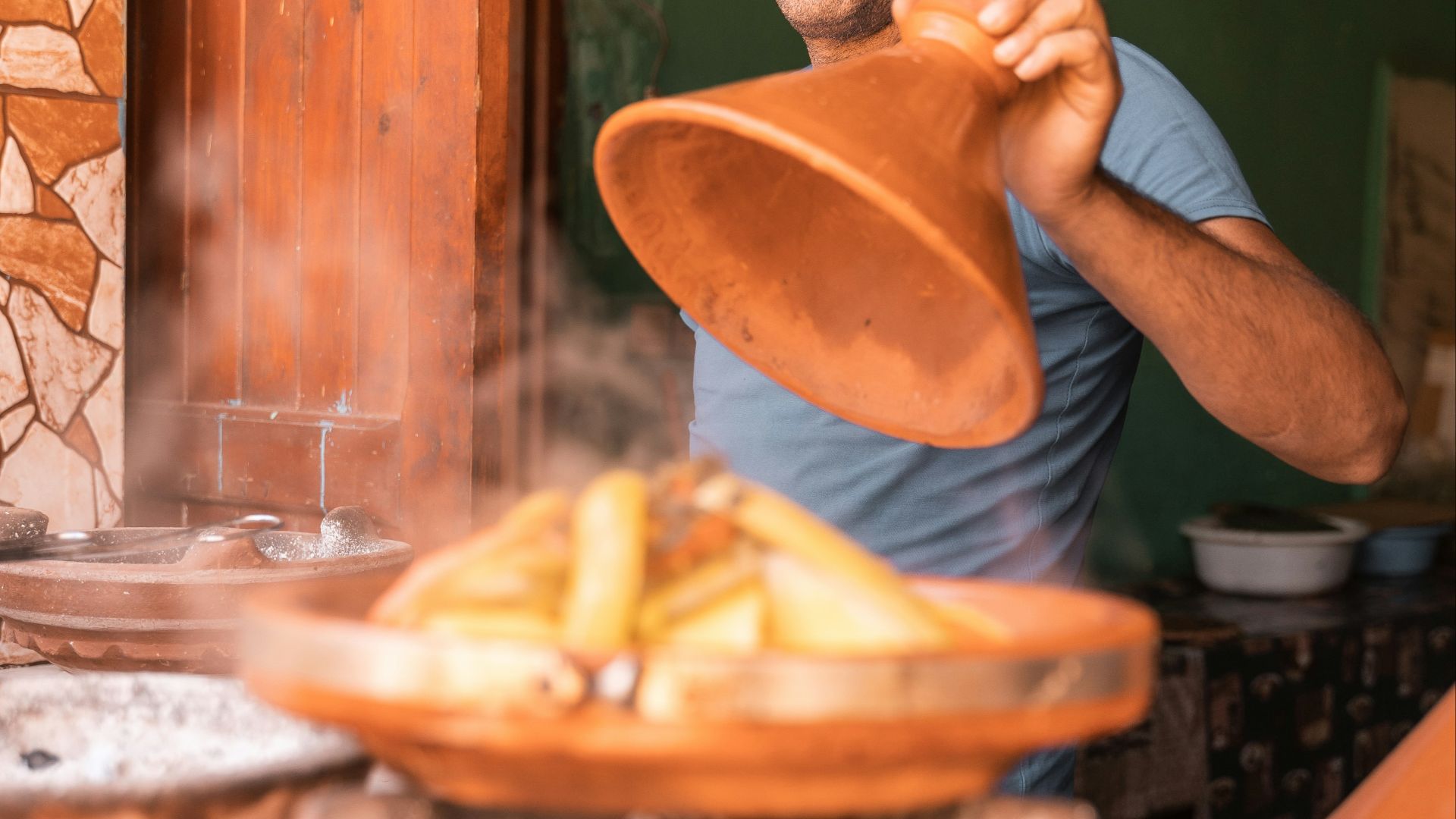
A proper Moroccan tagine rewards controlled cooking and thoughtful seasoning rather than complexity. Restaurants in North America sometimes make the dish overly sweet, while Moroccan preparations usually maintain a more careful savory balance.
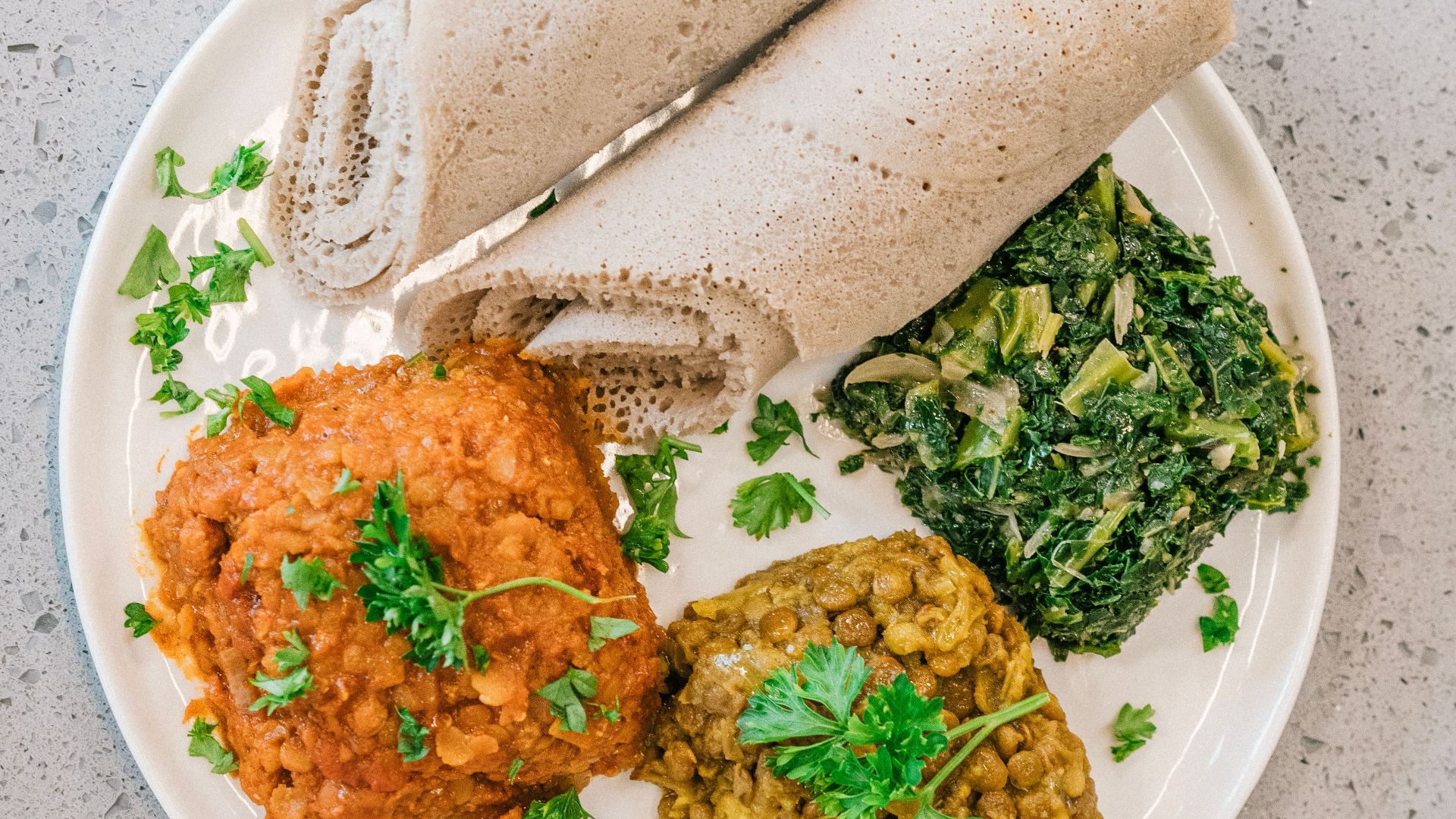
12. Doro Wat With Injera, Ethiopia
Doro wat is much more authentic and enjoyable once it's eaten alongside properly fermented injera. The spicy chicken stew commonly incorporates berbere seasoning and a generous quantity of slowly cooked onions, while the sour, spongy flatbread serves as both accompaniment and utensil.
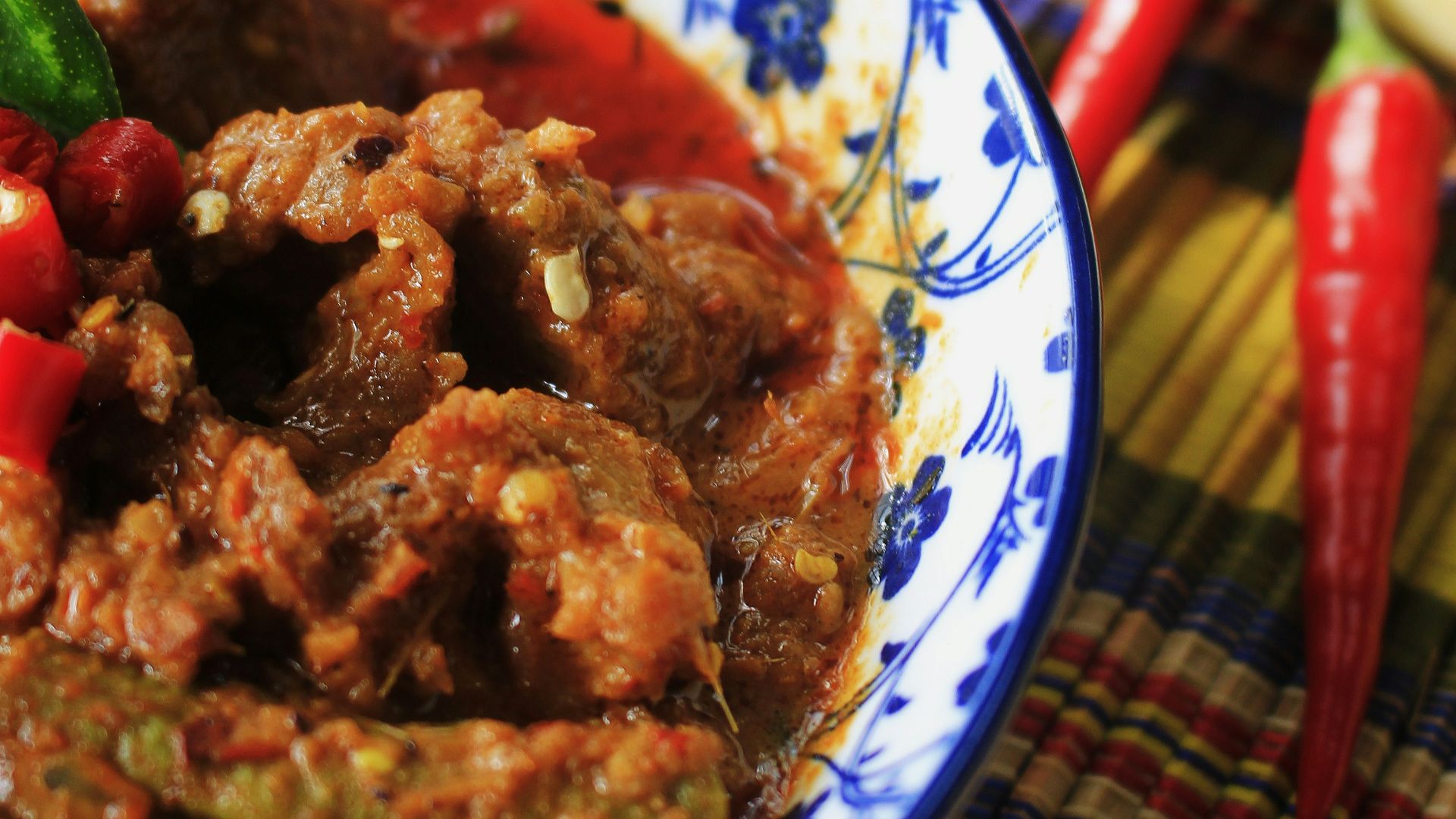
13. Rendang, Indonesia
Rendang originated with the Minangkabau people of West Sumatra and is built around patiently cooking meat with coconut milk and an aromatic spice mixture. Shortened restaurant versions abroad sometimes resemble ordinary coconut curry rather than properly reduced rendang.
14. Adobo, Philippines
There isn't one universal recipe for Filipino adobo, which is exactly why experiencing it in the Philippines can be so rewarding. Overseas recipes that chase a definitive formula can miss this flexibility entirely.
15. Pastel de Nata, Portugal
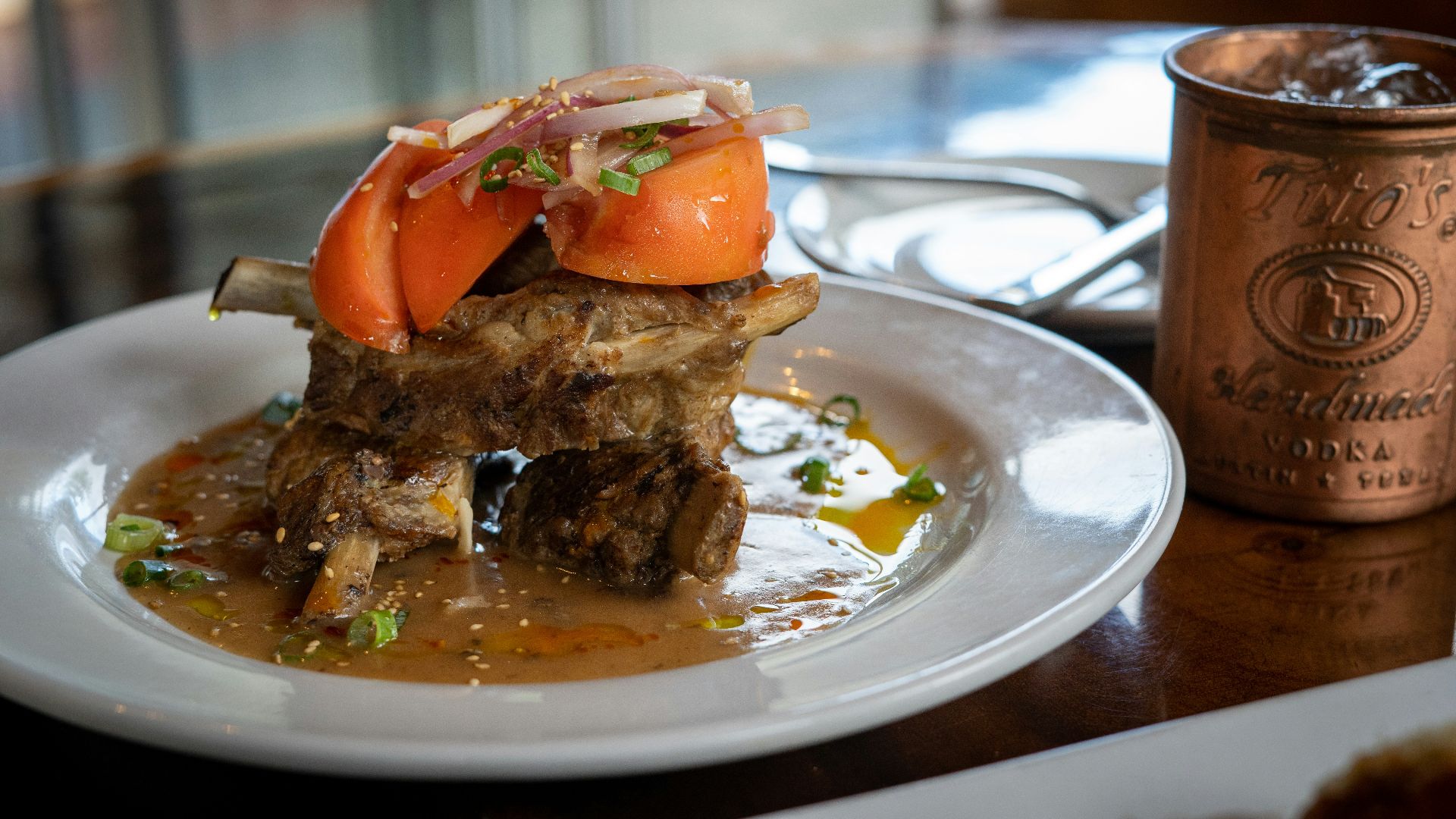
Portuguese custard tarts are particularly satisfying when they're still warm from an authentic bakery. Once these tarts sit around for hours, the pastry softens, making freshly baked versions in Portugal notably difficult to compete with.

16. Bouillabaisse, France
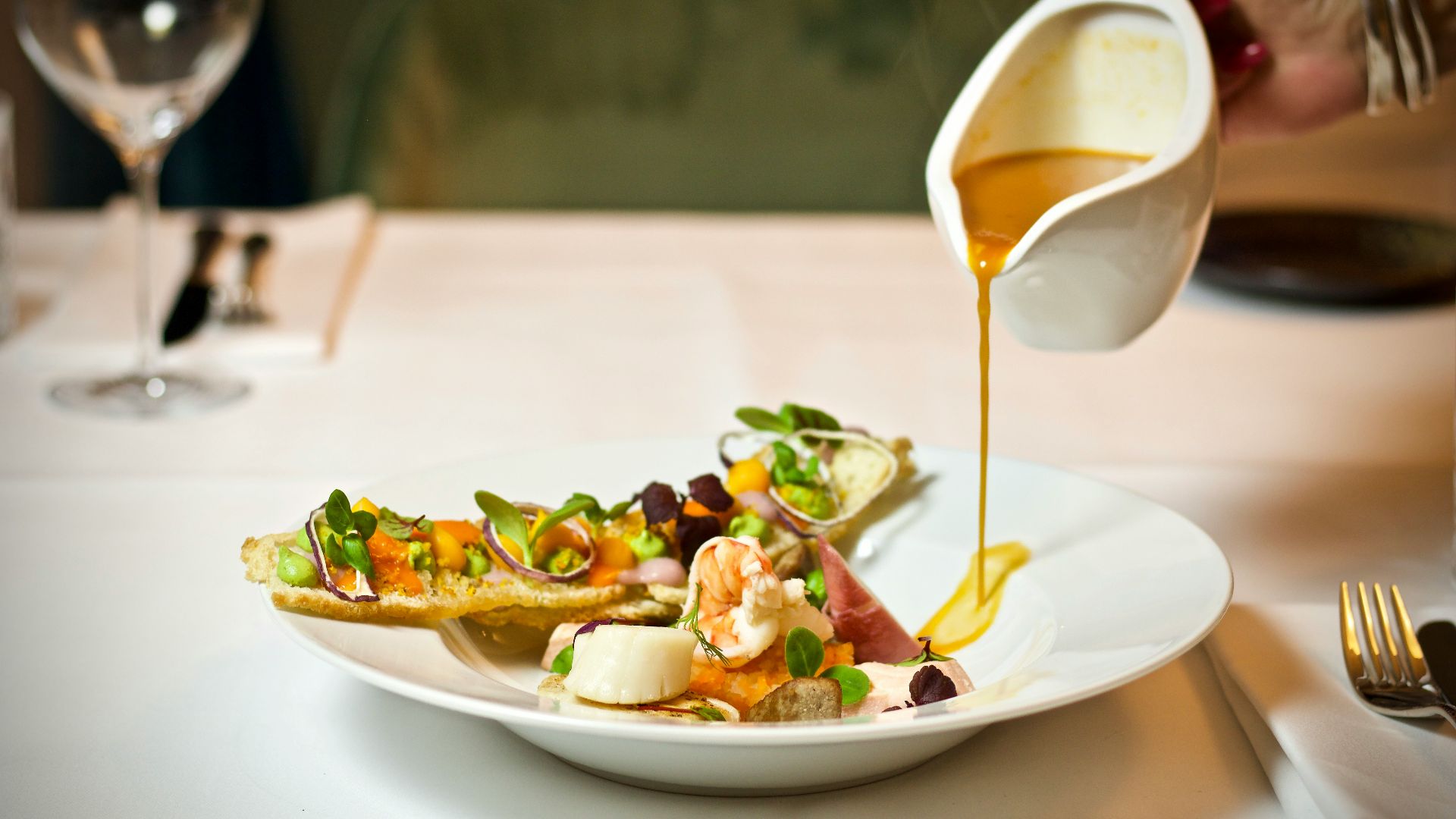
Traditional bouillabaisse is closely associated with Marseille and seafood found on the Mediterranean coast. Simplified versions containing a few convenient shellfish can be enjoyable, but they don't necessarily reflect Marseille's more specific tradition.
 Stefan Schauberger on Unsplash
17. Jerk Chicken, Jamaica
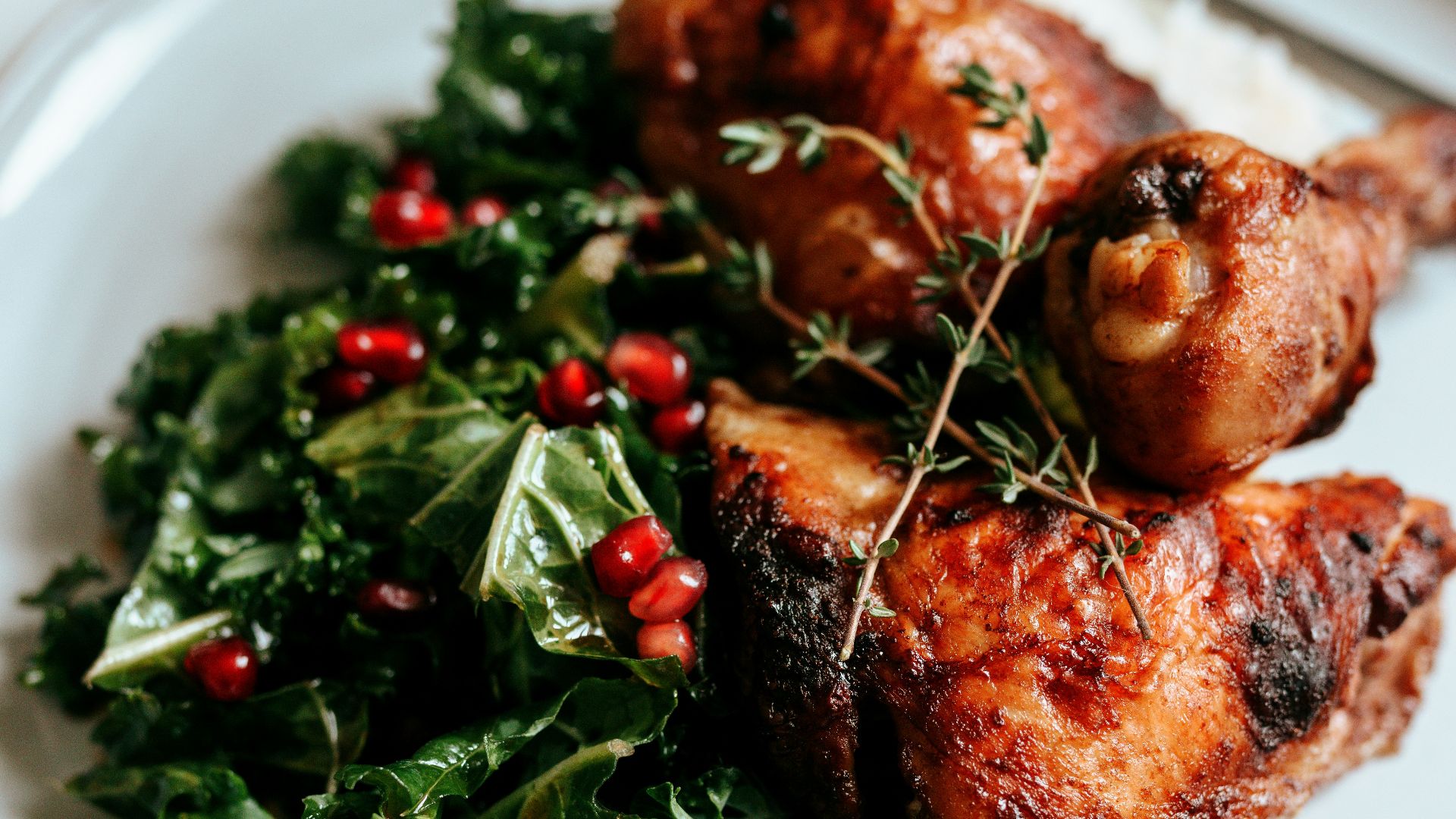
Authentic Jamaican jerk cooking depends on much more than brushing bottled sauce over charred chicken. Preparations made far from Jamaica frequently soften the chile heat or sweetness considerably, producing something friendlier but less representative.
18. Poutine, Canada
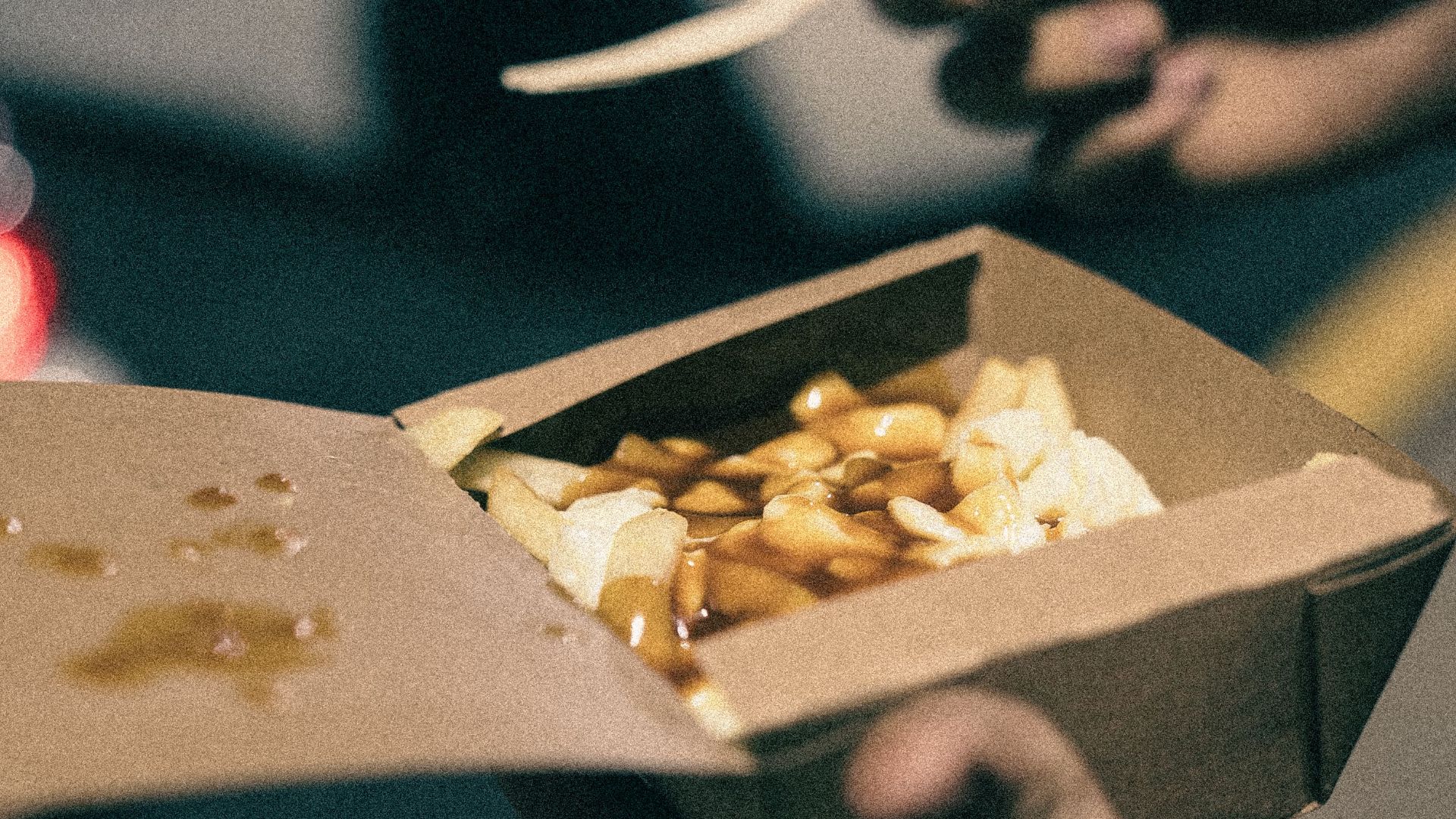
Poutine's short ingredient list leaves very little room for weak components to hide. Restaurants outside Canada sometimes substitute cheese curds for shredded cheese, and at that point you've strayed quite far from what makes the original so phenomenal.
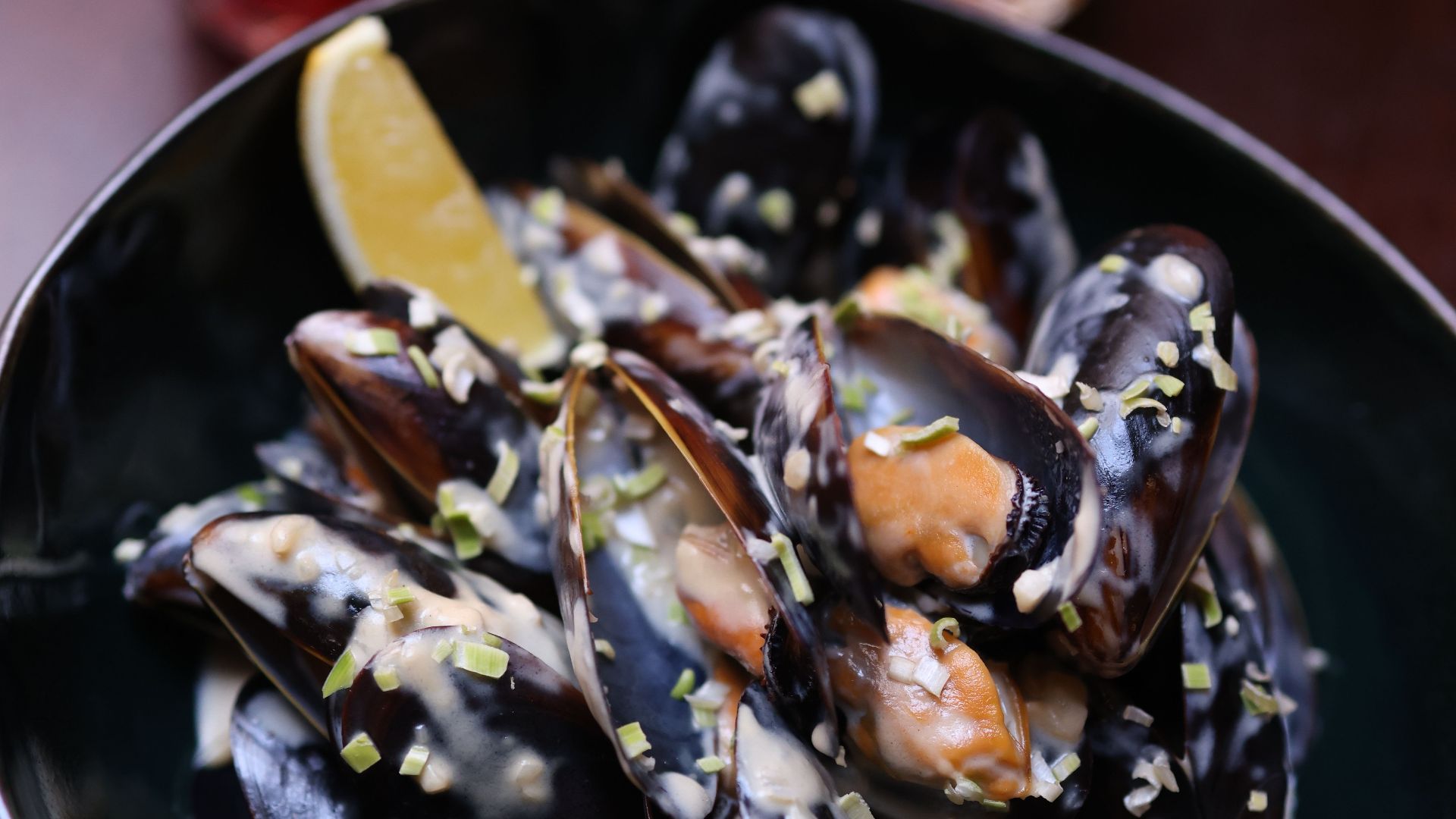
19. Moules-Frites, Belgium
Belgian moules-frites demonstrates how appealing straightforward ingredients can be when they're handled correctly. Fresh mussels and properly fried potatoes matter here, so careless imitations quickly feel heavier and less precise.
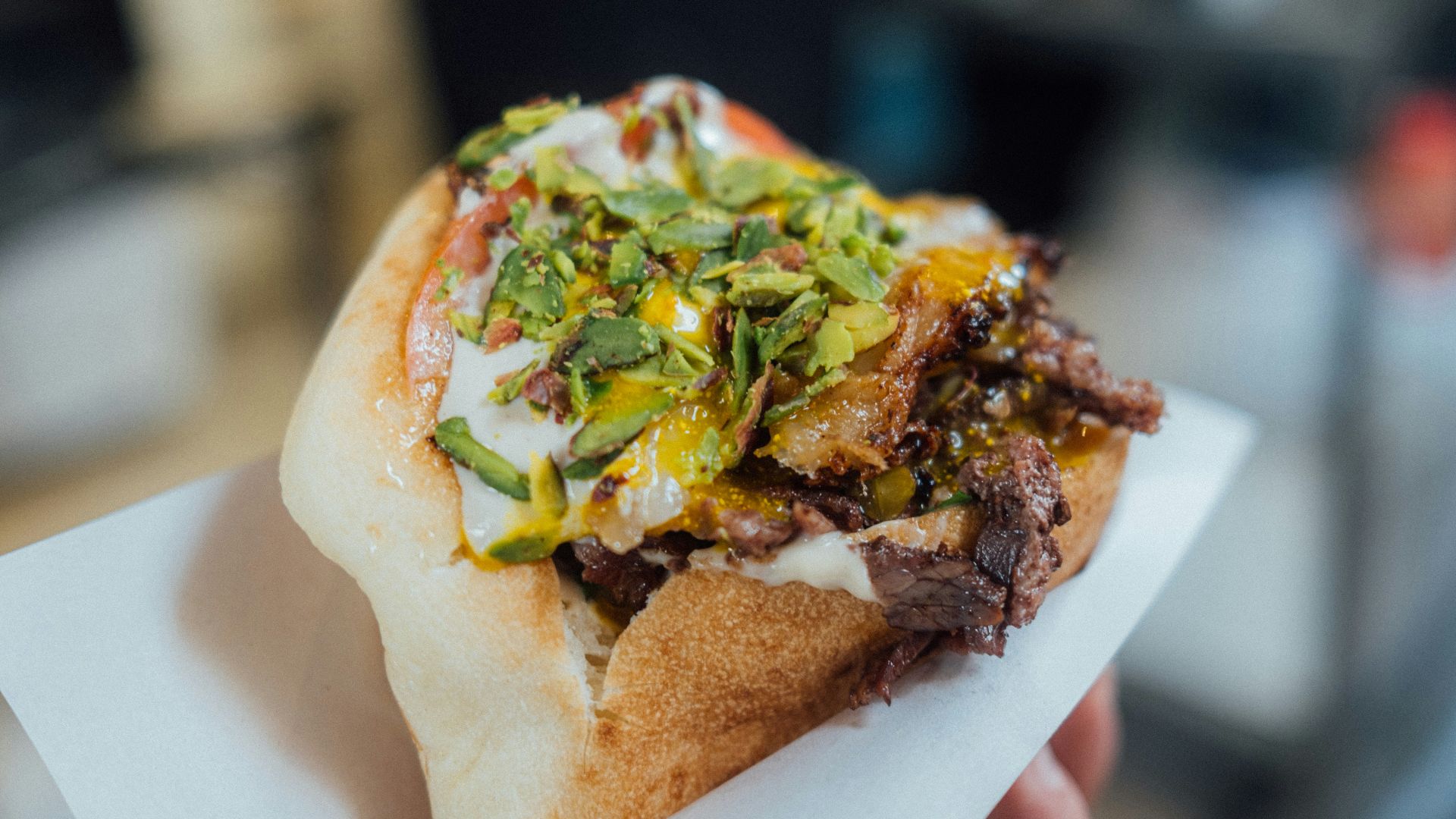
20. Döner Kebab, Turkey
Döner has developed numerous international identities, particularly across Europe, but its Turkish roots remain worth exploring firsthand. Served in bread or on a plate with thoughtfully chosen accompaniments, Turkish versions often feel considerably more balanced than oversized late-night interpretations in other countries.
KEEP ON READING
20 Foods You'd Never Guess Contain a Lot of Sugar

20 Different Ways To Cook The Humble Egg
The Charm of Imperfect Home-Cooked Plates