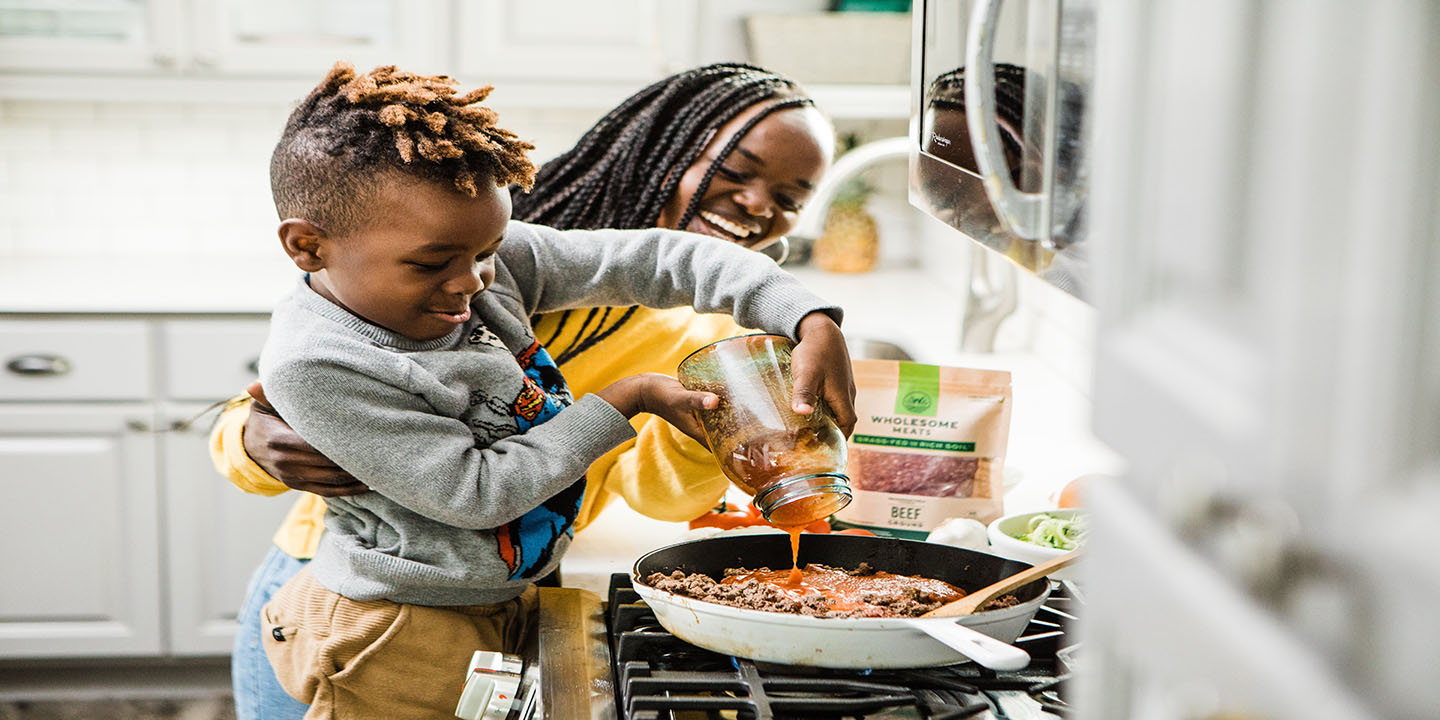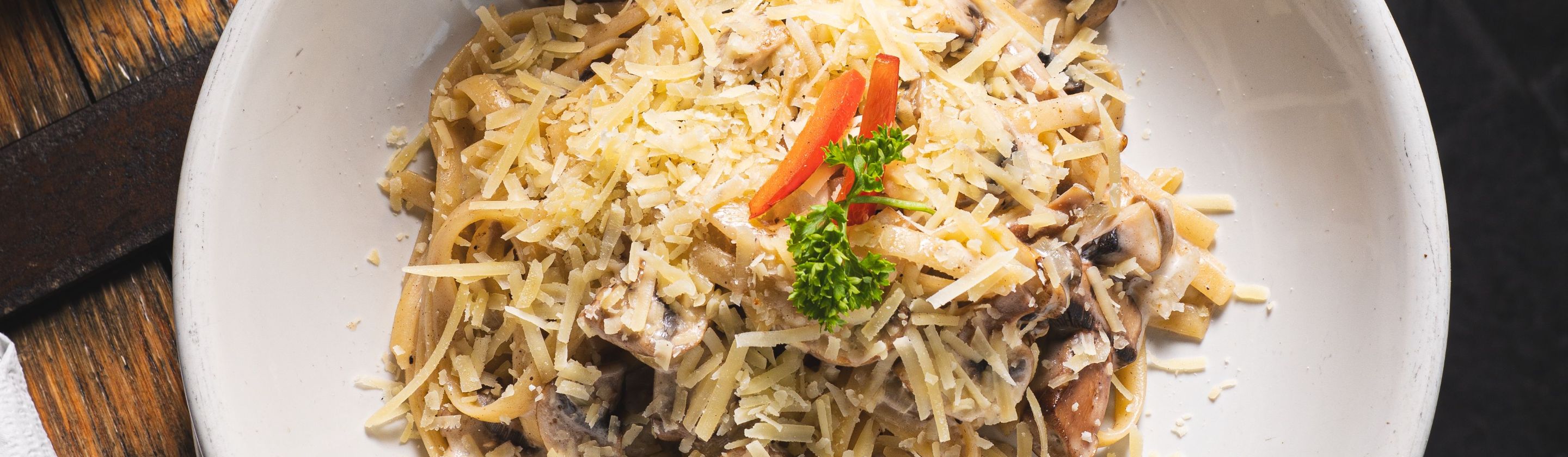

Home cooking rarely produces the polished look of a restaurant plate, and that’s the point. A sauce may spread farther than intended, vegetables may char unevenly, and portions often look more generous rather than carefully measured. None of those details stop a meal from being delicious. Often, they make it feel more personal and even exciting.
Home cooking is usually shaped by practical decisions rather than the rules of presentation, so meals naturally reflect the person preparing them. You might substitute an ingredient, serve something straight from the pan, or accept that some pancakes might be misshapen. These ordinary choices give homemade food its recognizable character.
Homemade Food Doesn't Need Michelin Precision
Restaurant preparation and presentation are designed to create a controlled experience, but home kitchens operate under very different conditions. You’re usually cooking for yourself, relatives, or friends rather than paying customers who demand consistency from plate to plate. That means there’s less reason to worry about identical portions or carefully arranged garnishes. Flavor and making sure everyone gets fed generally matter more.
Visual imperfections can also reveal how a dish was prepared. A rustic pie crust with uneven edges shows that somebody shaped it by hand, while irregularly chopped vegetables suggest speed and practicality rather than carelessness. These details don’t automatically make food better, but they do make the cooking process visible. That sense of human involvement can't be reproduced through highly standardized presentation.
Even experienced home cooks produce meals that look different each time because ingredients themselves aren’t perfectly uniform. Tomatoes vary in sweetness and size, bread dough responds to temperature and humidity, and different cuts of meat may cook at different rates. Working with those variations is a normal part of cooking rather than a mistake. Accepting them can make preparing meals considerably less stressful.
Familiar Flavors Trump Perfect Plating
People often form strong associations between food, memory, and familiar experiences. Research on sensory perception has shown that taste is influenced by more than the tongue alone, with aroma, texture, appearance, and past experiences coming together to shape how food is perceived. This helps explain why a family recipe can remain deeply satisfying even if its appearance wouldn’t impress a professional food stylist.
Home-cooked meals also allow you to adjust food according to personal preference without worrying about whether the result follows a formal standard. You can toss in more garlic, cook pasta slightly softer, leave onions out, or make a casserole gooier and cheesier because that’s how everyone at your table likes it. Those adjustments may move a dish away from the traditional version, but they make it more enjoyable. Cooking becomes responsive rather than rigid.
Presentation still matters to some degree because people do respond to how food looks, but attractive doesn’t have to mean elaborate. A colorful salad piled casually into a bowl can be inviting without being precisely arranged, while a tray of roasted vegetables can look appealing because of its natural variety. Home cooks can pay attention to color and freshness without turning dinner into an art project. There’s plenty of room between careless and flawless.
Imperfection Makes Cooking More Special
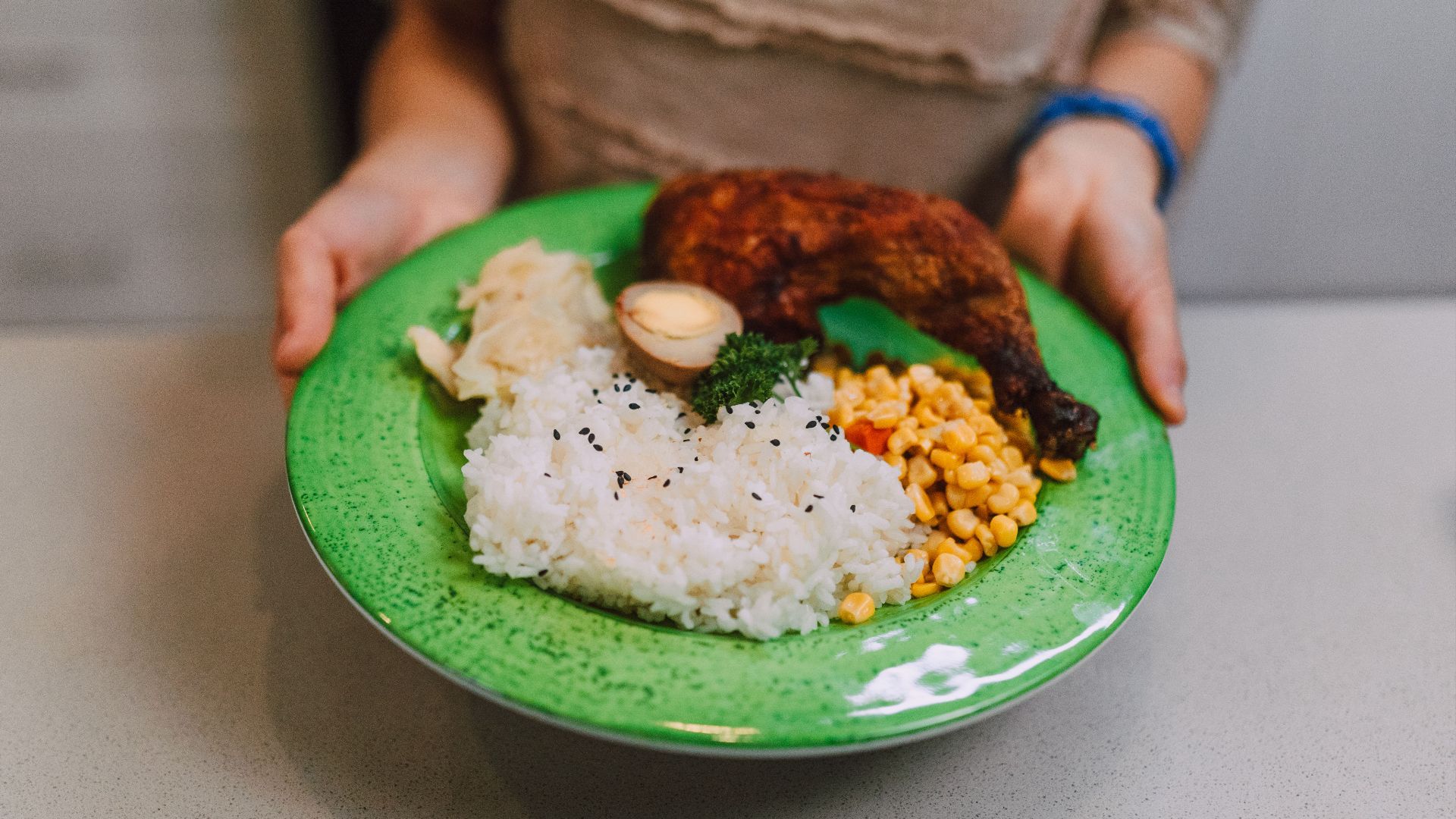
Trying to make every meal look like it was prepared in an upscale restaurant can create unnecessary pressure, particularly on busy weekdays. Most people are balancing cooking with work, errands, family responsibilities, and the very reasonable desire to sit down eventually. Allowing dinner to look homemade can remove one more standard that doesn’t always need to be met. You’re still providing a memorable meal, which is already useful work.
A relaxed attitude toward appearance can also encourage experimentation. If you’re not worried about producing a perfect result, you may be more willing to try homemade dumplings, shape bread, bake a layer cake, or learn a new cuisine. The first attempt may look uneven, but technique generally improves through repetition and over time.
Sharing imperfect food can make meals feel more informal and comfortable as well. A lasagna with a collapsed corner or cookies that came out in slightly different sizes rarely interfere with conversation around the table. Guests are usually there to eat, catch up, and spend time together, not inspect whether the parsley was placed correctly. That perspective keeps hospitality focused on generosity rather than performance.
There’s nothing wrong with beautifully plated food, and learning presentation techniques can be enjoyable when you’re interested in them. Still, everyday meals don’t need professional polish to feel thoughtful, satisfying, or worth serving proudly. A little unevenness often reflects the practical reality of cooking with real ingredients in a real kitchen. Once you stop expecting every plate to look flawless, homemade food becomes easy to appreciate exactly as it arrives.
KEEP ON READING
The Most Popular Signature Dishes Around the World