Sugar Isn't Always Where You Expect It
When you think of foods that contain a lot of sugar, candy, cookies, soda, and desserts probably come to mind first. Certain fruits, too, you know not to eat too much of, given their natural sugars. But what about the dishes that seem savory or even healthy? As it turns out, even foods that aren't marketed as sweet may have a nutrition label that tells a completely different story. Sugar, after all, may be added for flavor, texture, preservation, or to balance certain ingredients, so it can turn up in places you least expect. If you're watching your intake, make sure you're careful around these 20 foods that may contain more sugar than you'd think.
1. Pasta Sauce
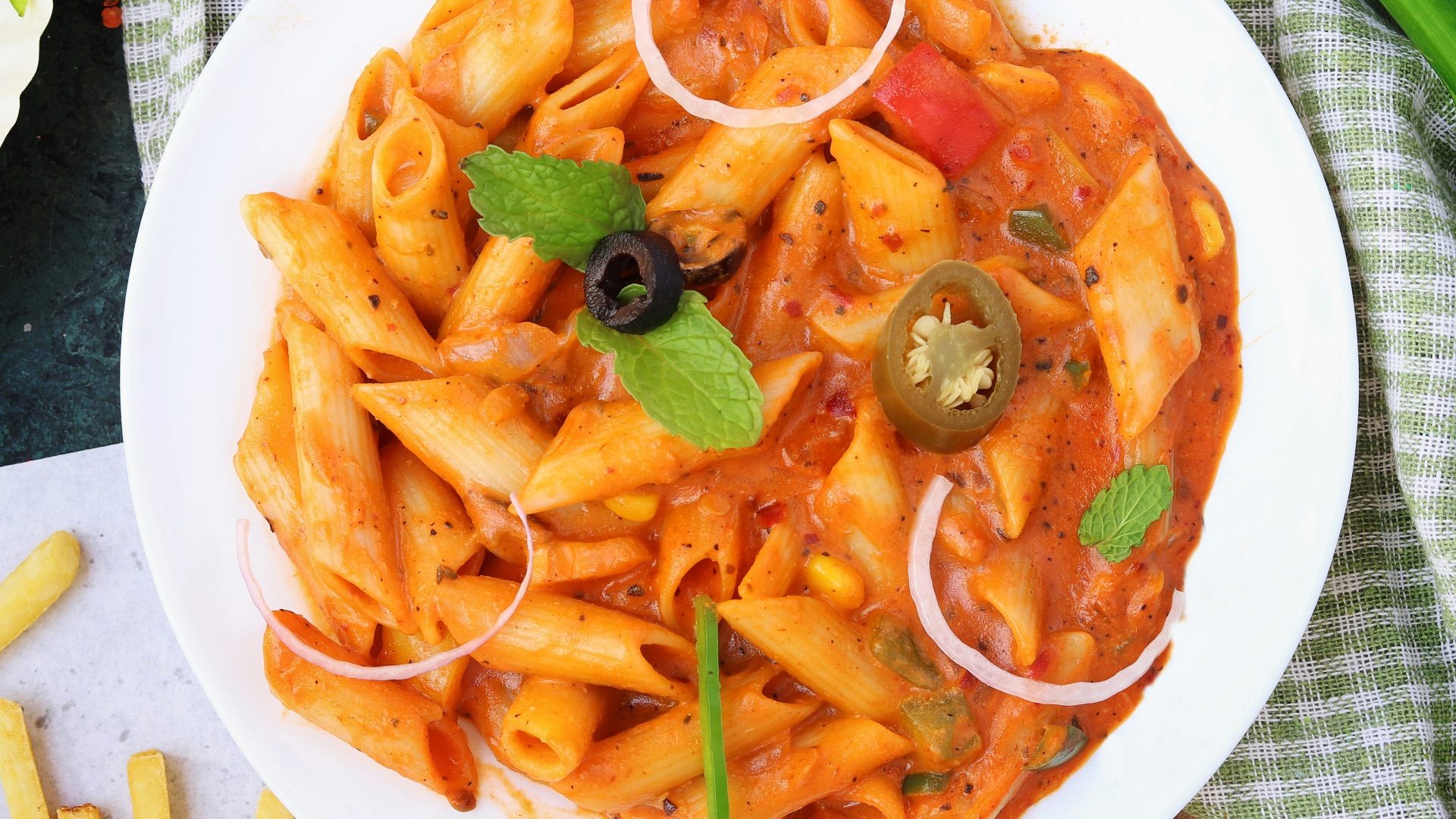
A bowl of spaghetti doesn't necessarily taste sweet, but some jarred pasta sauces contain a surprising amount of sugar. Tomatoes naturally provide some sugar, and manufacturers may add more to balance their acidity or create a sweeter flavor. Because a generous serving can be larger than the amount listed on the jar, what looks modest per serving can add up quickly. Checking the added sugars line makes it easier to distinguish between the sugar naturally present in tomatoes and what's been put into the recipe.
 Pixzolo Photography on Unsplash
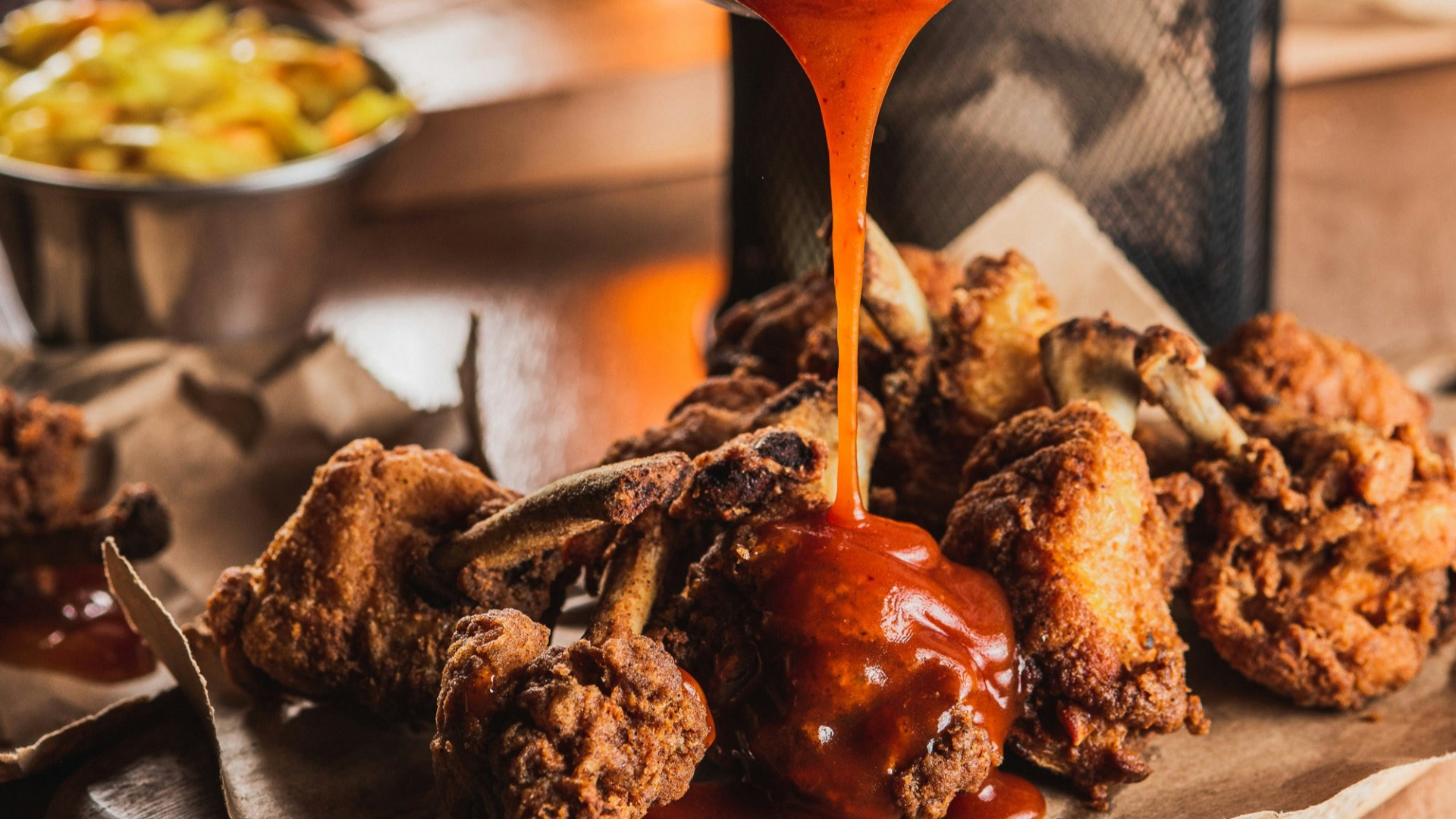
2. Barbecue Sauce
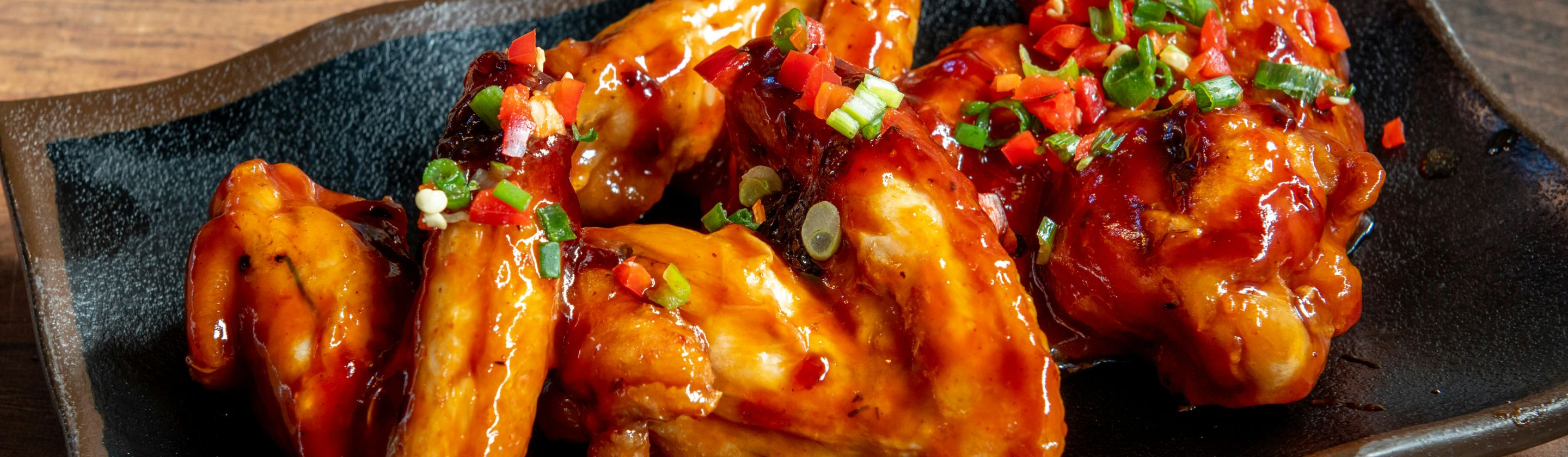
Smoky, tangy barbecue sauce can contain enough sweetness that it's worth thinking of it as more than just a savory condiment. Many varieties use ingredients such as sugar, molasses, honey, or corn syrup alongside tomatoes, vinegar, and spices. It's also easy to use considerably more than the small serving size printed on the bottle when you're coating ribs, chicken, or pulled pork. A few extra spoonfuls can therefore contribute far more sugar than you might expect from a sauce.
 Diego Arenas de Rodrigo on Unsplash
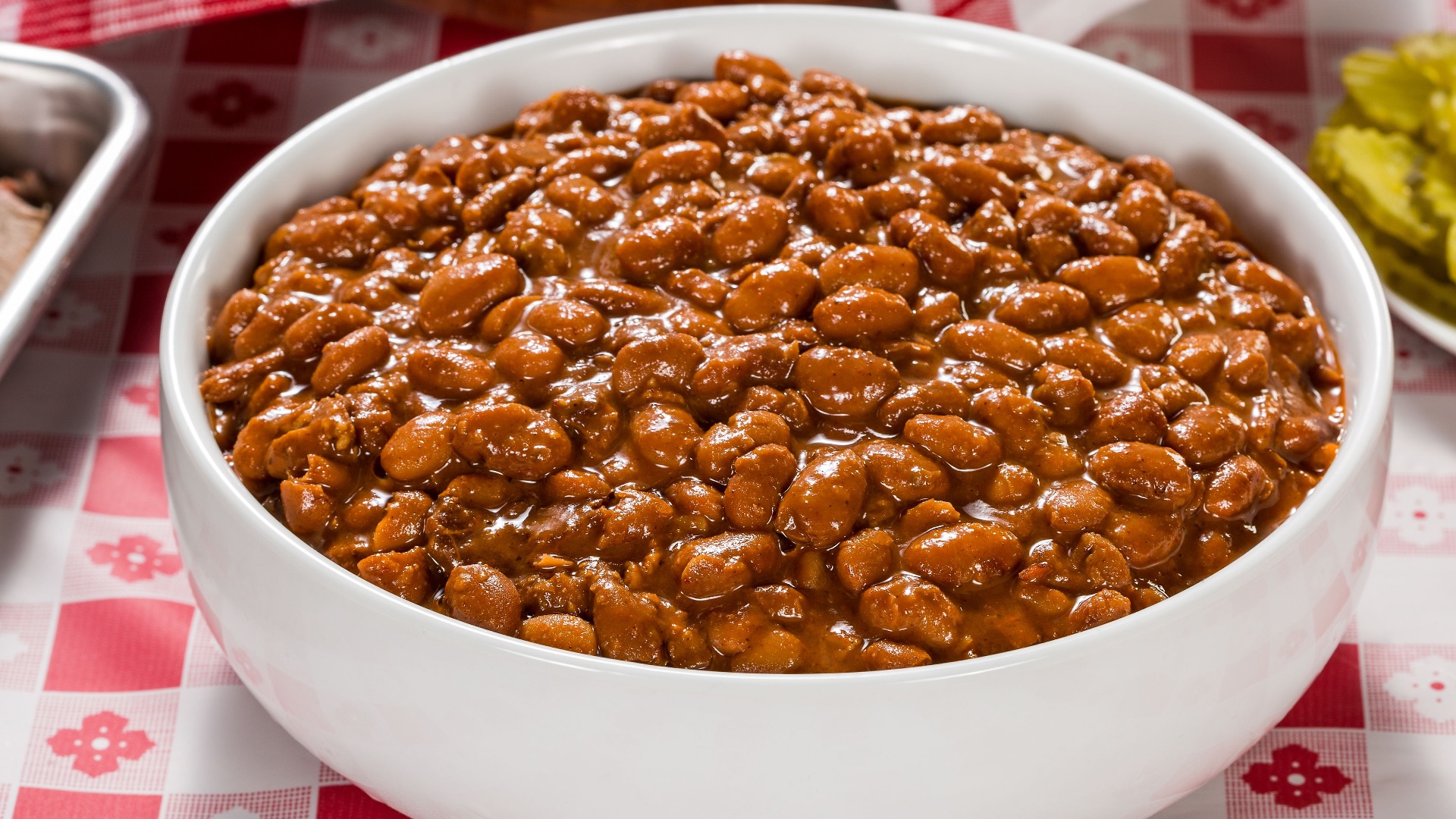
3. Baked Beans
Beans themselves aren't particularly sugary, which is why canned baked beans can catch people off guard. Traditional prepared versions often combine the beans with brown sugar, molasses, syrup, ketchup, or other sweetened ingredients to create their familiar sauce. That means the finished dish can have a very different sugar profile from plain canned beans. If you eat baked beans regularly, comparing varieties can reveal surprisingly large differences from one recipe to another.
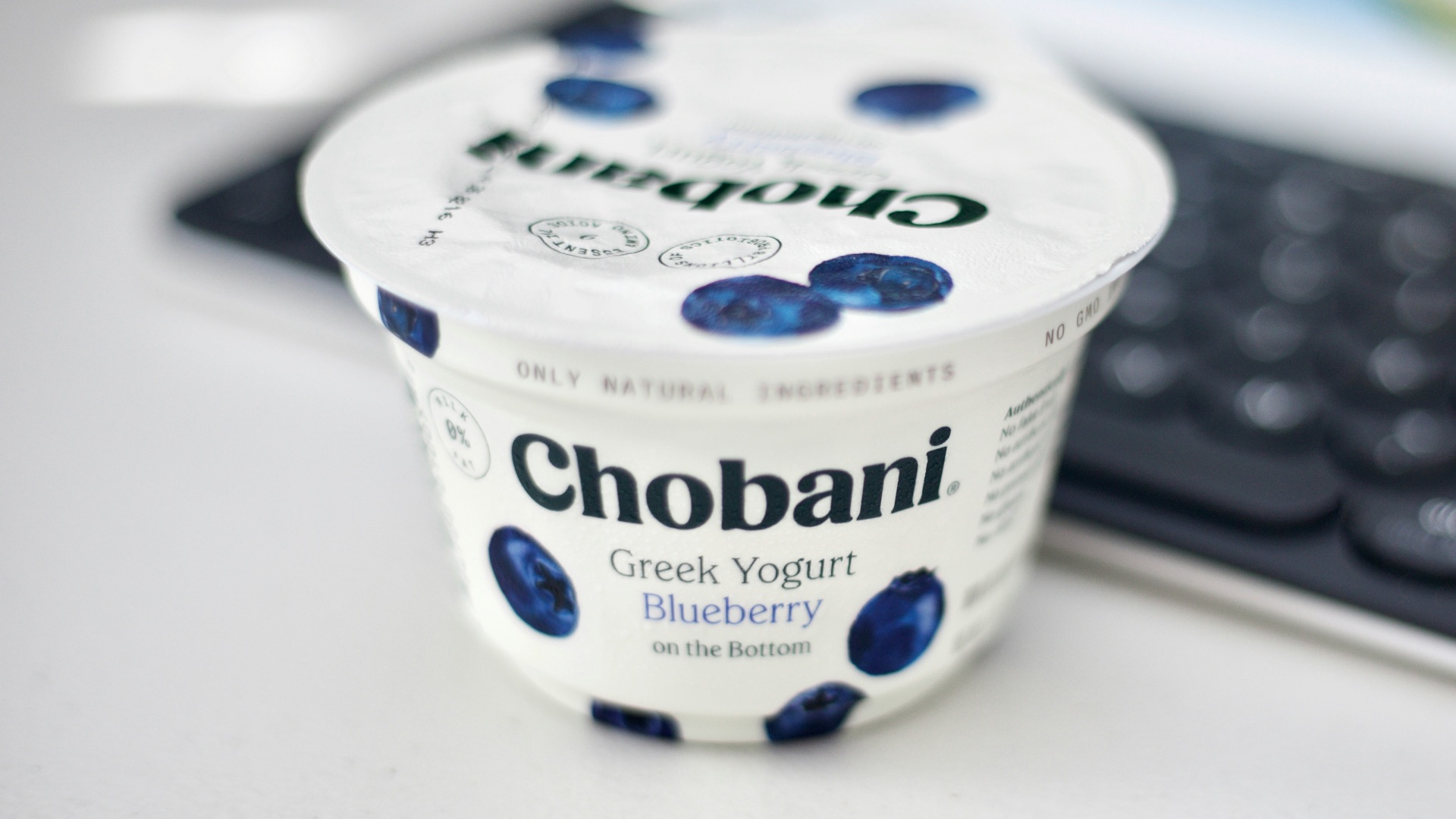
4. Flavored Greek Yogurt
Greek yogurt has a reputation for being a protein-rich breakfast or snack, but flavored versions can be considerably sweeter than plain yogurt. Milk naturally contains lactose (a natural sugar), yet fruit preparations, syrups, and other sweeteners can push the total much higher. Vanilla, strawberry, and dessert-inspired flavors are particularly worth checking instead of assuming they're nutritionally similar to plain Greek yogurt. Choosing an unsweetened variety and adding your own fruit gives you more control over how much sweetness goes into the bowl.
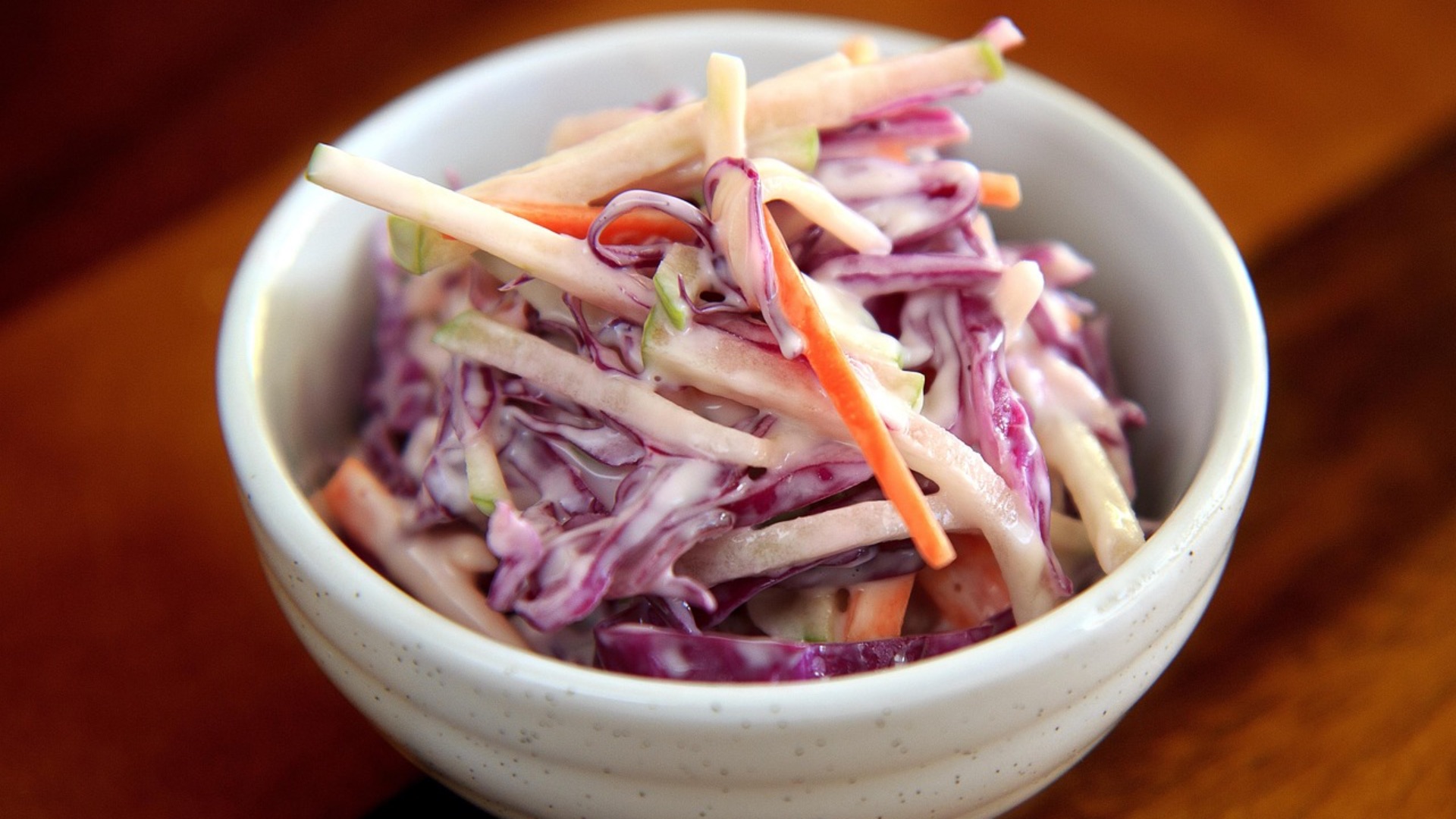
5. Coleslaw
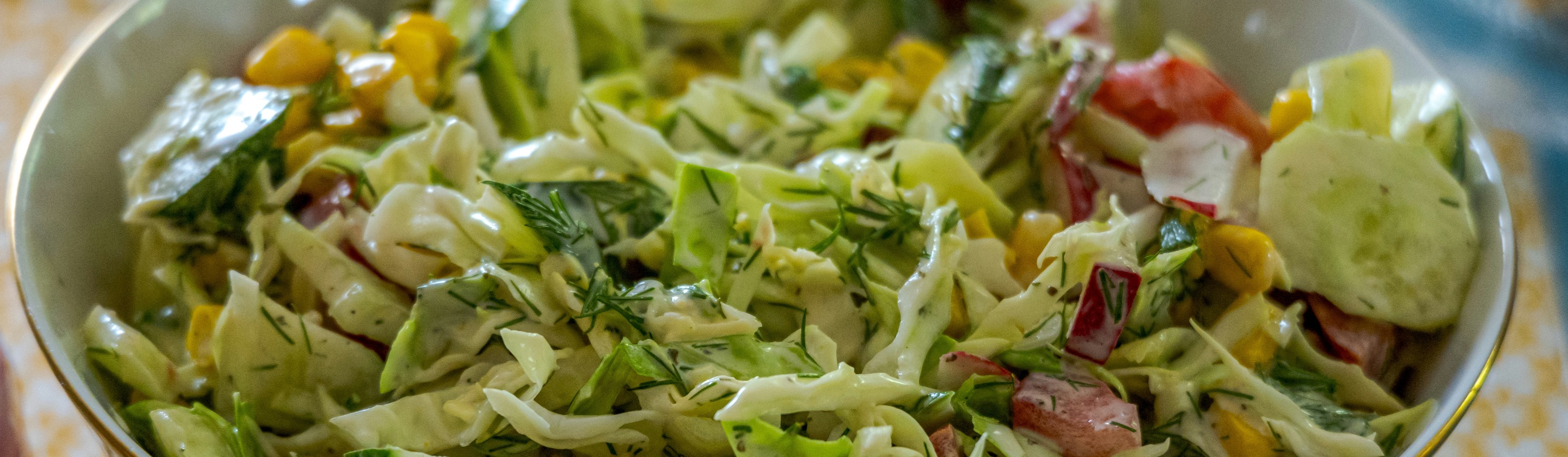
Cabbage and carrots don't sound like ingredients that would produce an especially sugary side dish, but the dressing can change that. Prepared coleslaw frequently contains sugar to balance the sharpness of vinegar and create the creamy, sweet-tangy flavor people expect. Restaurant and deli portions can also be substantially larger than a small spoonful, thereby increasing the total amount you consume. The vegetables may be the most visible part of the dish, but the dressing deserves just as much attention.
6. Granola
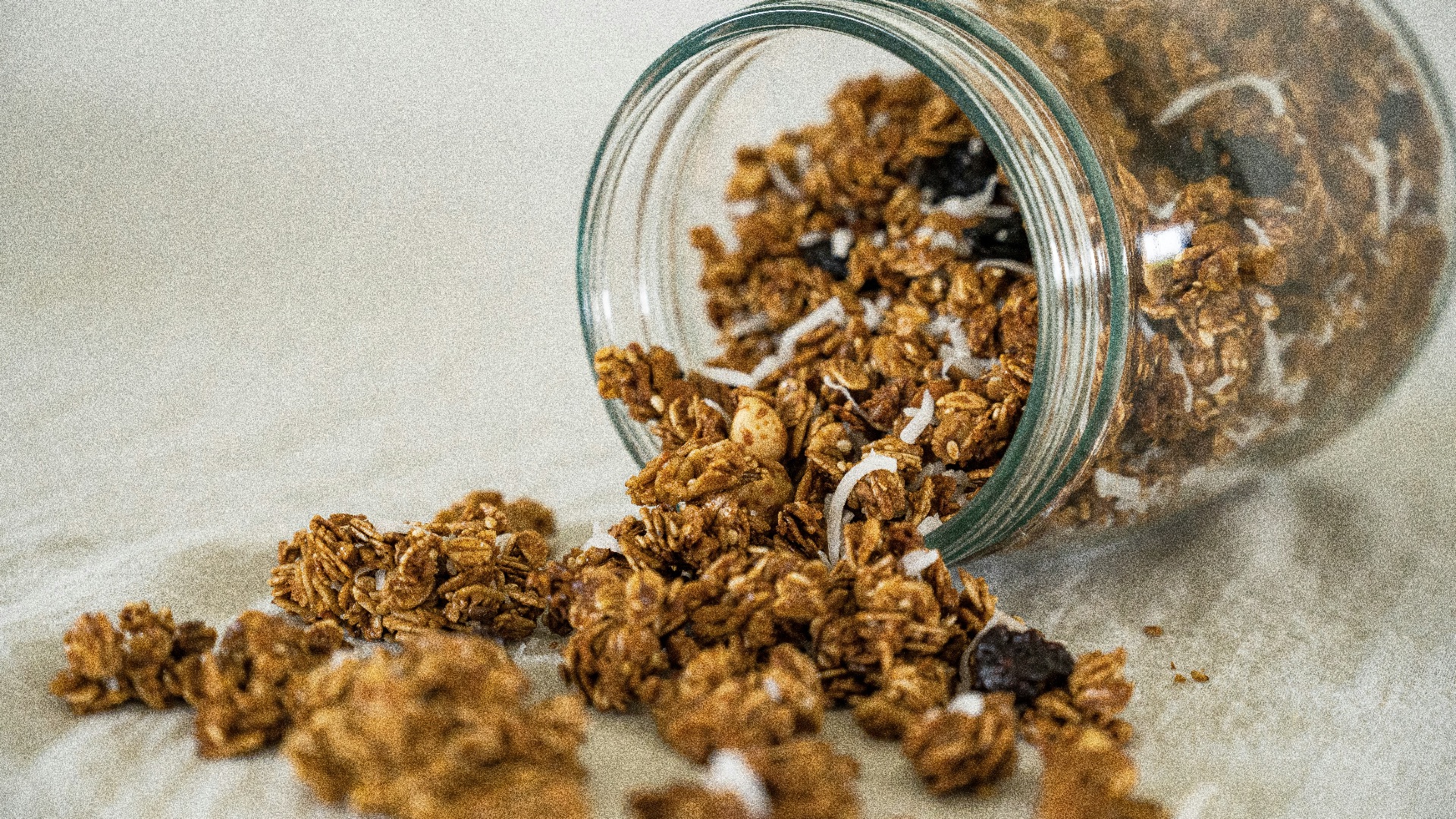
Granola can look like one of the more wholesome choices in the cereal aisle thanks to its oats, nuts, seeds, and dried fruit. The catch is that many varieties are held together and flavored with honey, maple syrup, cane sugar, or other sweeteners. Dried fruit and sweet coatings can raise the sugar content even further, especially in chocolate, vanilla, or fruit-heavy blends. Since granola is dense and easy to pour generously, your actual portion may contain much more sugar than the serving listed on the package.
7. Premade Soup
Soup probably isn't one of the first foods you'd suspect of containing added sugar, especially when it's packed with vegetables, beans, or other savory ingredients. Commercially prepared versions can include sweeteners under less familiar names such as sucrose, dextrose, maltose, barley malt, or various syrups, making them easier to miss when you're scanning the ingredient list. Some products may also use several different types of sugar in smaller amounts rather than relying on a single obvious sweetener. If you're buying canned or boxed soup, checking both the added-sugars line and the full ingredient list can give you a better idea of what's actually in it.

8. Dried Cranberries
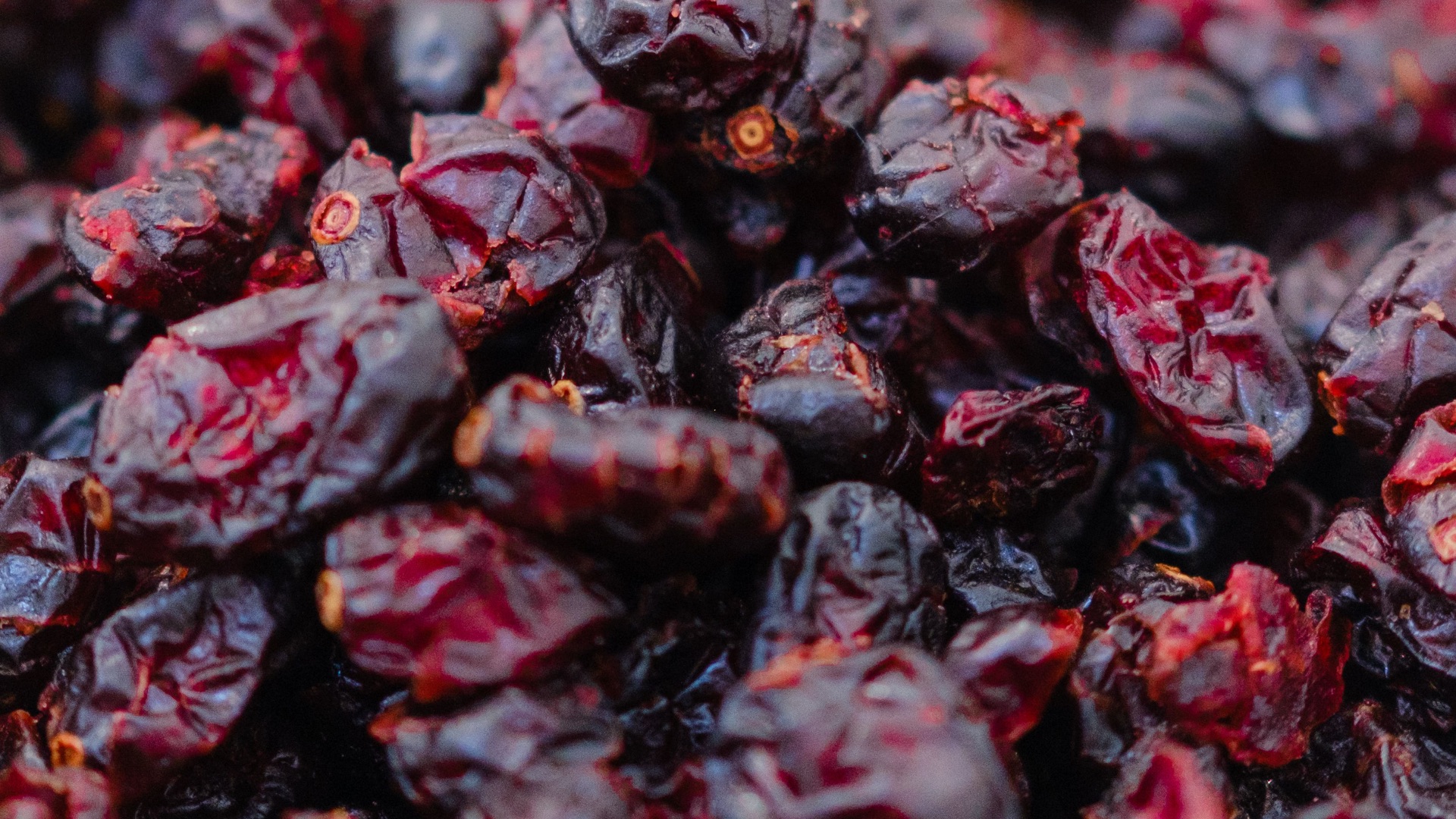
Cranberries are naturally tart, which is precisely why many dried versions receive a substantial dose of sweetener. Once they're dried and sweetened, it's easy to eat a concentrated amount in trail mix, salads, oatmeal, or straight from the package. The fruit's healthy image can make the added sugar less noticeable than it would be in a more obvious snack food. Unsweetened dried cranberries exist, but they're much more tart and aren't necessarily what you're getting in a standard bag.
9. Sports Drinks
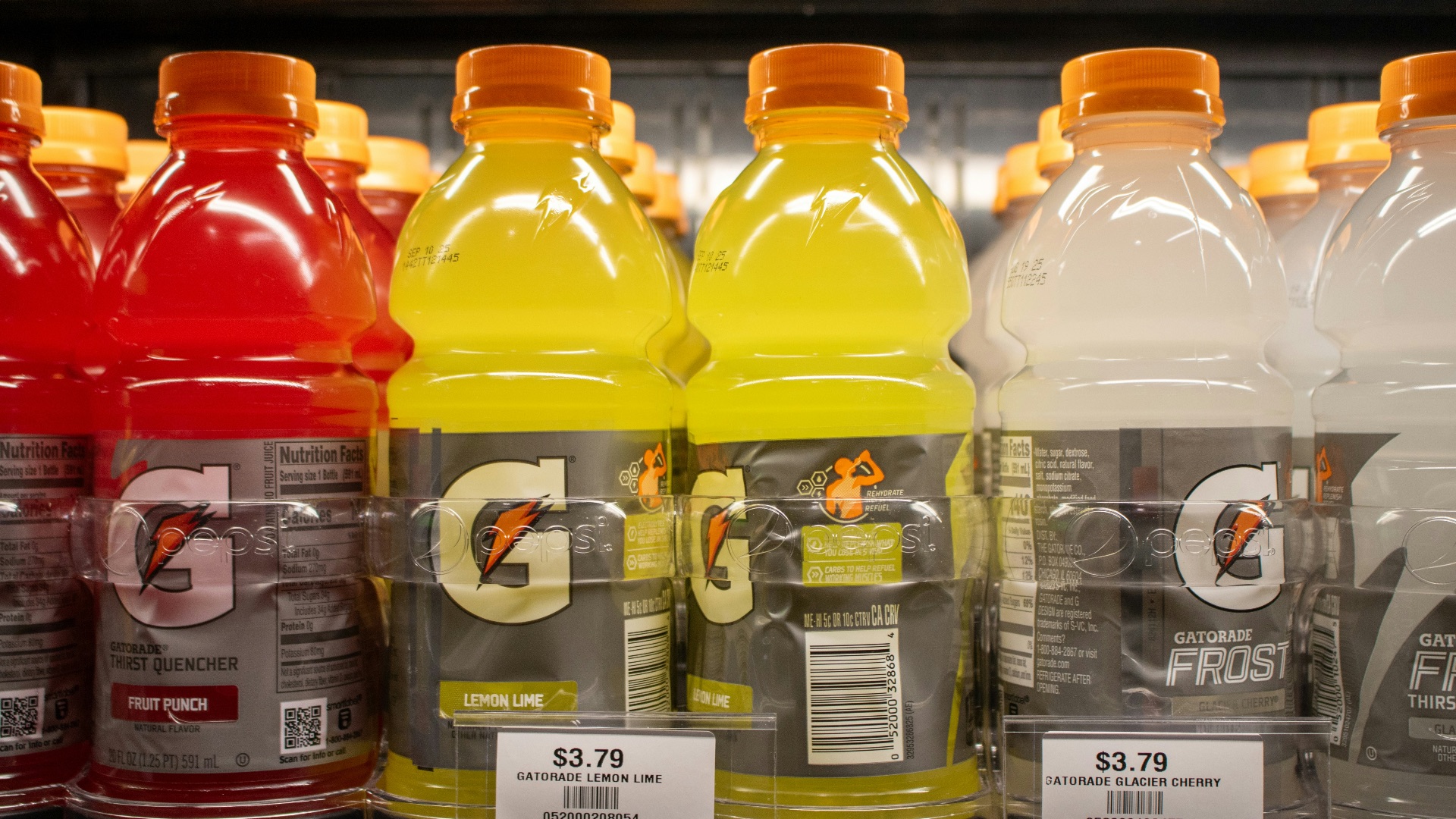
Sports drinks, such as Gatorade, are often associated with exercise and hydration, which can make them seem healthier than other sugary beverages. However, because they're designed to provide quickly available carbohydrates during prolonged, intense activity, that often means a substantial amount of added sugar is built into the formula. A standard 20-ounce sports drink can contain roughly 32 grams of added sugar, so it's far sweeter than many people might assume from its athletic branding. For most shorter or less demanding workouts, water is generally enough to handle hydration without the extra sugar.
10. Instant Oatmeal
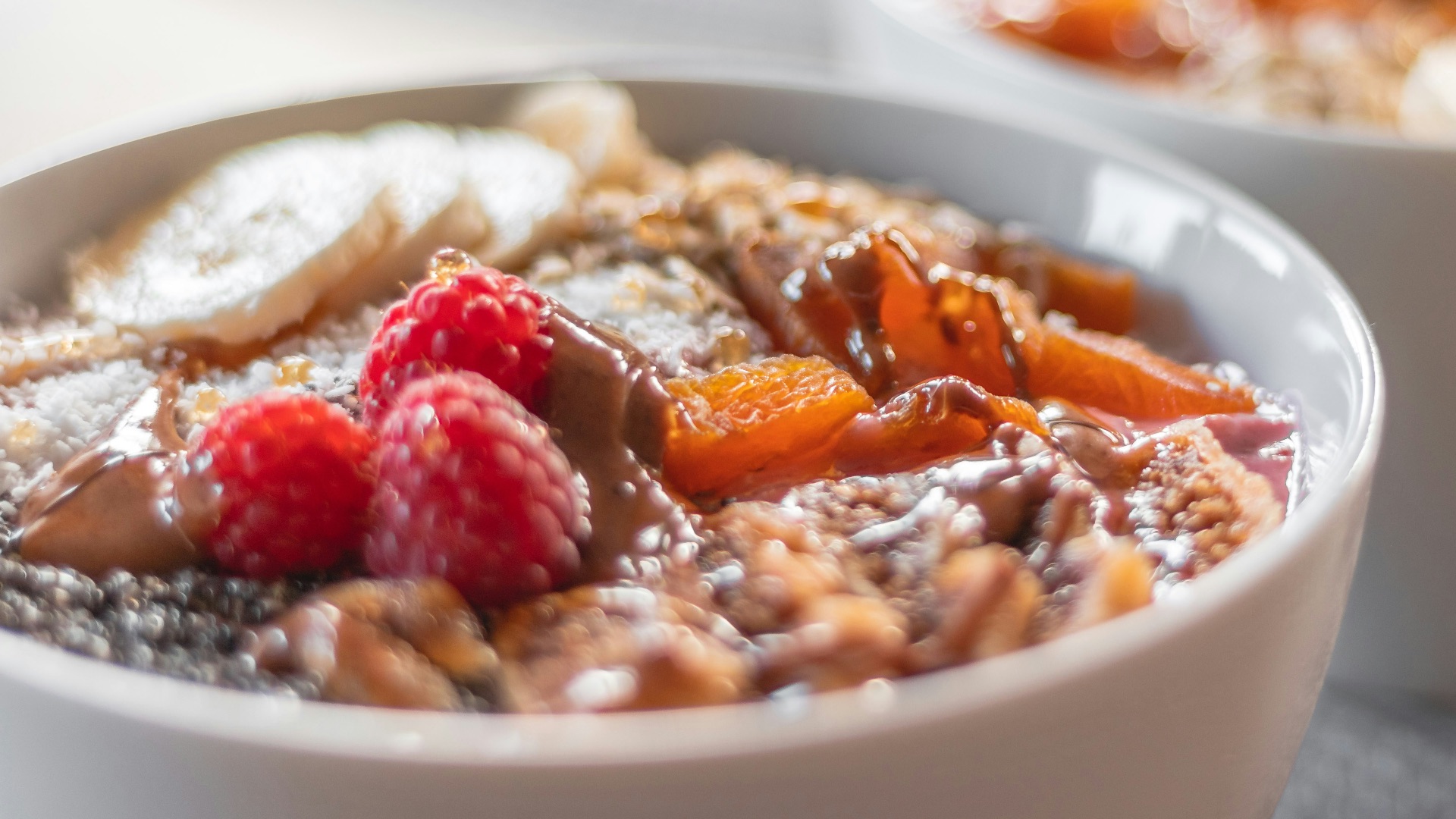
Oatmeal itself contains very little sugar unless something is added to it, but flavored instant packets can be a different story. Brown sugar, maple-flavored, apple-cinnamon, and other varieties often include sweeteners directly in the seasoning mixture. Because oatmeal is commonly viewed as a sensible breakfast, you may not think to compare its sugar content with that of other packaged morning foods. Plain oats topped with fruit, cinnamon, or a measured amount of your preferred sweetener make the final amount much easier to control.
 Christian Wiediger on Unsplash
11. Salad Dressing
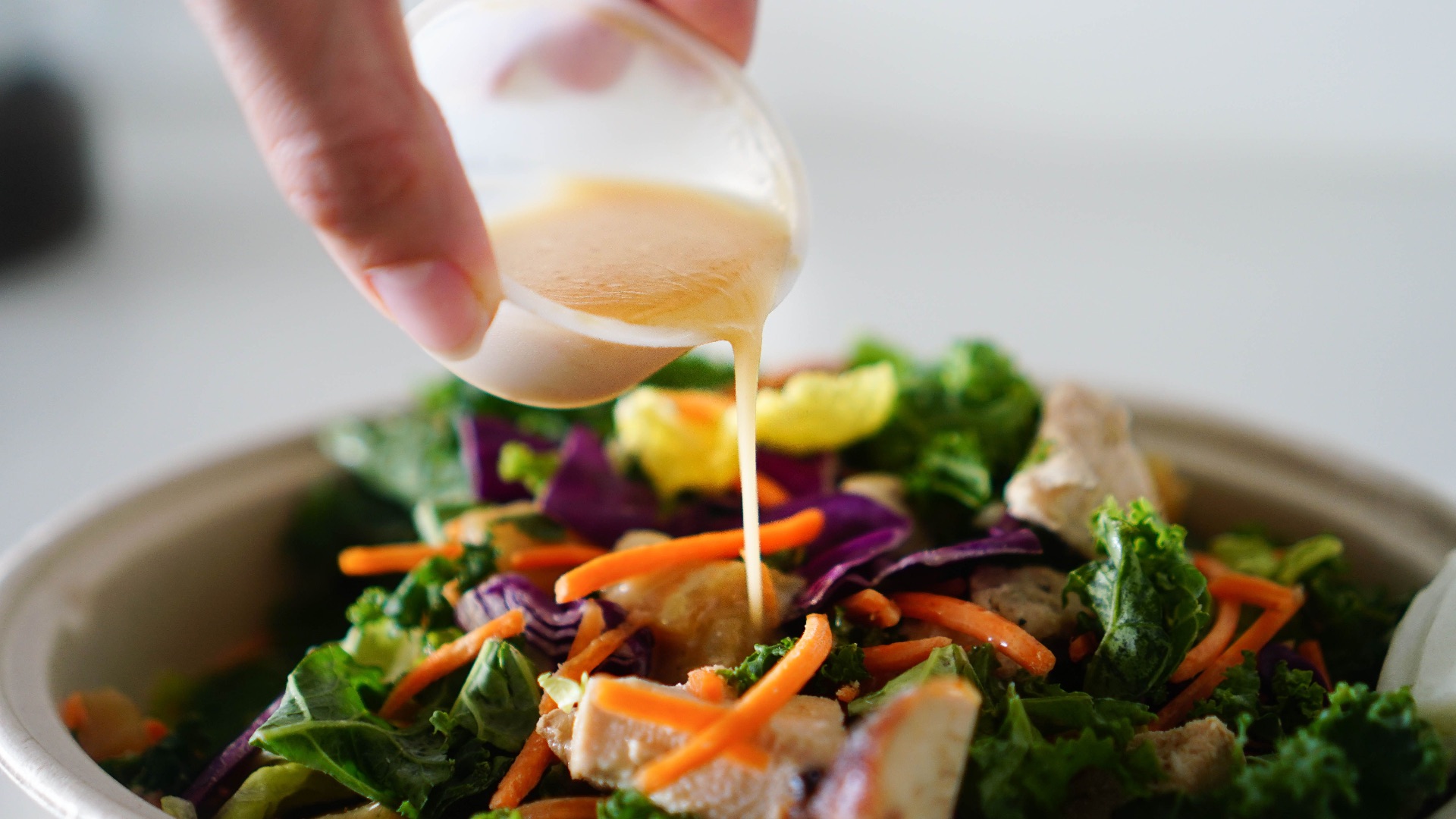
A salad can start with a pile of vegetables and still pick up a notable amount of sugar once bottled dressing goes over the top. Sweet vinaigrettes, honey mustard, French dressing, and some reduced-fat varieties are especially likely to contain added sweeteners. It's key to note that sugar is often used to help balance vinegar and strong seasonings, so the dressing may not even strike you as particularly sweet when you eat it. Serving size matters here, too, since a generous pour can easily exceed what's listed on the bottle.
12. Bread
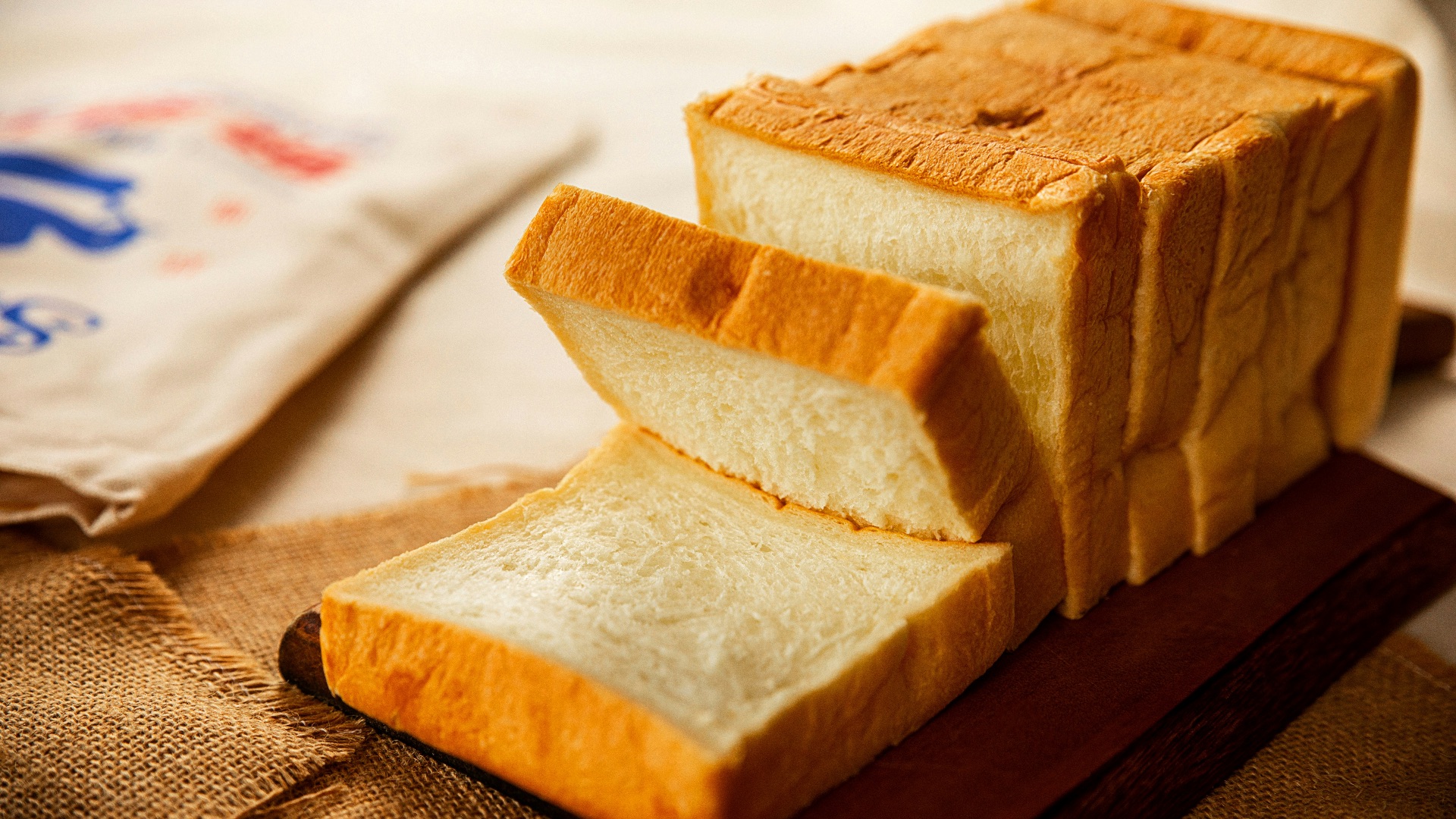
Bread isn't usually thought of as a sugary food, yet some packaged loaves contain added sugar even when they don't taste noticeably sweet. Sweeteners can be incorporated for flavor, browning, fermentation, or texture, and they're found in some white, wheat, and multigrain products alike. A few grams in a slice becomes more significant when a sandwich uses two slices (as they often do) or bread appears again elsewhere in your day. Looking beyond phrases such as "whole grain" or "multigrain" and checking the actual label can uncover differences between otherwise similar loaves.
13. Plant-Based Milk
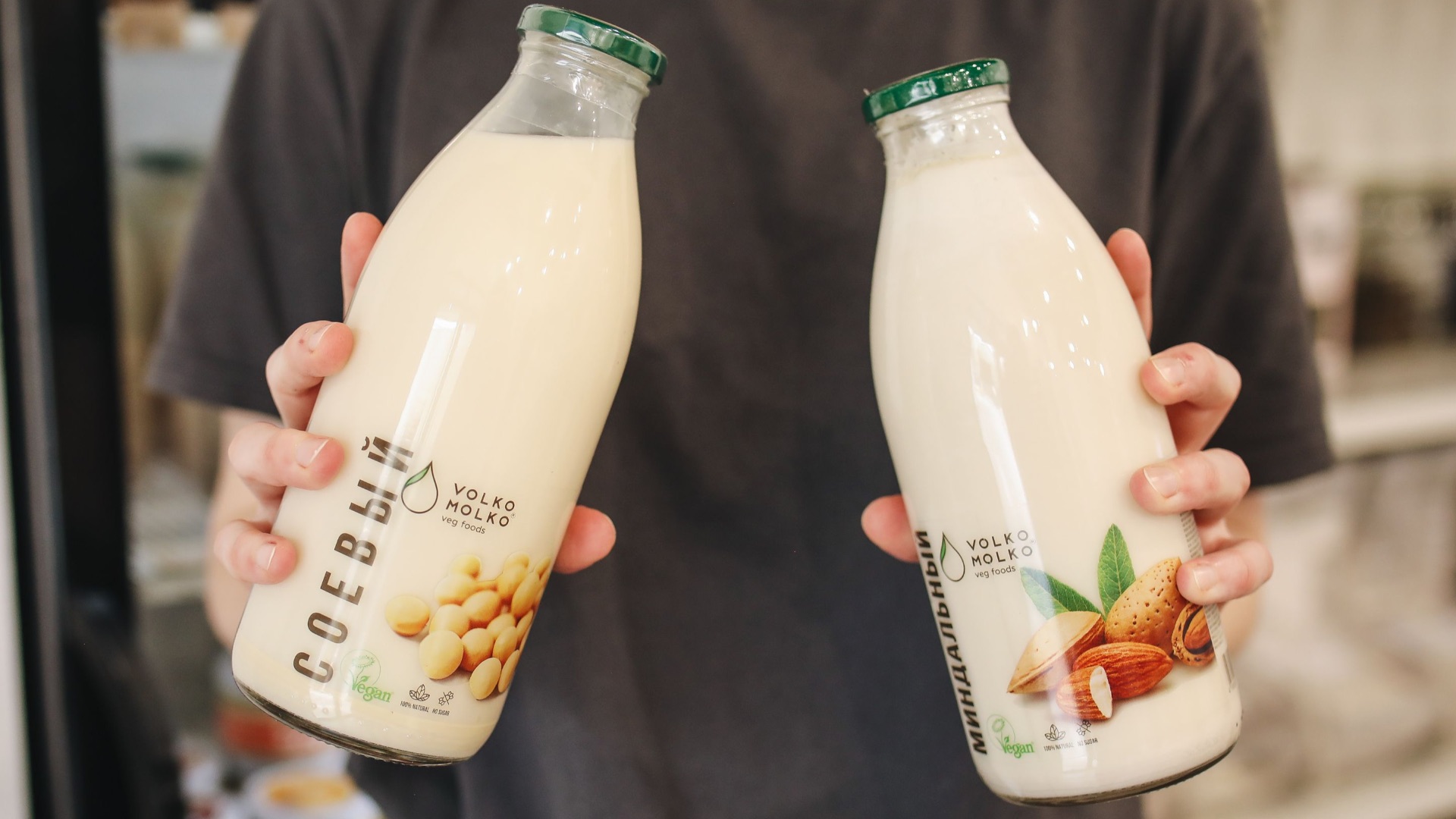
Switching from dairy milk to an almond, oat, soy, or other plant-based drink doesn't automatically mean you're choosing something low in sugar. Sweetened and flavored varieties may contain added sugars on top of whatever carbohydrates come naturally from their ingredients. Vanilla versions are an obvious place to check, but even cartons labeled "original" aren't necessarily unsweetened. If you use plant milk in cereal, coffee, smoothies, and cooking, those servings can accumulate over the course of a day.
14. Beef Jerky
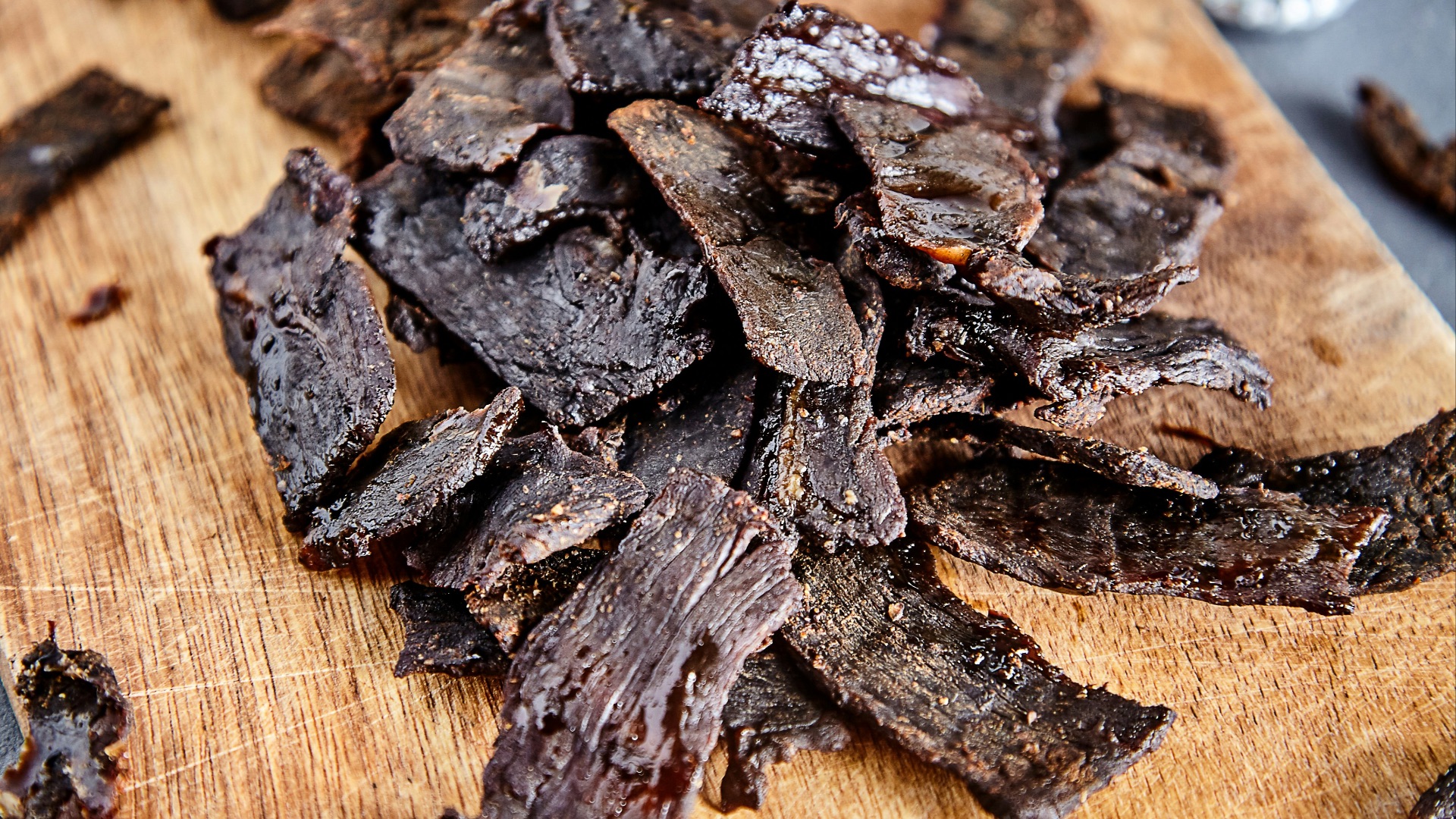
Jerky tastes salty, smoky, and intensely savory, so sugar can seem out of place on its ingredient list. In reality, many marinades contain brown sugar, honey, teriyaki sauce, or other sweet ingredients that contribute both flavor and texture. Sweet-and-spicy and teriyaki varieties are likely to contain more, but even some seemingly plain products use added sweeteners. Brands differ enough that two bags sitting next to each other can have noticeably different nutrition profiles.
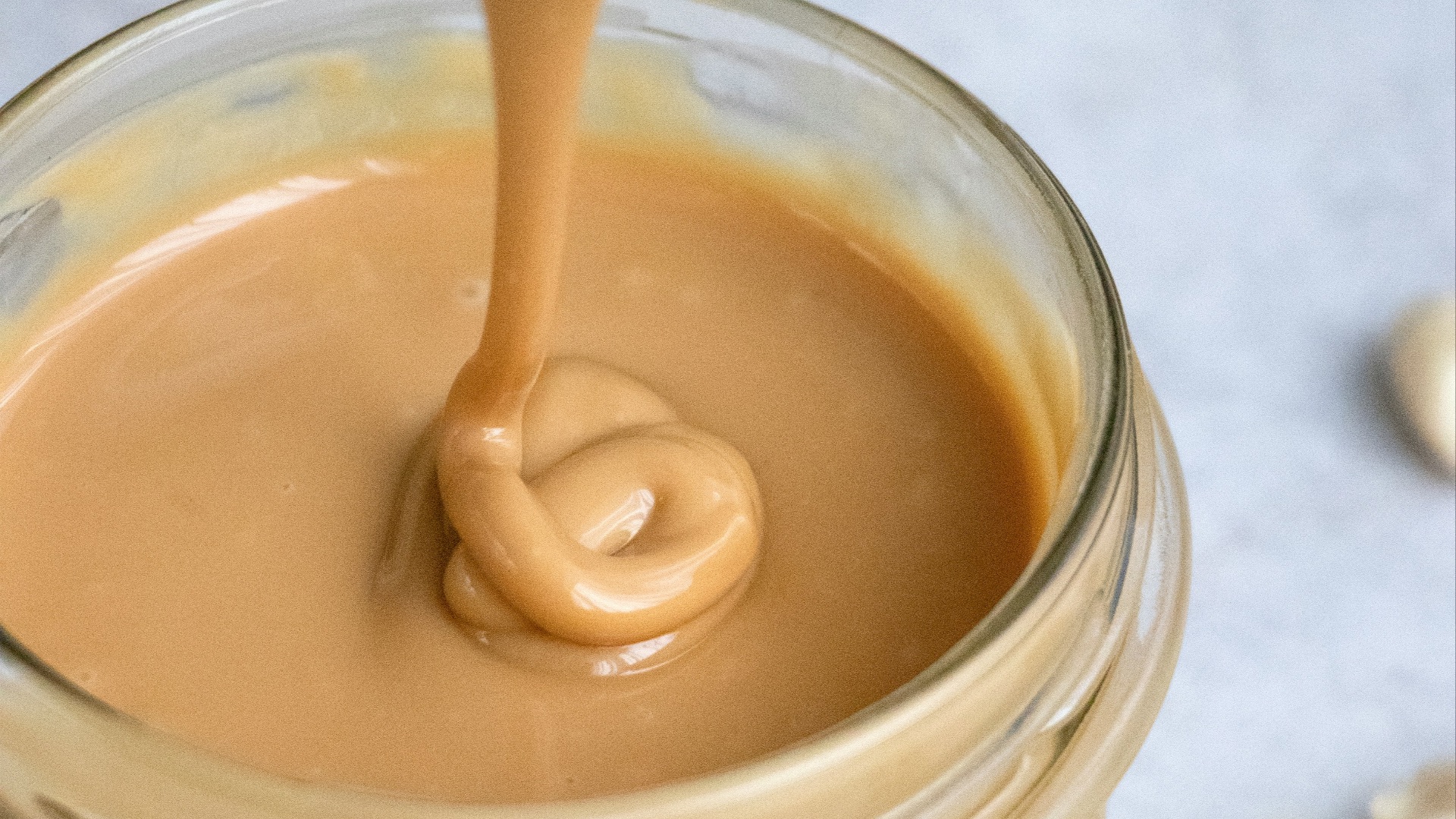
15. Peanut Butter
Peanuts naturally have a small amount of sugar, but some mainstream peanut butters also include sweeteners in the recipe. The finished product may still taste mostly salty and nutty, so the added sweetness doesn't always stand out. This becomes more relevant if peanut butter is something you eat frequently or use generously on toast, sandwiches, oatmeal, and snacks. Natural varieties made primarily from peanuts and salt generally make it simpler to avoid unnecessary added sugar.
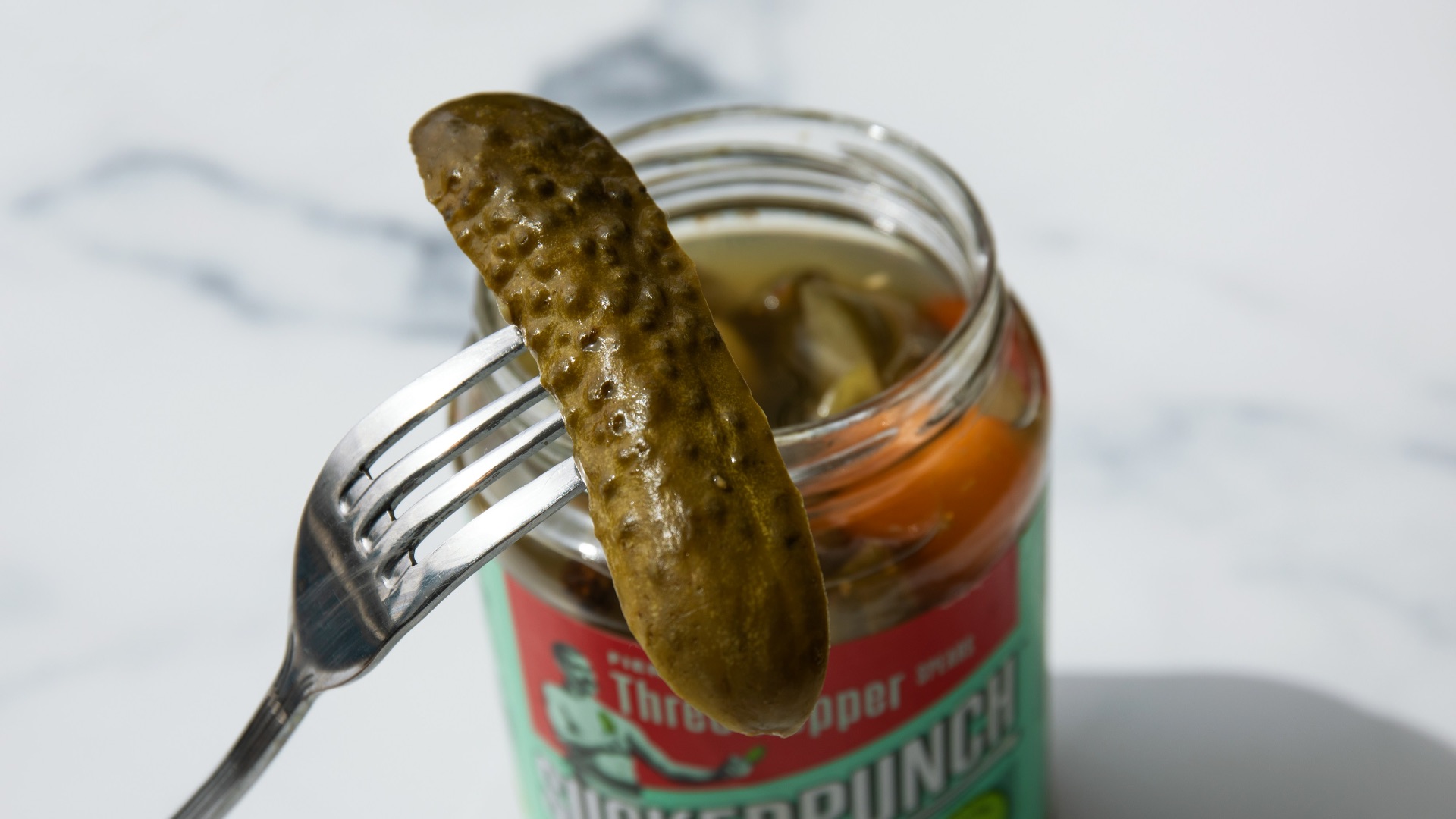
16. Pickles
You probably associate pickles with vinegar, salt, and a sharp sour flavor, yet certain types can contain a considerable amount of sugar. Bread-and-butter pickles and other sweet pickle varieties, for example, are commonly prepared in a sweetened brine, and some less obviously sweet products contain sugar as well. Since the acidity remains strong, the finished pickle can still taste tangy despite the sweetener in the recipe. If you tend to eat several at a time, the nutrition label is worth checking rather than judging the sugar content by taste alone.
 SuckerPunch Gourmet on Unsplash
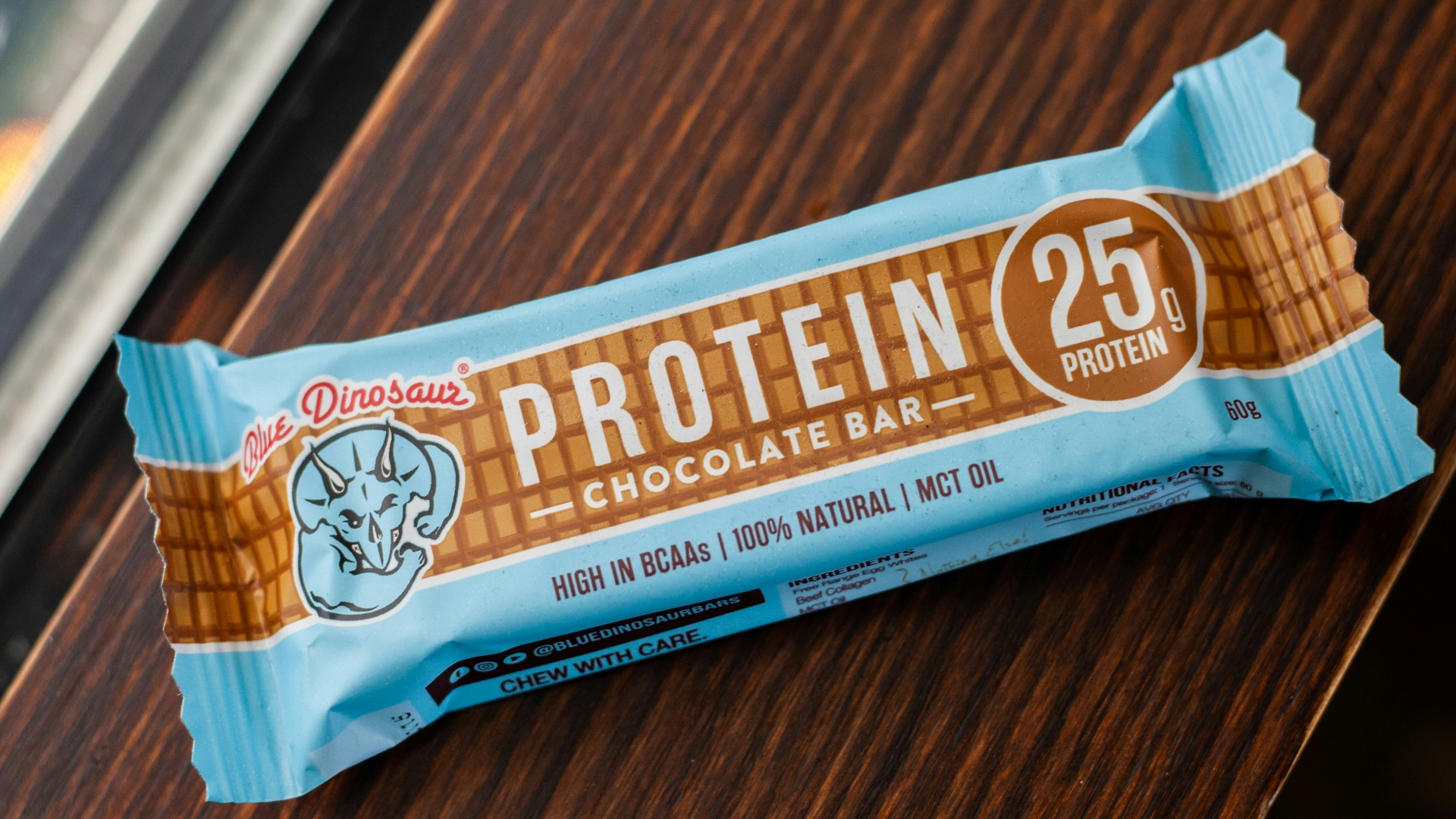
17. Protein Bars
The words "protein bar" can make a product sound more like workout fuel than a sweet snack, but the ingredient list sometimes tells a more complicated story. Syrups, honey, dates, chocolate coatings, and other sweet ingredients may supply enough sugar to rival foods you'd immediately recognize as treats. Higher protein doesn't automatically cancel out a high amount of added sugar, so it's useful to consider both numbers separately. The range between brands is enormous, which means a quick label comparison can make a meaningful difference.
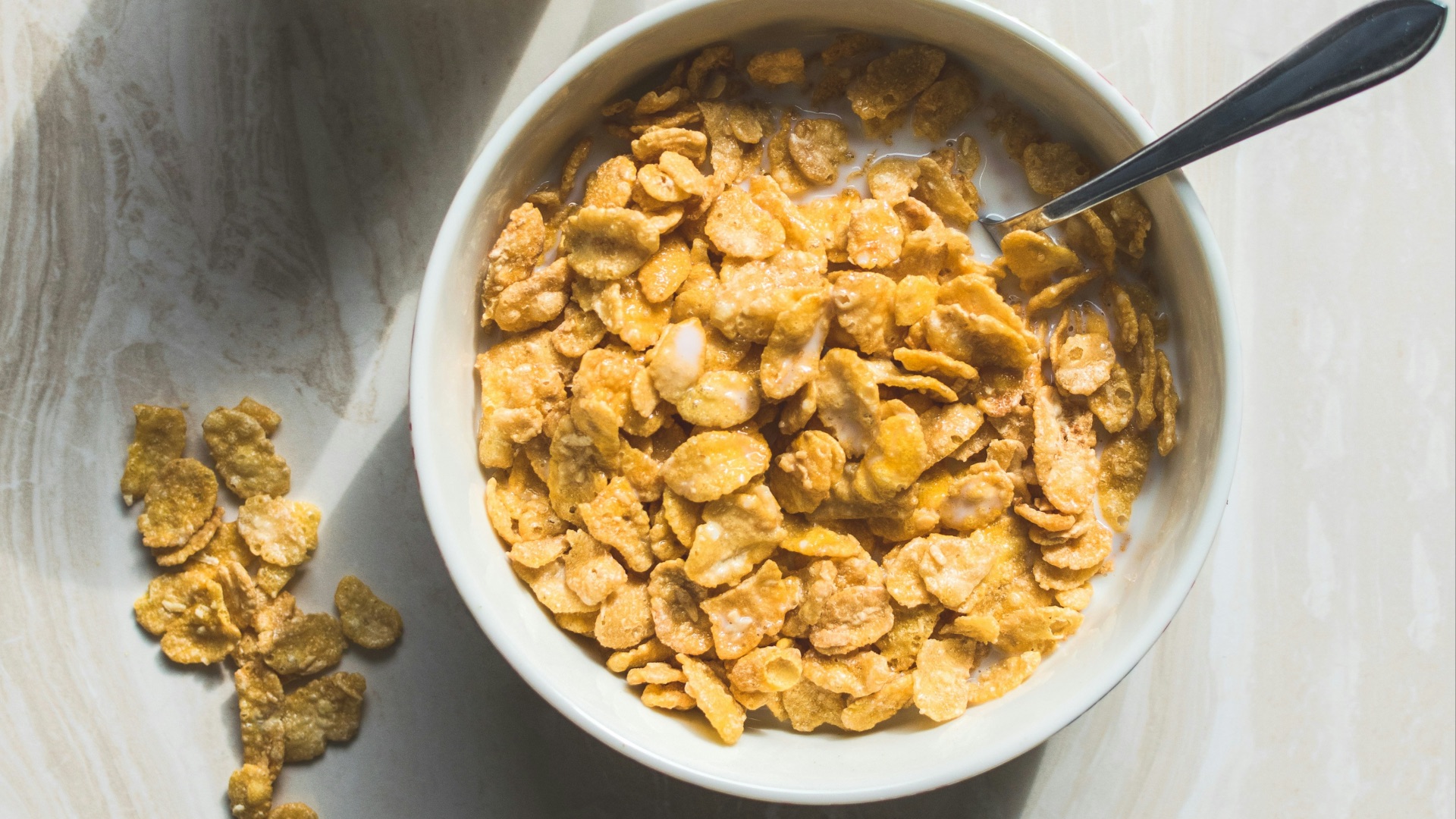
18. "Healthy" Breakfast Cereals
Contrary to what you might think, it's not just the brightly colored cereal your kids eat that's loaded with sugar. Bran cereals, granola-style cereals, clusters, and varieties promoted around whole grains or fiber can contain more sugar than their restrained appearance suggests. Nuts, raisins, honey coatings, and sweetened flakes can all contribute to the total as well without creating an overtly dessert-like flavor. What matters most is the nutrition information, so make sure to always check it before you buy.
19. Crackers
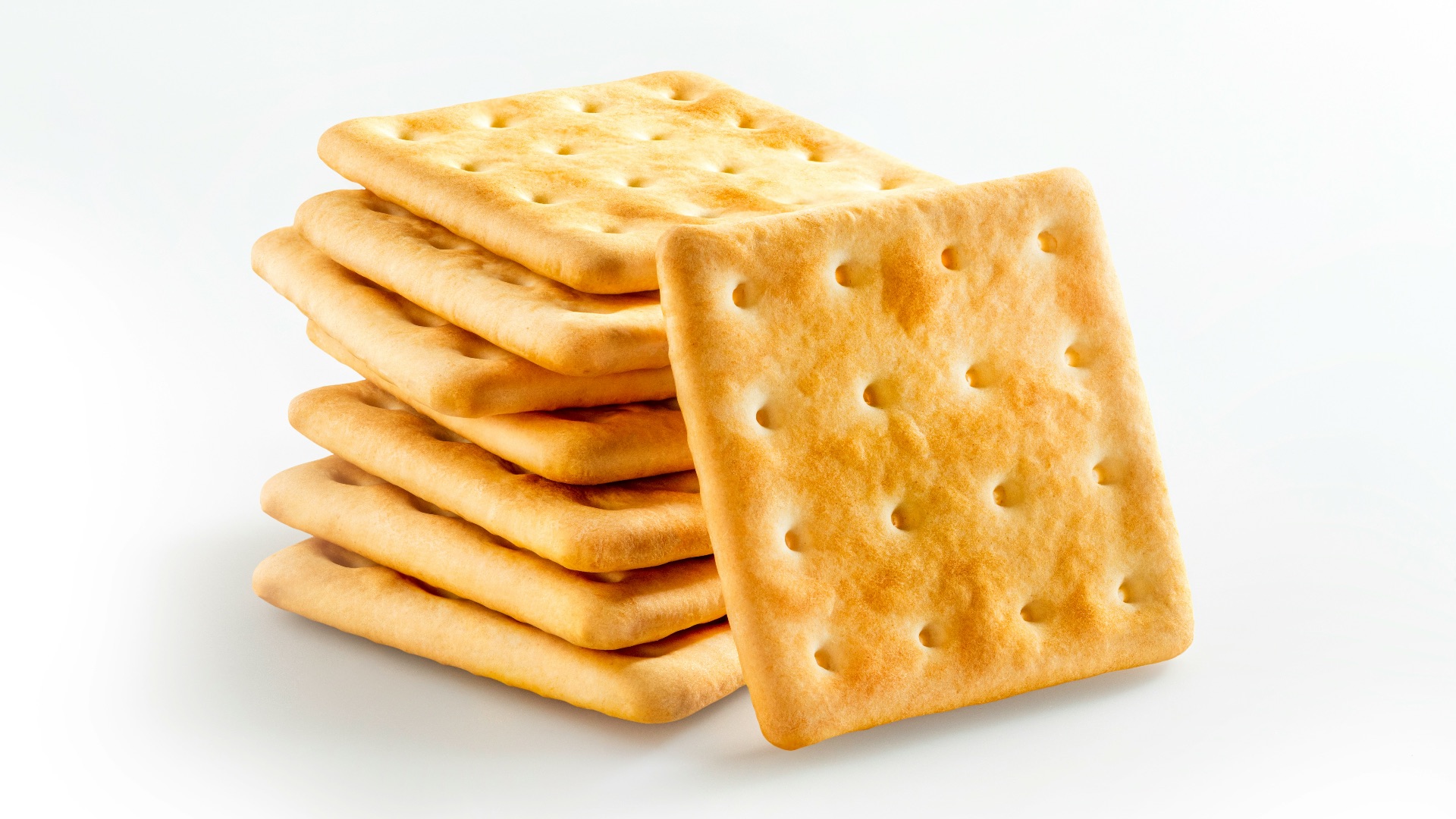
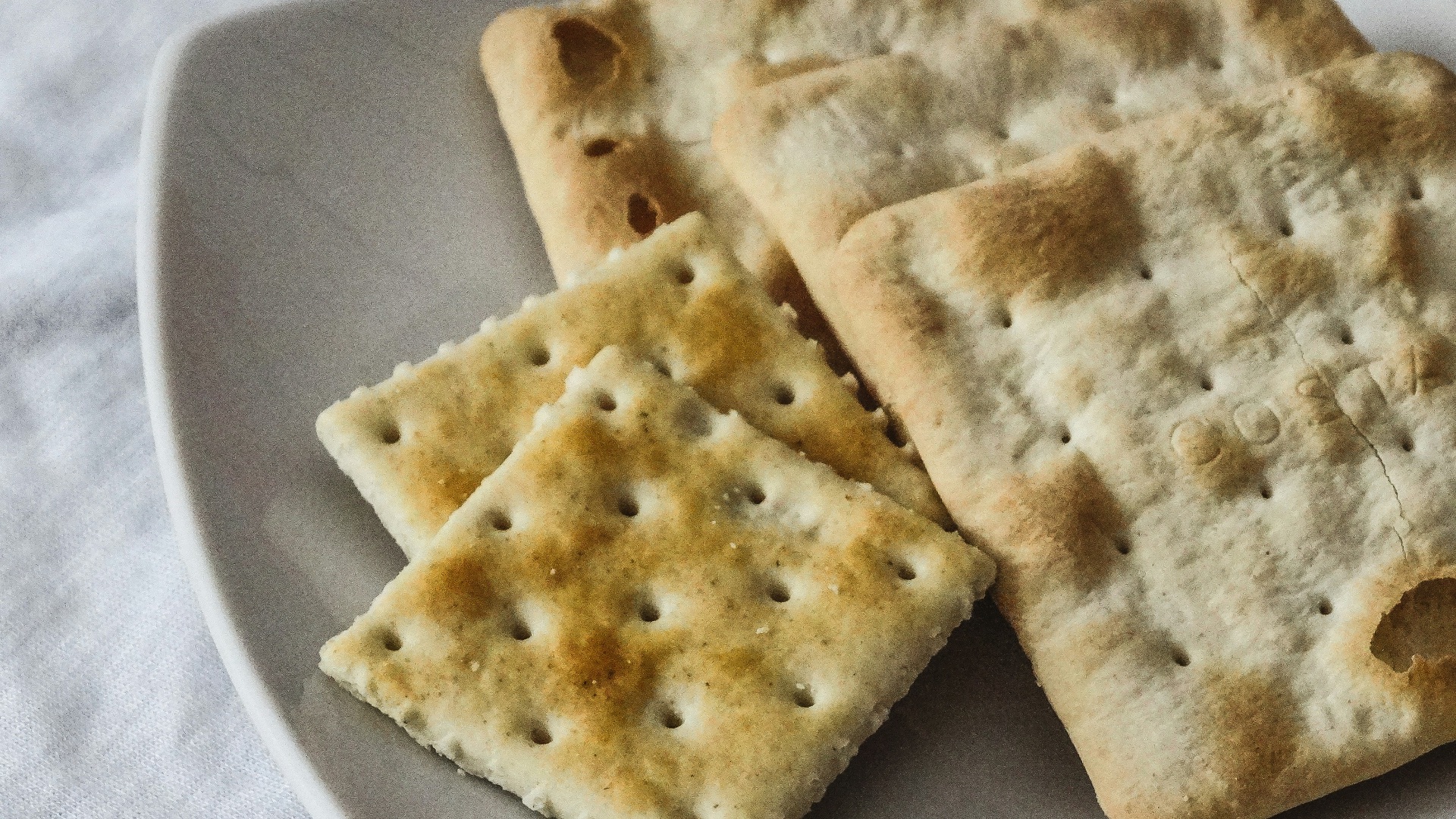
Crackers are generally associated with salt rather than sugar, but some packaged varieties include added sweeteners among their ingredients. Honey, malt syrup, sugar, and other sweeteners can help with browning and flavor even when the finished cracker remains firmly savory. Individually, the amount may seem small, yet crackers are rarely eaten one at a time and serving sizes can be easy to exceed. This is another example of a food that can contribute sugar without tasting much like a sugary snack.
20. Low-Fat Yogurt
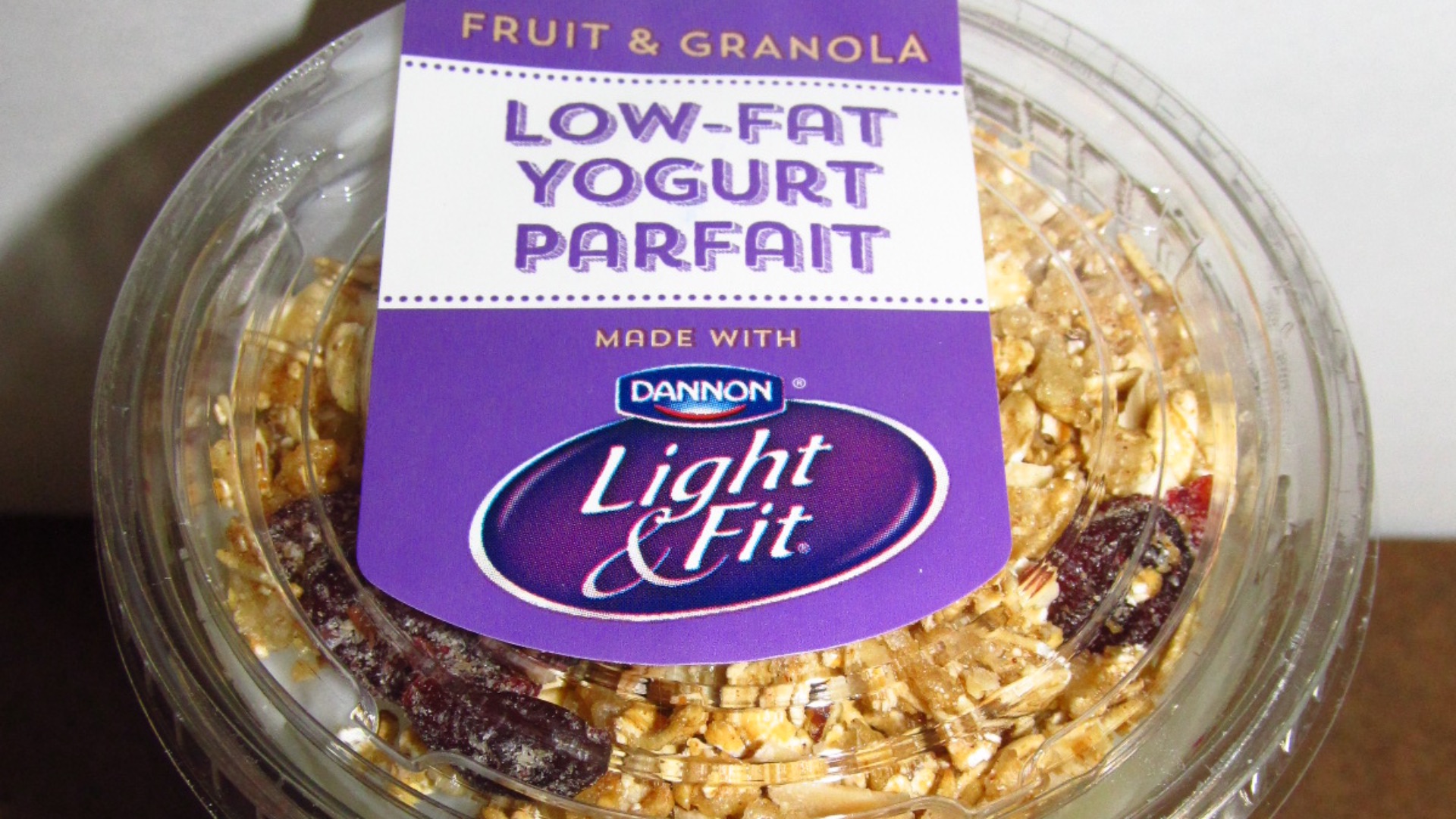
Unfortunately, it's not just flavored varieties you should be looking out for. Low-fat yogurt may sound like the lighter choice, but removing some of the fat can come with an unexpected tradeoff. Manufacturers often add sugar to improve the flavor, particularly in fruit-flavored or sweetened varieties, and some products can end up surprisingly high in total sugar as a result. Since yogurt already contains naturally occurring lactose, it's worth checking the added sugars line rather than looking at total sugar alone. Plain, unsweetened yogurt is usually the simplest option if you want more control over how much sugar you're eating.