20 “Mexican” Foods That Are Much More American Than Mexican
When Mexican-Inspired Food Takes an American Detour
Mexican cuisine is enormously diverse, so calling something “Mexican” can cover everything from regional specialties with centuries of history to dishes created much later in the United States. Many foods Americans associate with Mexican restaurants actually come from Tex-Mex, Mexican-American communities, fast-food chains, or adaptations made for American taste buds. That doesn't make them bad, but it does mean you probably won't find the same versions everywhere in Mexico. Here are 20 familiar favorites whose stories are much more American than their menus sometimes suggest.
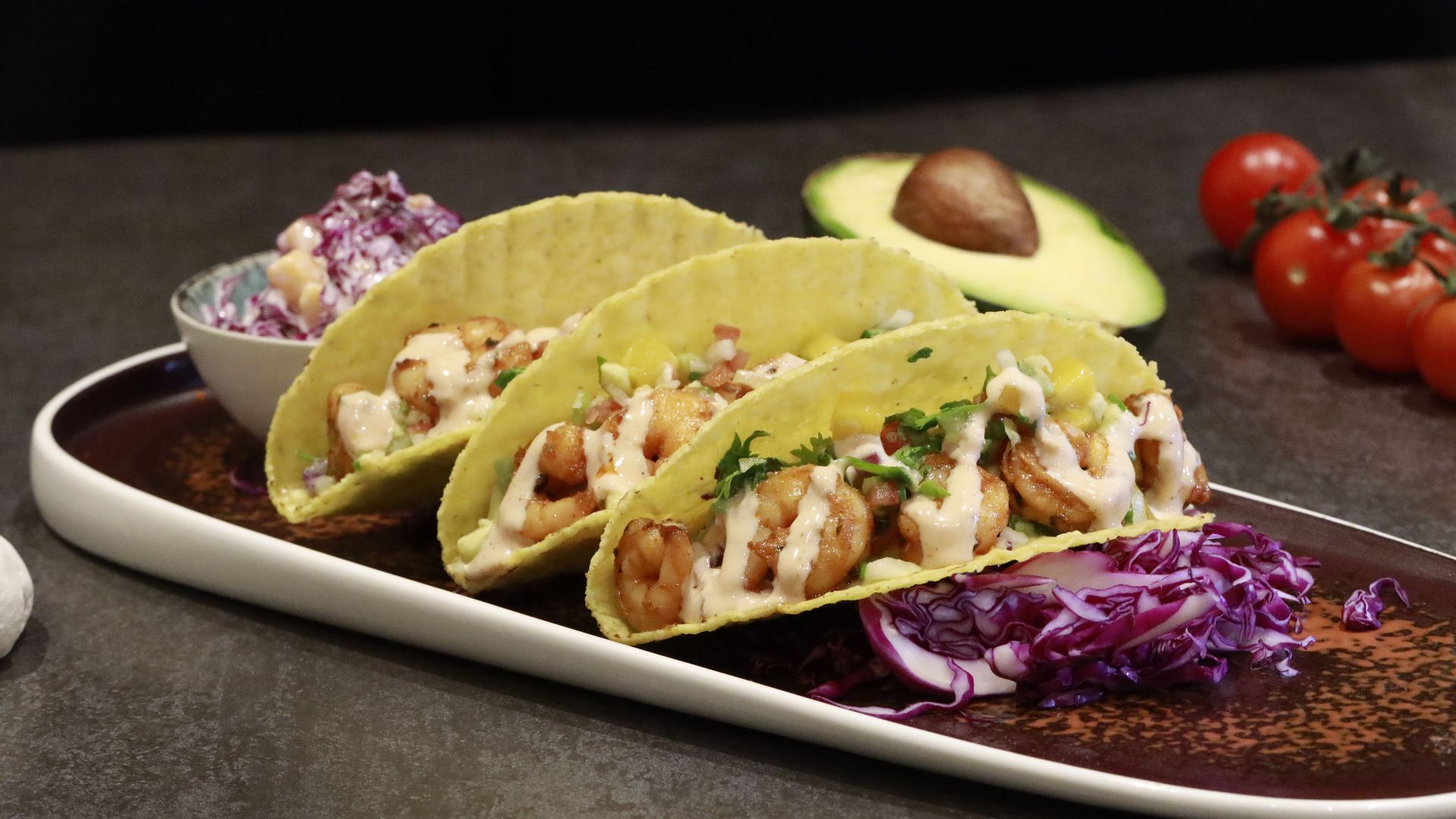
1. Hard-Shell Tacos
Tacos have a long history in Mexico, but it's not that common to find the crispy version south of the border. The rigid, U-shaped shells sold in American supermarkets and fast-food restaurants are strongly associated with Mexican-American cuisine. Their popularity exploded once companies began mass-producing preformed taco shells that could be filled quickly and consistently. In much of Mexico, tacos are more commonly served on soft corn tortillas.
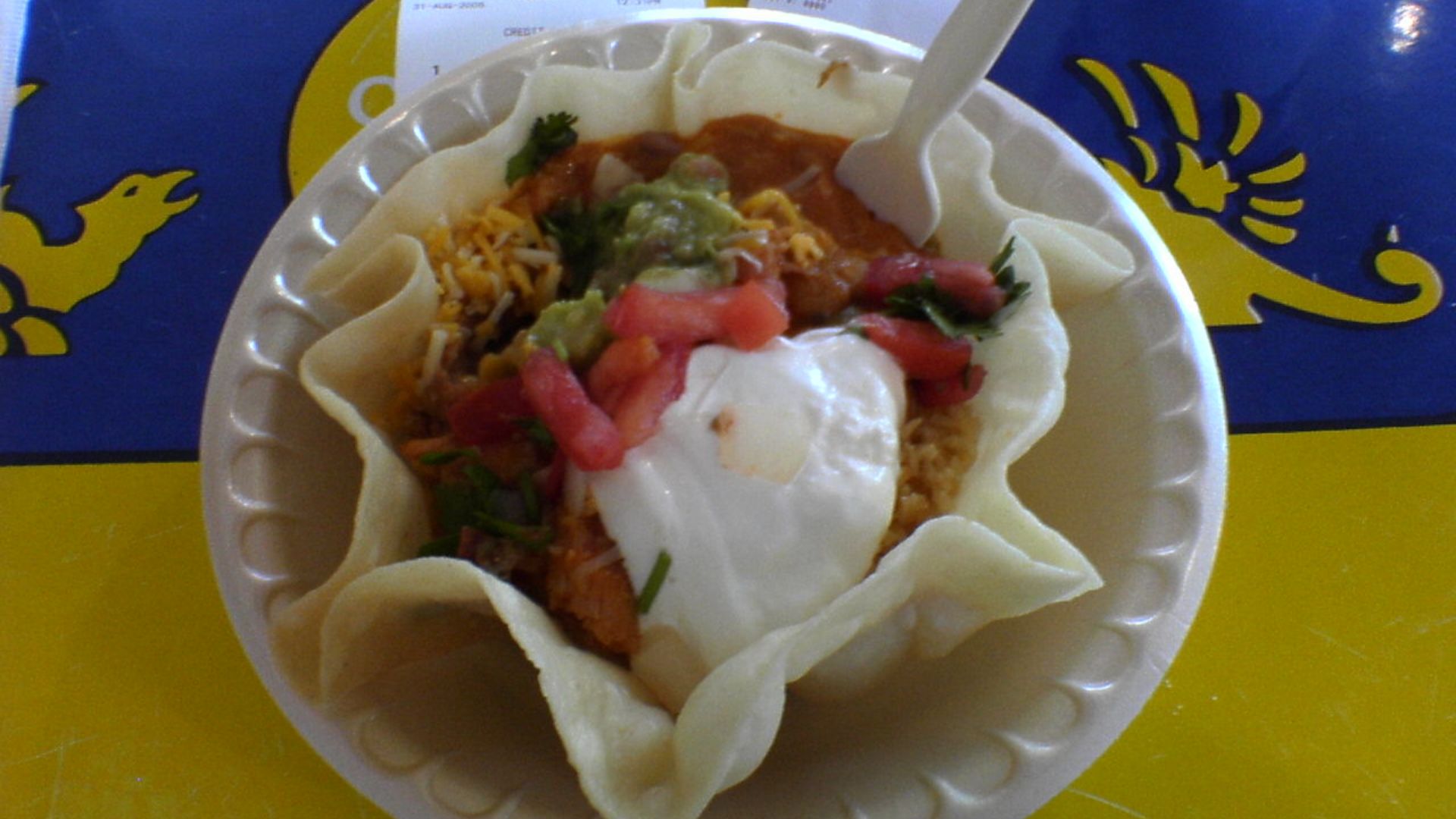
2. Taco Salad
A giant fried tortilla shell stuffed with lettuce, seasoned ground beef, shredded cheese, sour cream, and salsa is a familiar Mexican-restaurant order across the U.S., but it developed largely within American Tex-Mex dining rather than as a traditional Mexican dish. It combines recognizable ingredients in a format that suits U.S. restaurant culture particularly well.
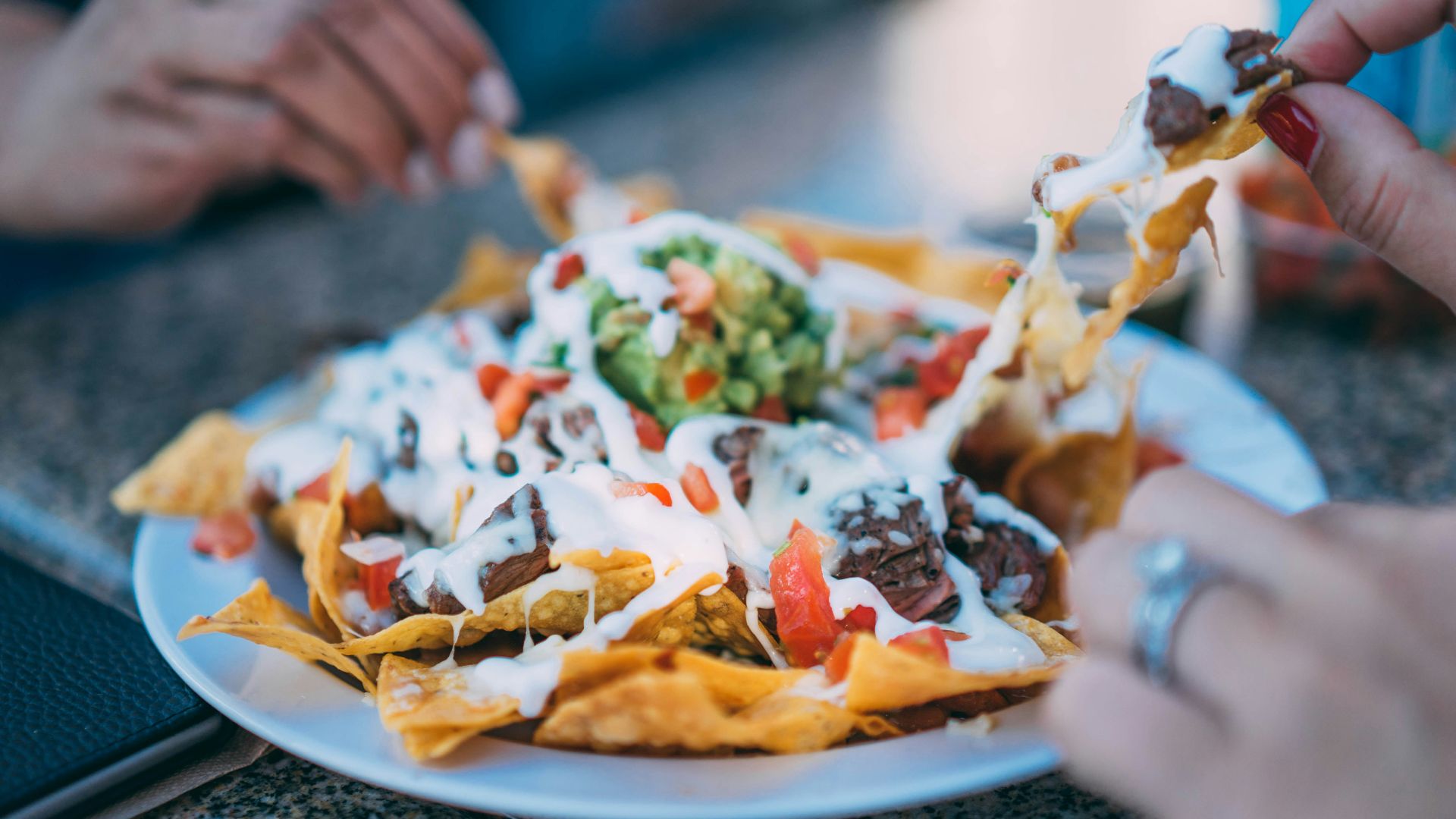
3. Nachos Supreme
Nachos themselves were created in northern Mexico by Ignacio “Nacho” Anaya, so the dish has a genuinely Mexican origin story. However, the story goes that they were created for a group of American military wives visiting across the border, so the dish was always tailored to American taste. This is particularly true of the enormous versions topped with ground beef, beans, sour cream, guacamole, olives, jalapeños, and several handfuls of cheese typically found on sports bar menus.
4. Chili con Queso
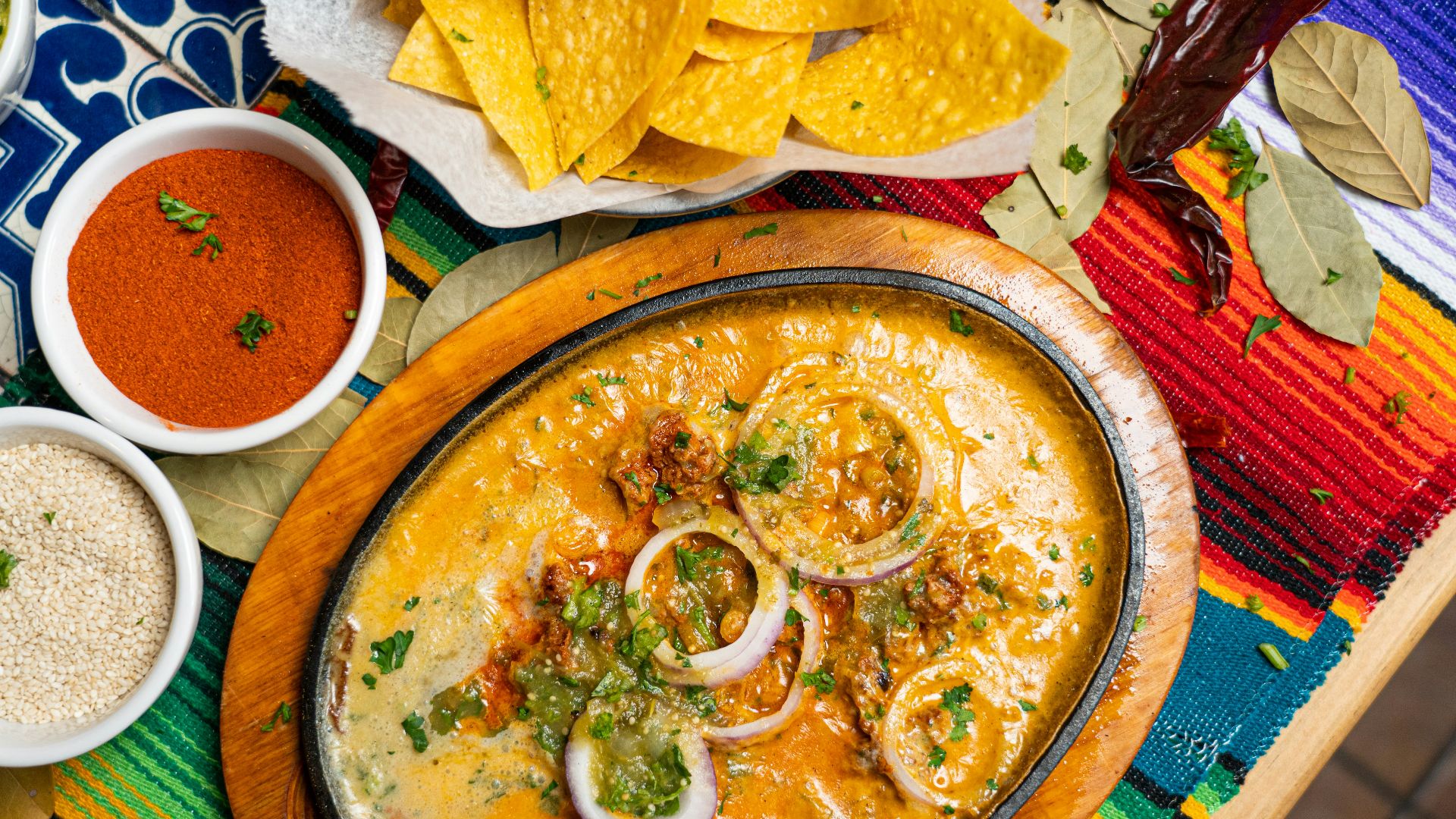
Warm melted cheese served as a dip has become almost inseparable from American Tex-Mex restaurants, especially in Texas and the Southwest. Chili con queso often uses highly processed cheese, which is an undeniably American staple, combined with chiles, tomatoes, or seasoned meat. Mexico has plenty of wonderful cheese dishes, but the smooth orange dip many Americans expect with tortilla chips belongs much more clearly to Tex-Mex tradition.
 Hybrid Storytellers on Unsplash
5. Fajitas
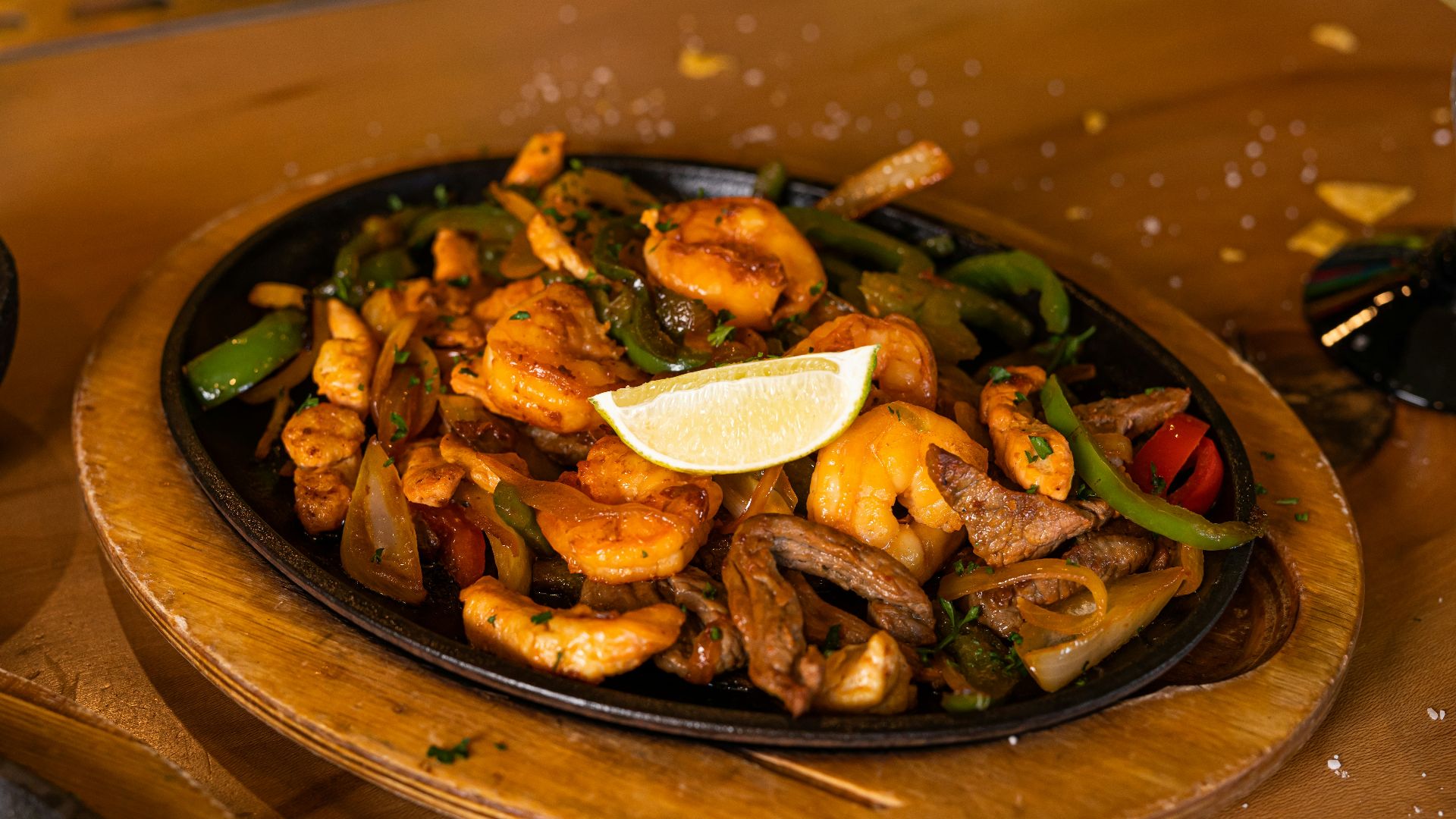
Fajitas grew out of ranching traditions along the Texas-Mexico border, where skirt steak was associated with Mexican and Mexican-American workers, but the sizzling restaurant presentation where the ingredients are laid out on a dramatic hot platter became particularly popular in the U.S. Today, “fajita” can describe chicken, shrimp, and all kinds of fillings that go well beyond the original cut of beef.
 Hybrid Storytellers on Unsplash
6. Seven-Layer Dip
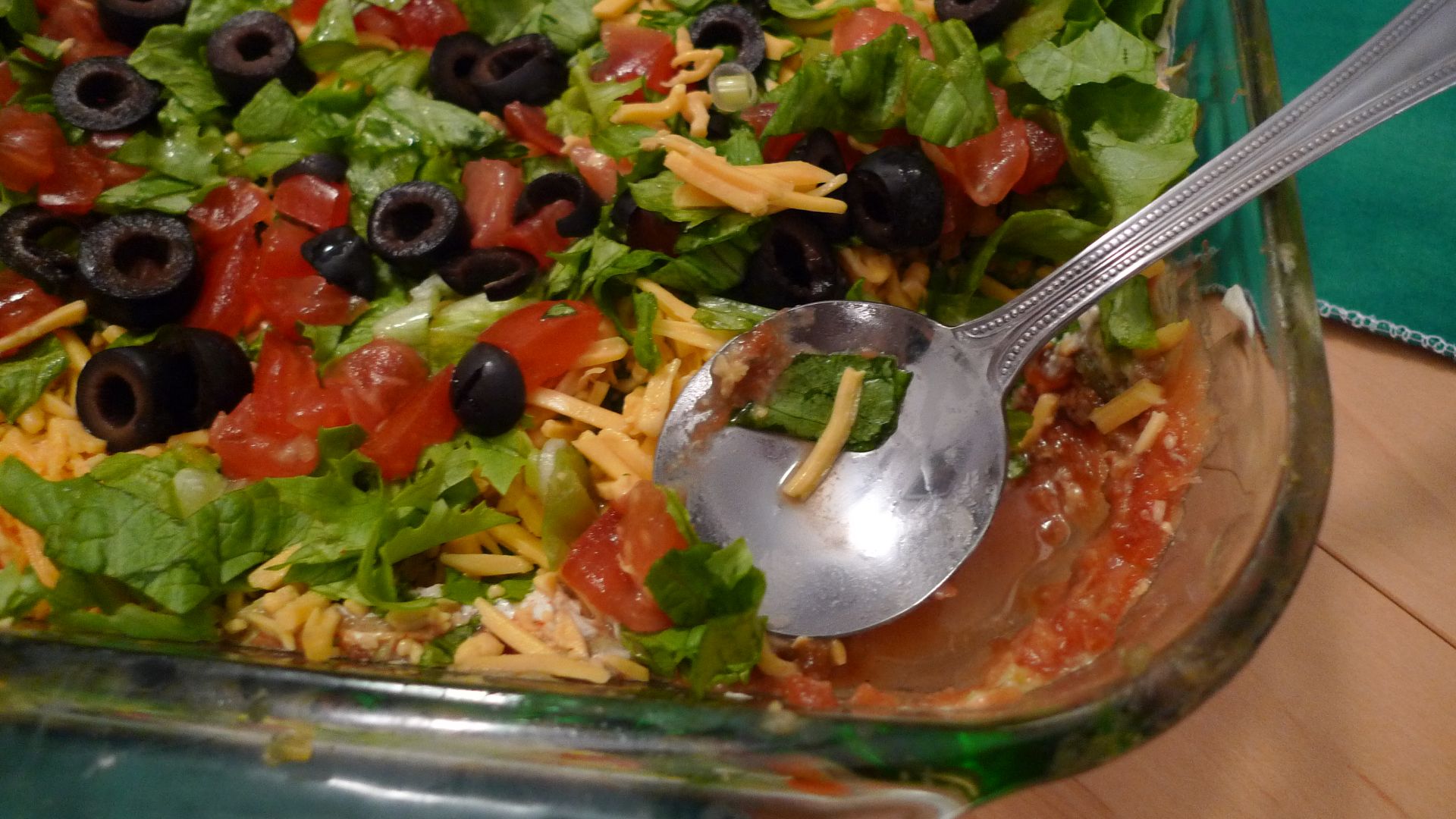
Seven-layer dip typically piles refried beans, seasoned sour cream, guacamole, shredded cheese, tomatoes, olives, and green onions into one cold party dish. It became especially familiar at American parties, potlucks, and game-day gatherings. If someone arrives carrying a glass baking dish full of it, you're probably closer to a suburban living room than a Mexican cantina.
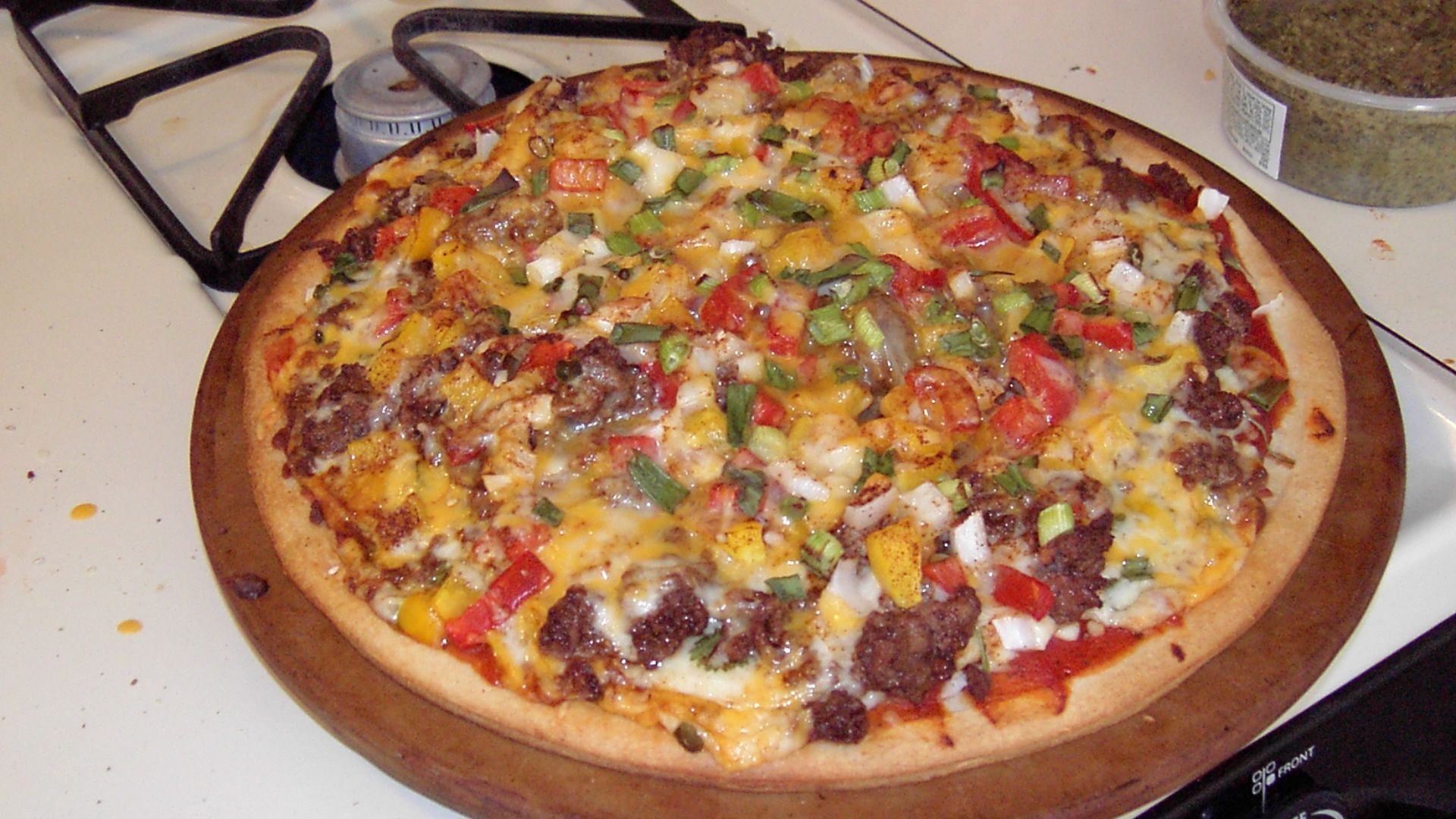
7. Taco Pizza
Taco pizza is exactly the kind of strange fusion that would only happen in America. It usually starts with a pizza crust and adds ingredients such as seasoned ground beef, refried beans, cheddar cheese, lettuce, tomatoes, and crushed tortilla chips. It borrows from Mexican flavors, but no one in their right mind would call it traditional Mexican.
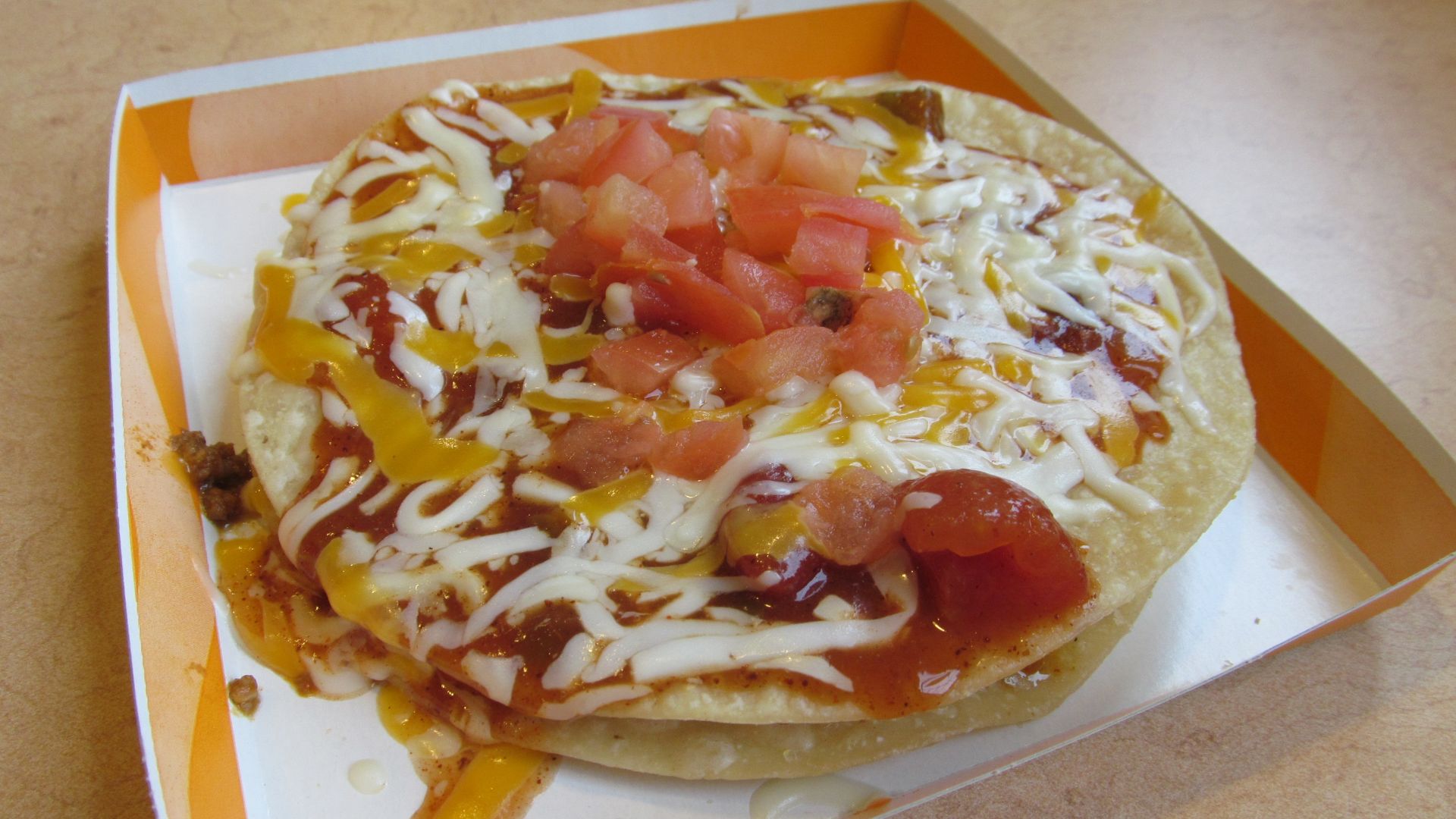
8. Mexican Pizza
Despite the name, the fast-food Mexican pizza is primarily an American chain-restaurant invention. It generally uses crisp tortillas layered with beans, seasoned meat, cheese, and sauce, creating something closer to a Tex-Mex-inspired stack than a Mexican pizza tradition. Taco Bell made the concept especially recognizable to generations of U.S. customers.
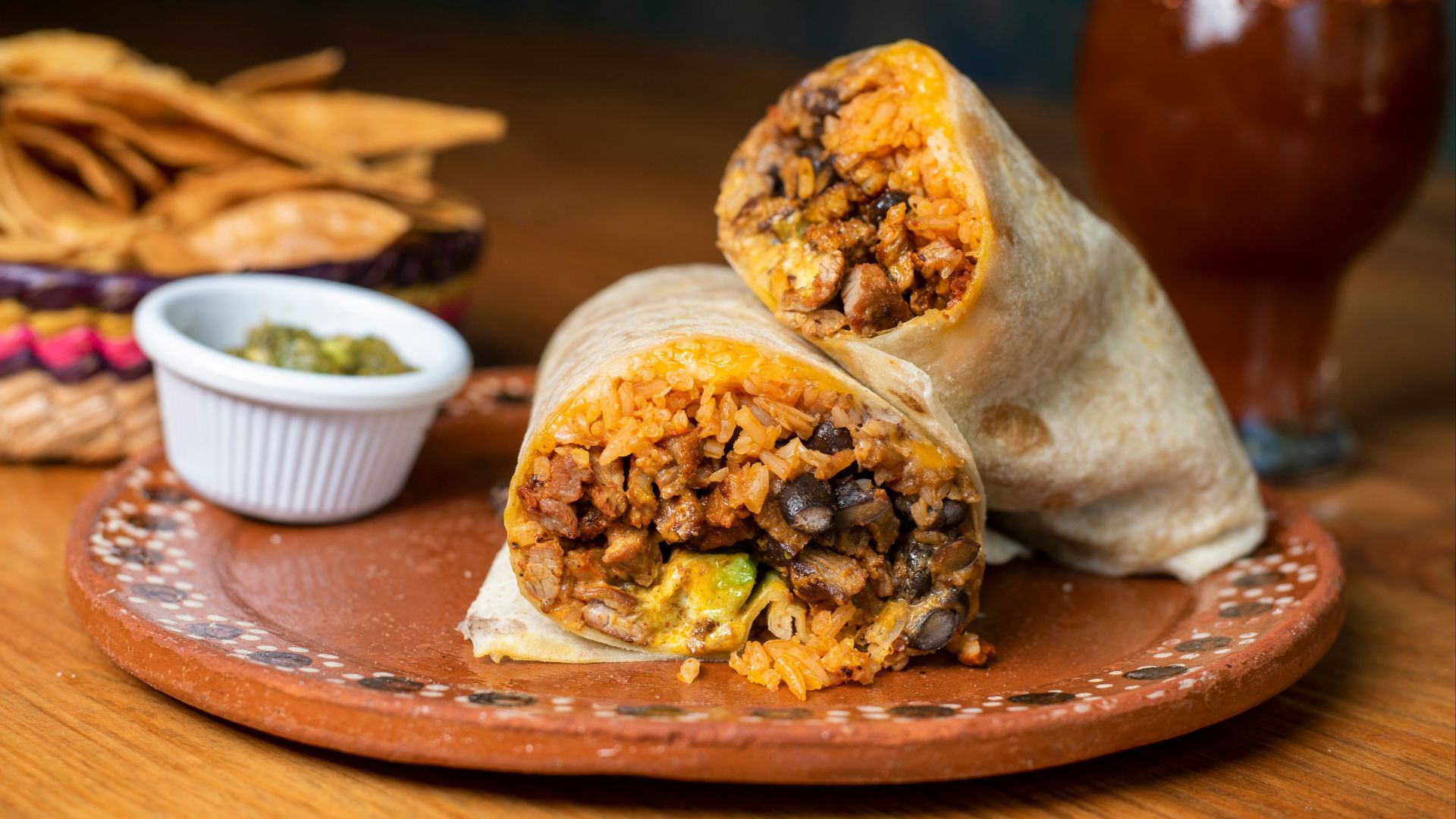
9. Mission-Style Burritos
Burritos do have roots in northern Mexican cuisine, but the enormous Mission-style burrito belongs to San Francisco's Mexican-American food culture. It typically packs rice, beans, meat, salsa, cheese, sour cream, and sometimes guacamole into an oversized flour tortilla wrapped tightly in foil, making an enormous American sized burrito. In Mexico, burritos are often simpler and less likely to require two hands and a strategy.
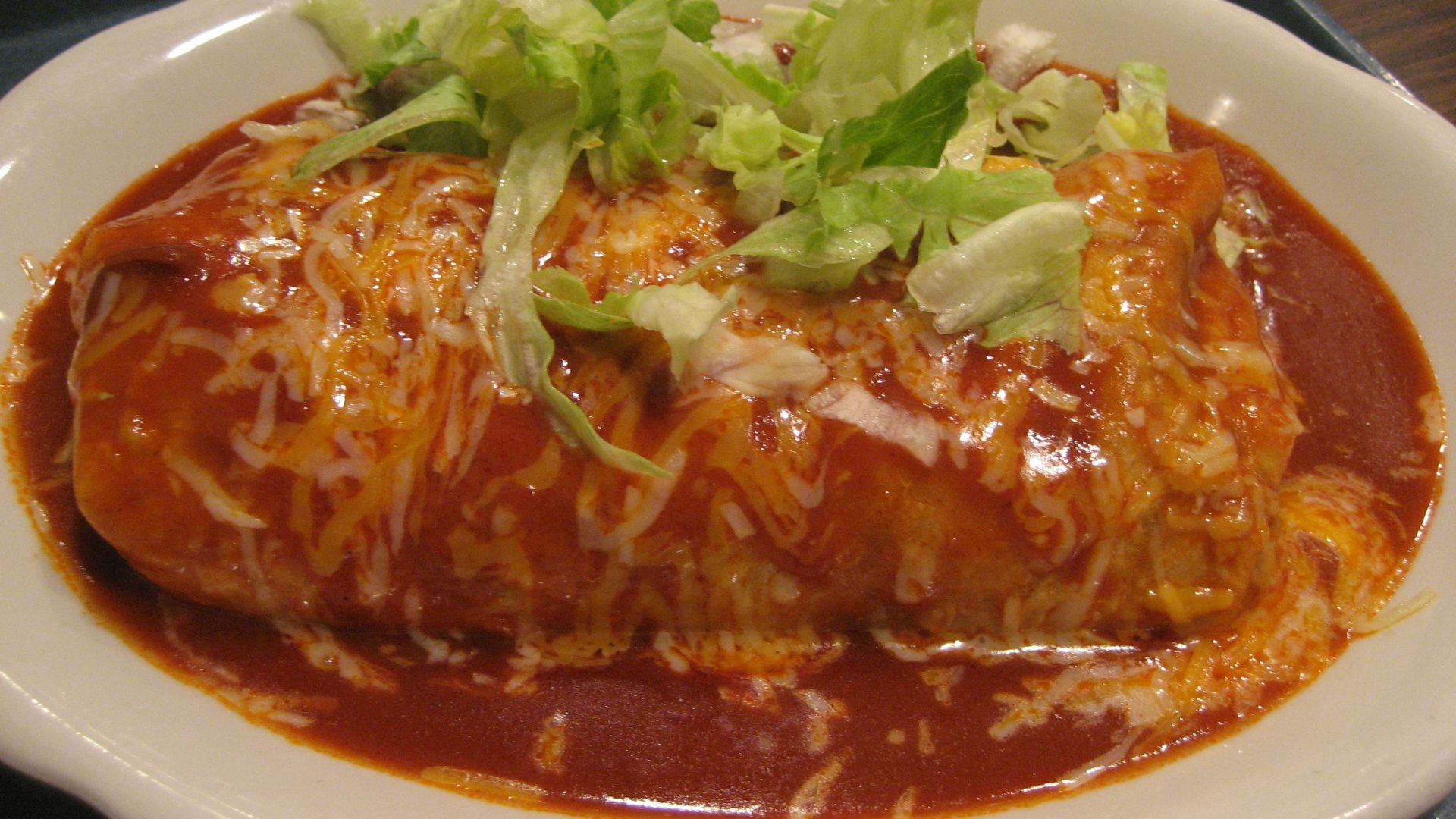
10. Wet Burritos
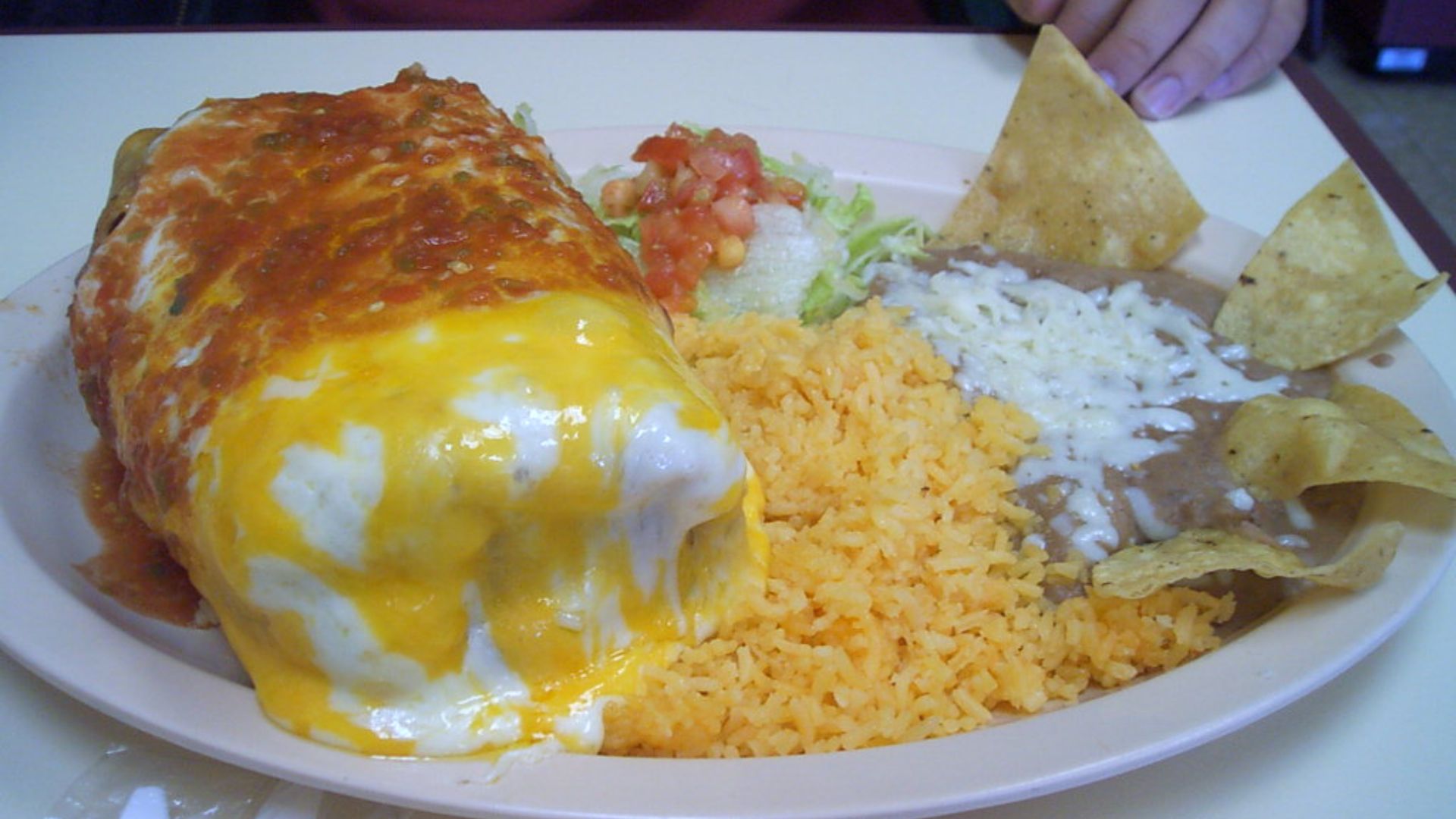
A wet burrito takes an American-style stuffed burrito and covers it with red or green sauce, melted cheese, and sometimes additional toppings, kind of like a cross between and enchilada and a burrito. While sauced tortilla dishes certainly exist throughout Mexican cuisine, this specific restaurant format developed largely in Mexican-American dining. Once your burrito requires a fork and knife, you've entered a different branch of the family tree.
 Christopher Vasquez on Wikimedia
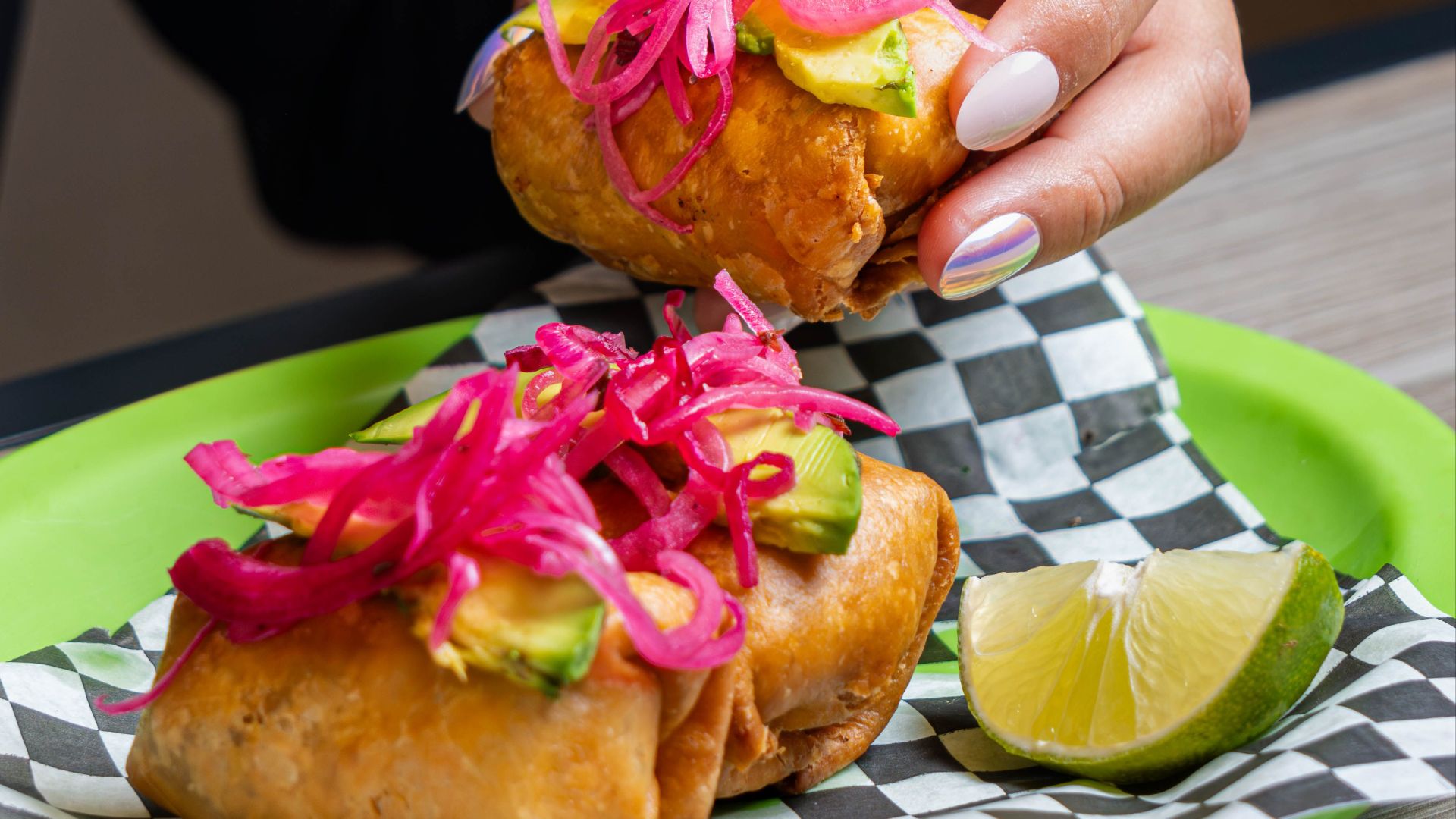
11. Chimichangas
It's a very American thing to look at a food and say "wouldn't this be better if we threw it in the fryer?" The chimichanga is basically a filled burrito that's deep-fried until its tortilla becomes crisp and golden. Its precise origin is disputed, but the strongest stories place its development in Arizona rather than deep inside Mexico.
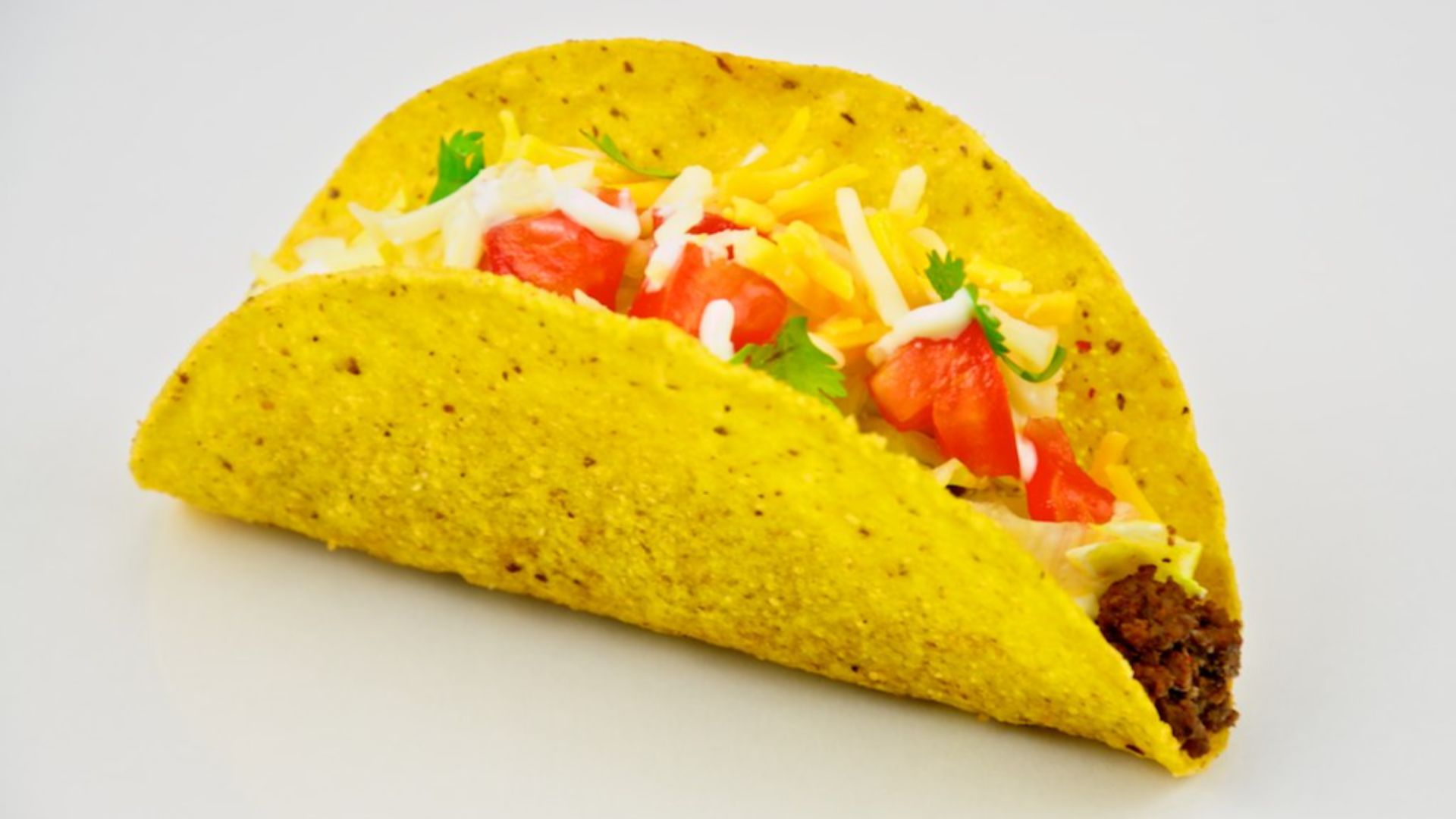
12. Ground Beef Tacos With Cheddar
Seasoned ground beef tucked into a crunchy shell with shredded iceberg lettuce, diced tomatoes, and bright yellow cheddar is practically an American weeknight institution. Traditional Mexican tacos can contain an enormous variety of meats, but this particular combination owes much of its identity to Tex-Mex cooking and American convenience foods. Packaged taco seasoning helped make it even more standardized across households.
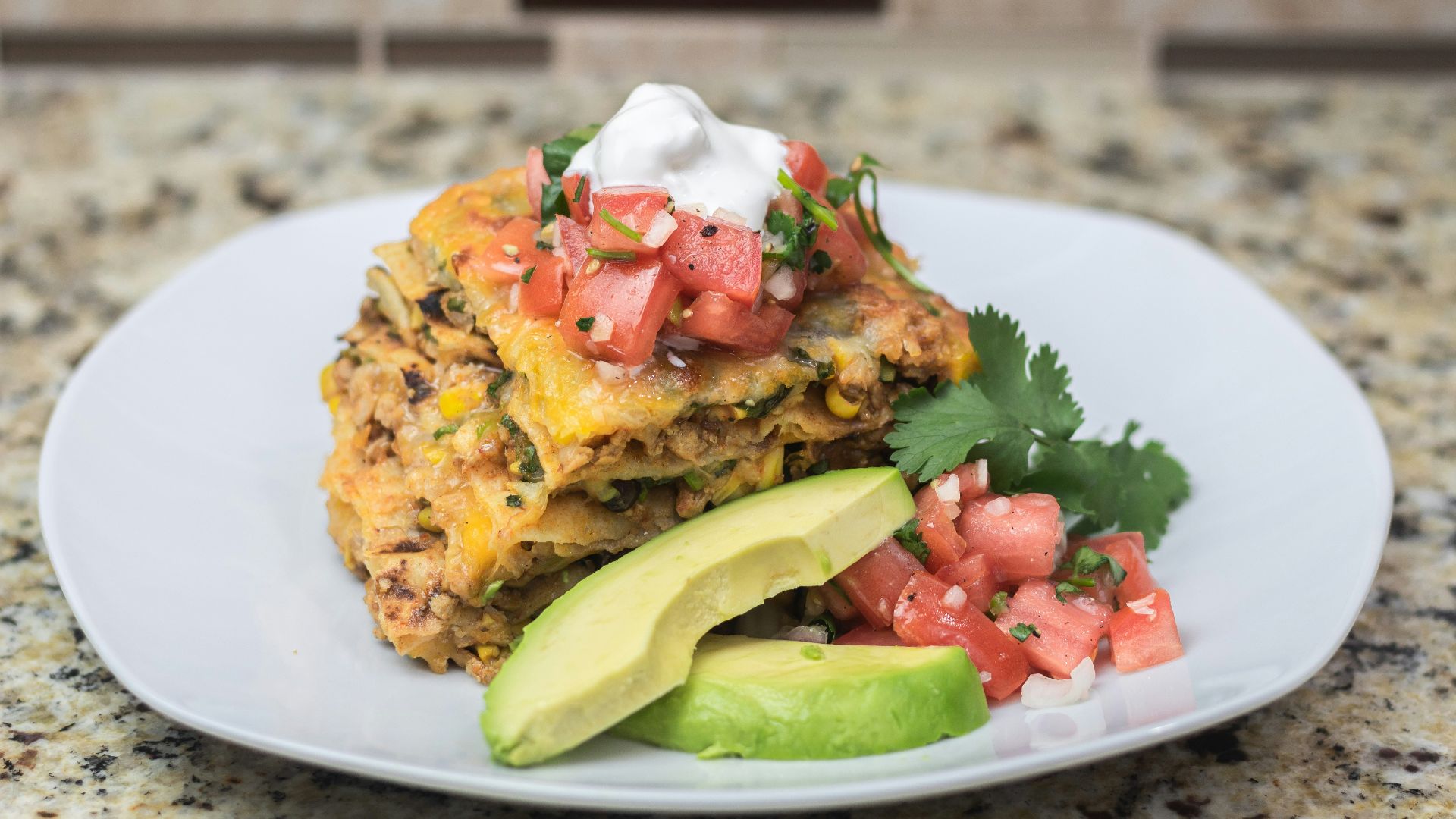
13. Taco Casserole
American casserole culture has absorbed just about every cuisine it can reach, and Mexican is no exception. Taco casseroles often layer ground beef, tortilla chips or tortillas, cheese, beans, canned chiles, and sauce into a dish designed to feed a family with minimal fuss. There's no single traditional Mexican equivalent that matches the classic Midwestern-style baked version.
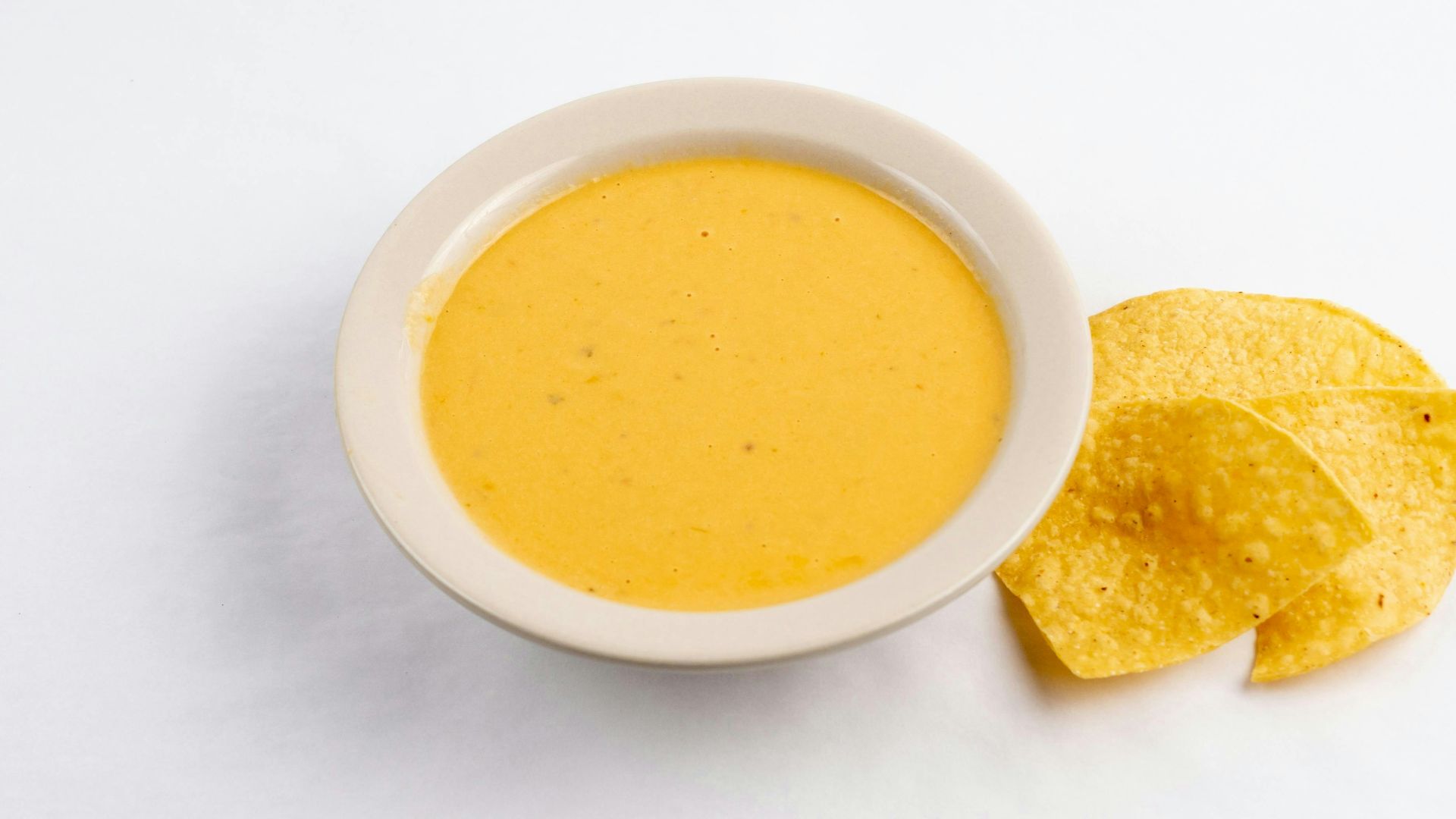
14. Nacho Cheese Sauce
That smooth, intensely orange cheese poured over tortilla chips at stadiums, movie theaters, and convenience stores isn't a standard feature of Mexican cuisine. American food manufacturers developed shelf-stable cheese sauces that could stay warm and pour easily, which made them ideal for concession stands, even if the neon orange color and pumpable texture is a little off-putting for some people. It's less a regional specialty and more a triumph of snack-counter engineering.
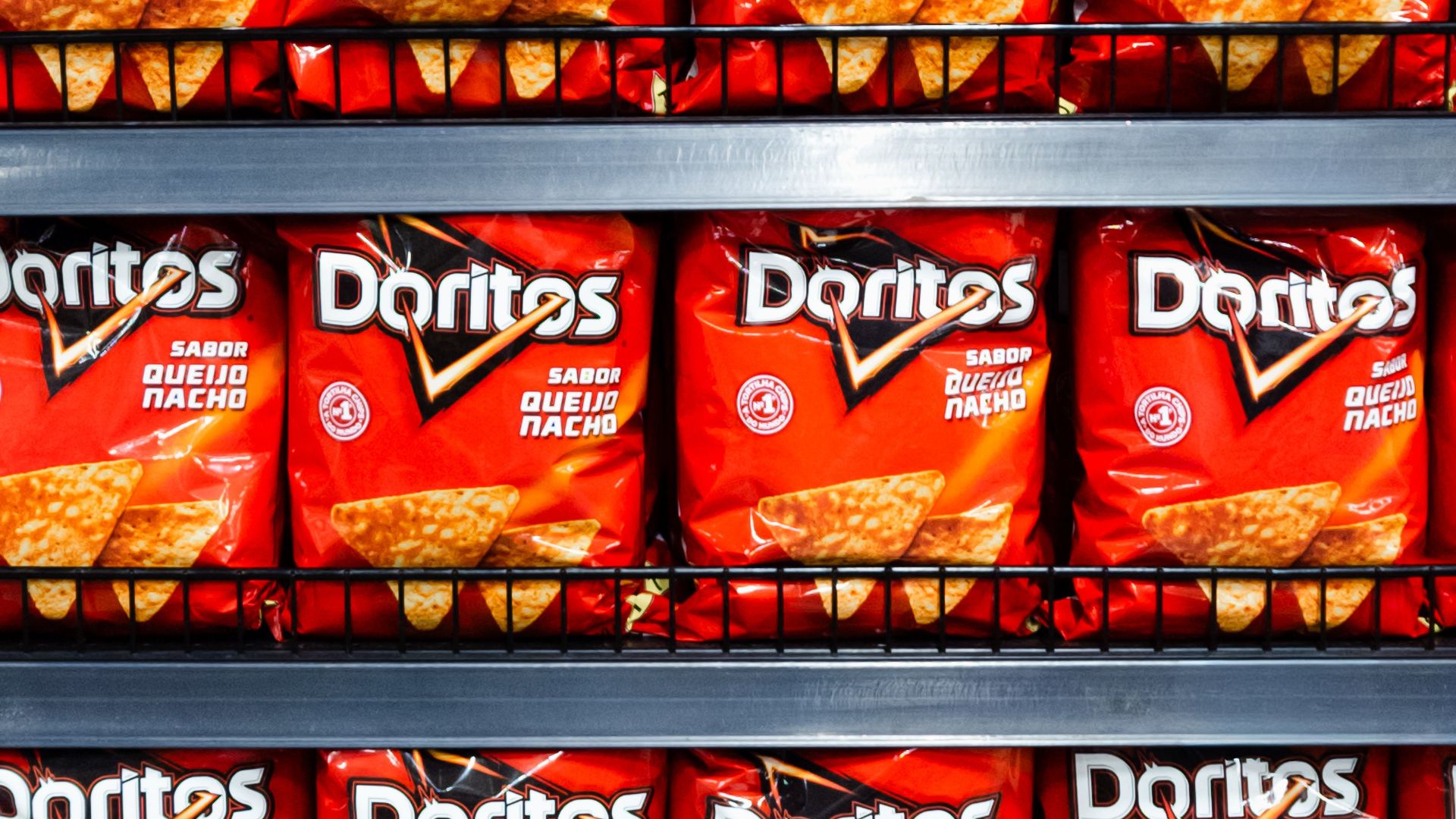
15. Doritos Taco Salad
Some American taco salad recipes take things one step further by mixing in crushed Doritos, bottled dressing, seasoned ground beef, cheese, and lettuce. This became the sort of recipe passed around family cookbooks, church potlucks, and community gatherings rather than restaurant kitchens in Mexico. The use of a flavored American snack chip makes its cultural origin fairly easy to guess. Nobody needs to apologize for enjoying it, but authenticity is hardly the goal here.
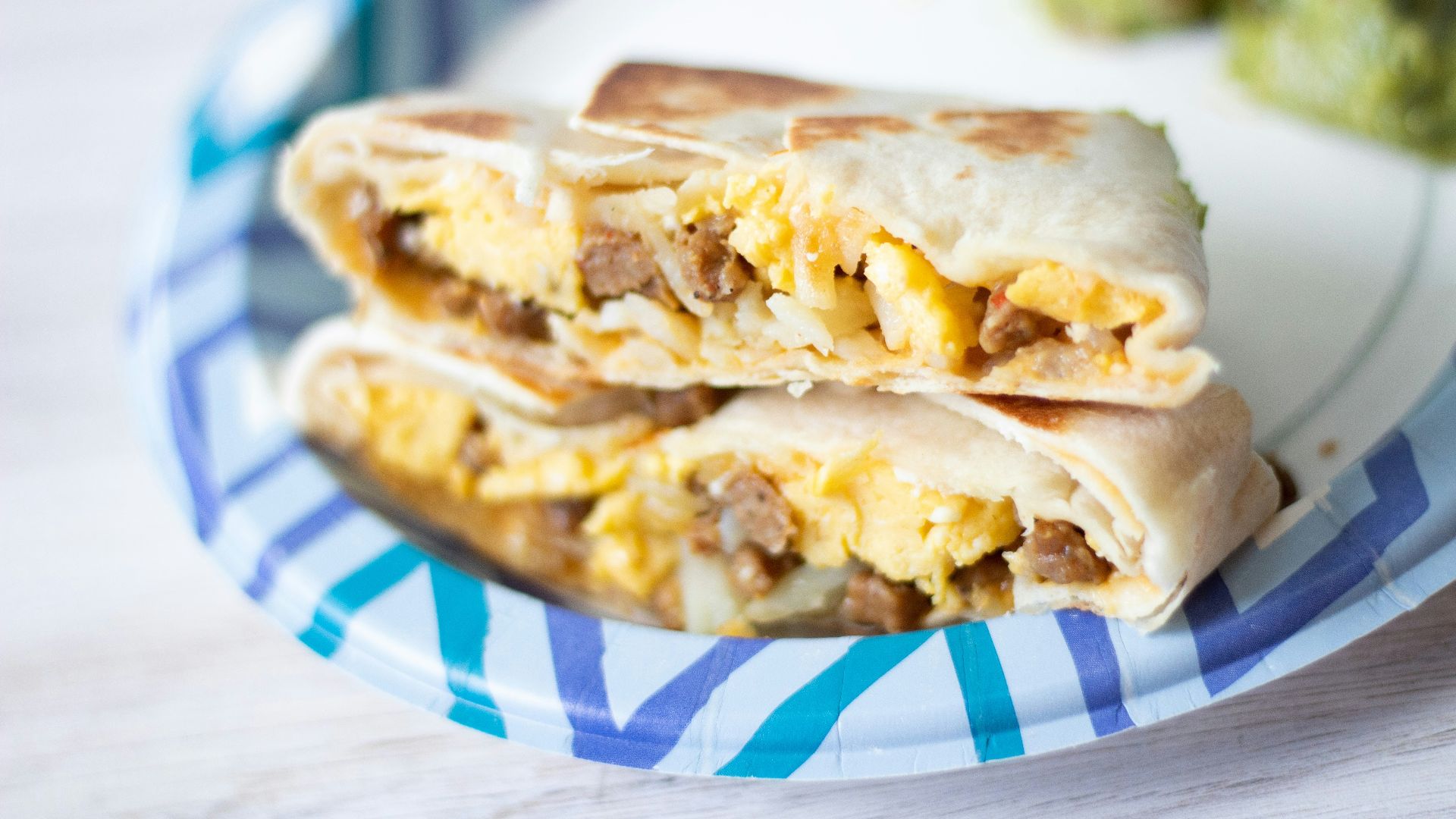
16. Breakfast Burritos With Bacon & Hash Browns
Breakfast burritos have strong Southwestern and Mexican-American roots, particularly in states such as New Mexico, California, and Texas. Versions stuffed with bacon, eggs, cheddar, potatoes, hash browns, and sausage reflect American breakfast habits more than Mexican cooking traditions. You might find them in Mexico, but they would be much more simple, containing just one or two fillings like eggs or chorizo.
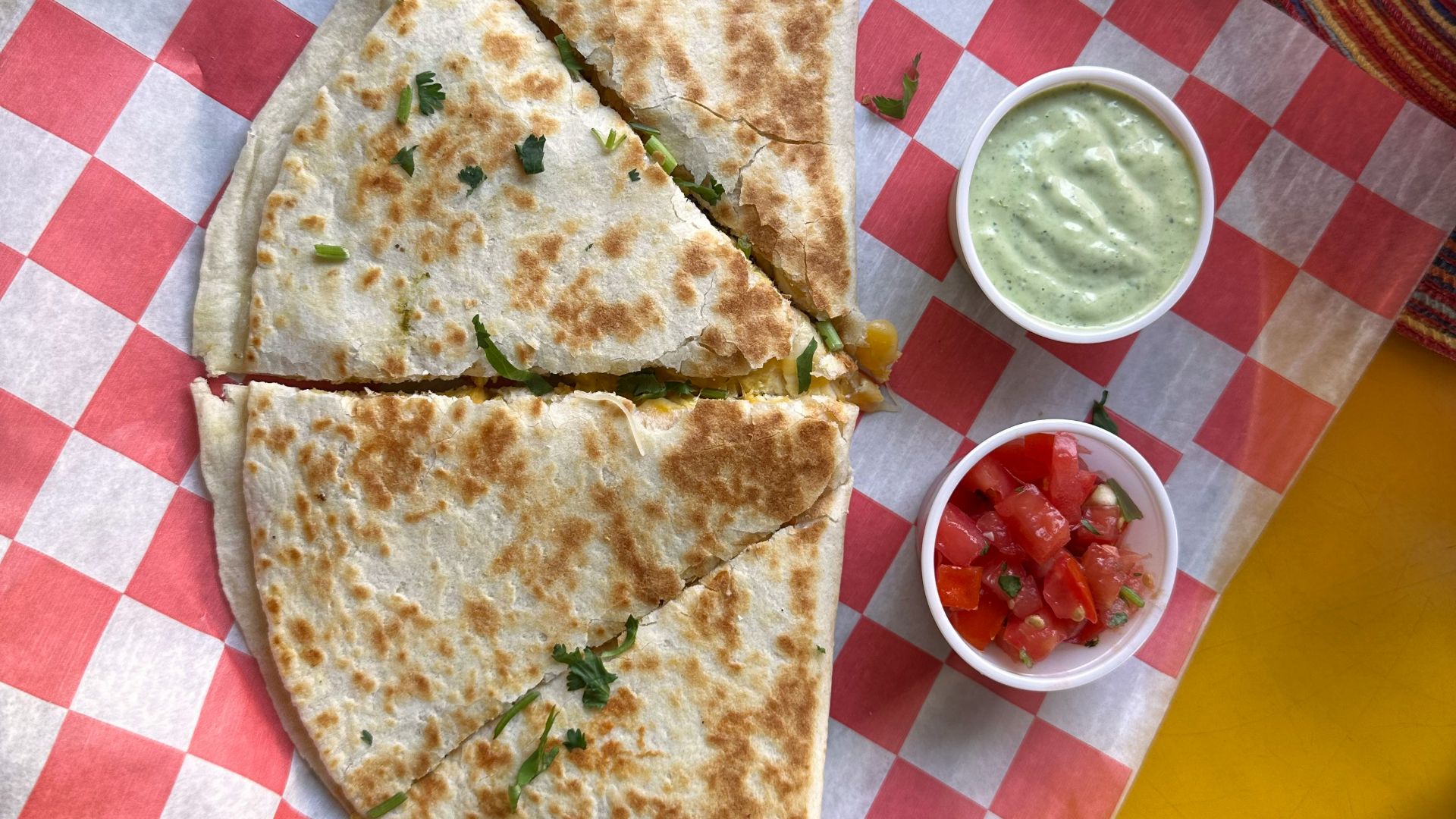
17. Loaded Quesadillas
Quesadillas are absolutely Mexican, but many American restaurant versions turn them into oversized, cheese-heavy entrées packed with chicken, peppers, onions, bacon, or multiple sauces. In Mexico, quesadillas can vary widely by region, but they're often simpler than the stuffed wedges served in the U.S. The basic idea traveled north and picked up quite a bit of extra luggage along the way.
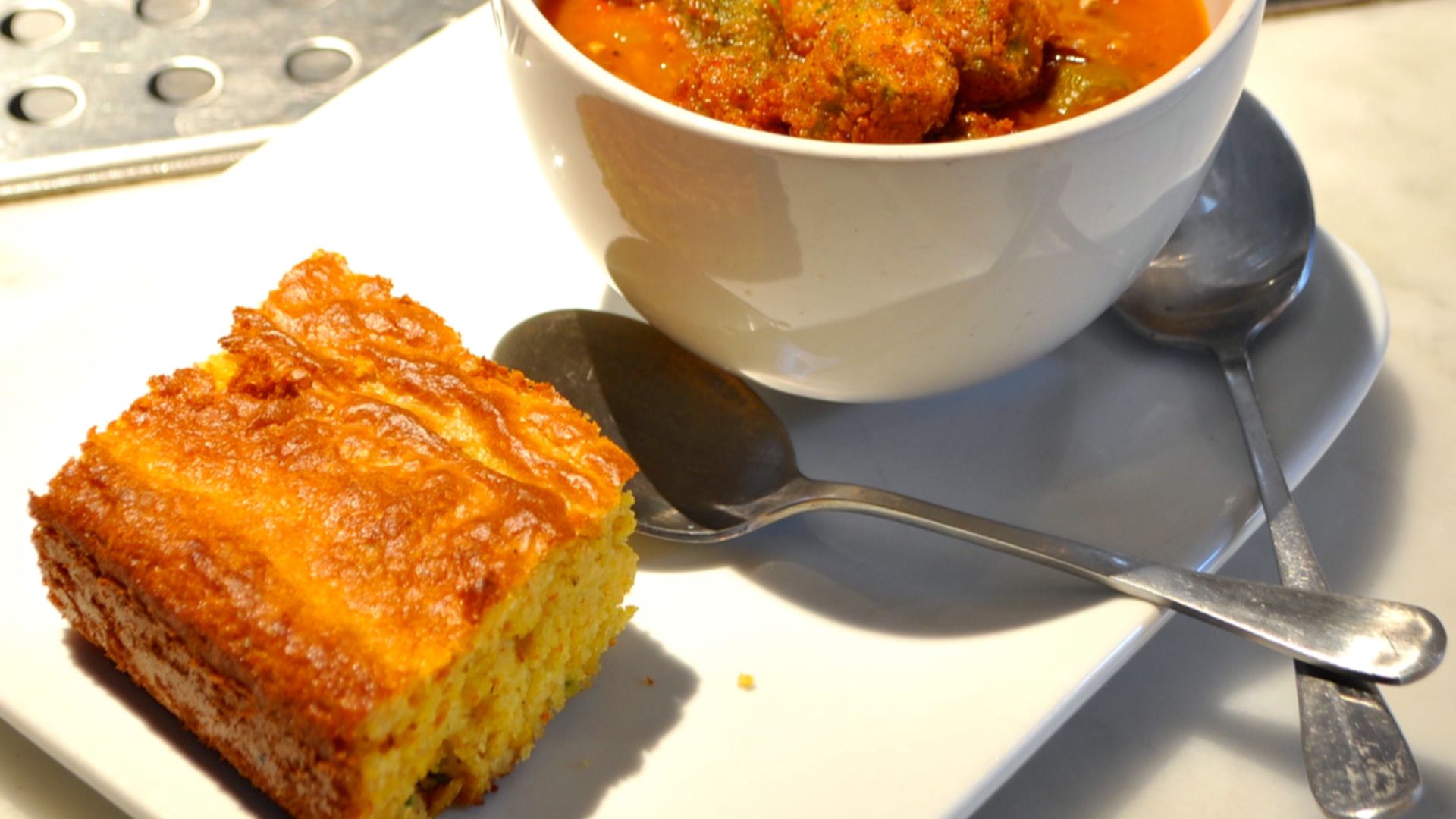
18. Mexican Cornbread
Mexican cornbread is usually made with cornmeal plus ingredients such as cheese, jalapeños, creamed corn, or sometimes ground beef. Despite the name, it's much more closely tied to Southern and Southwestern American cooking than to traditional Mexican cuisine. The “Mexican” label mostly comes from the added chiles and Tex-Mex-style flavors.
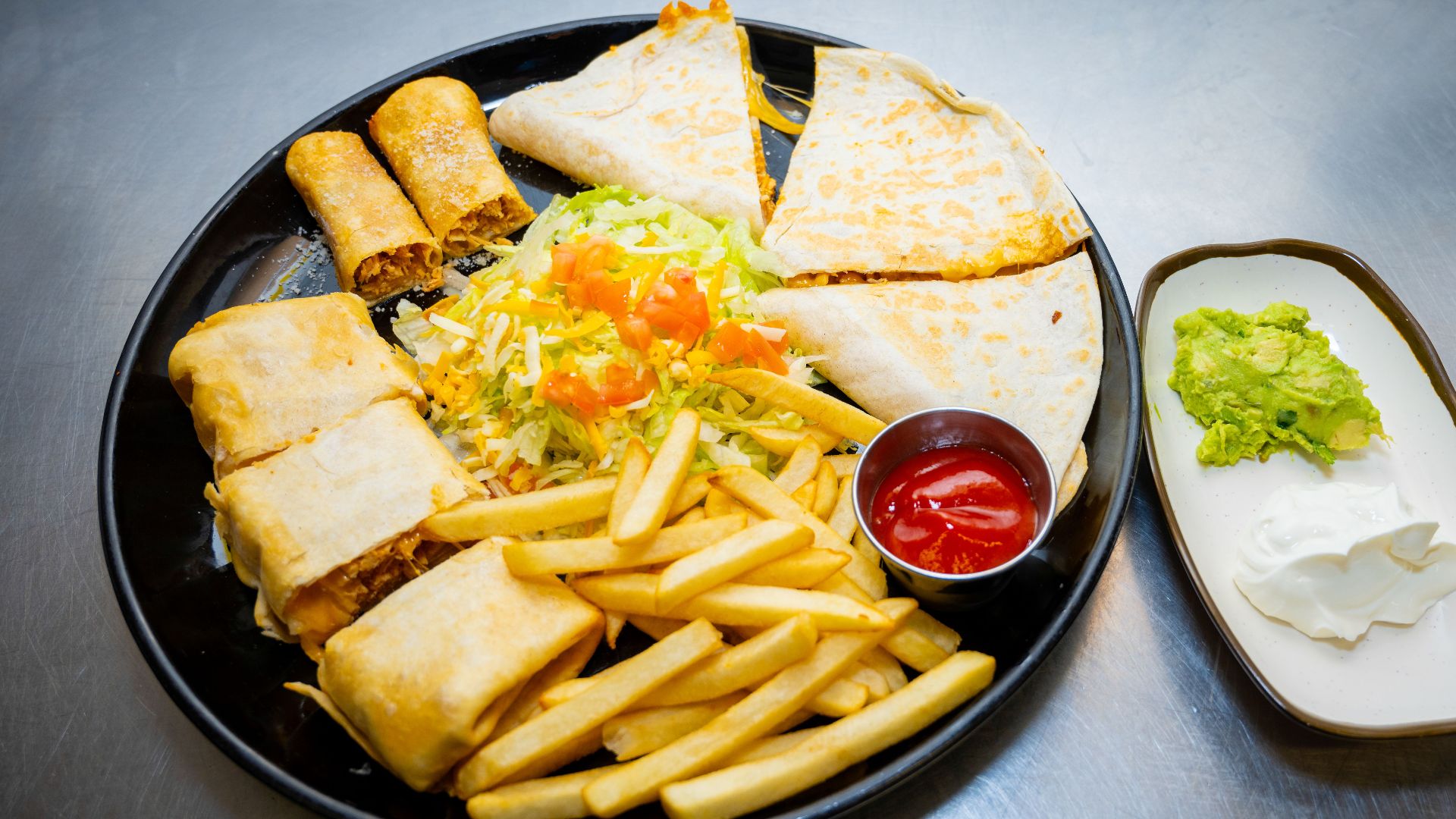
19. Tex-Mex Combination Plates
The familiar combination platter of an enchilada, crunchy taco, rice, refried beans, cheese, and perhaps a small pile of lettuce is a hallmark of American Tex-Mex restaurants. Its appeal comes from letting diners sample several popular items at once. These plates became especially common in family-style restaurants throughout the Southwest and beyond.
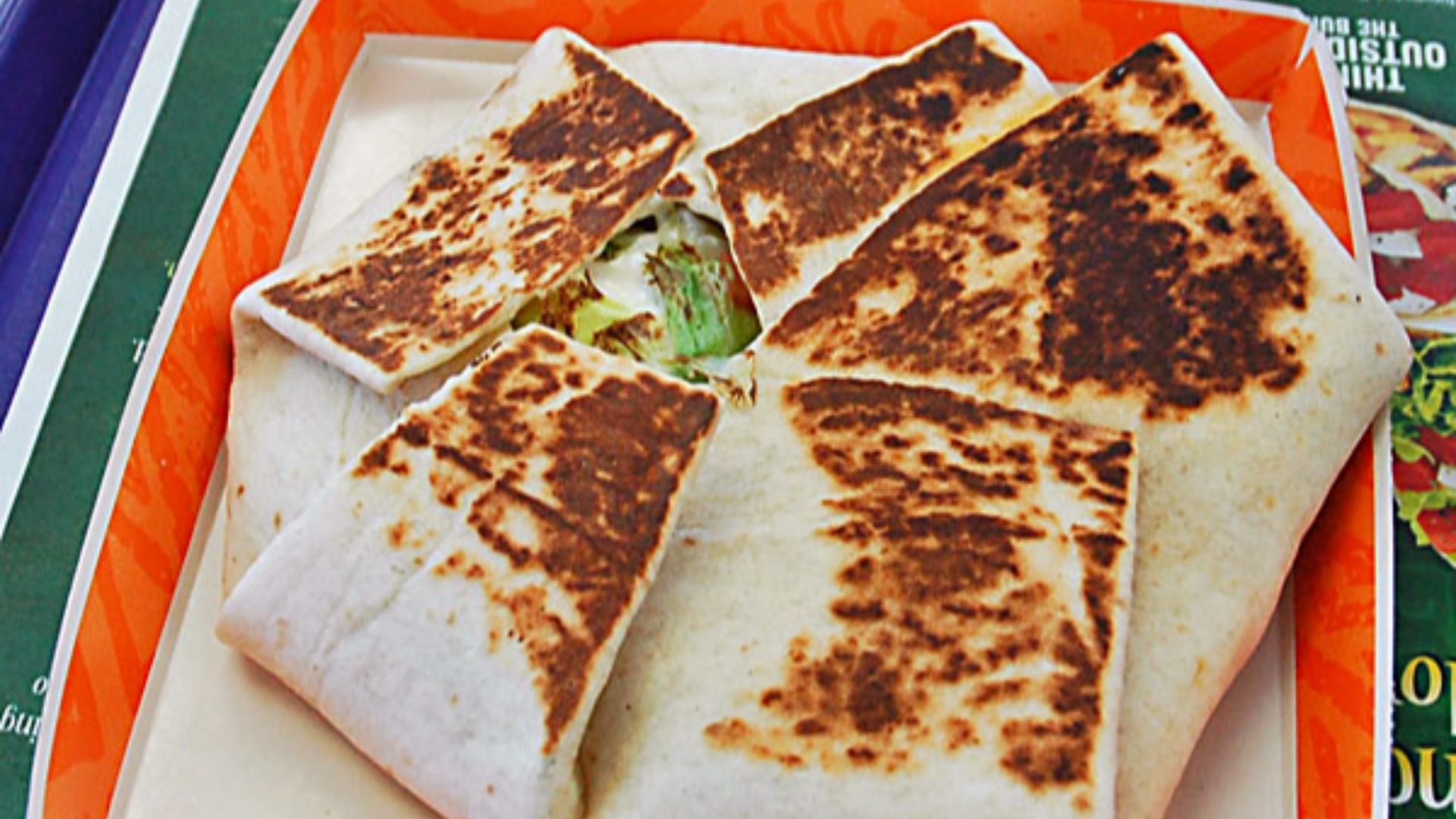
20. Taco Bell's Crunchwrap Supreme
The Crunchwrap Supreme has never tried to pass itself as traditional, combining seasoned beef, nacho cheese, sour cream, lettuce, tomato, and a crunchy tostada inside a folded flour tortilla. Taco Bell introduced it as a portable menu item designed around convenience and texture. Its ingredients draw heavily from Americanized Tex-Mex flavors, but the finished product belongs squarely to modern U.S. fast-food culture.
 The original uploader was Fatlouie at English Wikipedia. on Wikimedia