Somebody Picked That
A combine can clear a wheat field in an afternoon, and a tree shaker can empty an almond orchard before lunch, but plenty of the food in your kitchen still depends on a person with a sharp knife and a good eye, often working in heat that would send most of us back indoors. Some crops bruise the moment a metal arm grabs them. Others grow underground or cling to hillsides too steep for a tractor. Here's 20 everyday foods that still pass through a human hand before they land in your grocery cart.
1. Saffron
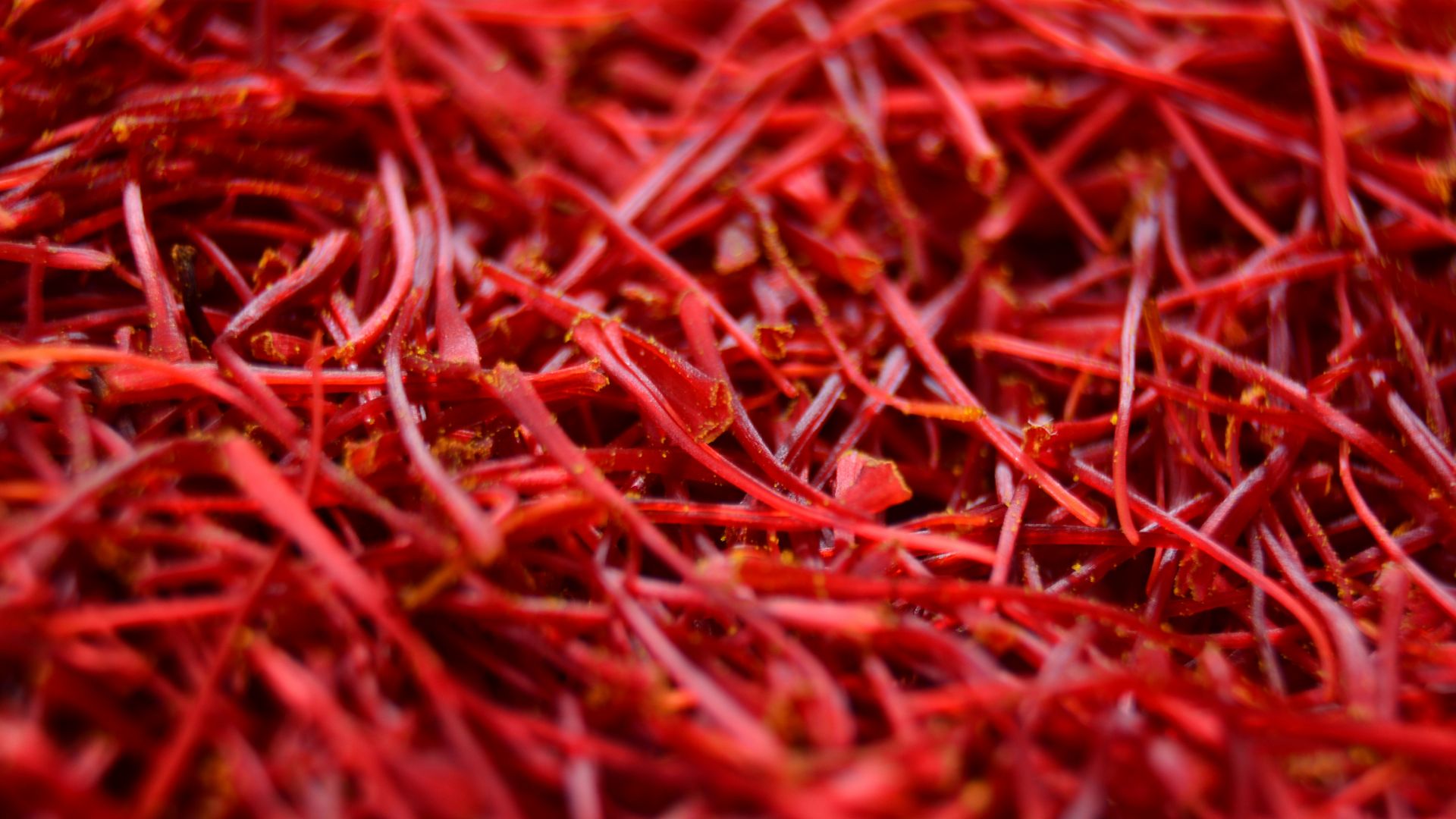
One gram of saffron takes roughly 150 crocus flowers, and each flower gives up just three red threads. Pickers in northeastern Iran, where most of the world's crop grows, gather the blooms at dawn and spend the afternoon pulling out stigmas with their fingertips at long tables. A picked crocus starts wilting within hours, and the threads have to come out before it does.
2. Vanilla
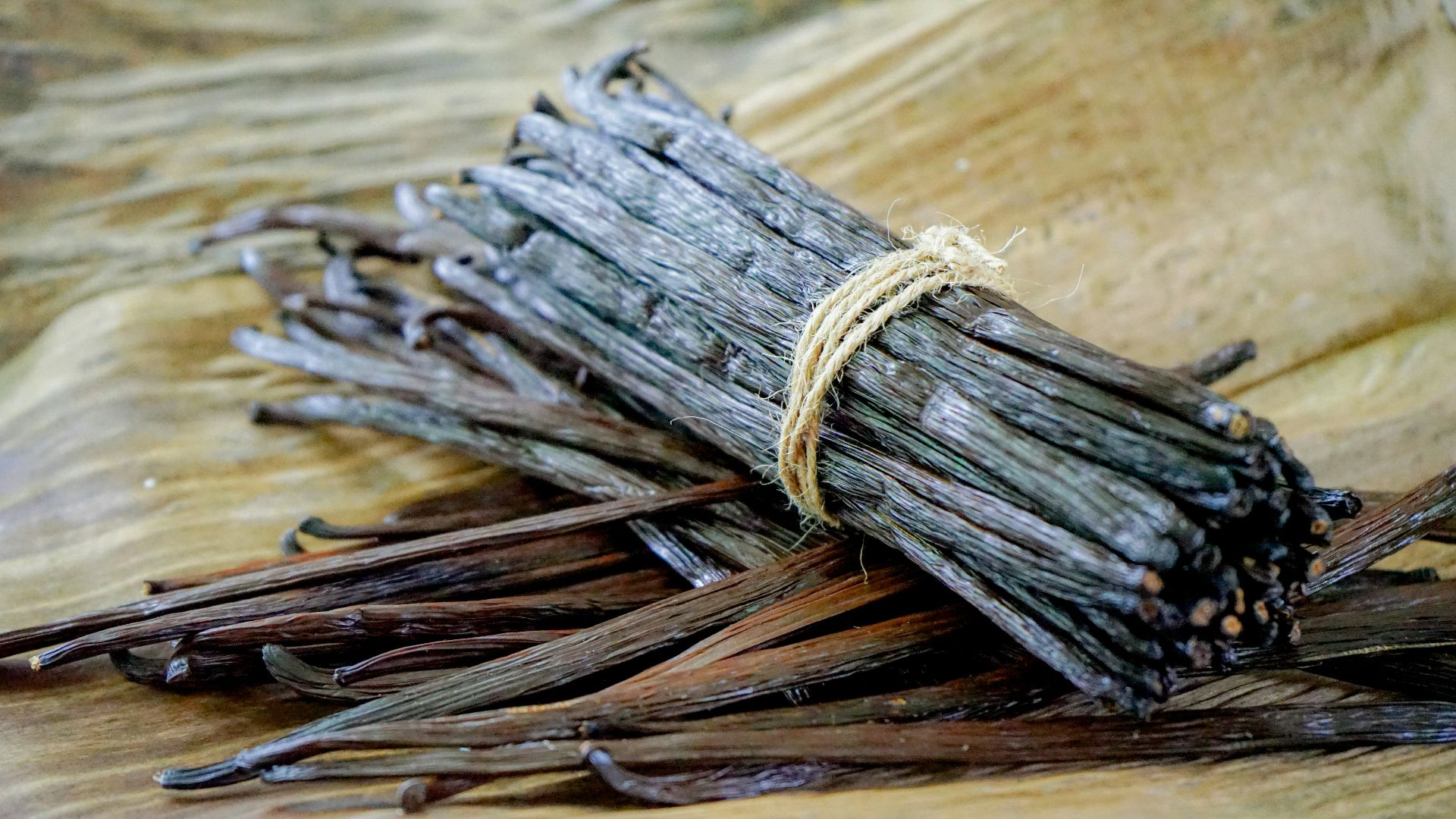
In 1841, Edmond Albius, a 12-year-old enslaved boy on the island of Réunion, worked out how to pollinate a vanilla flower by hand. Outside Mexico, where the orchid grows alongside its natural pollinators, growers still do it his way. Farmers in Madagascar press each bloom with a thin stick on the single day it opens, then wait about nine months for the pods to mature.
3. Cocoa
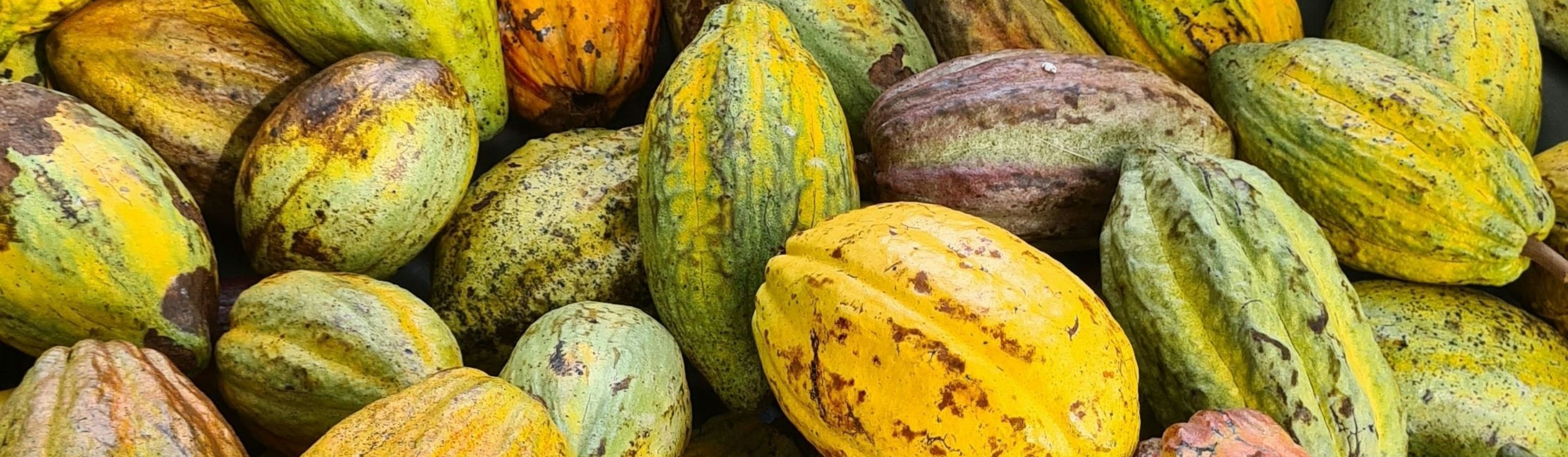
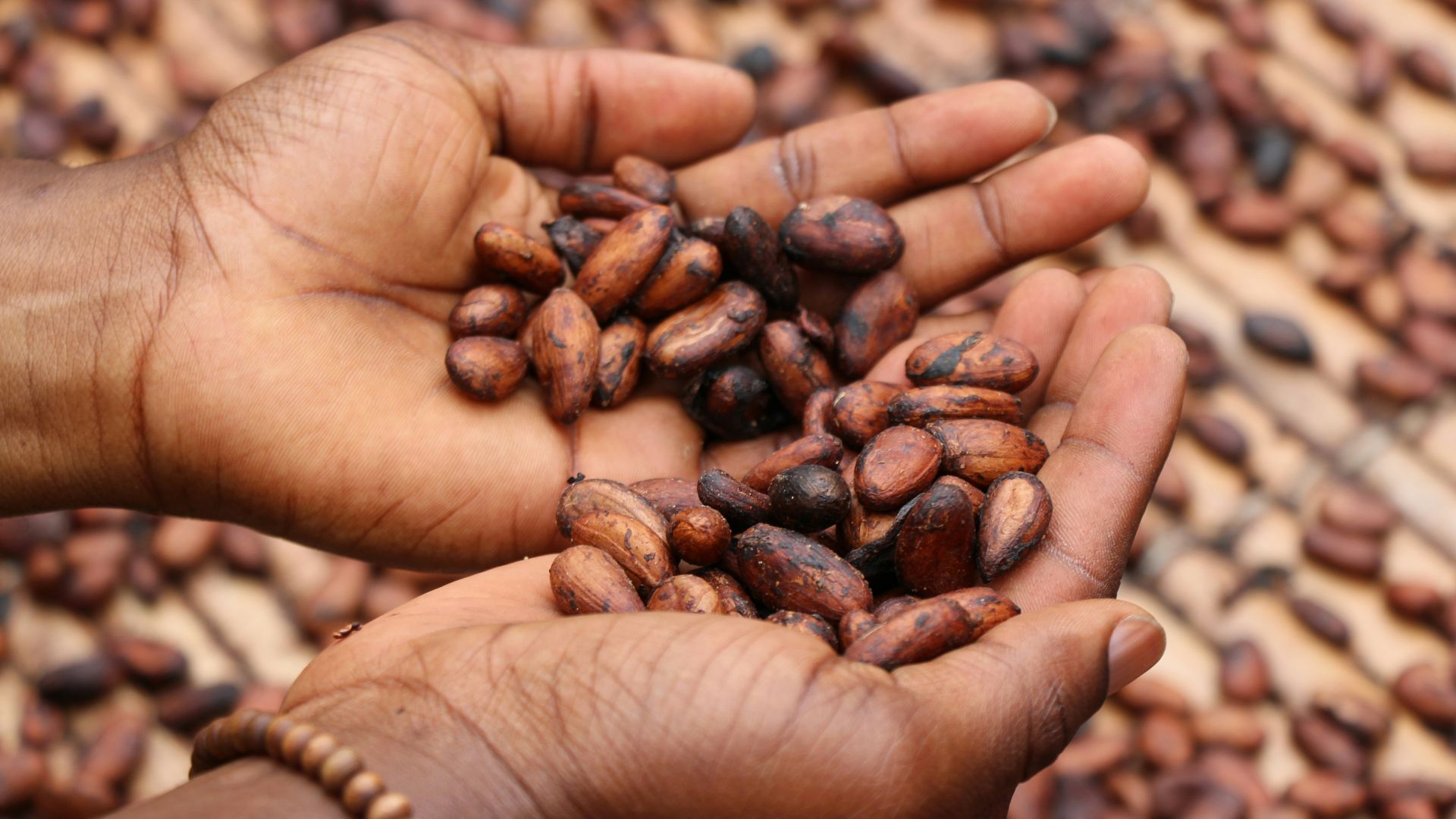
The pods on a cacao tree grow straight out of the trunk, as if someone glued them there. Farmers hack them loose with machetes and split them open to scoop out the sticky white pulp and the beans inside, which then ferment under banana leaves before anyone dries them.
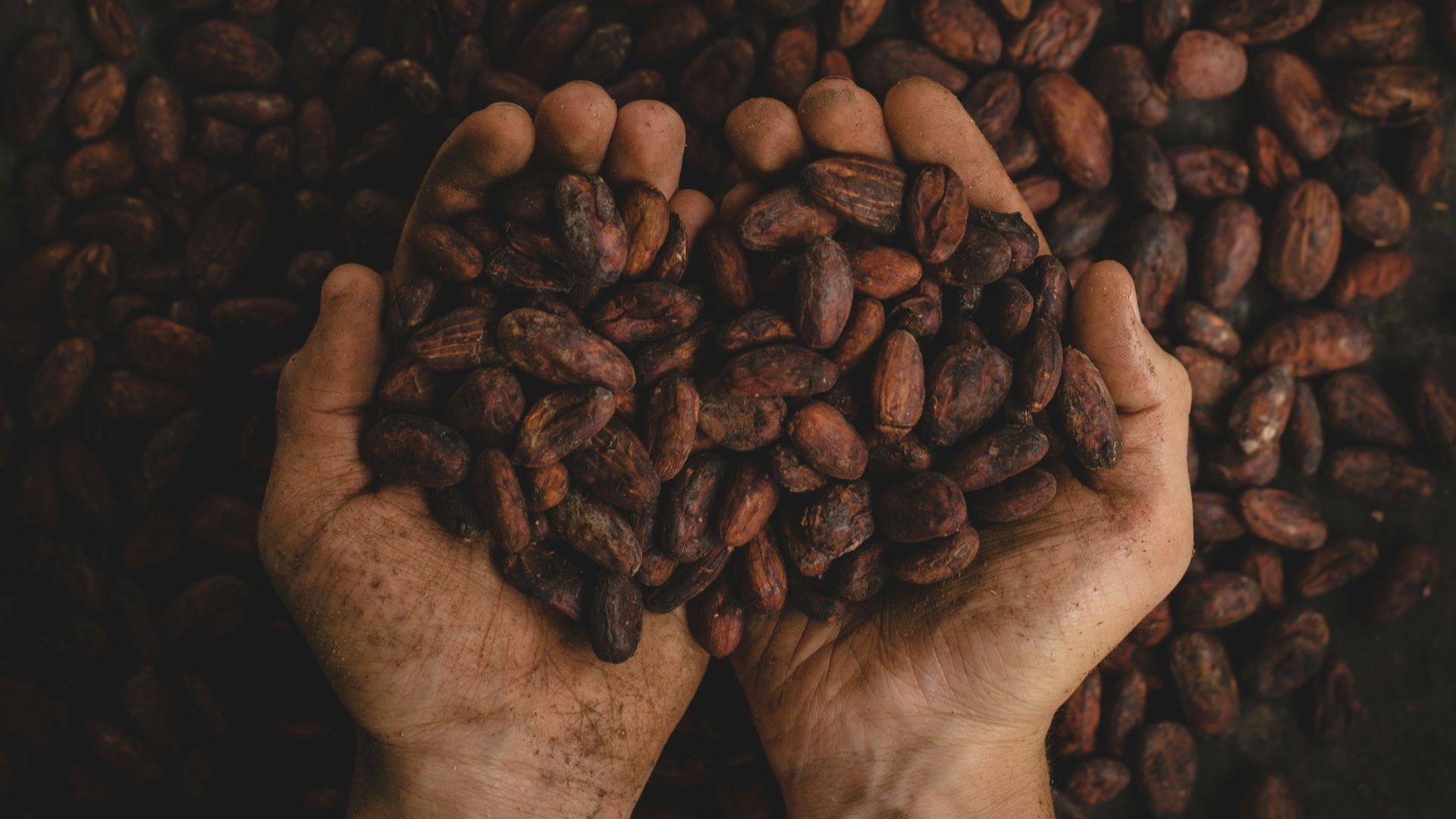 Pablo Merchán Montes on Unsplash
4. Coffee
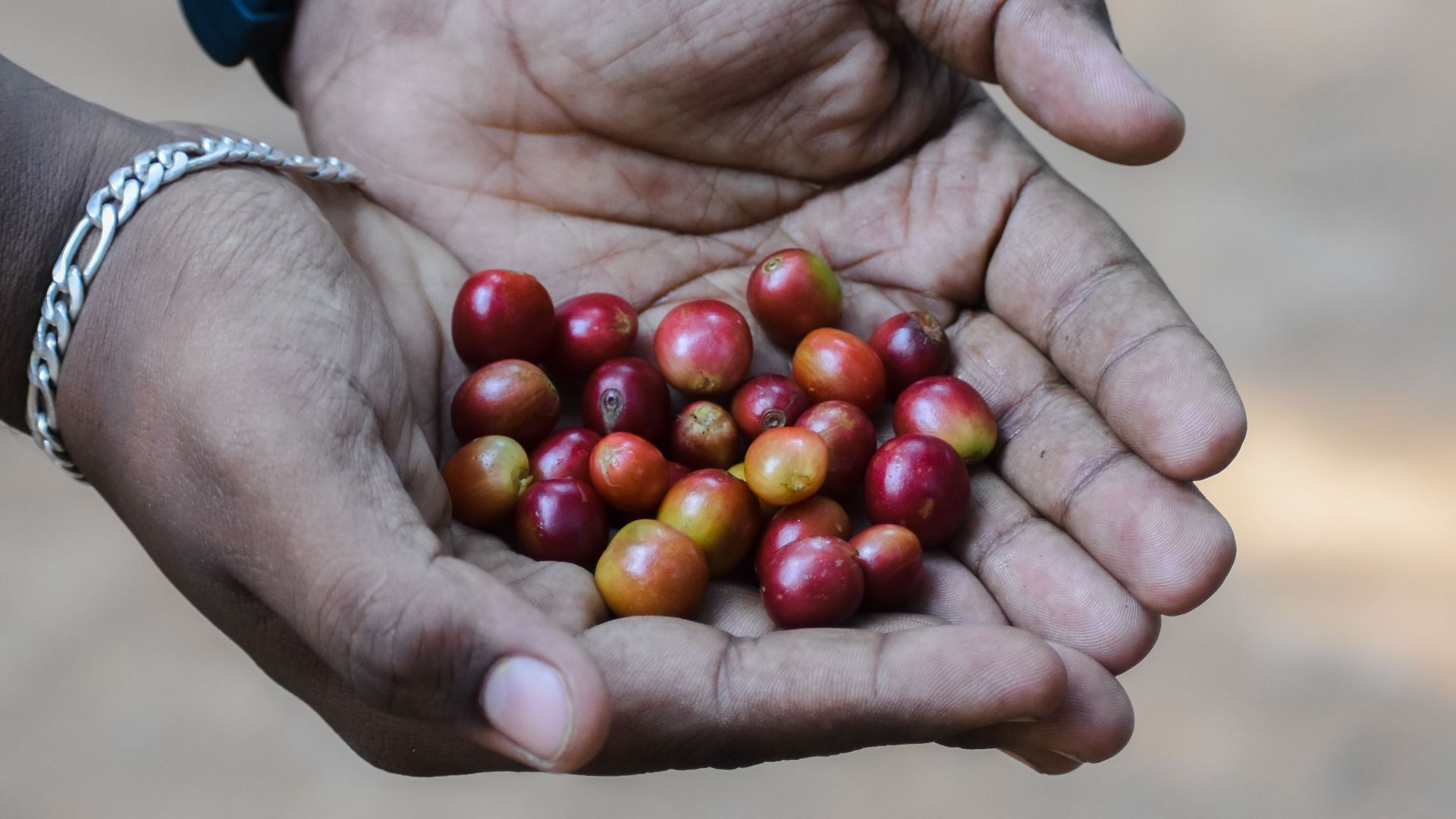
Look closely at a coffee branch during harvest and you'll see green cherries hanging right next to ripe red ones. Good farms send pickers through the same trees several times a season to take only the red, since an unripe cherry tastes sour and grassy in the cup. On Brazil's flat estates, machines do the job, although the steep farms of Colombia and Ethiopia still rely on people.
5. Tea
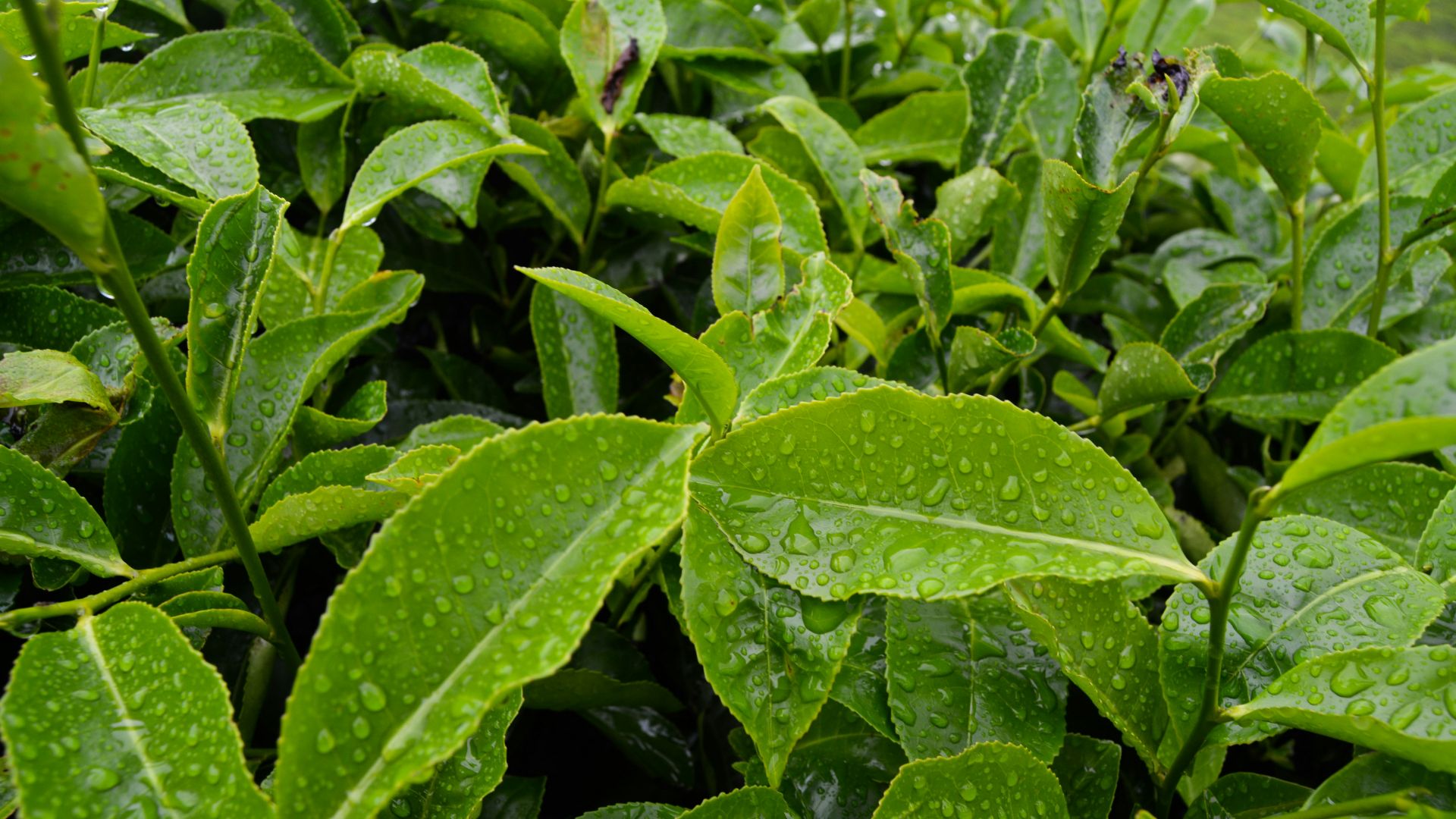
Two leaves and a bud is the standard pluck on a Darjeeling estate. Each handful comes off the top of the bush with a twist of the fingers and goes over the shoulder into a basket hanging from a strap across the forehead. The bushes keep putting out fresh shoots, and the same rows get another pass about a week later.
6. Black Pepper
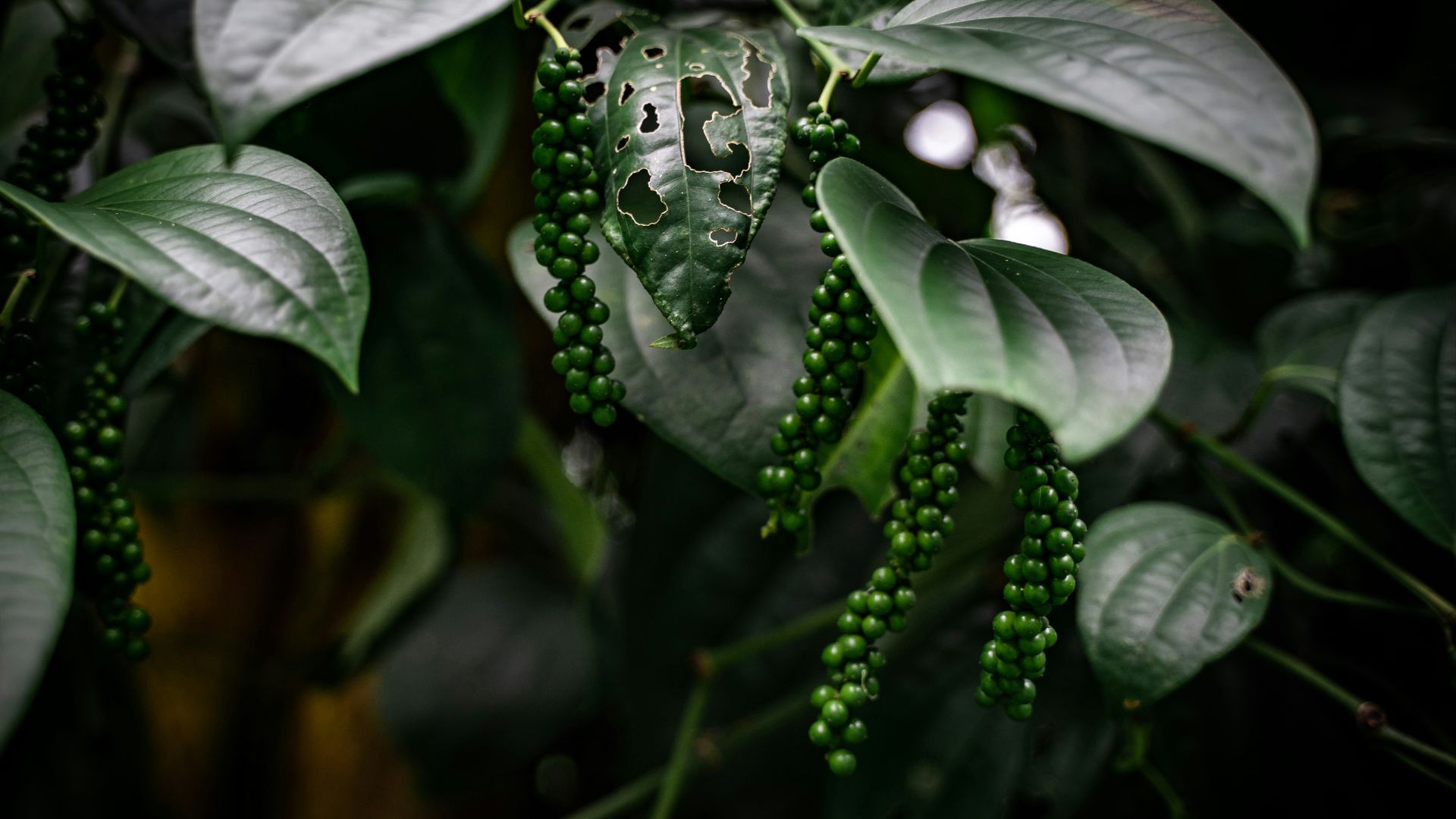
Pepper vines climb shade trees and wooden posts in Kerala, and the berries hang in long green strings well above a picker's head. Harvesters work from tall bamboo ladders and strip each string into a sack. Several days drying in the sun turns those green berries into the black ones in your grinder.
7. Cloves
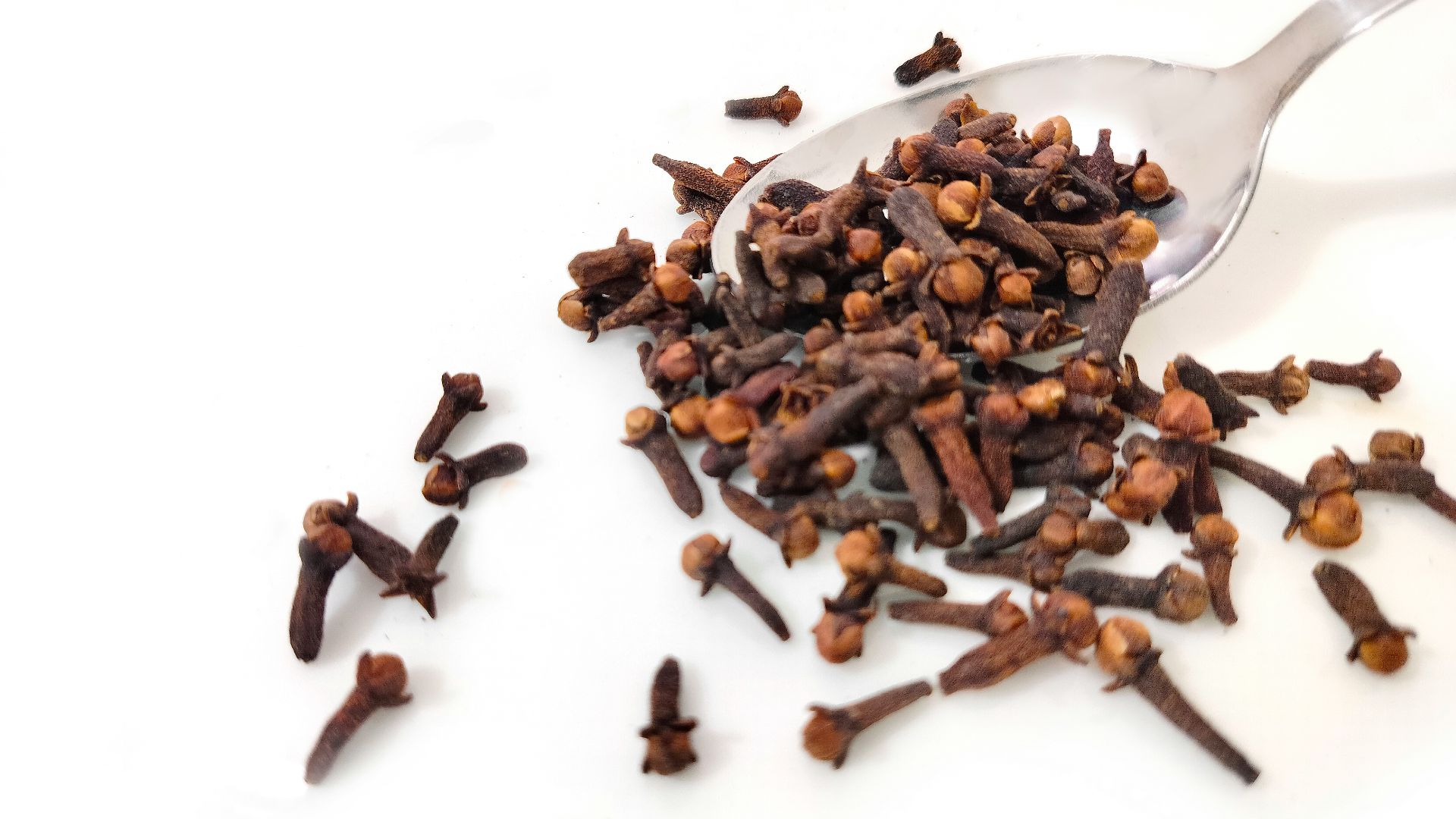
Cloves give growers a window of just a few days. The spice is the unopened bud, picked while it's still pink, and harvesters in Indonesia and Zanzibar climb into the trees to pull off the clusters before they bloom. An open flower is worthless.
8. Cardamom
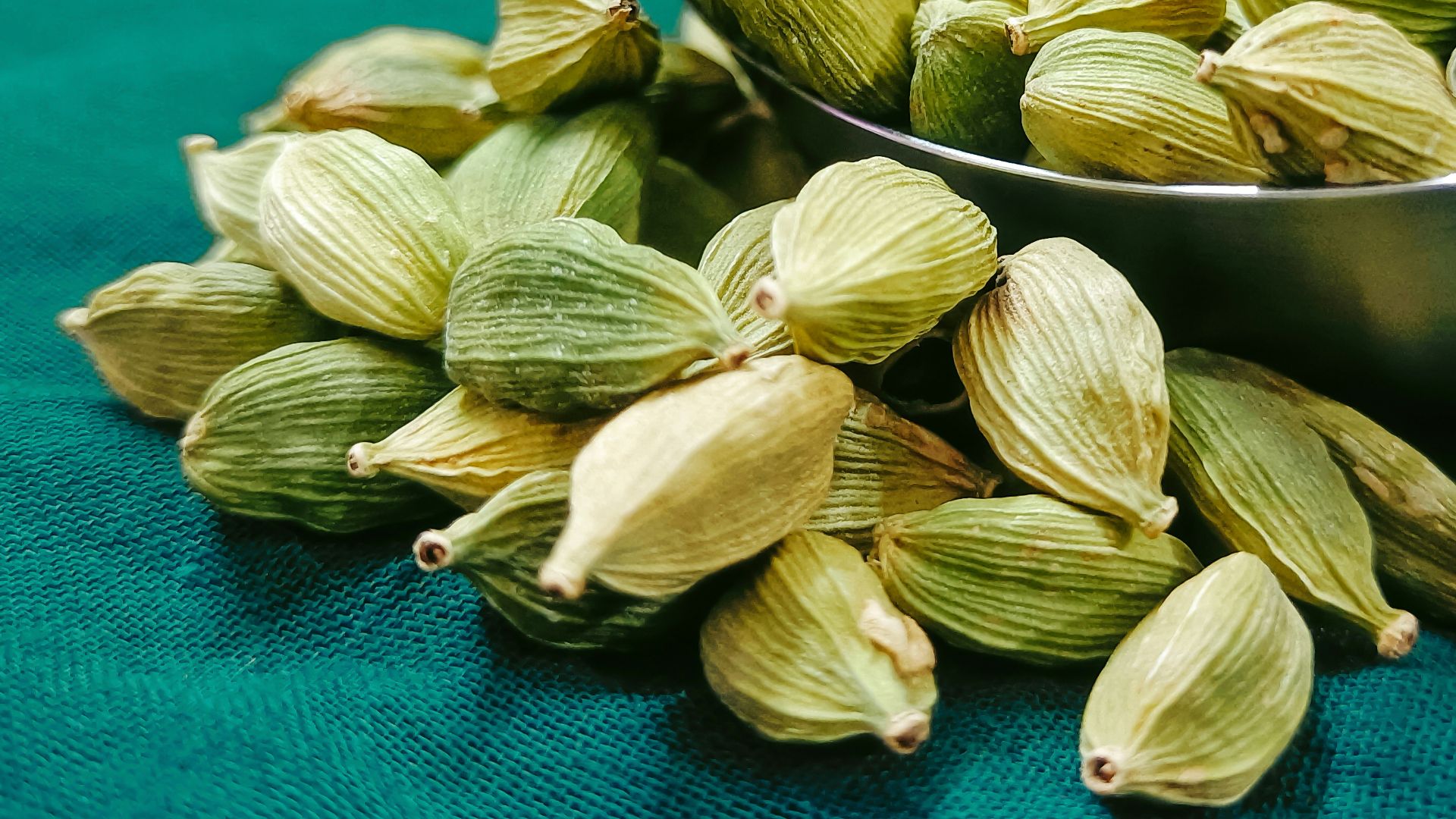
Guatemala ships more cardamom abroad than any other country, even though the plant is native to southern India. The pods grow on low shoots that trail out from the base of a leafy plant taller than the people picking it. Crews come back to the same plants every few weeks and pinch off only the plump green pods.
9. Strawberries
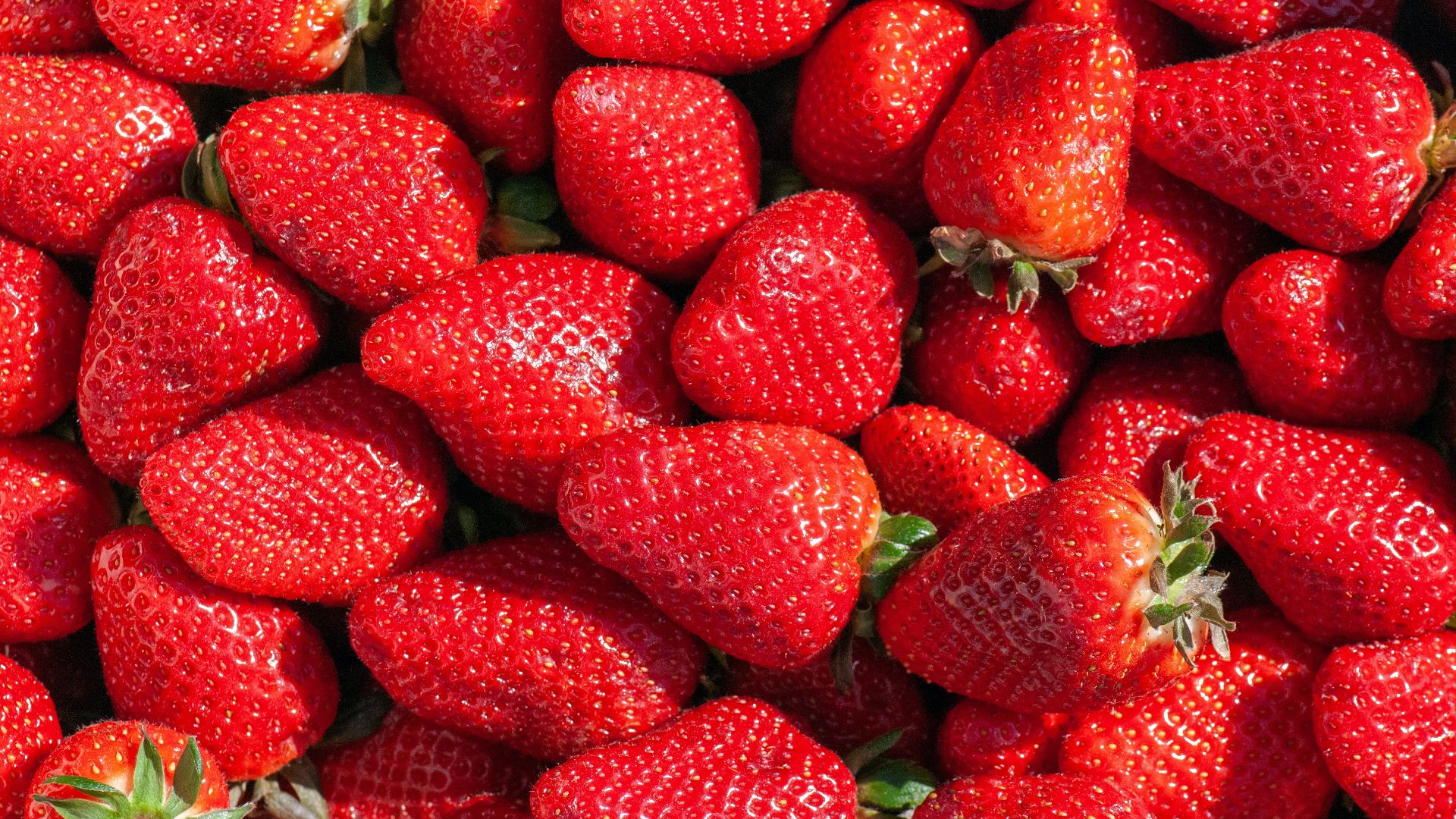
The clamshell of strawberries in your fridge was most likely packed in the field by the same person who picked them. According to the California Strawberry Commission, California grows nearly 90% of the country's crop, and pickers spend their shifts bent over rows that barely reach their knees. Robotic pickers have been in testing for years.
10. Asparagus
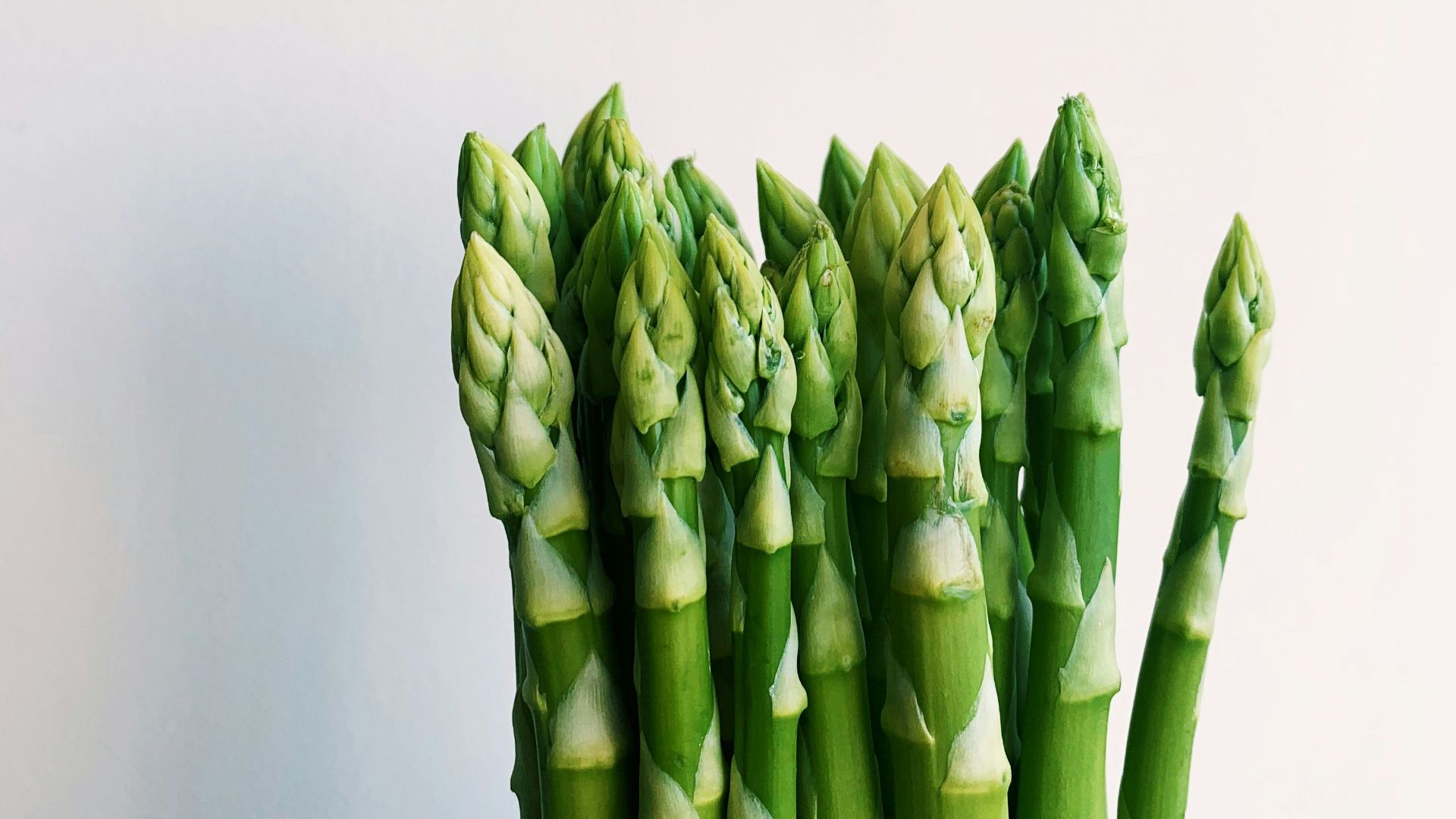
During the season, an asparagus field gets cut every day or two. Spears can shoot up several inches on a warm afternoon, and a missed one keeps growing until it opens into a fern. Workers walk the rows with long notched blades and slice each spear just under the dirt, bending low for every one.
11. Avocados
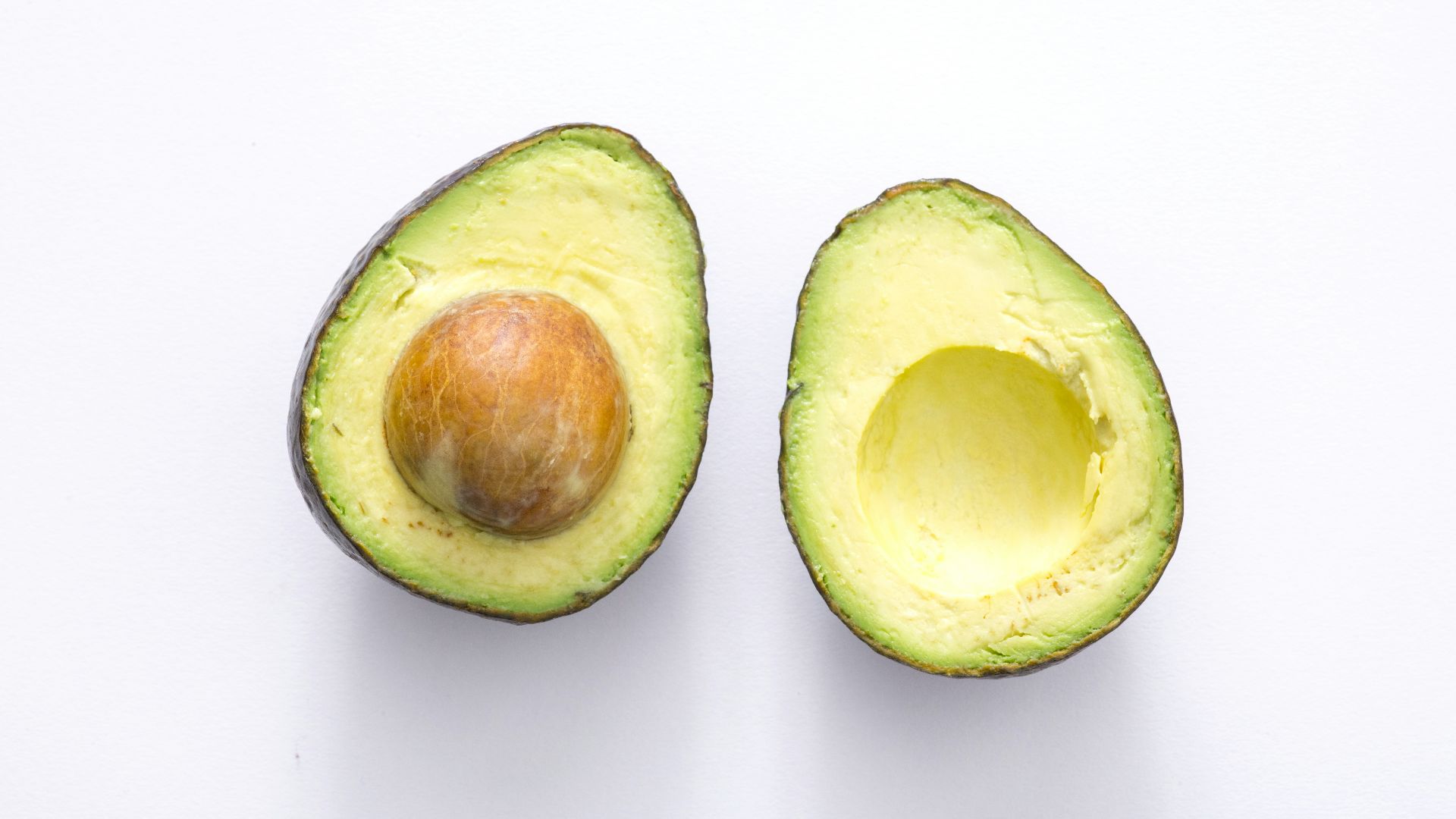
Avocado trees double as storage. The fruit won't soften until it's picked, so growers can leave it hanging for months and harvest when the market wants it. When they do, pickers use clippers on the end of a pole and leave a short stub of stem on each fruit to keep rot out.
12. Bananas
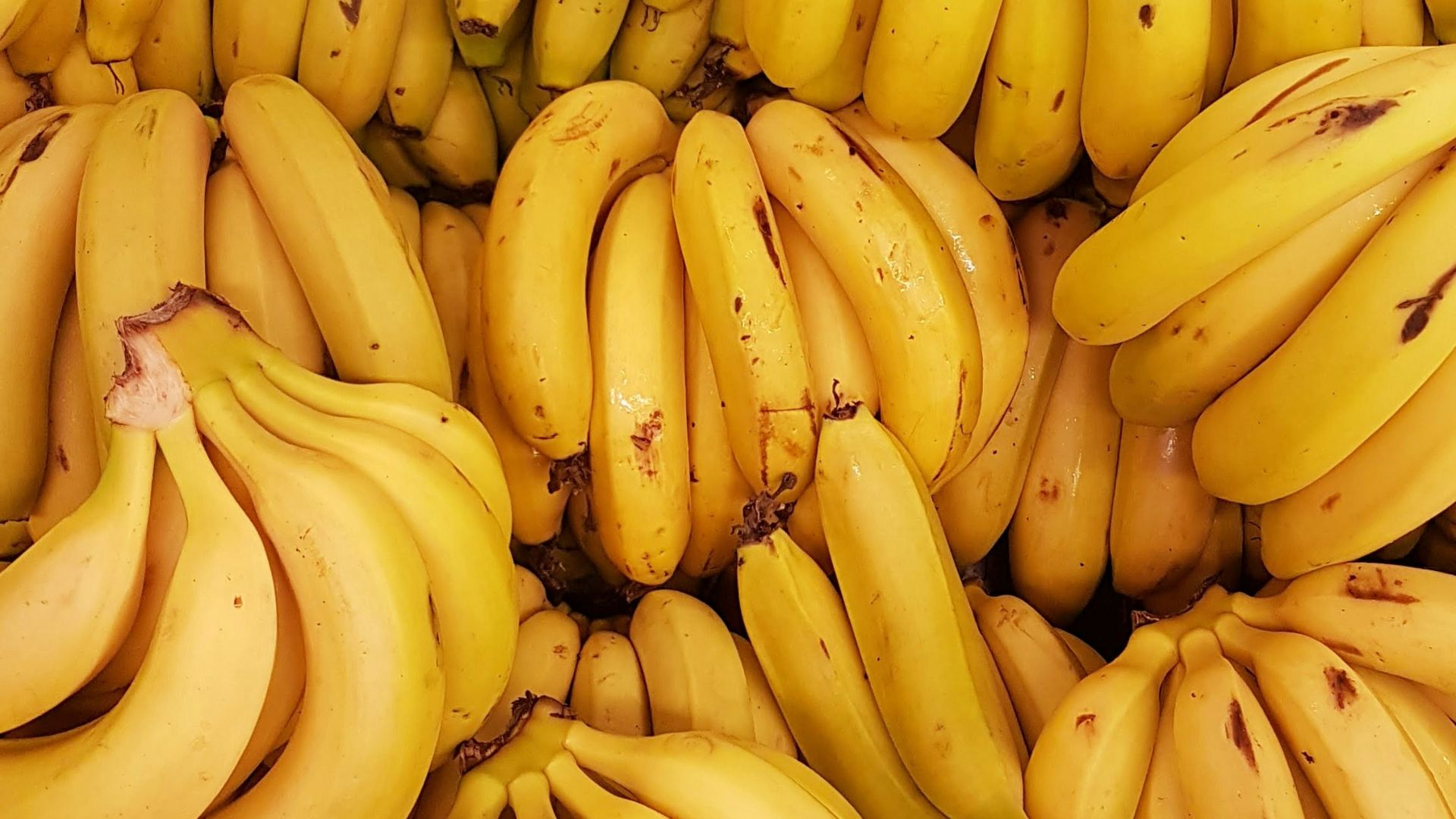
Cutting down bananas is a two-person job. One worker slices through the stalk while the other catches the falling bunch, which can top 50 pounds, on a padded shoulder. On big plantations, the bunch then rides an overhead cable to the packing shed still hard and green.
13. Pineapples
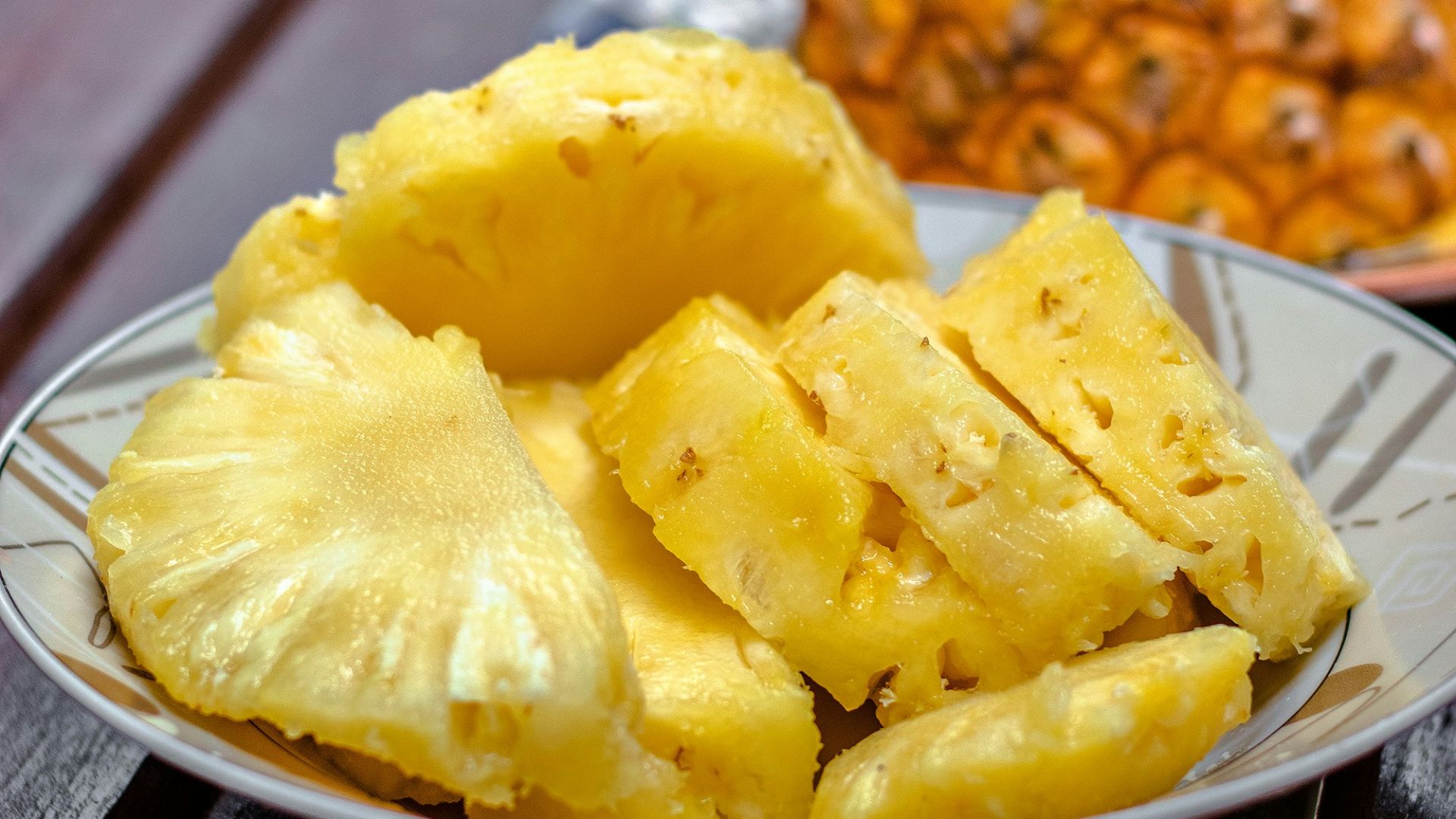
Pineapple harvest comes about as close to a machine as anything on this list. A truck crawls through the field with a long boom stretched out over the rows, and pickers in thick gloves walk beside it, twisting each fruit free and setting it on the belt. Each plant needs well over a year to produce that first fruit.
14. Mangoes
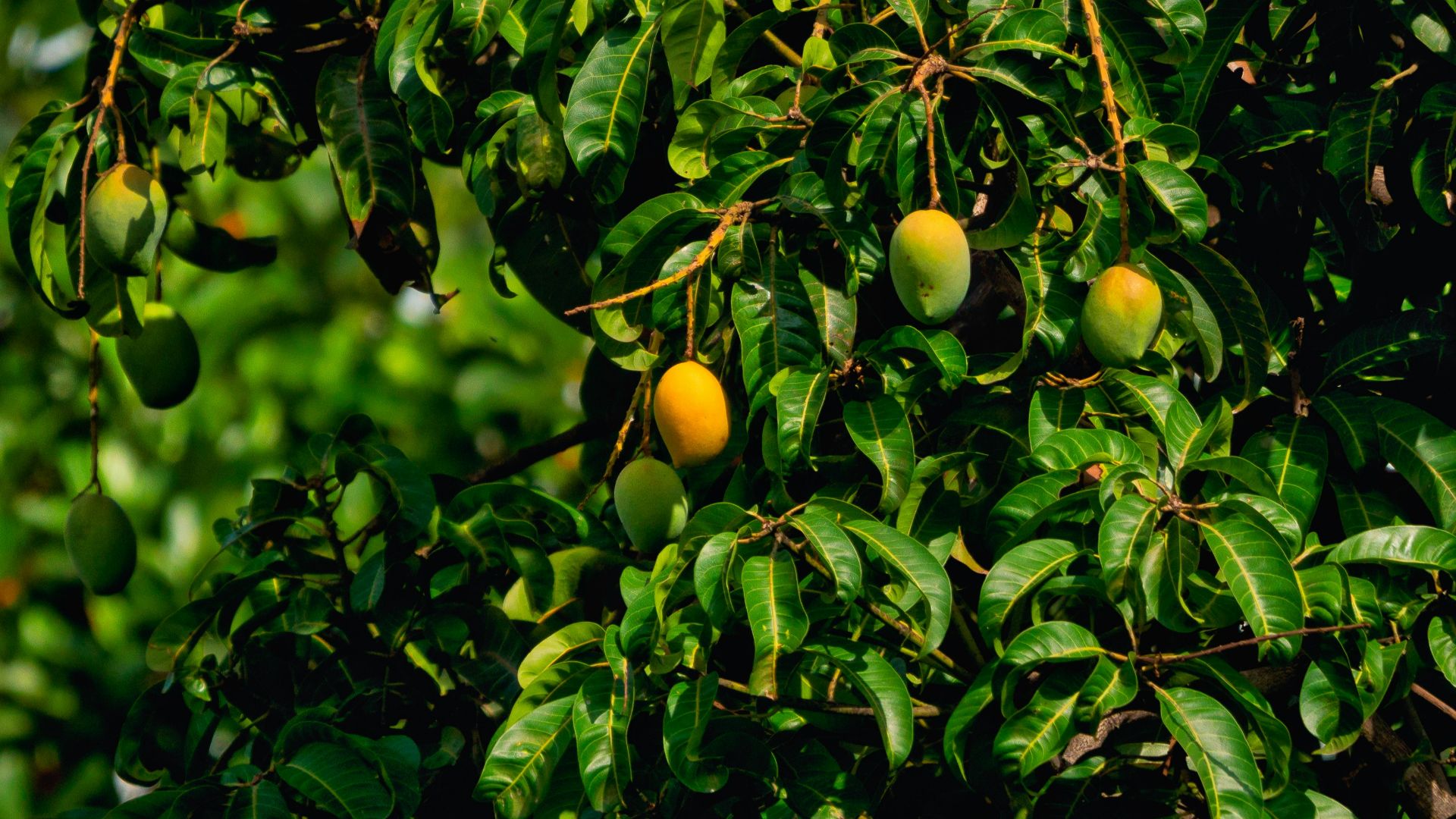
Fresh mango sap can burn skin and leave black marks on the fruit. Pickers cut high fruit with a small hooked blade that has a cloth bag attached to catch it, and packers set each mango stem-end down so the sap drains away.
15. Broccoli
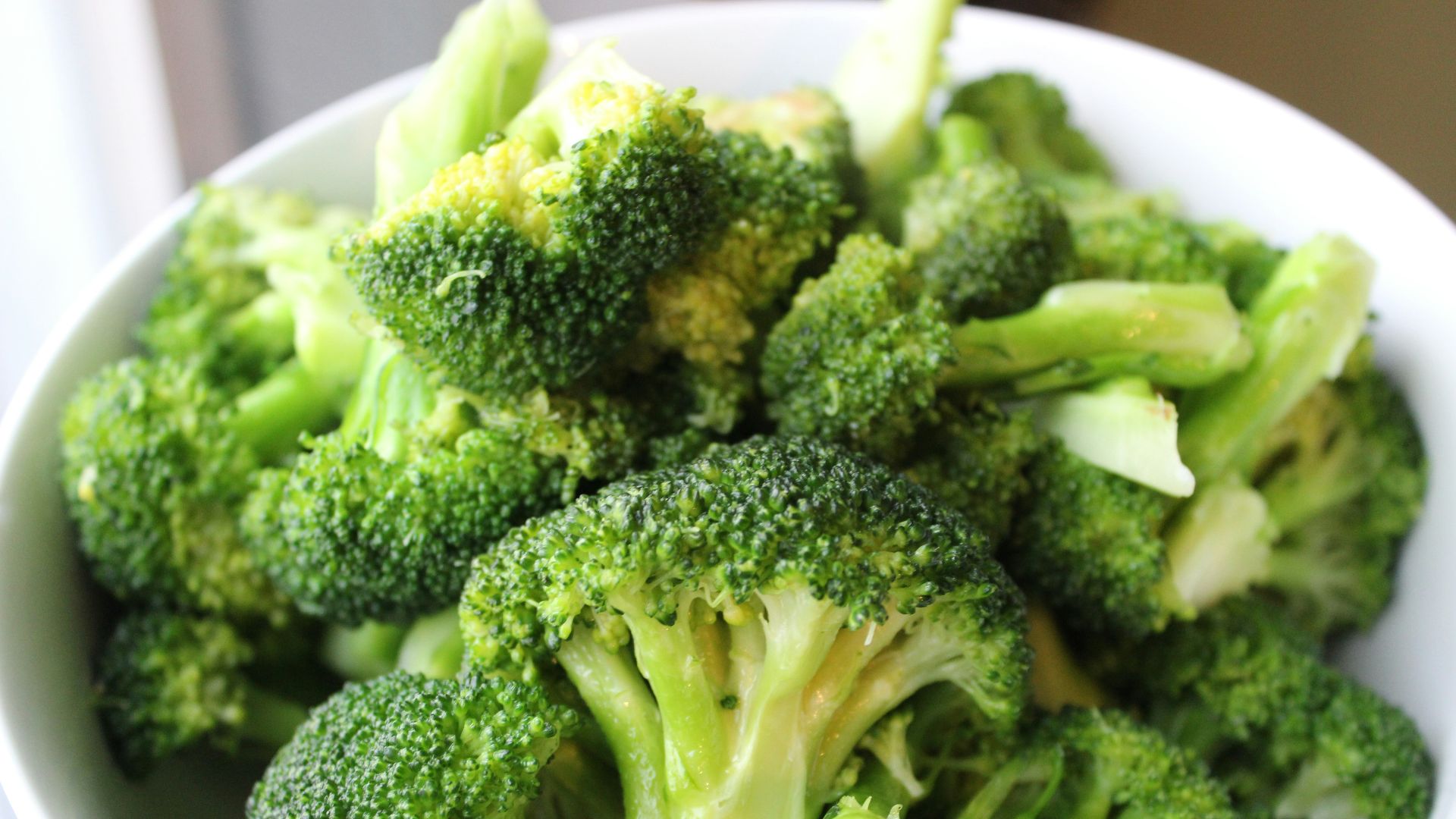
From the road, a broccoli field looks like it could all come out in one day. Crews walk it more than once, cutting only the heads that are ready and tossing them onto a conveyor behind a slow tractor. The boxes often get a layer of crushed ice before they leave the farm.
 Tyrrell Fitness And Nutrition on Unsplash
16. Artichokes
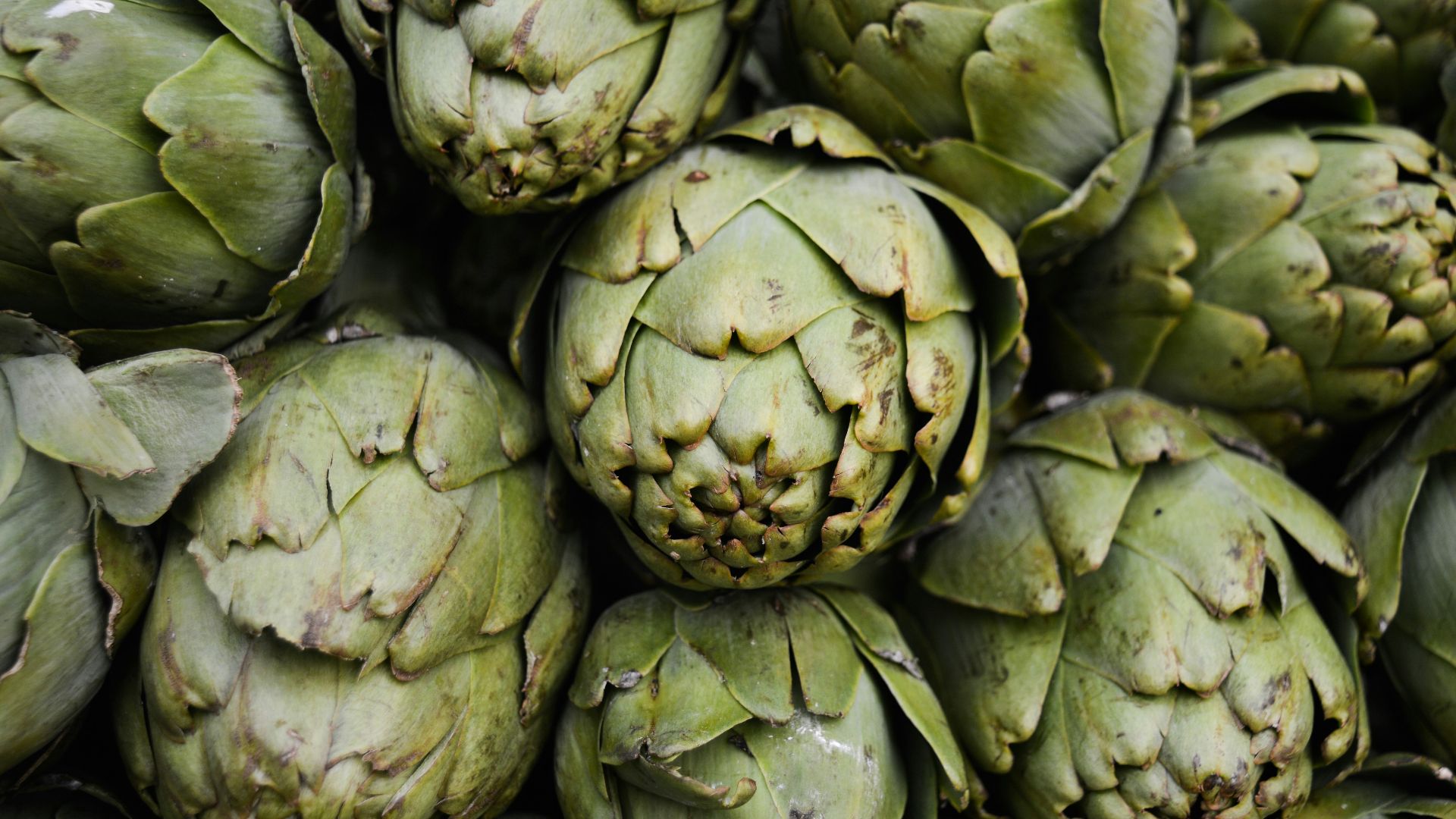
Castroville, California, crowned a young Marilyn Monroe its first Artichoke Queen in 1948, and the town still calls itself the Artichoke Center of the World. The artichoke you steam is a thistle that never got the chance to bloom, and each plant keeps pushing out new ones for months. Pickers cut them free and drop them into a canvas bag slung on their back.
17. Iceberg Lettuce
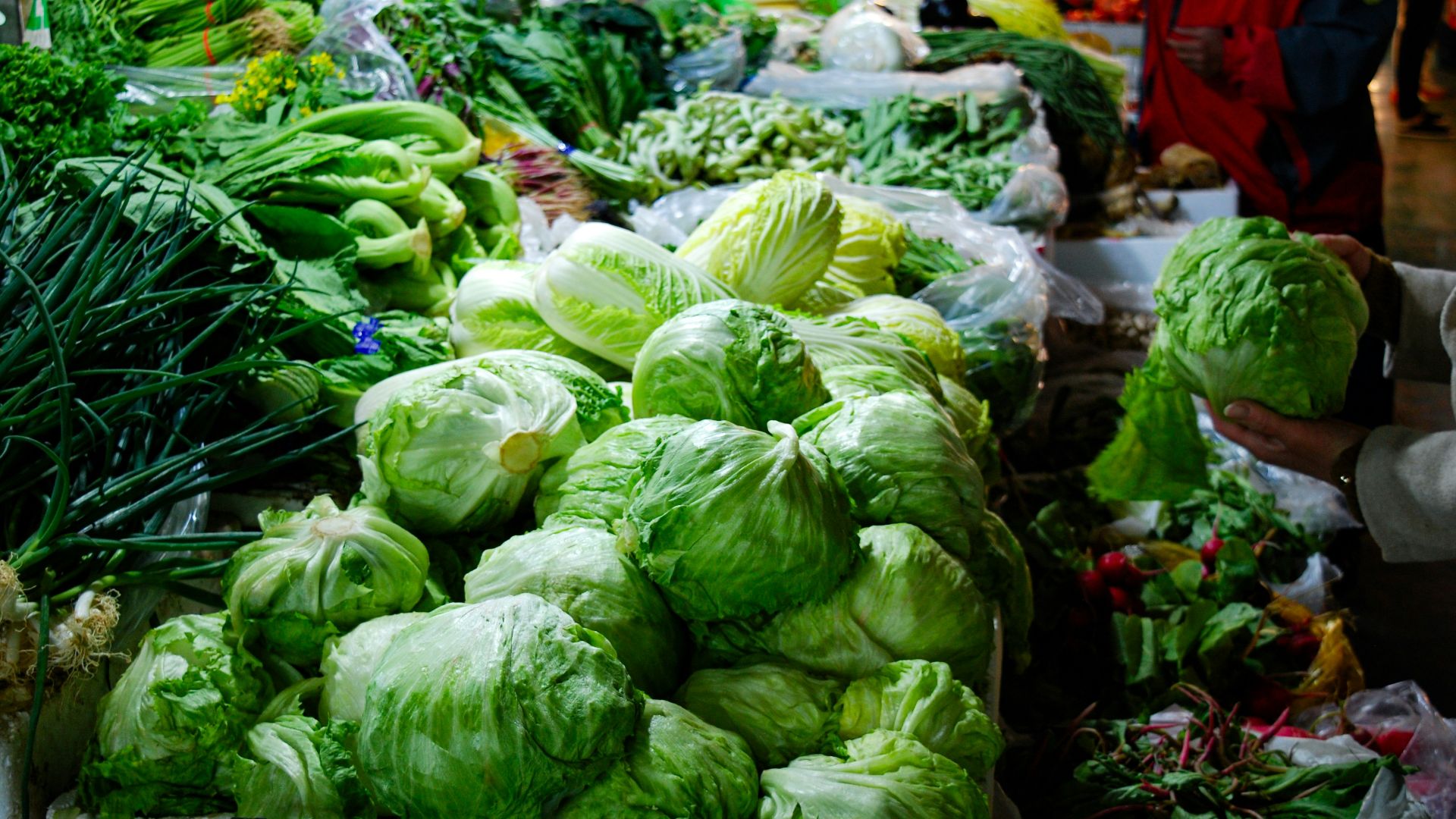
Where your iceberg lettuce comes from depends on the month. Summer heads come out of California's Salinas Valley and winter ones from around Yuma, Arizona. Either way, a crew cut it with a short knife and wrapped it in plastic on a rolling platform that keeps pace with the crew.
18. Table Grapes
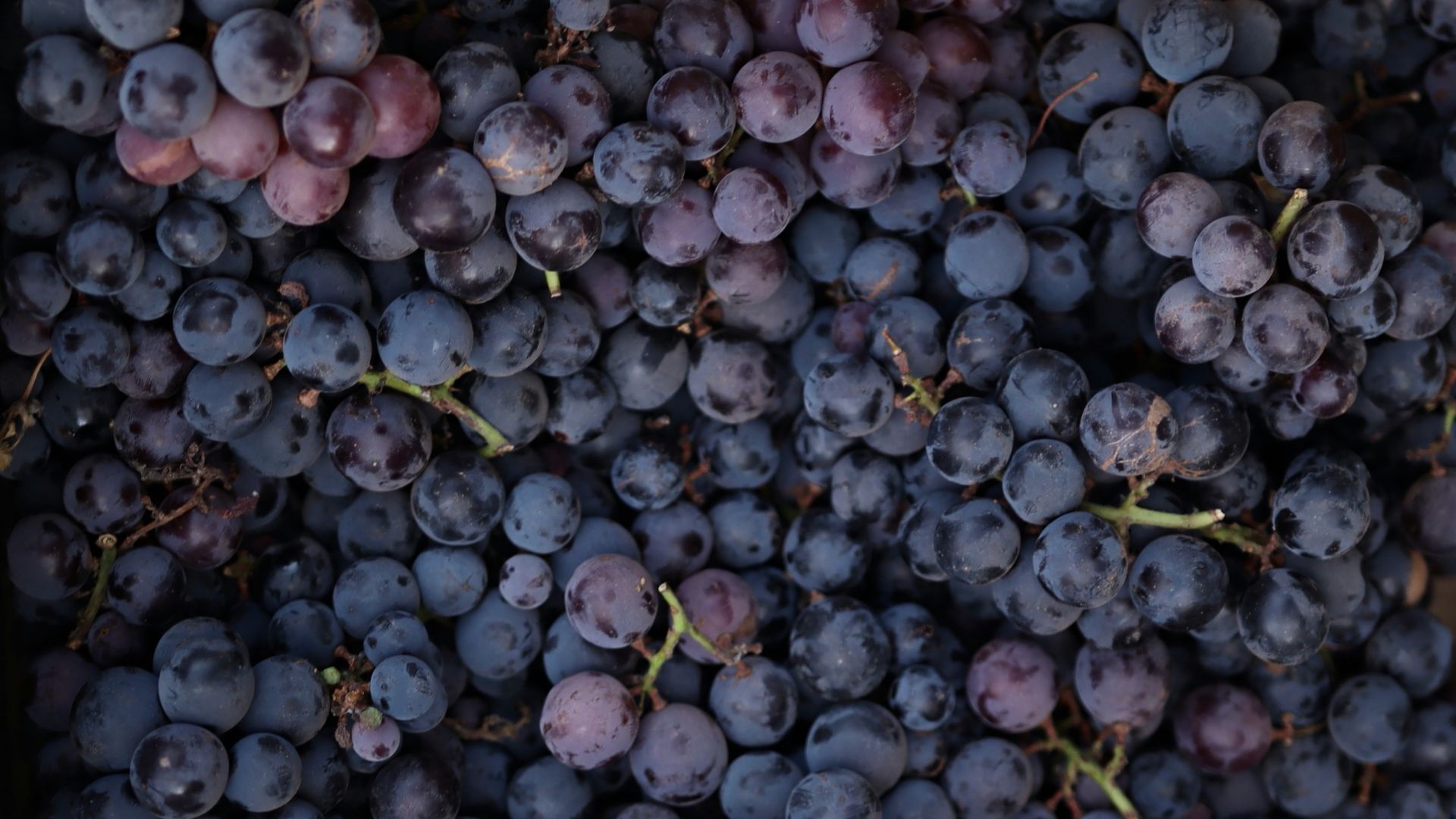
Every bunch of table grapes gets a once-over before it's bagged. Pickers cut the bunches with small curved shears and snip out any split or shriveled grapes right there in the vineyard. The California Table Grape Commission says California accounts for about 99% of the table grapes produced commercially in the U.S.
19. Sweet Cherries
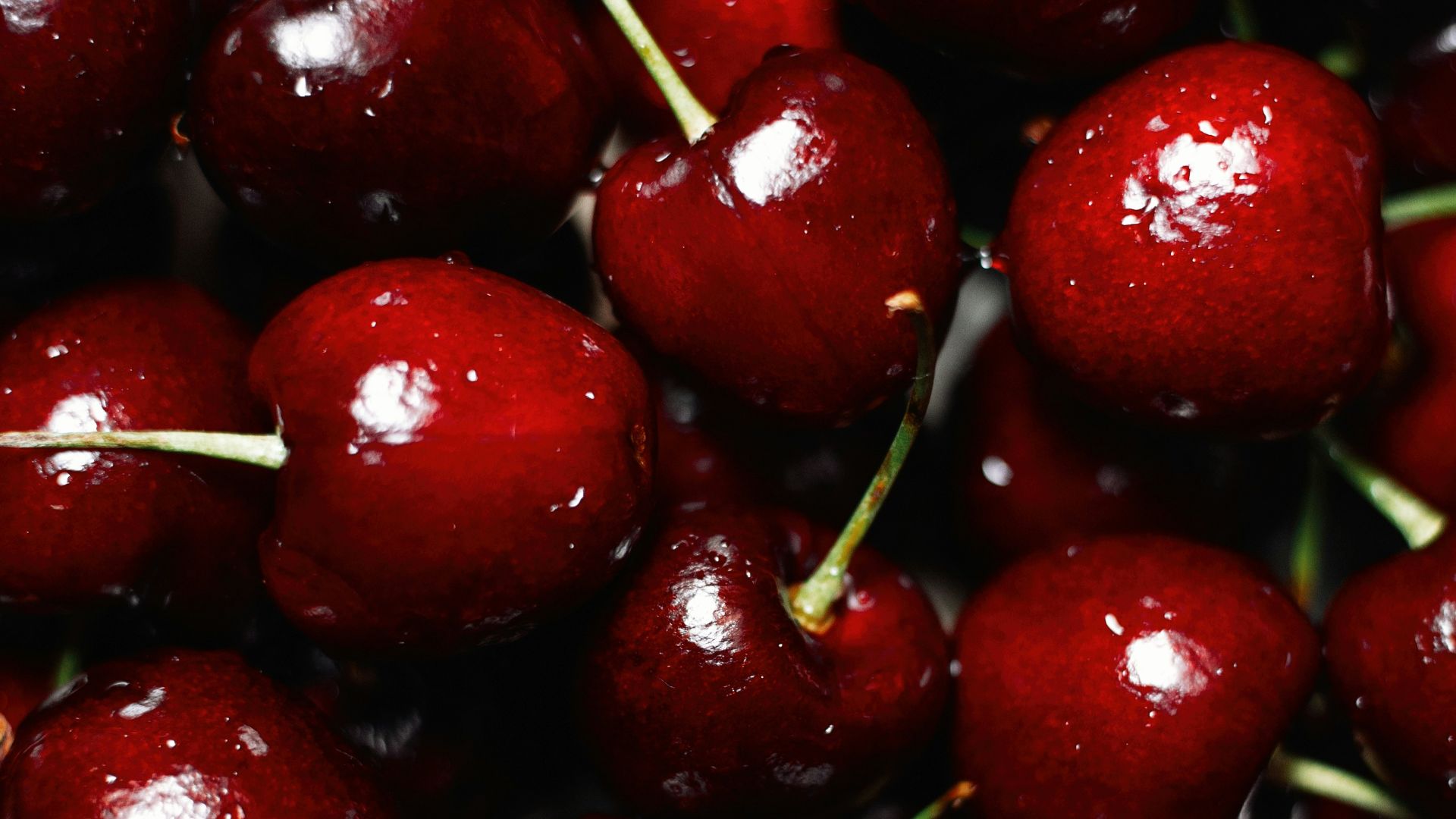
A sweet cherry that loses its stem starts to break down fast, so pickers take them off the tree stem and all. Washington leads the country in sweet cherries, and much of the crop comes off in a summer rush, with crews on three-legged ladders dropping fruit into buckets strapped to their chests.
20. Truffles
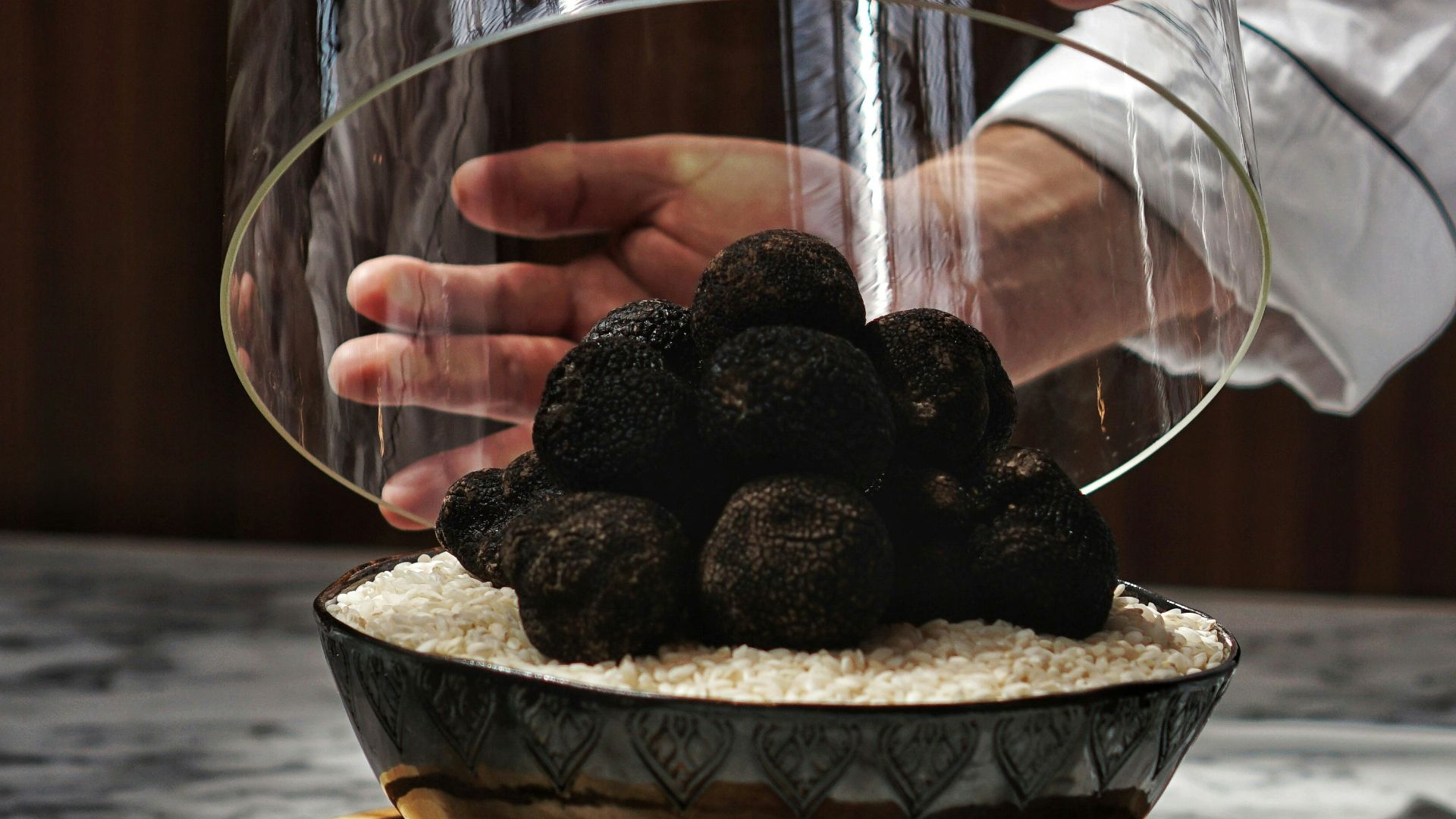
Italy banned pigs from truffle hunting in 1985, partly because they tore up the ground and had a bad habit of eating whatever they found. Dogs do the sniffing now, and the hunter kneels to dig each truffle out from around the oak or hazel roots with a narrow spade. A good white truffle from Alba can sell for thousands of dollars a pound.
 Michael Tri Wijaya on Unsplash
KEEP ON READING

The Most Popular Signature Dishes Around the World