20 Foods That Have to Be Boiled, Beaten, Soaked, or Scorched Before They're Safe to Eat
20 Foods That Have to Be Boiled, Beaten, Soaked, or Scorched Before They're Safe to Eat
When Dinner Fights Back
Some of the most common foods on the planet will make you sick if you eat them raw. A handful of undercooked kidney beans can send you running for the bathroom within a few hours. Cooks in Jamaica and the Congo Basin worked out their fixes long before chemists could name the toxins involved. Most of those fixes still come down to a pot of water or a hot fire. Here's 20 foods that need some rough handling before they reach the plate.
1. Red Kidney Beans
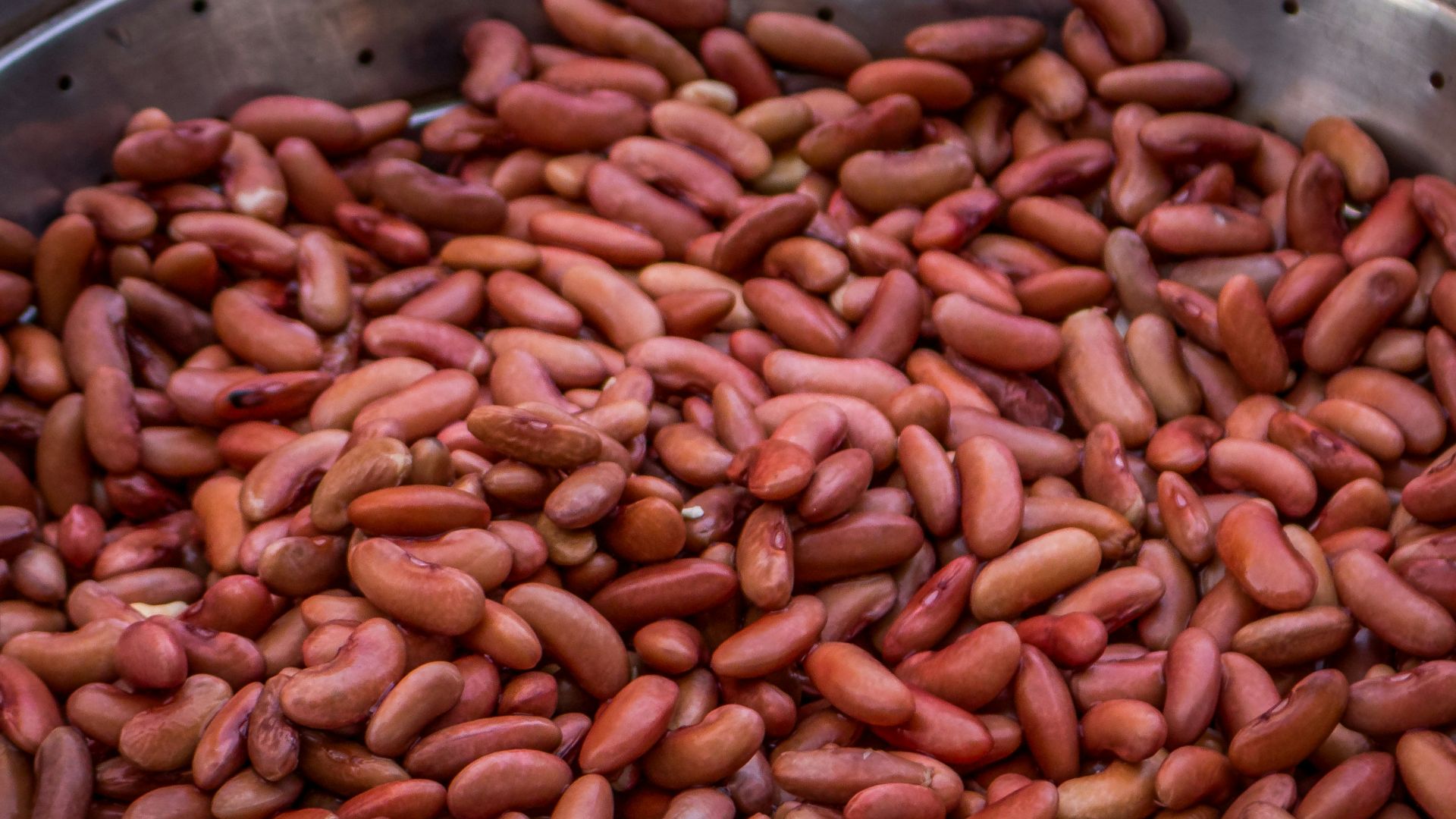
Raw kidney beans carry a lectin called phytohaemagglutinin, and the FDA's Bad Bug Book says as few as four or five raw beans can cause severe vomiting. The agency also warns that heating beans to around 80°C (176°F) can make them up to five times more toxic than raw ones. A slow cooker on low can sit in that range for hours, so safe recipes start with a hard boil in fresh water.
2. Cassava
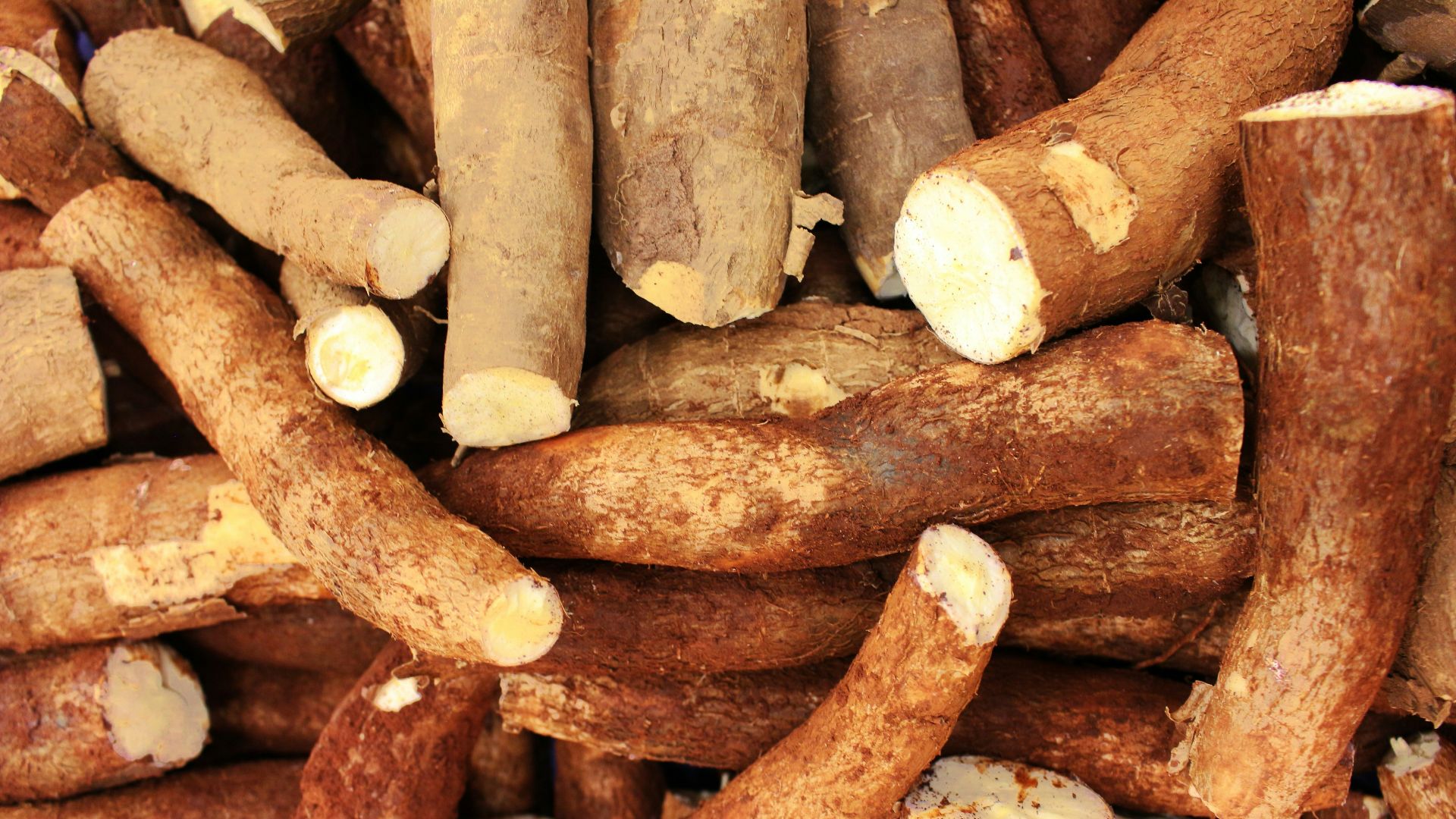
Bitter cassava roots contain linamarin, a compound that releases hydrogen cyanide when the plant tissue is crushed. Cooks across Central Africa soak the peeled roots in water for several days before grinding them into flour. Hans Rosling spent years investigating konzo, a paralyzing disease tied to cassava that hadn't been processed long enough, after an outbreak in Mozambique in 1981.
3. Ackee
Jamaica's national fruit contains hypoglycin A, which can crash blood sugar and cause what doctors call Jamaican vomiting sickness. Cooks wait for the red pods to split open on the tree, then pull out the cream-colored arils and throw away the black seeds before boiling. The FDA kept ackee out of the US for decades and still only allows canned or frozen fruit from approved processors.
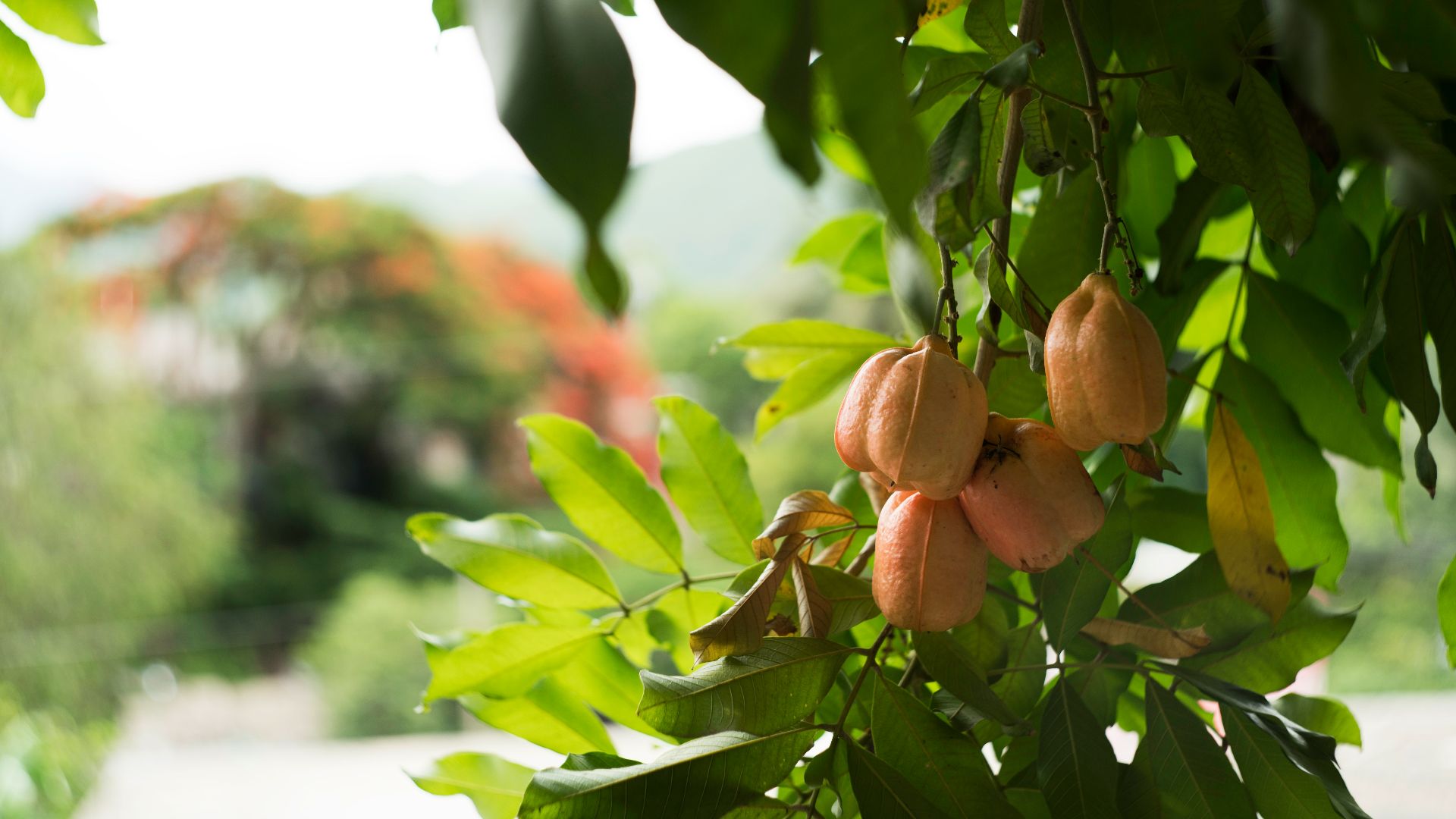 Elite Inception Co on Unsplash
4. Elderberries
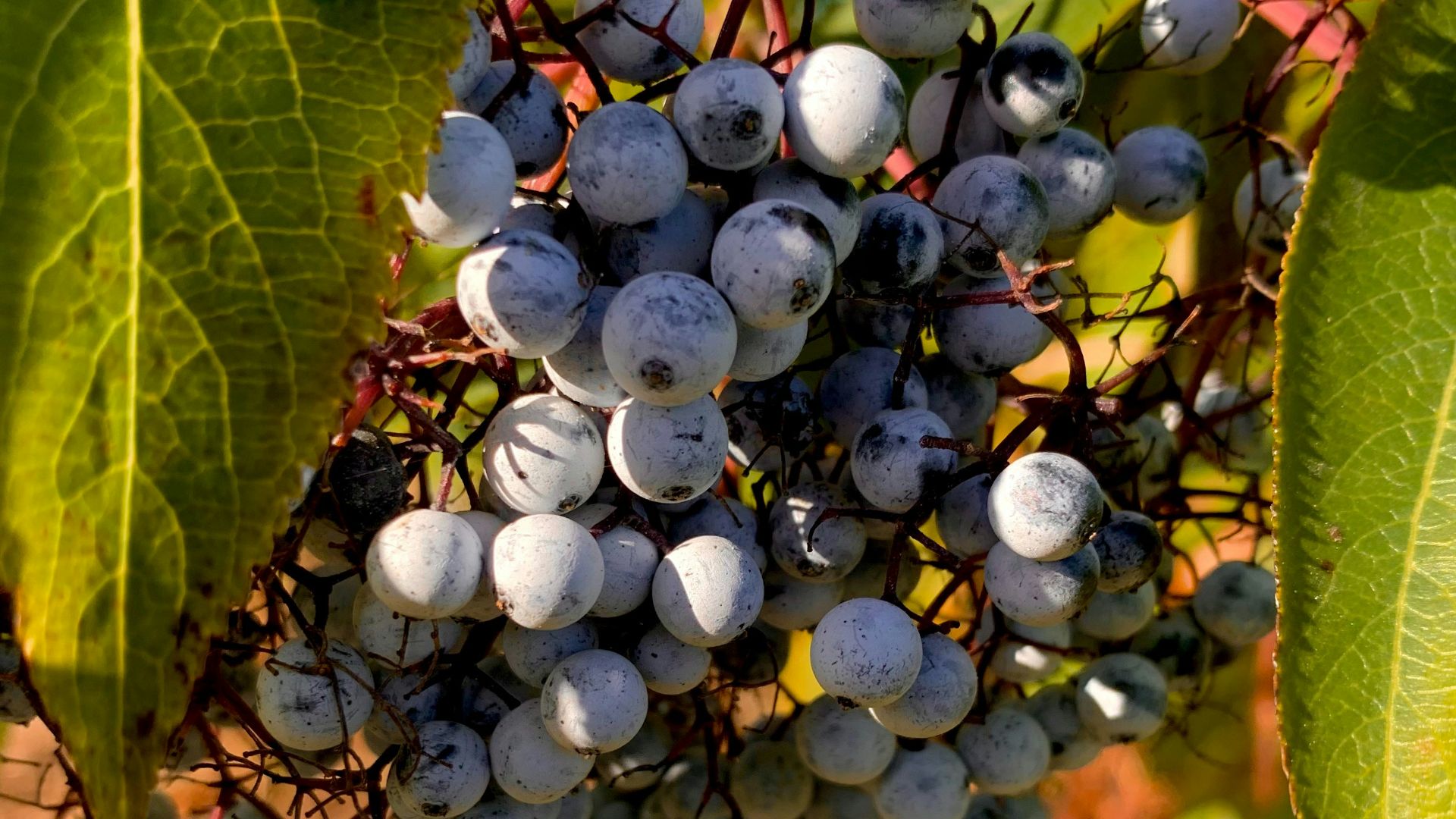
Raw elderberries contain cyanogenic glycosides, and the stems and leaves carry even more. A 1984 CDC report described eight people in California who got sick after drinking juice pressed from berries with the stems and leaves still attached. Cooking breaks those compounds down, and that's why most elderberry products on the shelf are syrups and jams.
5. Acorns
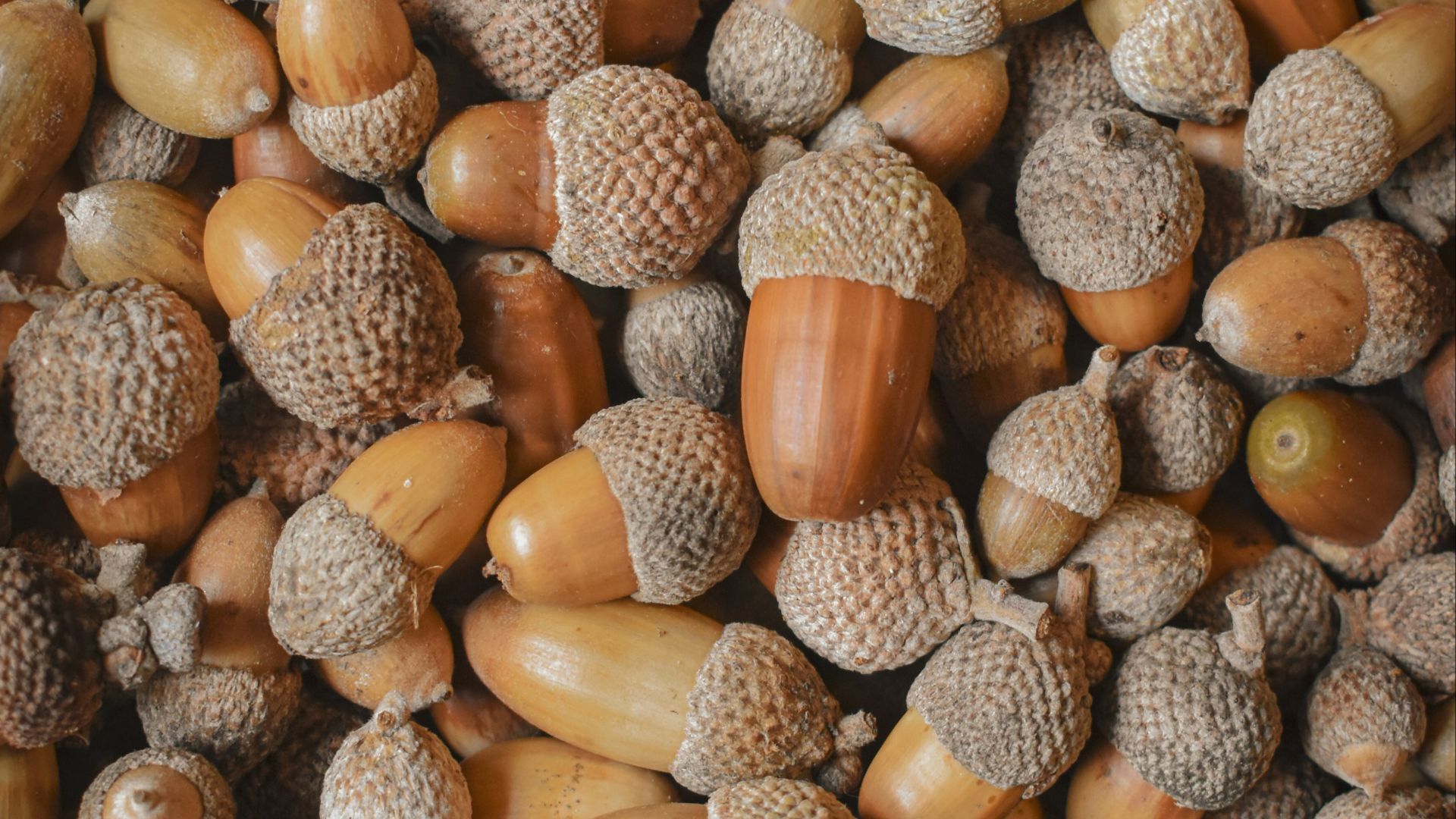
Acorns are loaded with tannins, which make them bitter and rough on the stomach. In Yosemite Valley, Miwok cooks pounded acorns into meal in granite bedrock mortars and poured water through it to wash the tannins out. You can still see the mortar holes worn into the rock around the valley.
6. Fiddleheads
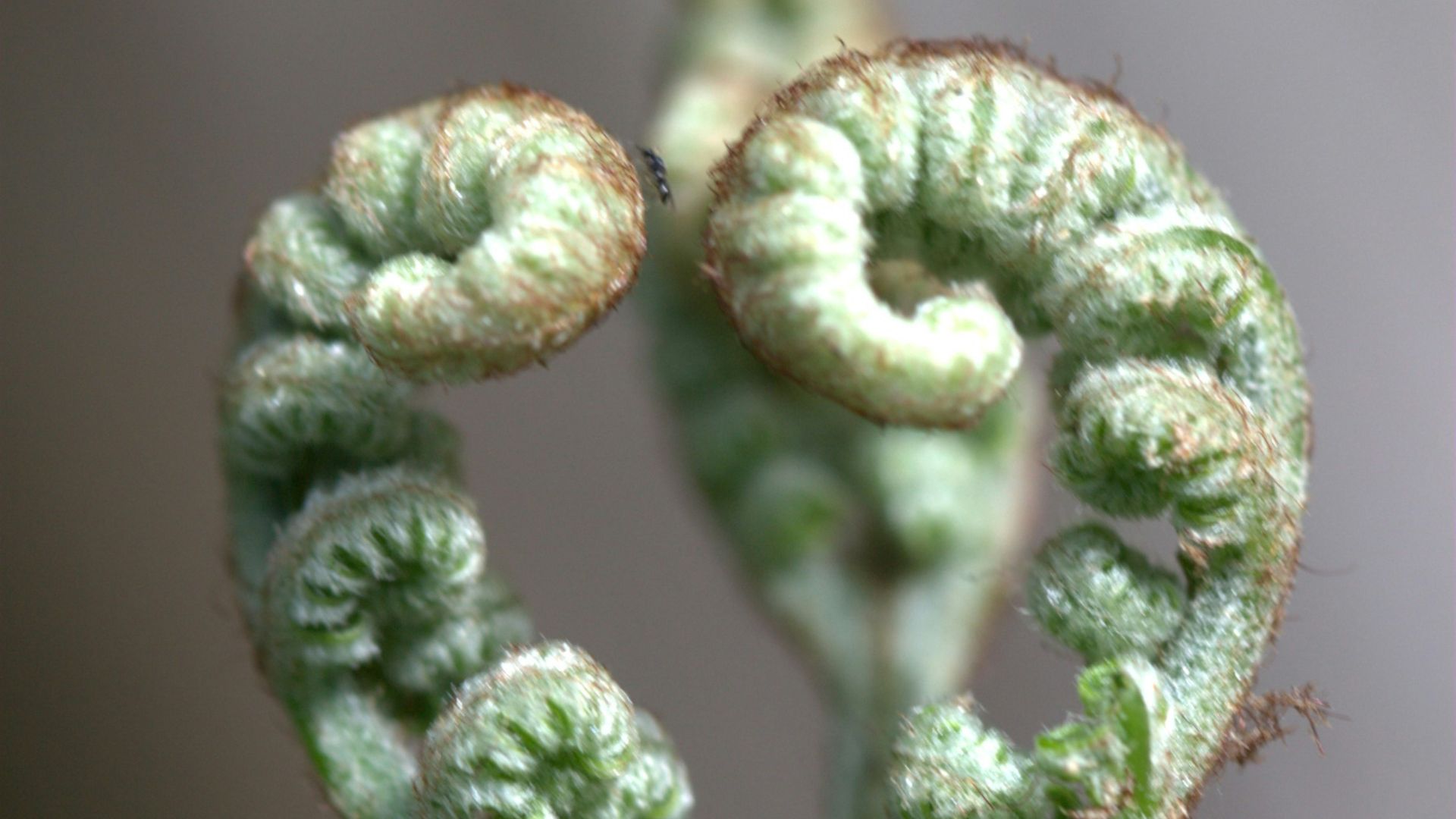
The curled shoots of the ostrich fern show up at farmers markets every spring, and they can cause nasty food poisoning when undercooked. The CDC traced 1994 outbreaks in New York and western Canada to fiddleheads that were raw or only lightly cooked. Health Canada recommends boiling them for 15 minutes or steaming them for 10–12 minutes.
7. Pokeweed
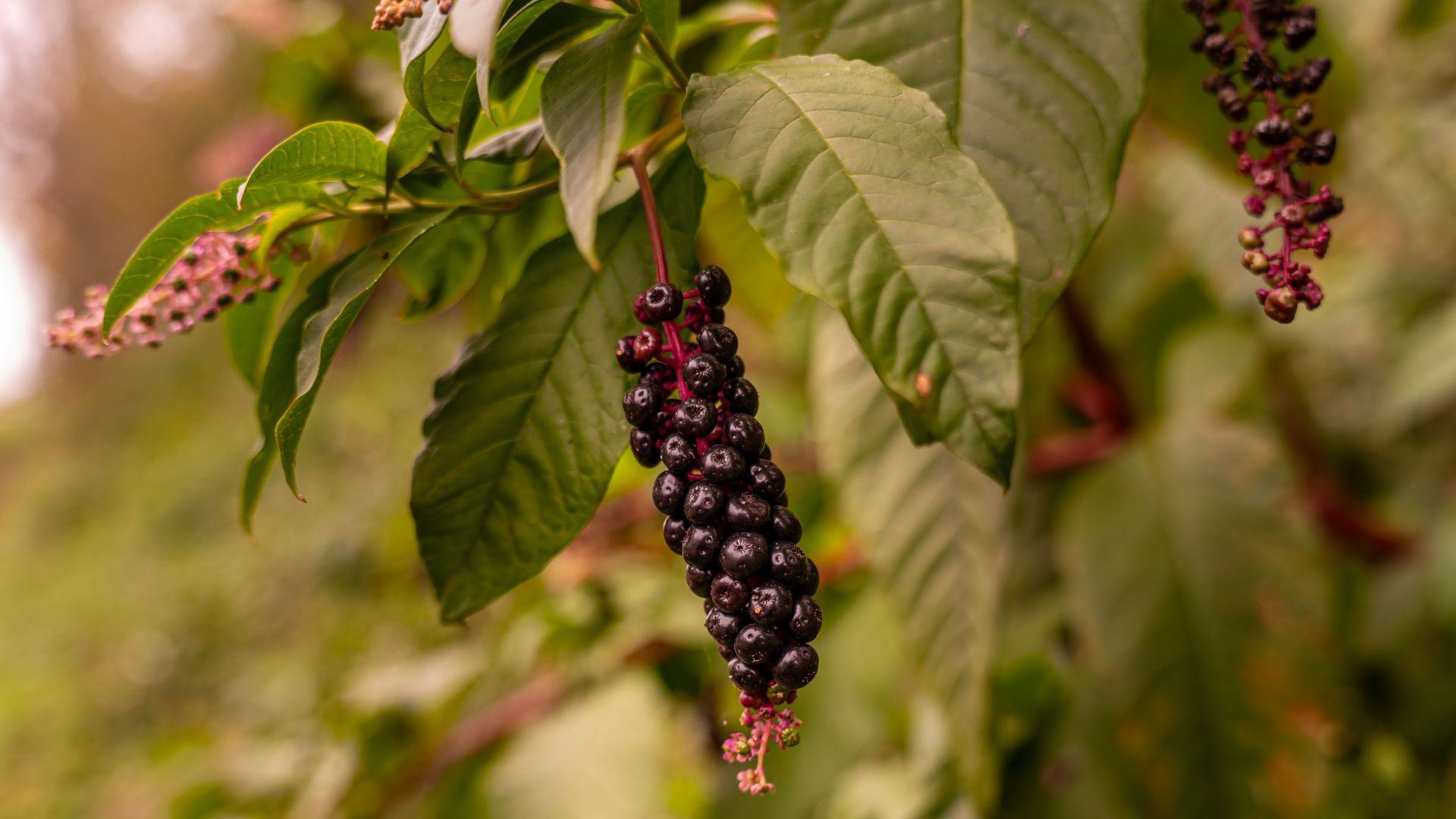
Every part of the pokeweed plant is toxic raw, and the roots are the worst. Cooks in Appalachia still gather the young spring leaves and boil them twice with fresh water each time to make poke sallet. The dish is famous enough to have its own song, Tony Joe White's 1969 hit "Polk Salad Annie."
8. Lima Beans
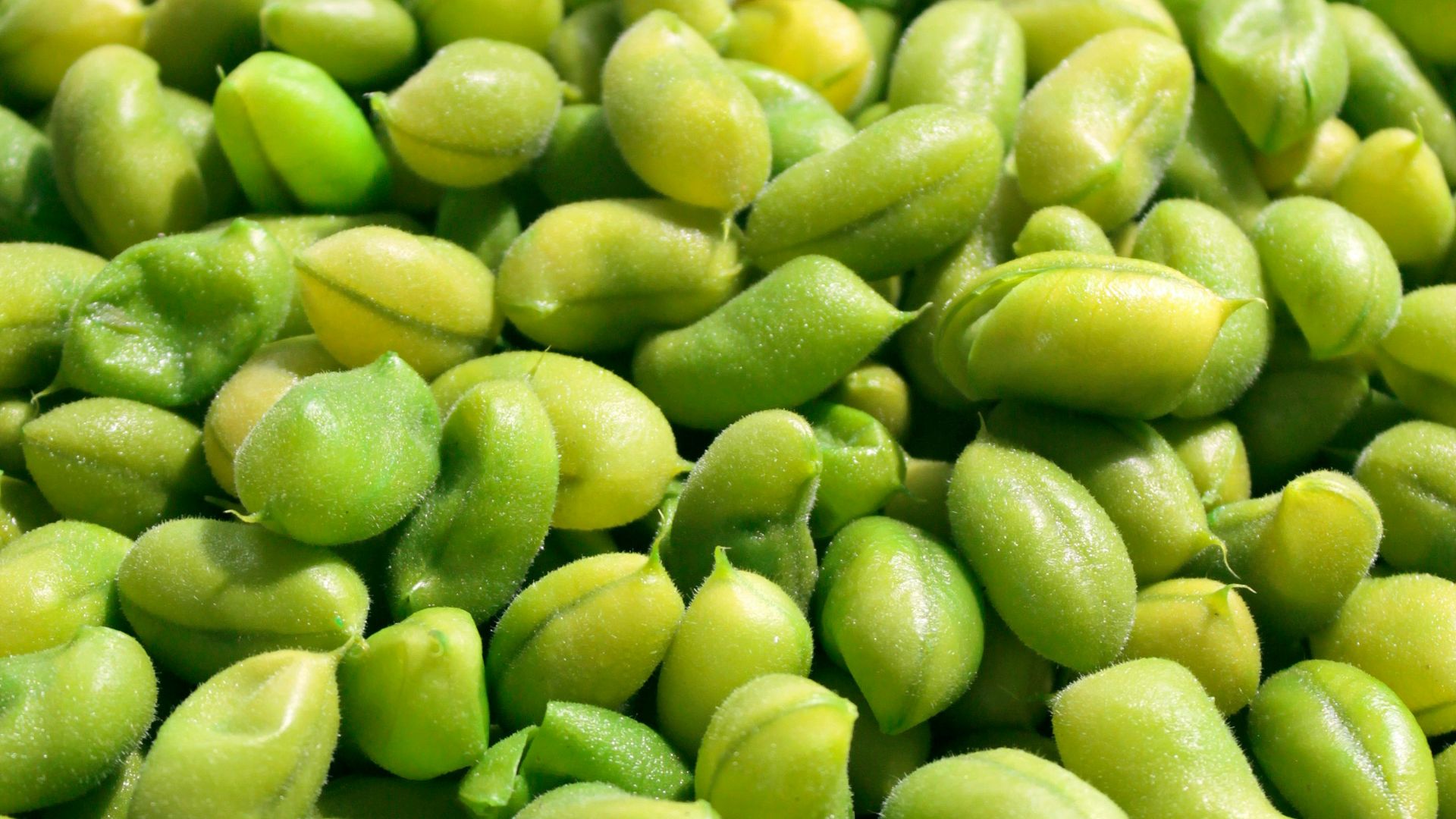
Lima beans carry linamarin, the same compound that makes cassava dangerous. Commercial varieties in the US are bred to contain far less of it than wild types, and boiling them in an uncovered pot lets the released cyanide escape as gas.
9. Bamboo Shoots
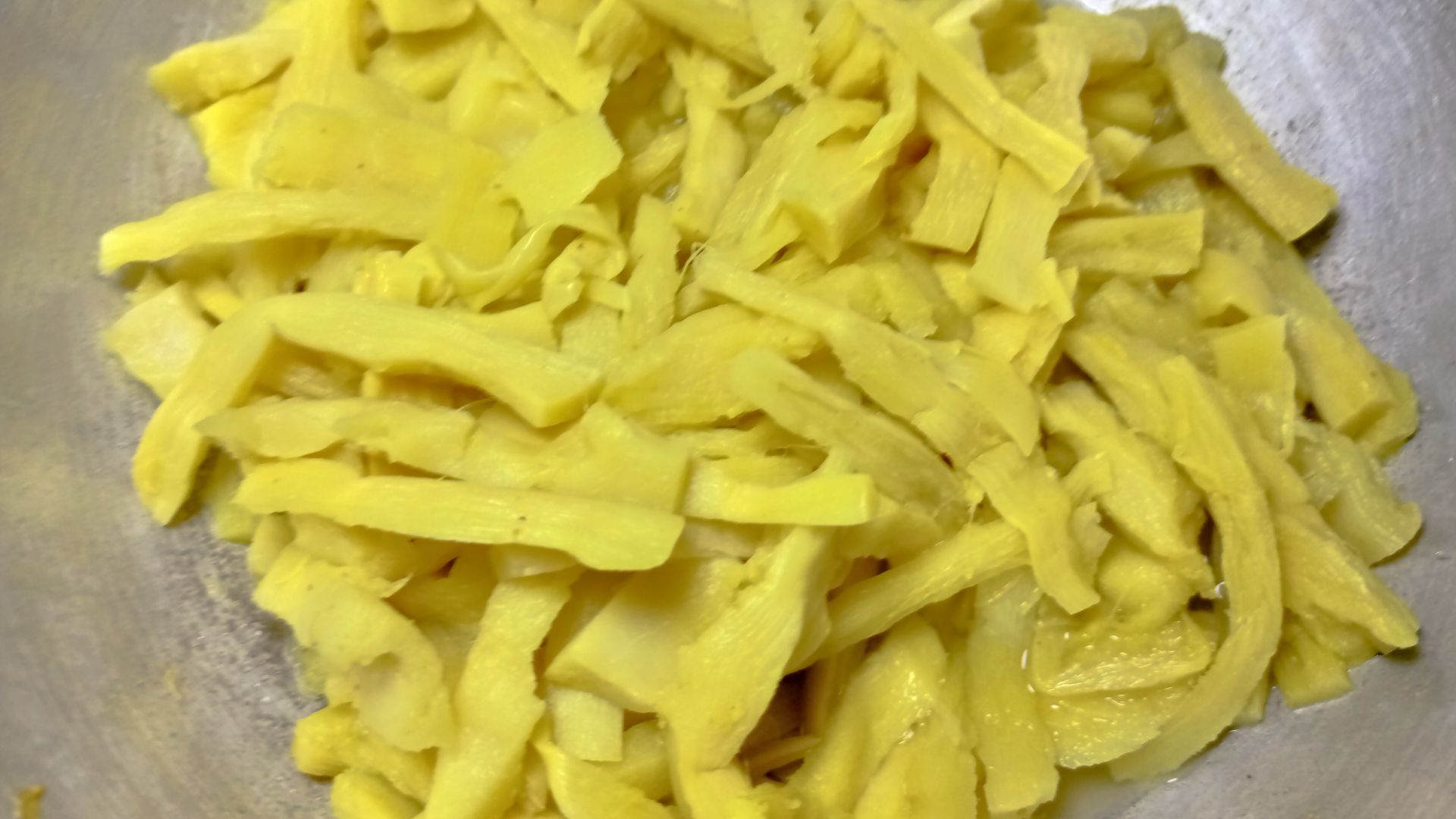
Fresh bamboo shoots contain taxiphyllin, a cyanogenic glycoside that turns into hydrogen cyanide as the shoot is cut and chewed. Food Standards Australia New Zealand advises slicing fresh shoots and boiling them before eating. Canned shoots have already been through that step.
10. Taro
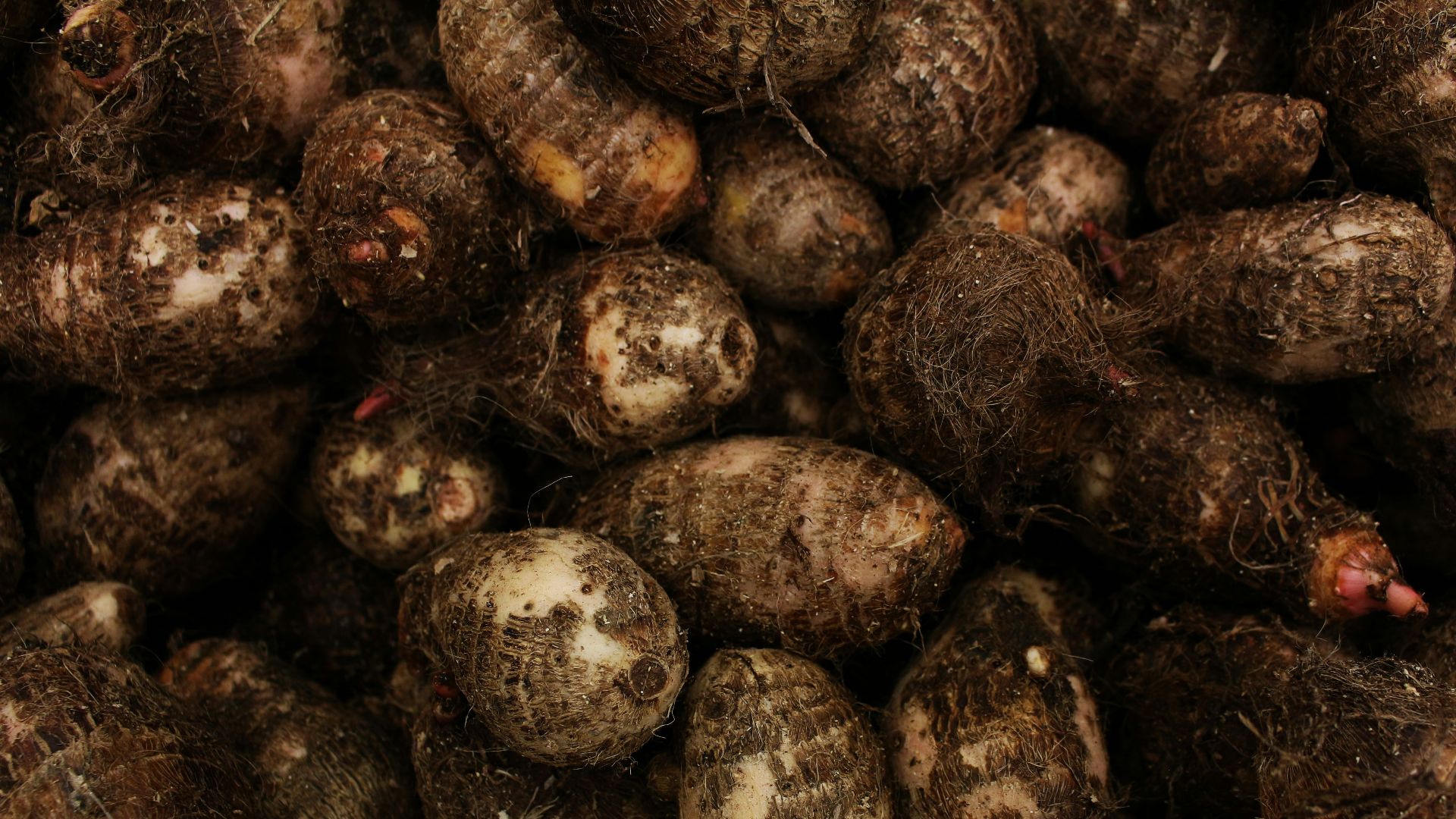
Taro corms are packed with needle-shaped calcium oxalate crystals that feel like fiberglass on your tongue and throat. Hawaiians steam the corms for hours in an underground oven called an imu and then pound them with a stone pounder on a wooden board to make poi. The long cooking takes the sting out, and the pounding turns the corm into a smooth paste.
11. Morel Mushrooms
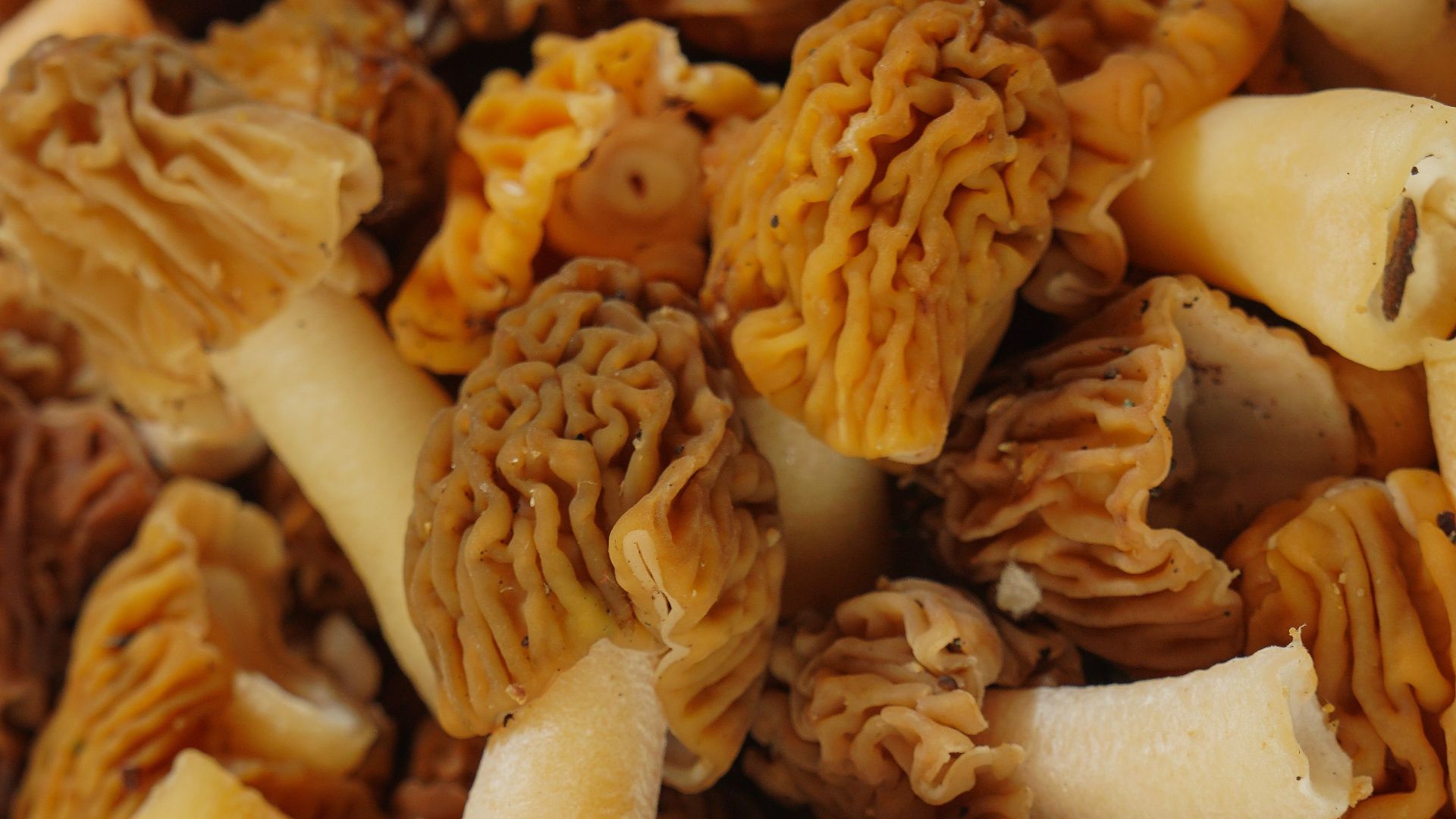
Foragers wait all year for morel season, and raw morels can cause serious stomach trouble. A 2023 CDC investigation tied 51 illnesses at a sushi restaurant in Bozeman, Montana, to raw marinated morels.
12. Raw Flour
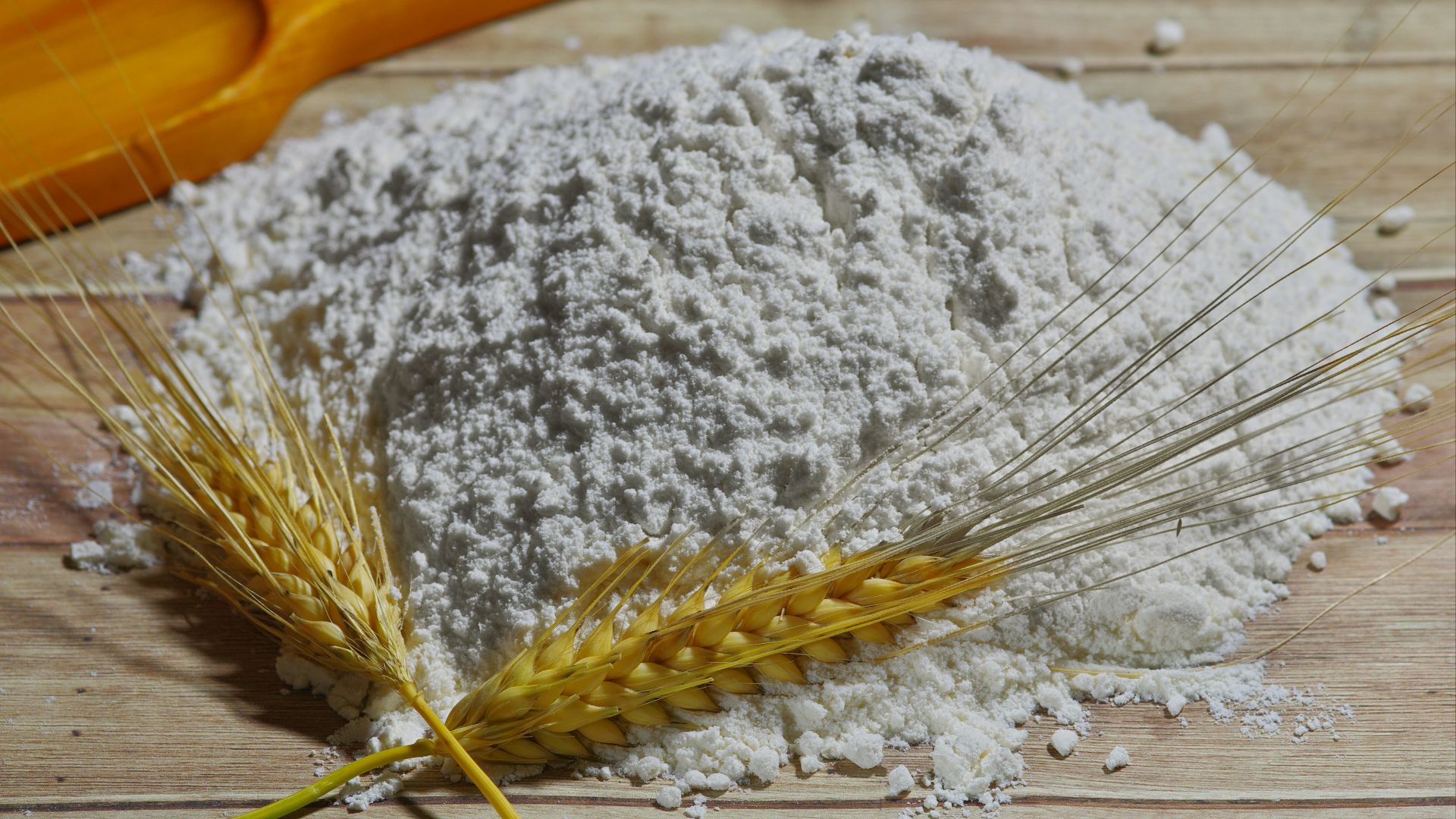
Raw flour comes from grain that's never been treated to kill bacteria. In 2016, the CDC linked an E. coli outbreak that sickened 63 people in 24 states to General Mills flour, and the company recalled about 10 million pounds of it. Baking kills the bacteria, so the risky part is licking the spoon.
13. Cashews
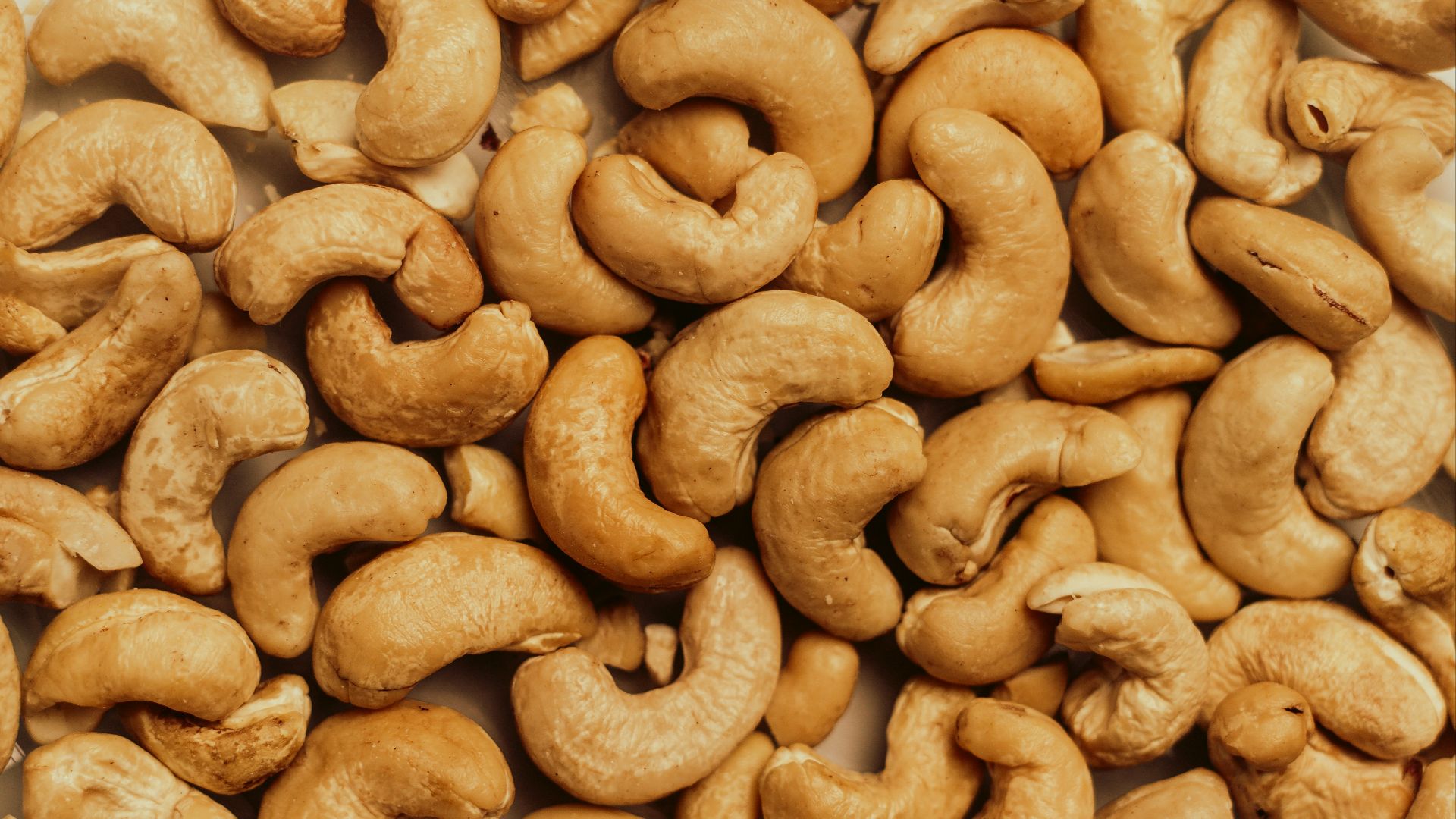
Cashews grow inside a shell full of a caustic oil related to urushiol, the irritant in poison ivy. Raw cashews sold in stores have been steamed or roasted to get them out of that shell safely.
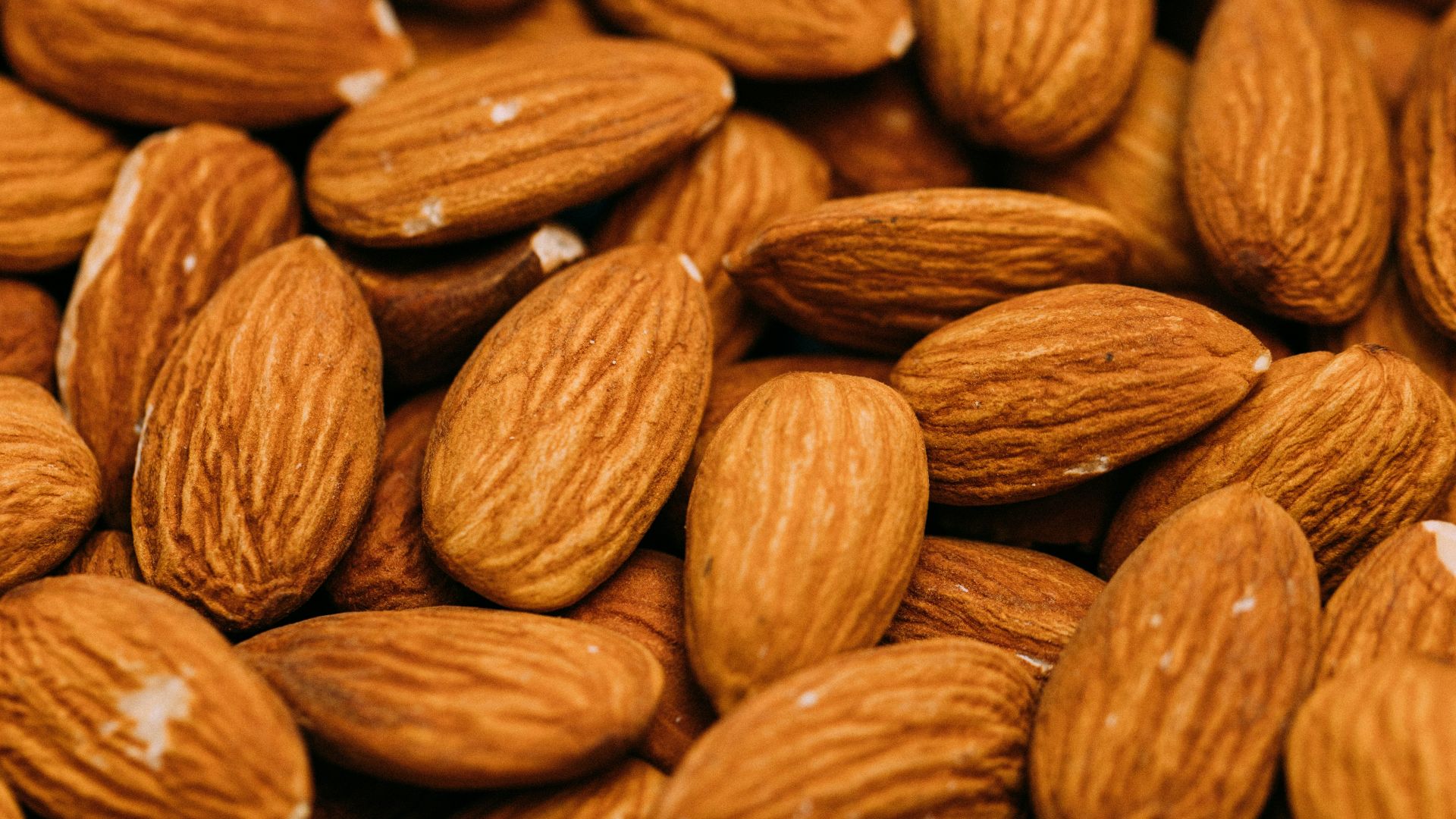
14. Almonds
Almonds labeled raw in US stores have been heated anyway. After Salmonella outbreaks were traced to California almonds in 2001 and 2004, the USDA began requiring pasteurization for almonds sold in North America in 2007.
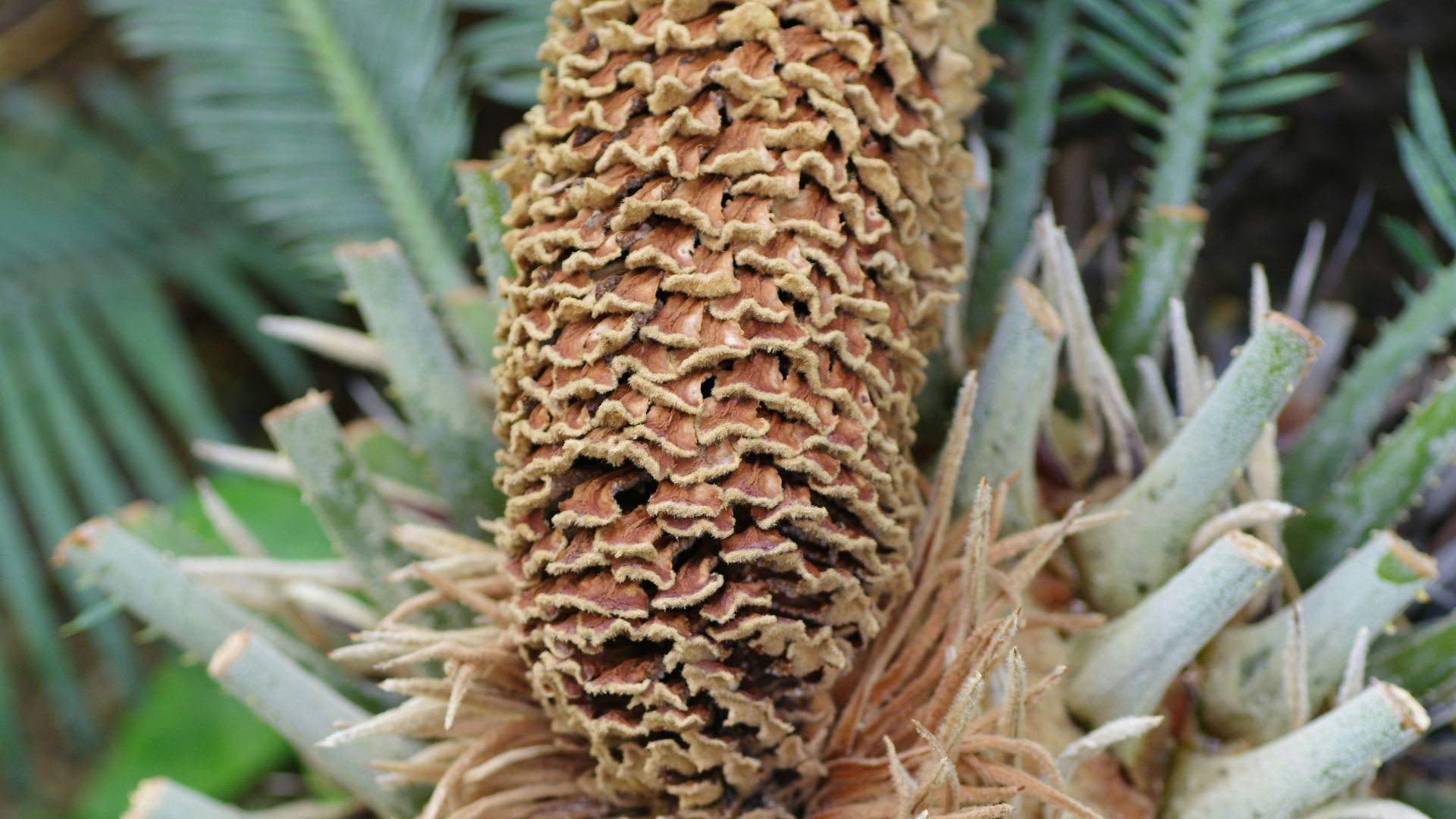
15. Cycad Seeds
On Guam, the Chamorro people traditionally made flour from cycad seeds, which contain toxins that can damage the nervous system. Cooks soaked the sliced seeds in water for days and changed the water often before grinding and drying the flour. Neurologists have spent decades studying whether traces of those toxins helped cause the island's high rates of an ALS-like disease, a story Oliver Sacks covered in The Island of the Colorblind.
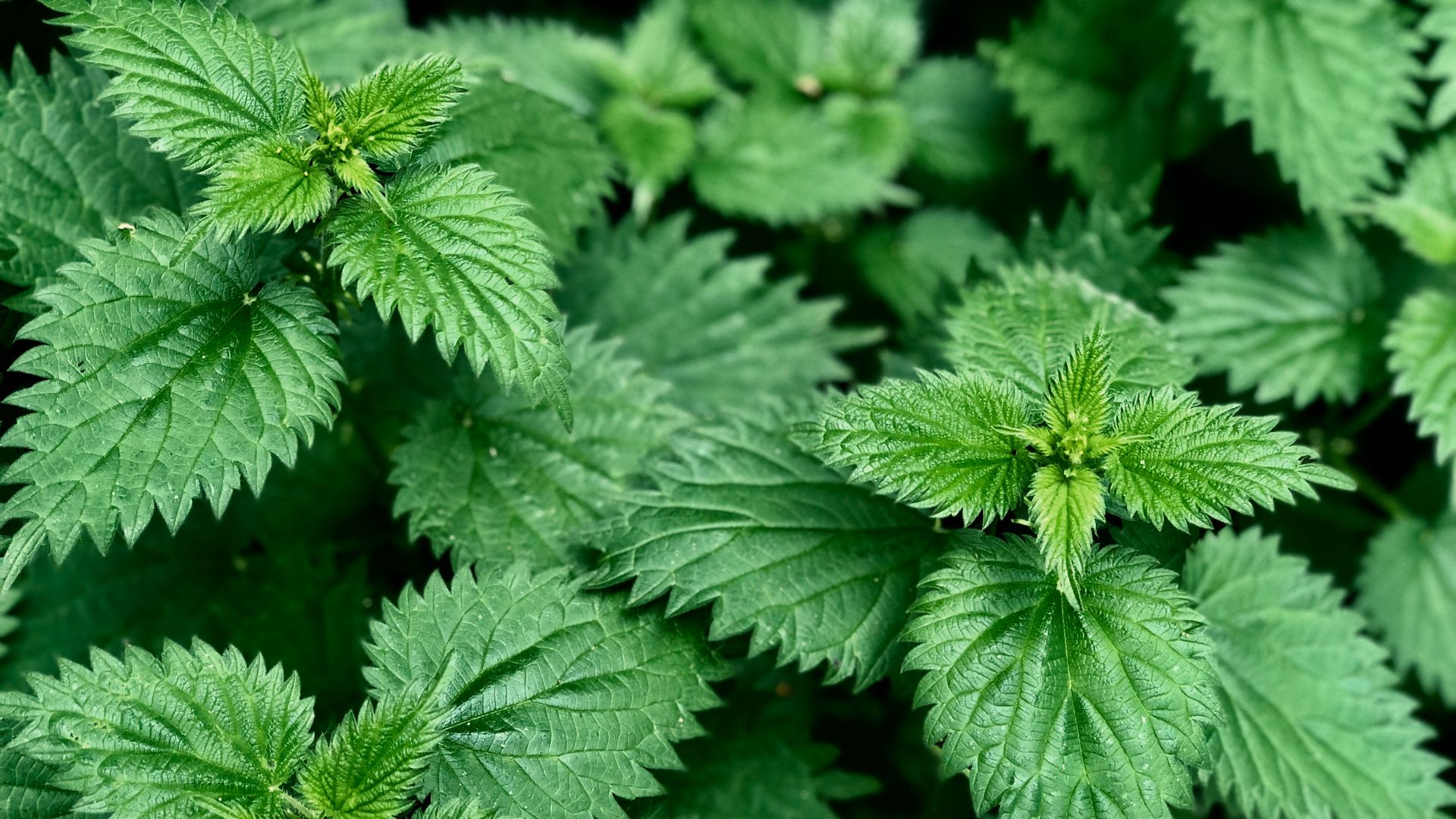
16. Stinging Nettles
The hairs on nettle leaves work like tiny hypodermic needles that inject histamine and formic acid into your skin. A minute or two in boiling water disarms them completely. After that, the leaves go into soups and pesto the same way spinach does.
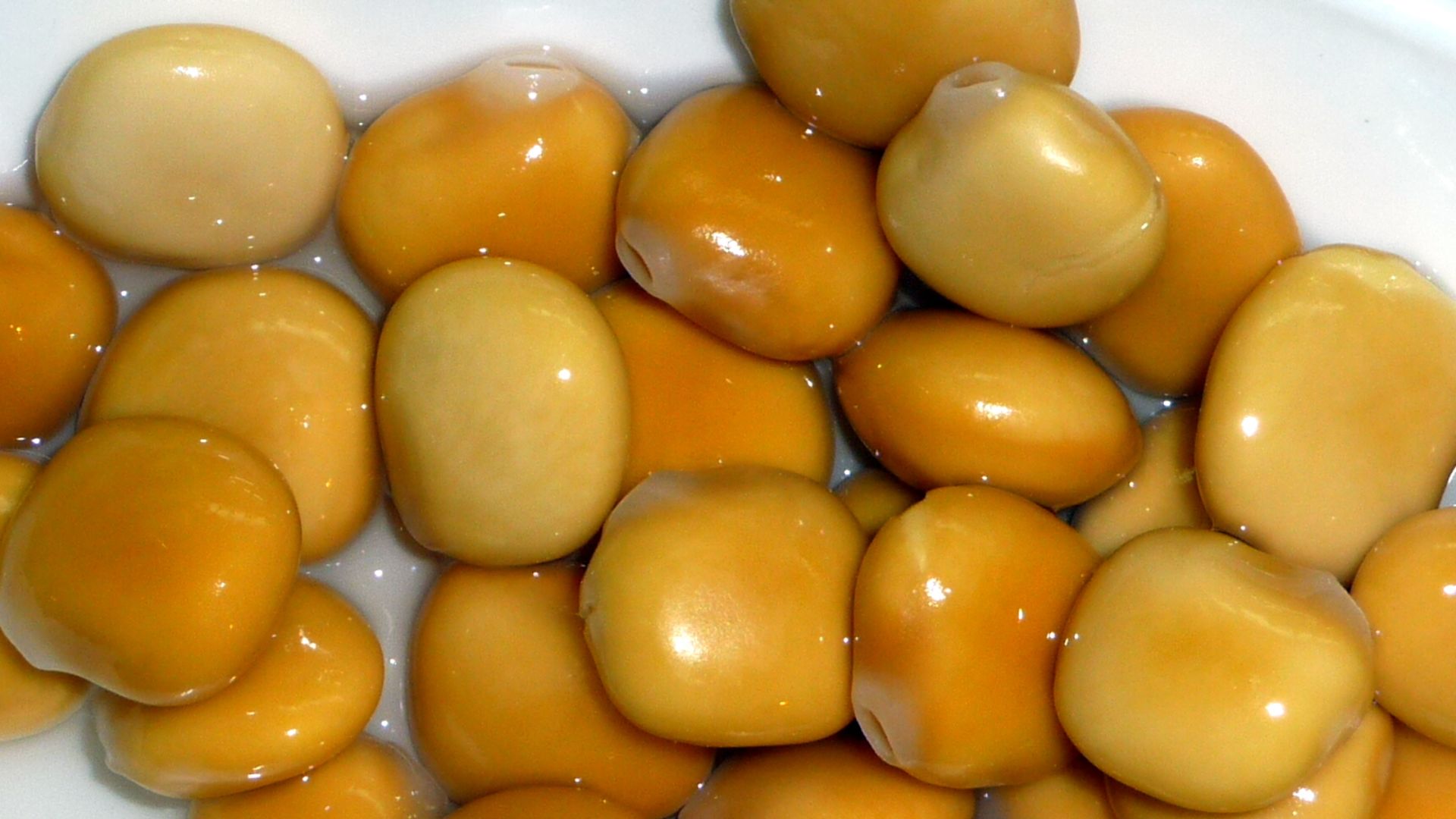
17. Lupini Beans
Lupini beans come out of the pod full of bitter alkaloids that can cause dizziness and confusion in large doses. Italian and Portuguese cooks boil them and then keep them in fresh water for about a week, changing it daily until the bitterness is gone. Most people skip all that and buy them already brined in jars.
18. Ginkgo Nuts
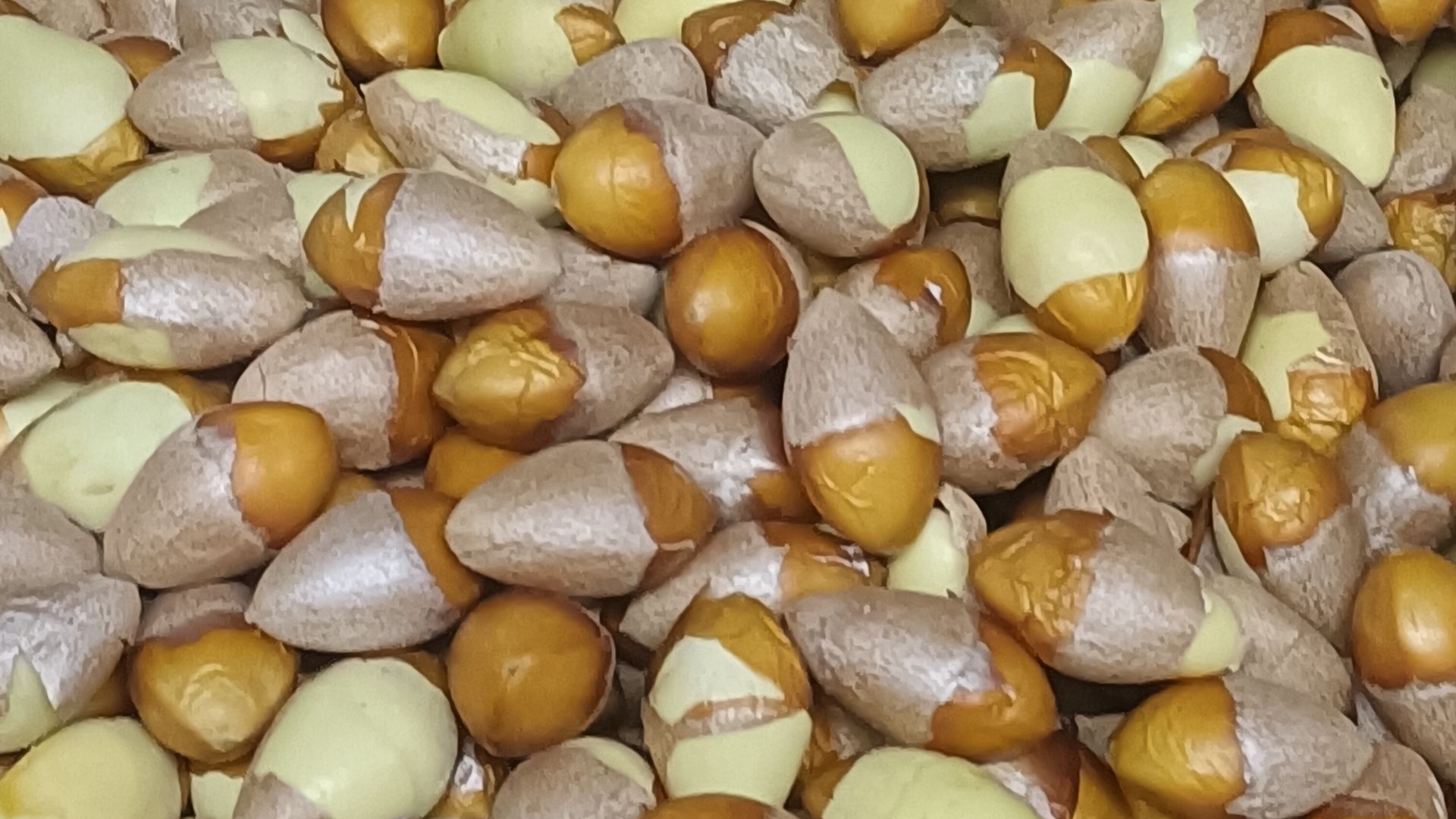
Ginkgo nuts contain ginkgotoxin, which interferes with vitamin B6 and can trigger seizures when eaten in large amounts. Cooks in Japan and Korea roast or boil them, and many families limit kids to a few at a time.
 Fumikas Sagisavas on Wikimedia
19. Pork
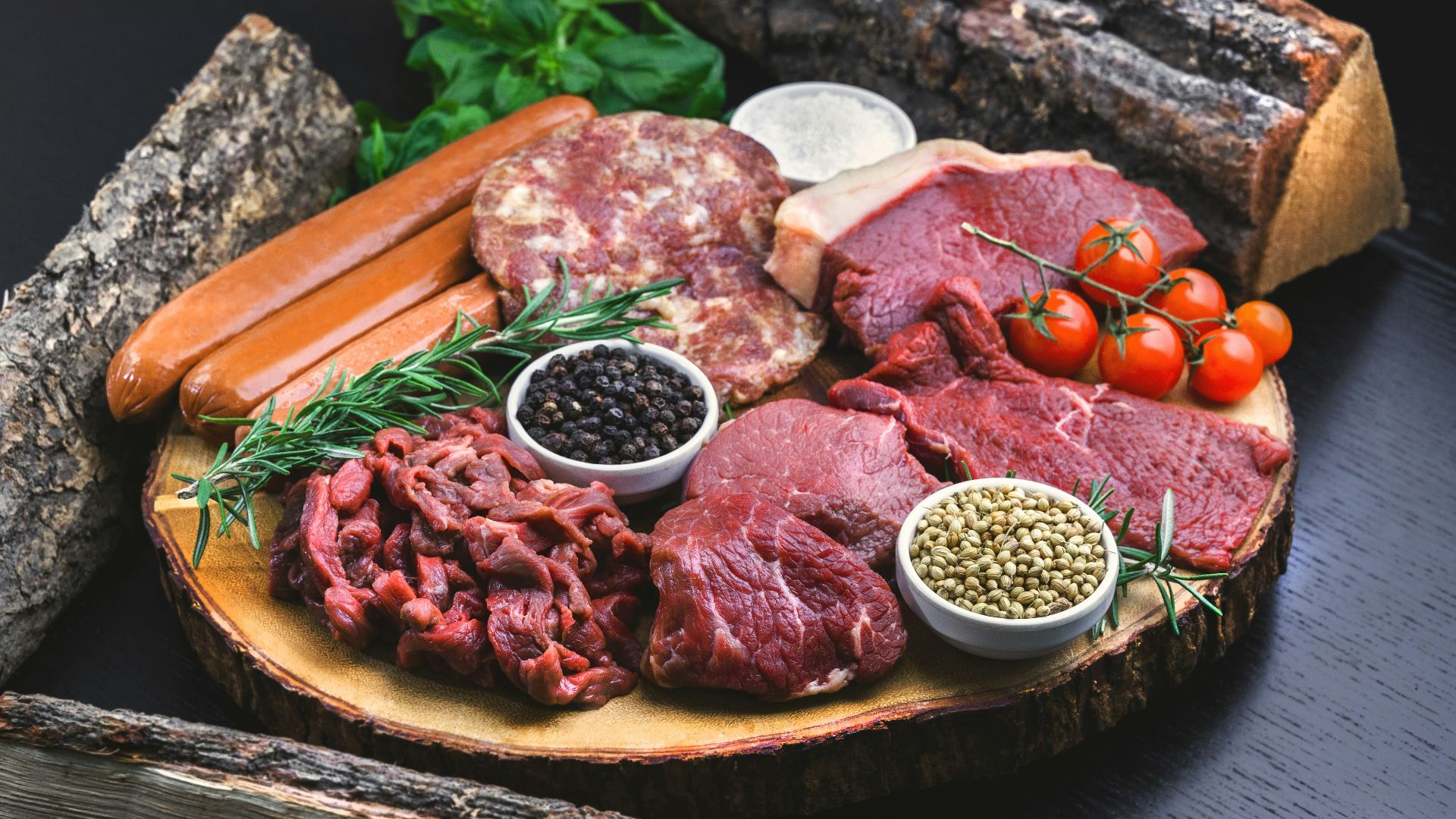
Pork used to carry a real risk of Trichinella, a parasitic worm that burrows into muscle. In 2011, the USDA lowered its safe cooking temperature for whole cuts of pork from 160°F to 145°F with a three-minute rest. Changes in hog farming made the parasite rare in commercial US pork, and the cooking step now mostly targets bacteria like Salmonella.
20. Bear Meat
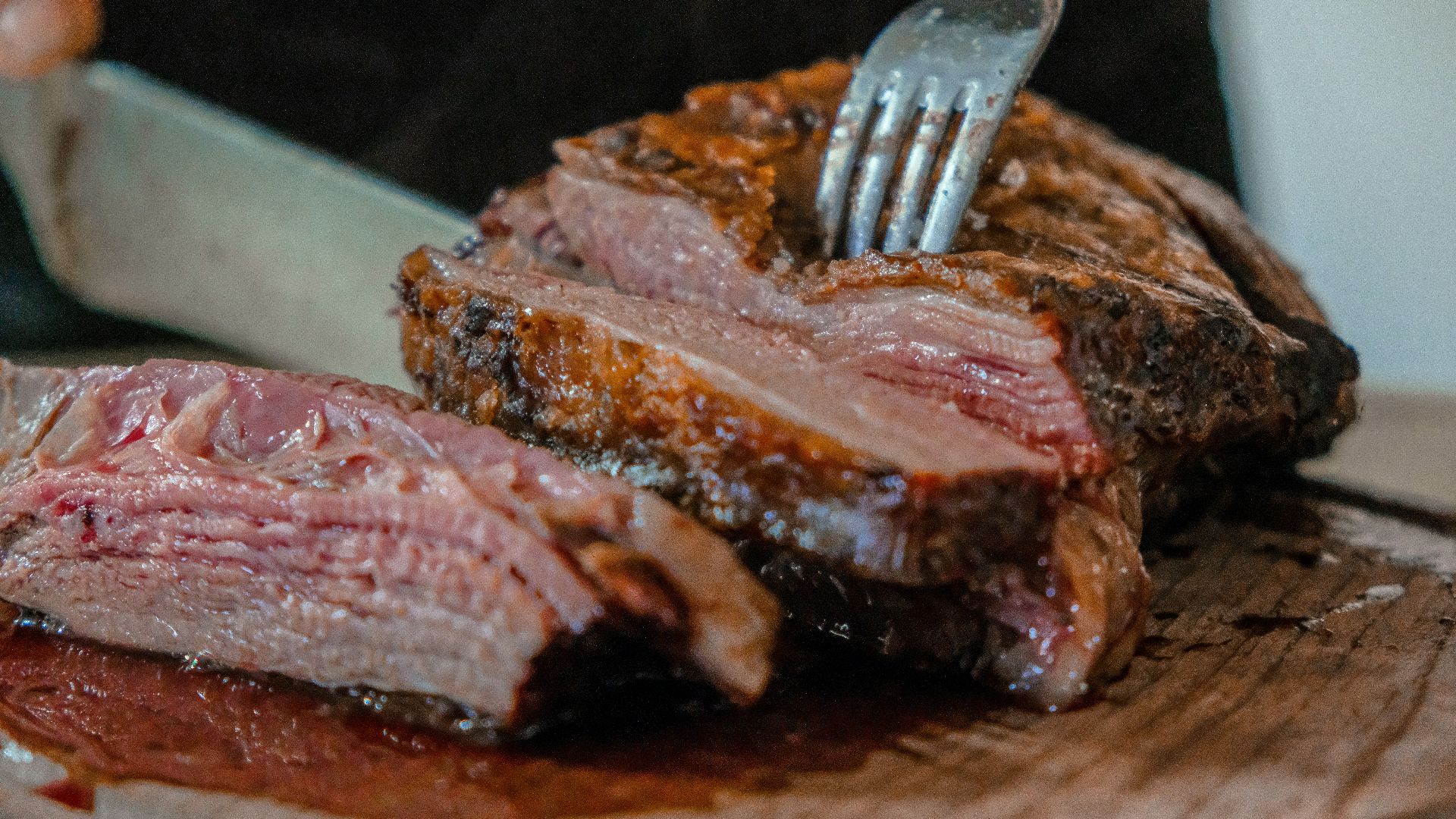
Wild game is now the main source of trichinellosis in the US, and the CDC names bear meat as the most common culprit. In 2022, a family gathering in South Dakota ended with several relatives sick after eating black bear kabobs that had first been served rare. The CDC recommends cooking wild game to 160°F, since freezing doesn't reliably kill the Trichinella species found in bears.
 José Ignacio Pompé on Unsplash