20 Famous Dishes That Started as Marketing Campaigns
When Advertising Became a Family Recipe
Some of America's most recognizable dishes didn't actually originate in family kitchens or restaurants. Instead, many became popular because food companies were looking for creative ways to sell more products, often developing recipes that encouraged customers to buy them. From Thanksgiving casseroles to beloved desserts, clever advertising helped transform ordinary ingredients into household favorites. Here are 20 dishes that were created by companies to inspire people to use their products.
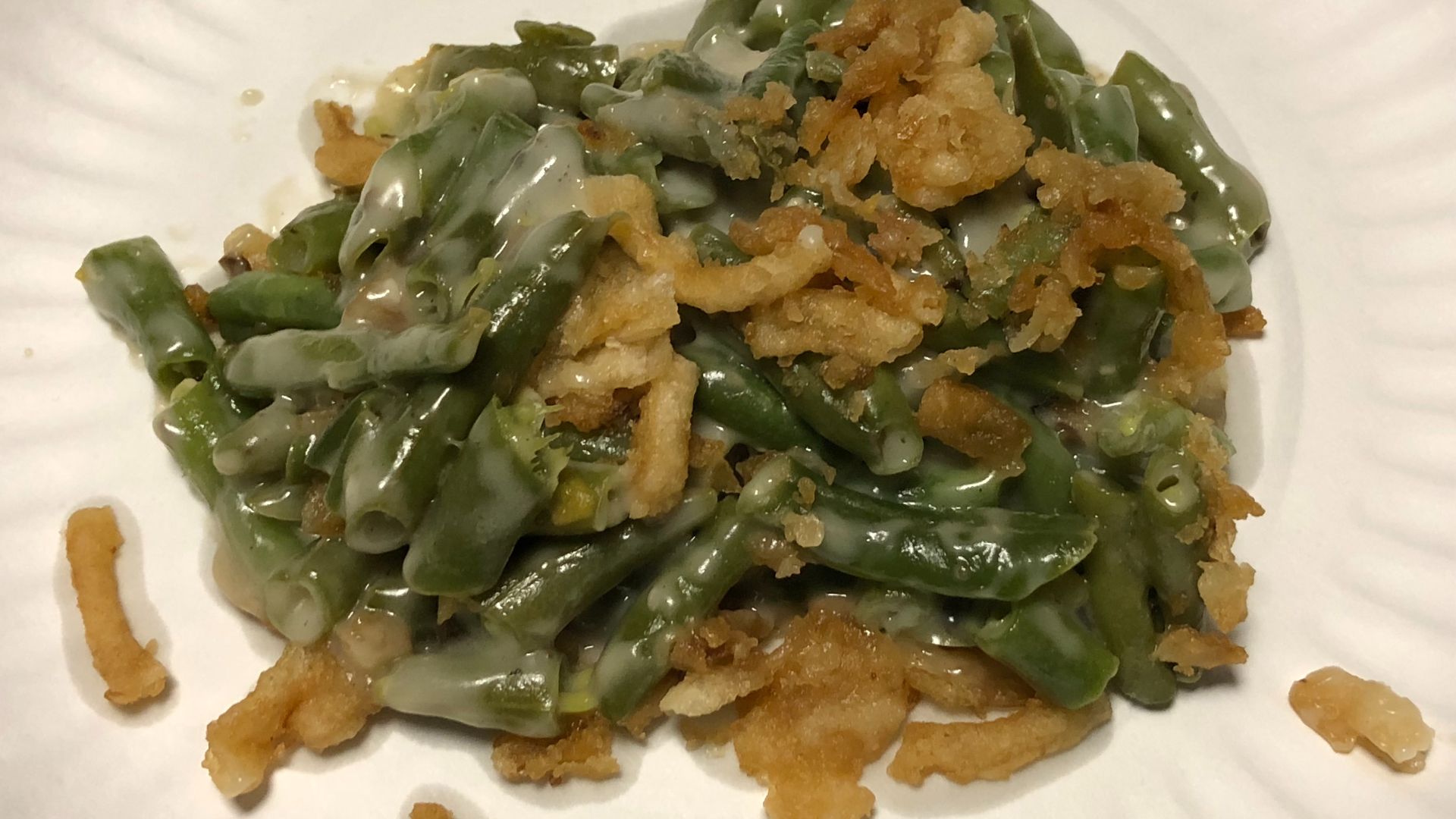
1. Green Bean Casserole
Green bean casserole might seem like a recipe passed down through generations, but it was actually developed in Campbell's test kitchen in 1955. Employee Dorcas Reilly came up with the dish using canned green beans and cream of mushroom soup to show just how convenient the company's products could be. Campbell's eventually printed the recipe on its soup cans, helping turn it into a Thanksgiving tradition that millions of Americans still enjoy today.
2. Rice Krispies Treats
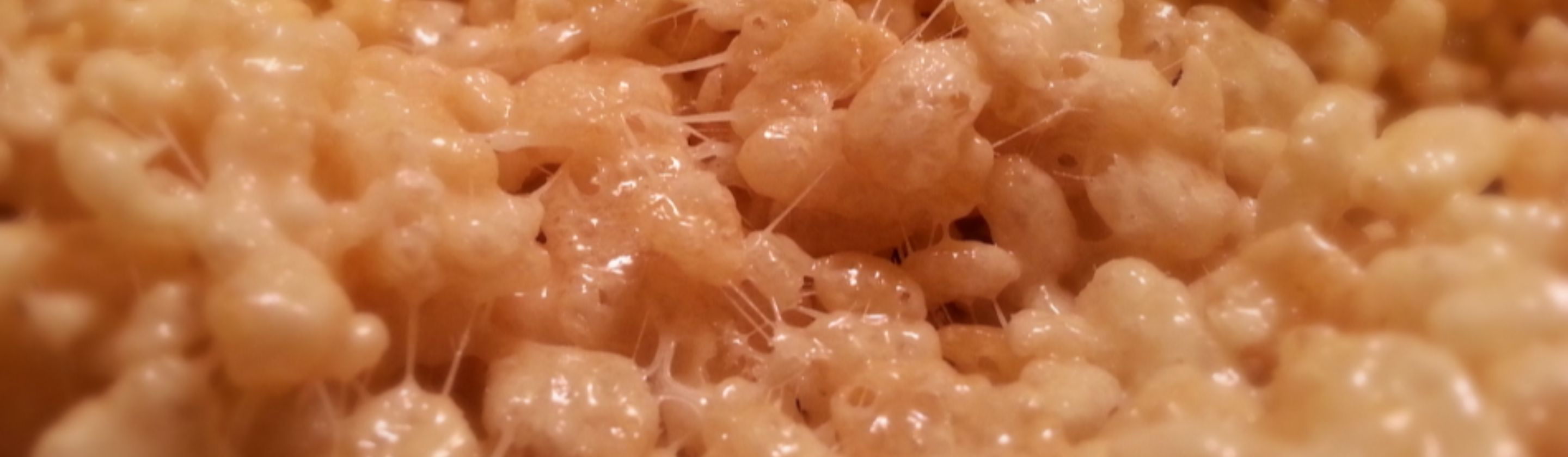
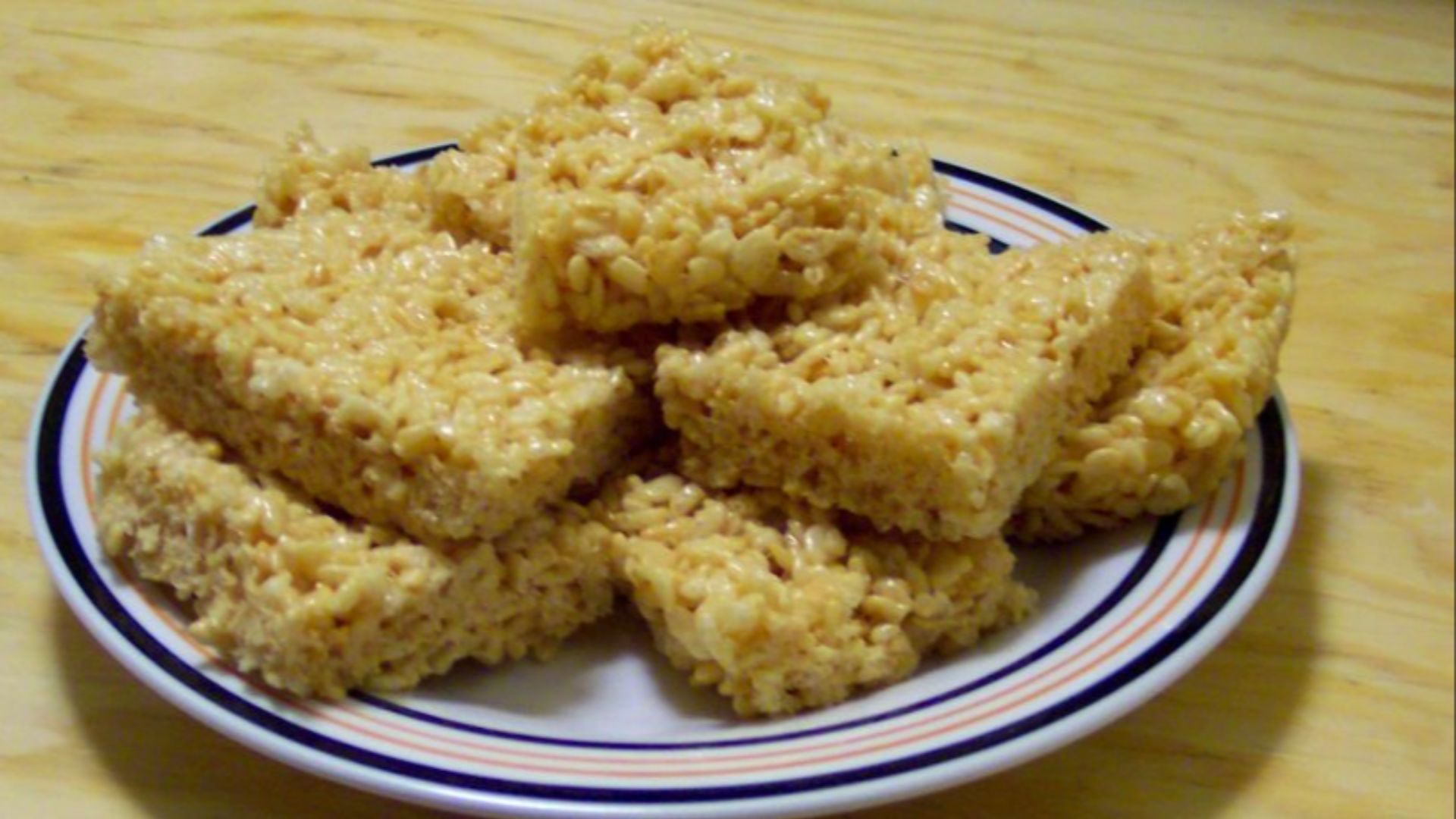
Those marshmallow-covered cereal squares owe much of their popularity to Kellogg's advertising efforts. The company developed and promoted the recipe in the late 1930s, encouraging families to enjoy Rice Krispies in ways that went beyond breakfast. With only a handful of inexpensive ingredients, the dessert was simple enough for children to help make, which made it particularly appealing to busy parents.
3. Pineapple Upside-Down Cake
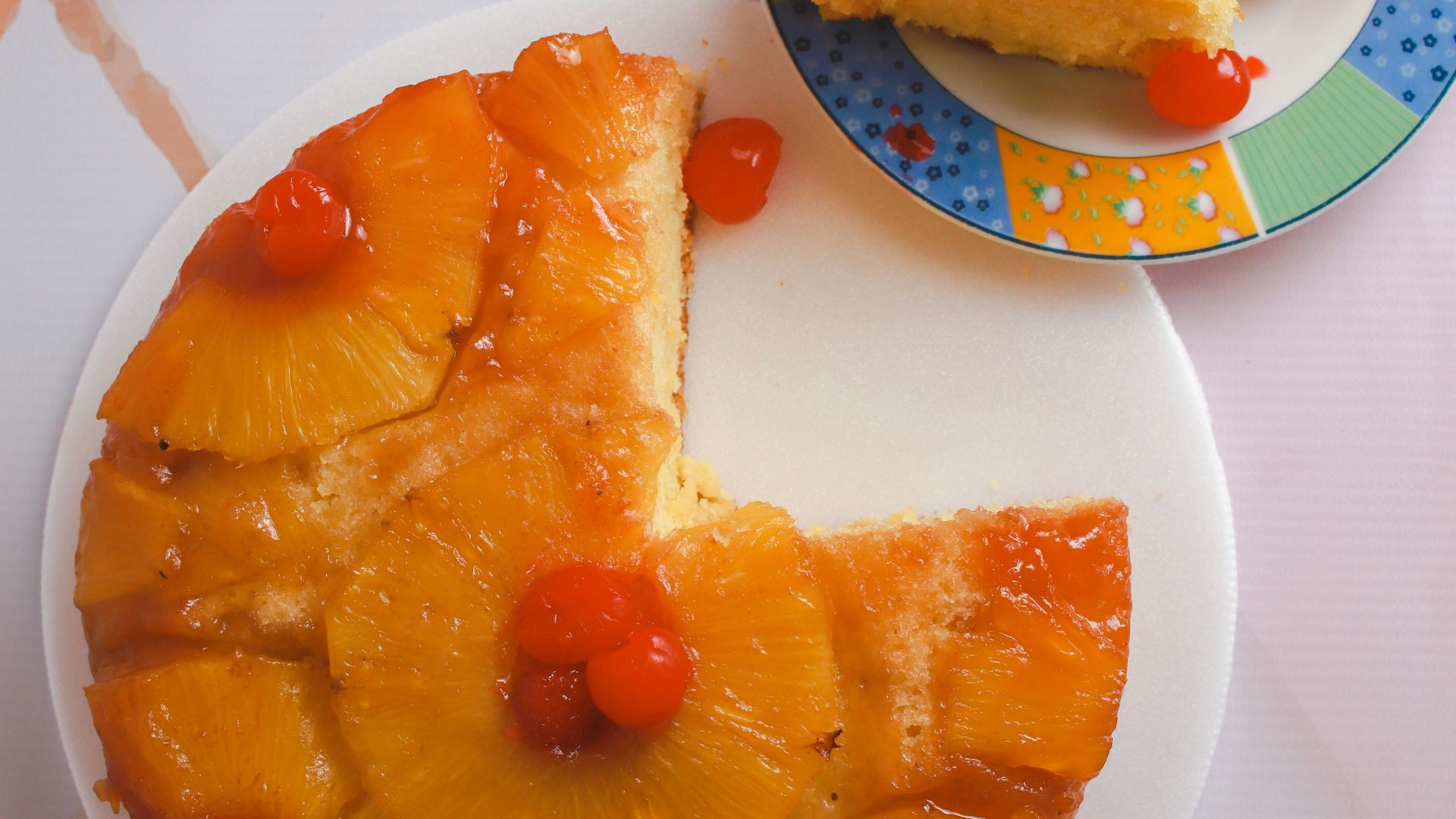
Pineapple upside-down cake had already existed in different forms before Dole helped turn it into a nationwide favorite. In 1925, the company organized a recipe contest encouraging Americans to get creative with canned pineapple, and the cake became closely linked to its promotions. Dole's advertising helped make the dessert a popular choice among home bakers, particularly in the decades that followed.
 Oscar Ivan Esquivel Arteaga on Unsplash
4. French Onion Dip
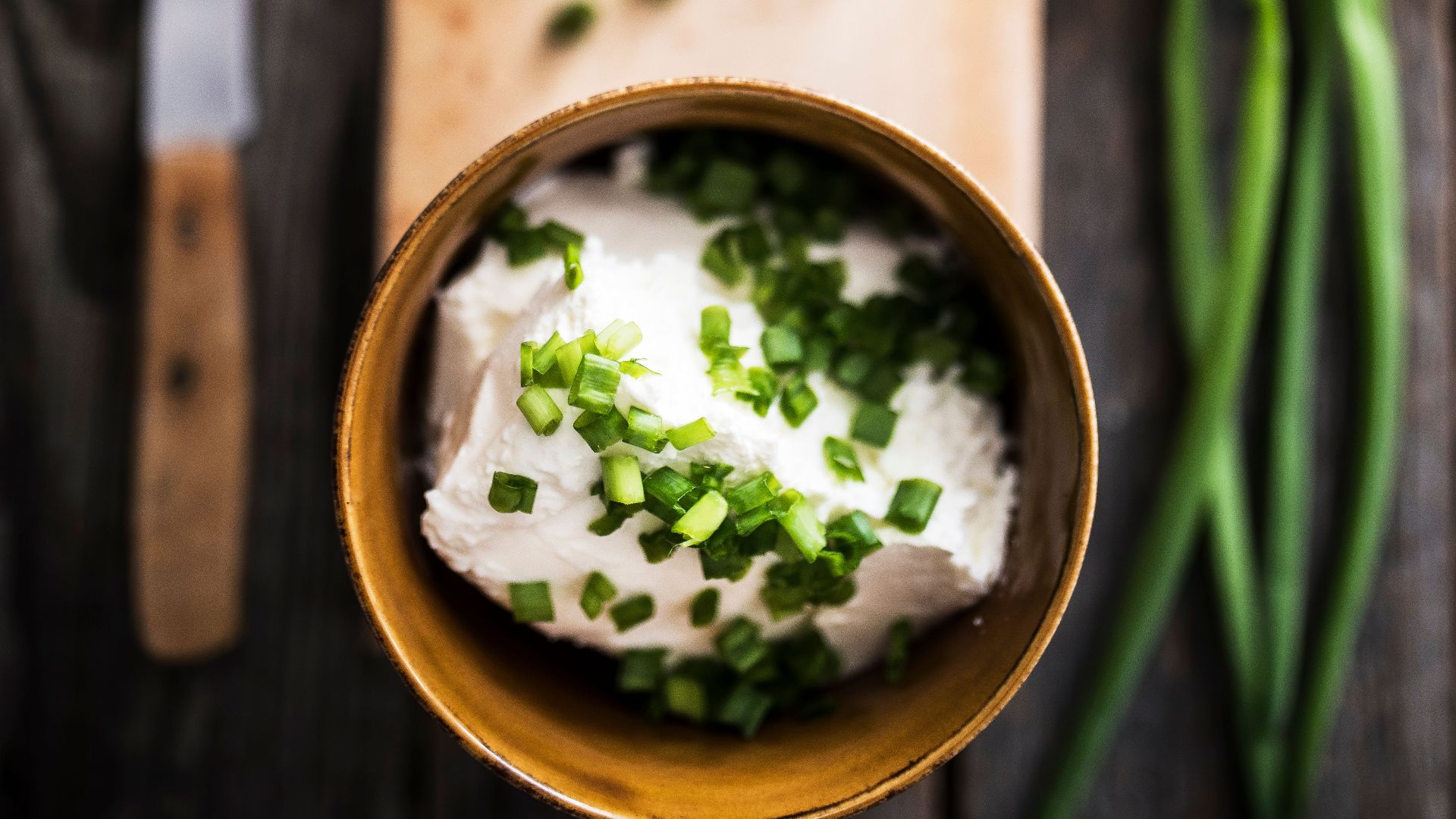
French onion dip became a party staple largely thanks to Lipton's marketing campaigns during the 1950s. The company encouraged customers to combine its dry onion soup mix with sour cream. TV commercials and recipes featured on packages helped the mixture catch on across the country, eventually making it a favorite pairing with potato chips, commonly present at party snack tables.
5. Chex Mix
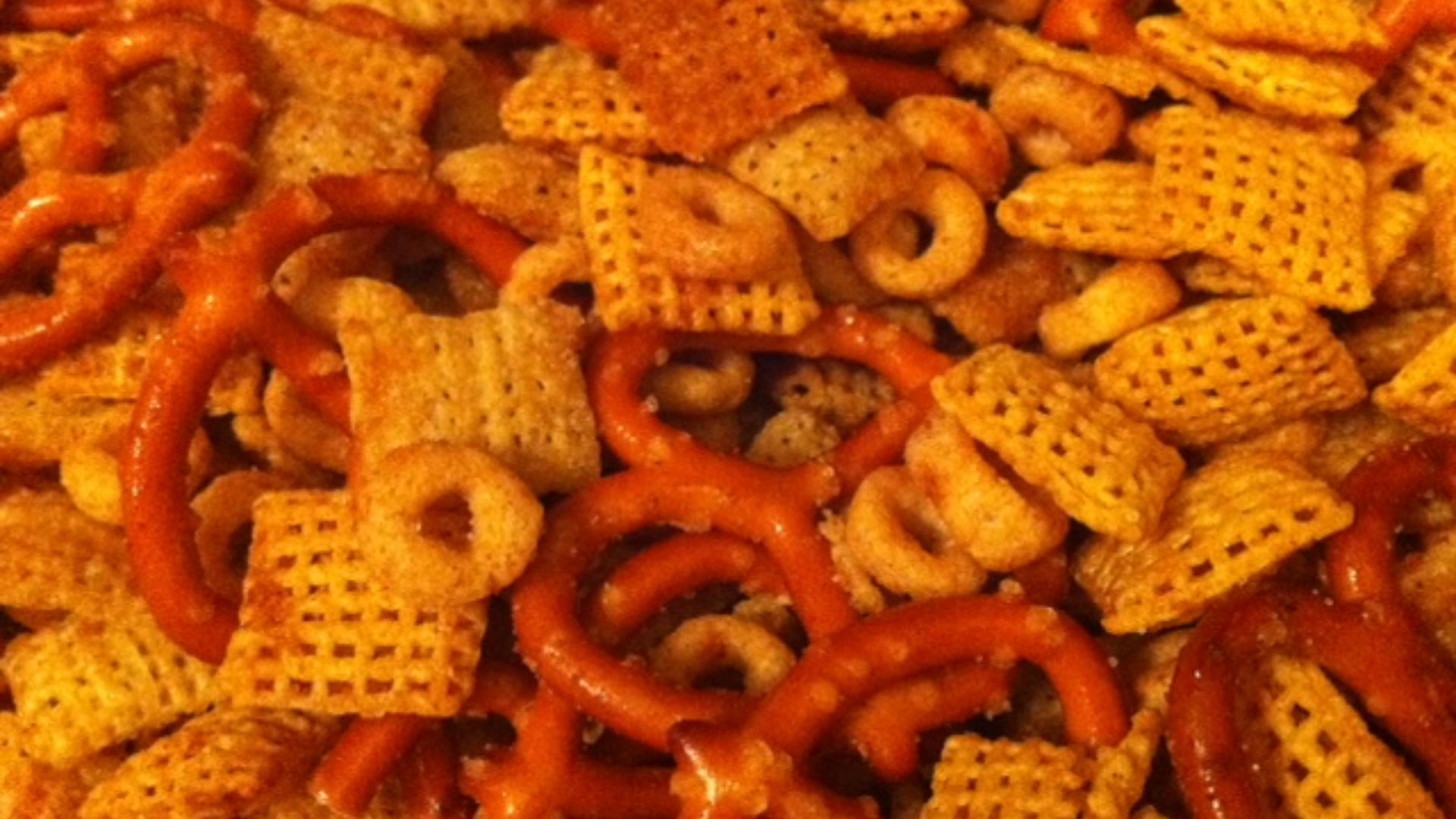
Long before Chex Mix became a popular packaged snack, it was advertised as something families could easily make themselves. During the early 1950s, Ralston Purina began promoting recipes that mixed Chex cereals with seasonings, nuts, and other crunchy additions. This gave shoppers a reason to buy several varieties of the company's cereal, especially when they needed something to serve at parties and family gatherings.
6. Fluffernutter Sandwiches
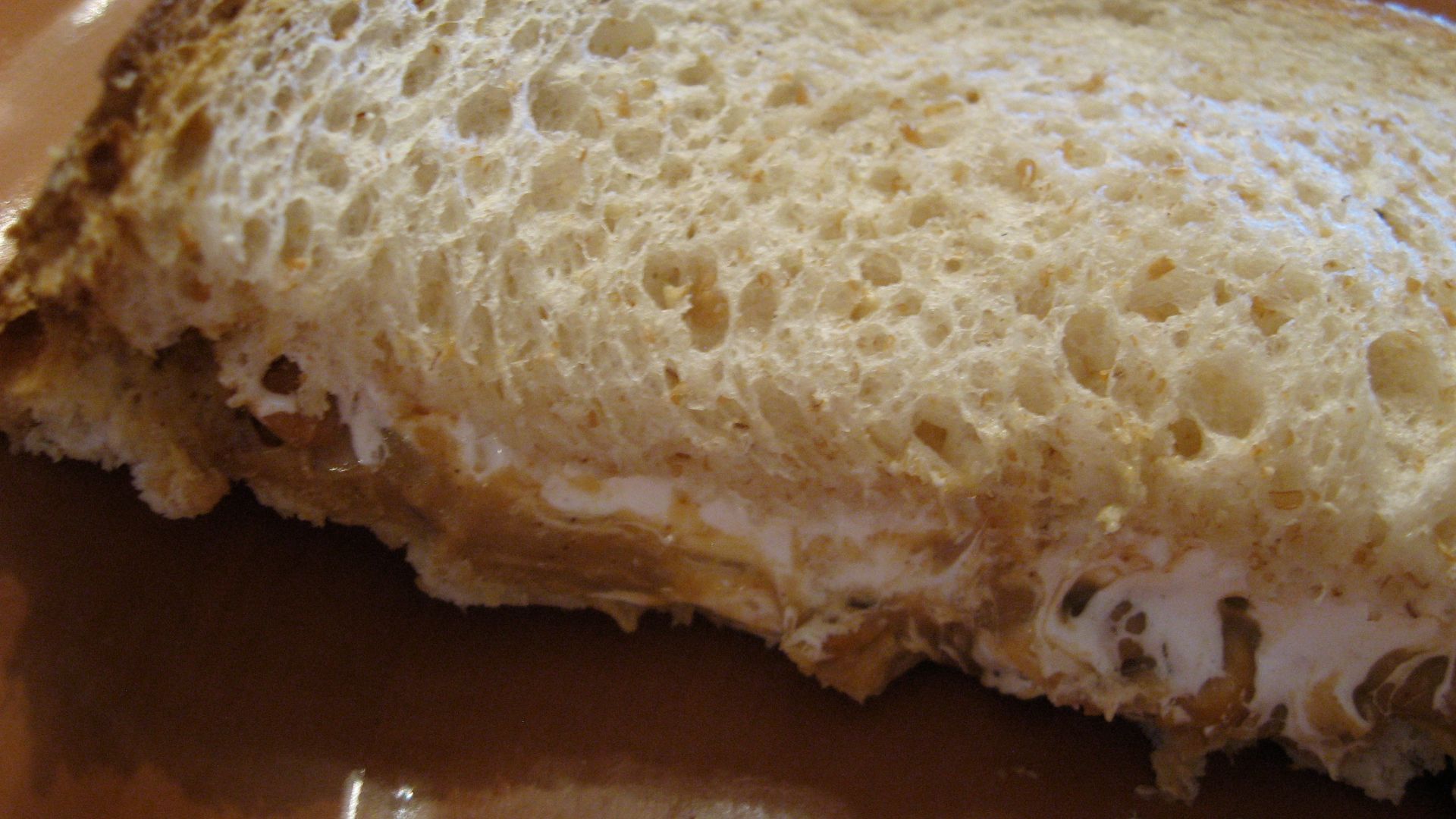
Peanut butter and marshmallow creme sandwiches were already being advertised decades before most people started calling them fluffernutters. In 1918, Emma Curtis promoted a version known as the Liberty Sandwich to encourage sales of her company's marshmallow creme. Years later, Durkee-Mower's advertising agency came up with the name "Fluffernutter," giving the sandwich a catchy identity that helped cement its popularity across New England.
 Kimberly Vardeman on Wikimedia
7. German Chocolate Cake
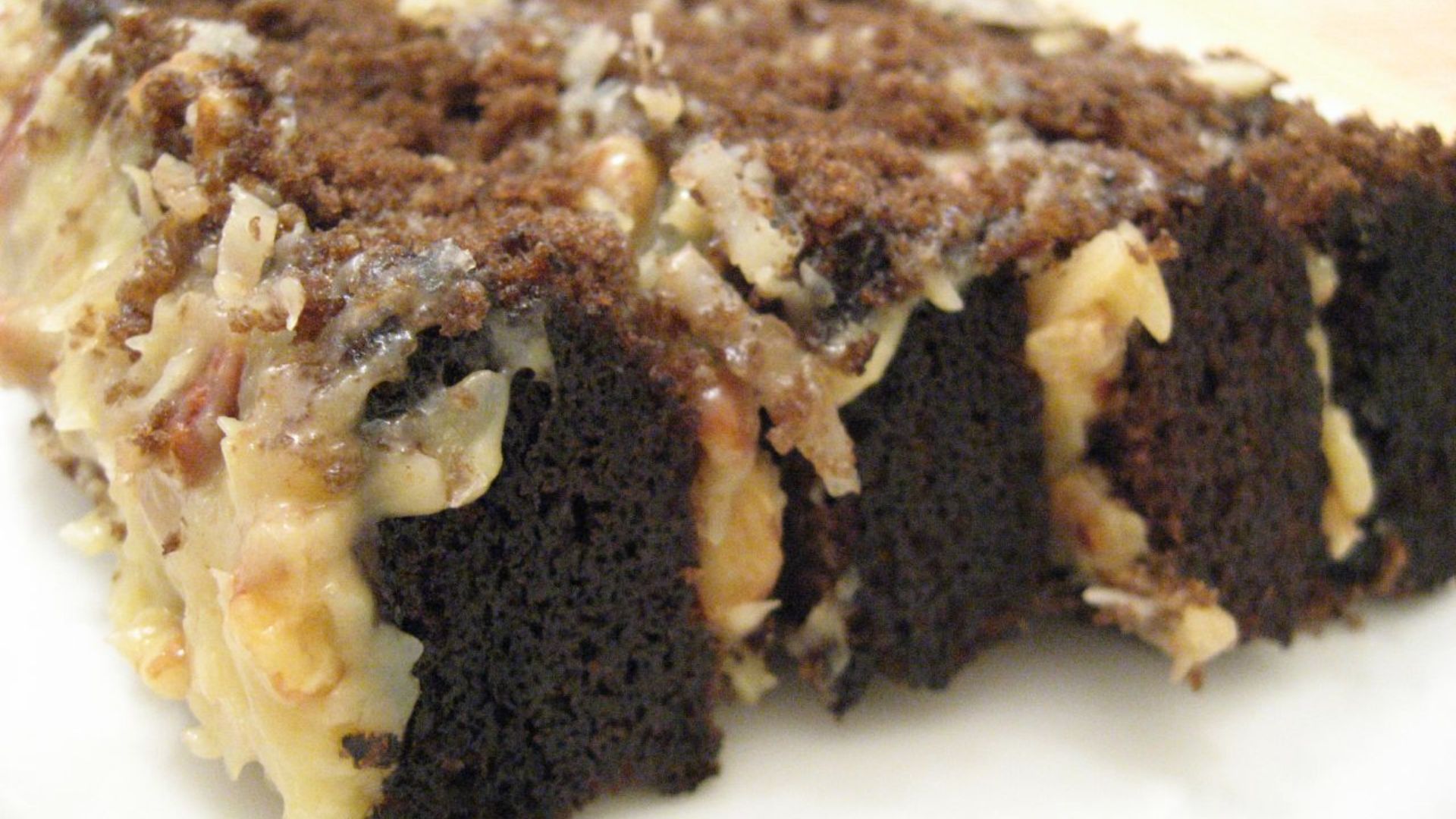
Despite what its name suggests, German chocolate cake is actually an American creation that became famous through a newspaper recipe featuring Baker's German's Sweet Chocolate. The chocolate itself was named after Samuel German, who developed it for the company during the 19th century. After a Texas homemaker's cake recipe appeared in a Dallas newspaper in 1957, the company helped spread it further, turning the coconut-and-pecan dessert into a favorite across the country.
 Kimberly Vardeman on Wikimedia
8. Banana Pudding With Vanilla Wafers
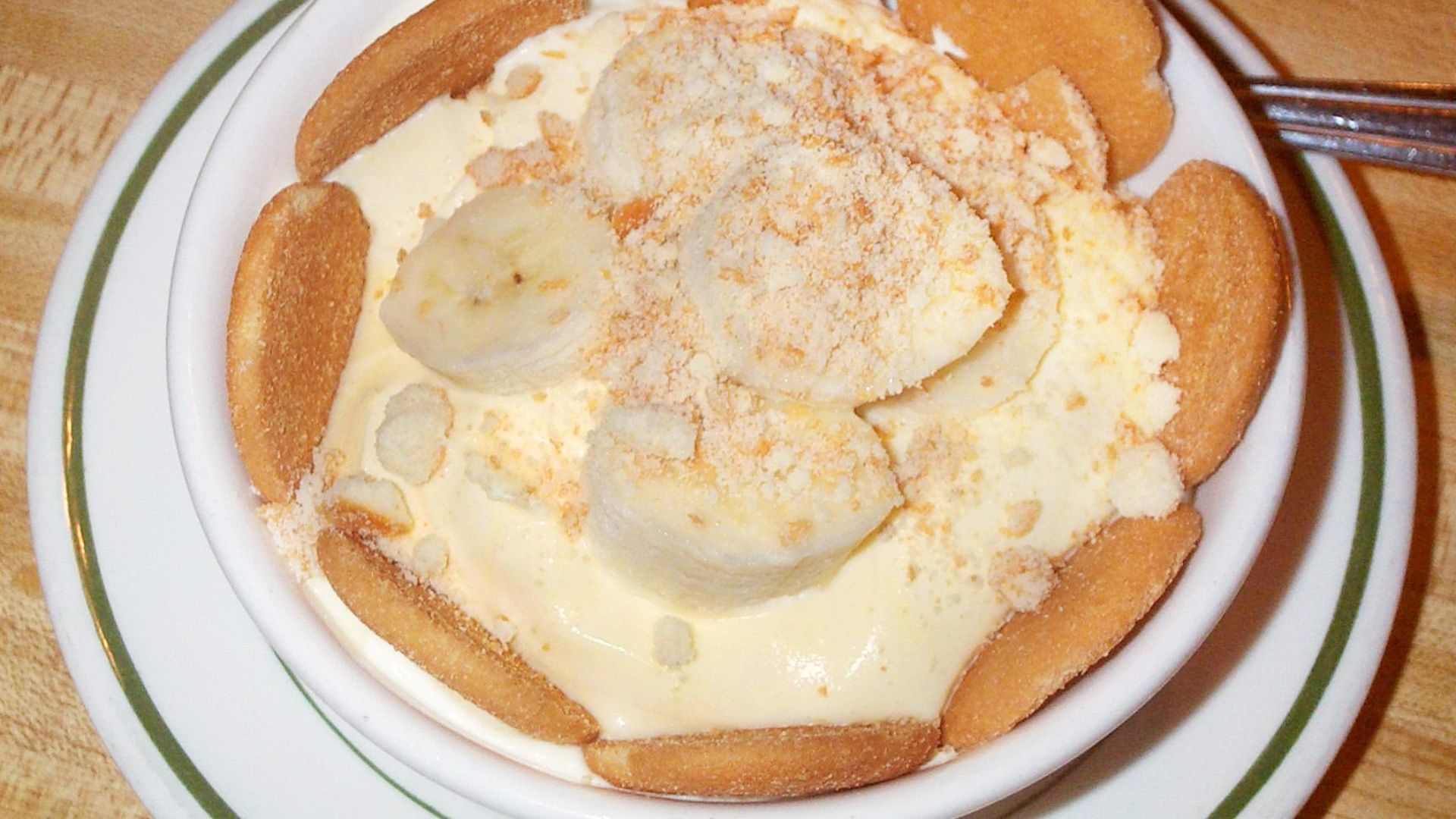
Banana pudding was around long before Nabisco started advertising versions made with its vanilla wafers. The company encouraged home cooks to include the cookies in layered desserts, helping the combination become increasingly popular throughout the 20th century. What began as a simple way to promote packaged cookies eventually became one of the South's best-known desserts.
9. Jell-O Poke Cake
During the 1970s, Jell-O helped bring poke cake into the spotlight as another fun way to use its flavored gelatin. The recipe called for poking holes in a freshly baked cake before pouring liquid gelatin over the top, leaving colorful streaks throughout each slice. By including the dessert in its promotional materials, the company showed customers that gelatin could be used for much more than traditional molded desserts.
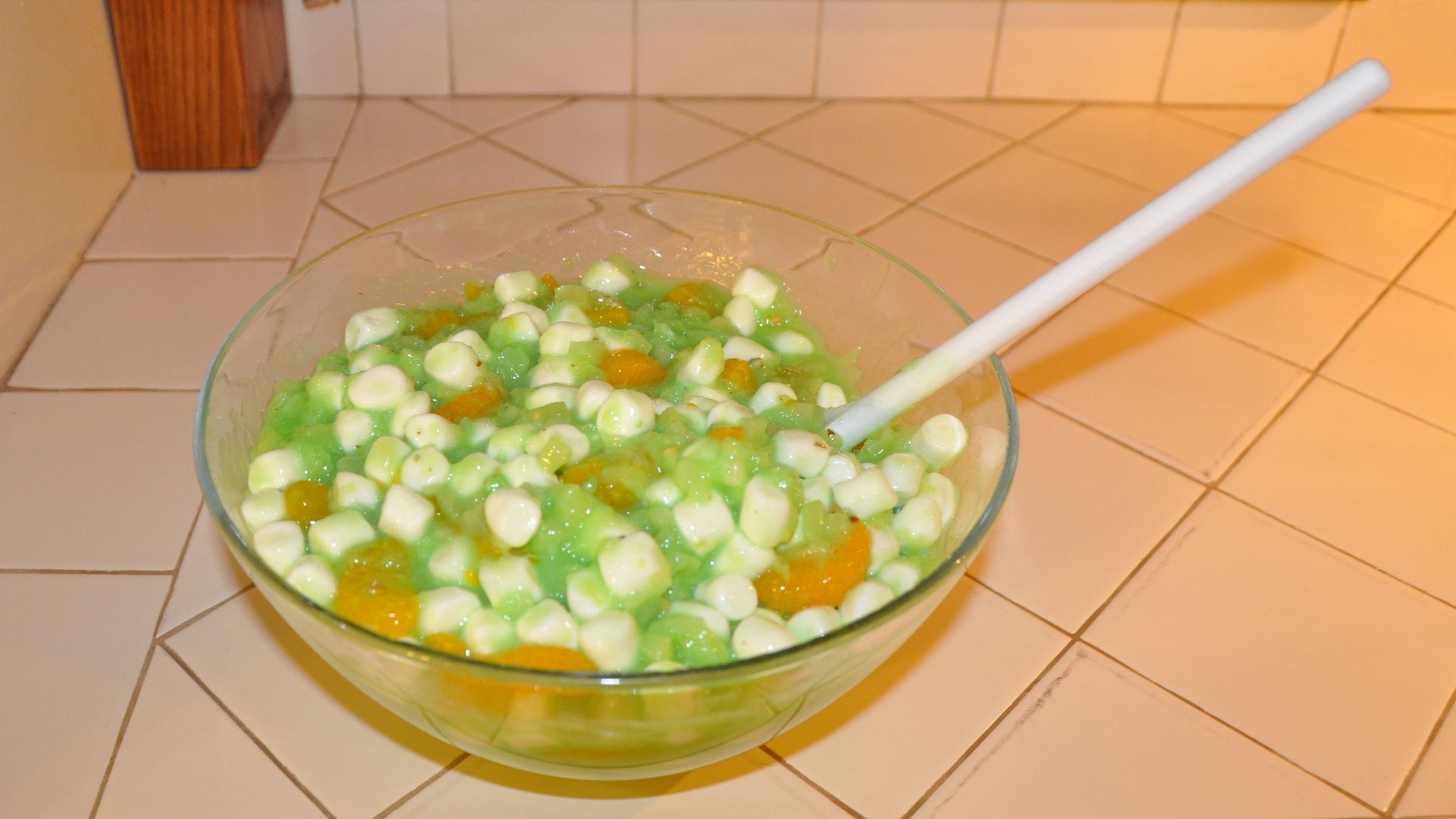
10. Watergate Salad
Watergate salad became a regular sight at potlucks after Kraft introduced a recipe called Pistachio Pineapple Delight in 1975. The dessert brought together pistachio pudding mix, pineapple, whipped topping, and marshmallows, offering customers a new way to use the company's instant pudding. Its association with the Watergate scandal developed later, although the identity of whoever gave the dessert its unusual name remains a mystery.
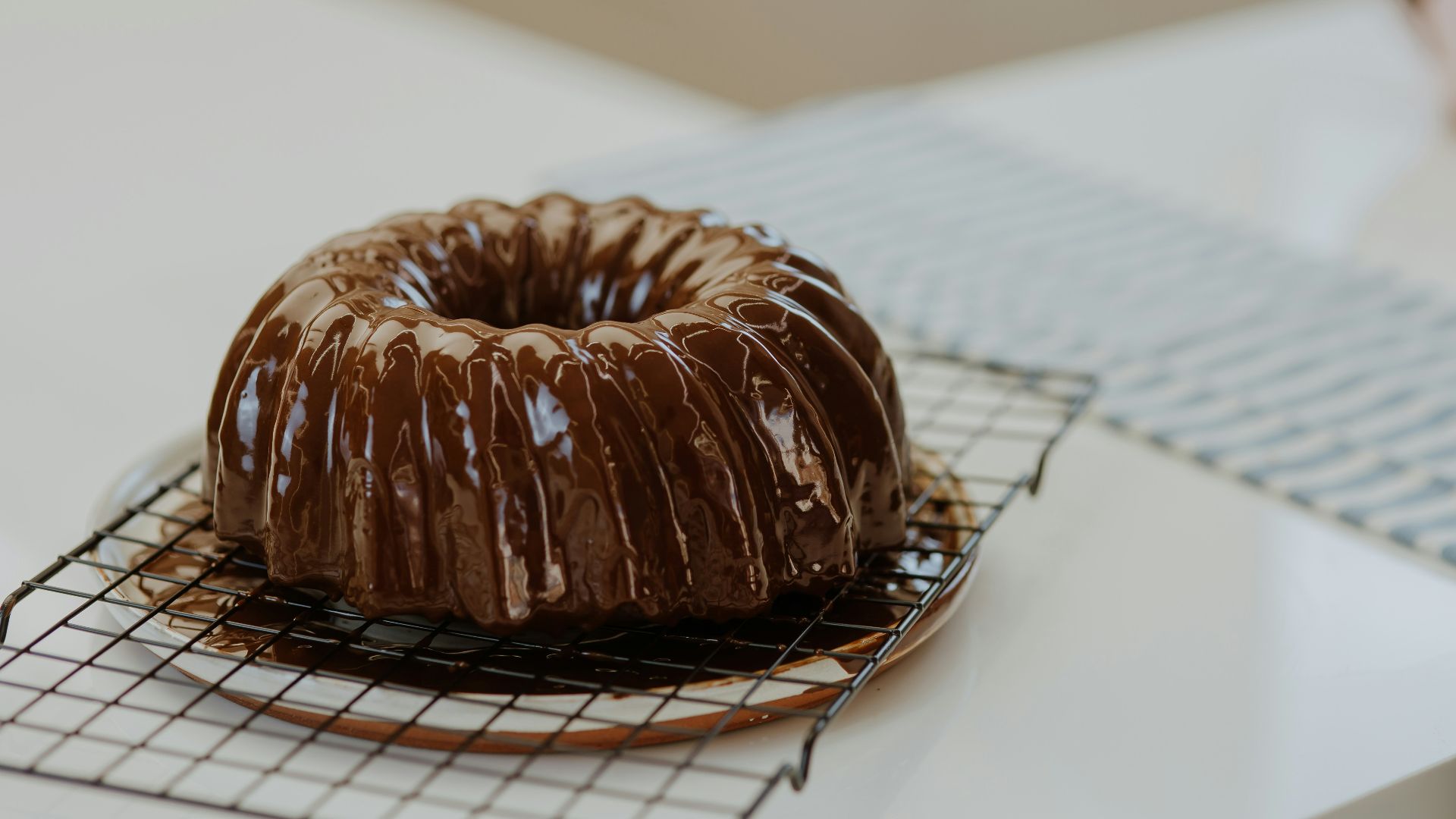
11. Tunnel of Fudge Cake
This rich chocolate dessert attracted nationwide attention during Pillsbury's 1966 Bake-Off competition, where home baker Ella Helfrich took second place. Her creation had a soft, fudgy center and called for Pillsbury's chocolate frosting mix, making it especially useful for the company's promotional campaigns. All that publicity also sparked greater demand for Bundt pans, which had struggled to become popular before the competition.
12. Impossible Pie
Impossible pie became a household favorite thanks to Betty Crocker and Bisquick recipes promoted throughout the 1970s and 1980s. The idea was to pour a simple batter into a pie plate and let it form a crust-like layer as it baked, eliminating the need to prepare traditional pastry dough. General Mills advertised plenty of sweet and savory versions, giving families another reason to keep a box of Bisquick in the pantry.
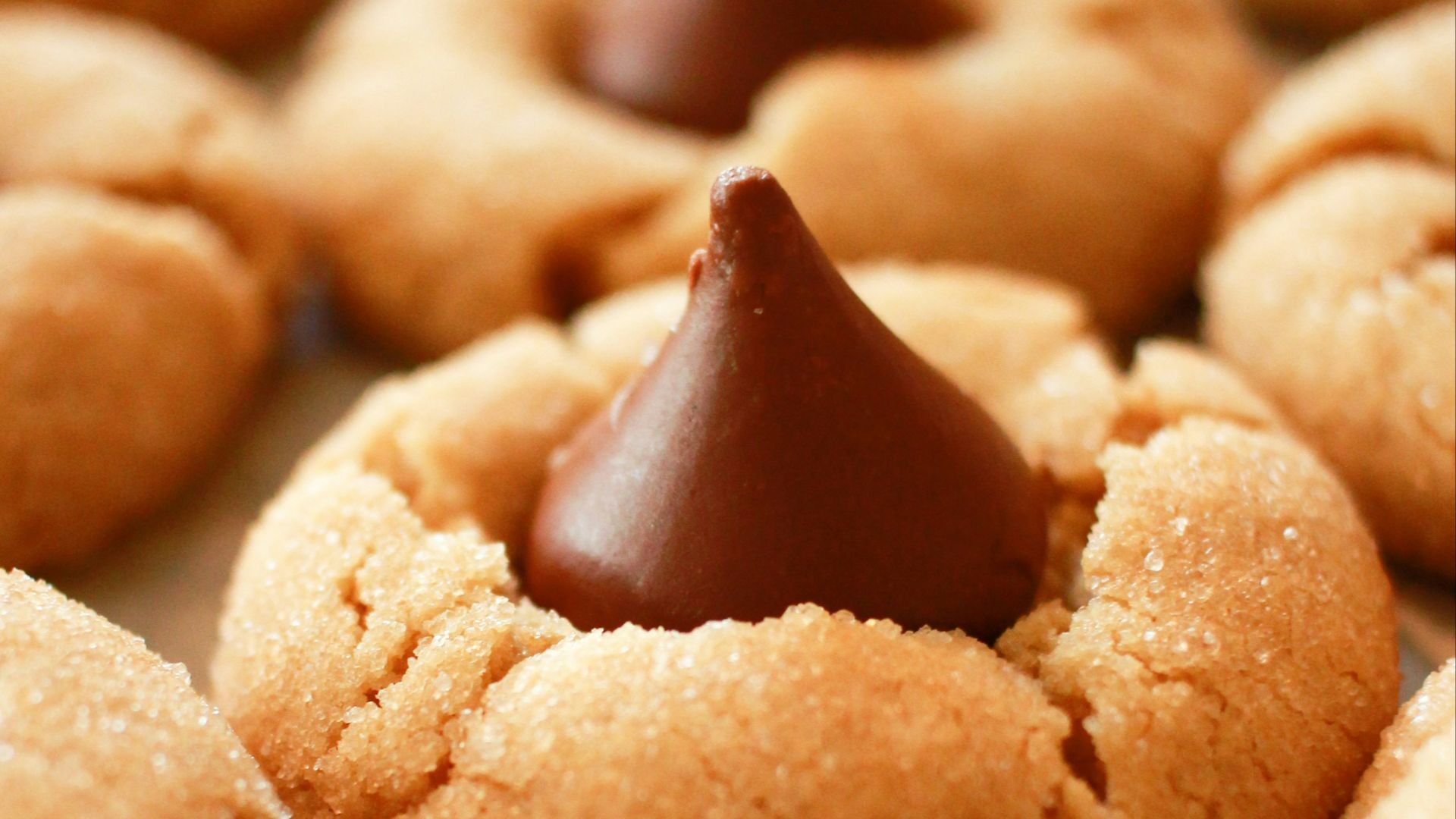
13. Peanut Butter Blossoms
Those peanut butter cookies topped with chocolate kisses became widely known after appearing in the 1957 Pillsbury Bake-Off. Home baker Freda Smith submitted the recipe, which attracted a lot of interest even though it didn't take home the competition's grand prize. The exposure from Pillsbury's promotions helped introduce the cookies to more households, eventually making them a familiar addition to Christmas dessert trays.
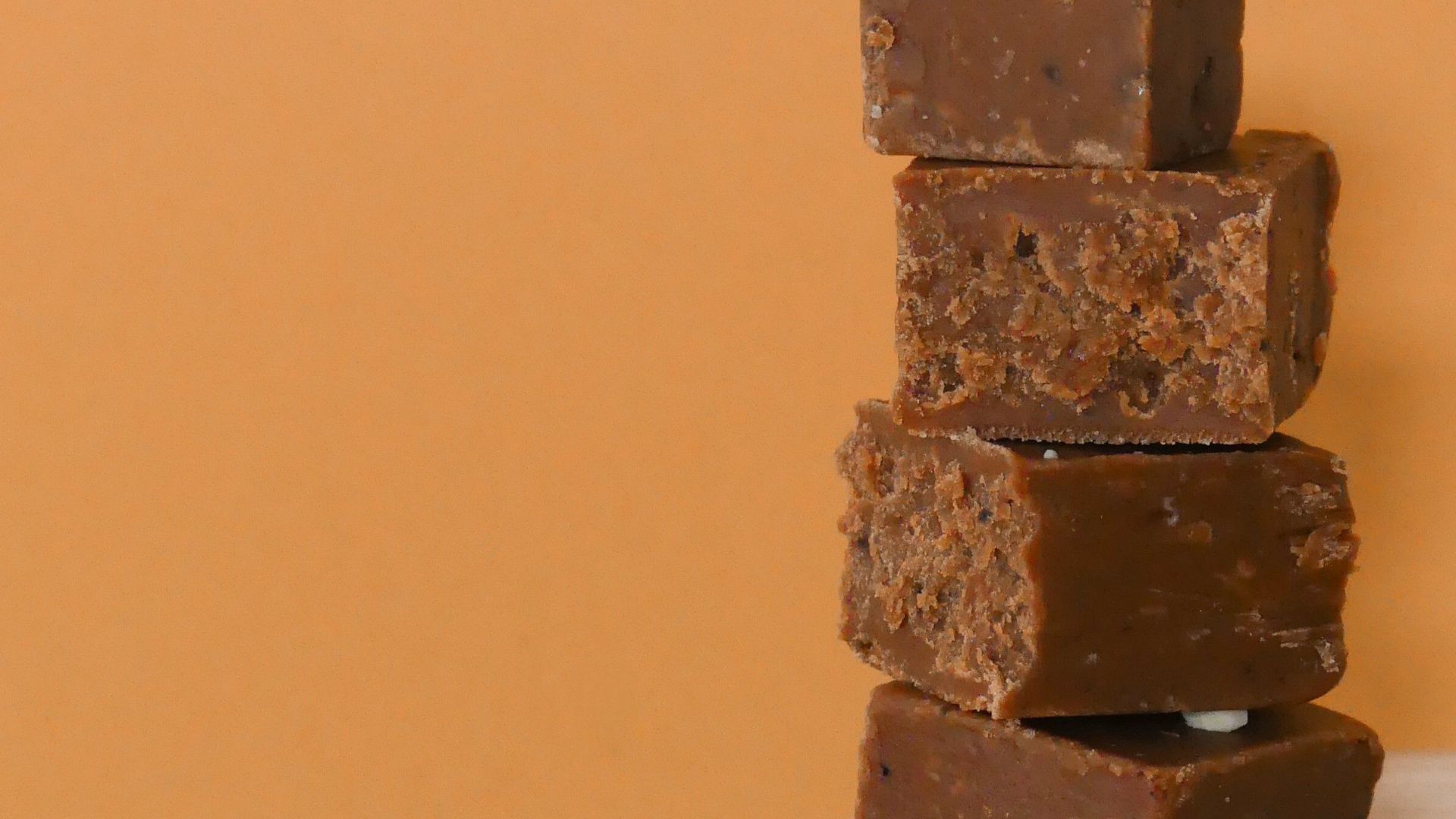
14. Fantasy Fudge
Homemade fudge became much easier to prepare once companies started sharing recipes that used marshmallow creme. Kraft's Fantasy Fudge recipe became particularly popular because it featured Jet-Puffed Marshmallow Creme, which helped create a smooth consistency without the hassle of more complicated candy-making methods. Kraft continued promoting the recipe over the years, helping it become a holiday favorite for generations of home bakers.
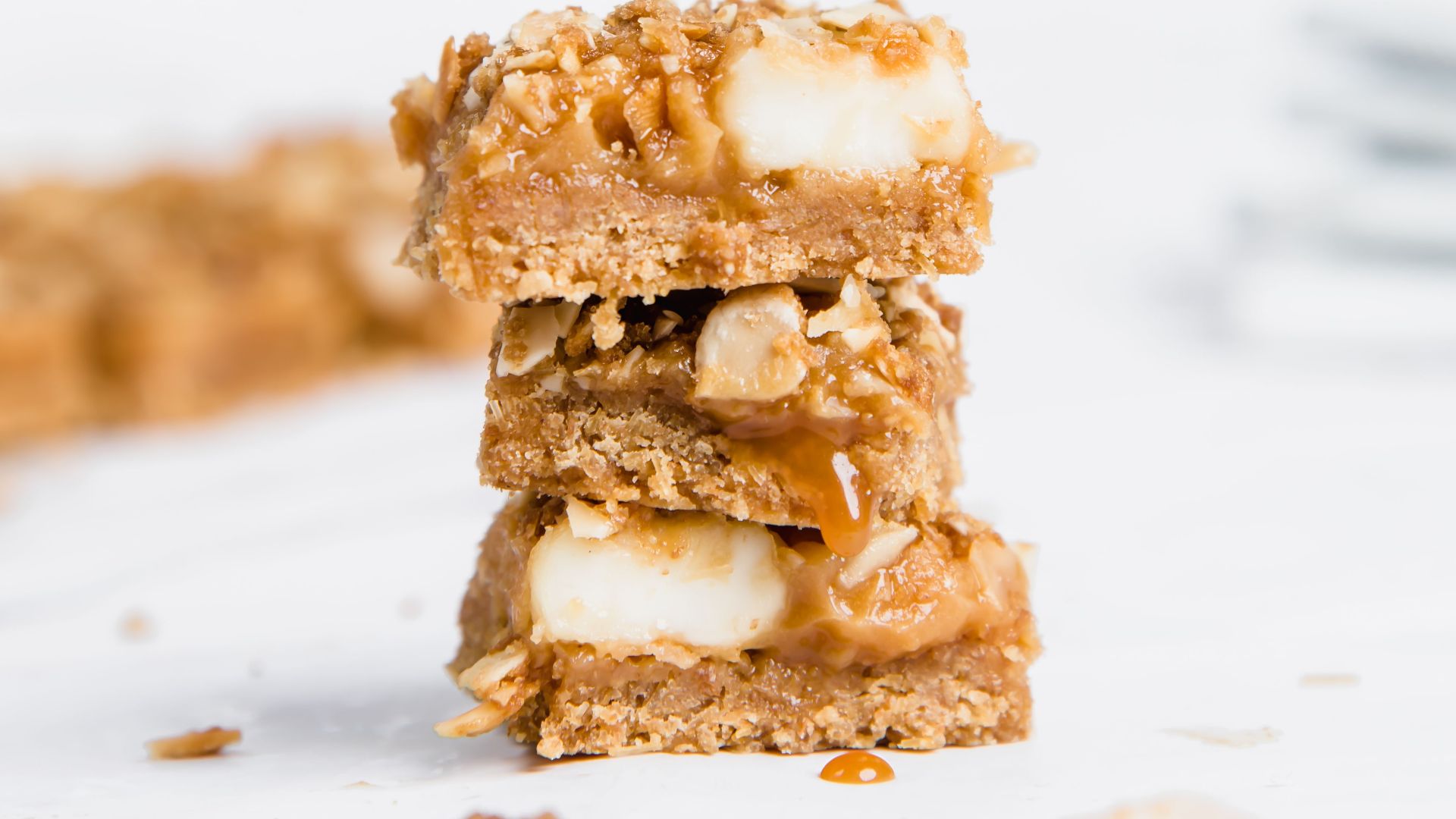
15. Seven-Layer Magic Cookie Bars
Eagle Brand helped make these indulgent dessert bars famous by promoting recipes featuring its sweetened condensed milk. The popular combination of graham cracker crumbs, chocolate chips, coconut, nuts, and other toppings gave home bakers a simple treat that required very little preparation. Although nobody knows exactly where the original recipe came from, its connection to Eagle Brand's advertising helped maintain its popularity for decades.
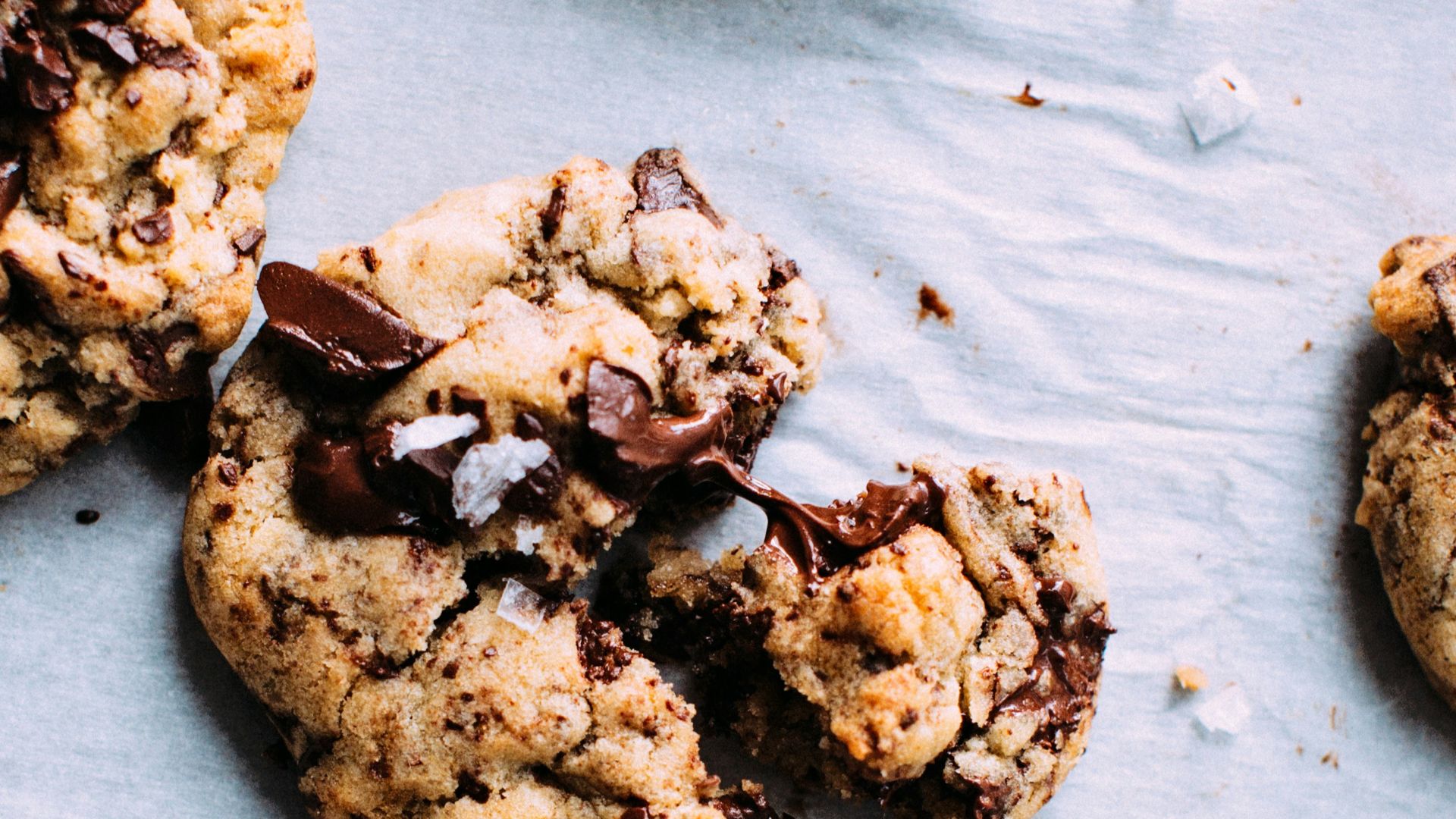
16. Chocolate Chip Cookies
Chocolate chip cookies weren't created by an advertising team, but Nestlé certainly helped turn them into an American favorite. Ruth Wakefield developed her Toll House chocolate cookie recipe in the 1930s, and Nestlé later featured it on its chocolate packaging. The recipe encouraged shoppers to purchase the company's semisweet chocolate, eventually helping establish chocolate chips as an essential baking ingredient in American households.
 Food Photographer | Jennifer Pallian on Unsplash
17. Jell-O Salad
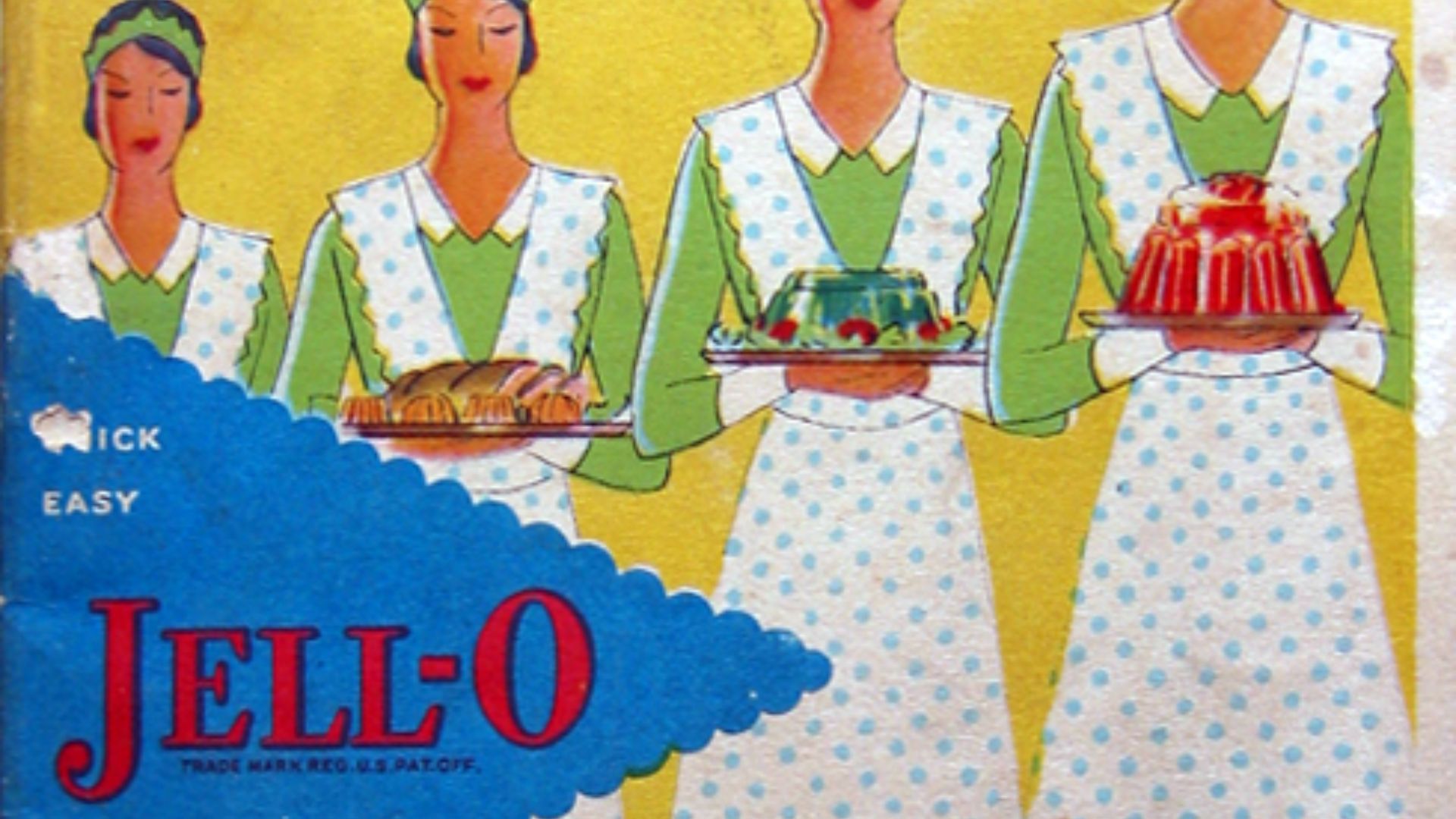
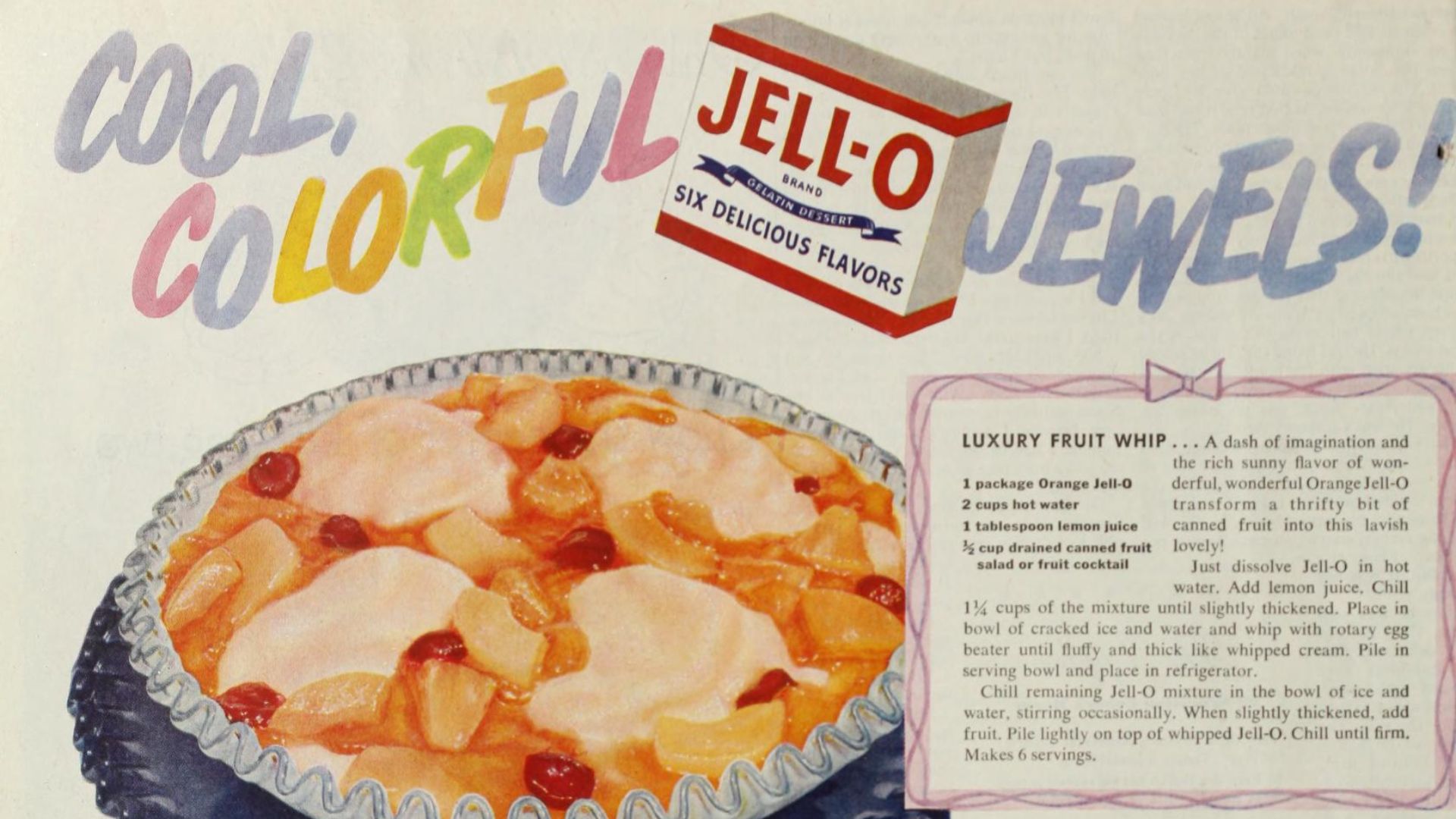
Those colorful gelatin salads packed with fruit, vegetables, and sometimes surprisingly unusual ingredients weren't just a random midcentury food trend. Starting in the early 1900s, Jell-O advertised recipes in promotional booklets, giving customers endless ideas for using flavored gelatin. These company-developed dishes helped make Jell-O suitable for nearly any meal, with gelatin salads becoming especially fashionable during the 1950s.
18. Sausage Cheese Balls
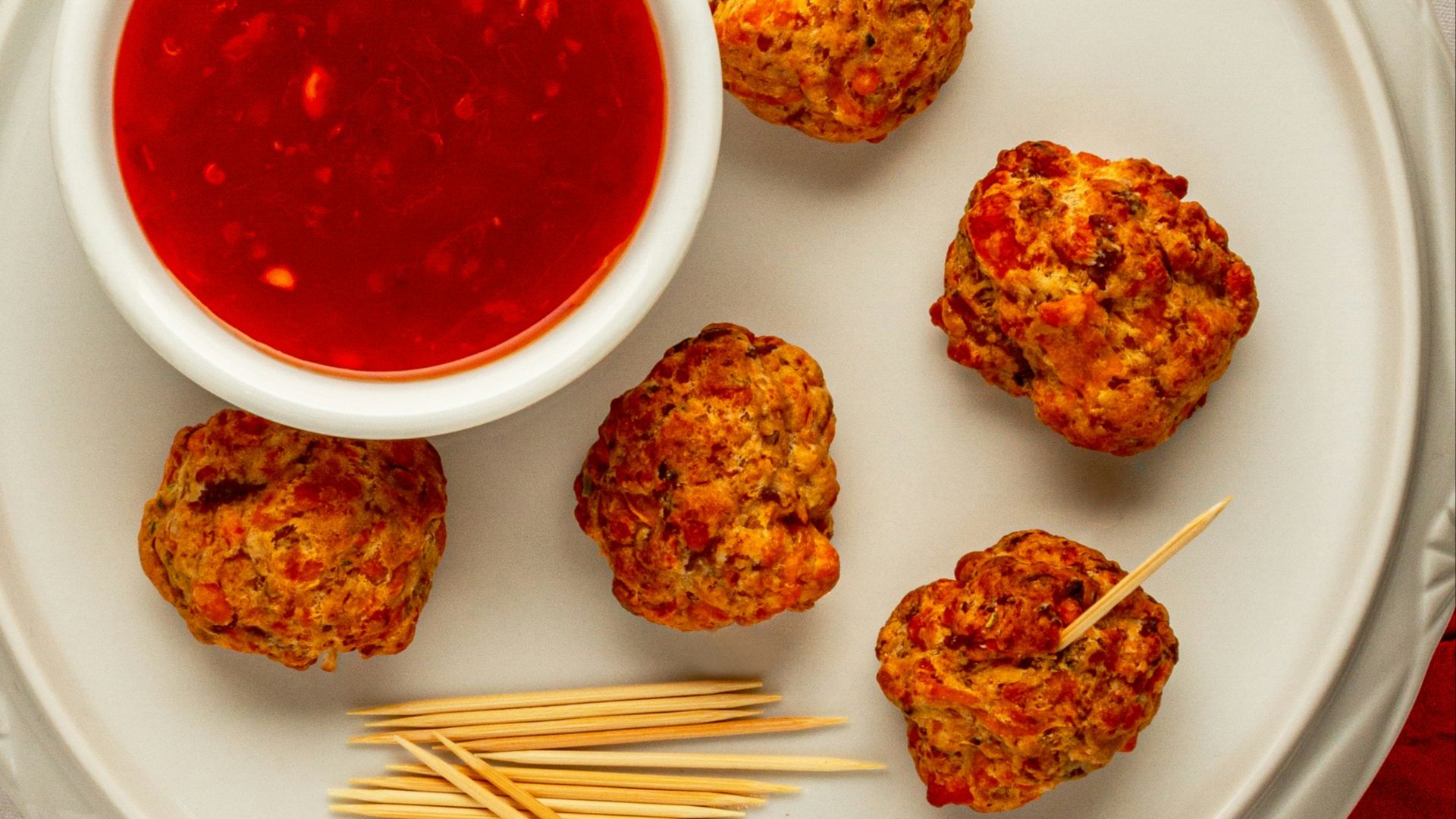
Sausage cheese balls became a popular Southern party snack during the 1960s, and recipes featuring Bisquick eventually gained particular attention. Betty Crocker's kitchens created their own version using the company's baking mix, later publishing it in a 1999 holiday appetizer magazine. The recipe showed how easily Bisquick could be used for savory snacks, giving customers another reason to grab that familiar yellow box when hosting guests.
19. Magic Marshmallow Crescent Puffs
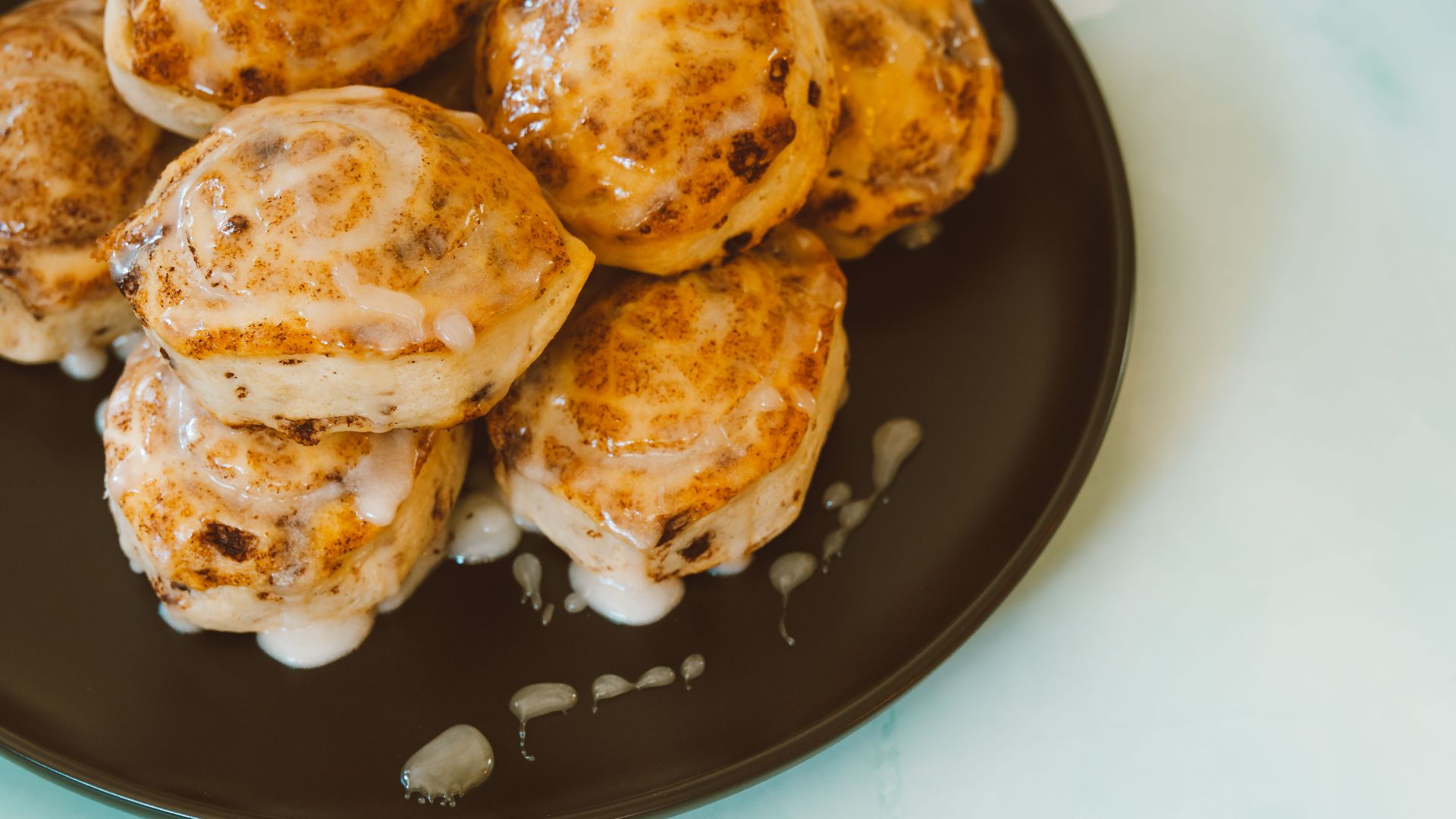
These sugary pastries became part of baking history after winning the 1969 Pillsbury Bake-Off competition. Home baker Edna Walker developed the recipe by wrapping refrigerated crescent dough around marshmallows and other sweet ingredients. Her victory gave Pillsbury an appealing way to advertise its convenient dough, showing shoppers that refrigerated rolls could be transformed into desserts instead of just being served with dinner.
20. Cream Cheese Cheesecake
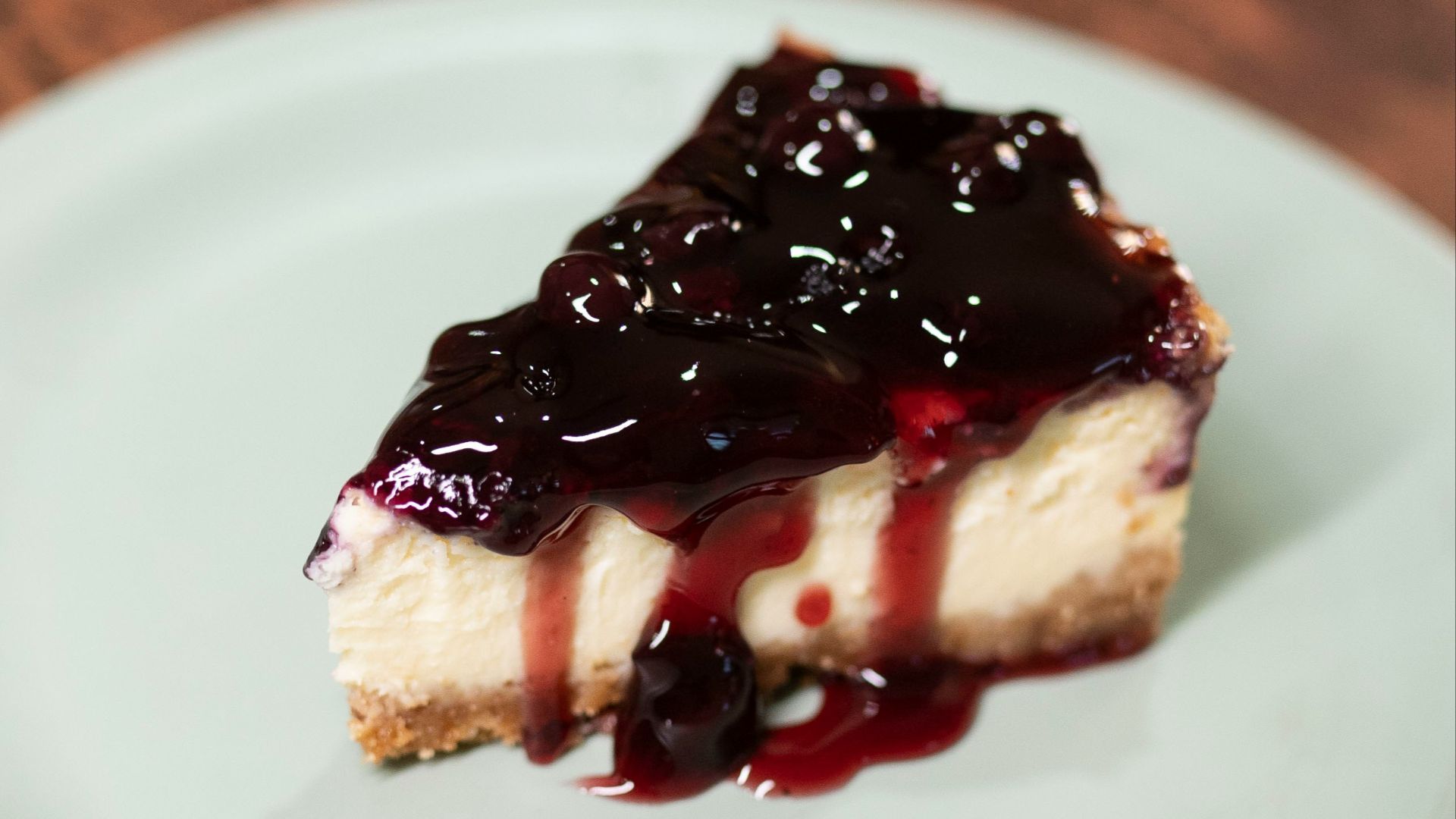
Cheesecake had existed for centuries before Philadelphia Cream Cheese began encouraging American home bakers to use its products. During the early 20th century, the company promoted recipes and advertisements that suggested making cheesecakes with packaged cream cheese instead of traditional curds. Those marketing efforts helped make Philadelphia a go-to ingredient for American-style cheesecake, contributing to the rich, creamy version that's still popular today.
KEEP ON READING
20 Food Requests Only Spoiled People Ask For

20 Hardest Foods on Earth To Eat
Do Vitamin Supplements Actually Make You Healthier?