20 "Fancy" American Foods That Were Actually Born in the Lunchpail
Cheap Once, Pricey Now
American food has a long and varied history. Something that started as a cheap supper, a packed work lunch, or a way to make scraps stretch can come back years later with a prettier plate and a much steeper price. That shift comes from the same old stuff: scarcity, changing tastes, restaurant culture, and the fact that people never really stopped craving rich, filling food. These 20 dishes may look fancy now, but they came out of everyday cooking, tight budgets, and kitchens that knew how to make do.
 David Todd McCarty on Unsplash
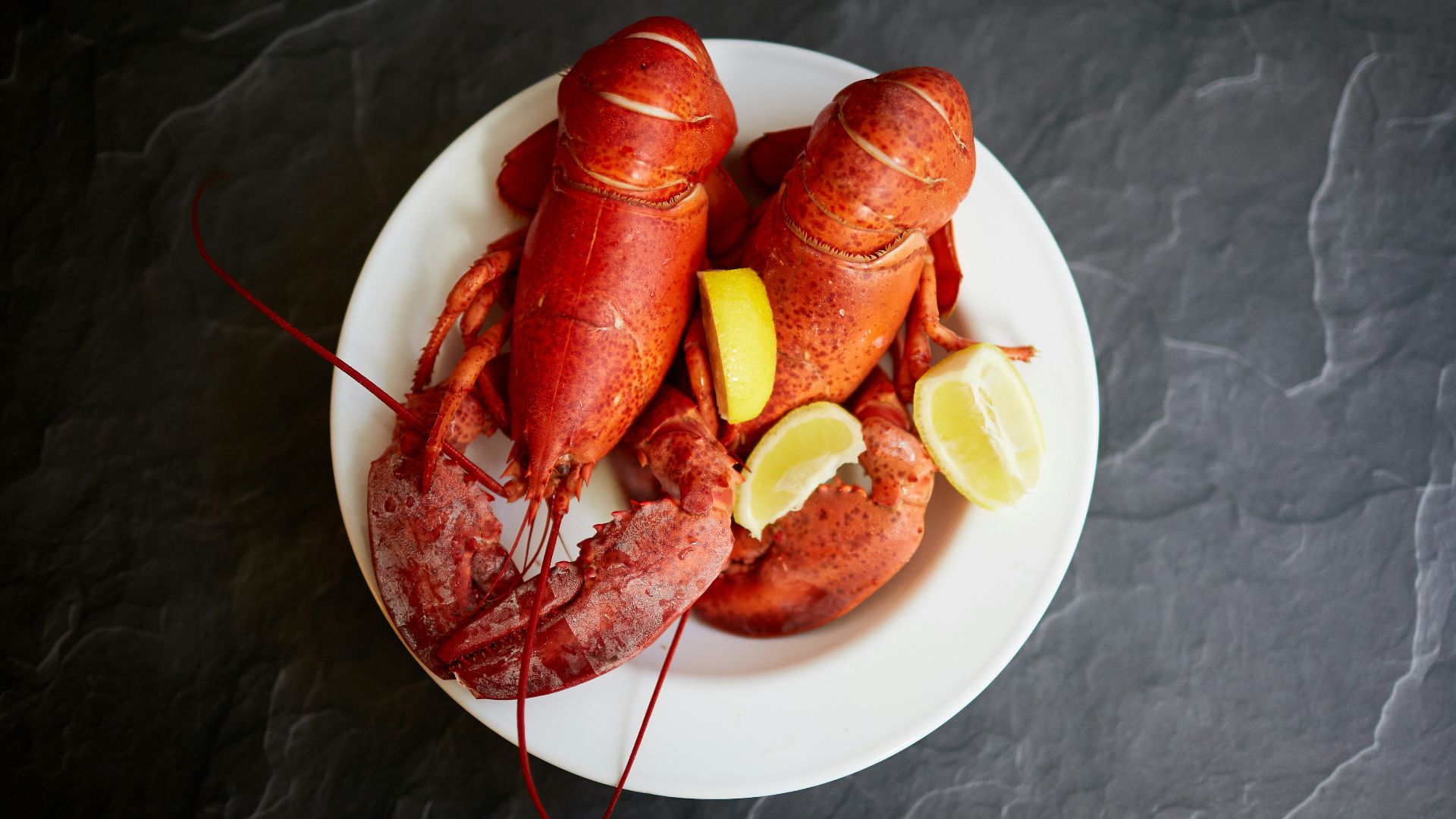
1. Lobster Roll
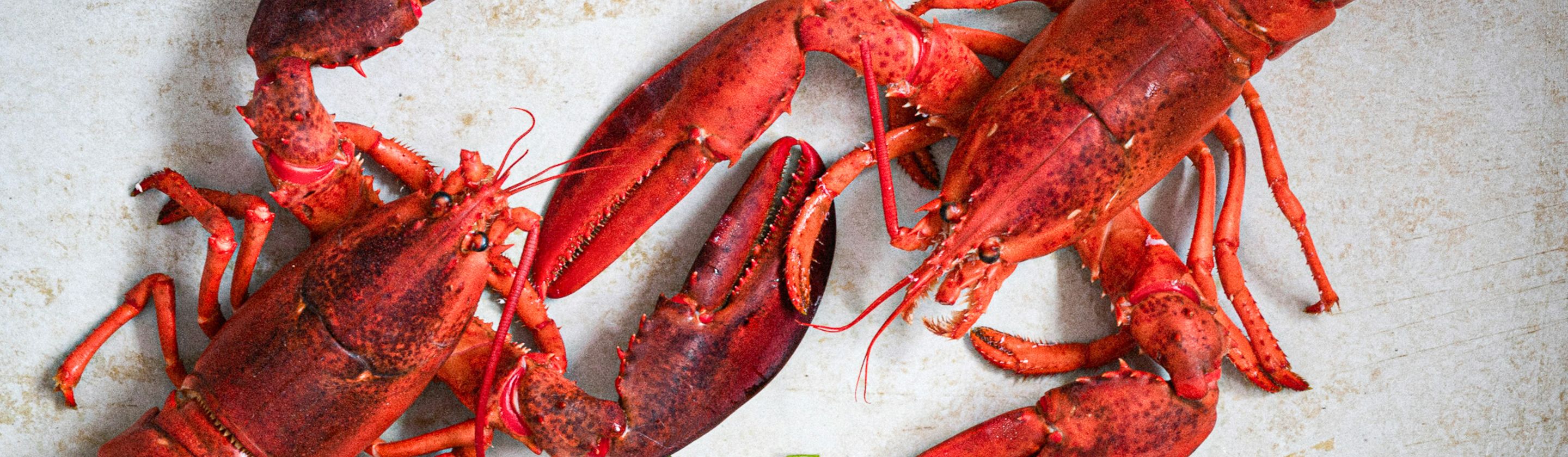
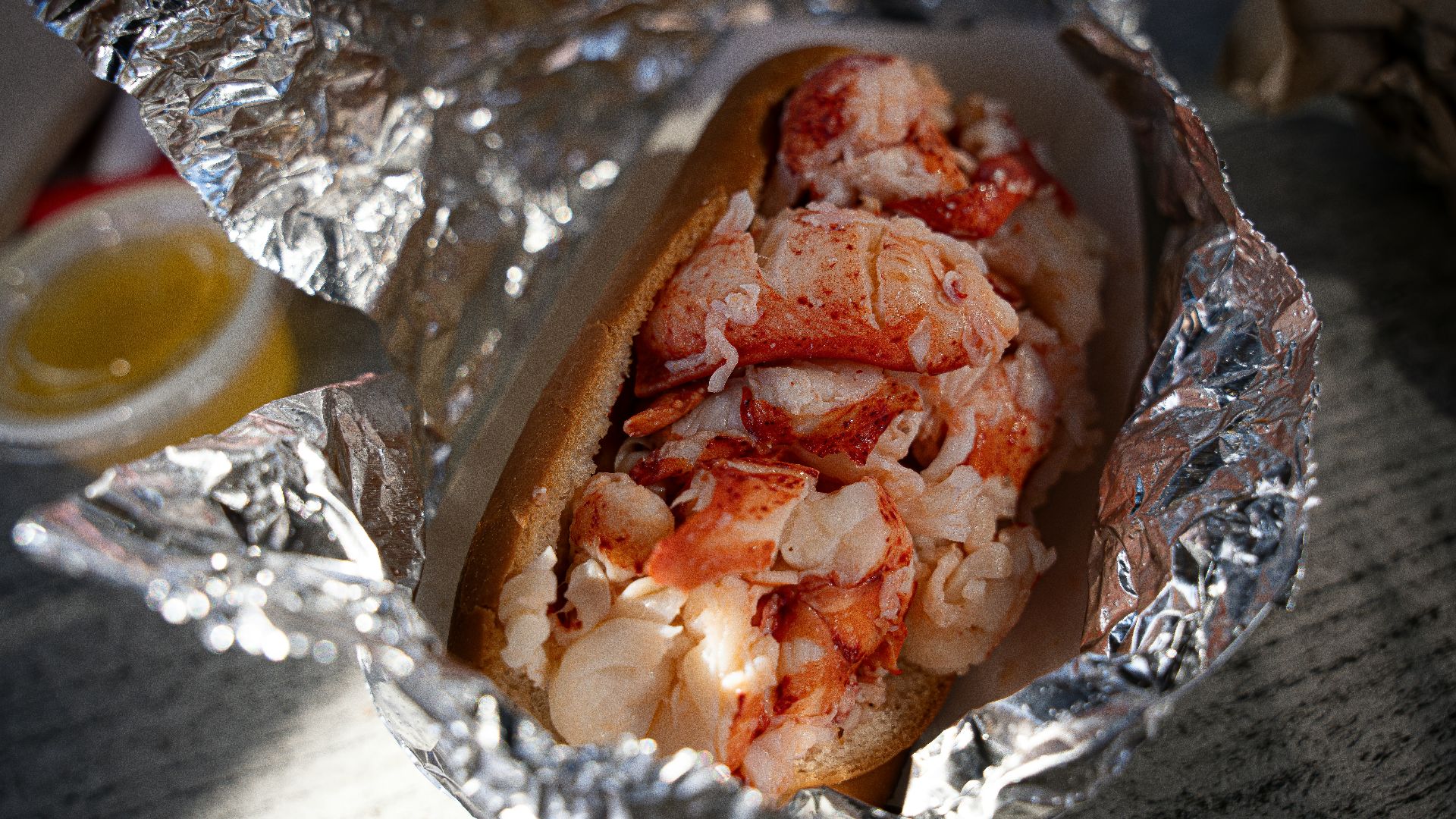
Lobster reads as pure coastal luxury now, especially in Maine, where a split-top roll can cost more than your grocery budget. Early New England saw lobster very differently, since it was abundant enough to count as cheap food.
2. Oysters Rockefeller
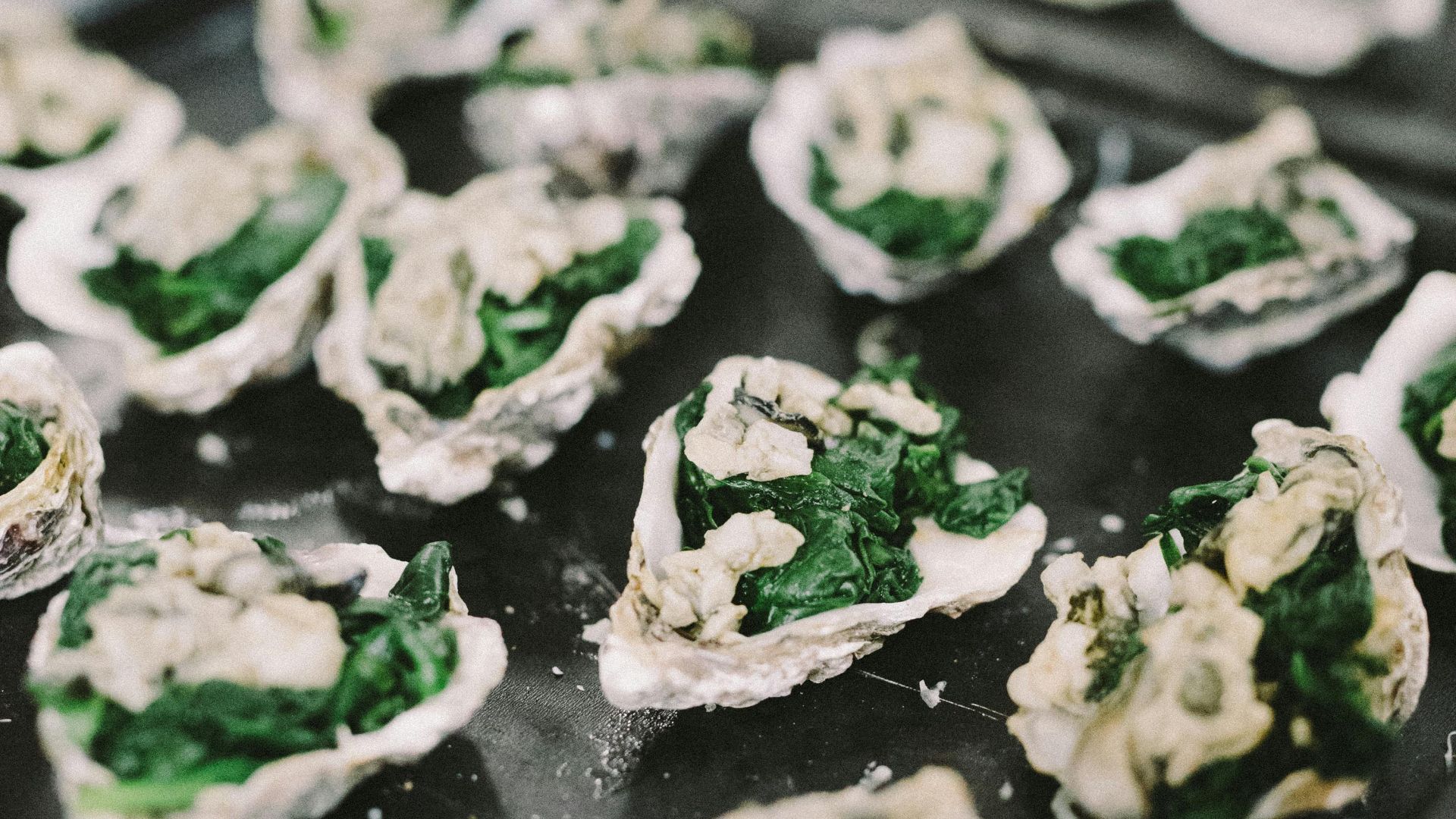
Oysters used to be ordinary food in American port cities, especially New York, where working people could eat them often without wrecking the week’s budget. Then Oysters Rockefeller came along in 1899, when Antoine’s in New Orleans baked oysters with a rich green topping and gave the dish an expensive name.
3. Shrimp And Grits
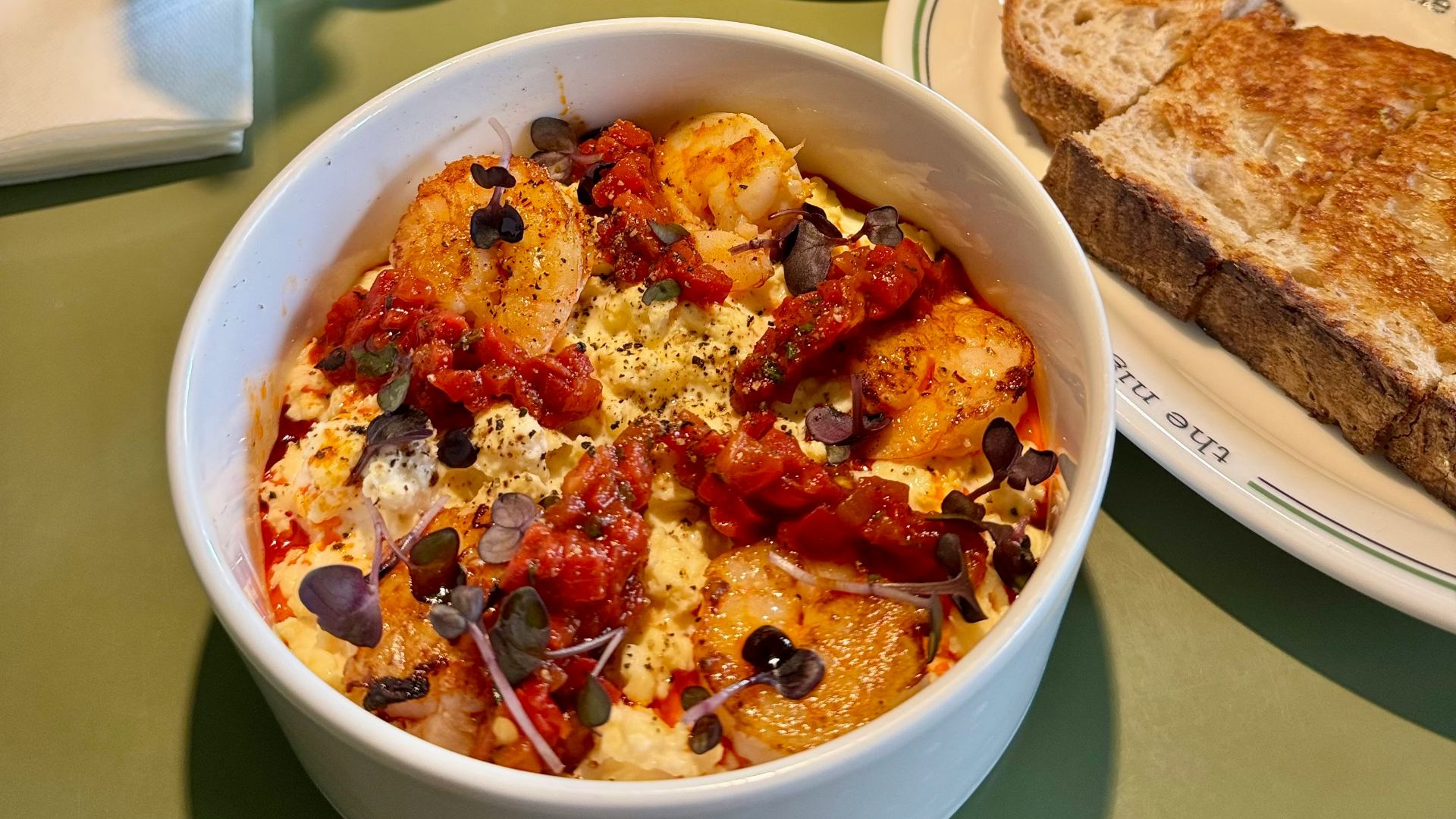
Shrimp and grits came out of Lowcountry cooking in coastal South Carolina and Georgia, where it was a cornerstone of everyday breakfasts. Its restaurant glow-up came much later, especially after Bill Neal put it on the menu at Crook’s Corner in Chapel Hill in 1982.
4. Pâté-Style Liver Dishes
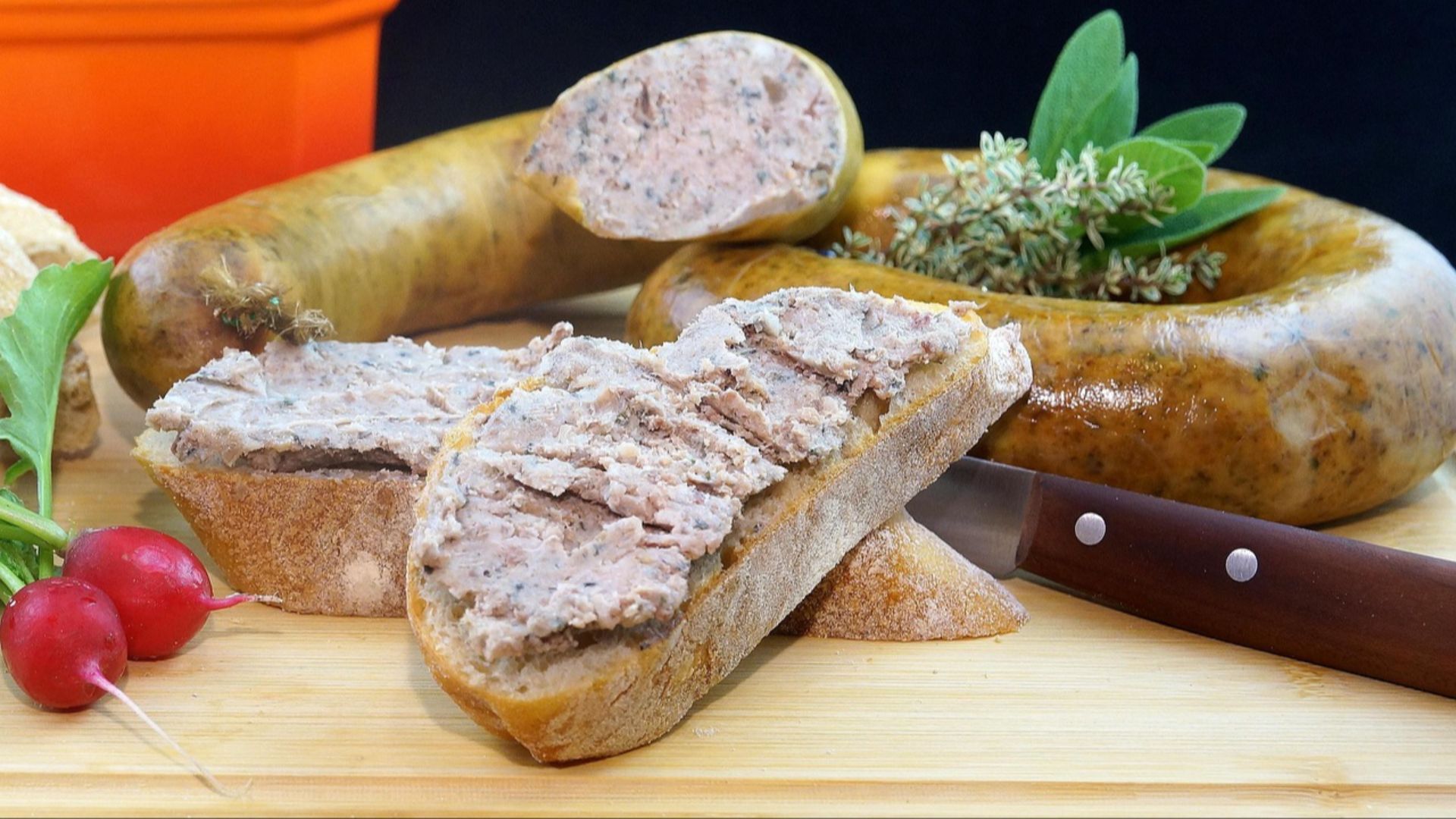
Liver lived in the thrift-cooking lane for a very long time, whether people fried it, chopped it, spread it, or worked it into old-fashioned loaves. Today, that same use-every-part way of cooking sits underneath glossy pâté and mousse-style liver starters.
5. Bone Marrow
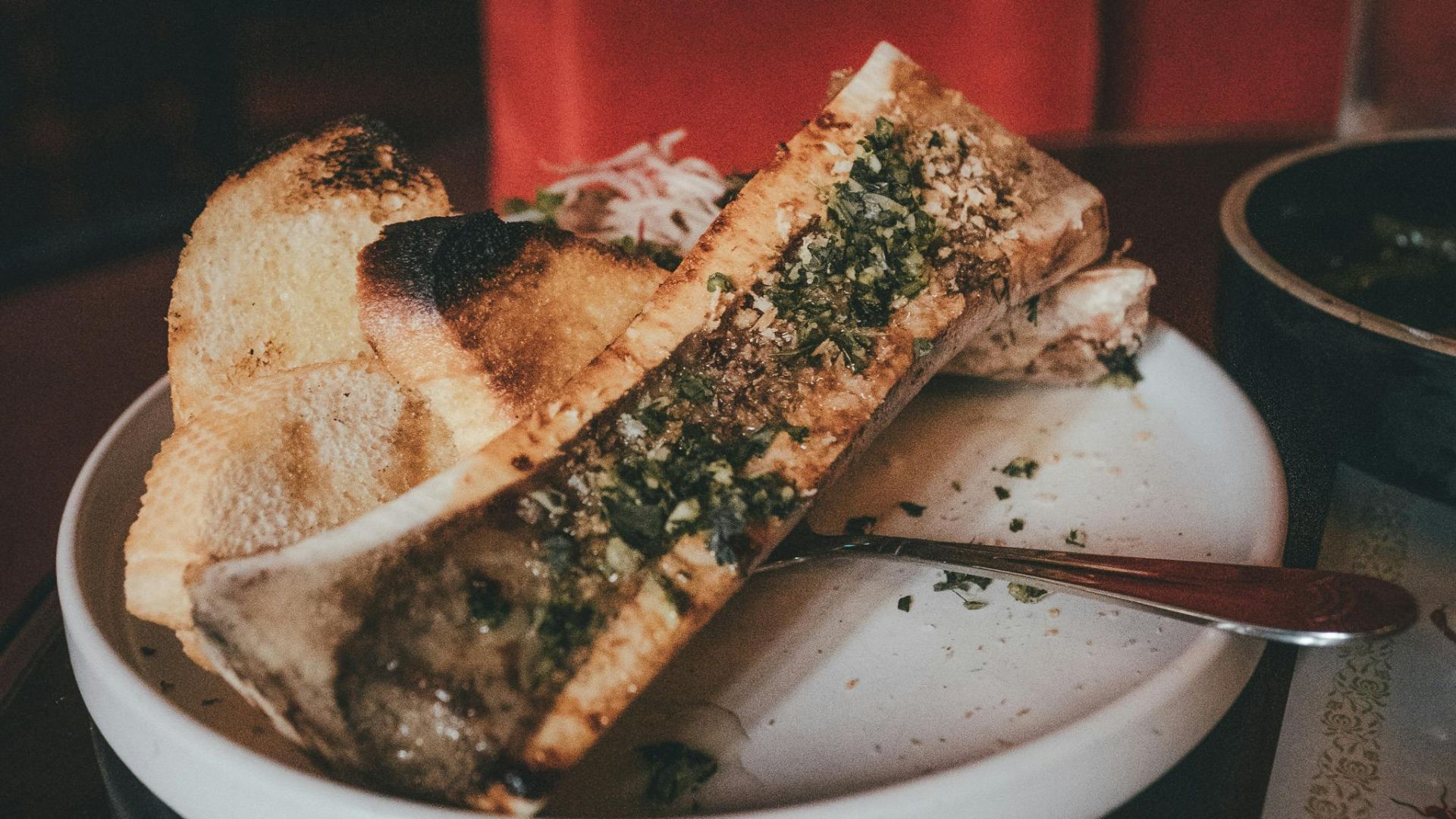
Bone marrow was a great way to get a little extra nourishment from even the most unexpected part of an animal. Now it lands on restaurant tables roasted with toast and salad.
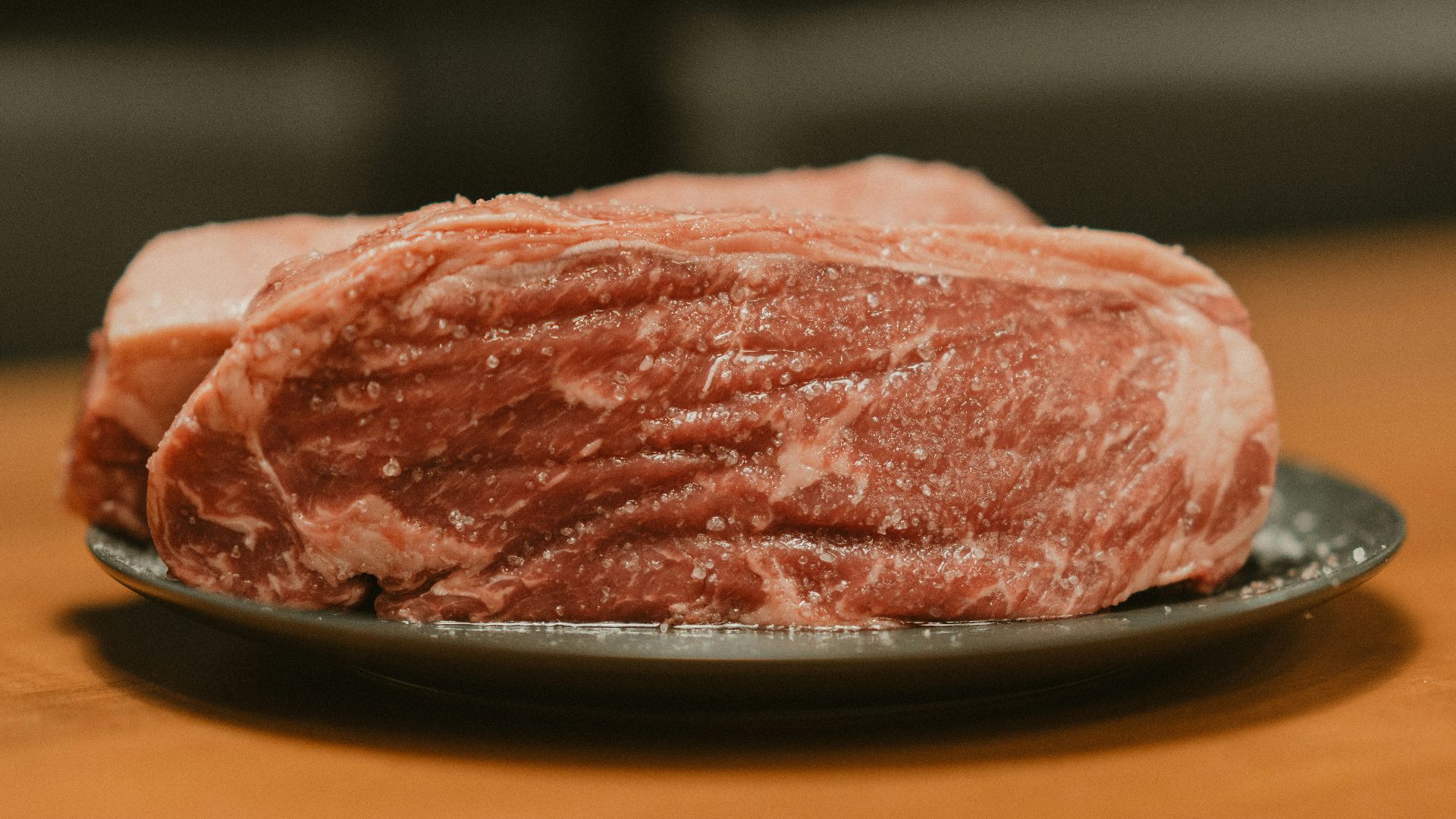
6. Pork Belly
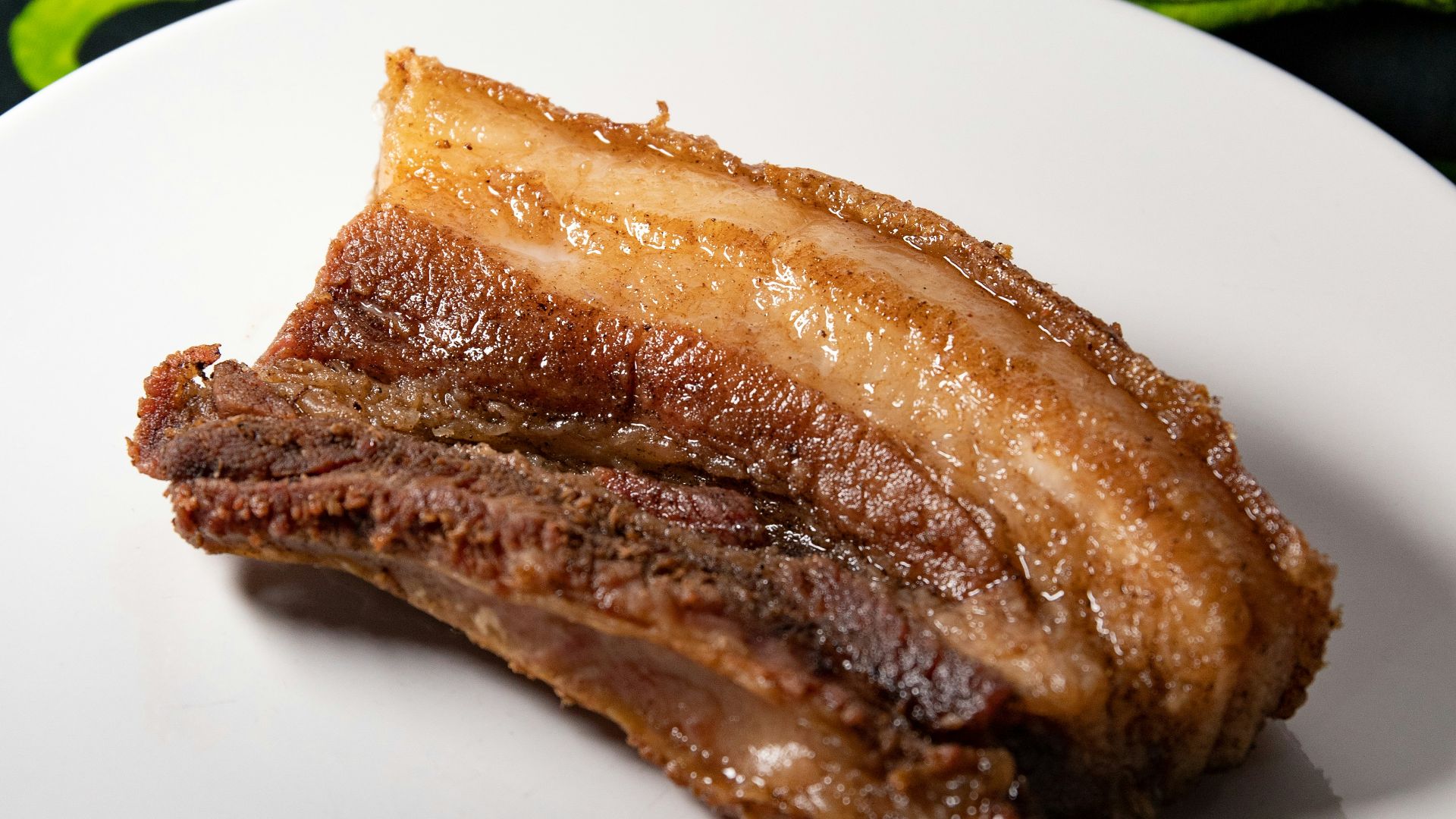
Pork belly spent years much closer to salt pork, cured meat, and practical home butchering than anything you’d call fine dining. In places where hog killing shaped the food year, fatty cuts got saved because they were useful. Now, they’re just another expensive dish.
7. Monkfish
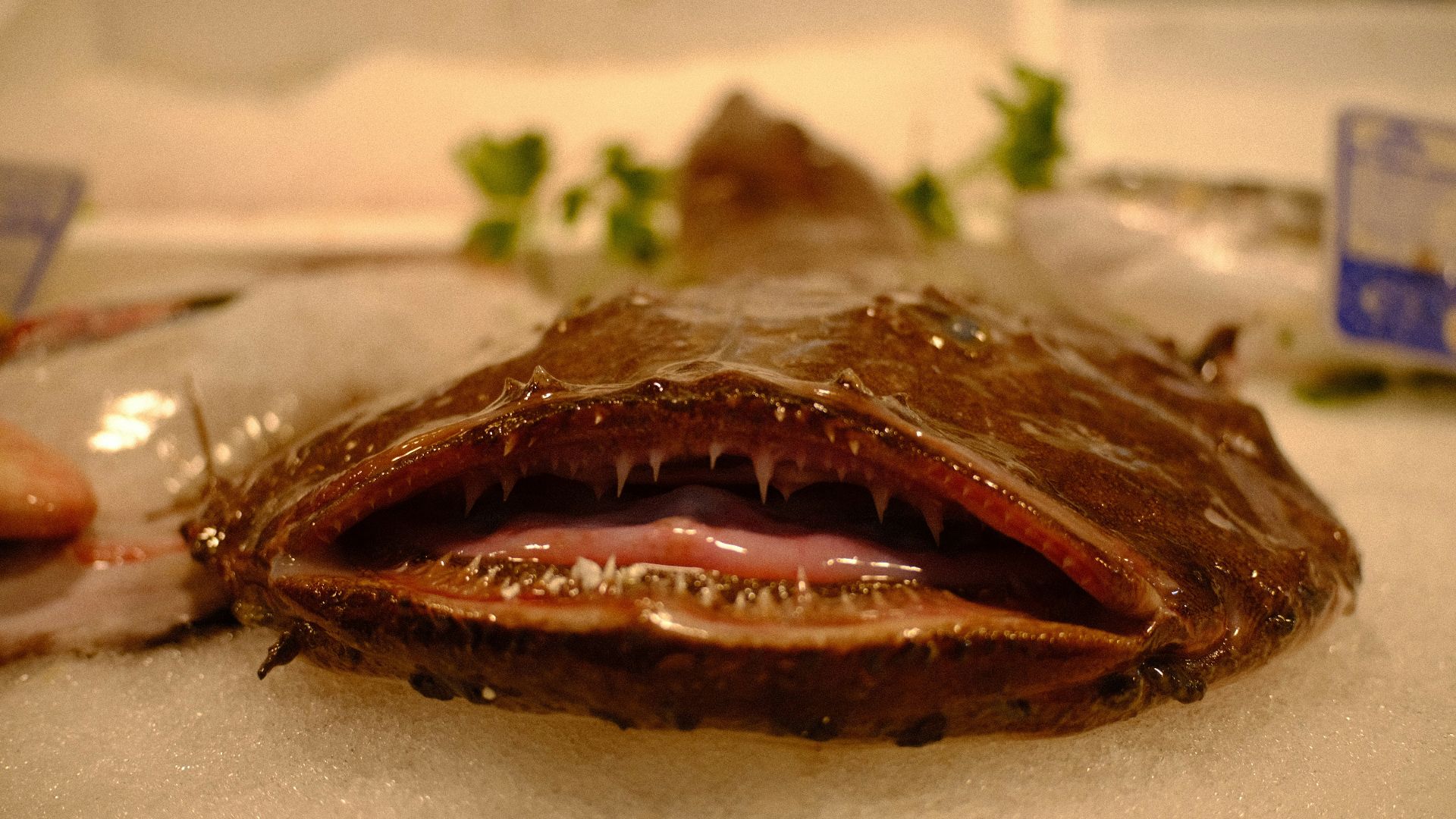
Monkfish was ignored for years because, well, it’s not winning any beauty contests. Once cooks paid attention to its firm, sweet flesh, monkfish went from an undervalued catch to an expensive menu item.
8. Fried Onion Burgers
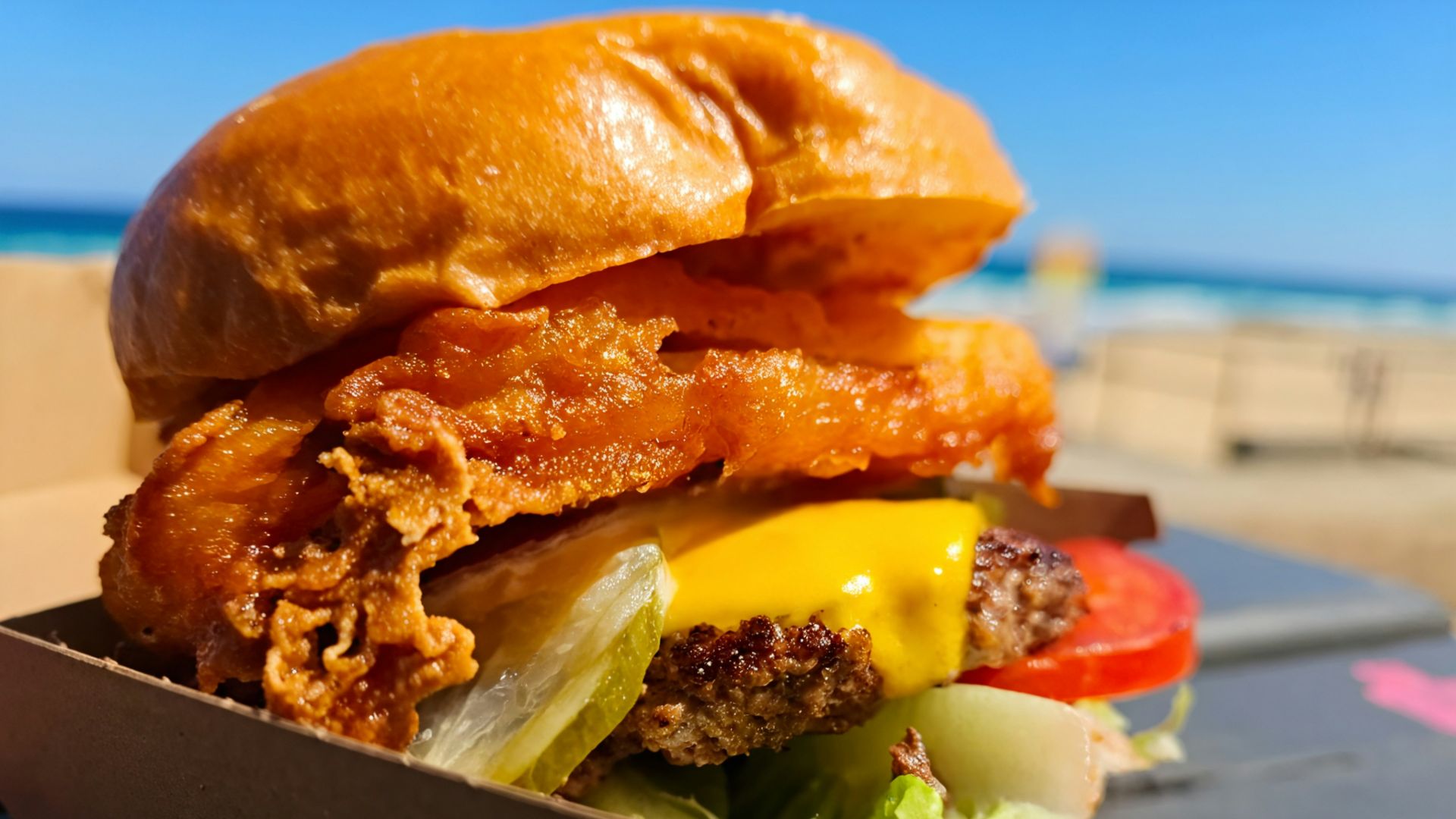
The fried onion burger came straight out of hard times in El Reno, Oklahoma, where beef had to stretch. Push a thin patty into a heap of shaved onions, let it all cook together on the flat top, and you get one of the smartest Depression-era burgers America ever came up with.
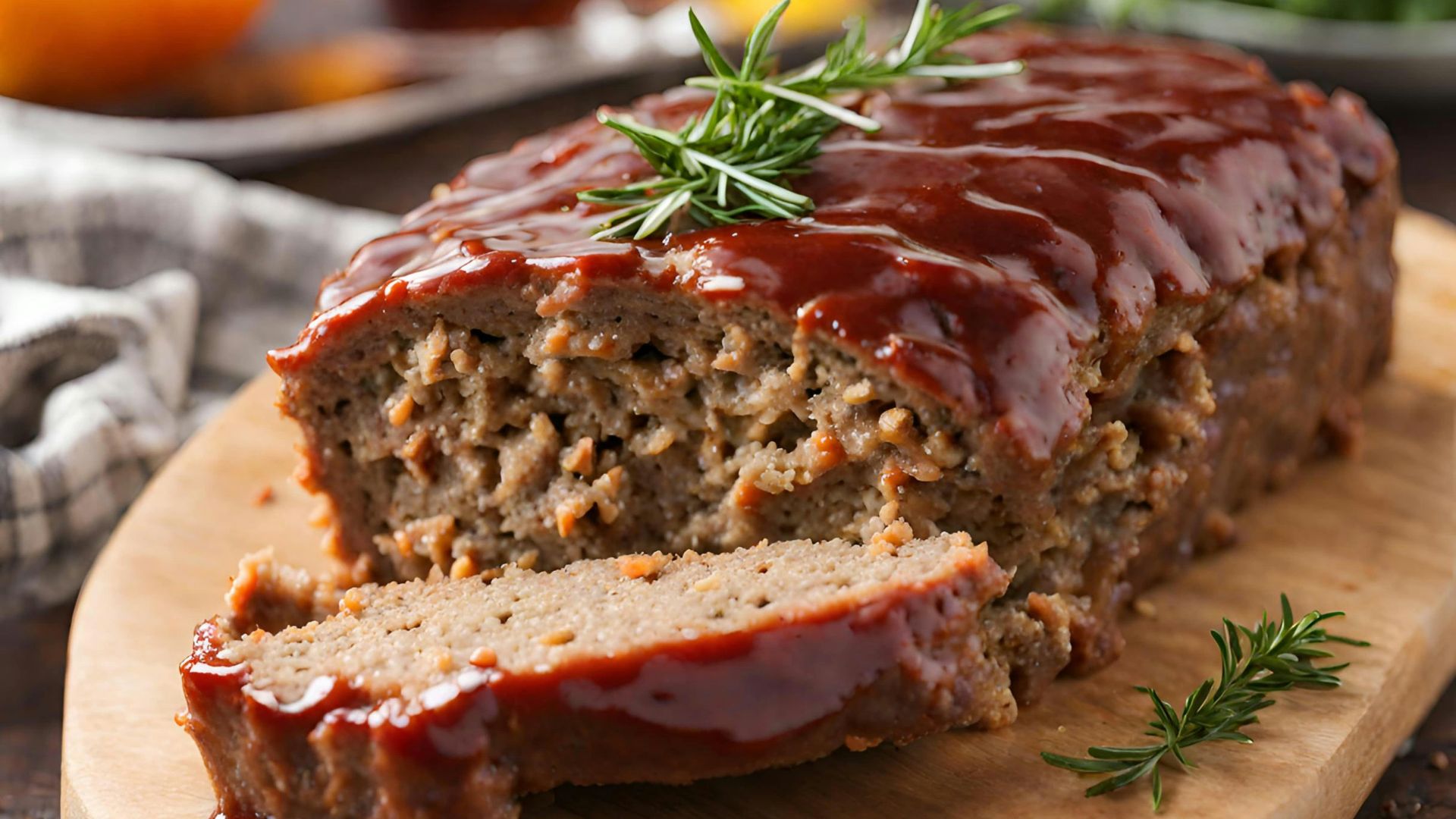
9. Meatloaf
Meatloaf has always been about making a little meat go further, which is exactly why it settled so comfortably into working kitchens and family supper tables. By the 1930s, fillers like oats and breadcrumbs helped stretch ground meat even more, and now that same loaf can show up with a very steep price tag.
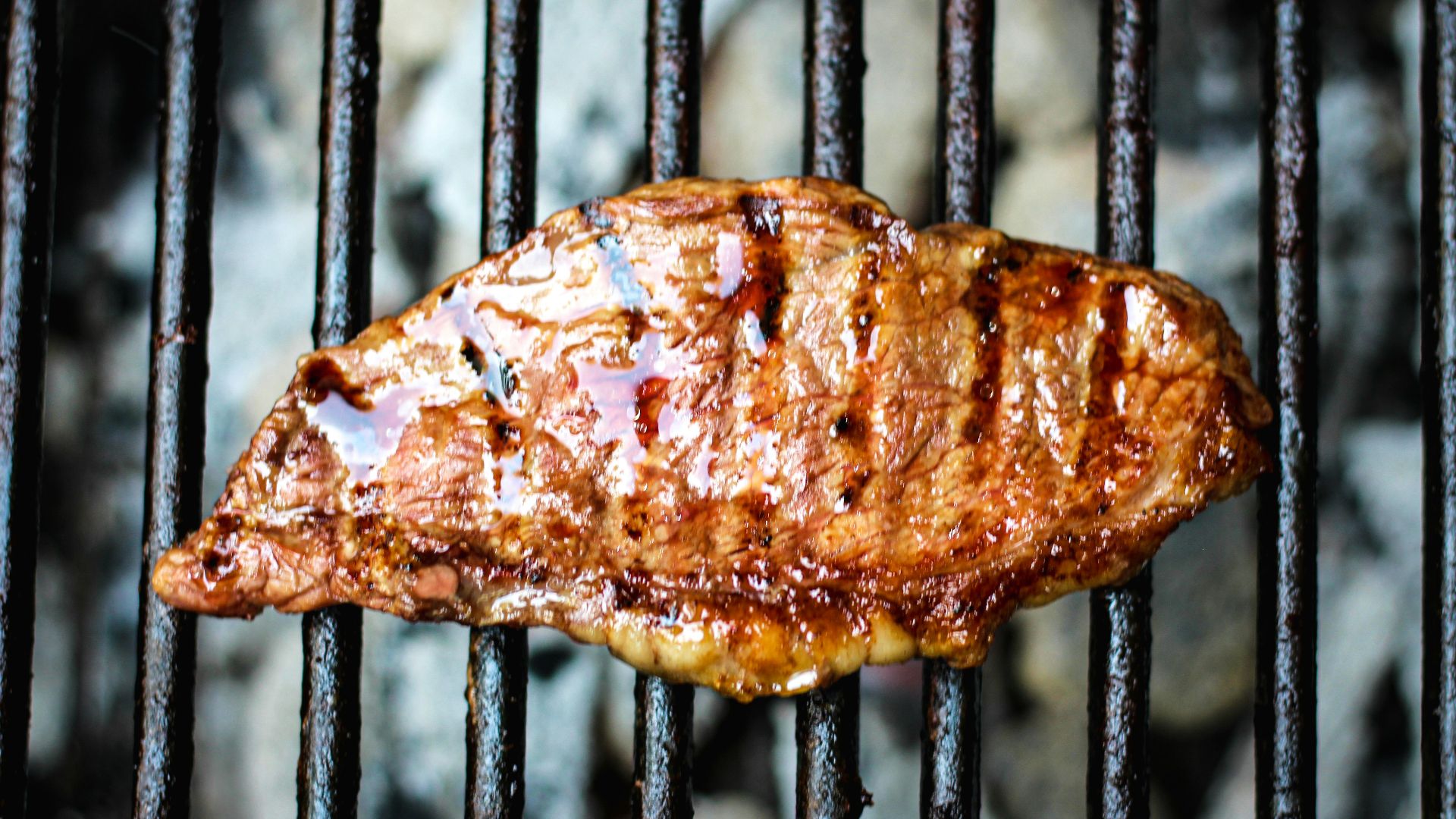
10. Chicken-Fried Steak
Chicken-fried steak grew out of Texas cooking, where tougher beef cuts got pounded thin, breaded, fried, and covered in gravy. The roots are plain and practical, even if the dish now turns up on glossy Southern-style menus.
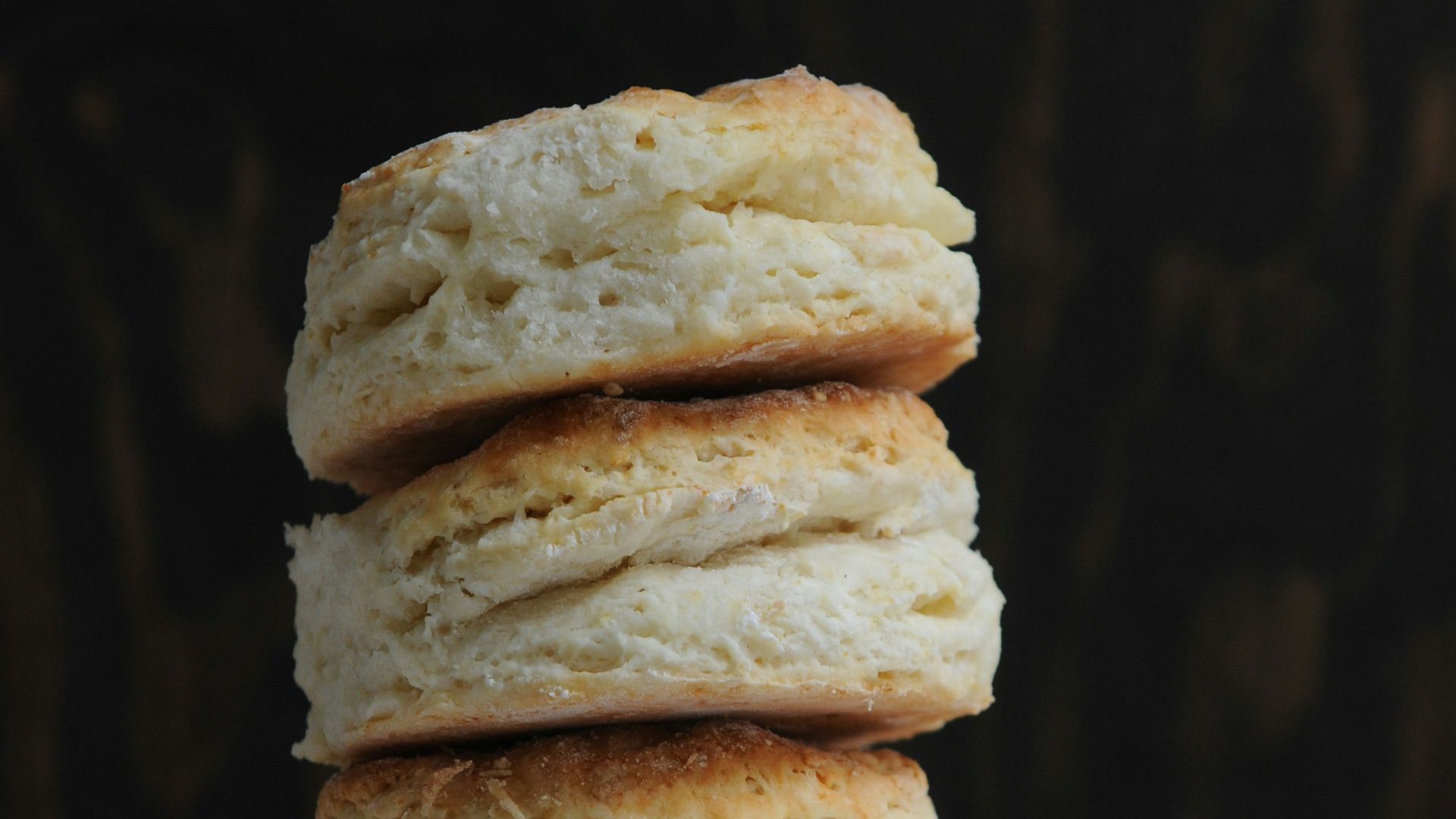
11. Biscuits And Gravy
Biscuits and gravy came from Southern kitchens where the primary focus was creating a nourishing breakfast that would satisfy folks in labor-intensive jobs. That plain, peppery, filling logic is still right there, even when brunch spots top it with sausage and a scatter of herbs.
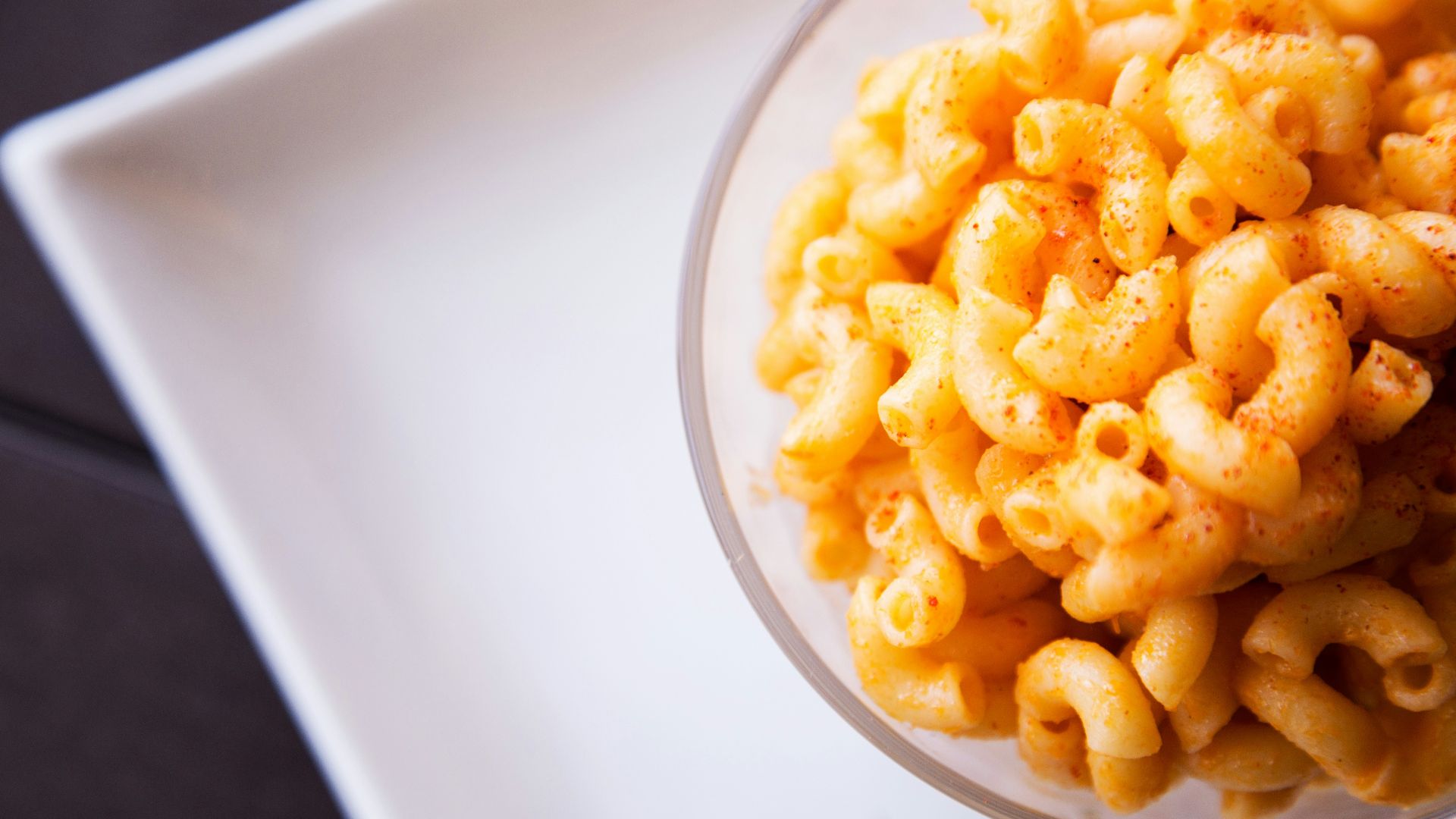
12. Macaroni And Cheese
Macaroni and cheese has had a long American life, moving from elite tables to cheap casseroles to a boxed pantry standby. James Hemings helped bring a version of the dish to Monticello in the 1790s, and by the 20th century, it had become one of the country’s great comfort foods before restaurants started loading it up with luxuries.
13. Pot Roast
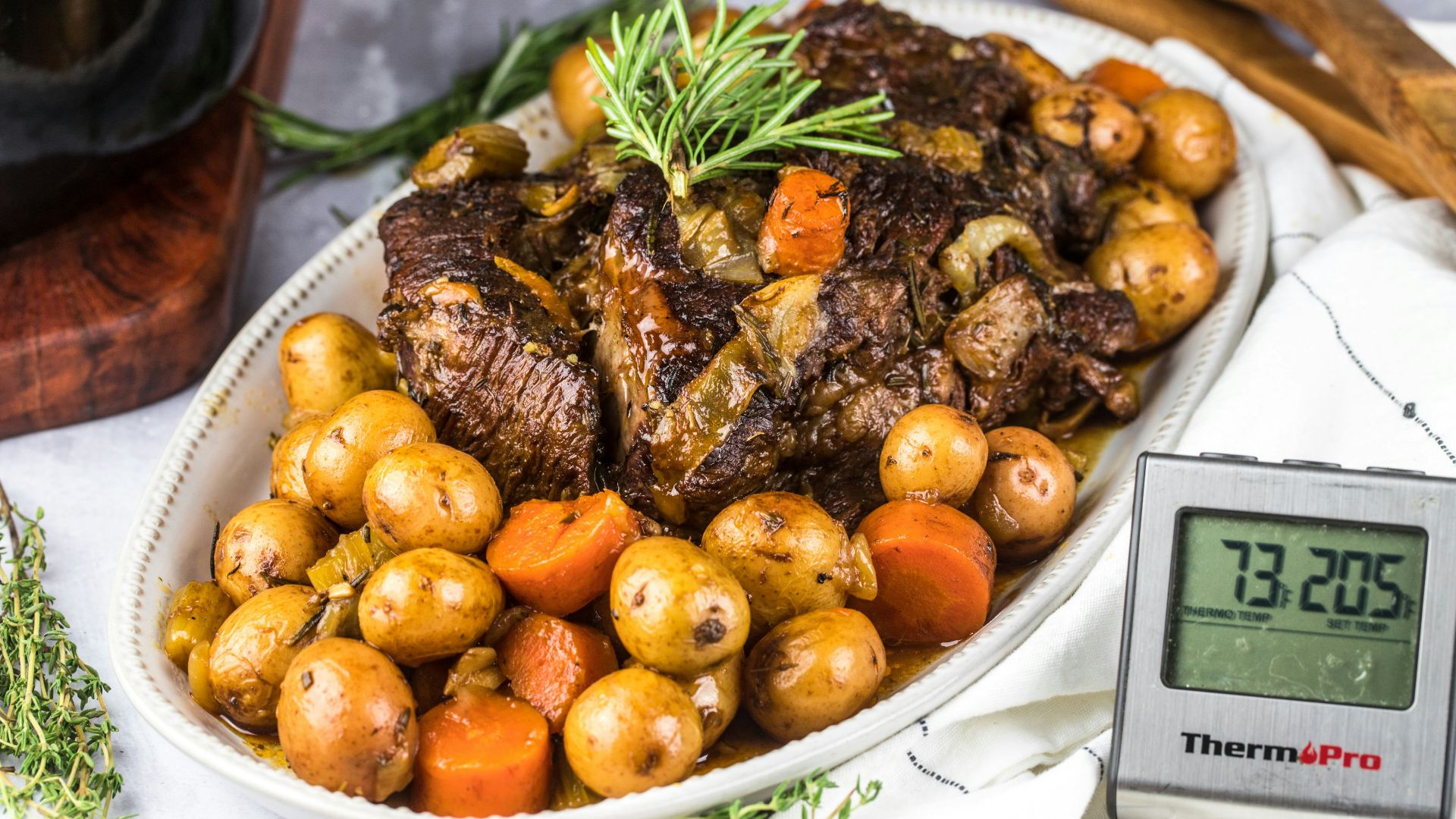
Pot roast came from one of the oldest kitchen truths around: a tough cut can still become dinner if you give it enough time. That made it perfect for budget-minded home cooking, and it’s still the same basic idea behind those glossy braised beef dishes that later took over restaurant menus.
14. Salisbury Steak
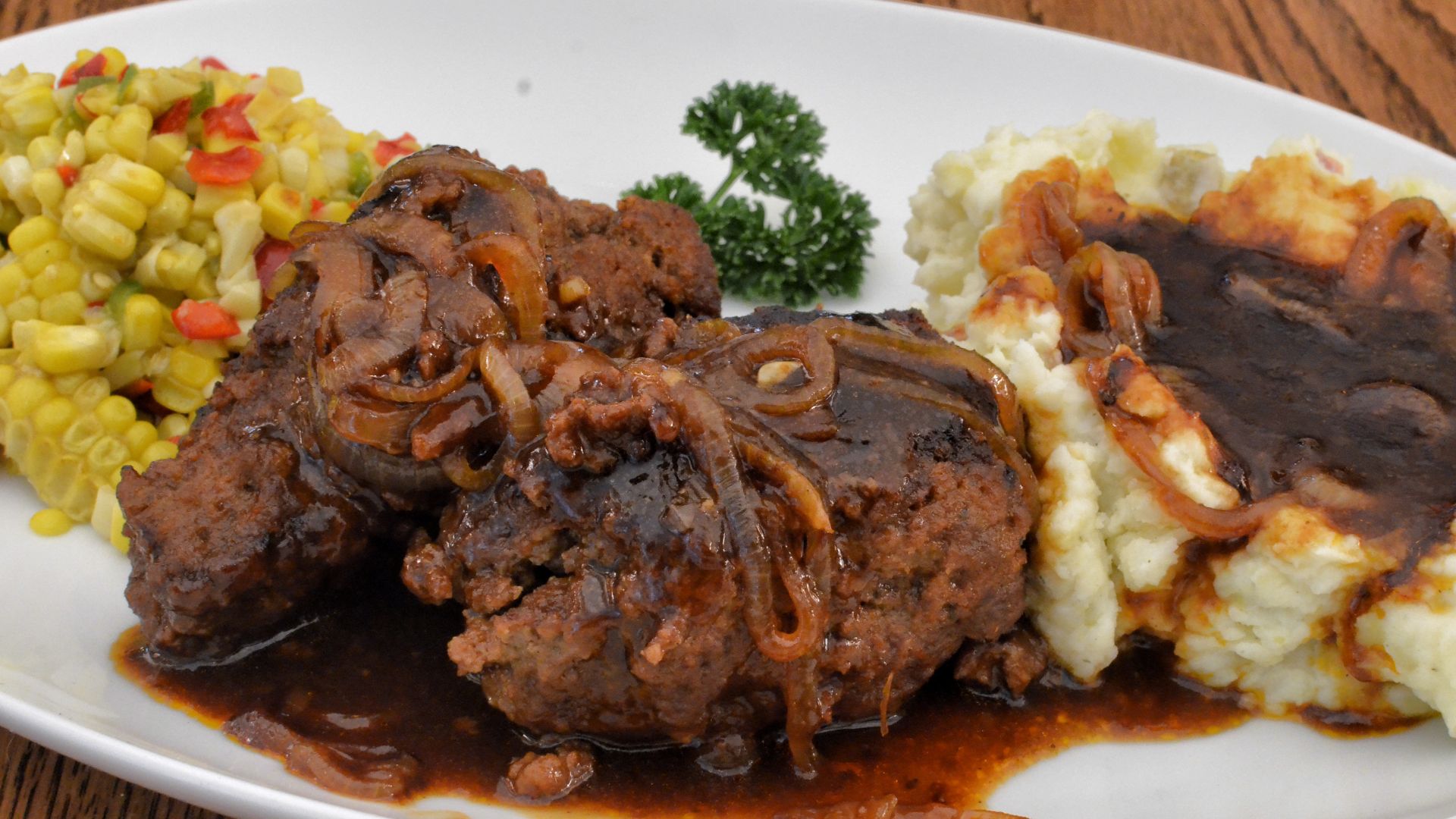
Salisbury steak started in the 19th century with Dr. James Salisbury, who promoted the minced beef patties during and after the Civil War years. Long before it became a frozen-dinner staple, it was cheap, practical ground beef, which is probably why restaurants can still bring it back without much trouble.
15. Tuna Noodle Casserole
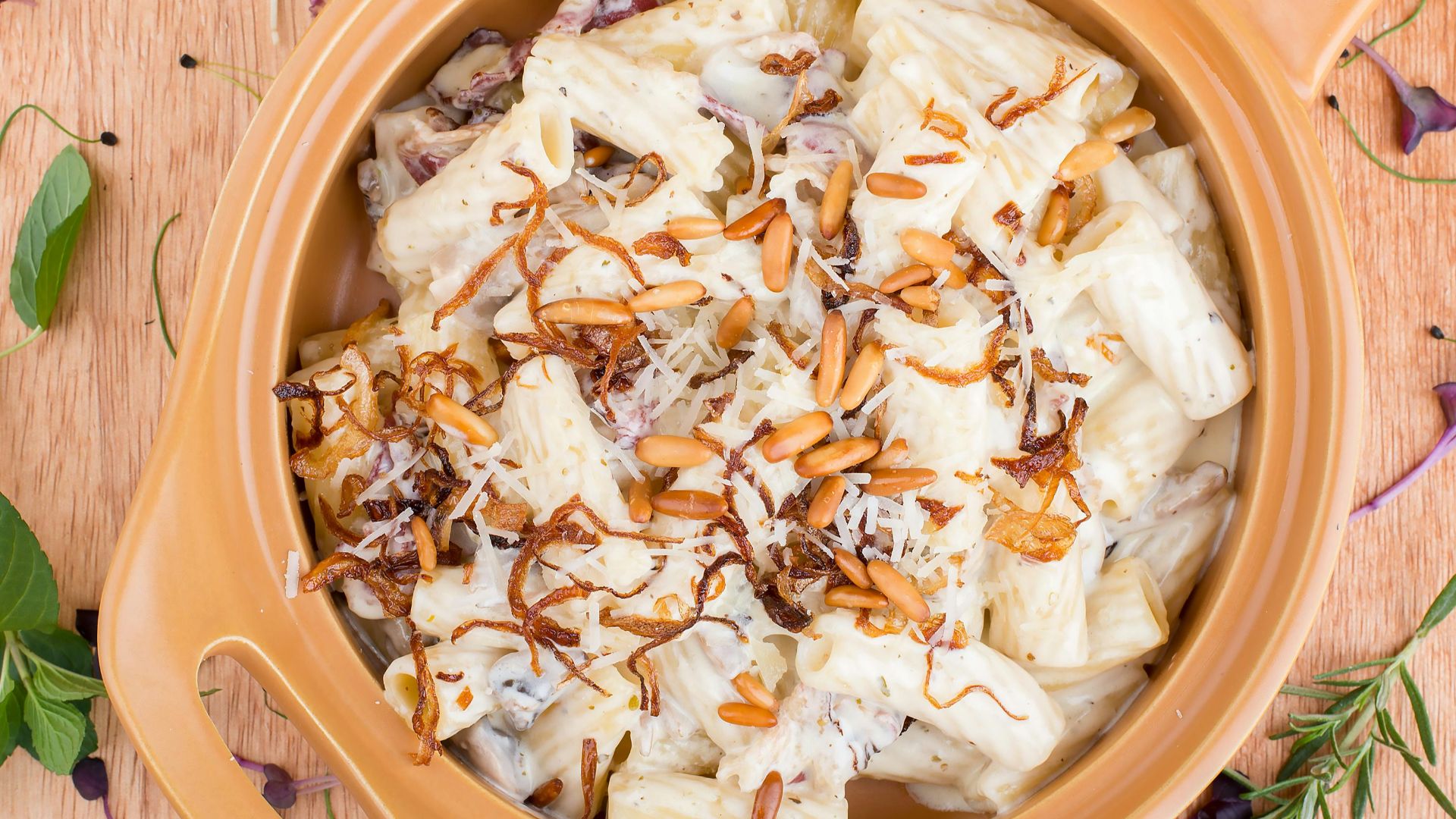
Tuna noodle casserole really found its place in the postwar years, when canned tuna, noodles, and condensed soup were a sensible, budget-friendly trio. That casserole logic never went away, and newer versions with better cheese and crisp toppings still lean on the same cozy comfort.
16. Scrapple
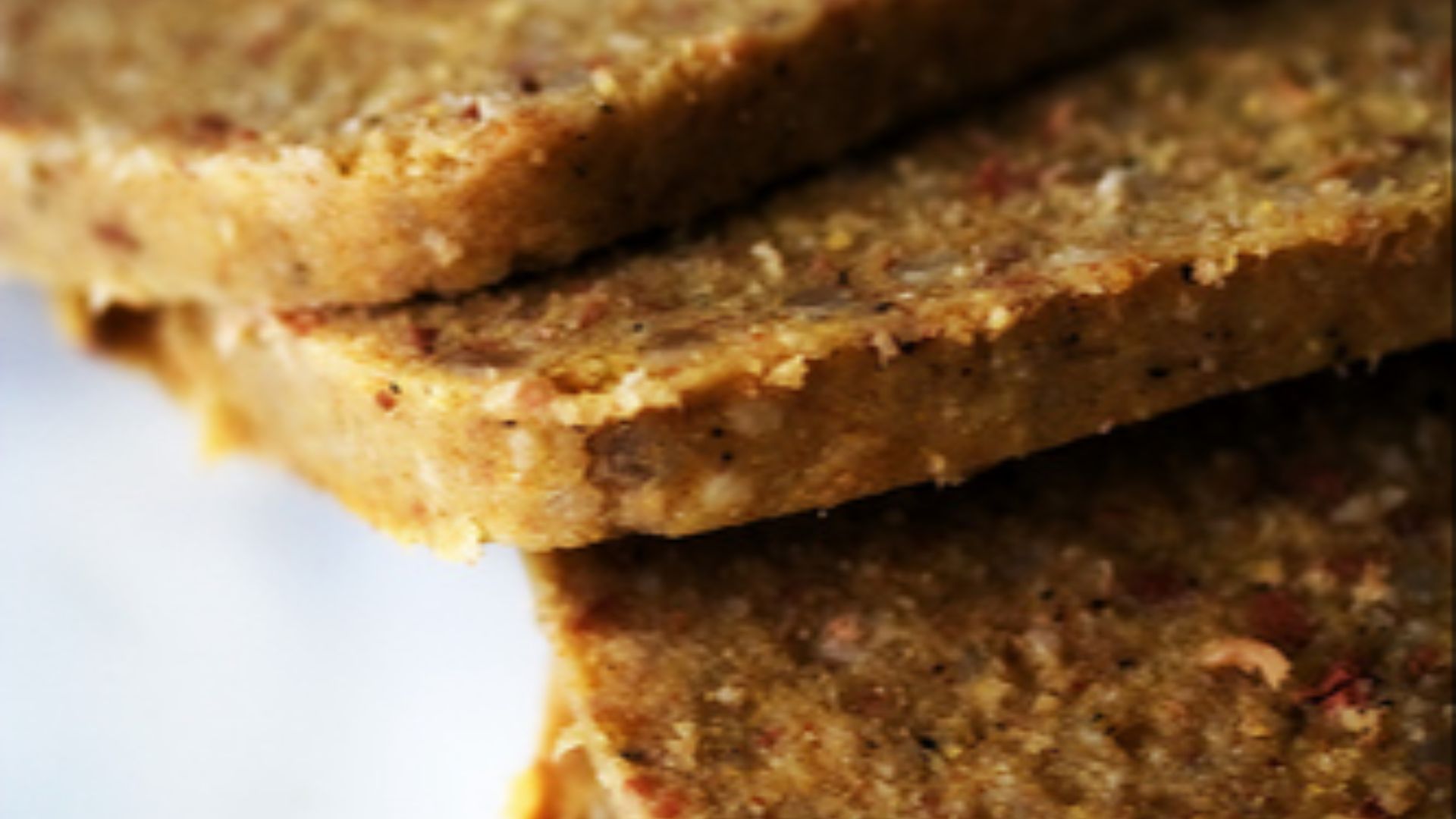
Scrapple came out of Pennsylvania Dutch cooking, where hog scraps, broth, and meal got turned into something sliceable, fryable, and filling. It started as thrift food, plain and simple, even if it’s now sold back as a regional specialty.
 Steamykitchen SteamyKitchen.com on Wikimedia
17. Corned Beef And Cabbage
Corned beef and cabbage are deeply tied to Irish American life, especially in 19th-century immigrant neighborhoods across the United States. Beef was more affordable there than it had been in Ireland, so the dish grew into a sturdy working-family meal long before it got a shiny public image.
18. Clam Chowder
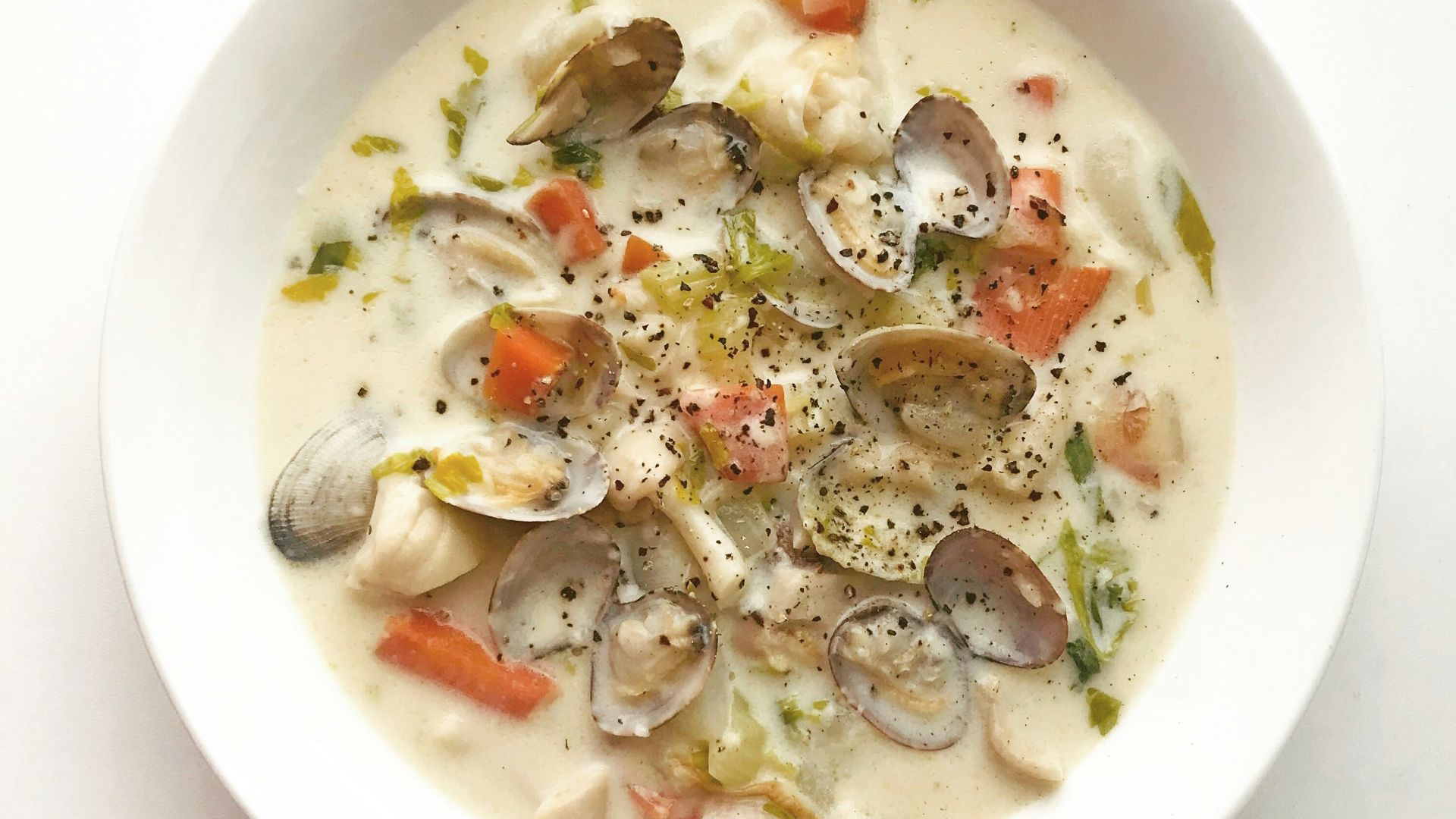
Clam chowder grew out of coastal cooking, where shellfish, potatoes, pork, and dairy could feed people well without much fuss. It has deep New England ties now, though the chowder idea reaches back through older Atlantic fishing traditions.
19. Fried Green Tomatoes
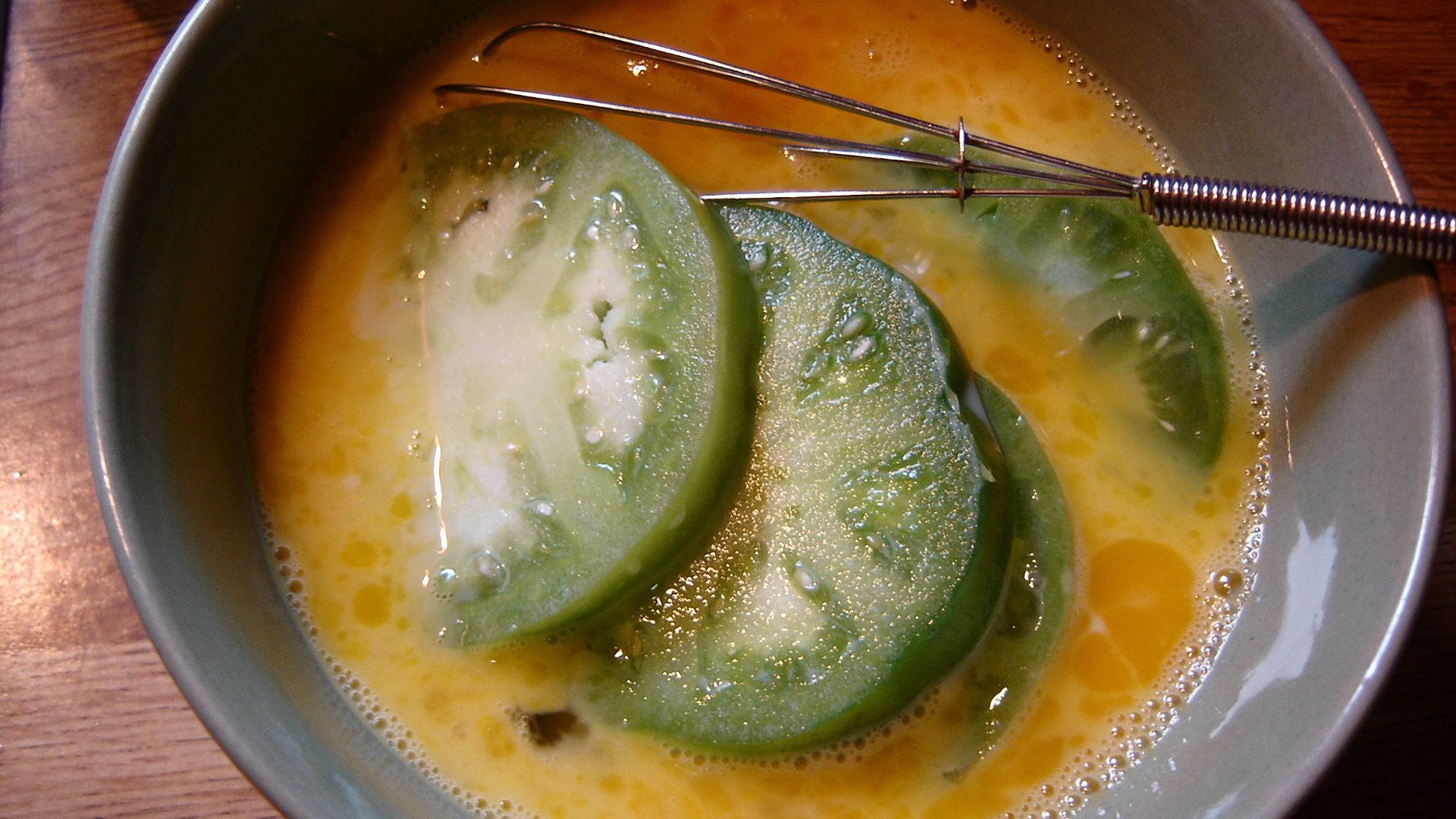
Fried green tomatoes now get treated like a Southern restaurant classic, though the deeper story is a bit messier than that neat image suggests. What can be said safely is that they grew out of practical cooking with unripe tomatoes, and the dish’s national fame exploded after the classic 1991 film.
 Andy Melton from Boise, ID, USA on Wikimedia
20. Chicken And Dumplings
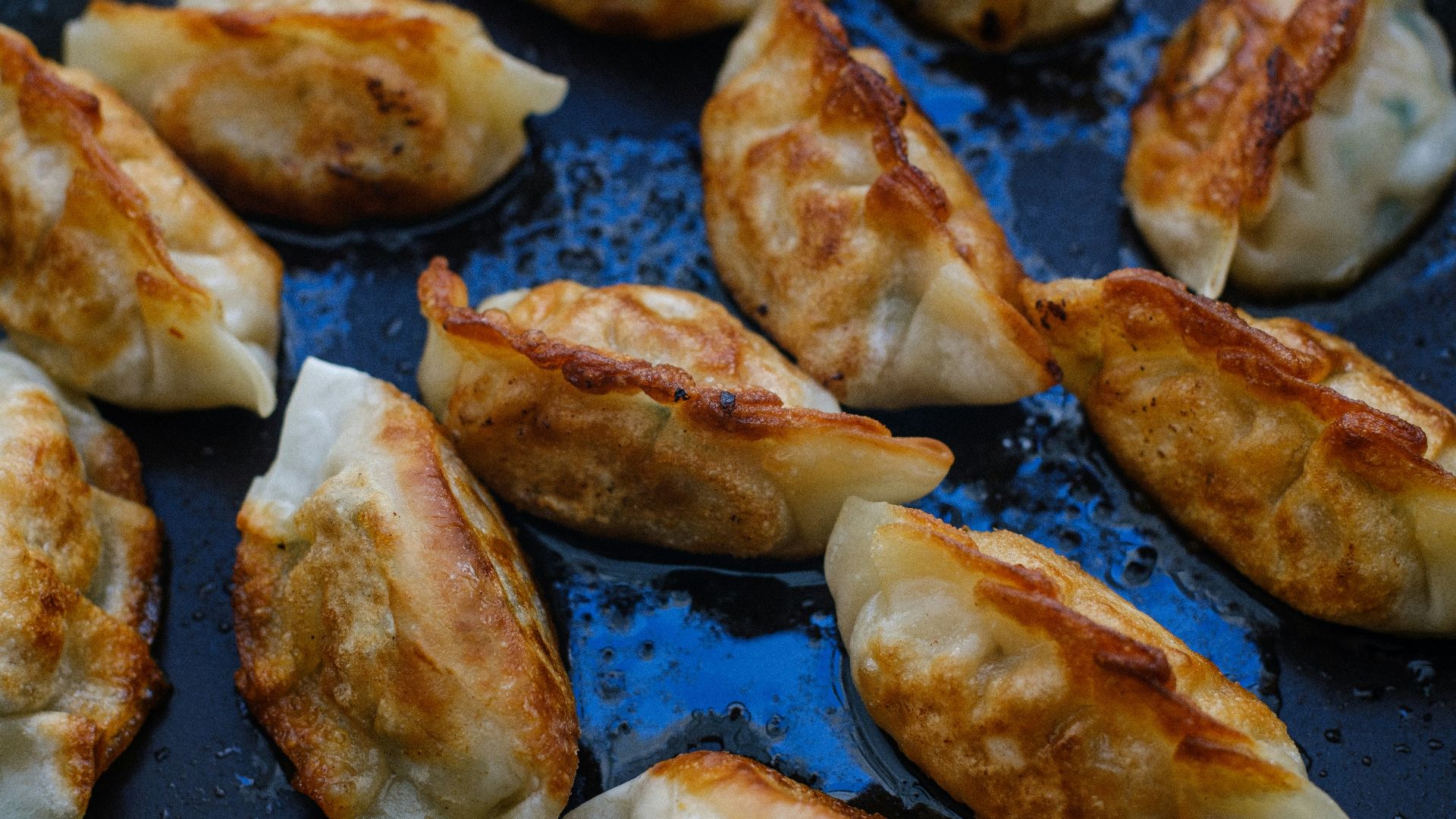
Chicken and dumplings were built to stretch a little chicken into a full meal, which is why it stayed close to home kitchens, mountain cooking, and plain supper tables for so long. Even when it shows up now in a nicer bowl with richer broth and prettier garnish, the heart of it still feels simple, warm, and comforting.
 Portuguese Gravity on Unsplash
KEEP ON READING
20 Dishes That Built Modern American Cuisine