Remember When These Restaurants Were on Every Corner?
Fast food has changed considerably over the years, and some restaurant chains that once seemed impossible to avoid have become much harder to find. Whether they disappeared because of changing customer preferences, increased competition, financial problems, or poor business decisions, many familiar names have lost the massive presence they once enjoyed. Some are still operating but have closed hundreds of locations, while others have disappeared from the American restaurant scene almost entirely.
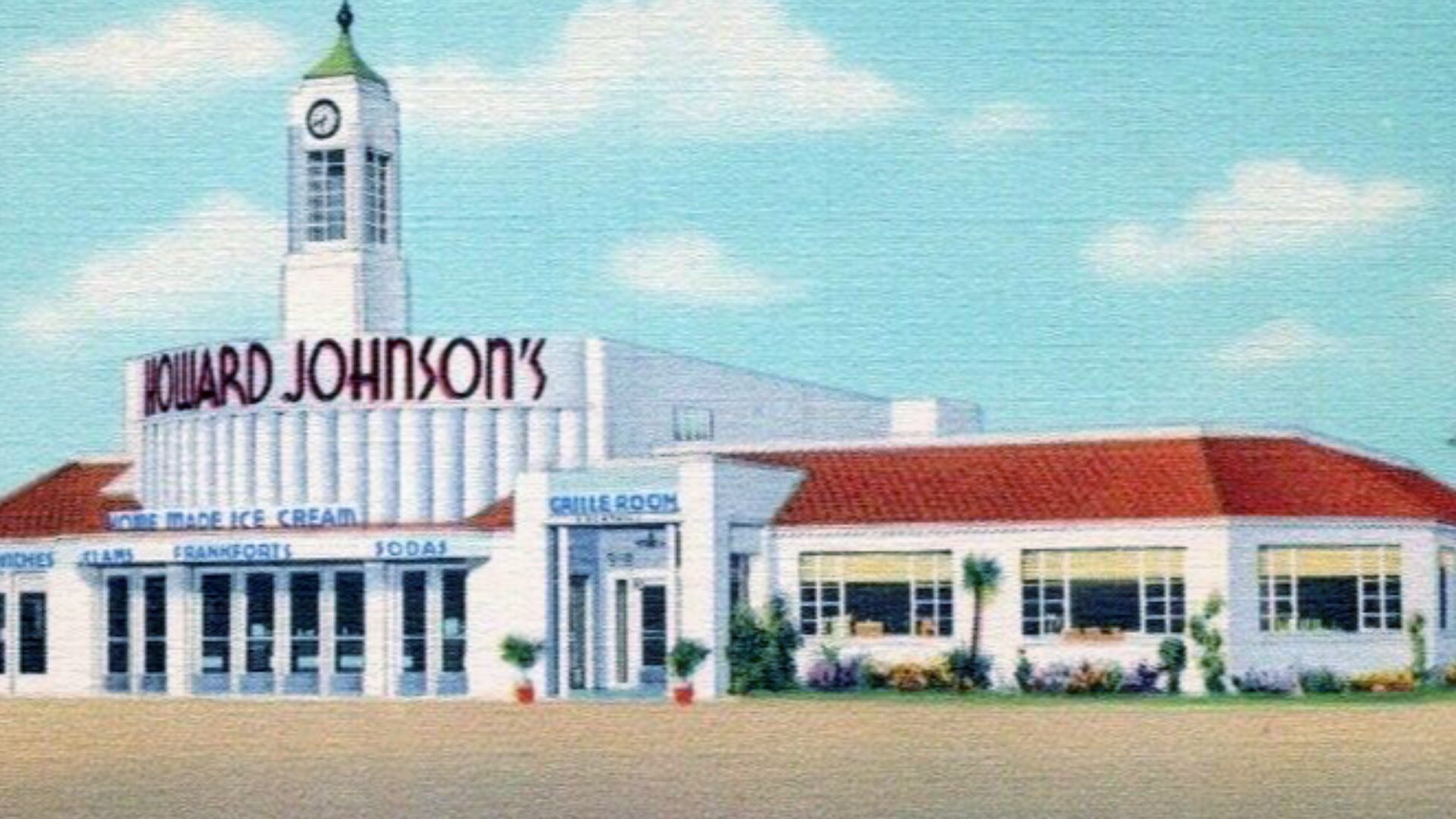
1. Howard Johnson's
Few people realize how prevalent Howard Johnson's used to be, but at one point, it operated thousands of restaurants and hotels dotted along highways throughout the U.S. They offered everything from fried clams and ice cream to a wide array of American cuisine. It's difficult to believe that a brand once associated with thousands of roadside locations has become largely a memory.
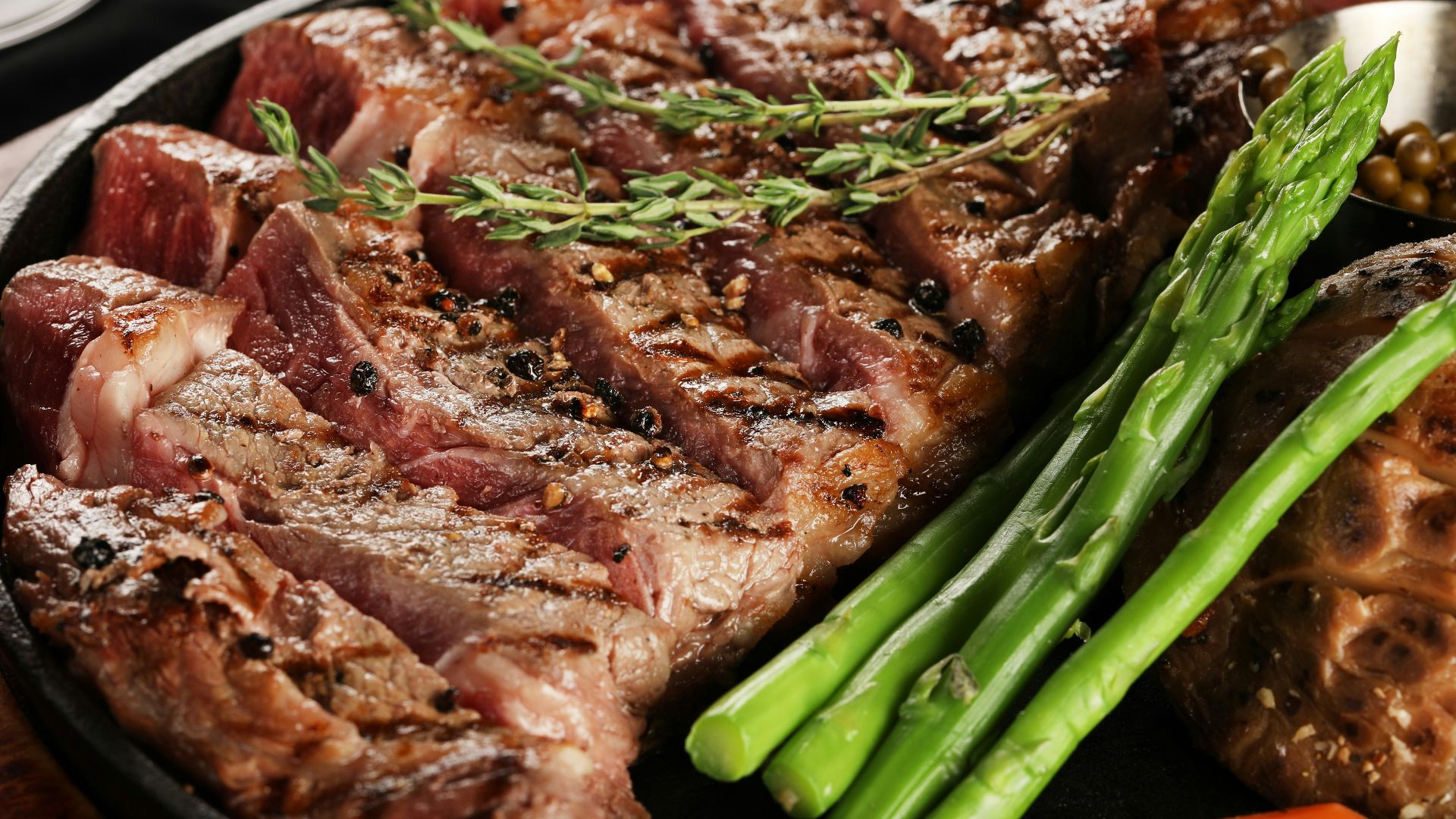
2. Steak and Ale
Steak and Ale provided diners with a step up from the typical fast food joint at relatively low prices. With a salad bar, steak and warm rolls, and quaint interiors, the chain provided many with an enjoyable restaurant experience to enjoy with their family. It experienced a long period of prosperity from the 1970s through the 1980s, before eventually entering into ownership changes and financial troubles that led to it folding.
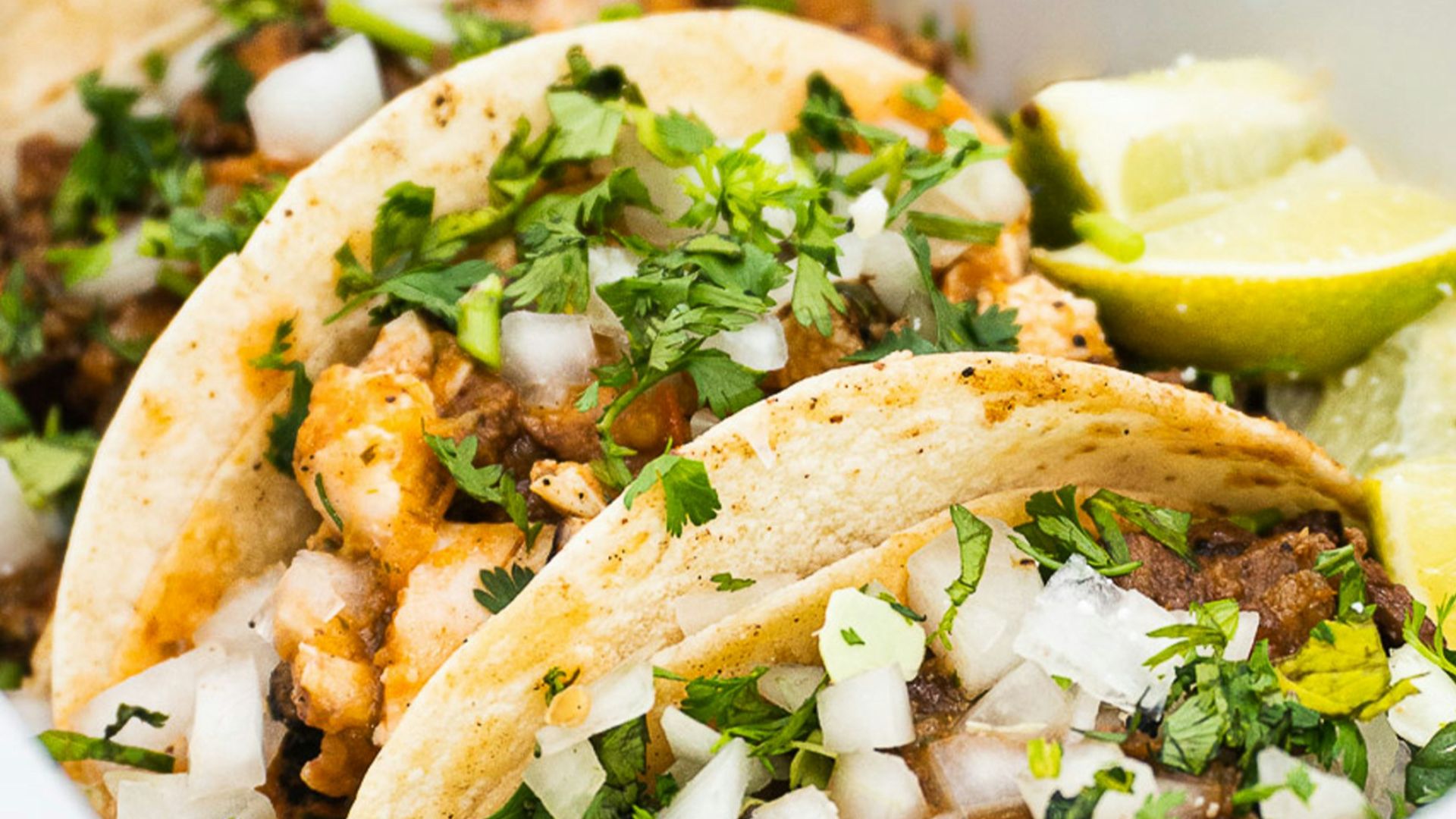
3. Chi-Chi's
Chi-Chi's offered diners many dishes that are now considered commonplace at Mexican food establishments, from fajitas, chimichangas, and nachos to a now-beloved fried ice cream dish. The chain had become popular by the 1980s and remained so into the 1990s. Although the brand has since been revived in limited forms, its former nationwide restaurant presence is long gone.
4. Arthur Treacher's Fish & Chips
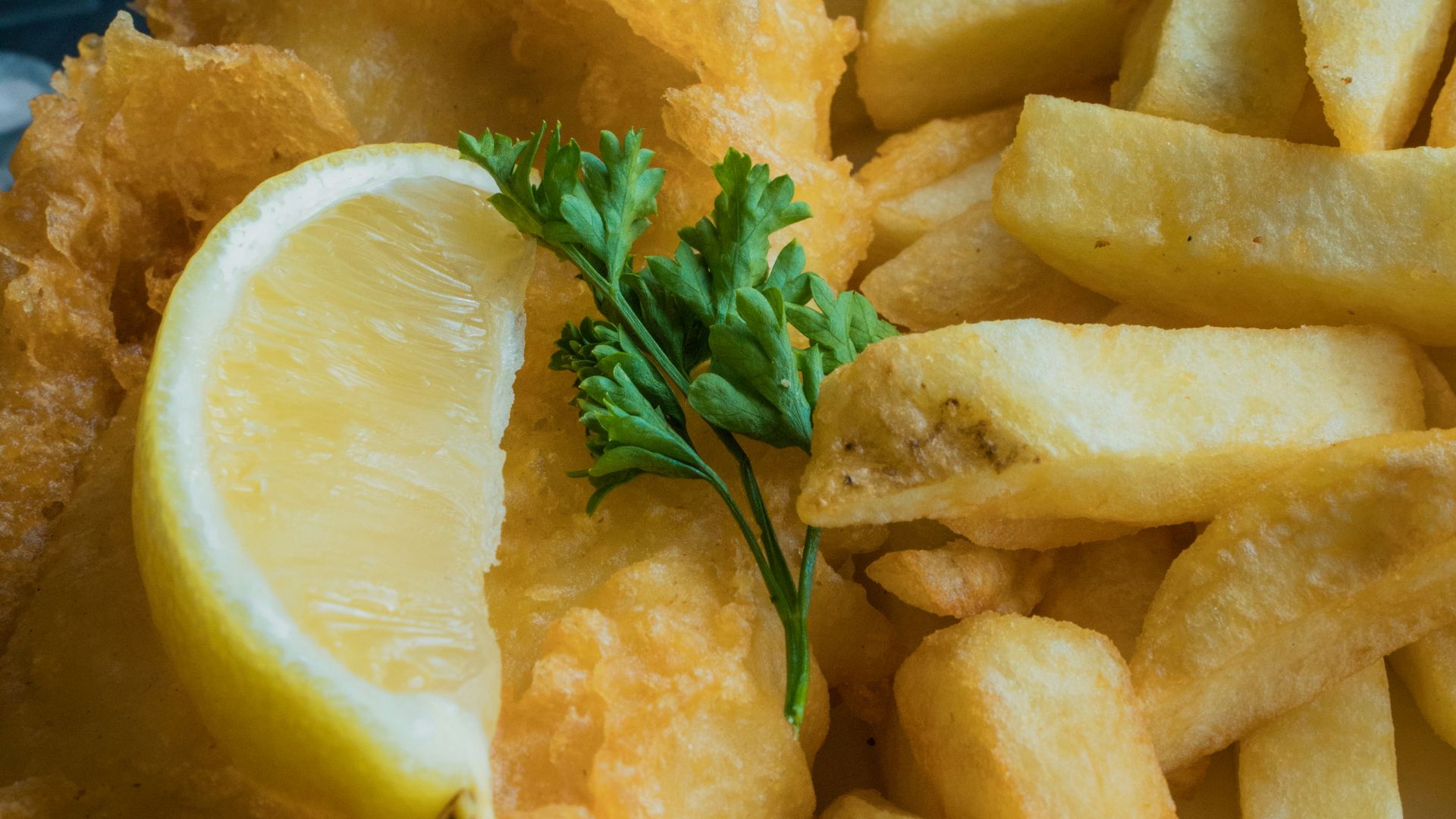
Arthur Treacher's Fish & Chips once dotted the country with hundreds of locations offering battered fish, fish fingers, shrimp and chips, and more. It became a popular alternative to many other fast food chains that did not offer seafood dishes. After a number of ownership changes, financial troubles, and increased competition, the number of locations dwindled substantially.
5. Sambo's
Sambo's grew to have several hundred restaurants throughout the U.S. during its heyday in the 1960s and '70s. The chain provided diners with many breakfast offerings, pancakes, burgers, and other cheaply priced fare. Due to its unfortunate racial name and moniker, as well as financial troubles, it began to see most of its restaurants close in the early 1980s, although one in Santa Barbara persisted for many decades afterward.
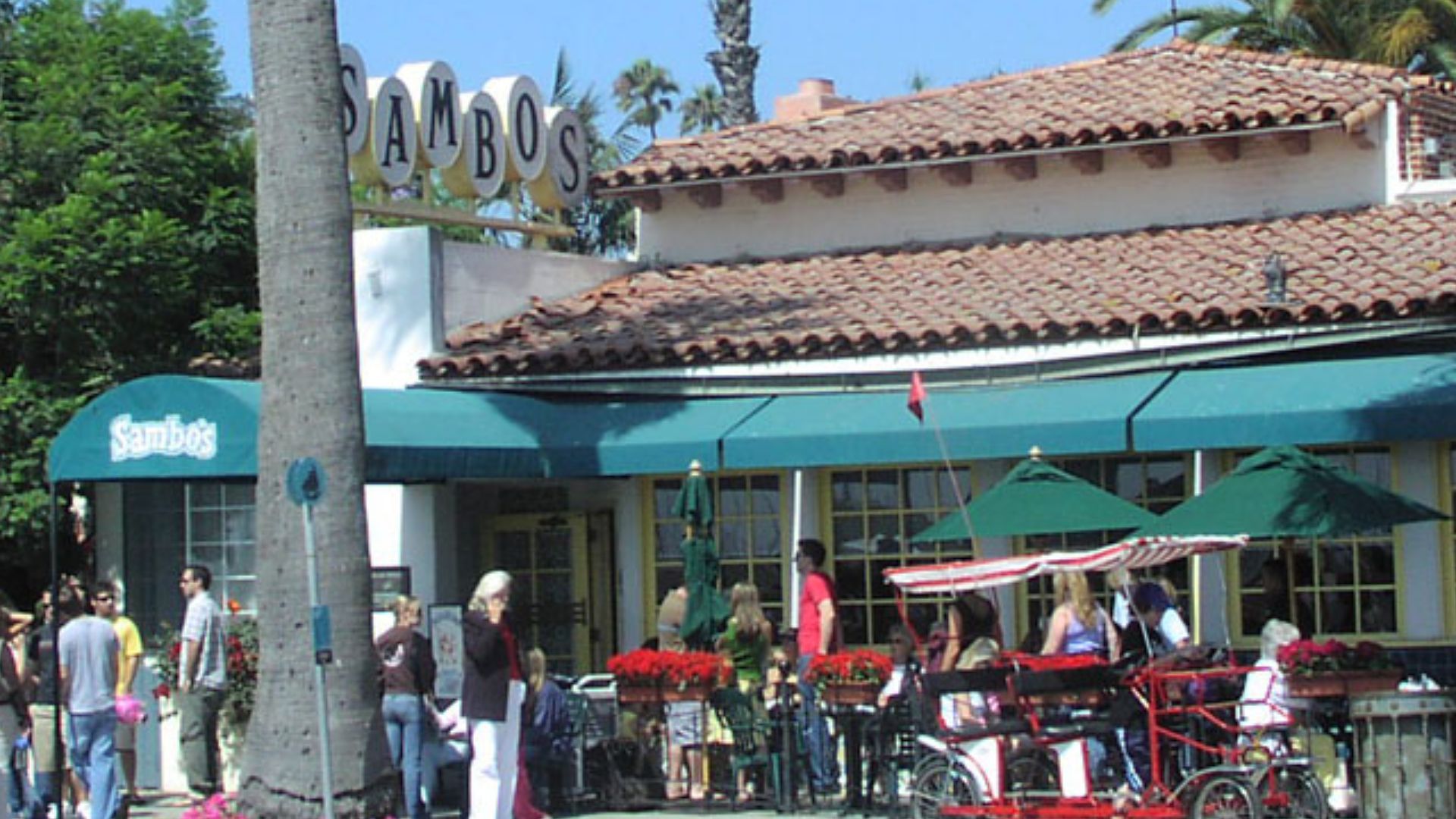 Taken by Antandrus on Wikimedia
6. Kenny Rogers Roasters
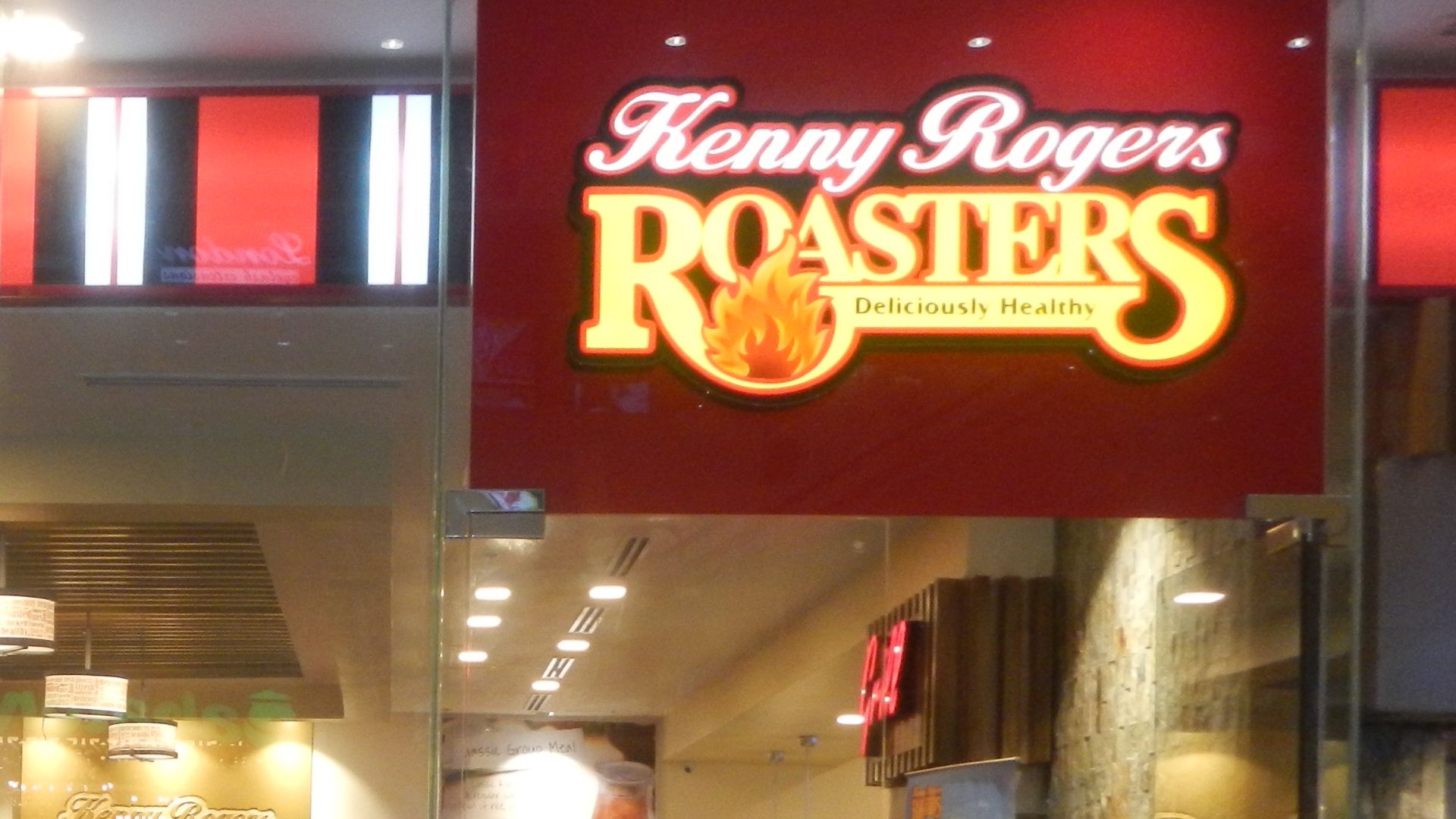
Kenny Rogers Roasters touted that customers could enjoy rotisserie chicken that was wood-fired and, as a result, a healthier alternative to other fast food.
Kenny Rogers Roasters gained many locations throughout the 1990s before its rate of domestic growth began to decline. The brand has continued in international markets, particularly in Asia, but its former American presence is mostly a nostalgic memory.
7. Boston Chicken
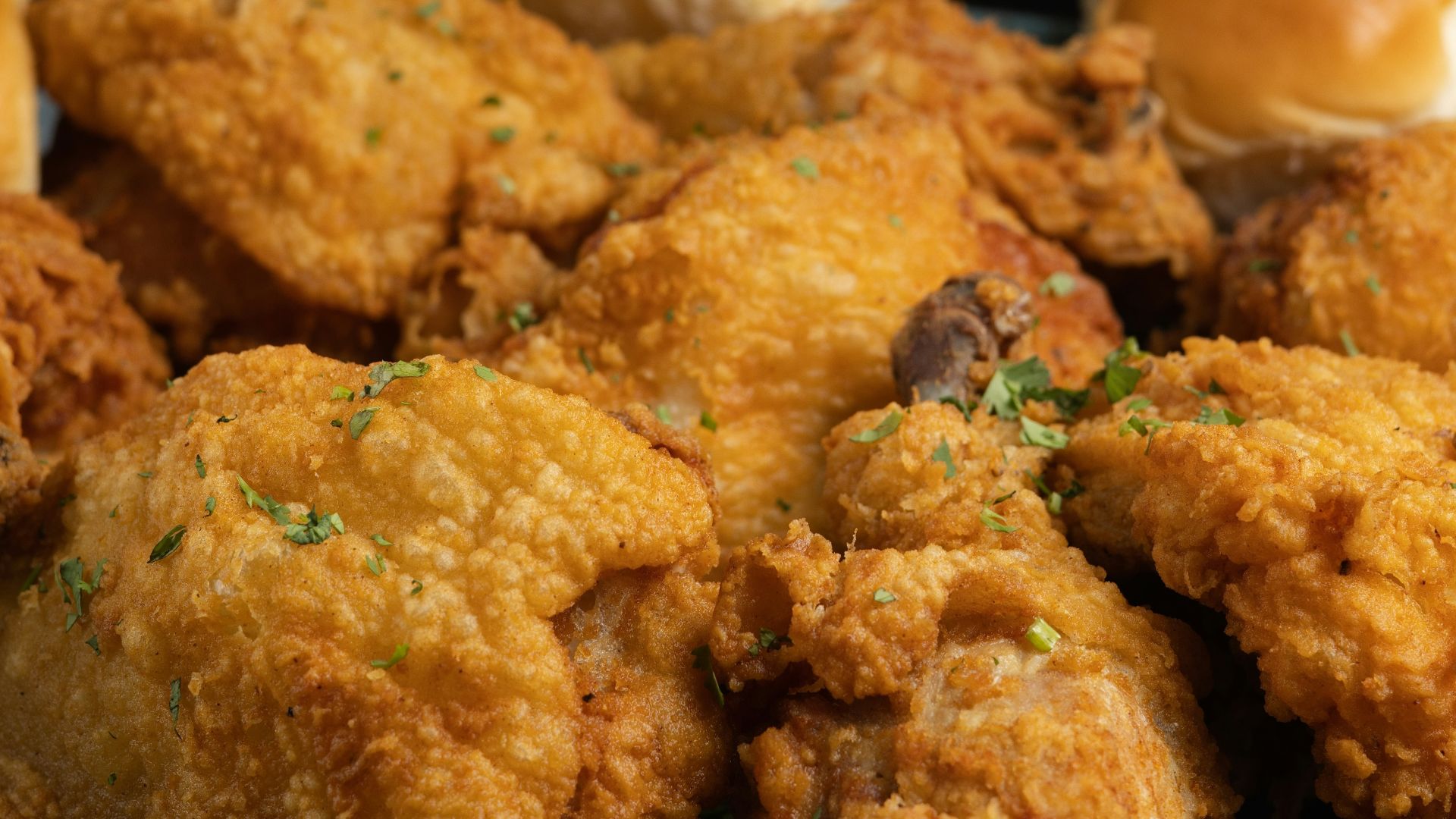
Boston Chicken became extremely popular in the 1990s by offering rotisserie chicken, mashed potatoes, cornbread, and other homestyle meals in a convenient restaurant setting. Its rapid expansion was so impressive that the company eventually changed its name to Boston Market as it broadened its menu beyond chicken. Unfortunately, the business struggled with debt, competition, and difficulties maintaining profitability across its growing restaurant network.
8. Burger Chef
Burger Chef had thousands of locations at its height and competed directly against McDonald's across the U.S. It was a popular destination for burgers, fries, and its "Works Bar" offering, which allowed patrons to put additional toppings on some of its offerings. General Foods bought Burger Chef in 1968 and eventually sold it to Hardee's in 1981, which led to the closure of its restaurants and the integration of its menu items.
9. Gino's Hamburgers
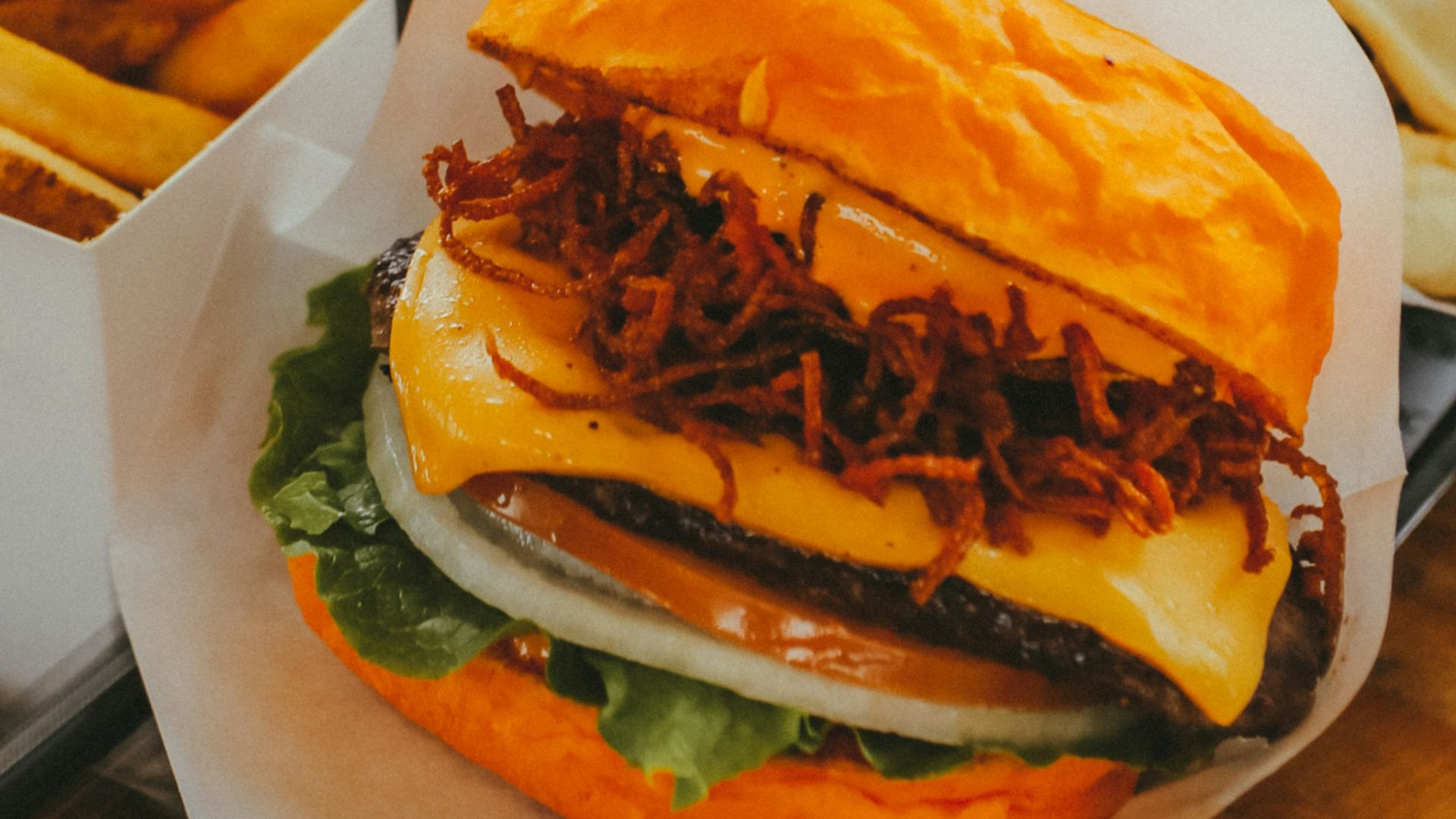
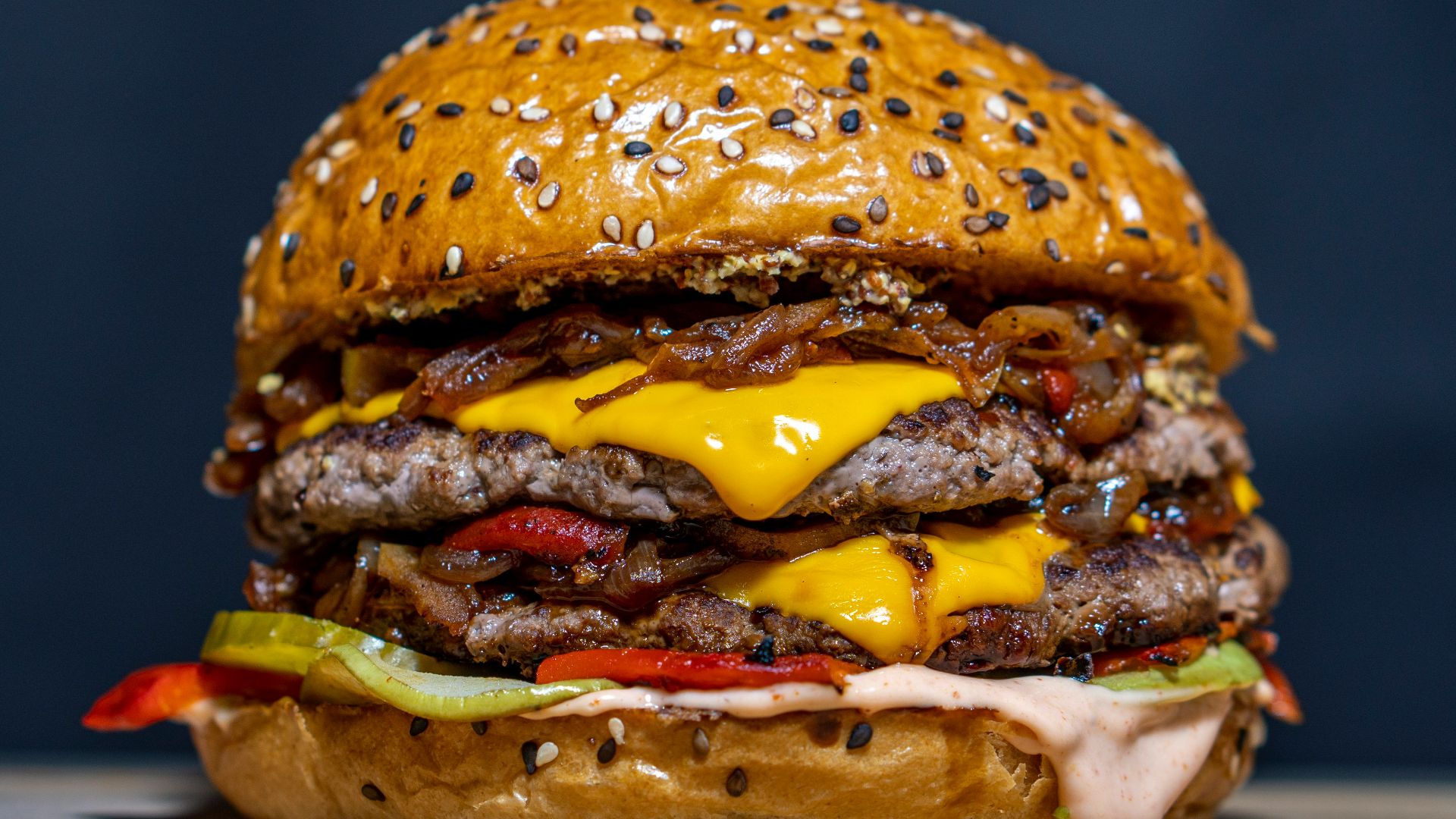
After being founded by football player Gino Marchetti of the Baltimore Colts, Gino's became a hugely successful competitor to McDonald's in the fast food industry, primarily on the U.S.
East Coast. Offering burgers, chicken, and other fast food fare, Gino's saw itself grow to several hundred locations. It was bought by Marriott in 1982, and most of these stores were converted to Roy Rogers.
 amirali mirhashemian on Unsplash
10. Lum's
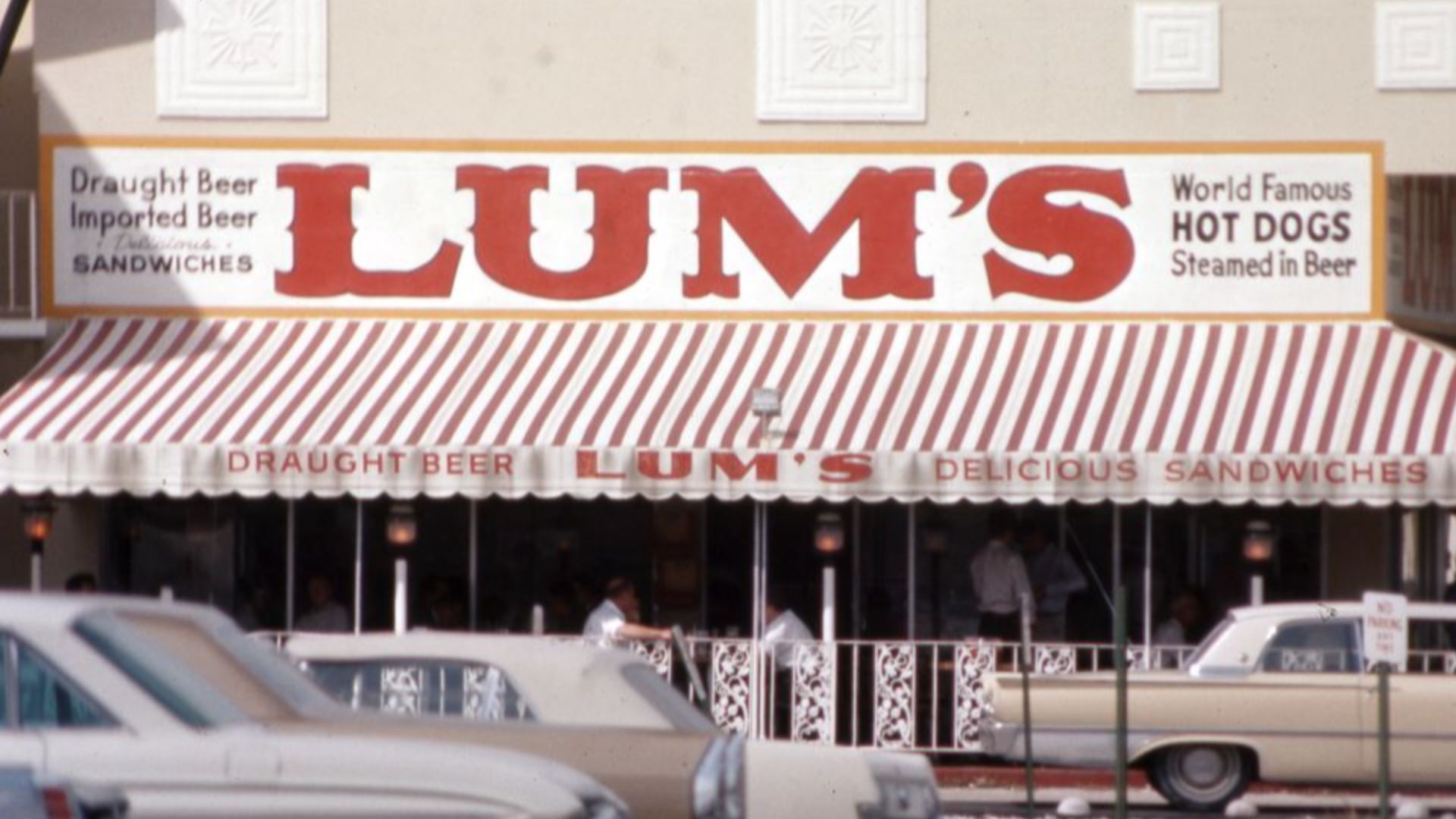
Lum's was popularized by its hot dogs cooked in beer! The chain offered burgers, hot dogs, seafood, and other fare, and became popular throughout the 1960s and '70s, with hundreds of stores at its height. Lum's struggled financially and with its ownership to keep the restaurants afloat, and most of the stores were shuttered in the early 1980s.
11. Red Barn
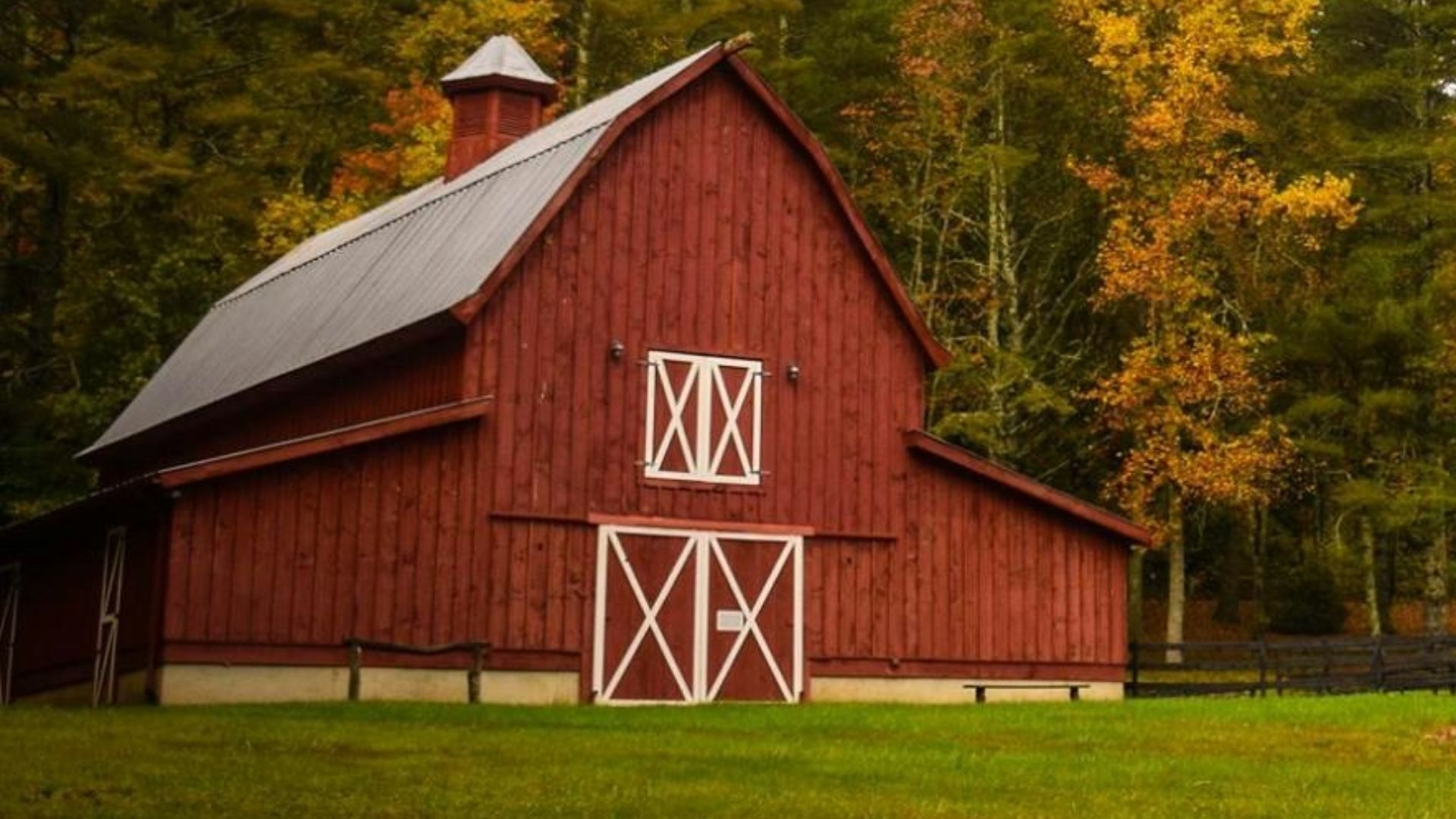
Red Barn was instantly recognizable because its restaurants were designed to resemble little red barns, complete with distinctive white trim and large windows. The chain served burgers, fries, chicken, and its popular Big Barney sandwich, competing with larger fast food names throughout the 1960s and 1970s. It eventually operated hundreds of restaurants before being acquired by United Servomation, which later became part of the Marriott organization. The brand gradually disappeared during the early 1980s, although its unusual buildings remain memorable to former customers.
12. Rax Roast Beef
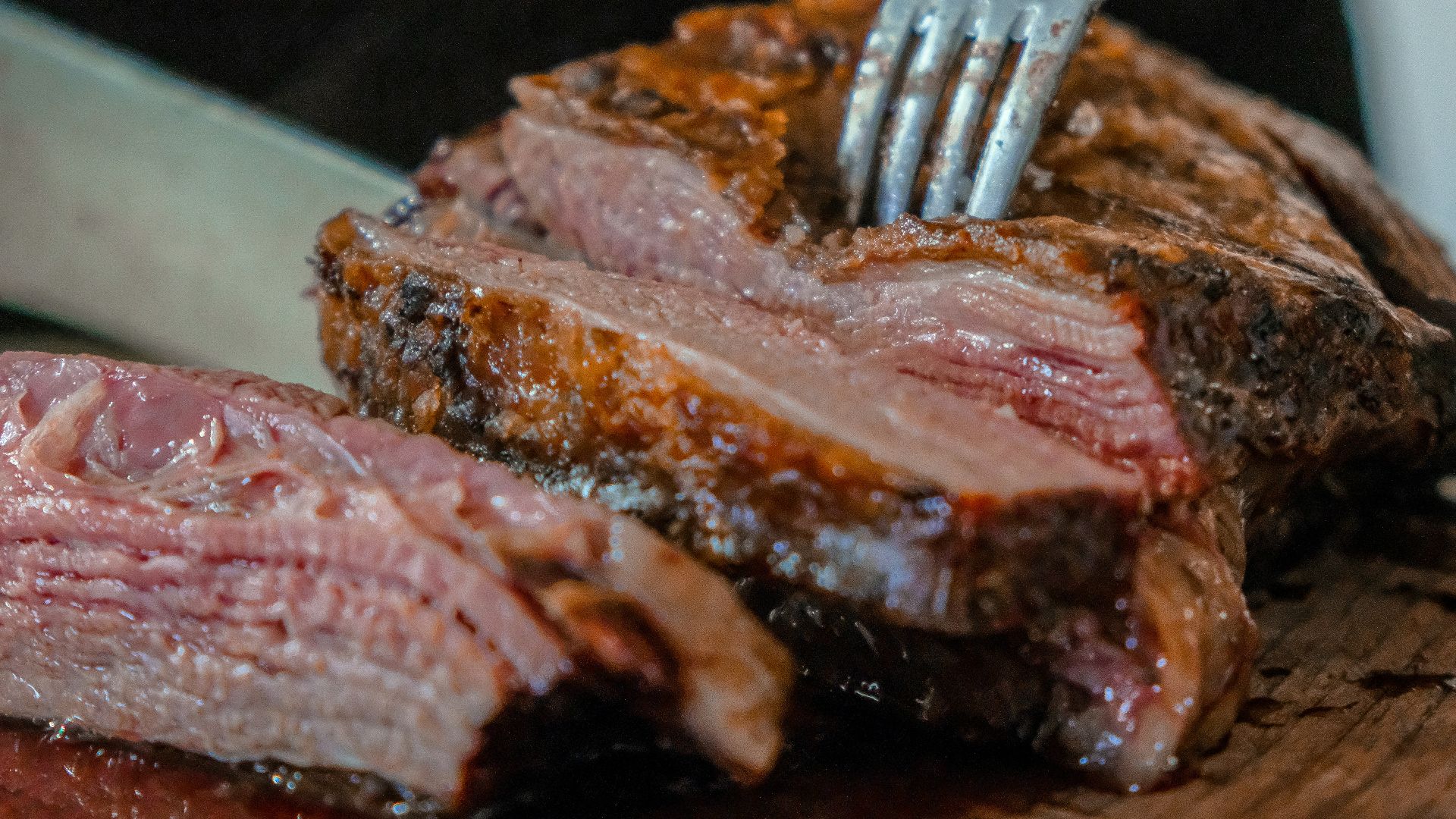
Rax Roast Beef became well-known throughout the fast food industry with its roast beef sandwiches and other fare, including salads, baked potatoes, and more. During the 1980s, it sought to differentiate itself by developing larger restaurants that included salad bars and larger seating areas.
The chain eventually closed most of its locations, although a handful of restaurants have continued operating.
 José Ignacio Pompé on Unsplash
13. ShowBiz Pizza Place
ShowBiz Pizza Place provided families with pizza and games, along with its popular entertainment act, the Rock-afire Explosion, which put on regular "concerts". ShowBiz was a hit with families, particularly at children's birthday parties. The restaurant was bought by Chuck E. Cheese in 1985, and its locations began to transition to Chuck E. Cheese Pizza over time.
14. Steak 'n Shake
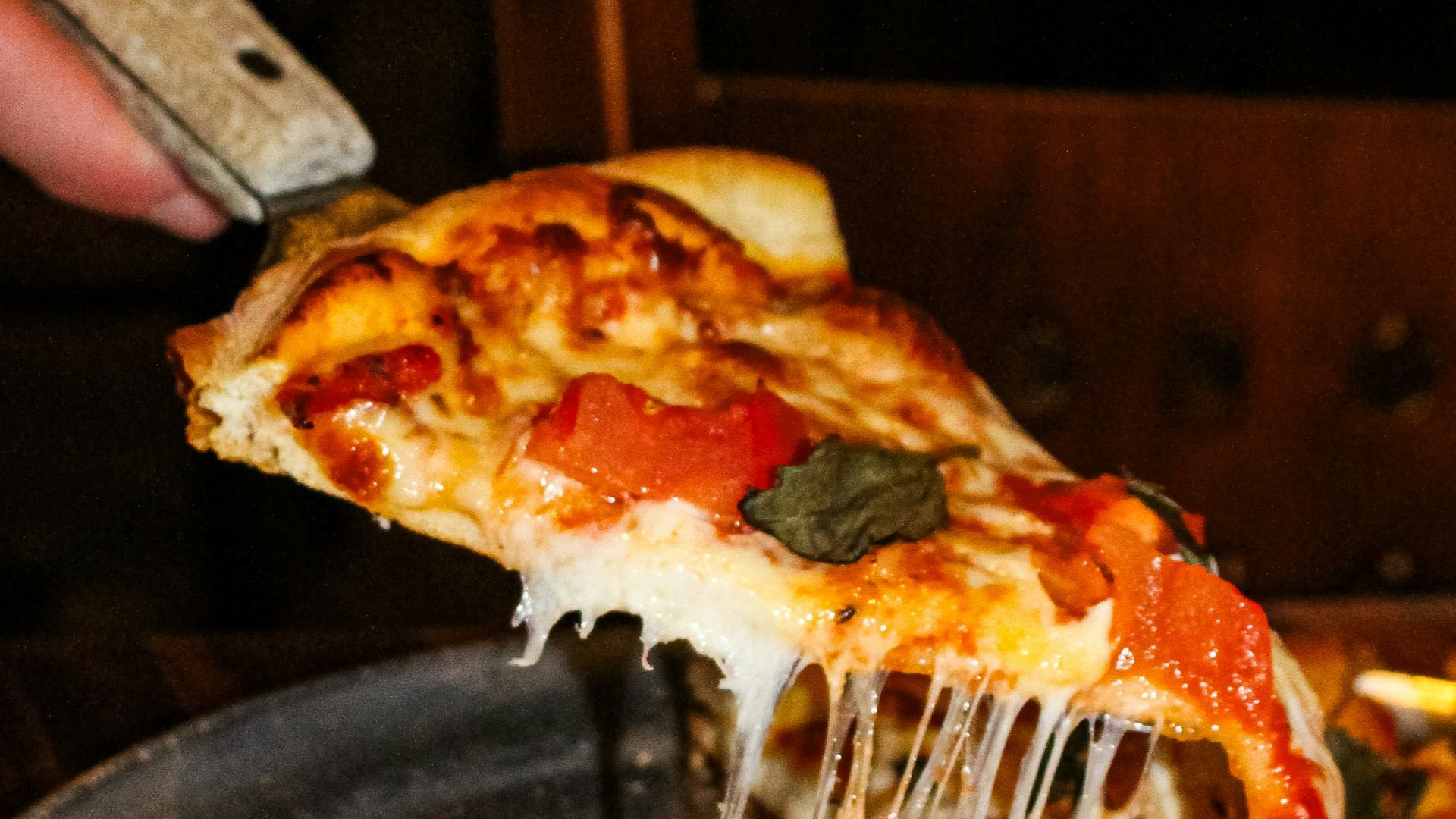
At one point, Steak 'n Shake was ubiquitous throughout the central U.S. with its burgers and shakes, made from milk they would dip from a pitcher by hand. With its diners and old-fashioned restaurant layout, the chain was a very popular place to visit. Financial woes, changes in management and ownership, and reduced locations led to the gradual disappearance of Steak 'n Shake over the years.
15. Quiznos
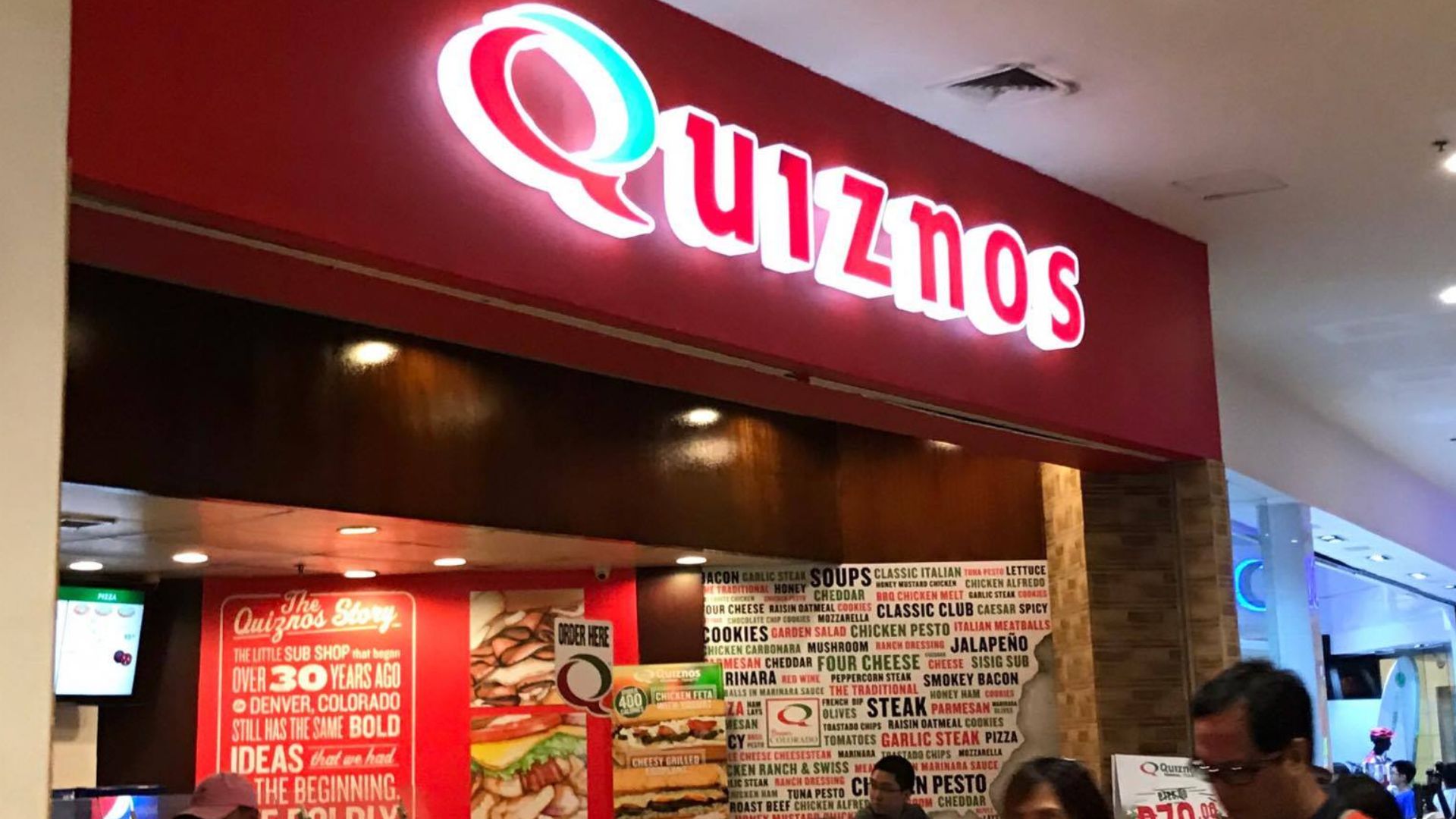
Quiznos took its toasted sub and built a huge chain of locations throughout the 2000s, boasting memorable commercial campaigns to increase its visibility. Through heavy investment and expansion, it had thousands of restaurants by the peak of its popularity. Today, Quiznos has only a fraction of the restaurants it once operated, making its former dominance particularly surprising.
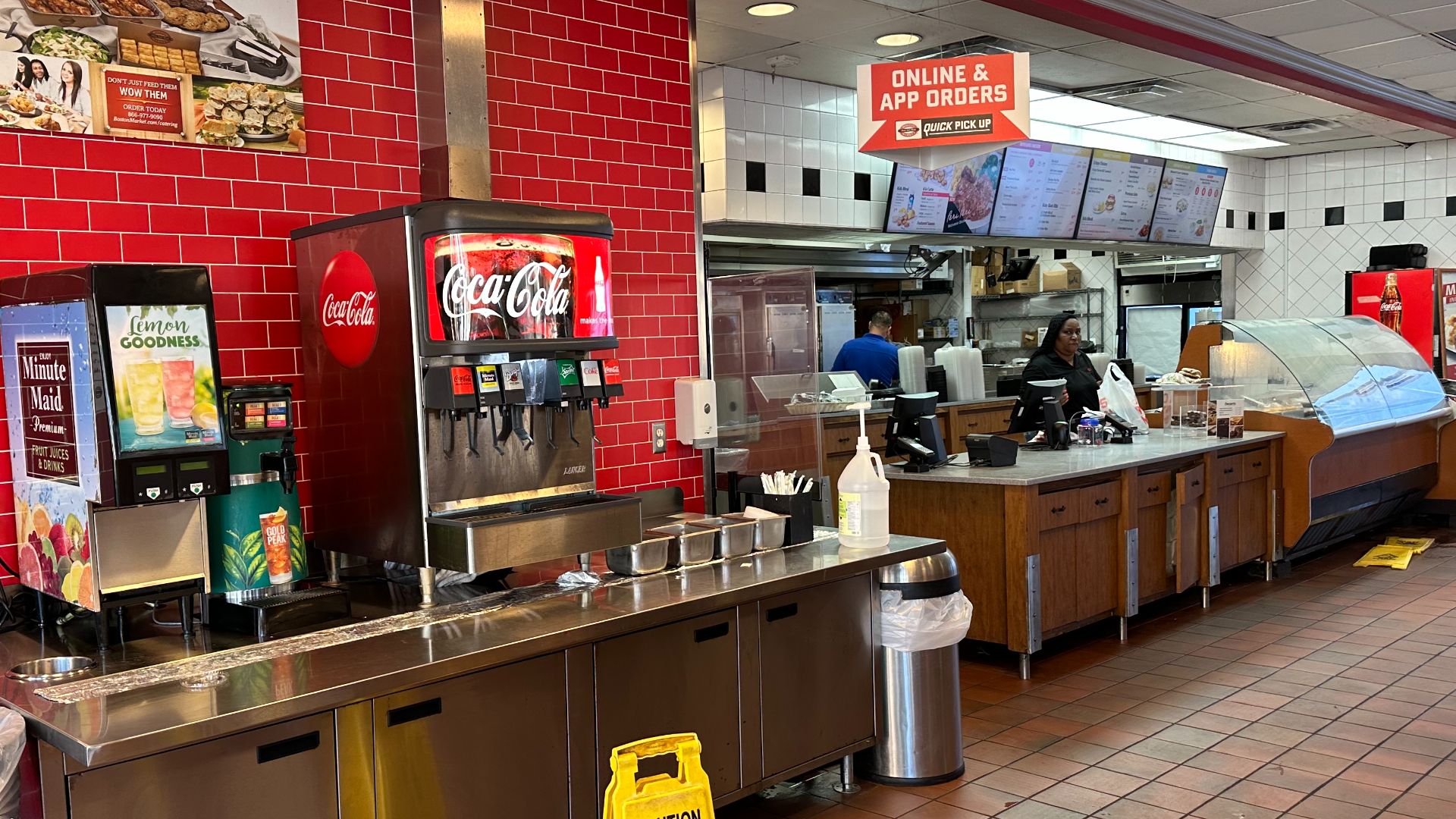
16. Boston Market
As noted above in the Boston Chicken section, Boston Market saw huge success as a chain of restaurants offering chicken, turkey, meatloaf, and more that could substitute for cooking at home for consumers.
Boston Market even expanded into grocery stores and other locations to grow its operations. Years of financial struggles, ownership changes, and repeated closures eventually left the chain with very few operating locations.
17. Blimpie
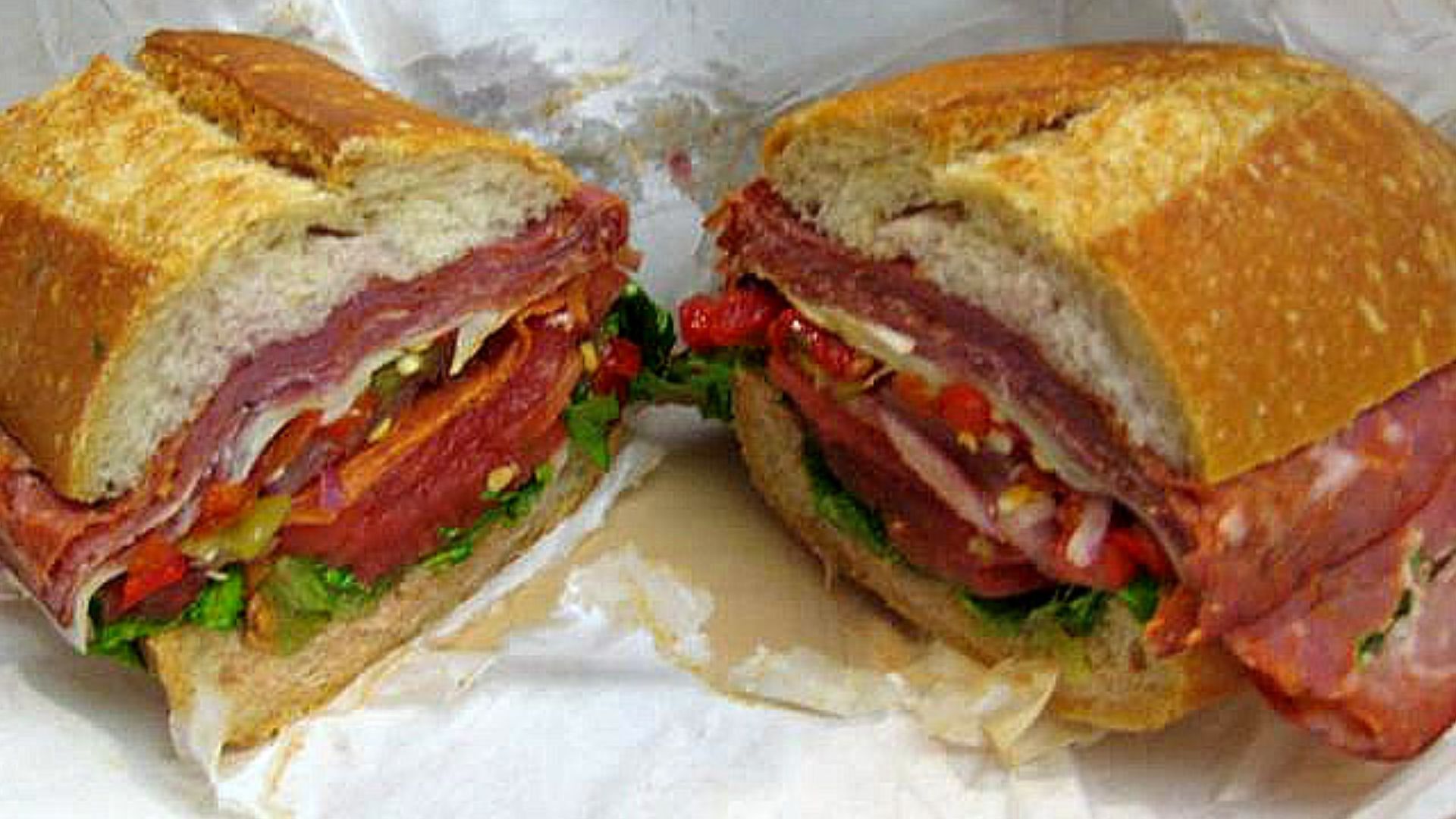
Blimpie gained notoriety in the submarine sandwich space throughout the U.S. from the time of its inception in 1964, building many locations to meet consumer demand. However, the popularity of its competitor Subway saw its growth reduced, leaving it with many fewer restaurants today than at its height of success.
 BillyTFried at English Wikipedia on Wikimedia
18. Sbarro
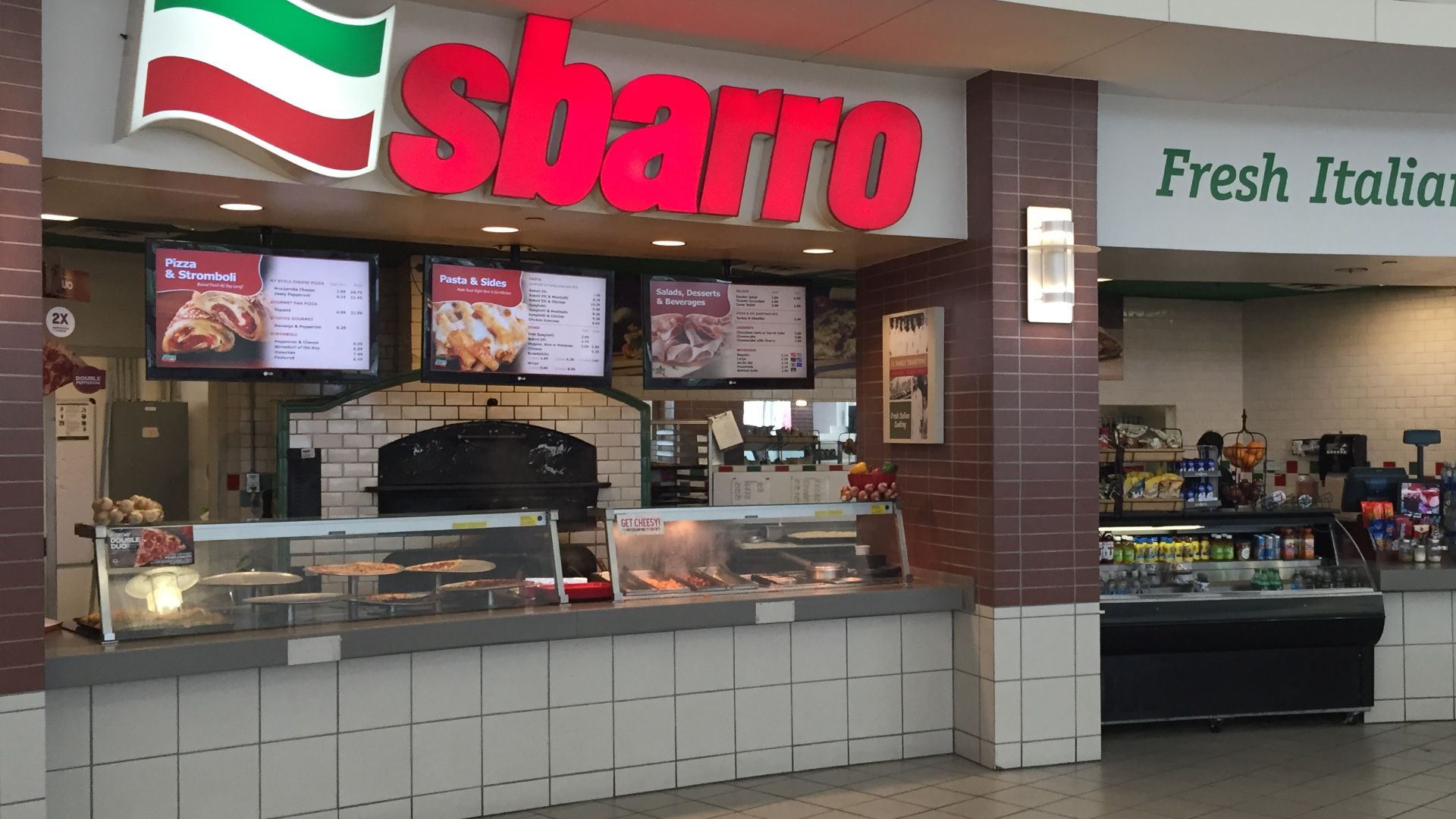
For many, Sbarro was synonymous with food in American shopping malls; you could hardly find a food court that did not feature it. The chain saw great popularity with its giant pizza slices, pastas, stromboli, and other foods, and expanded its restaurants to international locations. Although Sbarro still operates in the United States and abroad, its former dominance in shopping malls has faded considerably.
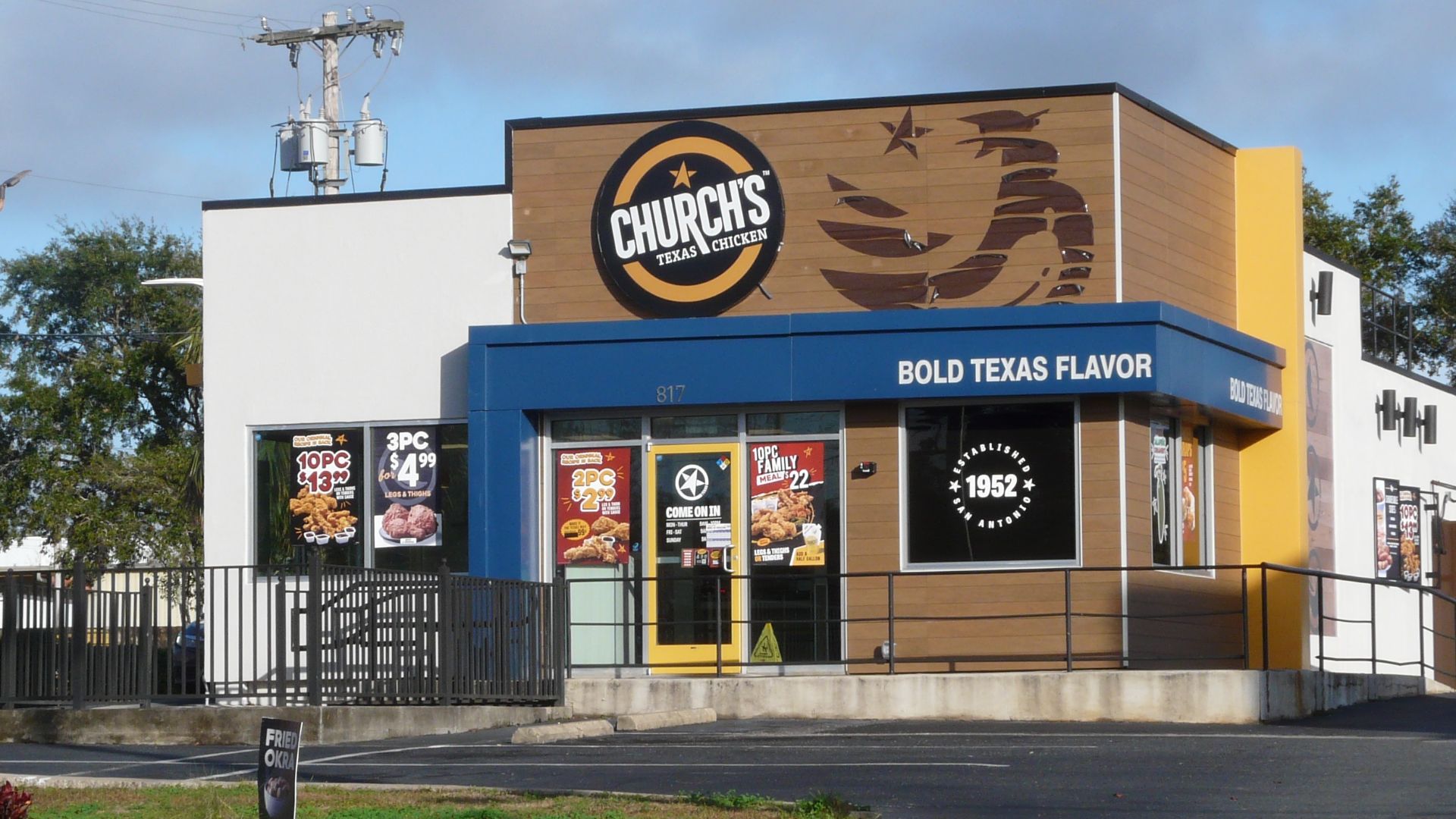
19. Church's Chicken
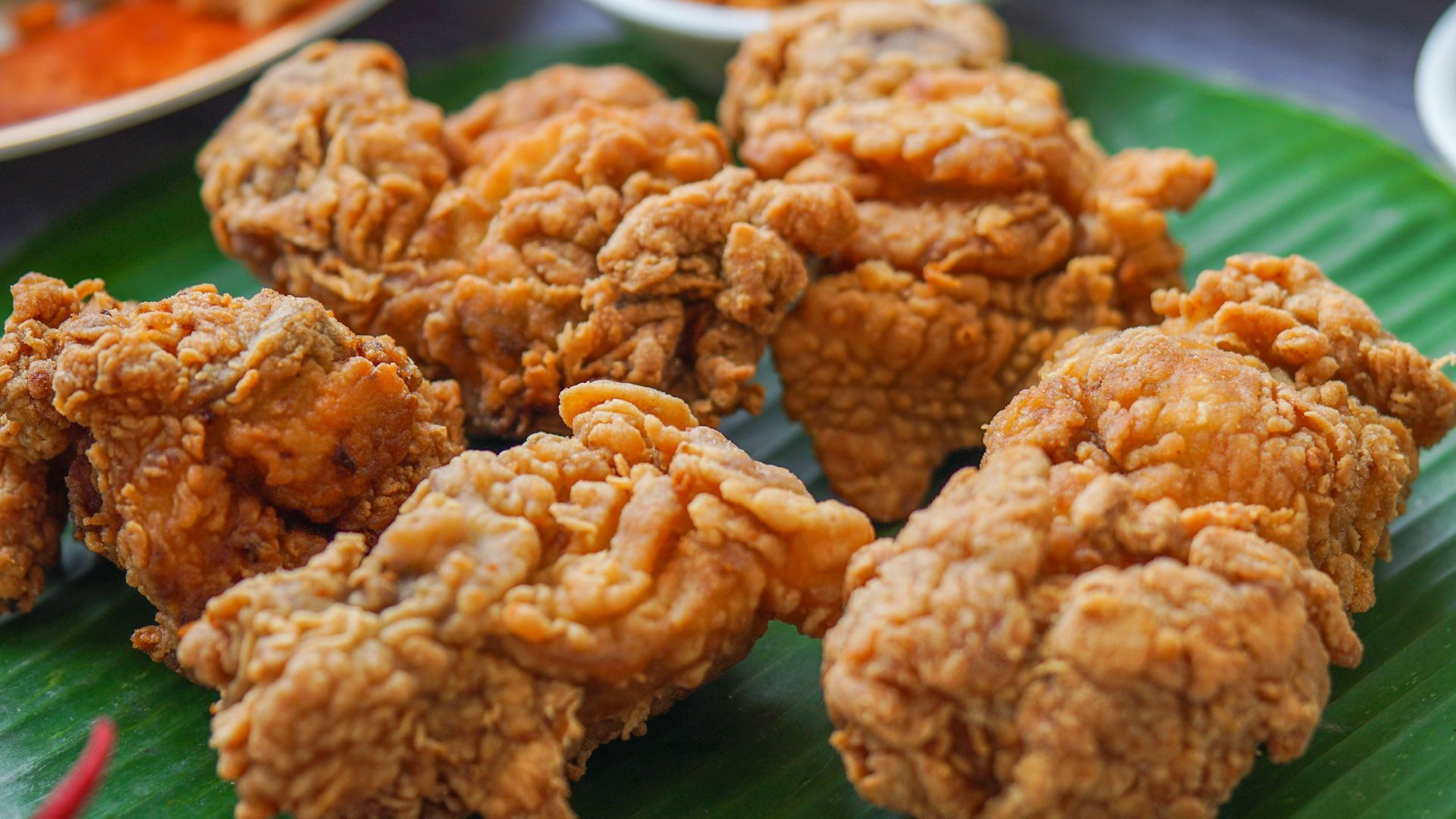
Founded in 1952, Church's Chicken had restaurants throughout the U.S. that sold chicken, biscuits, and other fare to consumers as an alternative to its competitors, primarily KFC. Church's Chicken has since expanded its locations internationally and continues to operate a number of locations in the U.S. Its current footprint and visibility are quite different from the period when its restaurants seemed to be everywhere.
20. Taco Bueno
Taco Bueno was once a familiar fast food option throughout Texas and neighboring states, serving tacos, burritos, nachos, and other Tex-Mex favorites. The chain developed a loyal customer base through its affordable menu and emphasis on freshly prepared ingredients, expanding into several Southern and Midwestern markets. However, financial problems, changing ownership, and increased competition eventually forced the company to close numerous locations.
KEEP ON READING
The 5 Most Consumed Foods in the Entire World