The Stuff That Confuses Visitors Most
Food habits feel perfectly normal when everyone around you shares them. You fill a glass with ice, ask for a refill, and think nothing of it. But take those same habits abroad and they can stand out surprisingly quickly. What feels entirely ordinary at an American table can seem unusual, even puzzling, elsewhere in the world. Some differences come down to culture and tradition; others are shaped by local customs, or simply different expectations. Here are 20 American food habits that might raise a few eyebrows abroad.
1. Ice In Everything
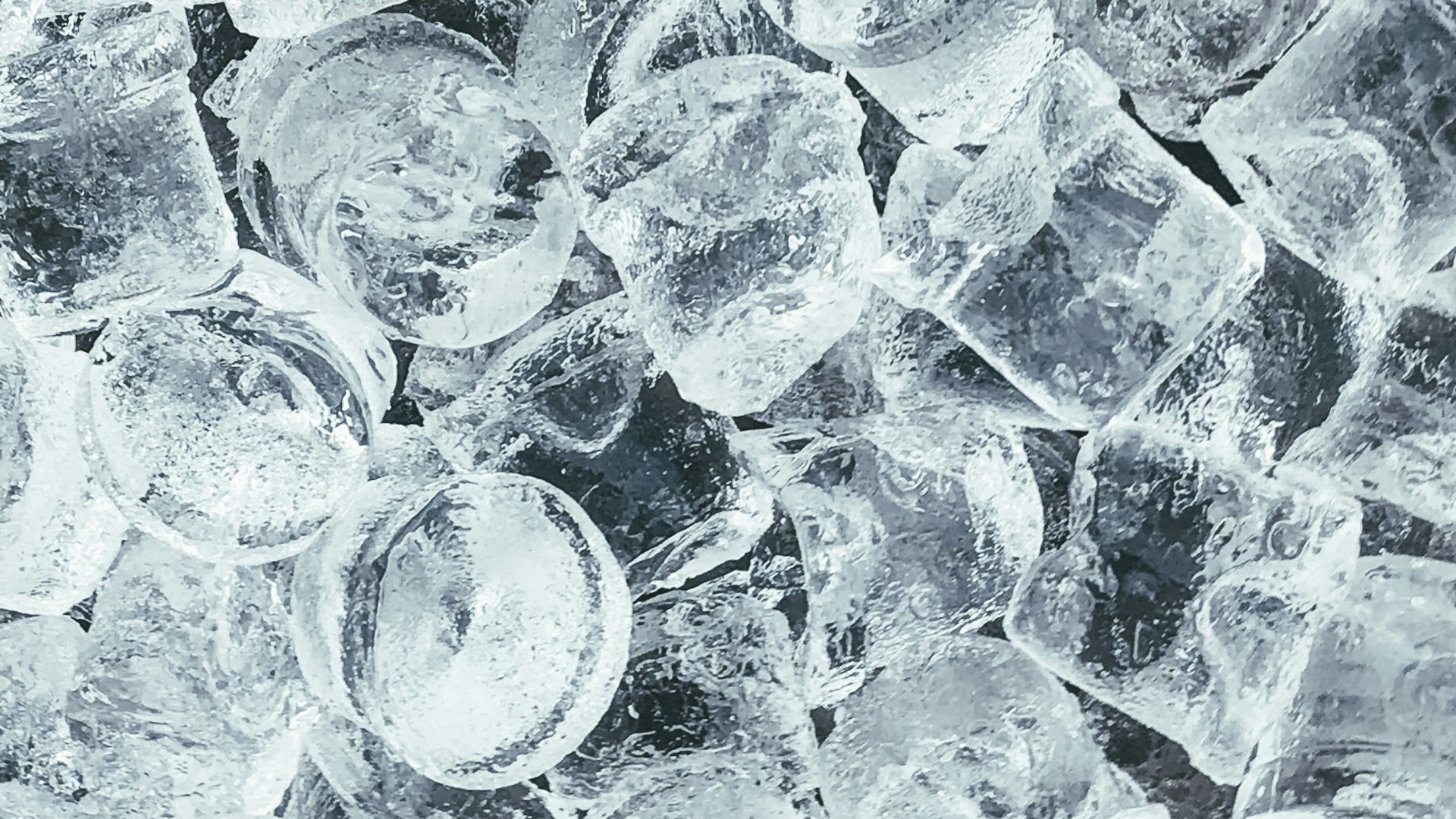
In the U.S., a glass often gets filled to the rim with ice before the soda goes in. In many other countries, the drink arrives chilled in a smaller glass, with a few cubes only if you ask. Cheap, plentiful ice helped make the American habit standard, though visitors often wonder how much soda they're actually getting.
2. Dinner At 5:30
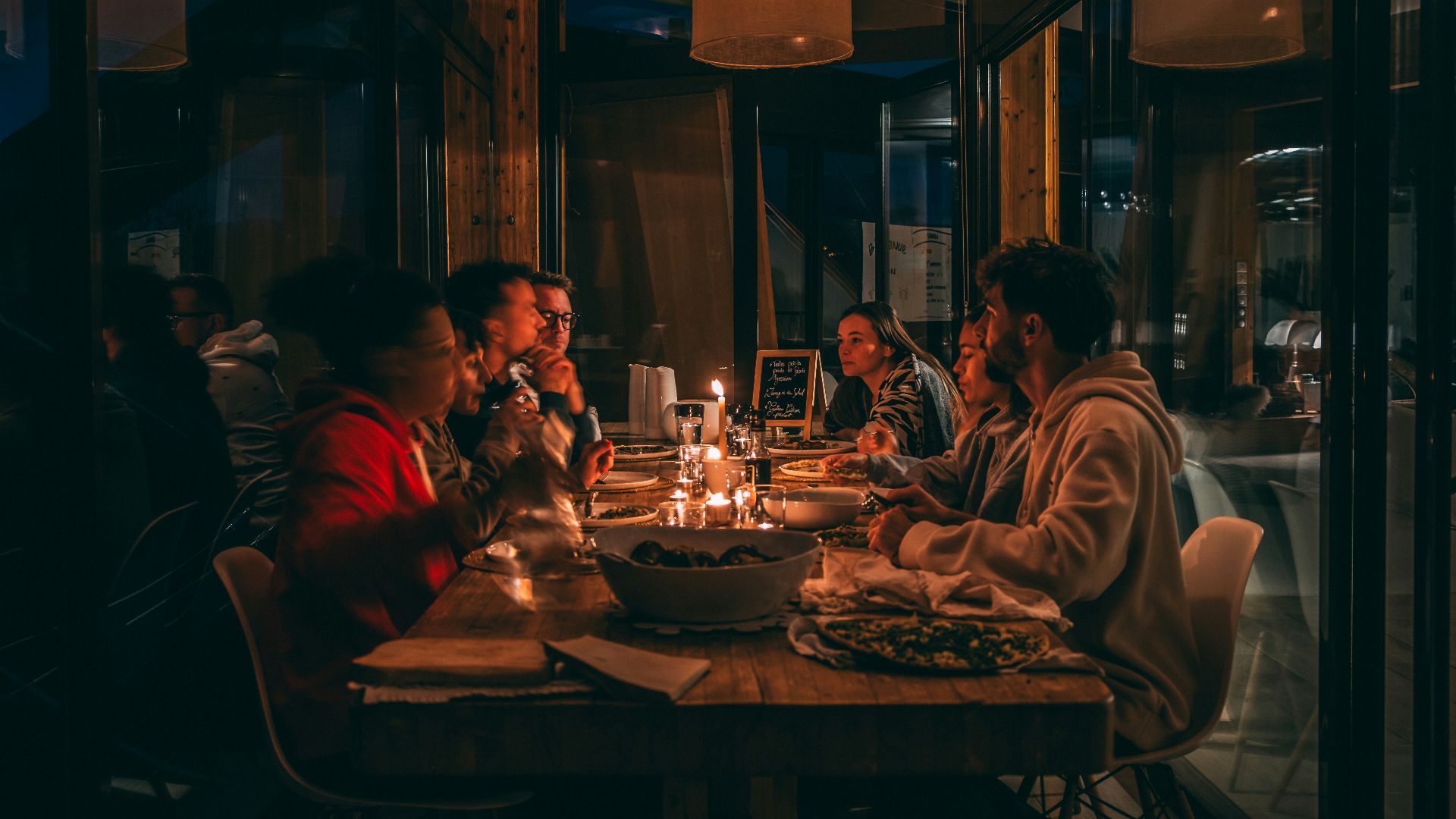
In Spain, many restaurants don't get busy until nine, and sitting down to dinner at ten on a weeknight is perfectly normal. Americans typically eat two or three hours earlier, often finishing before Spanish families have started. Earlier work schedules help explain the difference, though dinner in Spain is also more firmly tied to the social side of the evening.
3. The Bottomless Soda
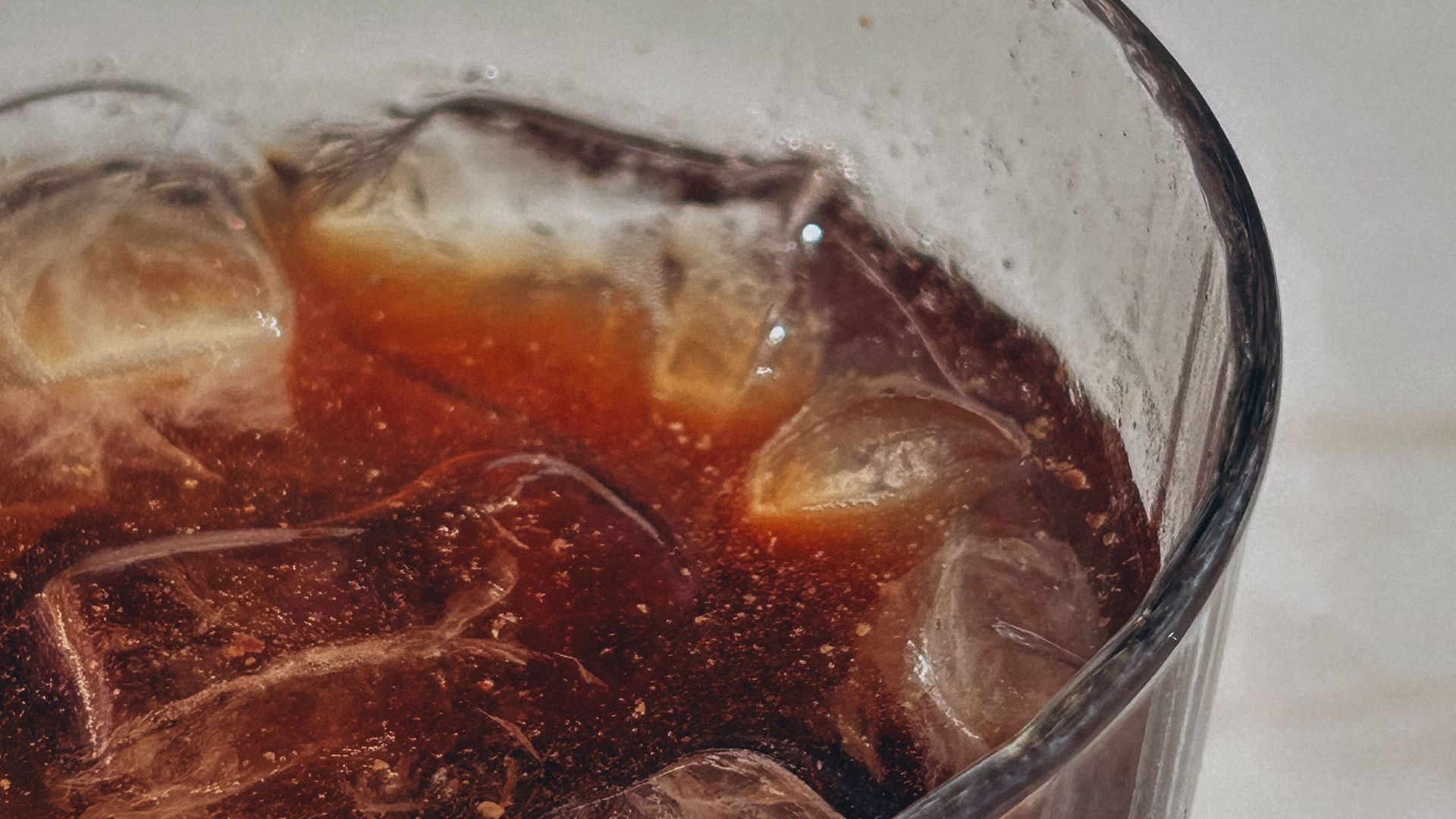
Free soda refills are standard at many American restaurants, where customers can get a second or third glass without paying more. In most of Europe, each glass or bottle is a separate purchase, so asking for more means another charge. Fountain soda costs restaurants very little to serve, which makes unlimited refills an easy perk for American businesses to offer.
4. Peanut Butter By The Tub
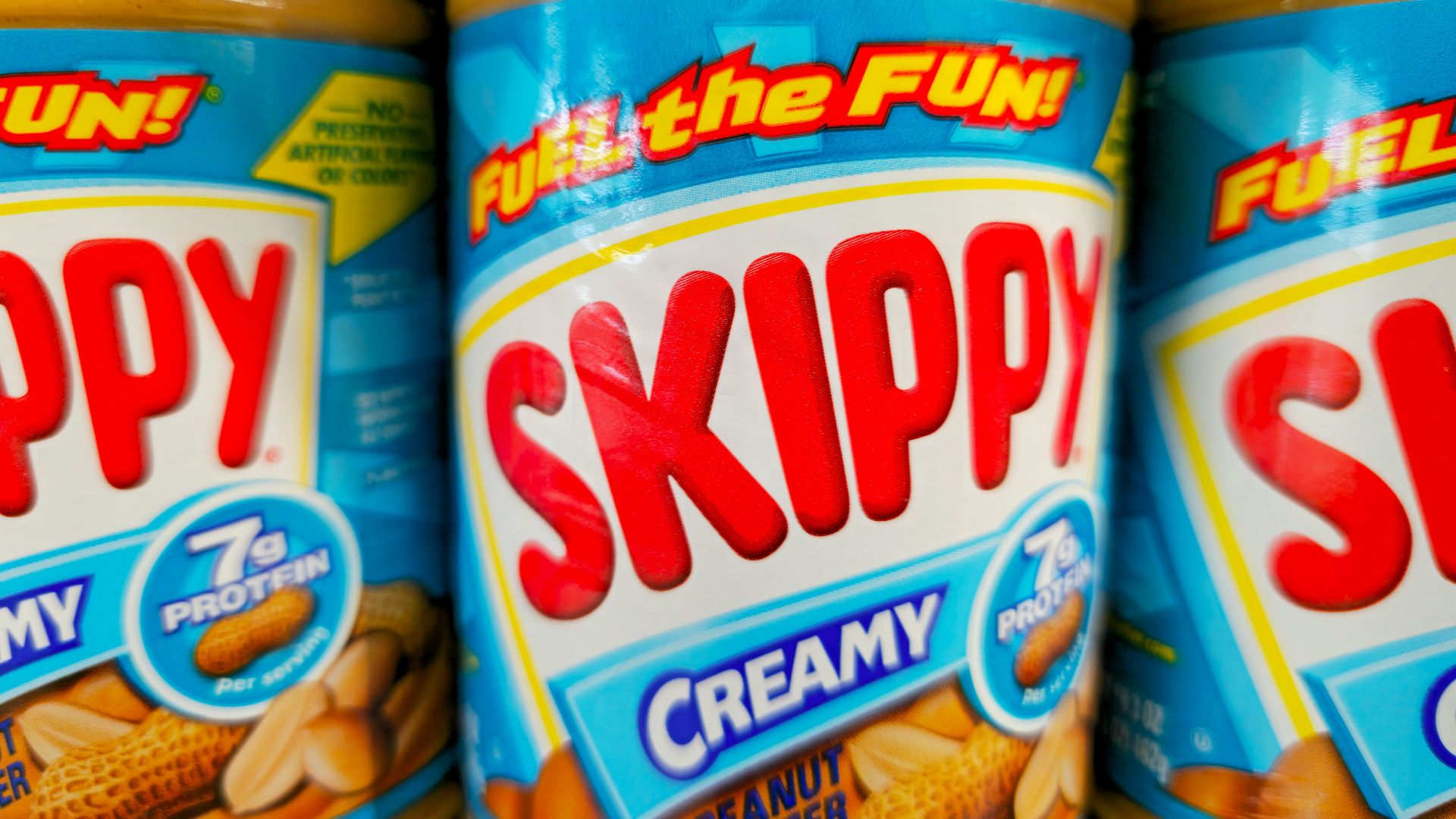
Peanut butter takes up entire sections of American supermarket shelves, with dozens of brands and varieties to choose from. In many other countries, it's a niche product, and people who didn't grow up eating it often find the thick, sticky texture strange. Even in places where peanuts are common in cooking, turning them into a sweet sandwich spread never became the everyday habit it is in the U.S.
5. Tipping On Top Of The Bill
In much of the U.S., restaurant pay depends heavily on tips, with some servers earning a lower base wage because gratuities are expected to fill the gap. Twenty percent has become the usual benchmark. In countries where service is included in the price, Americans may overtip out of habit, while visitors to the U.S. can leave too little without realizing it.
6. Root Beer
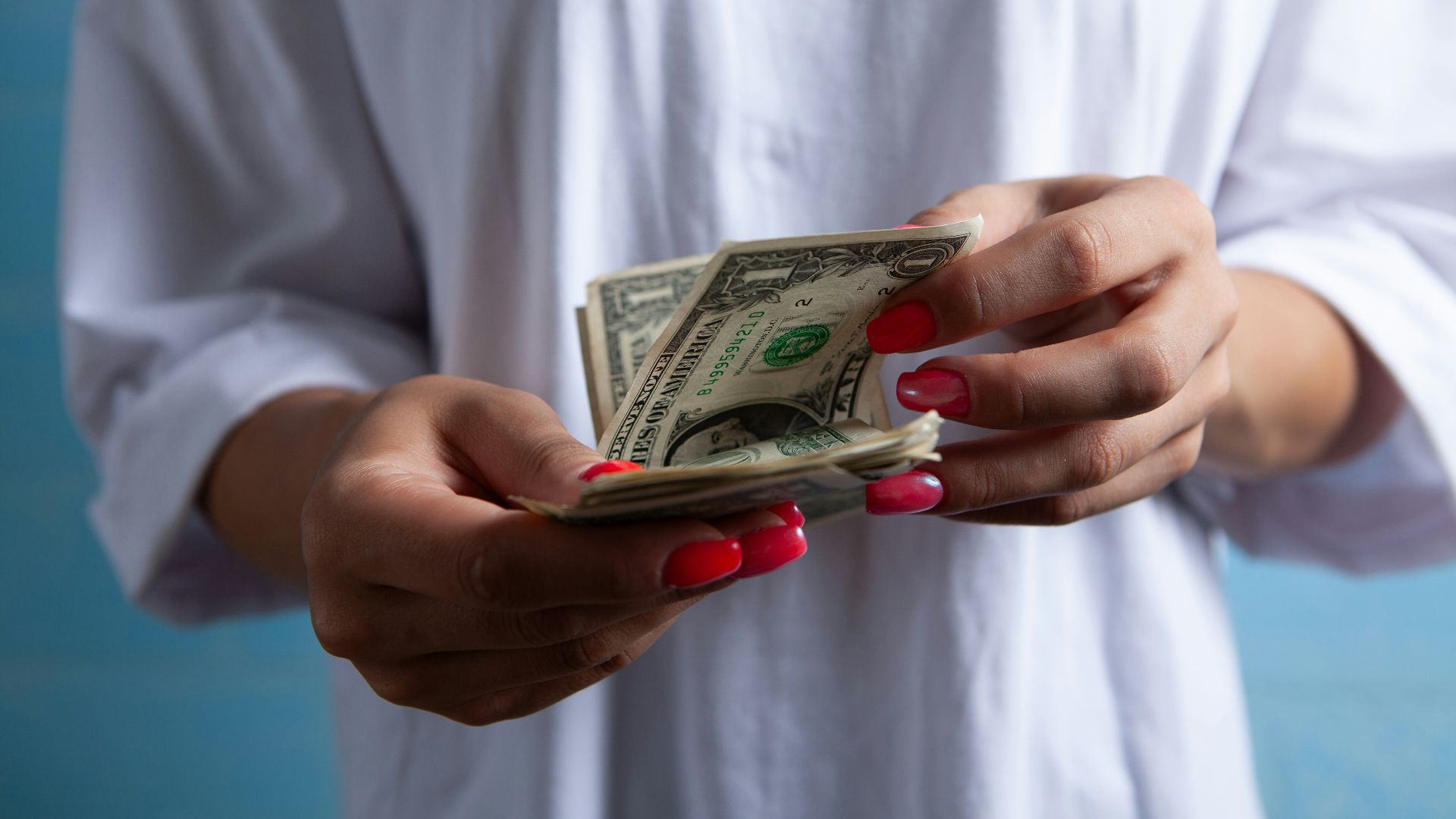
Root beer gets part of its distinctive flavor from wintergreen, the same scent found in many muscle rubs and medicinal creams. Americans associate it with childhood treats and root beer floats, but people who grew up around those medicines often find the soda tastes like something from a pharmacy. It's a flavor that doesn't always improve with a second try.
7. Eating While Walking
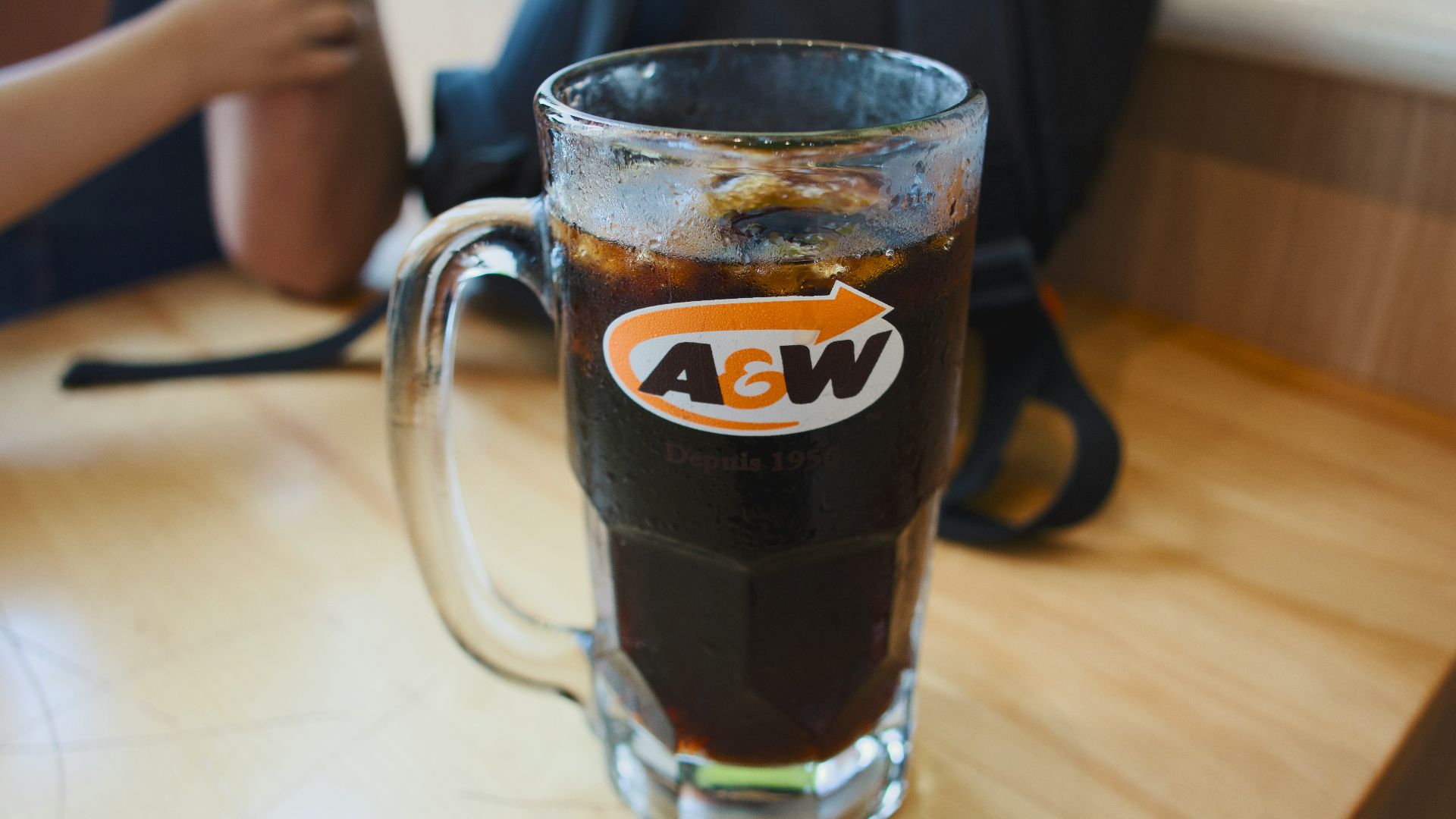
In Japan, eating while walking is often considered poor manners, so people may finish a snack beside the shop rather than carry it down the street. Americans think nothing of eating on the way to work or behind the wheel. Drive-throughs and food packaged for one-handed use make eating on the move part of everyday life.
8. Switching Hands To Use A Fork
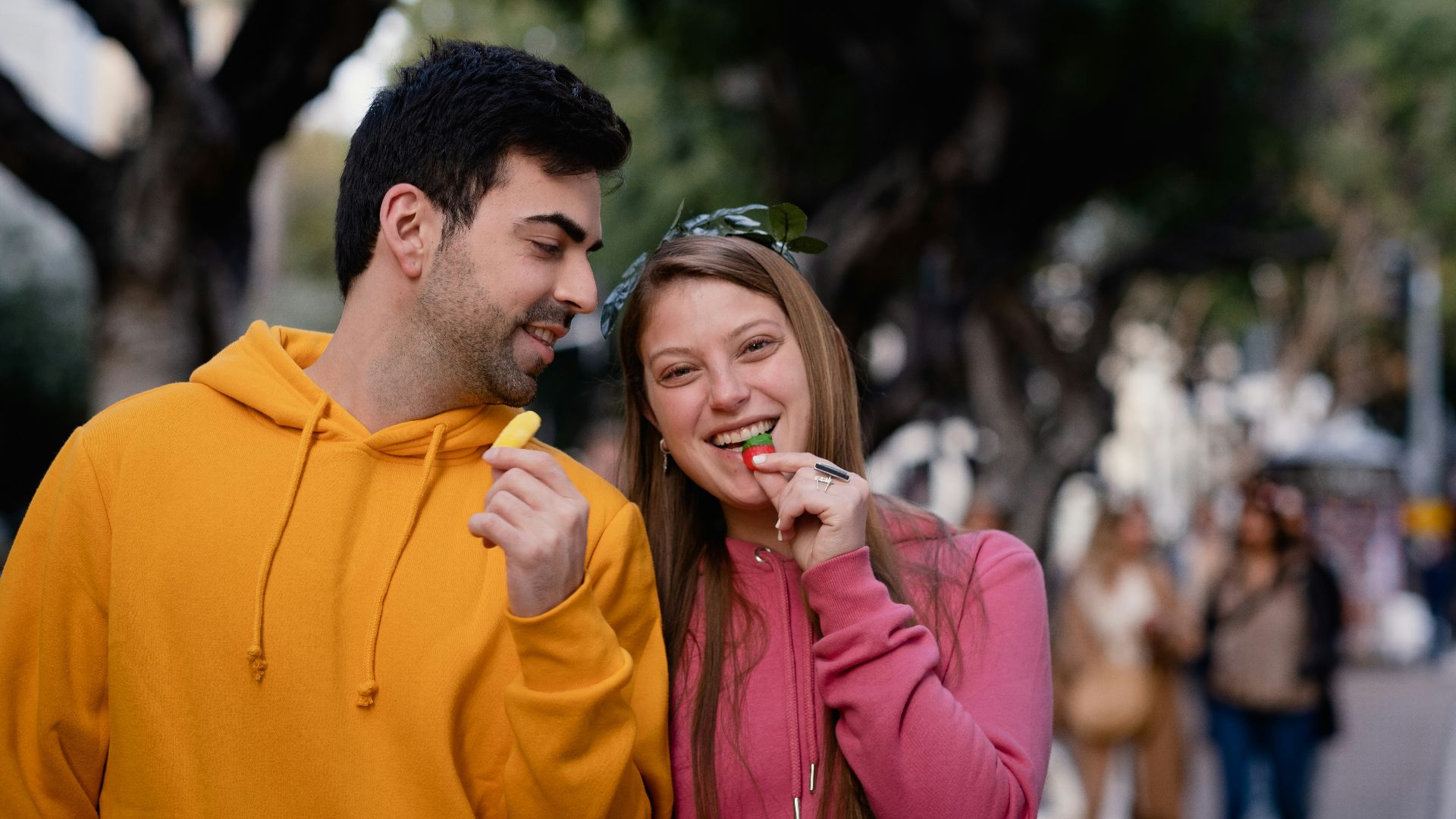
Many Americans cut their food with the knife in their right hand, put the knife down, and switch the fork to their right hand to take a bite. In much of Europe, diners keep the fork in their left hand and the knife in their right throughout the meal. The American habit adds an extra step to almost every mouthful, which can look unnecessarily complicated to people who grew up using both utensils together.
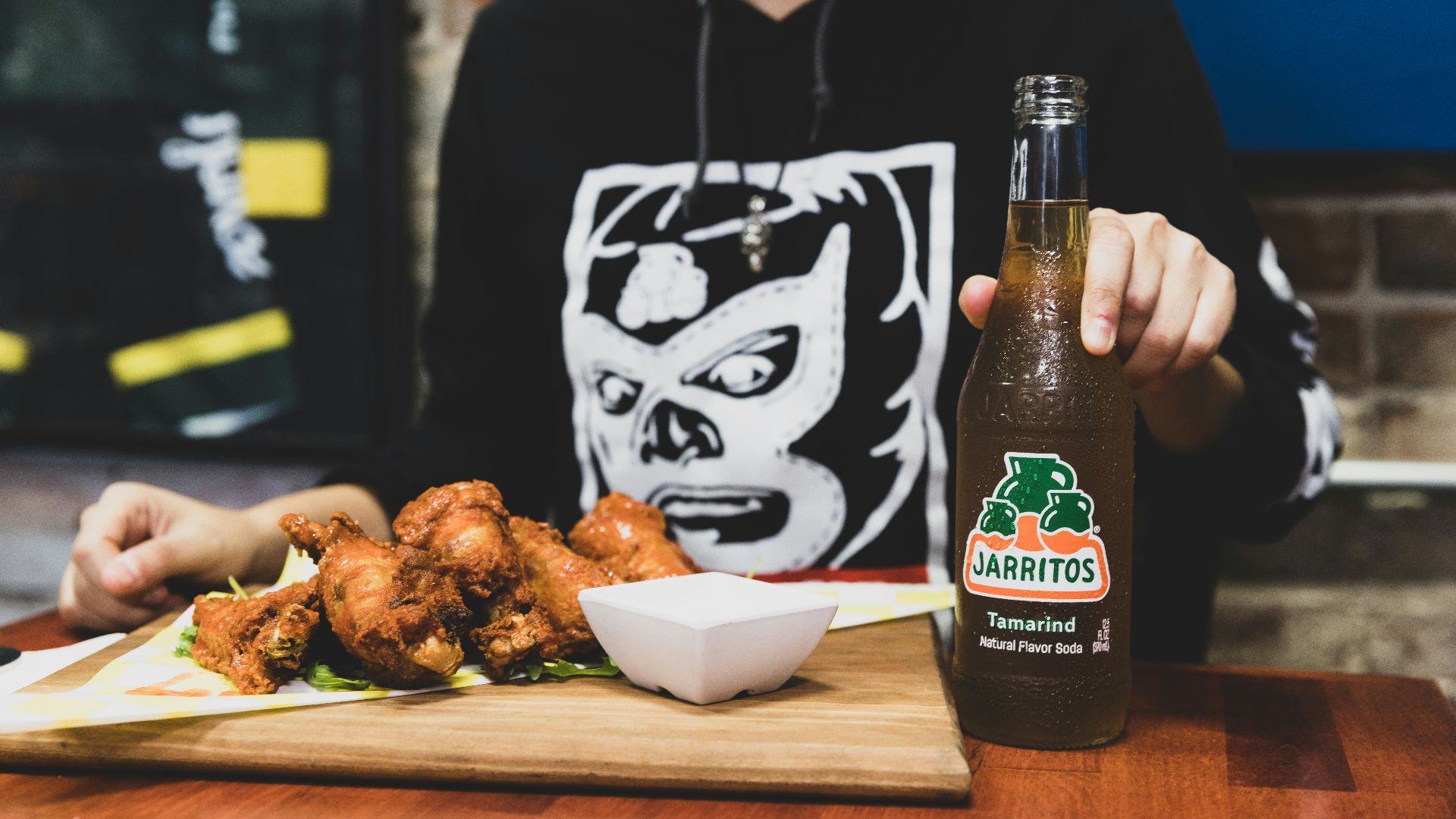
9. Ranch On Everything
Americans put ranch on pizza, chicken wings, raw vegetables, and almost anything that comes out of a fryer. In much of the world, the dressing is hard to find outside American-style restaurants. The tangy buttermilk and herb flavor is so familiar in the U.S. that people barely think of it as a choice, while visitors may never have tasted it before.
 Jarritos Mexican Soda on Unsplash
10. The Doggy Bag
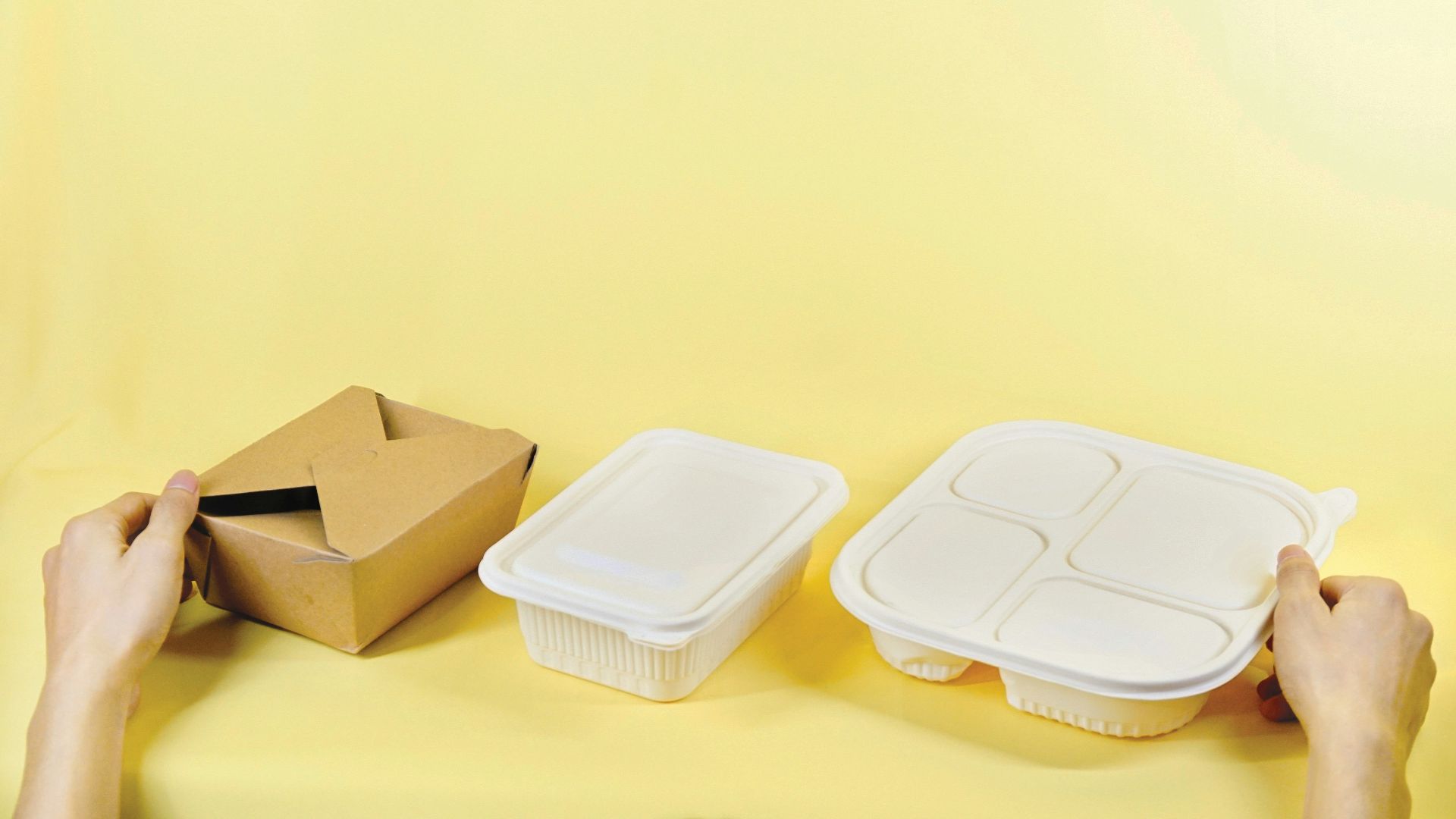
Asking for a box to take home leftover dinner is routine in the U.S. In France, the practice has traditionally been less common, partly because portions tend to be smaller and meals are expected to finish at the table. Attitudes have been changing, but taking half your restaurant dinner home still isn't nearly as automatic as it is in America.
 Agenlaku Indonesia on Unsplash
11. Eggs In The Refrigerated Aisle
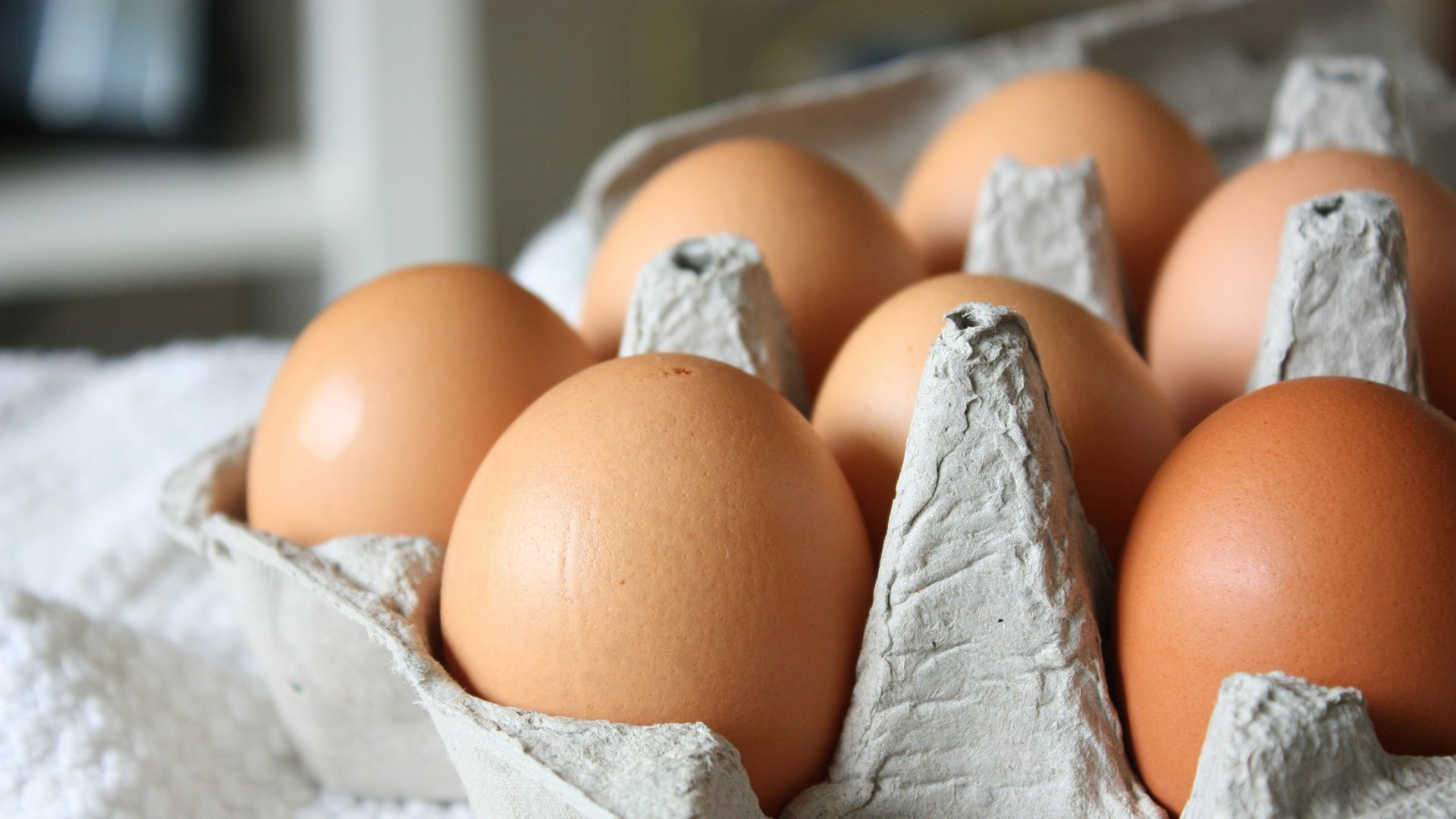
American producers wash and sanitize eggs before sale, removing much of their protective outer coating. That makes refrigeration important from the store onward. In the EU, most retail eggs are sold unwashed to preserve that coating, so they often sit on ordinary shelves.
12. Coffee You Carry For An Hour
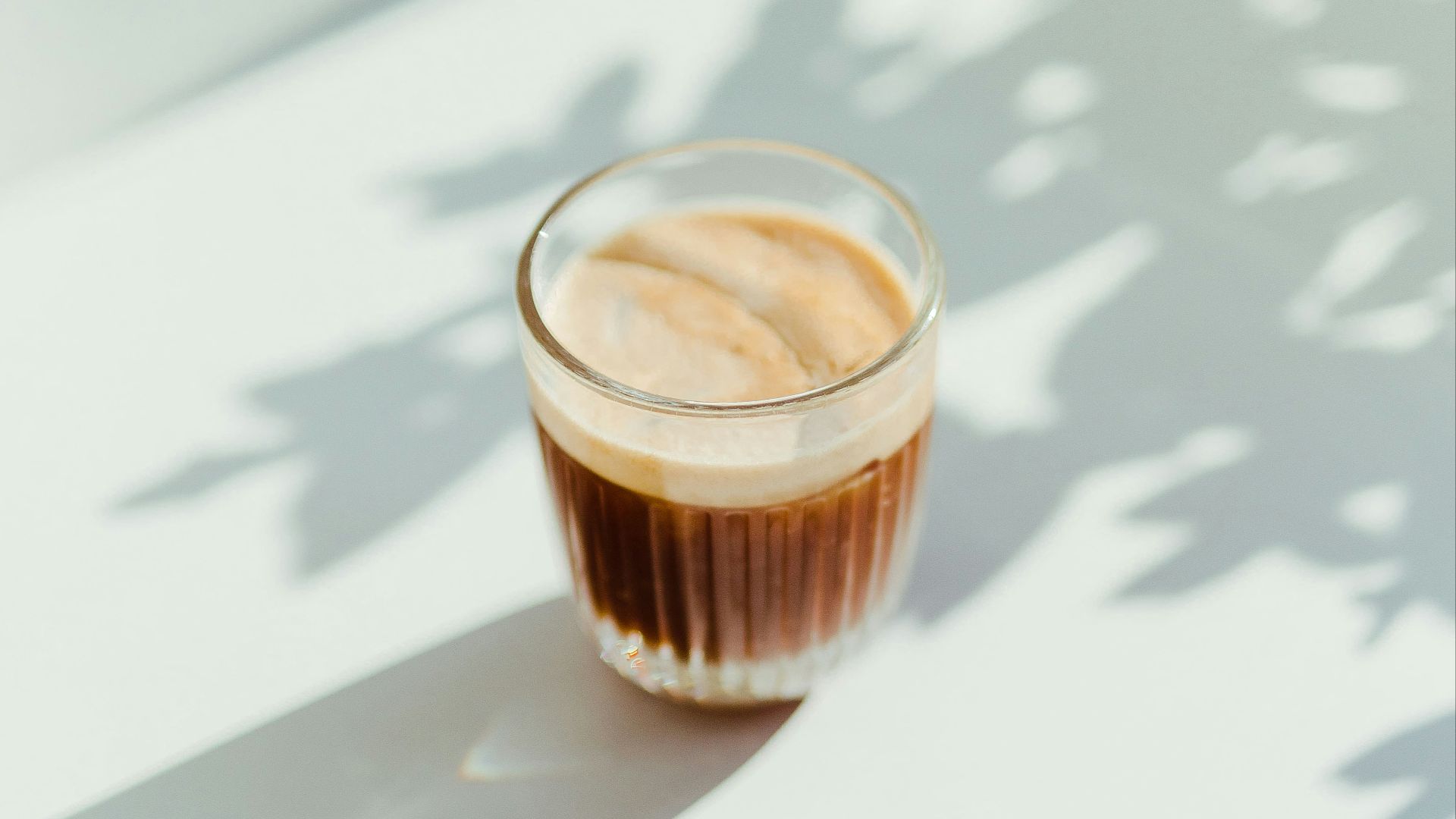
In Italy, an espresso is often finished in a few sips while standing at the bar. Americans buy large coffees in paper cups and carry them through commutes, errands, and meetings. The drink can last an hour or more, long after it has stopped being hot. Coffee in America is often something you take along rather than stop to enjoy.
13. Rewriting The Order
At an American restaurant, swapping fries for a salad or leaving off the onion barely counts as a special request. In France and Italy, dishes are more often treated as something the kitchen has already worked out, so substitutions aren't always expected. A request that seems perfectly routine to an American diner can leave a European server wondering why they ordered the dish in the first place.
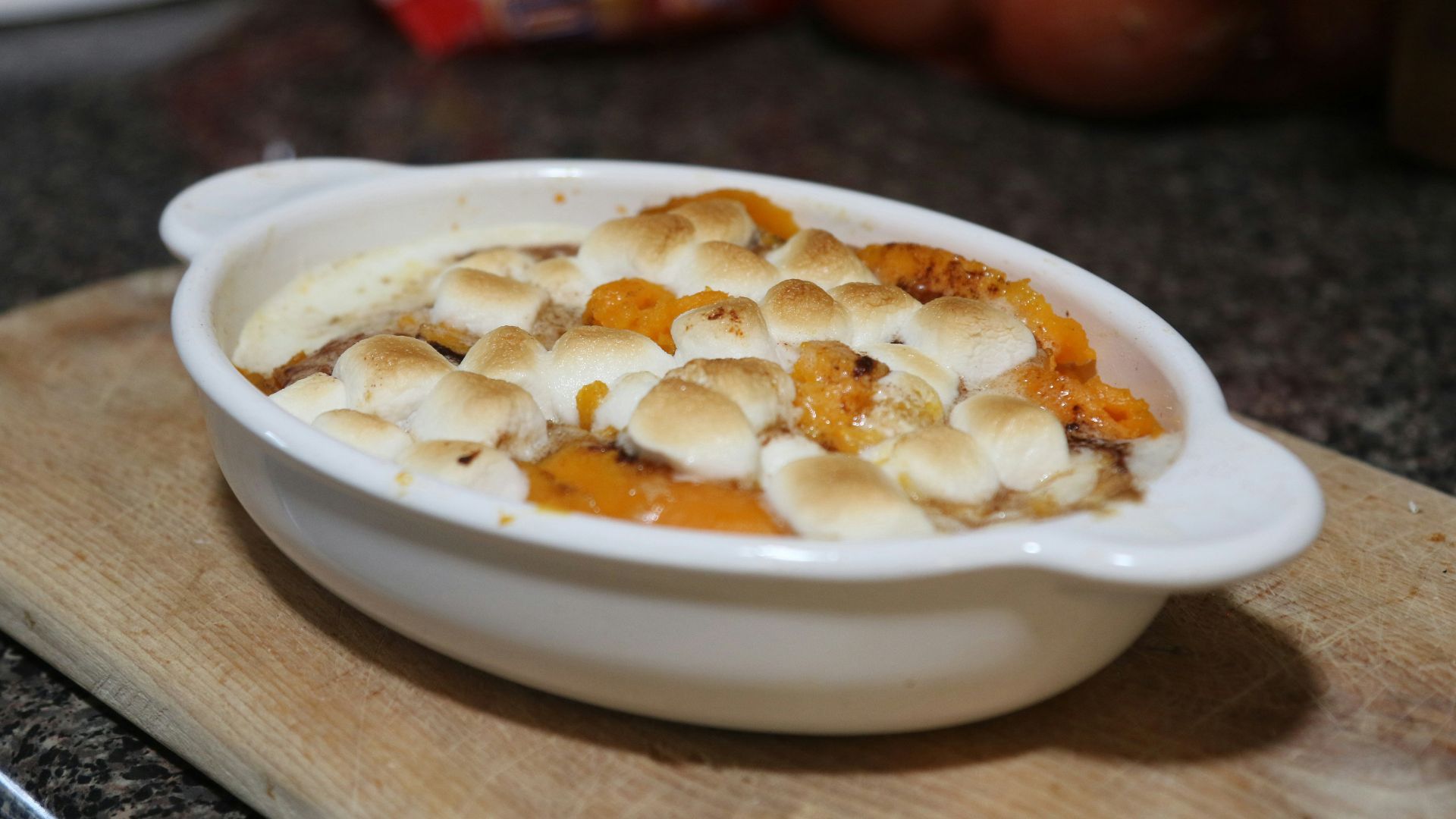
14. Marshmallows On The Sweet Potatoes
At Thanksgiving, Americans cover sweet potatoes with marshmallows, bake them until browned, and serve the result beside turkey and stuffing. Visitors expecting vegetables to be savory may struggle to understand why something resembling dessert is on the dinner plate.
15. Cheese That's Orange
Cheddar is naturally white to pale yellow, and the bright orange in many American blocks comes from annatto, a seed extract added for color. The practice is common in Britain too, but shoppers elsewhere may assume the cheese has been artificially altered.
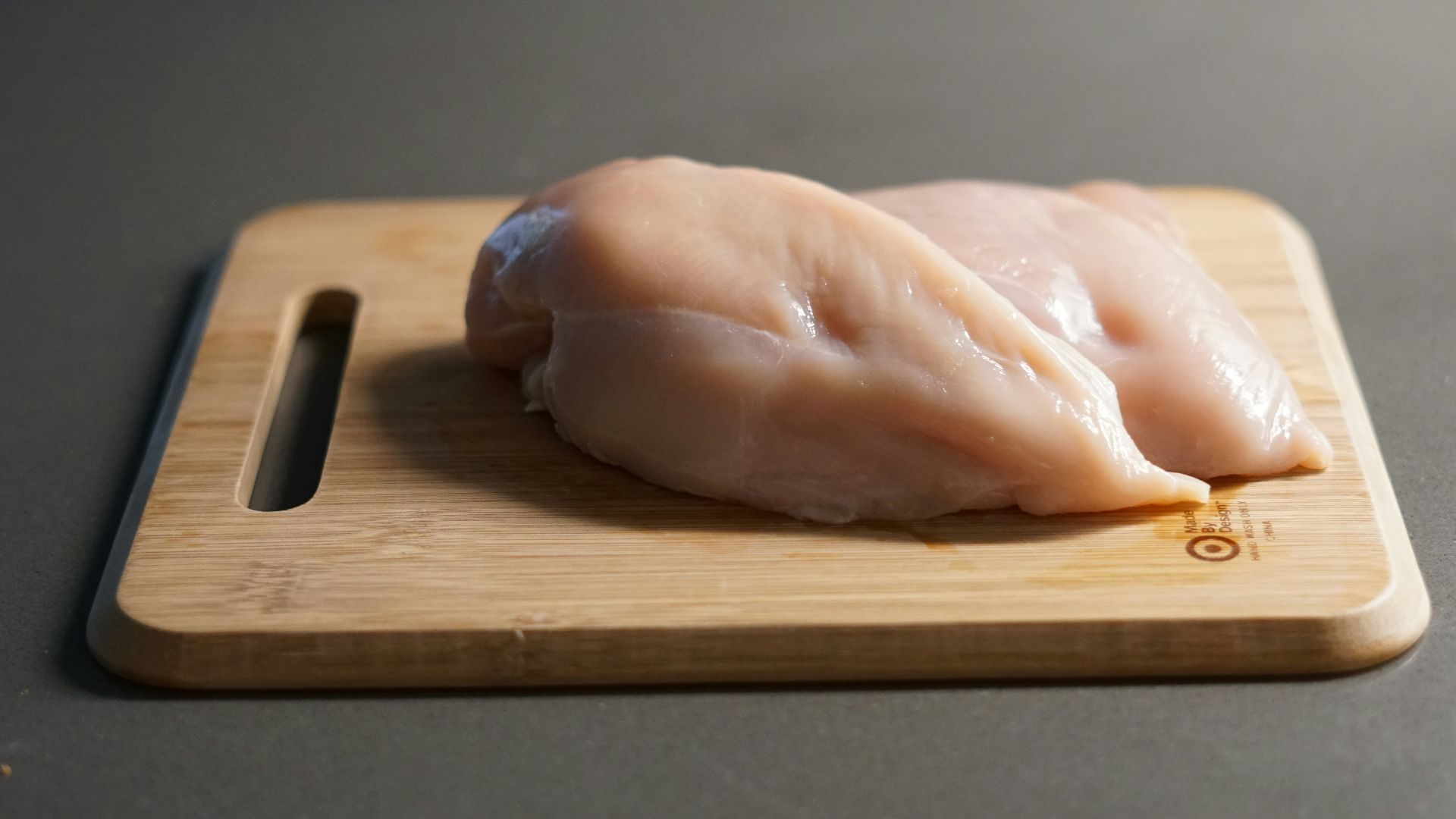
16. Chicken Rinsed In Chlorine
The EU has restricted poultry treated with antimicrobial washes since 1997, including the chlorine-based rinses used by some American processors. European regulators favor preventing contamination throughout production rather than relying on chemical treatments afterward.
17. Dessert For Breakfast
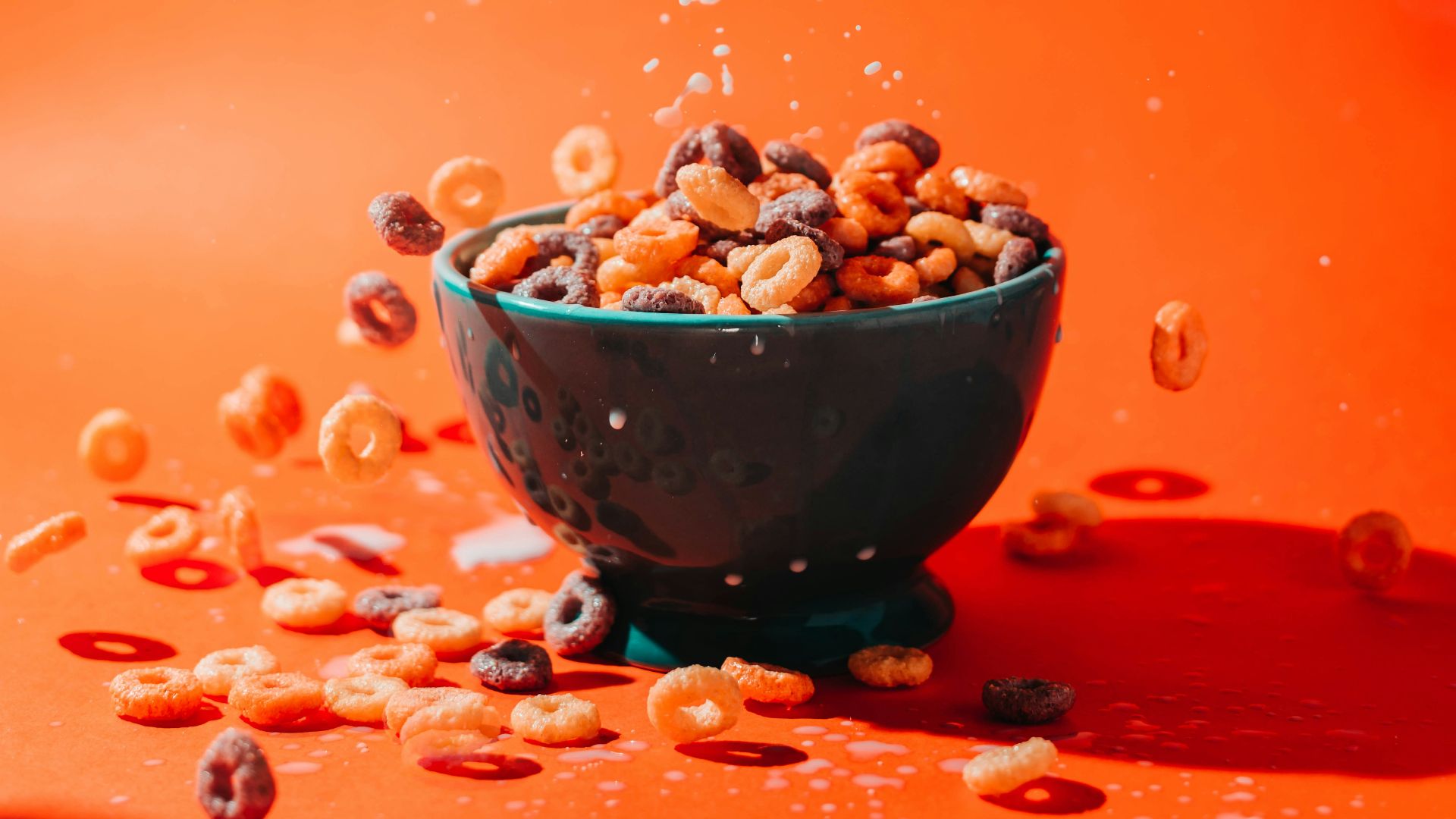
Sugary cereal and pancakes covered in syrup are perfectly ordinary weekday breakfasts in America. Elsewhere, breakfast is often less sweet, though the specifics vary considerably by country. Someone accustomed to bread, cheese, or a small pastry in the morning may find the American cereal aisle looks more like a candy display.
18. Separate Checks
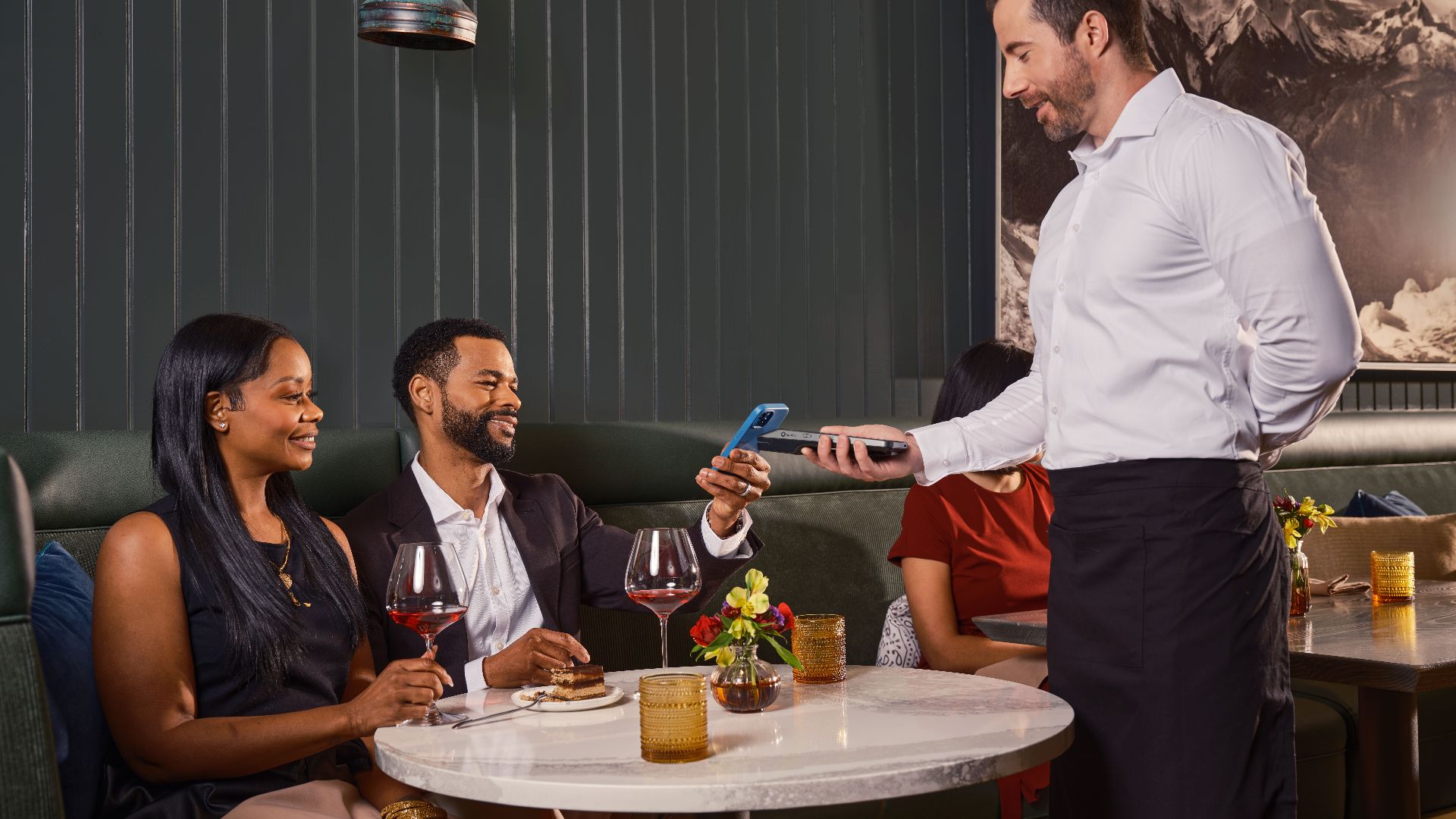
In the U.S., a waiter may ask a table of six whether the bill should be together or separate before anyone reaches for a wallet. In many other countries, the restaurant brings one check and leaves everyone to settle their shares. Card readers have made splitting easier, but asking for six individually itemized bills can still cause confusion in a small restaurant.
19. Candy That Bright
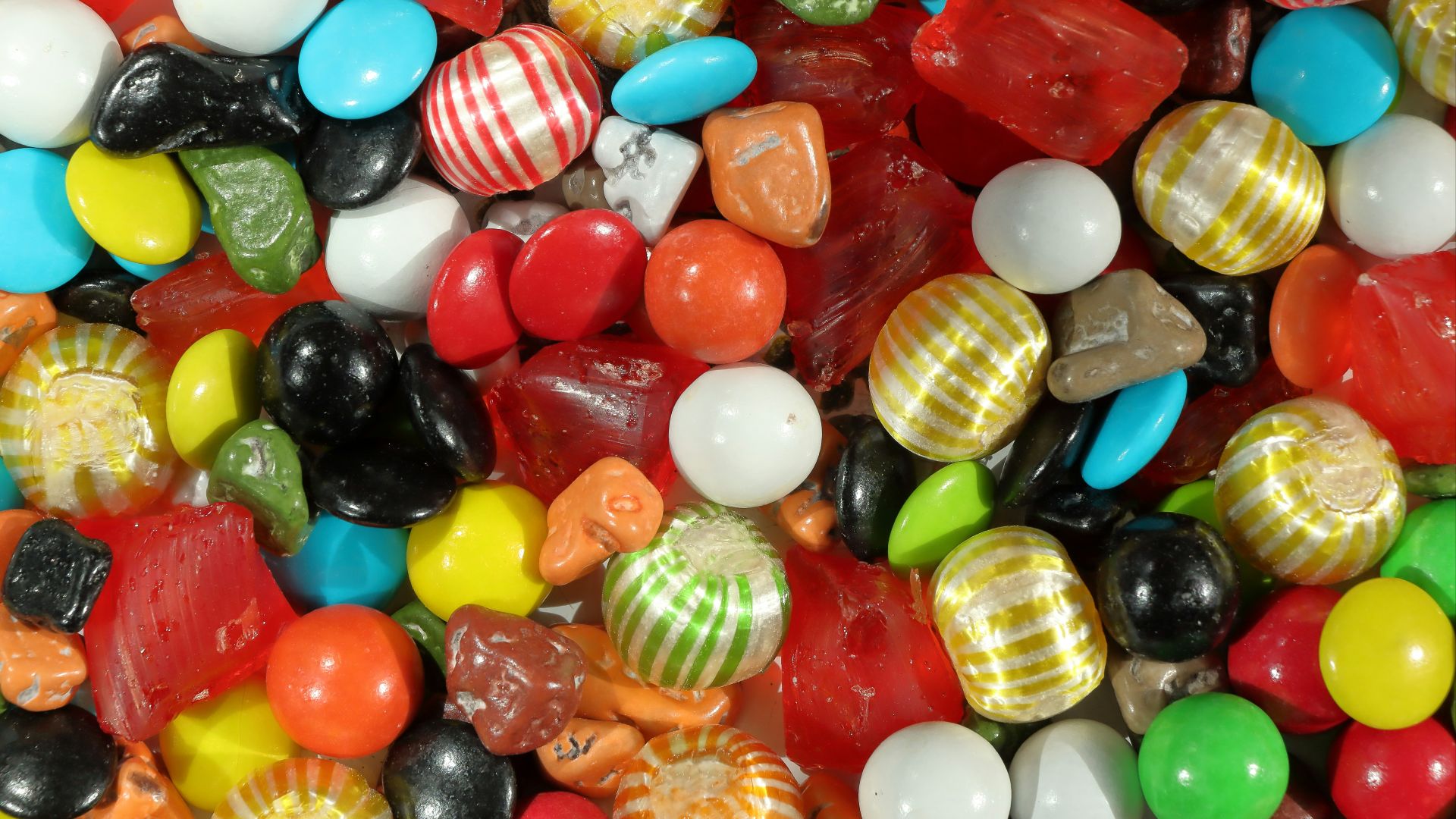
American candy often comes in colors bright enough to look fluorescent, and some of the dyes used have faced tighter restrictions elsewhere. Red No. 3, for example, lost its FDA authorization for food in 2025, with manufacturers given until 2027 to remove it.
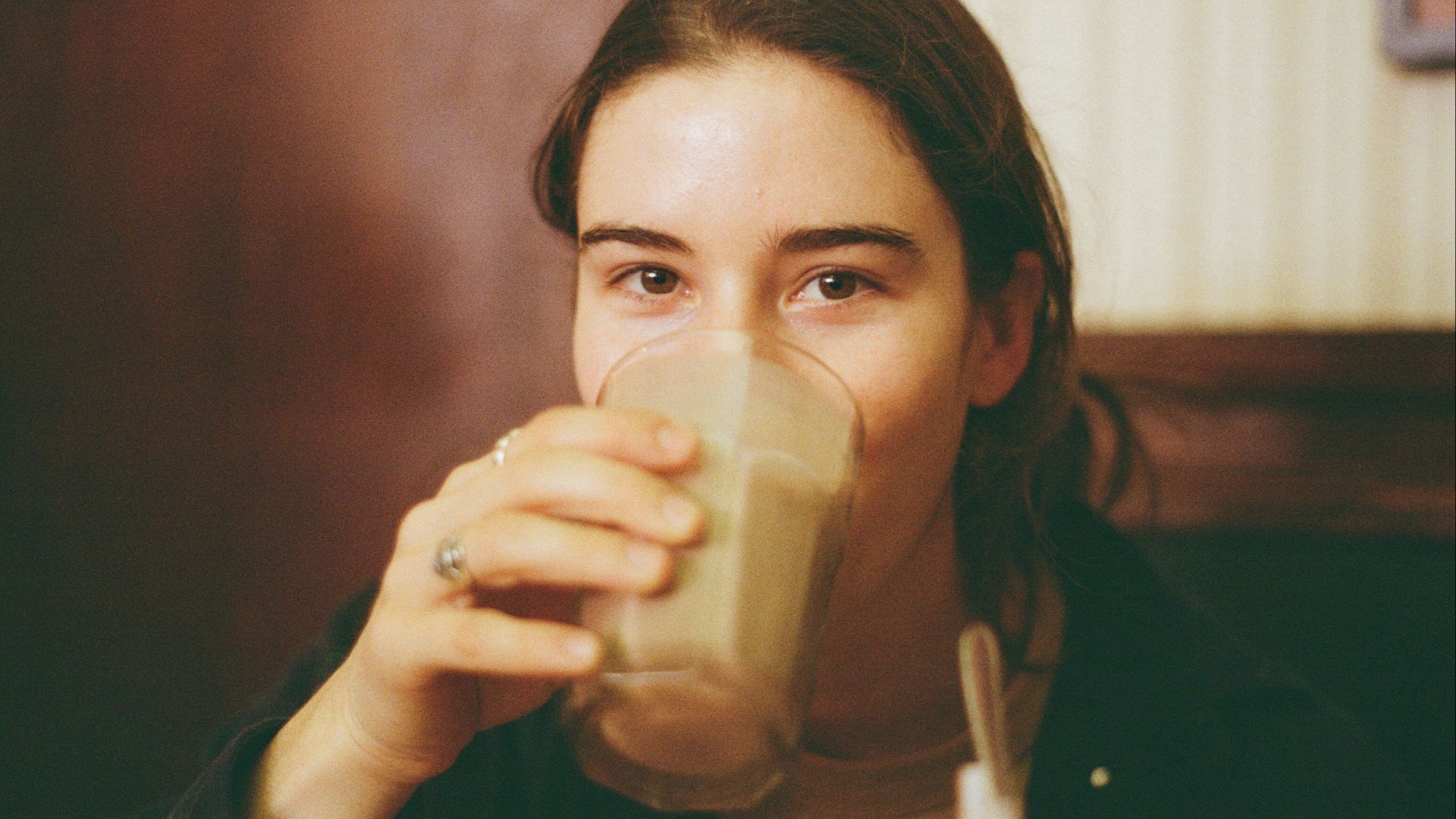
20. Milk With Dinner
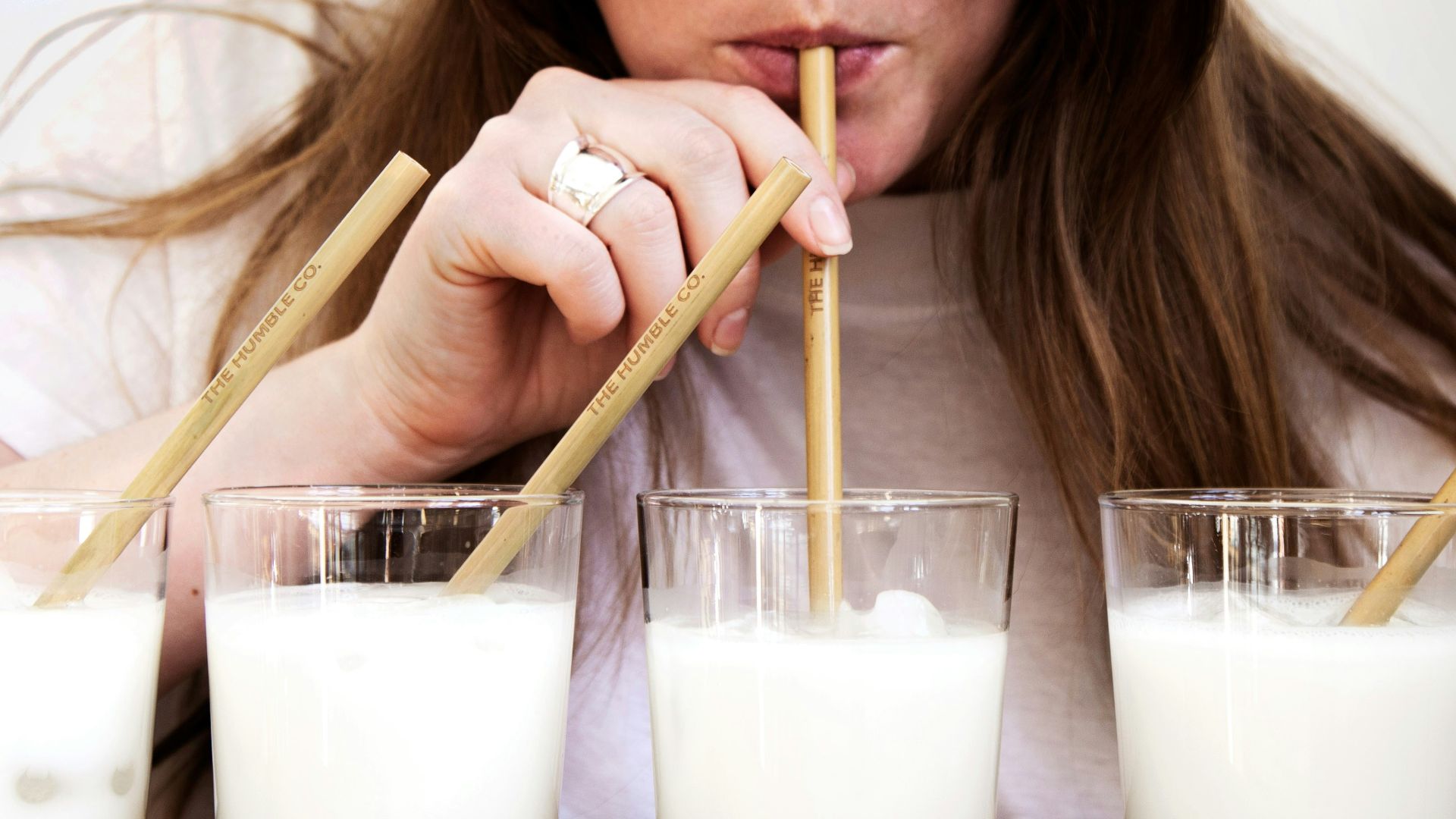
A cold glass of milk beside a plate of pasta is perfectly ordinary in many American homes. Elsewhere, milk is more closely associated with breakfast or childhood, making the idea of drinking it with a savory dinner seem strange. School lunch programs and a dairy industry heavily invested in fluid milk helped keep the habit alive in America long after it became less common elsewhere.
KEEP ON READING
The Most Popular Signature Dishes Around the World