What One Order Says About A Brand
Fast food menus look deceptively simple, but they are some of the most carefully edited documents in American life. Every item that survives onto a permanent menu has passed through decades of regional habits, supply chains, marketing anxieties, and quiet customer rebellions. You can learn a lot about how a chain sees comfort, indulgence, thrift, or even national identity by paying attention to what it refuses to cut. These foods are not just popular; they are cultural artifacts that explain how different brands imagine the people standing at the counter. Here are twenty menu items that quietly explain the worldview of the chains that sell them.
1. McDonald’s Big Mac
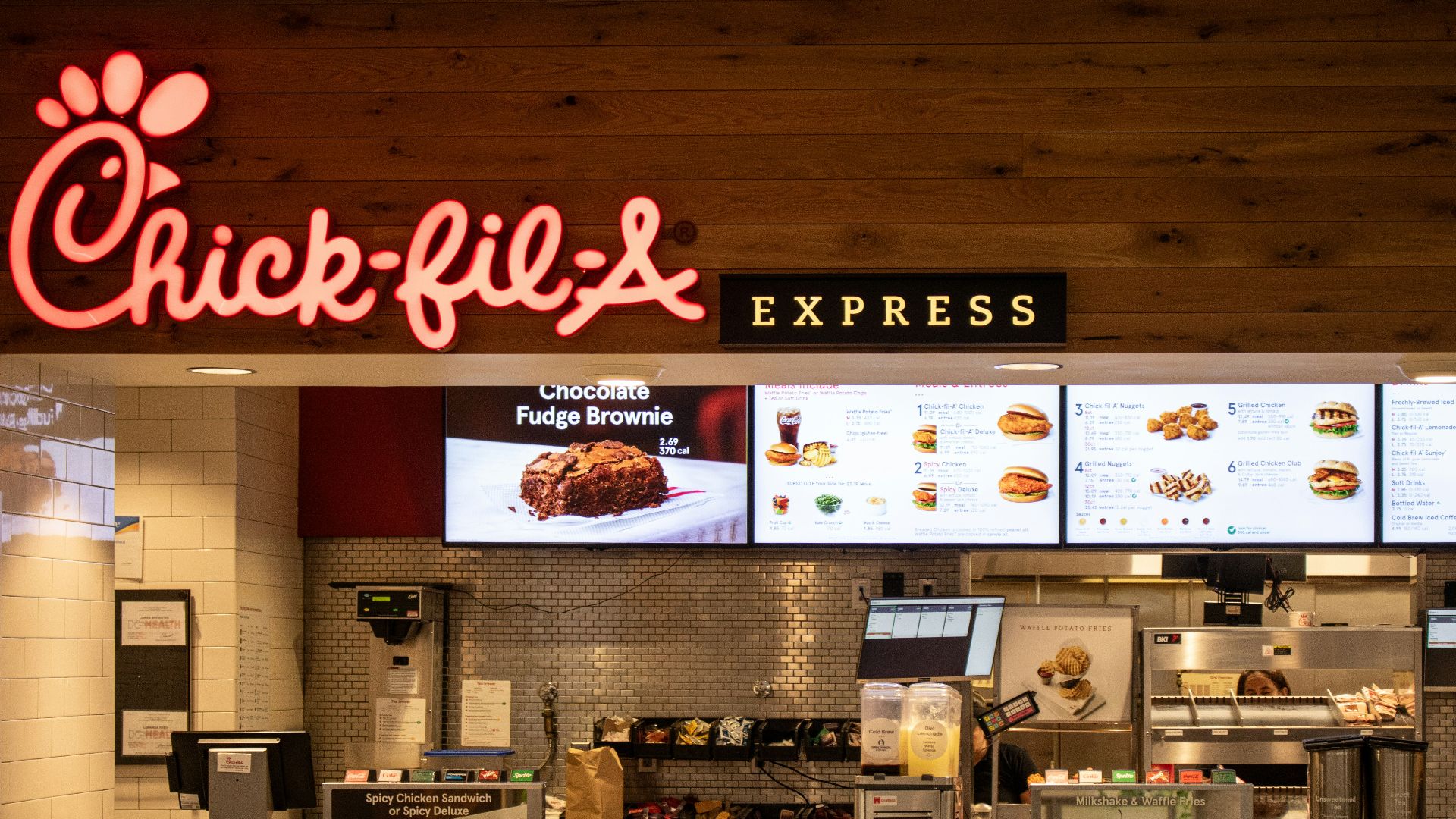
The Big Mac reflects McDonald’s obsession with uniformity and scale, a sandwich engineered to taste nearly identical whether you are in Ohio or Osaka. Its stacked construction and proprietary sauce echo the company’s postwar rise alongside American franchising and mass production. The sandwich feels less like a recipe and more like a system, which is exactly the point.
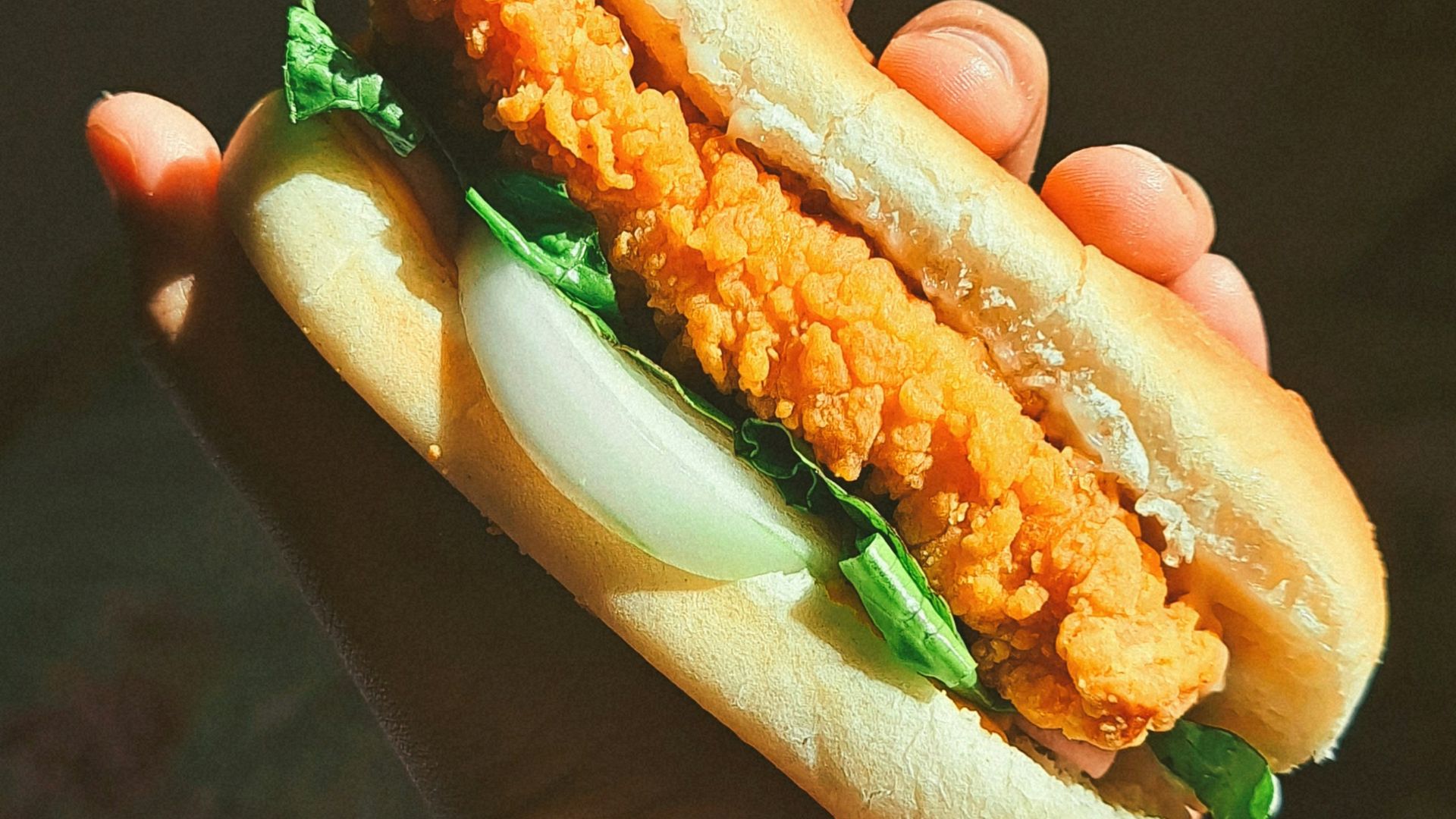
2. Chick-fil-A Chicken Sandwich
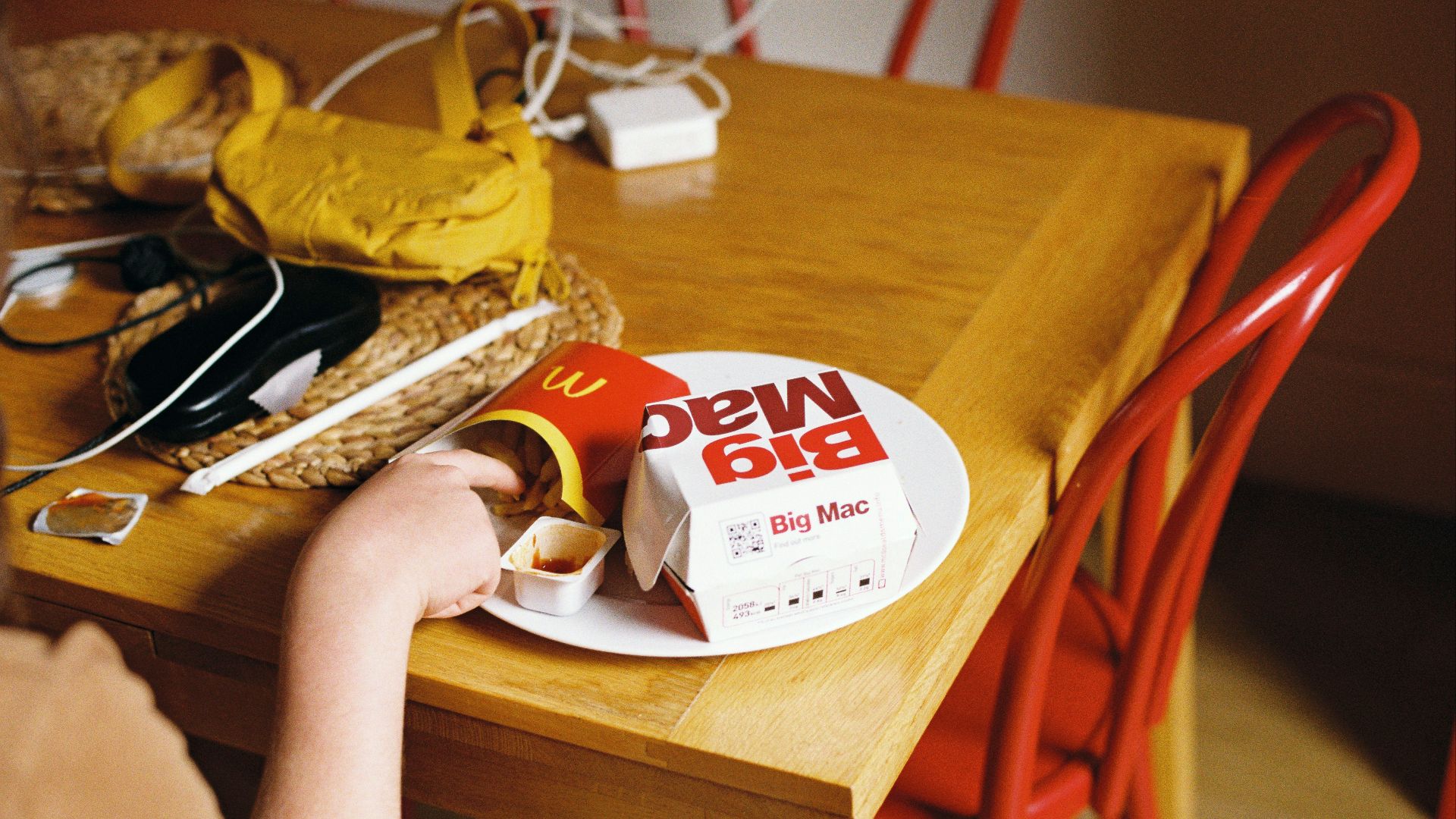
Chick-fil-A’s flagship sandwich is deliberately restrained, with no flashy toppings and no attempt to chase trends. The simplicity mirrors the chain’s emphasis on consistency, politeness, and routine, reinforced by its long-standing policy of closing on Sundays. It sells reassurance as much as food, appealing to customers who value predictability and order.
3. Taco Bell Crunchwrap Supreme
The Crunchwrap Supreme is pure Taco Bell logic, combining multiple textures into a portable shape that fits cup holders and late-night cravings. It reflects the chain’s long history of adapting vaguely Mexican flavors to American lifestyles, especially car culture. The design prioritizes convenience and novelty over tradition, which has always been Taco Bell’s strength.
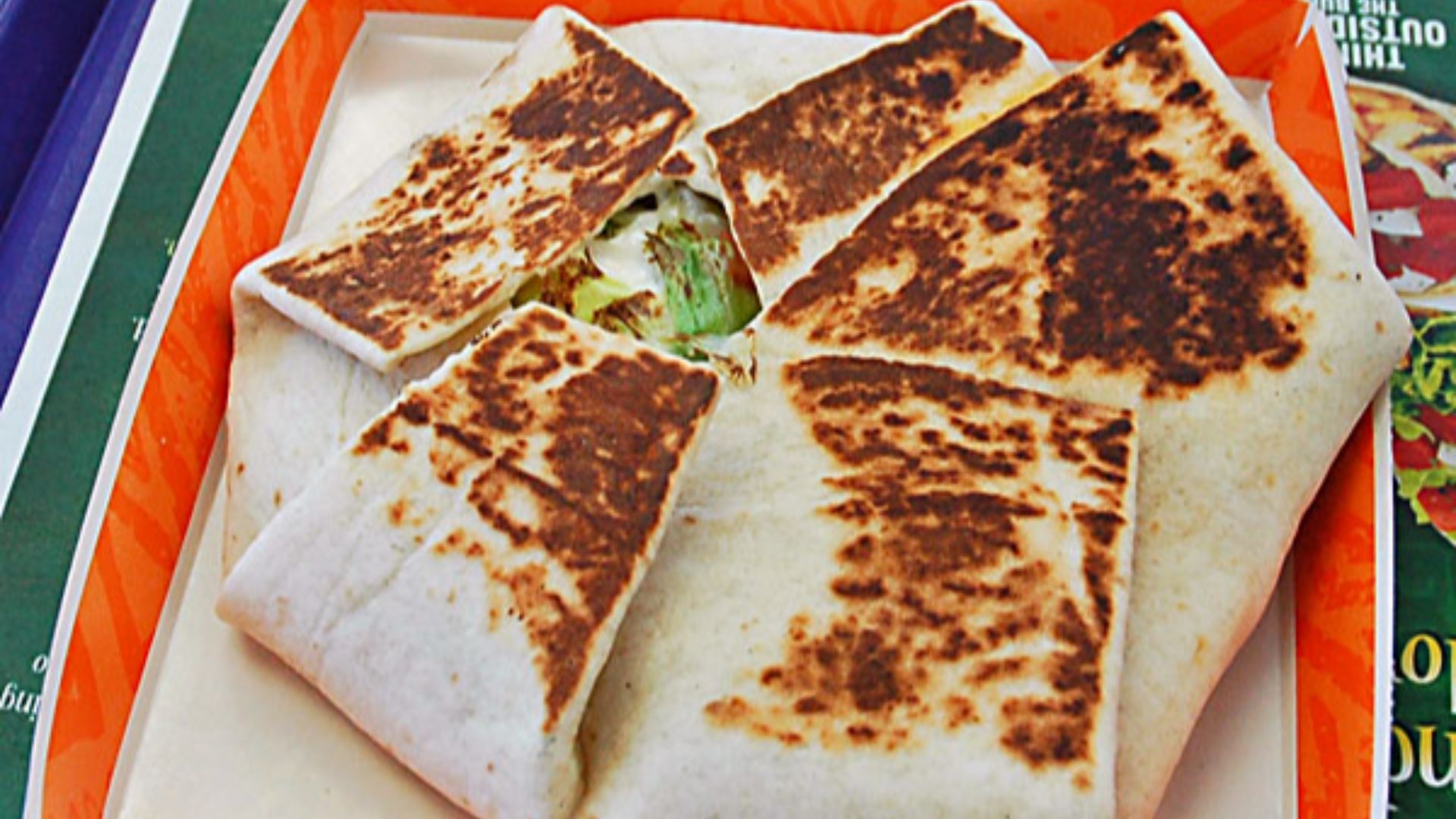 The original uploader was Fatlouie at English Wikipedia. on Wikimedia
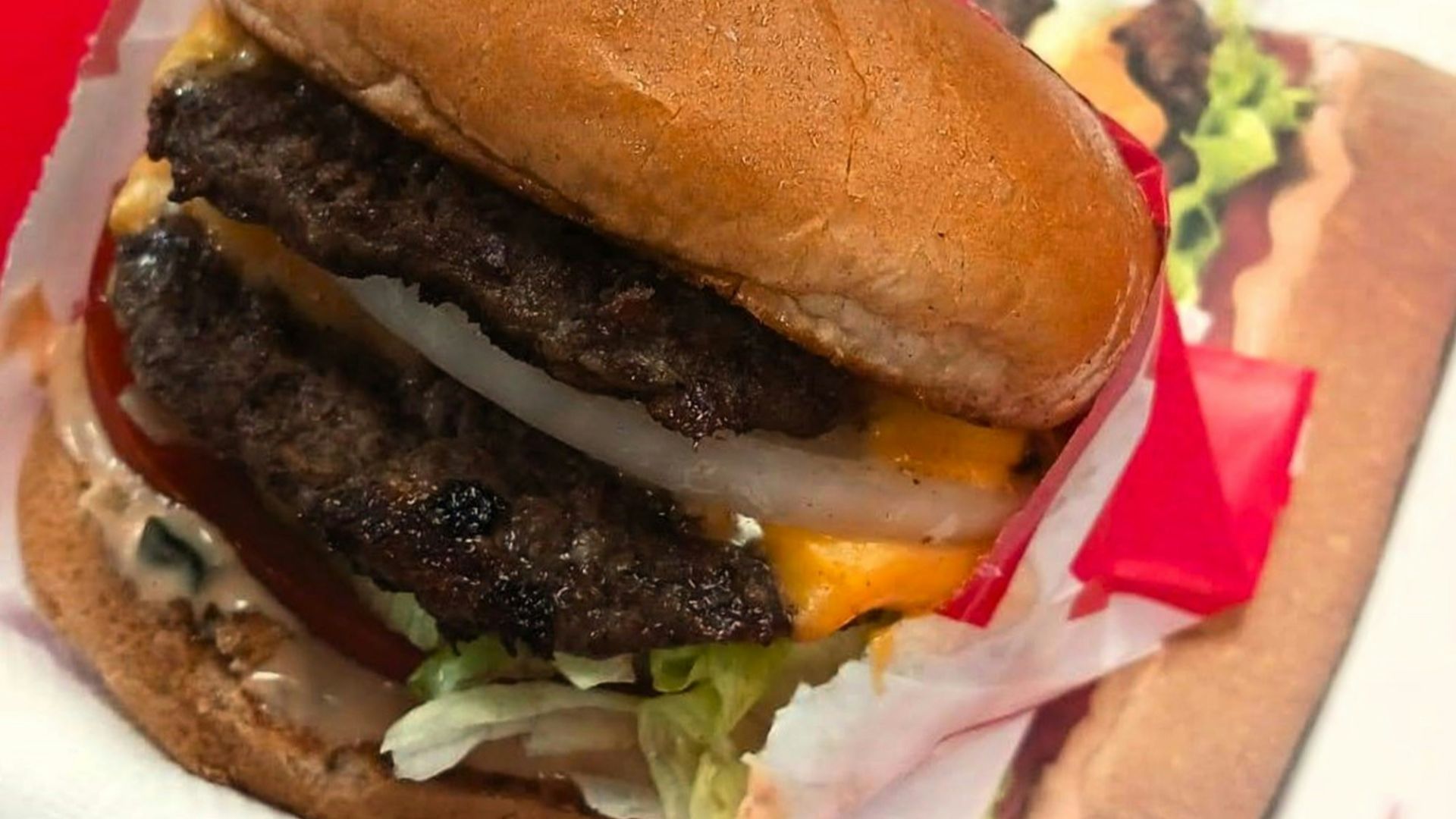
4. In-N-Out Double-Double
The Double-Double signals In-N-Out’s commitment to restraint and regional pride, despite its cult following. The limited menu resists expansion and seasonal gimmicks, reinforcing the idea that perfection comes from repetition. Its freshness-forward supply chain reflects California’s agricultural identity more than fast food excess.
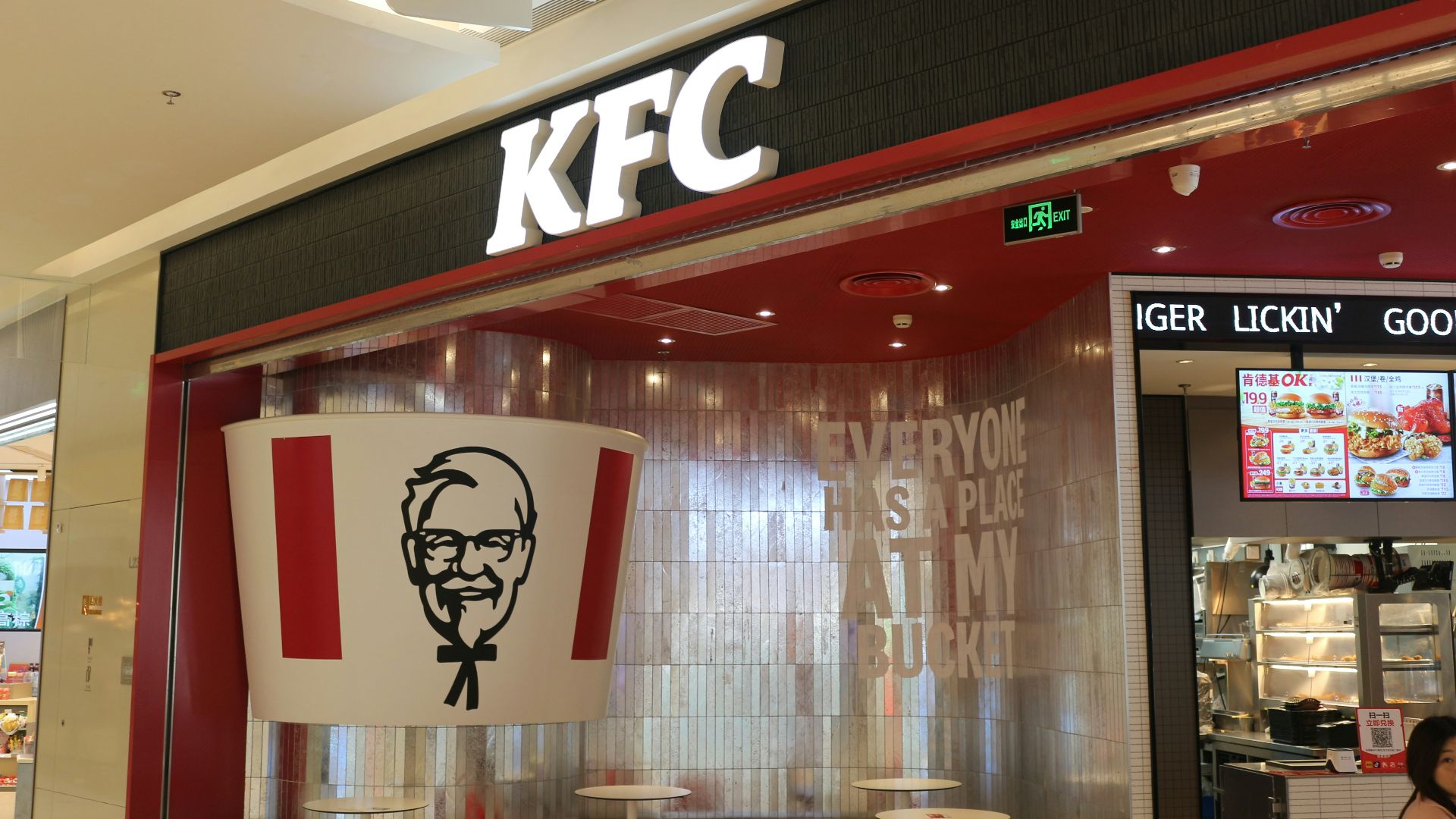
5. KFC Original Recipe Fried Chicken
KFC’s fried chicken leans heavily on nostalgia, invoking Colonel Sanders and postwar roadside America. The guarded spice blend, often cited as eleven herbs and spices, reinforces the idea of secret knowledge passed down rather than optimized. This menu item survives because it sells memory as much as flavor.
6. Subway Footlong Sandwich
The Footlong represents Subway’s long-running promise of customization and personal control. It rose alongside late twentieth-century diet culture, offering the illusion of health through choice and visible ingredients. The sandwich says more about consumer agency than culinary identity.
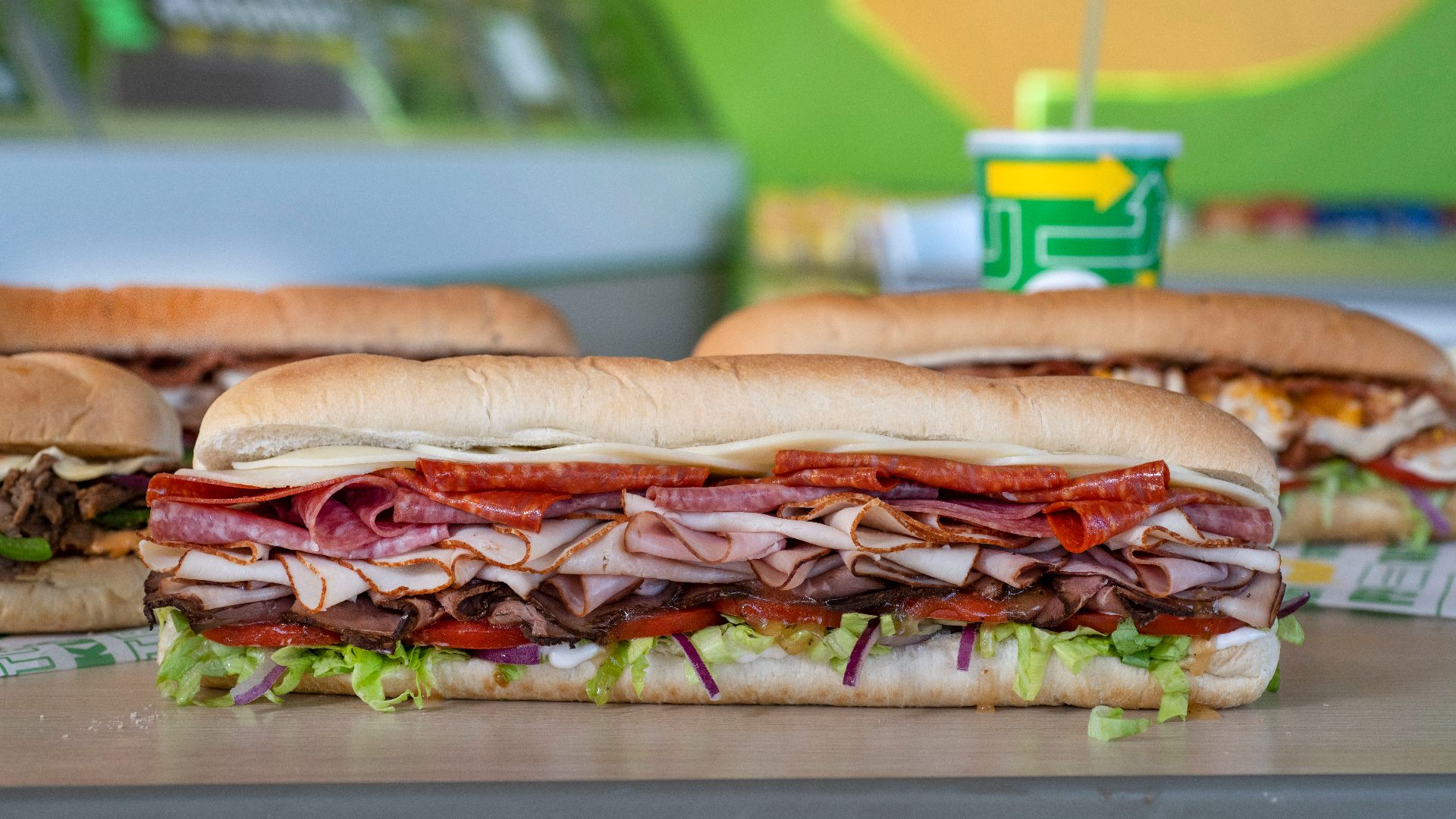 Gerardo Moya for Getty Images on Wikimedia
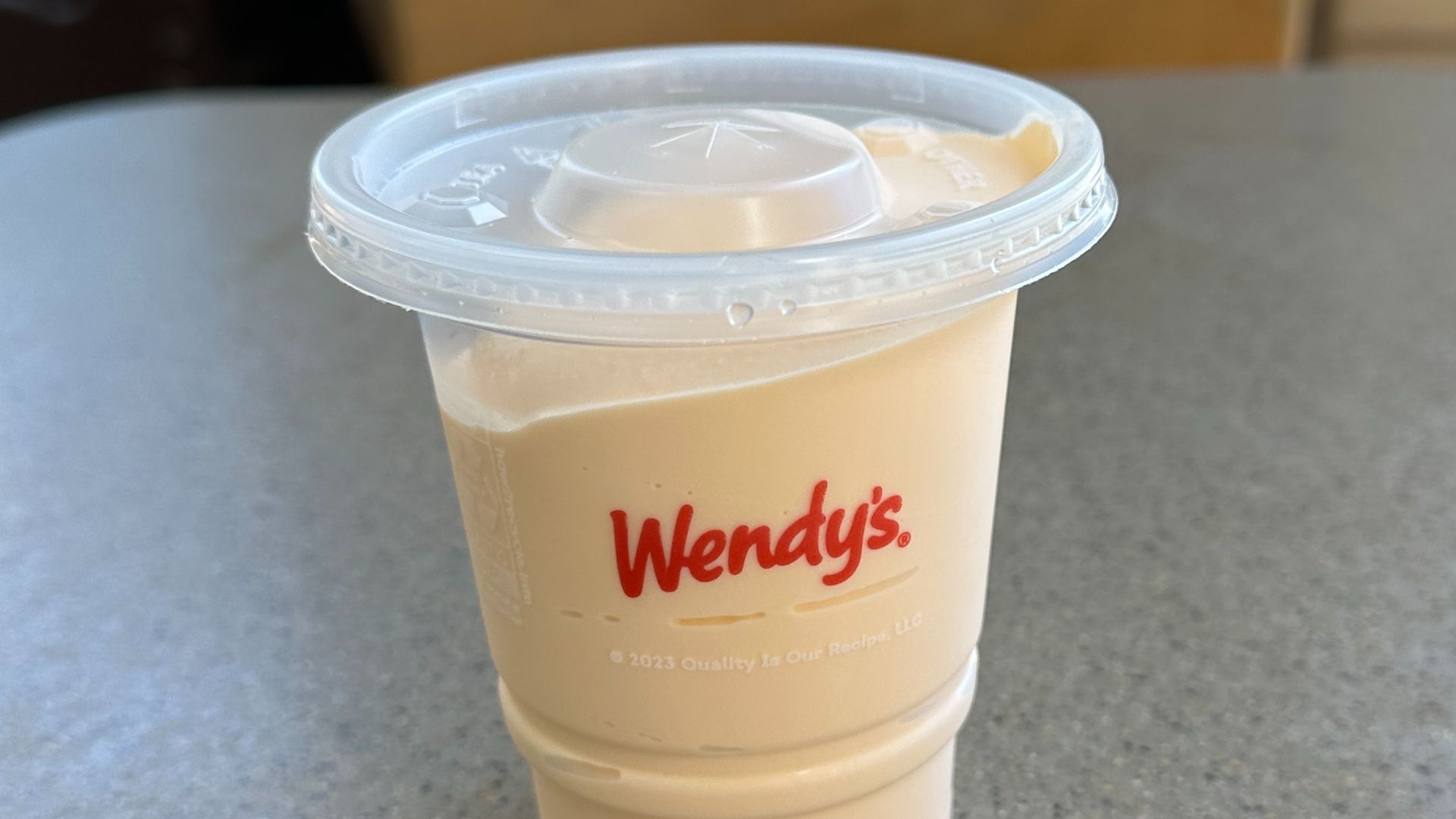
7. Wendy’s Frosty
The Frosty occupies an odd space between dessert and drink, reflecting Wendy’s resistance to clean categories. It reinforces the brand’s slightly contrarian posture, visible since its early marketing against frozen beef competitors. The Frosty feels intentionally awkward, which is why it endures.
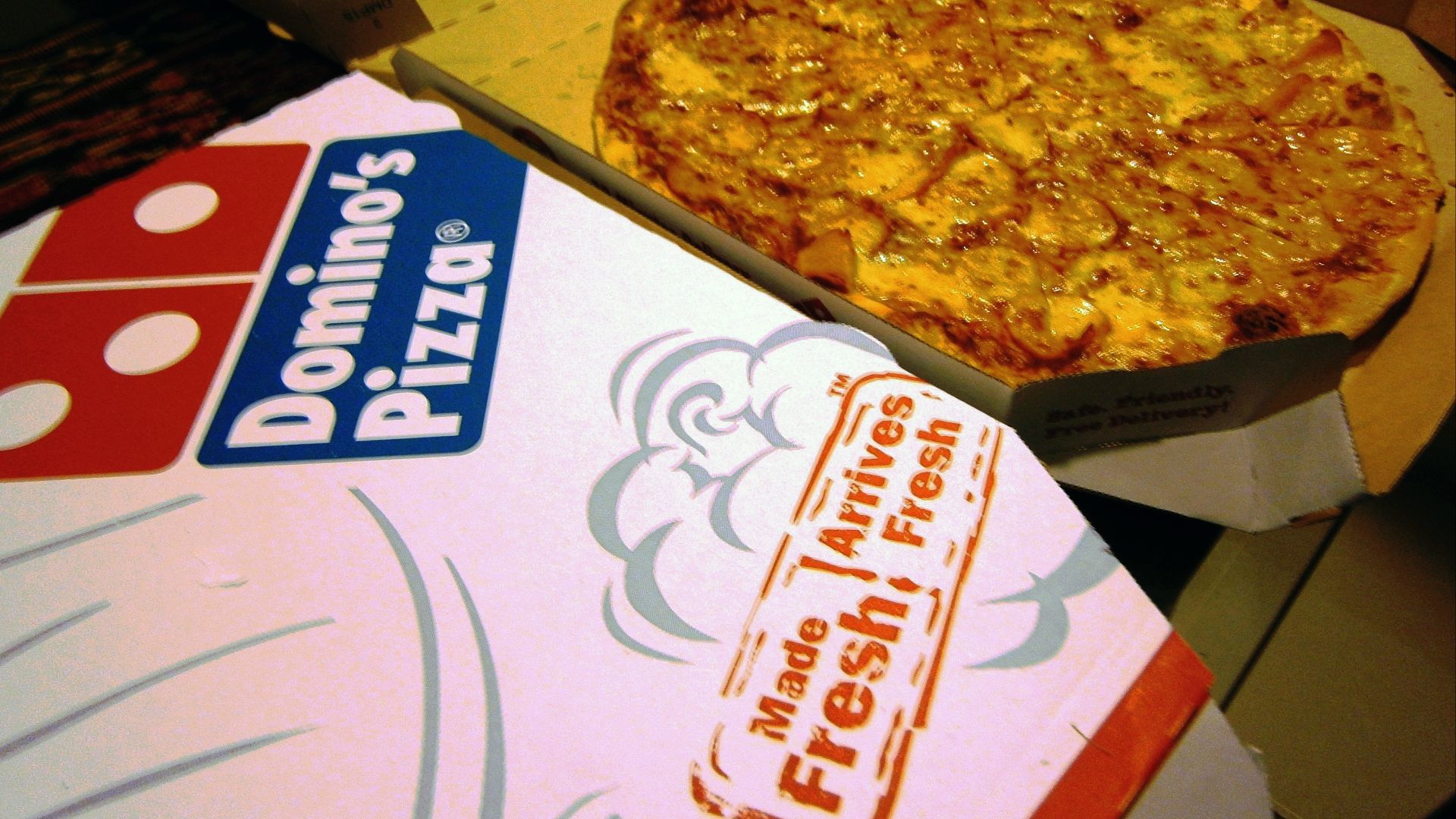
8. Domino’s Pepperoni Pizza
Domino’s pepperoni pizza reflects logistical obsession more than artisanal aspiration. The chain famously rebuilt its recipe in 2010 after public criticism, documenting the process as a lesson in corporate humility. Speed, delivery efficiency, and technological innovation matter more here than romance.
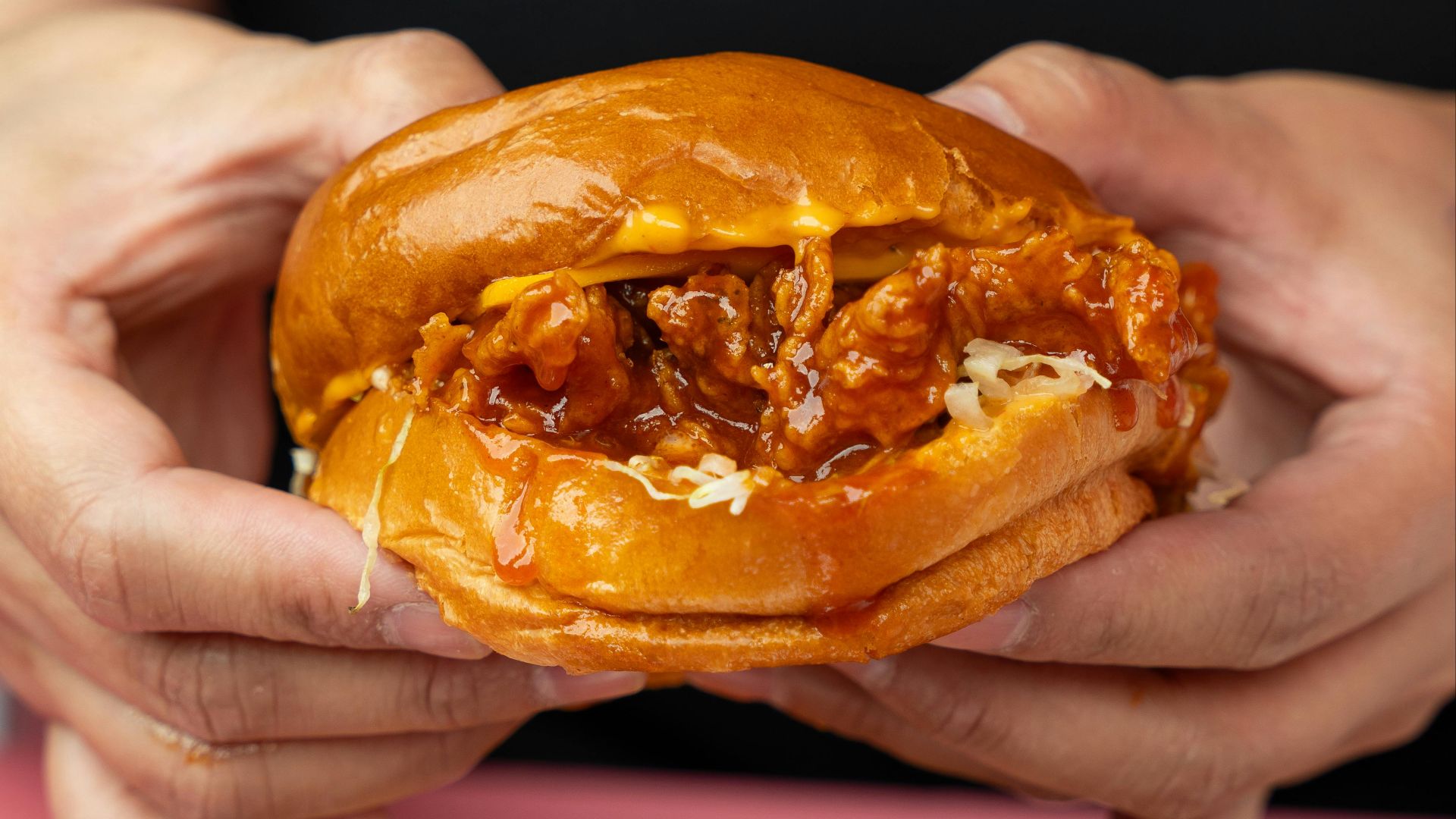
9. Popeyes Spicy Chicken Sandwich
Popeyes’ sandwich reflects a brand comfortable with bold flavors and loud confidence. Its Louisiana-inspired seasoning ties directly to regional food traditions rather than mass neutrality. The viral frenzy in 2019 revealed how deeply consumers respond to chains that embrace specific cultural roots.
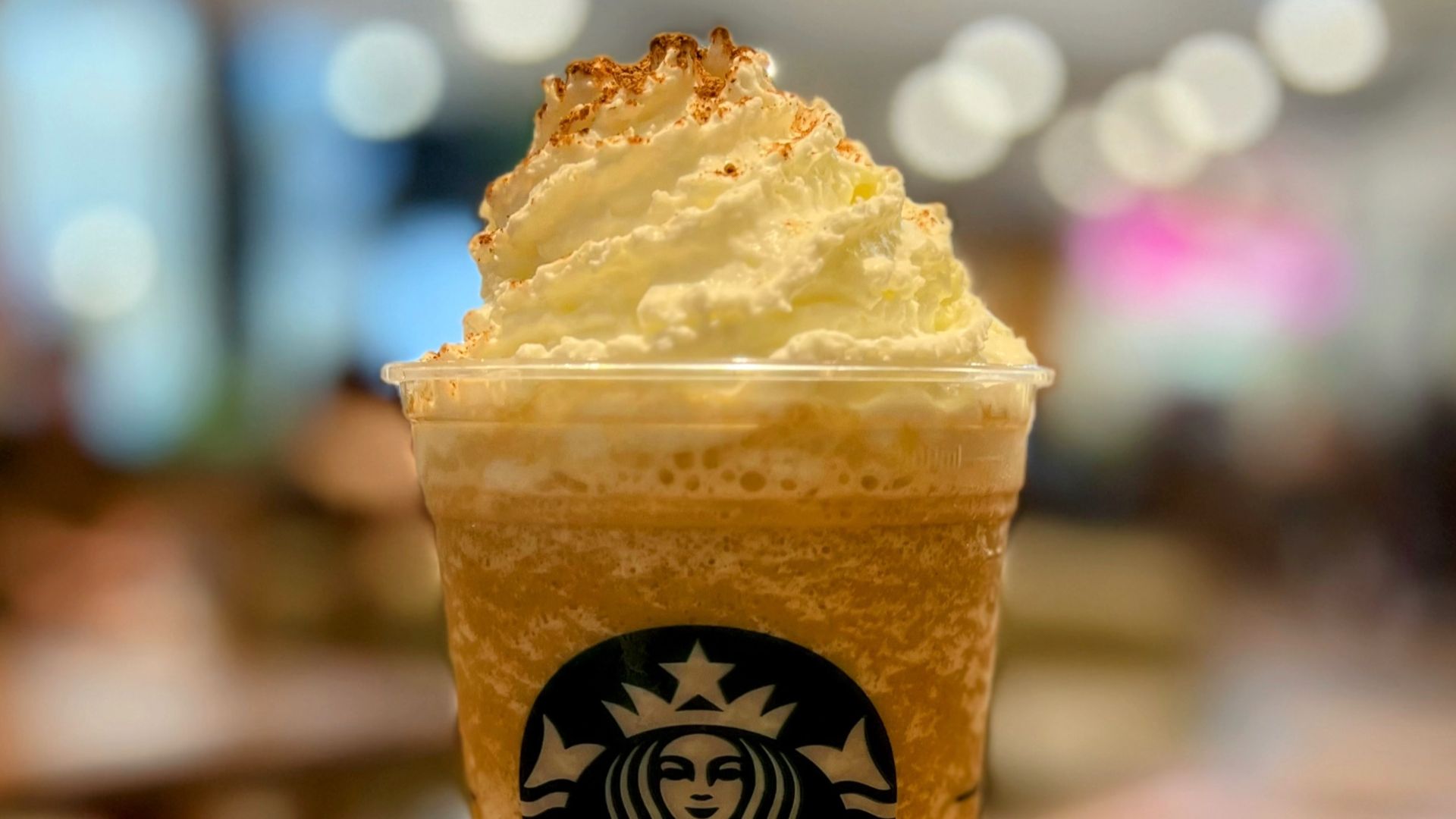
10. Starbucks Pumpkin Spice Latte
The Pumpkin Spice Latte is seasonal ritual disguised as a beverage. It reflects Starbucks’ role in turning coffee into lifestyle signaling, especially in suburban and urban professional spaces. The drink thrives on anticipation and repetition rather than novelty alone.
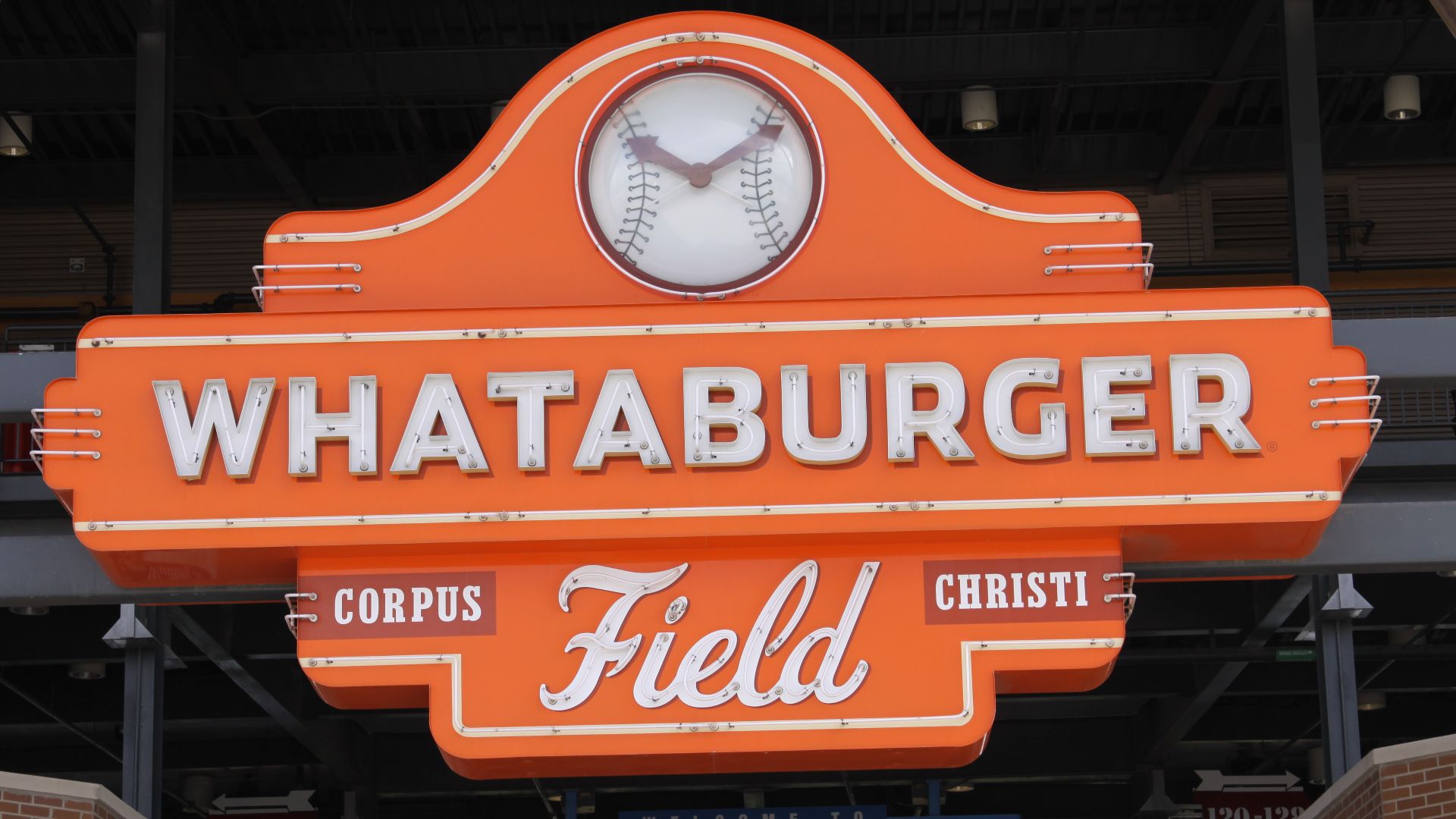
11. Whataburger Honey Butter Chicken Biscuit
This breakfast item embodies Texas maximalism, pairing sweetness and richness without apology. Whataburger’s regional loyalty shows up in portions and flavors that feel intentionally indulgent. The sandwich reinforces the idea that comfort comes from excess done confidently.
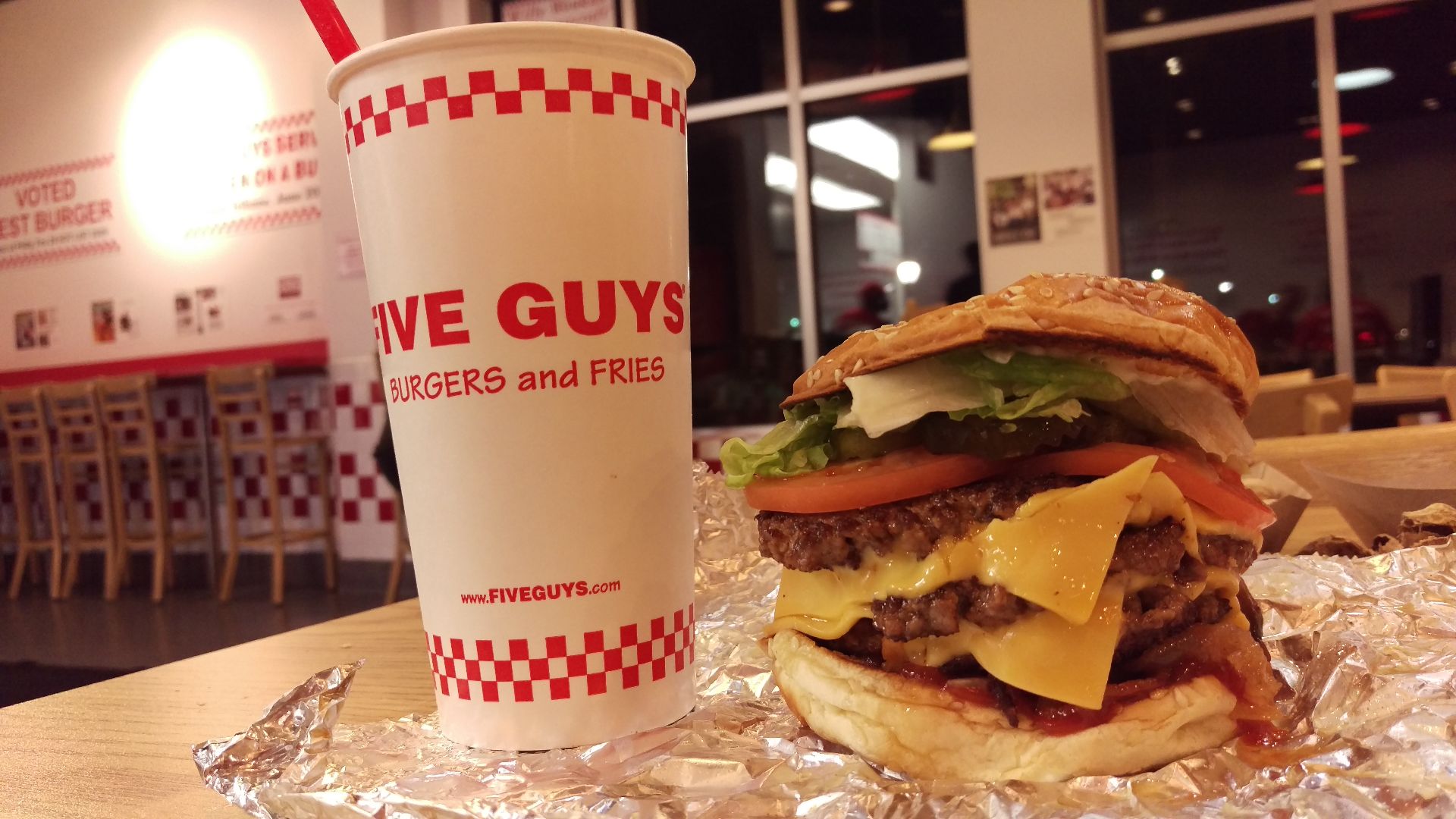
12. Five Guys Cheeseburger
Five Guys’ cheeseburger reflects transparency and abundance, with visible kitchens and overflowing fries. The menu emphasizes customization while limiting variety, a balance that suggests control without confusion. It sells straightforward generosity rather than speed.
13. Arby’s Roast Beef Sandwich
Arby’s roast beef sandwich signals difference in a crowded burger landscape. Introduced in the 1960s as an alternative to hamburgers, it positioned the chain as slightly offbeat from the start. The menu item reflects a brand built on zigging where others zag.
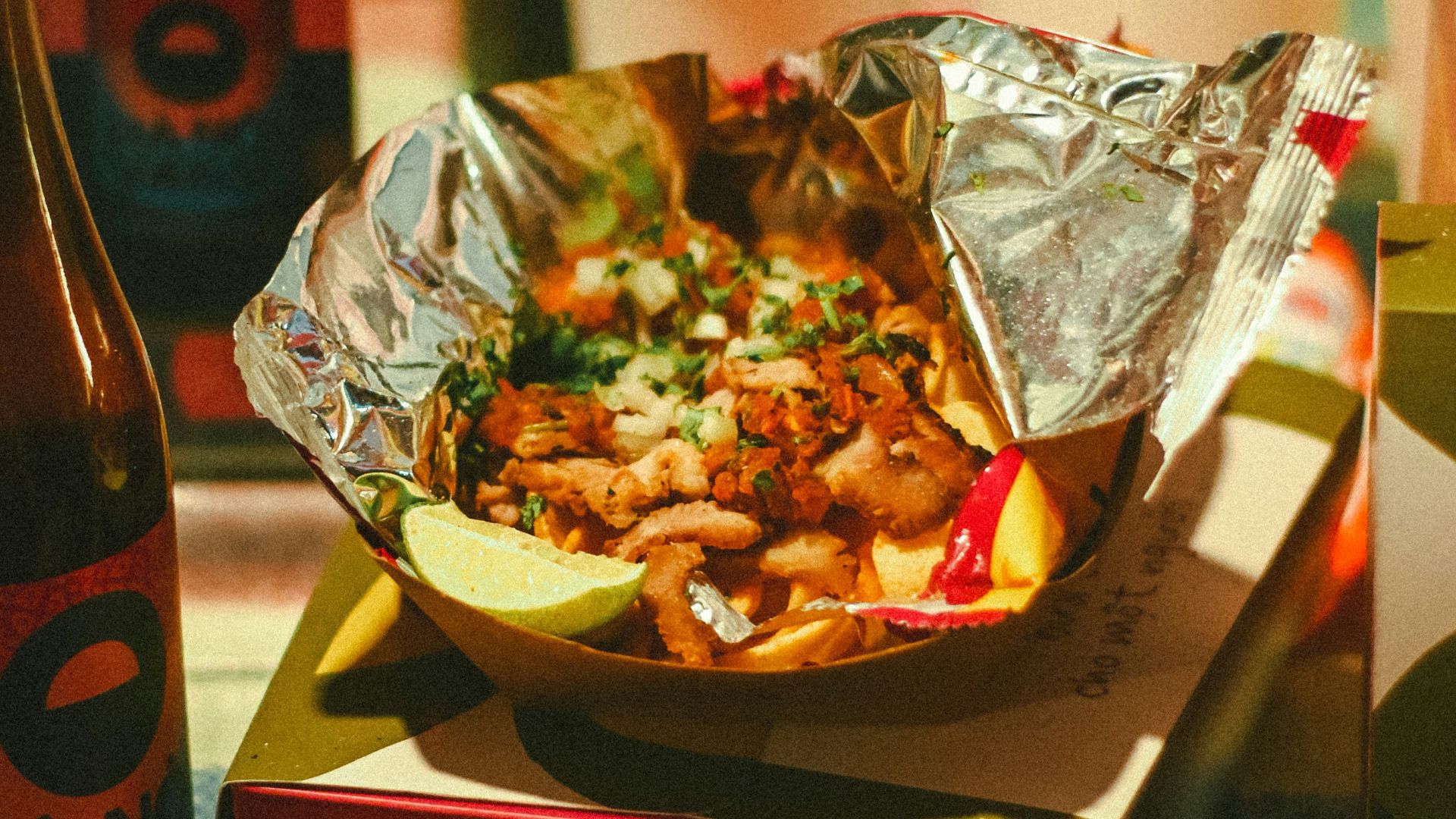
14. Jack in the Box Tacos
These tacos reflect late-night, budget-driven creativity more than culinary fidelity. They emerged in the 1950s as a low-cost item and became a cult favorite precisely because of their oddness. The tacos suggest a chain comfortable serving cravings without judgment.
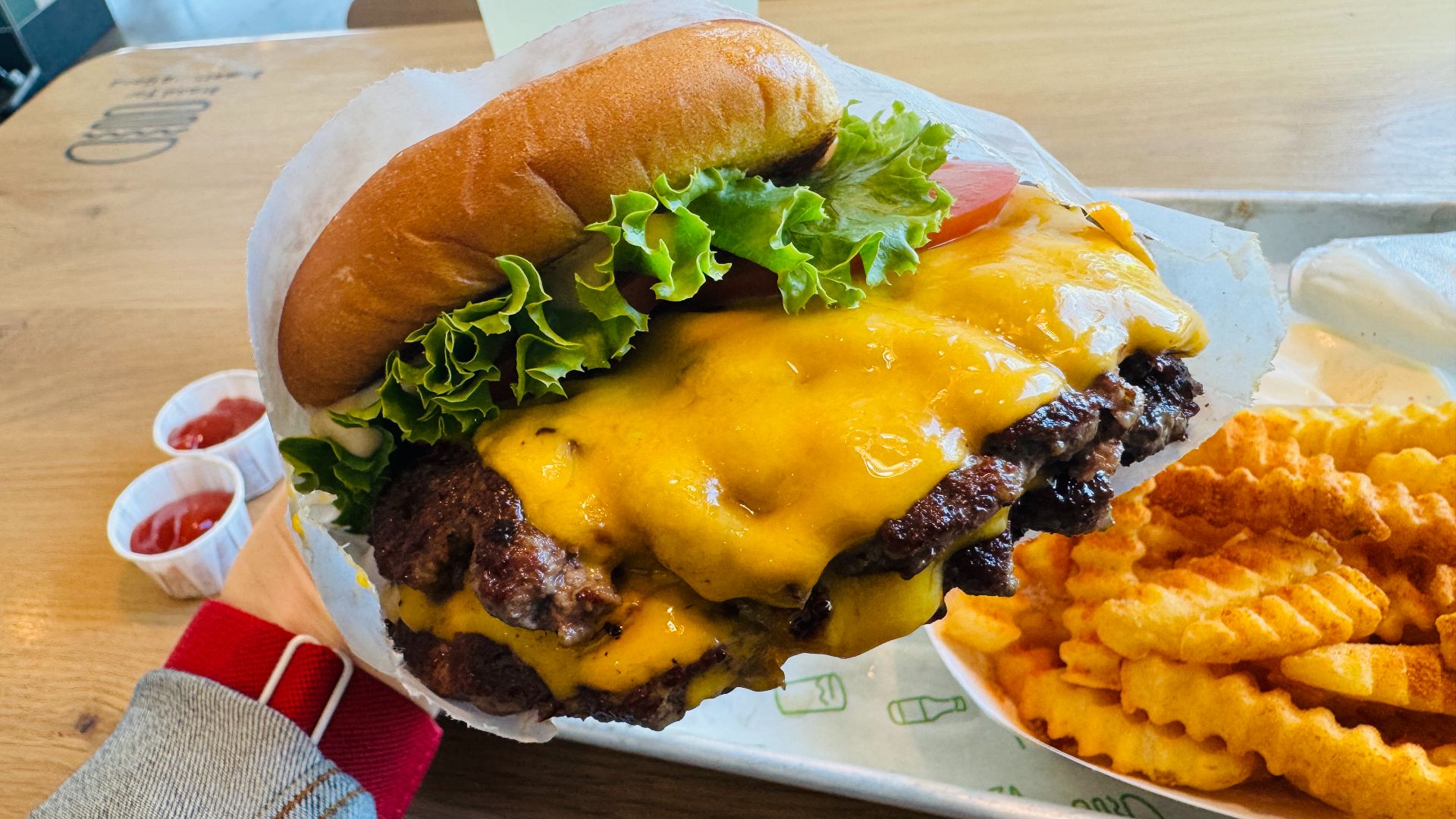
15. Shake Shack ShackBurger
The ShackBurger reflects urban polish and modern branding sensibilities. Shake Shack’s origins in New York City parks and its emphasis on design-forward spaces shape the food’s identity. The burger feels curated rather than mass-produced, even at scale.
16. Dunkin’ Donuts Bacon, Egg, and Cheese
This sandwich reflects Dunkin’s blue-collar efficiency and East Coast commuter culture. It prioritizes speed, portability, and familiarity over indulgence. The menu item succeeds because it fits seamlessly into daily routines.
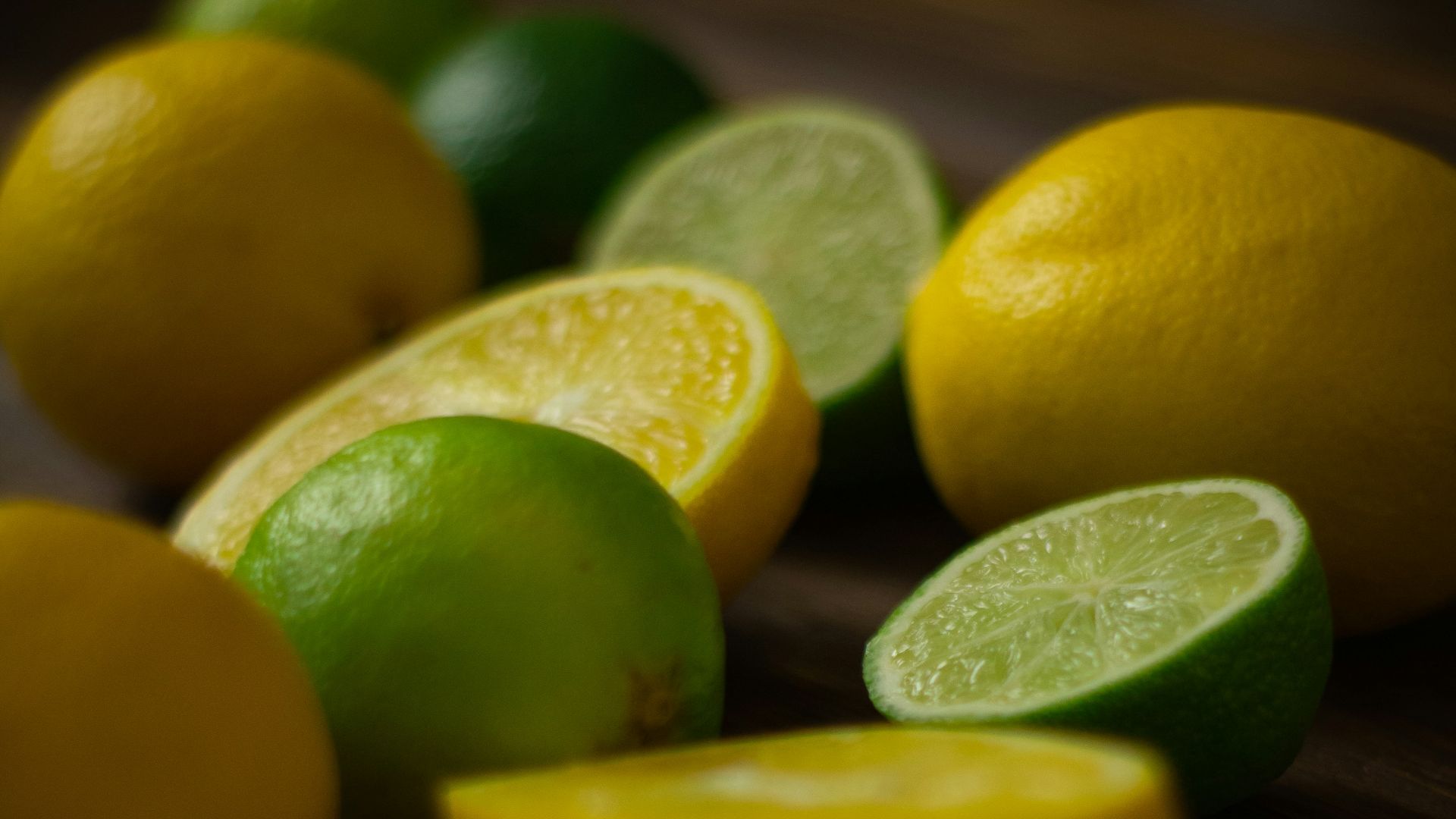
17. Sonic Cherry Limeade
Sonic’s Cherry Limeade reflects nostalgia for mid-century drive-in culture. The drink reinforces the brand’s emphasis on customization and theatricality, from carhop service to mix-and-match beverages. It feels playful rather than optimized.
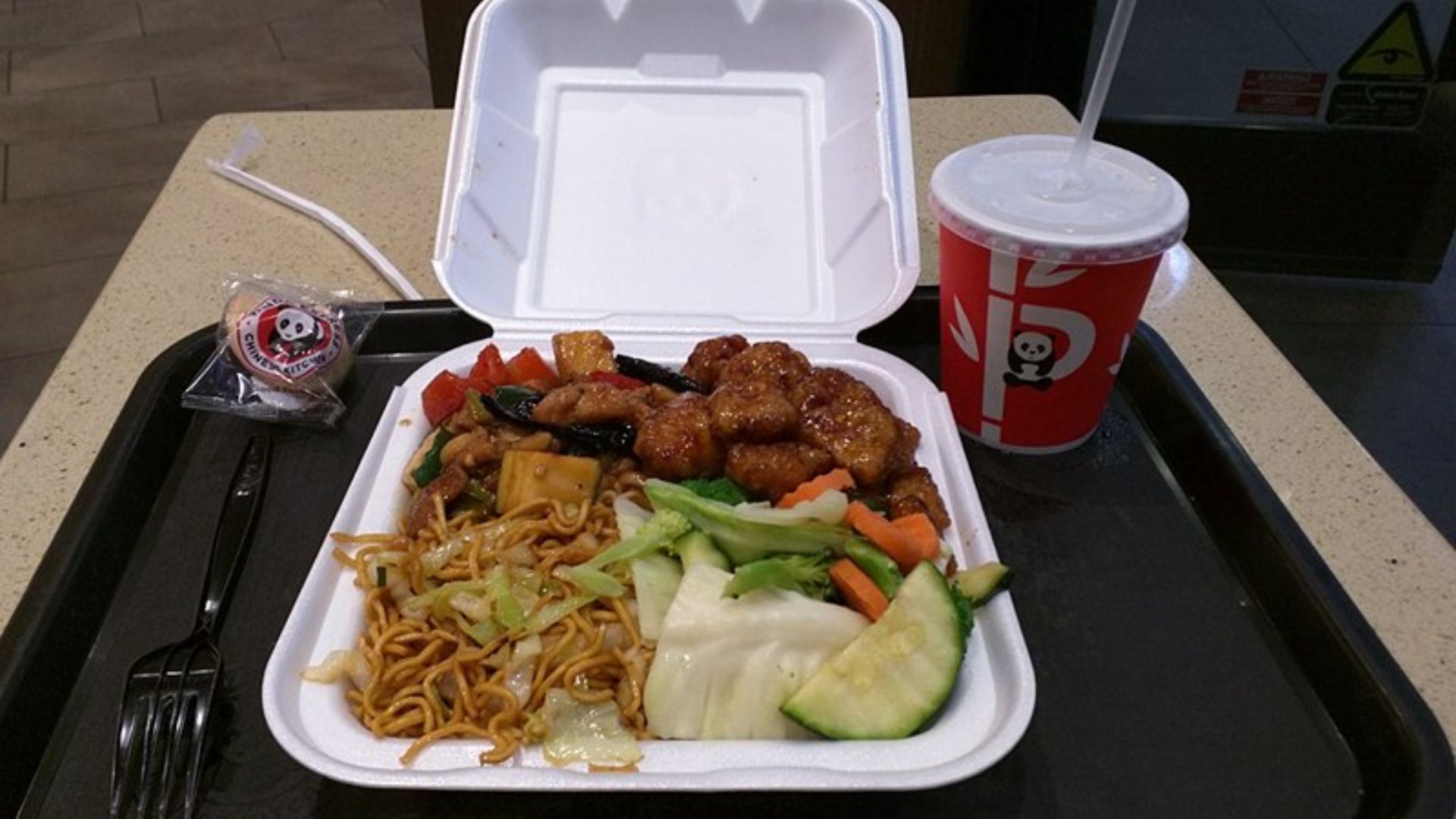
18. Panda Express Orange Chicken
Orange Chicken represents Americanized global cuisine shaped by mall culture. Developed in the 1980s, it reflects how immigrant food traditions adapt to local tastes and commercial realities. The dish thrives because it balances sweetness, familiarity, and perceived exoticism.
19. White Castle Sliders
White Castle’s sliders reflect early twentieth-century industrial food logic, prioritizing affordability and uniformity. Their small size encourages volume rather than singular indulgence. The brand’s endurance speaks to loyalty built on ritual and accessibility.
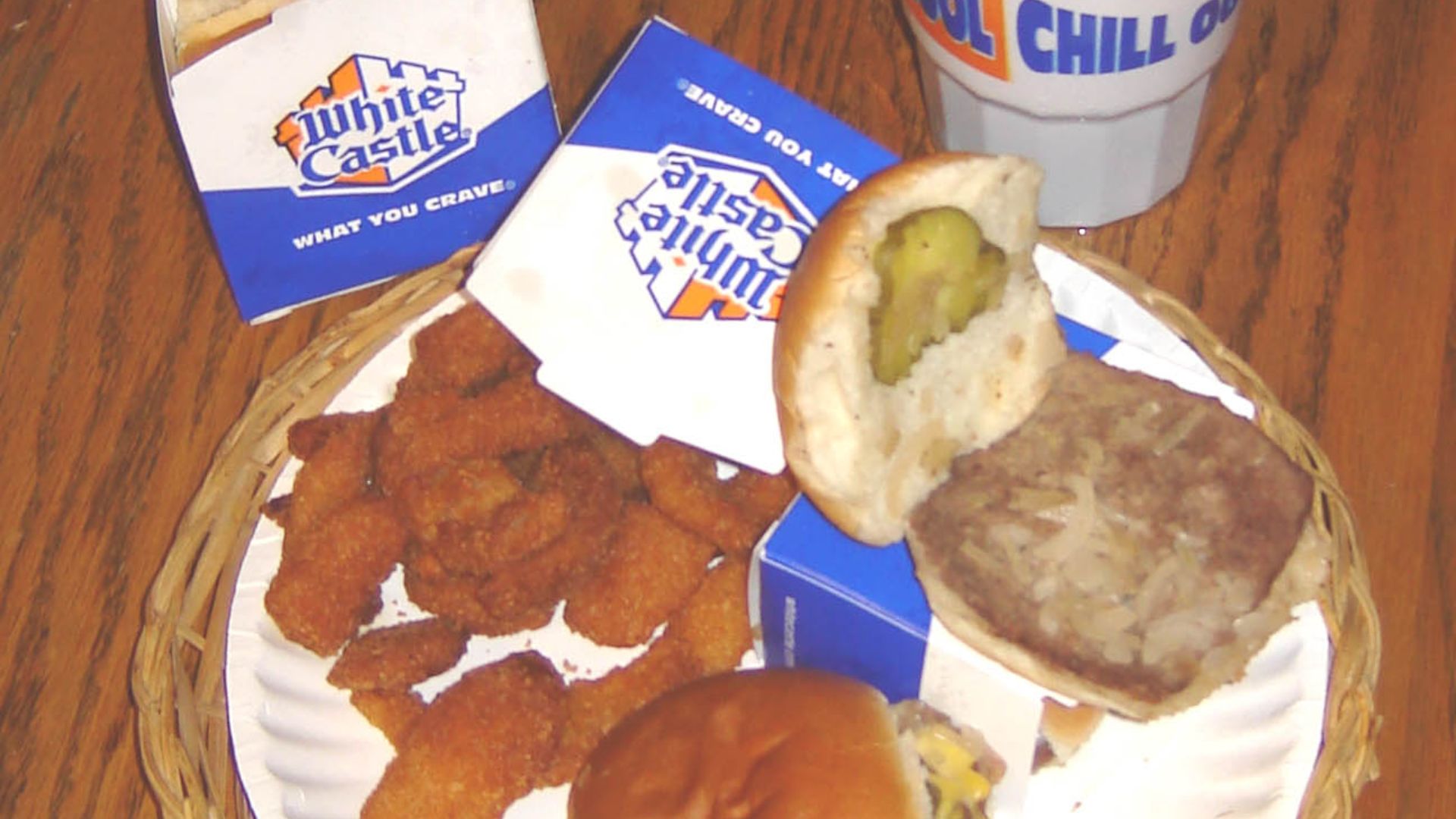 Mike Sharp - User: (WT-shared) 2old at wts wikivoyage on Wikimedia
20. Culver’s ButterBurger
The ButterBurger reflects Midwestern hospitality and dairy pride. Culver’s emphasizes freshness and local sourcing, aligning with Wisconsin’s agricultural identity. The burger feels earnest, reinforcing trust through restraint rather than spectacle.
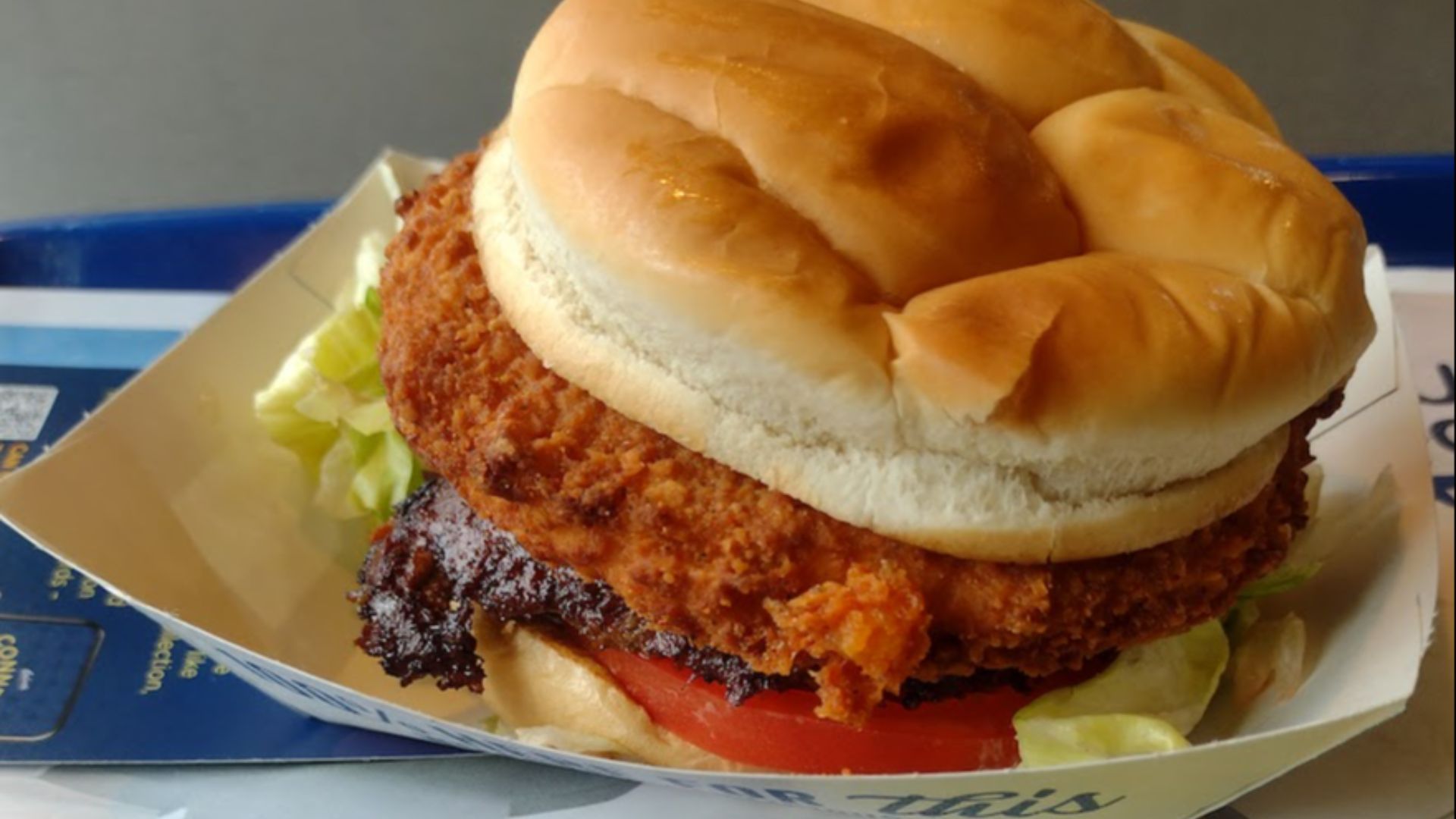 JackFromWisconsin on Wikimedia
KEEP ON READING