
Double-Duty Brands
Food companies usually grab attention with flavors, packaging, and snacks that end up in your cart without a second thought. But behind the familiar brands, there’s a surprising twist—many also run businesses that have nothing to do with your taste buds. It’s less about satisfying hunger and more about owning entire aisles at the store. So, let’s take a look at 20 food companies that make far more than what ends up on your plate.
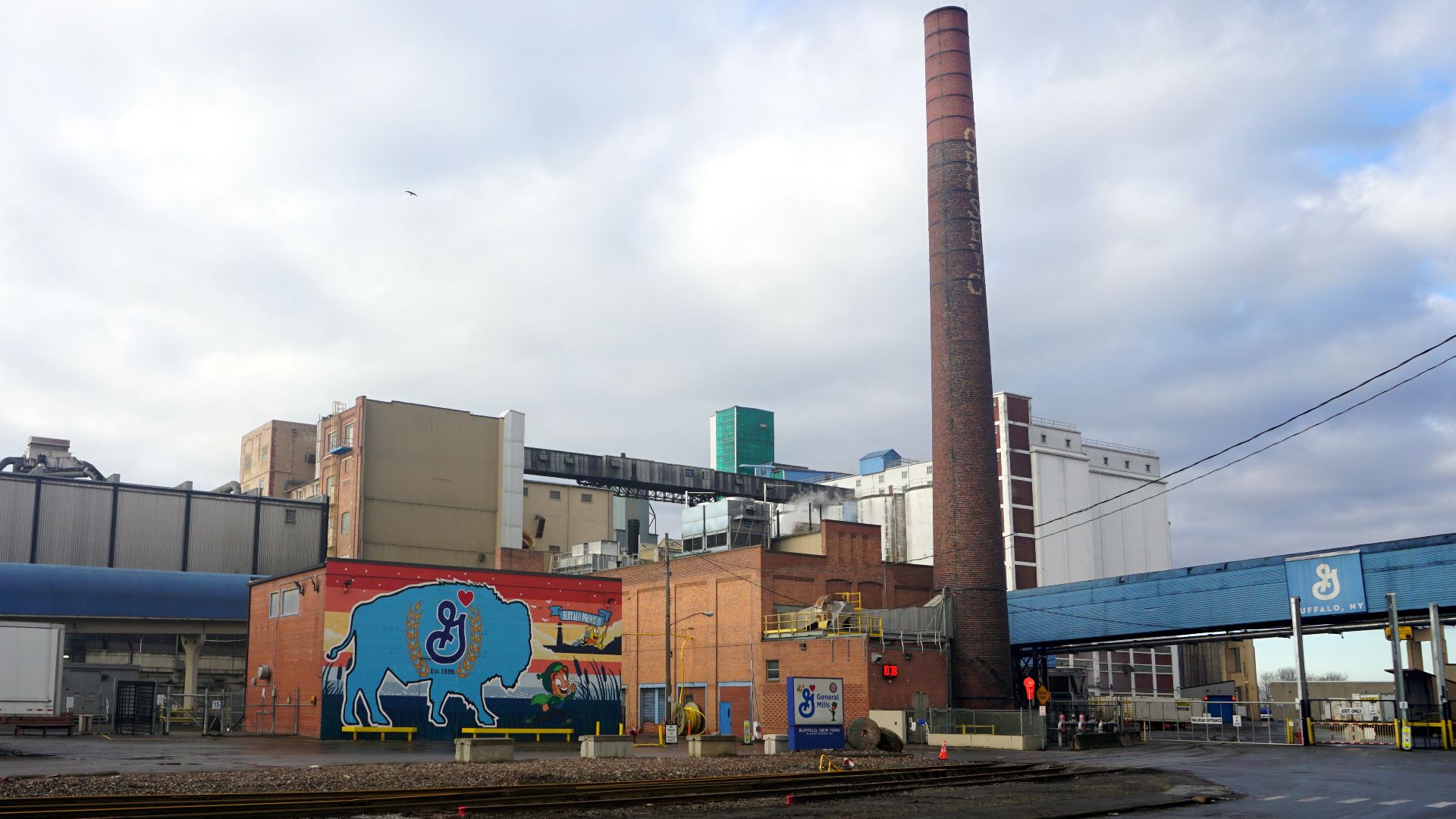
1. General Mills
Since 1929, General Mills has proven it knows more than just recipes. The “Friendship” flatware pattern, later renamed “Medality,” was just the beginning. Through Betty Crocker, coupons evolved into a whole line of craft and kitchen gear—like popcorn poppers and measuring cups—that still boost food promotions today.
2. Dole
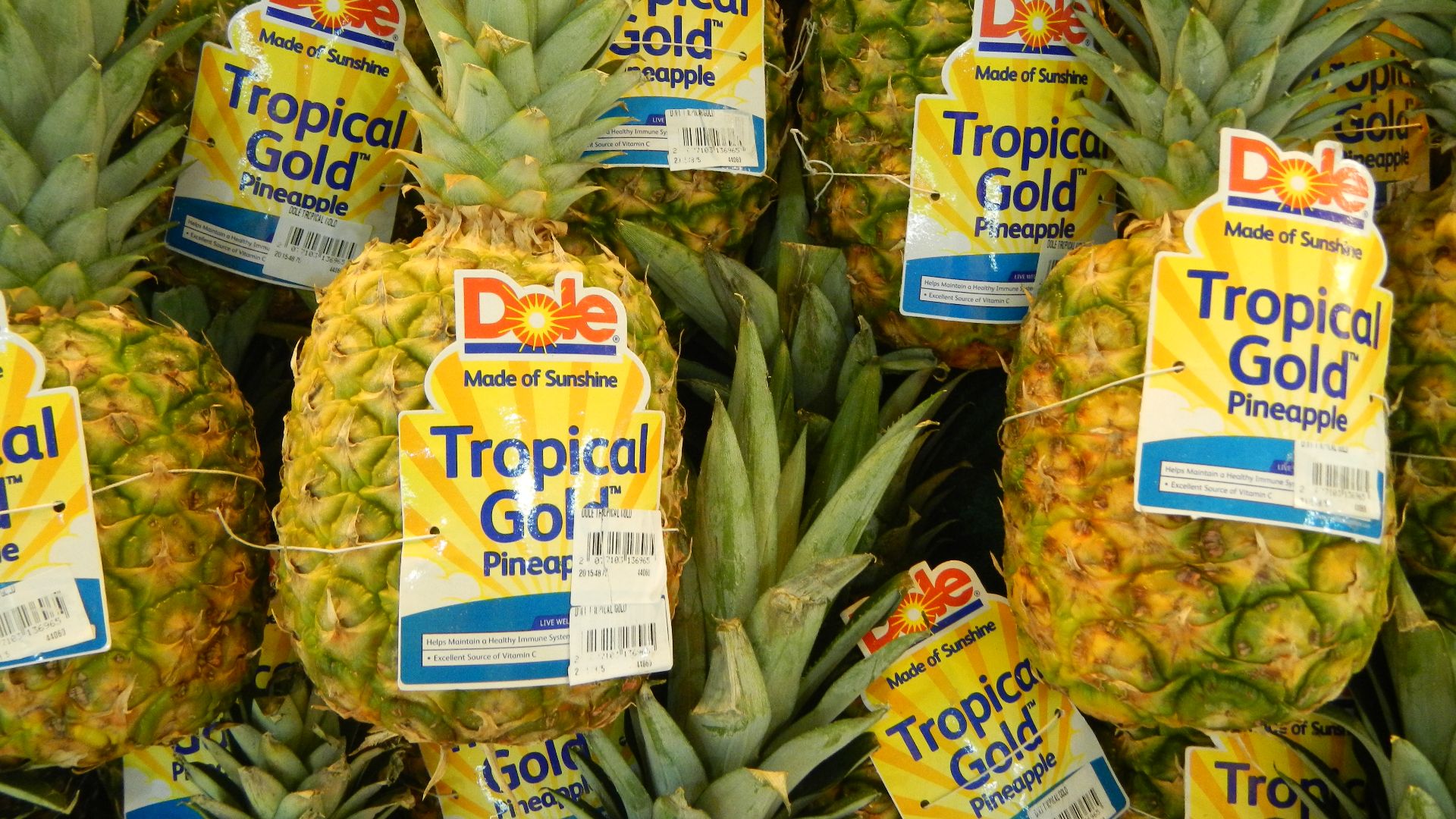
In an innovative approach to agricultural sustainability, Dole has mastered the art of transforming tropical fruit waste into high-value cosmetic ingredients. The company's strategic focus on converting side-streams into specialized extracts, oils, enzymes, and dietary fibers serves global cosmetics manufacturers, though Dole itself doesn't market finished beauty products.
3. Del Monte
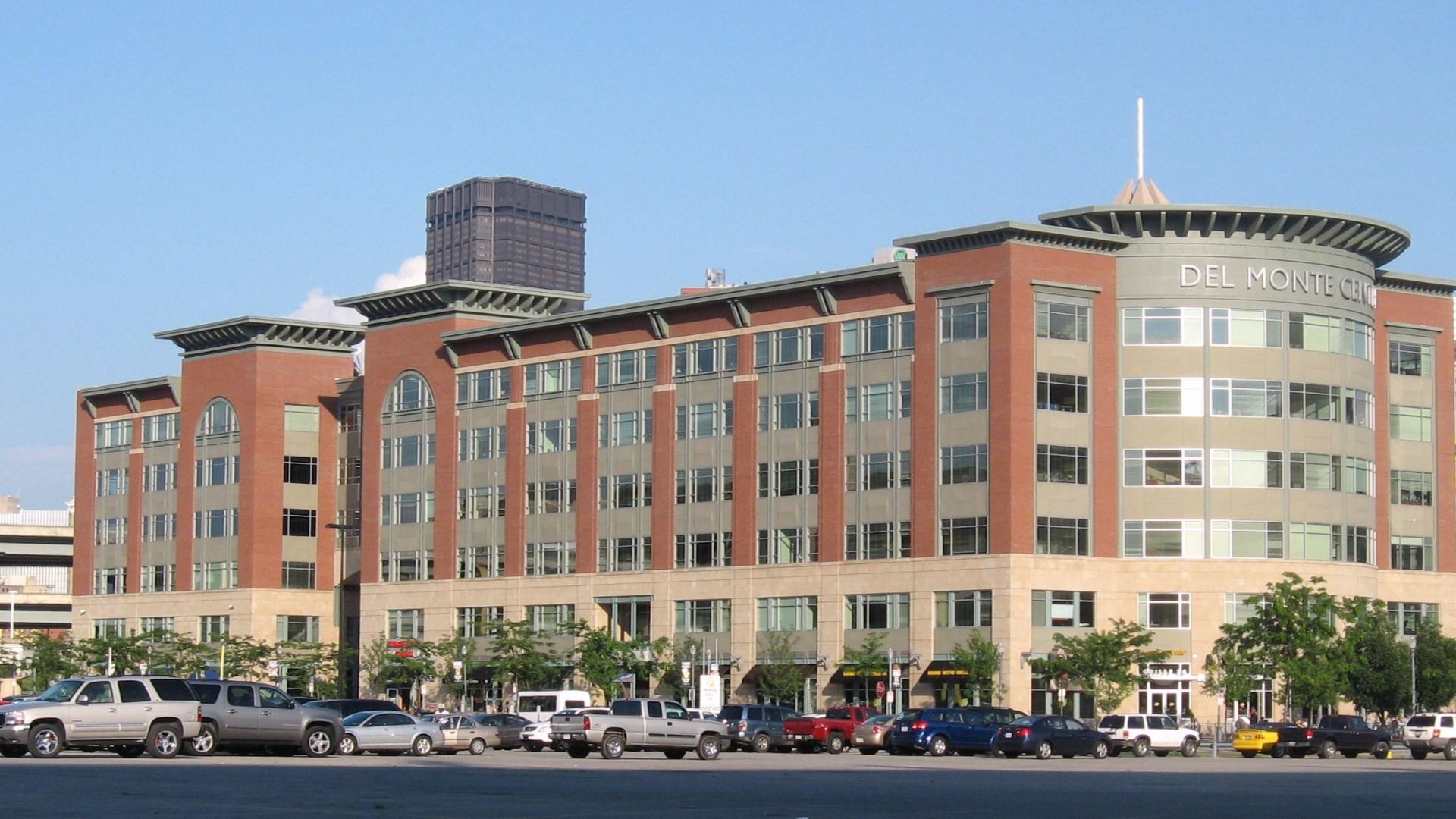
Back in 1886, when Del Monte first started canning peaches, who could have predicted it would become the Swiss Army knife of agricultural innovation? From humble fruit-packing beginnings sprouted an empire of convenient foods and initiatives in sustainable agriculture, like converting fruit waste into biofertilizers for eco-friendly farming.
 TheZachMorrisExperience on Wikimedia
4. Cargill
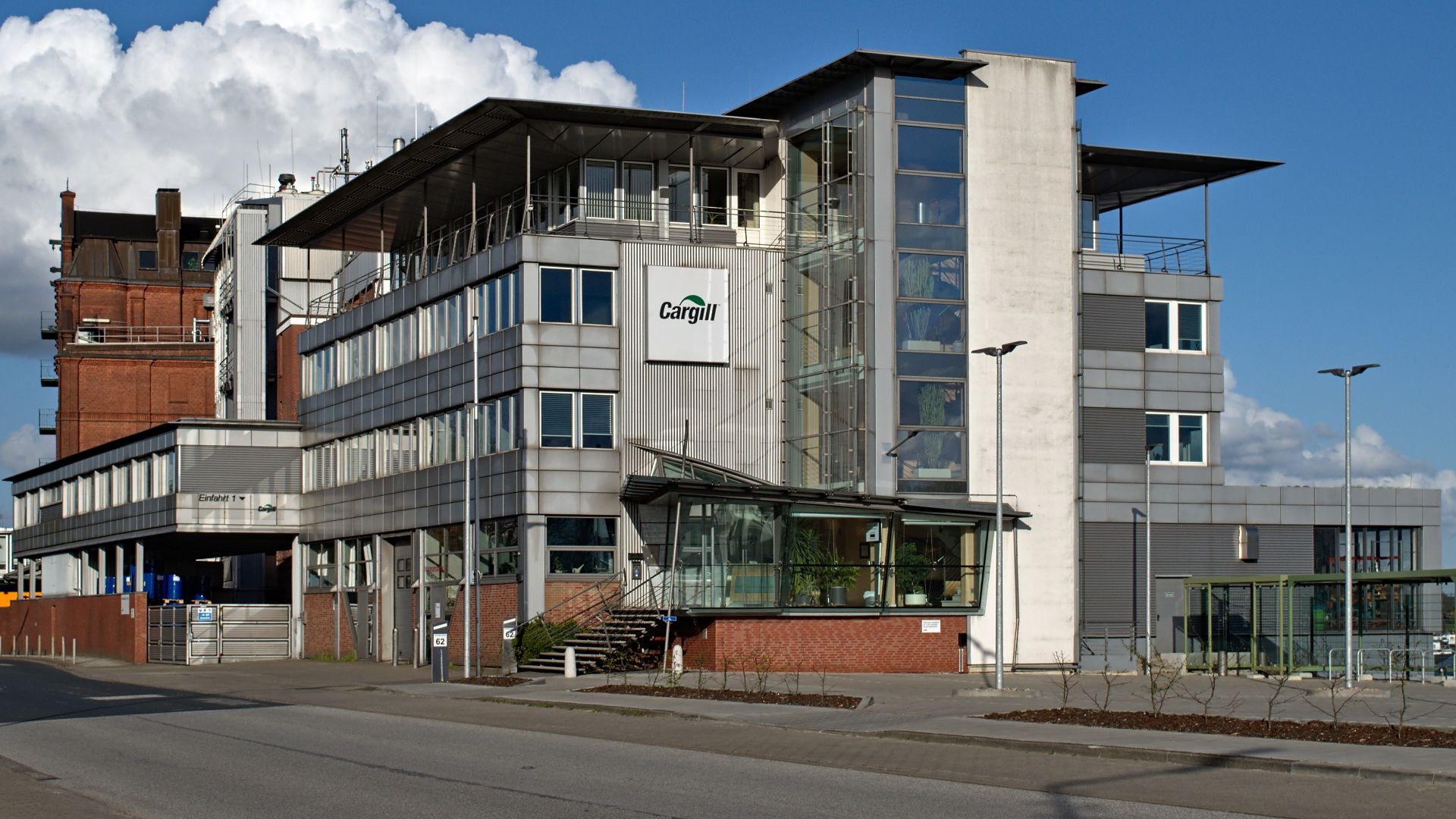
Starting with raw agricultural materials, Cargill maximizes resource utilization by first processing food products, then converting production byproducts into an extensive industrial chemicals portfolio. This circular approach yields specialized solutions like bio-based plasticizers and battery dispersants, culminating in innovations such as NatureCool™, their sustainable plant-derived fluid for data center cooling.
 Sebastian Koppehel on Wikimedia
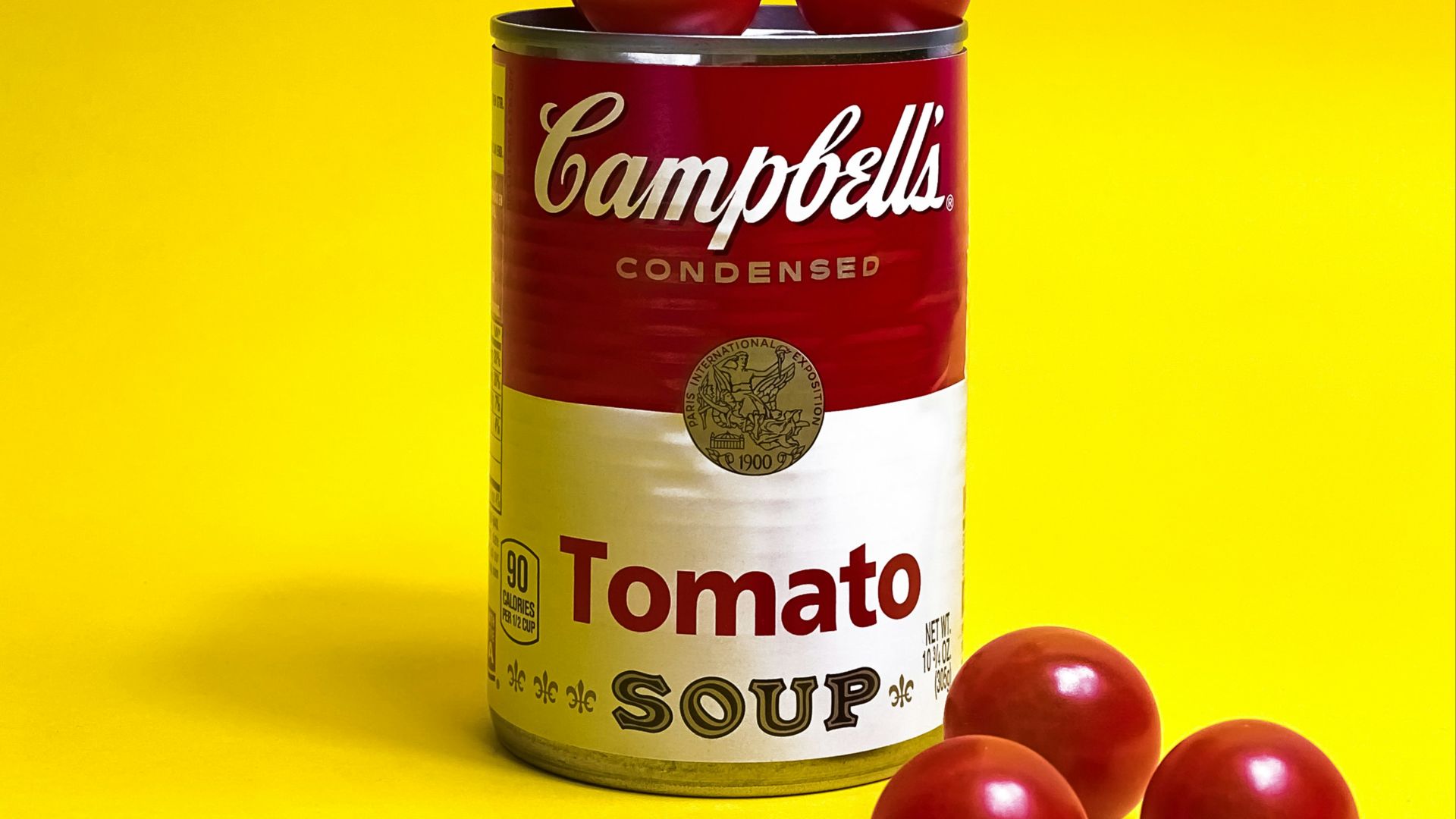
5. Campbell Soup Company
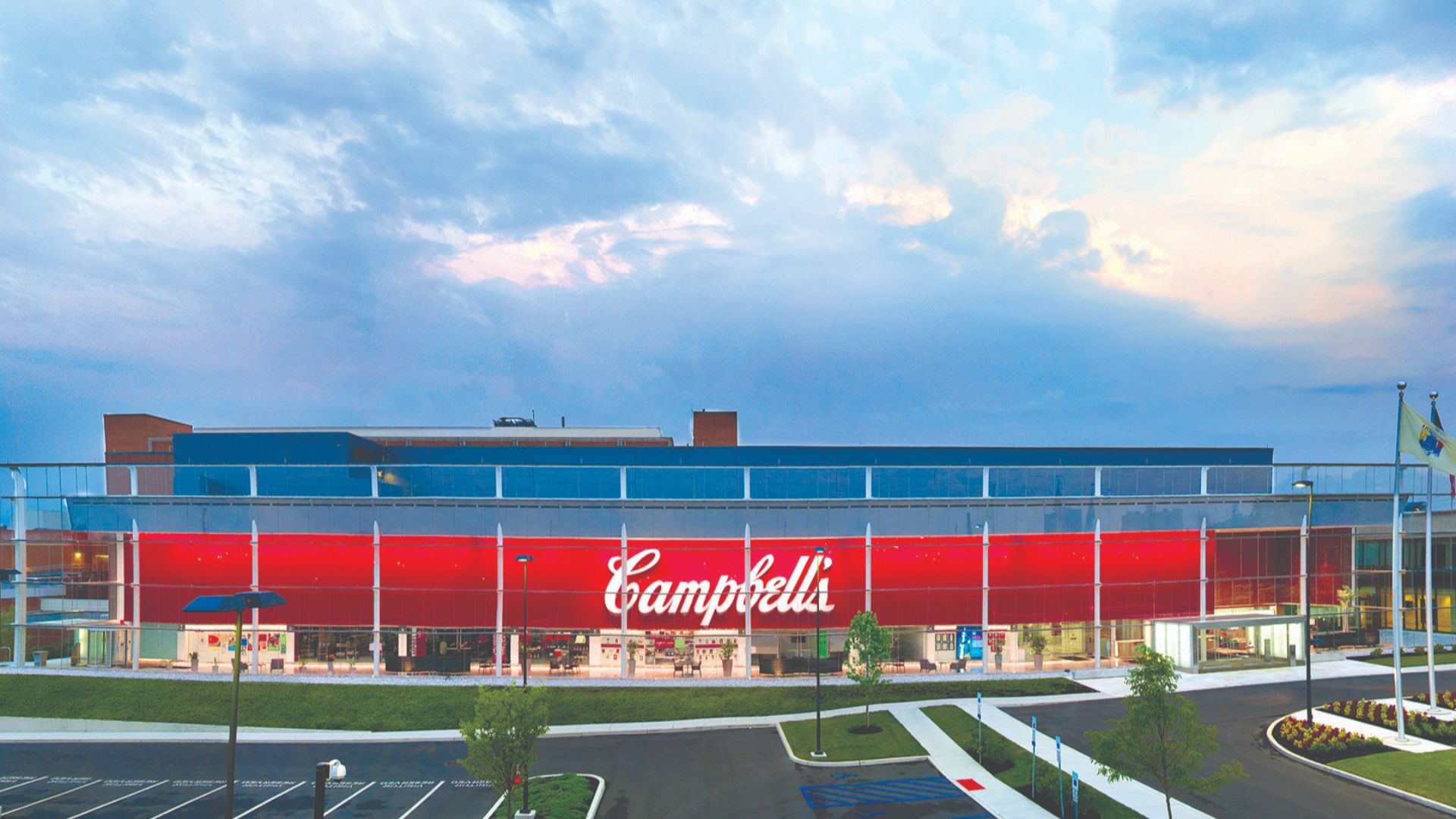
In the early 1900s, Campbell Soup Company blended marketing with childhood fun through the Campbell Kid dolls. Crafted in materials like cloth, bisque, and composites, these toys doubled as educational tools. What started as brand promotion quickly became cherished playthings across America, giving the soup brand a playful new identity.
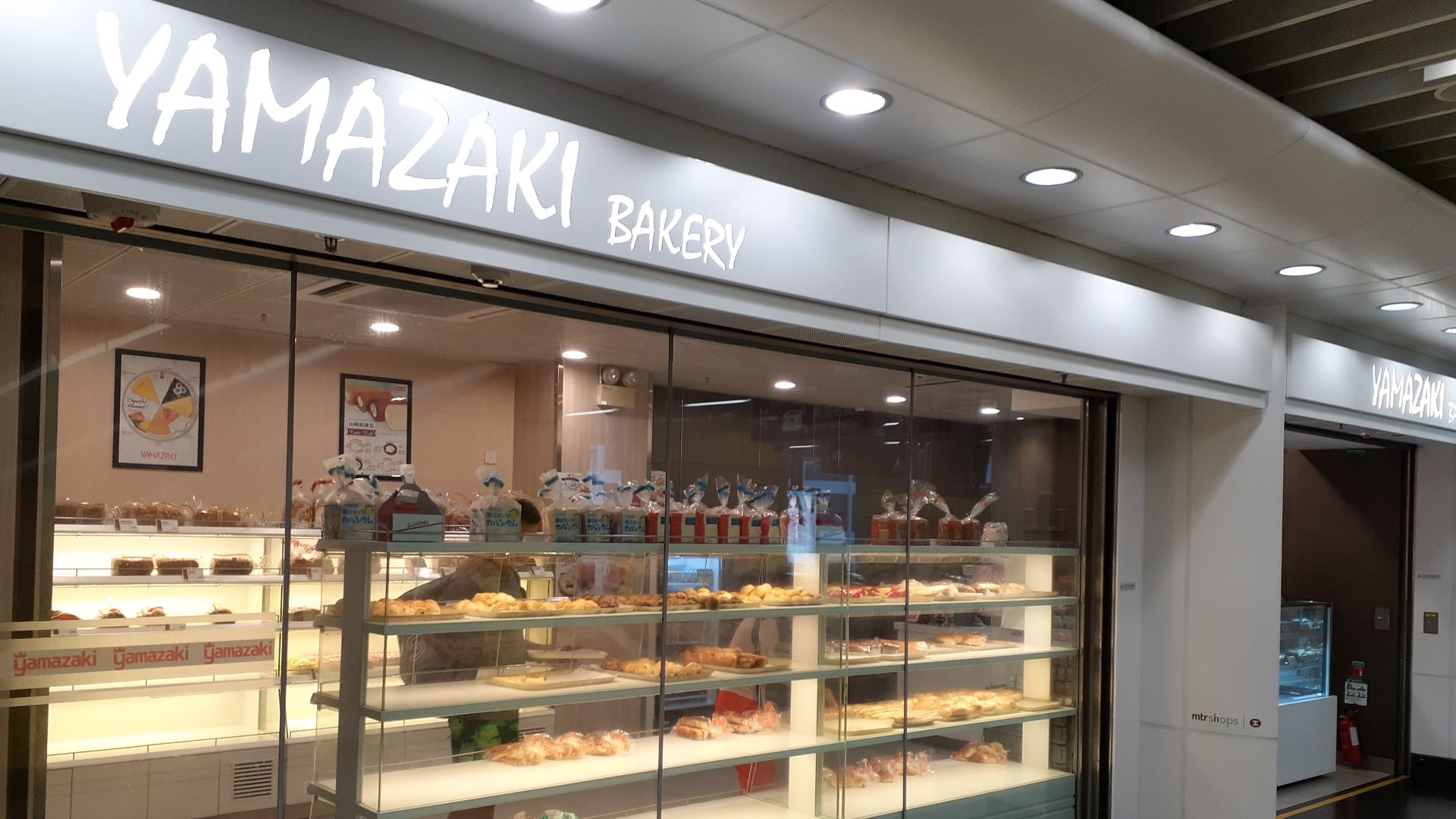
6. Yamazaki Baking
Yamazaki Baking made waves in Japan with the launch of Double Soft, a bread that became an instant hit. Riding on that success, the Tokyo-based company expanded far beyond baking—growing into real estate, convenience stores, and its own bakery cafés like Daily Yamazaki and Sun Shop.
 OPmarri Bofliaerm on Wikimedia
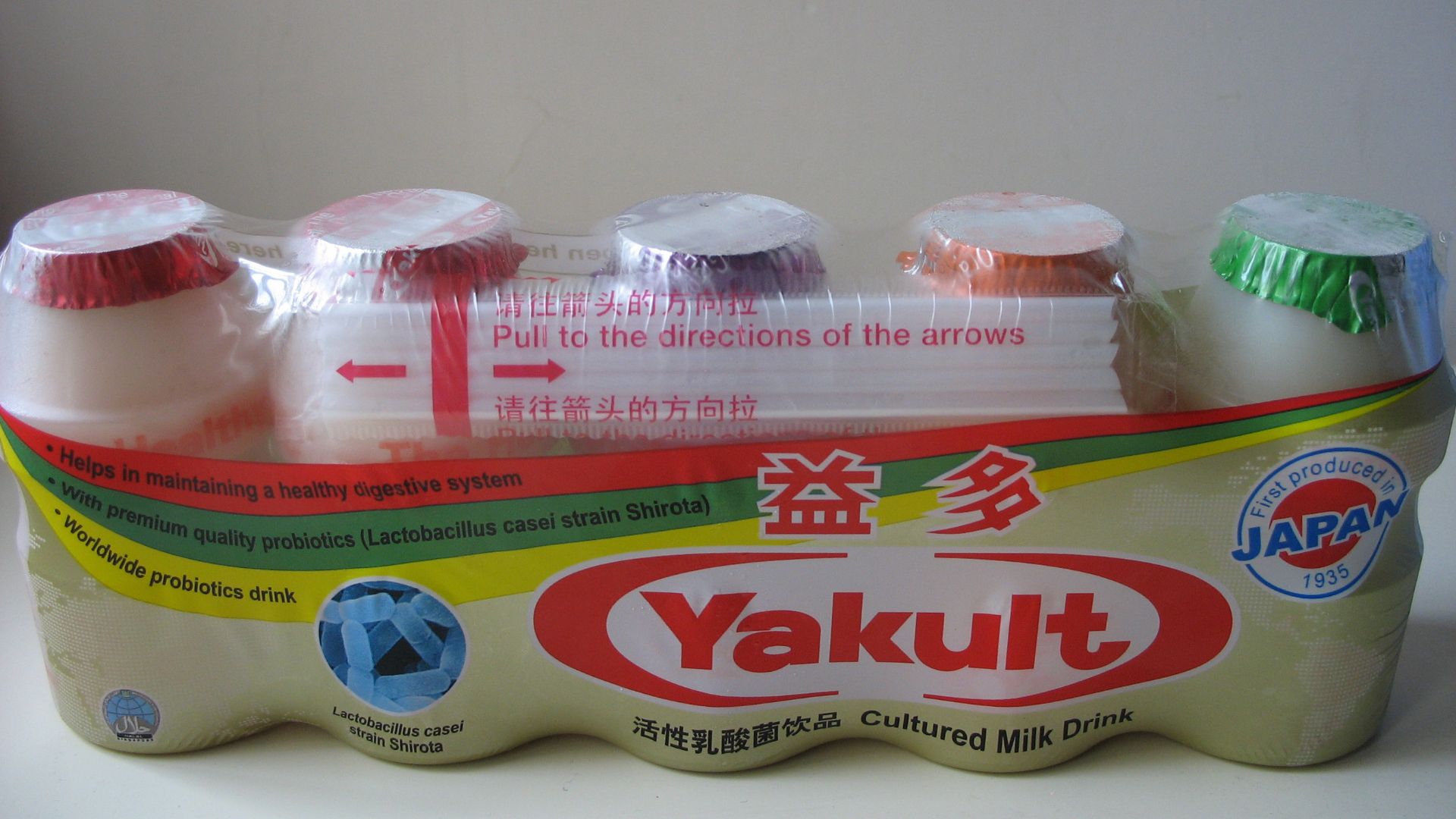
7. Yakult
In a delightful twist of linguistic serendipity, Yakult displays the perfect marriage of Japanese innovation and international ambition. Dr. Minoru Shirota's pioneering work with Lacticaseibacillus casei strain Shirota spawned a cross-cultural empire that now includes the Yakult Beautiens cosmetics line, proving that good bacteria know no borders.
8. Jbs
Through innovative hide processing that converts potential waste into premium leather, JBS exemplifies circular economy leadership in modern industry. This sustainability mindset extends across their diverse portfolio, which includes collagen, biodiesel fuel, hygiene products, metal packaging, and waste management services.
 World’s largest meat supplier hit by cyberattack by CBS Evening News
9. Nestlé
Nestlé saw what many pet care brands missed—most pet insurance providers weren’t connected to the companies actually making pet products. To bridge that gap, they partnered with providers like Odie Pet Insurance. This strategic collaboration integrates insurance policies with Purina’s pet care resources, including the Petivity ecosystem, for U.S. cats and dogs.
10. Pepsico
Bold graphics and retro logos define PepsiCo's distinctive clothing aesthetic, channeling the brand's youthful energy through its iconic color schemes. This vibrant design philosophy comes to life across their comprehensive apparel range. Plus, fashion partnerships, including collaborations with Puma, further elevate these signature style elements.
11. Unilever
Dove's 1957 debut revolutionized personal care with its innovative moisturizing cleansing bar, setting the tone for Unilever's broader evolution. While maintaining strength in foods through Lipton tea, Knorr seasonings, and Ben & Jerry's ice cream, the company built powerful non-food brands like Axe, Rexona, and Lux.
 Marcel Douwe Dekker on Wikimedia
12. Kikkoman
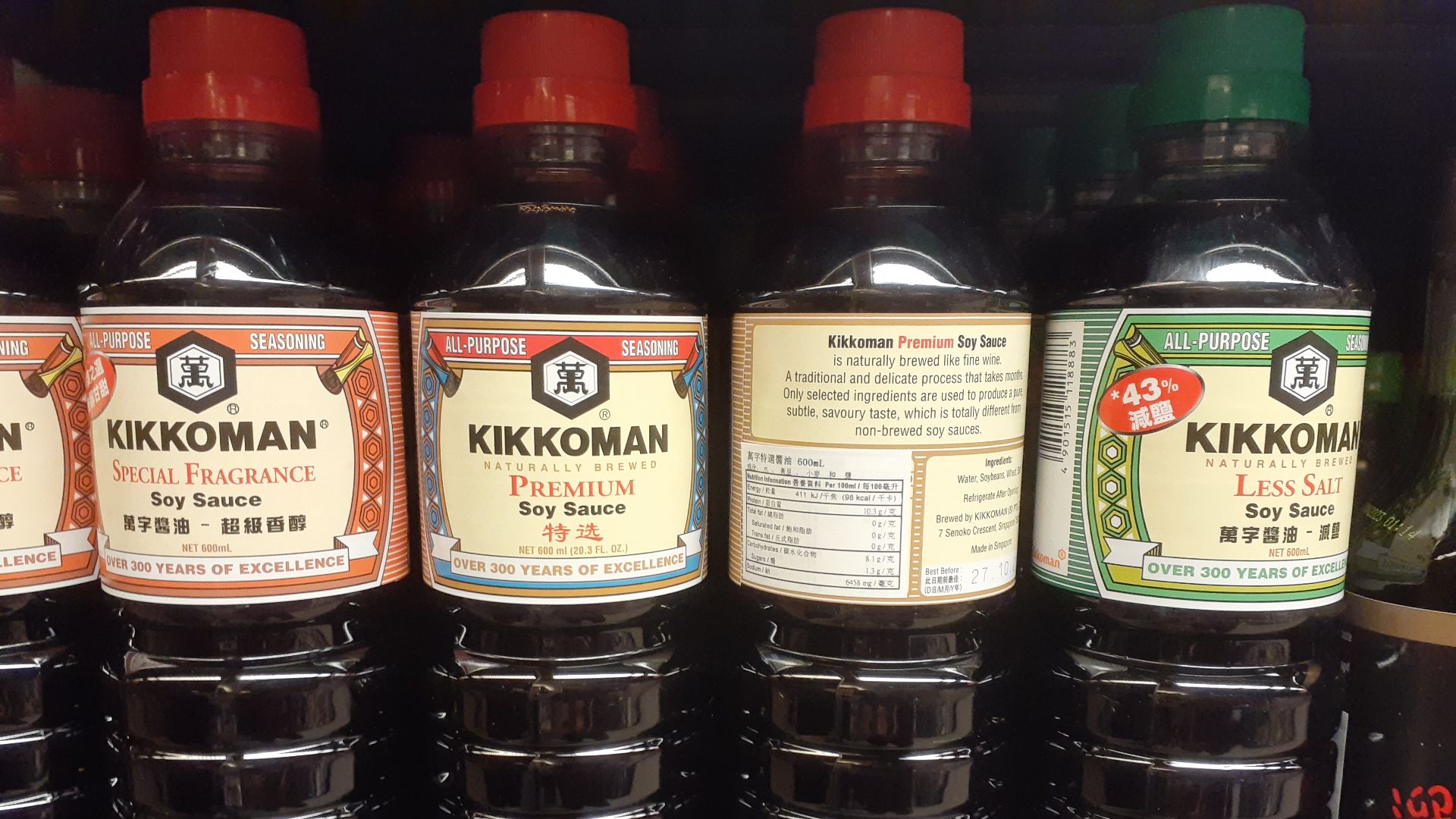
Behind Kikkoman's modern breakthroughs in medical biotechnology and luciferase production lies four centuries of fermentation mastery. What began as family-run soy sauce making in 1603 has evolved into a scientific powerhouse. While still dominating in teriyaki, seasonings, and panko, Kikkoman now spans pharmaceuticals and restaurant management.
13. Ajinomoto
At the microscopic level, Ajinomoto's Build-up Film provides critical semiconductor insulation, while its magnetic films and pastes enable inductor functionality. This capability stems from the company's strategic application of amino acid chemistry and polymer science expertise, originally developed for food research. The technology now protects mobile devices and data centers from electromagnetic interference.

14. Land O'lakes
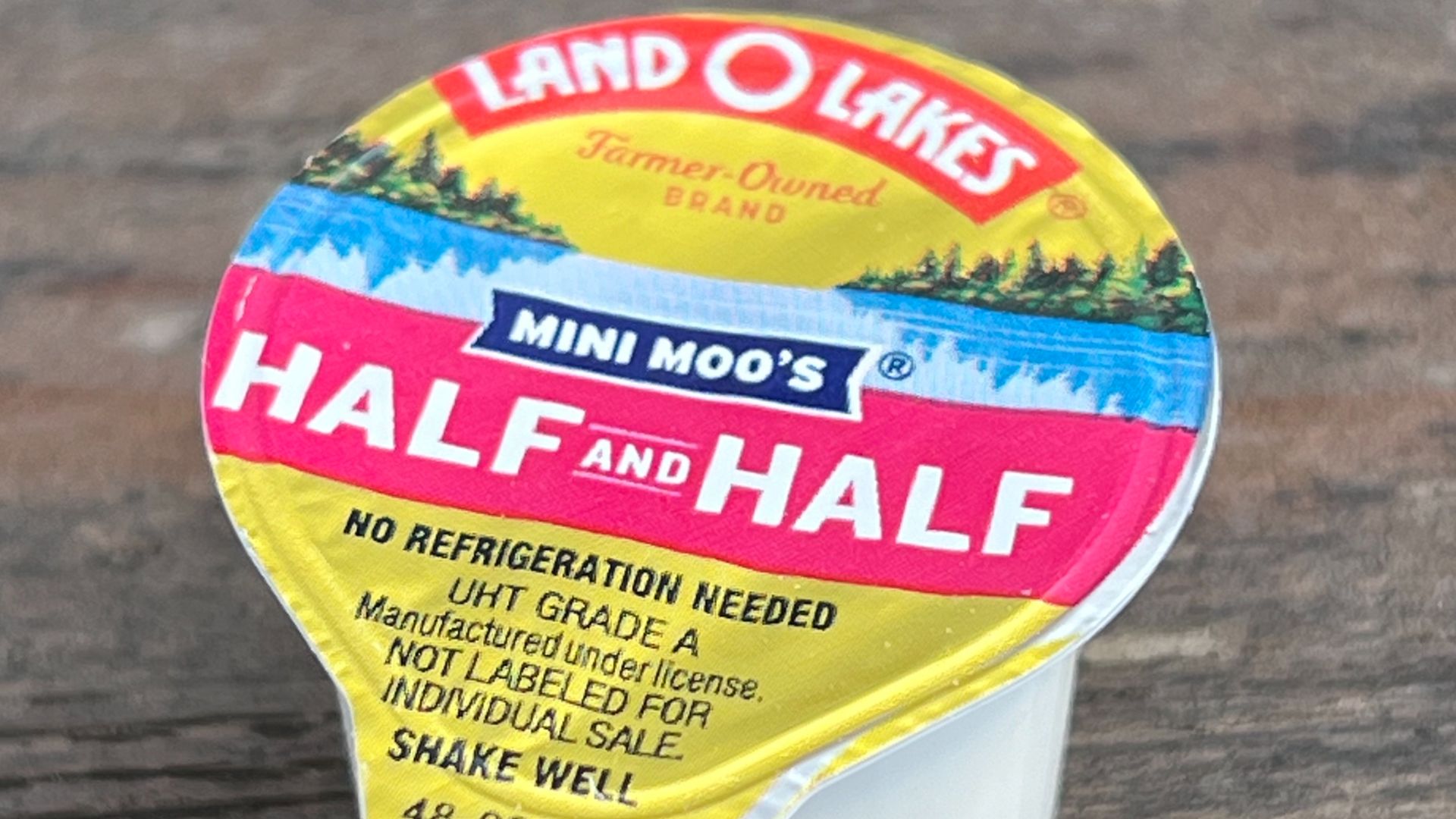
Land O'Lakes has evolved into a comprehensive agricultural enterprise, extending far beyond dairy into crop protection, animal feed, and farming solutions. The company's 2012 acquisition of WinField Solutions catalyzed this transformation, bringing specialized products like the InterLock adjuvant into its agricultural protection lineup.
15. Mitsubishi
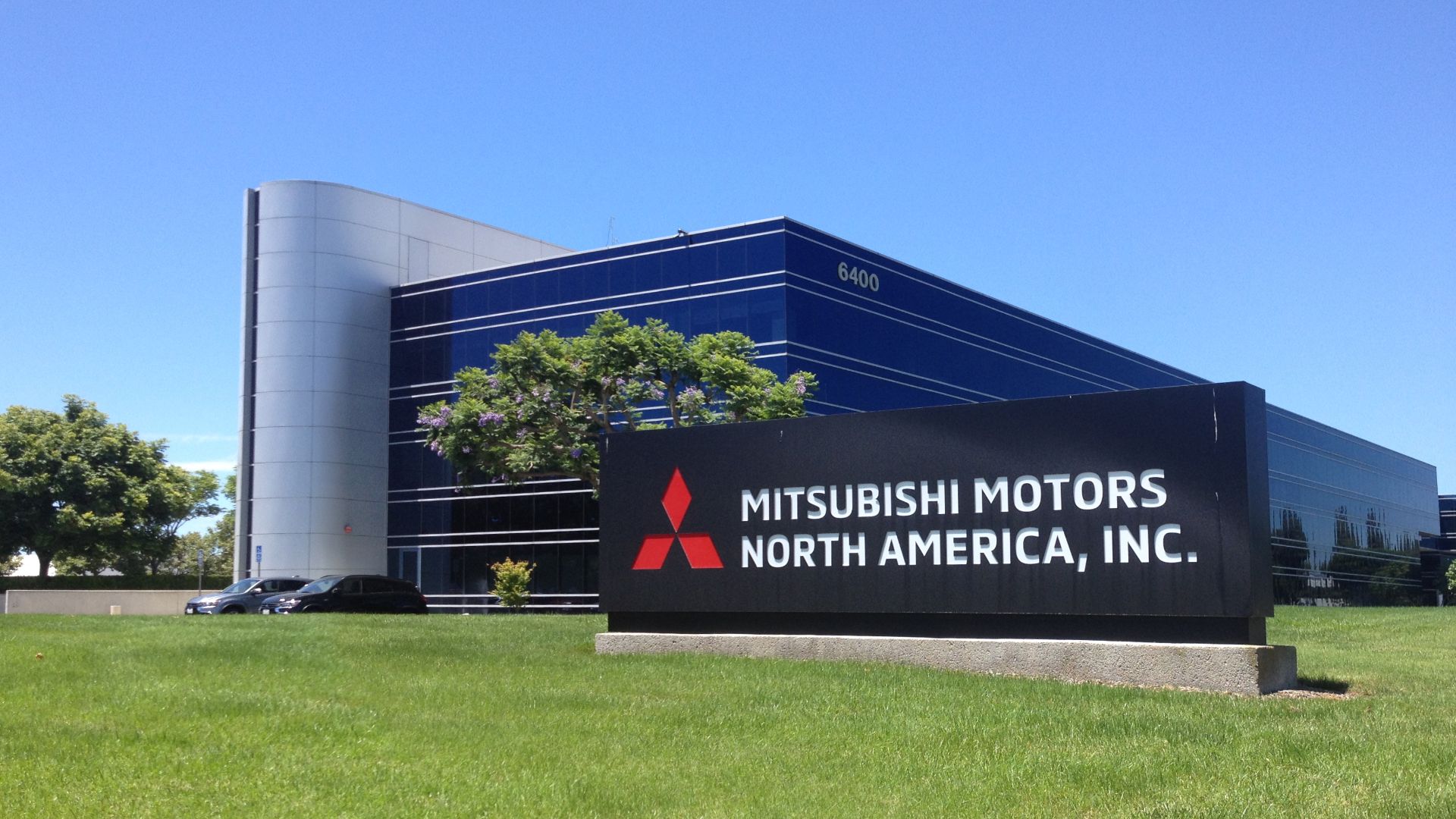
Mitsubishi's early strategic diversification into marine insurance laid the groundwork for its remarkable evolution into a multifaceted conglomerate. Beyond automobiles, the corporation expanded into chemicals, mining, shipbuilding, and aluminum production. By consolidating specialists like Mitsubishi Shoji Foodtech into Life Sciences Limited, they established dominance in food ingredients, now producing everything from seasonings to health products and yeast extracts.
16. Archer Daniels Midland (ADM)
Founded in 1902 as a linseed oil mill, ADM has grown into a global agribusiness leader transforming crops into more than food. Beyond nutrition, it produces ethanol, biodiesel, bioplastics, and solvents—innovations that advance sustainability by minimizing agricultural waste.

17. Associated British Foods
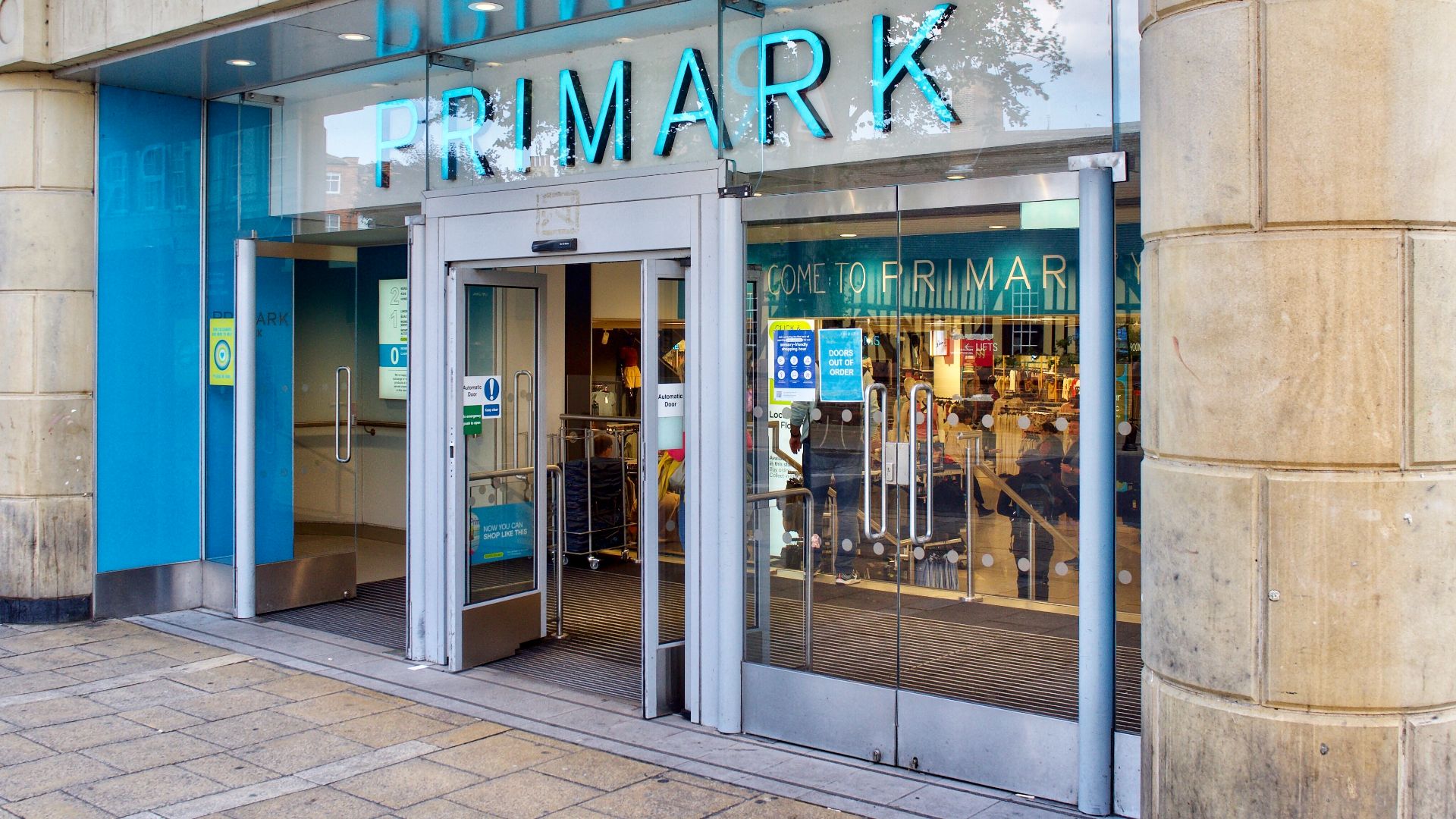
Best known for its sugar, tea, and grocery brands, Associated British Foods also commands a surprising foothold in fashion retail. Through its Primark chain, ABF sells clothing and home goods worldwide, proving that a food conglomerate can successfully span both kitchen shelves and high-street storefronts.
18. Tyson Foods
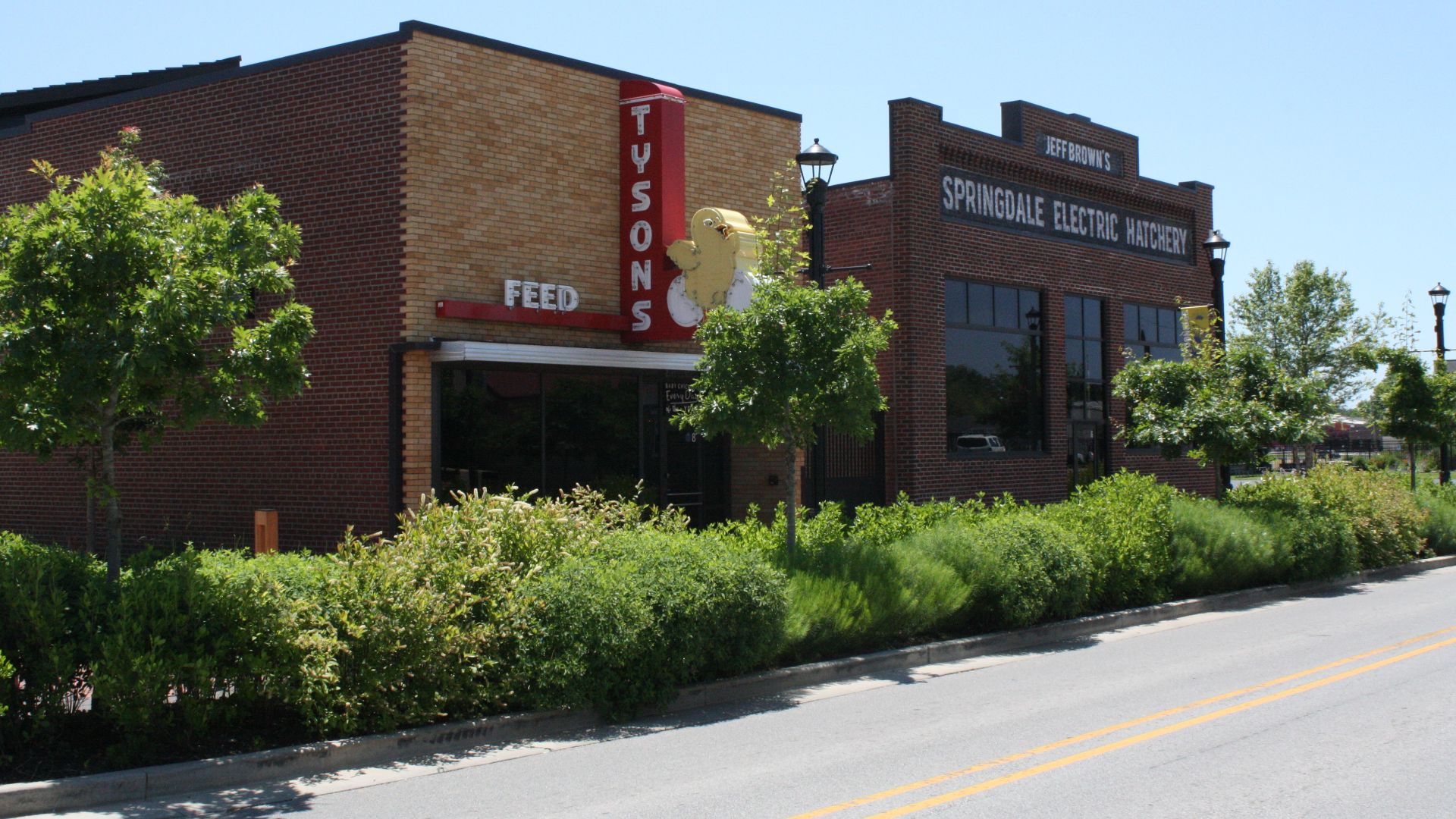
From chicken nuggets to cattle ranches, Tyson has built its name feeding millions, but its influence stretches further. The company converts animal byproducts into leather, fertilizers, and pet supplies, which ensures livestock waste becomes new resources.
19. Bunge Global
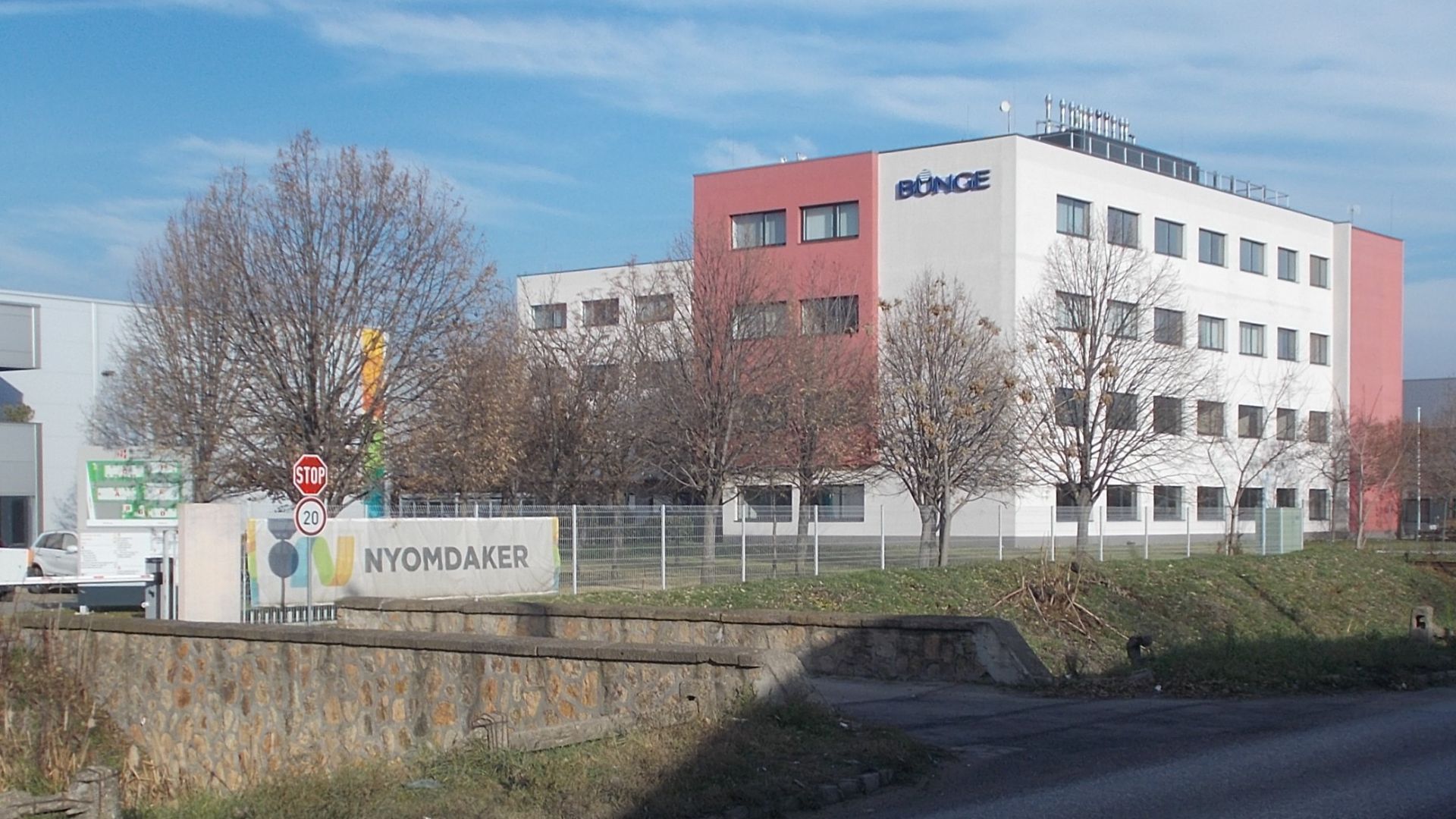
As a powerhouse in oilseed processing and grain trading, Bunge has long shaped global food supply chains. Yet its influence reaches well beyond the table—producing biofuels and renewable feedstocks that power vehicles, industries, and packaging.
20. Keurig Dr Pepper
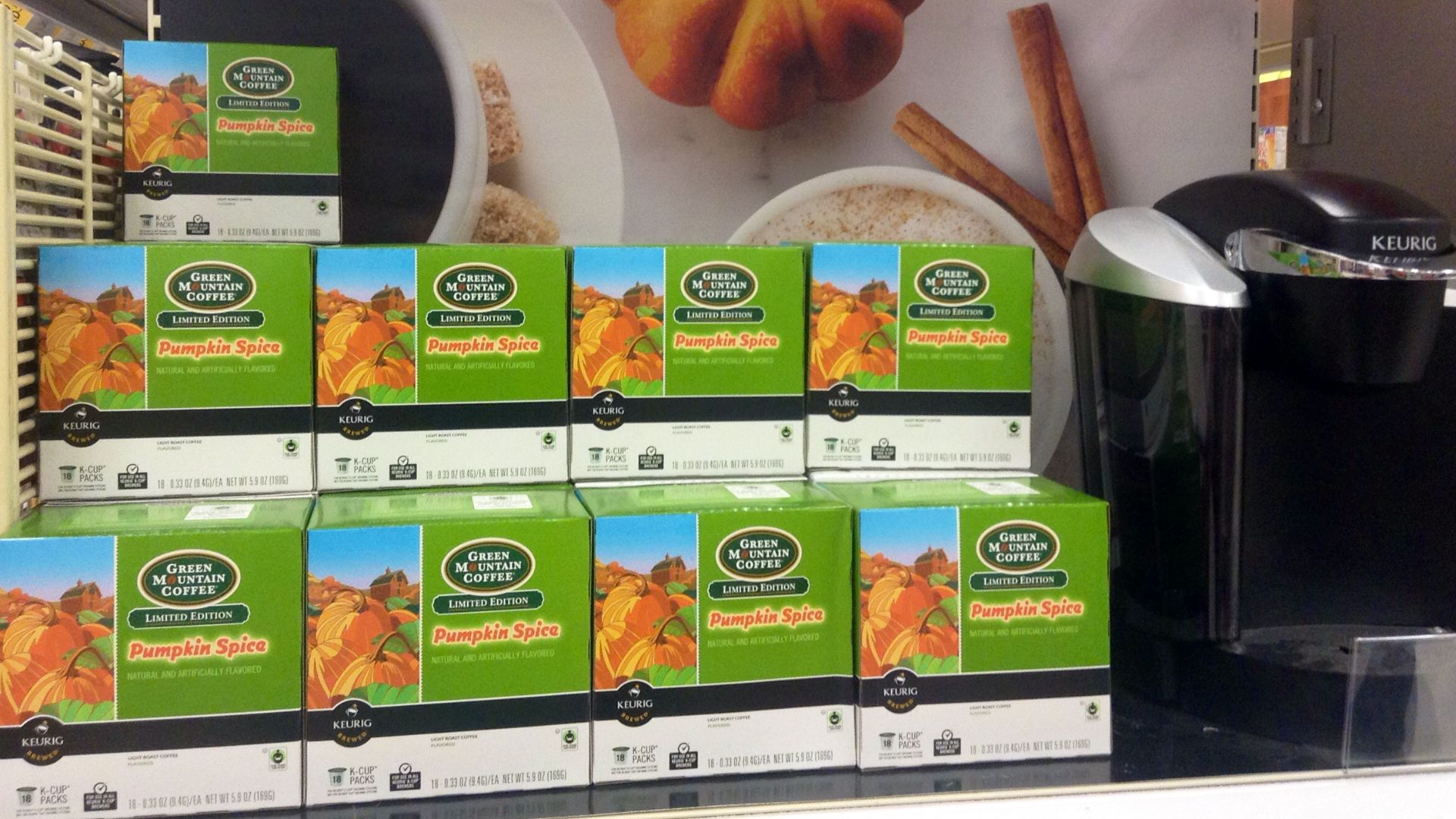
It’s more than a soda-and-coffee empire. Keurig Dr Pepper also sells sleek brewing machines, water filtration systems, and branded accessories that redefine kitchen convenience. By blending beverages with appliances, the company places itself directly into daily household routines.
KEEP ON READING


20 Food-Related Art Projects