The Pantry of Human Progress
You might think that world history is only shaped by powerful leaders and grand battles, but the contents of your kitchen cabinet have played an even bigger role in our survival. From preventing massive famines to fueling the age of exploration, certain crops and snacks have literally changed the trajectory of human civilization. It's pretty amazing to realize that a simple root vegetable or a fermented drink could decide the fate of entire empires. We've pulled together twenty of the most influential foods that helped us get where we are today, proving that the fork is often mightier than the sword.
1. The Reliable Potato
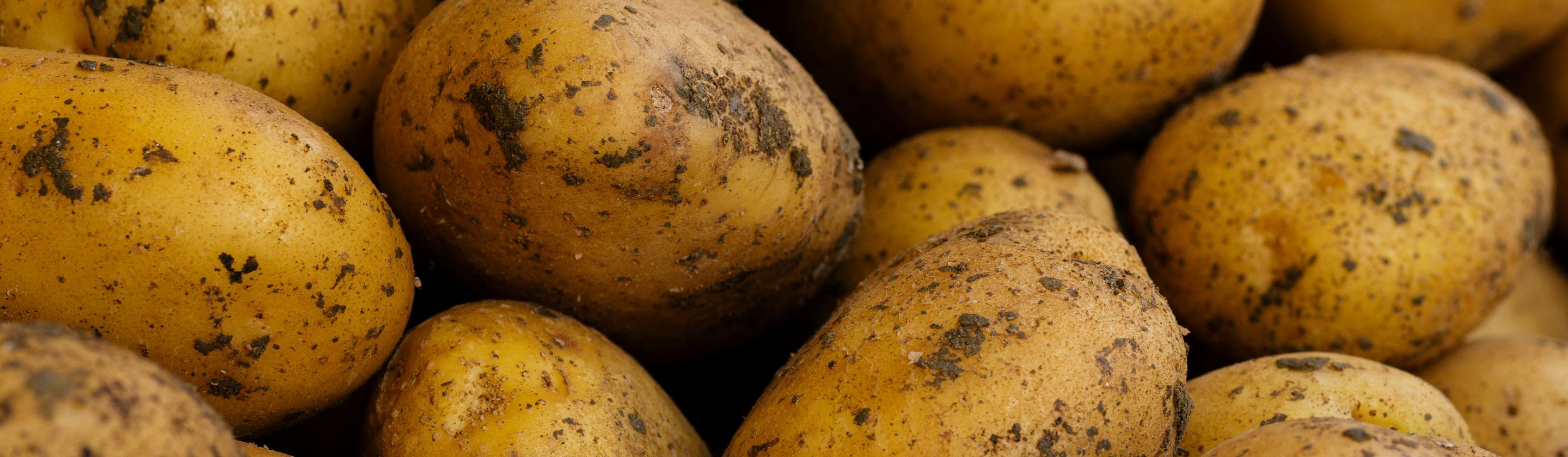
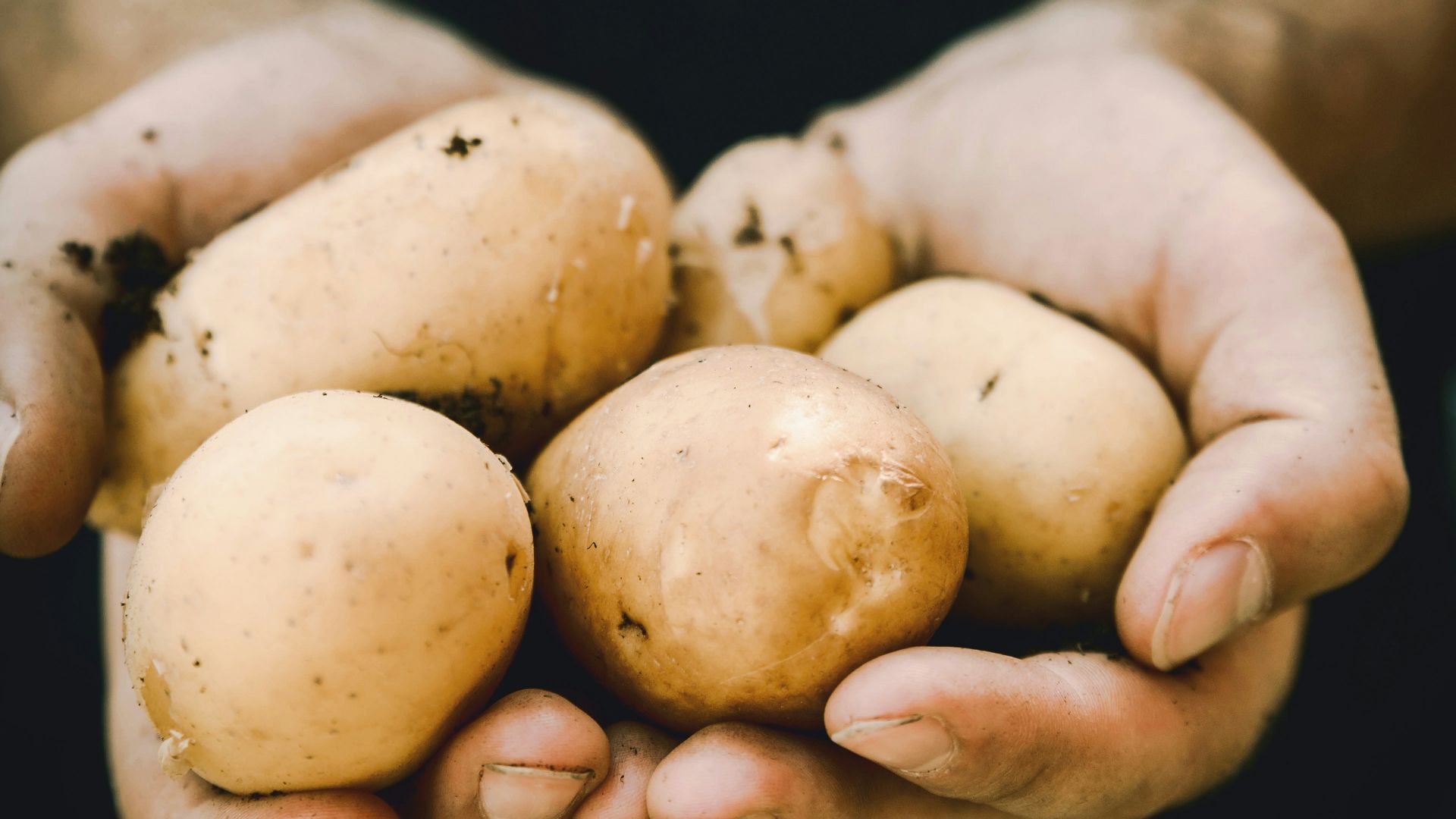
When this tuber traveled from the Andes to Europe, it provided a cheap and nutrient-dense source of calories that allowed the population to explode. Because potatoes grow underground, they were often the only food left standing after armies trampled through farmers' fields during the many wars of the seventeenth century. You can thank the humble spud for fueling the labor force that eventually powered the Industrial Revolution.
2. Salt for Preservation
Before we had high-tech refrigerators, salt was the only thing standing between a successful harvest and a winter of starvation. It allowed early explorers to preserve fish and meat for long sea voyages, which paved the way for the discovery of new continents.
This simple mineral was so valuable that it was used as currency and even sparked major revolutions when governments tried to tax it too heavily.

3. Corn as a Global Staple
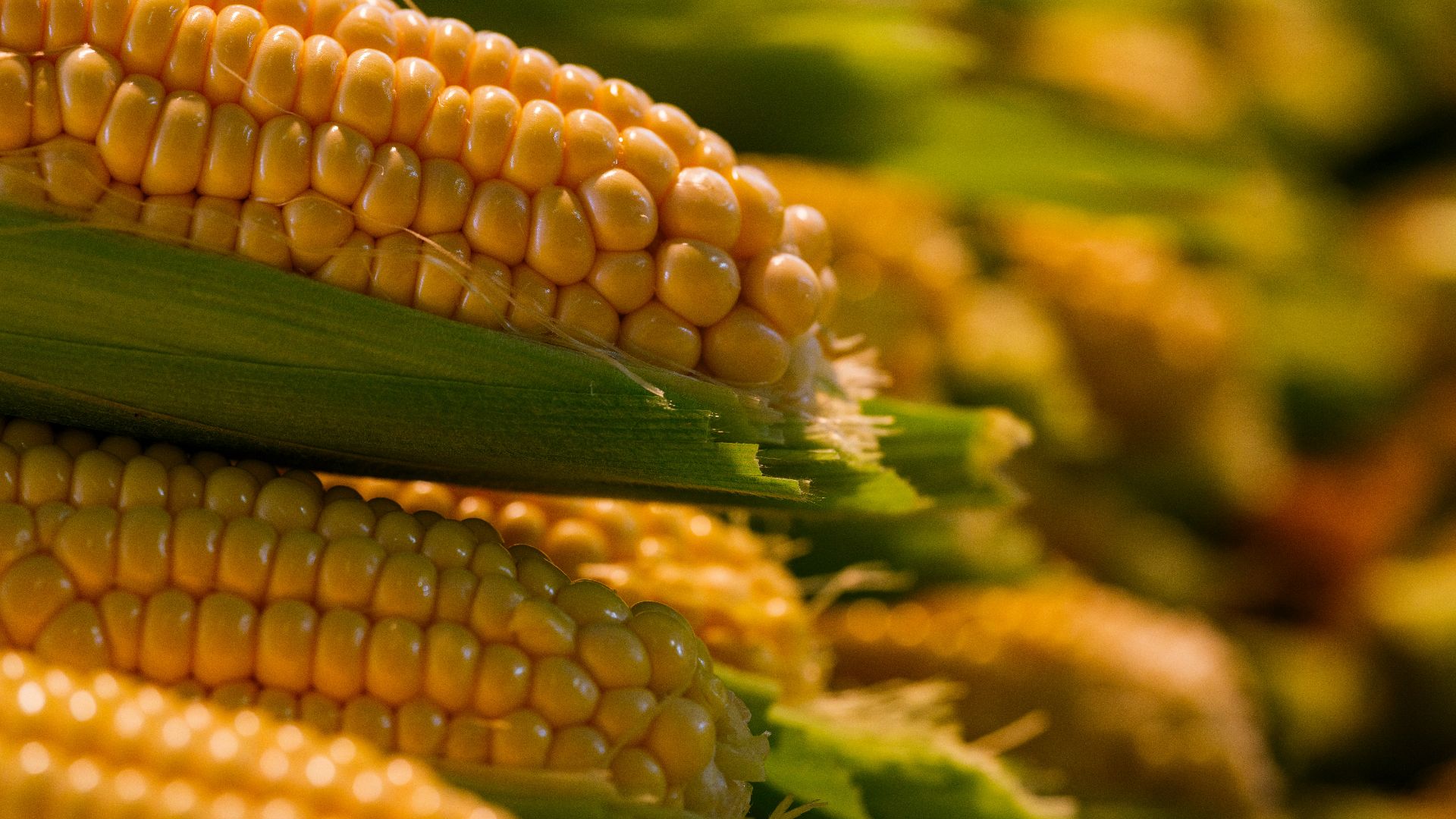
Originally domesticated in Mexico, corn is one of the most versatile and productive crops ever grown by human hands. It can thrive in a huge variety of climates, making it a reliable insurance policy against hunger for cultures all over the planet. Today, it’s not just a side dish but a foundational ingredient in thousands of products ranging from fuel to sweeteners.
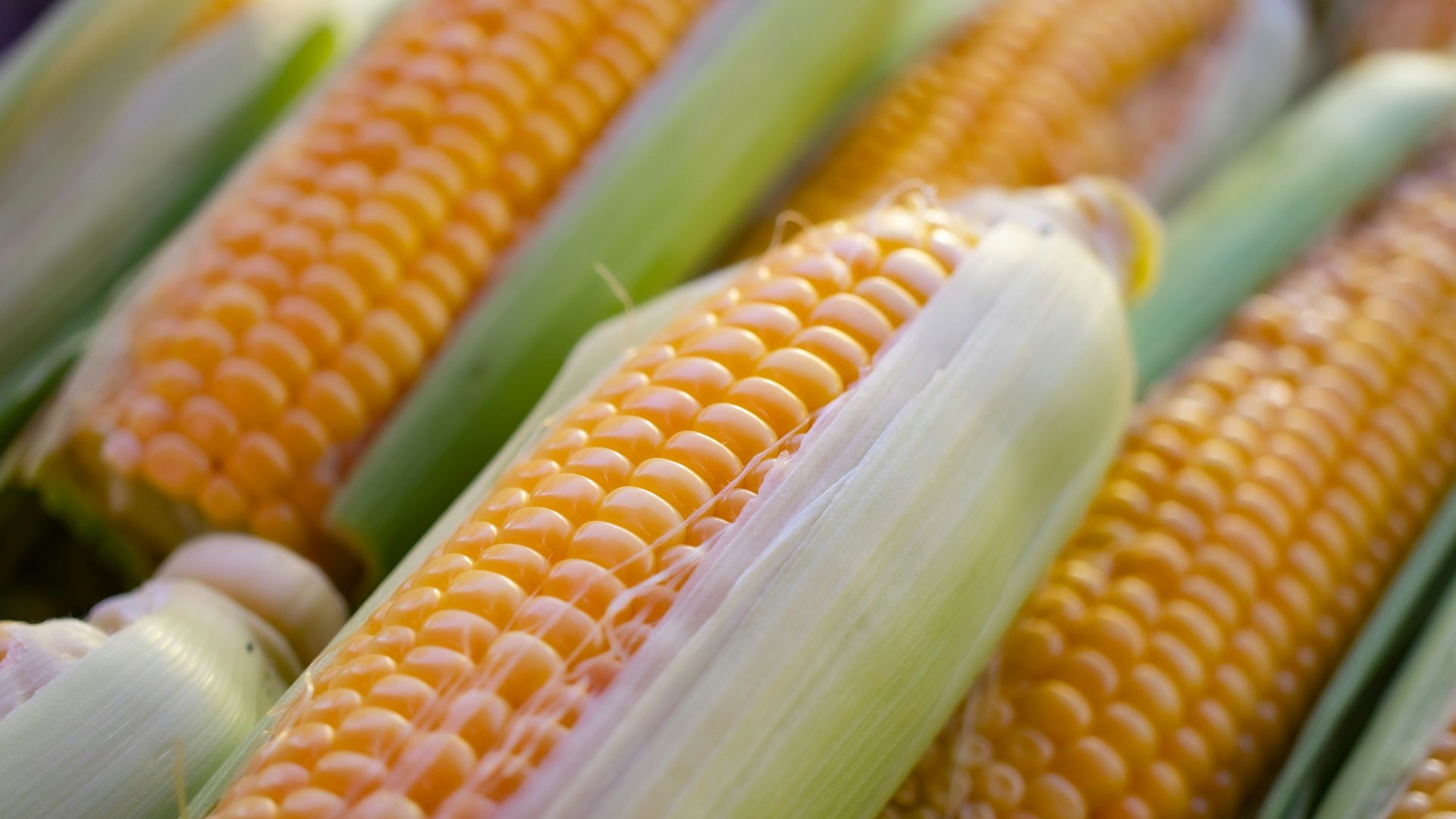 Wouter Supardi Salari on Unsplash
4. The Power of Fermented Beer
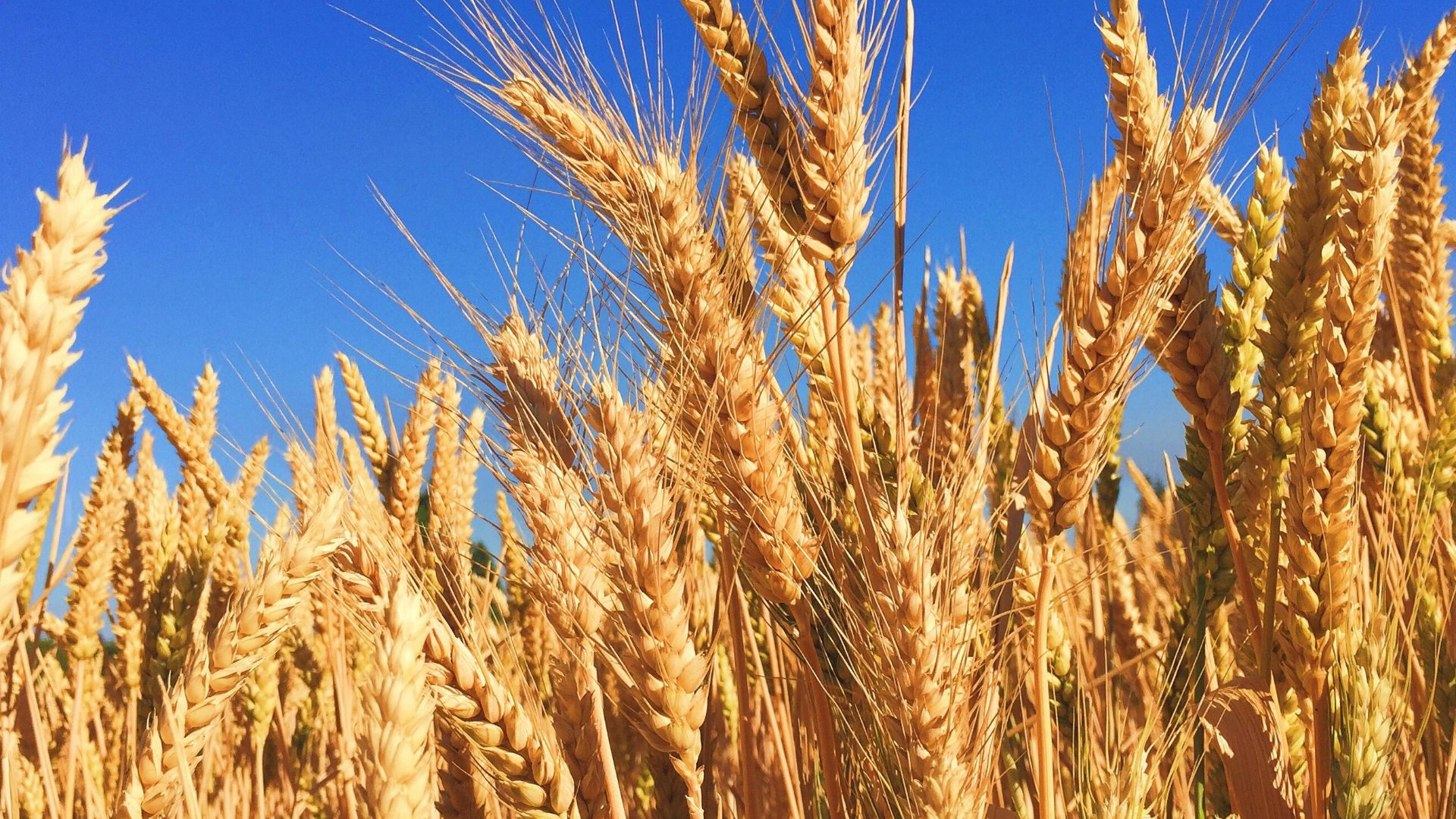
Ancient civilizations often struggled with contaminated water supplies, and the fermentation process in beer actually helped kill off dangerous pathogens. Workers in ancient Egypt were often paid in bread and ale because it provided the necessary hydration and calories to build the pyramids. You could argue that modern society was built on a foundation of grain-based beverages that kept the early workforce healthy.
5. Rice and the Rise of Empires
Cultivating rice requires a massive amount of social cooperation and organized labor, which helped give rise to some of the earliest complex governments in Asia. This tiny grain provides more calories per acre than almost any other crop, allowing huge populations to live in close proximity. It remains the primary source of life for billions of people and has dictated the borders of nations for millennia.

6. Cacao and the Luxury Trade
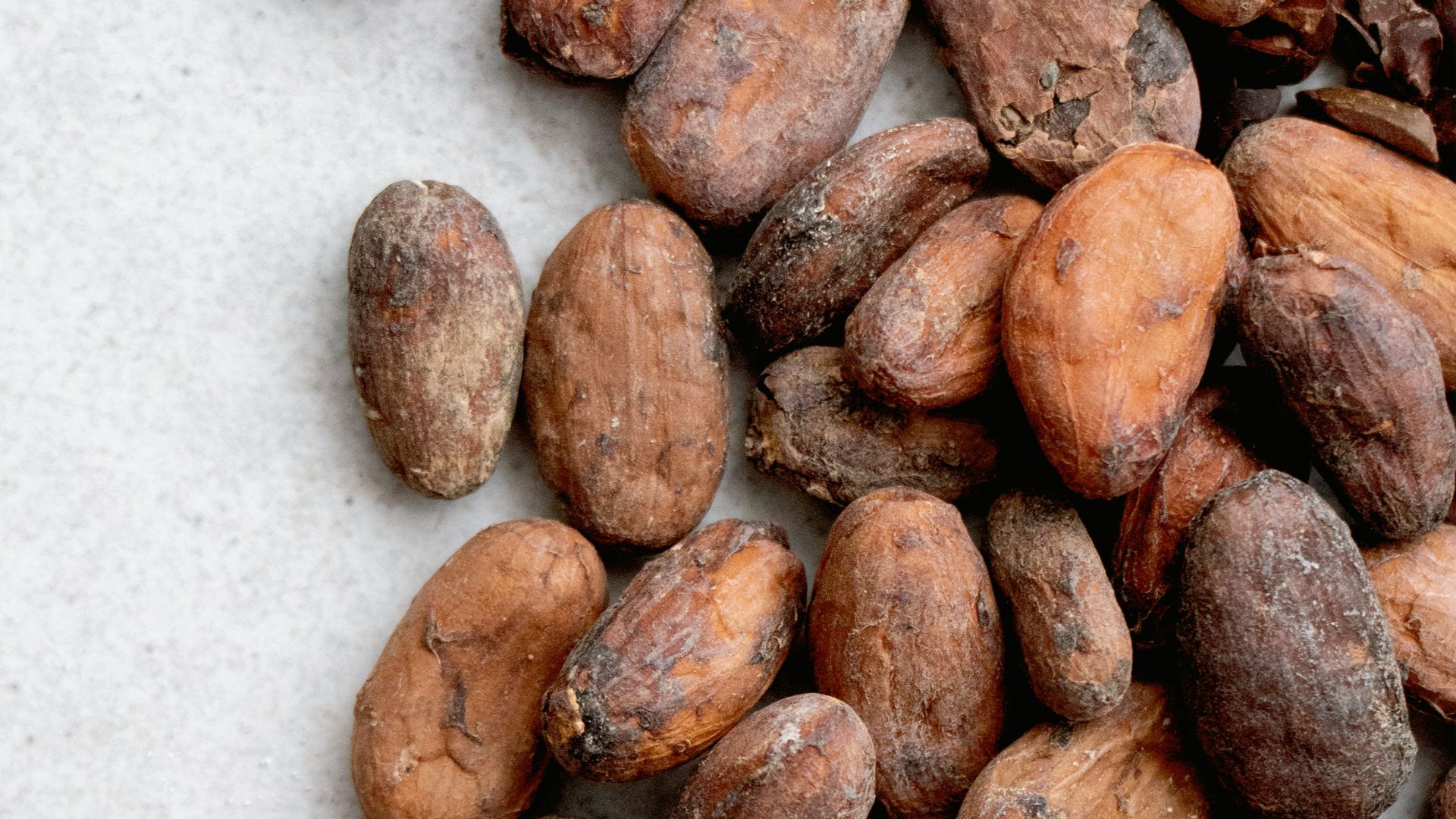
Chocolate wasn't always a sugary bar at the checkout counter; it was once a bitter drink used as a sacred currency by the Aztecs and Mayans. When it arrived in Europe, it created a massive demand for global trade that helped connect the eastern and western hemispheres in ways we’d never seen before. This craving for cocoa helped shape the modern global economy and the complex shipping routes we still use today.
7. Bread as a Social Contract
The availability of affordable wheat for bread has been the ultimate test of a government’s stability since the days of ancient Rome. Whenever the price of a loaf skyrocketed, you could bet that a riot or a full-blown revolution was just around the corner. It serves as the most basic symbol of survival and remains a central part of cultural identity for people across the globe.

8. Spices That Sparked Exploration
The search for black pepper, cinnamon, and cloves was the primary motivation behind the famous voyages of Christopher Columbus and Vasco da Gama. These tiny dried plants were worth their weight in gold because they could mask the flavor of aging meat and provide a status symbol for the wealthy. Our modern map looks the way it does because people were willing to sail across the world just to season their dinner.

9. The Life-Saving Orange
Scurvy was the biggest killer of sailors for centuries until doctors realized that the vitamin C in citrus fruits could prevent the disease entirely. Once ships began carrying crates of oranges and lemons, sailors could survive much longer journeys into uncharted waters. This discovery changed the face of maritime history and allowed for the permanent colonization of distant lands.

10. Sugarcane and Modern Economics
While it’s often seen as a dietary villain now, the massive demand for sugar transformed the world's agricultural landscape and unfortunately drove the expansion of the slave trade. It became the first truly global commodity that moved from luxury status to a common household staple for everyone. The economic structures built around sugar production laid the groundwork for the international banking and shipping industries.

11. Tea and the Global Power Shift
The British obsession with tea led to the creation of the world's most powerful trading companies and even triggered the American Revolution after a certain party in Boston. It became a social ritual that crossed class lines and influenced everything from international diplomacy to the Opium Wars. This simple leaf has caused more political drama than almost any other plant in the history of the world.

12. Soybeans for Soil Health
Ancient farmers in China discovered that planting soybeans helped replenish the nitrogen in the soil, allowing them to farm the same land for thousands of years without exhausting it.
This high-protein bean allowed for a stable food supply that supported a massive population long before synthetic fertilizers existed. It’s now the backbone of the global meat industry as a primary source of feed for livestock everywhere.
 Daniela Paola Alchapar on Unsplash
13. Coffee and the Age of Enlightenment
When Europe traded its morning beer for coffee, the resulting "caffeine buzz" is credited with sparking a wave of intellectual and scientific breakthroughs. Coffeehouses became the hubs of political debate and business innovation where people could stay awake and focused for hours. This shift in habits helped move society away from the sluggishness of the Middle Ages and into the fast-paced modern era.

14. Olive Oil for Ancient Trade
In the Mediterranean, olive oil was used for everything from cooking and lighting lamps to soap and religious ceremonies. It was the "liquid gold" that allowed civilizations like the Greeks and Romans to build massive trade networks across the sea. The durability and value of the oil made it a perfect export that funded the art and architecture of the ancient world.

15. Bananas and the Tropical Economy
The global trade of this yellow fruit led to the creation of the infamous "Banana Republics" where corporations held more power than local governments. It’s a miracle of logistics that such a perishable fruit can be sold cheaply in every grocery store on the planet. This industry changed the political landscape of Central and South America forever through its massive economic influence.

16. Ryeand the Frontier
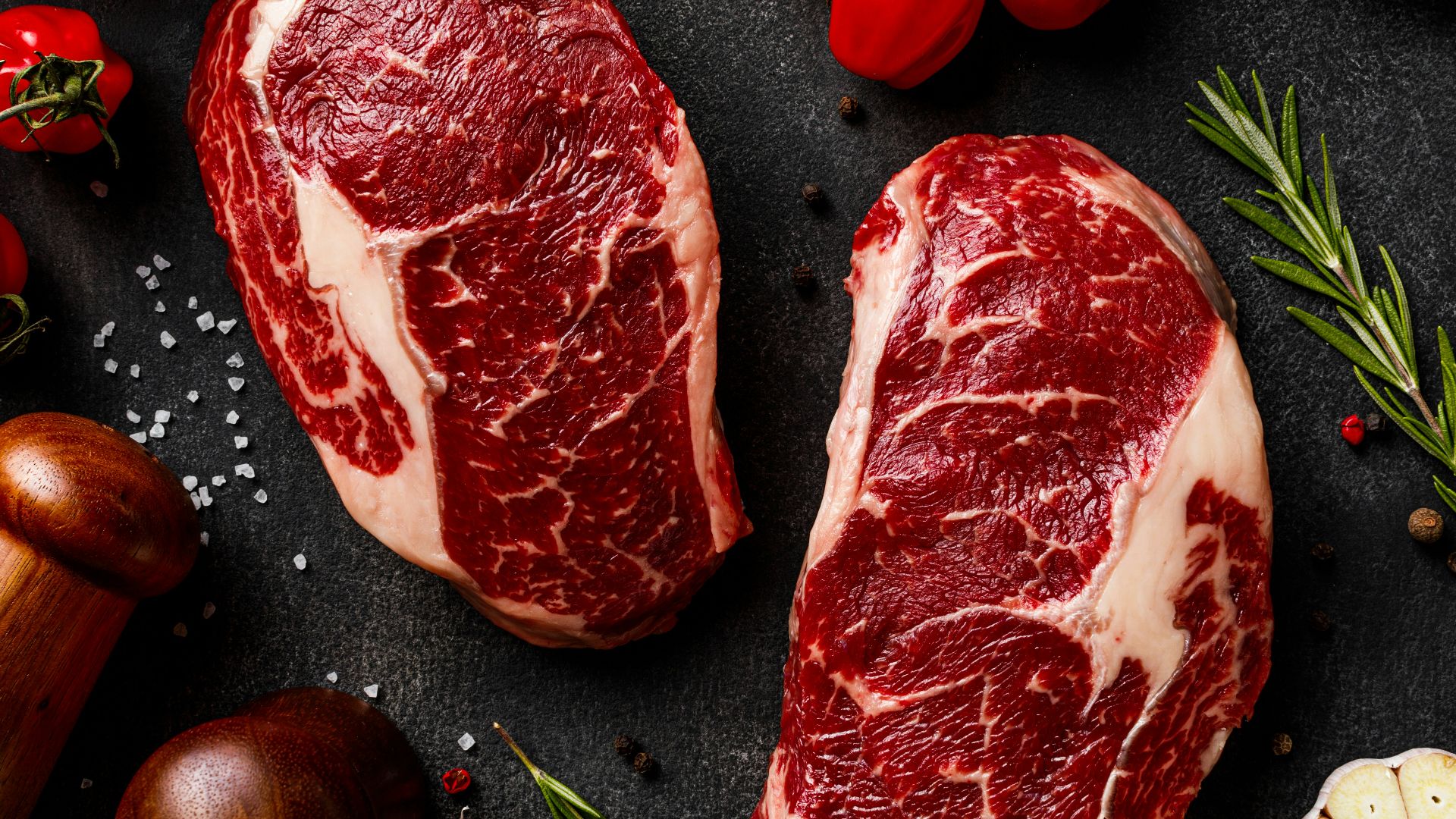
The rise of large-scale cattle ranching shaped the geography of the American West and led to the development of the railroad system to transport meat to the cities. It changed the human diet by making protein a daily expectation rather than a rare treat for the average person. The culture of the "cowboy" and the expansion of the frontier were entirely driven by the world's growing appetite for steak.
17. The Hardiness of Rye
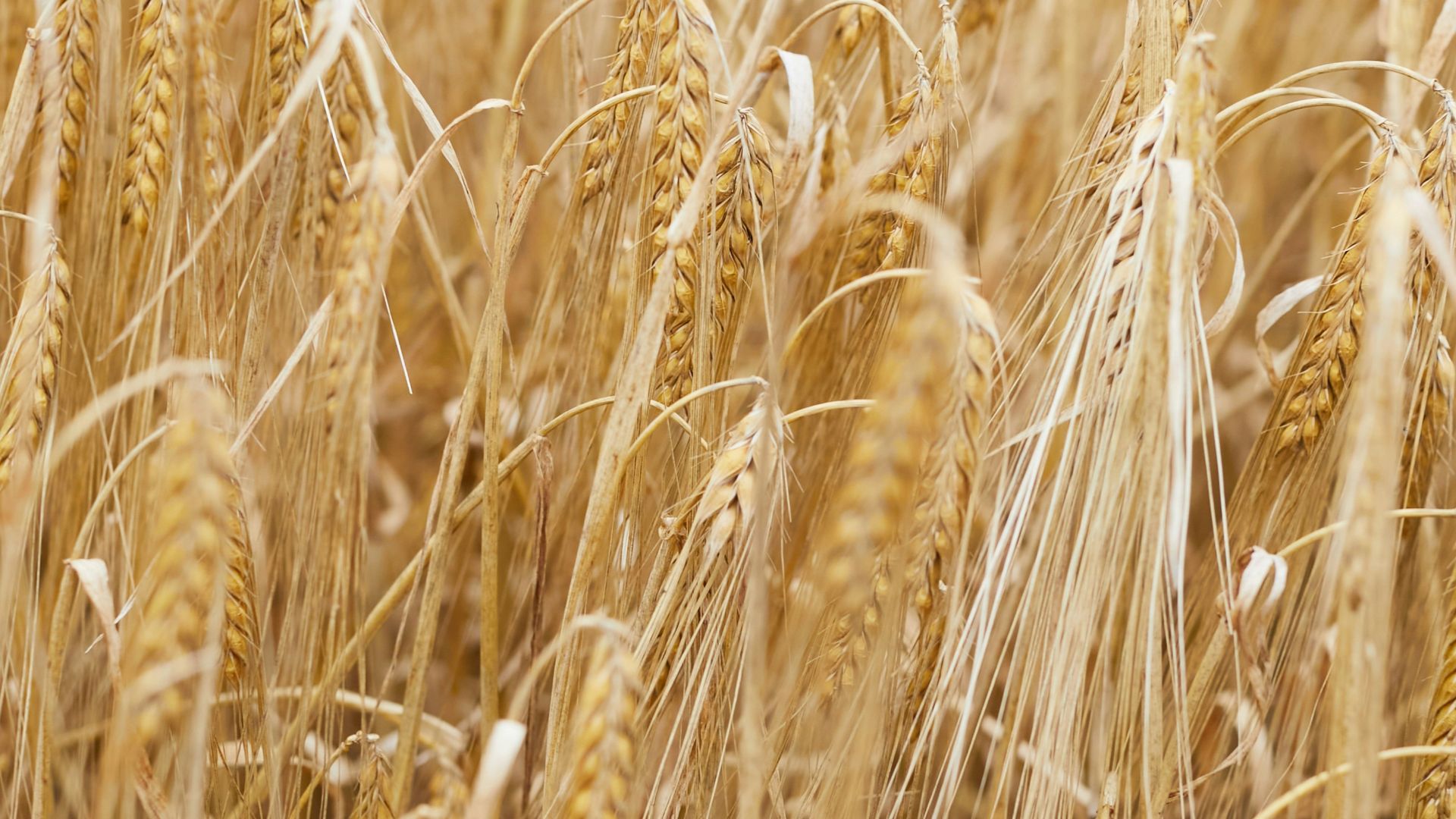
In the cold, damp climates of Northern and Eastern Europe where wheat would often rot, rye provided a resilient alternative that kept millions of people from starving. It became the foundation of the hearty, dark breads that define the culinary traditions of countries like Russia and Germany. Without this tough grain, the human history of the colder northern latitudes would look very different.
18. Honey as the First Sweetener
Long before we had industrial sugar refineries, honey was the only source of concentrated sweetness and a vital medicinal tool for treating wounds. Beekeeping allowed early humans to settle in one place while maintaining a steady supply of energy-rich food. It’s one of the oldest harvested foods in history and has appeared in the mythology and medicine of almost every ancient culture.

19. Cod and the Atlantic Trade
Salted cod was so durable that it could be shipped thousands of miles without spoiling, providing a vital source of protein for the growing populations of Europe and the Caribbean.
It was the "stockfish" that fueled the triangular trade and supported the growth of the early American colonies in New England. Wars were literally fought over the rights to the richest fishing grounds in the North Atlantic.

20. The Versatile Onion
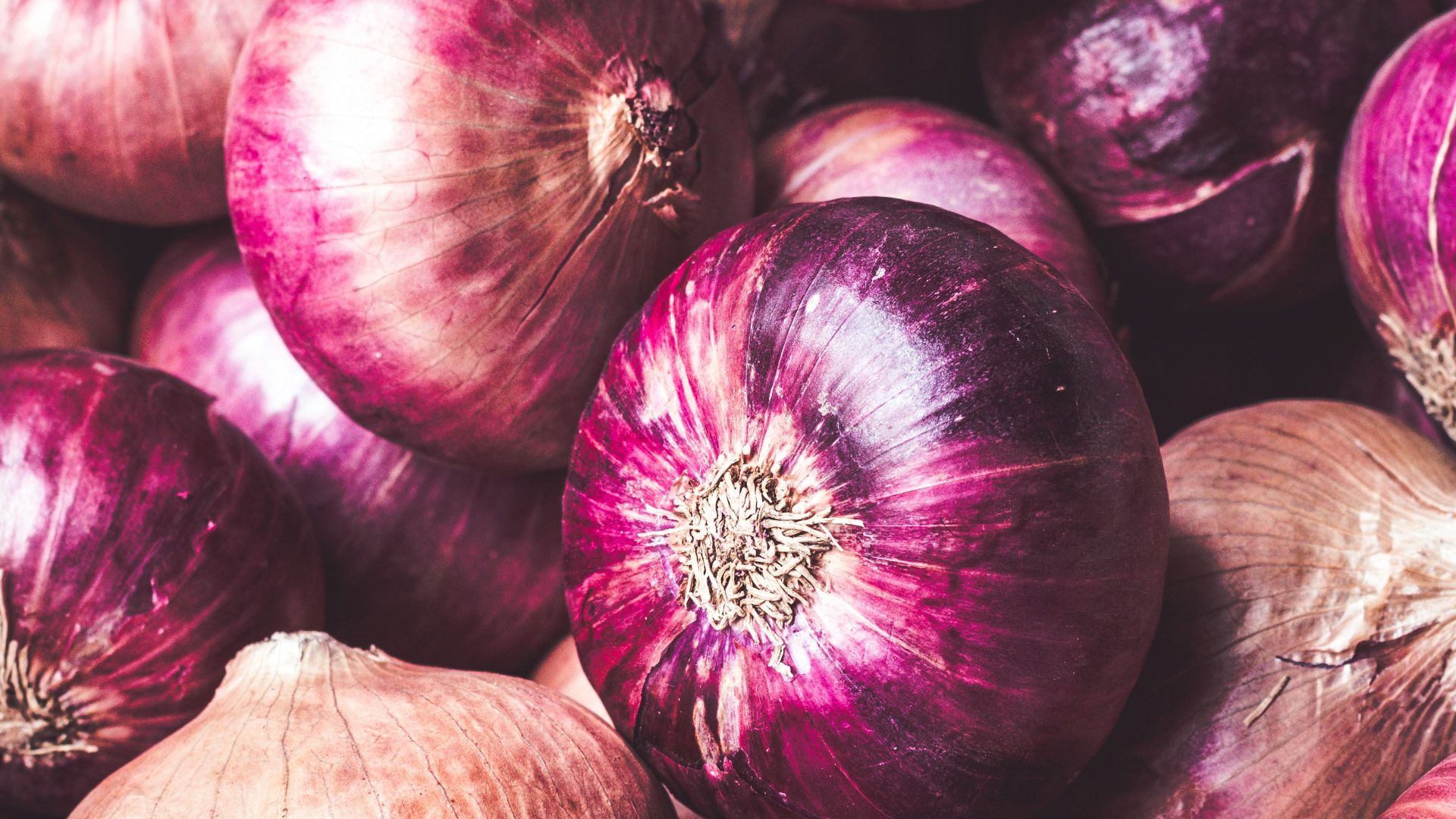
Because they are easy to transport and have a long shelf life, onions have been a staple in the diets of soldiers, sailors, and laborers for thousands of years. They provided essential nutrients and flavor to the blandest of meals, helping to prevent disease and malnutrition during long campaigns. You’ll find them in the foundation of almost every cuisine because they were the most reliable way to make survival taste good.
KEEP ON READING