10 Pantry Staples People Store Wrong & 10 That Basically Never Go Bad
Your Pantry Has A Long Memory, And It Shows
You buy something with a plan, tuck it away, and weeks later it tastes stale, smells faintly off, or has taken on that off-putting flavor that makes dinner feel less worth the effort. Usually it’s not the food’s fault. It’s heat from a nearby stove, sunlight on a shelf, humidity drifting in from a dishwasher cycle, or a bag that never really closes again after the first use. The frustrating part is how normal these mistakes feel in the moment, right up until the day you bake with rancid flour or sprinkle paprika that tastes like nothing. Here are ten pantry staples people commonly store wrong, followed by ten that are famously low-drama and basically never go bad when kept sensibly.
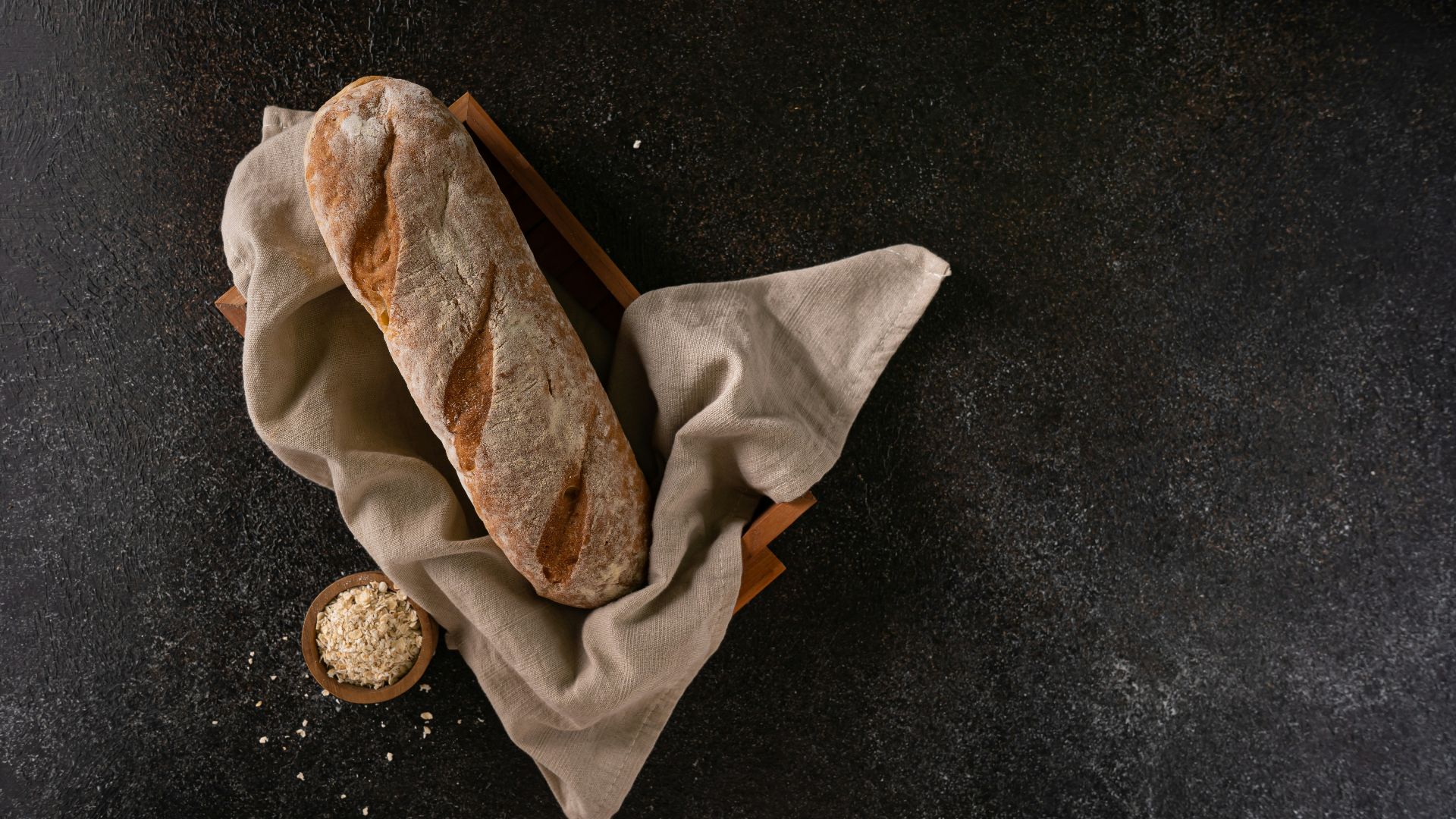
1. Whole Wheat Flour
Whole wheat flour contains the wheat germ, which brings natural oils along with that hearty flavor. Those oils go rancid faster than the refined flour most people grew up with, so a warm pantry shelf can quietly sabotage pancakes and muffins. The USDA and many university extension programs routinely recommend cooler storage for whole grain flours, including the refrigerator or freezer for longer keeping.
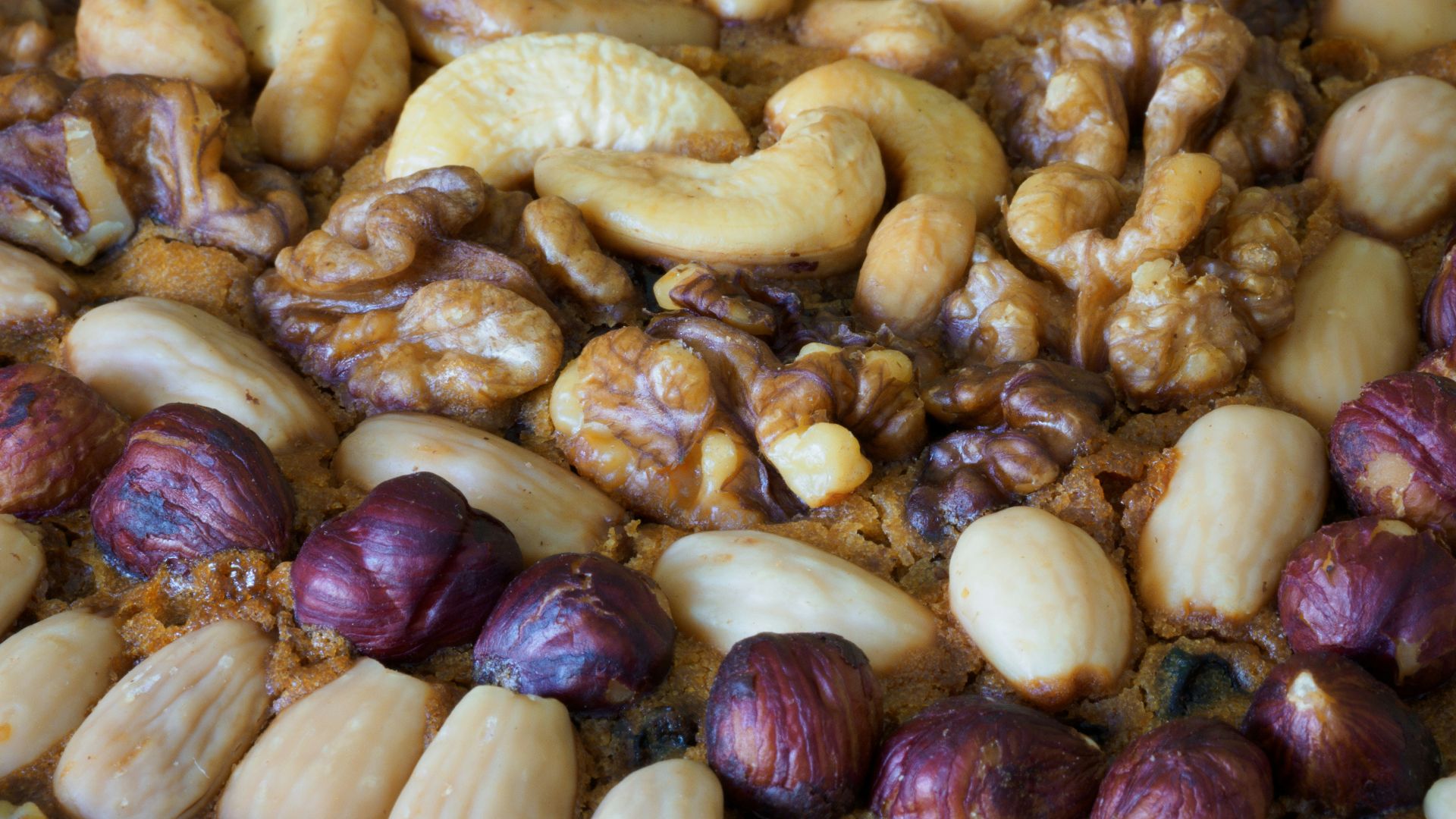
2. Nuts And Nut Flours
Nuts taste rich because they’re full of oils, and those oils do not love heat, light, or oxygen. A half-used bag in a cabinet near the oven can start tasting stale long before anything looks wrong, and that flavor shows up immediately in pesto, granola, and baking. Sealed storage in a cool, dark spot helps, and freezing is commonly recommended in extension food storage guidance to slow rancidity.
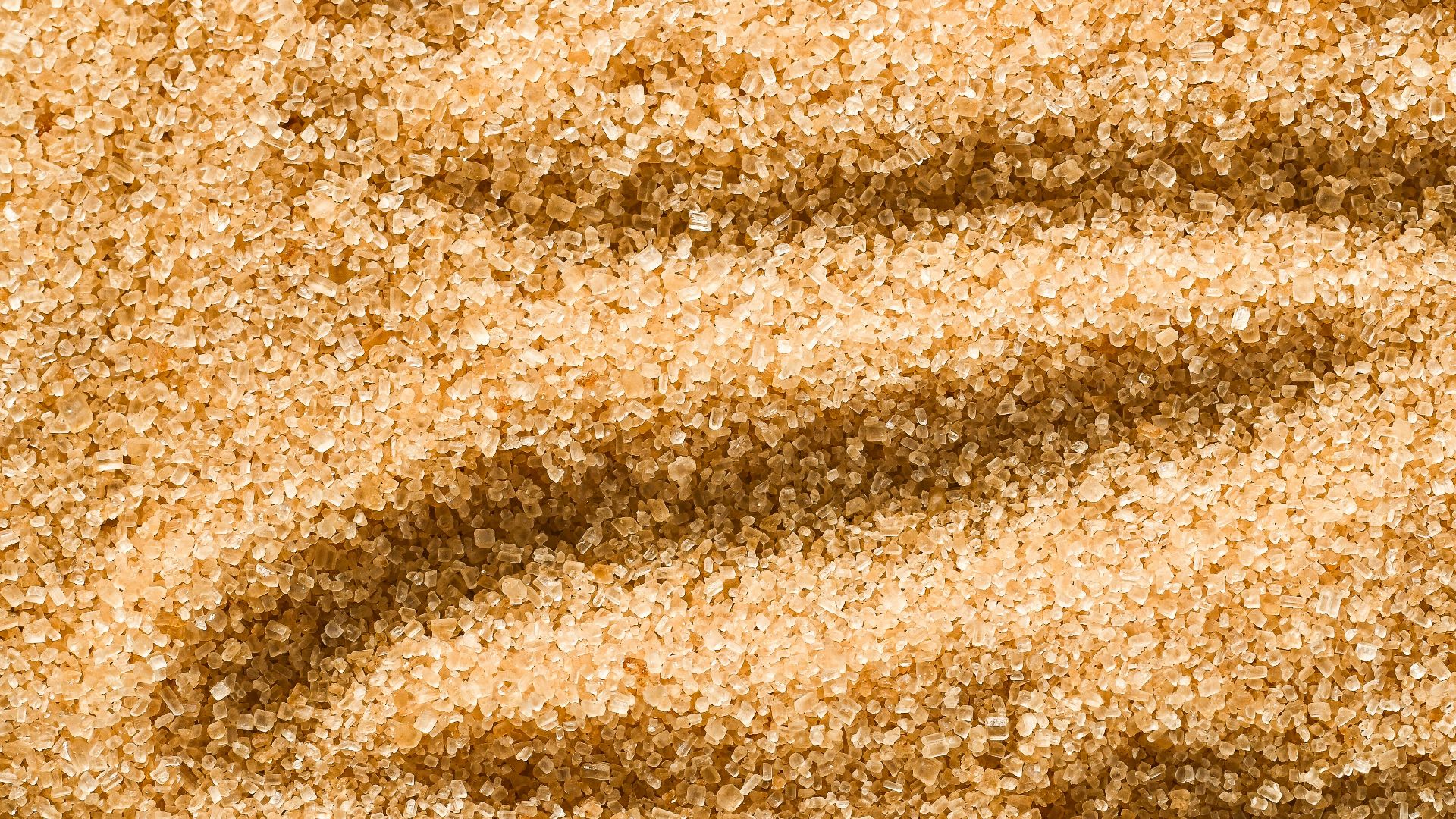
3. Brown Sugar
Brown sugar dries out because its moisture escapes, and the original bag is rarely up to the job after the first tear. A clip feels responsible until the sugar turns into a brick that has to be chipped apart for a single tablespoon. A truly airtight container keeps it soft and usable, which makes baking feel less like a small argument with the pantry.
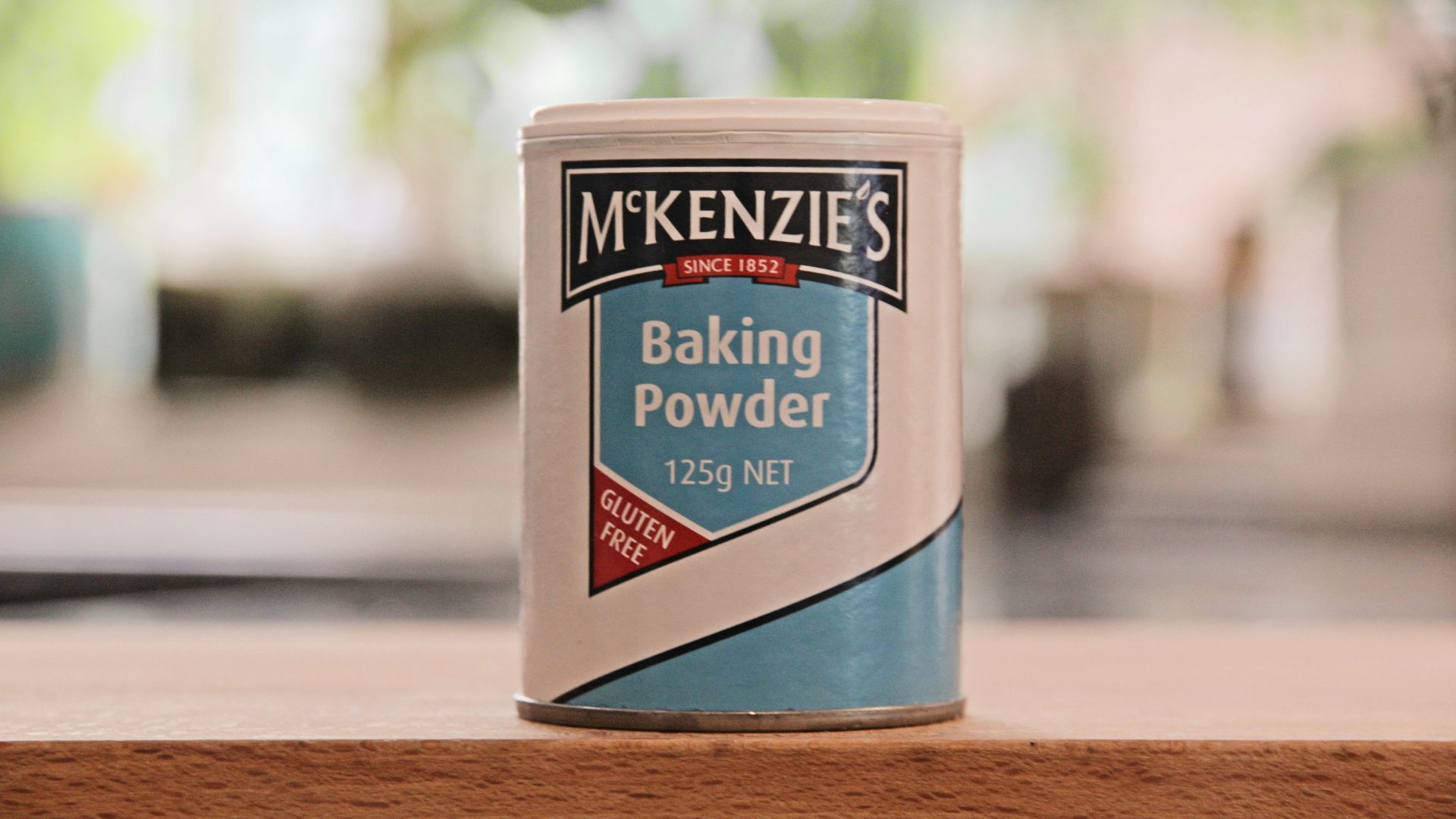
4. Baking Powder
Baking powder loses oomph over time, and humidity speeds up the decline in a way that’s hard to notice until something bakes up flat. Storing it above the dishwasher or near the stove puts it in the exact path of warm, steamy air. Many baking authorities and extension resources emphasize keeping leaveners tightly closed and away from heat and moisture.
 Addilyn Ragsdill @clockworklemon.com on Unsplash
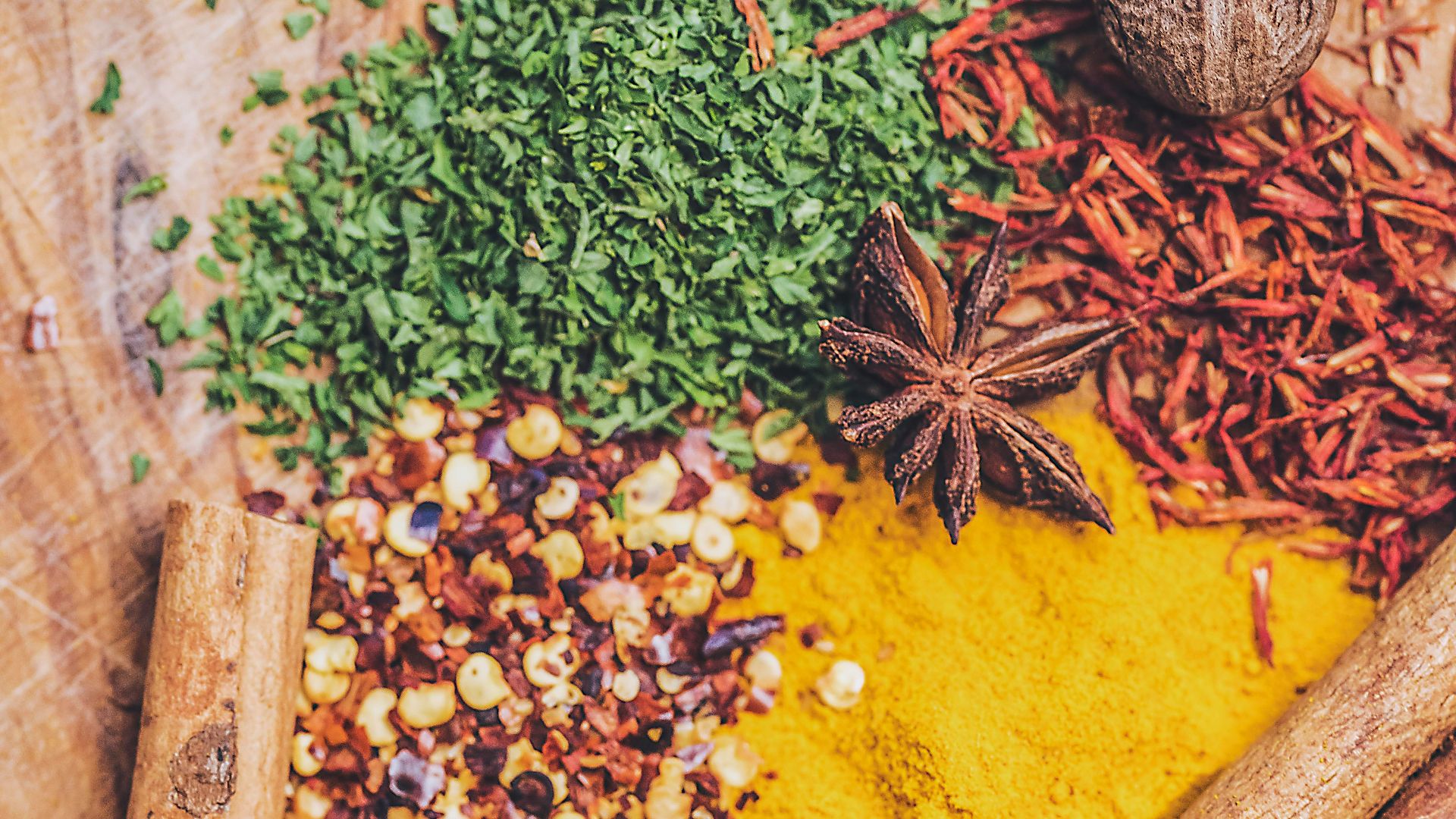
5. Spices
Spices rarely become unsafe, yet they do lose flavor, and it happens faster than most kitchens admit. Those pretty jars sitting in bright light or next to the range get warmed and cooled constantly, which dulls aromas and makes everything taste muted. Spice companies and culinary test kitchens generally recommend cool, dry, dark storage for the best flavor over time.
6. Olive Oil
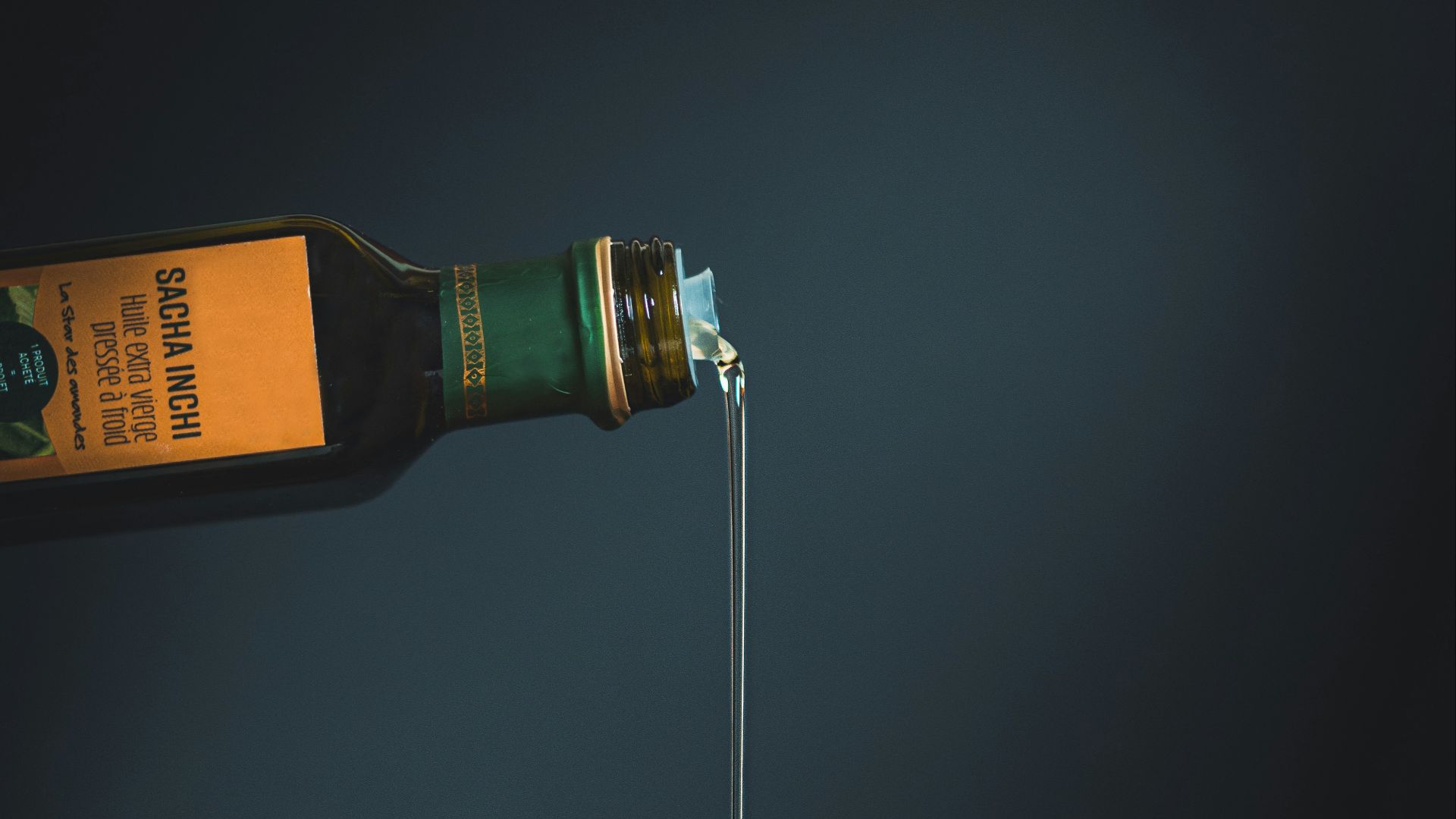
Extra virgin olive oil is at its best when it tastes fresh and peppery, and that freshness fades when the bottle lives in light or heat. A clear bottle on a counter by a sunny window might look nice, yet the oil can end up tasting flat and stale before it’s even half gone. Producers and culinary institutions commonly recommend storing it in a cool, dark place and buying a size you’ll actually finish while it still tastes lively.
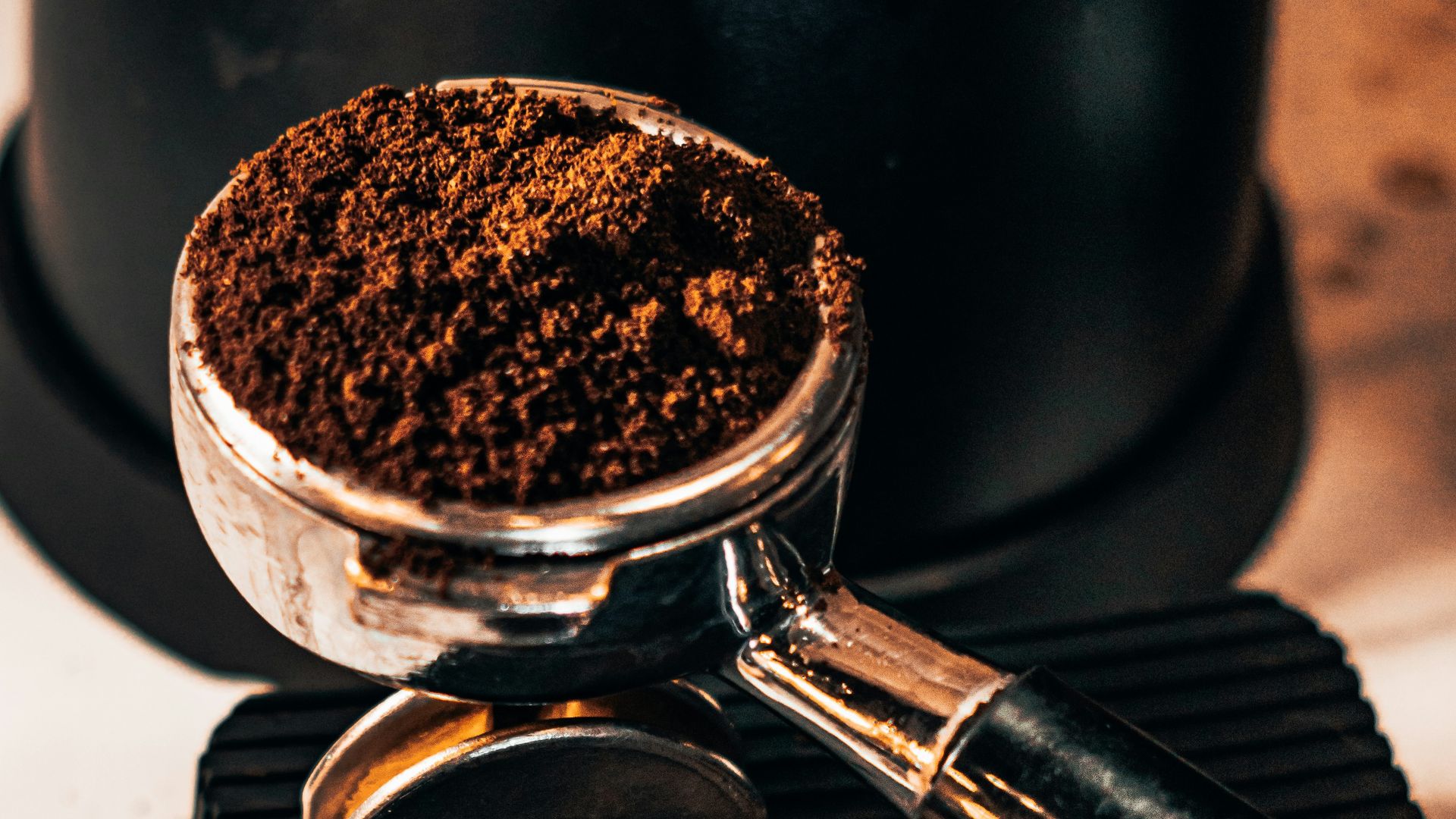
7. Coffee Beans And Ground Coffee
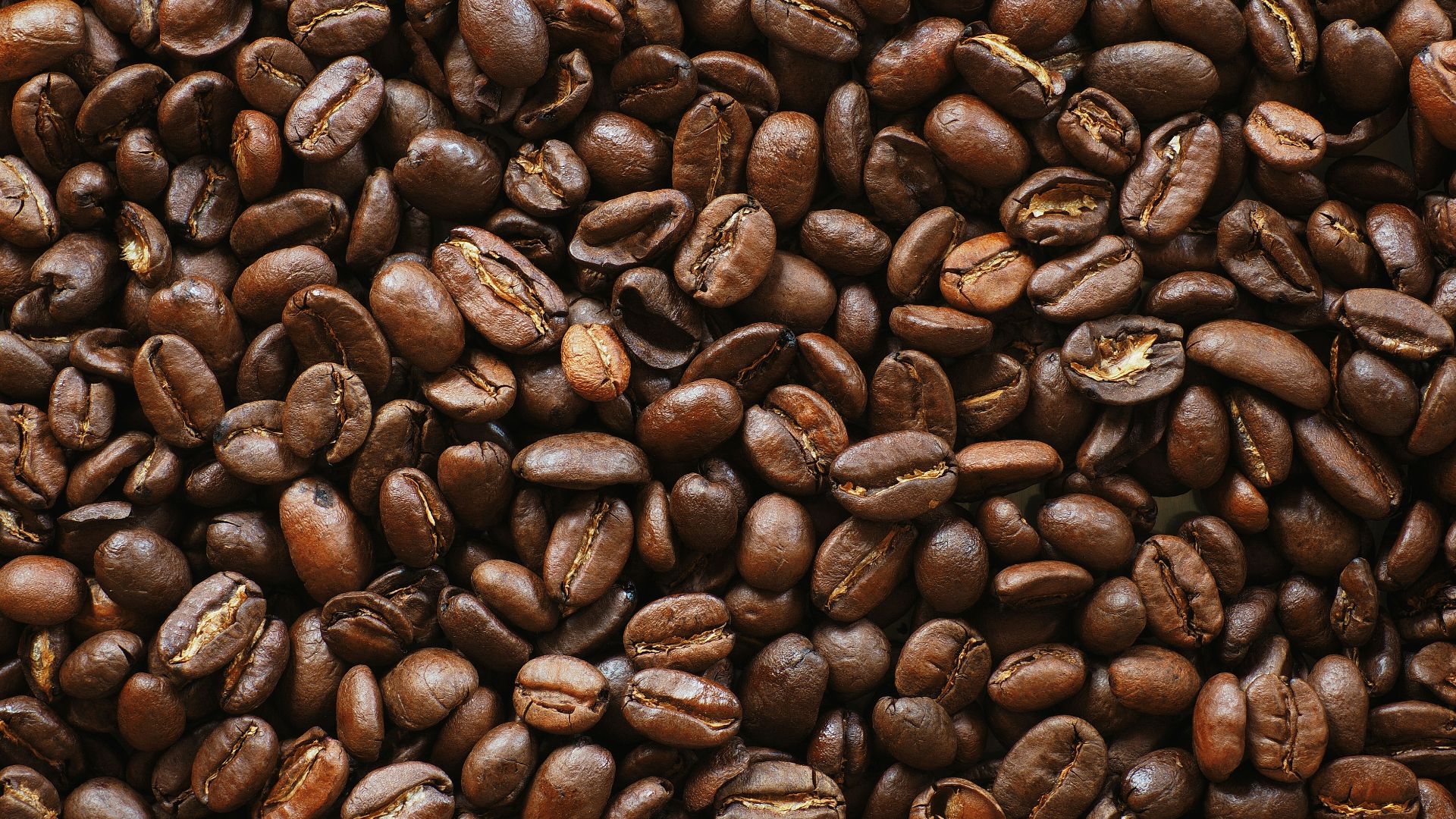
Coffee goes stale from oxygen and absorbs odors like it was designed for it, which is why an open bag near garlic or spices can taste strange fast. Freezing can work, yet opening and closing the container repeatedly can invite condensation, which is rough on flavor and aroma. A sealed container in a cool, dark cabinet is the steady, low-fuss option that keeps coffee tasting like coffee.
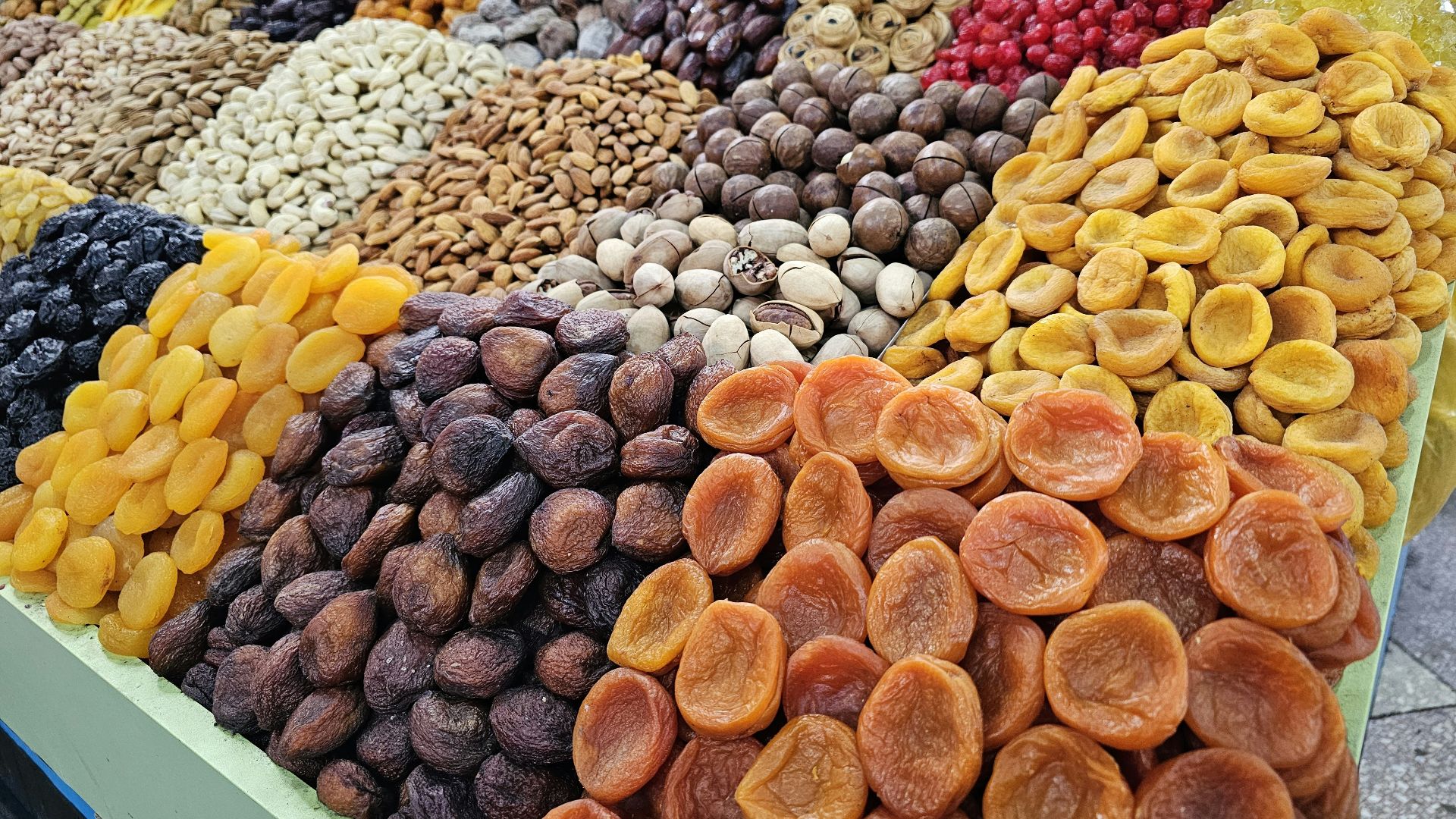
8. Dried Fruit
Dried fruit often stays safe for a long time, yet it can get unpleasant when it dries out further or picks up humidity. A loosely closed bag can turn apricots leathery, make raisins clump into a sticky mass, and leave dates tasting stale even if they look fine. Airtight storage in a cooler pantry spot keeps texture and flavor closer to what you wanted when you bought it.
 Hasmik Ghazaryan Olson on Unsplash
9. Rice
Rice is easy to store until the bag tears, spills, or becomes a welcome mat for pantry pests. Thin plastic packaging also lets rice absorb surrounding smells, so it can take on a faint musty note in a cluttered cabinet. Many extension programs recommend transferring rice to sealed containers to reduce pests, moisture, and odor absorption.
10. Chocolate And Cocoa
Chocolate dislikes temperature swings, and that’s how you end up with bloom, the pale film that looks alarming even when it’s usually just a quality issue. Cocoa powder can also pick up moisture and stale pantry odors, especially if the lid isn’t snug. A cool, steady shelf and tight containers keep both tasting clean and chocolatey.
And now, here are ten pantry staples that are stable enough to survive less-than-ideal storage conditions.
1. Honey
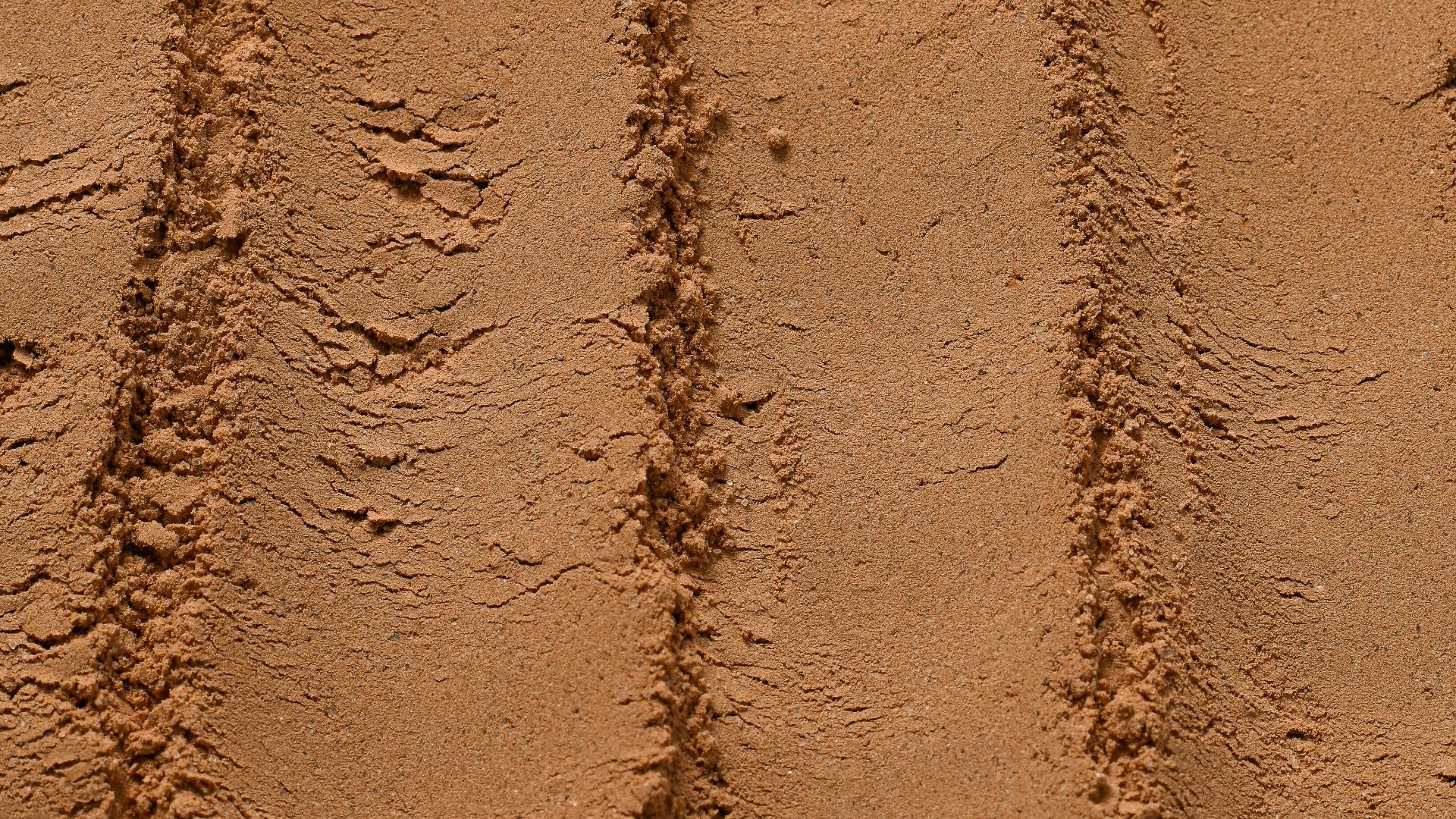
Honey is famously long-lasting, and history backs that up in a way that feels almost unfair to everything else in the pantry. Archaeologists have reported edible honey found in ancient Egyptian tombs, and its low moisture and natural acidity help explain its staying power. It can crystallize into a grainy texture, yet that’s a normal change, and gentle warming brings it back.
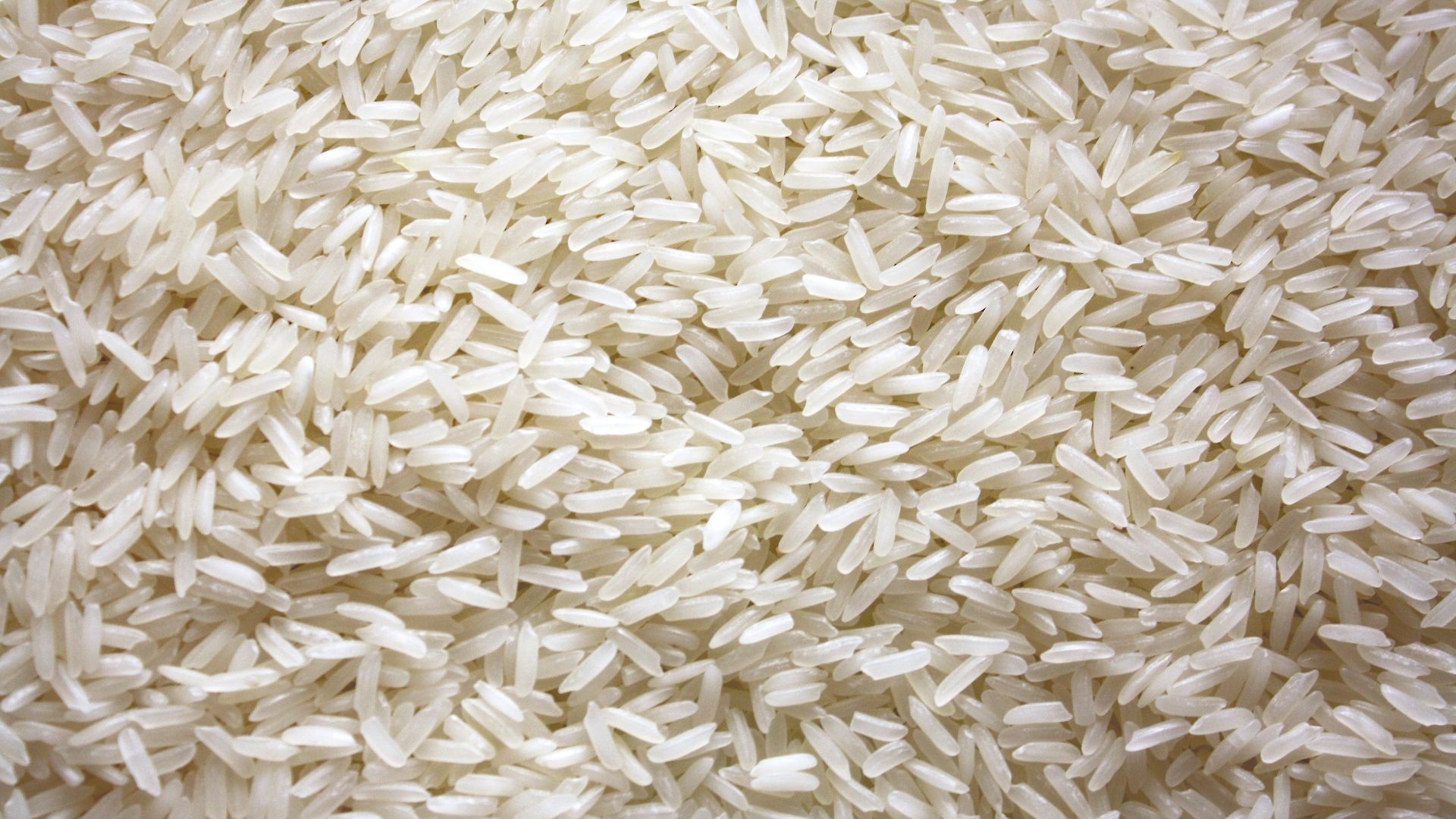
2. White Rice
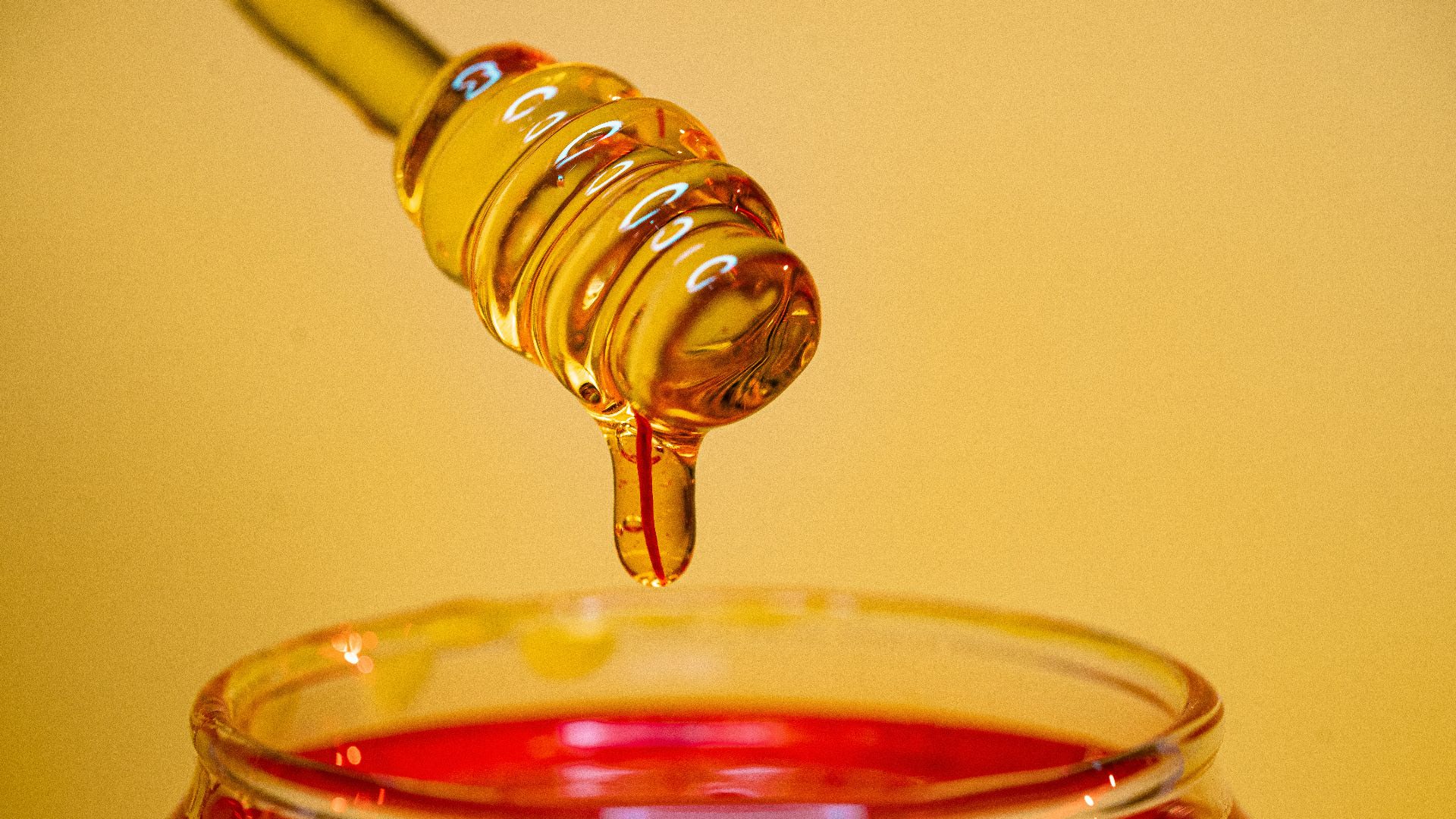
White rice lasts far longer than brown rice because the bran and germ have been removed, taking most of the oils with them. Kept dry and sealed, it stays dependable for a very long time, which is why it shows up in long-term storage guidance so often. Moisture and pests are the real threats, not time.
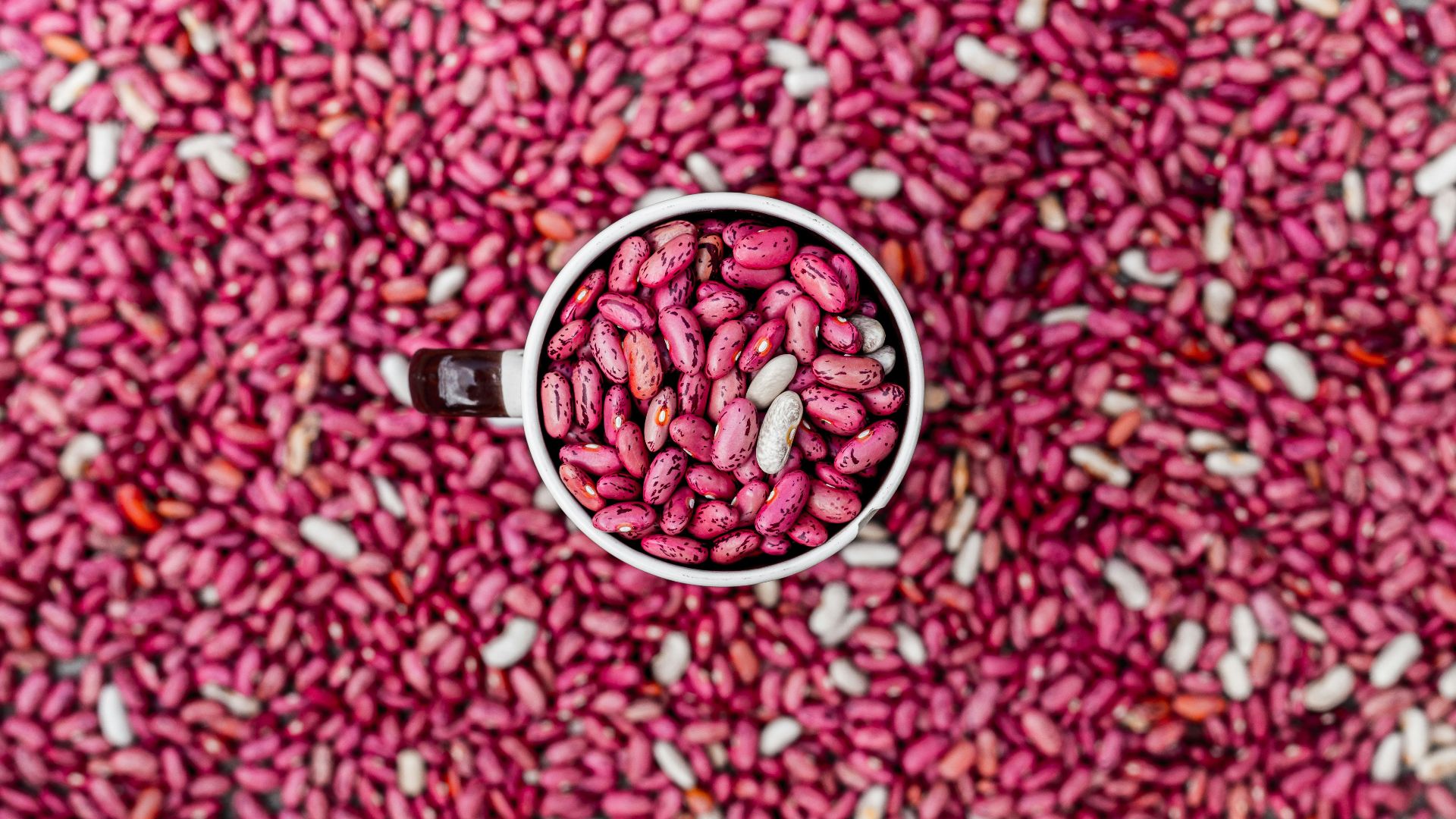
3. Dry Beans
Dry beans can sit for years without becoming unsafe, though older beans can take longer to cook and sometimes soften unevenly. A bag that’s been hanging around forever might need more simmering and a little more water than usual. As long as they’ve been kept dry and clean, they’re still a solid pantry staple.
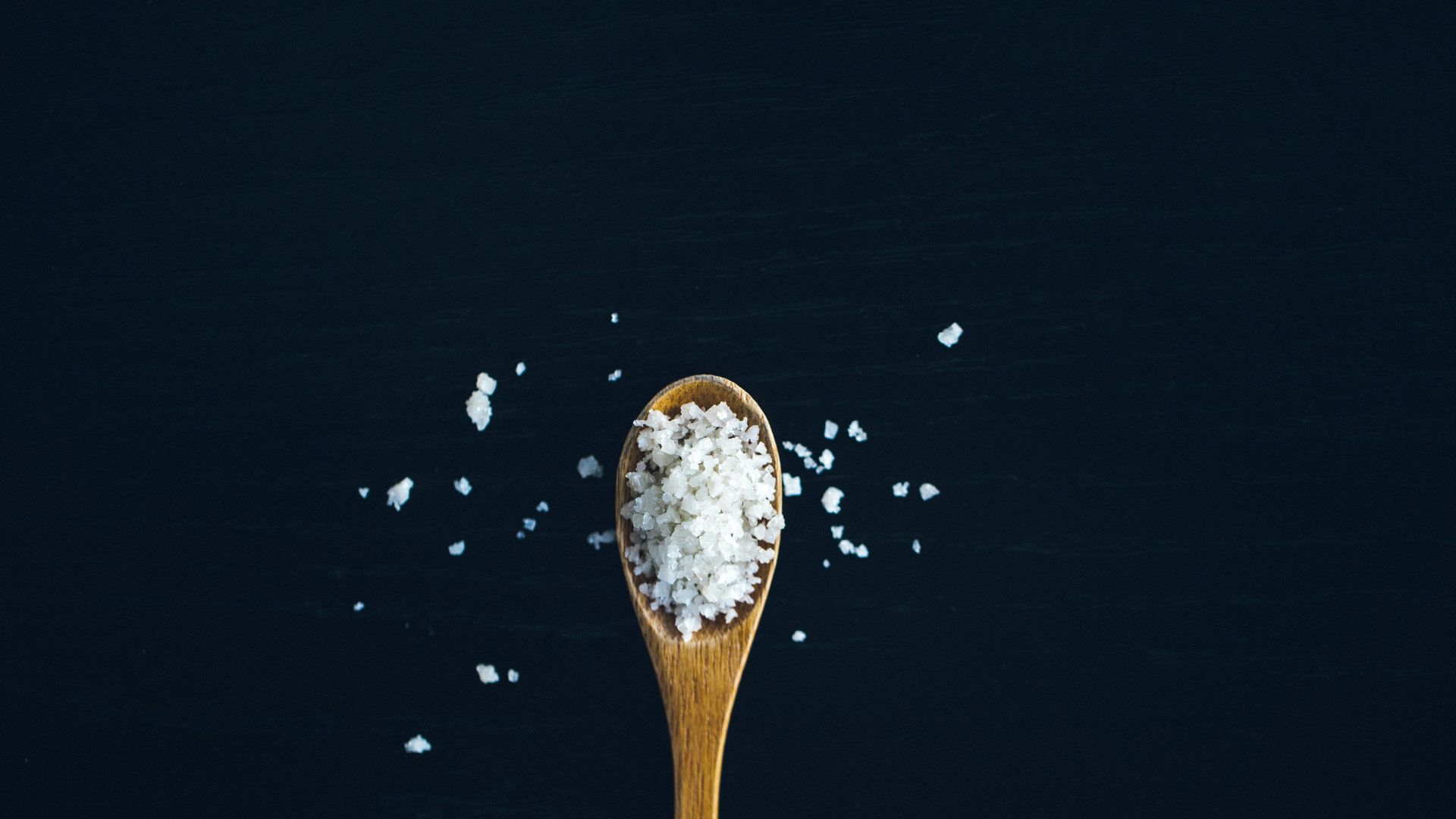
4. Salt
Salt is a mineral, so it doesn’t spoil in the usual sense. What happens instead is clumping from humidity, or flavor fade if it’s mixed with herbs and seasonings. Plain salt stored dry is the definition of stable.
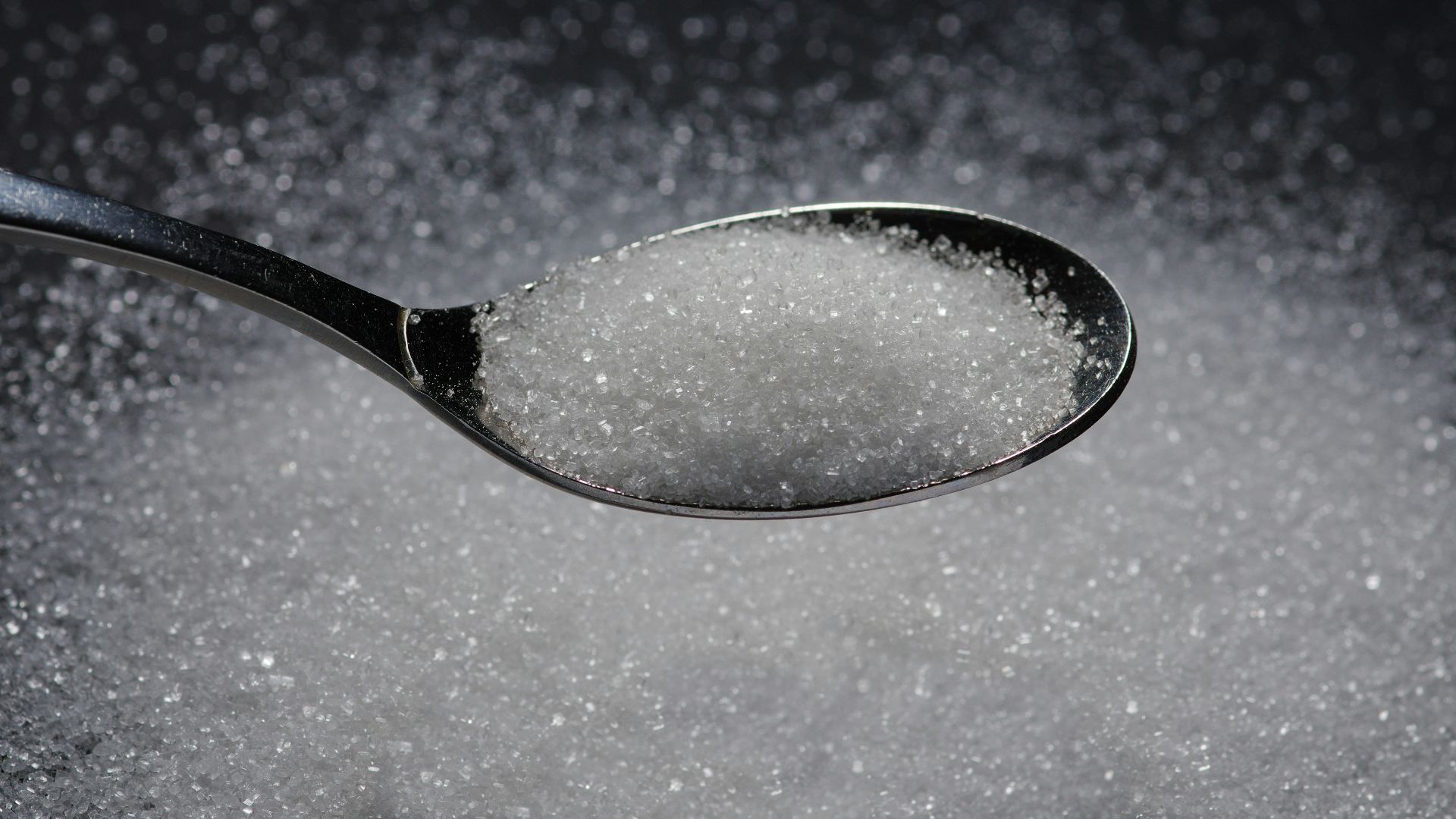
5. Sugar
Granulated sugar keeps for ages because it doesn’t provide the moisture microbes need. It can harden if it gets wet, and it can absorb odors if it’s stored openly near strong-smelling foods. Keep it sealed and dry, and it stays itself for the long haul.
6. Dried Pasta
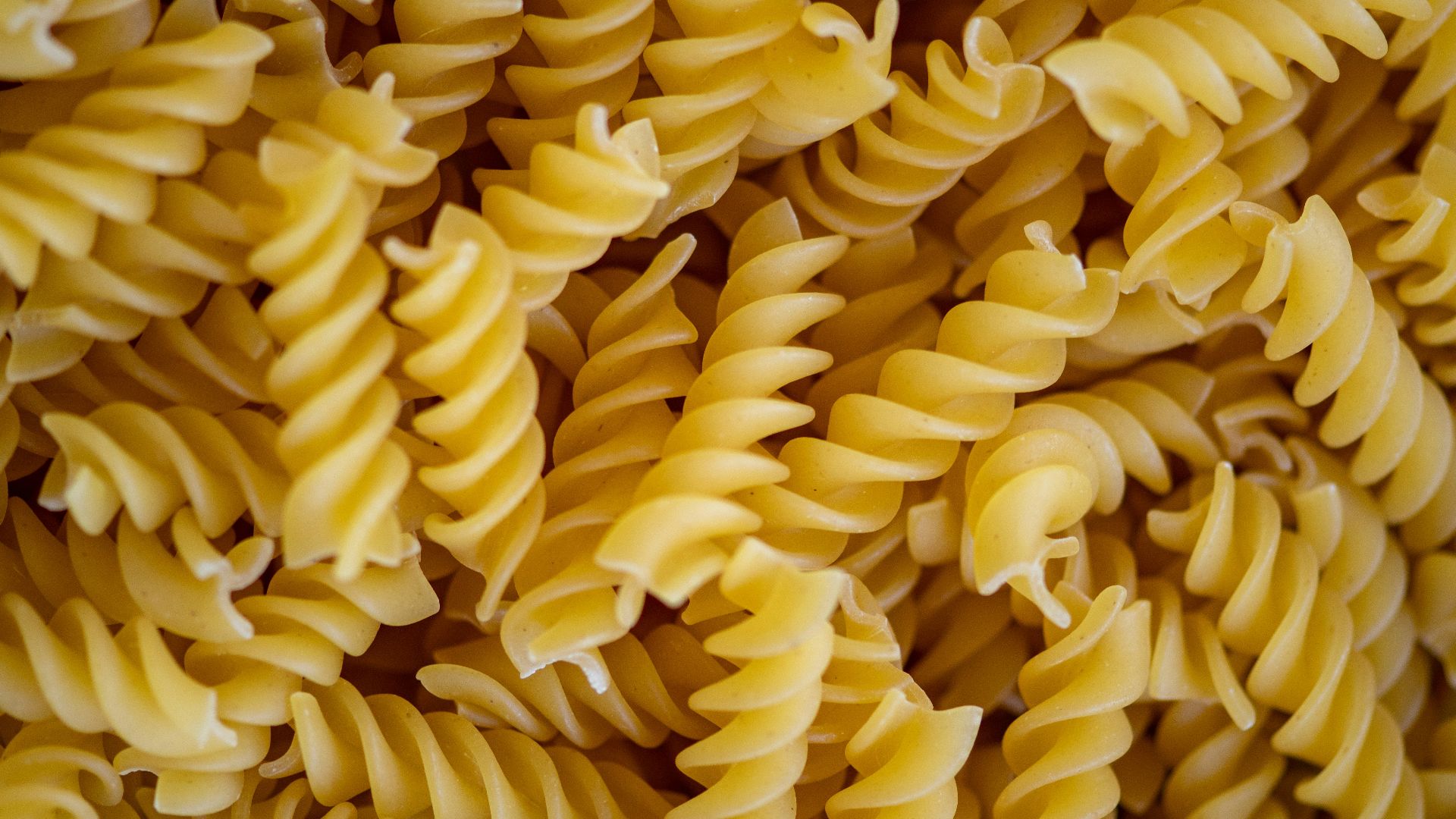
Dry pasta is designed to be shelf-stable, and it usually is, as long as it stays dry and protected from pests. Over time it can pick up odors or taste slightly stale if stored open, especially in a busy pantry. In a sealed container on a dry shelf, it stays reliable for the kinds of dinners that happen on tired weeknights.
7. Cornstarch
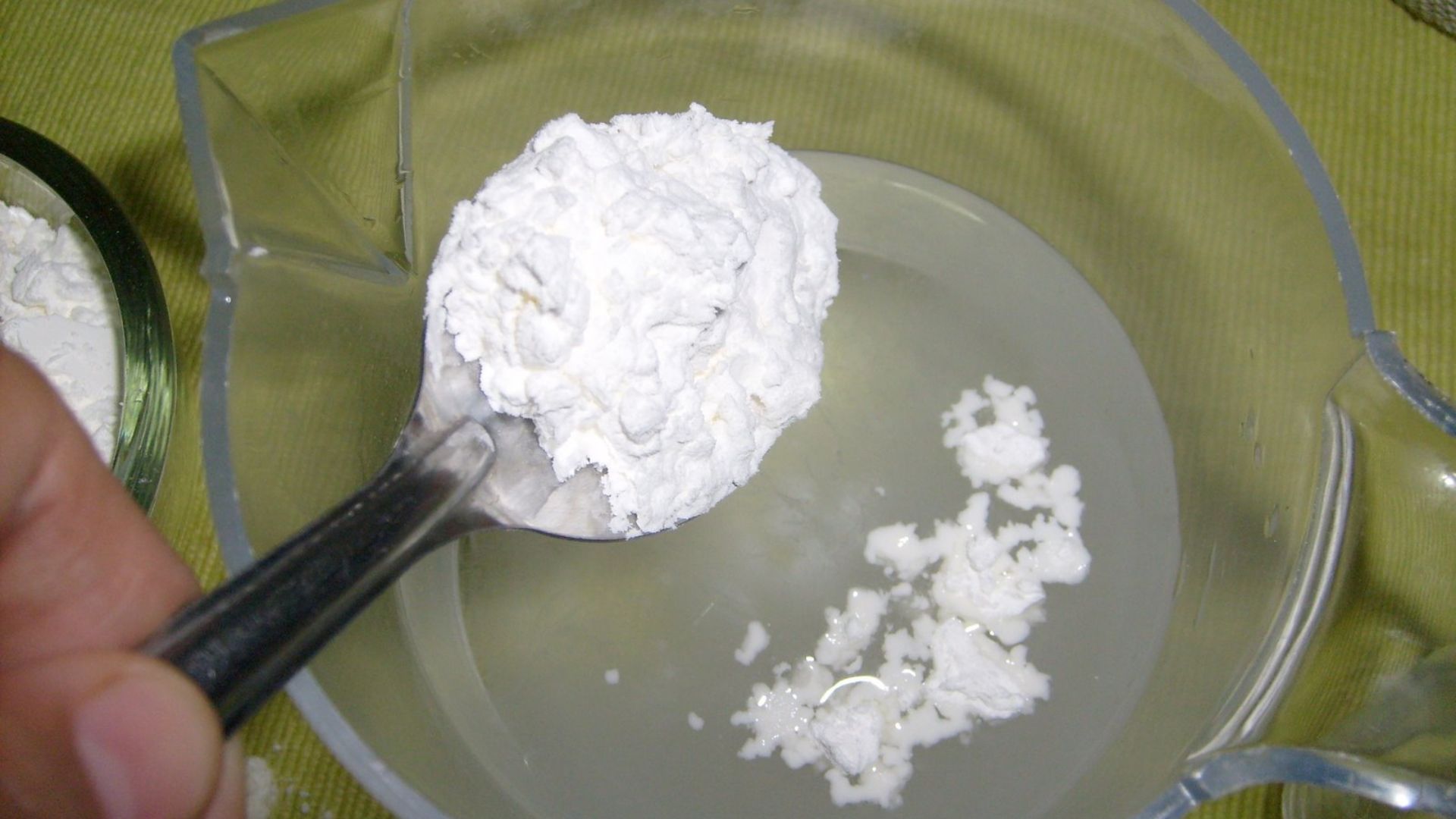
Cornstarch lasts because it’s dry and simple, which makes it a poor environment for spoilage. The biggest problem is moisture, since clumps and musty smells can appear if the pantry is humid. Keep it tightly closed and away from steam, and it stays a steady thickener for years.
 Picasa author kalaya on Wikimedia
8. Vinegar
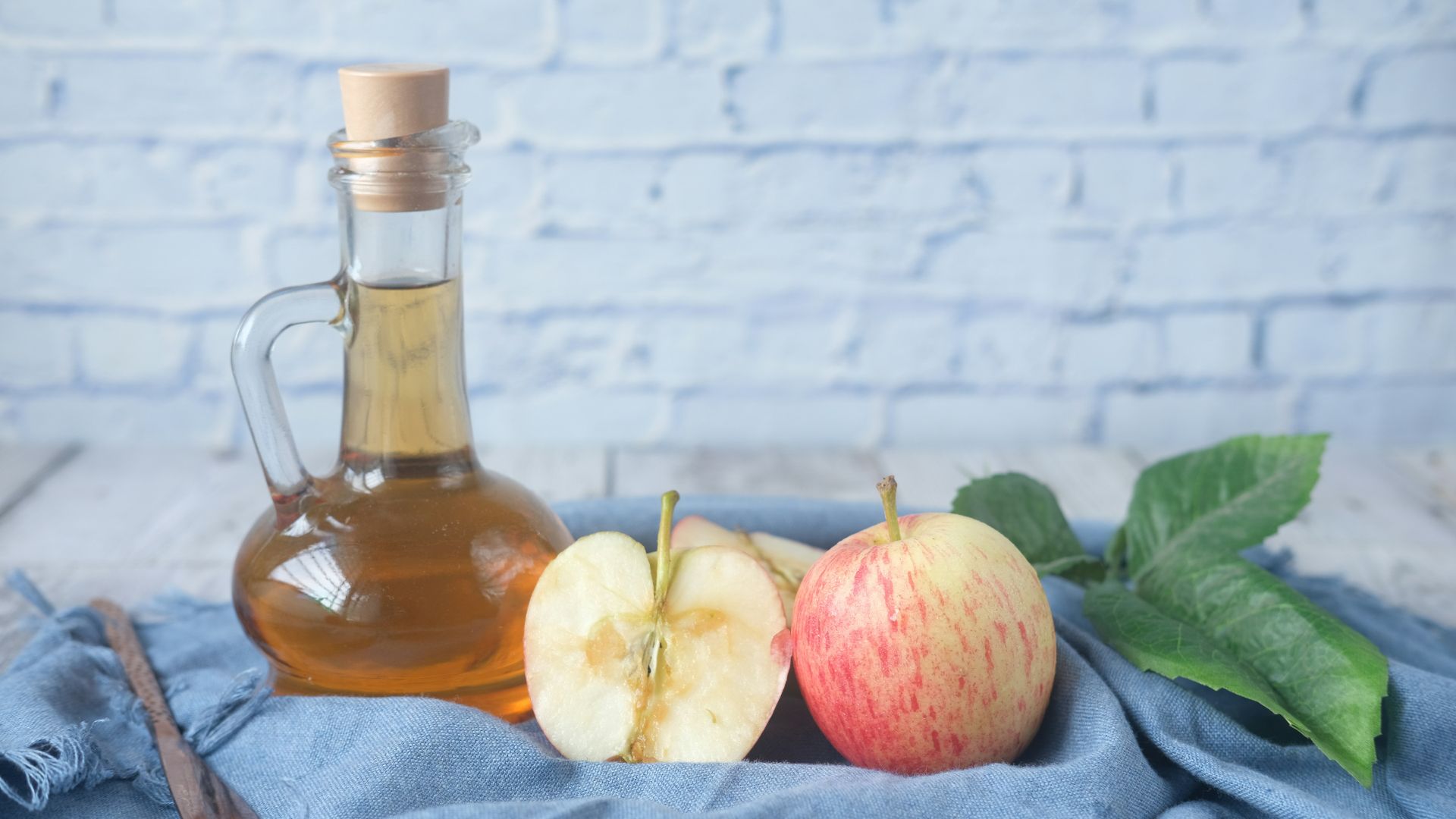
Vinegar is acidic enough to resist spoilage, and it has a long, well-documented history as a preserving ingredient. Sediment or cloudiness can show up over time, and it can look odd without being a safety issue. Stored capped at room temperature, it stays useful and stable.
9. Soy Sauce
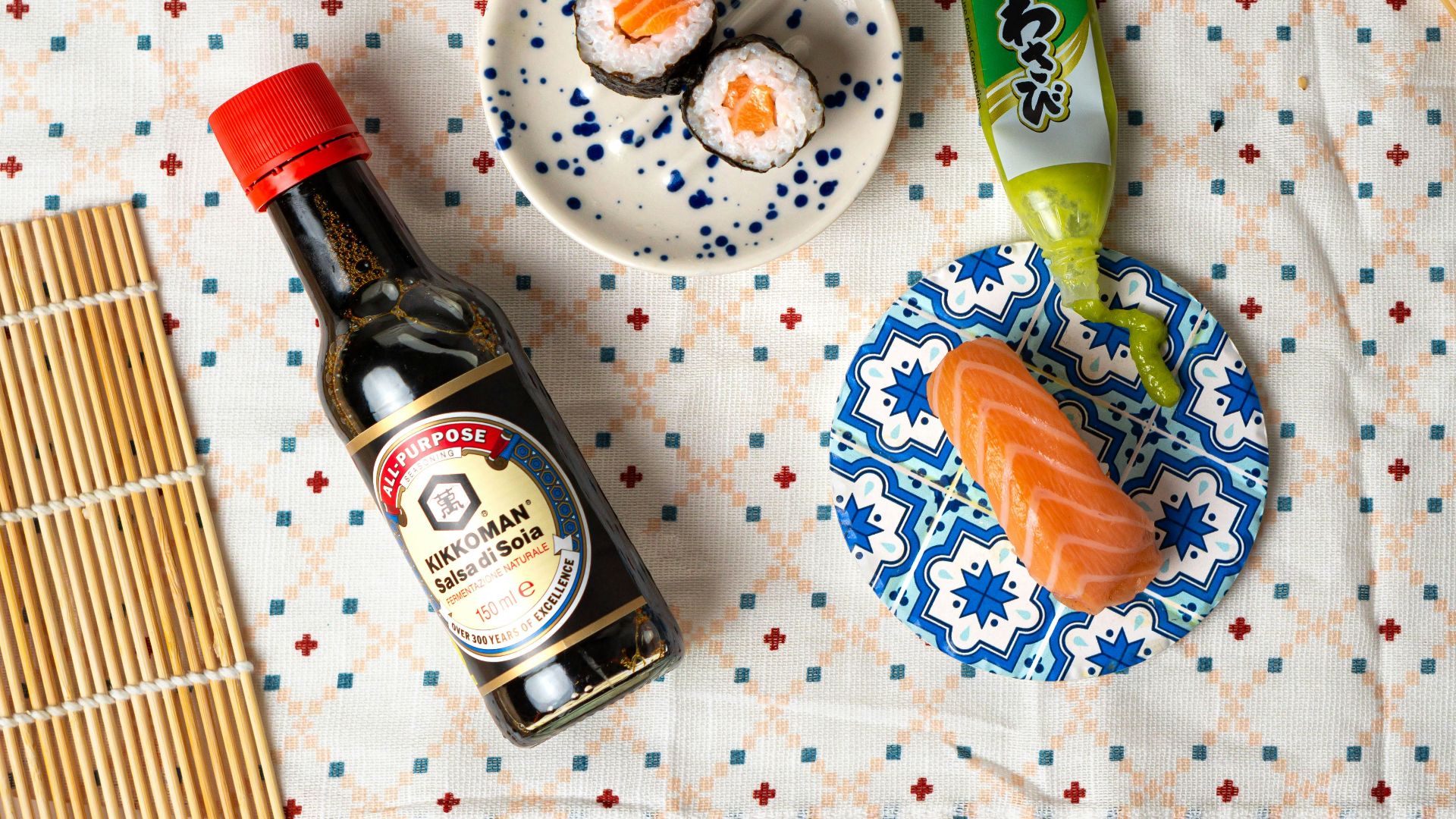
Soy sauce is salty and fermented, which helps it hold up well on a shelf. Flavor can soften gradually after opening, and refrigeration can keep it tasting sharper if a bottle lasts a long time. Safety-wise, it’s one of the more forgiving condiments when kept clean and sealed.
 frogses production on Unsplash
10. Pure Vanilla Extract
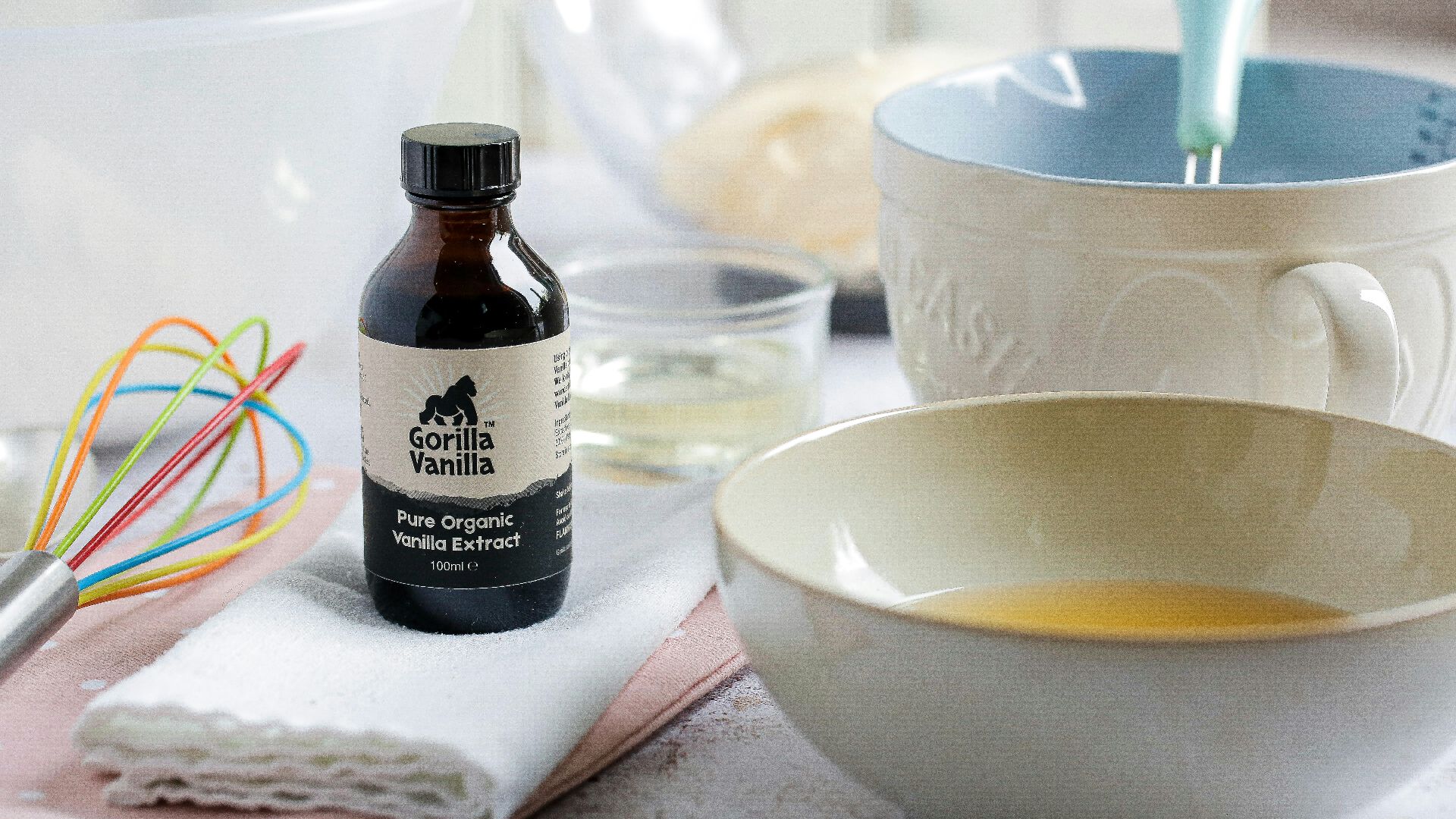
Pure vanilla extract is alcohol-based, and that alcohol helps it stay stable for a very long time. The flavor can mellow slightly over years, yet it remains usable and safe when stored with the cap on. The most common problem is evaporation from a loose lid, which turns an expensive bottle into a smaller one.
KEEP ON READING

10 Most Hated Foods in the Entire World