Good Rot, Bad Rot
Blue fuzz on a slice of sandwich bread goes in the trash. Blue fuzz in a wheel of Roquefort goes on a cheese board at $30 a pound. What separates them is usually which strain landed there and whether a person put it there deliberately. Cultures without refrigeration worked this out early, and a surprising share of what's in your pantry got there through spoilage somebody learned to aim. Here's 20 foods made by molds and bacteria you'd panic about anywhere else in the house.
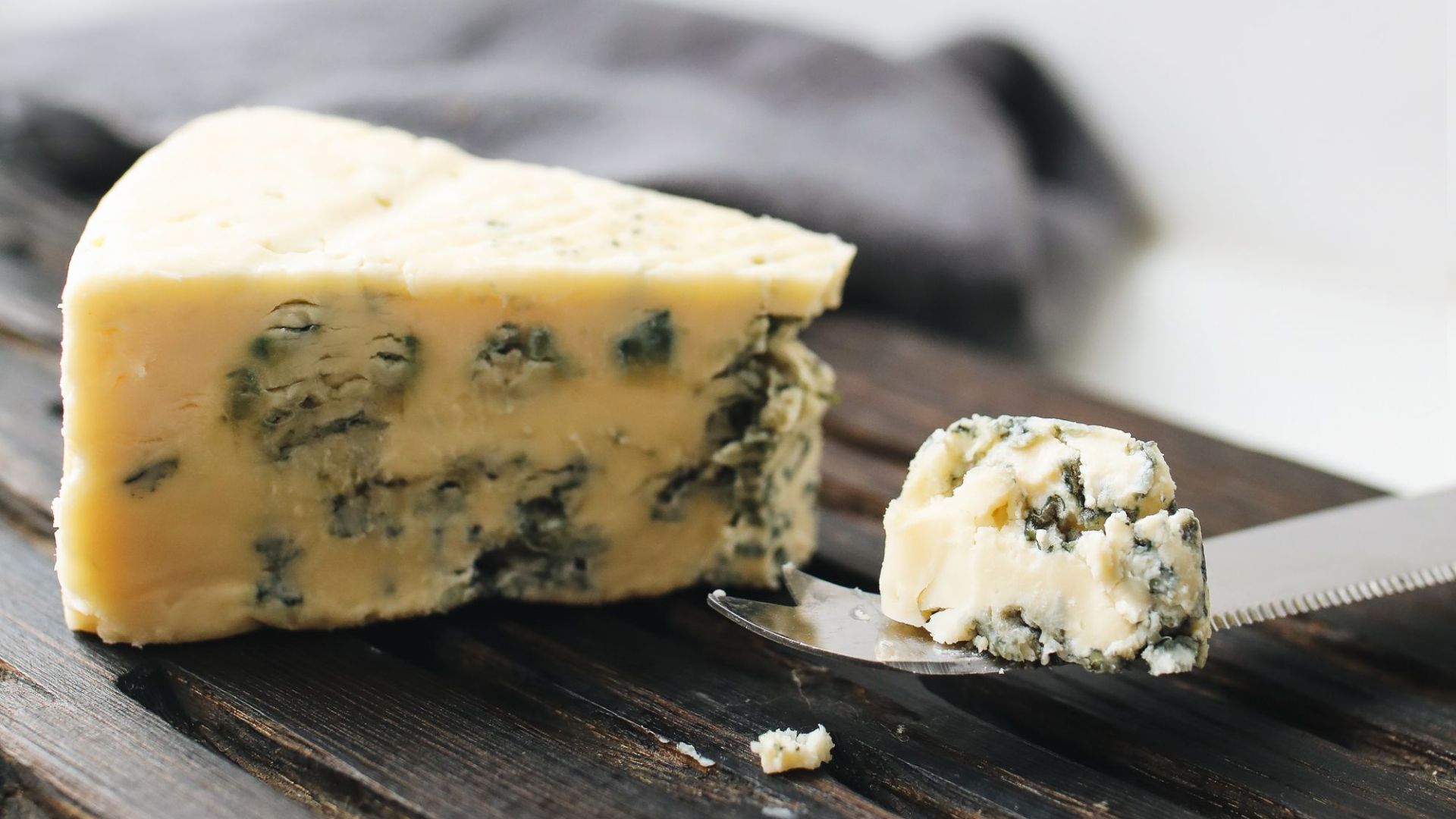
1. Roquefort
Those blue veins are Penicillium roqueforti, the same genus as the fuzz creeping across forgotten sandwich bread. Cheesemakers pierce the wheels with long needles so air reaches the middle, letting the mold spread through the paste. French law still requires every wheel to ripen in the limestone caves at Roquefort-sur-Soulzon, where natural cracks in the rock hold the humidity steady and keep the cellars cool without any equipment running.
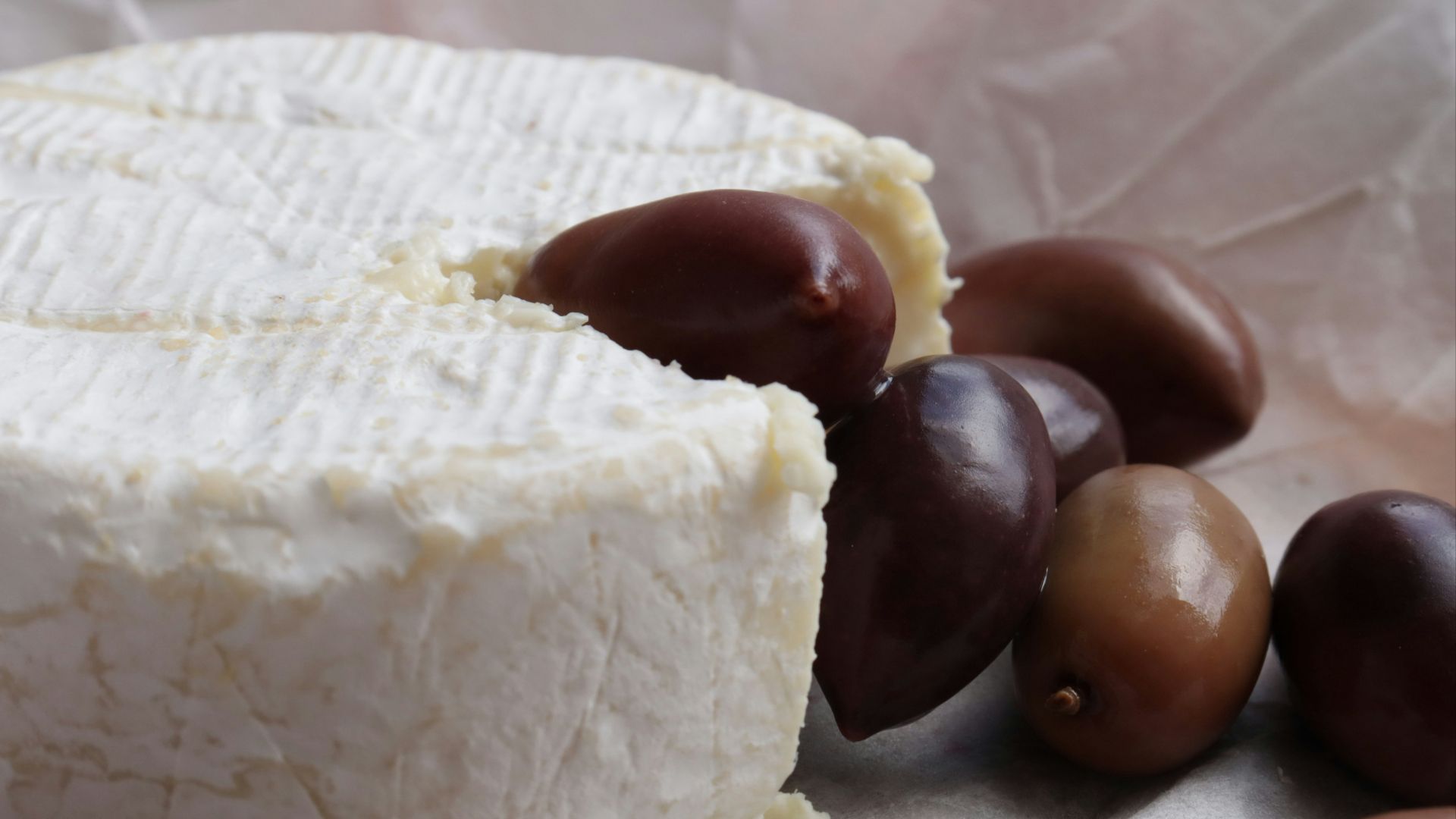
2. The Rind on a Wheel of Brie
Penicillium camemberti grows the soft white coat you eat along with the cheese. Centuries of cloning one strain stripped it of the ability to reproduce sexually, and French researchers warned in 2022 that the industry's single domesticated line has become difficult to propagate. A field crop with that little genetic variation left would have farmers bracing for the season a disease finally gets through.
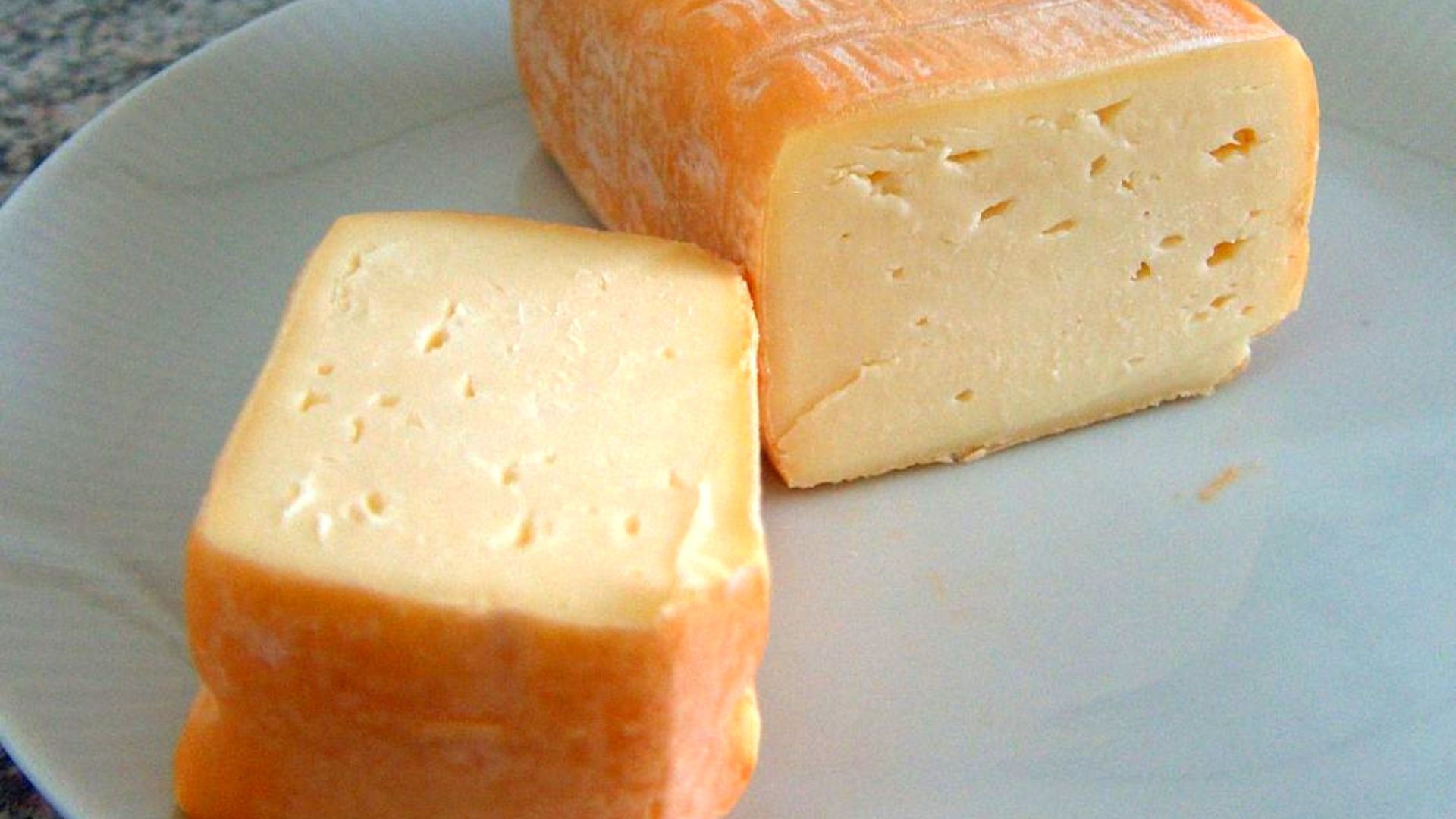
3. Limburger
The bacterium responsible for the smell is Brevibacterium linens, which also lives between human toes. Entomologist Bart Knols used that overlap to show malaria mosquitoes find Limburger about as appealing as feet, work that won him an Ig Nobel Prize in 2006 and got the cheese tested as mosquito bait in Africa. Producers wash the rind with brine every few days throughout aging, which keeps those bacteria fed and working on the surface.
 MarkusHagenlocher on Wikimedia
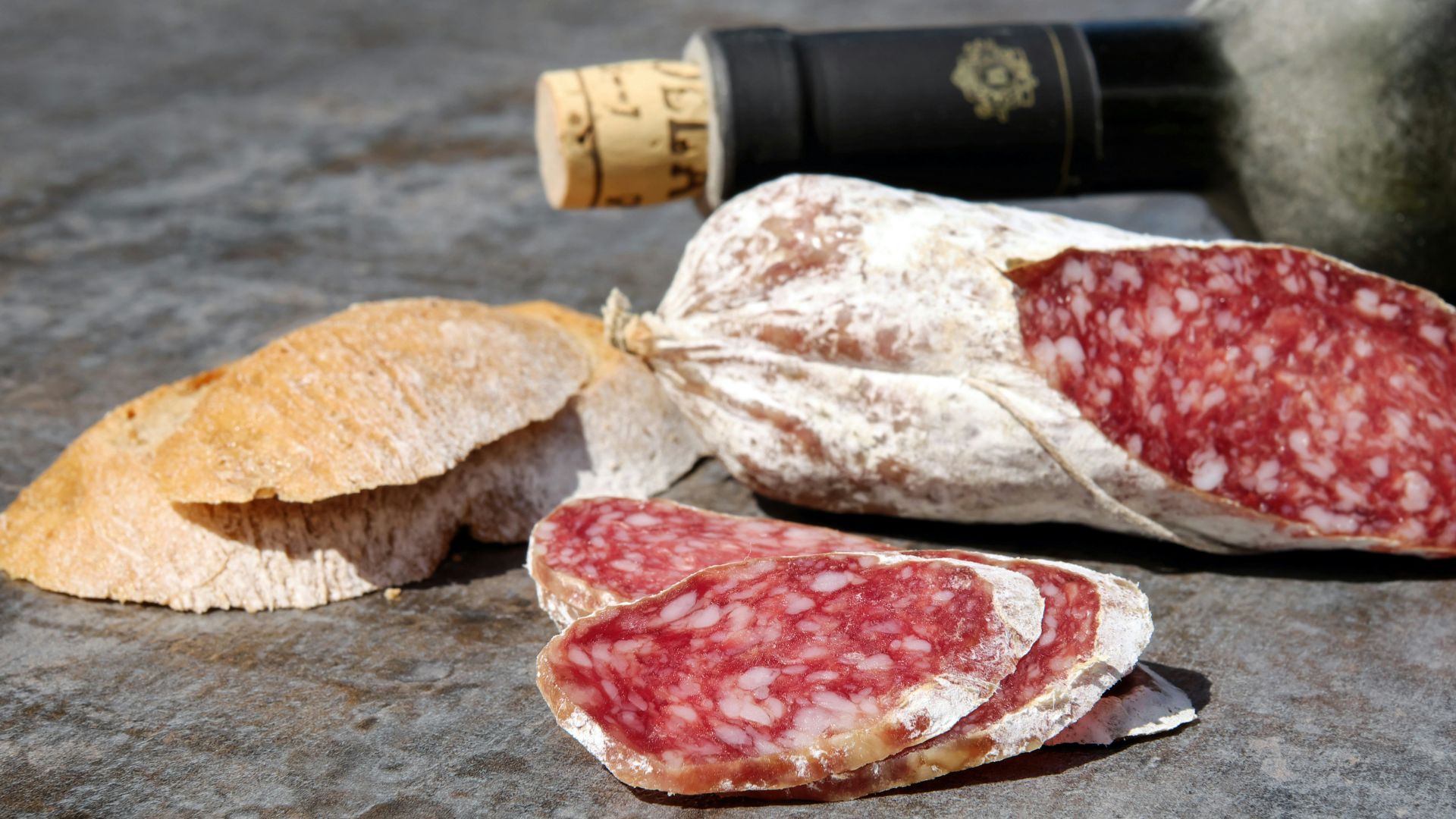
4. The White Coat on Salami
Dry-cured sausage gets sprayed with Penicillium nalgiovense before it goes into the curing chamber. The powdery layer claims the surface first and shuts out the greener, nastier molds hunting for the same square inch of casing. Nobody blinks at slicing through it at a party, though that coating on leftover chicken would end the meal.
5. Katsuobushi
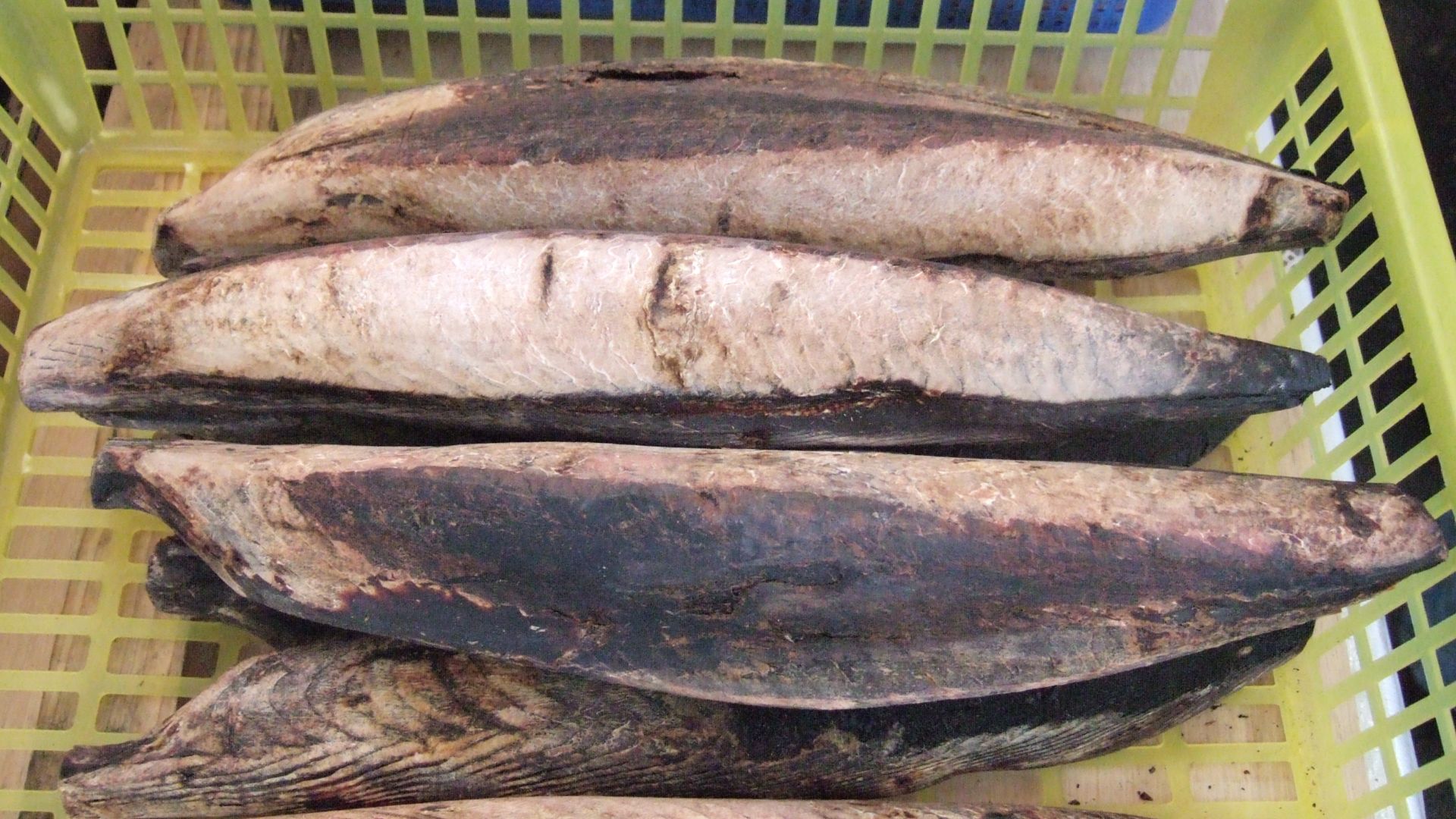
Japanese bonito flakes begin as smoked, dried fillets inoculated with Aspergillus glaucus. Makers repeat a cycle of sunning the fish and letting mold regrow on it, pulling moisture out a little at a time over roughly six months. The finished block is often called the hardest food in the world, and shaving it takes a tool built like a carpenter's plane.
6. Koji
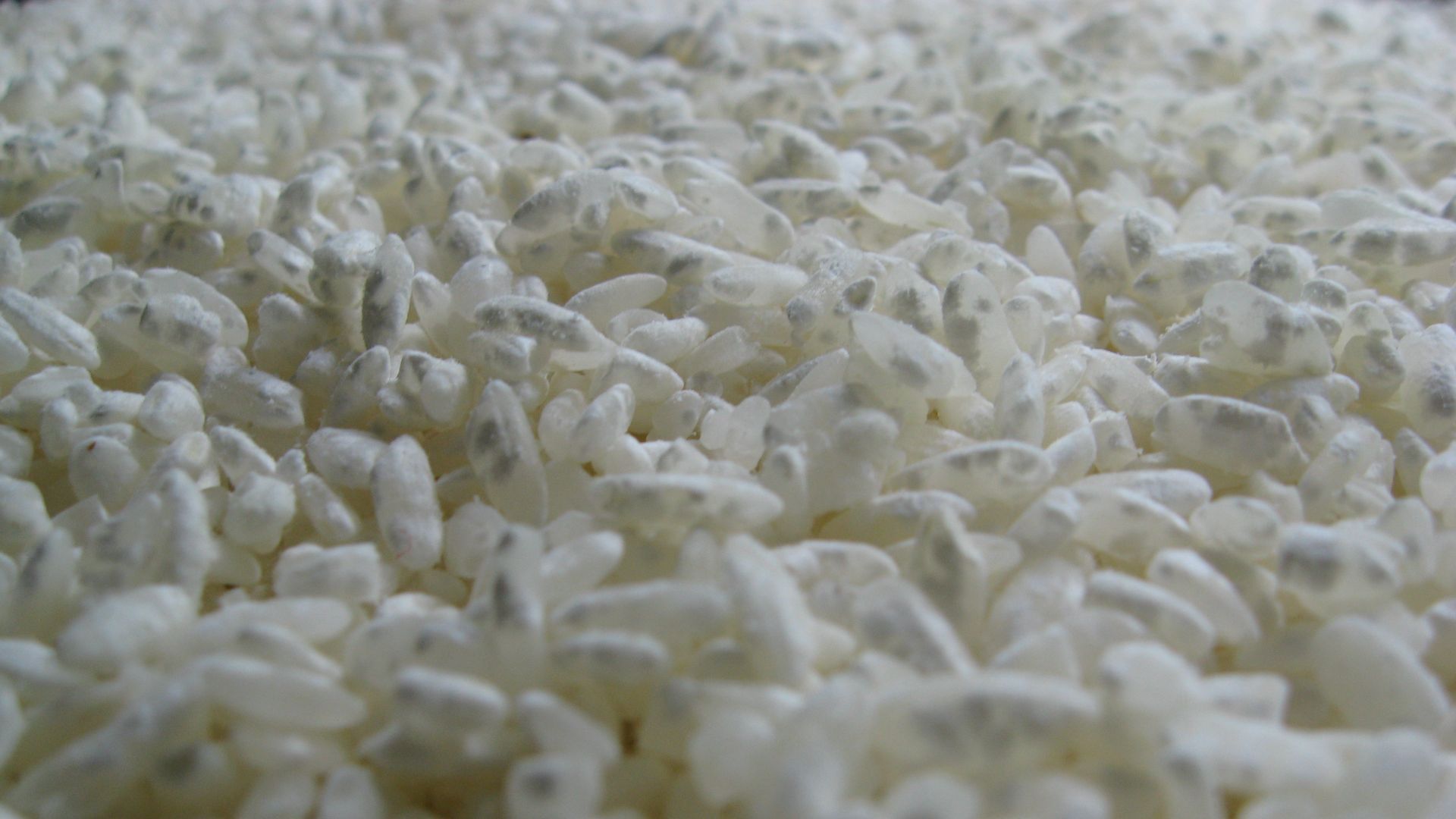
Aspergillus oryzae grows on steamed rice or barley and floods the grain with enzymes that chop starch into sugar. The Brewing Society of Japan declared it the national fungus in 2006, an honor most countries have never thought to hand out. Sake and miso both start with a fuzzy green mold you'd scrub off a countertop with bleach and then worry about for a week.
7. Soy Sauce
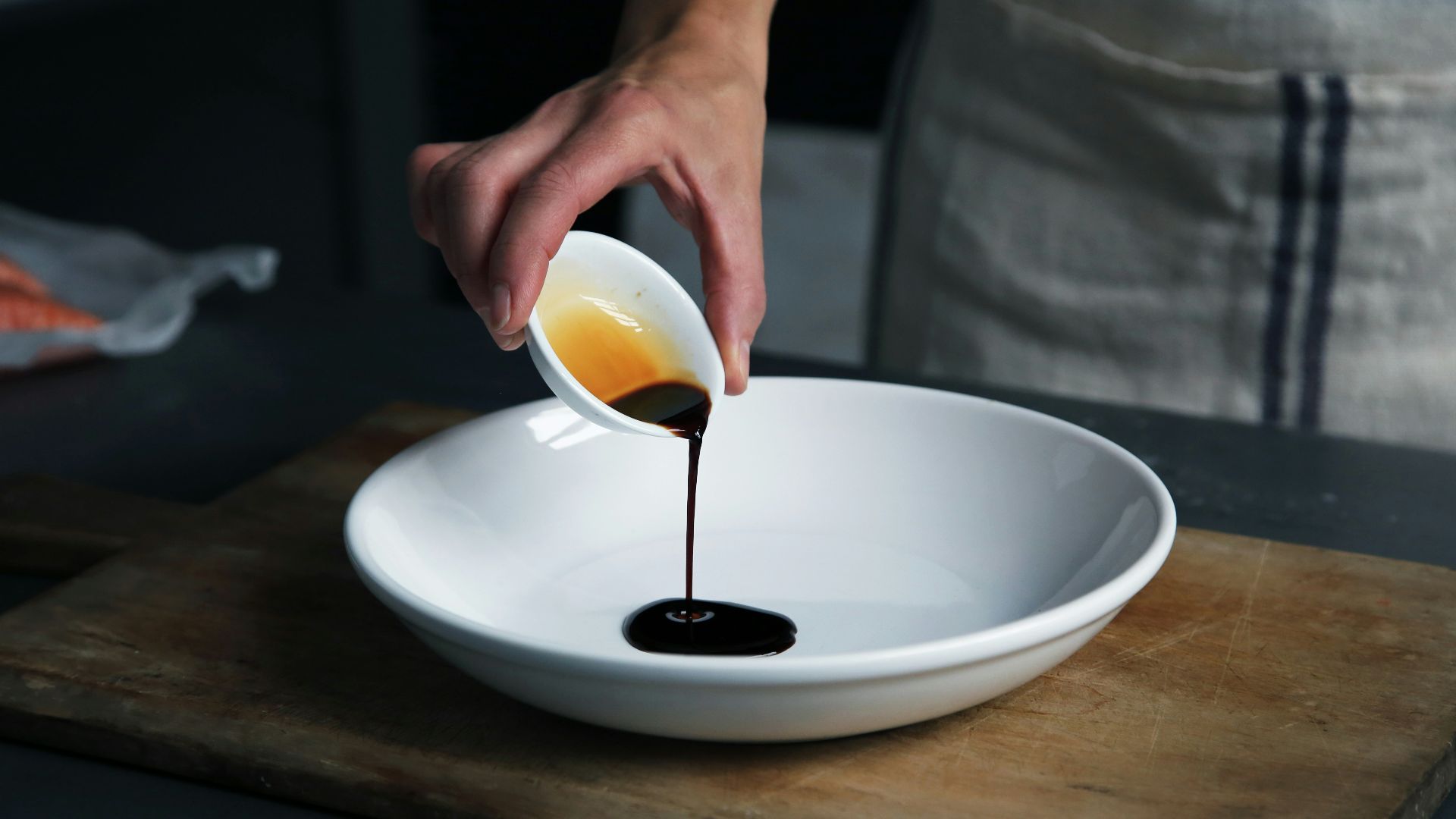
Brewing starts by growing koji across cooked soybeans and roasted wheat until the mash is thoroughly moldy. The mash then moves into salt brine, where yeasts and lactic acid bacteria take over for a stage called moromi. Traditionally brewed versions sit for a year or more before anyone presses the liquid out.
8. Tempeh
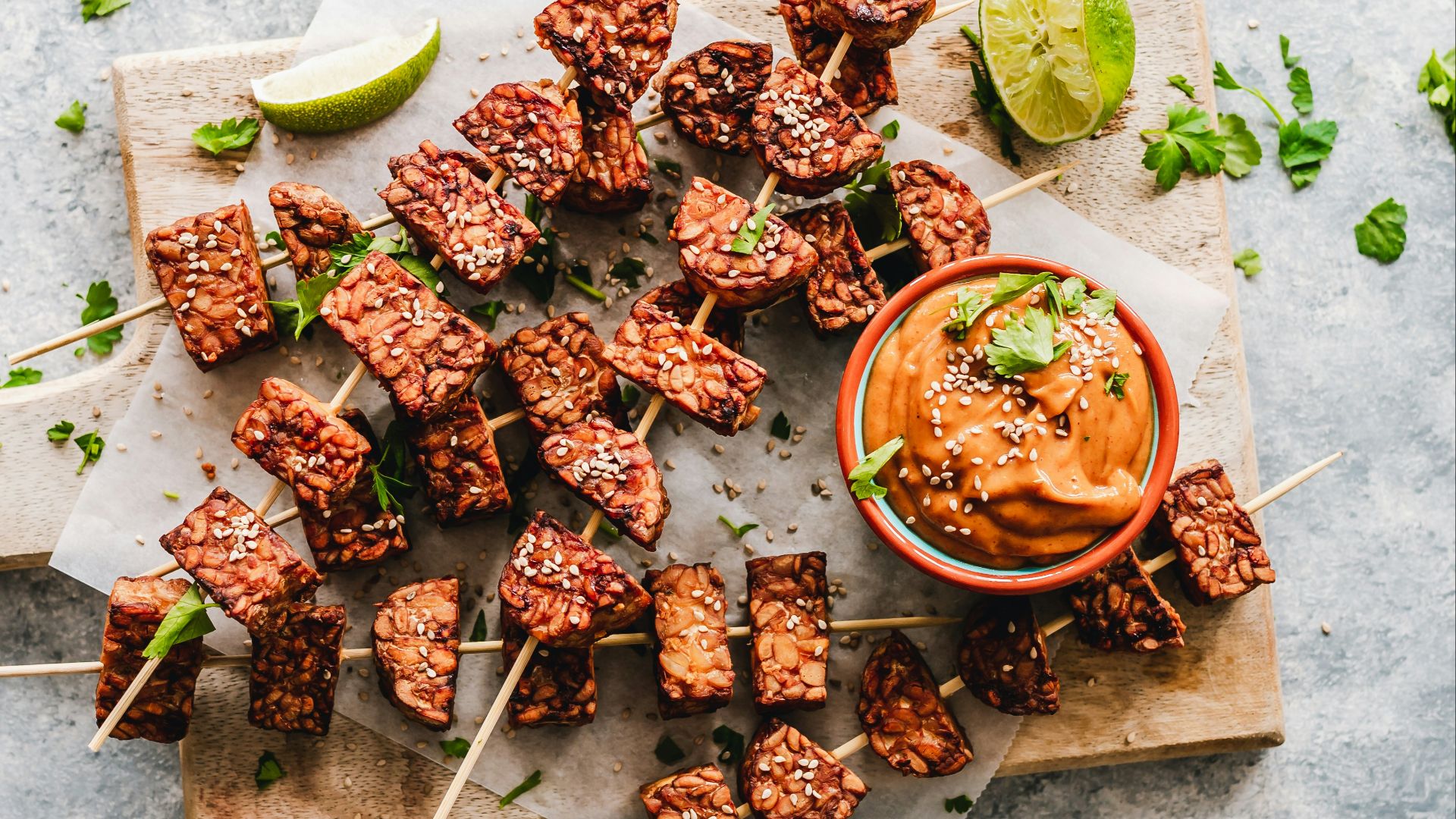
Boiled soybeans knit into a sliceable cake because Rhizopus oligosporus threads white mycelium through every gap between them. Rhizopus is also the genus behind the black bread mold that fuzzes over strawberries at the back of the fridge. Indonesian producers have wrapped the beans in banana leaves for centuries to give it the warmth and humidity it wants.
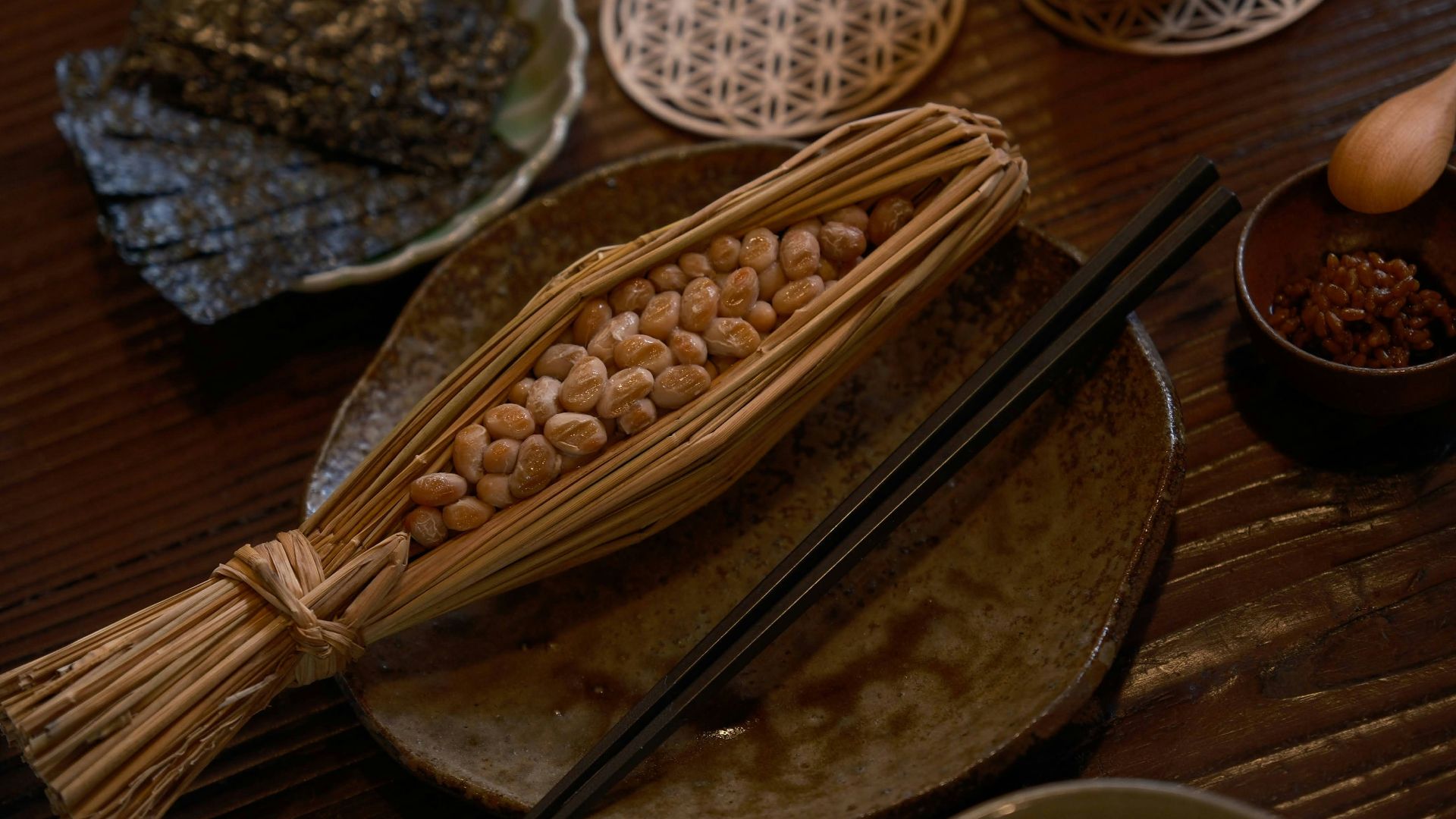
9. Natto
Steamed soybeans get inoculated with Bacillus subtilis, a soil bacterium that traditionally arrived on rice straw. Lift a spoonful and it strings out in sticky threads that can stretch several inches before snapping. Rice left on the counter overnight can pick up that bacterium on its own, and the slimy result ends up in the disposal.
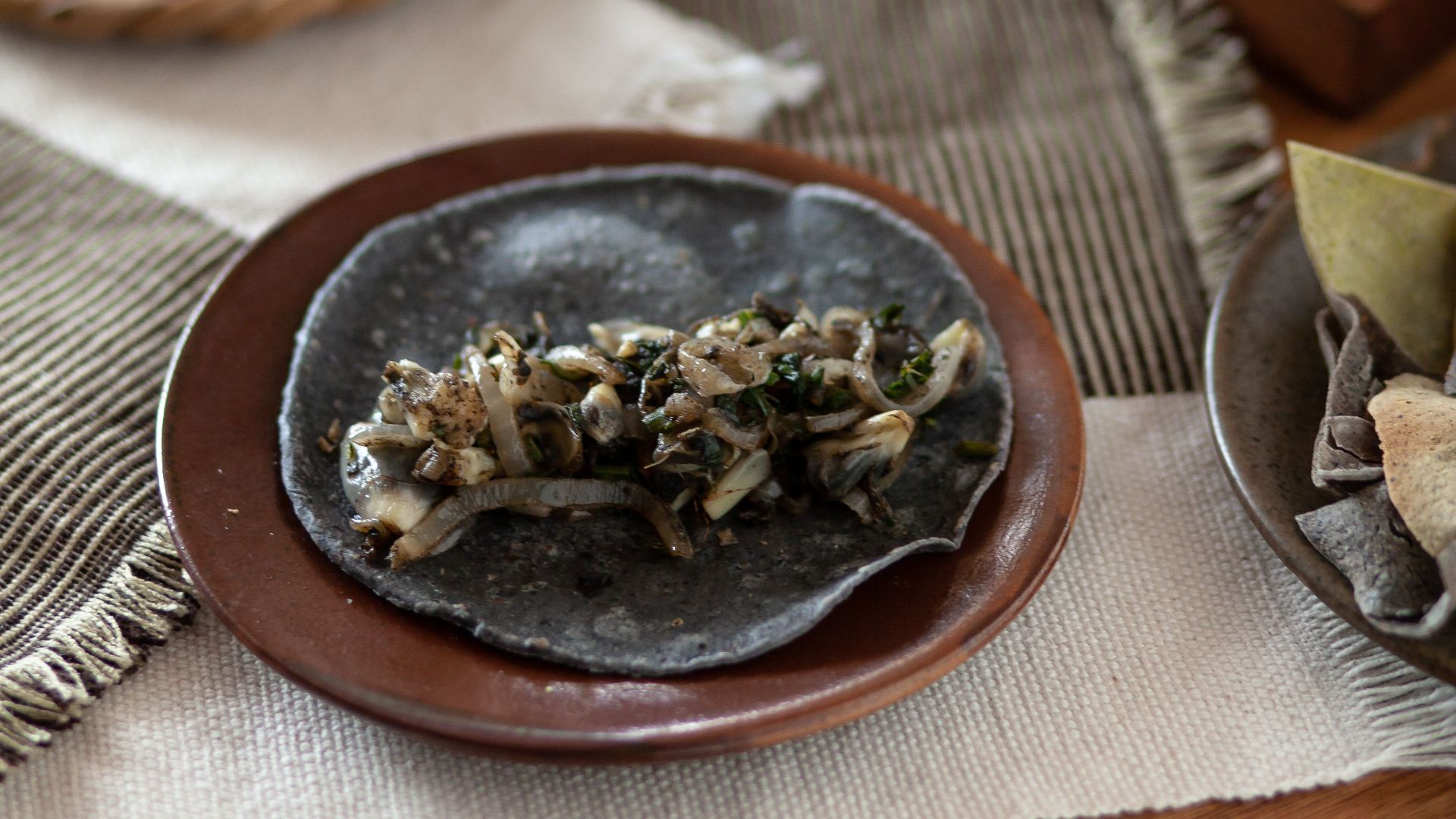
10. Huitlacoche
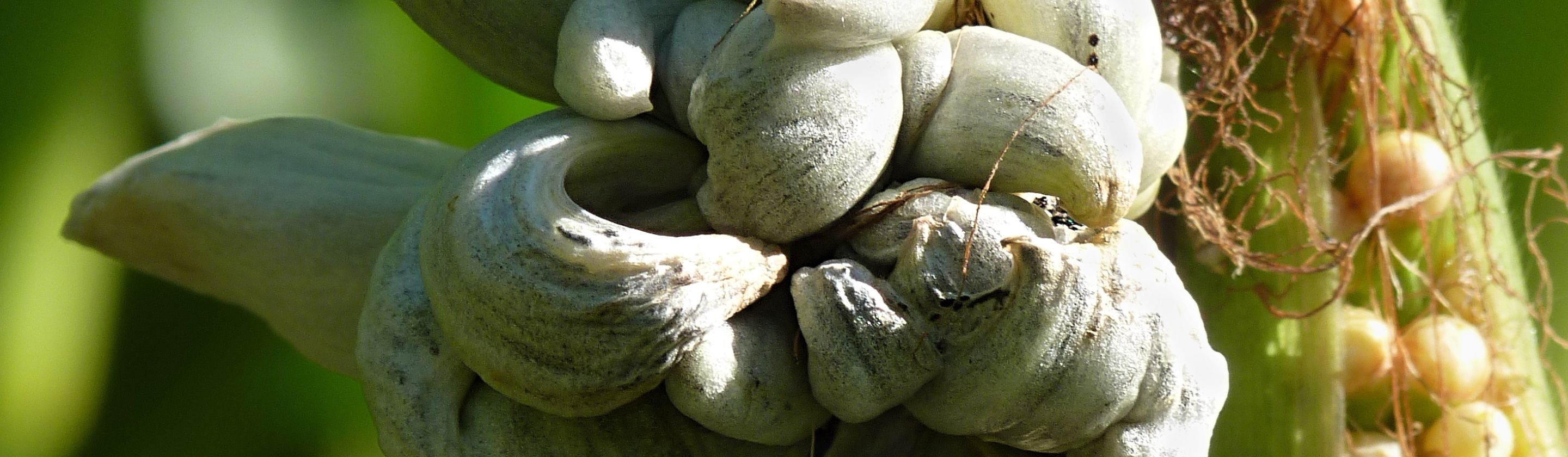
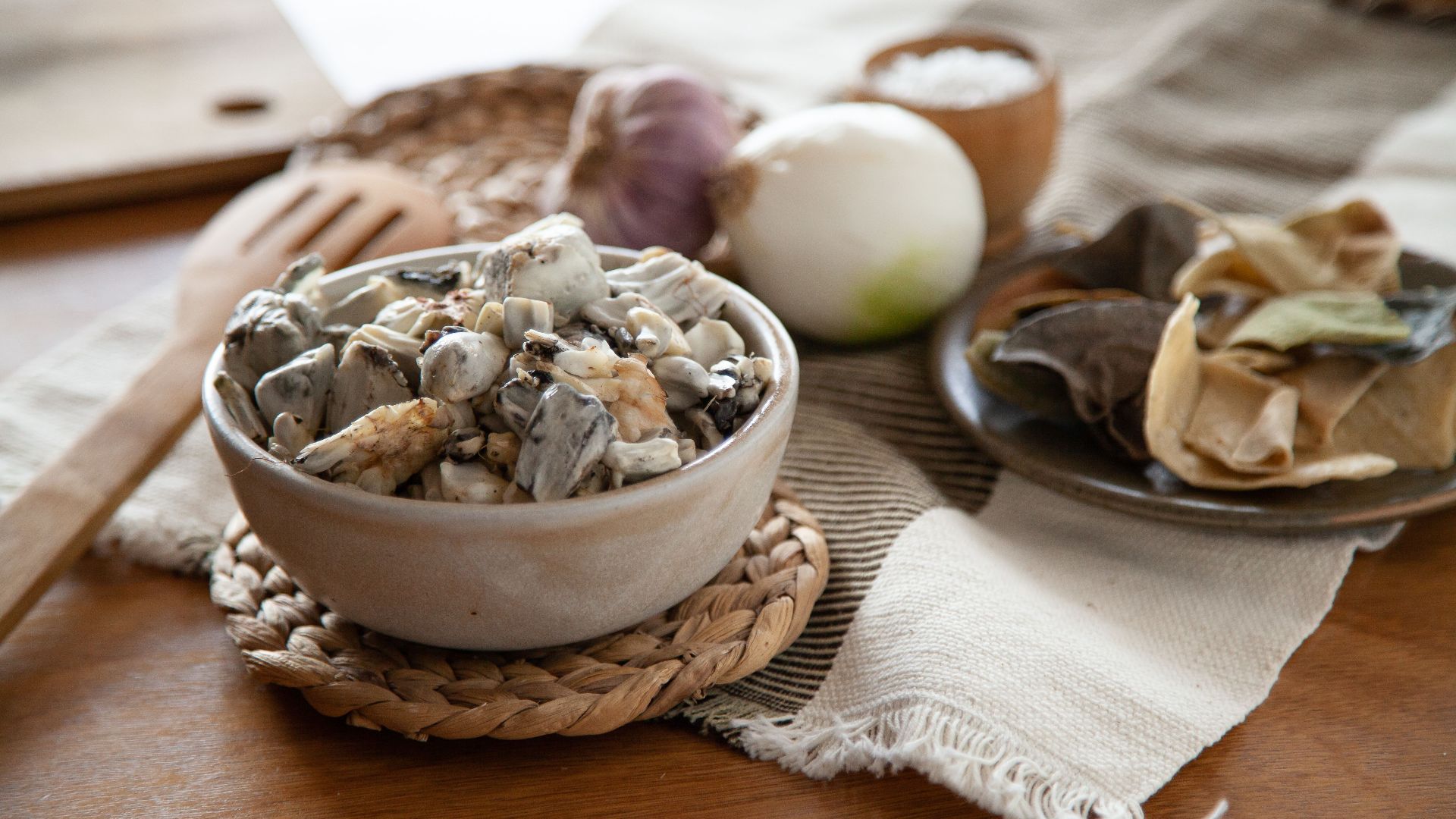
Corn smut is a plant disease that American farmers spend real money every season keeping out of their fields. Mexican markets sell Ustilago maydis by the kilo, and the swollen gray galls go into quesadillas tasting mushroomy and faintly sweet. Some growers now infect their own corn deliberately, because a good crop of galls fetches considerably more per pound than the sweet corn growing underneath them would have brought at market.
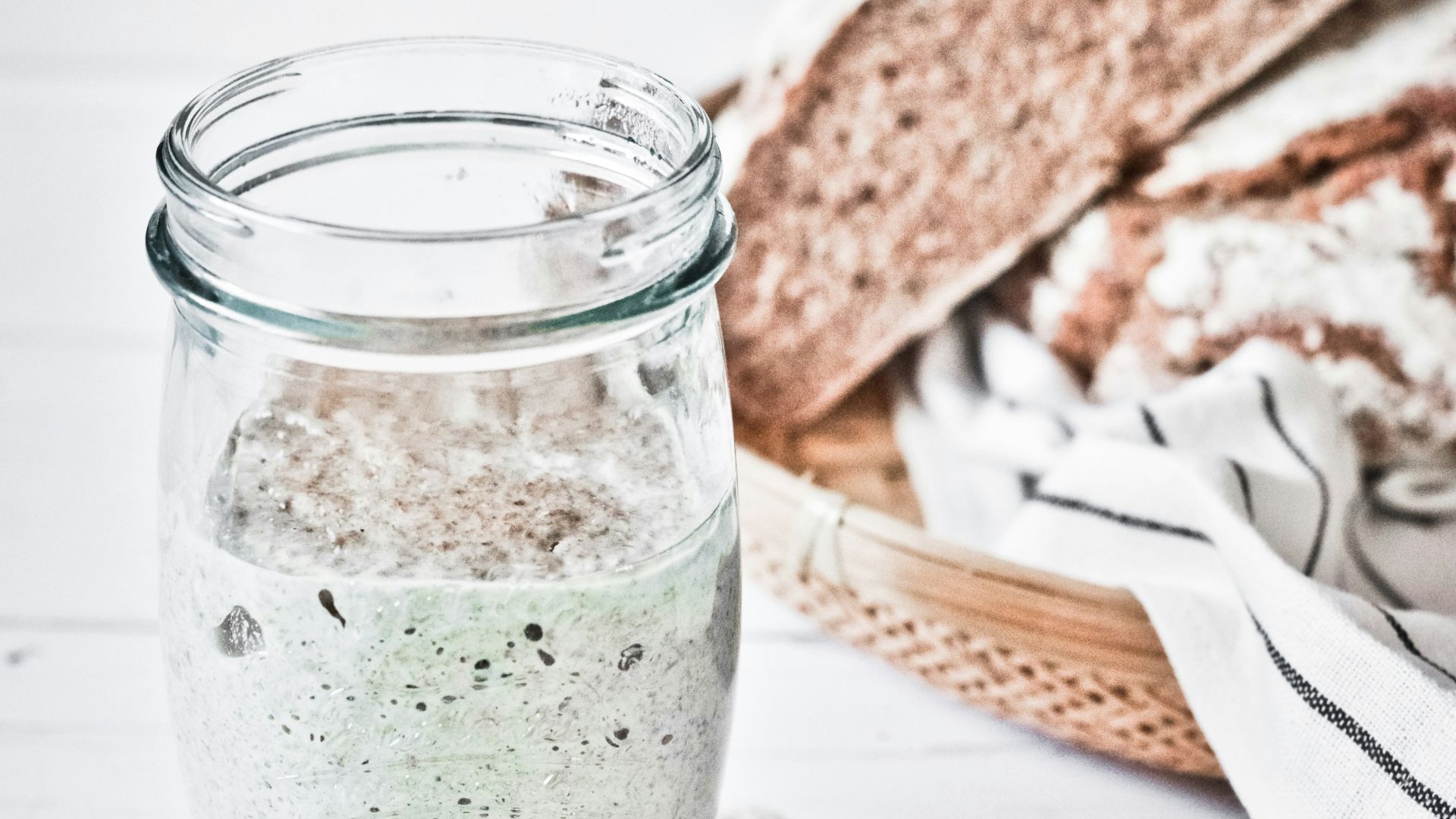
11. Sourdough Starter
Flour and water left on a counter collect wild yeasts and lactic acid bacteria out of the grain and the surrounding air. Bacteria outnumber the yeasts by roughly 100 to 1, and their acids handle the souring while the yeasts do the lifting. Belgian company Puratos keeps a whole library of starters donated by bakers around the world.
 Margaret Jaszowska on Unsplash
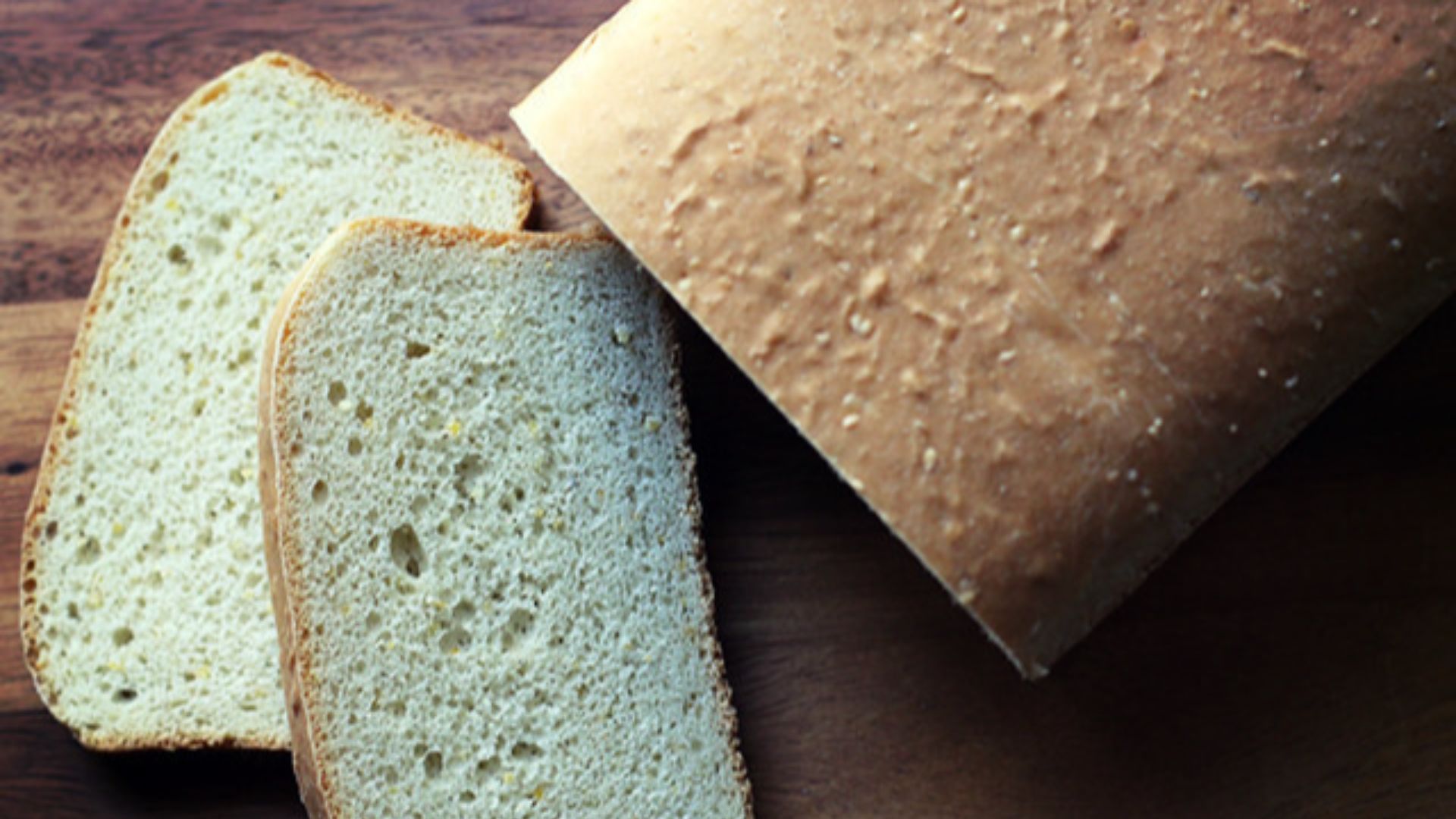
12. Salt-Rising Bread
This Appalachian loaf rises without any yeast at all. The lift comes from Clostridium perfringens, which the CDC ranks among the leading causes of food poisoning in the United States, and baking the loaf kills it off. What comes out of the oven smells like a gym bag full of cheese, and opinions on that split a room down the middle.
 Wonderland Kitchen on Wikimedia
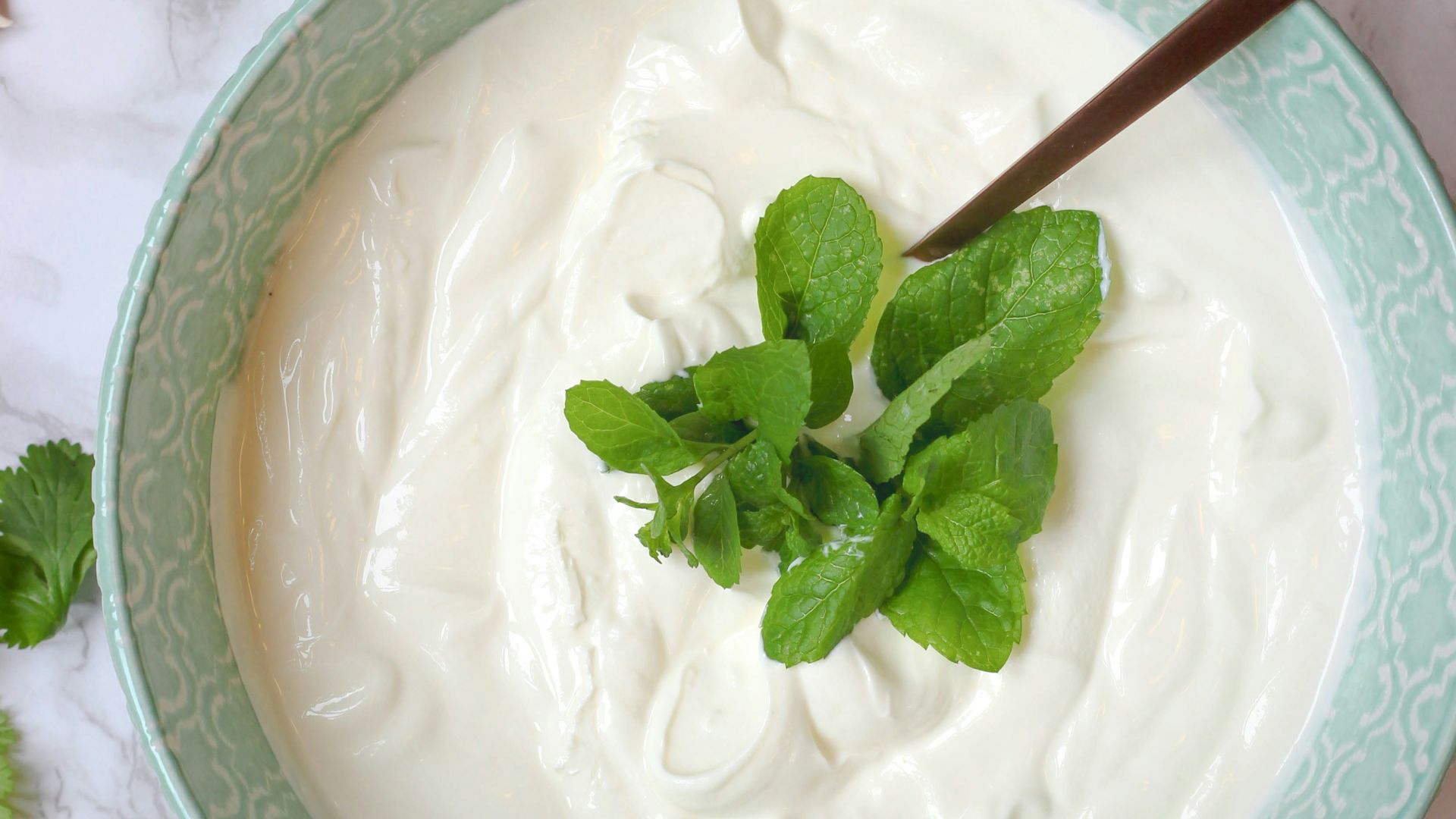
13. Yogurt
The federal standard of identity requires yogurt to be cultured with two specific bacteria, Lactobacillus bulgaricus and Streptococcus thermophilus. They feed on lactose and pump out lactic acid until the milk curdles into a gel firm enough to hold a spoon upright. Any other bacterium doing that to an open carton at the back of your fridge gets called spoilage and heads for the sink.
 micheile henderson on Unsplash
14. Kefir Grains
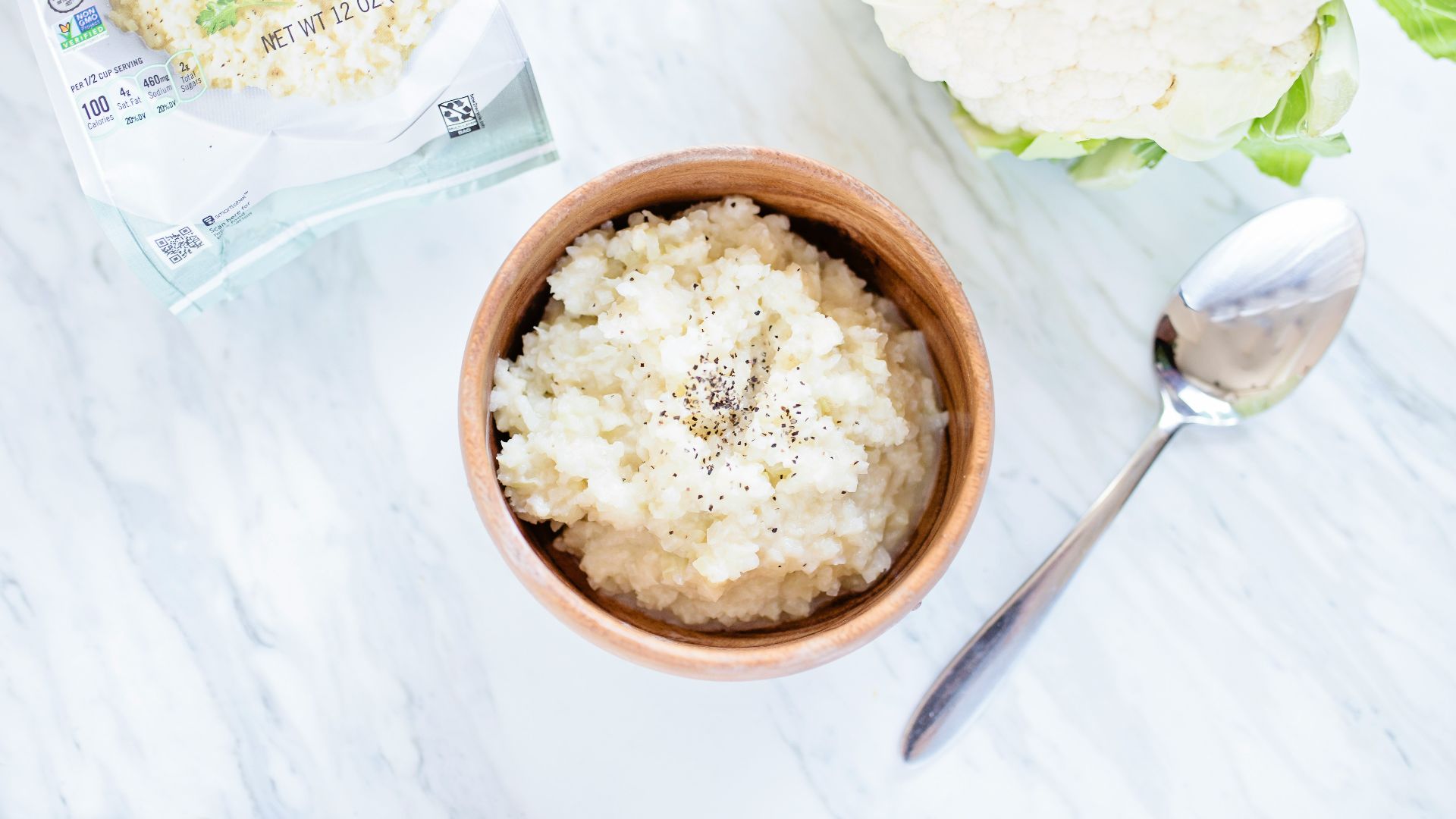
Kefir grains look nothing like grain. Each rubbery white clump, closer in shape to an undersized cauliflower floret, is a colony of yeasts and bacteria bound together in kefiran, a polysaccharide the microbes make for themselves. Households hand them along for decades, so plenty are older than the people feeding them.
15. Kombucha
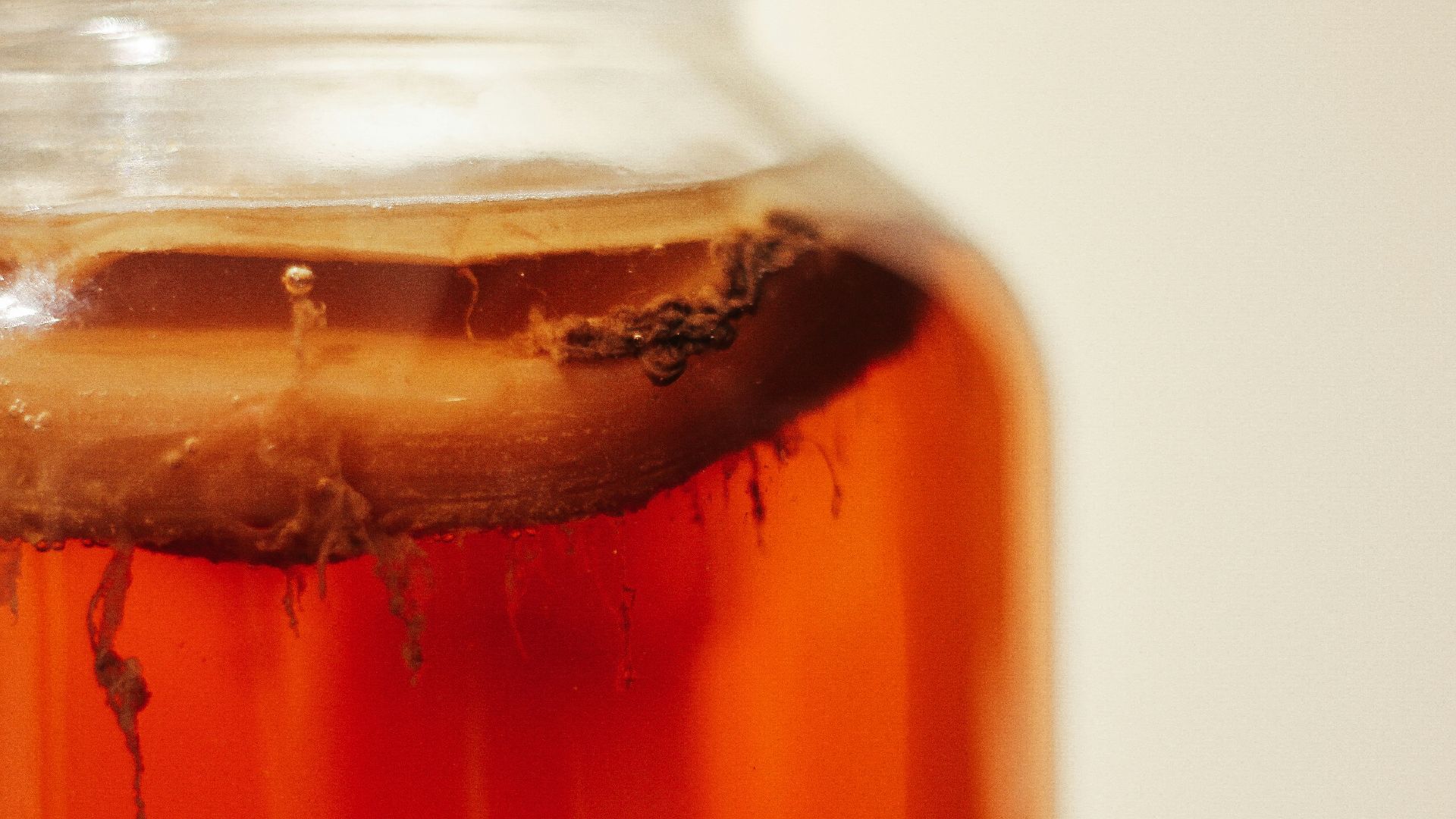
That rubbery disc on top goes by an unfortunate nickname, the SCOBY, short for symbiotic culture of bacteria and yeast. Acetobacter species spin it out of cellulose while yeasts underneath turn sugar into alcohol. A pale slab that thick on a pitcher of iced tea would send the whole thing down the drain.
16. Vinegar Mother
Leave wine or cider open to the air and Acetobacter converts the alcohol into acetic acid. The bacteria build a slimy raft on the surface that home brewers guard well enough to pass pieces to friends in jars. Commercial producers skip the raft entirely and bubble air through the liquid, finishing the job in a day or two.
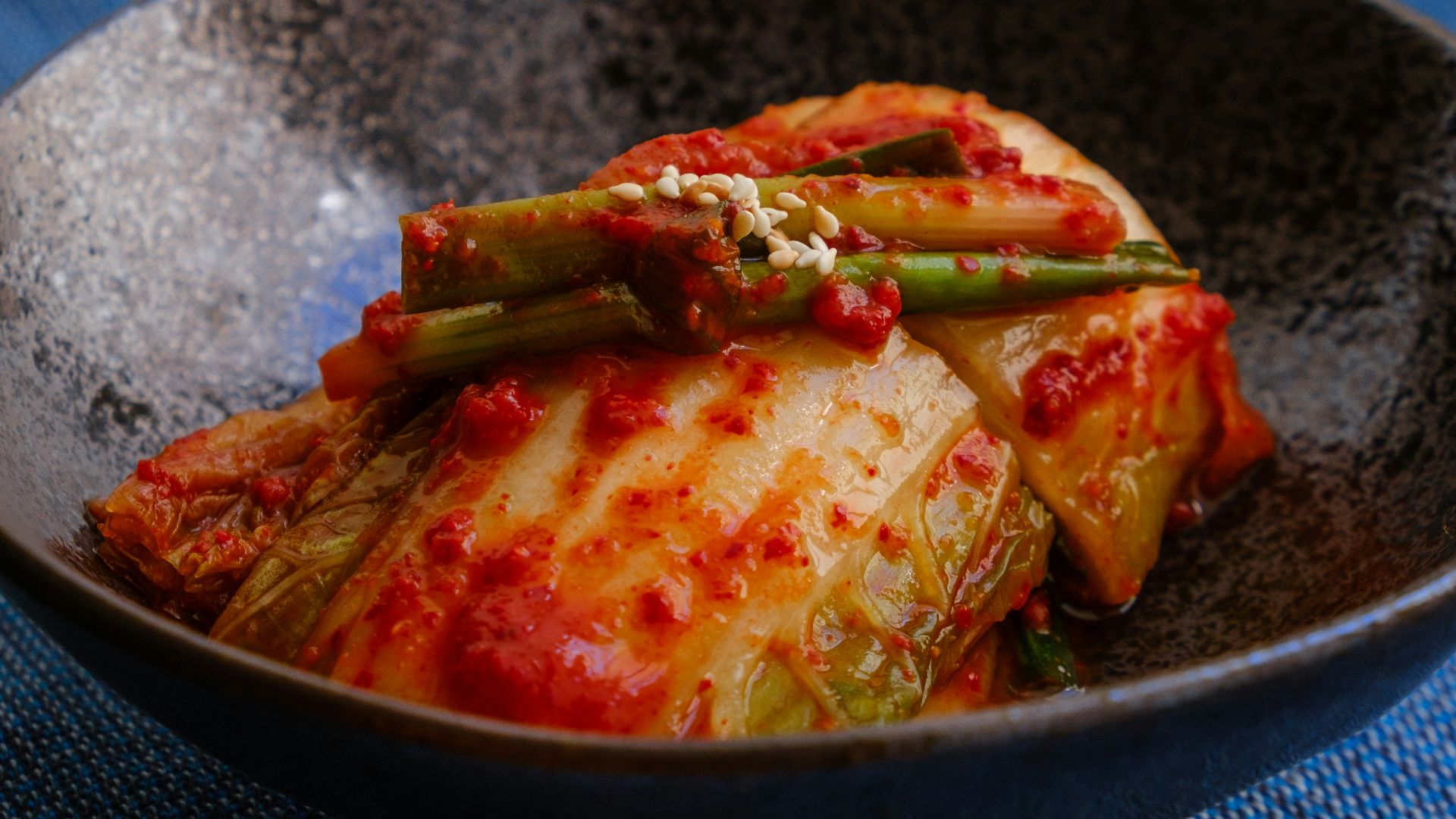
17. Kimchi
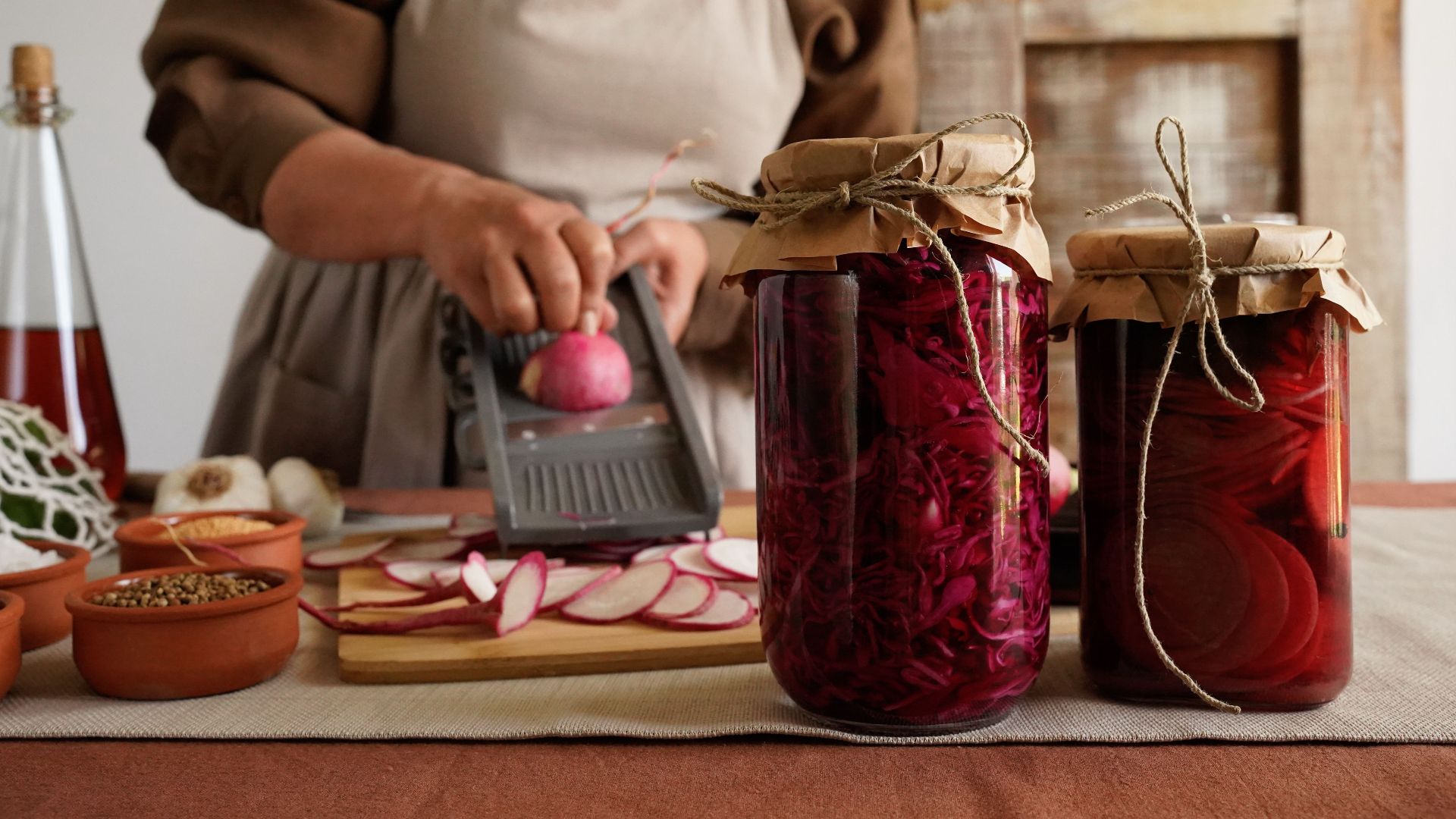
Leuconostoc mesenteroides gets the salted cabbage going, then hardier lactic acid bacteria take over as the brine sours. Sugar refineries treat that first species as a serious contaminant, since it spins out ropy slime that gums up their processing equipment. In a jar of cabbage, the fizz it produces is the entire point.
 Portuguese Gravity on Unsplash
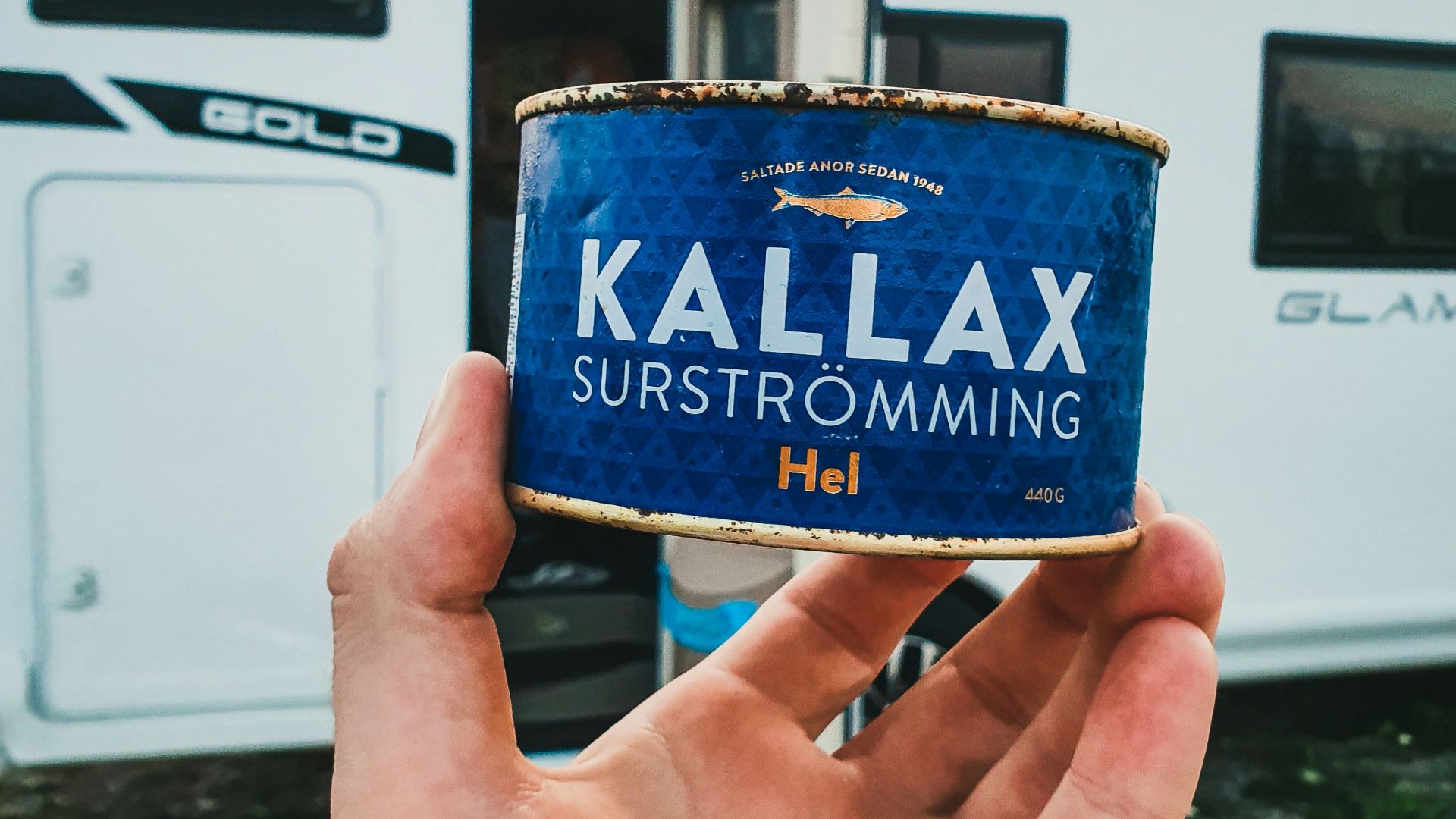
18. Surströmming
Swedish herring sits in weak brine for months while salt-tolerant bacteria like Haloanaerobium work through it. The gases they give off swell the cans into a rounded shape while the fish is still sealed. Several airlines have banned the tins from luggage, and plenty of Swedes open them outdoors with the can held underwater.
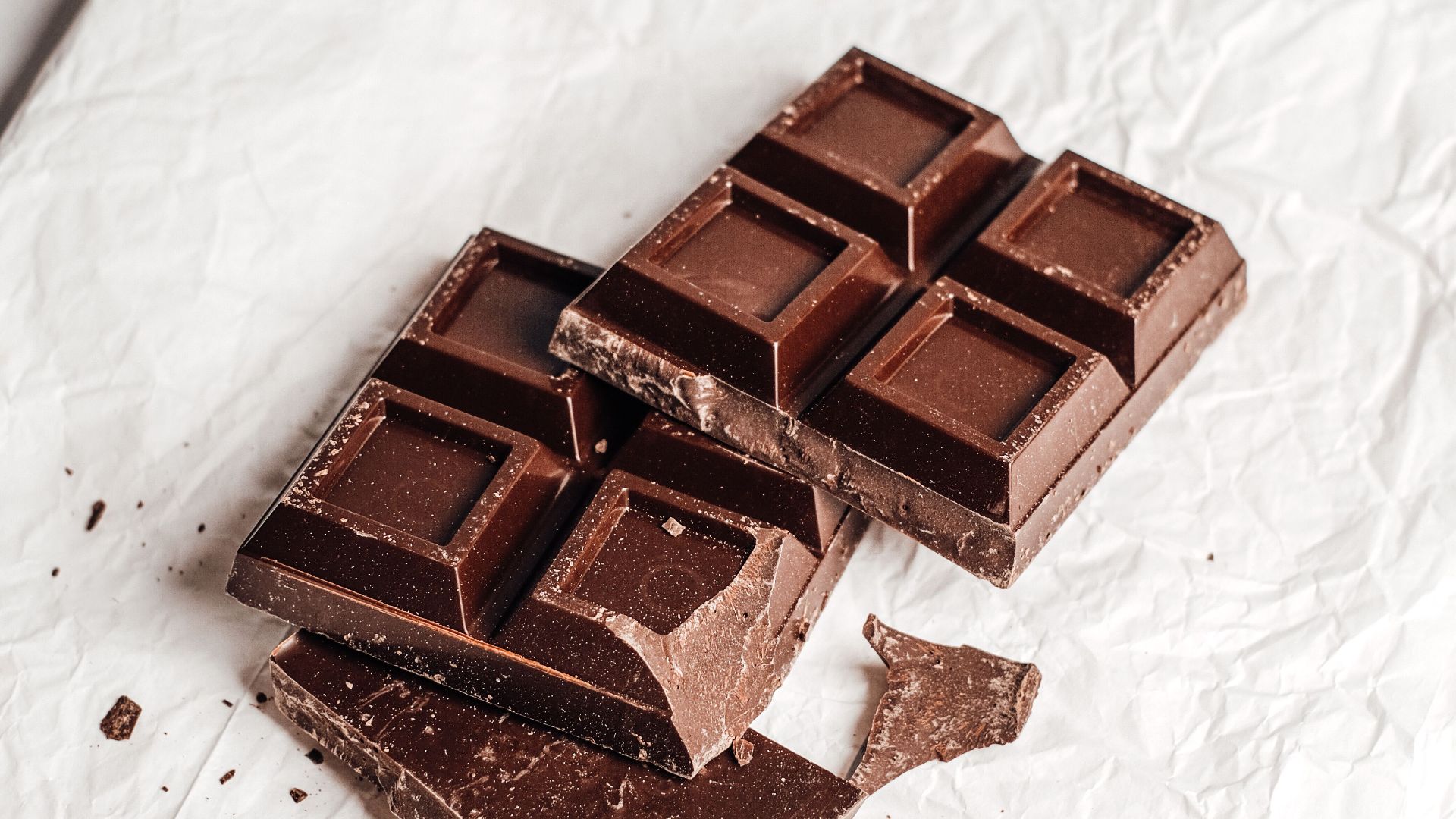
19. Chocolate
Cacao seeds carry no chocolate flavor when they come out of the pod. Farmers heap the wet beans into boxes or piles under banana leaves, where wild yeasts and bacteria eat through the pulp for several days, kill the seed inside, and generate the compounds roasting later turns into flavor. Skip the rotting step and the beans roast into something bitter and flat that no amount of sugar can fix.
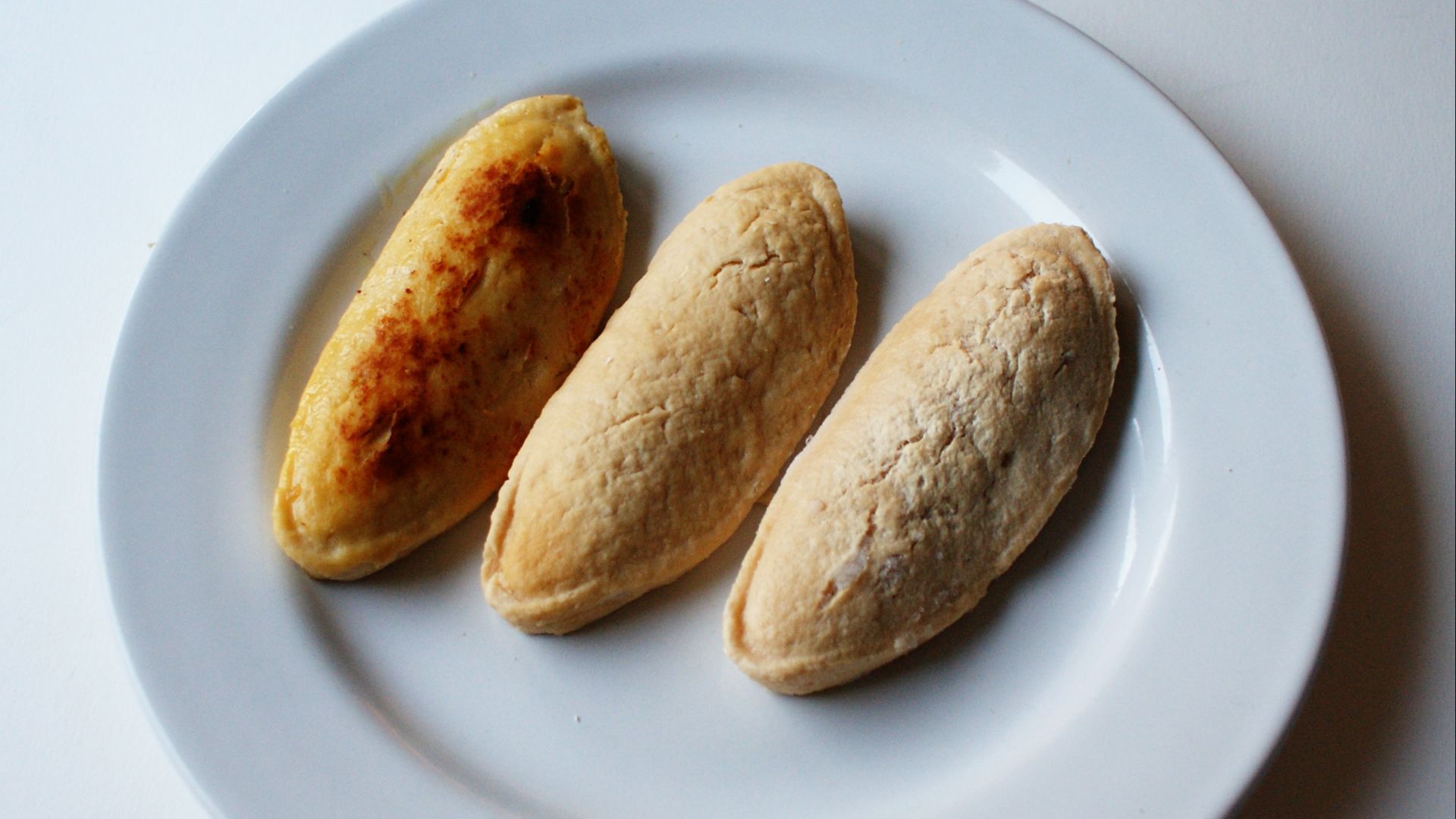
20. Quorn
The protein in Quorn is a mold called Fusarium venenatum, isolated from a soil sample taken near Marlow, England in 1967. Growers raise it in steel fermenters that run continuously, then bind the harvested mycoprotein with egg or potato protein and press it into patties and cutlets. Other species in that genus are crop pathogens that wheat and corn growers spend entire seasons trying to keep out of their fields.
 commons.wikimedia.org on Google
KEEP ON READING
20 Dishes That Built Modern American Cuisine