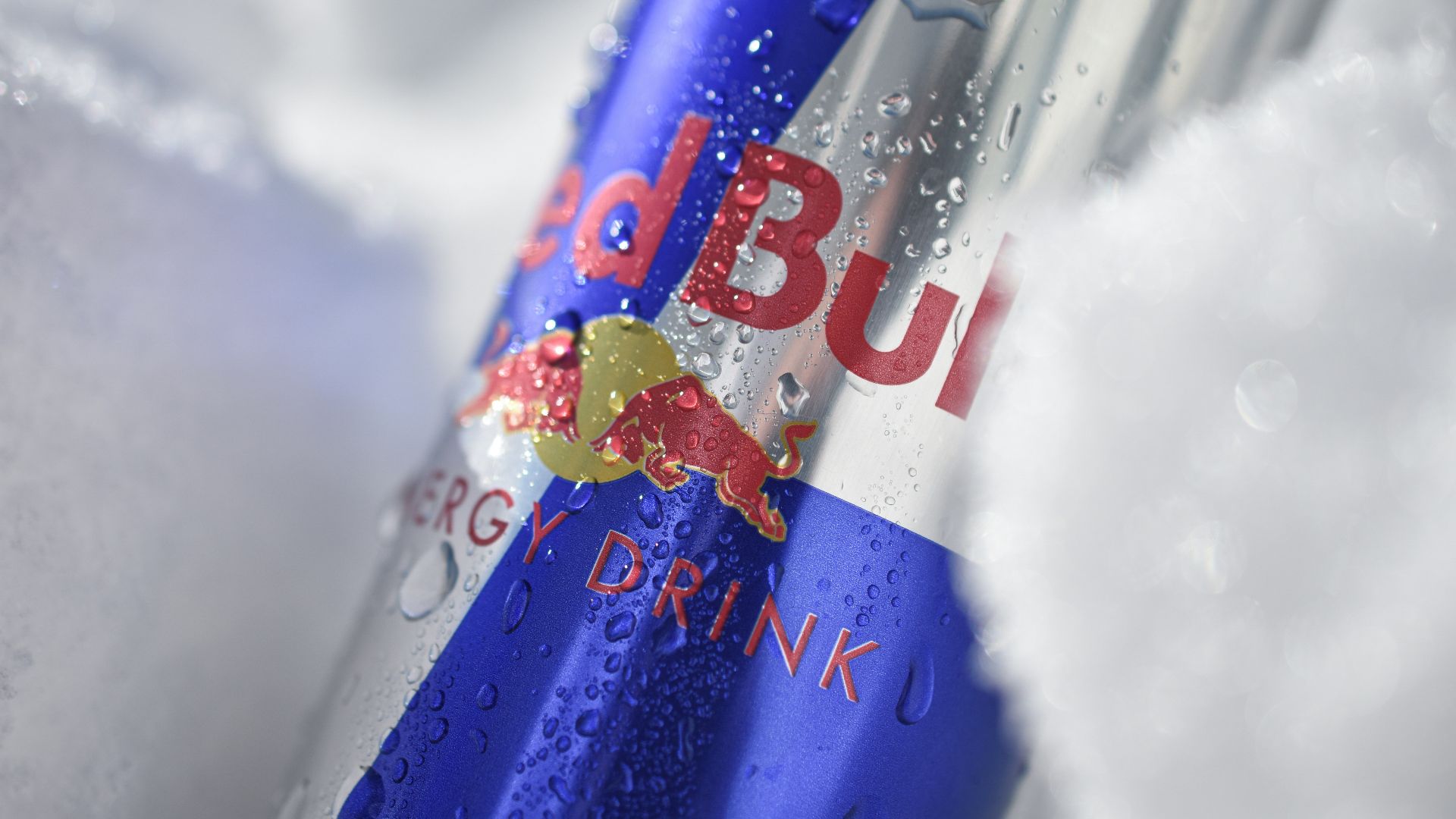
In May 2009, supermarkets across several German states pulled a cola off the shelf because a government laboratory had found cocaine in it. The number the lab reported was 0.4 micrograms per liter, which works out to roughly a tenth of a microgram in a can. For comparison, a grain of table salt weighs about 60 micrograms.
The soda was Red Bull Simply Cola, launched the year before and sold on the strength of its natural ingredients. One of those ingredients was coca leaf, printed on the can, and nobody at the company had tried to hide it. A flavoring that's been legal for a century had run into a drug law written without a threshold.
What the Lab in North Rhine-Westphalia Found
Red Bull put its cola on sale in 2008 with a short ingredient list and a promise that all of it came from plants. That was the pitch. Coca leaf and kola nut both appeared on the label, which was the whole marketing idea. The company was selling authenticity, and coca leaf is what the original colas were built on. That was the pitch, right there on the front. Nobody slipped it past anyone.
The state food safety agency in North Rhine-Westphalia tested a sample in the spring of 2009 and detected cocaine at 0.4 micrograms per liter. Six German states ordered the drink off the shelves. Retailers cleared their displays within days and the story went around the world about as fast.
Nobody involved argued the drink was dangerous. Reporters worked out that you'd need to drink something in the neighborhood of 100,000 liters to reach any measurable effect, a swimming pool. The German press covered the ban as a legal curiosity from the beginning rather than a true crime.
The Leaf Is Legal and the Molecule Is Not
Decocainized coca leaf extract has been a standard soft drink flavoring since long before anyone thought to test for what was left in it. Coca-Cola has used a version of it for more than a century. A single American company holds the license to import the raw leaves and strip the alkaloid out. The flavor stays in the extract. The cocaine goes to hospitals, which still use it as a topical anesthetic for some procedures.
Analytical chemistry has spent decades getting more sensitive, and equipment that can detect parts per trillion will eventually find what earlier equipment couldn't. The cocaine in that cola had almost certainly been sitting in products like it for years, below the detection limit of whatever machine was pointed at it. It didn't appear in 2009. Someone finally looked closely enough to see it.
German narcotics law, like most narcotics law, is written around the substance rather than the dose. A prohibited compound is prohibited whether it shows up as a gram or as a rounding error, and that doesn't leave a state inspector much room once a test comes back positive. The officials who pulled the cans were following a statute rather than making a judgment about risk, which is why the federal and state responses pointed in opposite directions.
Back on the Shelf by August
Germany's Federal Institute for Risk Assessment and the federal food ministry both concluded the detected level posed no threat to public safety. Red Bull commissioned its own analysis from an Austrian institute, which reported finding no cocaine at all. The company pointed out that the extract it uses carries GRAS status from the FDA and is approved across Europe, and it wasn't wrong.
The drink was back on sale in Germany by late August, roughly three months after it disappeared. Taiwan had confiscated 18,000 cans of Red Bull products in the meantime, going on the German headlines rather than its own testing, and later conceded the seizure was a mistake. Hong Kong ran its own tests over the same weeks and reached its own conclusions. Nobody anywhere reported a single person harmed by the product.
Red Bull Simply Cola outlived the scandal and then failed at the ordinary business of selling cola, disappearing from most markets within a few years. The ban bought it more coverage than its advertising budget ever did, which is how these stories tend to go. The coca leaf extract, meanwhile, is still in the world's most popular soft drink, where it's been since the 1900s.
KEEP ON READING
You’re Storing Tomatoes Wrong in This Heat
You’re Storing Potatoes Wrong in This Heat
You’re Storing Peppers Wrong in This Heat

You’re Storing Carrots Wrong in This Heat