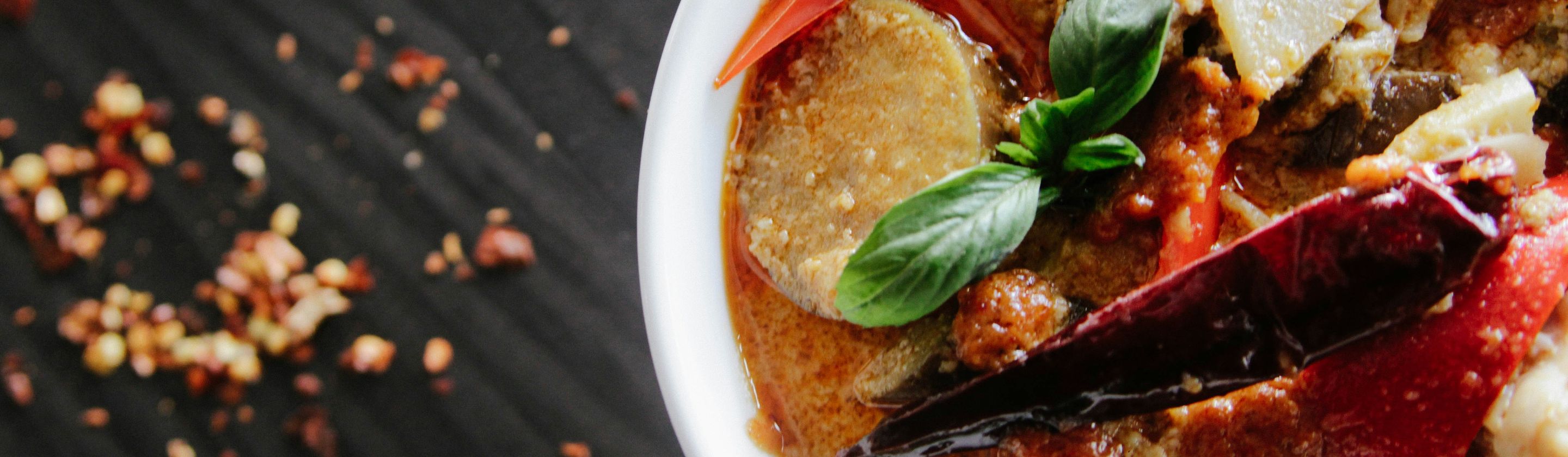
Taste Is Never Entirely Personal
Food can carry family memories, religious meaning, regional pride, and strong ideas about what belongs on a plate. That’s why seemingly simple questions about preparation, toppings, texture, or authenticity can turn into passionate disagreements between people who otherwise get along perfectly well. In many cases, there isn’t one correct answer because traditions change across regions, generations, and individual households. These are 20 foods that spark debate in every culture.

1. Rice
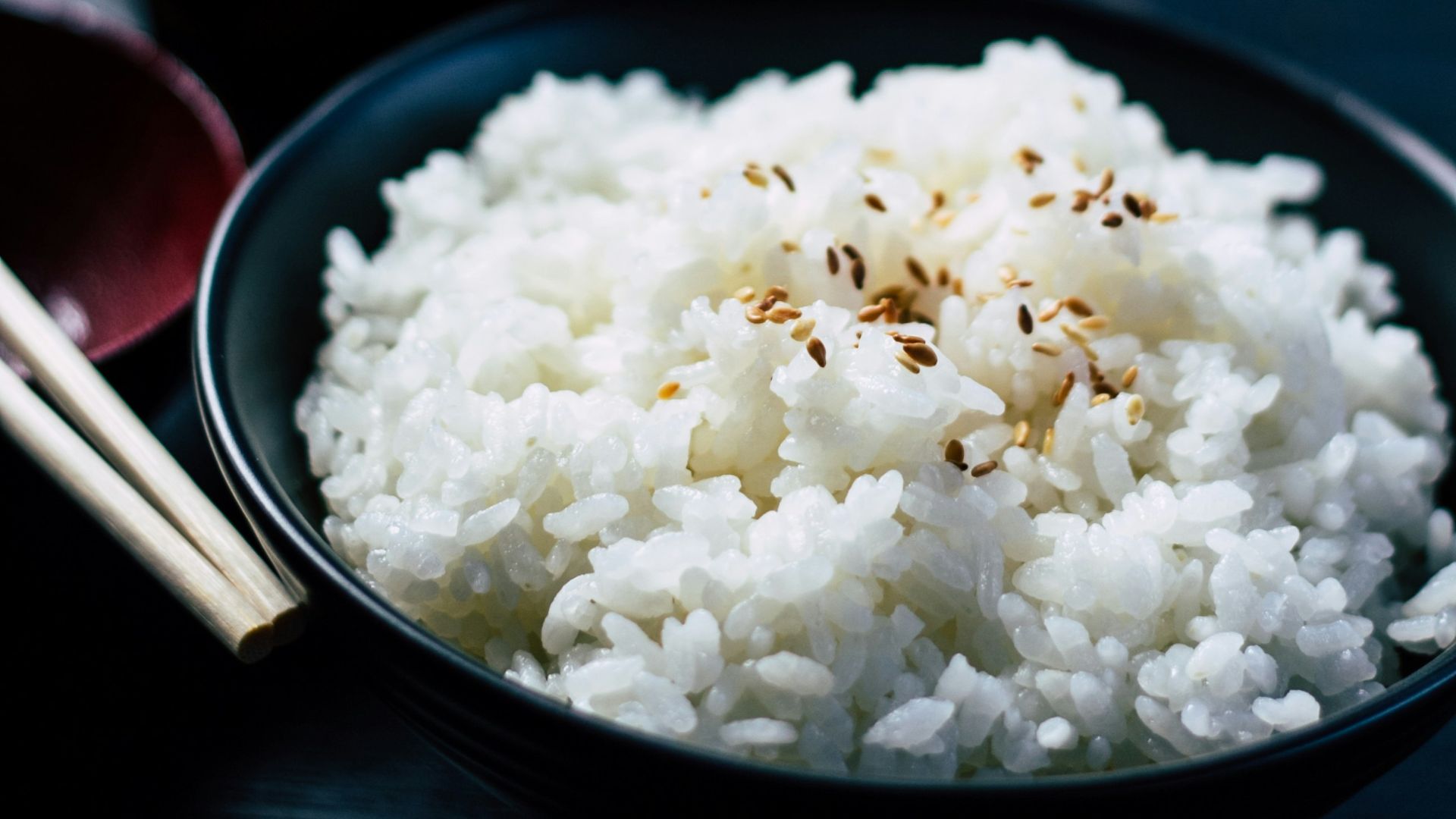
Rice may seem straightforward, but nearly every rice-eating culture has firm opinions about how it should be prepared. People debate whether grains should be separate or slightly sticky, which variety works best, and whether rinsing is essential. Even the correct amount of water can become a surprisingly serious family discussion.
2. Bread
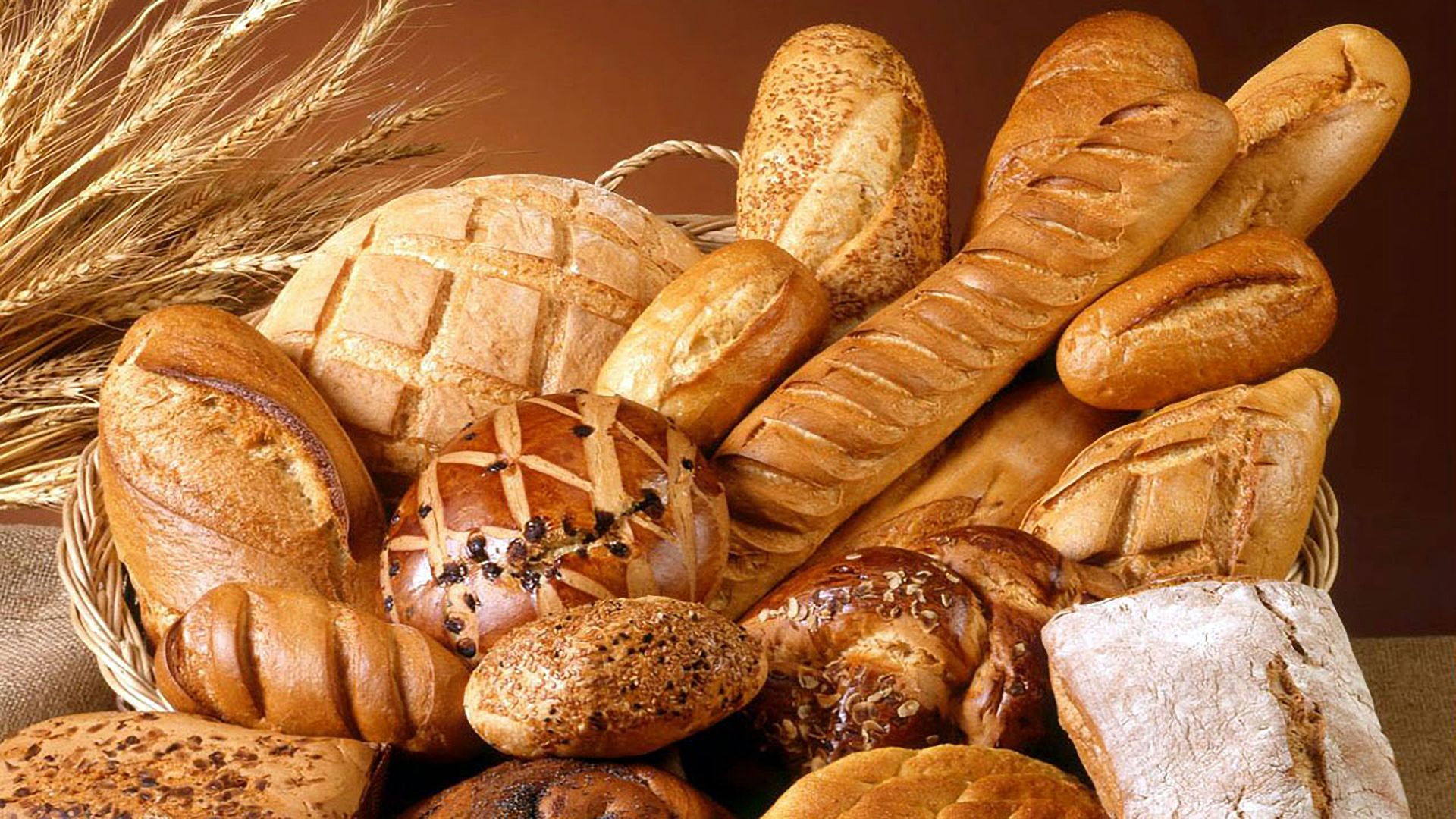
Bread inspires arguments about texture, crust, fermentation, flour, and freshness. Some people want a soft loaf that works for sandwiches, while others consider a crisp crust and chewy interior essential. Regional identity also matters, since many communities view their local bread style as the standard against which all others should be judged.
3. Noodles
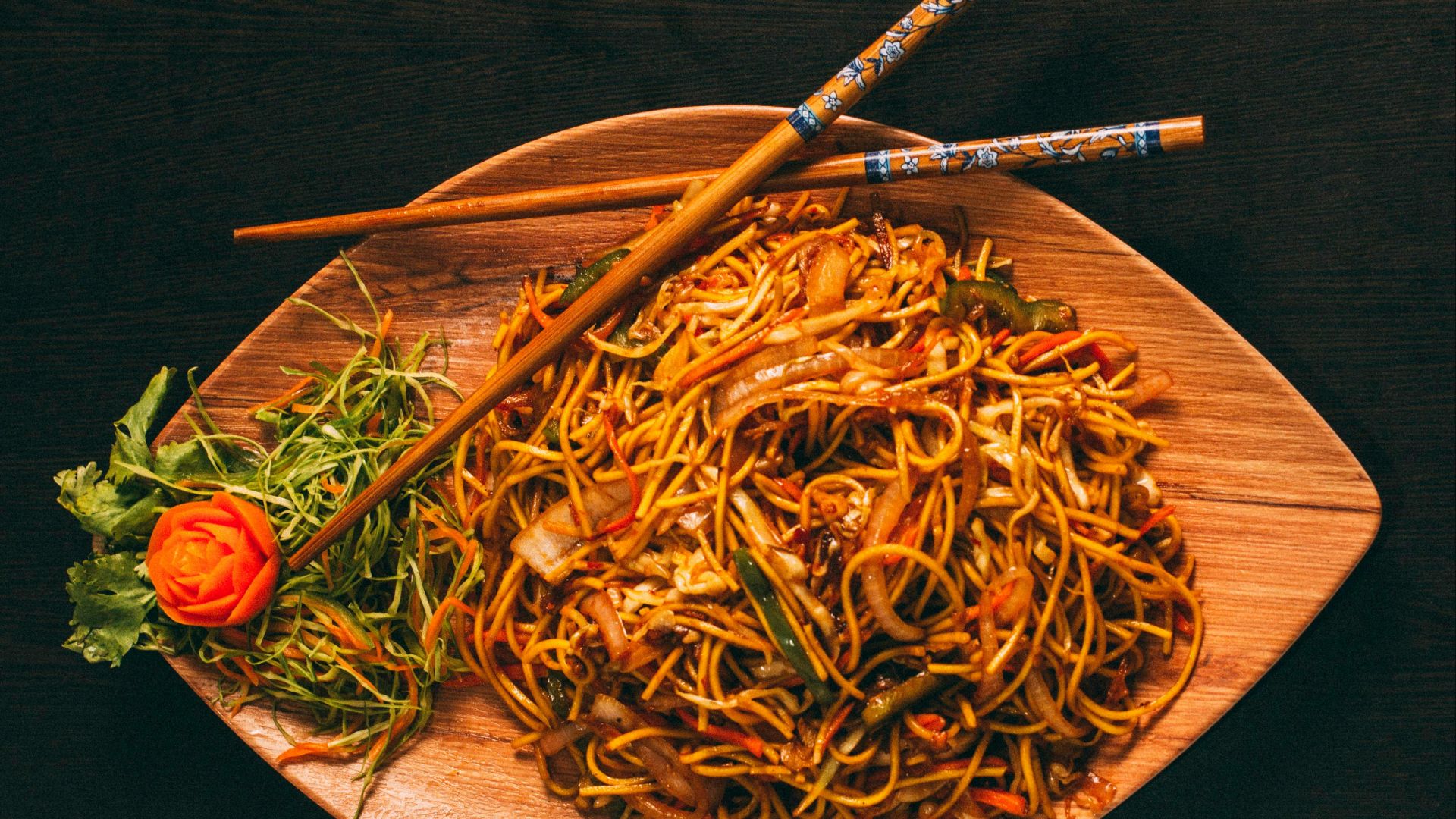
Noodle debates often begin with firmness and continue into shape, sauce, broth, and acceptable toppings. One person’s perfectly cooked noodle may feel underdone or overly soft to someone else. Arguments become even stronger if a recipe crosses regional boundaries or combines traditions that purists believe should remain separate.
4. Dumplings
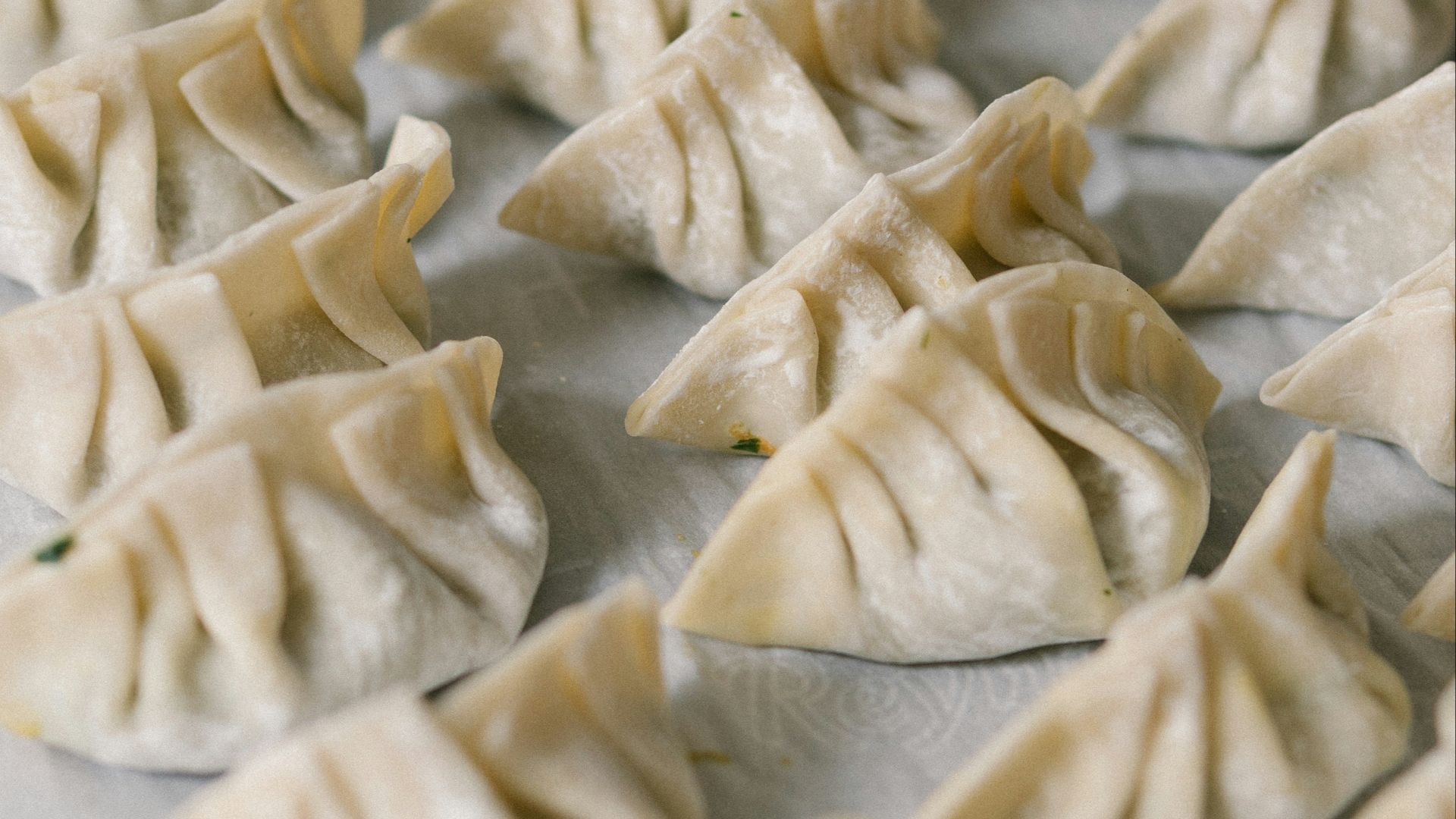
Almost every culture has some version of dough wrapped around a filling, and nearly every version comes with rules. Families disagree about whether dumplings should be steamed, boiled, baked, or fried, along with how thick the wrapper should be. Filling choices can produce just as much controversy as the cooking method.
5. Fermented Foods
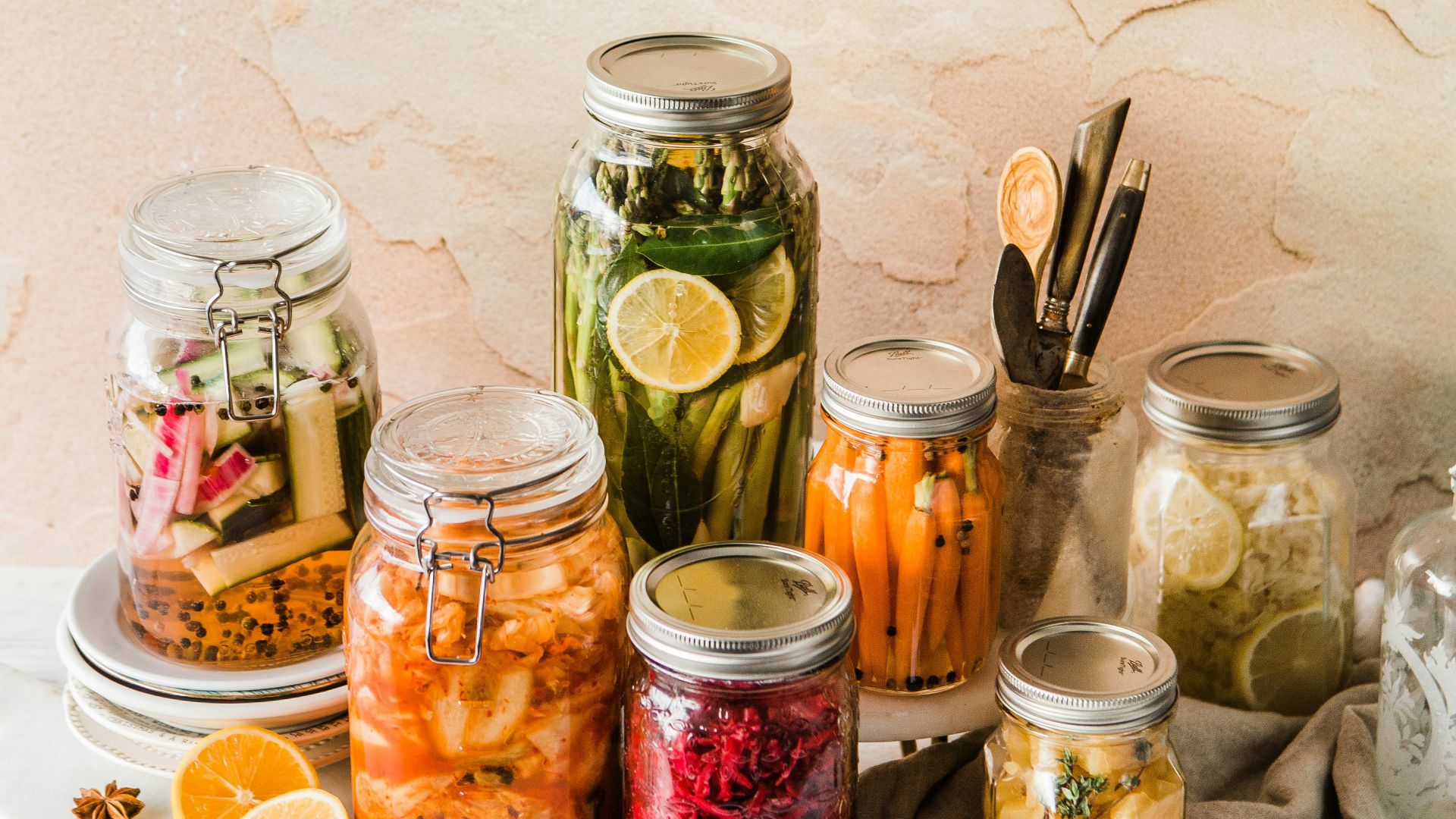
Fermentation creates deep flavors, but it also produces aromas and textures that people either appreciate or strongly reject. Cheese, preserved vegetables, fish sauces, and fermented beans often divide diners who grew up with them from those who didn’t. Even within one culture, preferences can vary sharply between regions and generations.
6. Spicy Dishes
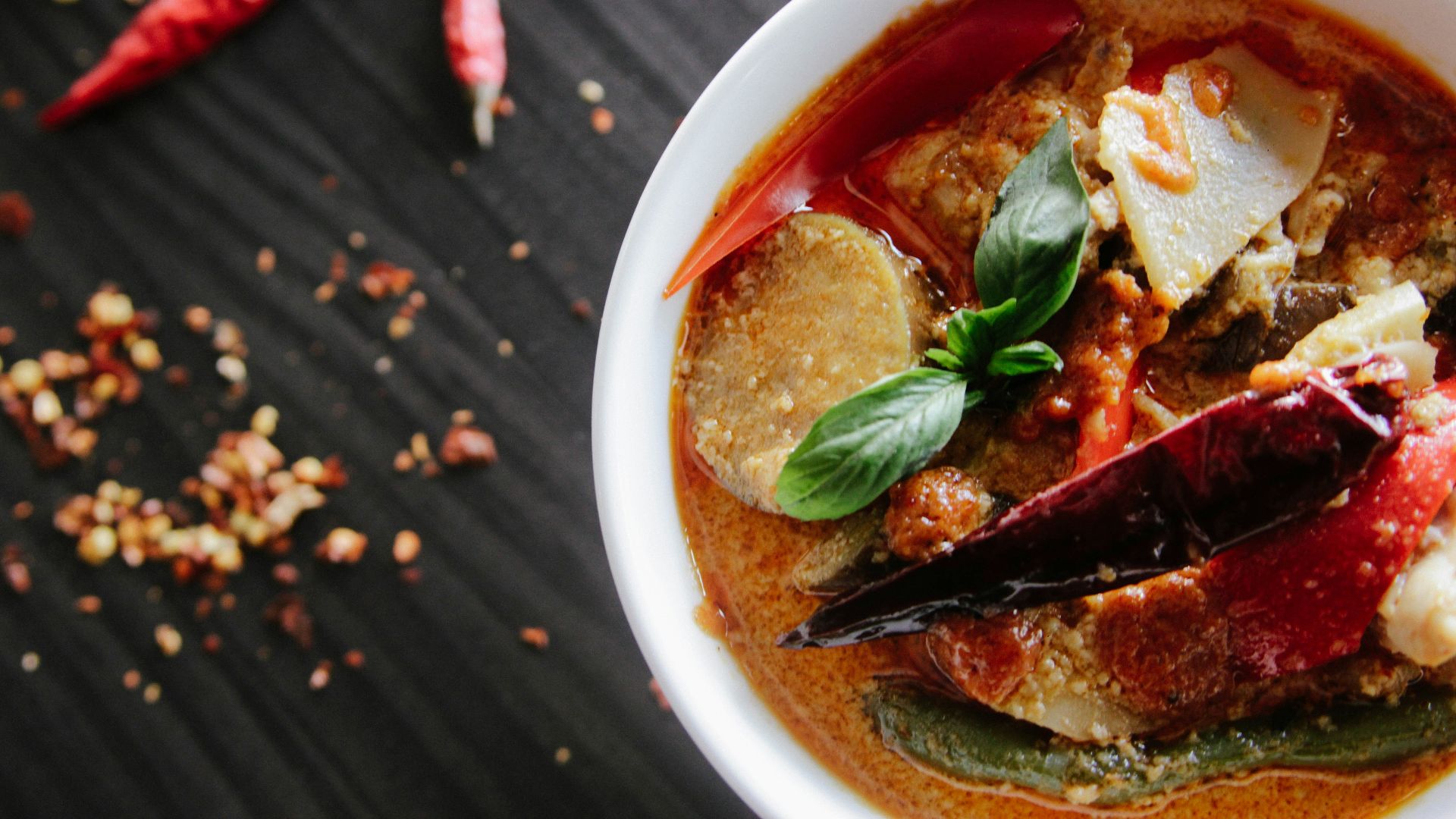
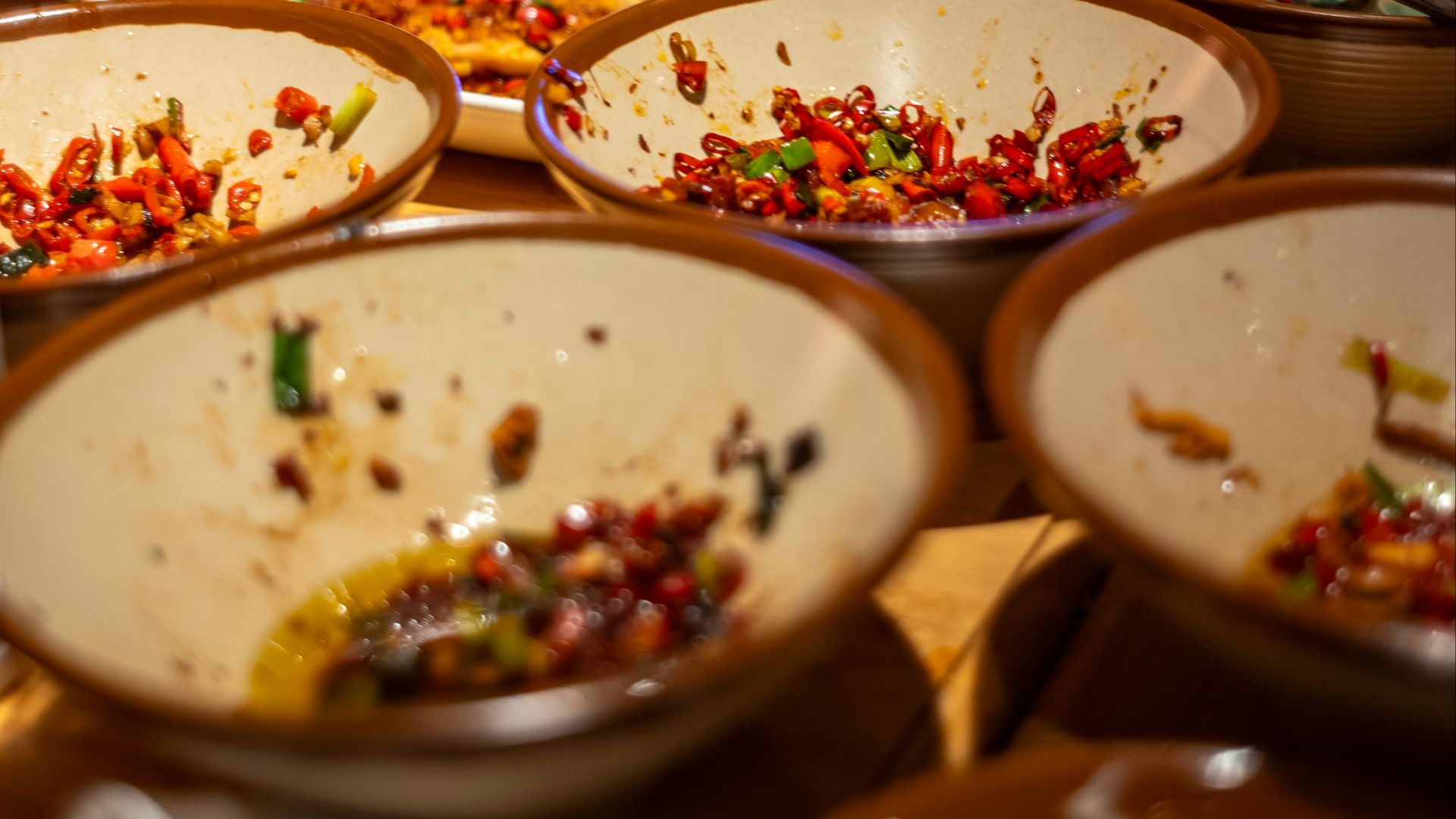
The correct level of heat is one of the easiest ways to start a food argument. Some diners believe a dish should be intensely spicy to taste authentic, while others want enough heat to add flavor without overwhelming everything else. People also disagree about whether reducing the spice changes the dish too much.
7. Stews
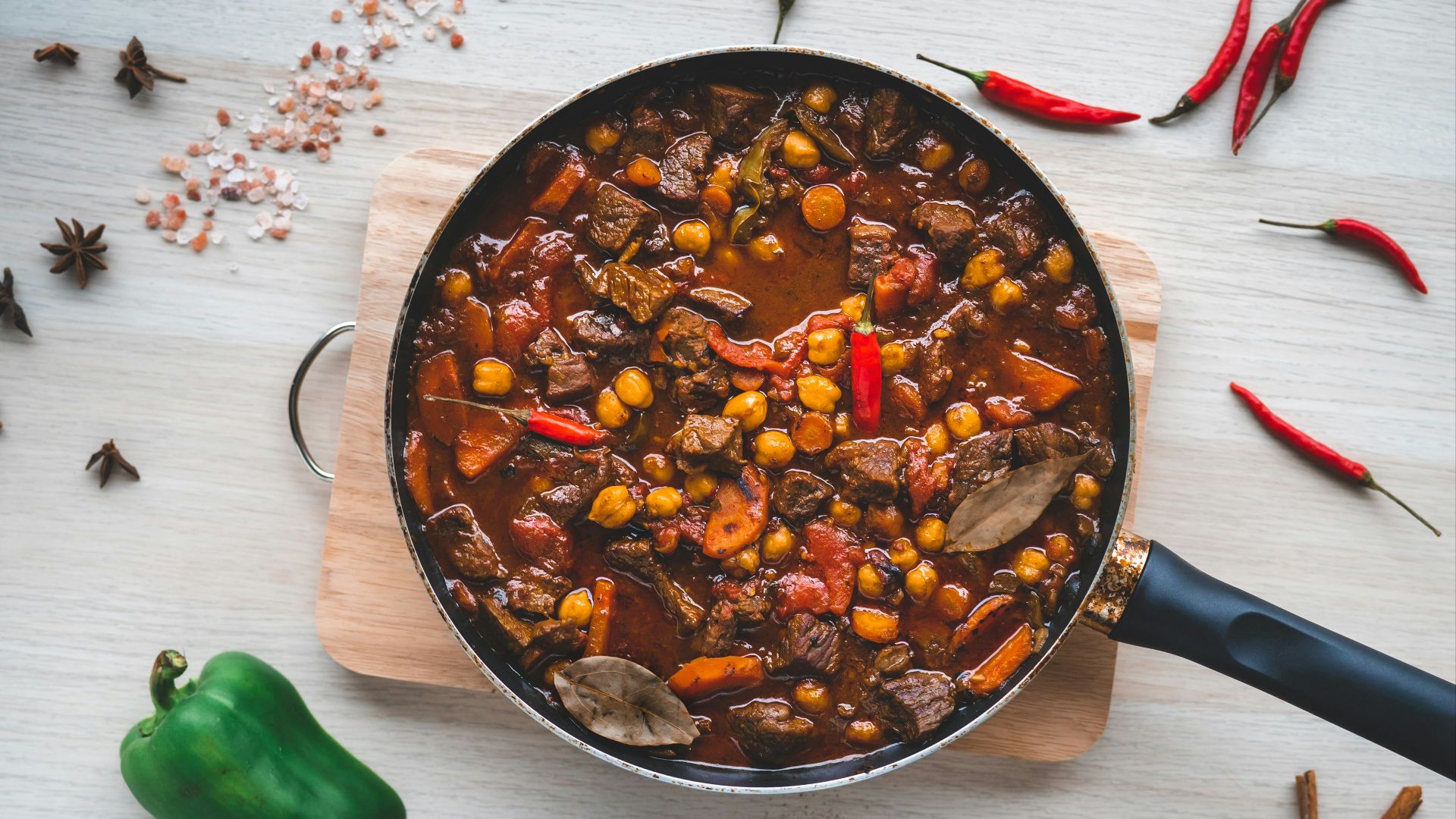
Stews invite endless disagreements because they’re often built around flexible family recipes rather than fixed instructions. Cooks debate which meat, vegetables, spices, and thickening methods are acceptable.
8. Grilled Meat
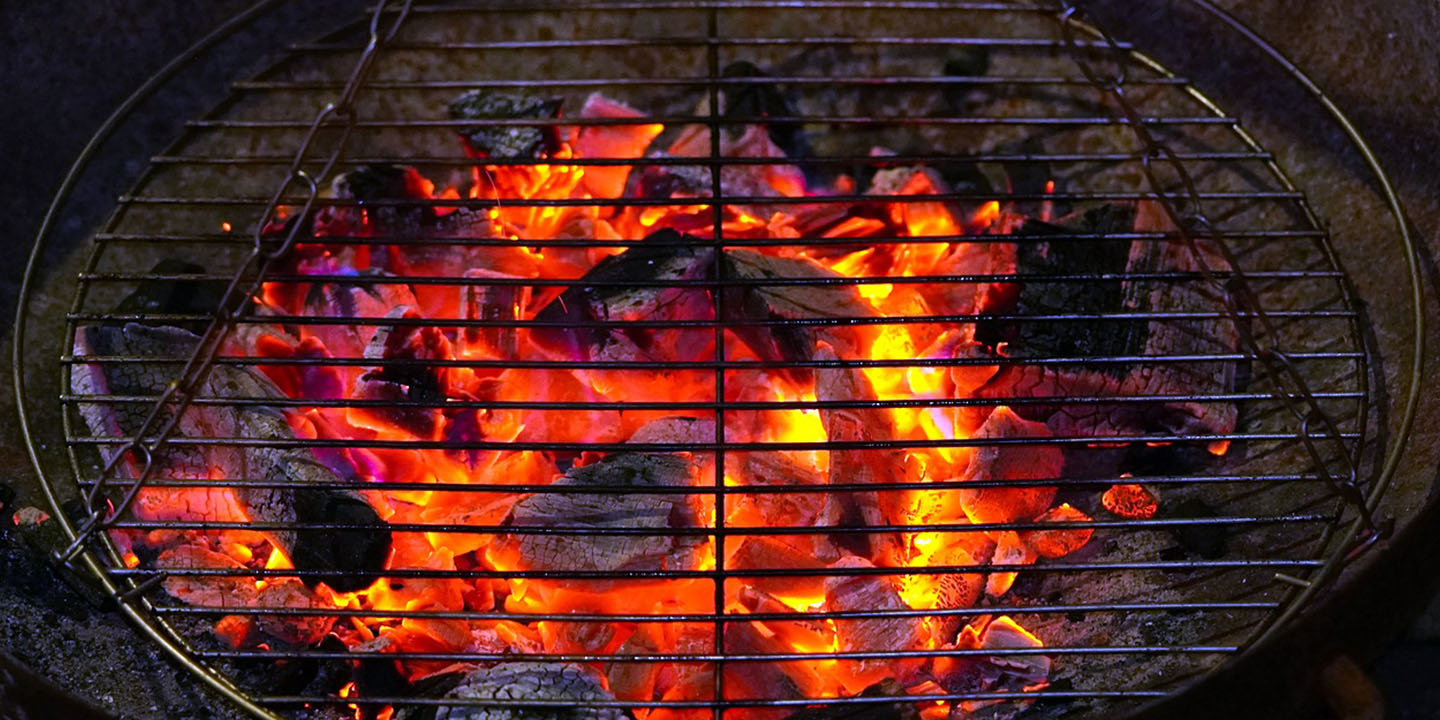
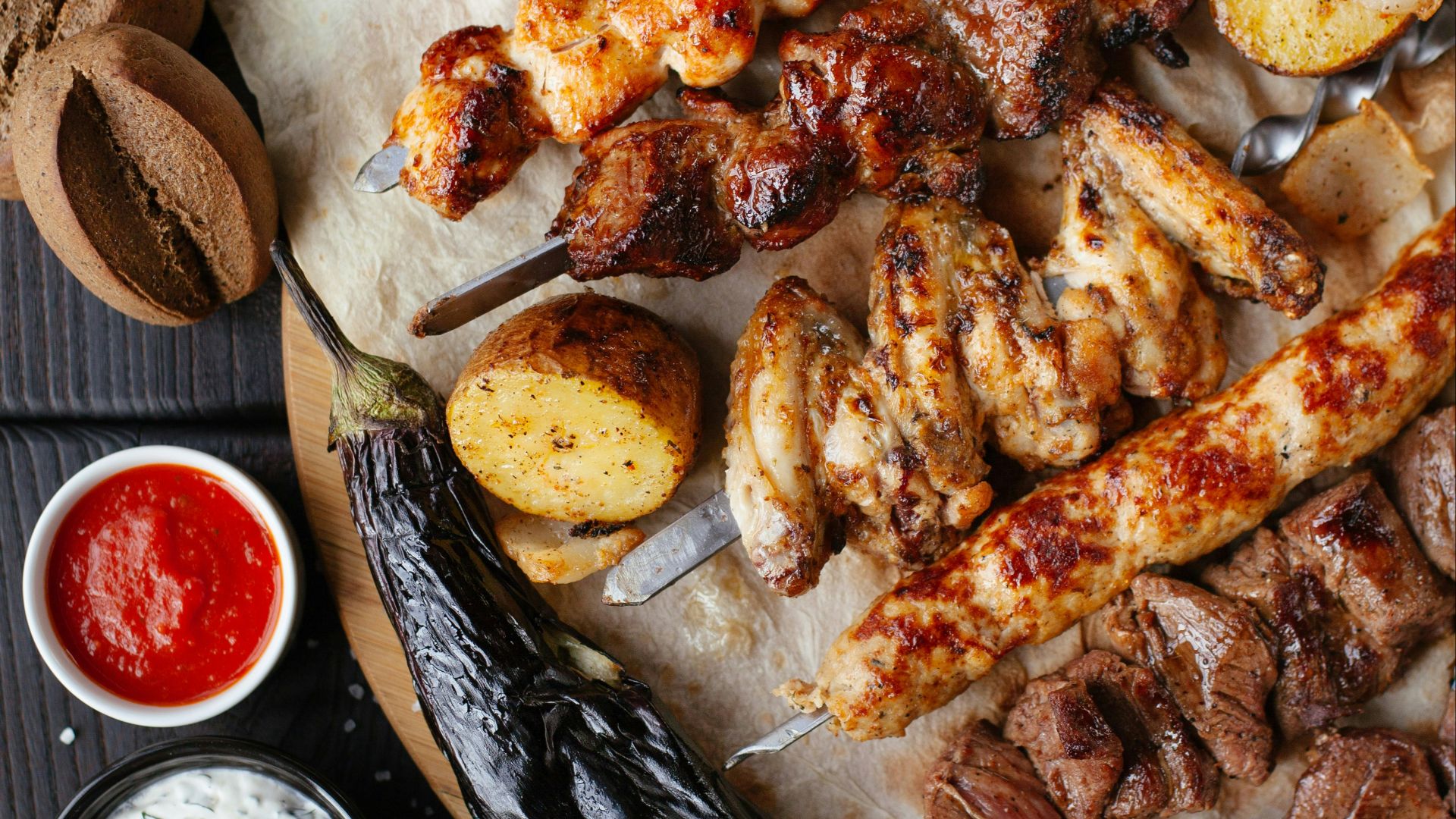
Grilled meat produces strong opinions about seasoning, doneness, smoke, marinades, and sauces. Some cooks believe high-quality meat needs very little added flavor, while others consider a complex marinade essential. Regional barbecue traditions make the discussion even more intense because technique is often closely connected to local pride.
9. Raw Fish
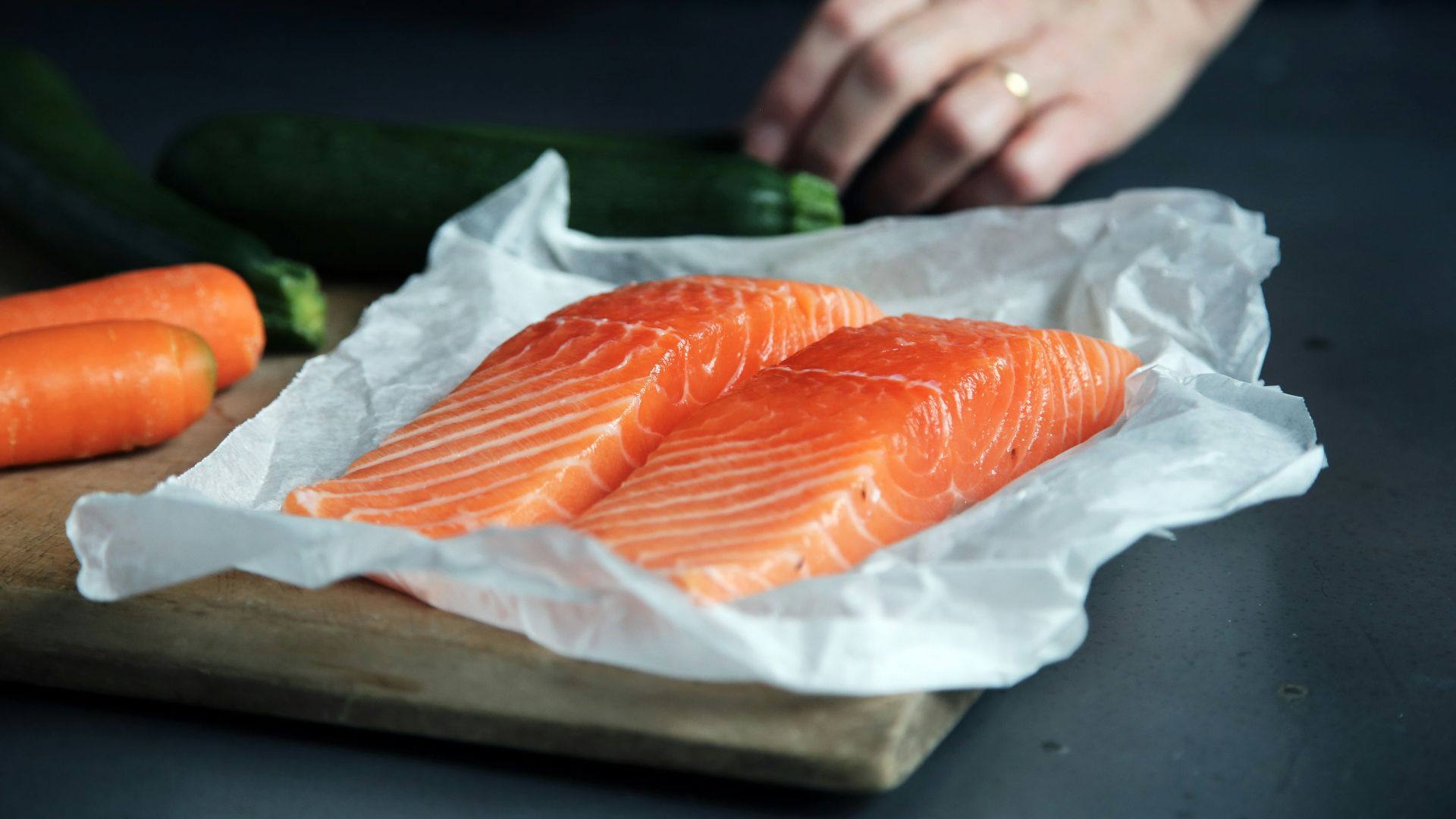
Raw fish dishes can inspire disagreement over freshness, preparation, seasoning, and whether certain ingredients belong together. Traditionalists may object to heavy sauces or elaborate toppings that disguise the fish’s flavor. Other diners enjoy creative combinations and see strict rules as unnecessary limits on an evolving style of food.
10. Cheese
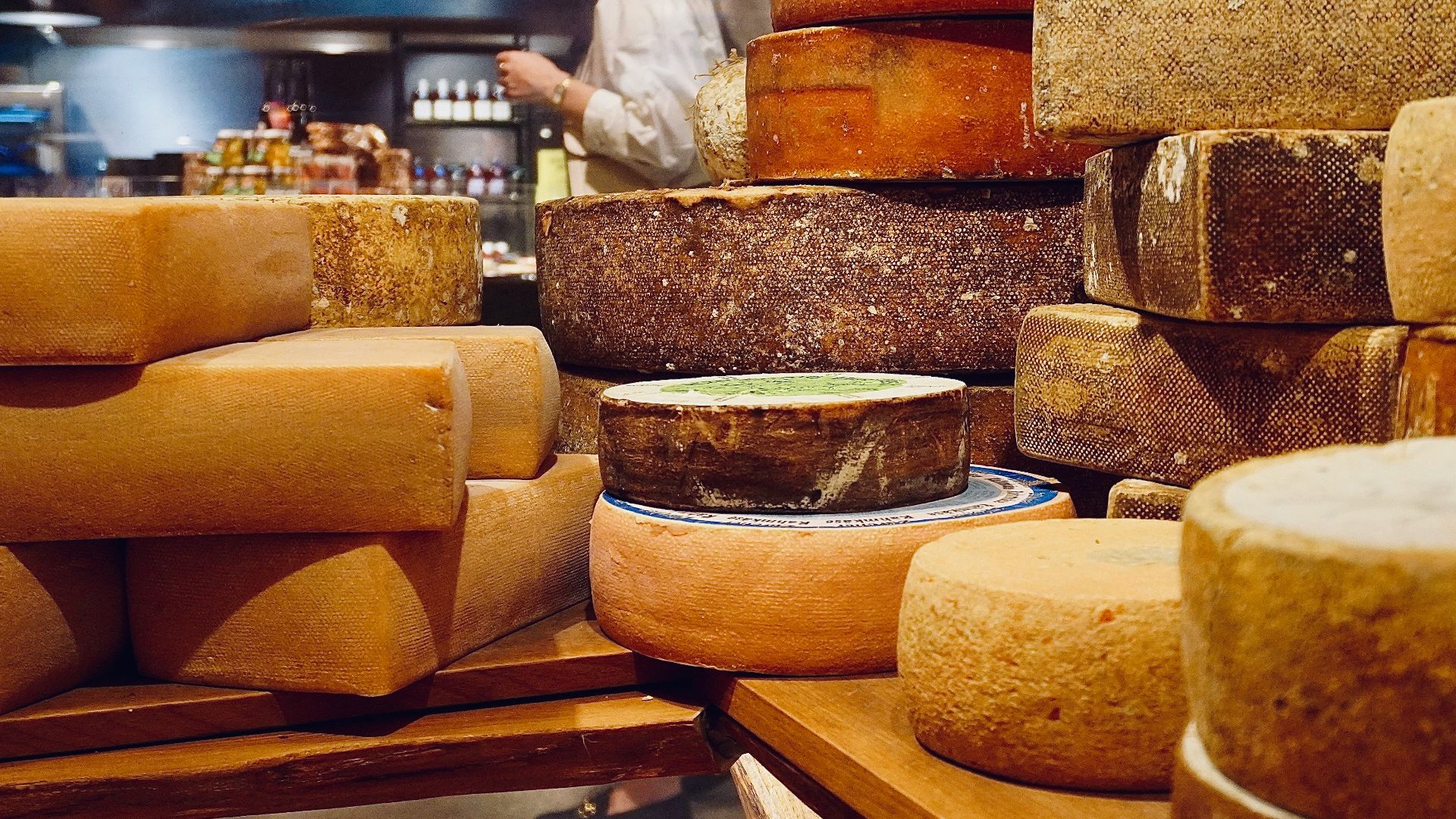
Cheese debates cover everything from smell and aging to milk type and proper serving temperature. Mild varieties appeal to some people, while others consider them bland compared with stronger, more mature cheeses. Melted cheese creates its own arguments, especially if it appears in a dish that traditionally didn’t include it.
11. Eggs
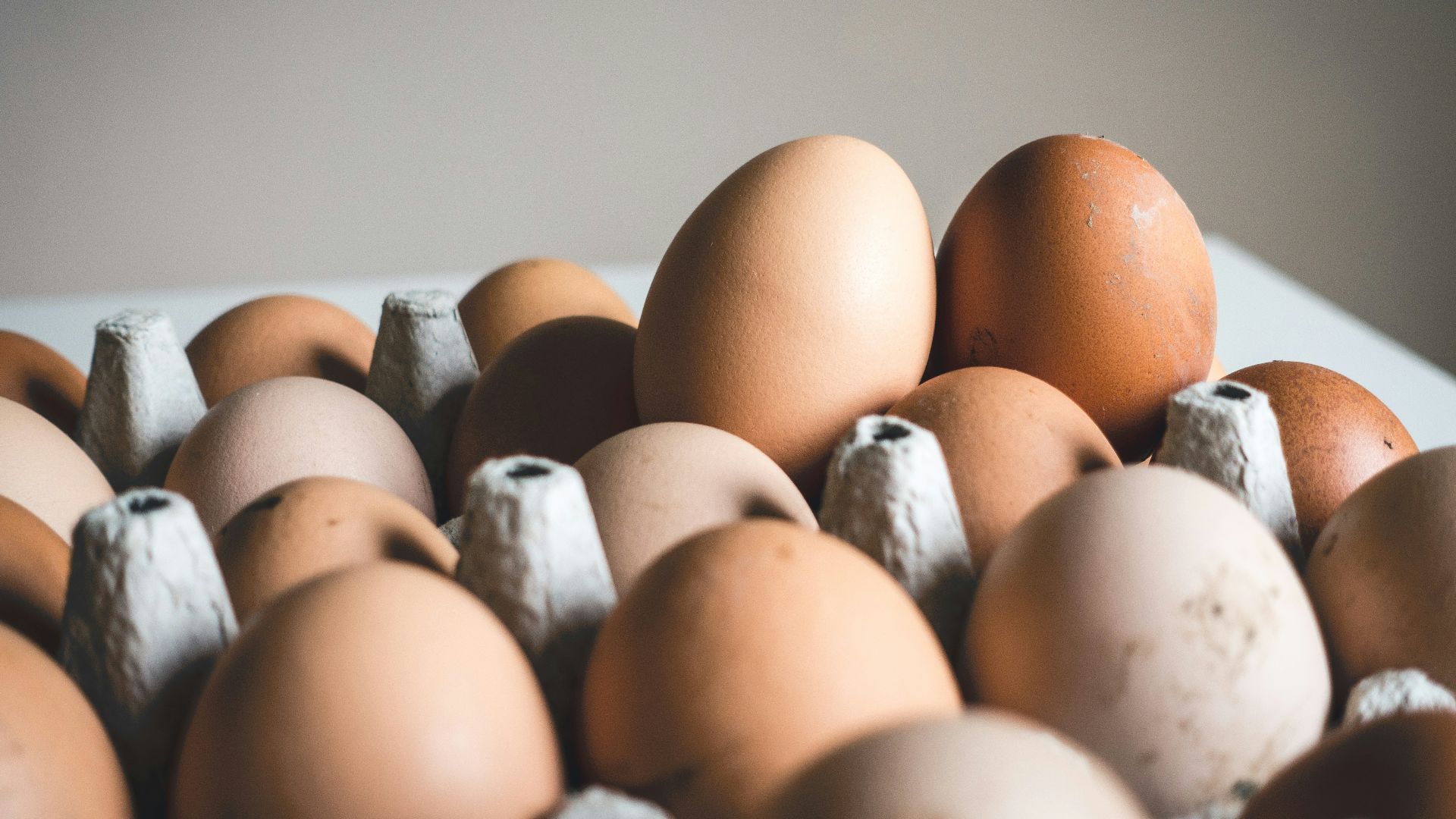
Eggs are simple to cook badly and surprisingly difficult to cook exactly as everyone prefers. Runny yolks, firm yolks, browned edges, soft curds, and added milk all have loyal defenders.
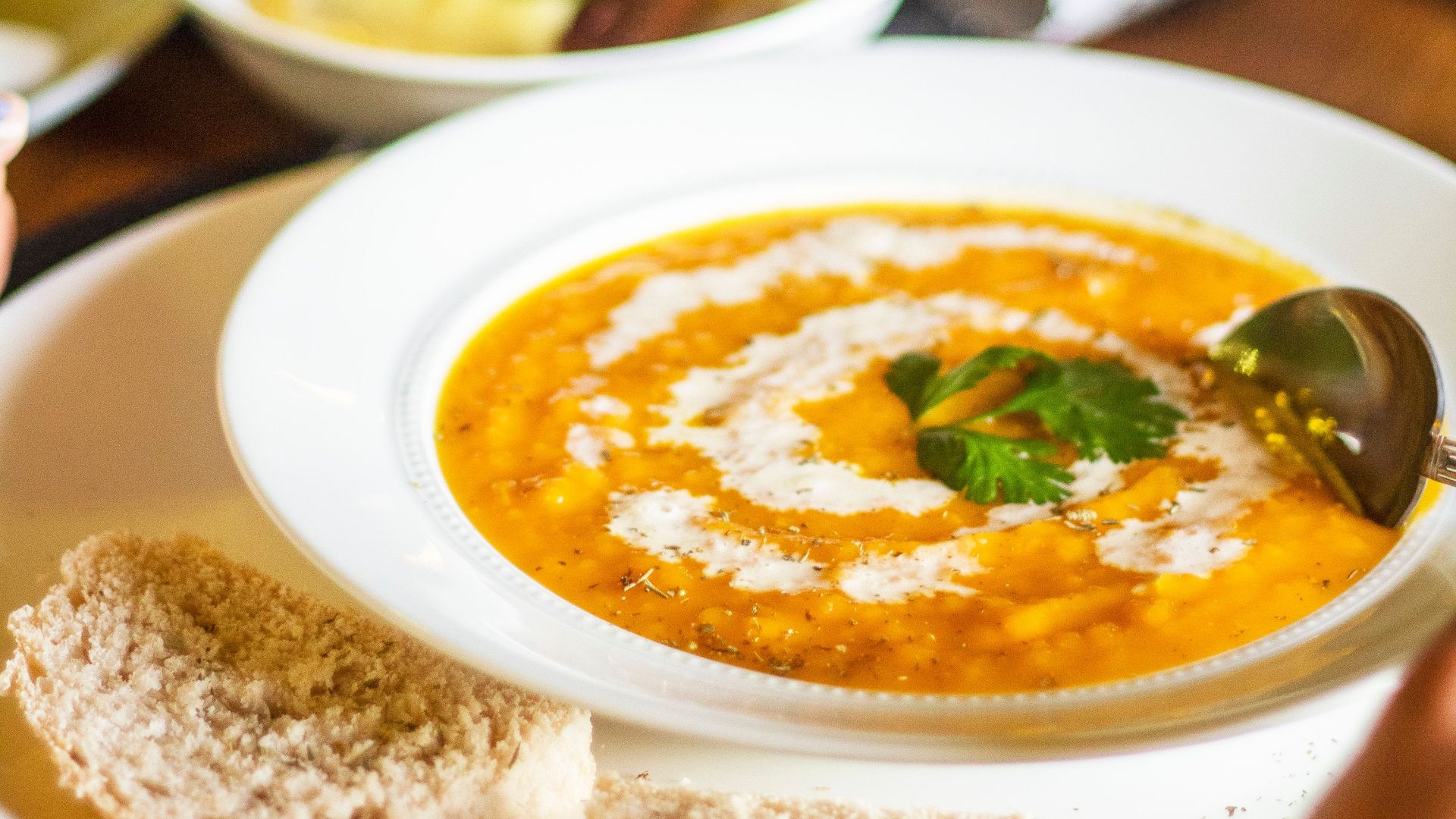
12. Soup
Soup can be a light starter, a complete meal, or a remedy offered to anyone who feels unwell. People argue about whether it should be clear or creamy, smooth or chunky, and served hot or cold. Adding noodles, rice, bread, or dumplings can also change how diners classify the dish.
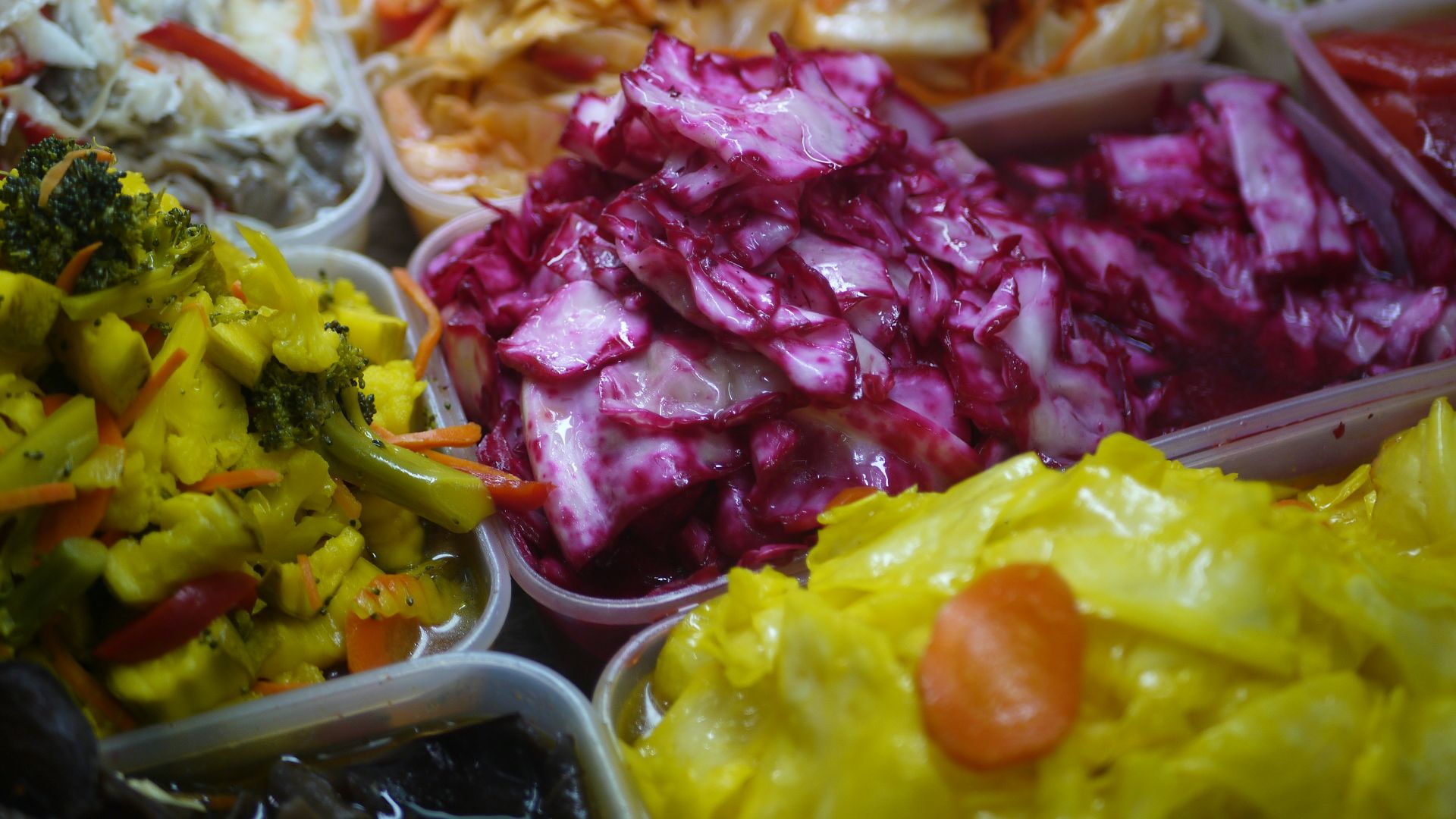
13. Pickled Vegetables
Pickled vegetables often carry strong regional and family traditions, which makes changes to a recipe feel unusually personal. The balance between salt, sugar, acid, and spice can vary widely.
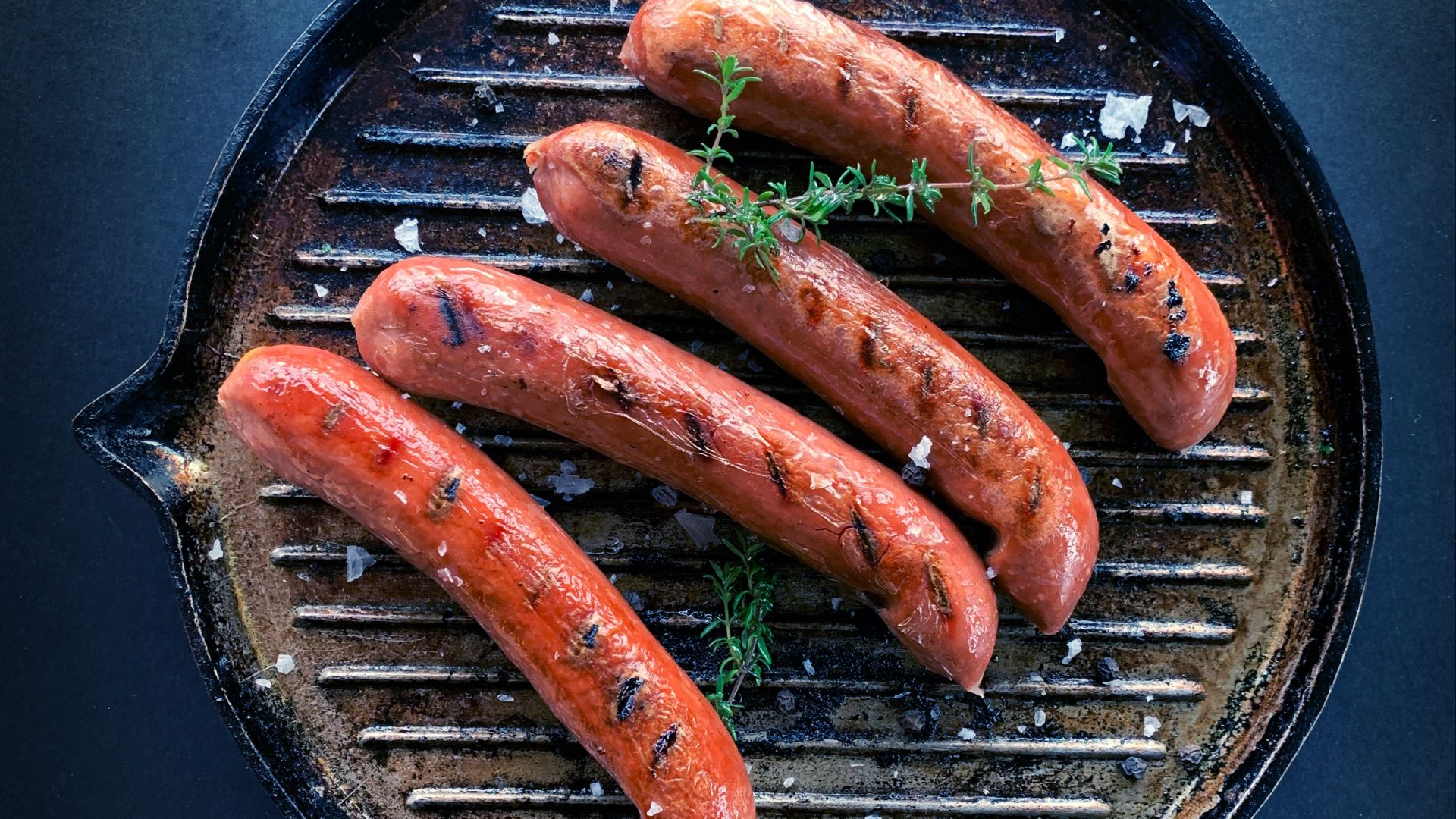
14. Sausages
Sausages differ greatly in seasoning, texture, casing, meat choice, and preparation. Serving choices create additional disagreement, particularly over bread, condiments, grilling, boiling, or whether the casing should remain intact.
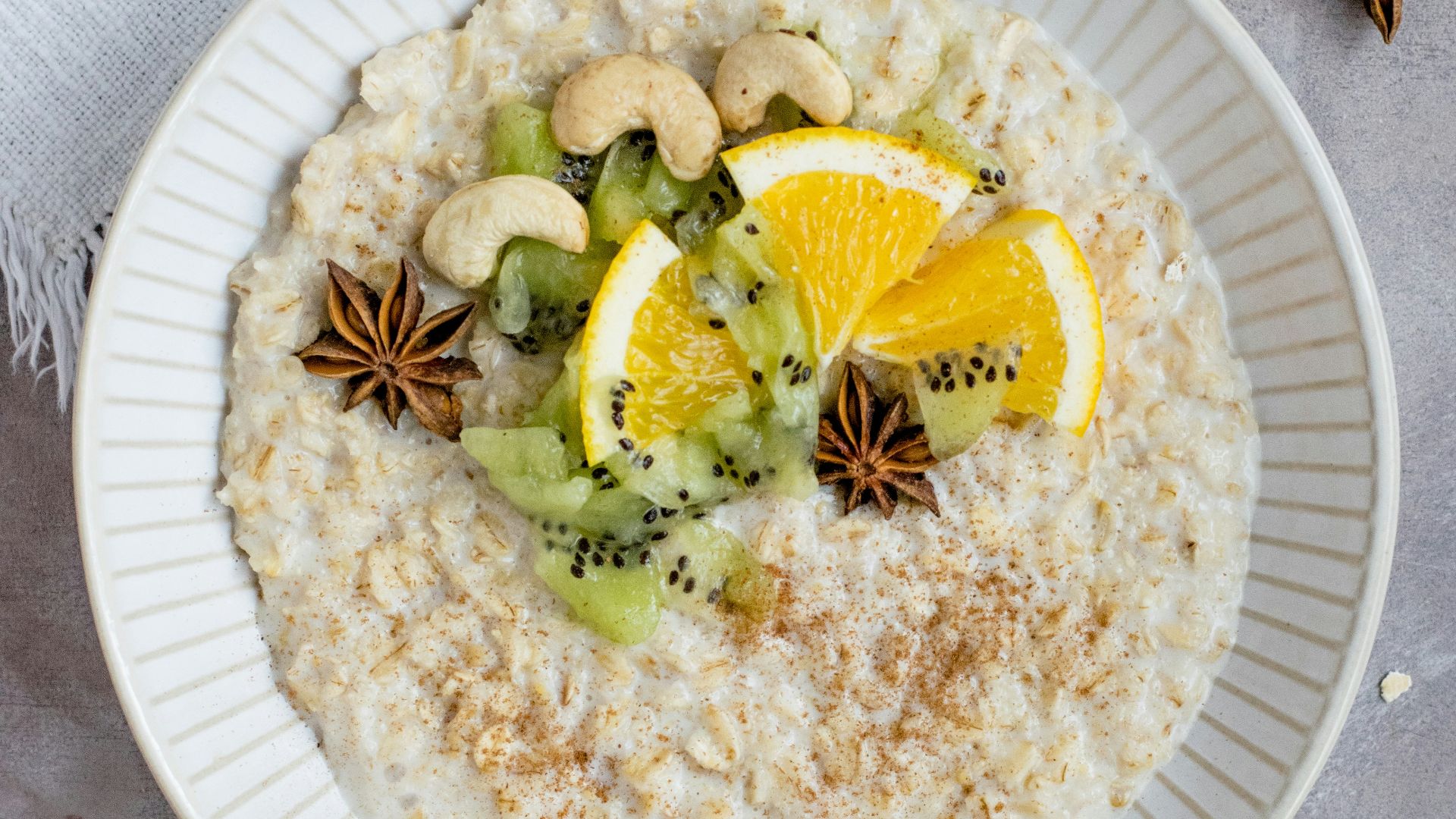
15. Porridge
Porridge is comforting to many people, but there’s little agreement about what makes it appealing. Sweet and savory versions often divide households, as do thick and thin consistencies.
16. Fried Foods
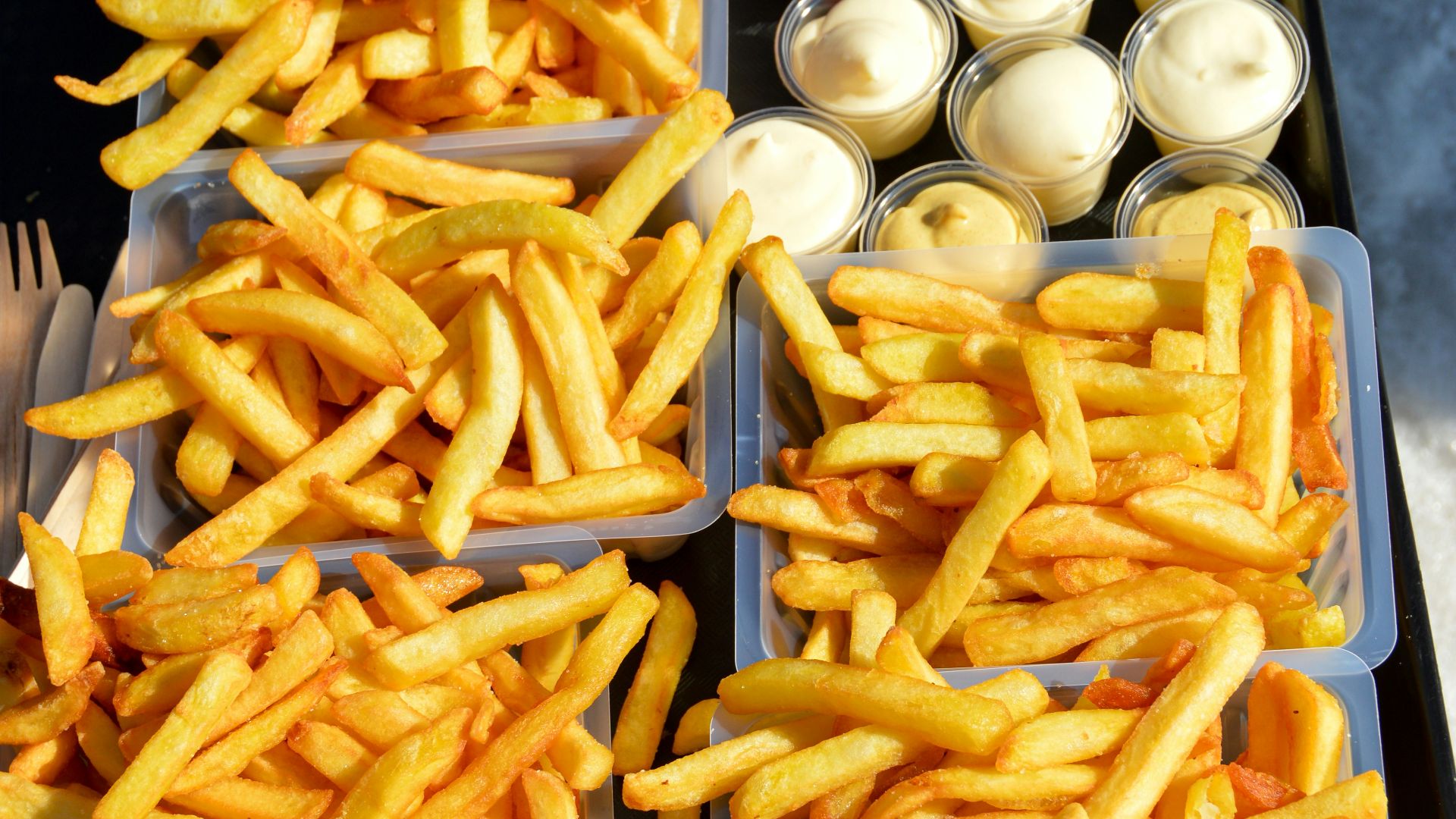
Fried foods create arguments about oil, batter, breading, temperature, and proper crispness. Some diners favor a light coating that highlights the main ingredient, while others want a substantial crunch.
17. Stuffed Vegetables
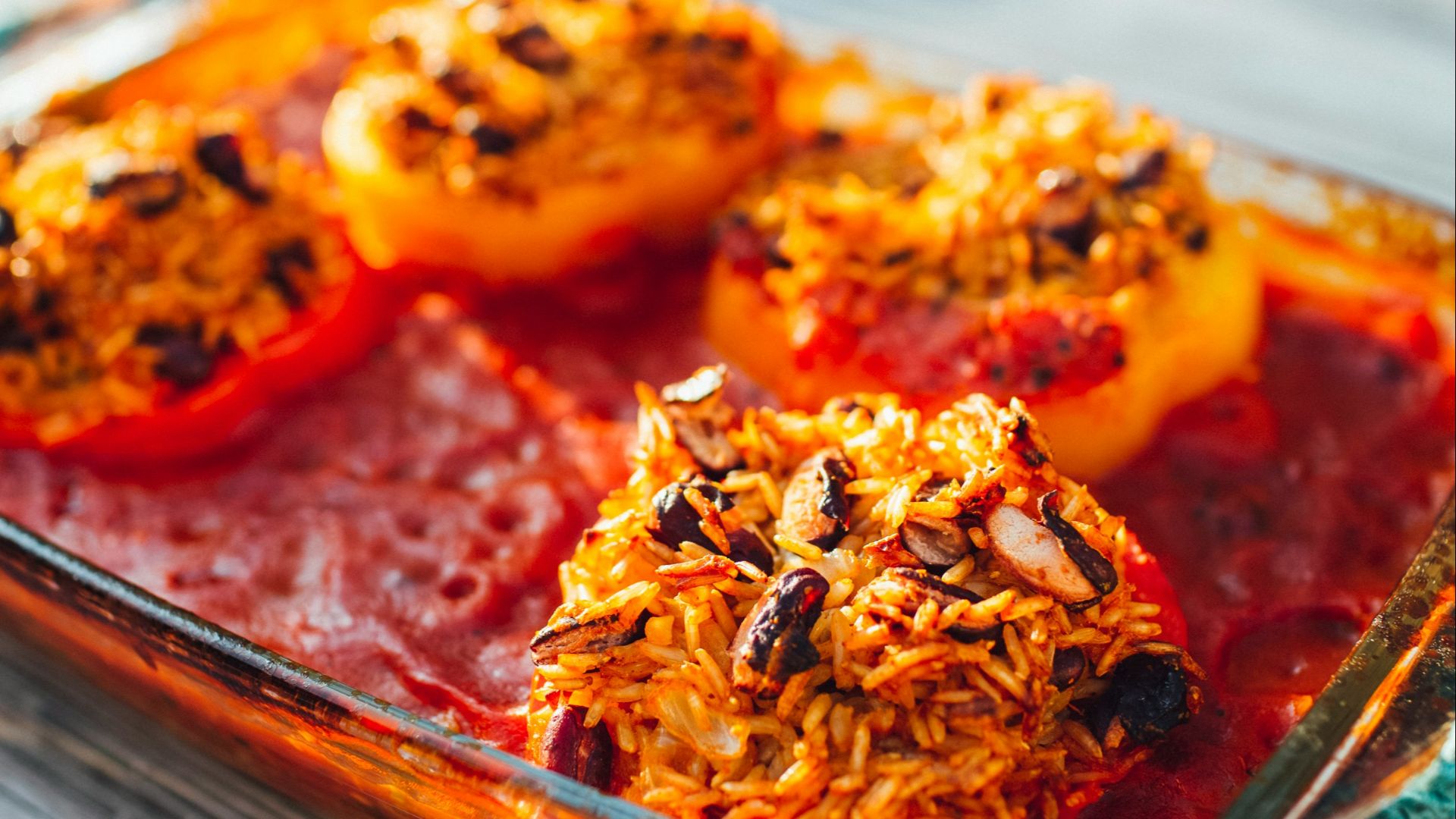
Stuffed peppers, grape leaves, cabbage, squash, and similar dishes appear in many culinary traditions. Meat versus vegetarian fillings can be controversial, along with the choice of rice, grains, herbs, and sauces.
18. Flatbreads
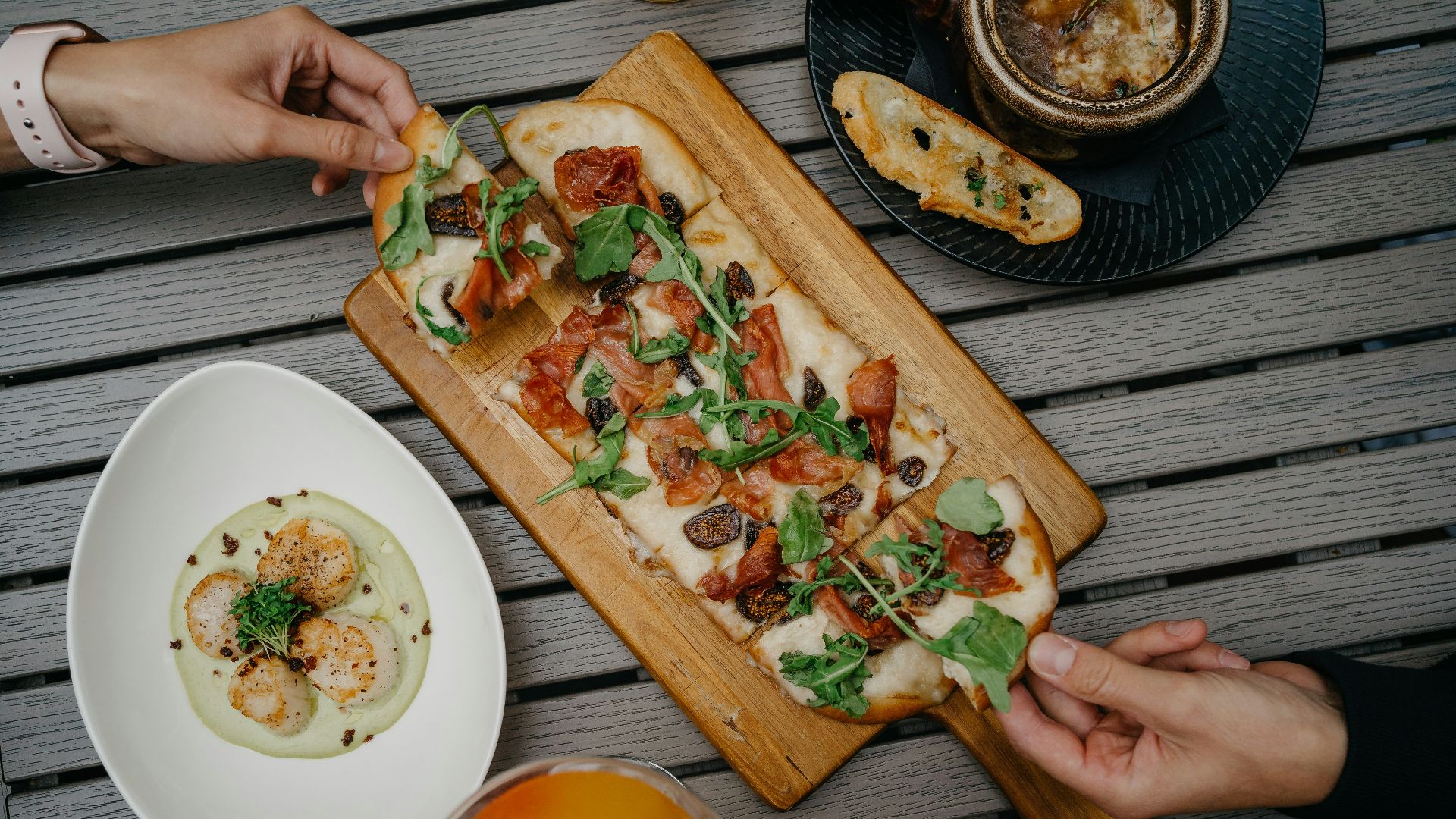
Flatbreads range from thin and crisp to soft, thick, and chewy, so the category contains plenty of disagreement. People debate whether they should be topped, filled, folded, or eaten alongside another dish.
19. Sweet-and-Savory Combinations
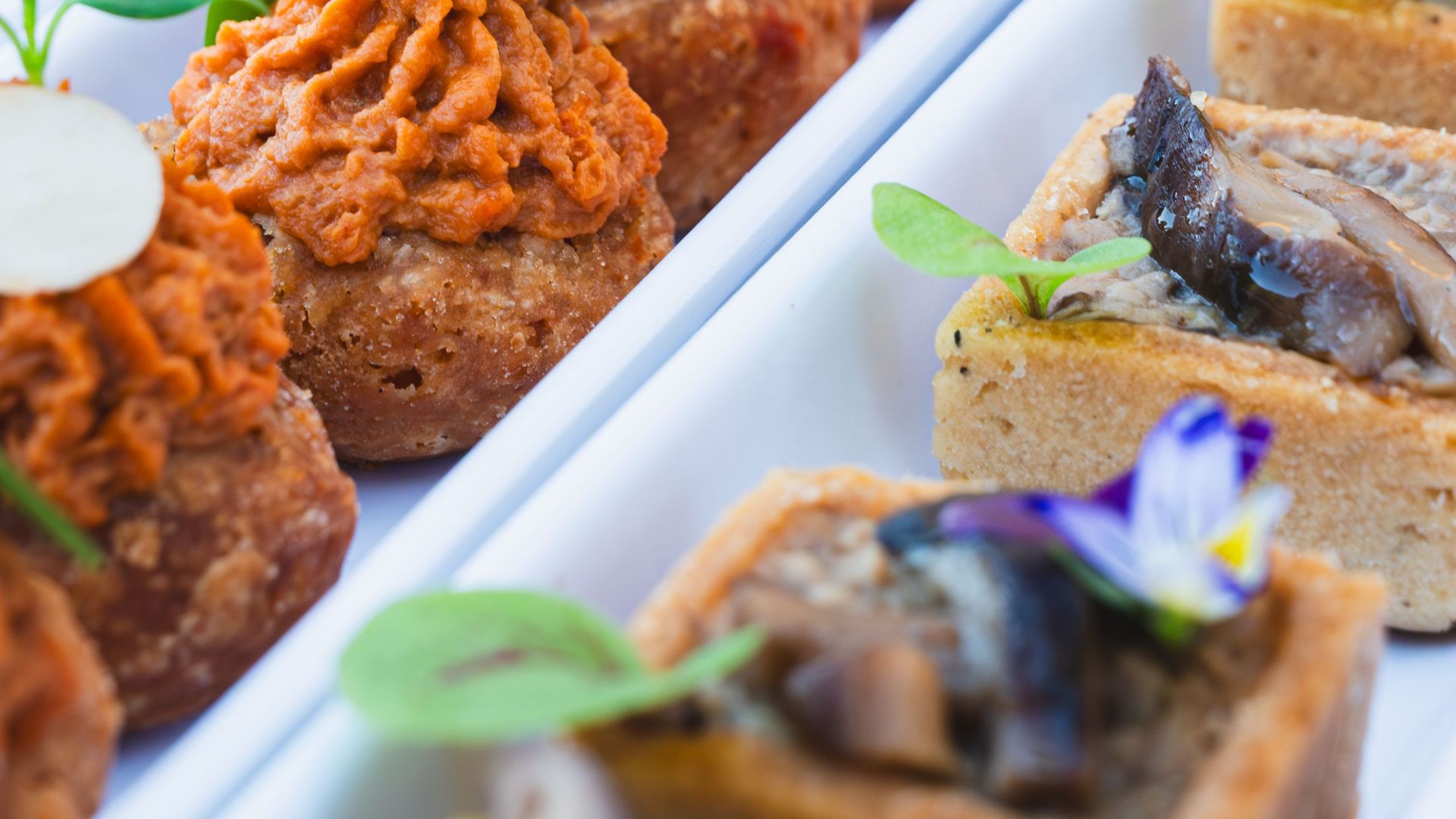
Combining sweet and savory flavors is common across the world, yet individual examples remain divisive. Fruit with meat, sugar in sauces, or sweet toppings on salty dishes can seem perfectly balanced to one diner and completely unnecessary to another.
20. Leftovers
Leftovers reveal cultural attitudes toward thrift, freshness, convenience, and food safety. Some dishes are widely believed to taste better the next day because the flavors have had more time to combine.
KEEP ON READING