When Food Starts Signaling Something
Some foods carry more than flavor now. They come with a whole set of assumptions about class, politics, wellness, taste, ambition, or the version of yourself you want other people to see. You can spot it everywhere, from grocery carts and office lunches to first dates and vacation photos, where certain foods seem to announce a worldview before anyone says a word. It is not really about whether the food is good, overrated, healthy, or worth the price. It is about the way certain things stopped being simple preferences and turned into social shorthand. Here are 20 foods that now function almost like personality types.

1. Oat Milk
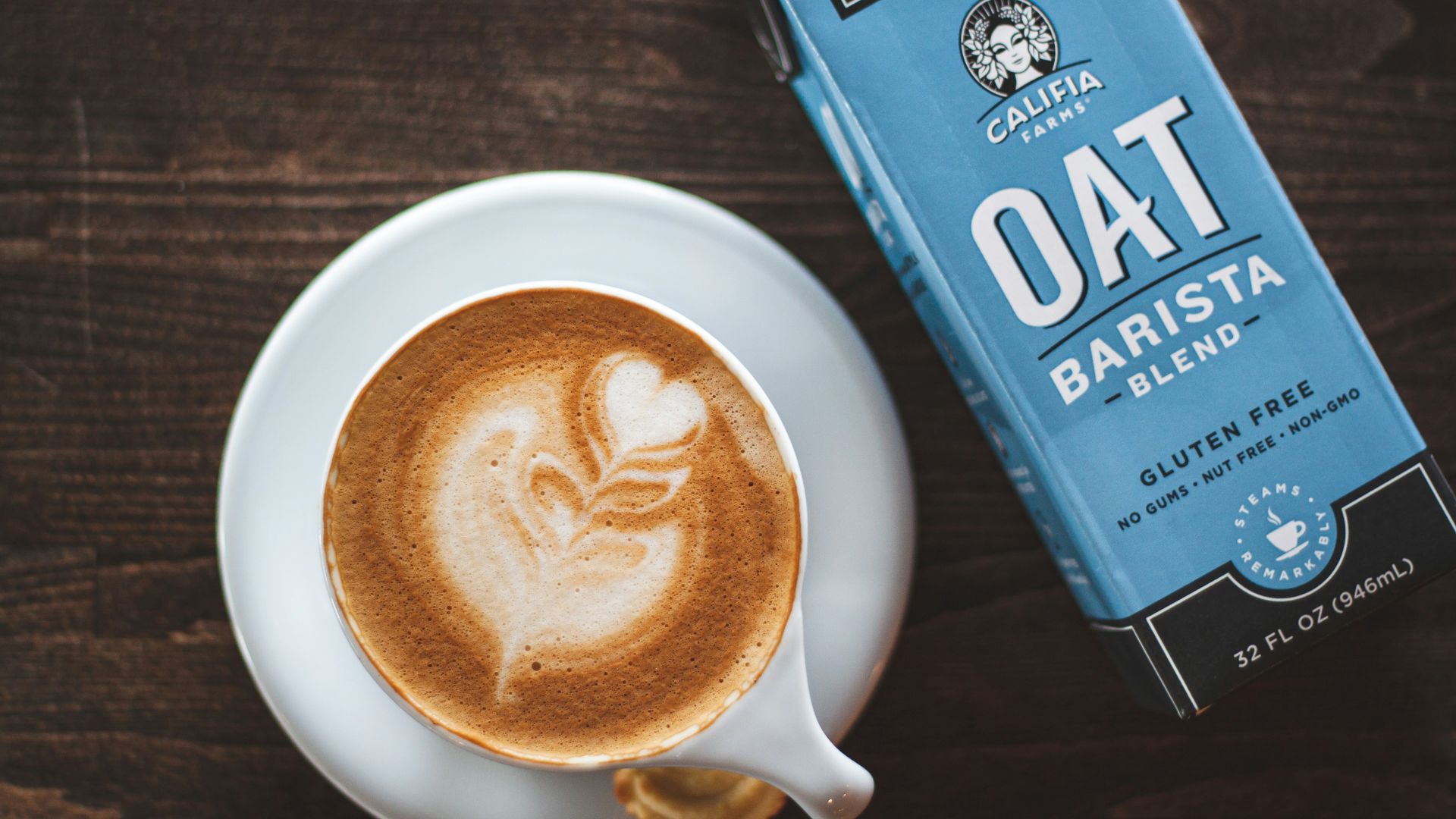
Oat milk has become closely tied to the eco-conscious, wellness-adjacent person who wants everyday choices to feel ethical, modern, and lightly curated. It suggests someone who cares about sustainability, reads labels, and probably has strong opinions about health. Even when it is just a milk substitute, it rarely reads as neutral.
2. Caviar
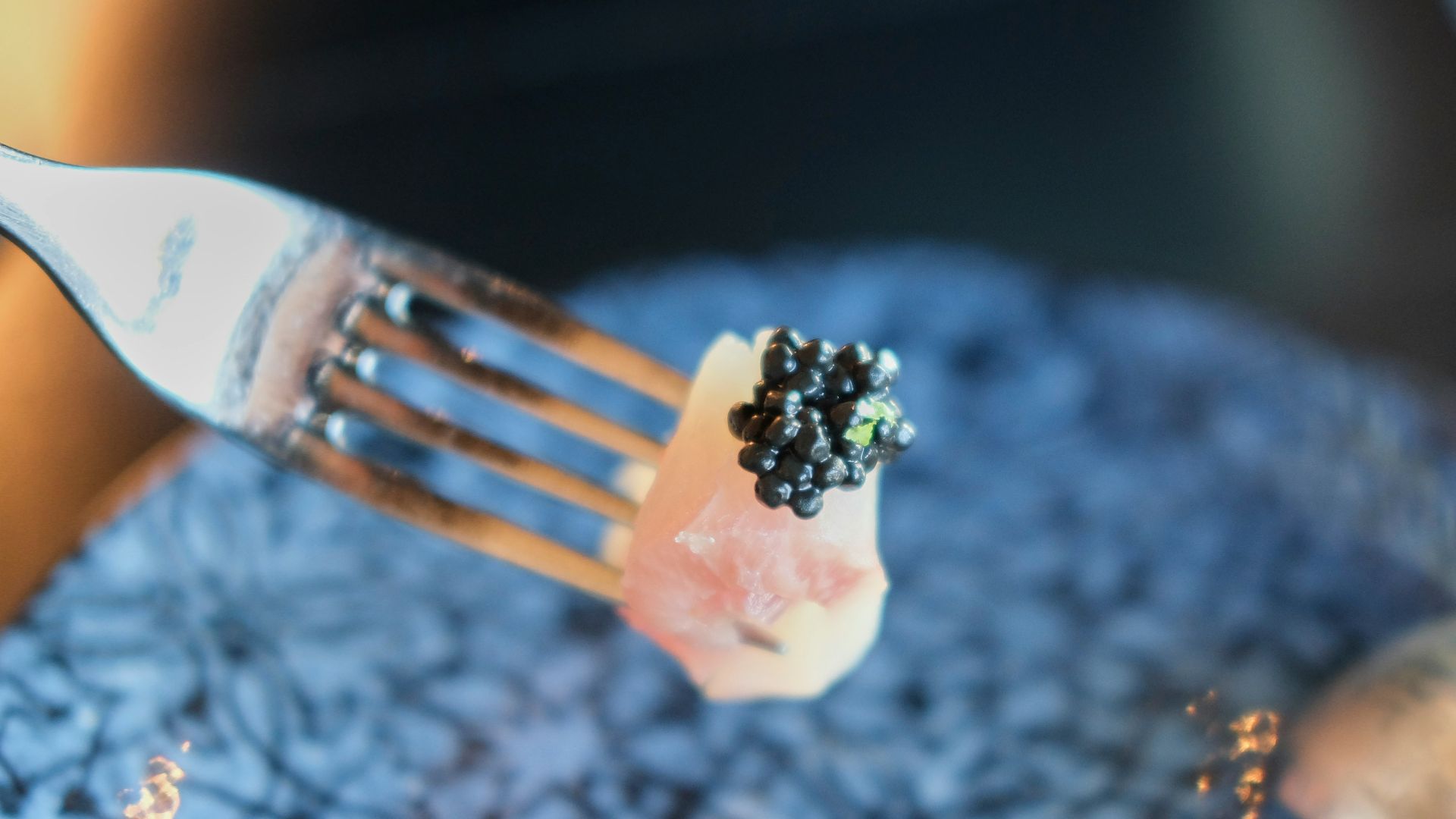
Caviar still signals wealth, but now it also signals a very online version of luxury. It belongs to the world of people who want indulgence to look effortless, whether it is served on a blini, a potato chip, or in a video designed to look casual while costing more than most dinners. The food itself matters less than the ease it projects.
3. Avocado Toast
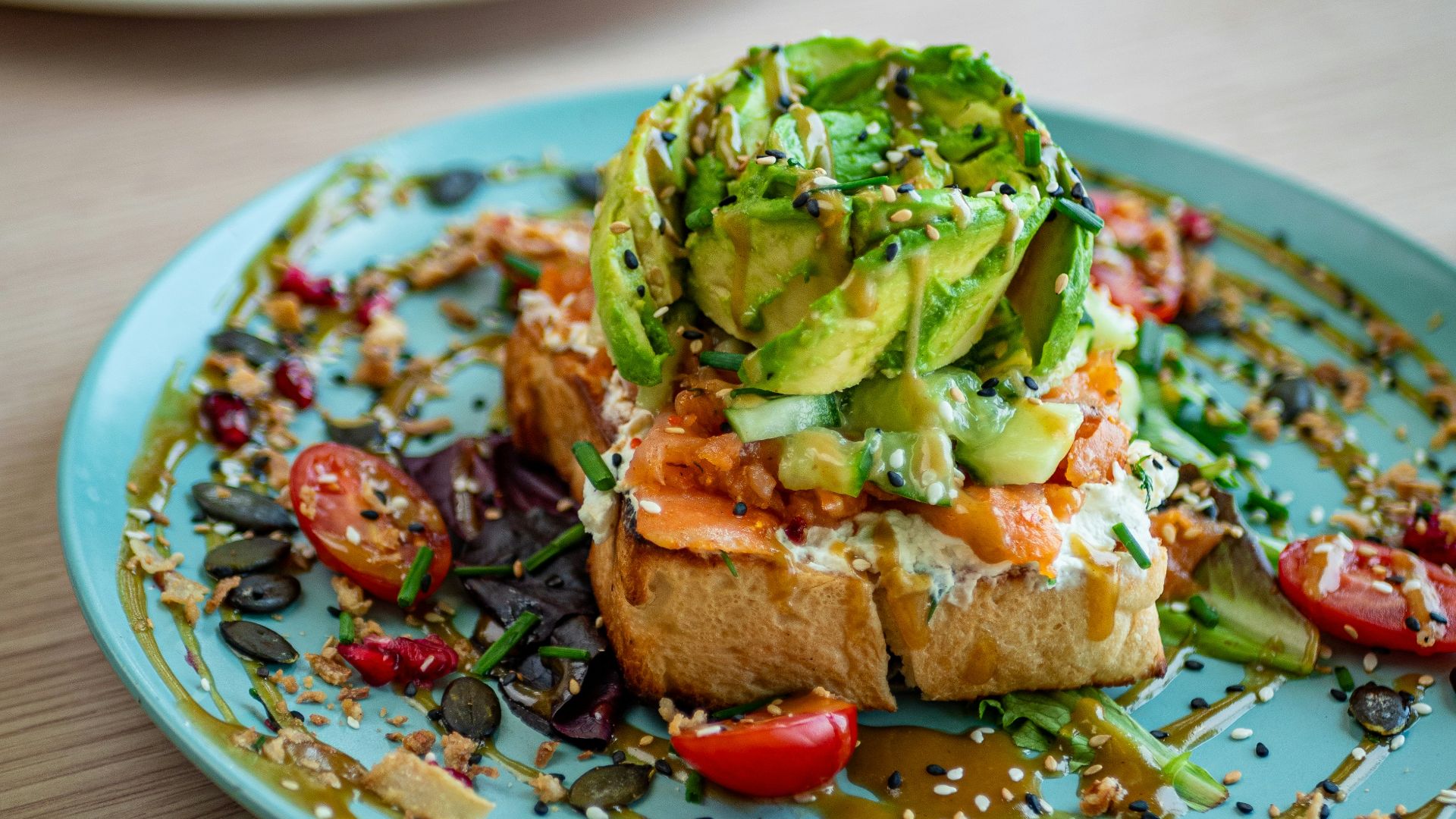
Avocado toast became culturally significant because it came to represent a whole urban aspirational lifestyle. It suggests someone who likes clean aesthetics, expensive little upgrades, and the idea that breakfast can double as personal branding. People may mock it, but everybody still knows exactly what kind of life it points to.
4. Pumpkin Spice
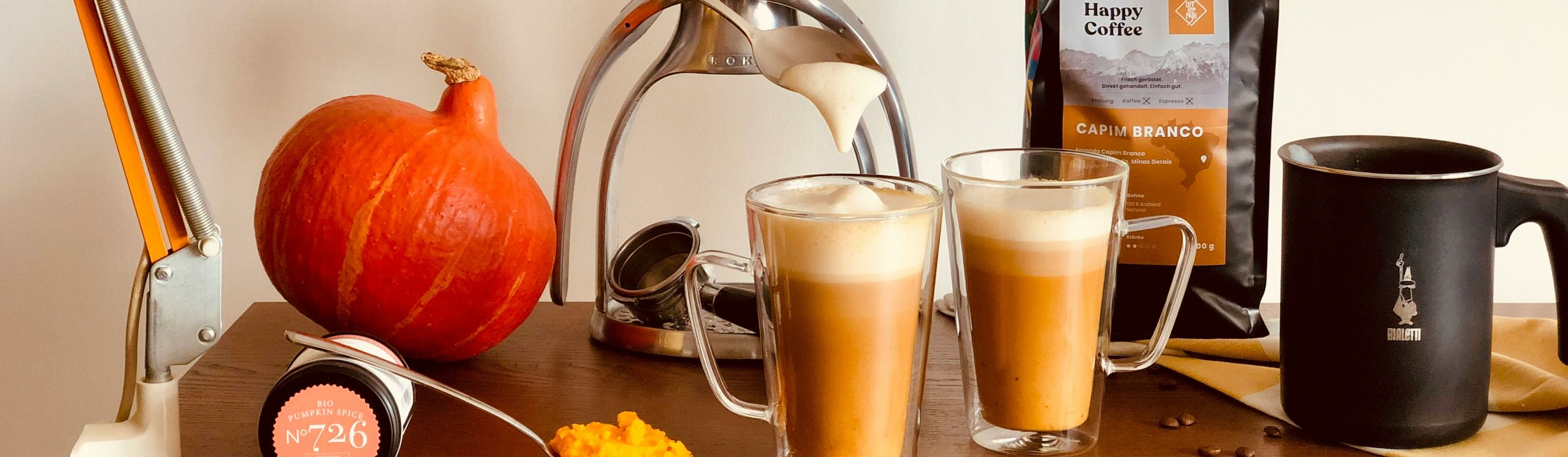
Pumpkin spice has long since stopped being just a seasonal flavor. It now stands in for a certain kind of cozy, self-aware enthusiasm, the person who treats fall as both weather and identity, and is fully willing to lean into rituals, candles, sweaters, and highly specific excitement. The joke has lasted so long because the personality type is instantly recognizable.

5. Green Juice
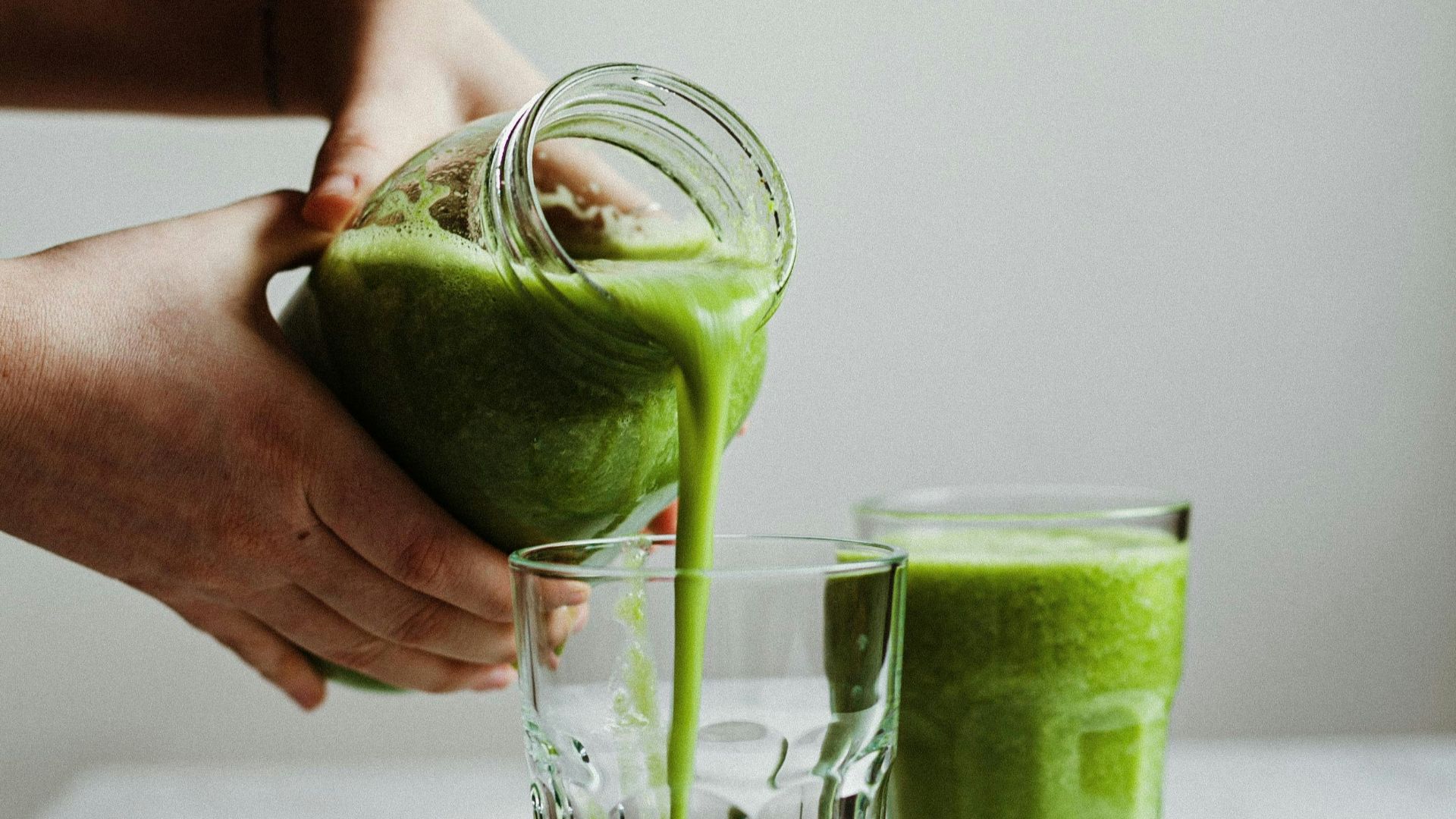
Green juice signals discipline, intention, and the hope that a drink can stand in for a better version of the day. It is culturally linked to wellness culture, soft resets, and the people who want breakfast to look like effort, even when lunch may end up being fries. The appeal is often less about pleasure than about what it implies.
6. Hot Chicken
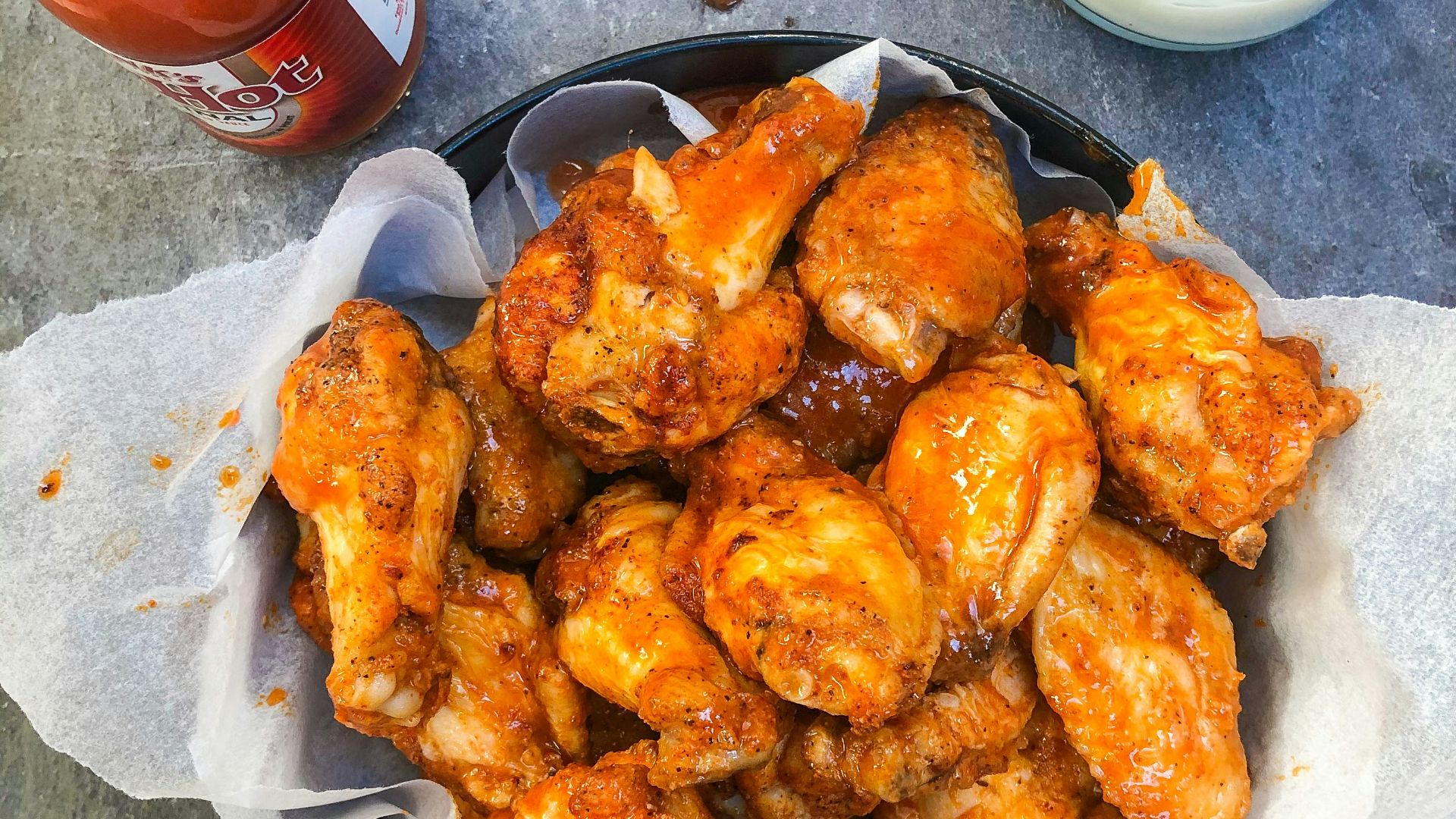
Hot chicken has become bigger than a regional specialty. It now carries the energy of the person who wants boldness, edge, and the ability to handle intensity, especially in public, where ordering the hottest version can feel suspiciously performative. It says something about wanting food to be memorable, competitive, and maybe just a little reckless.
7. Sushi
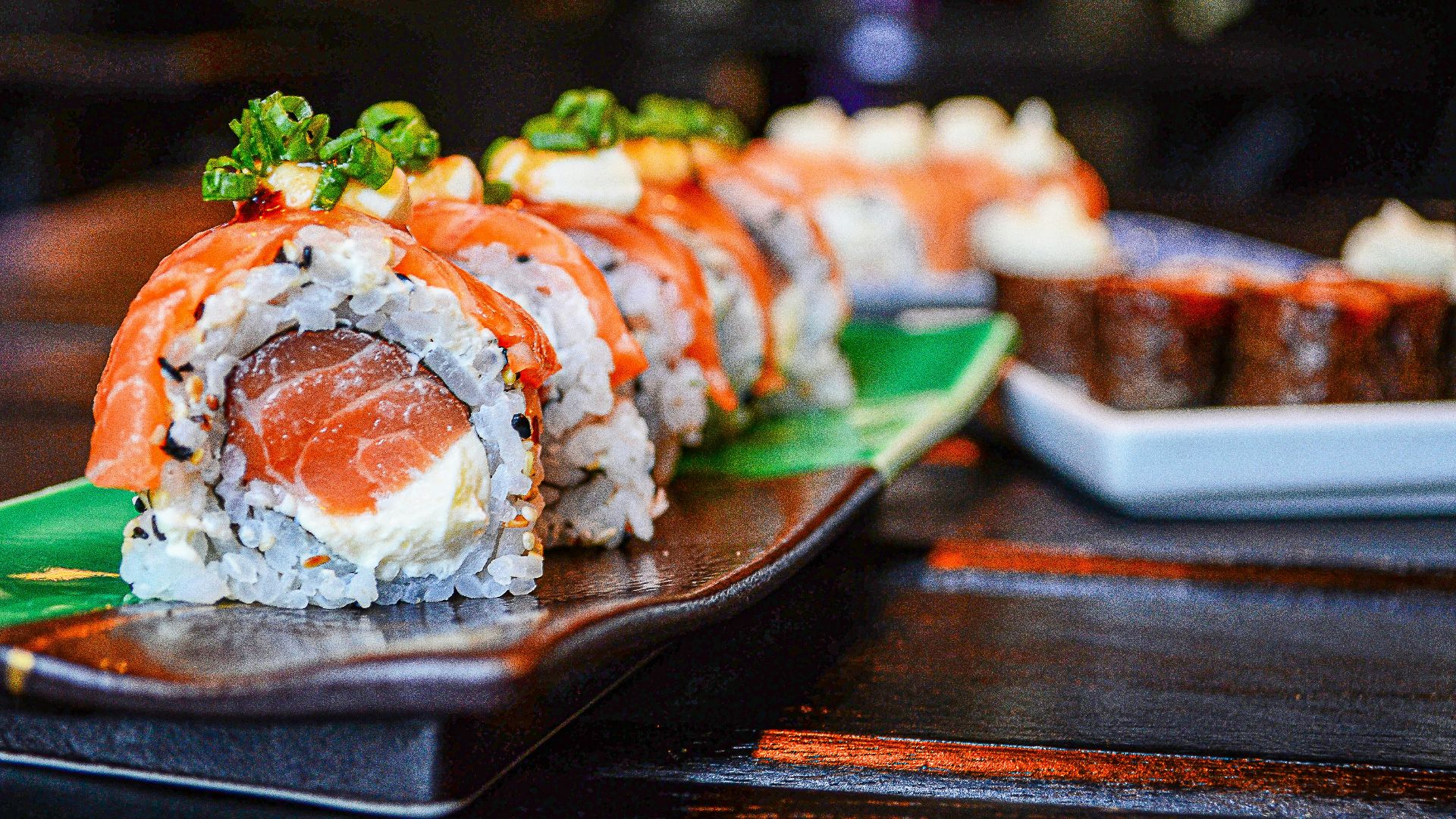
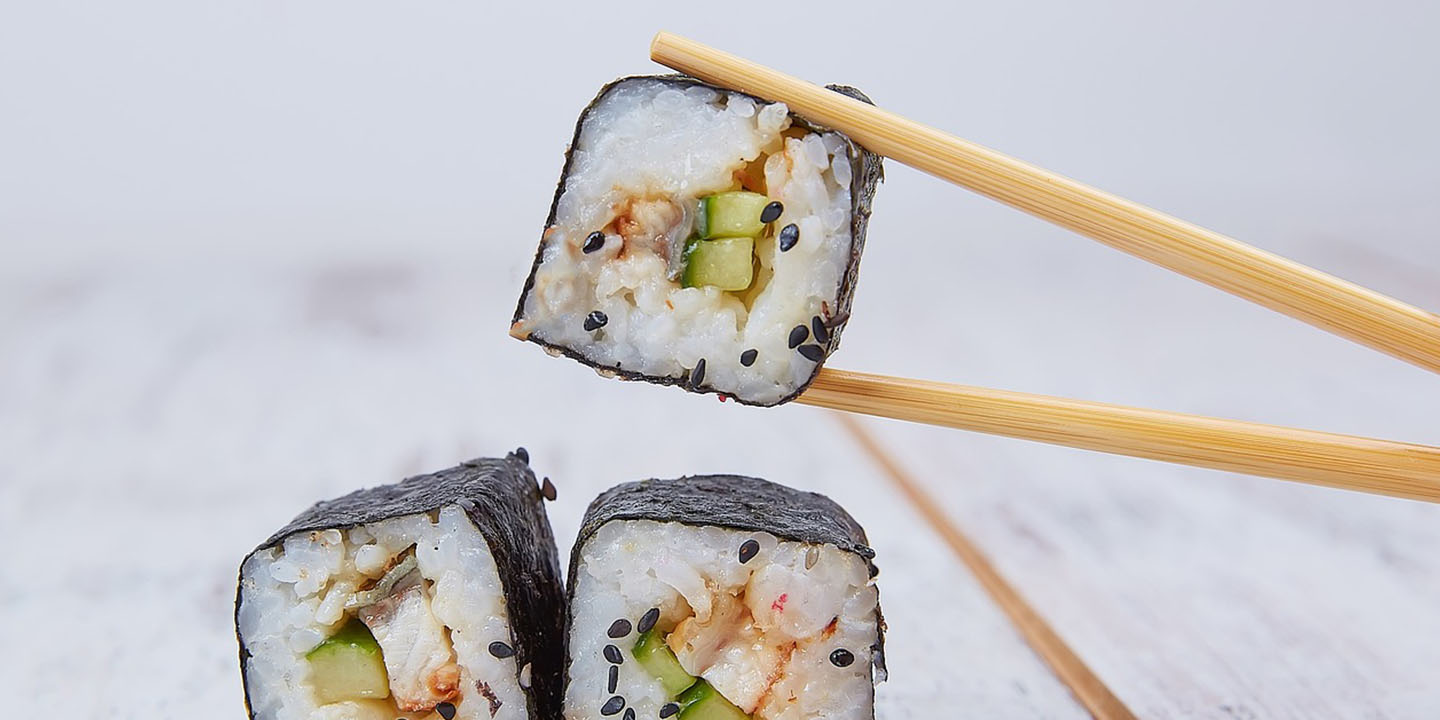
Sushi has turned into a marker of polished, upwardly mobile taste, especially in cities where it functions as both a standard dinner plan and a minor status signal. It suggests someone who sees themselves as cosmopolitan, particular, and comfortable spending real money on something that still feels restrained. Even low-key sushi often borrows prestige from the category.
8. Kale
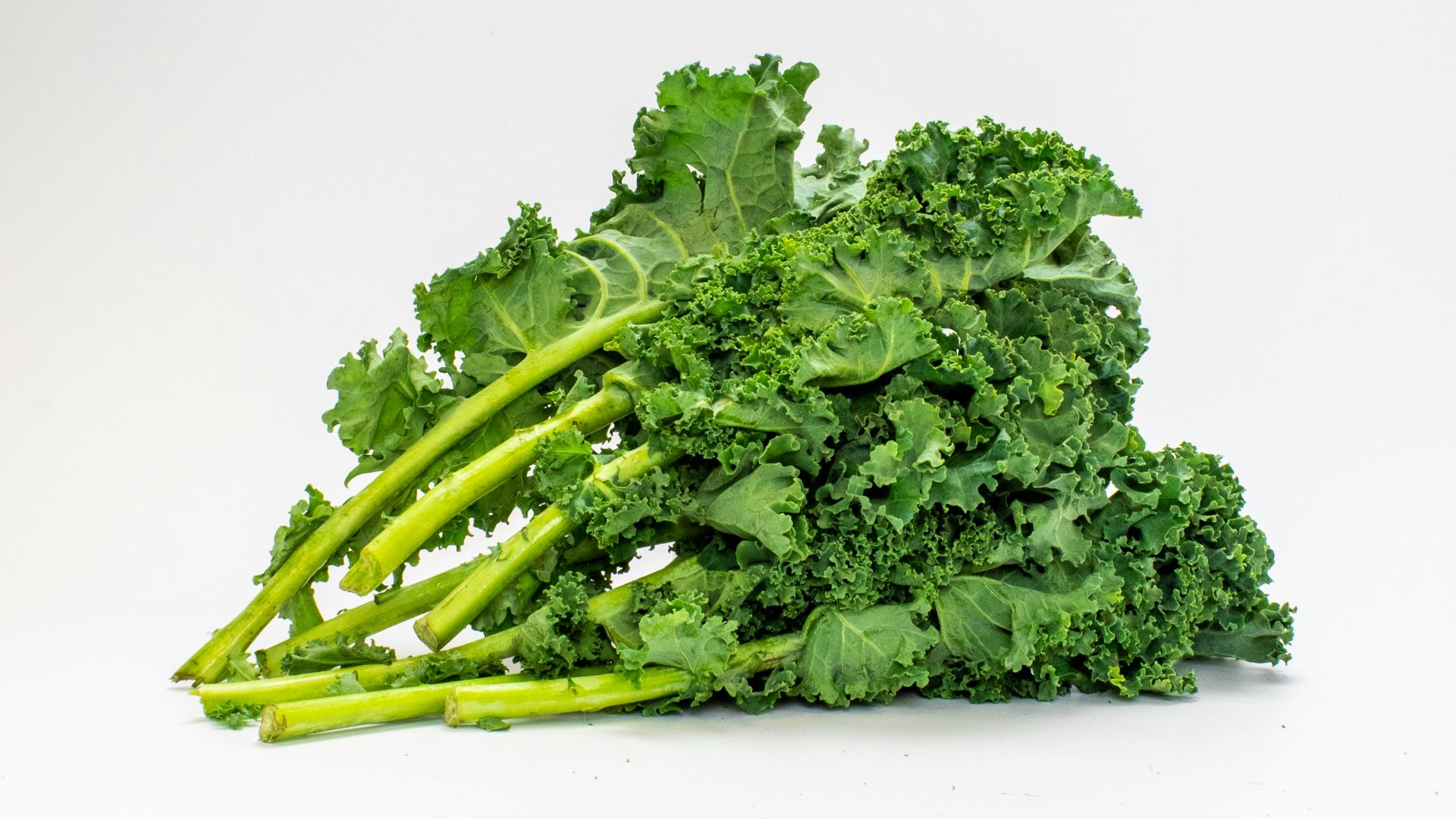
Kale became a personality trait the moment it stopped being a vegetable and started representing virtue. It has been tied for years to health-minded people who want their food choices to suggest discipline, knowledge, and a willingness to choose what is good for them over what is easy. Even now, after the peak of kale obsession passed, it still carries that legacy.
 Katherine Jenswold on Unsplash
9. Bone Broth
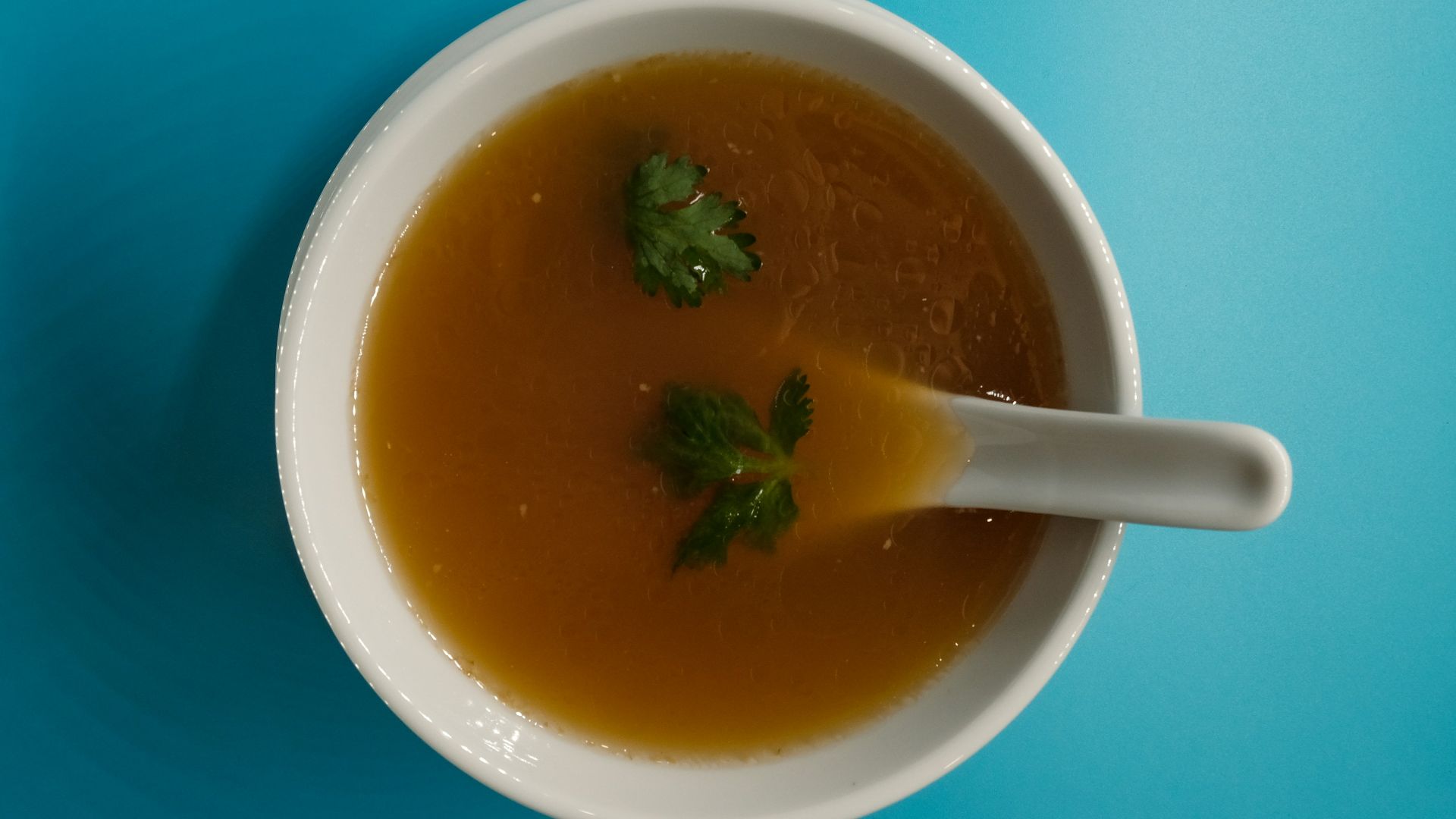
Bone broth signals a practical, high-functioning wellness identity. It belongs to people who want health culture without the candy colors, who prefer words like recovery, gut health, and nourishment, and who like their habits to feel ancient and efficient at the same time. It is one of those foods that makes care sound serious.
10. Wagyu
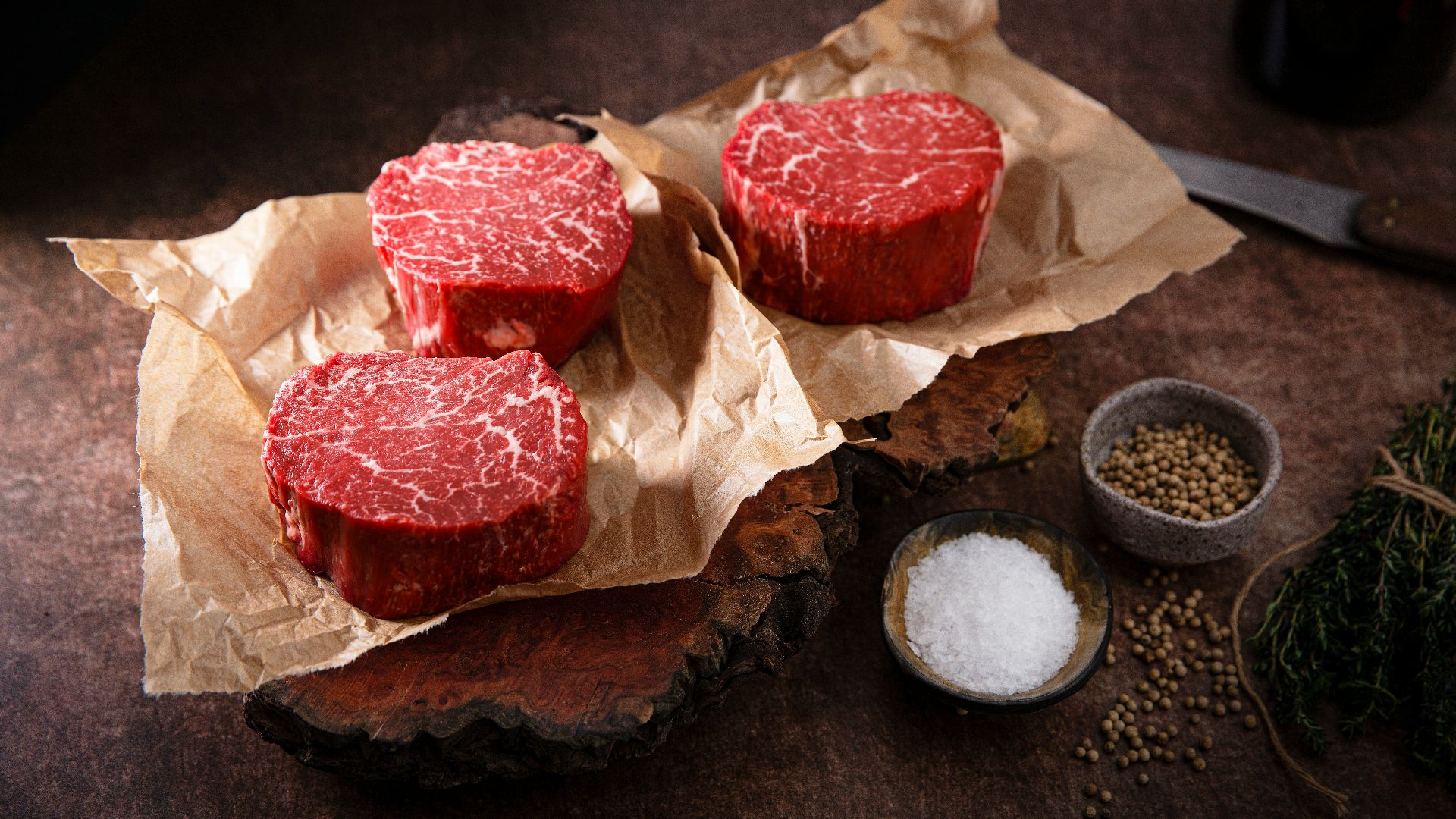
Wagyu has become shorthand for high-end food obsession, the kind that values rarity, marbling, and a carefully narrated experience. It belongs to people who treat meals as events and want luxury to feel knowledgeable rather than flashy. Ordering it suggests not just money, but the desire to spend money with discernment.
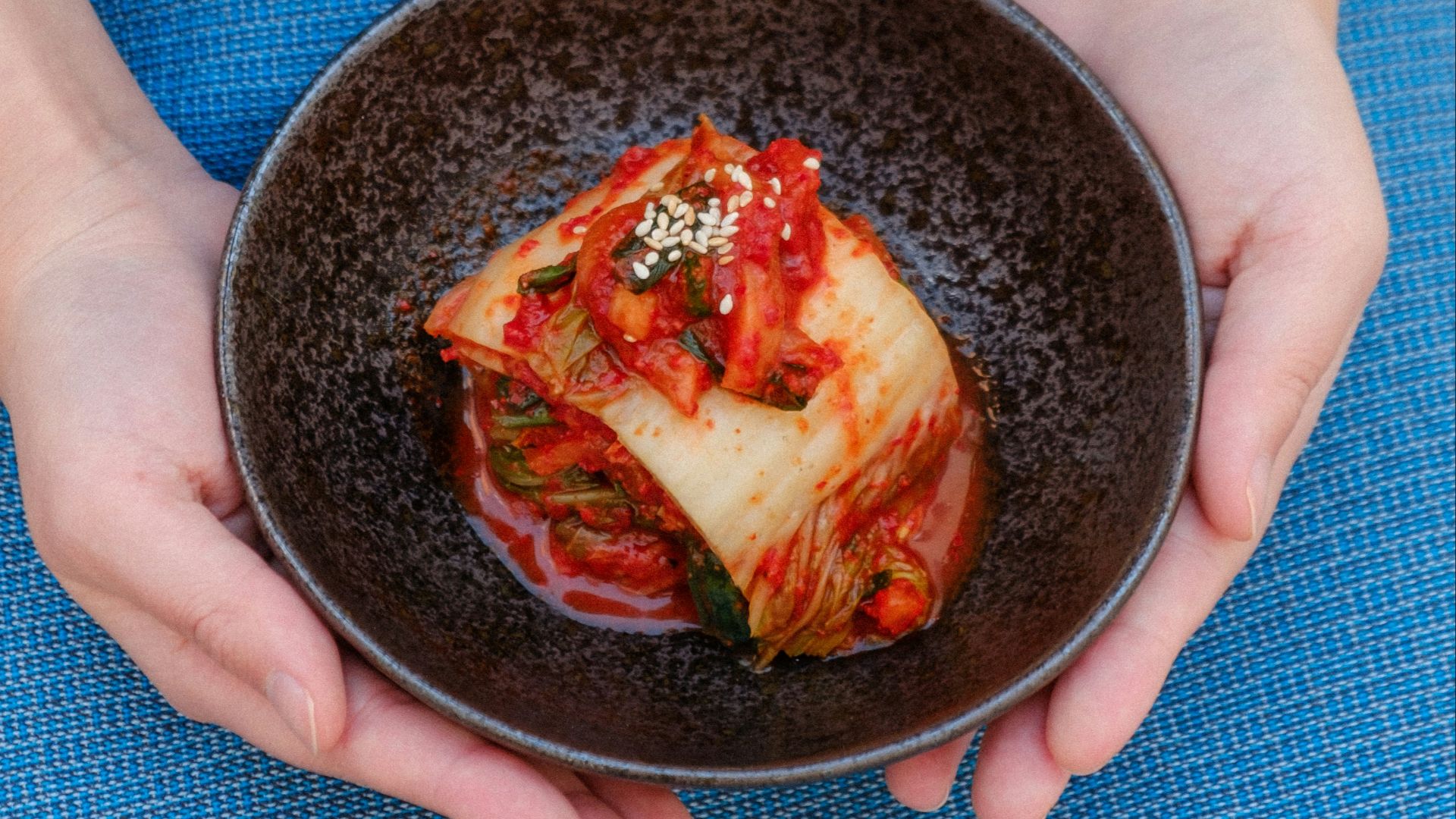
11. Kimchi
Kimchi carries a different kind of cultural weight because it signals both strong taste and cultural fluency. For some people, it represents comfort, memory, and heritage, while for others it suggests openness to fermentation, heat, and a more serious relationship to flavor. In either case, it reads as a food with meaning, not just a side.
 Portuguese Gravity on Unsplash
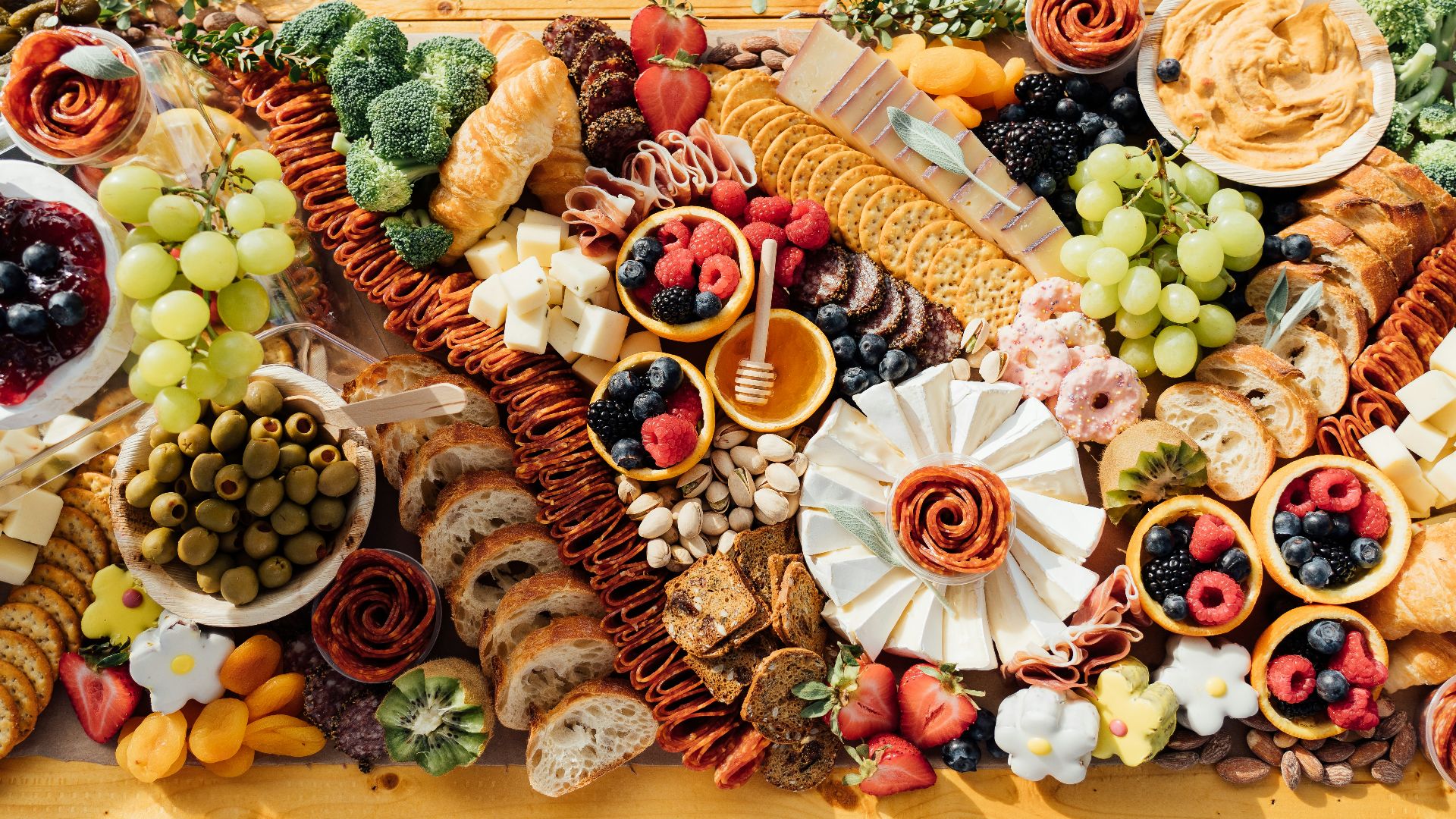
12. Charcuterie
Charcuterie became a social identity as soon as it started standing in for adult competence. It suggests someone who hosts, arranges, curates, and knows how to turn snacks into an atmosphere. At this point, it is less about cured meat than about signaling taste, ease, and some control over the room.
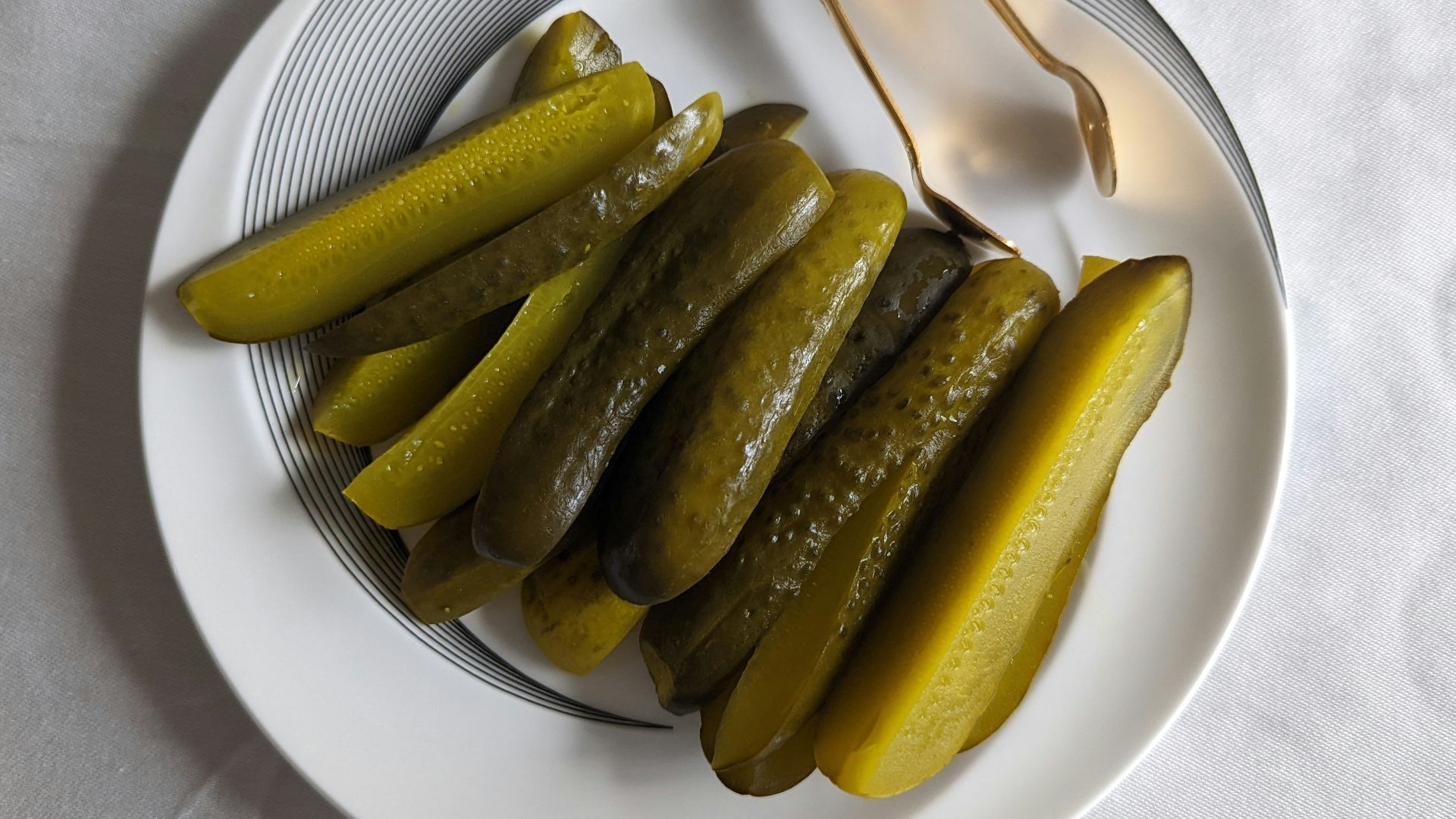
13. Pickles
Pickles now suggest a person who likes strong preferences and is comfortable making them visible. The cultural meaning has grown well beyond the sandwich spear, especially as pickle flavor spread into chips, cocktails, popcorn, and every snack aisle that wants to look slightly ironic. Loving pickles often reads like a declaration rather than a habit.
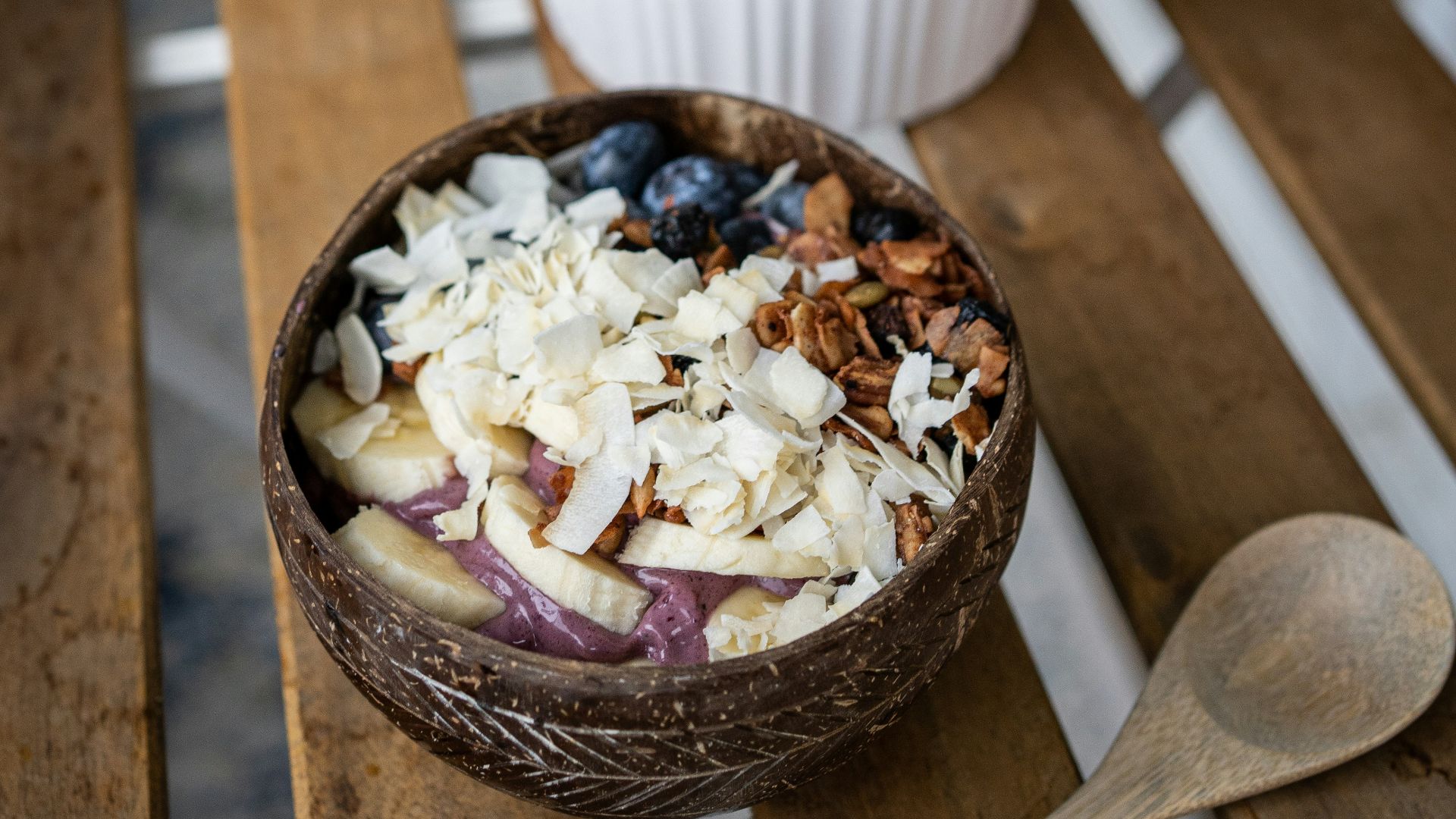
14. Açaí Bowls
Açaí bowls are tied to a specific kind of performative wellness, especially the polished, daylight-filled version that lives comfortably on social media. They suggest someone who wants health to look vibrant, expensive, and beautifully arranged, even when the meal itself is basically dessert in athletic clothing. The image has always done at least half the work.
15. Martinis And Olives
Technically this is a drink, but the olives matter enough to count. The dirty martini with extra olives has become a whole type of adult persona, signaling taste, self-possession, and a slightly sharp social energy that wants to look unbothered and expensive. It is one of the clearest examples of food and drink blending into character.
 Daniel Lloyd Blunk-Fernández on Unsplash
16. Tinned Fish
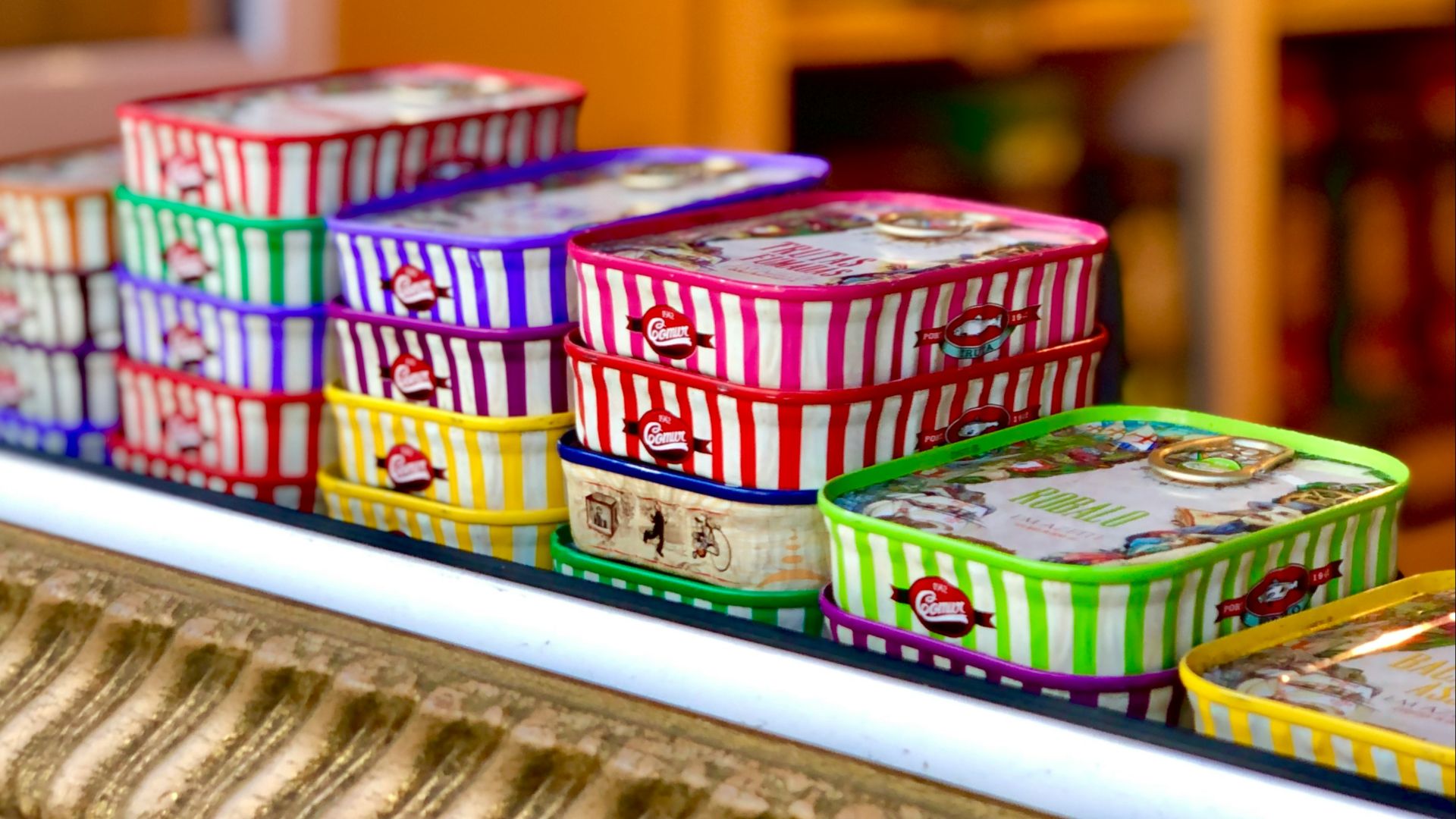
Tinned fish has become a marker of curated taste, especially for people who want their eating habits to seem thoughtful, literate, and just left of mainstream. It suggests someone who likes pantry staples with history, design, and a little edge, and who takes quiet pride in having moved beyond basic lunch habits.
17. Ranch
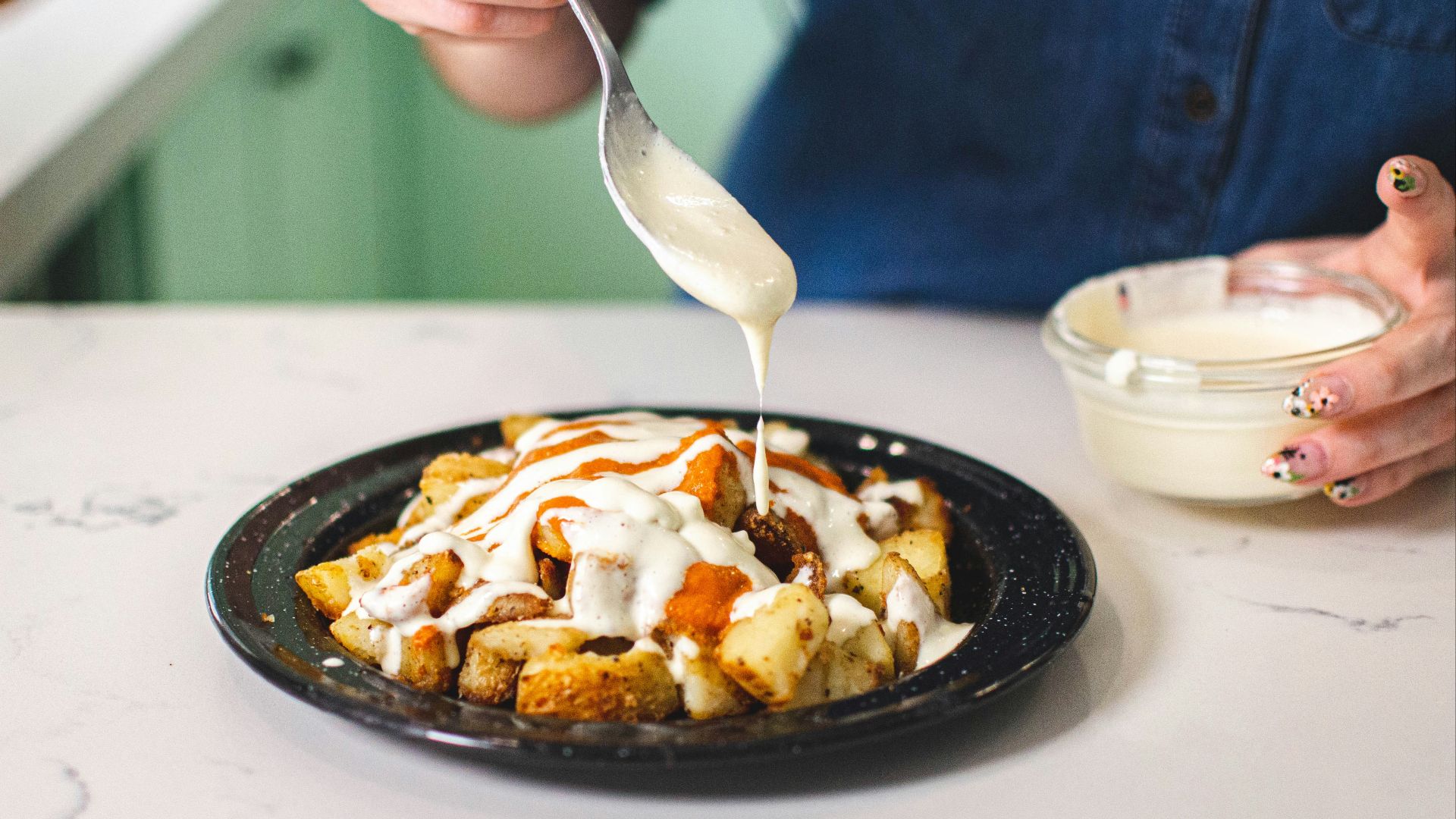
Ranch has become its own cultural symbol, especially in the United States, where it often signals comfort, informality, and a refusal to overcomplicate pleasure. It belongs to the person who wants food to taste familiar, satisfying, and maybe a little excessive, and who does not care if somebody else thinks the dip has gone too far.
18. Truffles
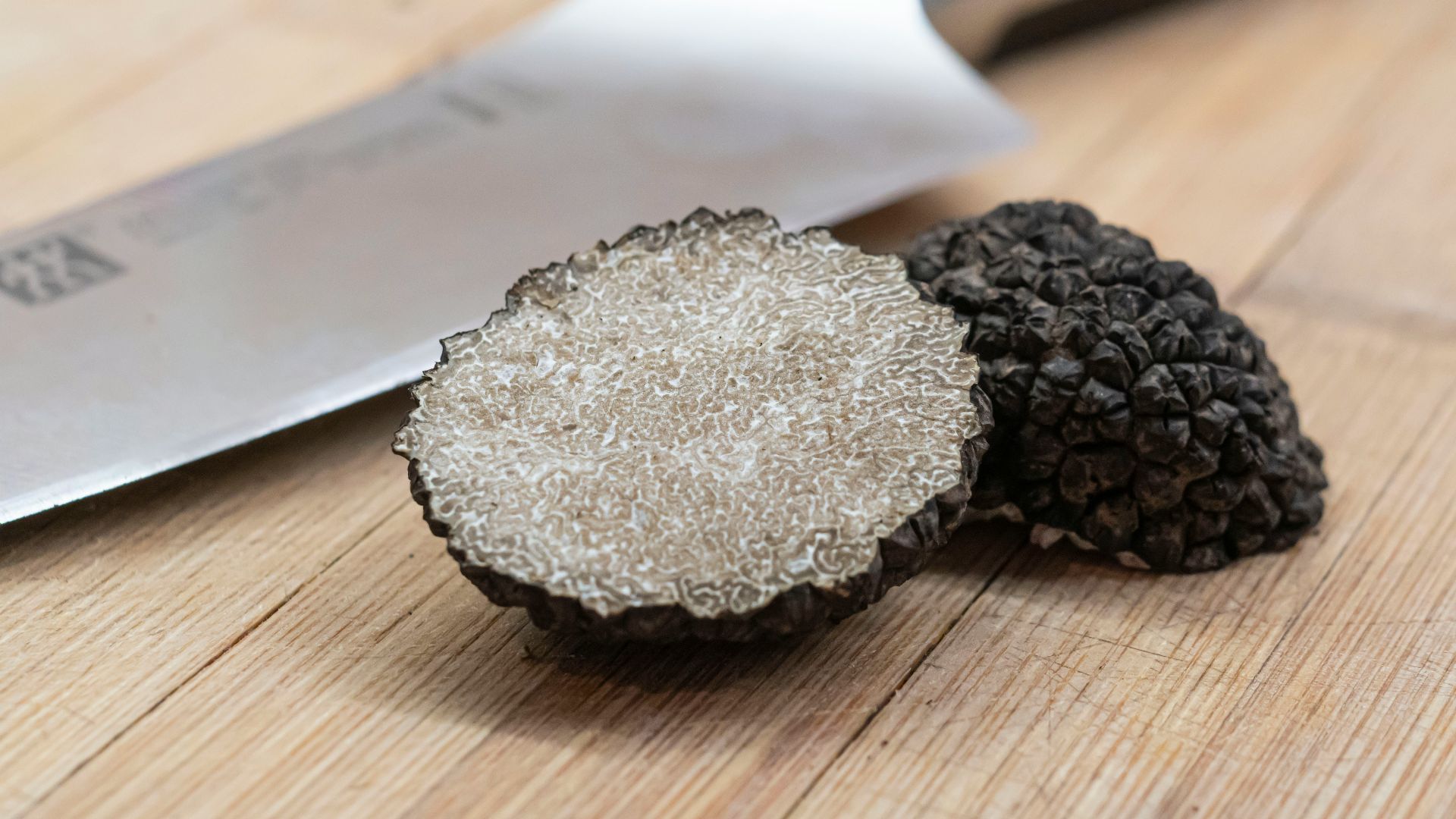
Truffles signal luxury in a more theatrical way than caviar does. They suggest someone drawn to exclusivity, excess, and the kind of restaurant language that turns ingredients into status objects. Once truffle fries, truffle pasta, and truffle butter show up, the point is often less about flavor than about broadcasting refinement.
 amirali mirhashemian on Unsplash
19. Protein Bars
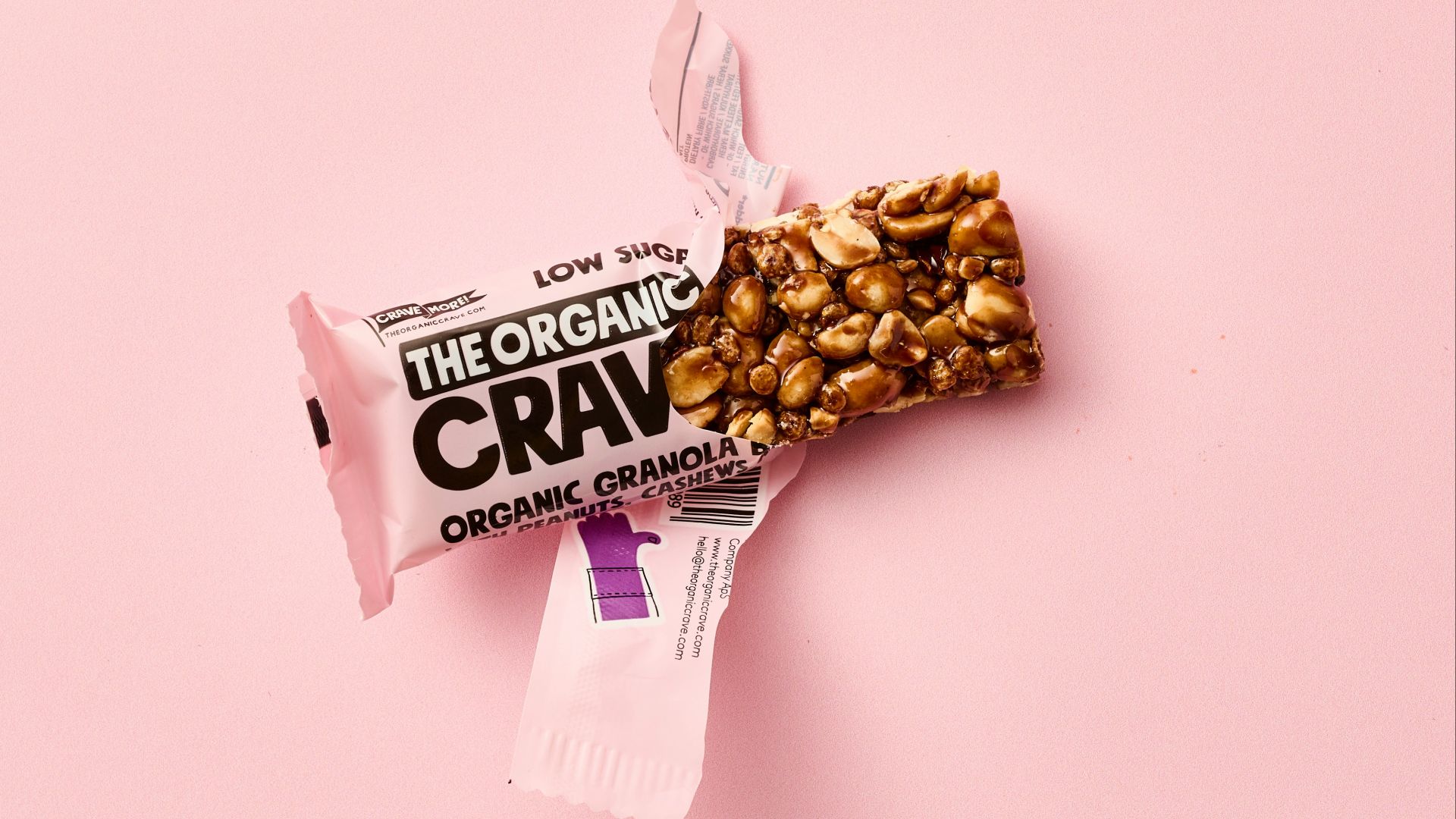
Protein bars have become the food of high-efficiency people, or at least people who want to be seen that way. They are tied to gym culture, productivity culture, commuter culture, and the broader belief that eating should sometimes be optimized rather than enjoyed.
 THE ORGANIC CRAVE Ⓡ on Unsplash
20. Cereal
Cereal has become unexpectedly symbolic in the opposite direction. It now often suggests comfort, nostalgia, low-stakes pleasure, and the kind of adult who still wants a few foods that do not need to prove anything. In a culture where so many meals are trying to signal virtue or taste, cereal stands out for signaling permission.

KEEP ON READING

The 5 Most Consumed Foods in the Entire World