20 Foods That Looked Completely Different 100 Years Ago
Same Name, But Unrecognizable
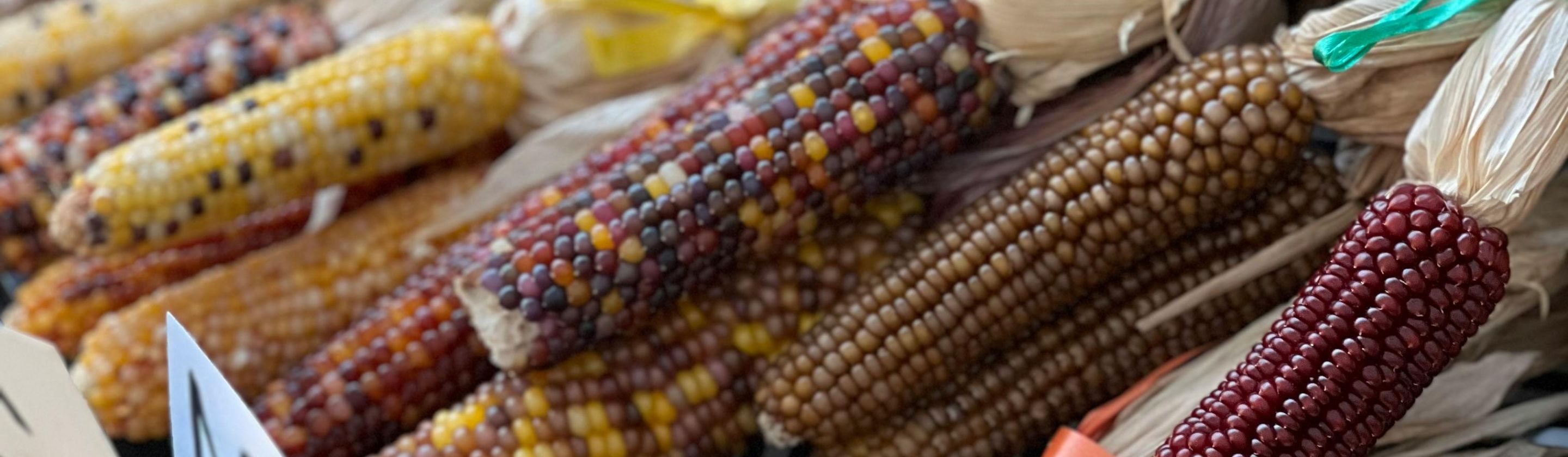
The food industry has changed a lot in the last 100 years. After a century of selective breeding, industrial farming, and genetic modification, many of the ingredients we toss into our grocery carts today would be unrecognizable to our great-grandparents, even if they have the same name. Here are 20 common foods that looked totally different in the 1920s.
1. Corn
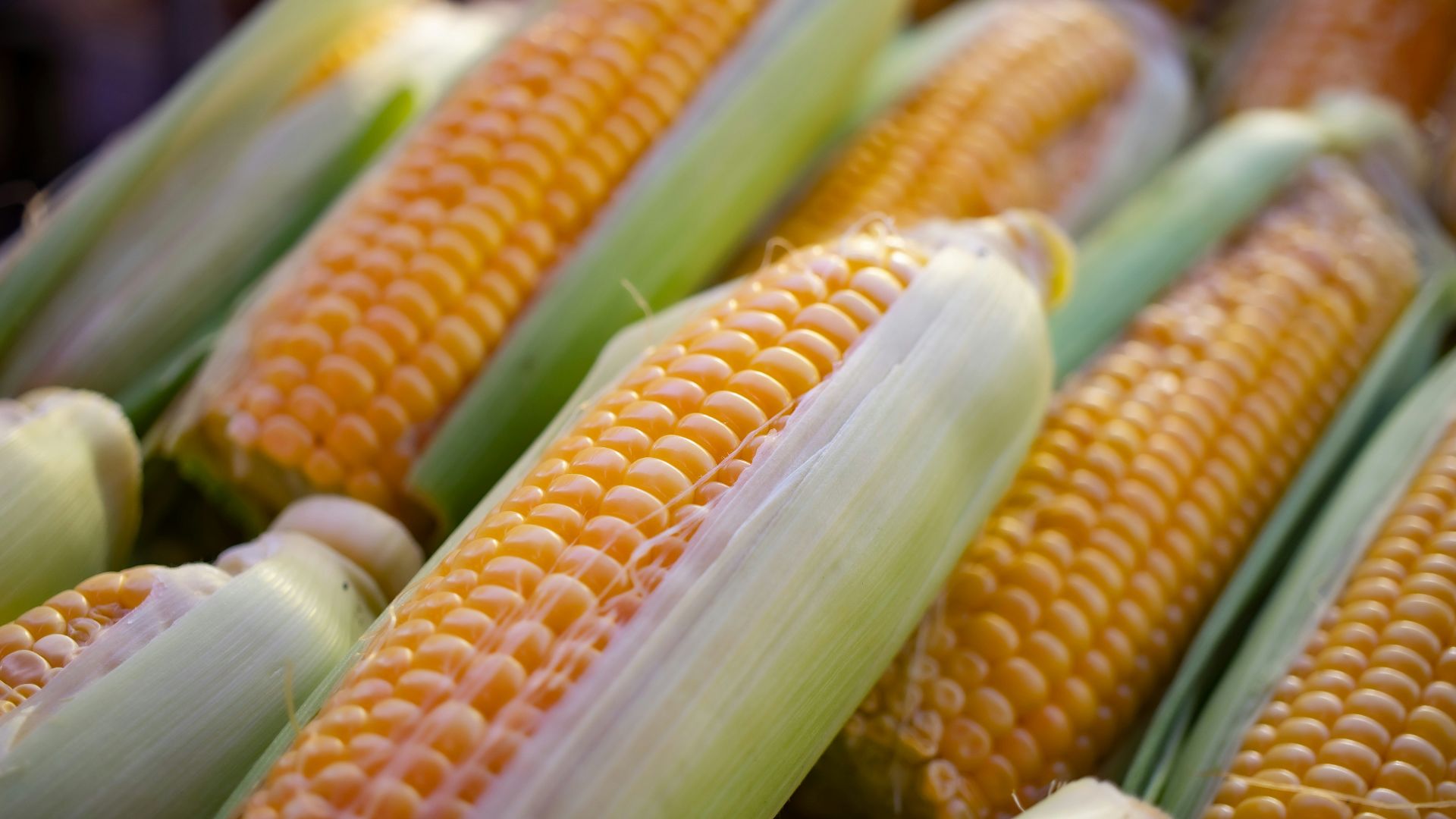
Today, corn is one of the most genetically modified crops in the US. In the early 1900s, it was much less sweet and uniform, and the kernels were much harder and took longer to cook.
 Wouter Supardi Salari on Unsplash
2. Bananas
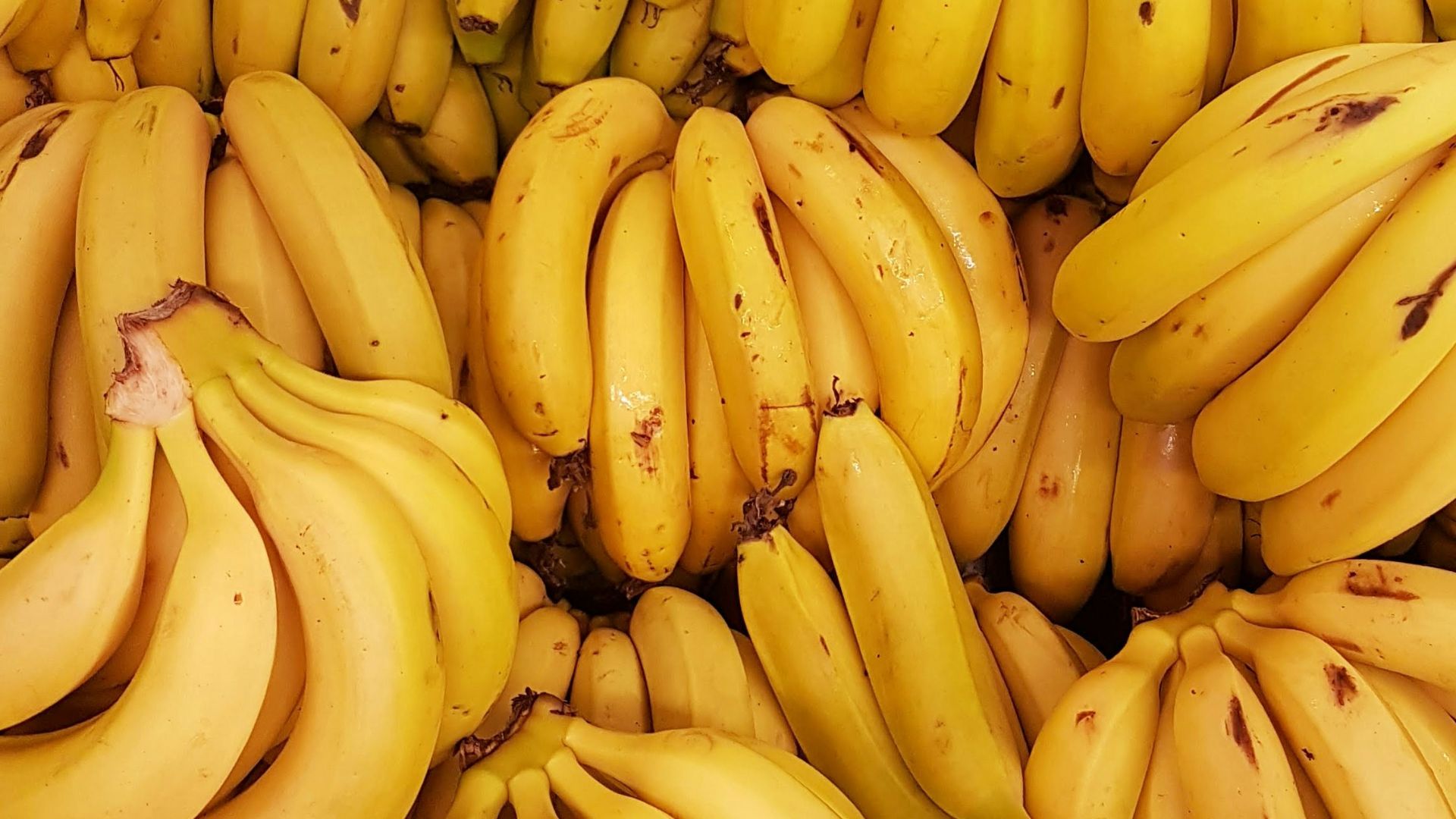
Today's most common banana variety found in every supermarket is the Cavendish banana. 100 years ago, the Gros Michel was much more dominant, characterized by its thicker skin, straighter appearance, and larger size. The Gros Michel was almost entirely wiped out by Panama disease in the mid-20th century.
3. Peaches
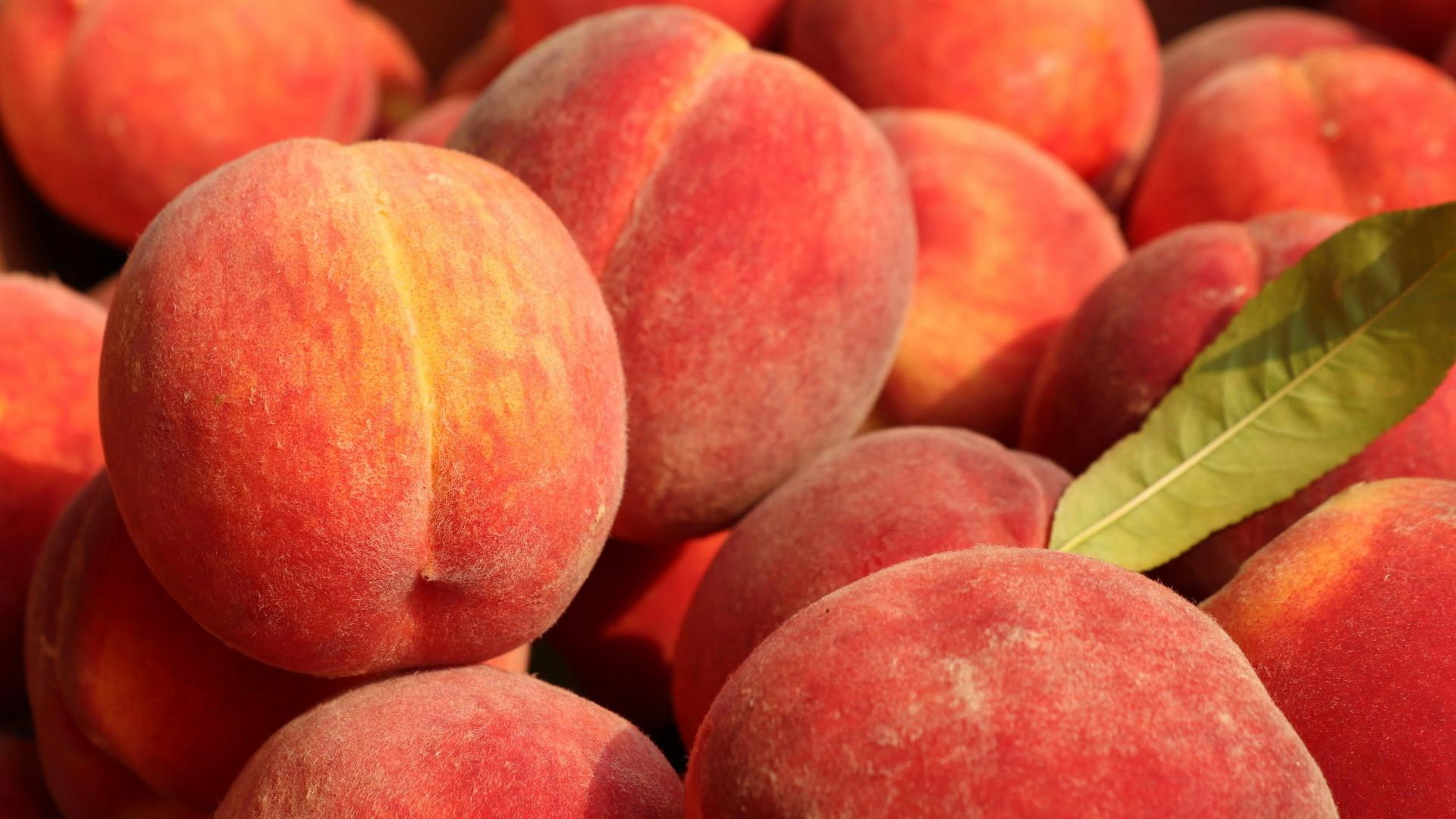
Circa 1920s, peaches were very different from how they are today. They were much fuzzier, highly seasonal, with a short shelf life, and softer flesh.
 NisonCo PR and SEO on Unsplash
4. Carrots
100 years ago, carrots were much less uniform than they are today. They were smaller, more genetically diverse, and generally much less common. Soldiers returning from WWI helped popularize carrots in the US.

5. Watermelons
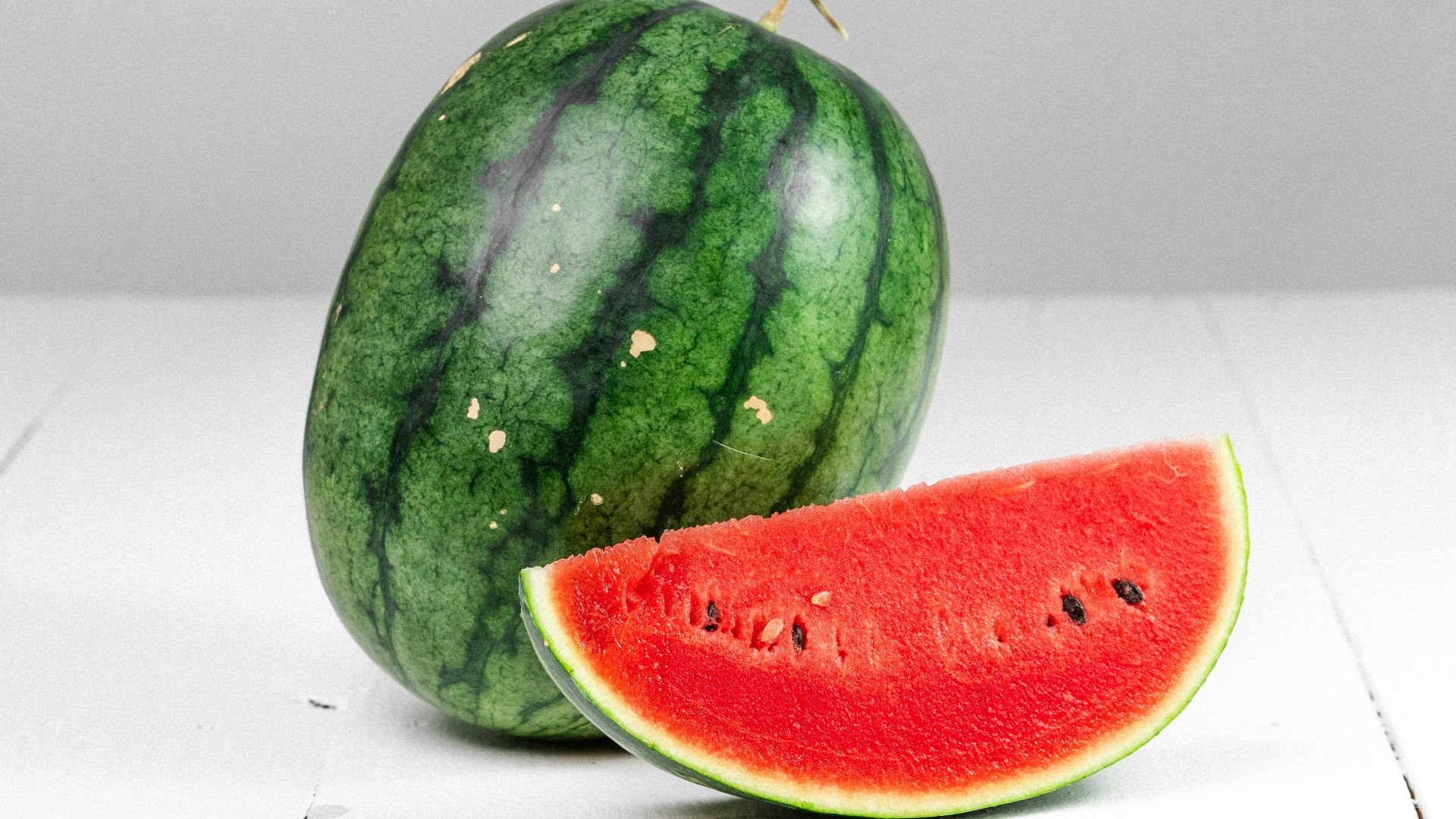
Watermelons from a century ago were generally smaller, with harder, paler flesh, and more seeds. They weren't as sweet and were still undergoing selective breeding to become the sugary, red-fleshed fruits we know and love today.
6. Eggplants
Eggplants of the 1920s were often small, white or yellowish, and oval. They looked like goose eggs, hence the name. The deep purple variety in America was brought over from Asia, slowly replacing the pale ones.

7. Cereals
Breakfast cereals were in their in fancy in the 1920s. They were marketed as a health food and only came in a few varieties. Cereals contained much less sugar, weren't as processed, and hot cereal was more common.

8. Snack Foods
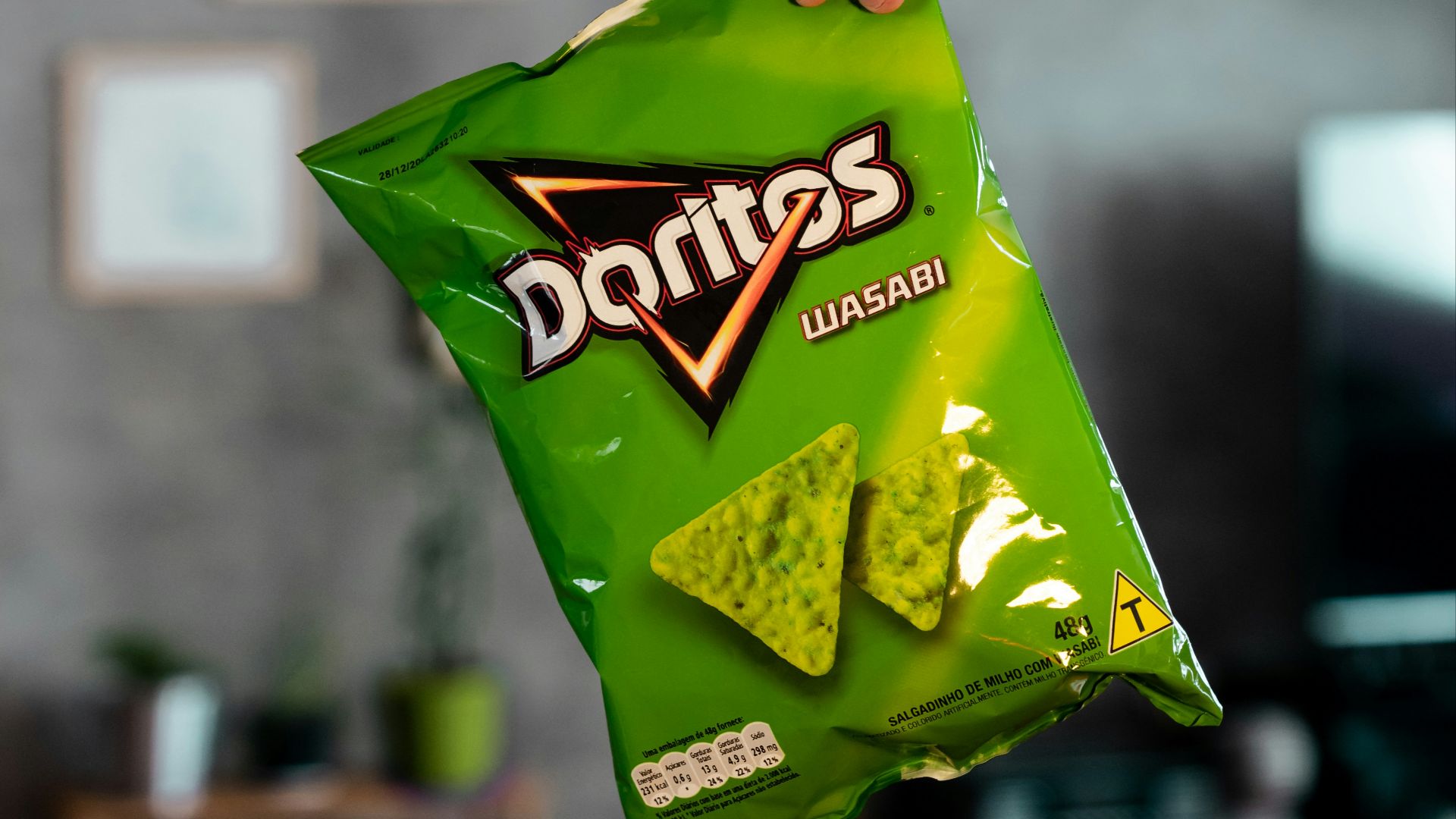
Snack foods around the 1920s were simpler, often homemade, and came in simple packaging. They were much less processed and sold in bulk food or general stores. Snack culture didn't really explode until the 1960s.
9. Milk
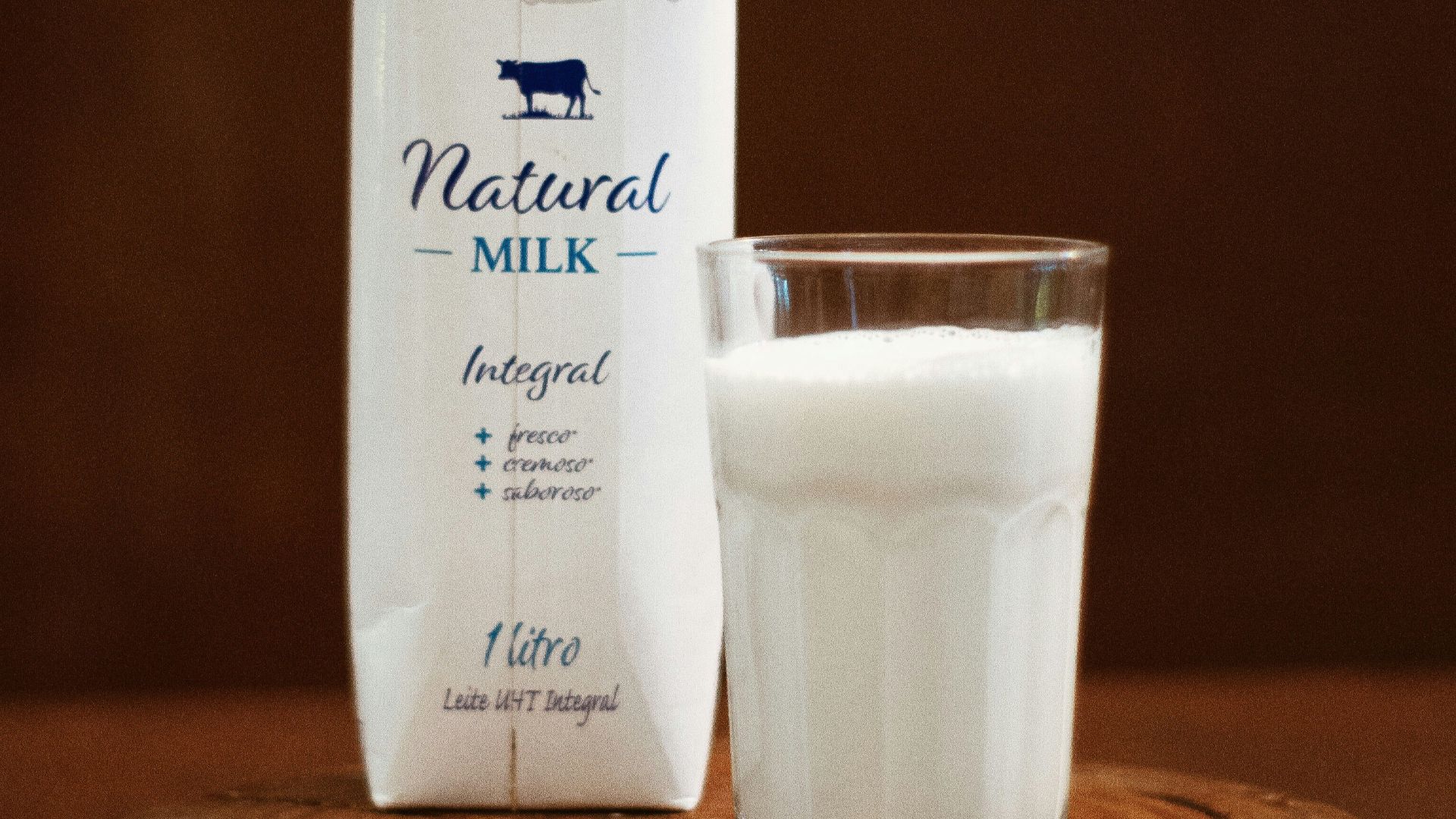
100 years ago, milk was far less safe to consume because it didn't undergo the same treatment as today, like homogenization or pasteurization. Milk today is more standardized, fortified, and widely available.
10. Sodas
While soda like Coca-Cola existed 100 years ago, the recipe was quite different. Sodas were initially sold as fountain beverages from drug store counters. Mass canning and bottling were still decades away.

11. Coffee
Coffee of the early 20th century was bitter, dark, and burnt tasting. People generally just boiled it on the stovetop. Espresso machines, French presses, and pour-overs weren't common, and coffee came almost exclusively pre-ground in vacuum tins.
 Chevanon Photography on Pexels
12. Popcorn
Microwaves weren't invented yet in the 1920s; thus, popcorn looked quite different. It was already a popular snack, but it was made on the stove, and flavorings were minimal and simple.

13. Fast Food
In the 1920s, fast food was a brand-new concept. White Castle was founded in 1921, but that was really the only chain of its kind. Other "fast food" options were centered on street vendors.

14. Tomatoes
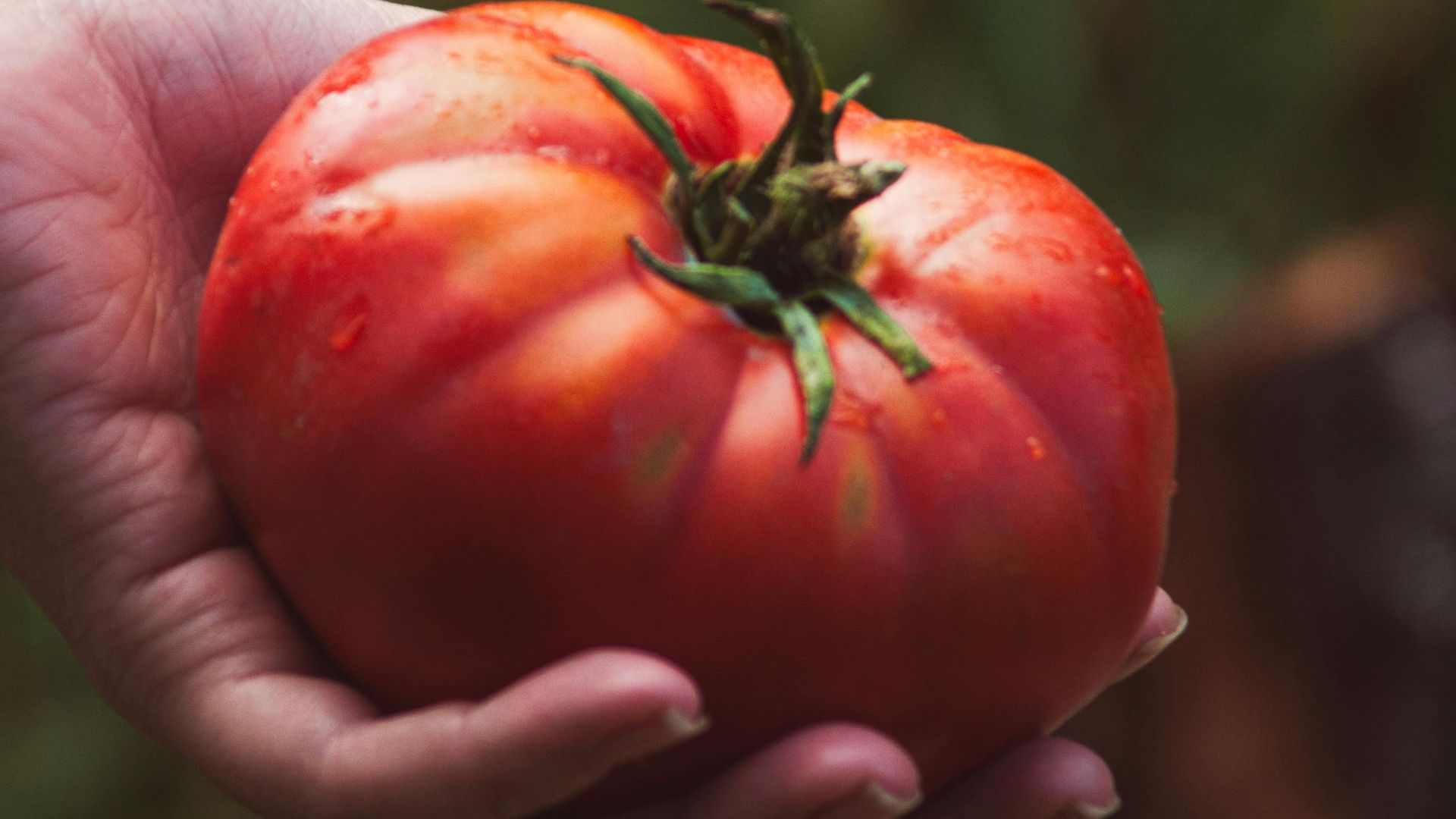
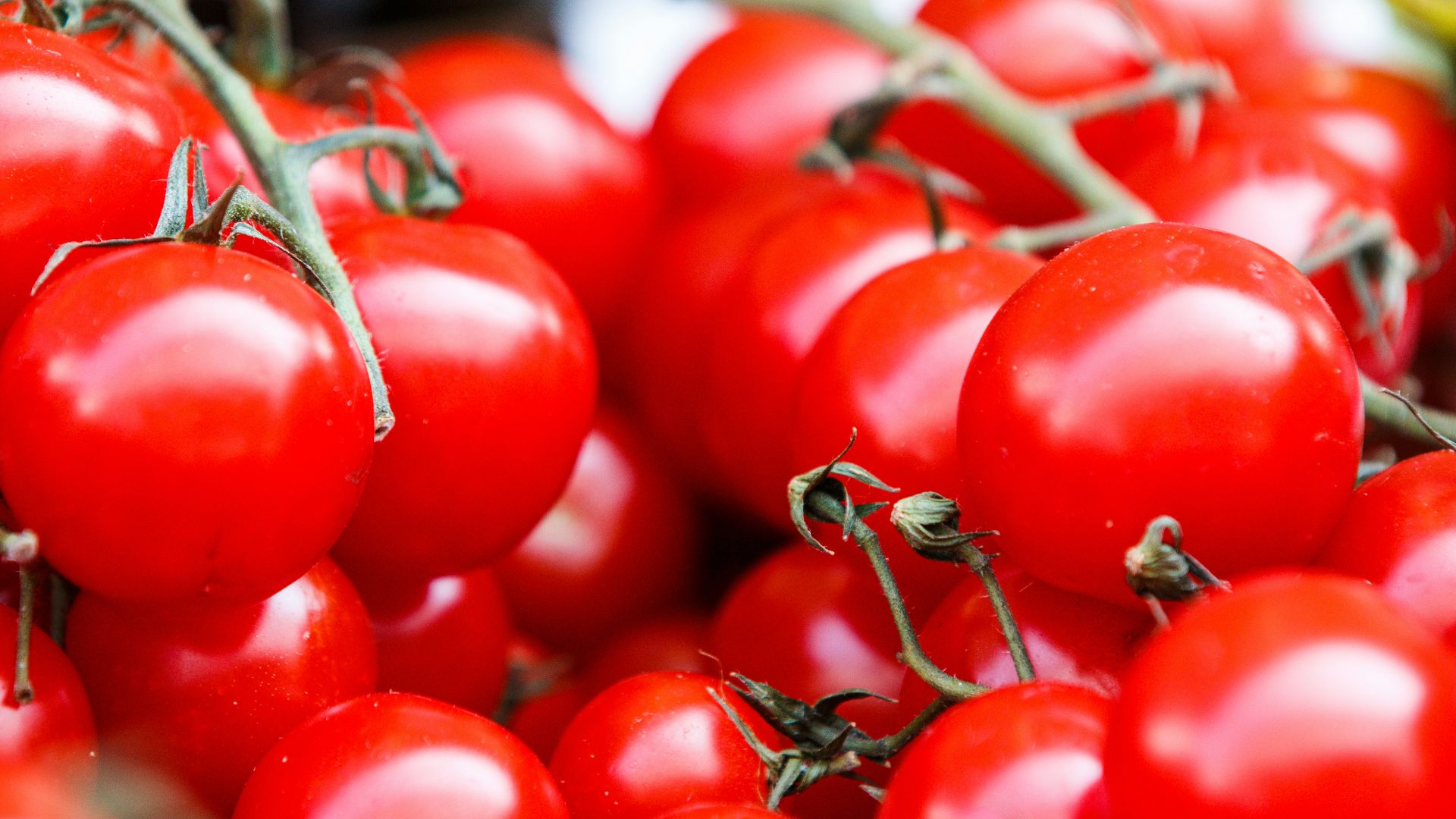
Tomatoes of the 1920s were much more irregular and bulbous than today's varieties, which often sacrifice flavor for durability. Tomatoes back then were much more flavorful and came in a greater variety of colors.
15. Apples
100 years ago, apples were vastly different from how they are today. They were smaller, tarter, and less firm, with higher nutrient content and more genetic diversity.

16. Salmon
100 years ago, salmon were much more abundant, larger, and there was greater genetic variety. Today's salmon is artificially pink and often farm-raised.

17. Rice
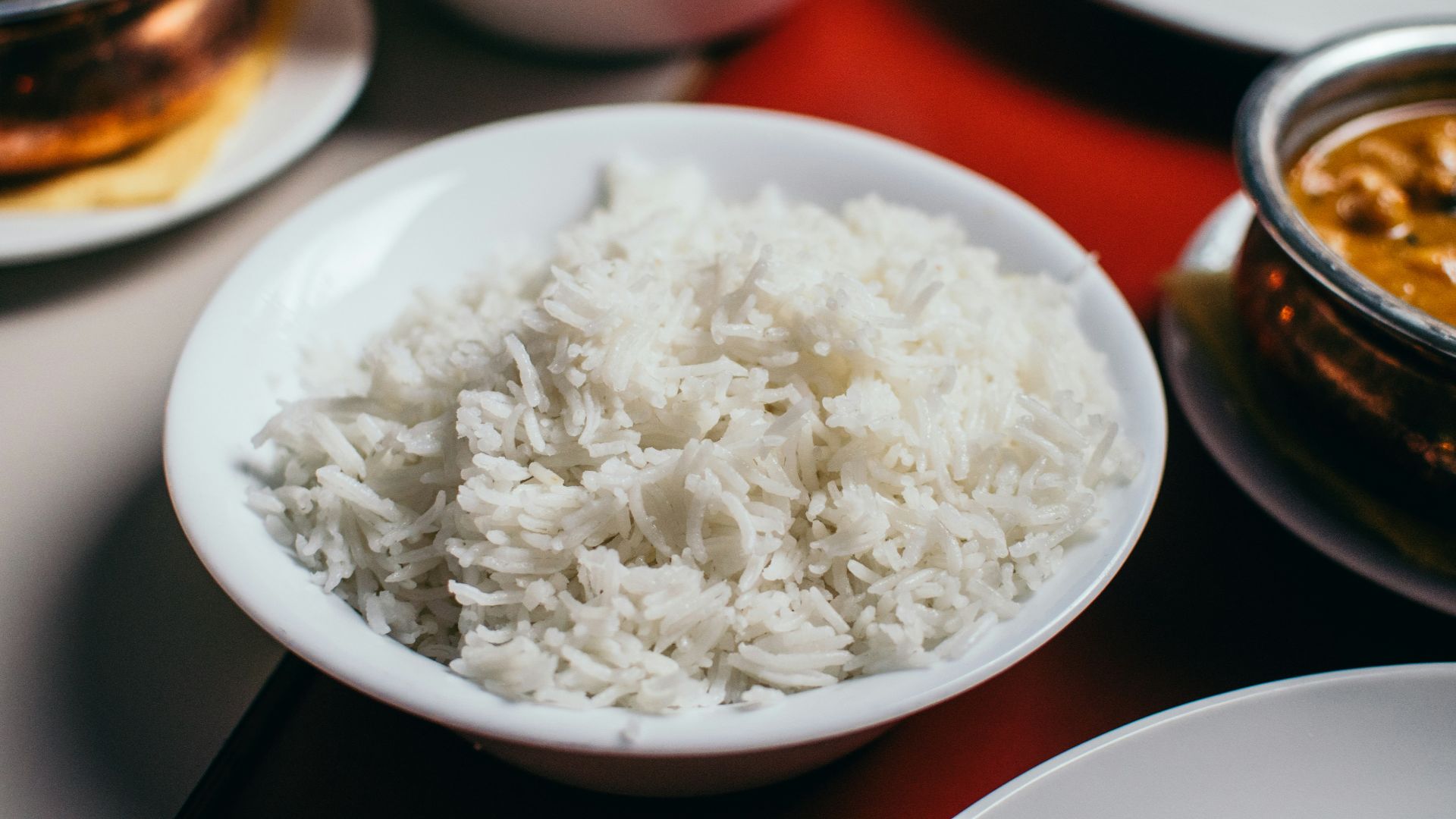
In the 1920s, rice was far less common worldwide than it is today. There was also a greater prevalence of brown and heirloom varieties, and white rice was really just for the elite, as removing the bran was a labor-intensive process.
18. Beef
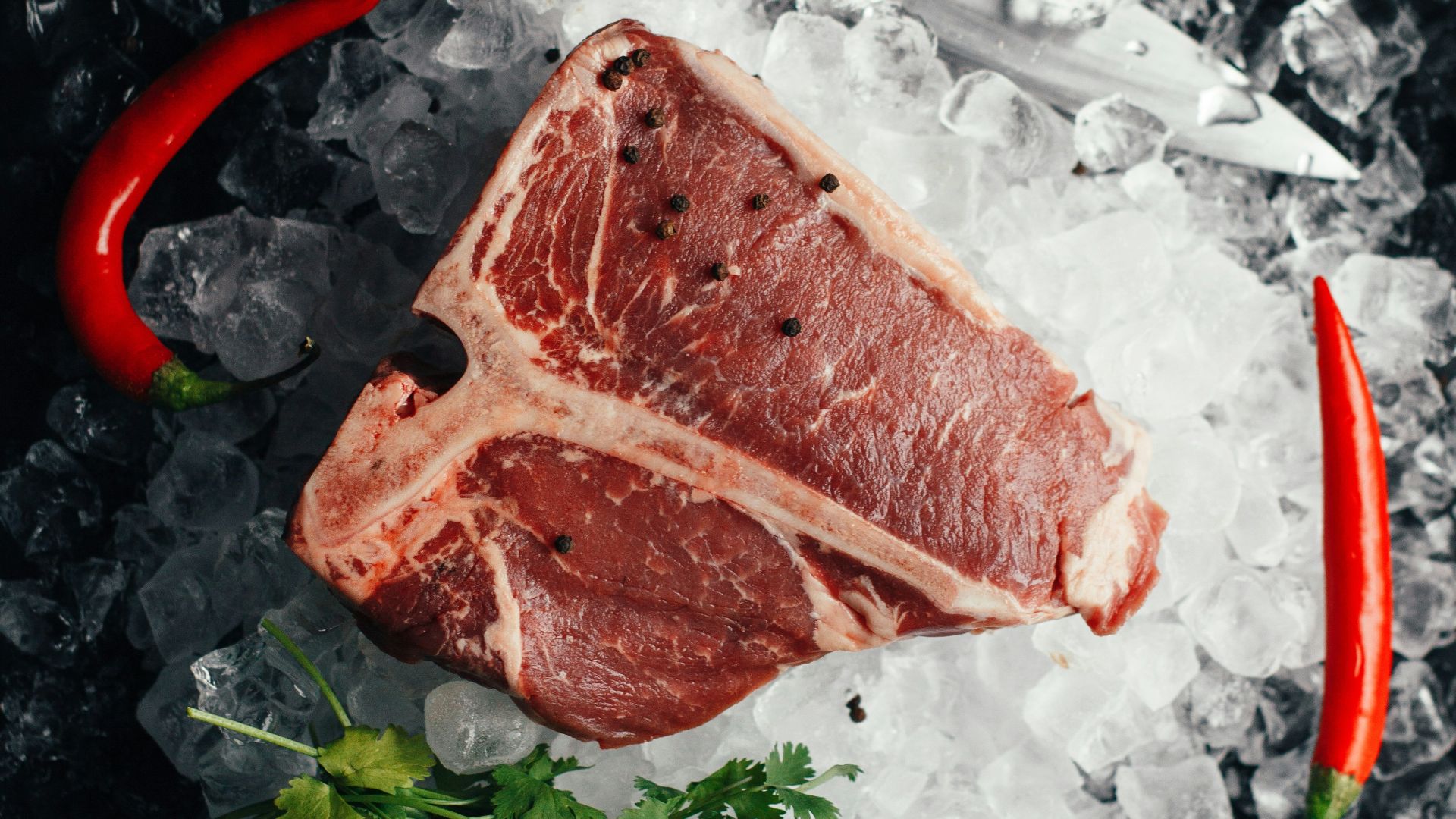
Beef 100 years ago was higher in fat, richer in flavor, and less processed. Cows were primarily grass-fed, not grain-fed like today, cuts were less standardized, and every part of the animal was used.
19. Cucumbers
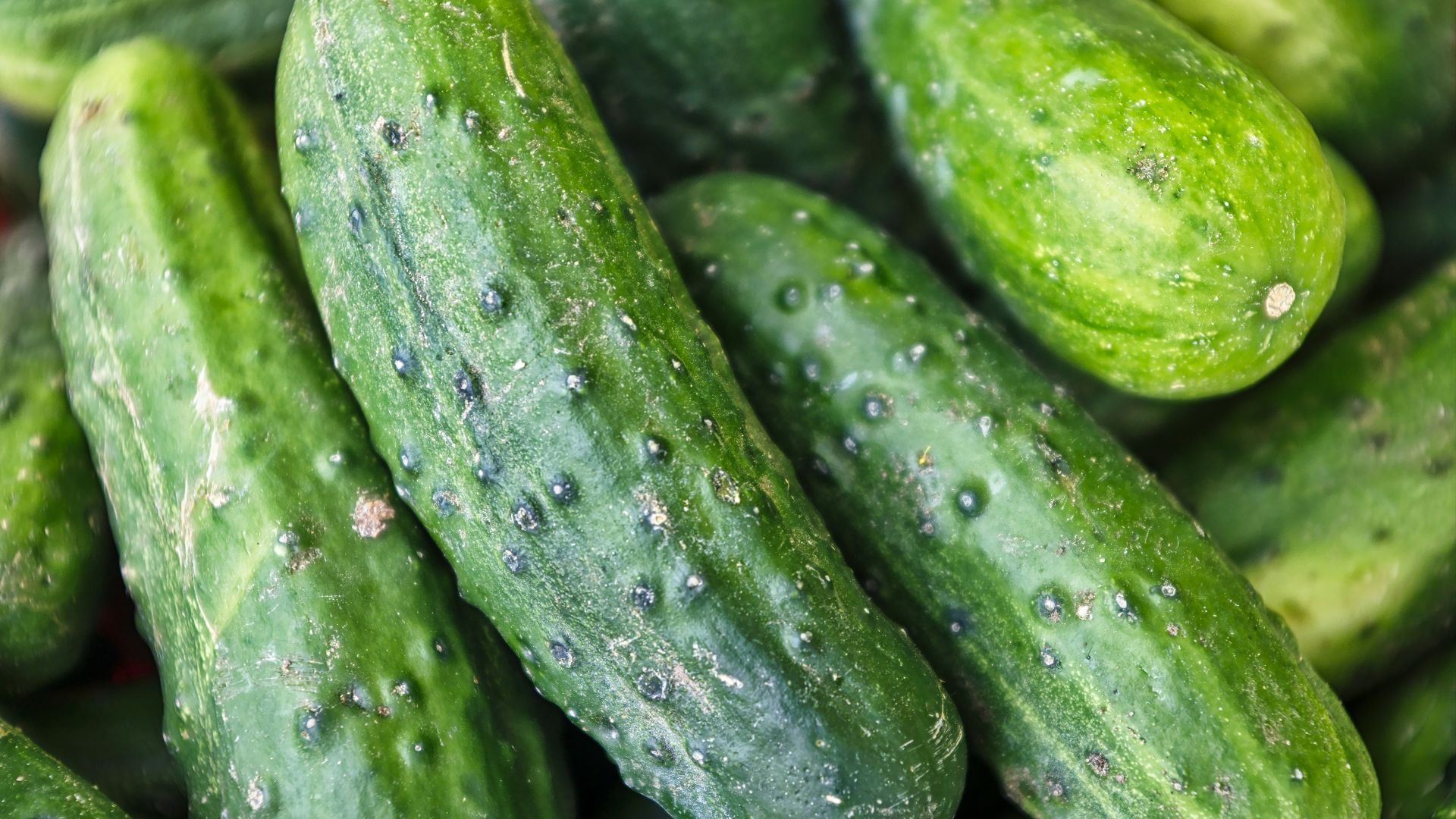
Cucumbers of the 1920s were generally more bitter, spiny, and less uniform than they are today. They had thicker skins that more often needed to be peeled, and had a more intense, earthy flavor.
20. Sugar
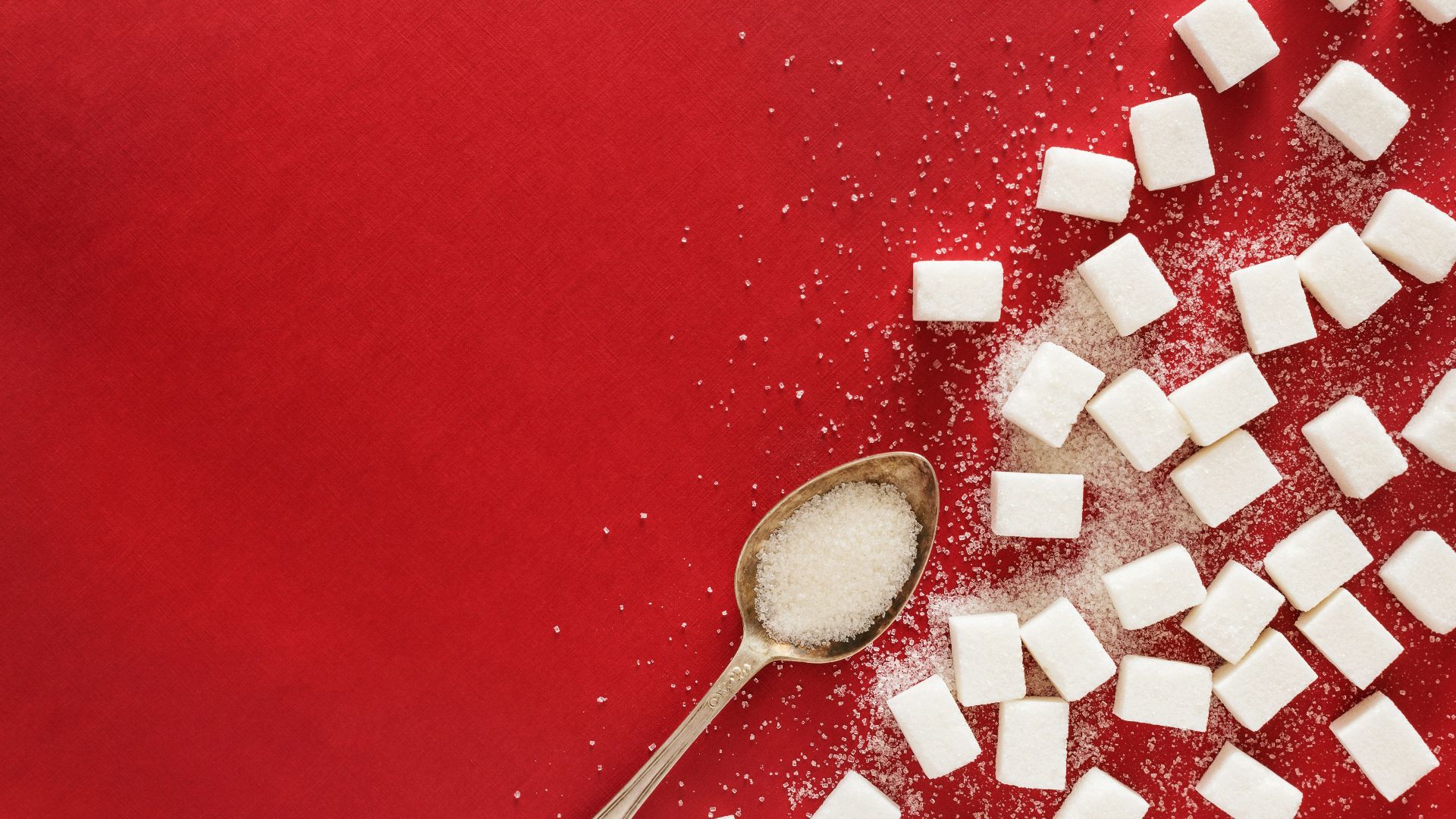
100 years ago, people didn't consume nearly as much sugar as they do today. It was just becoming a mass-produced commodity, and was darker and less refined than the white, chemically standardized kind of today.
KEEP ON READING
The 5 Most Consumed Foods in the Entire World