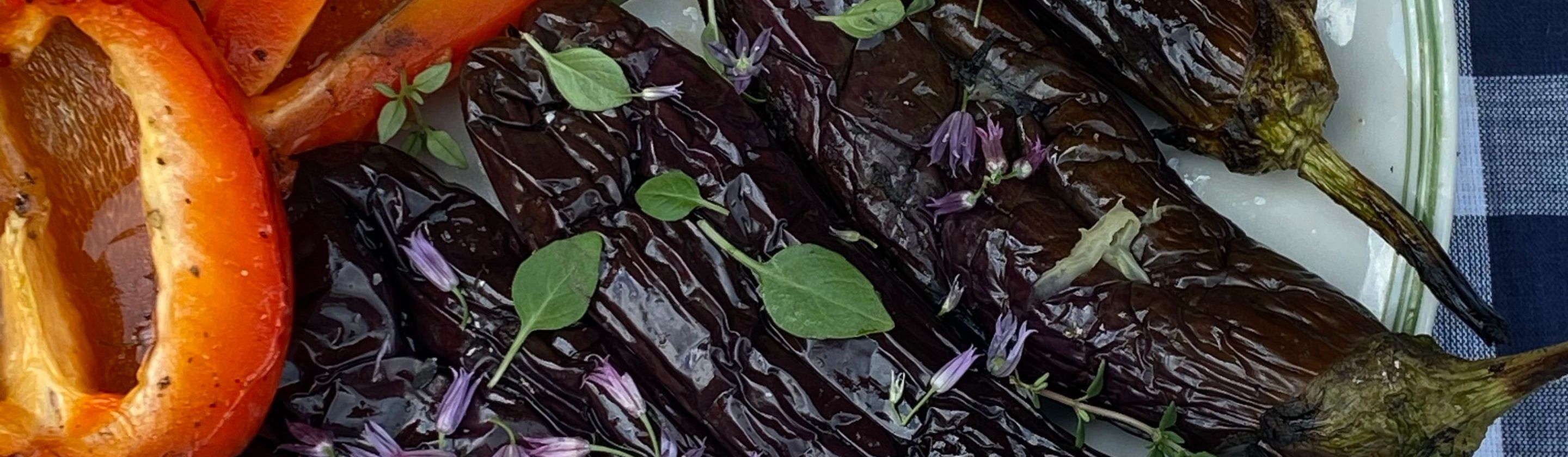
One Ingredient, Completely Different Experience
Some foods can feel like entirely different ingredients depending on how they're prepared. Heat changes texture, sweetness, moisture, and even aroma, meaning roasting, grilling, steaming, or frying can completely transform what ends up on your plate. If you've only tried one version of these 20 foods, you may be missing the one you'll actually love.
1. Potatoes
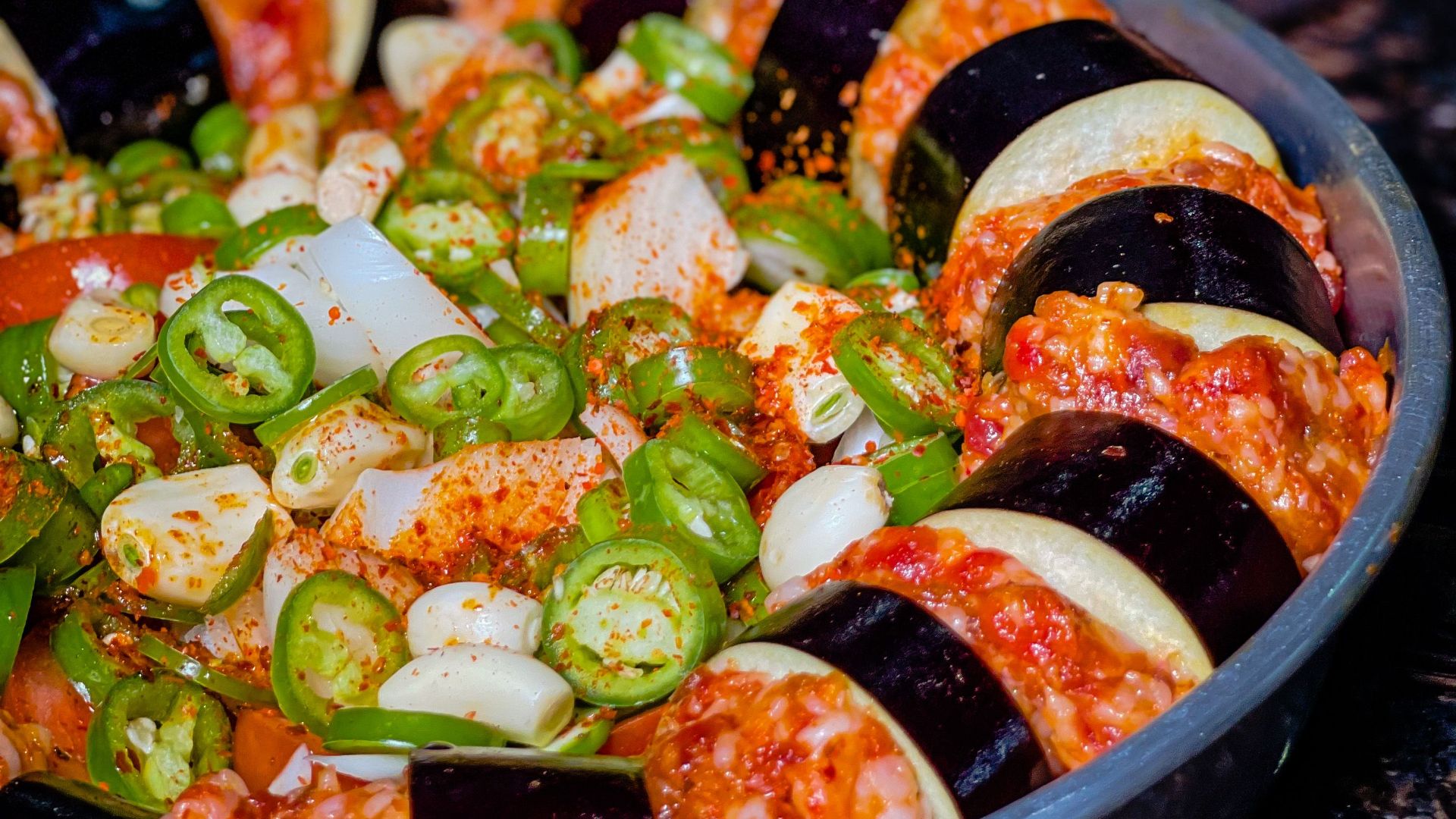
Boiled potatoes are soft and mild, while roasted ones develop crisp edges and a rich, nutty flavor through browning. Frying creates a crunchy exterior with a fluffy center that feels completely different again. The same potato can become comforting, crispy, creamy, or hearty depending on the cooking method.
2. Onions
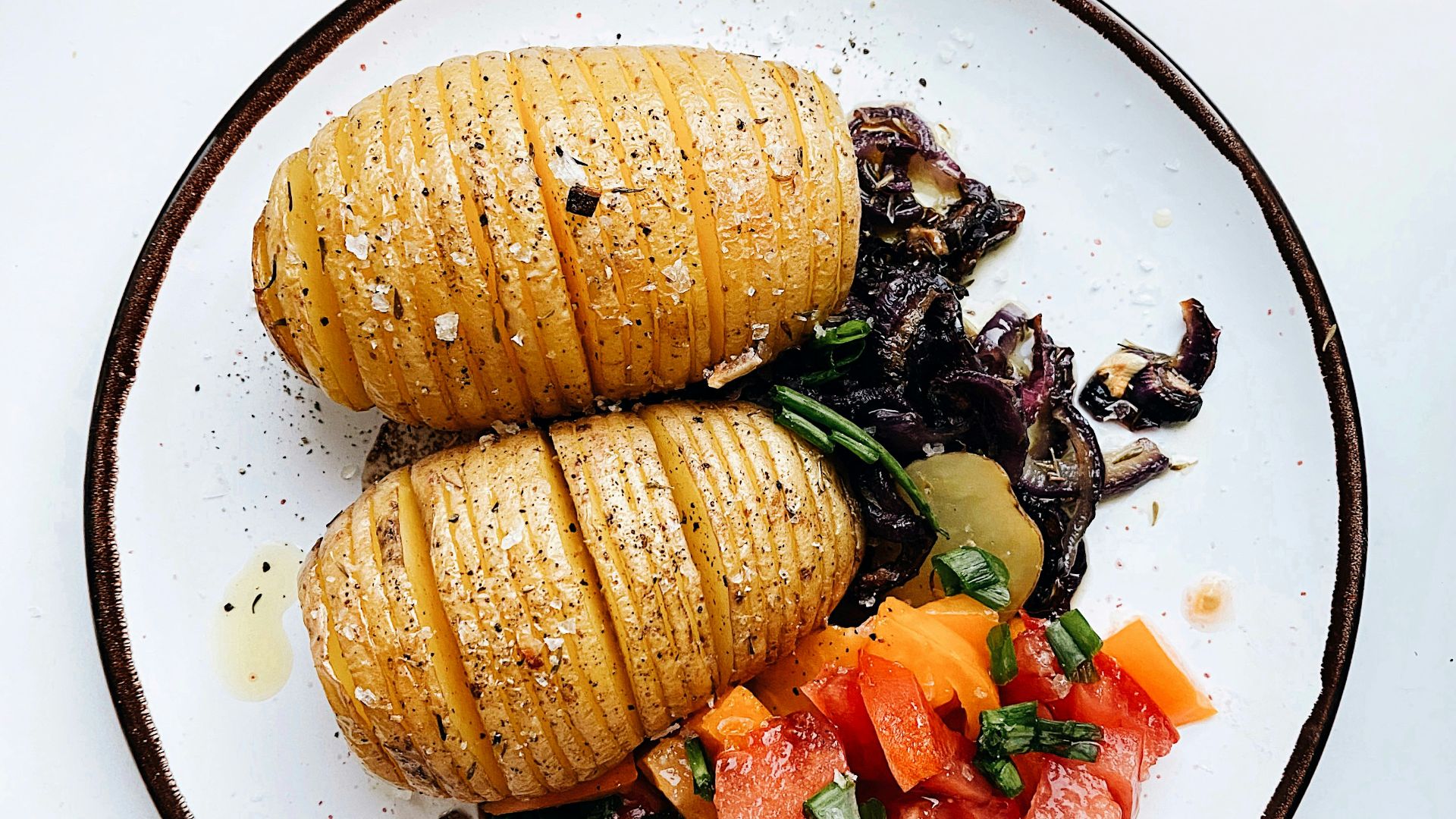
Raw onions deliver a sharp bite that can overpower a dish, but slow cooking changes everything. As they caramelize, natural sugars develop into a deep sweetness with almost jam-like richness. Even a quick sauté softens their intensity enough to make them taste like an entirely different vegetable.
3. Brussels Sprouts
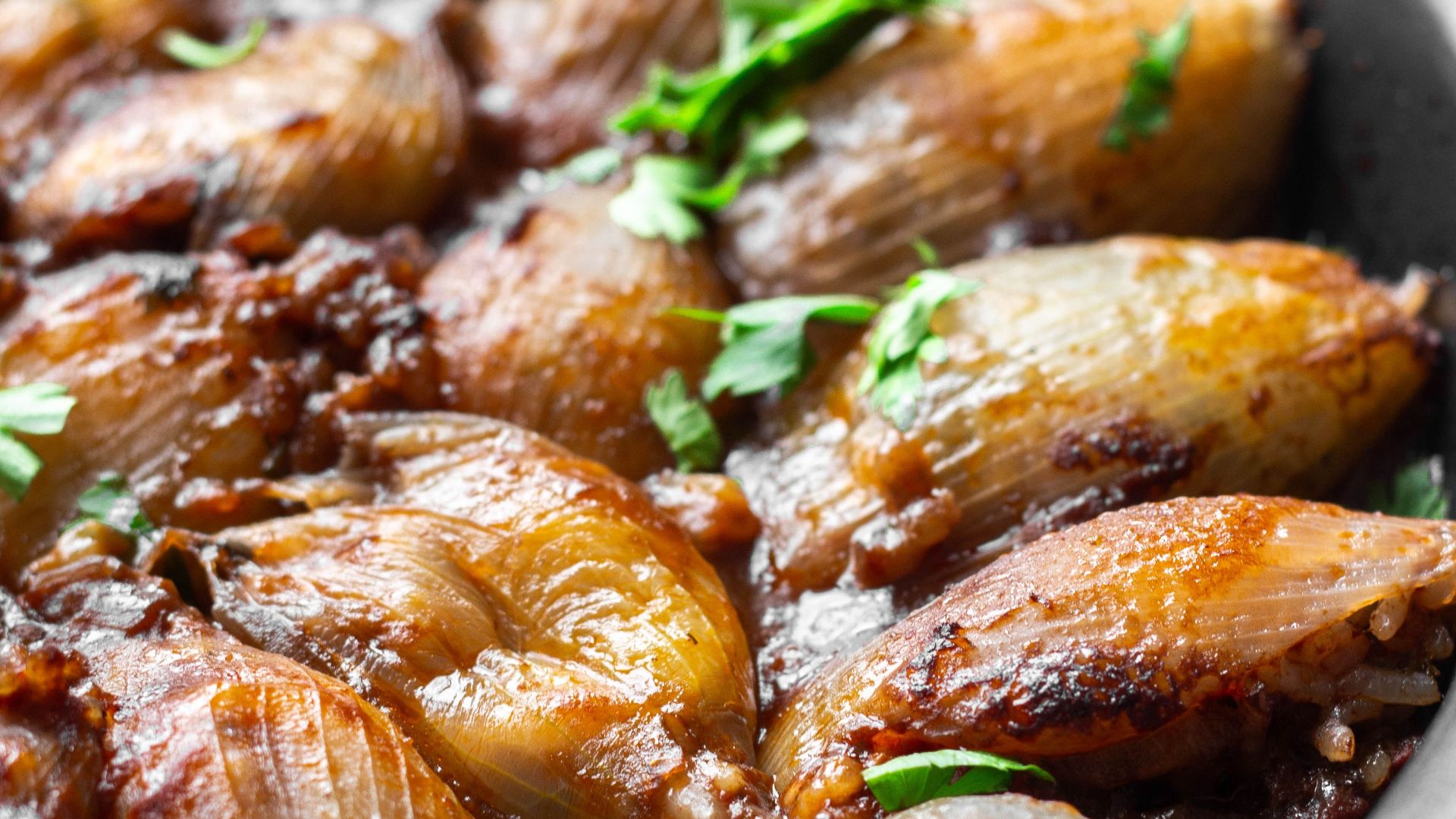
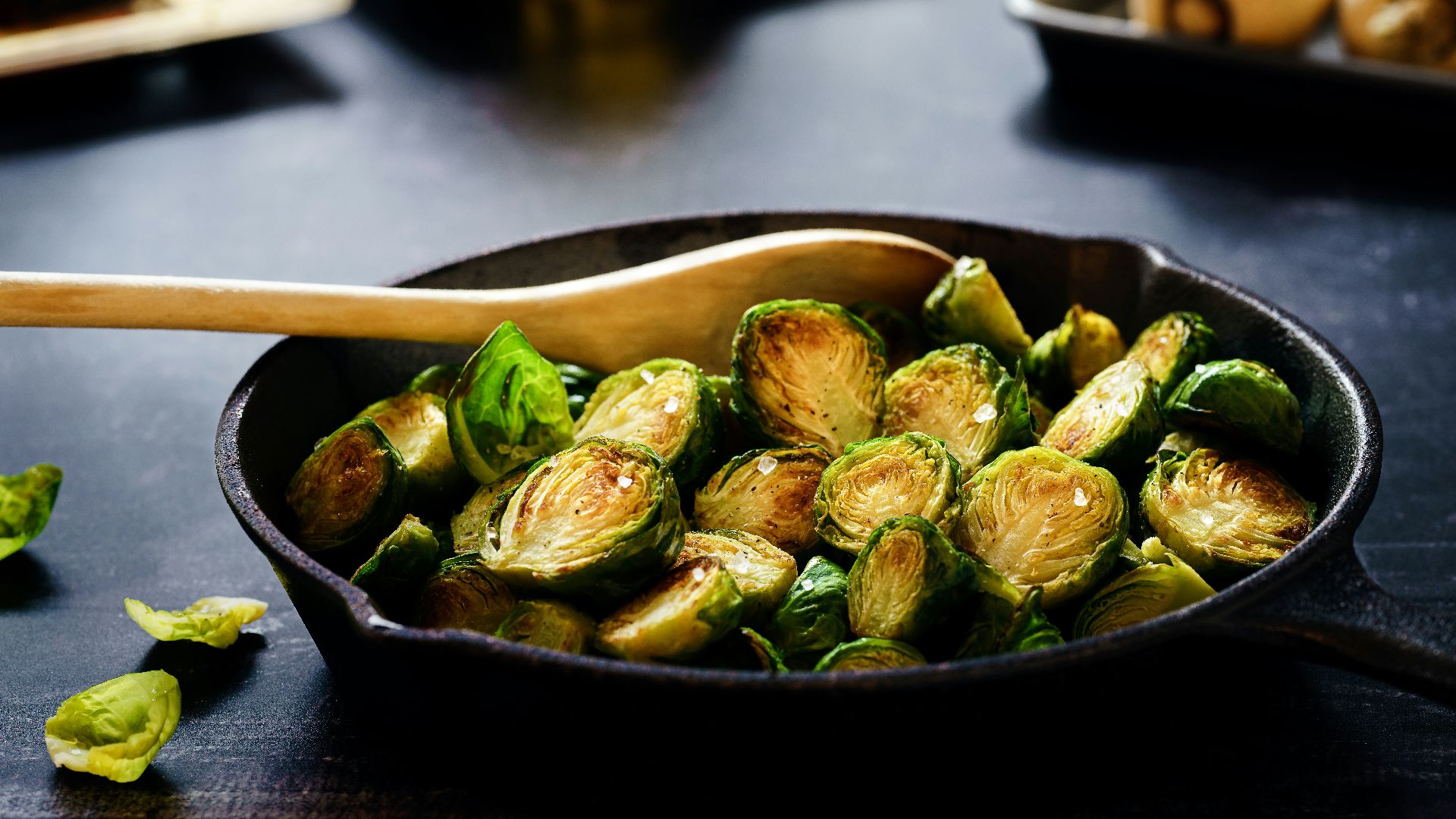
Steamed sprouts have a reputation for being soft and slightly bitter, but roasting changes public opinion quickly. High heat creates caramelized edges and brings out their natural sweetness while reducing bitterness. Many people who dislike steamed sprouts enjoy the roasted version.
 Sebastian Coman Photography on Unsplash
4. Tomatoes
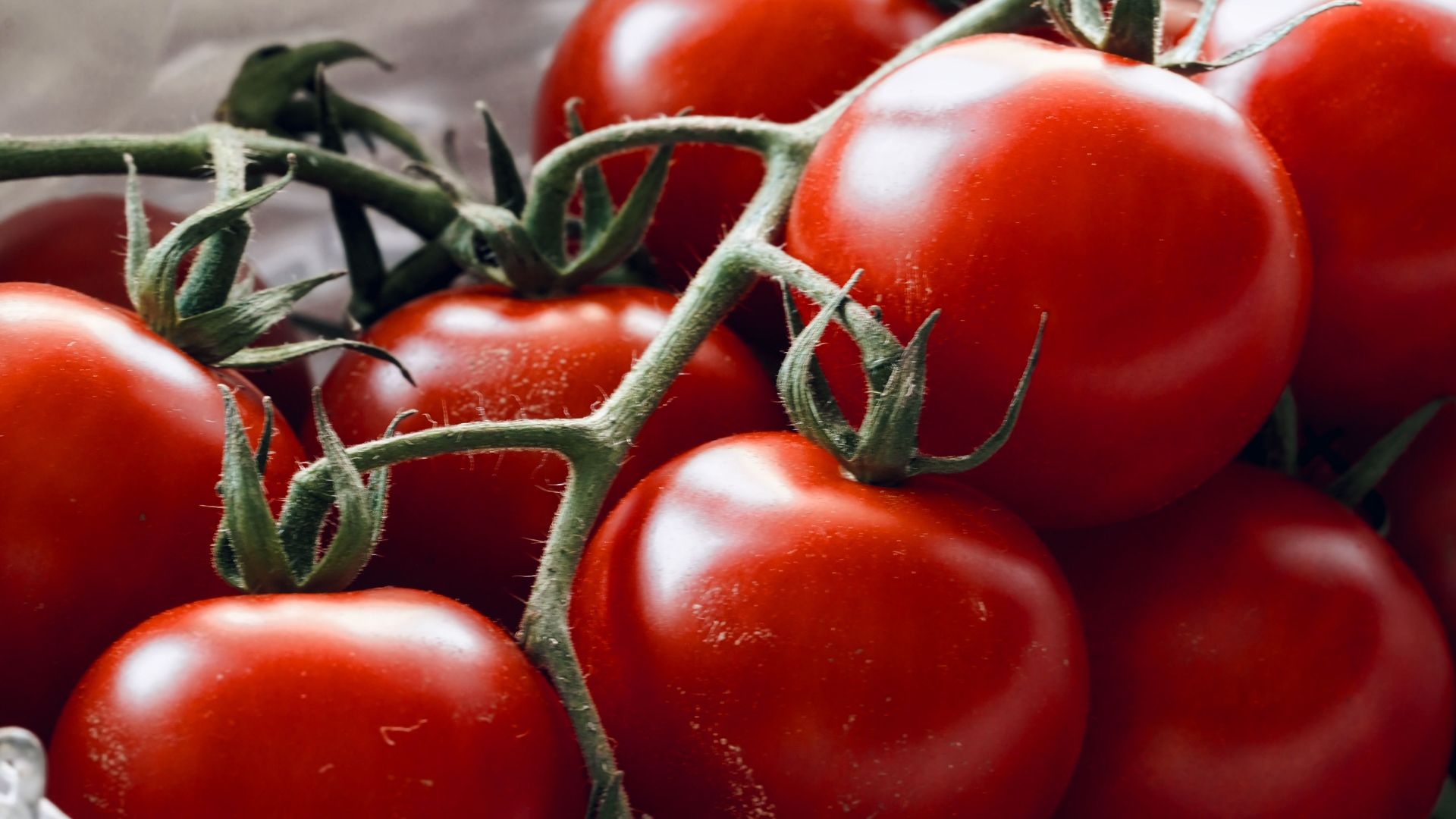
Fresh tomatoes offer bright acidity and juicy texture, while roasting concentrates both sweetness and flavor.
Slow cooking into sauces deepens their richness even further without tasting like raw slices. Each preparation highlights a different side of the fruit.
5. Corn
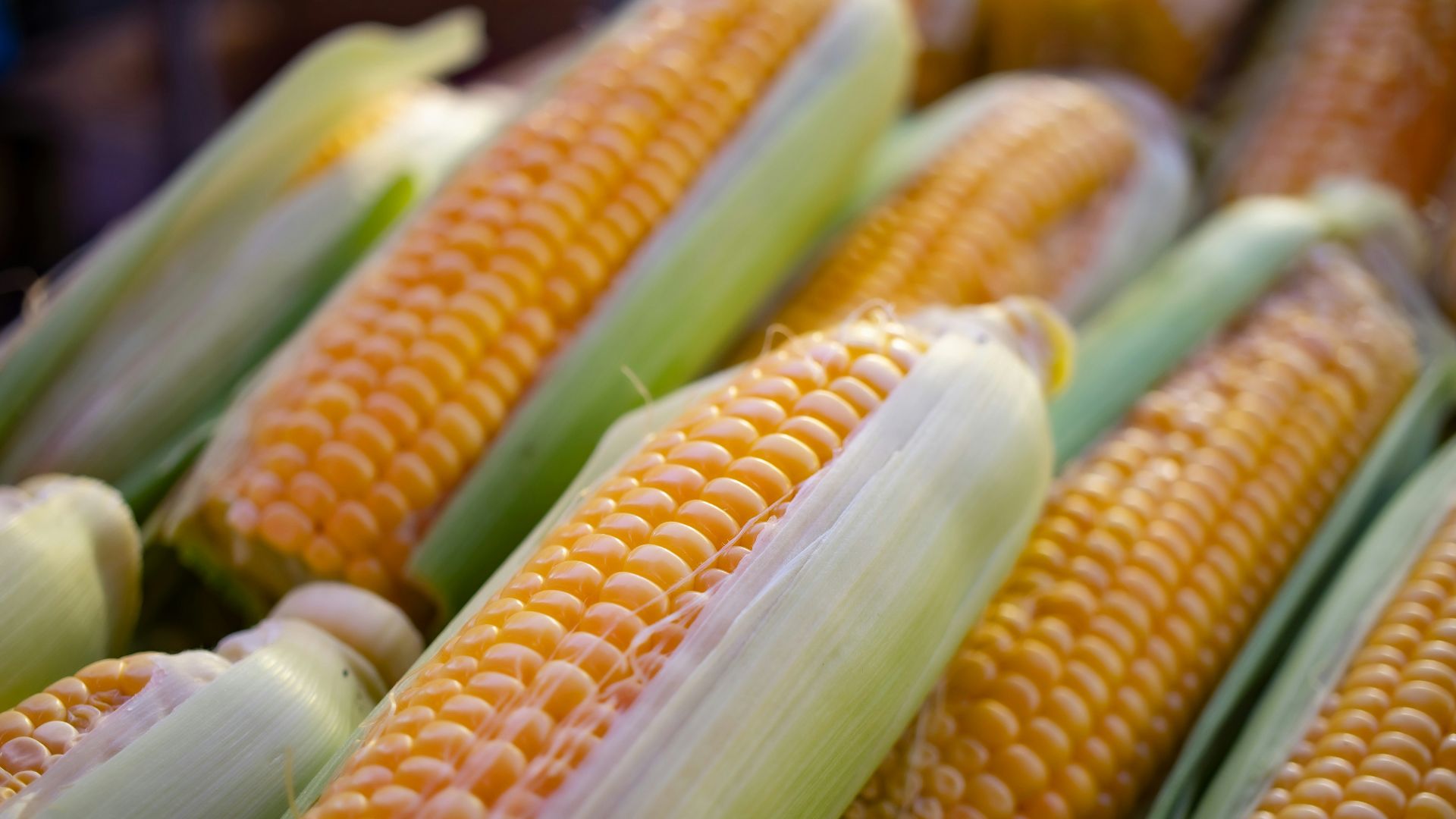
Fresh corn off the cob tastes sweet and crisp, especially during summer. Grilling adds smoky notes while lightly charring the kernels, making each bite more complex. Creamed corn, meanwhile, becomes rich and comforting with a completely different texture.
 Wouter Supardi Salari on Unsplash
6. Mushrooms
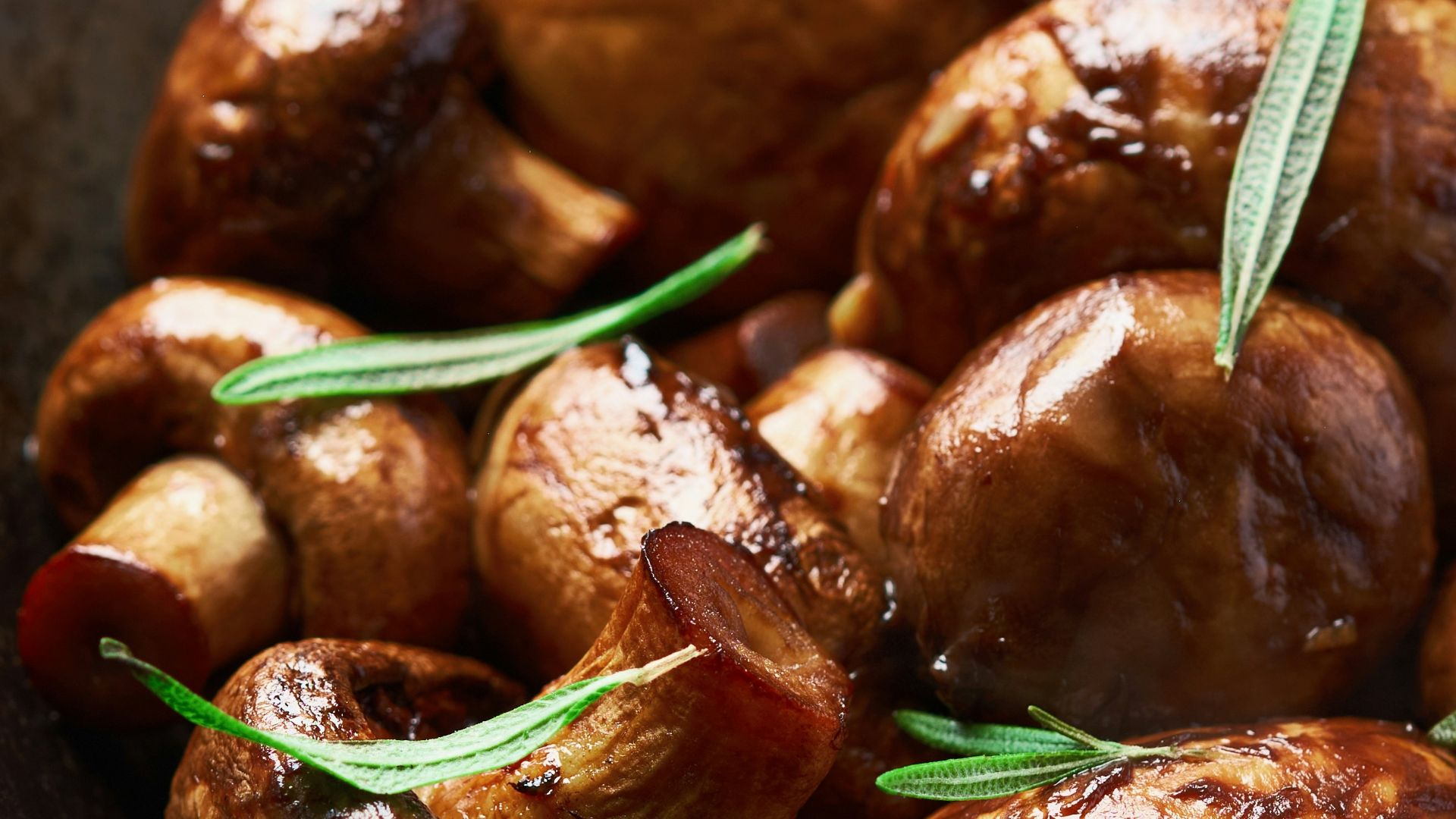
Raw mushrooms are firm and mild with an earthy freshness. Once sautéed, much of their moisture evaporates, concentrating their savory flavor dramatically. Grilling adds another layer by introducing smoky notes and firmer texture.
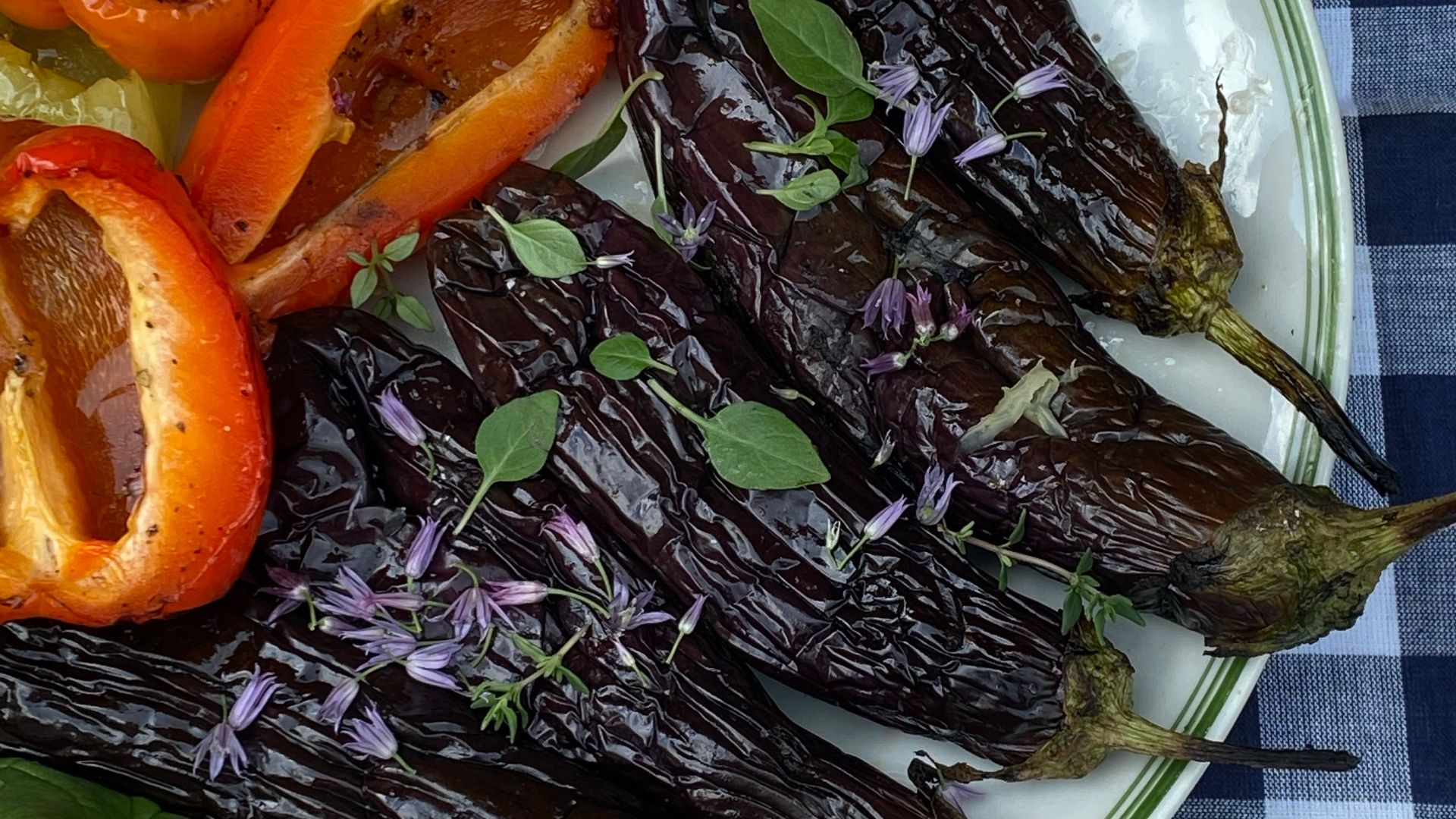
7. Eggplant
Undercooked eggplant can seem spongy and bland, which explains why opinions vary so much. Roasting or grilling turns the flesh silky while giving it a richer, slightly smoky taste. Proper cooking completely changes both the texture and overall appeal.
8. Cabbage
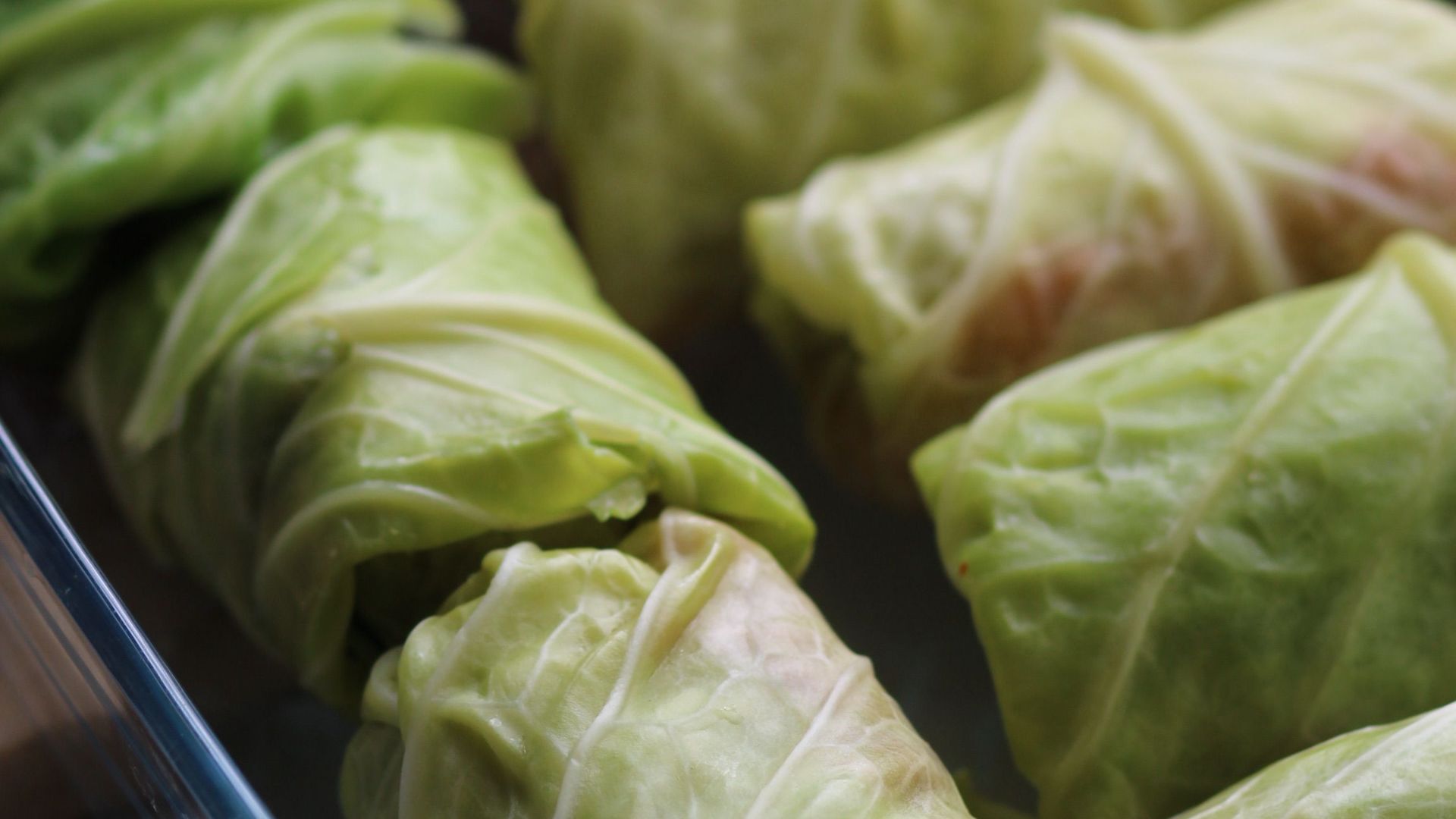
Raw cabbage delivers a crisp crunch that's perfect in slaws and salads. Braising softens the leaves into something buttery and slightly sweet without losing character. Roasting adds caramelized edges that many people never expect.
9. Apples
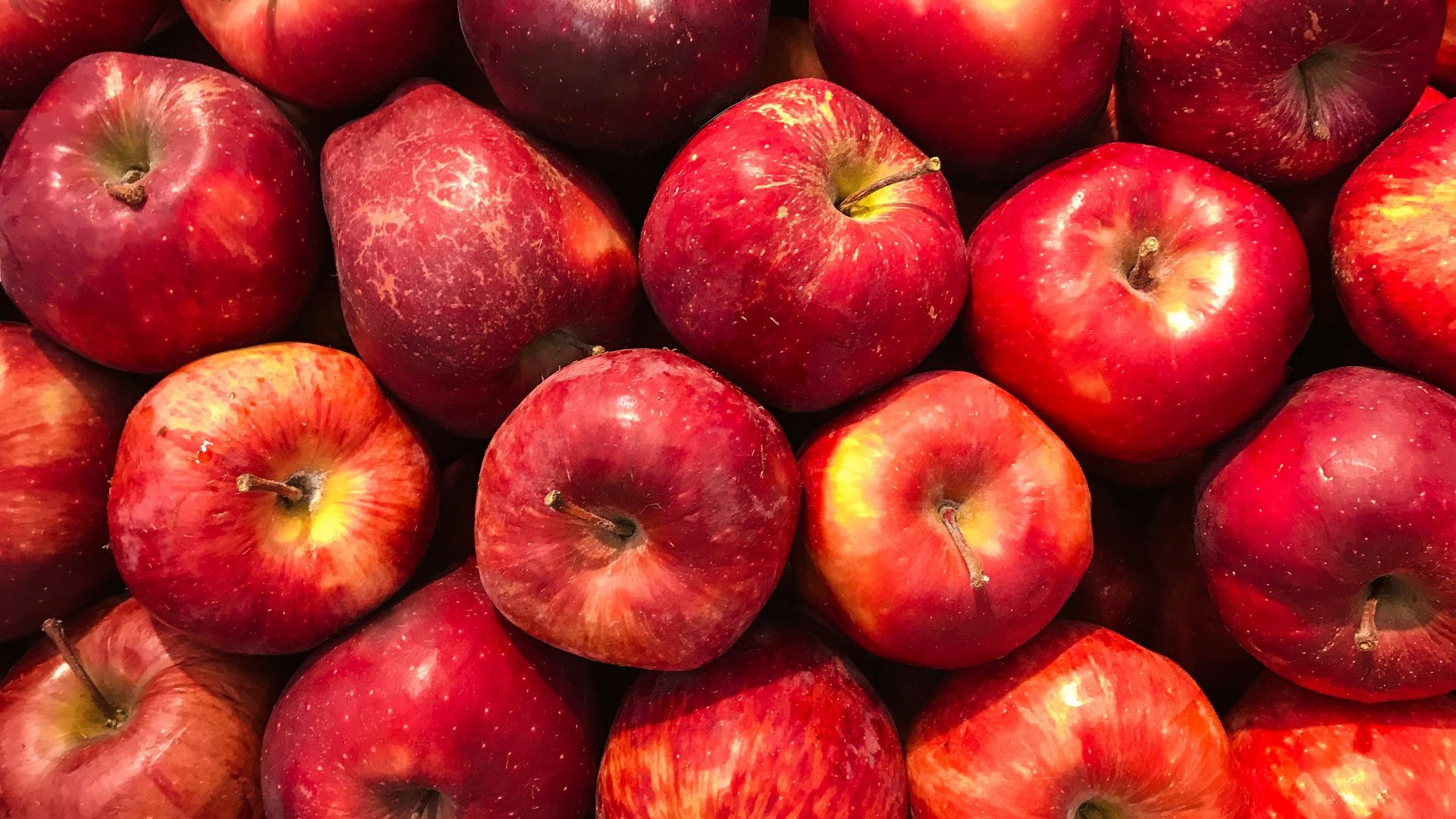
Fresh apples are crisp, tart, and refreshing, depending on the variety. Baking softens them while concentrating sweetness into a warm, dessert-like flavor. Even pan-frying with a little butter creates an entirely different experience.
10. Garlic
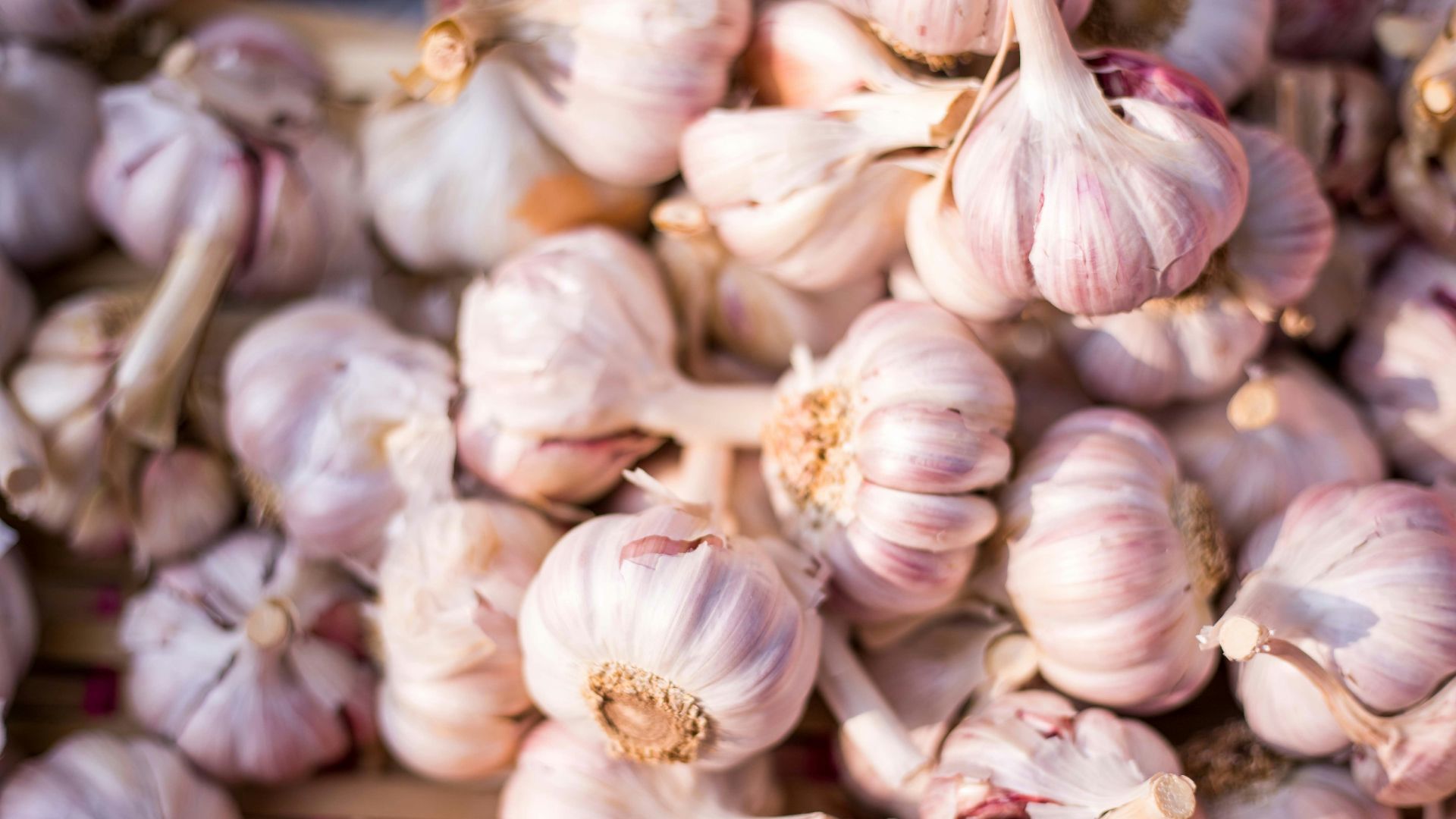
Raw garlic has a strong, spicy bite that can dominate a dish instantly.
Roasting transforms the cloves into something soft, mellow, and almost buttery. That dramatic shift makes roasted garlic enjoyable even for people who normally avoid it.
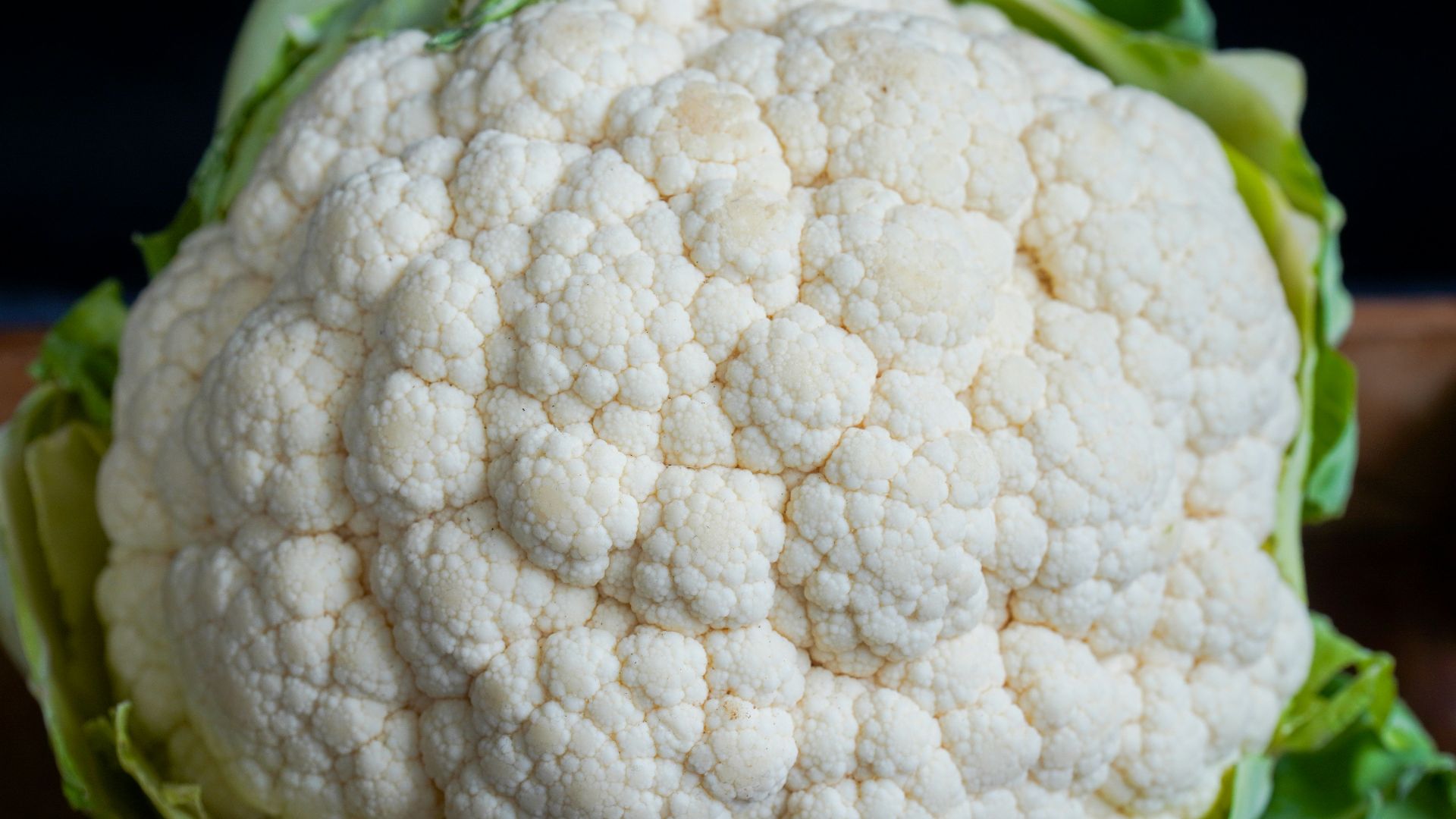
11. Cauliflower
Raw cauliflower is crunchy with a mild peppery flavor that works well in vegetable trays. Roasting creates browned edges and a nuttier taste that feels much richer than the fresh version. Mashing or pureeing it changes the texture once again into something smooth and comforting.
 Karolina Kołodziejczak on Unsplash
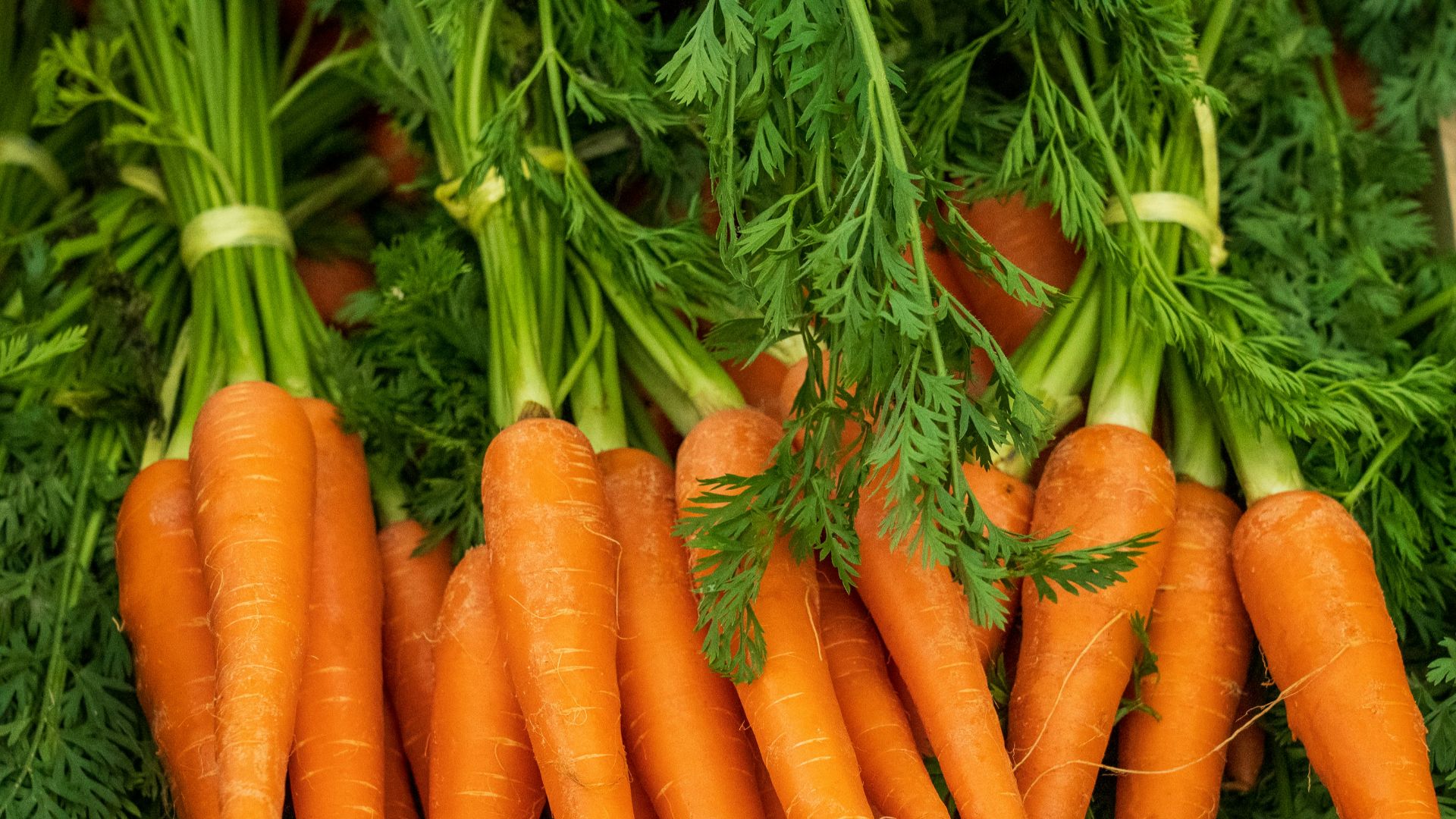
12. Carrots
Fresh carrots provide crisp texture and gentle sweetness. Roasting intensifies those natural sugars while creating lightly caramelized edges that taste almost candy-like. Steaming keeps them tender but preserves more of their original freshness.
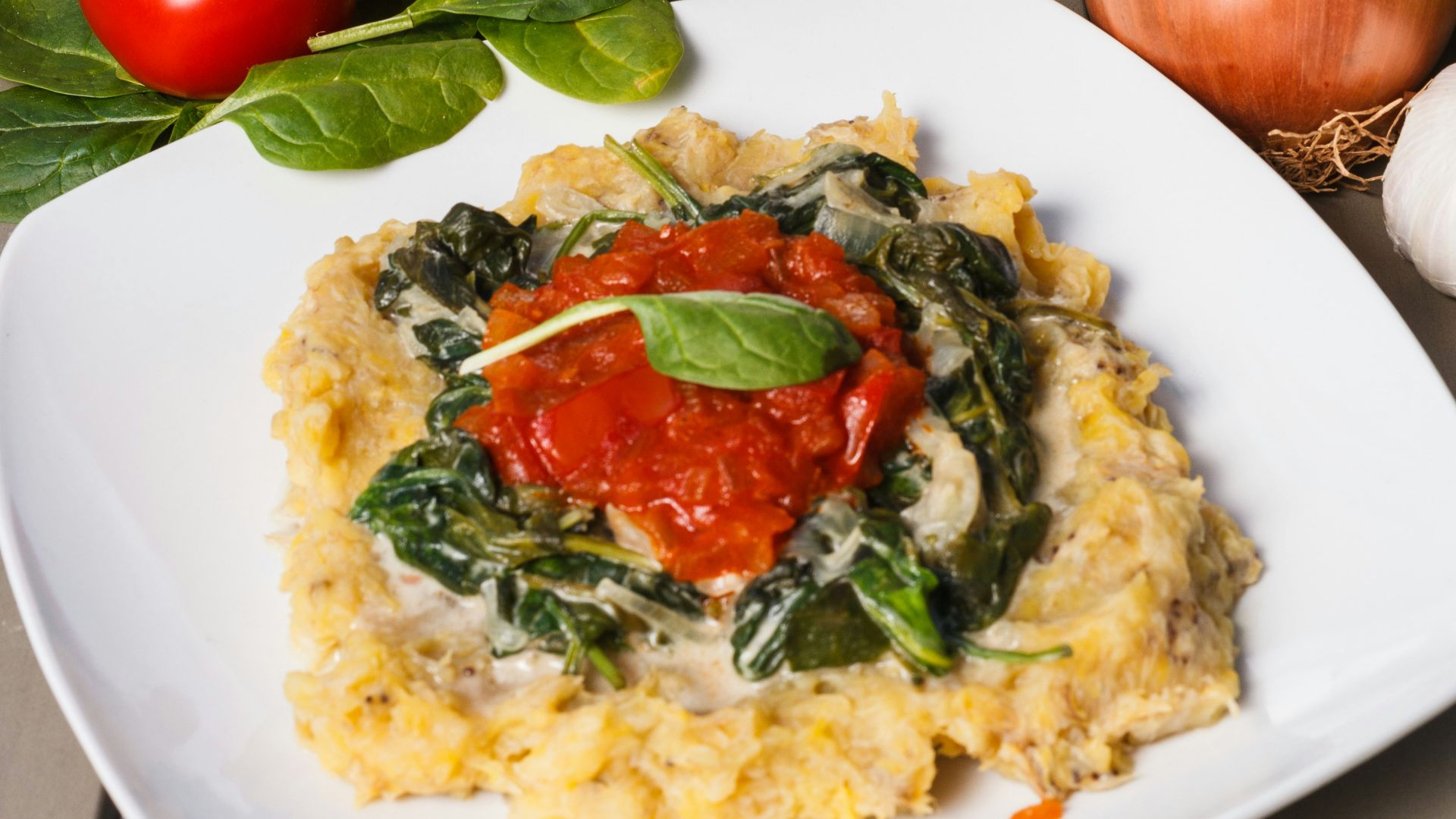
13. Spinach
Raw spinach has a light, slightly grassy flavor that works beautifully in salads. Cooking shrinks the leaves dramatically while producing a richer, earthier taste. Creamed spinach becomes even more indulgent thanks to its velvety texture.
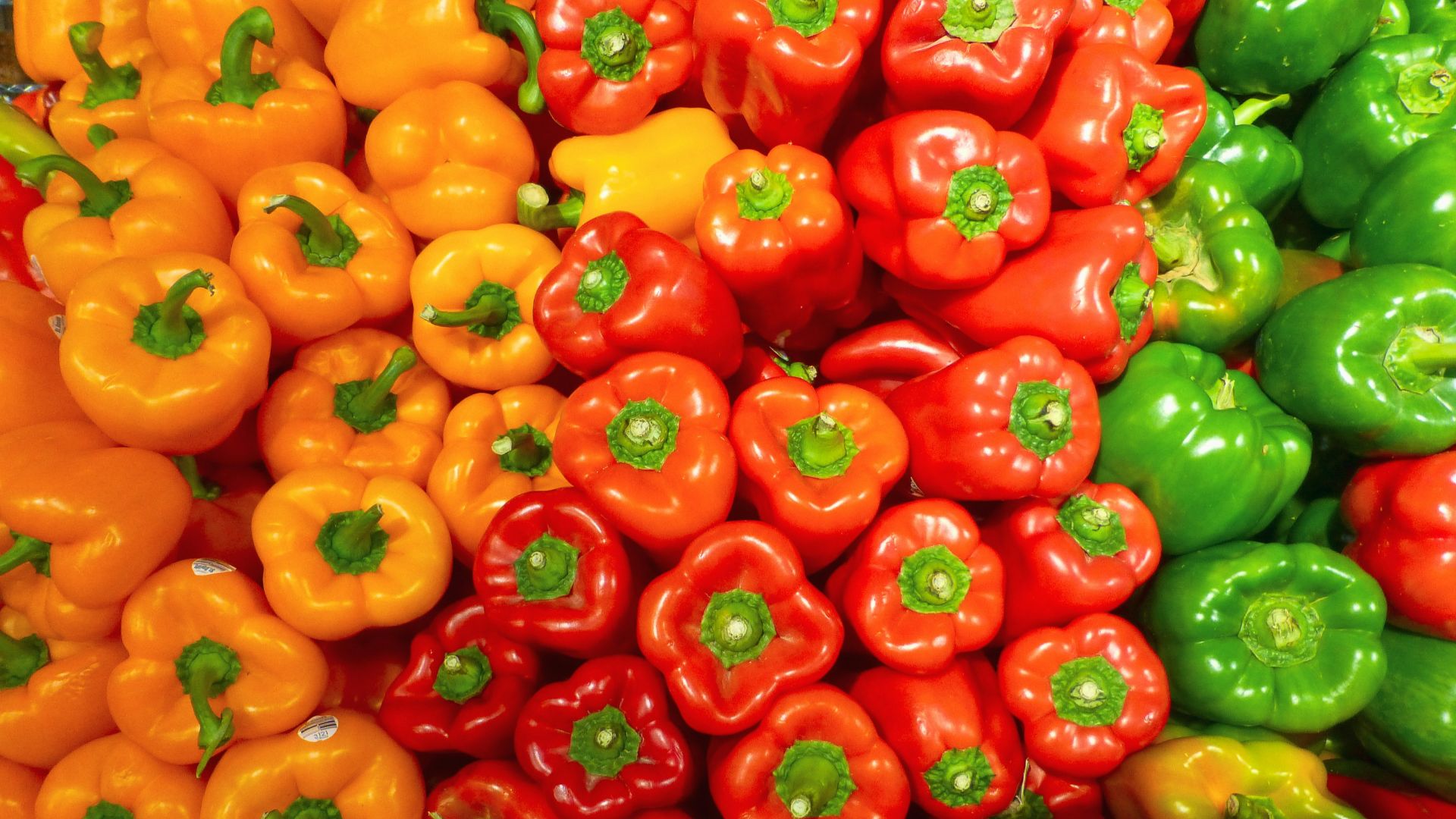
14. Peppers
Raw bell peppers are crisp, juicy, and slightly sweet. Roasting softens the flesh while adding smoky notes and making the sweetness much more noticeable. Grilling creates another variation with lightly charred edges and firmer texture.
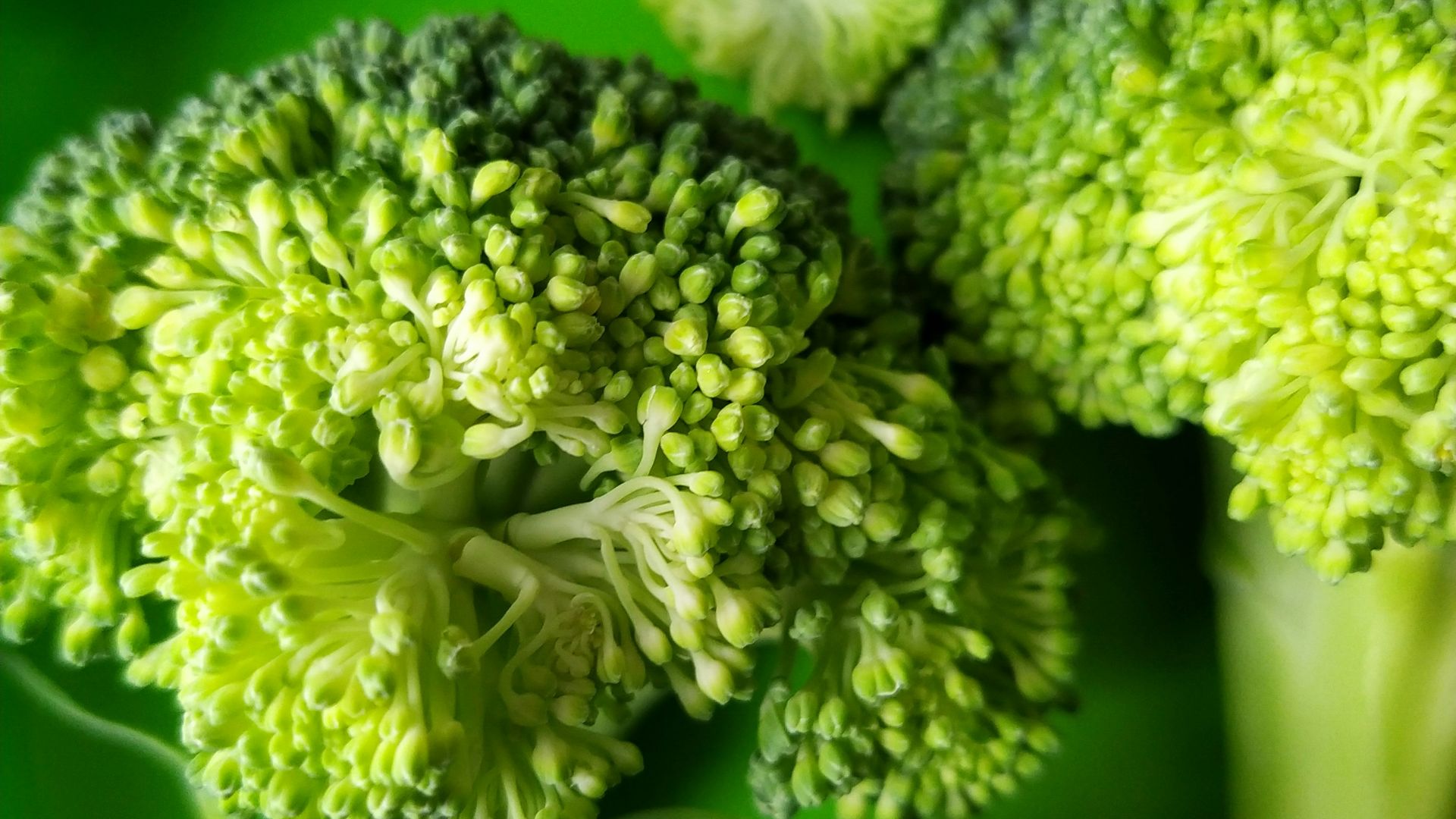
15. Broccoli
Steamed broccoli stays tender with a clean vegetable flavor that pairs with many meals. Roasting develops crispy florets and deeper sweetness through caramelization. Even quick stir-frying gives it a firmer bite than steaming ever does.
16. Peaches
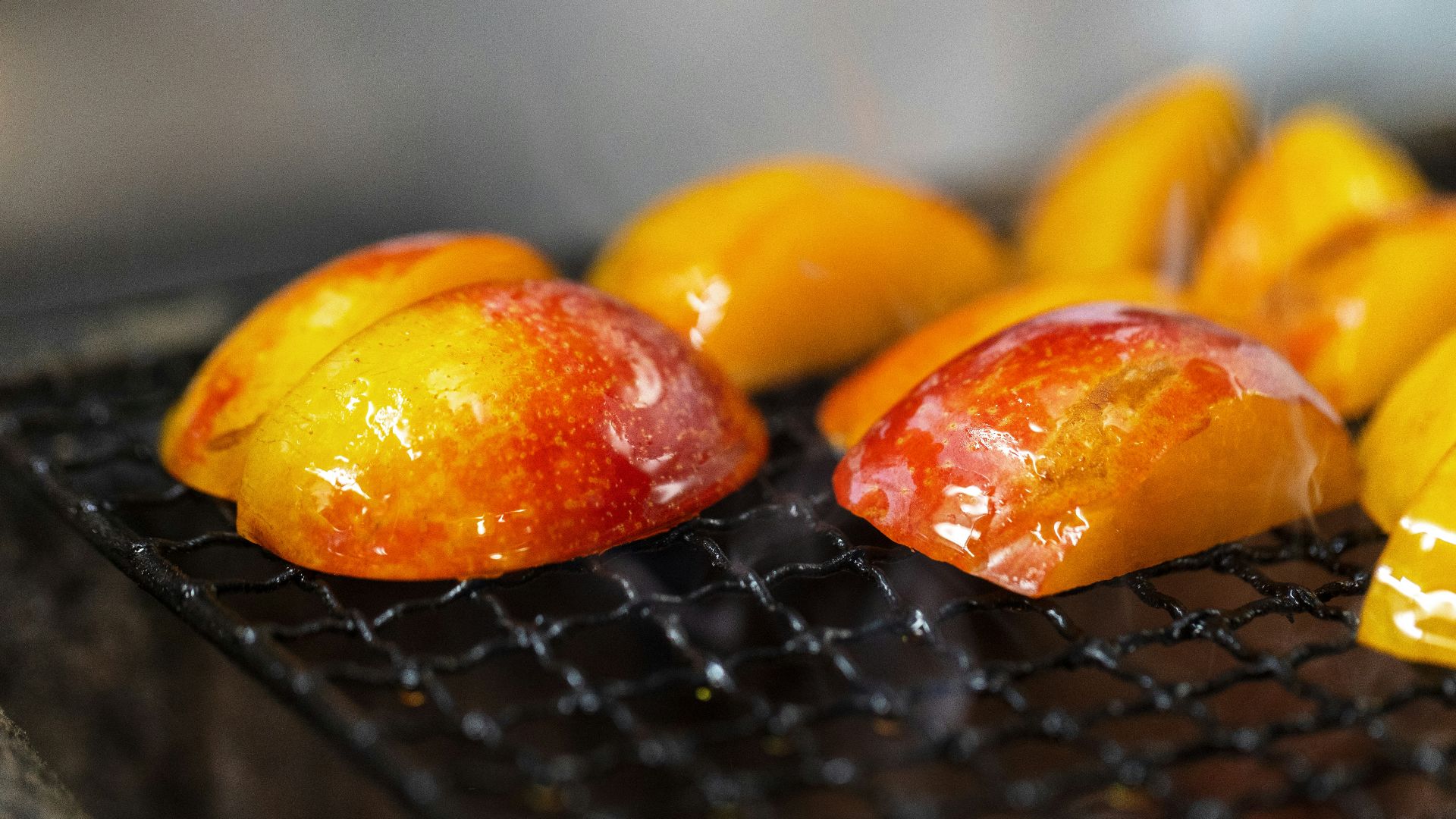
Fresh peaches are juicy, fragrant, and refreshing during peak season. Grilling concentrates their sugars while adding a subtle smoky flavor that pairs well with savory dishes and desserts alike. Baking creates an even softer, richer texture.
17. Sweet Potatoes
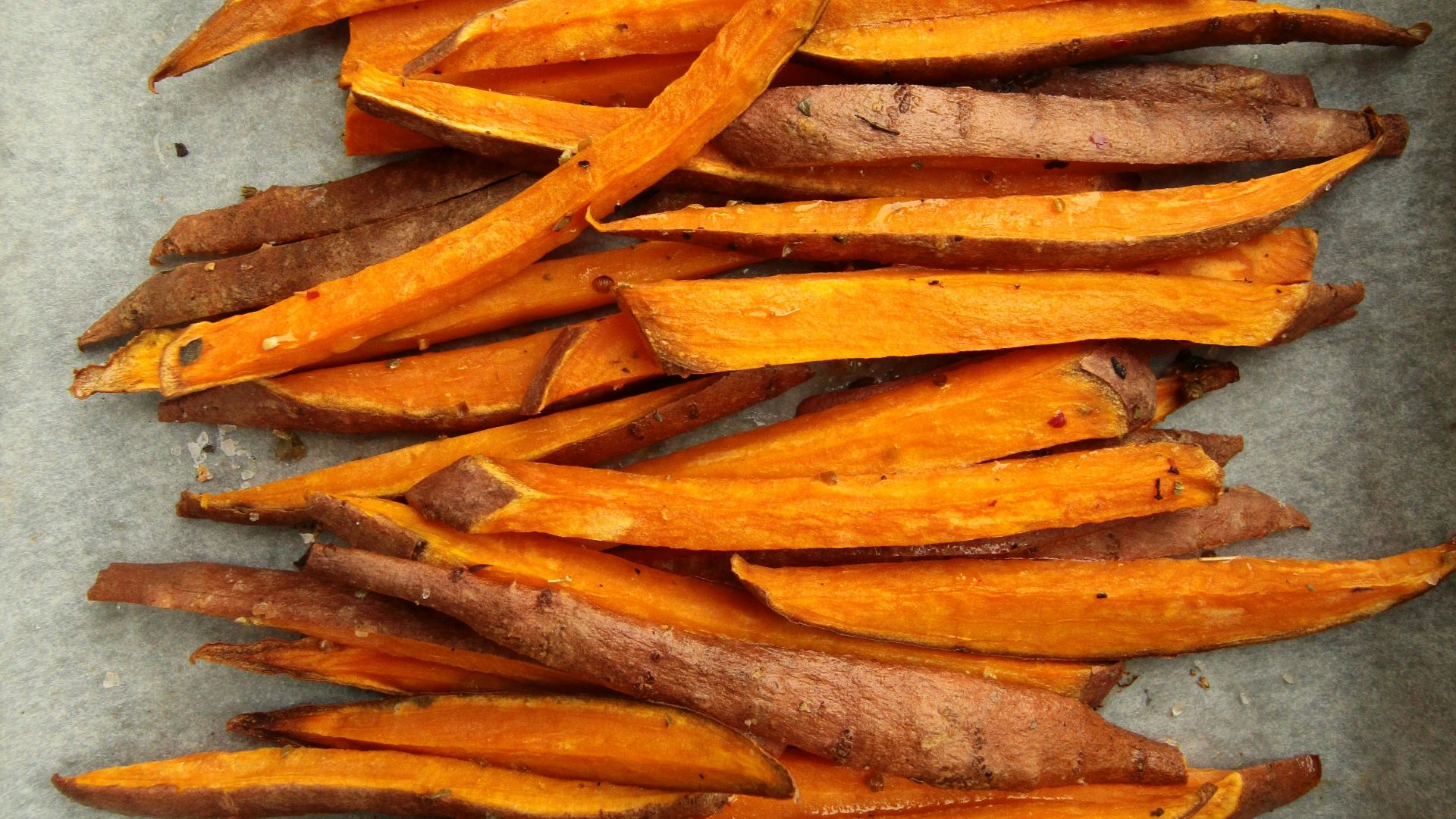
Boiling produces a soft, creamy texture that's ideal for mashing. Roasting caramelizes the outside while intensifying the natural sweetness inside. Frying them into wedges or fries introduces a satisfying contrast between crisp and tender.
18. Asparagus
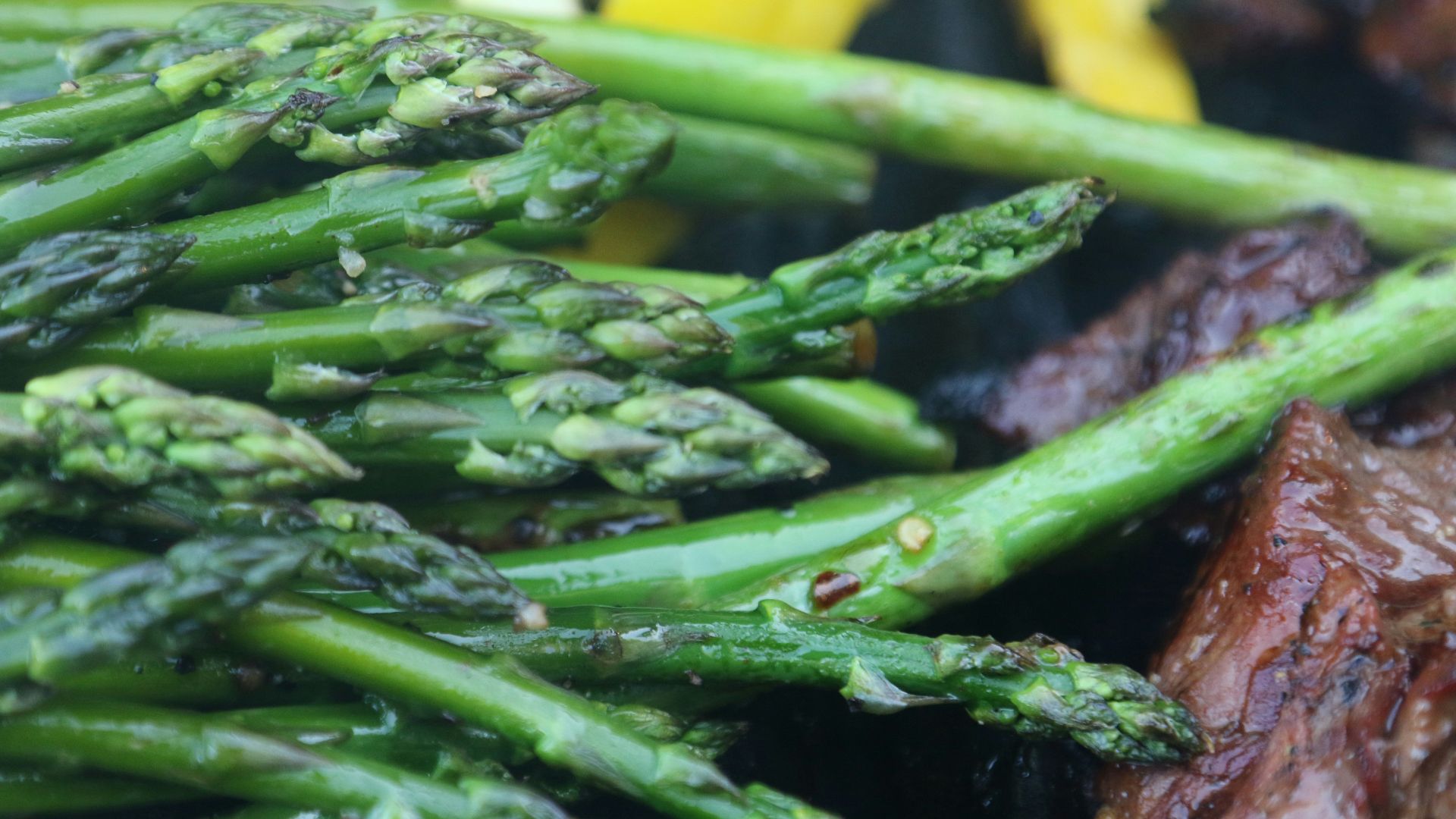
Lightly steamed asparagus stays fresh and delicate with gentle grassy notes. Grilling adds charred edges and a deeper flavor that complements its natural sweetness. Roasting creates a similar transformation while leaving the stalks slightly more tender.
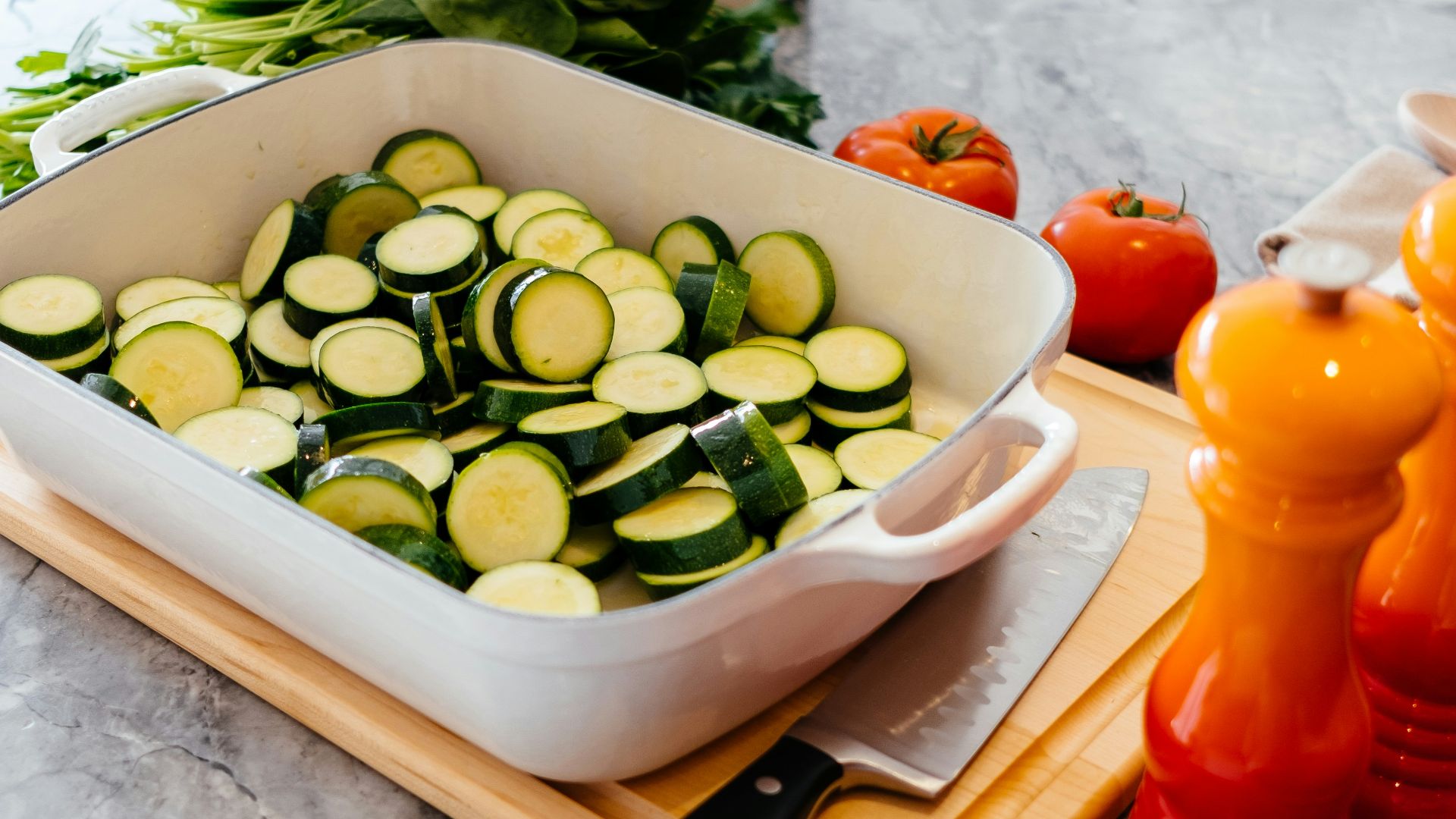
19. Zucchini
Raw zucchini is crisp with a subtle flavor that blends easily into salads. Sautéing softens the flesh while bringing out more sweetness and richness. Grilling removes extra moisture, leaving behind concentrated flavor and attractive char marks.
20. Pineapple
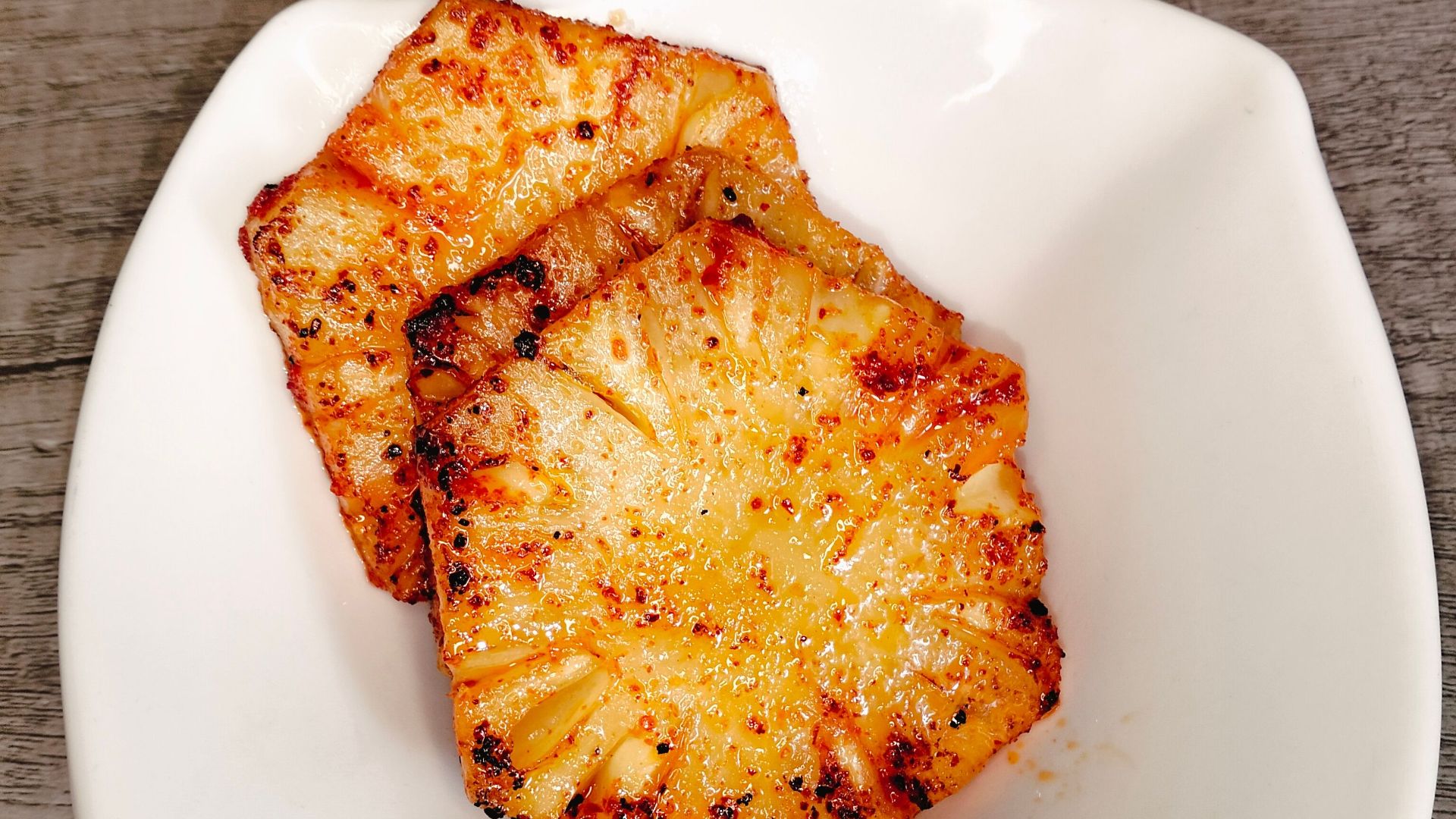
Fresh pineapple delivers bright acidity alongside tropical sweetness. Grilling caramelizes the fruit's natural sugars while adding smoky complexity that completely changes its character. That balance of sweet and savory explains why grilled pineapple works surprisingly well in both desserts and main dishes.