Sushi with a Fork: 10 Utensil and Food Rules You Should Never Break & 10 Times It's Okay
Sushi with a Fork: 10 Utensil and Food Rules You Should Never Break & 10 Times It's Okay
Good Table Manners Still Leave Room for Common Sense
Sushi with a fork? Spaghetti with chopsticks? Boba with a spoon? As odd as these food-and-utensil pairings all sound, you might be surprised how often people follow the unconventional. Sure, eating food sounds like an easy task, but the "right" way to enjoy your plate can sometimes leave you scratching your head. Worse yet, you might be shamed off the planet for eating it the "wrong" way. If you don't want to embarrass yourself in public, here are 10 utensil and food etiquette you probably shouldn't mess with, and 10 rules that are surprisingly okay to break.
 Metamorphosis Studios on Pexels
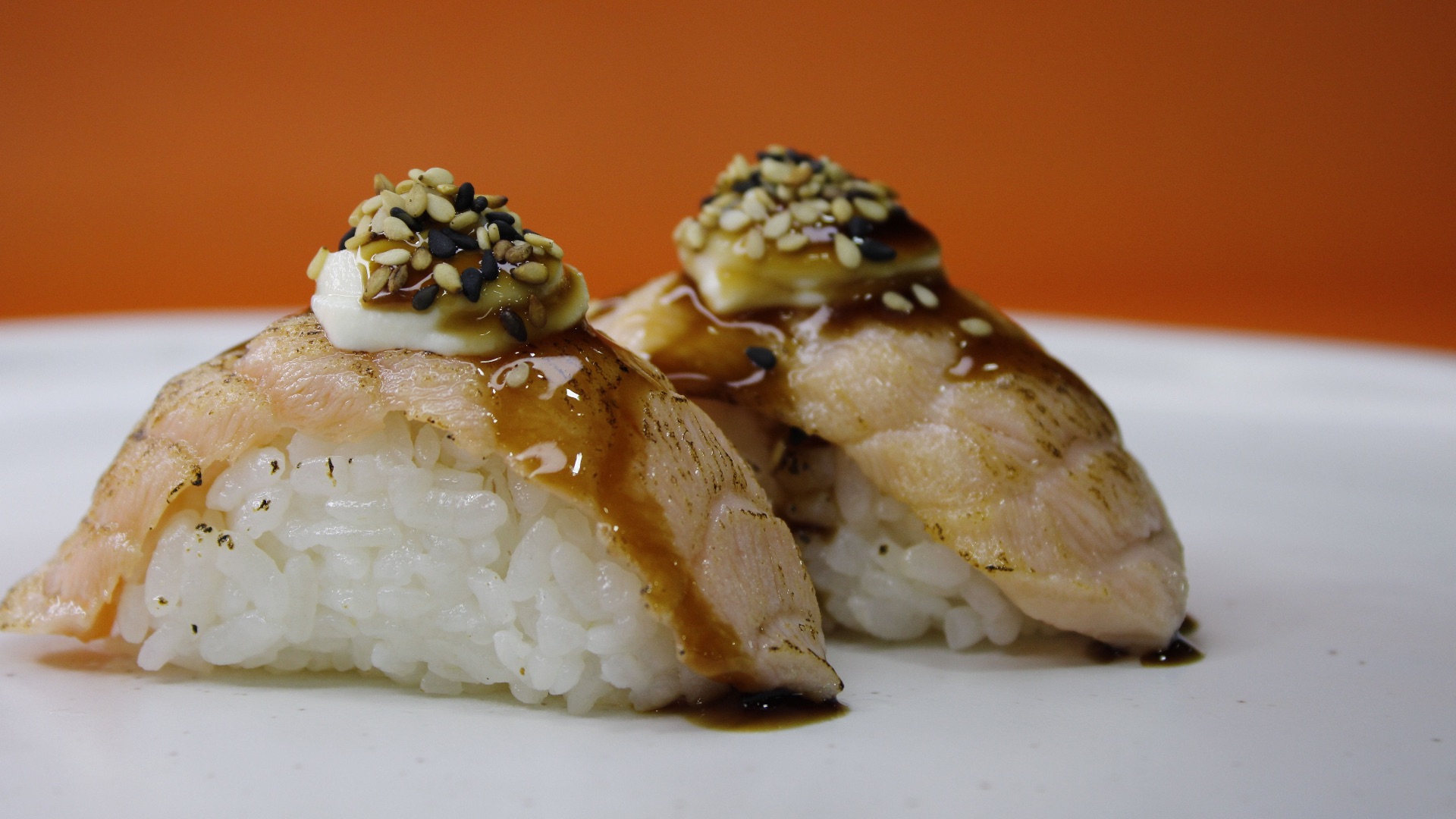
1. Don’t Stab Nigiri with a Fork
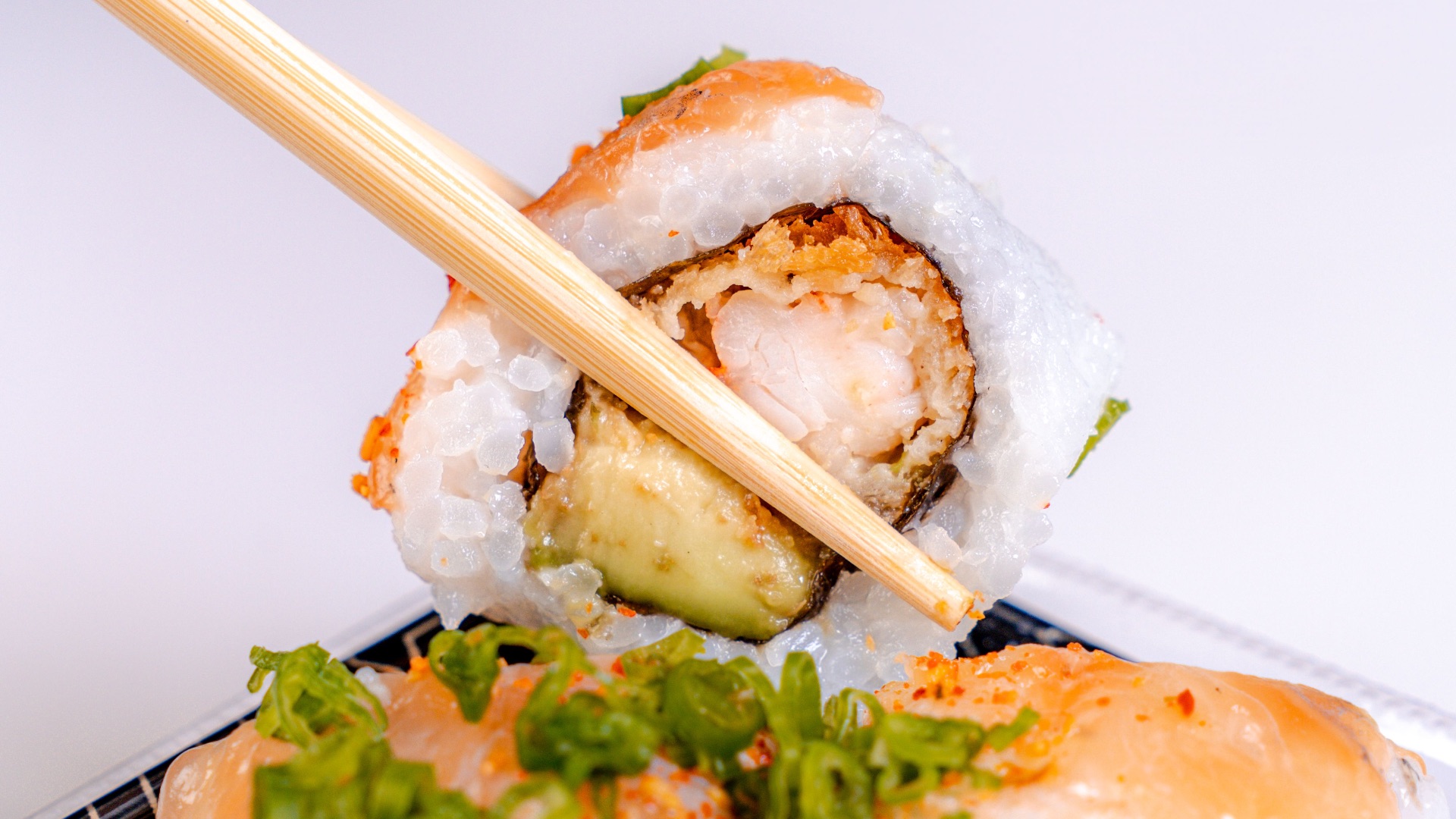
If you’re eating nigiri at a sushi counter, a fork can make the whole bite fall apart before it reaches your mouth. Nigiri is usually meant to be eaten with your fingers or chopsticks, and the fish side should touch the soy sauce instead of the rice side so the rice doesn’t soak up too much liquid. Using a fork also risks tearing the fish or crushing the rice, which changes the balance the chef built into the piece.
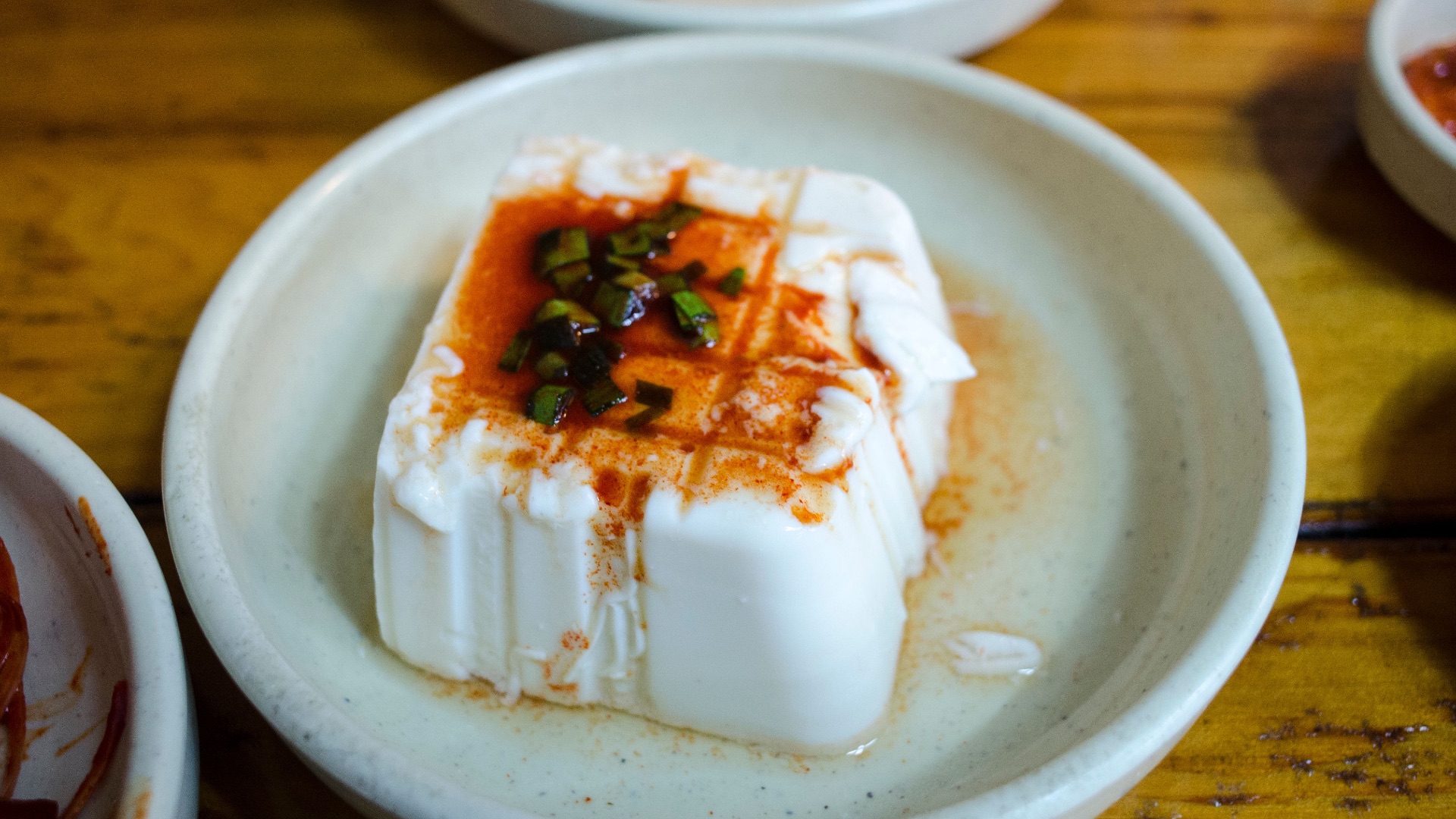
2. Don’t Spear Soft Tofu with a Fork
Soft tofu isn’t built for stabbing, and a fork can turn it into broken pieces in seconds. A spoon is usually the better choice because it supports the tofu instead of tearing through it. This matters even more in soups, stews, and saucy dishes where the tofu is meant to stay tender and intact. When texture is part of the point, the wrong utensil can make a carefully prepared dish feel sloppy.
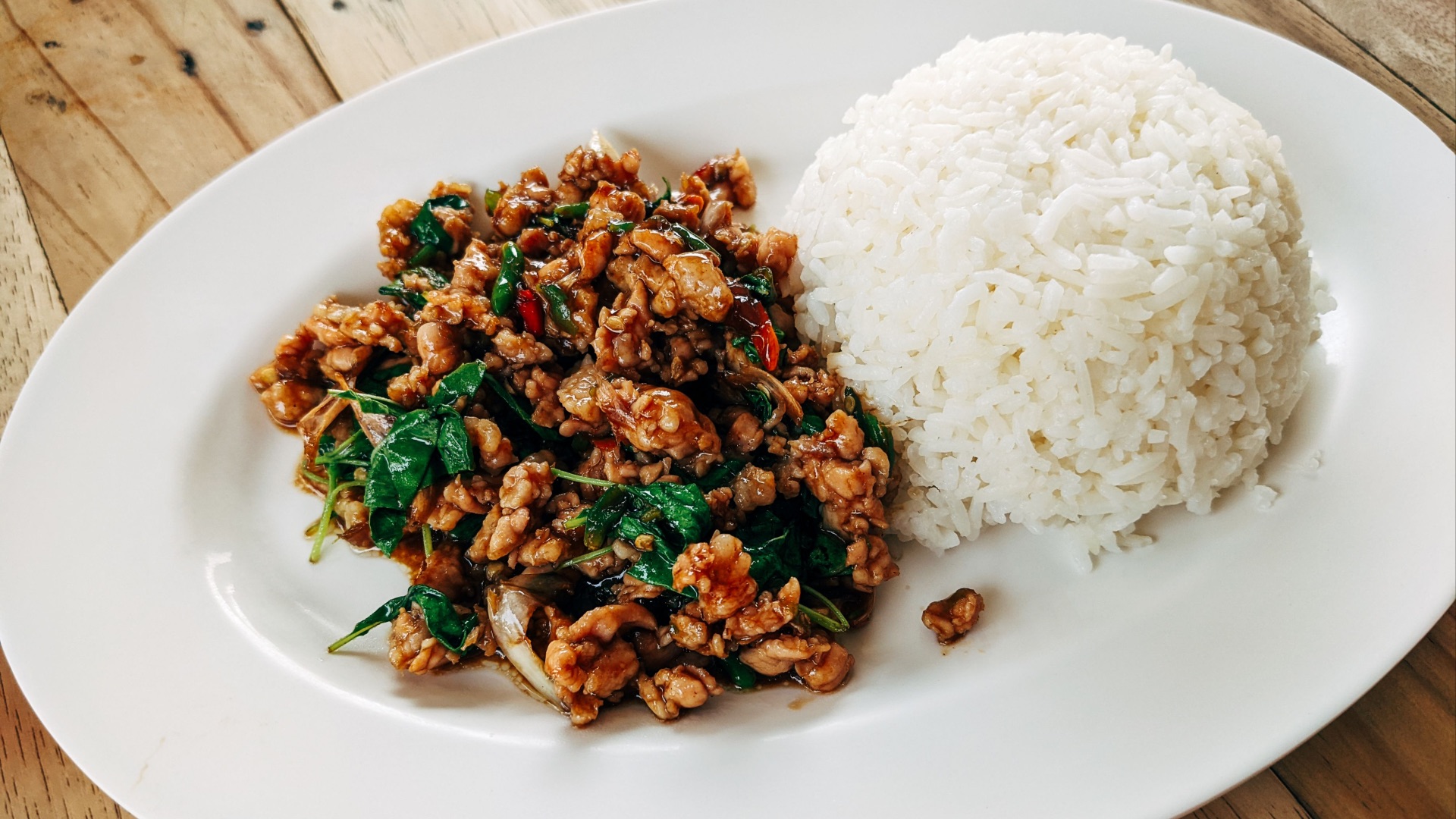
3. Don’t Eat Thai Dishes Straight from the Fork
In many Thai meals, the fork and spoon work together, but the spoon is the utensil that carries food to your mouth, so it's held in your dominant hand. The fork is mainly used to guide rice, curry, stir-fries, and small bites onto the spoon. Using the fork as the main eating utensil can look odd, and it's also less convenient.
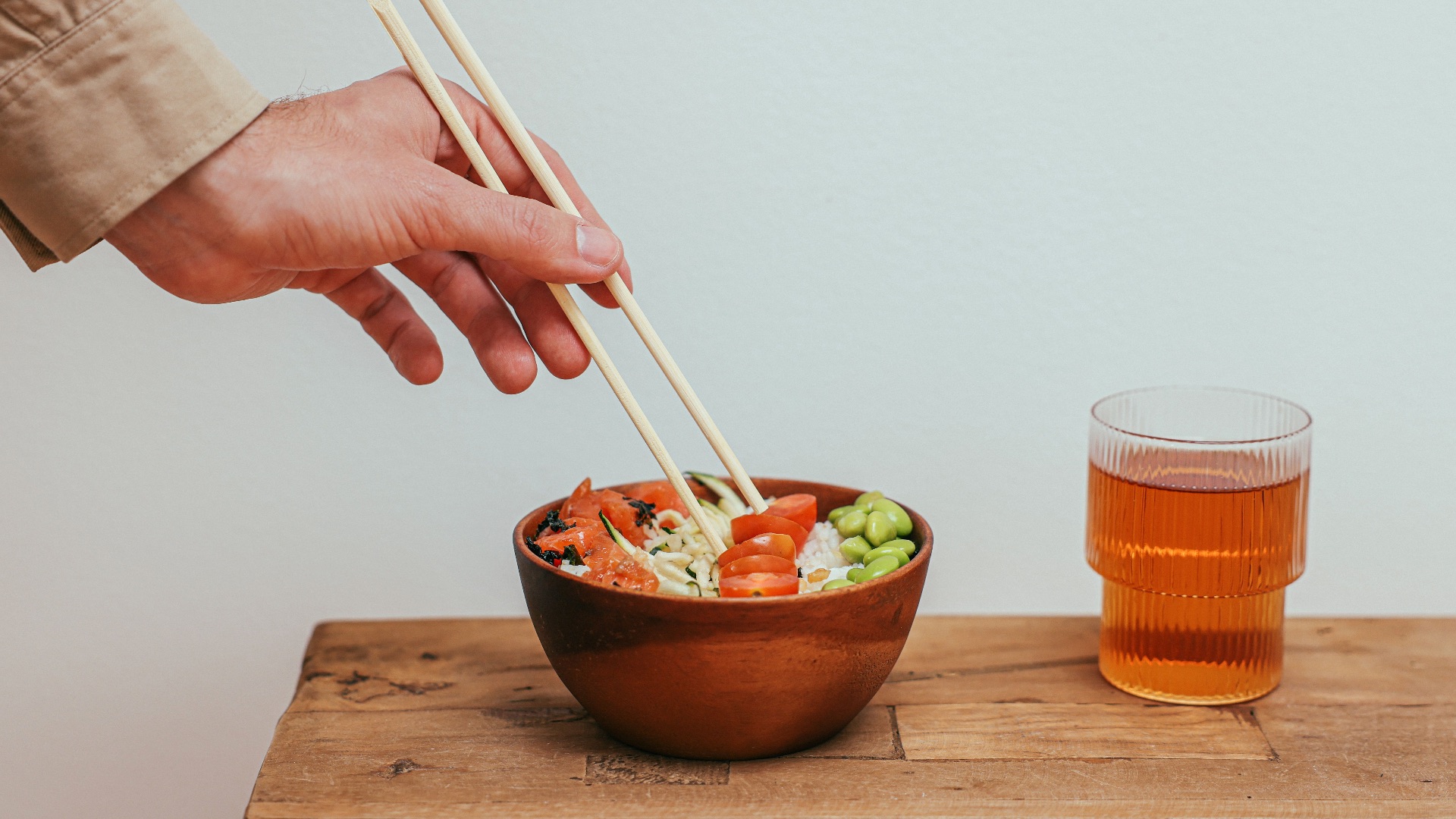
4. Never Leave Chopsticks Standing Upright
Standing chopsticks upright in a bowl of rice is a serious etiquette mistake in several East Asian dining contexts. It’s associated with funeral or memorial practices, so it can come across as disrespectful at the table. Even if no one corrects you, it’s better to place chopsticks on a rest, across your bowl, or beside your plate.
5. Don’t Use Chopsticks for Spaghetti
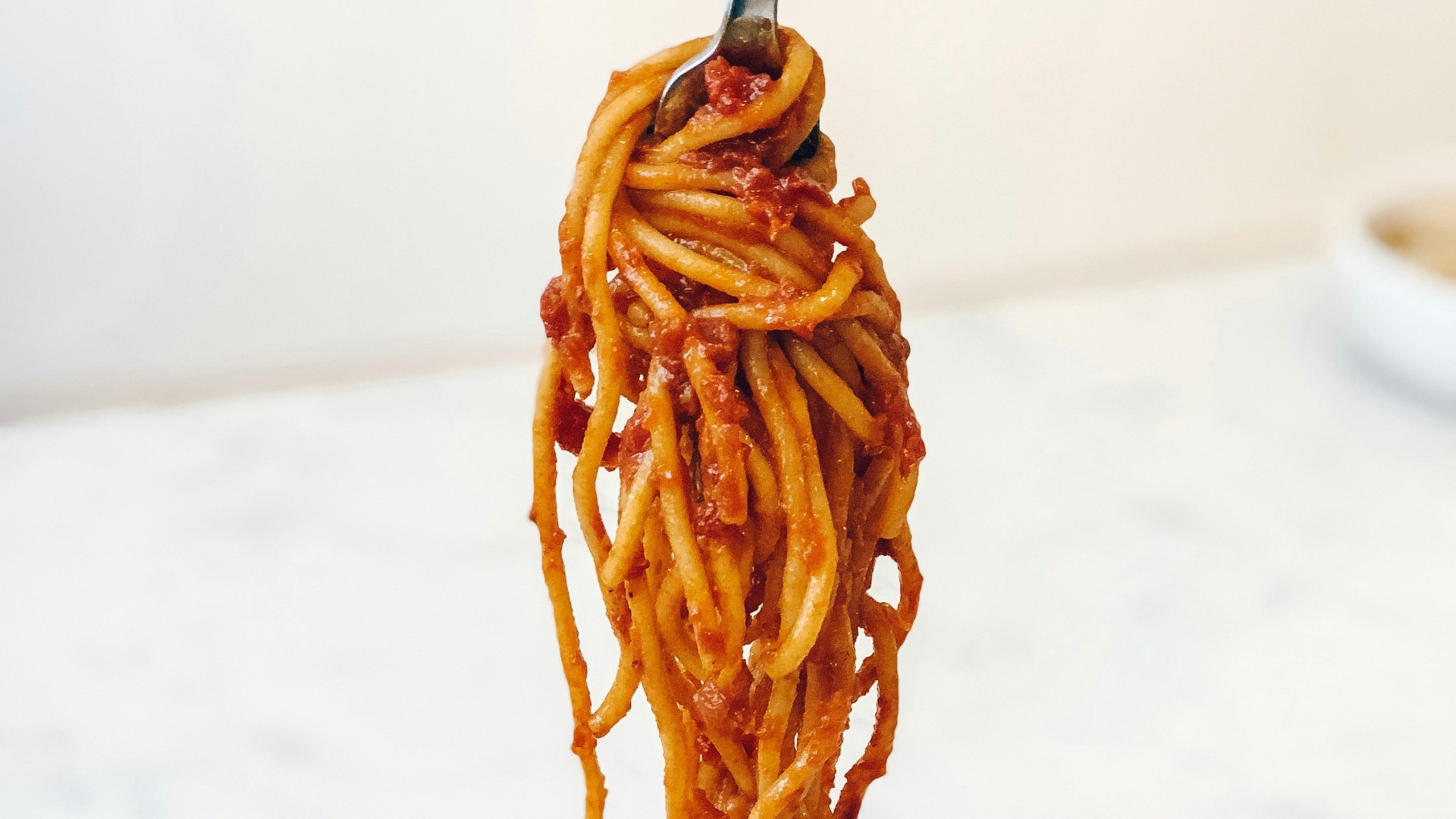
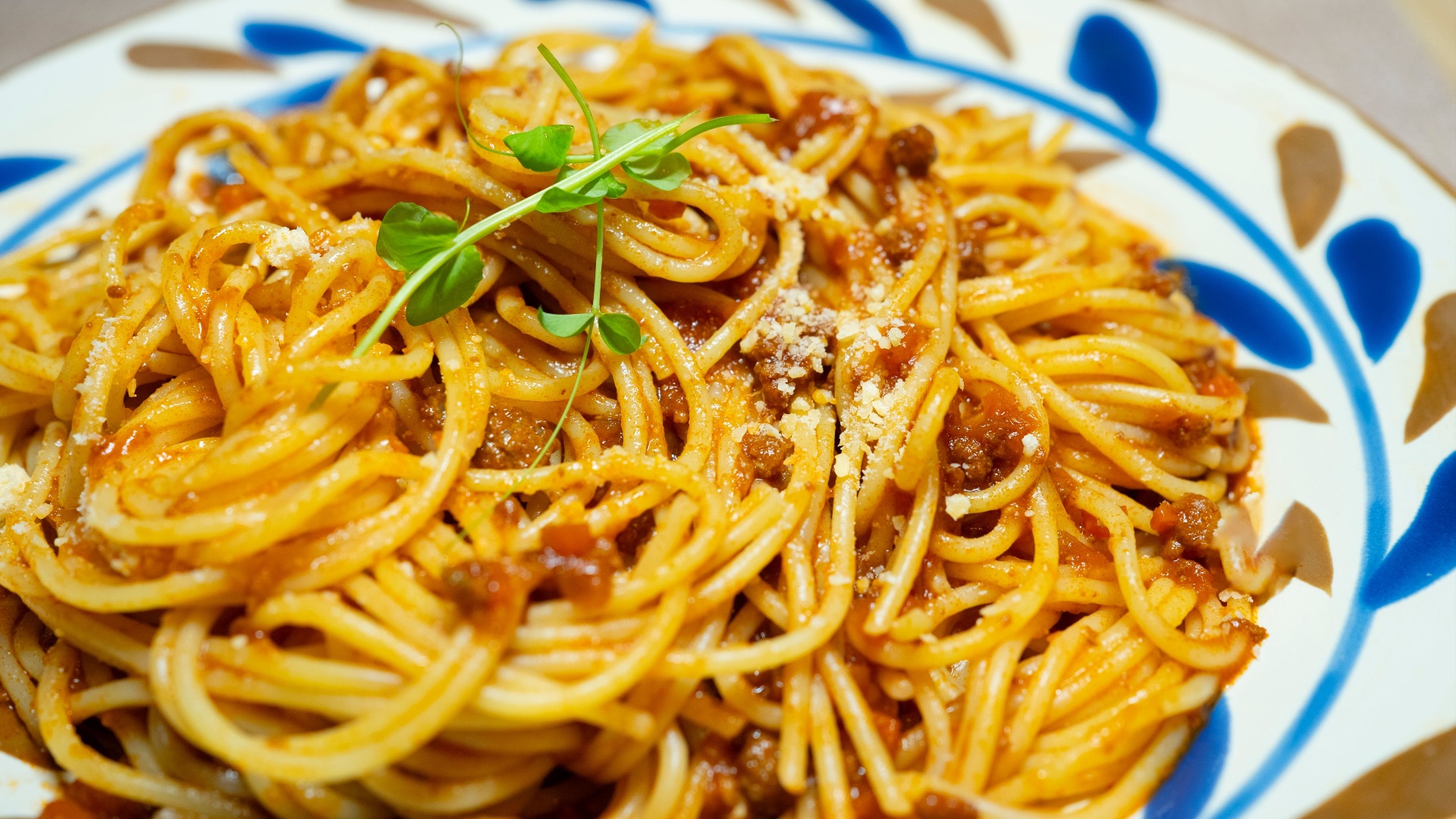
Spaghetti is designed to be twirled with a fork, especially when you’re eating in an Italian restaurant or at a more formal dinner. Chopsticks may lift the noodles, but they don’t manage the sauce, portion size, or neatness as well. Classic pasta etiquette favors twirling a few strands against the plate rather than cutting, scooping, or grabbing too much at once.
6. Don’t Cut Up Long Pasta Like a Toddler’s Meal
Cutting spaghetti, linguine, or fettuccine into short pieces may be practical for children, but it looks out of place for adults in a restaurant. Long pasta is meant to be gathered in small amounts and twirled into a controlled bite. Cutting it can also make the dish messier because the pieces scatter through the sauce. A little patience with the fork usually solves the problem better than a knife.
7. Don’t Use a Fork for Soup Dumplings
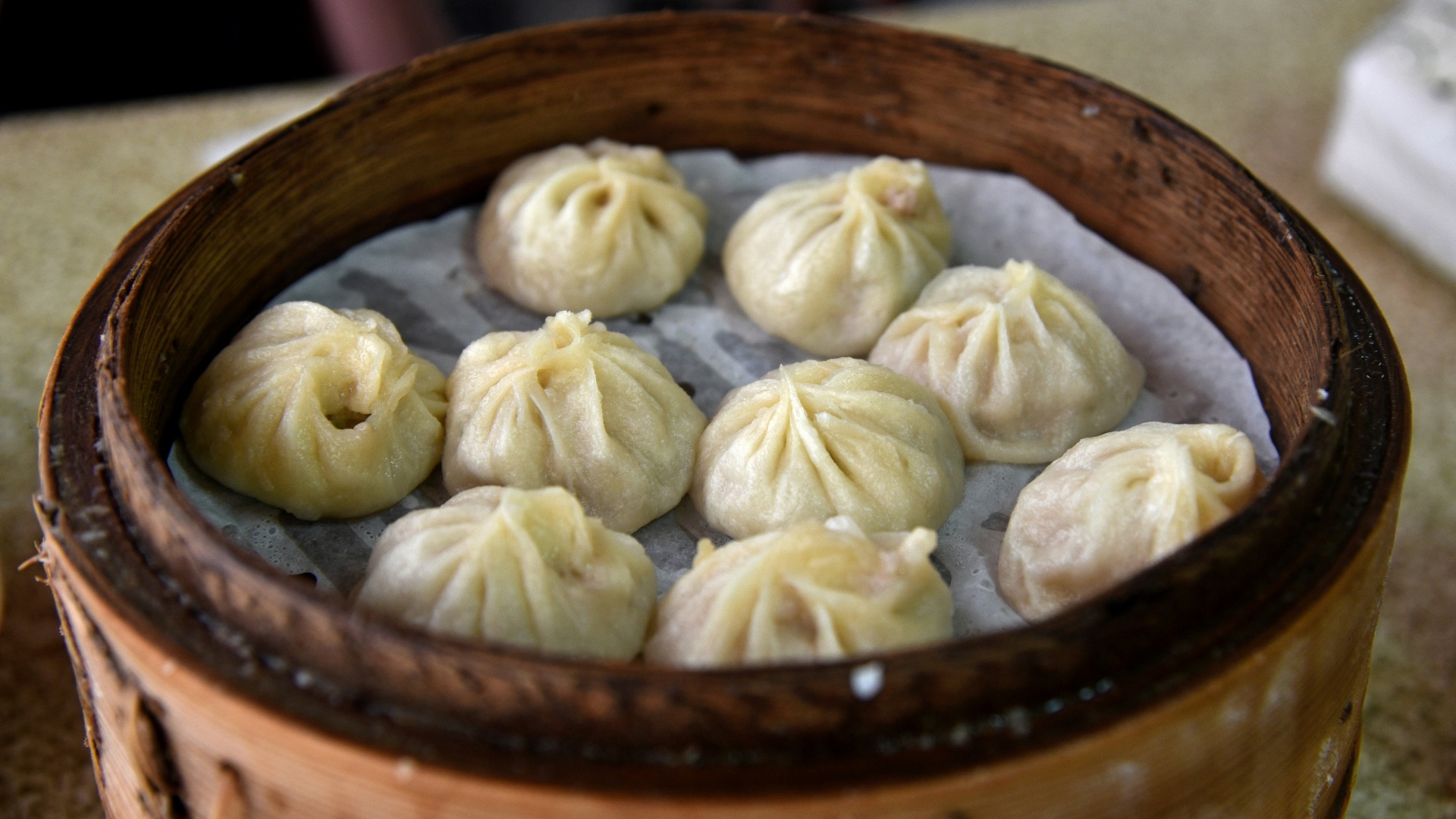
Soup dumplings, or xiao long bao, are delicate and filled with hot broth (the best part after the meat filling), so stabbing them with a fork is probably not a good idea. The traditional approach is to lift the dumpling gently with chopsticks, place it on a spoon, and then either nibble a small hole to sip the broth or let it cool slightly before eating the whole bite. If you can't use chopsticks at all, your next best bet is to reach for a spoon.
8. Don’t Pass Food Chopstick to Chopstick
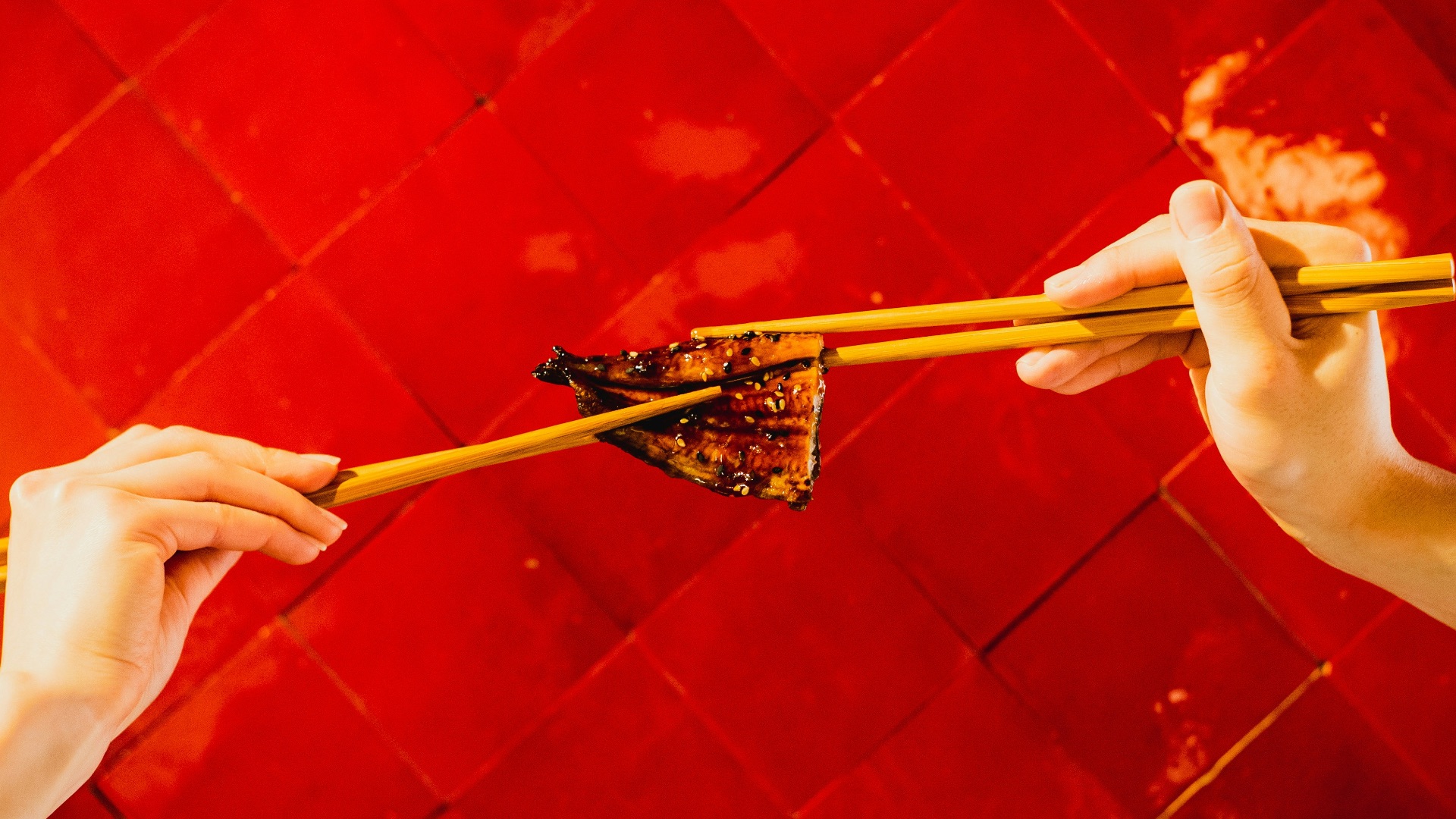
Passing food directly from one person’s chopsticks to another’s is considered a serious etiquette mistake in several East Asian cultures. This action closely resembles a funeral ritual where bones are passed between chopsticks, so it can feel unsettling or disrespectful at the table. Instead, place the food onto a shared plate or directly onto the other person’s dish using serving utensils or the opposite end of your chopsticks if appropriate. Keeping this boundary helps maintain both cultural respect and comfort during the meal.
9. Don’t Eat Directly Off a Knife
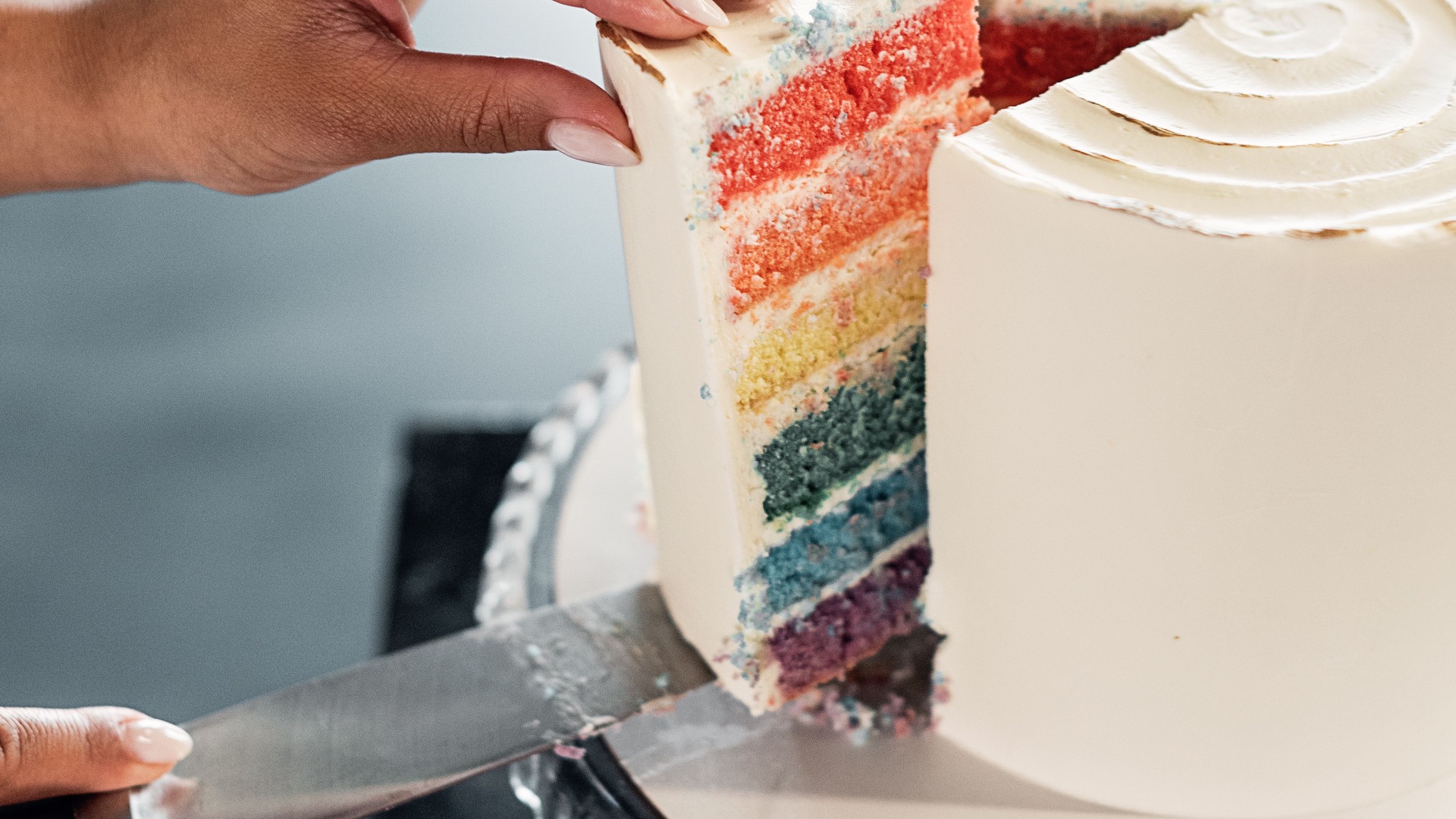
It might seem harmless to lick frosting off a knife or take a careful bite from it while cutting dessert, but it’s not a good habit. Knives aren’t designed for eating, and using them that way can be unsafe as well as off-putting to others at the table. It’s better to transfer the food to a fork or spoon before taking a bite. Even in casual settings, this small step keeps things cleaner, safer, and more comfortable for everyone.
10. Don’t Pick Through Shared Food with Chopsticks
Using chopsticks to search through a shared dish for the “best” piece is poor form. It can make the dish look handled before others get a fair chance to serve themselves. In many chopstick-using dining settings, it’s better to take from the top or from the part closest to you. If serving chopsticks or tongs are available, use them before touching your own plate.
Yet, as much as rules matter, food is still meant to be eaten. Here are 10 times when it's okay to break the rules, even if it looks a little unsightly:
1. It’s Okay to Eat Sushi Rolls with a Fork
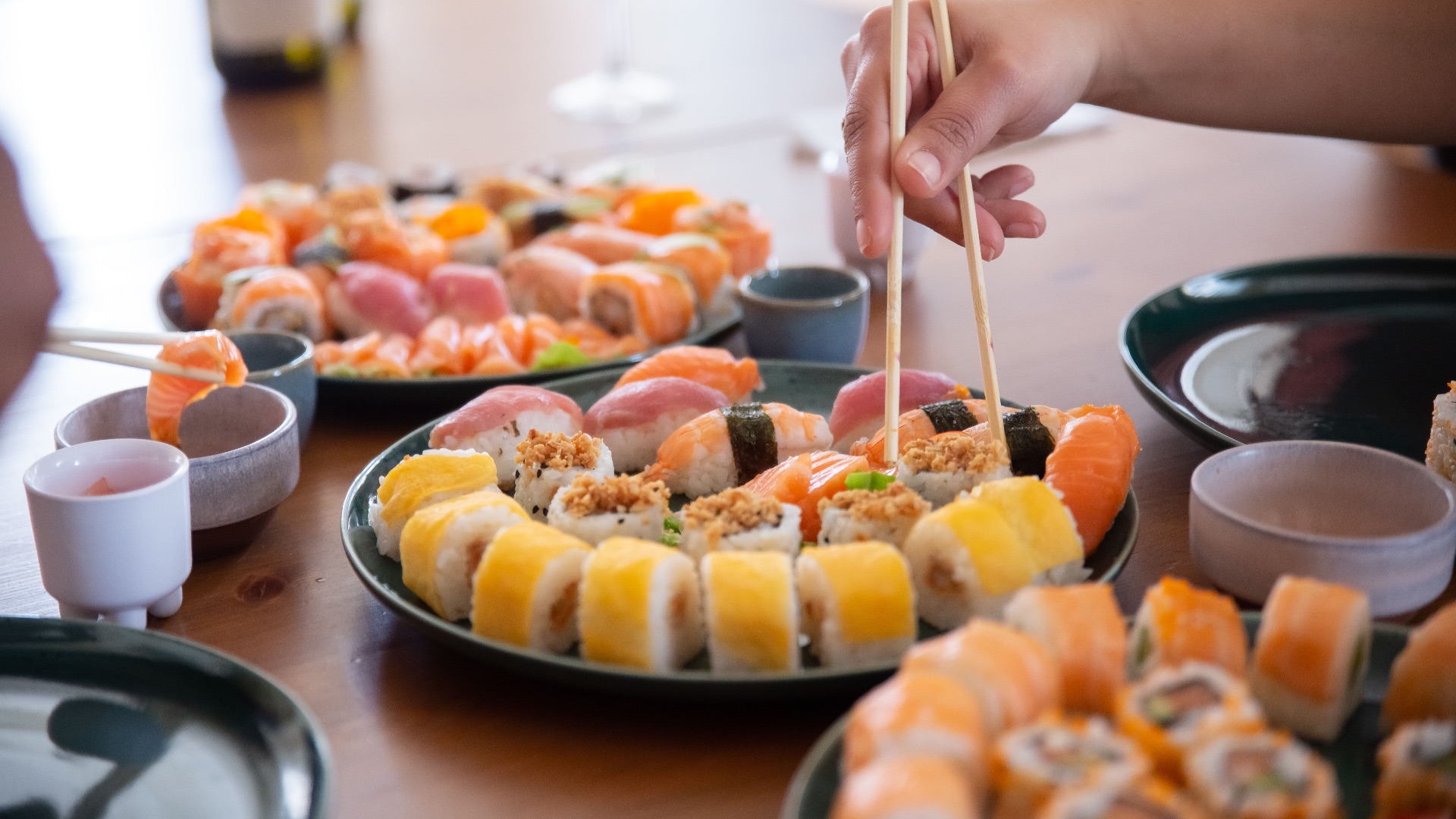
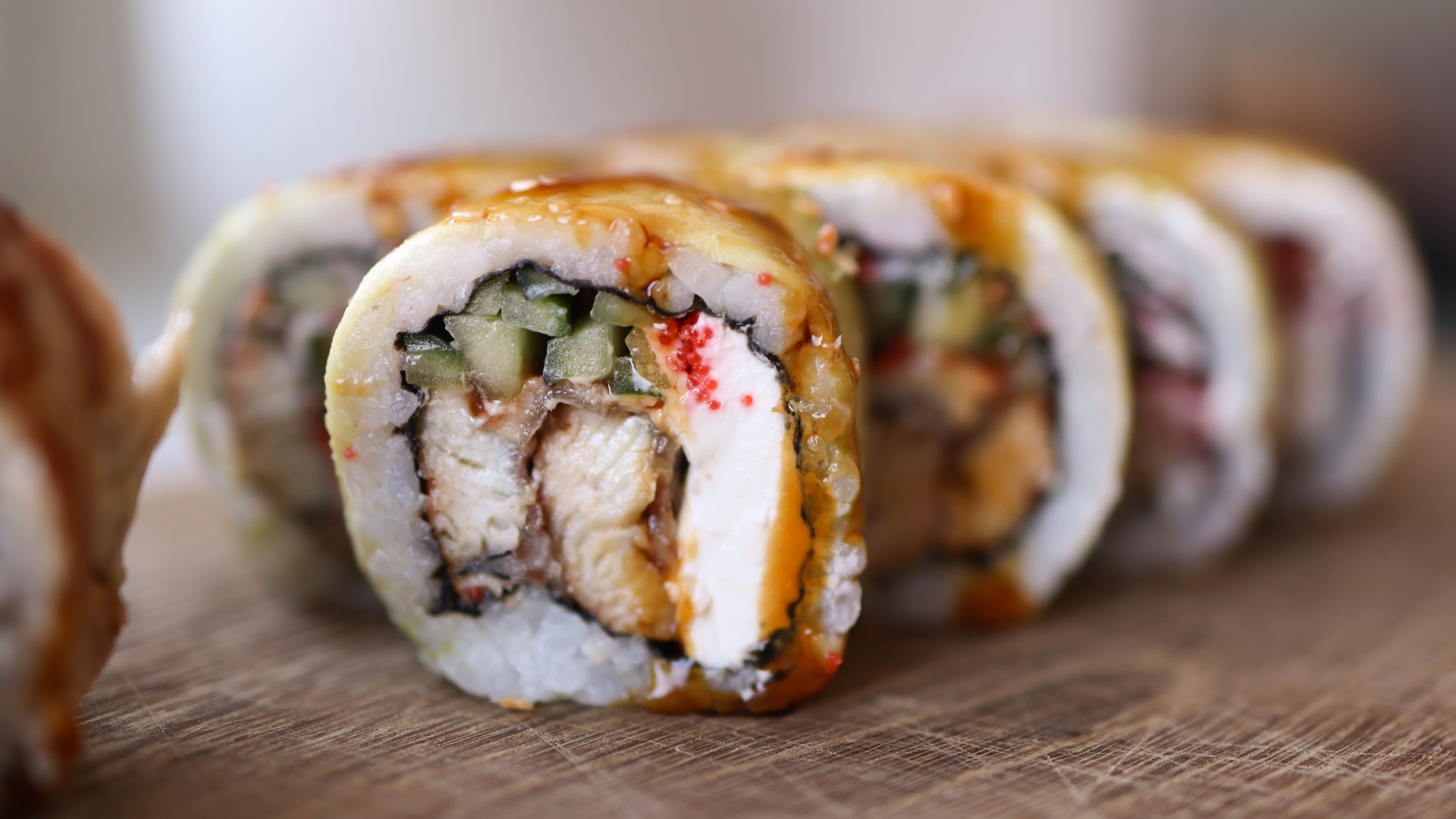
Gasp, shocker, right? Contrary to what you might think, while fingers or chopsticks are often the better choice at a traditional sushi bar, using a fork isn’t entirely a moral failure. If you have mobility issues, shaky hands, sensory concerns, or you’re still learning, forgoing the chopsticks is better than feeling embarrassed the whole meal. The key is to be strategic: don’t stab the piece straight through if you can lift it from the side. A little respect still matters, and you don't want to end up with a plate full of sushi filling.
2. It’s Okay to Eat Chips with Chopsticks
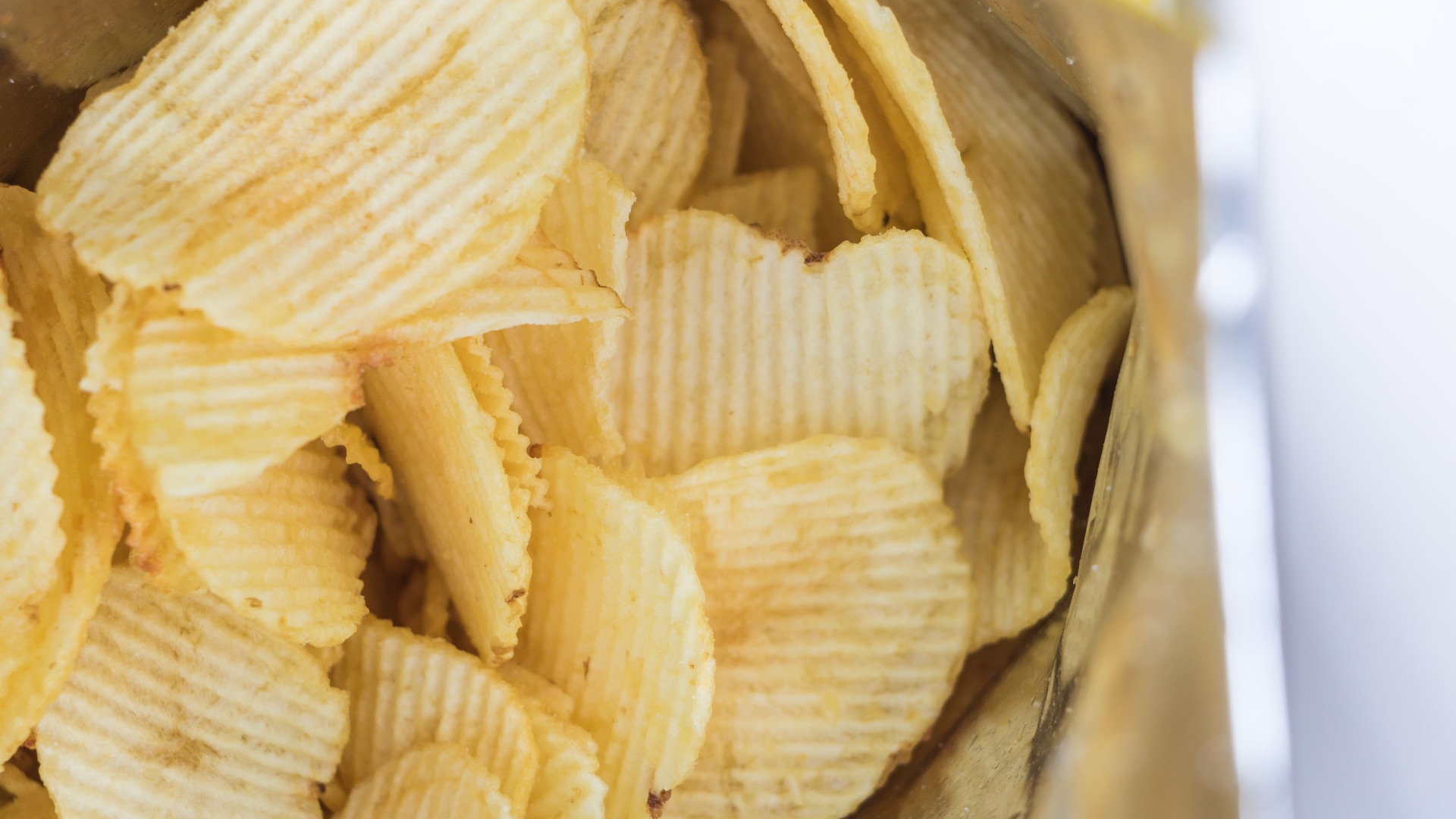
Chips with chopsticks may sound unusual, but it’s practical if you’re working, gaming, or trying to keep seasoning off your fingers. Chopsticks are especially helpful with cheese-dusted, barbecue, sour cream, or spicy chips that leave residue behind, ensuring you don't accidentally stain your keyboard, phone, or book. It also beats licking your fingers every five seconds.
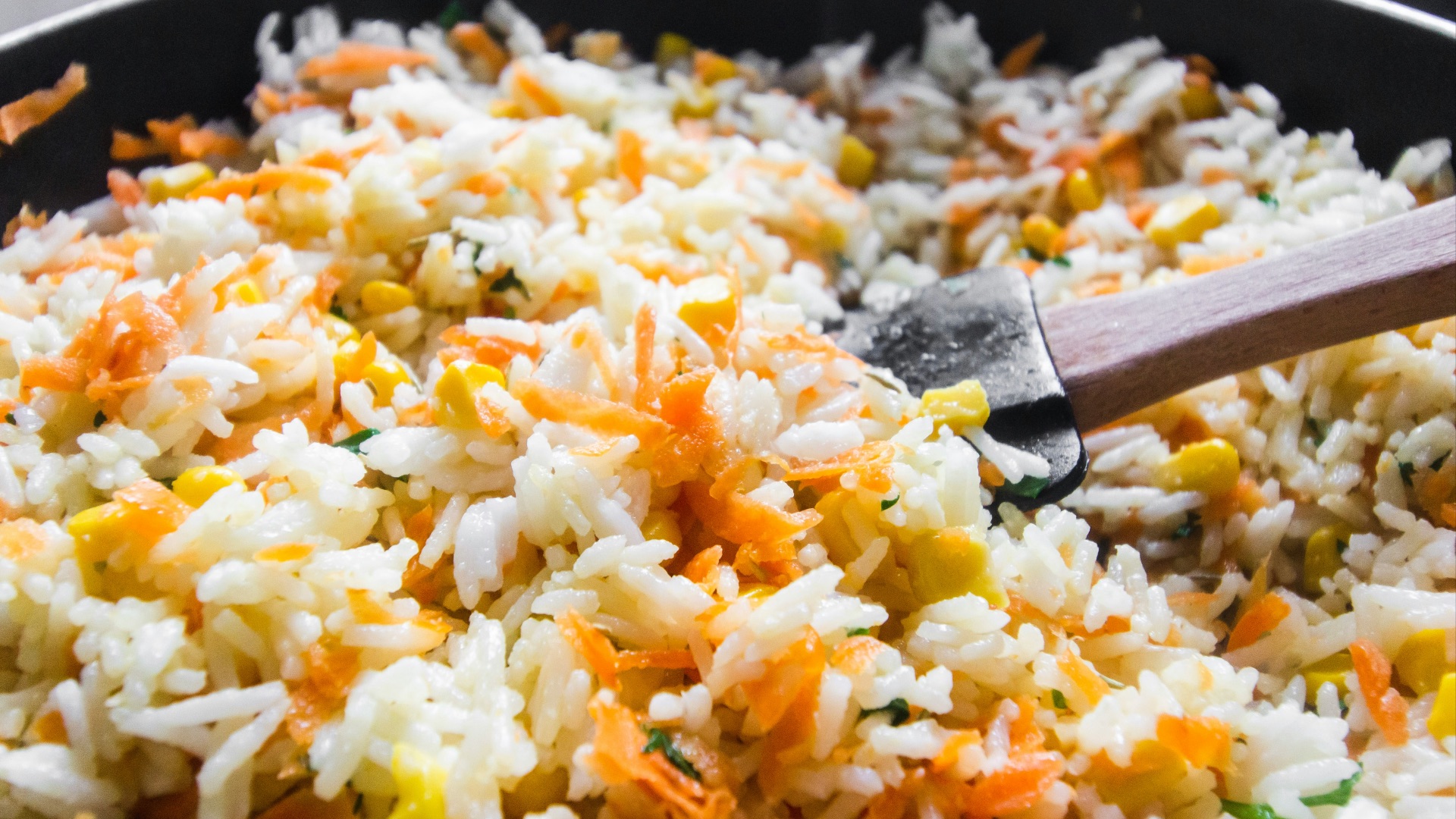
3. It’s Okay to Use a Fork for Rice
A spoon is usually the default utensil for rice because it holds grains easily, but a fork can still work in certain situations. The prongs do have gaps that make them less efficient for loose or fluffy rice, yet some people find the flatter shape more comfortable than the curved scoop of a spoon. This can matter with certain spoon designs, especially lightweight plastic ones that can feel sharp against the sides of your mouth. If a fork helps you eat more comfortably without making a mess, it’s a reasonable choice.
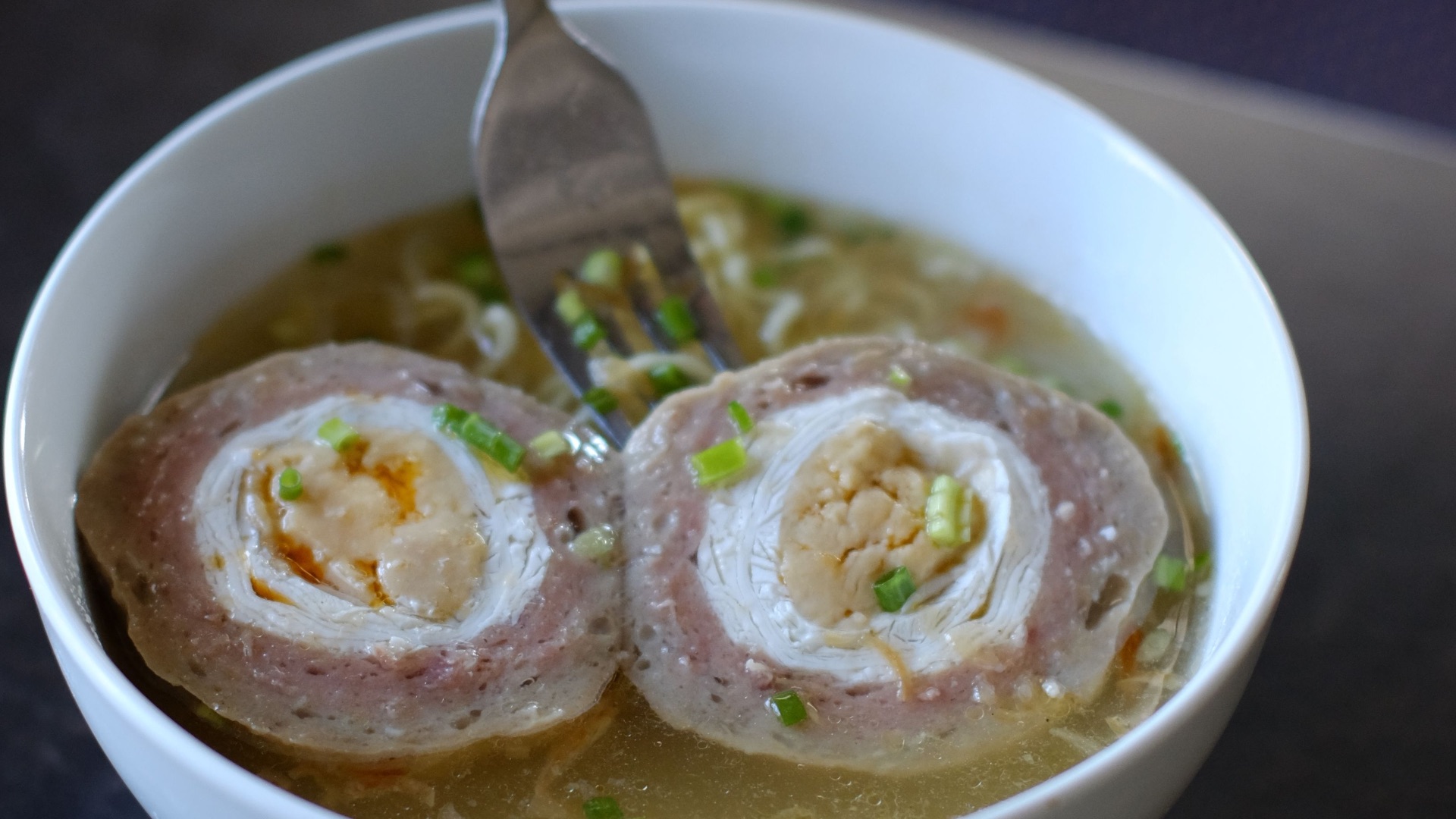
4. It’s Okay to Use a Fork for Noodle Soup
Chopsticks can be great for noodles, but they’re not always easy for everyone. If you’re new to them, tired, or wearing something you don’t want splashed, a fork can save the meal. This works best in casual restaurants or at home, where comfort matters more than performance. You can still appreciate the dish without turning dinner into a utensil lesson.
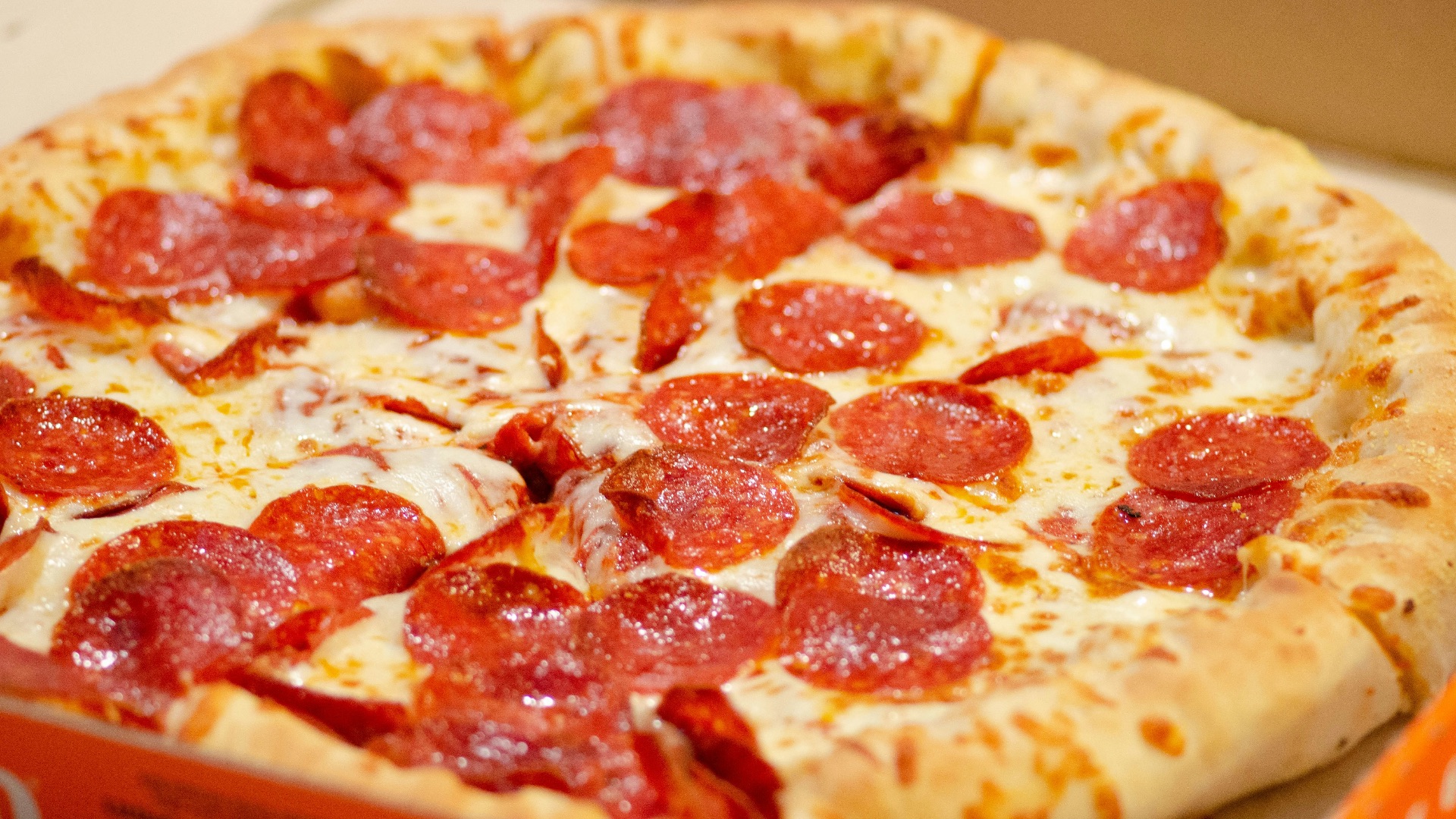
5. It’s Okay to Eat Pizza with a Knife and Fork
Pizza by hand is perfectly normal in casual places, but a knife and fork can make sense when the slice is very hot, heavily topped, or served in a more formal restaurant. Neapolitan-style pizza, for example, can be soft in the center and easier to manage with utensils. Using a fork also helps when toppings slide off before you can take a bite. As long as you’re not judging everyone else’s method, either choice can work.
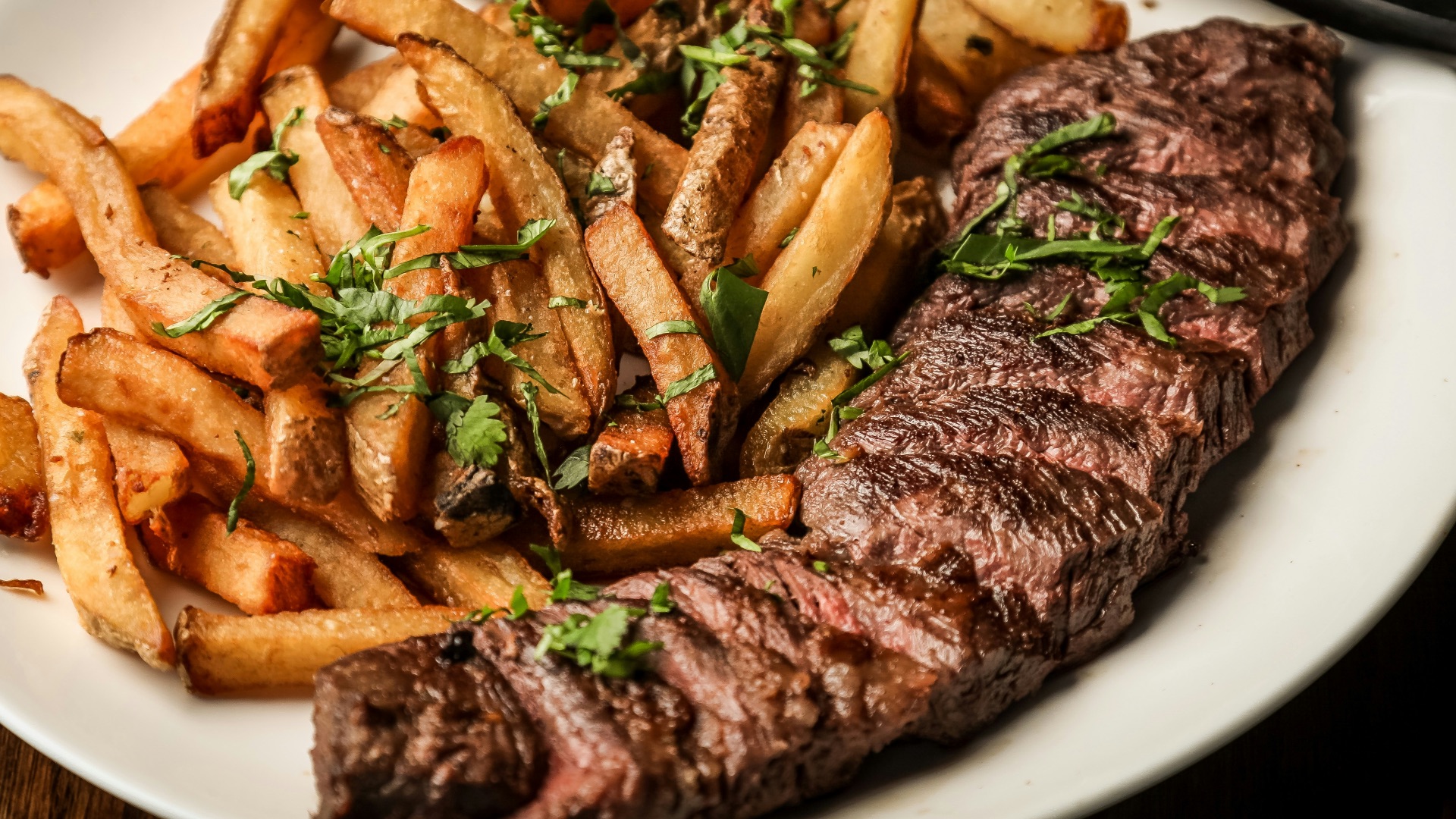
6. It’s Okay to Eat Steak with Chopsticks
Steak is usually paired with a knife and fork, but chopsticks can work just fine if the meat is already cut into bite-sized pieces. This is especially common in casual settings, fusion restaurants, or dishes like steak bowls where the meat is served alongside rice or vegetables. Chopsticks can actually give you more control over smaller pieces without needing to cut as you go. As long as you’re not struggling or making a mess, using chopsticks for steak is more about comfort than breaking any serious rules.
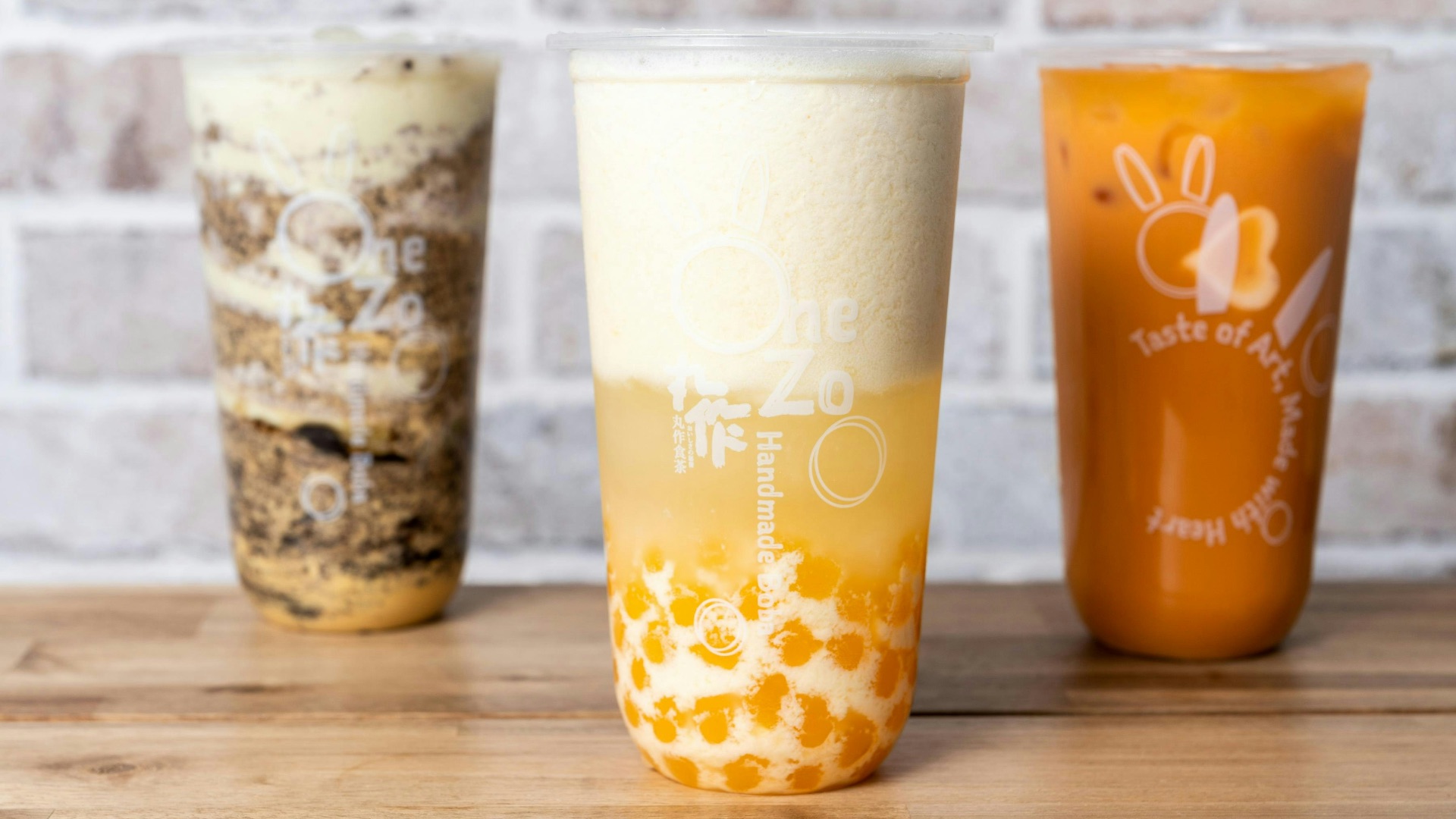
7. It’s Okay to Drink Boba with a Spoon
Boba is usually meant to be enjoyed with a wide straw, but that’s not always an option. If you’re not allowed to use a straw or can’t use one because of dental work, like after getting your wisdom teeth removed, a spoon can still get the job done. It may take a little more patience to scoop both the tea and the tapioca pearls, but it’s better than skipping the drink entirely. When comfort or recovery is involved, practicality matters more than sticking to the usual method.
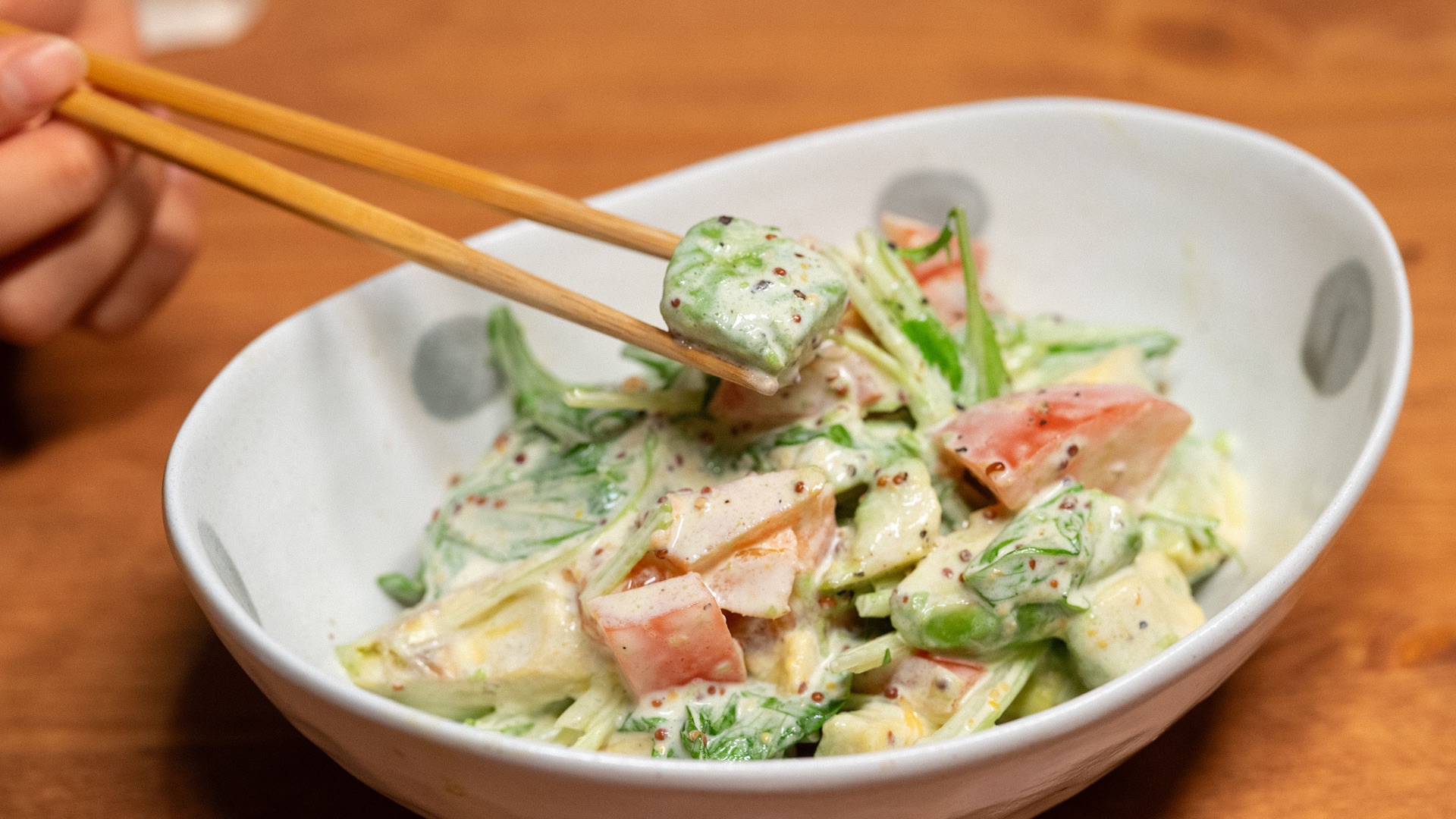
8. It’s Okay to Use Chopsticks for Salad
Chopsticks can work surprisingly well for salads, especially when the ingredients are chunky, slippery, or unevenly shaped. They can grab greens, noodles, cucumbers, tofu, and toppings without mashing everything together. This is especially useful with Asian-style salads or takeout bowls where chopsticks are already included. A fork may be standard, but chopsticks can give you better control.
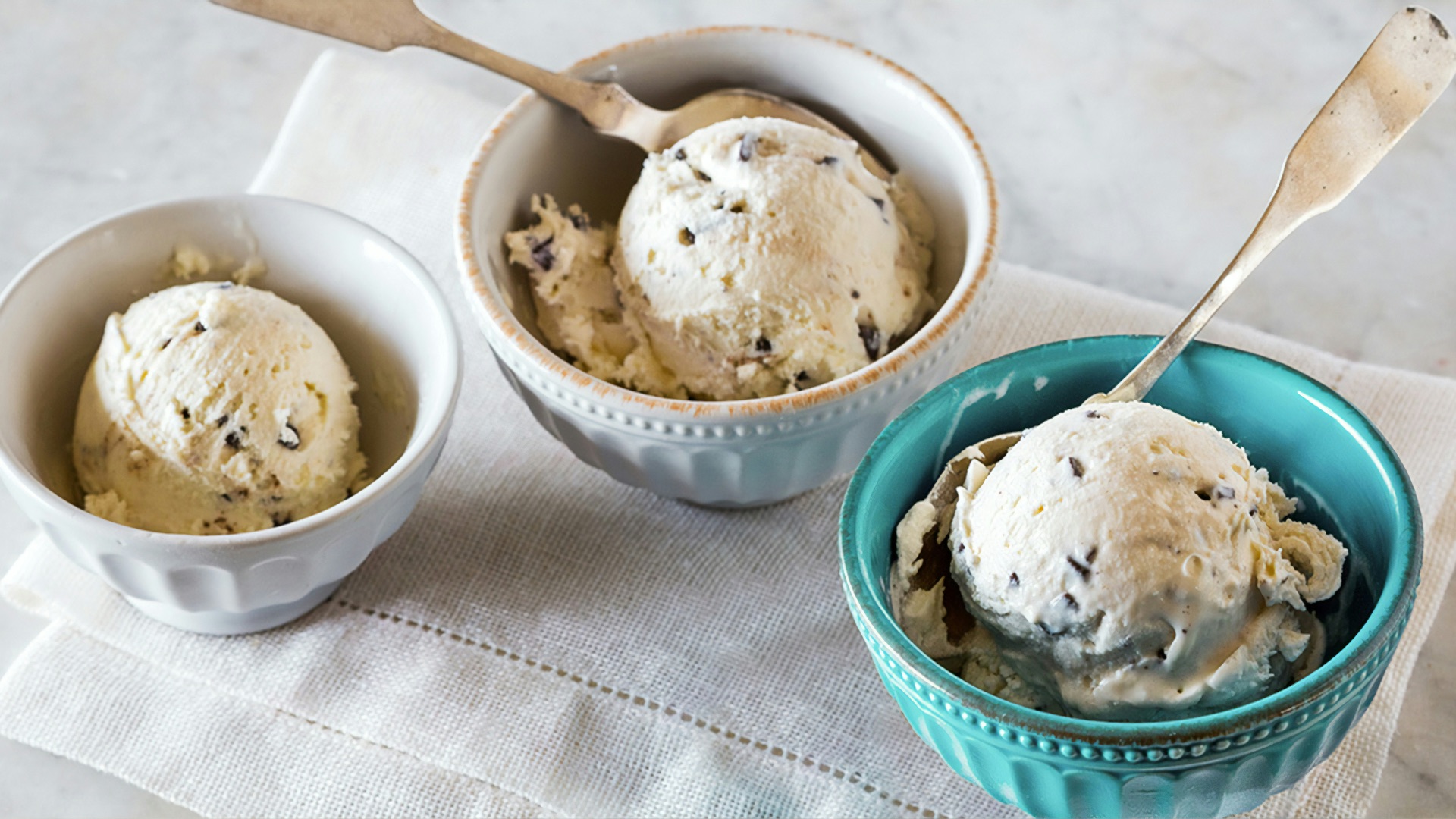
9. It’s Okay to Eat Ice Cream with a Fork
Eating ice cream with a fork might sound strange, but it can actually make sense in certain situations. If the ice cream is very firm, shaped into a slice, or part of a dessert like cake or pie, a fork can help you manage both textures at once. It’s also useful when you want smaller, controlled bites instead of scooping large portions, or when you want to channel your inner child and draw lines into your dessert. While a spoon is still the usual choice, don't feel bad if you reach for a fork instead.
 American Heritage Chocolate on Unsplash
10. It’s Okay to Ask for the Utensil You’re Comfortable With
You don’t need to turn every meal into a test of skill or cultural confidence. If you’re trying a cuisine you didn’t grow up with, it’s fine to ask what utensil is usually used, then decide what works for you. Most people would rather see you enjoy the food respectfully than watch you struggle in silence. The best approach is simple: learn the custom, read the setting, and choose the utensil that lets you eat with care.
KEEP ON READING