
 National Cancer Institute on Unsplash
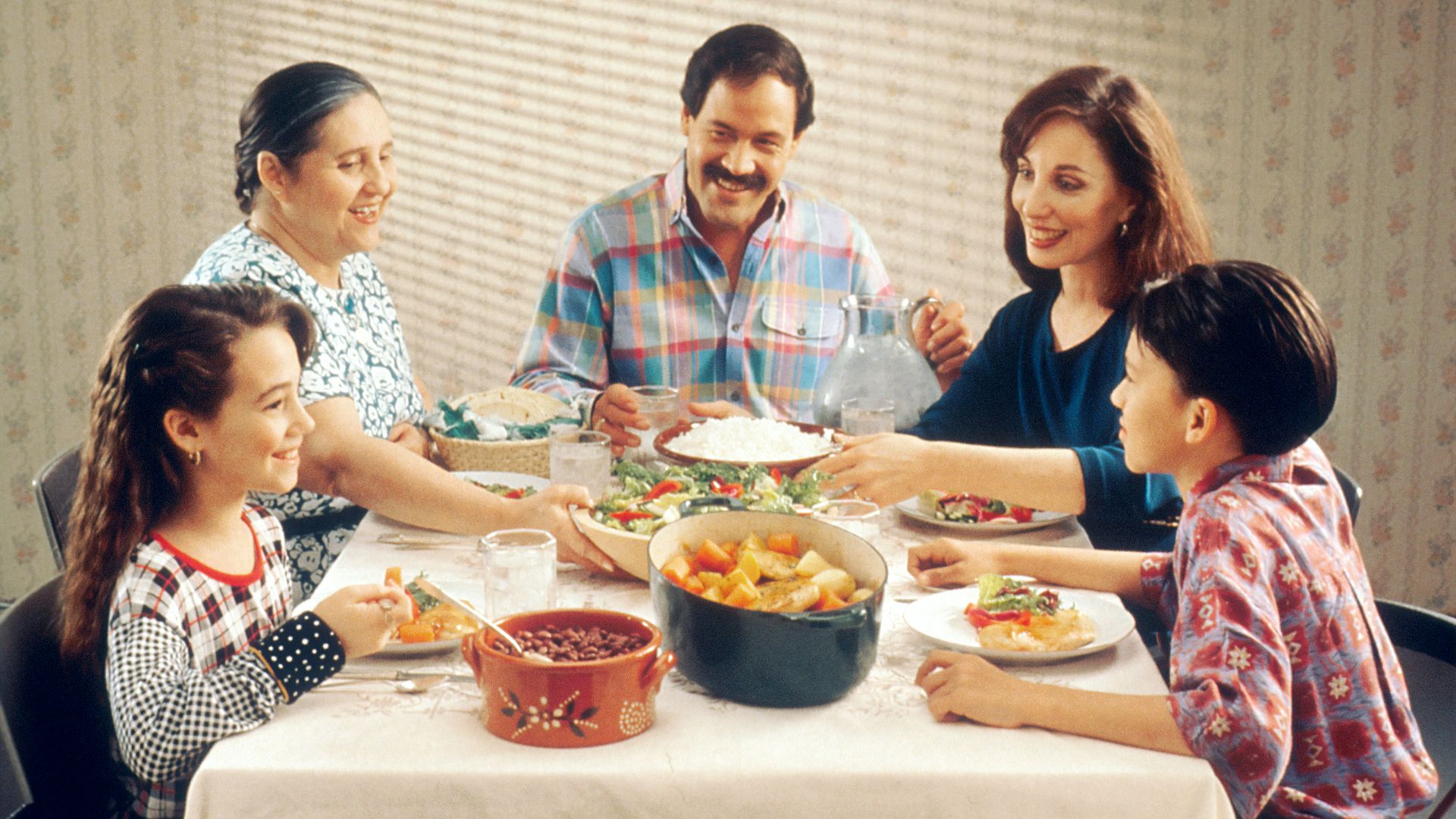
Every family has food rules, even when nobody calls them rules. Some are easy to spot, like washing your hands before dinner, putting the milk back, or asking before taking the last cookie. Others sink in quietly while you’re just trying to eat. You learn them by watching who gets served first, who eats last, which foods are saved for guests, and what happens when a child says they’re full.
Those rules can follow us for years. They can shape how we think about hunger, waste, comfort, treats, and care once we’re cooking in our own kitchens. Research on family meals often looks at nutrition, and one systematic review found some evidence that more frequent family meals are linked with better fruit and vegetable intake, lower sugar-sweetened beverage intake, and stronger family functioning among children. The review also says the evidence varies across studies, so family meals aren’t a magic fix. They’re one place where food habits and family habits can start to take shape.
What The Table Taught Us
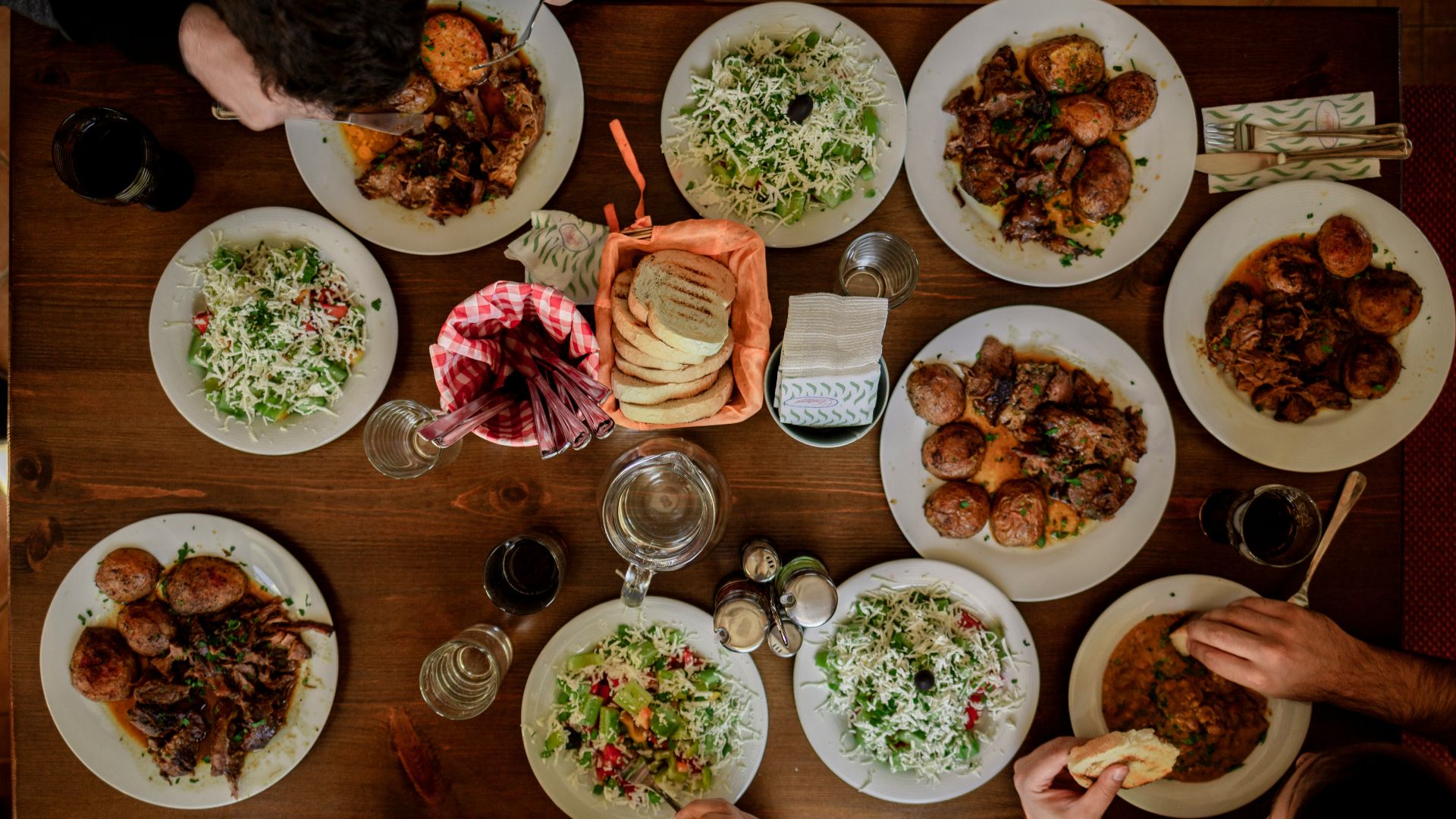
A family meal doesn’t have to look perfect to matter. It might be leftovers after practice, eggs on toast, takeout still in the containers, or cereal at the counter before someone heads to work. The meal itself can be simple, messy, or rushed. What sticks is that children are watching how the family moves around food, moods, manners, and everyday responsibility.
Researchers use the word commensality for eating together, and they describe shared meals as social moments tied to connection, order, health, and well-being. The same research also warns against treating family meals as always peaceful or equal. Real meals can be stressful, uneven, or emotionally complicated. That probably sounds familiar to anyone who grew up with one peaceful dinner and one tense dinner in the same week.
Children notice the tiny things adults think don’t count. They notice who remembers that someone hates onions, who cuts food into small pieces, who gets the biggest piece of chicken, and who gets up when the ketchup is missing. They notice whether the person who cooked gets thanked or just gets another request. Without a speech, the table teaches lessons about care, rank, gender, age, and who is expected to keep everyone fed.
How “Enough” Became A Family Lesson
One of the most common family food rules is that waste is bad. For many households, that lesson comes from real life, not pickiness or control. Food costs money, and for families that have dealt with tight budgets or food insecurity, a half-eaten plate can feel heavier than it looks. USDA data reported that 13.7 percent of U.S. households were food insecure at some point in 2024, and 18.4 percent of households with children were food insecure that year.
That history helps explain why “finish your plate” can carry so much weight. It can mean respect the cook, appreciate what you have, and remember that food isn’t guaranteed for everyone. Those values matter, especially in homes where every grocery trip takes planning. The hard part is that gratitude can get tangled up with eating past fullness.
Child-feeding research has raised concerns about pressure-to-eat practices and strict restriction. A review on positive parenting and child eating notes that coercive feeding practices, including restriction and pressure to eat, have been linked in prior research with less helpful eating behaviors and unhealthy weight outcomes. Dessert often came with its own rulebook, too, since researchers have studied food-based rewards as a parental feeding practice, including how food may be used to encourage certain behaviors around eating. A kinder rule doesn’t have to pretend cookies and carrots do the same job. It just means food doesn’t need to be wrapped up in guilt, bargaining, and moral scorekeeping.
Rewriting The Rules Without Losing The Love
 National Cancer Institute on Unsplash
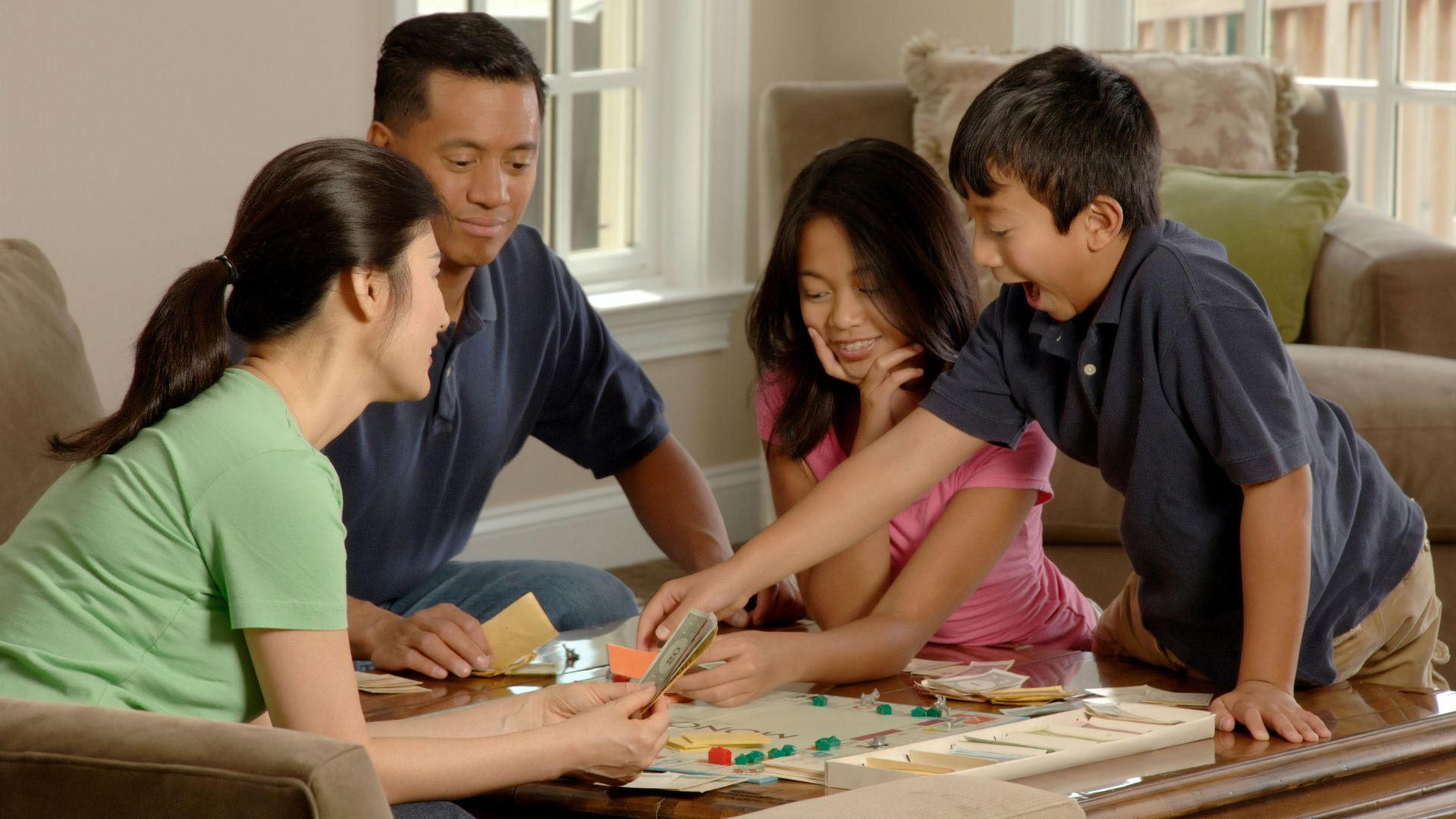
Some family food rules are worth keeping. Thank the cook, offer food generously, ask before taking the last piece, and learn the recipes that might disappear when older relatives are gone. Those small habits can keep family history close in a very practical way.
Other rules deserve a rewrite. Picky eating is a good example, since plenty of families have turned one bite of broccoli into a full dinner-table standoff. One study on picky eating from preschool to school age recommended that health care providers support parents in repeatedly offering unfamiliar or rejected foods without pressure and while acknowledging a child’s autonomy. In everyday language, the food can keep showing up without turning dinner into a fight.
The hidden work behind meals also deserves more attention. Family foodwork includes planning, shopping, cooking, remembering preferences, and handling the daily details that make eating happen. A sociology review describes family foodwork as the domestic labor that supports eating, including planning and preparing meals. When that work becomes visible, kids can learn that food care is shared, not magically handled by one person. We can keep the generosity, gratitude, and tradition, while letting go of the guilt, pressure, and quiet unfairness that doesn’t feed anyone well.
KEEP ON READING
20 Food Requests Only Spoiled People Ask For

20 Hardest Foods on Earth To Eat

Do Vitamin Supplements Actually Make You Healthier?