Fermentation Is Hiding in More Foods Than You Think
When you hear “fermented food,” kimchi, sauerkraut, and kombucha probably come to mind first. But fermentation plays a surprisingly big role in foods that don't look, smell, or taste especially funky. It can help create everything from deep savory flavors to fluffy bread, and some everyday staples wouldn't exist without it. You may already be eating fermented foods regularly without realizing how they got that way. Here are 20 foods you may not know are fermented.
1. Chocolate
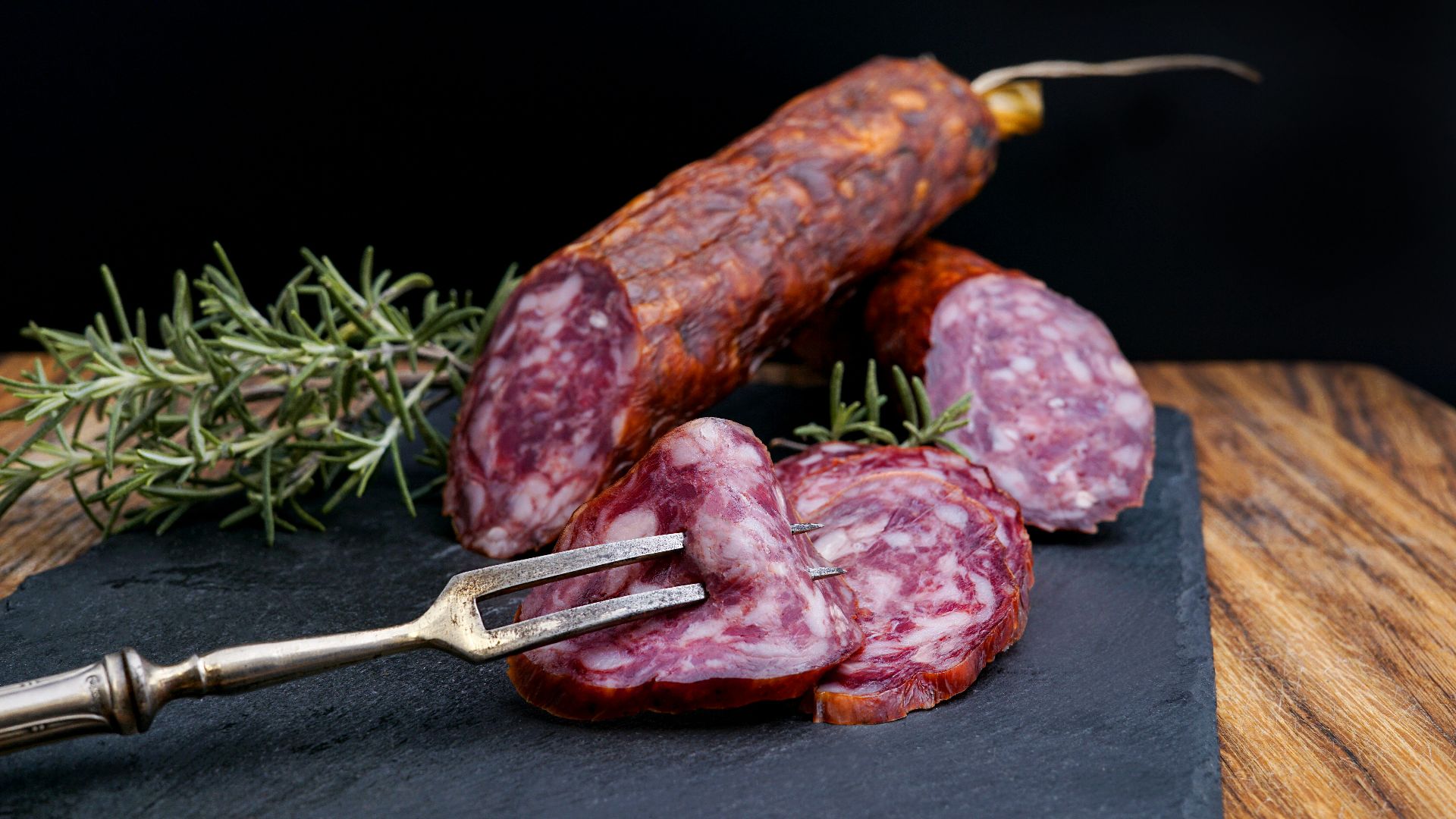
Chocolate starts with cacao beans, but freshly harvested beans don't taste much like the chocolate you know. After cacao pods are opened, the beans and surrounding pulp are left to ferment for several days. That process helps develop the flavor compounds responsible for that chocolatey richness while reducing some of the beans' natural bitterness.
2. Vanilla
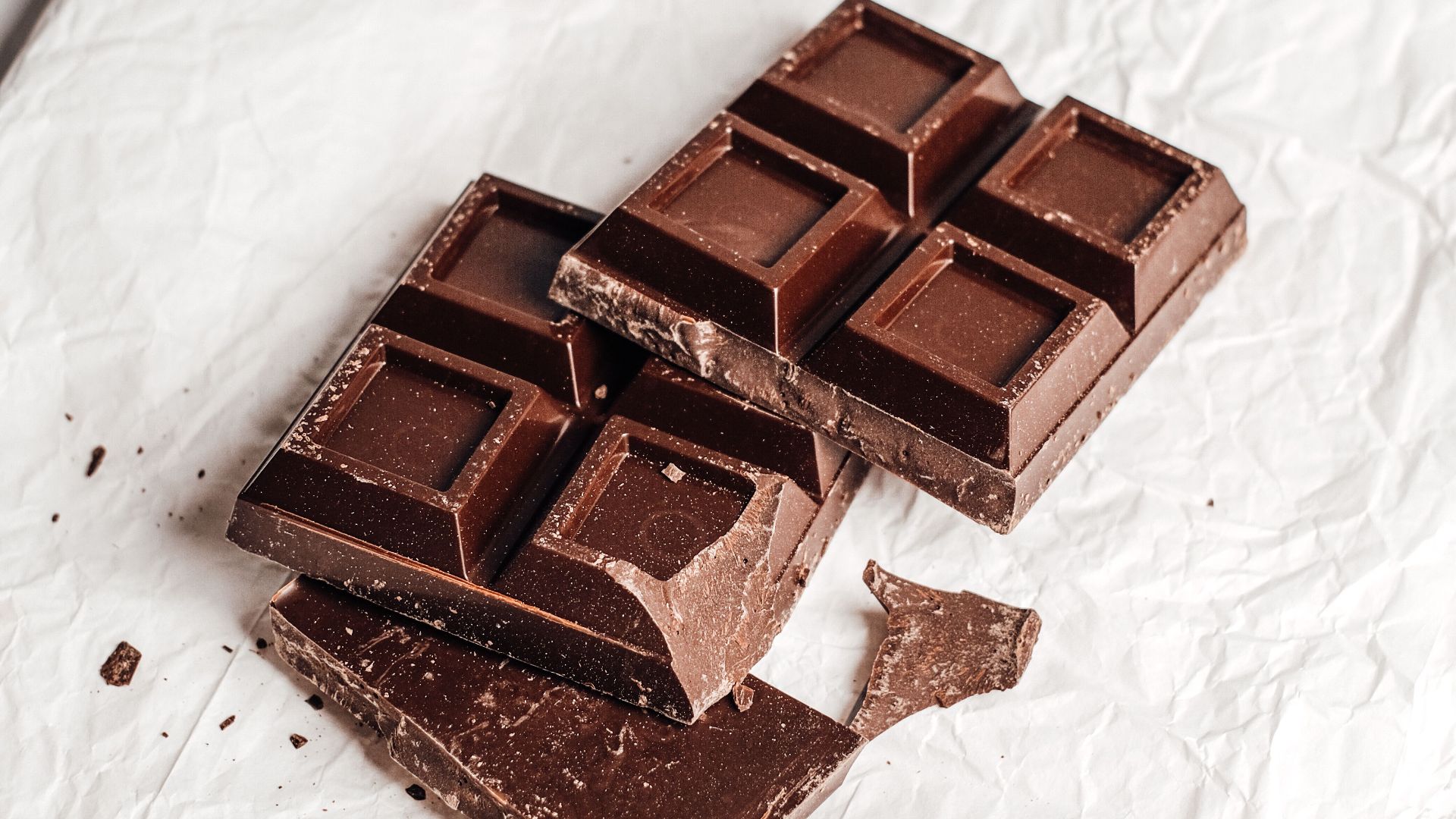
Vanilla beans don't simply come off the plant smelling like vanilla extract. After harvesting, the pods go through a curing process that commonly includes a period of sweating in warm, humid conditions, during which microbial activity can occur alongside important enzymatic reactions. This lengthy treatment helps produce the complex aroma that makes cured vanilla so recognizable.
3. Coffee
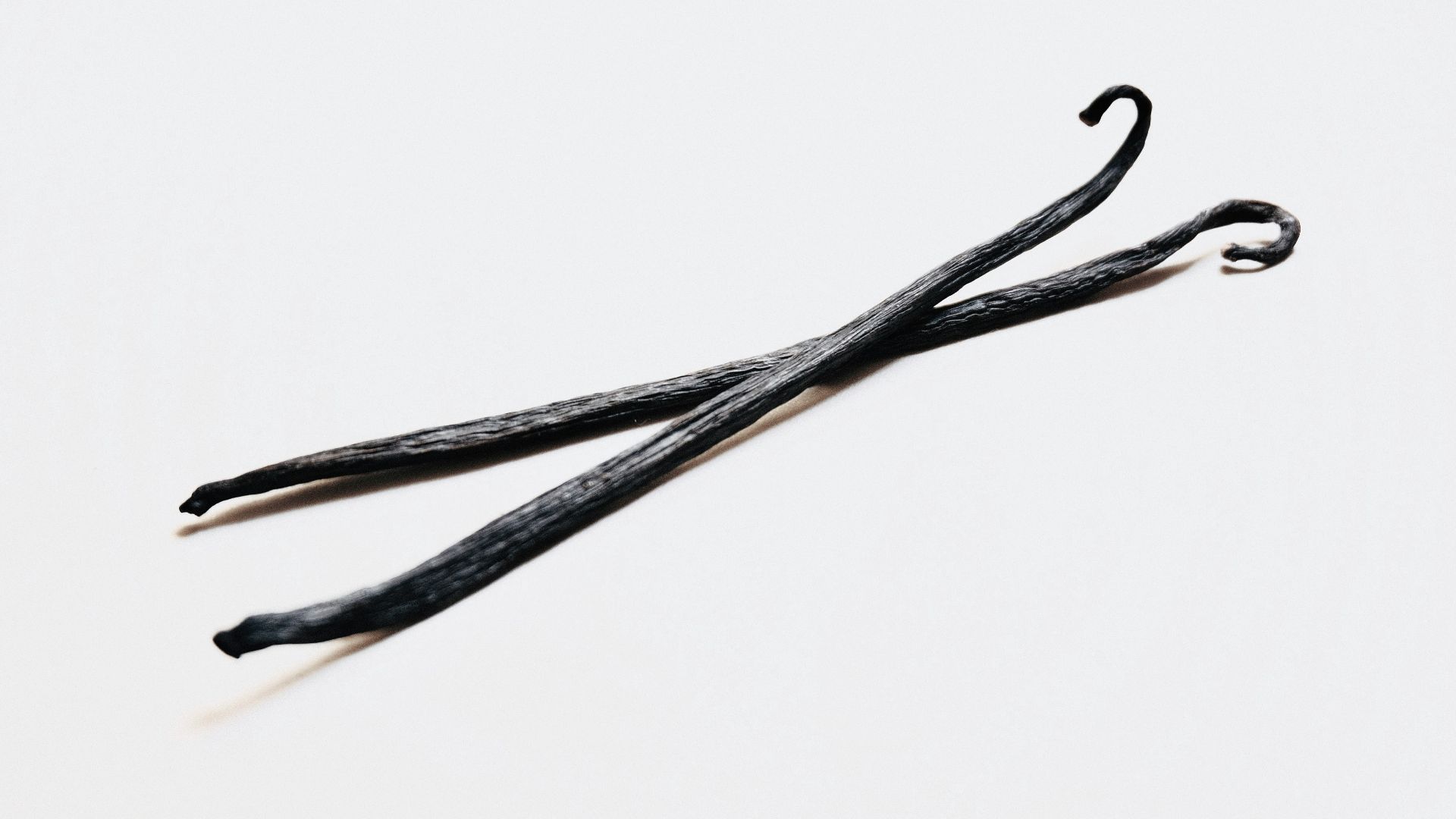
Before coffee beans are roasted, the fruit surrounding them has to be removed, and fermentation often helps make that possible. Depending on the processing method, microorganisms break down the sticky mucilage around the coffee seed. Fermentation can also influence the finished coffee's acidity, sweetness, and other flavor characteristics.
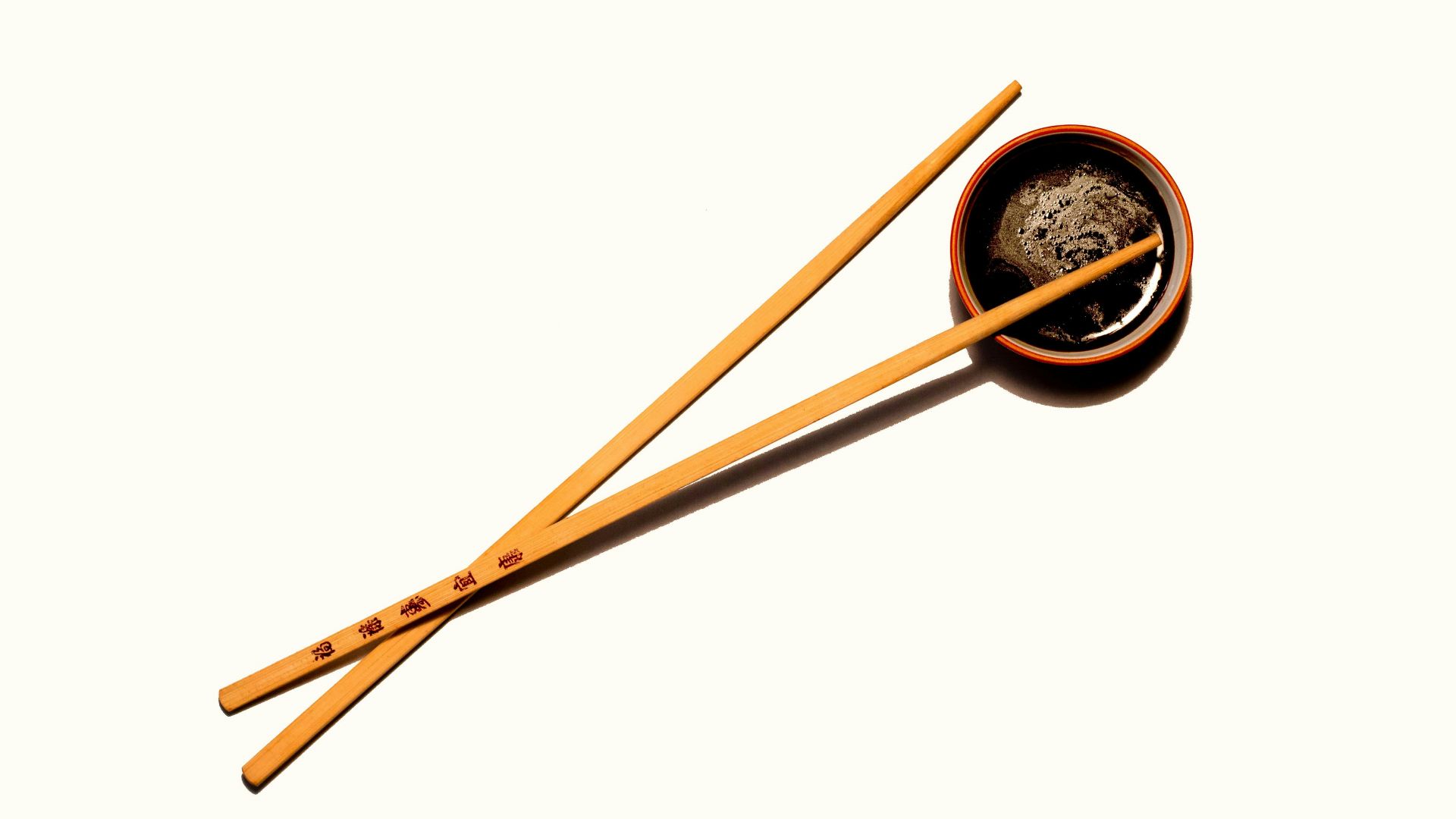
4. Soy Sauce
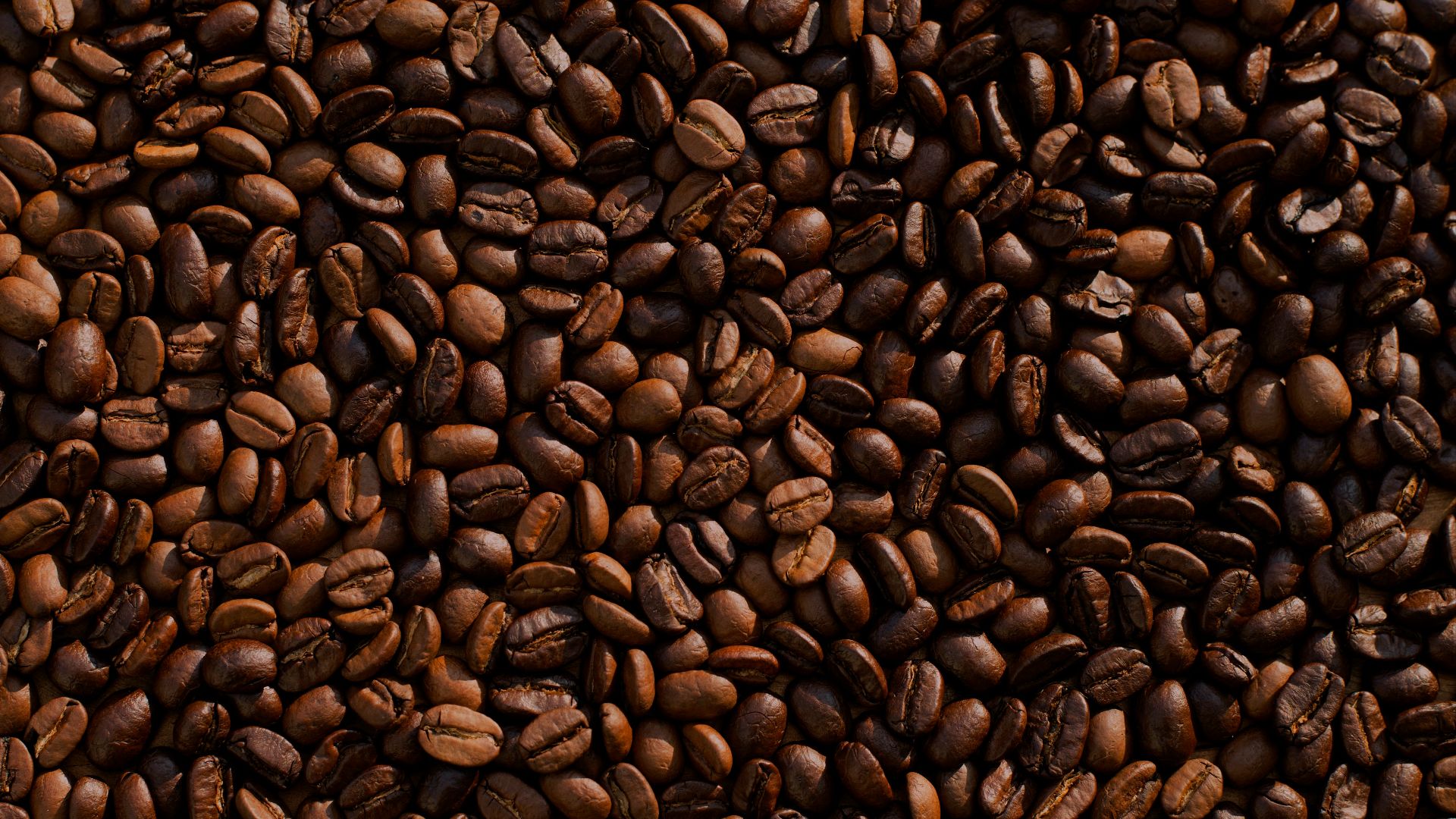
That bottle sitting next to your takeout has undergone a surprisingly involved transformation. Traditional soy sauce begins with soybeans and wheat inoculated with koji mold, followed by fermentation in a salty brine with yeasts and bacteria. Over time, proteins and carbohydrates are broken down into compounds that give soy sauce its umami flavor.
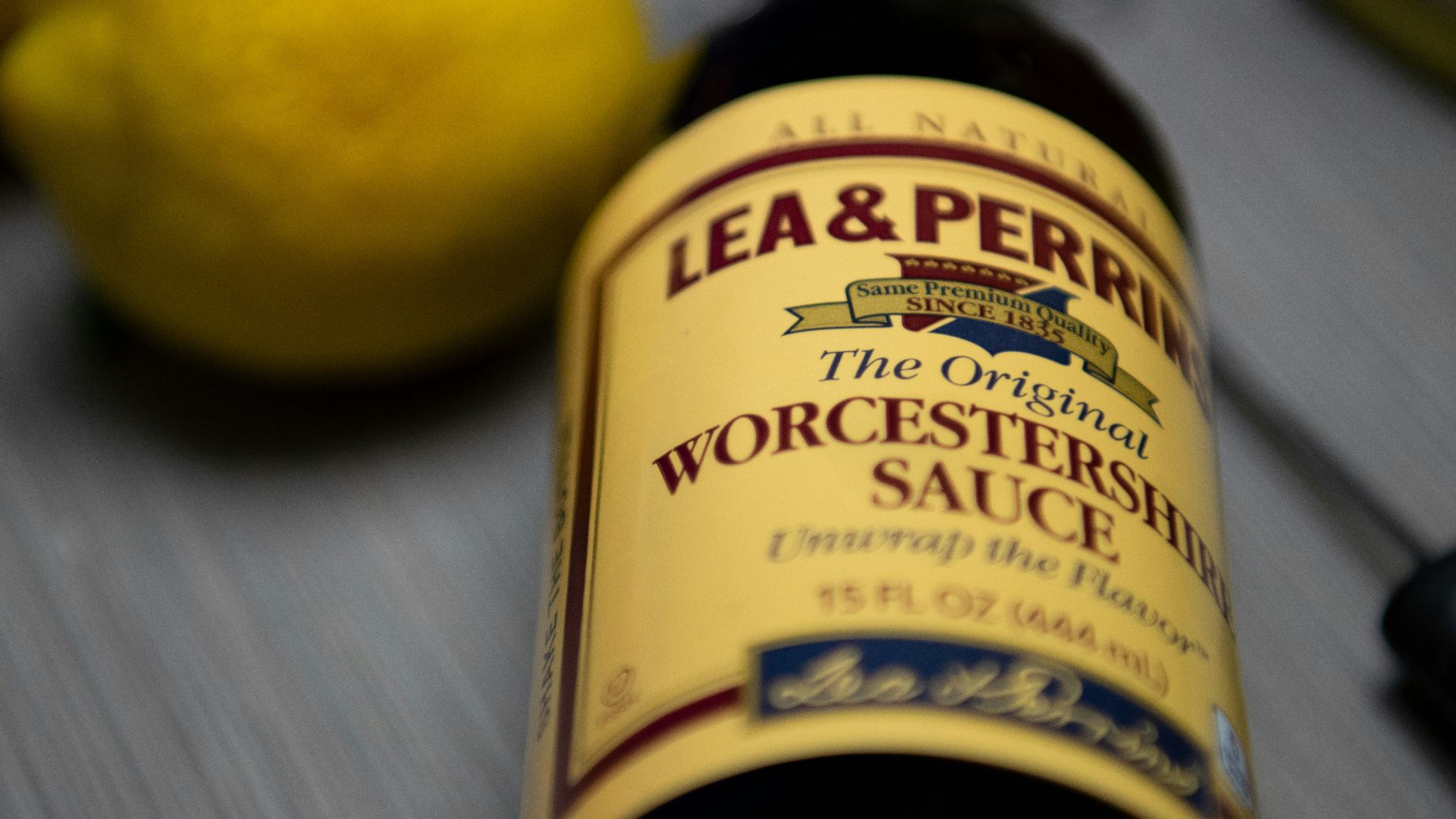
5. Worcestershire Sauce
Worcestershire sauce gets much of its complicated flavor from ingredients that are allowed to mature and ferment. Traditional versions commonly contain anchovies along with vinegar, molasses, tamarind, and seasonings, with the fish contributing savory depth as the mixture ages. It's a lot more involved than simply mixing a few condiments together.
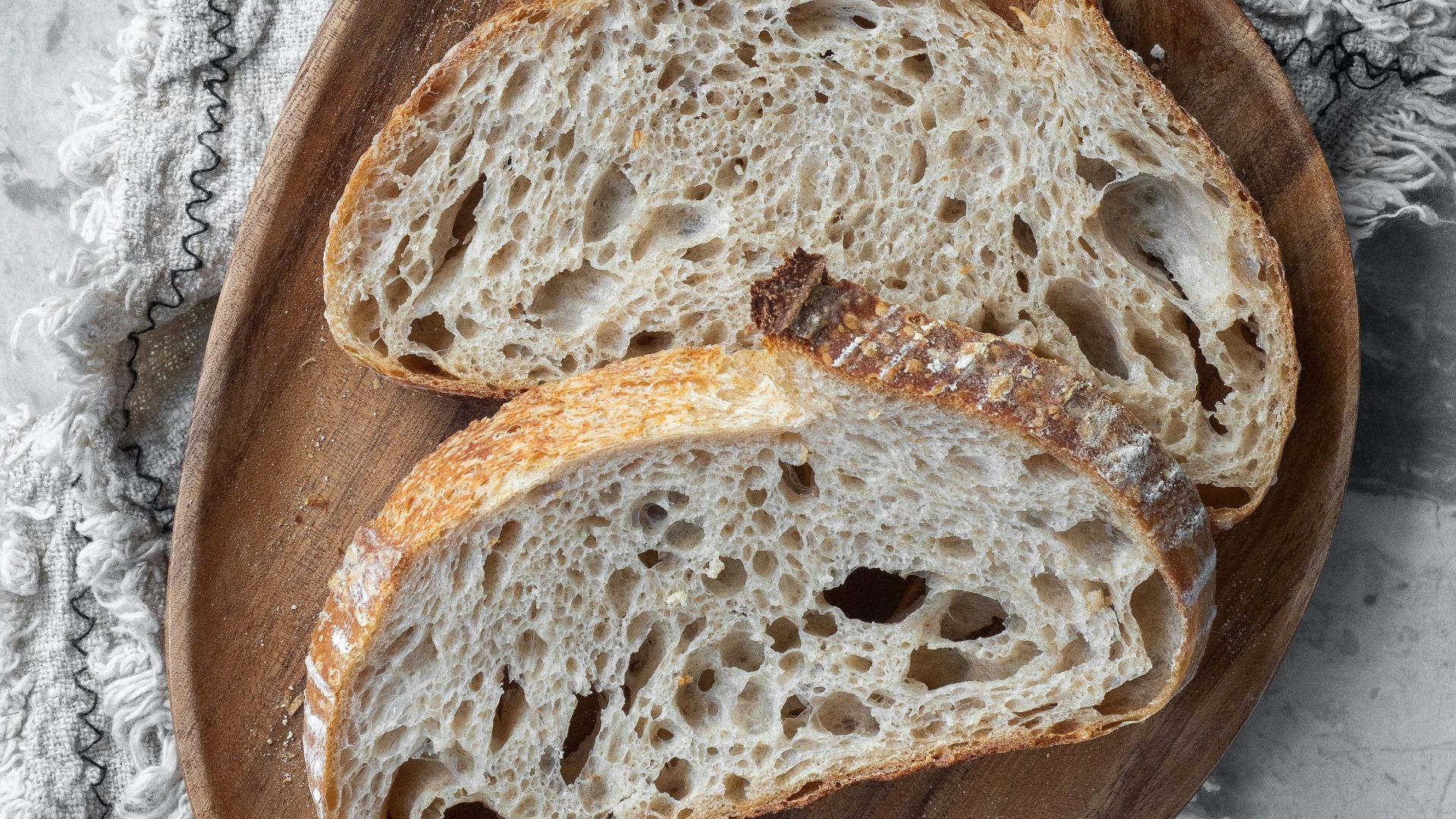
6. Sourdough Bread
The tang in sourdough isn't just an added flavoring. Its starter contains wild yeasts and lactic acid bacteria that ferment flour and water, producing gases and acids. Those gases help the dough rise, while the acids contribute sourdough's distinctive taste and texture.
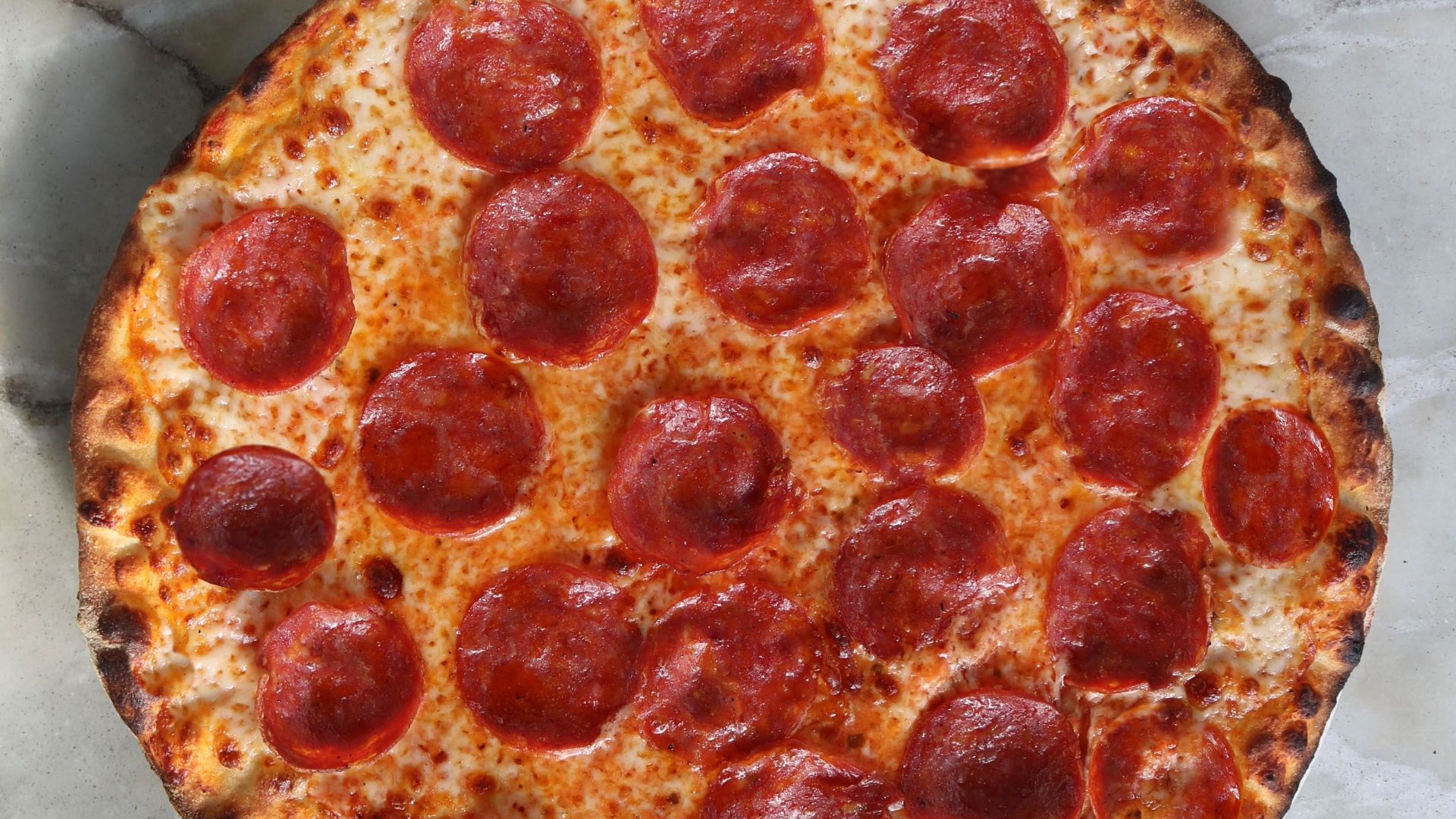
7. Pepperoni
Pepperoni isn't merely seasoned meat that's been dried. Many traditional and commercially produced varieties are fermented using bacteria that turn sugars into lactic acid before the sausage is dried and cured. The resulting acidity contributes to pepperoni's tangy flavor while also helping create conditions that discourage certain harmful microorganisms.
8. Salami
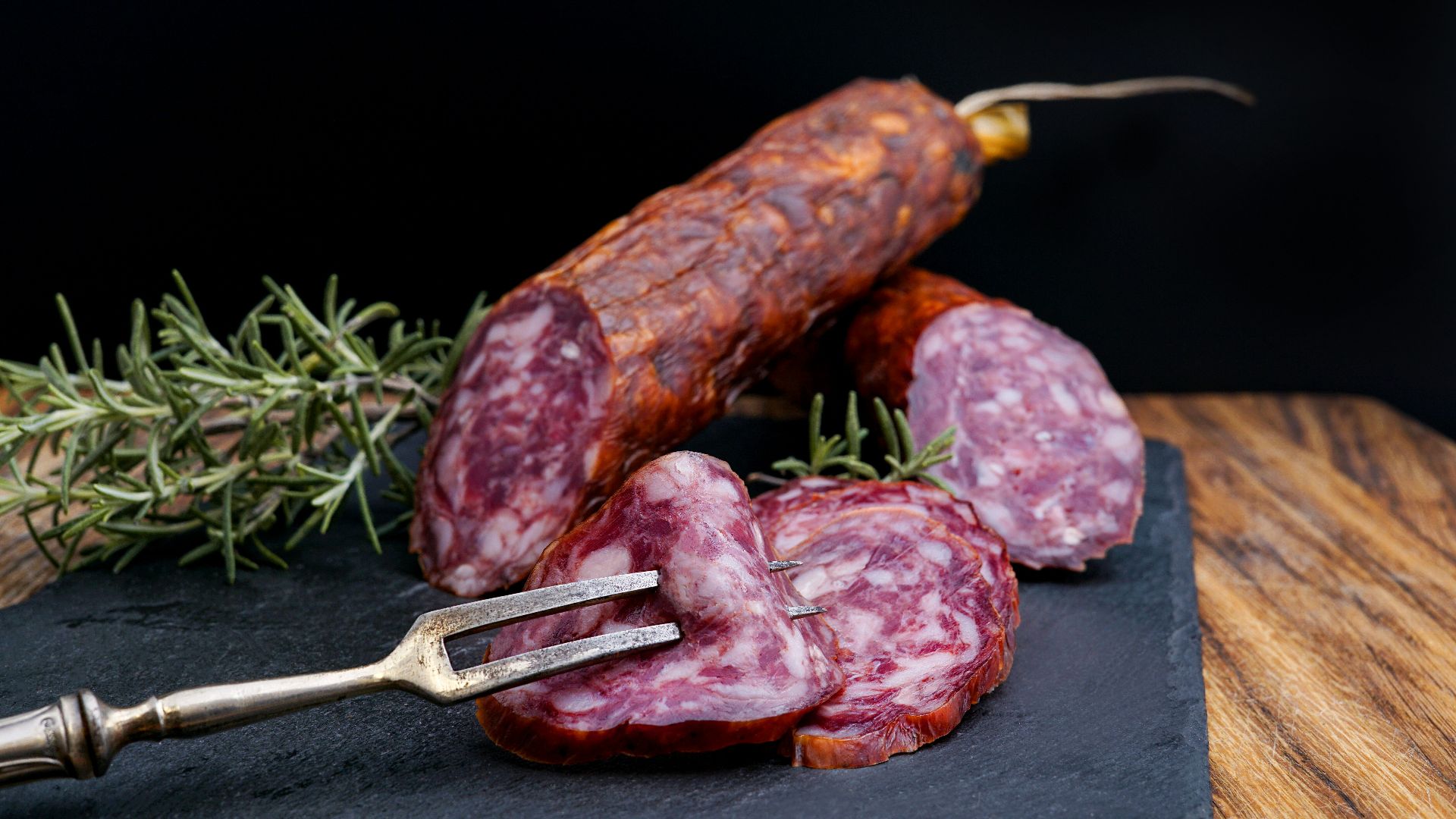
Plenty of salamis also rely on bacterial fermentation during production. Beneficial cultures acidify the meat mixture before or during drying, helping shape its flavor, texture, and stability. That slight tang you notice in a slice of dry salami isn't there by accident.
9. Olives
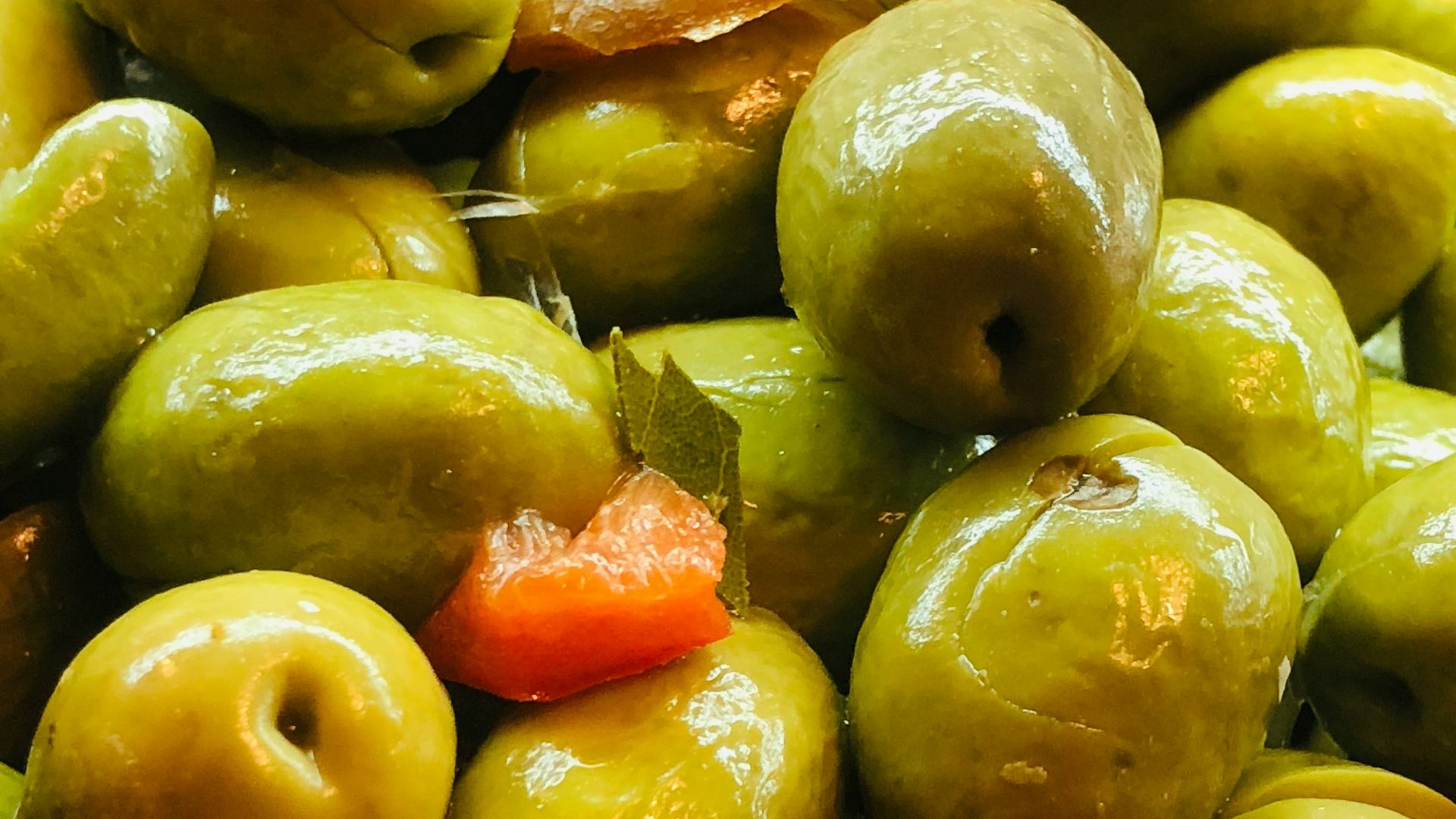
Fresh olives straight from a tree are intensely bitter and generally unpleasant to eat. Many varieties are cured in brine, where naturally occurring or added lactic acid bacteria ferment sugars in the fruit. The process reduces bitterness and helps create the salty, pleasantly acidic olives found on grocery store shelves.
10. Tabasco Sauce
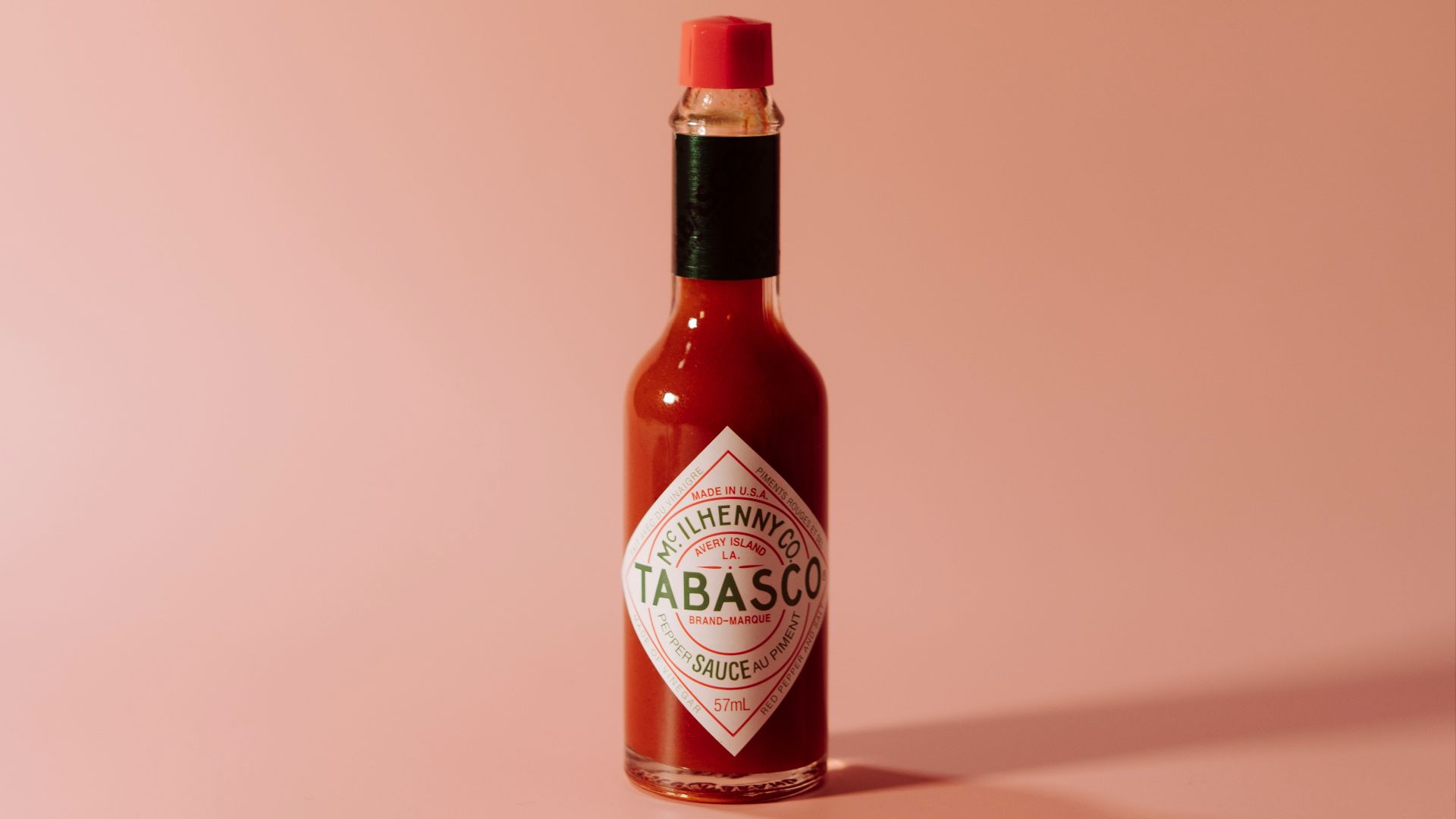
Traditional Tabasco sauce doesn't go straight from freshly picked peppers into the familiar little bottle. The company mixes crushed Tabasco peppers with salt and ages the mash in oak barrels for years, during which fermentation occurs before vinegar is added and the sauce is finished. That extended aging contributes to the sauce's distinctive fermented pepper flavor.
11. Fish Sauce
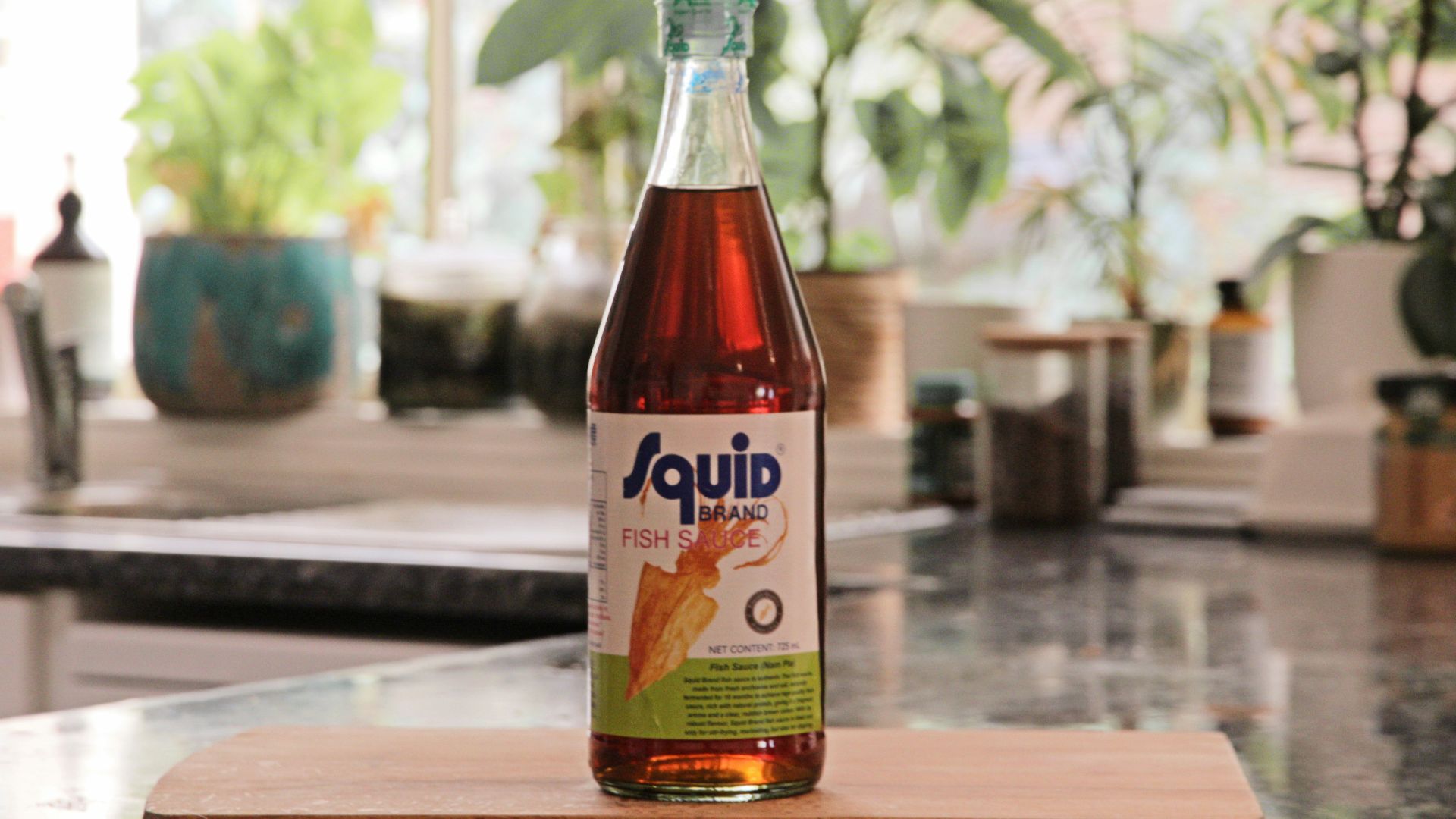
Fish sauce starts with a combination that doesn't sound particularly glamorous: fish and a substantial amount of salt. The mixture is left to ferment and mature for months or even longer, as enzymes and microorganisms help break down proteins. The resulting liquid is intensely savory and adds depth to many Southeast Asian dishes.
 Addilyn Ragsdill @clockworklemon.com on Unsplash
12. Miso
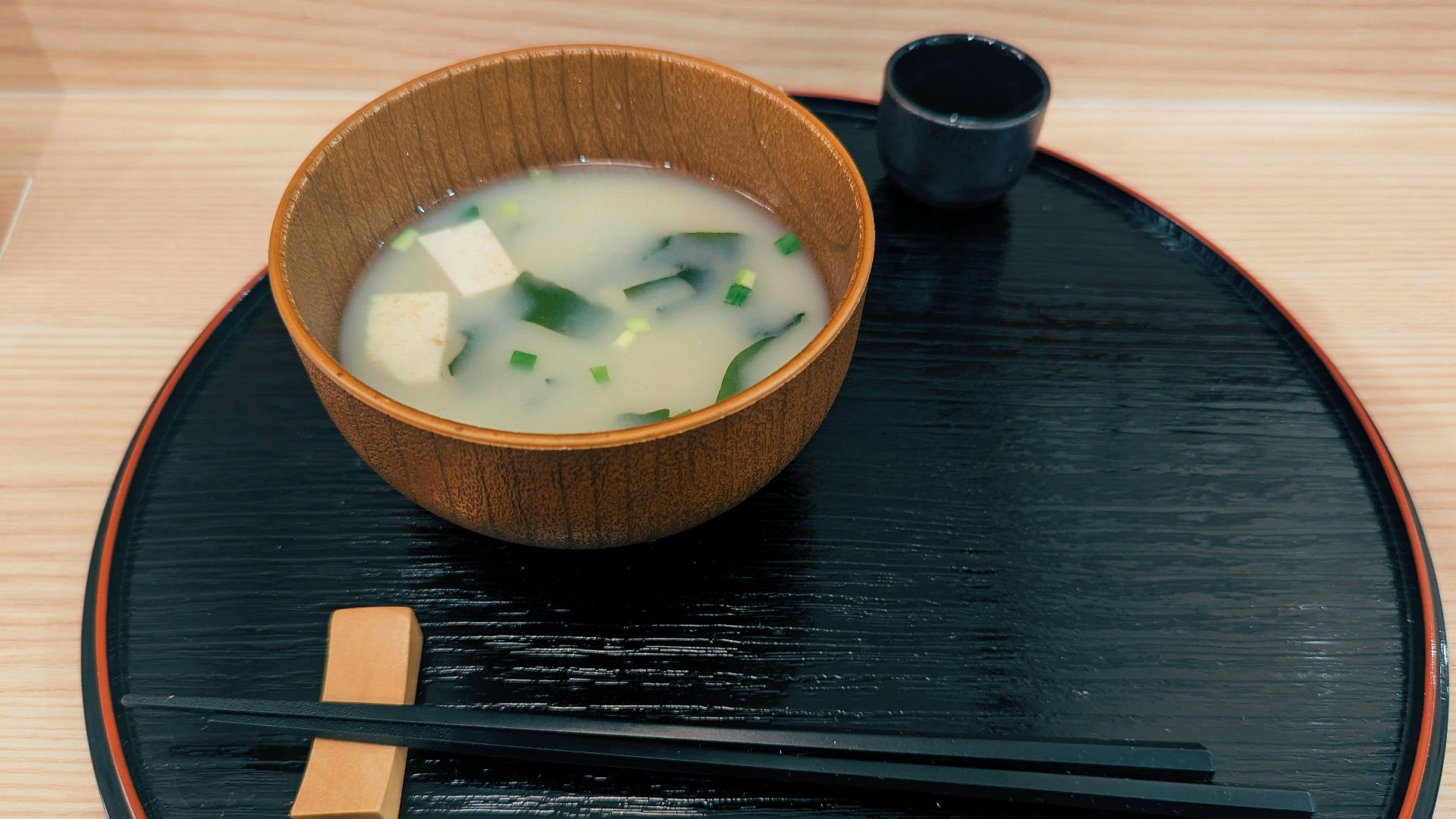
Miso paste gets its bold flavor from a fermentation process involving soybeans and koji, which is grain inoculated with Aspergillus oryzae. Salt is added, and the mixture may mature anywhere from weeks to years depending on the style. Longer fermentation generally produces darker, stronger-tasting varieties.
13. Tempeh
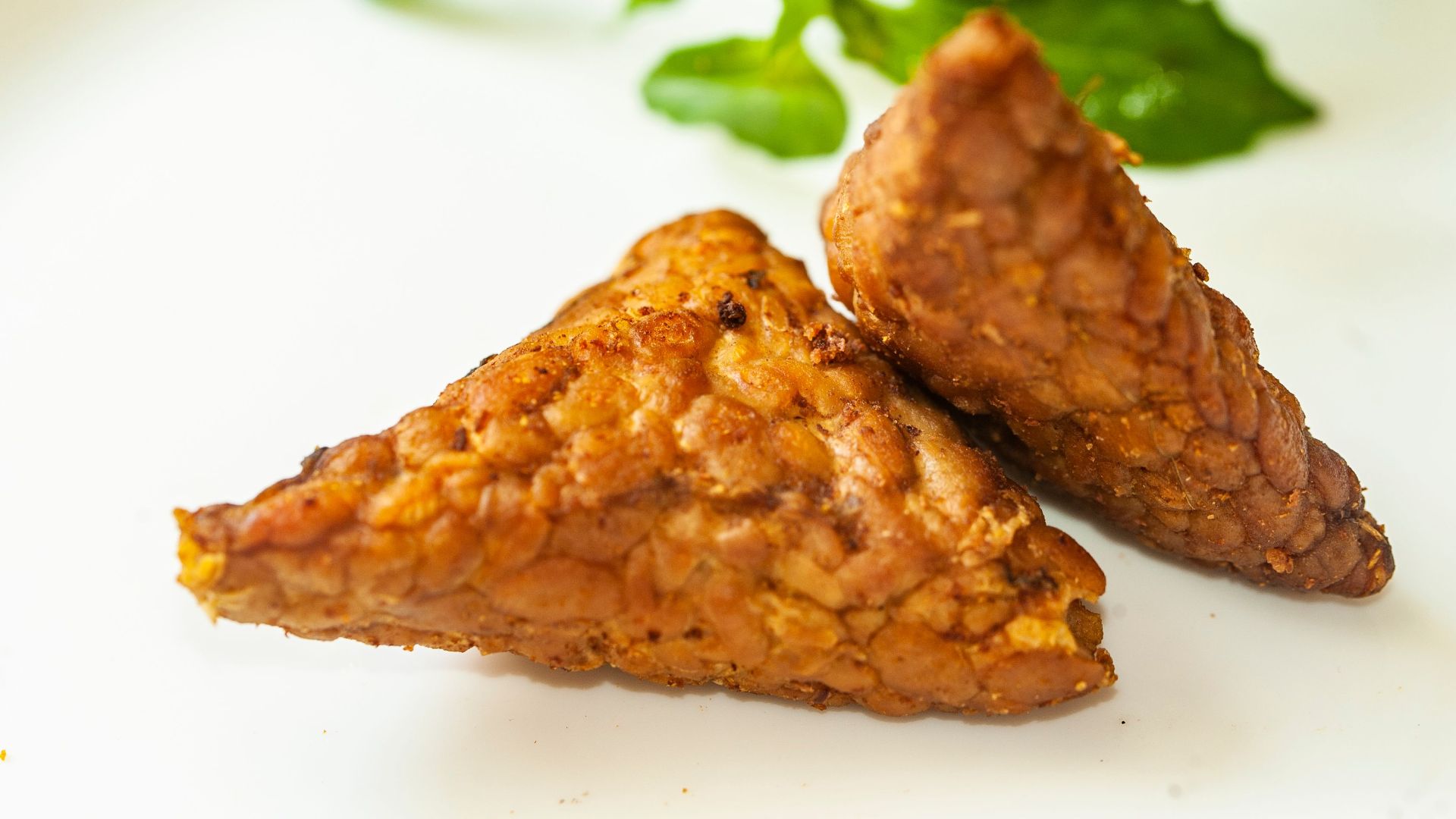
Tempeh may look like soybeans simply pressed into a firm block, but a mold culture is responsible for holding everything together. Cooked soybeans are inoculated with Rhizopus and left to ferment, allowing a network of white mycelium to form around them. The finished food has a firm texture and pleasantly nutty taste that's quite different from plain soybeans.
14. Some Pickles
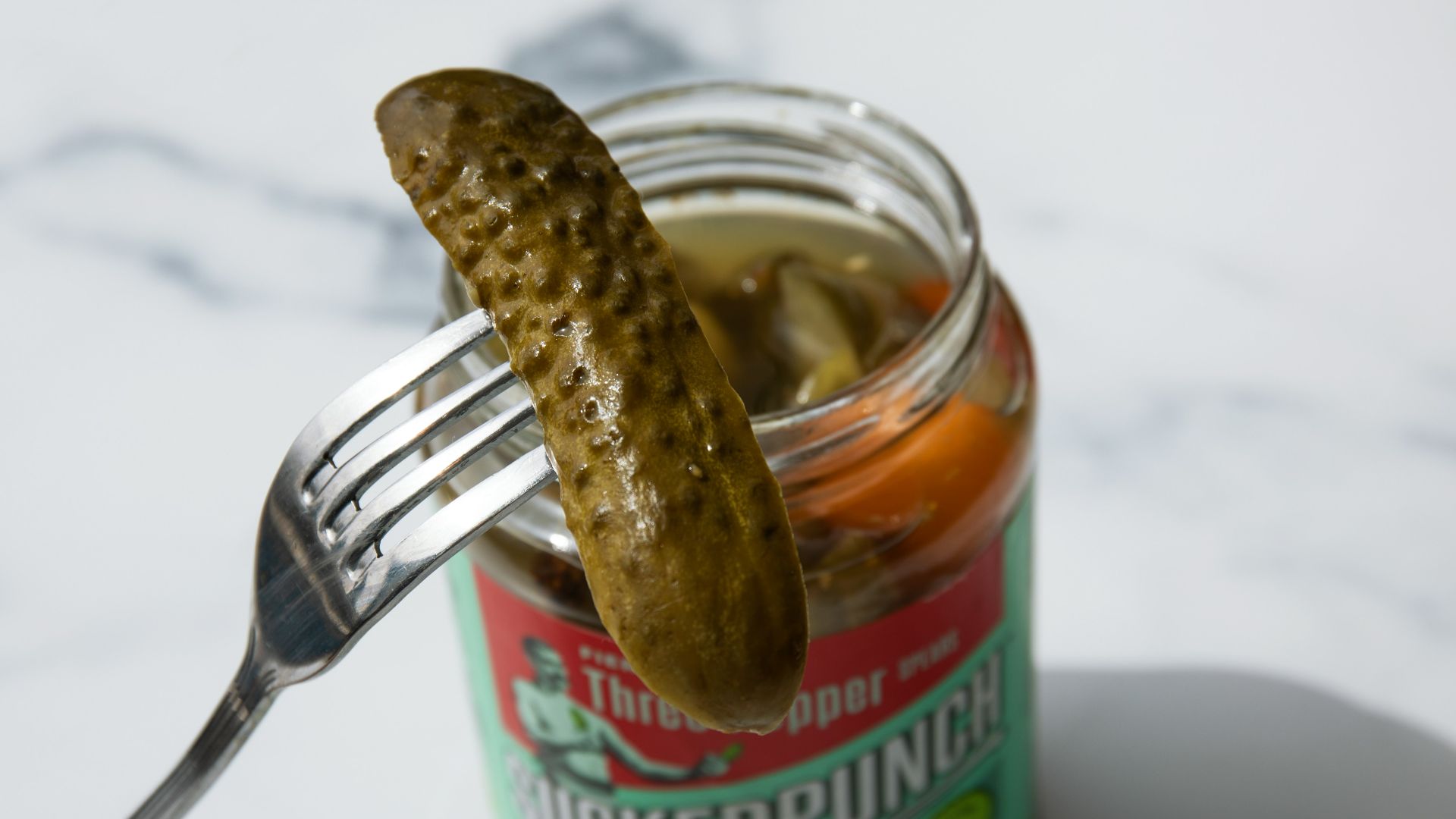
Not every pickle is fermented, since many modern versions are simply preserved with vinegar. Traditional fermented pickles, however, are submerged in salty brine and left for lactic acid bacteria to convert natural sugars into acid. That fermentation creates their signature sour flavor without requiring vinegar to do all the work.
 SuckerPunch Gourmet on Unsplash
15. Crème Fraîche
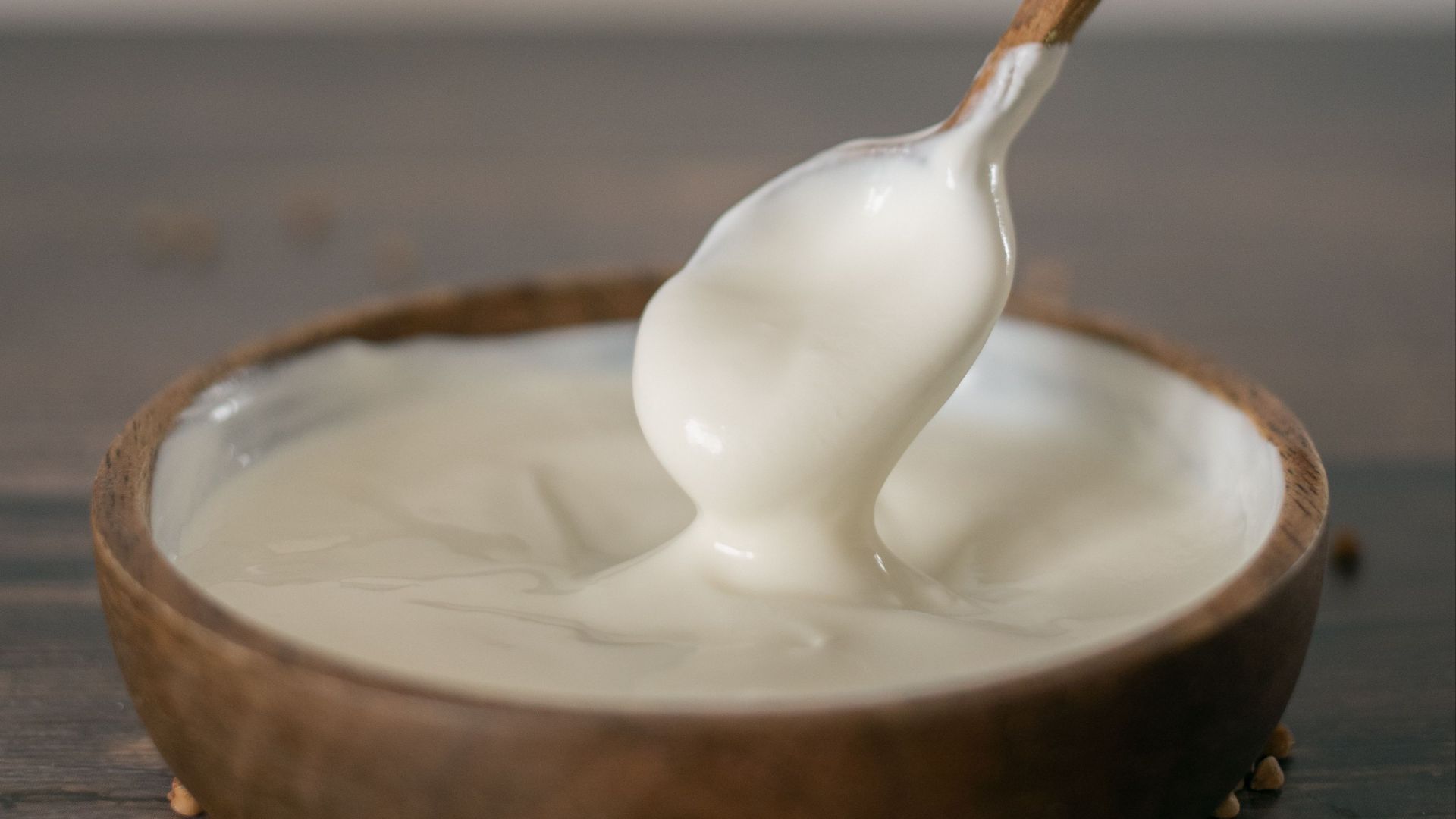
This rich dairy product gets its gentle tang through bacterial fermentation. Lactic acid bacteria ferment some of the lactose in cream, thickening it while lowering the pH. The result is smoother and less sharply sour than many other cultured dairy products.
16. Certain Cheeses
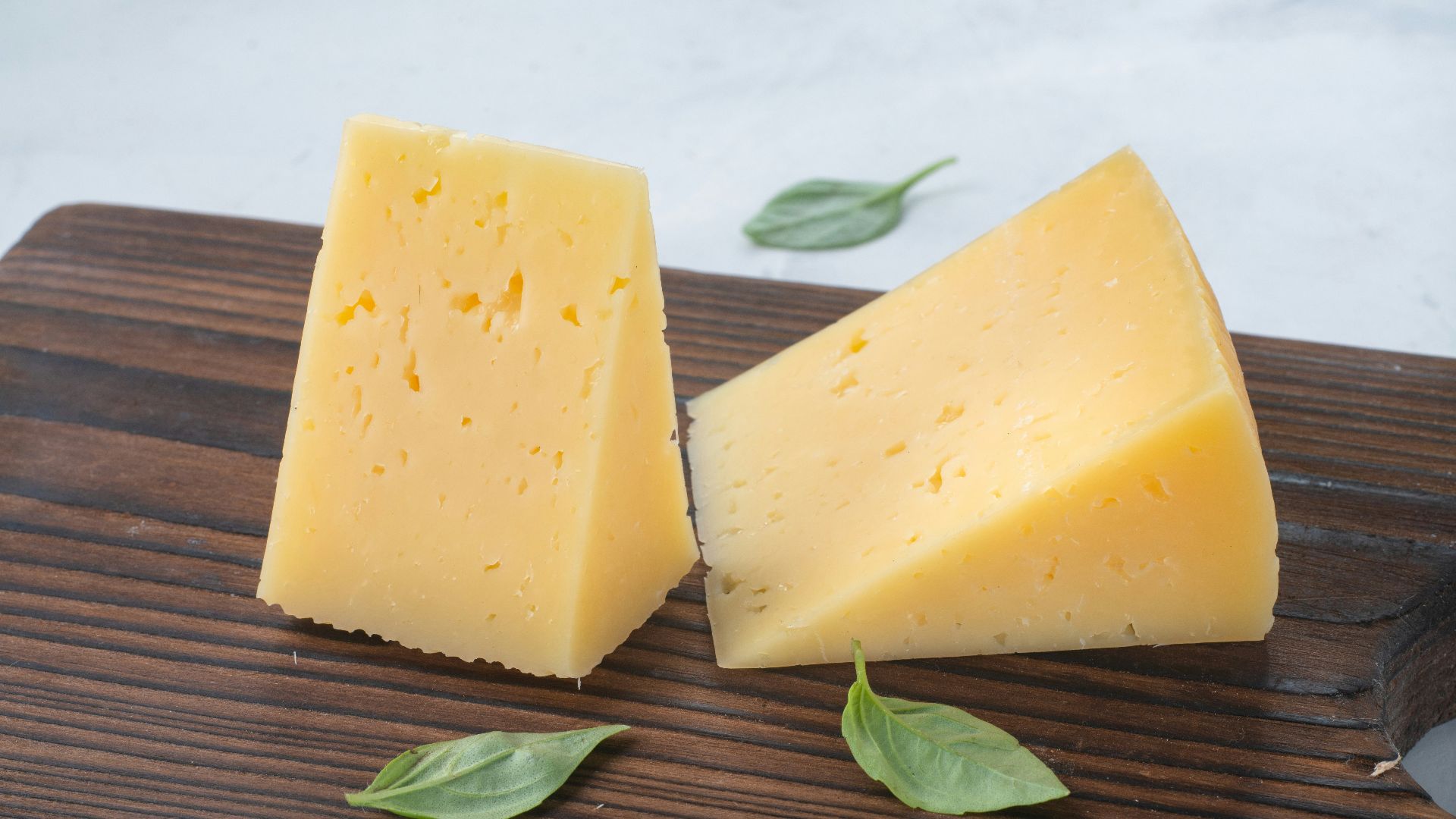
Fermentation is what makes a Gouda taste so different from a Beemster, even though they're technically the same cheese. Starter bacteria convert milk sugar into lactic acid, which helps with curd formation and influences the cheese's eventual flavor and texture. Aging then brings additional microbial and enzymatic changes that make one cheese taste completely different from another.
 David Foodphototasty on Unsplash
17. Vinegar
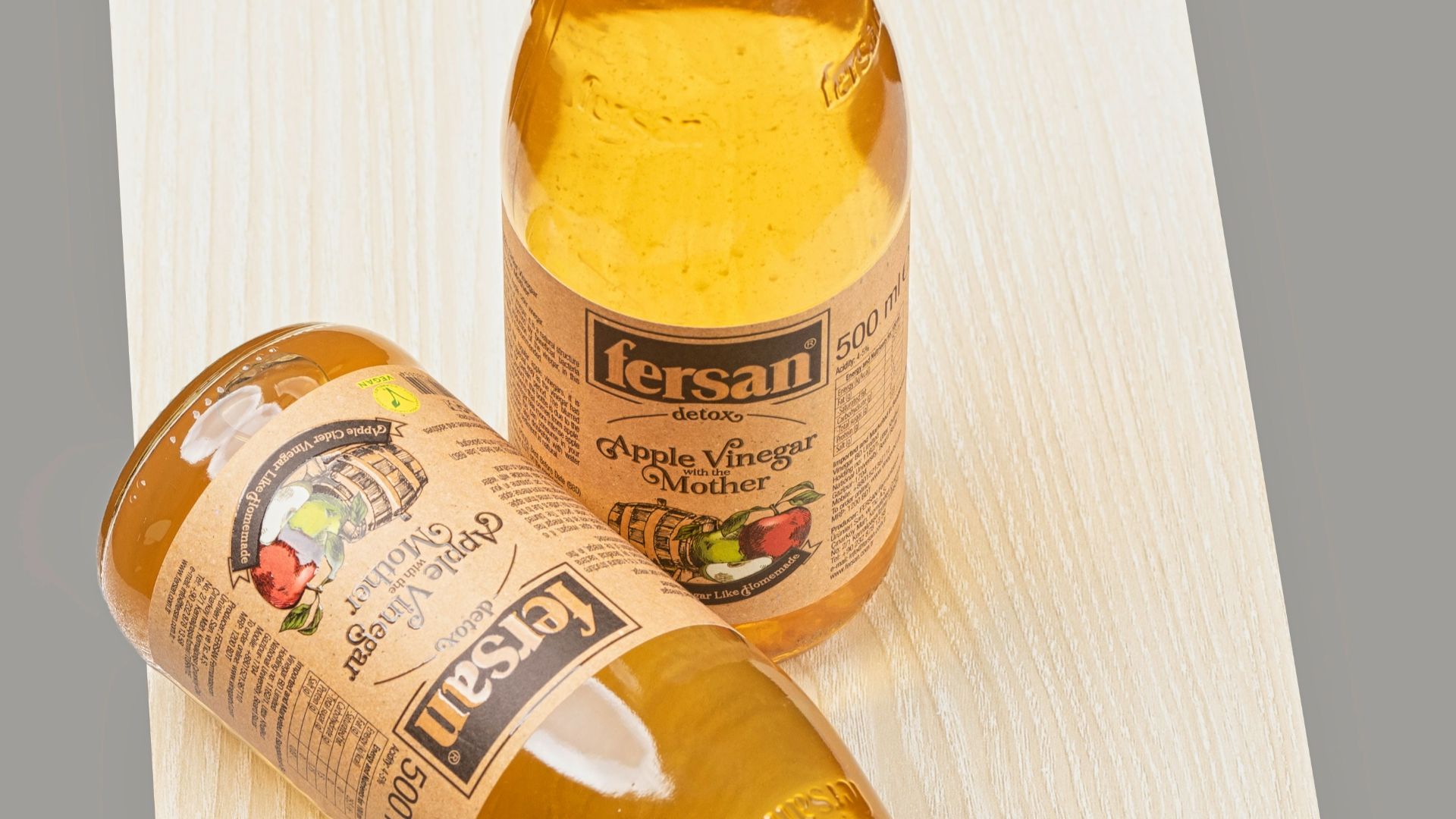
Vinegar actually requires two biological transformations rather than one. Yeast first ferments sugars into alcohol, and acetic acid bacteria then convert much of that alcohol into acetic acid. That's what gives vinegar the sharp acidity you recognize instantly in dressings, pickles, and sauces.
18. Hot Sauce
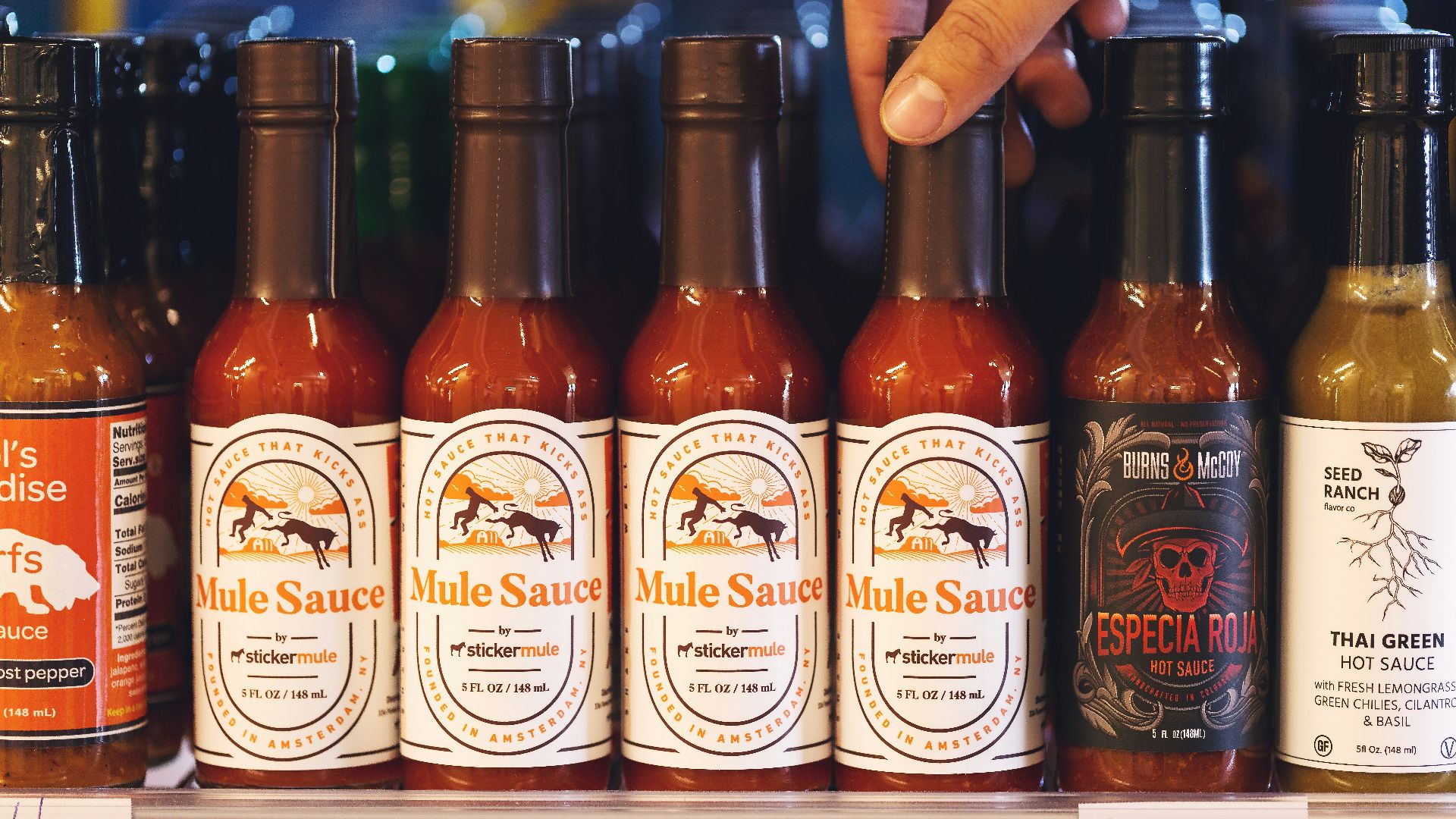
A surprising number of hot sauces start with fermented peppers rather than peppers that go directly into a blender. Producers may combine chiles with salt and allow lactic acid bacteria to ferment the mixture before blending and bottling it. Fermentation can soften the peppers' raw flavor and create more complex acidity beneath the heat.
19. Natto
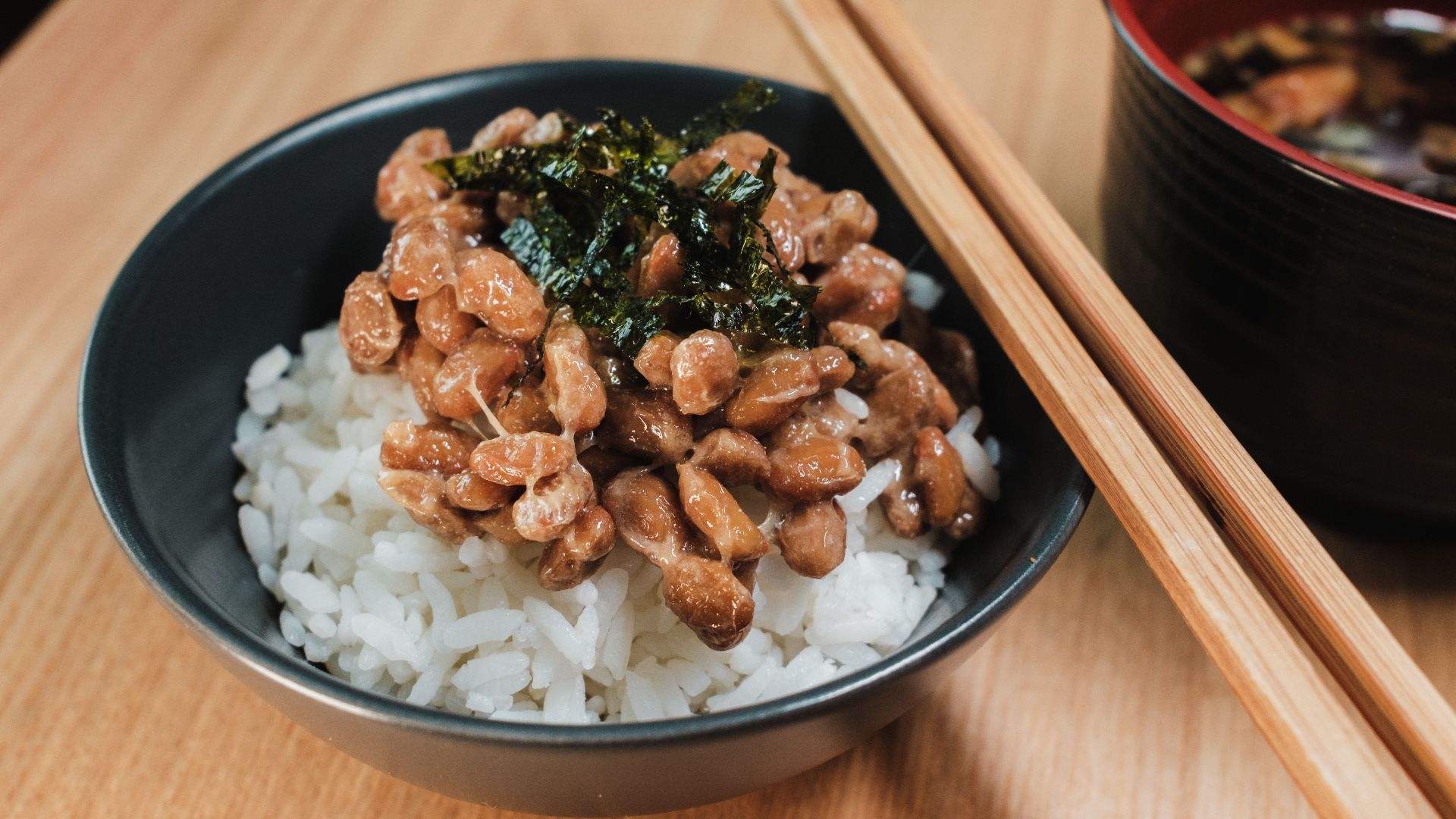
Natto is made by fermenting cooked soybeans with the bacterium Bacillus subtilis. The process produces the famously sticky strands and strong aroma that make natto instantly recognizable to anyone who's tried it. It's a traditional Japanese food, and its unusual texture comes directly from fermentation.
20. Fermented Tea Leaves
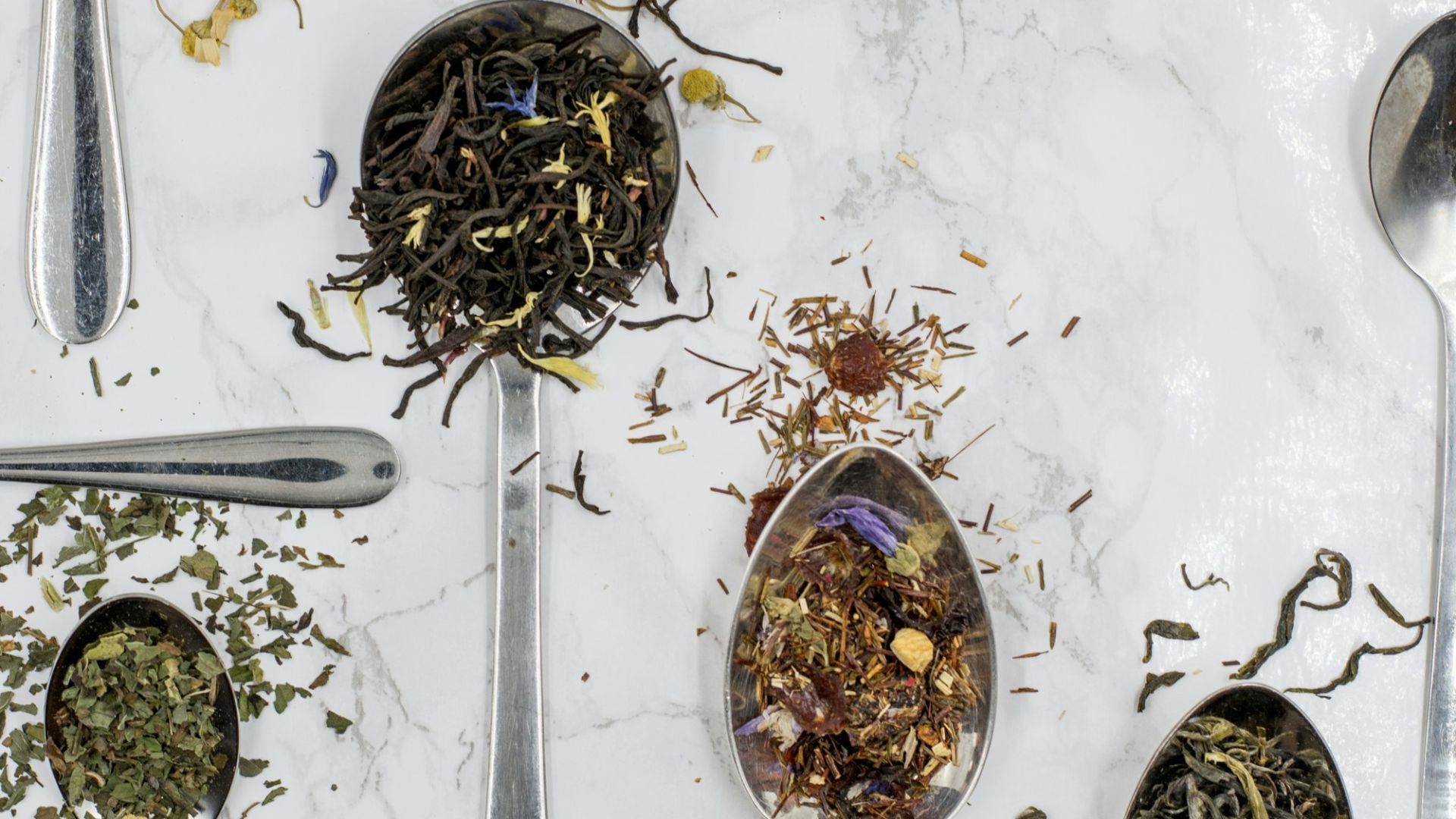
Not all fermented tea comes in a fizzy kombucha bottle. Some teas, such as pu-erh, undergo microbial fermentation or post-fermentation after the leaves have been processed, which changes their chemistry and flavor as they age. This can give the tea earthy, mellow, and increasingly complex characteristics that ordinary dried tea leaves don't develop in the same way.
KEEP ON READING