Tiny Missteps That Add Up On The Plate
Cooking errors rarely come from ignorance. They come from repetition, shortcuts learned early, or watching someone else do it once and assuming that was the rule forever. A lot of us cook the same foods on autopilot, trusting muscle memory over curiosity, even when the results are consistently just okay. The problem is not that the food is ruined, only that it never quite reaches what it could be. What follows are twenty foods that tend to suffer from these inherited habits, and the small, often counterintuitive changes that make them taste the way they were always meant to.
1. Eggs
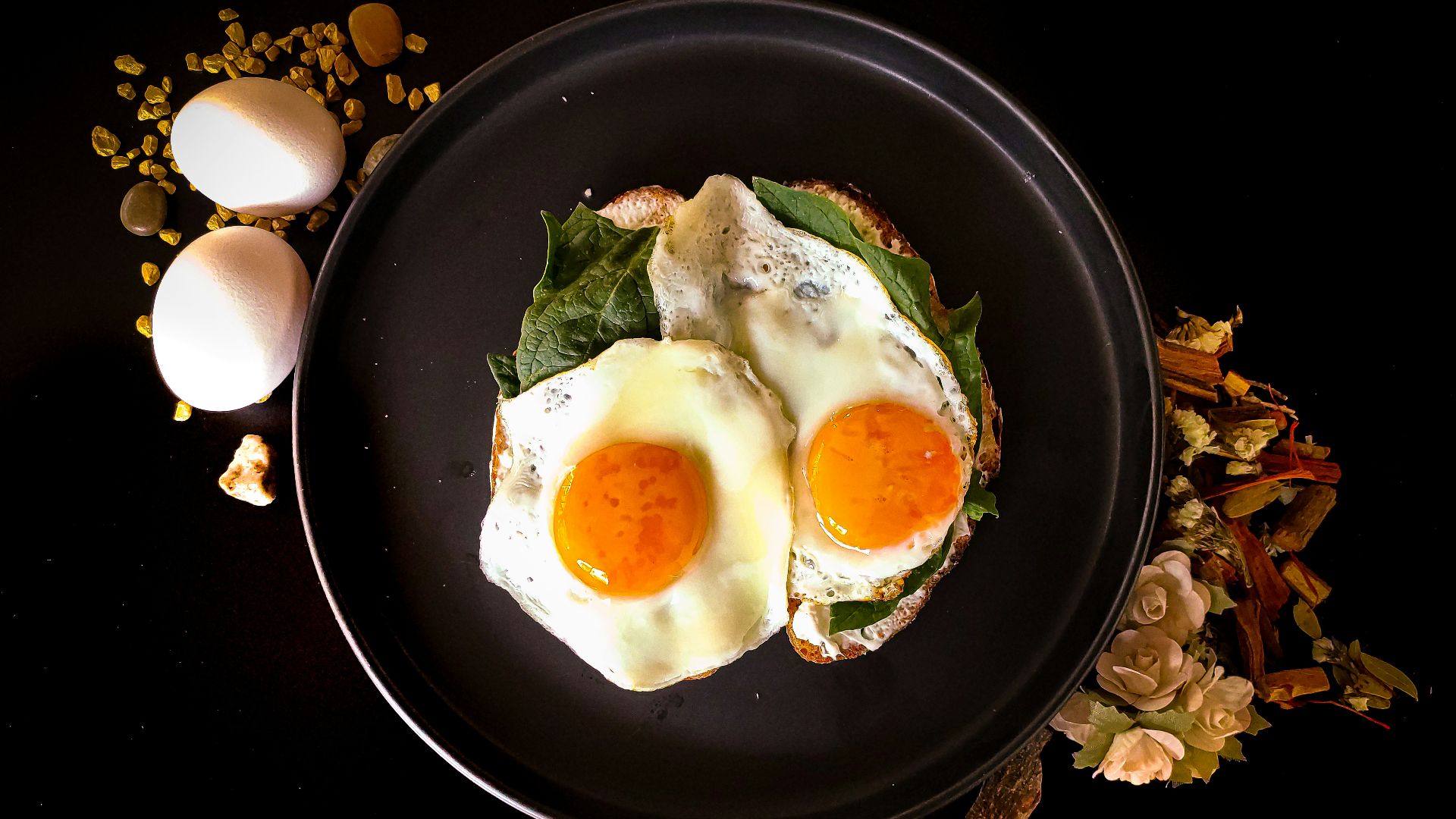
Eggs get blasted with too much heat, turning tender proteins into rubber. Professional kitchens cook them gently, often over medium-low, because eggs keep cooking after they leave the pan. The difference between fluffy and chalky is usually about thirty seconds.
2. Pasta
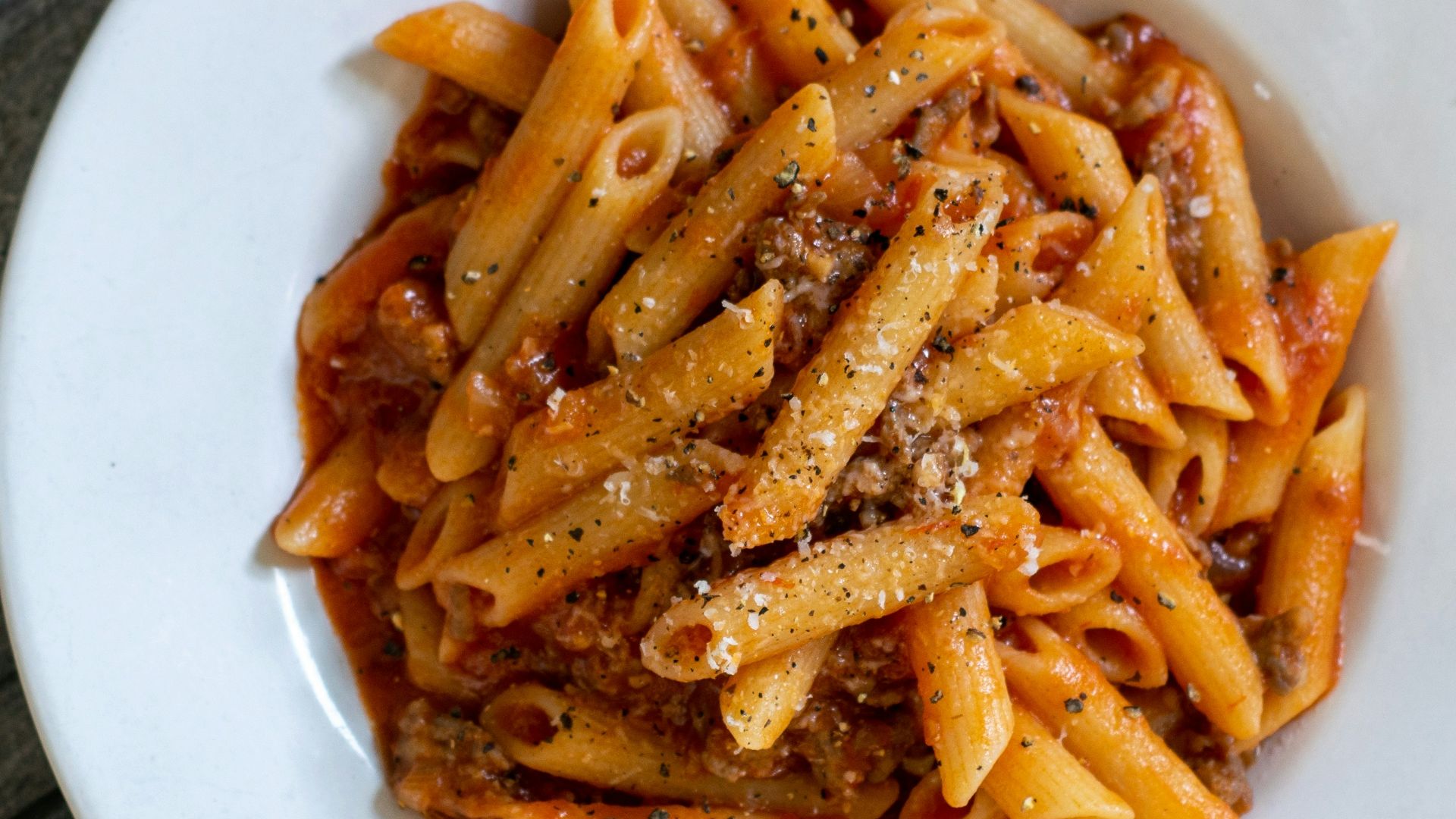
Most pasta water is under-salted, which means the noodles never get seasoned from the inside. Italian cooks famously say the water should taste like the sea, not because they are dramatic, but because starch absorbs salt as it hydrates. Adding salt only at the sauce stage cannot fix bland pasta.
3. Chicken Breast
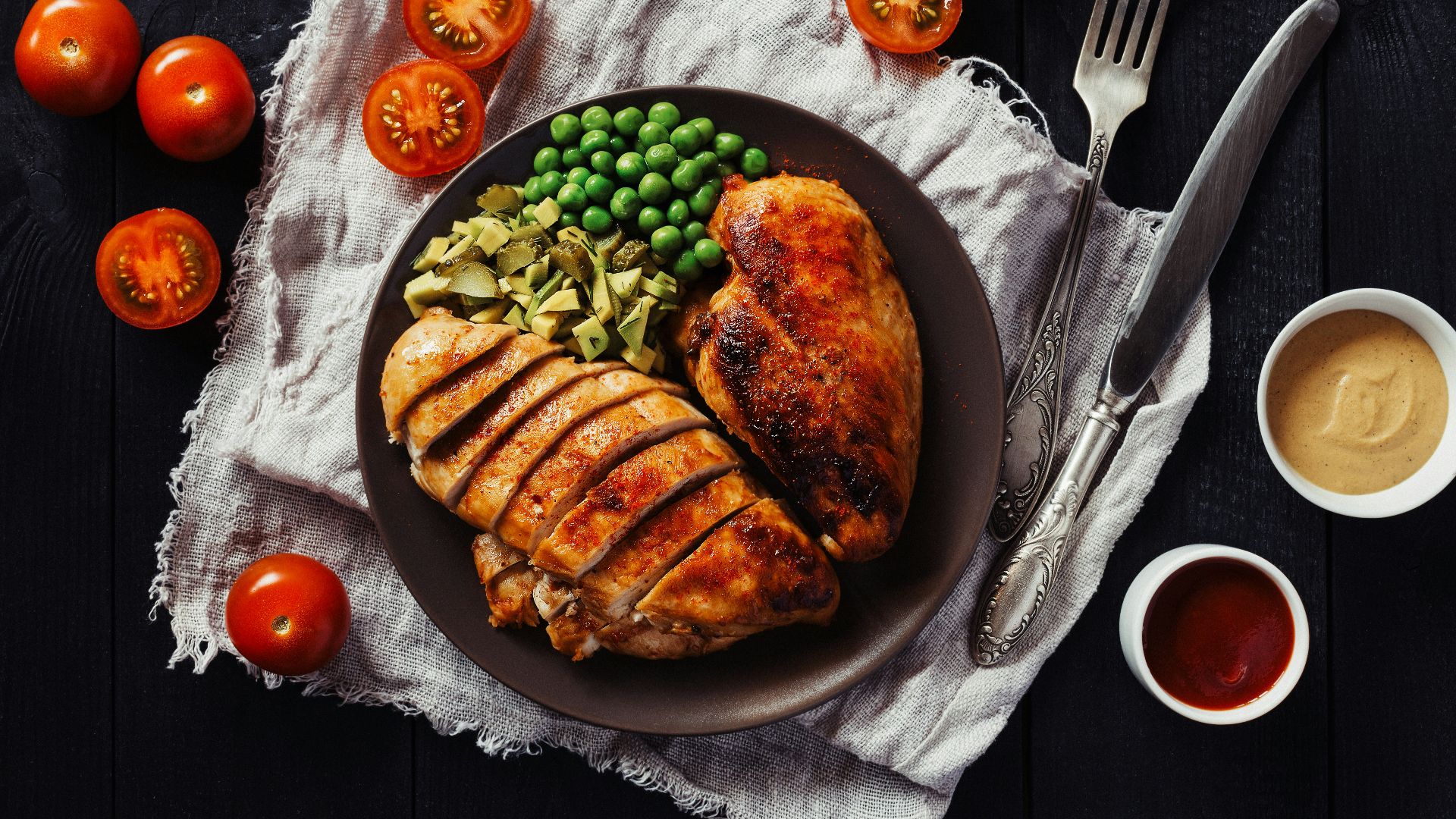
Chicken breast dries out because it gets cooked straight from the fridge and pushed too far. Letting it sit at room temperature for fifteen minutes helps it cook evenly, and pulling it early lets carryover heat finish the job. The USDA temperature is a safety threshold, not a goal for texture.
4. Steak
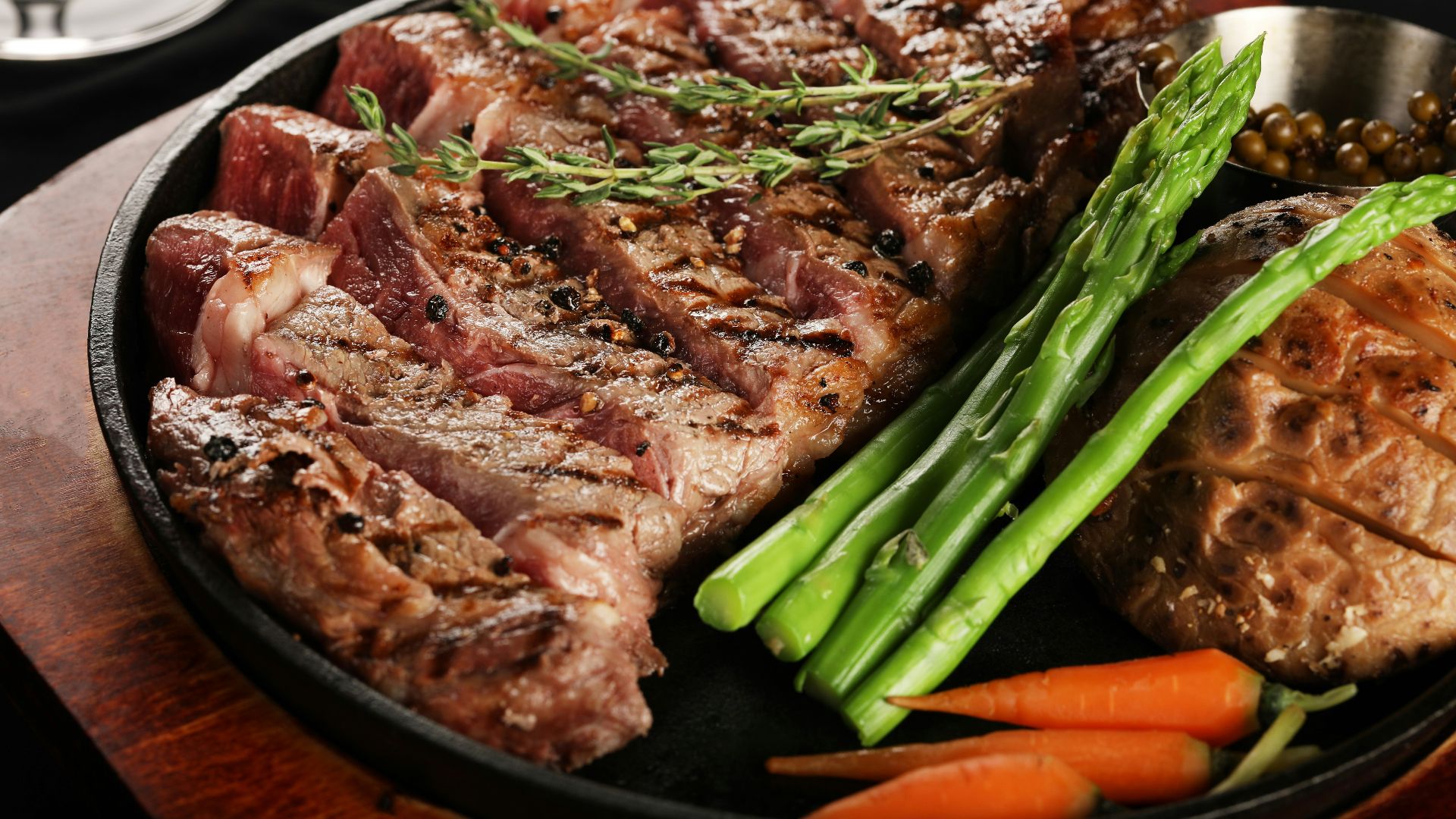
Steak sticks and steams when it is crowded or placed in a cold pan. A properly heated pan creates instant browning through the Maillard reaction, which has been studied since the early twentieth century. That crust is flavor, not decoration.
5. Bacon
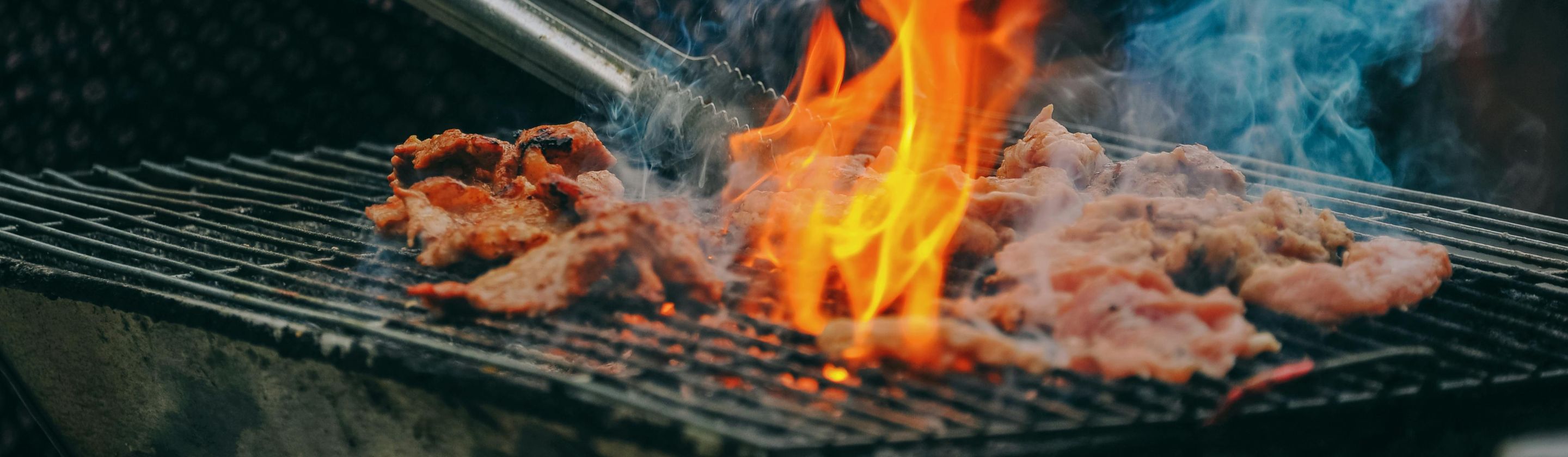
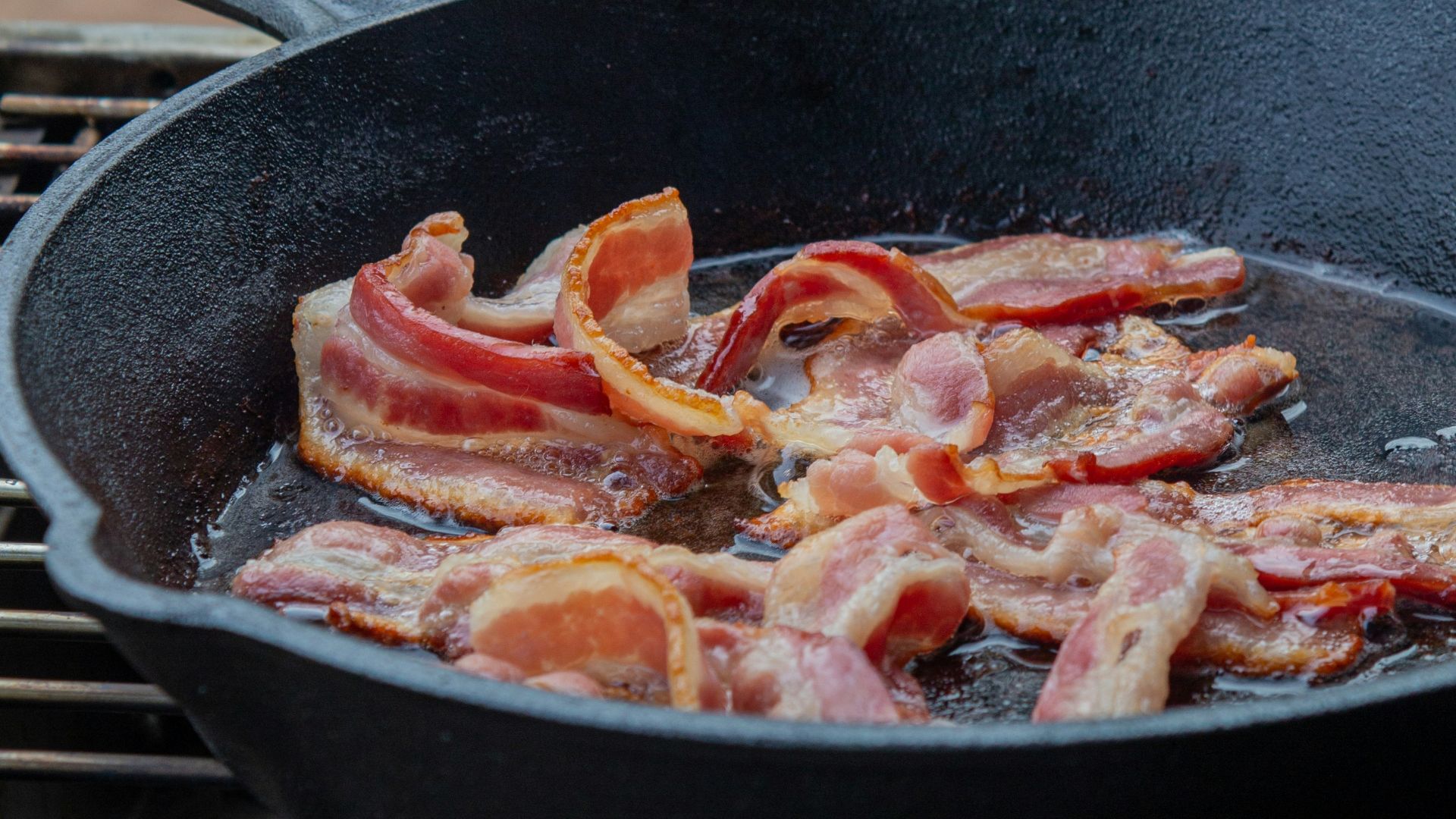
Bacon scorches when rushed over high heat. Starting it in a cold pan allows the fat to render slowly, producing crisp meat instead of bitter char. This method has been standard in restaurant kitchens for decades.
 Michelle @Shelly Captures It on Unsplash
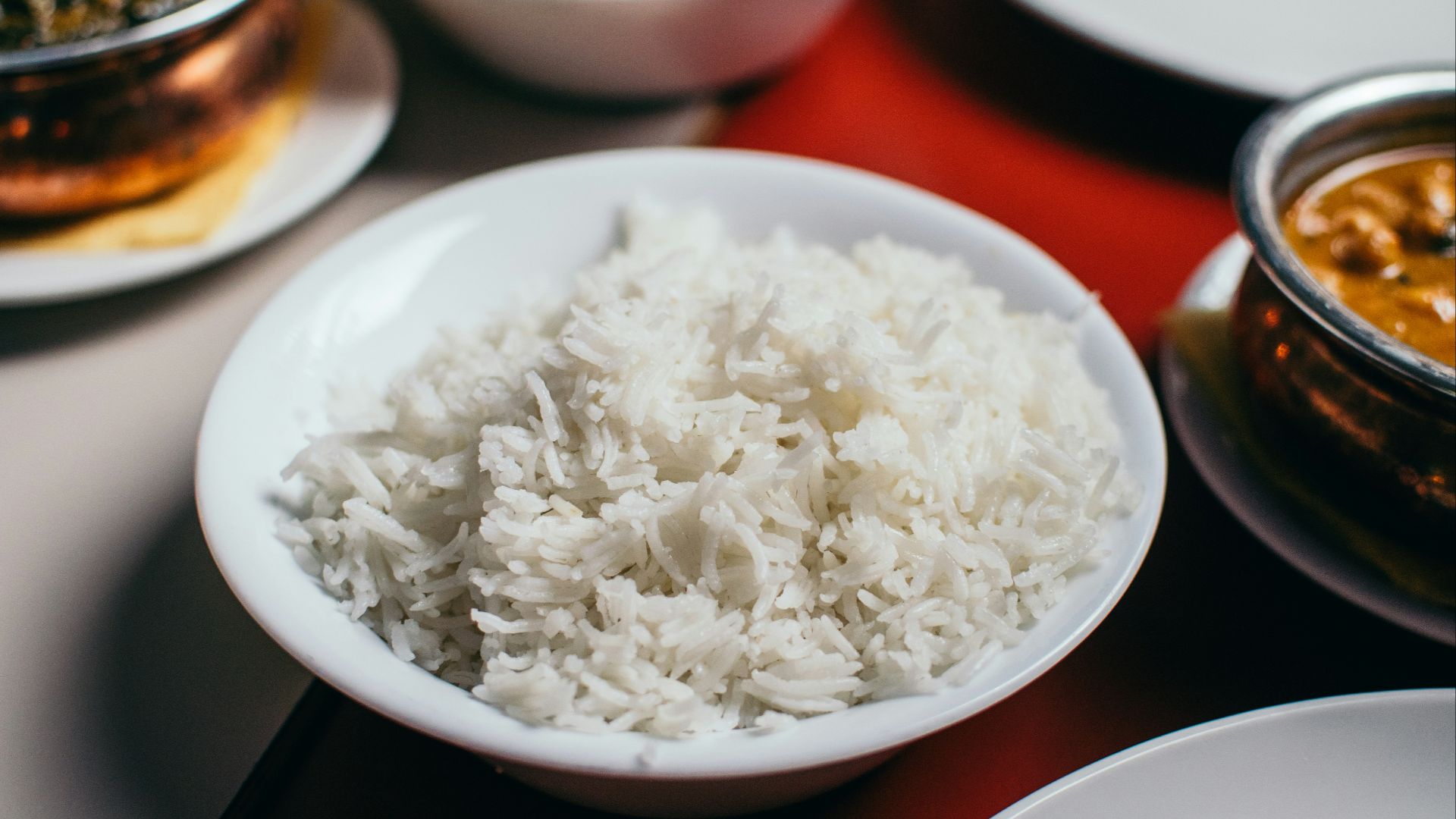
6. Rice
Rice turns mushy or scorched because the lid gets lifted. Steam is the engine of proper rice cooking, and every peek releases it. Cultures that rely on rice as a staple treat the pot like a sealed system for a reason.
7. Garlic
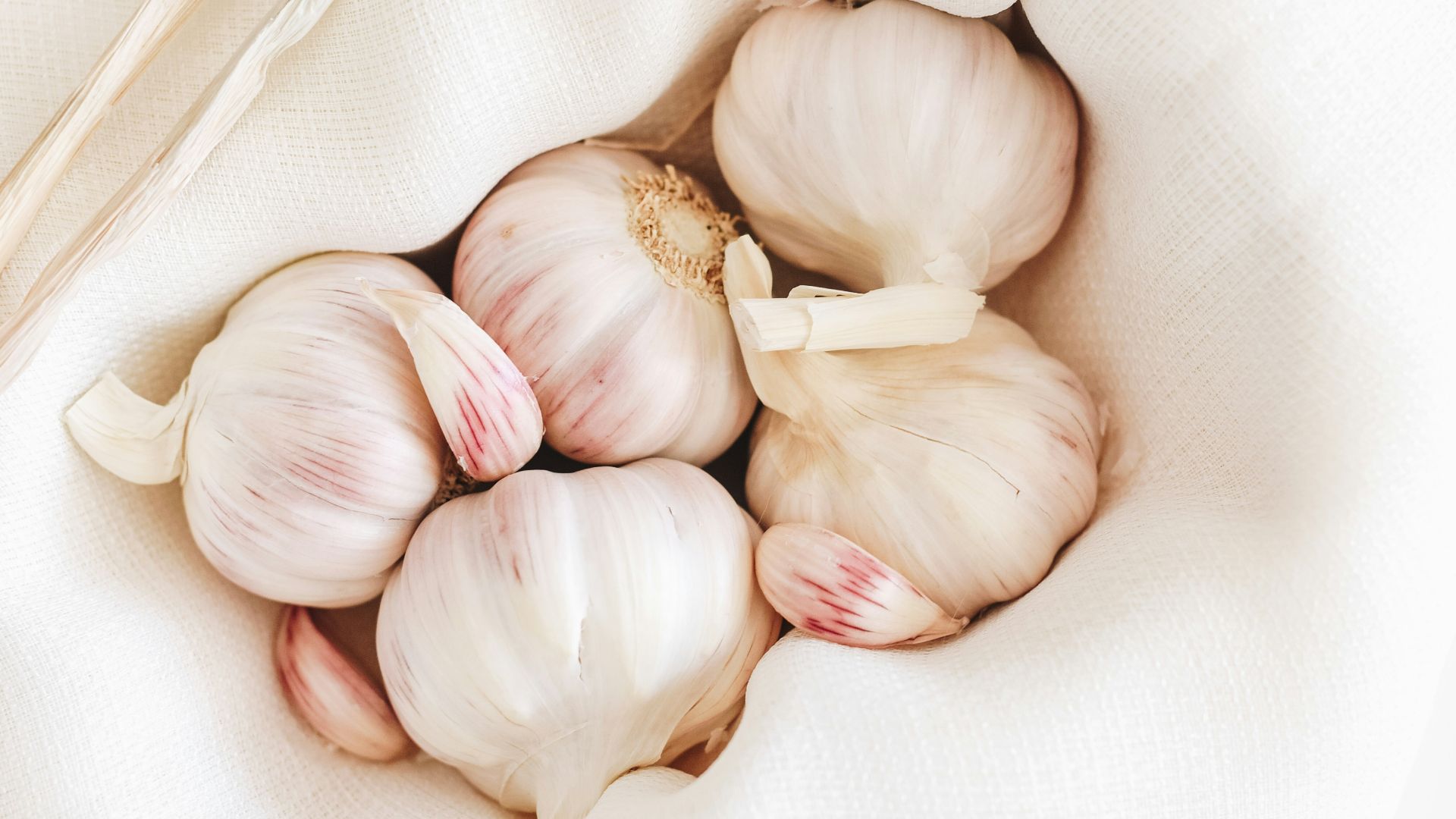
Garlic burns quickly and turns harsh when treated like an onion. It should usually go in later, once oil is warm but not aggressive. Burned garlic is the most common cause of mysteriously bitter sauces.
8. Onions
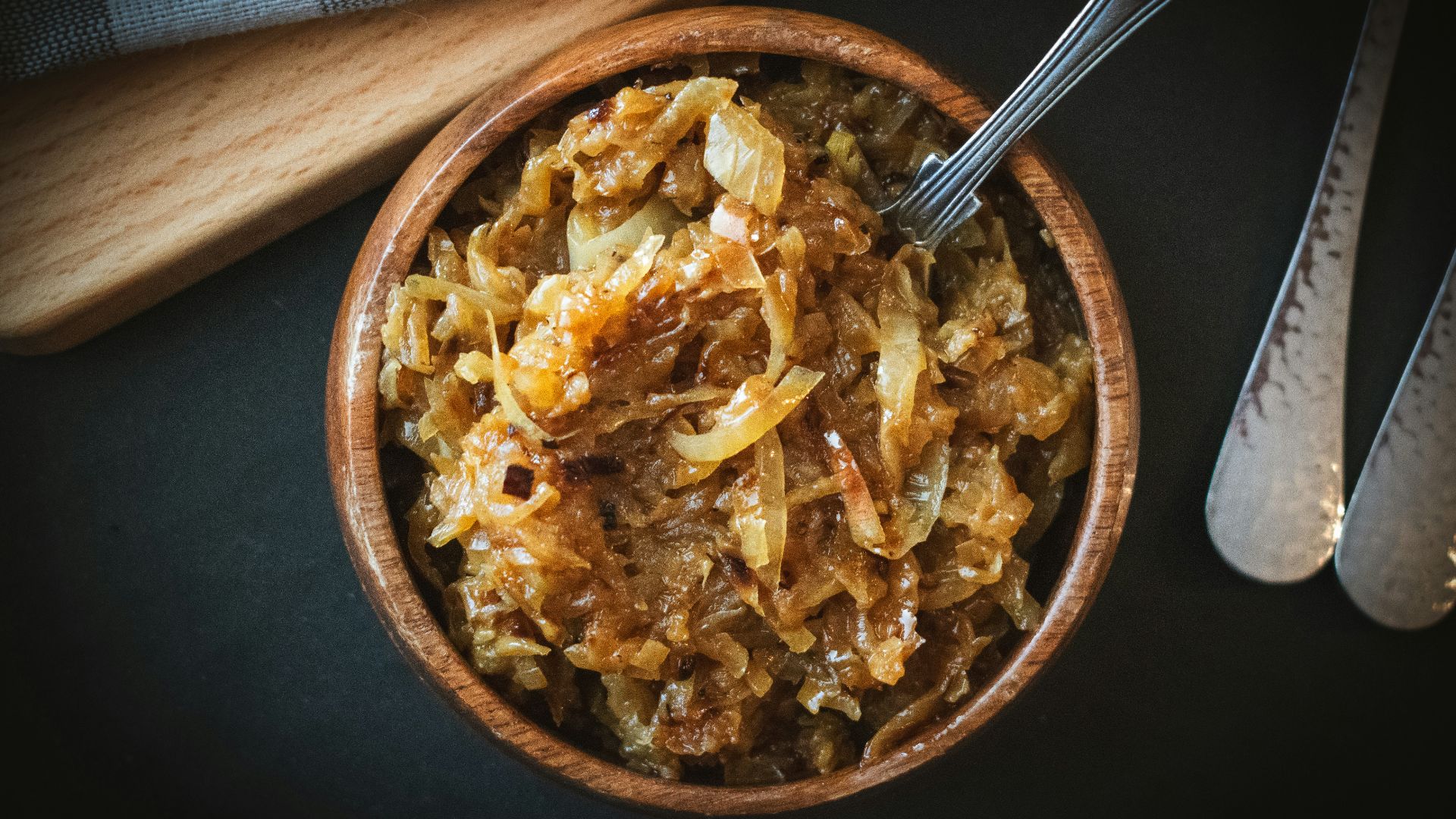
Onions are often rushed, leaving them sharp instead of sweet. True caramelization takes time, sometimes forty minutes, as sugars slowly break down. That deep brown color cannot be forced without sacrificing flavor.
9. Mushrooms
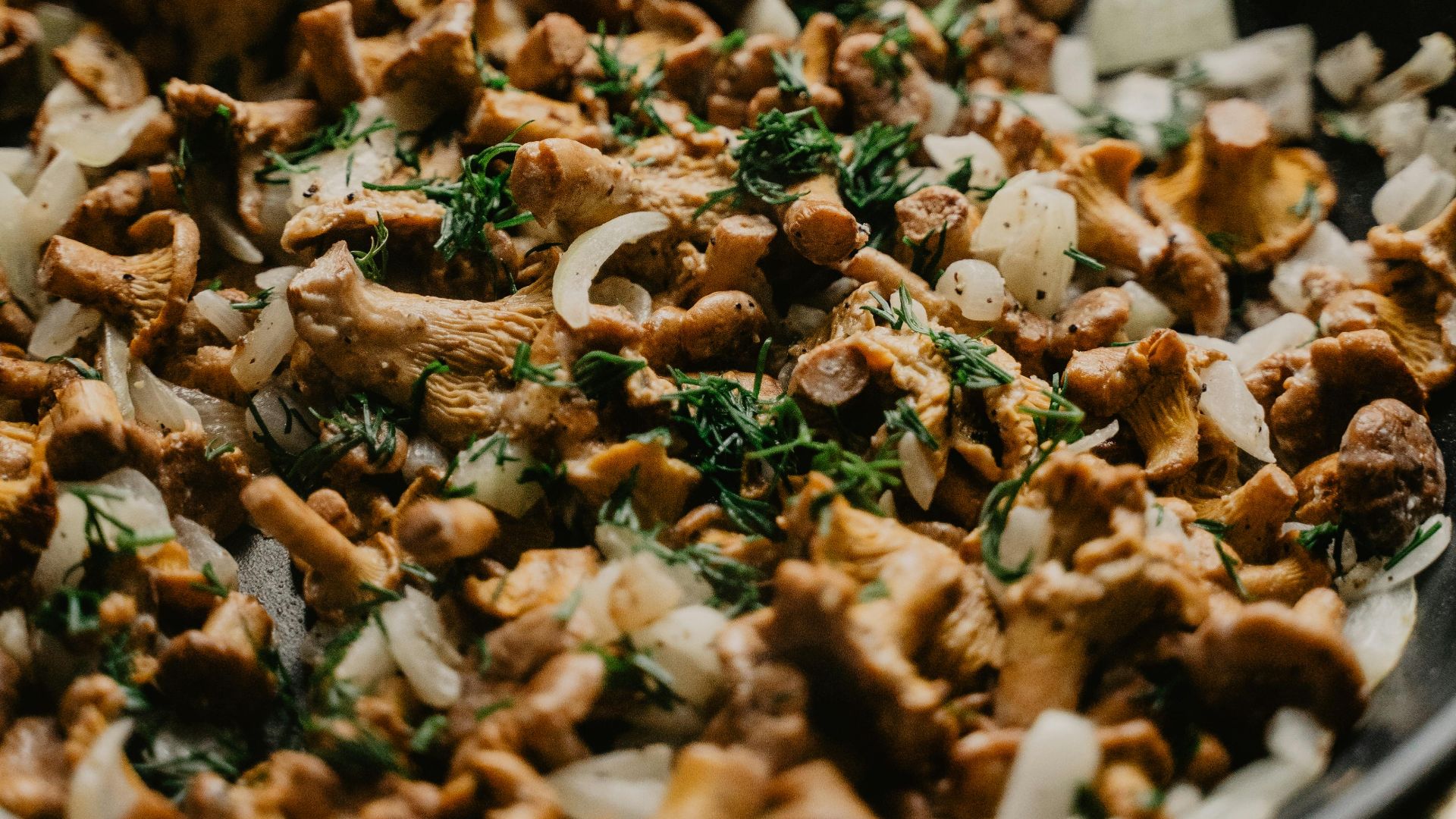
Mushrooms get soggy when salted too early. Salt draws out moisture, which prevents browning and traps them in a gray, rubbery stage. Cooking them dry first lets water evaporate before seasoning.
10. Vegetables
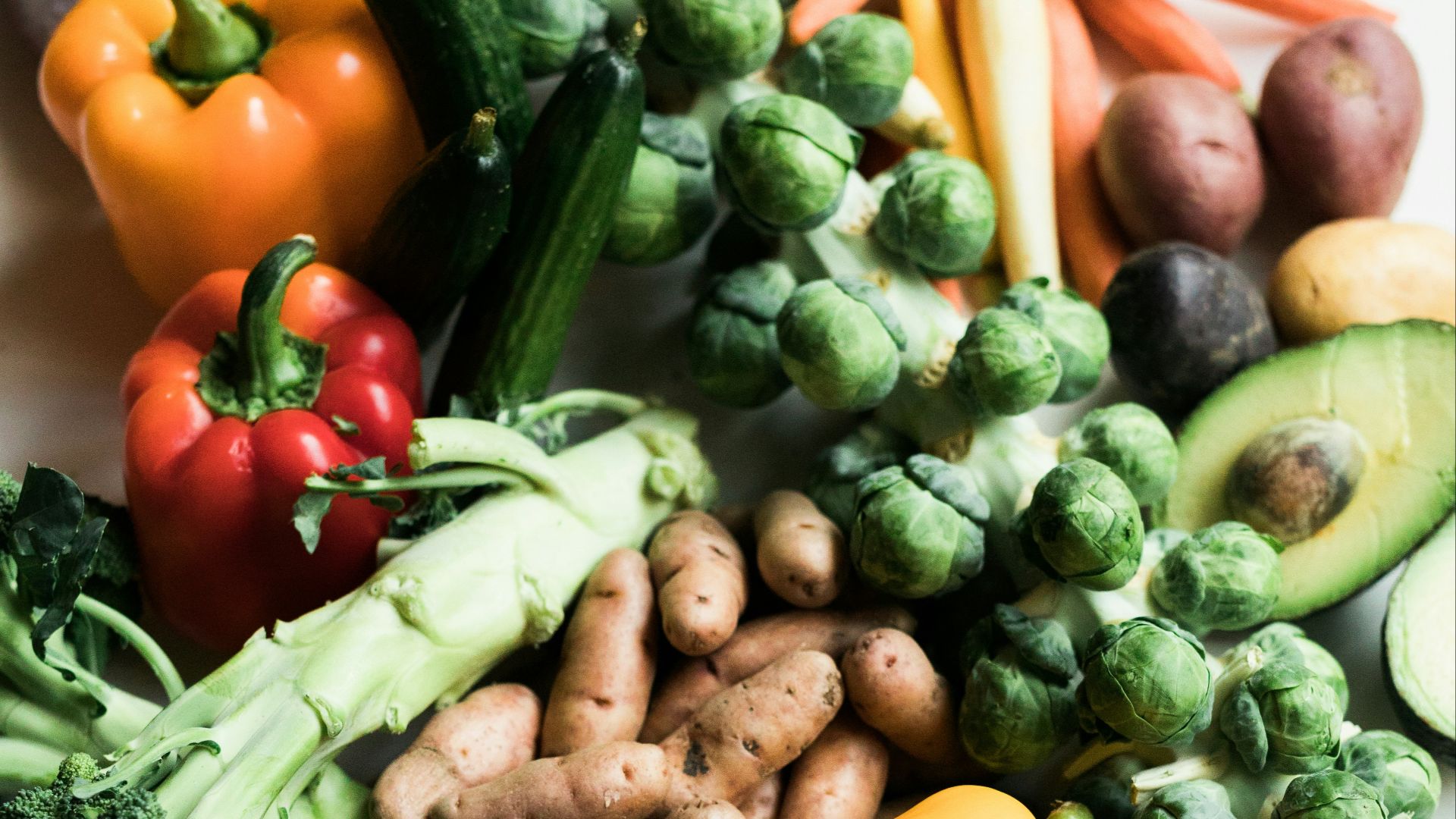
Vegetables are frequently boiled into submission. Roasting at high heat concentrates sugars and creates crisp edges through dehydration. This is why restaurant vegetables taste richer with less seasoning.
11. Fish
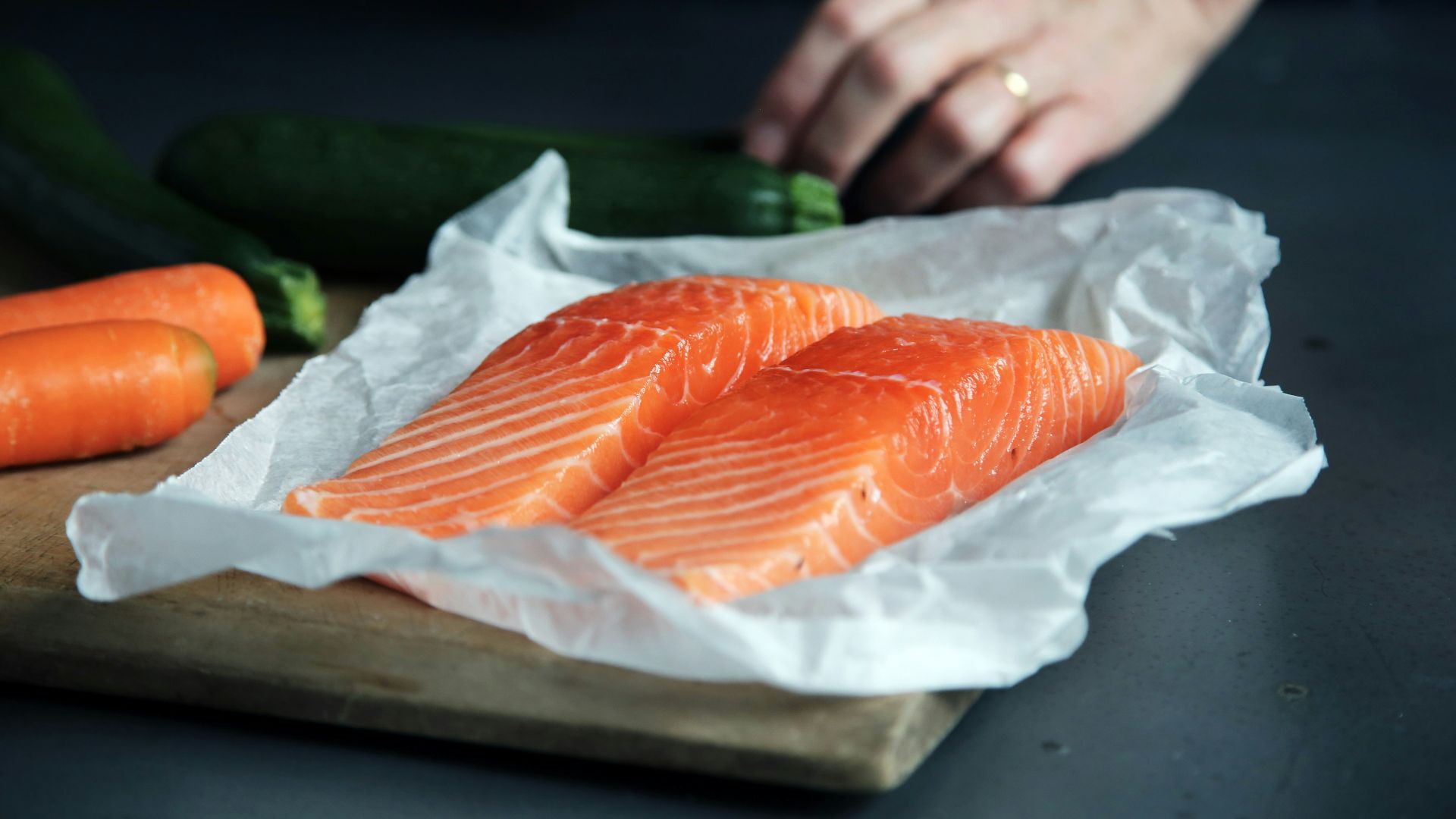
Fish flakes apart when handled too much. Once it hits the pan, it needs time to release naturally before flipping. Professional cooks rely on patience more than tools when working with delicate fillets.
12. Ground Beef
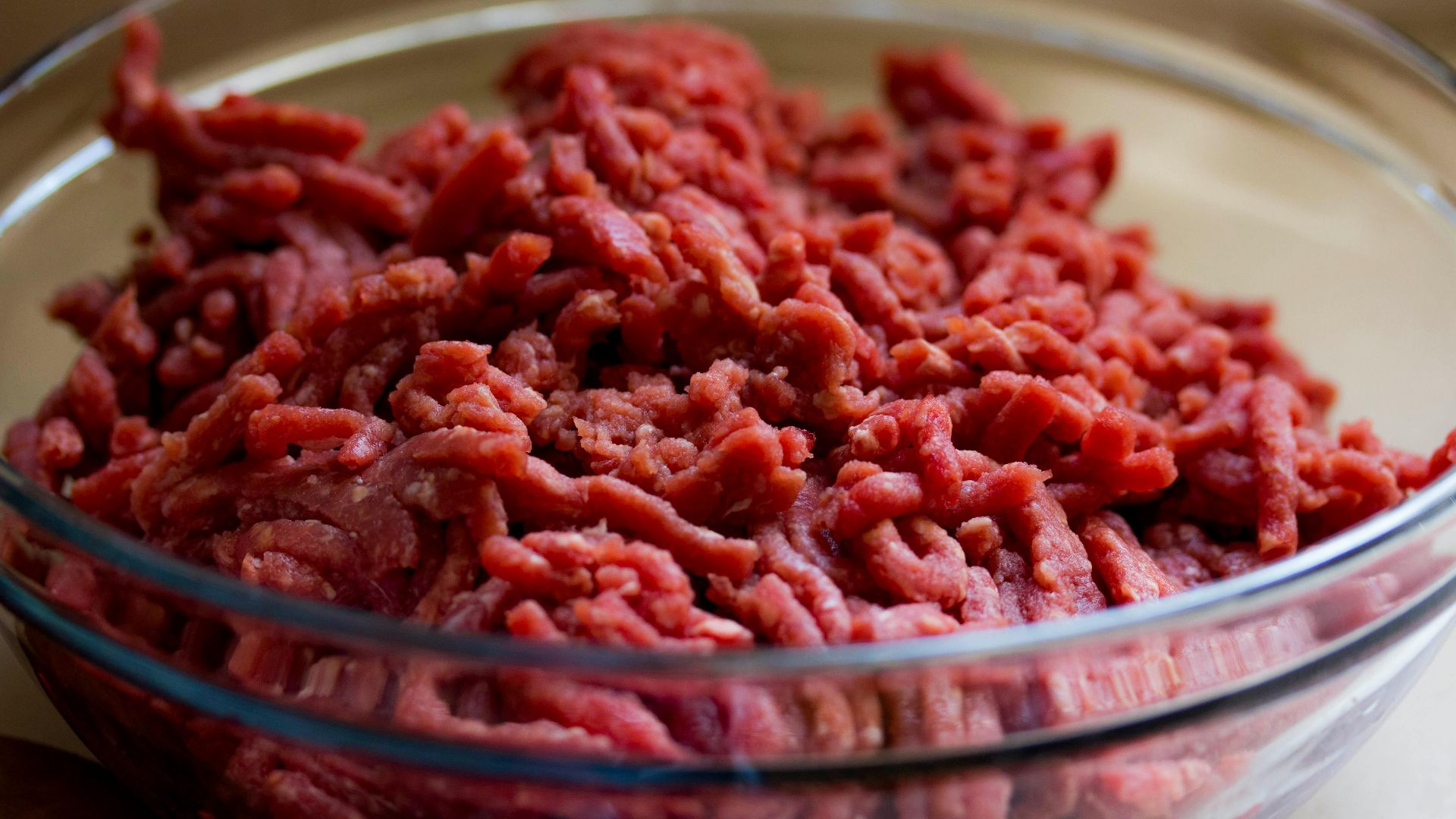
Ground beef gets dense when stirred constantly. Letting it brown undisturbed creates flavor compounds similar to those found in grilled meat. Breaking it up too early prevents those reactions.
13. Pancakes
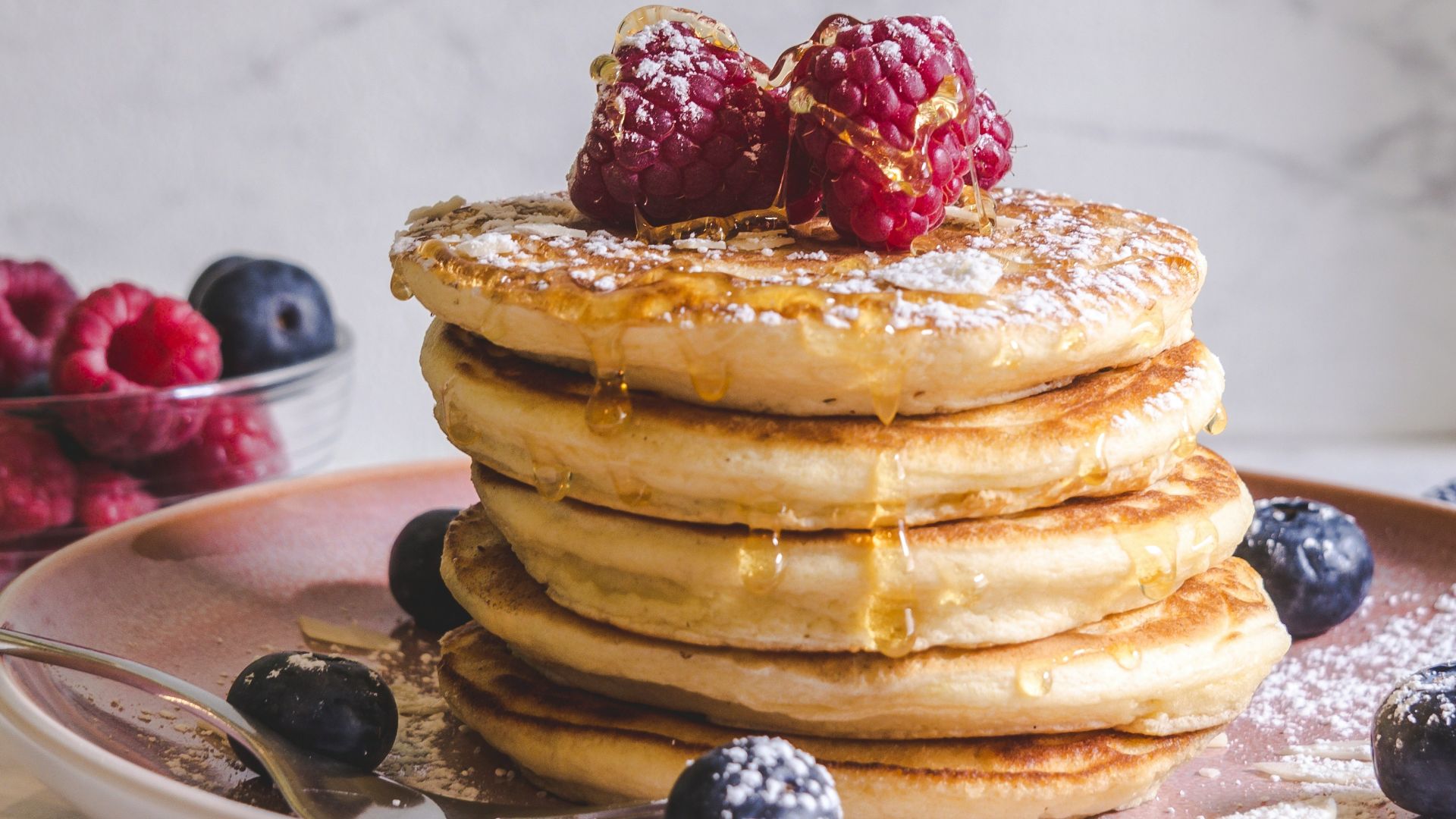
Pancakes turn tough when the batter is overmixed. Gluten develops quickly in wheat flour, and lumps are not a flaw. The best pancakes look imperfect before they ever hit the griddle.
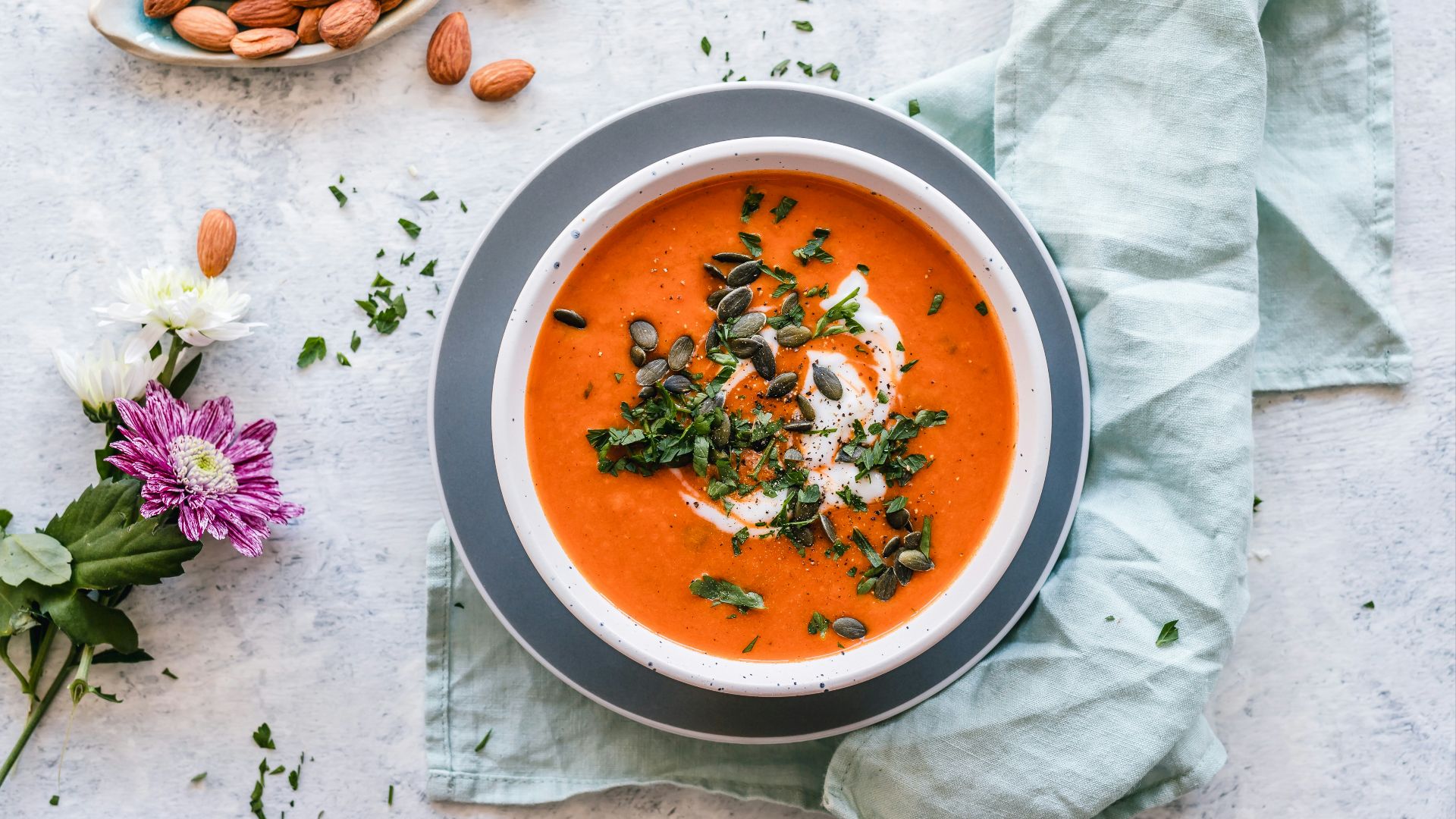
14. Soup
Soup tastes flat when salt is added only at the end. Layering seasoning as ingredients cook builds depth that cannot be replicated later. This approach shows up in classic French technique and home kitchens alike.
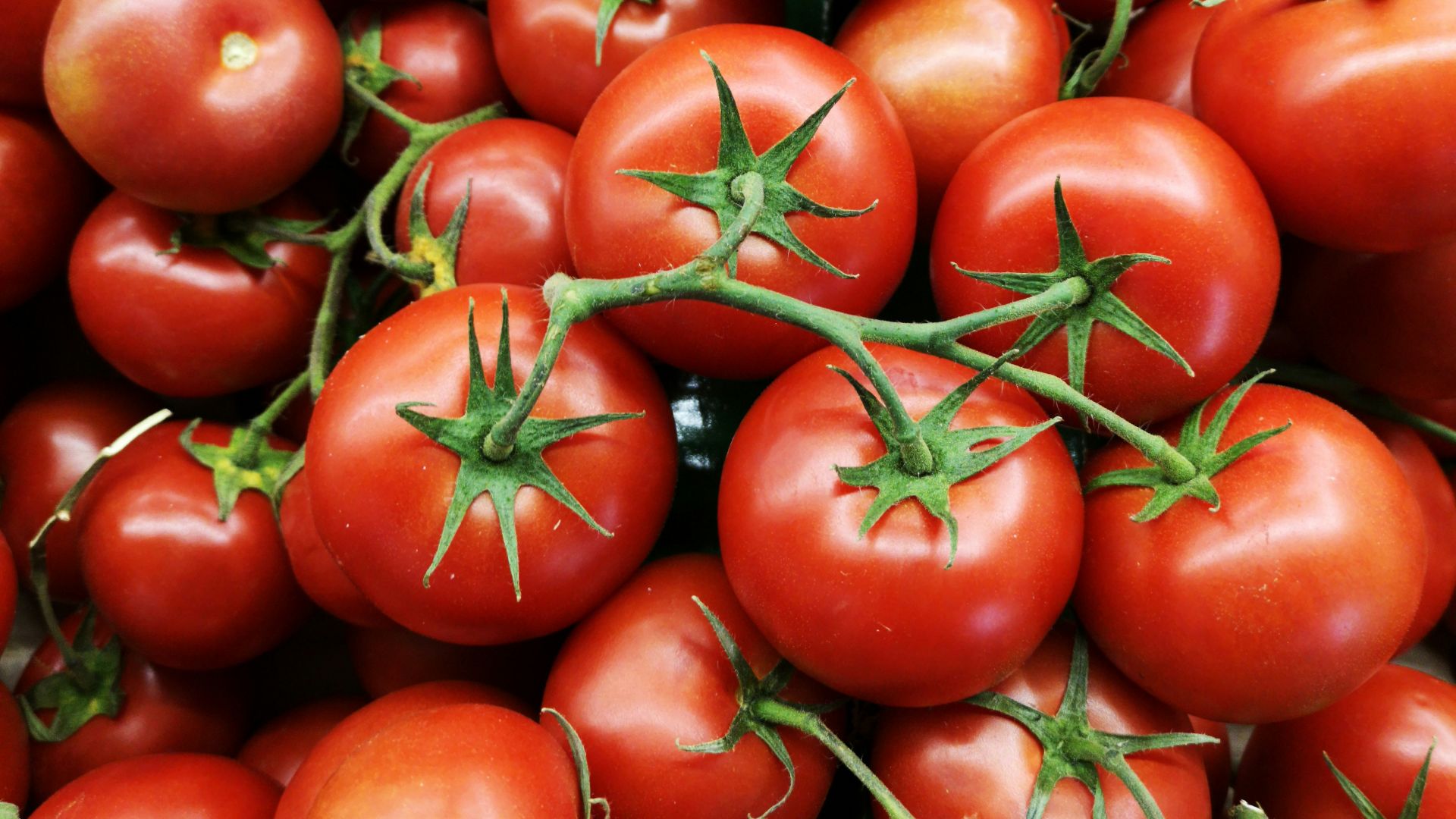
15. Tomatoes
Fresh tomatoes lose flavor in the refrigerator. Cold temperatures dull the enzymes responsible for aroma, a fact documented by food science research at the University of Florida. Counter storage preserves sweetness and scent.
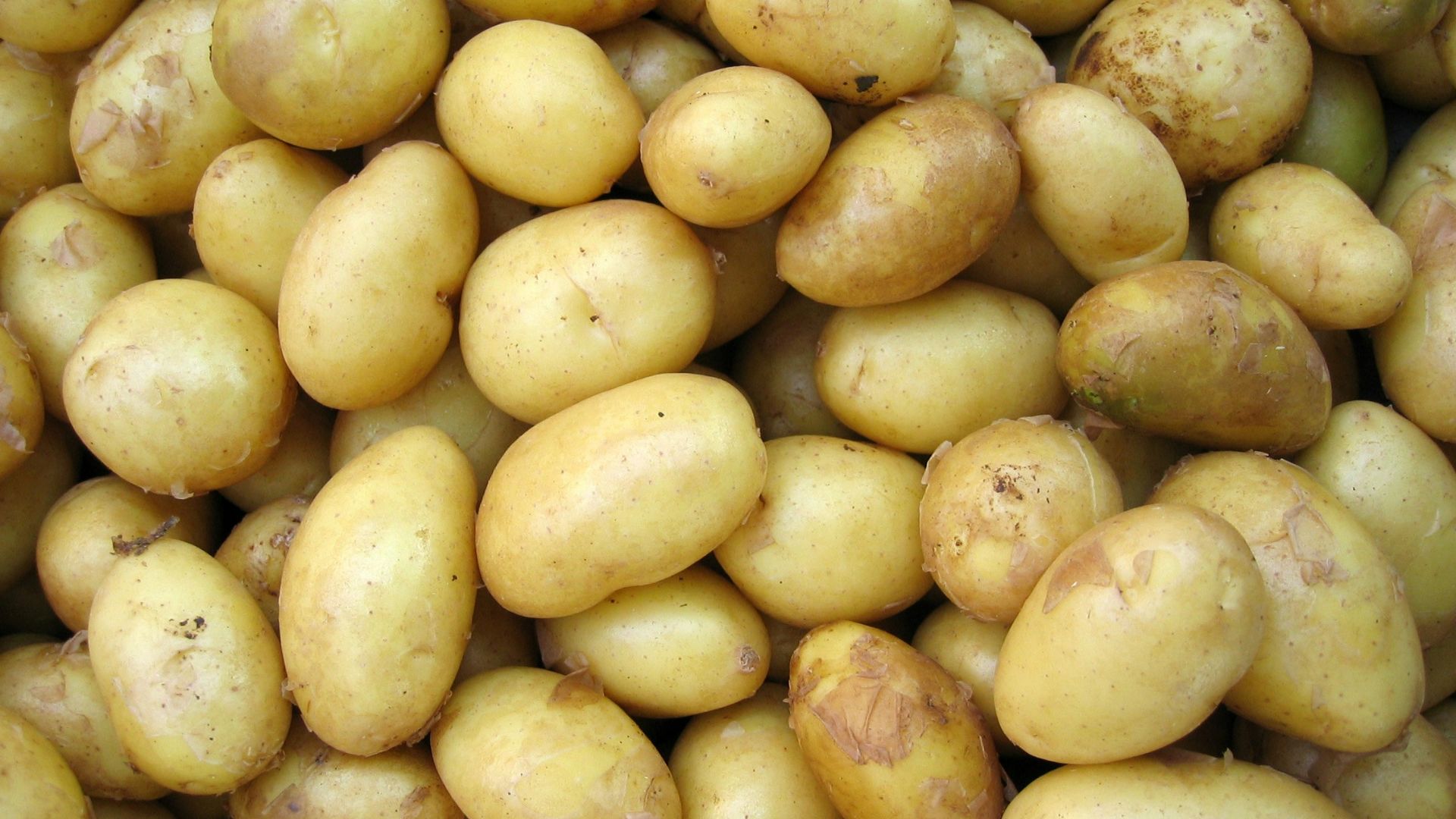
16. Potatoes
Potatoes fall apart when dropped into boiling water. Starting them in cold water allows starches to gelatinize evenly. This method produces creamy interiors without broken edges.
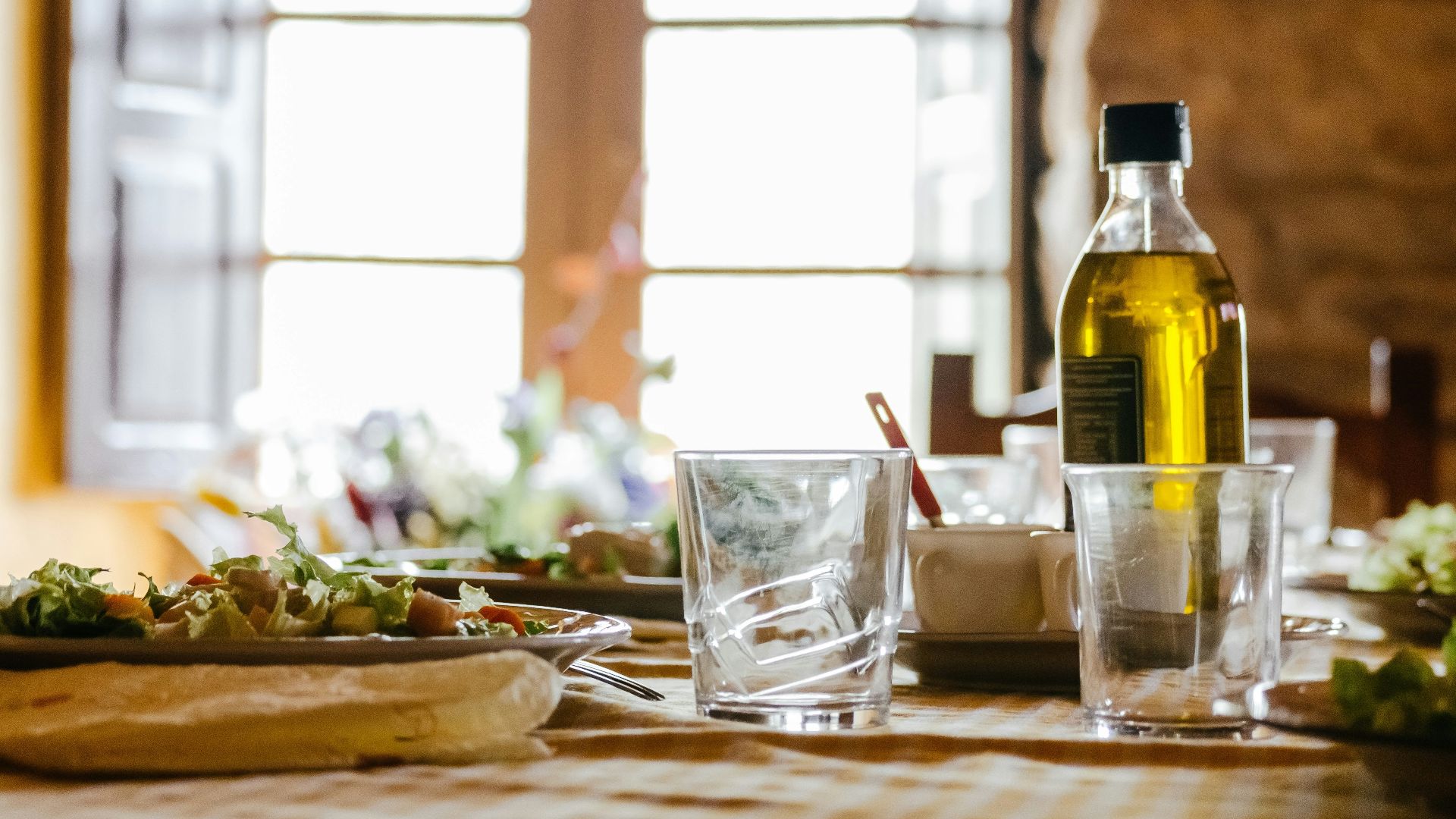
17. Olive Oil
Extra-virgin olive oil is often used for high-heat searing. Its smoke point is lower than refined oils, which leads to bitterness and wasted nuance. Many Mediterranean cooks reserve it for finishing instead.
18. Salt
Salt is treated like a final garnish rather than a structural ingredient. Early seasoning changes how proteins hold moisture and how vegetables soften. This is basic culinary science, not personal preference.

19. Cheese
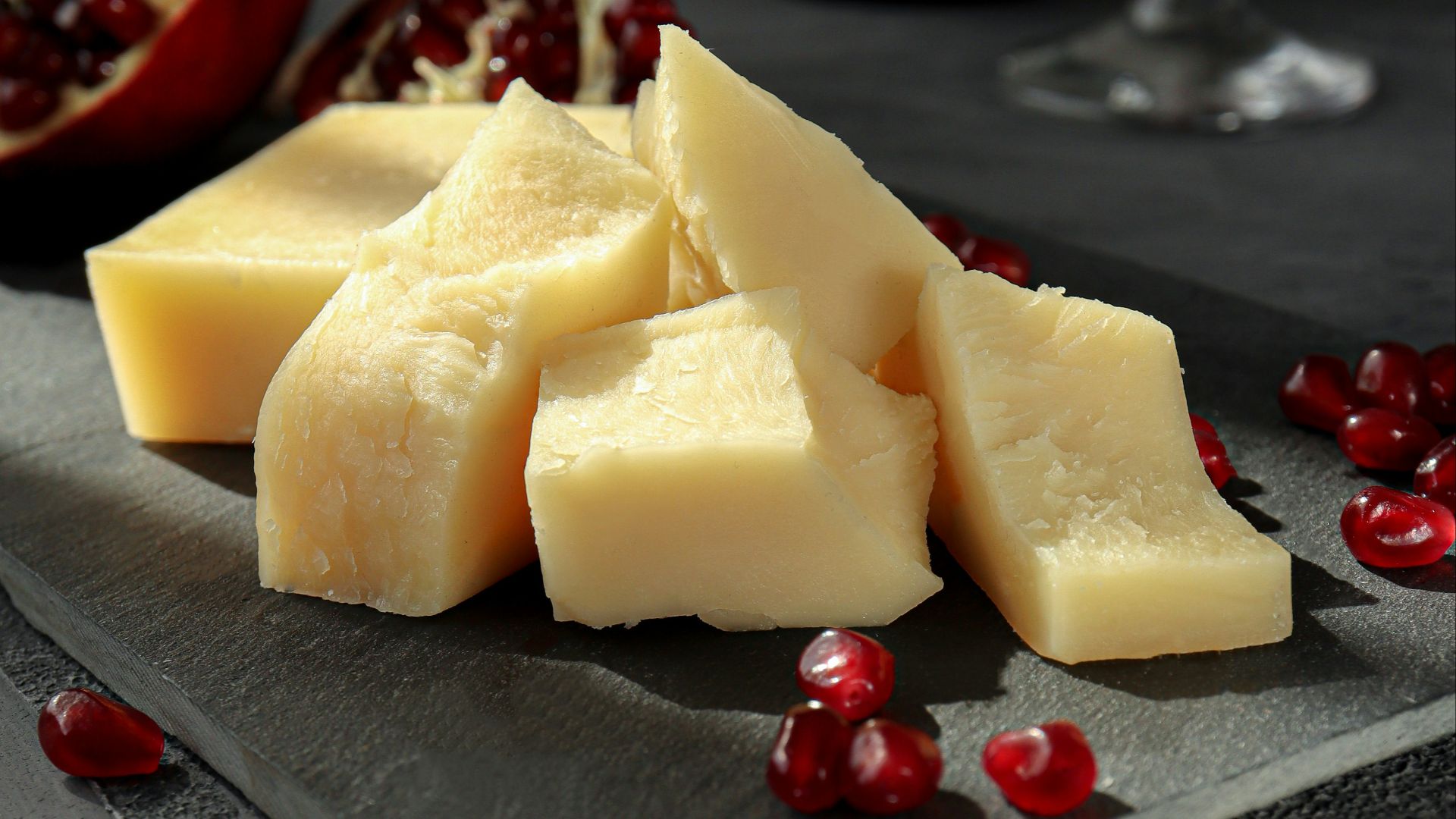
Cheese sauces break when overheated. Gentle heat keeps fats emulsified with proteins, creating smooth textures. This principle underpins classic sauces like béchamel and fondue.
20. Bread
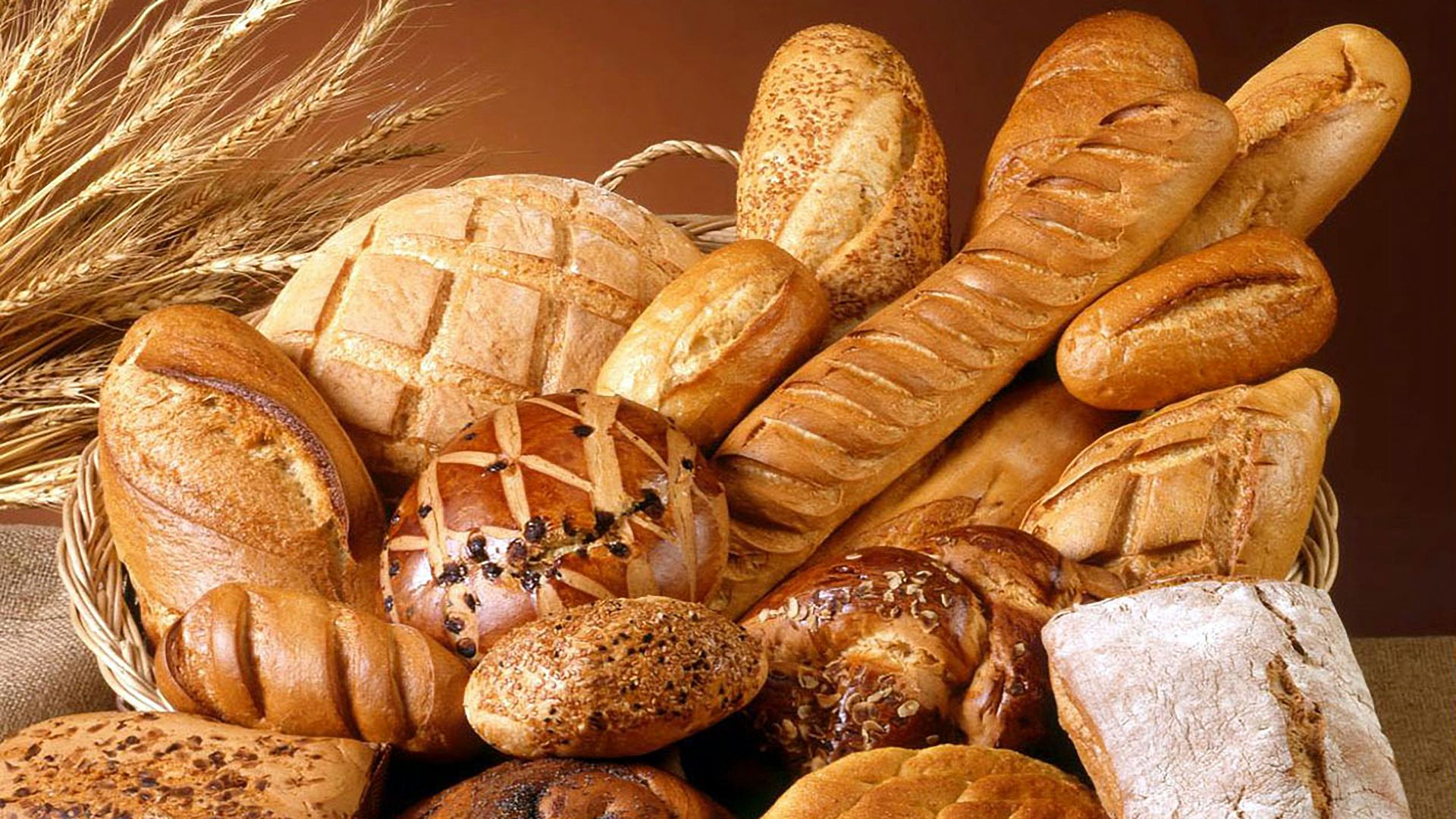
Bread goes stale faster in the refrigerator. Cold air accelerates starch crystallization, which dries the crumb. Bakers recommend room temperature storage or freezing for longer keeping.
KEEP ON READING

The Most Popular Signature Dishes Around the World