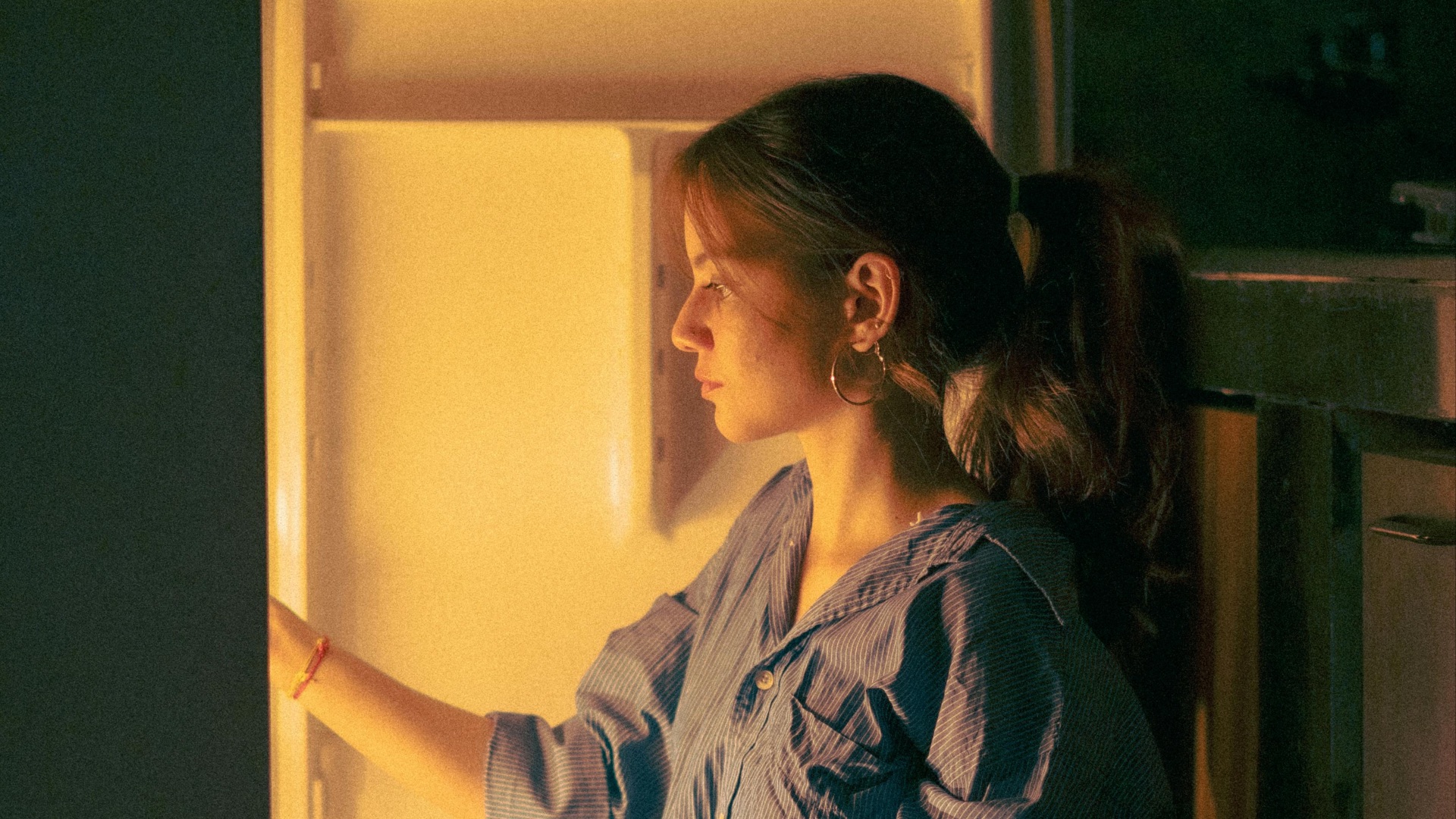
You can't sleep. In fact, you haven't been able to fall back asleep for the last hour, tossing and turning restlessly in your sheets. Insomnia isn't the only problem: the longer your brain stays awake, the louder your stomach growls. The clock reads 2:30AM; should you get up and grab a snack, or is that against the rules somehow?
On the other side of the argument, aren't we told that we should listen to our bodies and heed its cues? It seems like it'd be counterintuitive to ignore hunger pangs, even if it's in the middle of the night. So, the question stands: Is late-night snacking really that bad for you, or is it just a myth? As it turns out, the answer isn't so black and white.
Against the Rhythm
Experts generally agree that late-night snacking is bad because it goes against your body's internal clock. Unsurprisingly, even though it's lunch elsewhere in the world, you're supposed to be asleep in your time zone. Your brain and body should have shut off for the day hours ago, and your circadian rhythm should've made that inevitable.
But experts aren't saying late-night eating is bad just to say it. Research shows that going against your circadian rhythm can lead to numerous negative consequences, including elevated cortisol levels, disrupted serotonin and dopamine rhythms, delayed melatonin onset, and more. Following your internal clock and aligning your mealtimes to match it, however, can improve your sleep quality and make you more resilient to stress.
A Plethora of Not-So-Goods

There's another reason why experts, especially dietitians, advise against eating off the clock: it makes you more susceptible to weight gain. By going against your body's circadian rhythm to satisfy your munchies, you're more likely to store what you eat as fat without burning the calories off. It doesn't help either that the food choices you make at night tend to be unhealthier, featuring high-calorie picks such as pizza and ice cream instead of lighter and more nutritious snacks.
Late-night noshing may also trigger acid reflux as well as spike your blood sugar levels—the latter of which is bad news for those living with diabetes. Research shows that shift workers who eat later in the day should be particularly wary, and previous studies have also shown that graveyard shifts have been linked to a higher risk of cancer, heart arrhythmia, and even miscarriage.
The Dos and Don'ts
But the confusing part is this: while most experts say you shouldn't snack after dinner, some say that it's best to eat if you're hungry. You just have to be smart about how you do it.
So, what's considered OK for a late-night snack, and what should you not eat? Even though you might be craving cookies and ice cream, it's better to pick healthier options like vegetables with hummus, apples with peanut butter, or Greek yogurt topped with fruit. These latter choices can help curb your hunger without spiking your glucose levels too sharply. Of course, you'll still need to watch your portions—you don't want to go overboard and polish off an entire tub of something while catching up on a TV show.
But the best-case scenario is to try to sleep. Your body is meant to rest in the evening, and snacking after dinner or in the middle of the night will only confuse your internal clock. Nibble on something small if you must, but keep it light and avoid mindless grazing. Your body will thank you the next morning and in the long run.
KEEP ON READING

20 Fast Food Items With Surprisingly Weird Origins
20 Foods Only Rich Kids Ate Growing Up