20 Harvest Foods Americans Used to Eat Far More Often
When the Harvest Determined What Was for Dinner
Before supermarkets stocked nearly every fruit and vegetable year-round, Americans ate much more closely according to the harvest calendar. Fall meant cellars packed with root vegetables, baskets of apples and nuts, dried beans, corn, and plenty of produce that could last well into winter. Some of those foods are still familiar today, while others have slowly faded from everyday meals as farming, refrigeration, and shopping habits have changed. Here are 20 harvest foods that once showed up on American tables far more often than they do now.
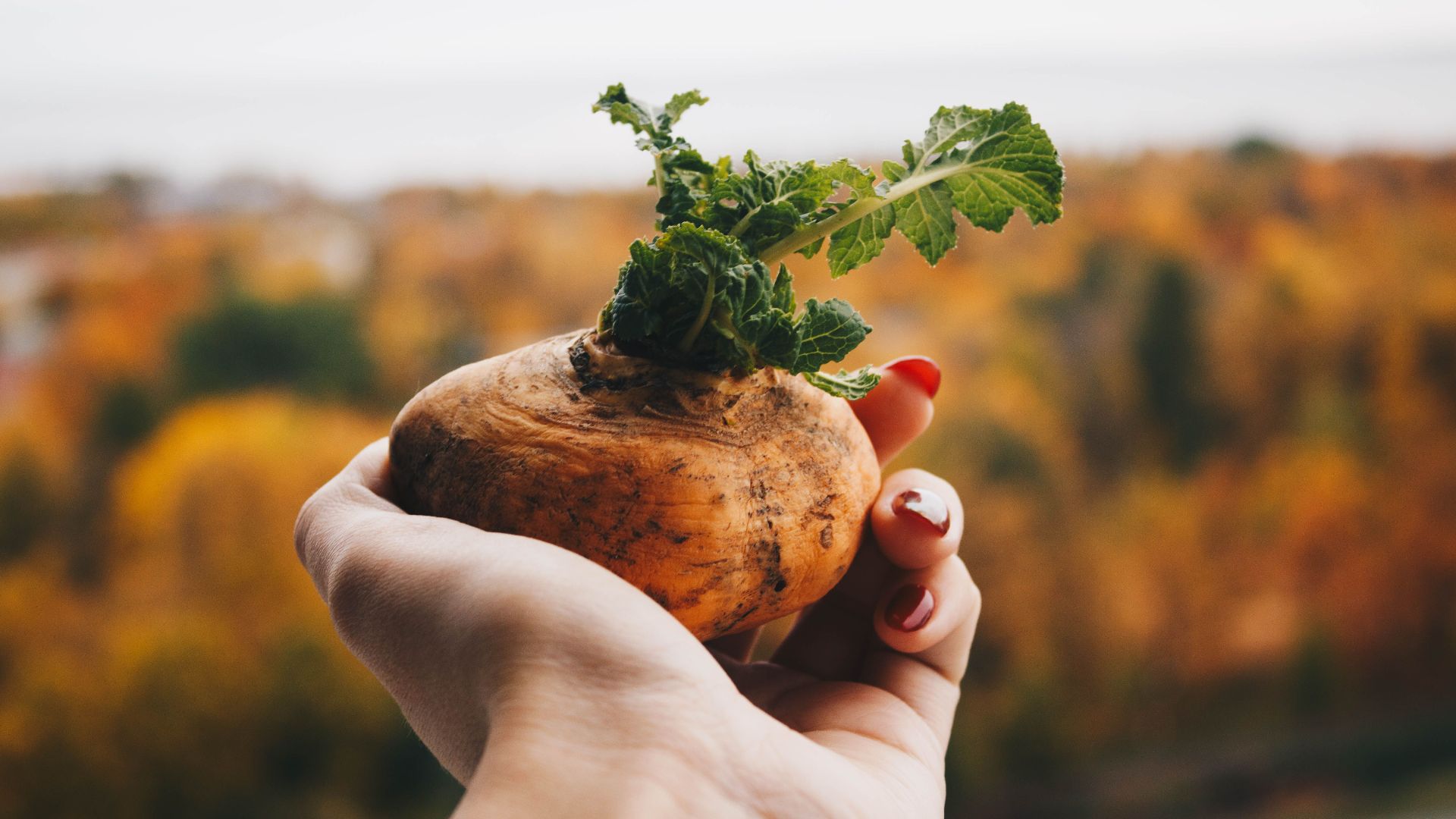
1. Turnips
You may see them as an inferior potato, but turnips were once a reliable fall crop because they grew well in cool weather and could be stored for months. Families boiled, mashed, roasted, or tossed them into soups when fresher vegetables weren't available. Now, most shoppers barely give them a second look in the produce section.
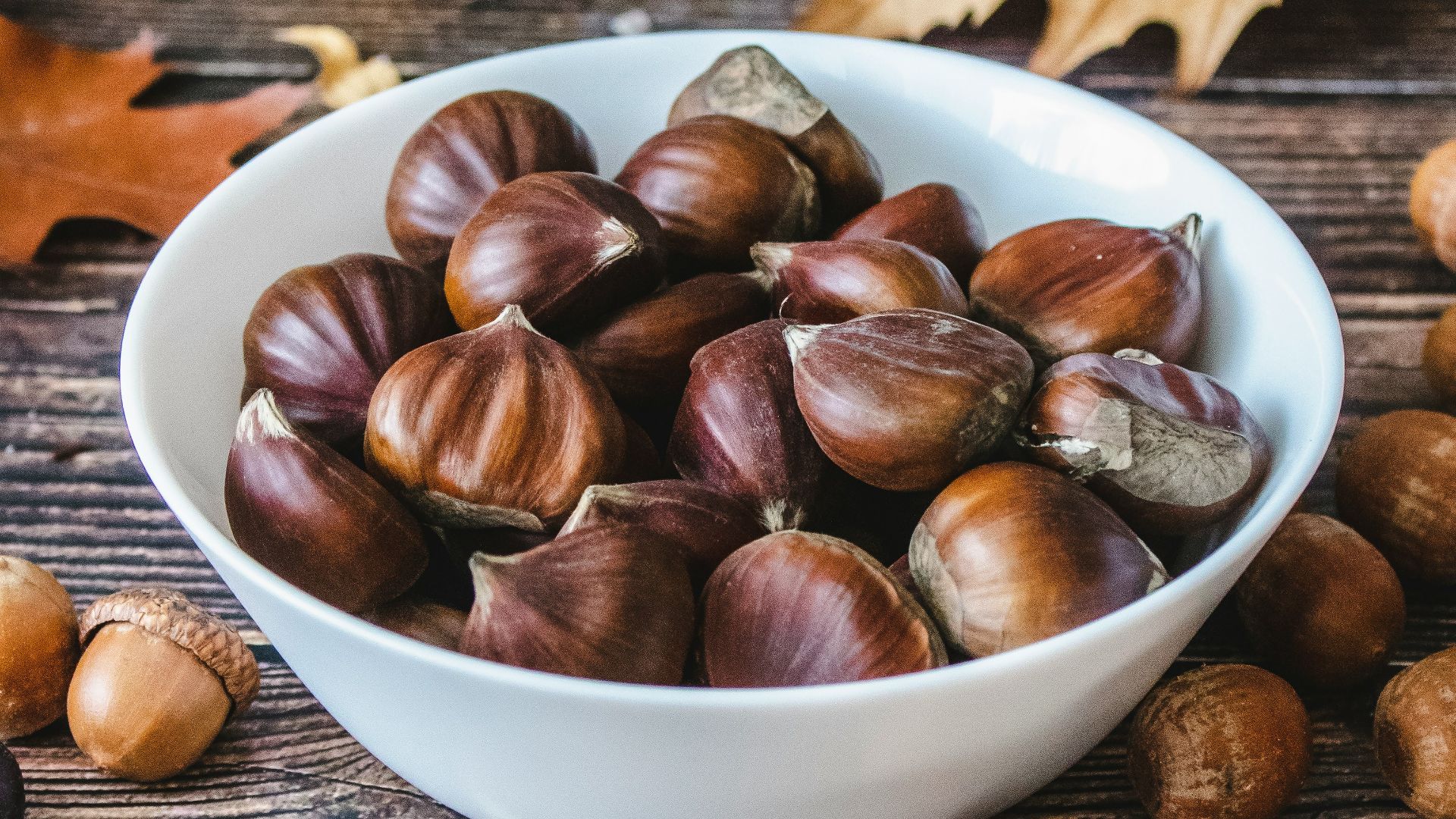
2. Chestnuts
American chestnuts were once a major seasonal food, especially in the eastern U.S. People roasted the nuts, ground them into flour, mixed them into stuffing, or simply ate them warm during the colder months. However, a devastating chestnut blight beginning in the early 1900s wiped out billions of American chestnut trees and dramatically reduced their place in the food supply.
Roasted chestnuts are still around, but they're nowhere near as common as they used to be.
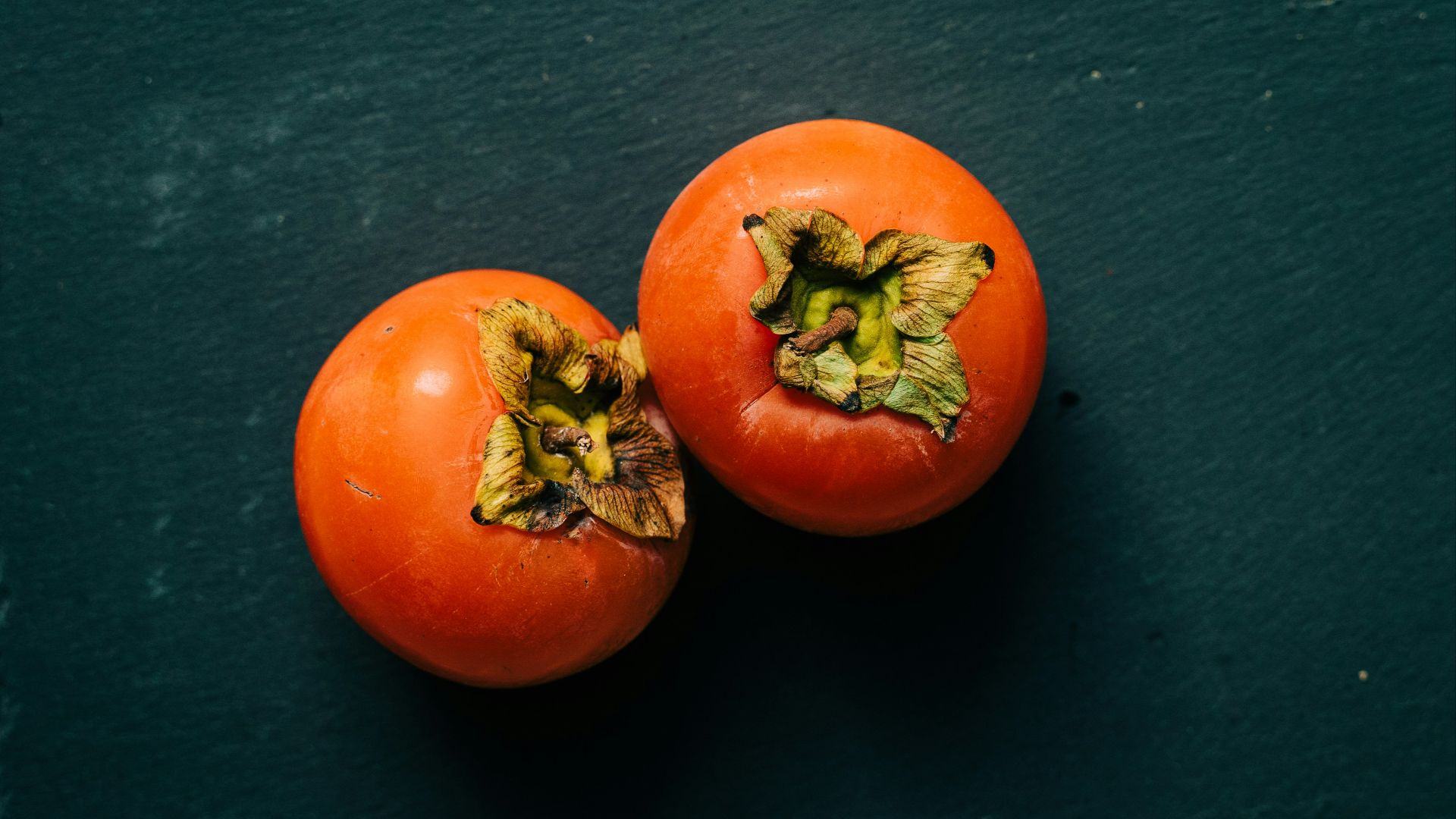
3. Persimmons
Native persimmons provided a naturally sweet fall fruit long before supermarkets started carrying produce from all over the world. Once fully ripe, they could be eaten fresh or turned into puddings, breads, preserves, and other desserts. Rural families often gathered wild persimmons instead of buying them. They're still available today, but plenty of Americans rarely see them outside farmers' markets or specialty stores.
 Gabriella Clare Marino on Unsplash
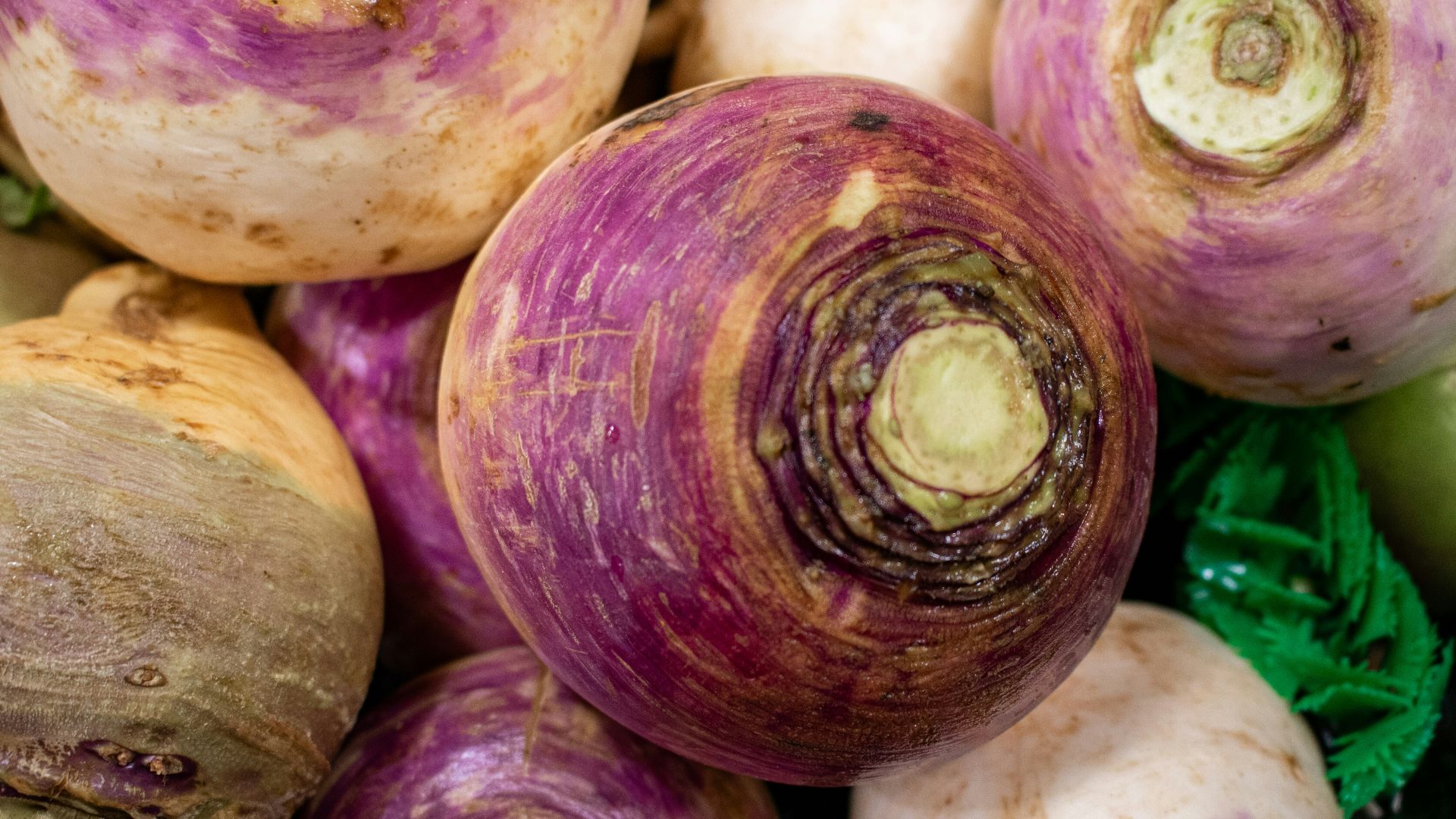
4. Rutabagas
Rutabagas were practical cold-weather vegetables that could stick around in storage long after the harvest ended. Their dense flesh worked well in stews, mashed dishes, and roasted vegetable sides. They were especially useful for households trying to stretch meals through winter without depending on fresh produce. Potatoes eventually became the more familiar choice, leaving rutabagas with a much smaller following.
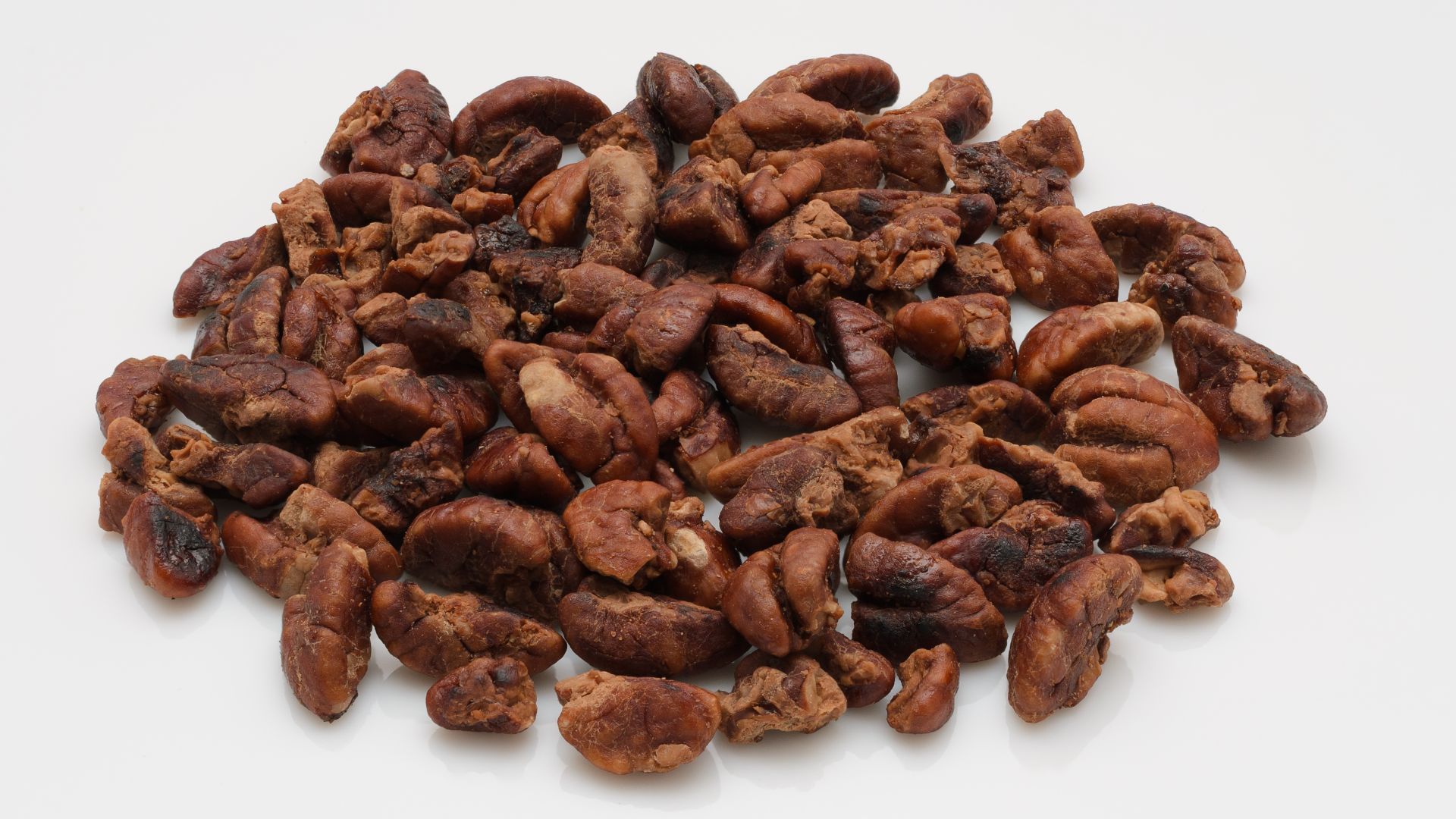
5. Hickory Nuts
For generations, people gathered hickory nuts from forests across much of the eastern U.S. Their rich, slightly sweet kernels could be eaten on their own or worked into baked goods. The downside is they are nearly impossible to harvest and shell by machine. Modern convenience hasn't exactly worked in their favor.
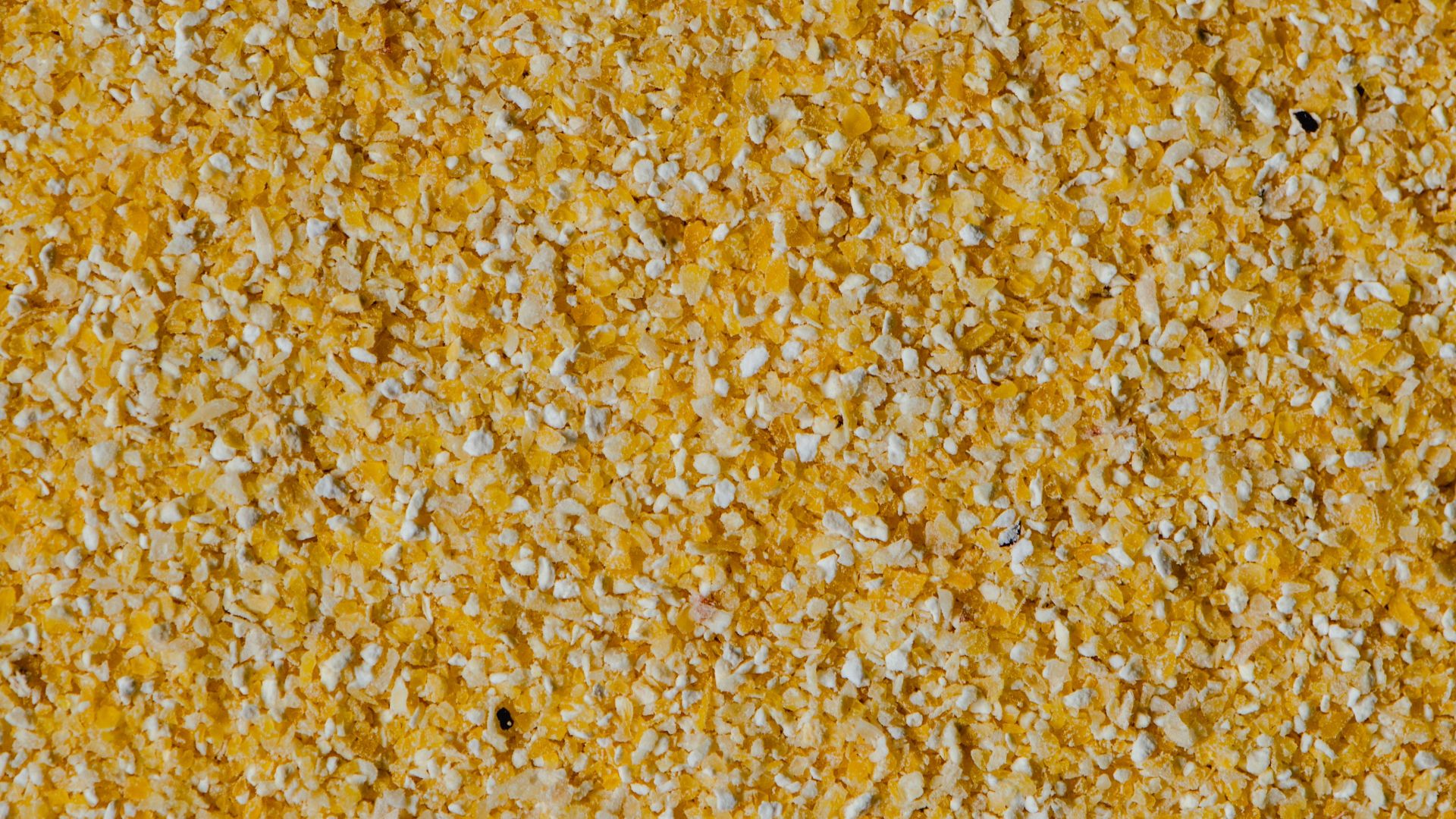
6. Field Corn
Not all corn was headed for a plate of buttery corn on the cob.
Field corn was harvested when mature and dry, then ground into cornmeal or turned into hominy, grits, and other everyday staples. For many rural families, storing dried corn meant having a dependable source of food throughout the colder months. Cornmeal is still common, but very few households are processing their own harvested corn anymore.
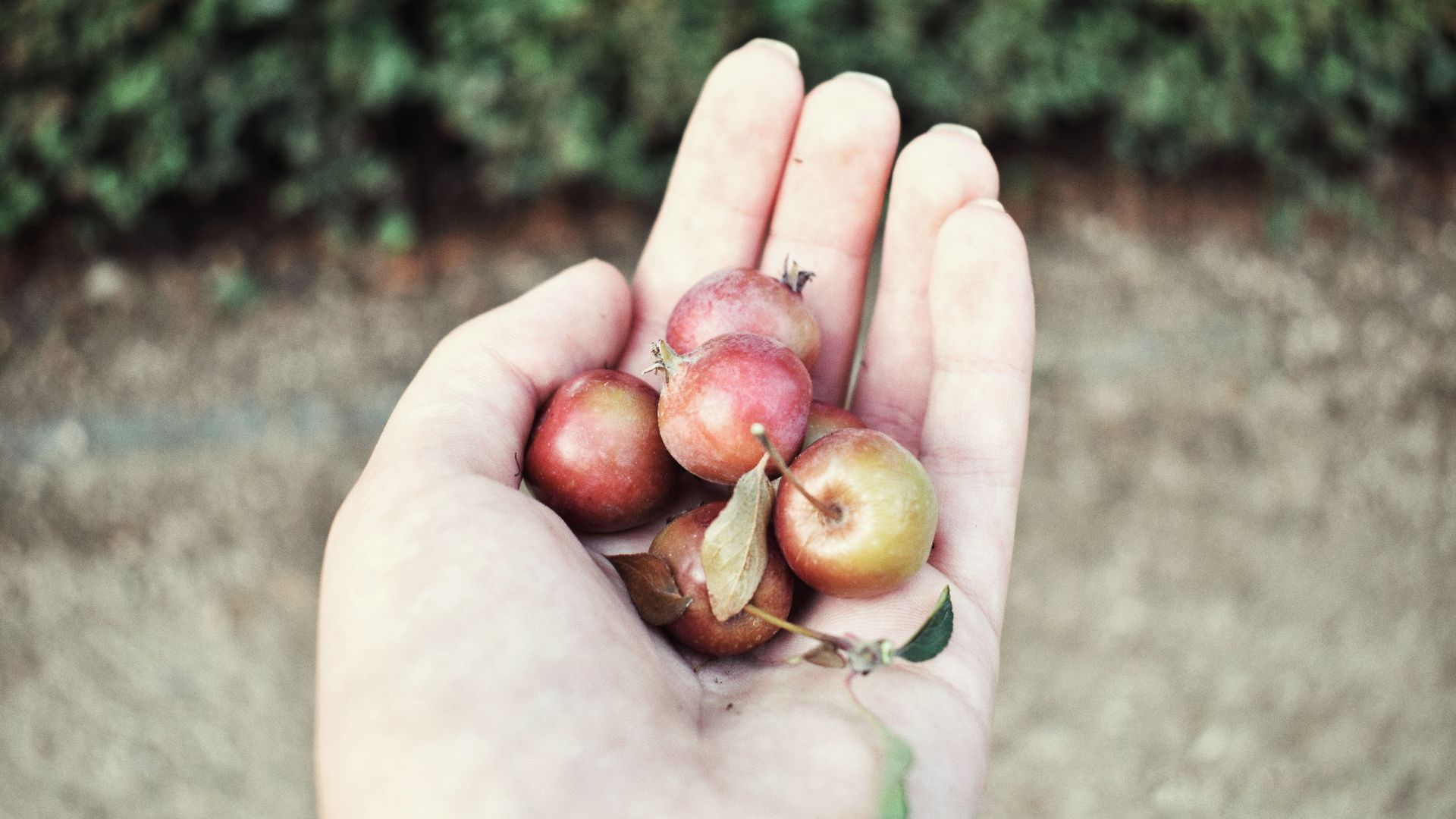
7. Crabapples
Crabapple trees once gave households piles of small, tart fruit every fall. Since they're usually too sour to eat like regular apples, people often turned them into jelly, preserves, cider, and sauces. Their naturally high pectin content made them especially handy for preserving. Today, though, crabapple trees are more likely to be planted for their looks than harvested for the kitchen.
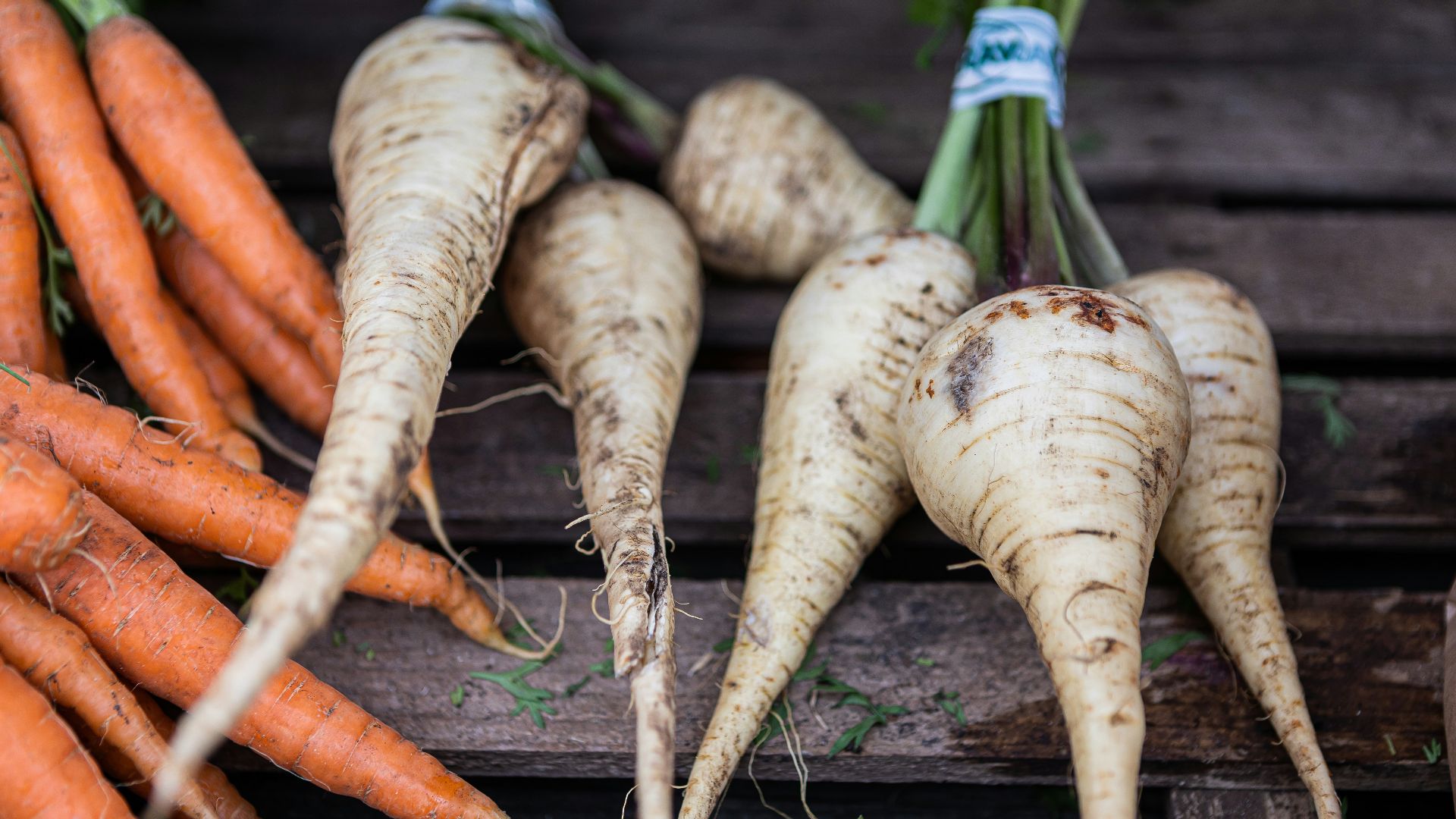
8. Parsnips
Before year-round supplies of fresh vegetables became normal, parsnips were especially useful because they could stay in the ground into cold weather. Their sweetness becomes stronger after exposure to frost, making late-season roots particularly appealing. Americans used them in soups, stews, roasts, and mashed vegetable dishes. You can still find them easily enough today, but they don't get nearly the same attention as carrots or potatoes.
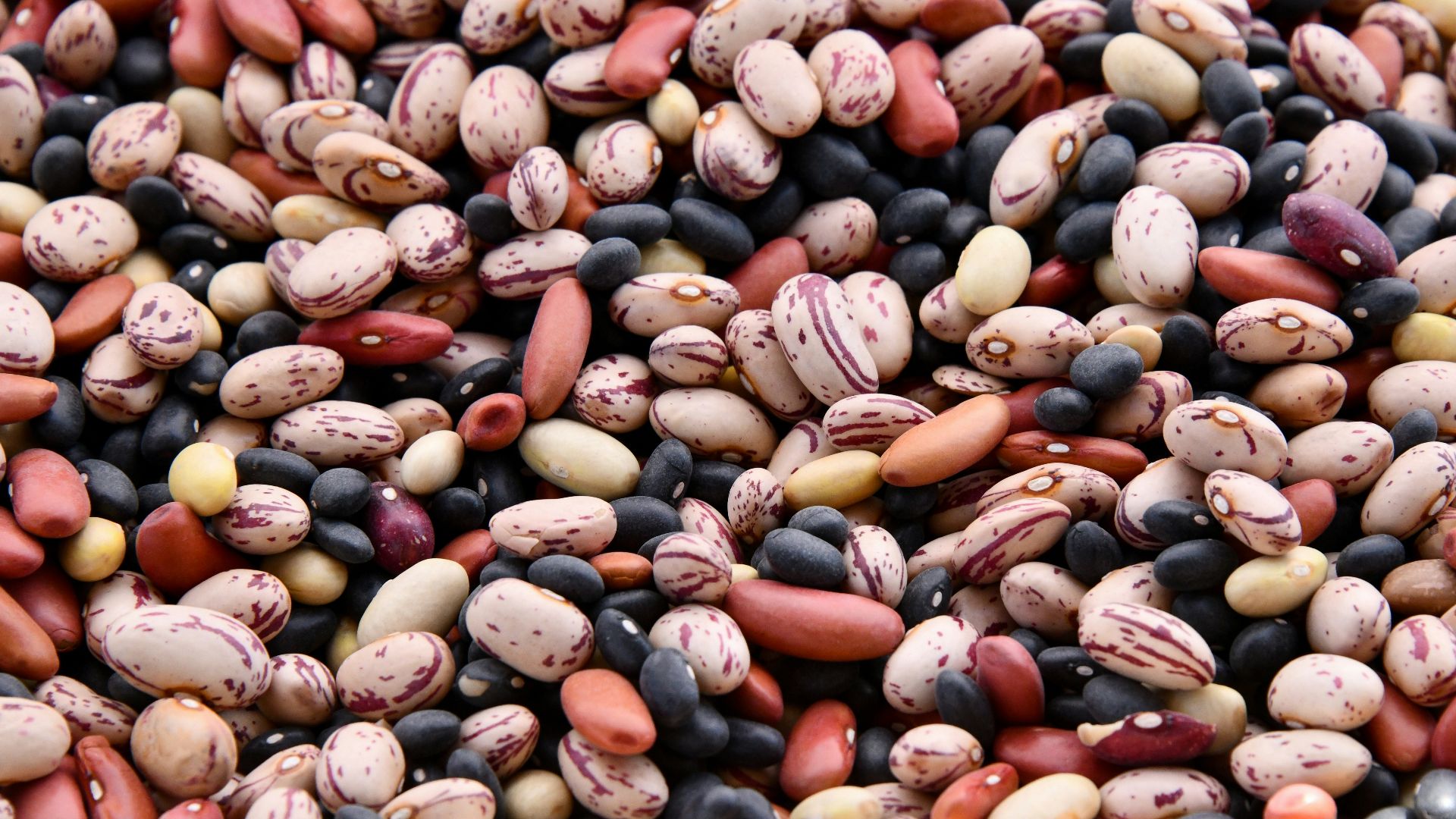
9. Dried Beans
Harvesting and drying beans gave families an inexpensive food that could last all winter. Varieties such as navy, kidney, lima, and cranberry beans regularly ended up in soups, baked dishes, and slow-cooked meals.
Unlike canned beans, dried beans needed soaking and a decent amount of cooking time, which wasn't unusual when meals were generally prepared more slowly. They're still pantry staples, although many households reach for a can first now.
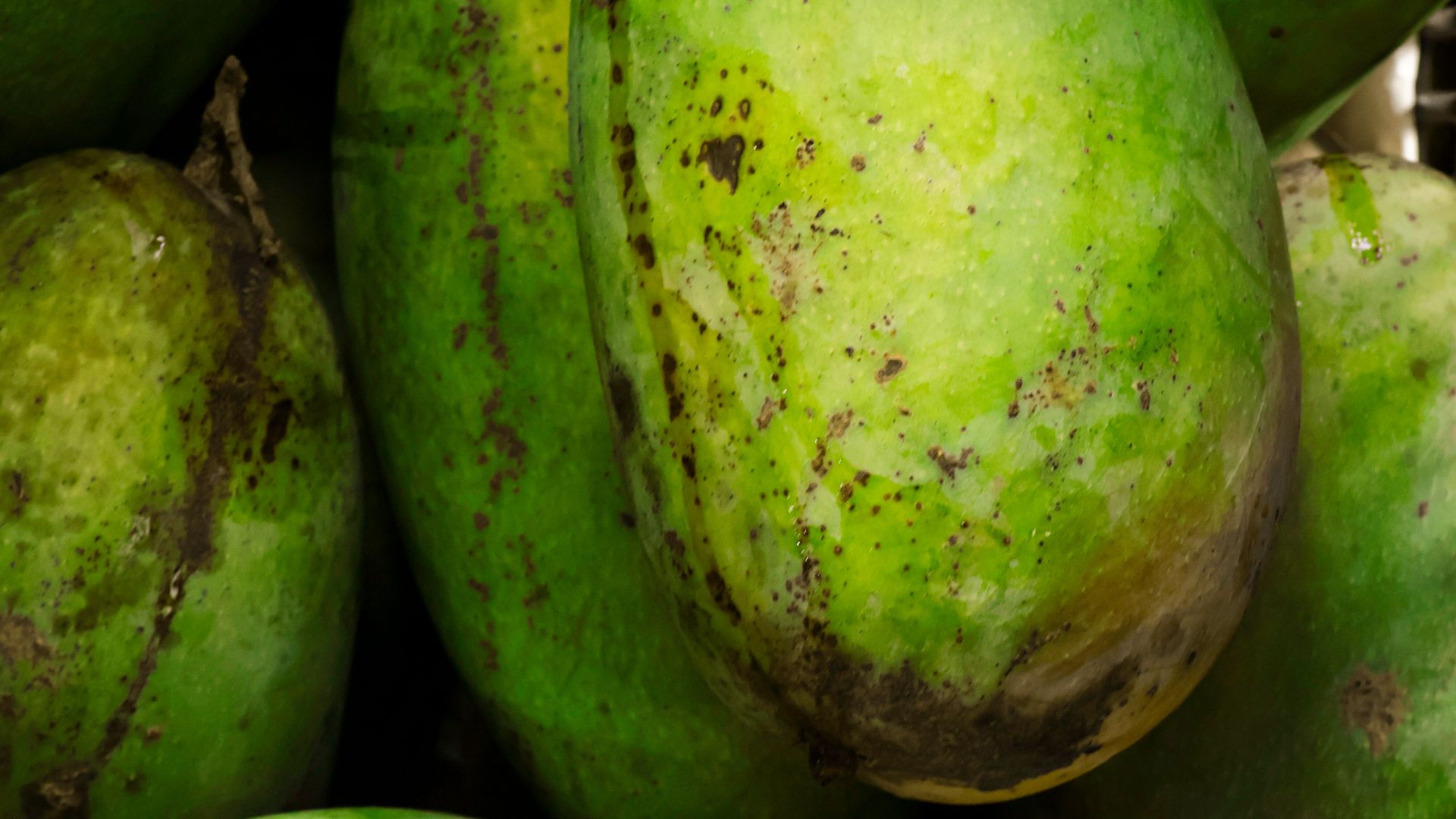
10. Pawpaws
Pawpaws are native to eastern North America and produce soft, sweet fruit in late summer and early fall. Americans once gathered them from the wild much more often, particularly in places where the trees grew naturally. The fruit doesn't travel or keep very well, which makes it a poor fit for modern supermarket supply chains. Unless you live near pawpaw country, there's a good chance you've never seen one for sale.
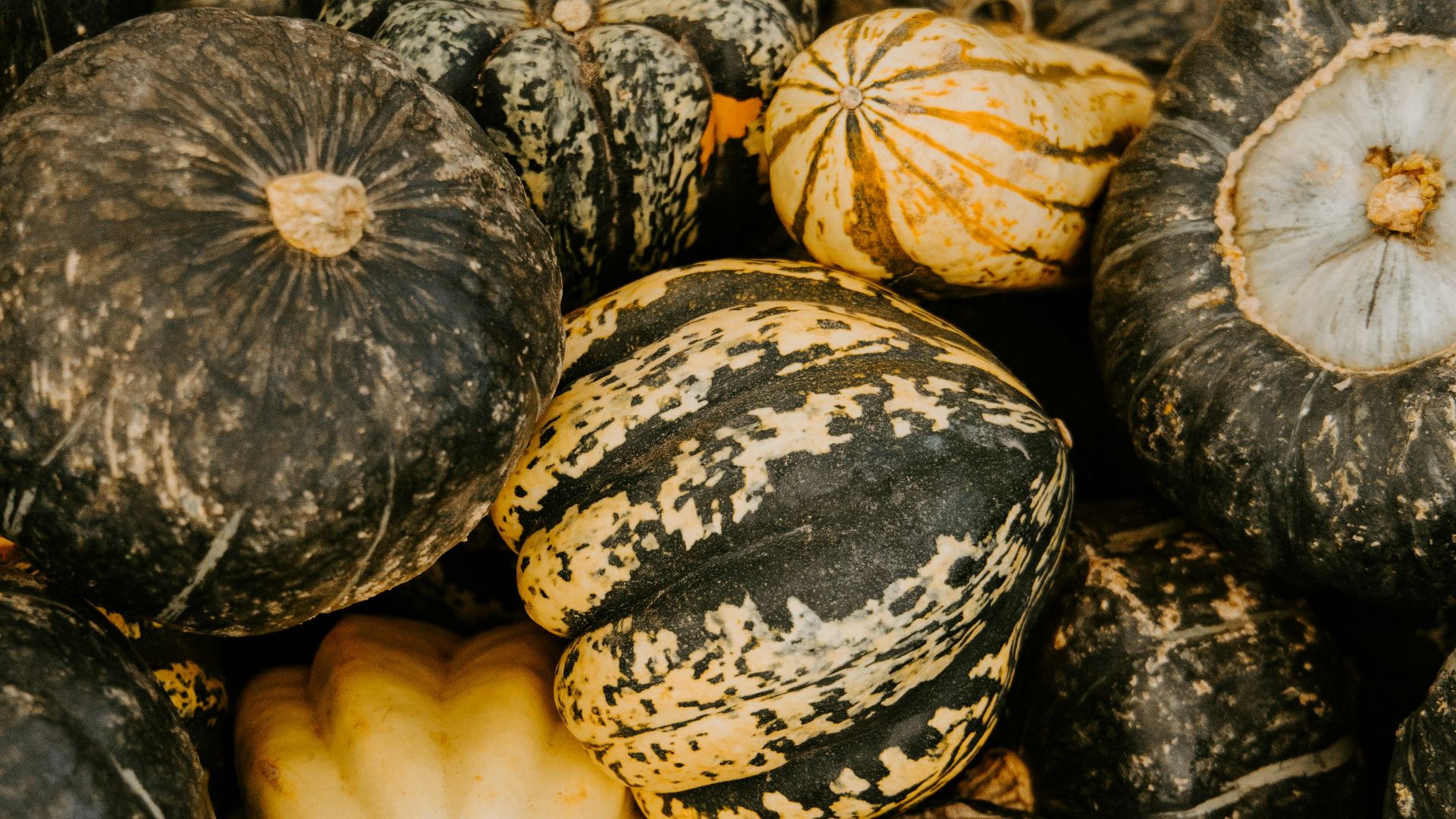
11. Acorn Squash
Winter squash was especially valuable because properly cured varieties could stay edible long after most garden produce was gone. Acorn squash could be baked, stuffed, mashed, or served with butter and seasonings as an easy cold-weather dish. It's still widely available, but stored squash no longer plays quite the same role in getting families through winter.
12. Sorghum
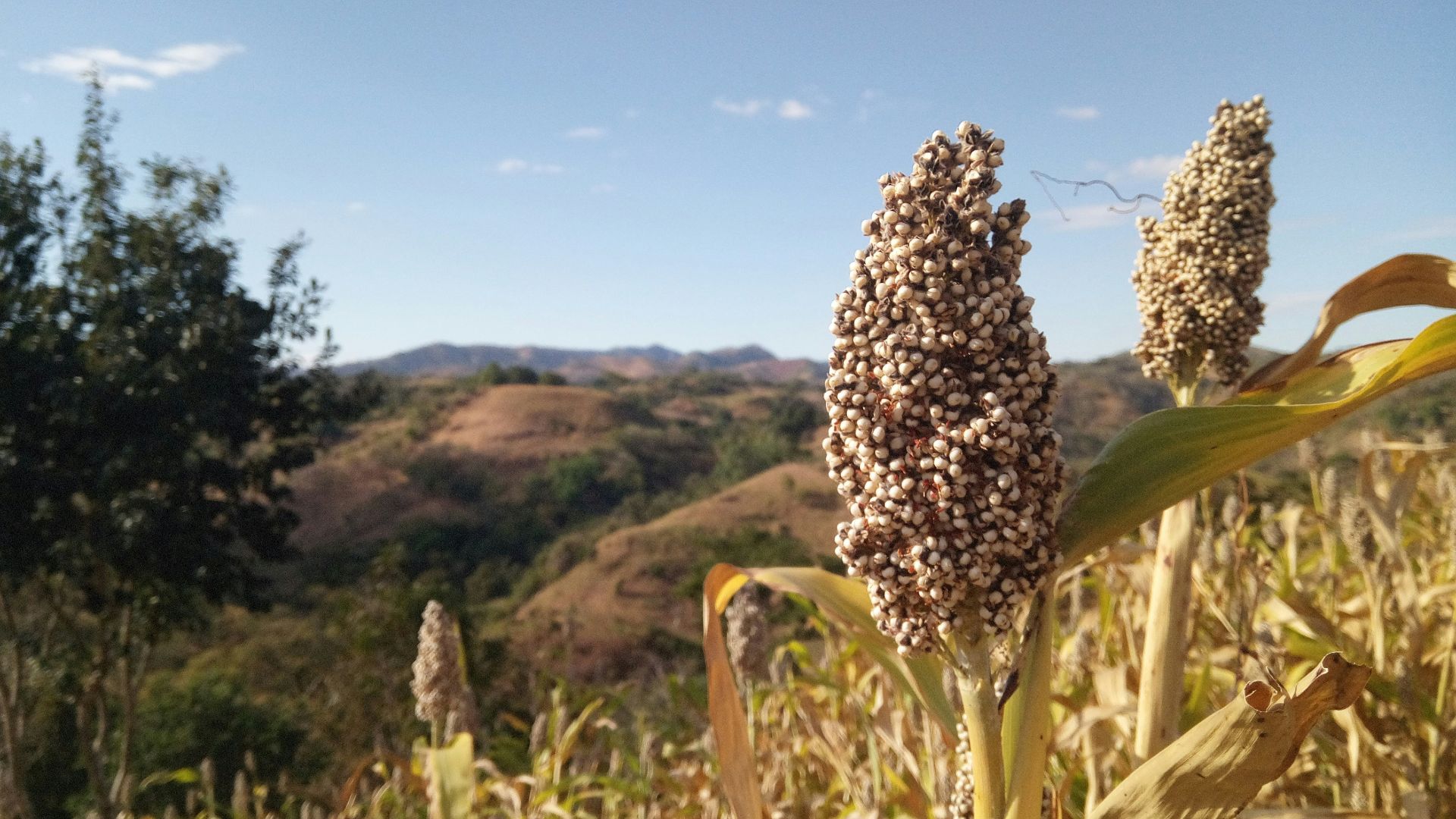
Sorghum was once especially familiar across parts of the South and Midwest, where farmers grew it for both grain and sweet syrup. Sorghum syrup could be poured over biscuits, pancakes, and cornbread much like other sweeteners are used today.
Making it was often closely tied to the fall harvest, when the stalks were cut and pressed. Over time, maple syrup, honey, and commercial sweeteners became more common on American tables.
13. Quince
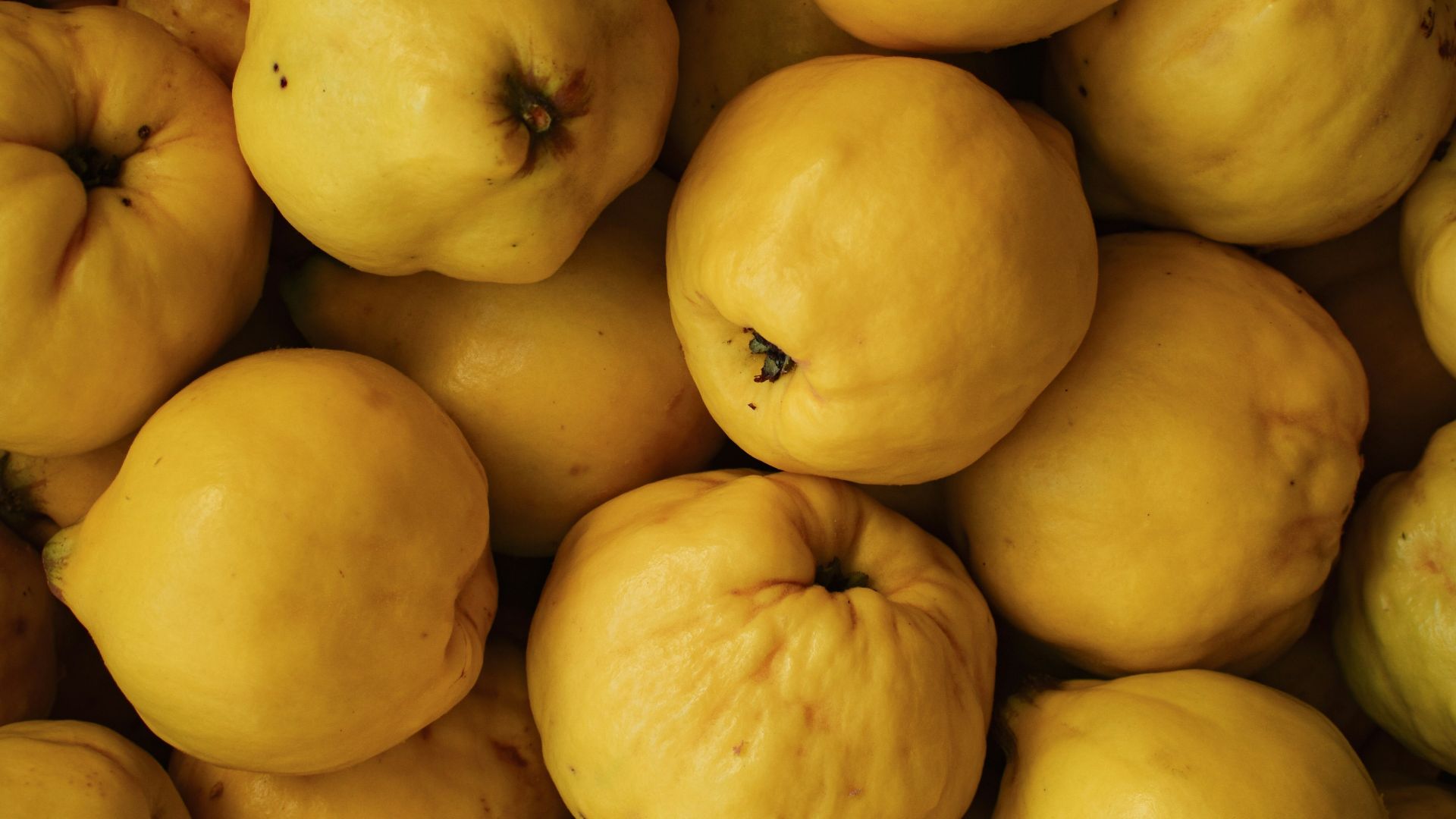
Quince doesn't have the instant appeal of a crisp apple because the raw fruit can be hard, tart, and astringent. Once cooked, though, it softens and develops a fragrant flavor that made it useful in preserves, jellies, pies, and sauces. Quince trees were once much more common around American farms and homesteads. These days, apples and pears are far more likely to be taking up that space.
14. Jerusalem Artichokes
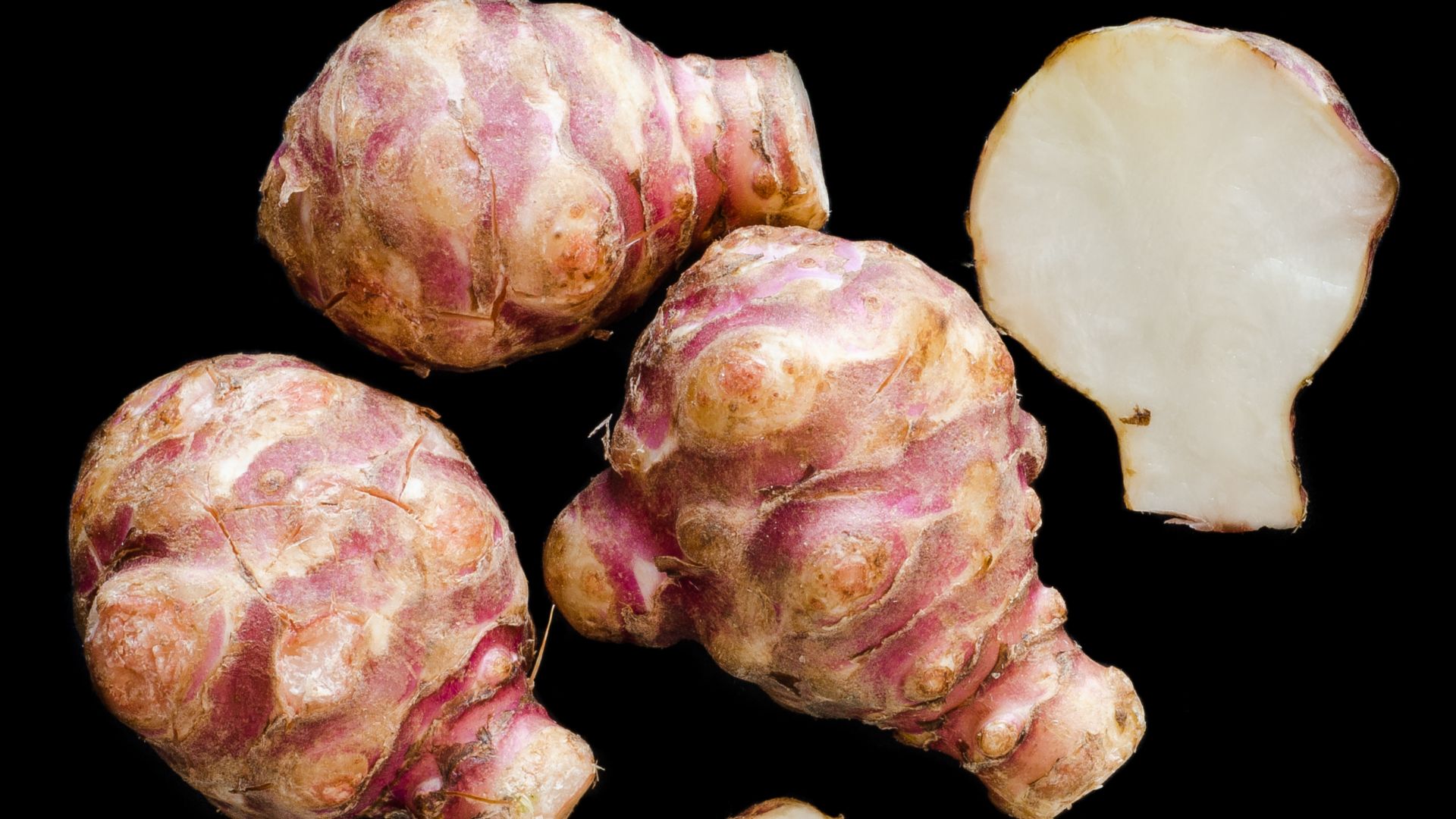
Despite the name, Jerusalem artichokes aren't from Jerusalem, nor are they actually artichokes. Also called sunchokes, they're the edible tubers of a sunflower species native to North America. Indigenous peoples cultivated them long before European settlement, and later Americans cooked the knobby roots much like potatoes. They've had a few culinary comebacks over the years, but they're still nowhere near a standard grocery-list item.
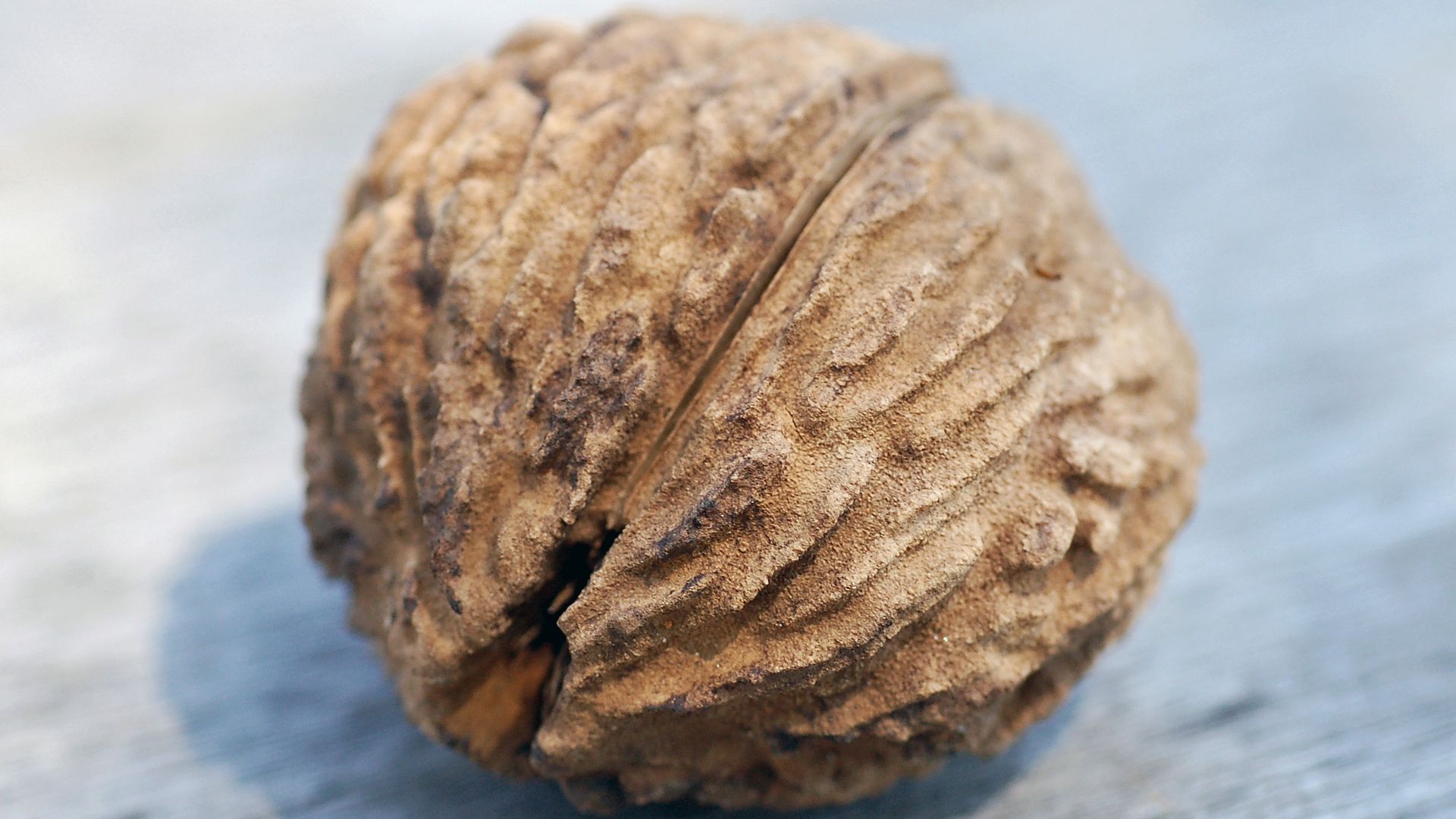
15. Black Walnuts
Black walnut trees produce intensely flavored nuts that once made fall gathering worth the effort for many families. The nuts ended up in cakes, cookies, candies, and other baked goods, particularly in areas where the trees grew naturally. Getting to the edible kernel means removing a messy outer husk and cracking a famously tough shell, which is a lot of effort compared to picking up shelled nuts by the bag.
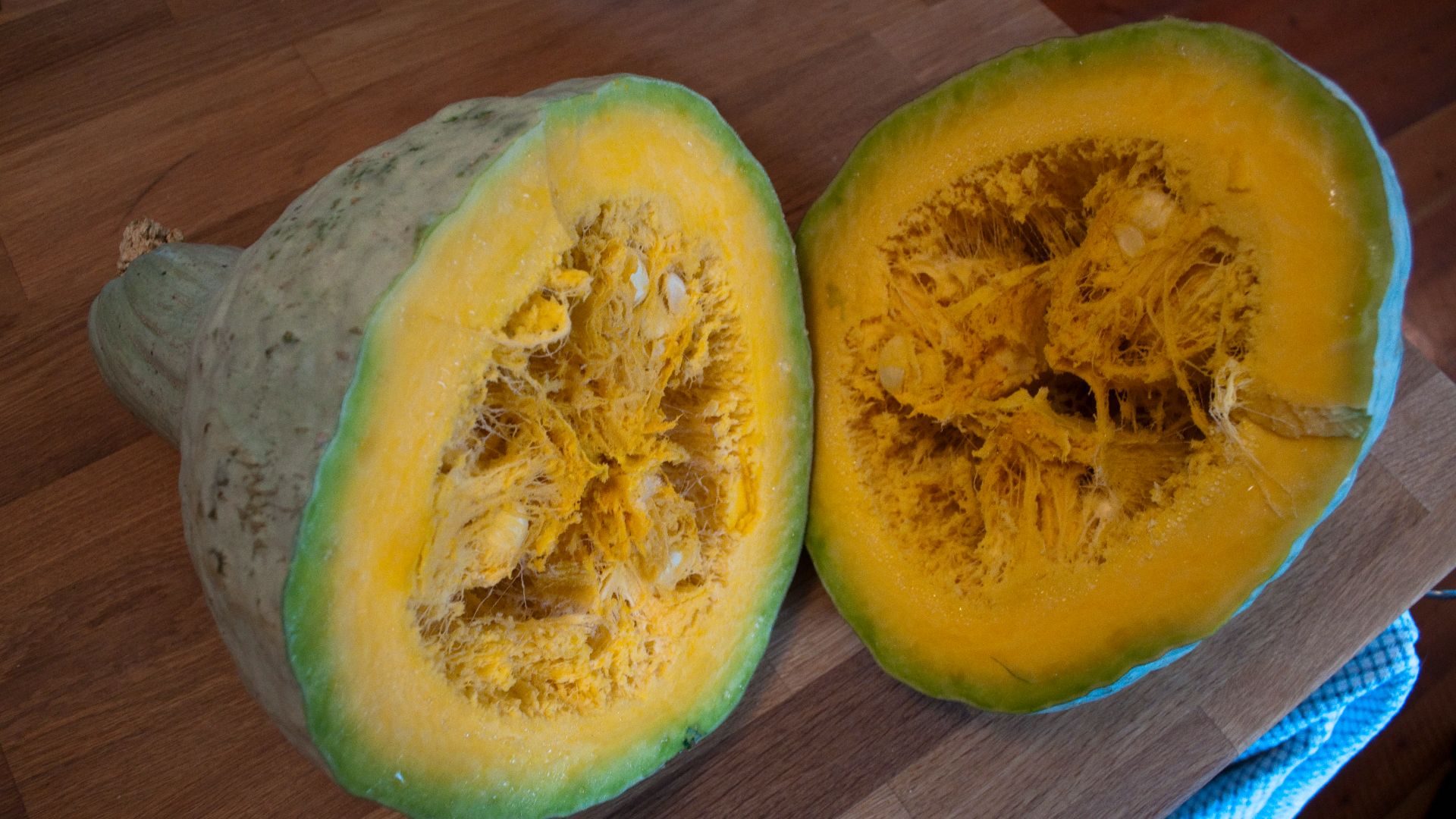
16. Hubbard Squash
Large, thick-skinned Hubbard squash earned a spot in old-fashioned kitchens partly because they stored so well. One squash could provide a substantial amount of food for soups, pies, baked dishes, and mashed sides. Their size can feel like a little much for smaller modern households, which helps explain why more manageable squash varieties often get picked instead. They're still grown, but you're much less likely to see one sitting on the average kitchen counter.
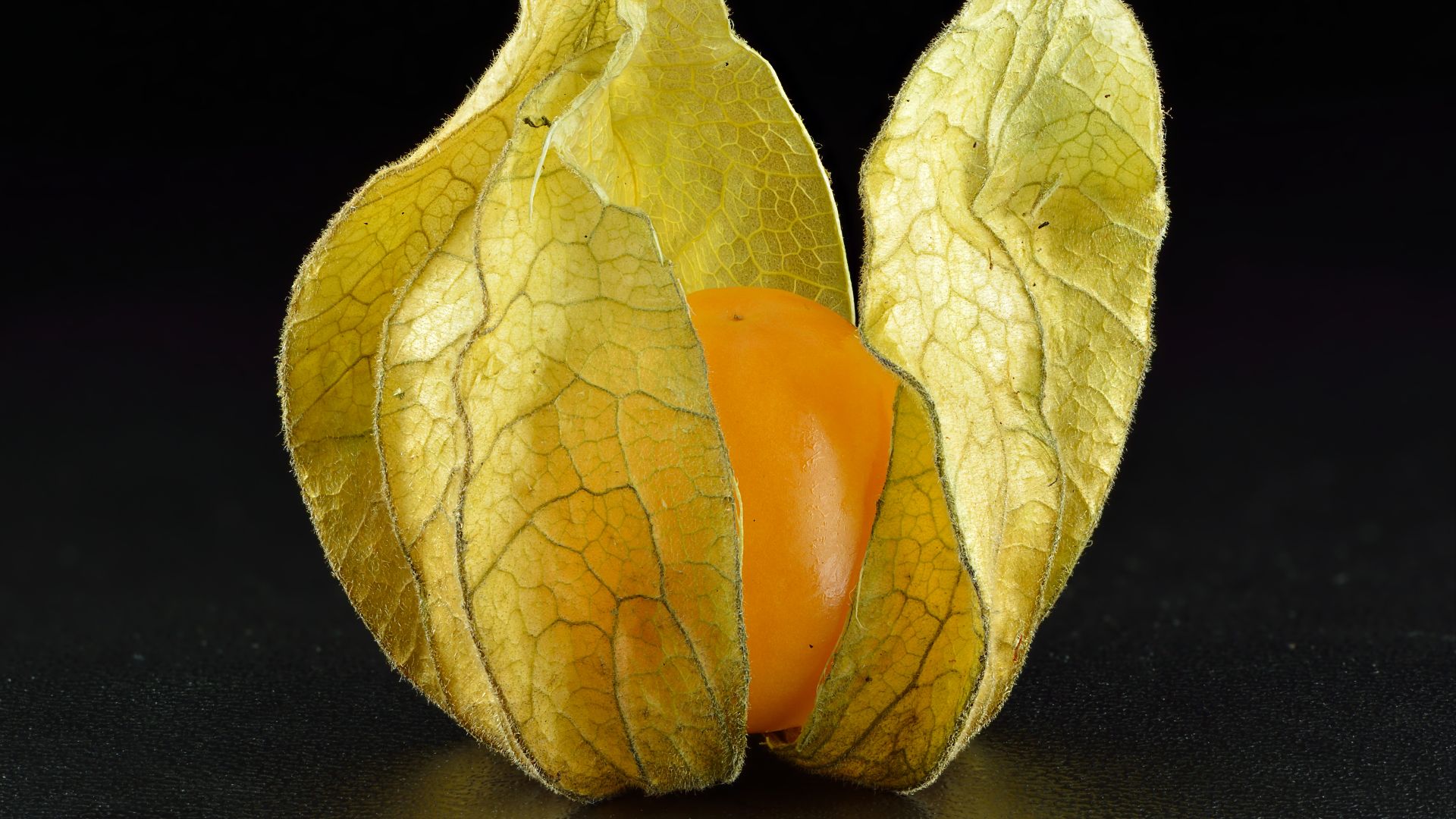
17. Ground Cherries
Ground cherries grow inside papery husks and have been cultivated in North America for generations. Their small golden fruits could be eaten fresh or turned into jams, pies, sauces, and preserves after the late-summer harvest. They faded from mainstream grocery culture as more standardized fruits became easier to ship and sell nationwide. Farmers markets have helped bring them back to the attention of curious shoppers.
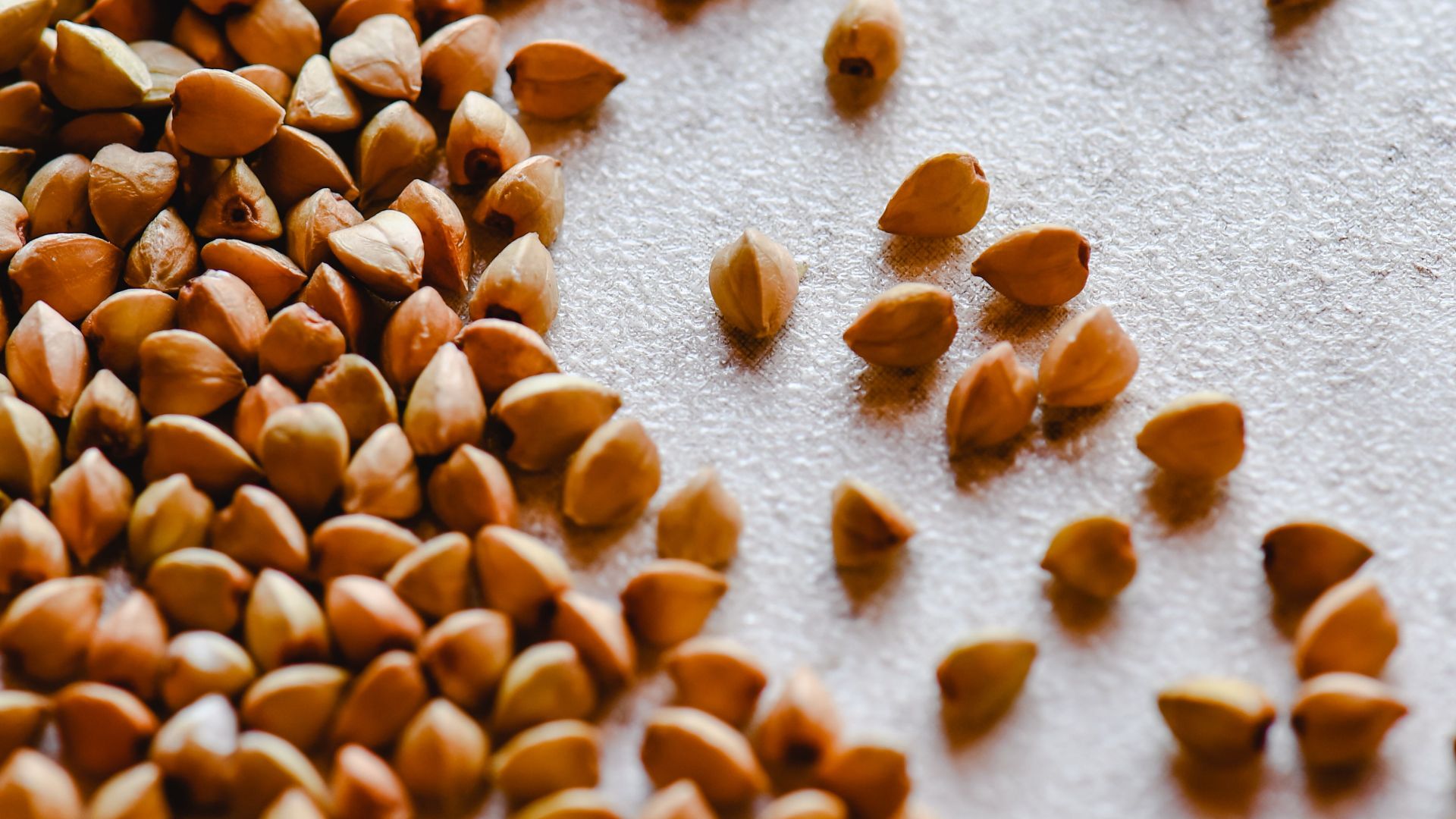
18. Buckwheat
Despite the name, buckwheat isn't actually a type of wheat. American farmers once grew much more of it, and the harvested seeds were milled into flour for pancakes, breads, and other hearty dishes. Buckwheat grew well in relatively poor soils and matured quickly, which made it useful on many farms. You can still order buckwheat pancakes today, but they're hardly the breakfast-table regular they once were.
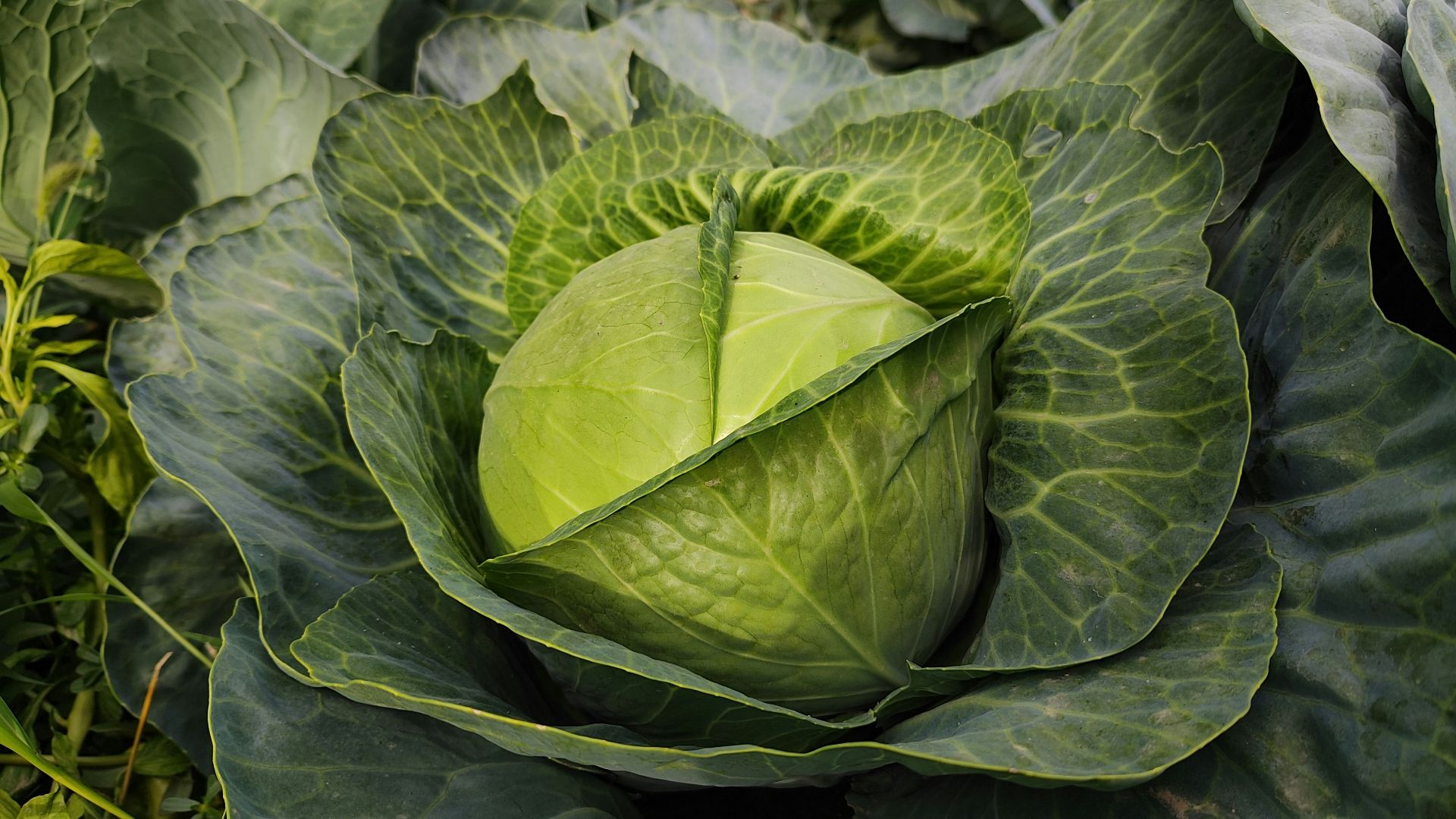
19. Cabbage
Cabbage hasn't disappeared from American kitchens, but people once relied on it much more heavily after the harvest. Heads could be kept in cool storage, while fermentation turned the crop into sauerkraut that lasted even longer. That durability made cabbage especially valuable when winter sharply reduced the number of vegetables people could get. Refrigeration and global produce distribution have made that kind of seasonal dependence far less necessary.
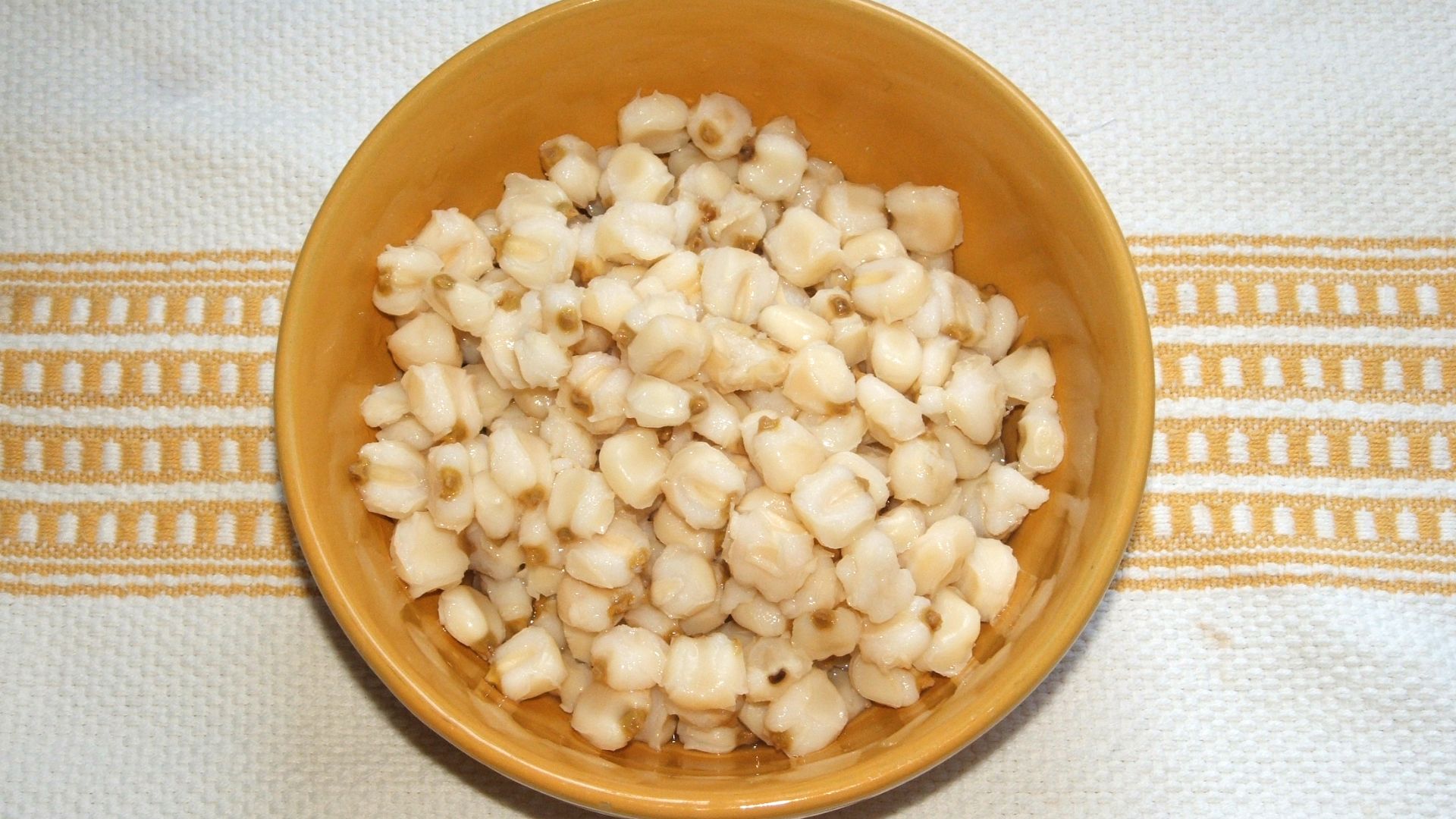
20. Hominy
Hominy is made by treating dried corn with an alkaline solution, a process known as nixtamalization that changes both its texture and nutritional qualities. It became an important ingredient in everything from grits to soups and stews, particularly in parts of the South and Southwest. Hominy hasn't disappeared, but outside certain regional cuisines, it can seem surprisingly unfamiliar.
KEEP ON READING
You’re Storing Tomatoes Wrong in This Heat
You’re Storing Potatoes Wrong in This Heat
You’re Storing Peppers Wrong in This Heat