20 Historic Roadside Dining Traditions That Made the American Road Trip
The Meals That Made The Miles
The American road trip got a lot of its character from what happened when people pulled over hungry. A drive across the country meant coffee after midnight in Providence, chili dogs in Michigan, barbecue in Texas, fried clams on the North Shore, and root beer in a cold glass mug in California. Some of those foods came from working-class routines, some came from roadside showmanship, and some stuck because travelers kept returning to the same stops year after year. These 20 traditions show how roadside dining gave the American road trip its flavor.
1. Night Lunch Wagons
The whole story starts in Providence in 1872, when Walter Scott sold sandwiches, pie, and coffee from a horse-drawn lunch wagon outside the Providence Journal office. It was simple, practical, and built for people who were still working after other places had closed, which is pretty much the DNA of roadside eating right there.
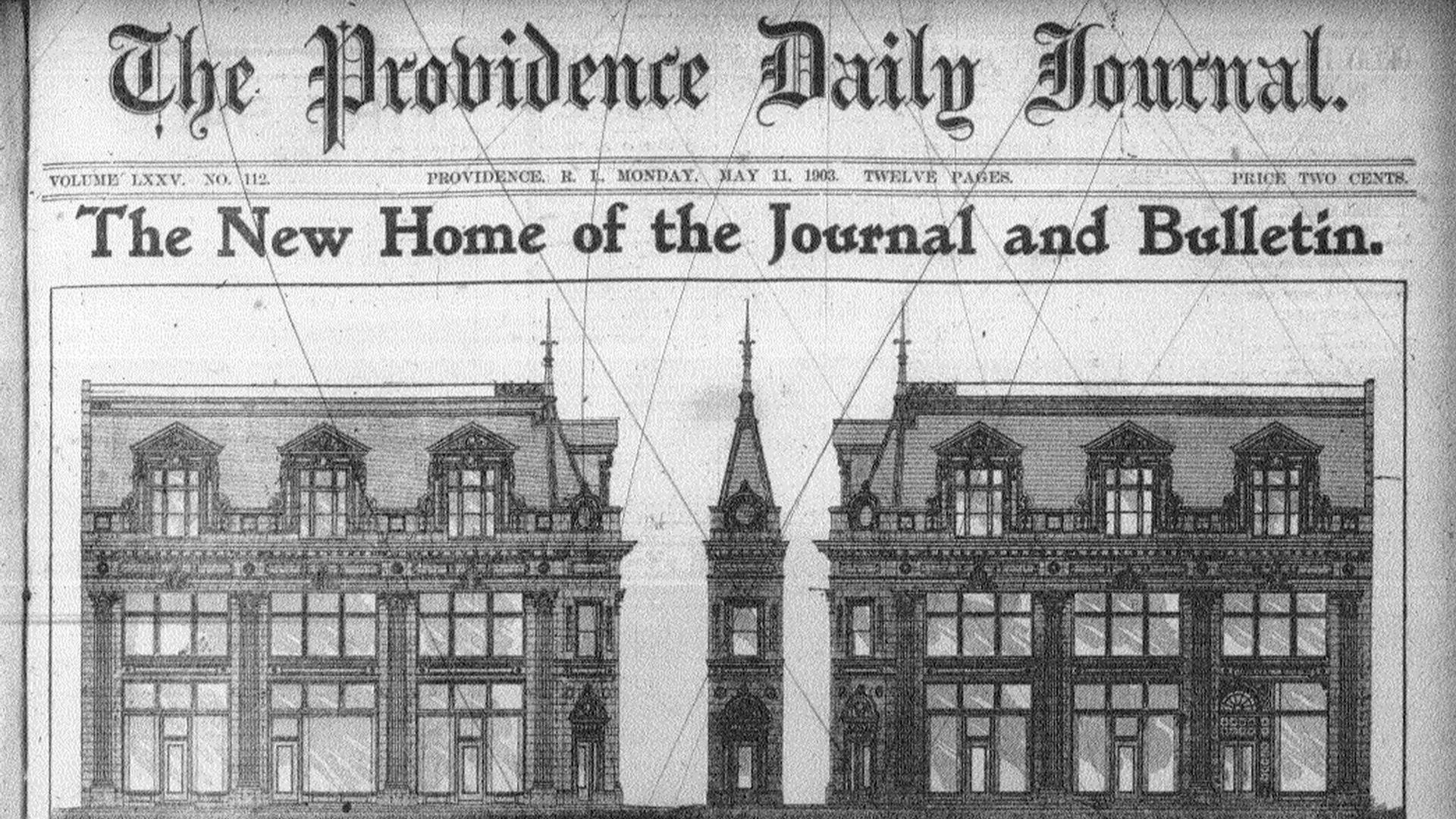 The Providence Journal, published 1903 on Wikimedia
2. Factory-Built Lunch Wagons
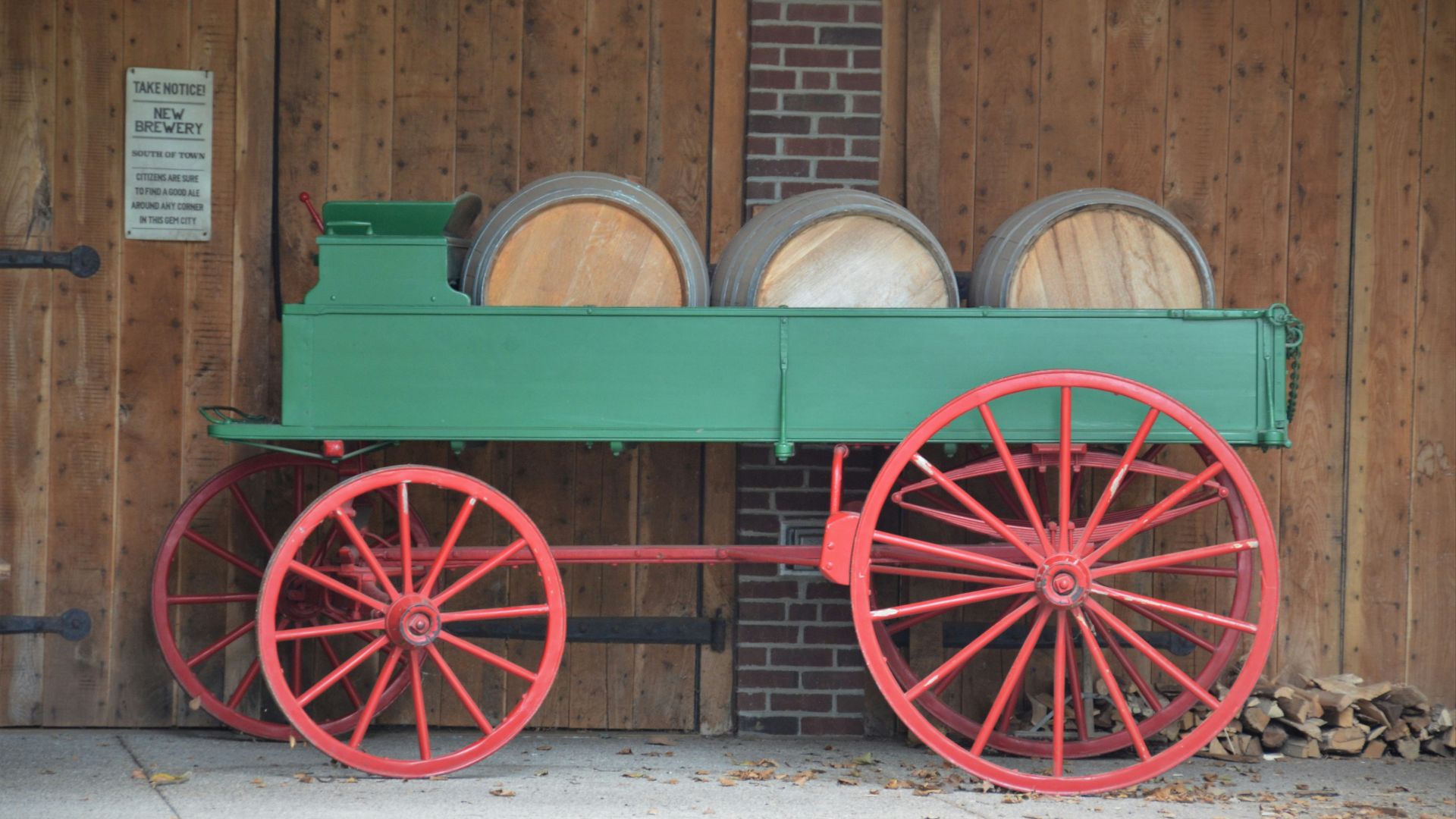
By the late 19th century, lunch wagons had become something you could actually build, buy, and repeat. Worcester makers helped turn the one-off wagon into a recognizable business model, and that shift is a big reason diner culture spread instead of staying a local Rhode Island curiosity.
3. Railcar Diners
Classic diners ended up looking like train cars for practical reasons. As lunch wagons got longer, more permanent, and better equipped around the turn of the 20th century, that narrow railcar shape stuck, and people have associated it with roadside comfort ever since.
4. The All-Night Coffee Counter
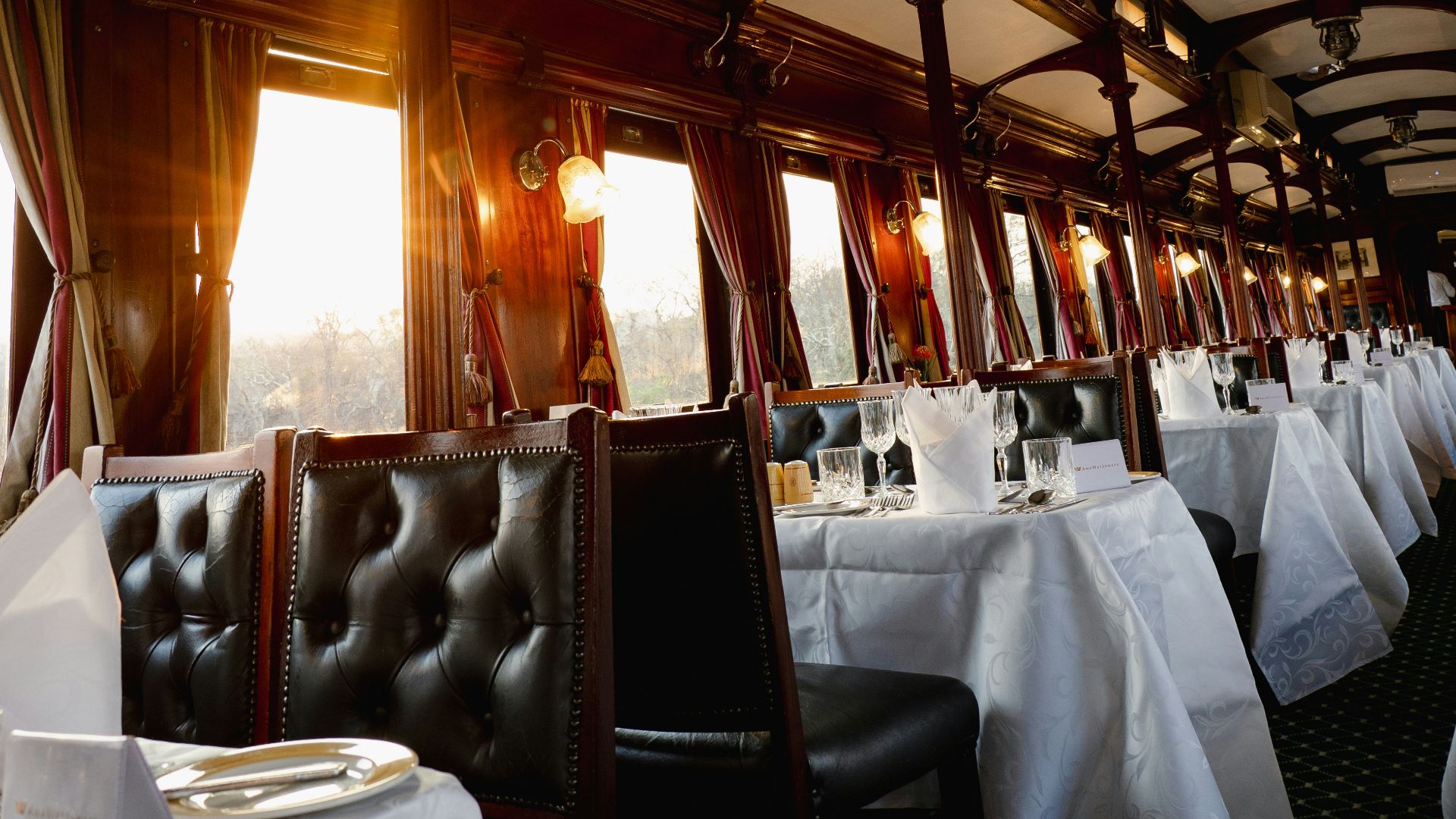
A lot of roadside food culture is really diner-hour culture. These places stayed open for shift workers, late-night travelers, and anyone who needed eggs, toast, and coffee at an hour when the rest of town had gone quiet, which gave the road its dependable fallback meal.
5. Curbside Car Service
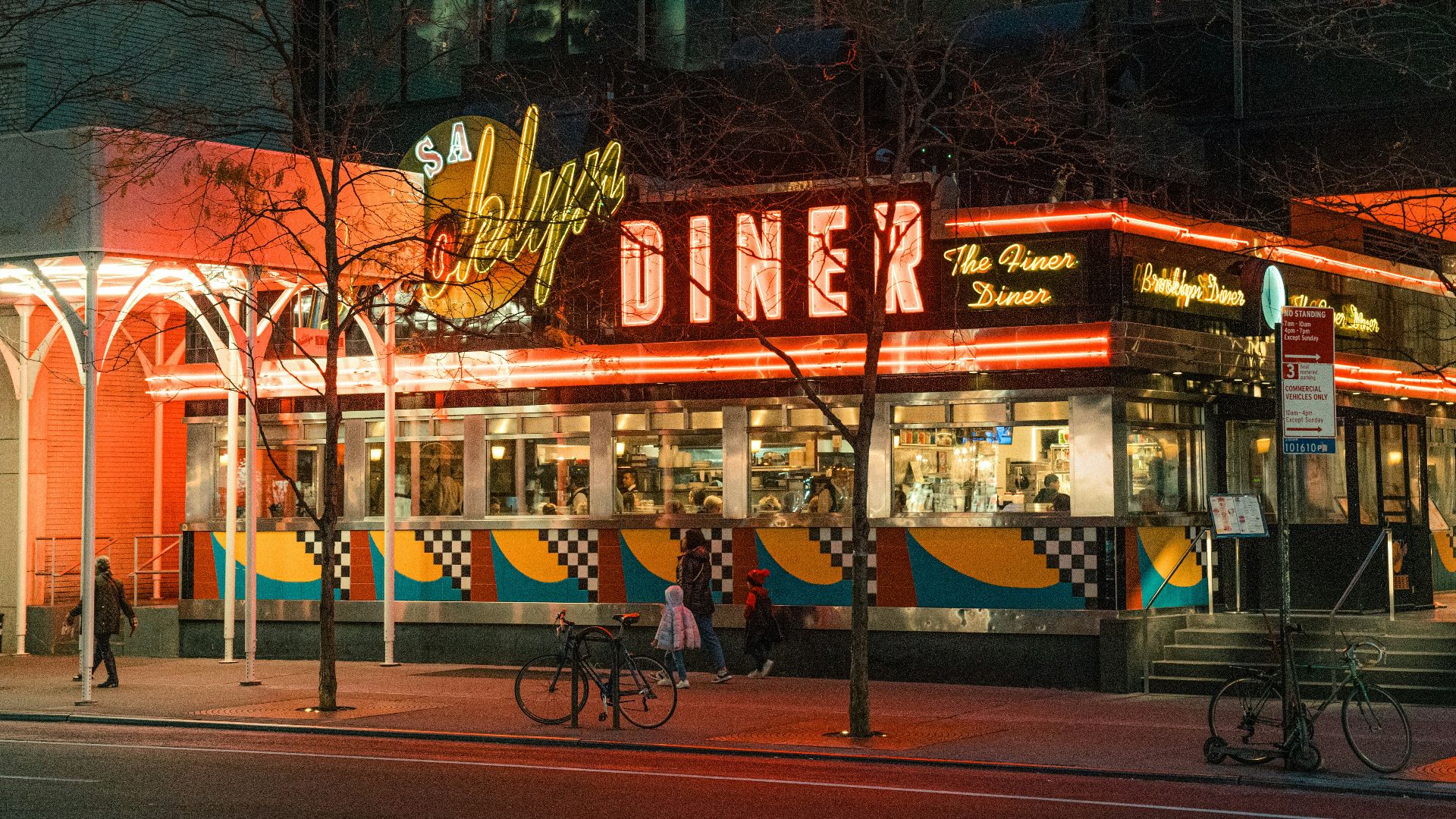
Once Americans got attached to their cars, restaurants started bringing the food outside. Car service, tray boys, and window trays turned the driver’s seat into part of the dining room, and that little bit of novelty ended up reshaping roadside eating across the country.
6. Drive-In Barbecue Stops
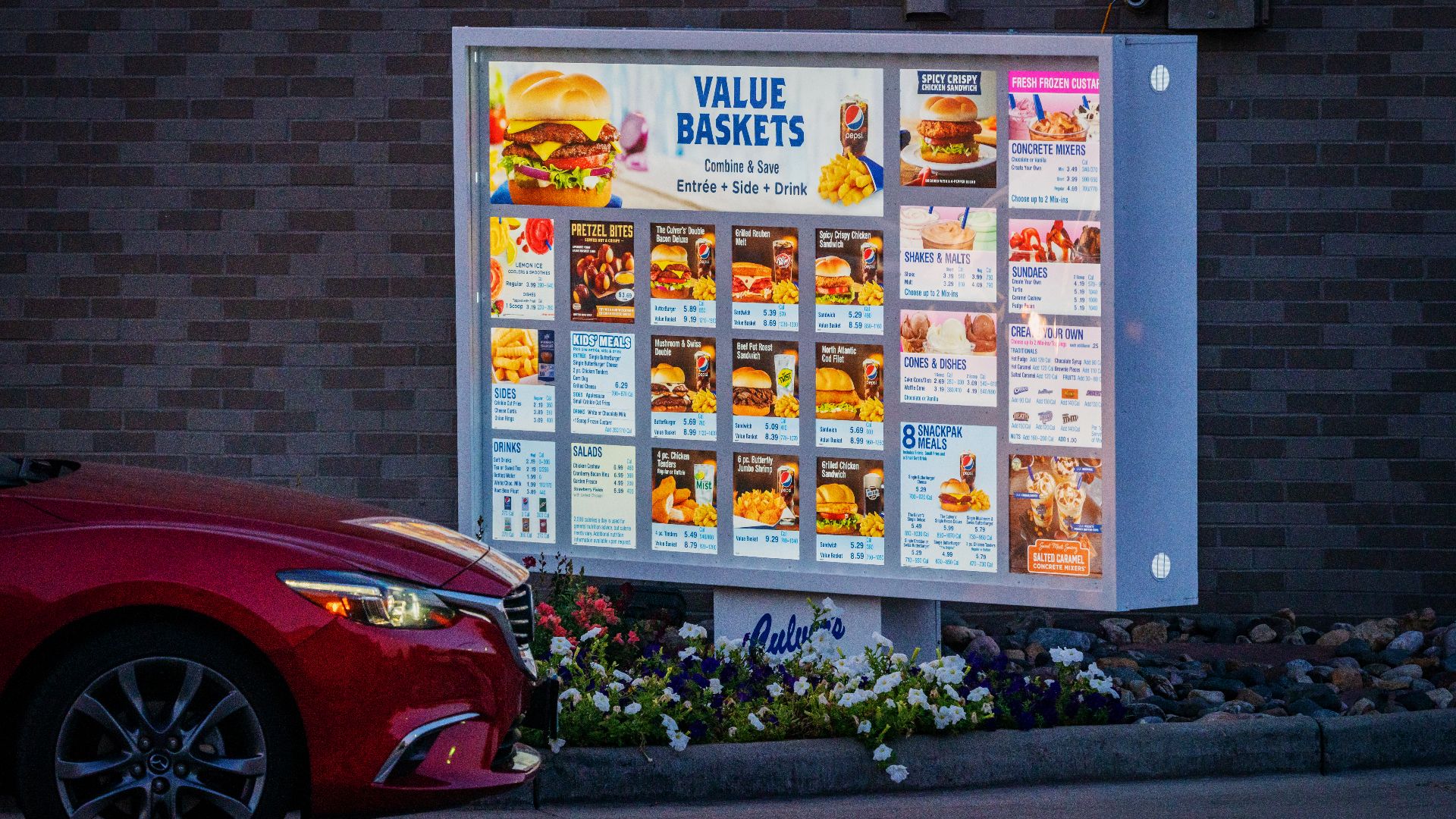
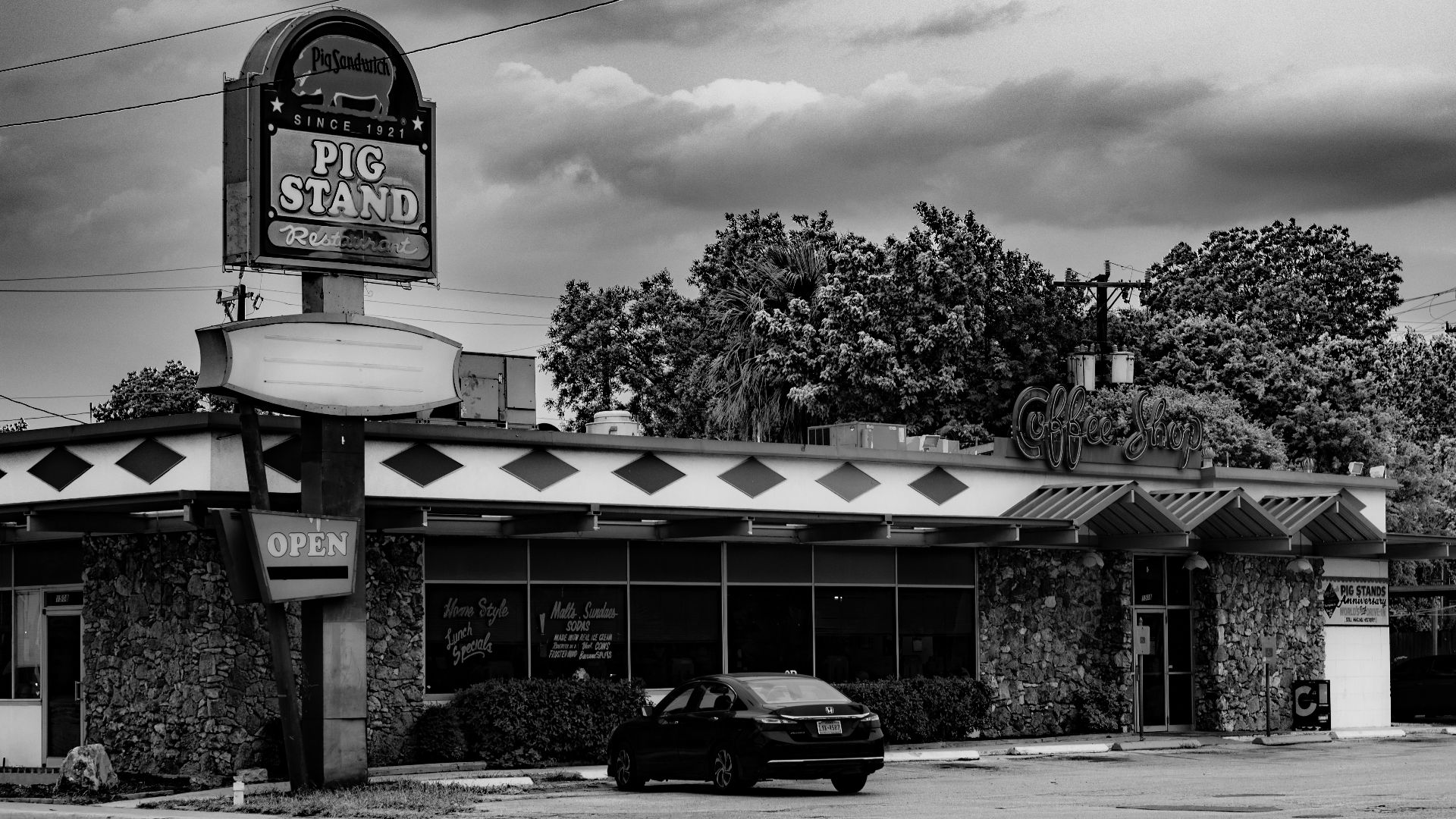
Pig Stand, founded in Texas in 1921, is widely credited as America’s first drive-in restaurant, and it proved people would gladly pull over for something messier and heartier than coffee and pie. Barbecue sandwiches eaten in the car helped make roadside food feel like a real meal, not just a pit stop.
7. Frosted Root Beer Mugs
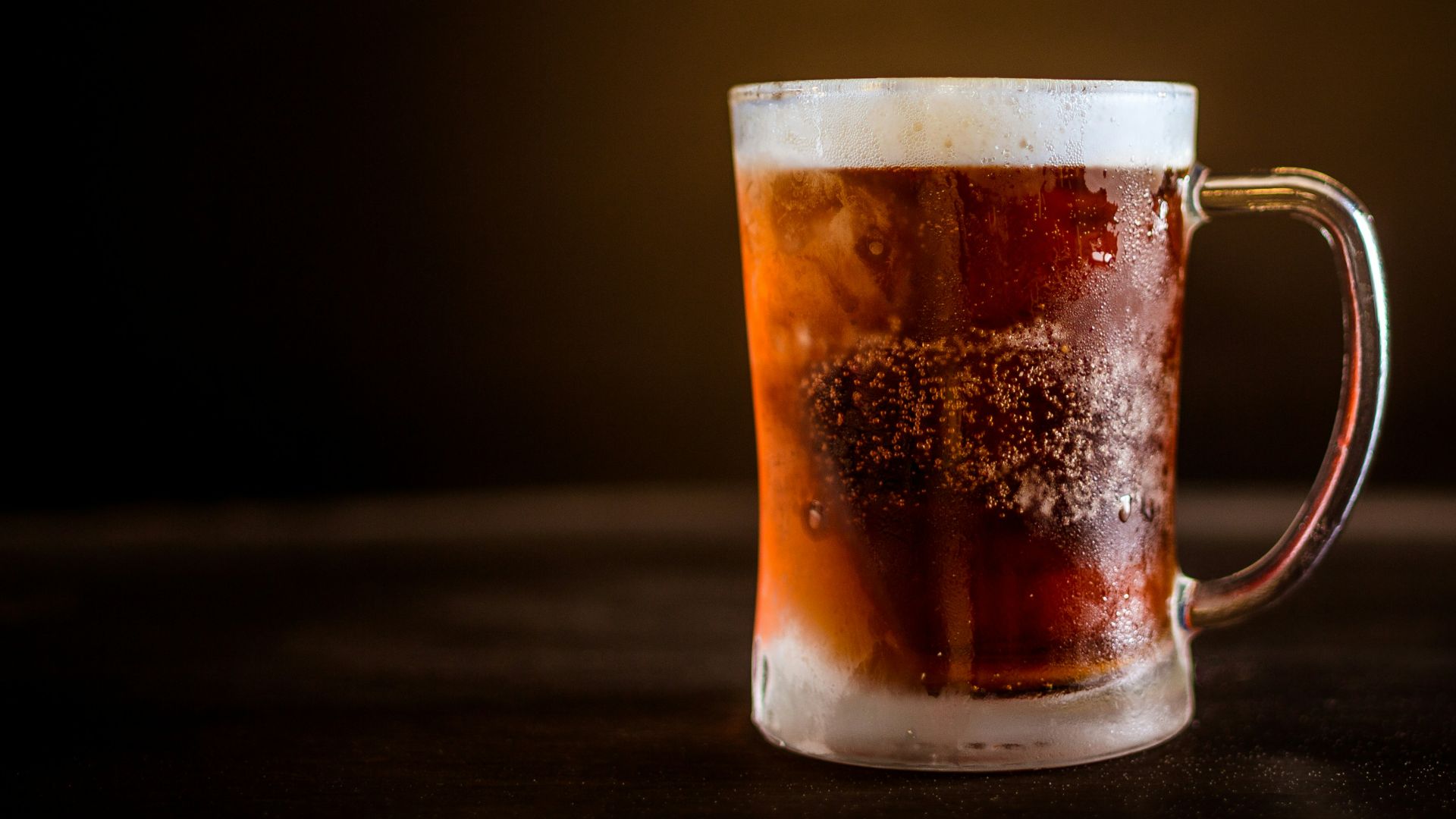
Roy Allen started selling root beer in Lodi, California, in 1919, and the cold mug itself became part of the appeal. That ritual, a chilled glass in your hand before getting back on the road, still feels like one of the cleanest snapshots of early roadside America.
8. Blue-Plate Specials
The blue-plate special caught on because it solved a very ordinary problem. Travelers wanted a full meal that was cheap, quick, and filling, and diners in the 1920s and 1930s got very good at serving exactly that without much fuss.
 Rich Kaszeta Uploaded by Kaszeta at en.wikipedia on Wikimedia
9. Coney Dogs
Michigan turned the roadside hot dog into something people still get oddly loyal about. At lunch counters in Detroit and beyond, the Coney dog became a natural-casing frank topped with beanless chili, chopped onions, and yellow mustard, which is still one of the best meals you can eat standing at a counter or leaning over a paper tray.
10. Texas Barbecue On Butcher Paper
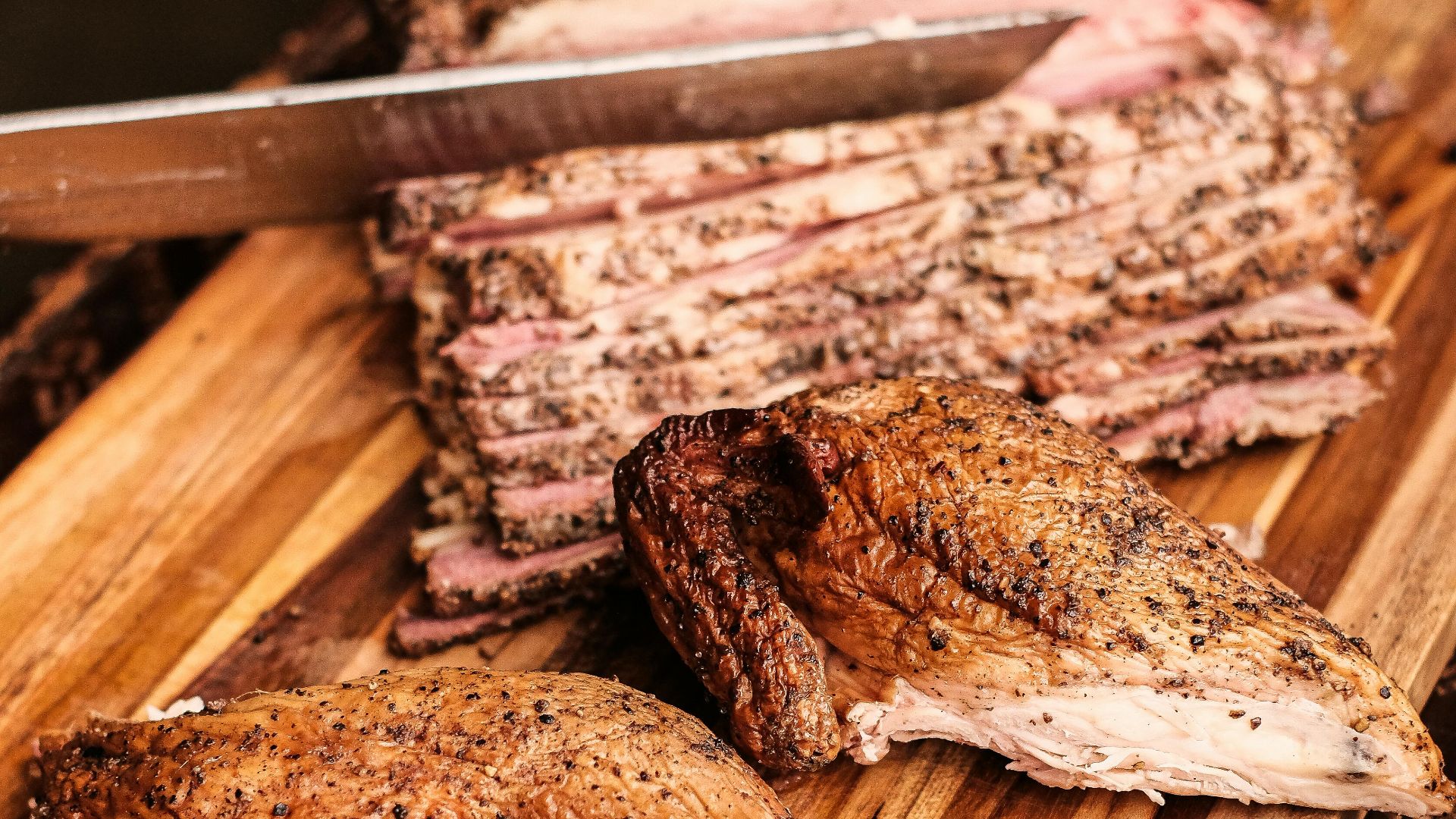
Texas barbecue has roots in butcher shops, meat markets, and African American cooking traditions, and that history still shows in how it’s served. A pile of brisket or sausage on butcher paper feels grounded in place in a way a lot of highway food doesn’t, which is probably why people still build whole drives around it.
11. Brown-Bag Boiled Peanuts
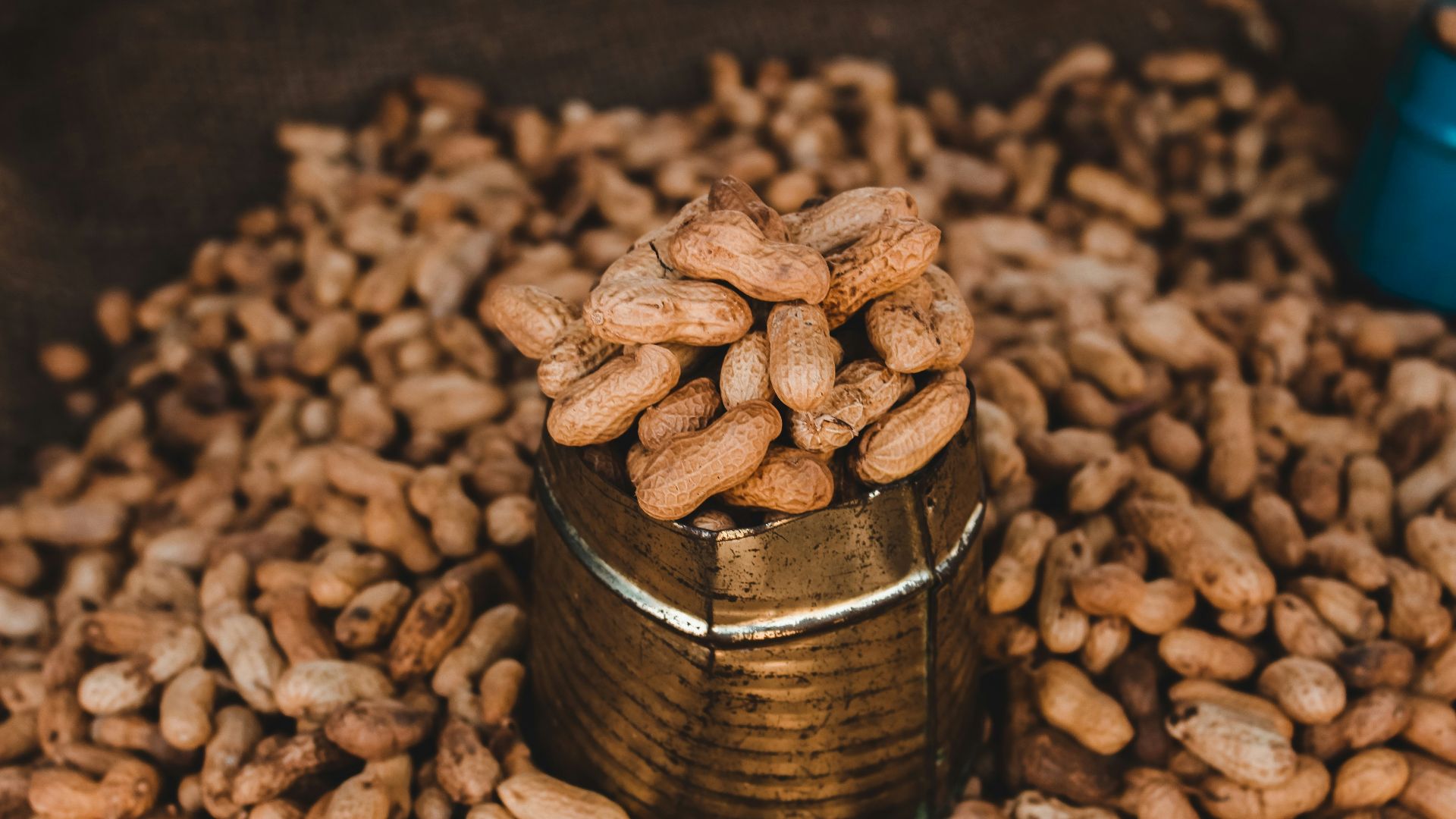
Boiled peanuts have been part of Southern food culture for a long time, with a published recipe showing up in 1899 and street sales documented in Orangeburg, South Carolina, by the 1920s. They’re still the kind of snack that feels best bought warm from the side of the road and eaten before you’ve even fully merged back into traffic.
12. Maine Lobster Rolls
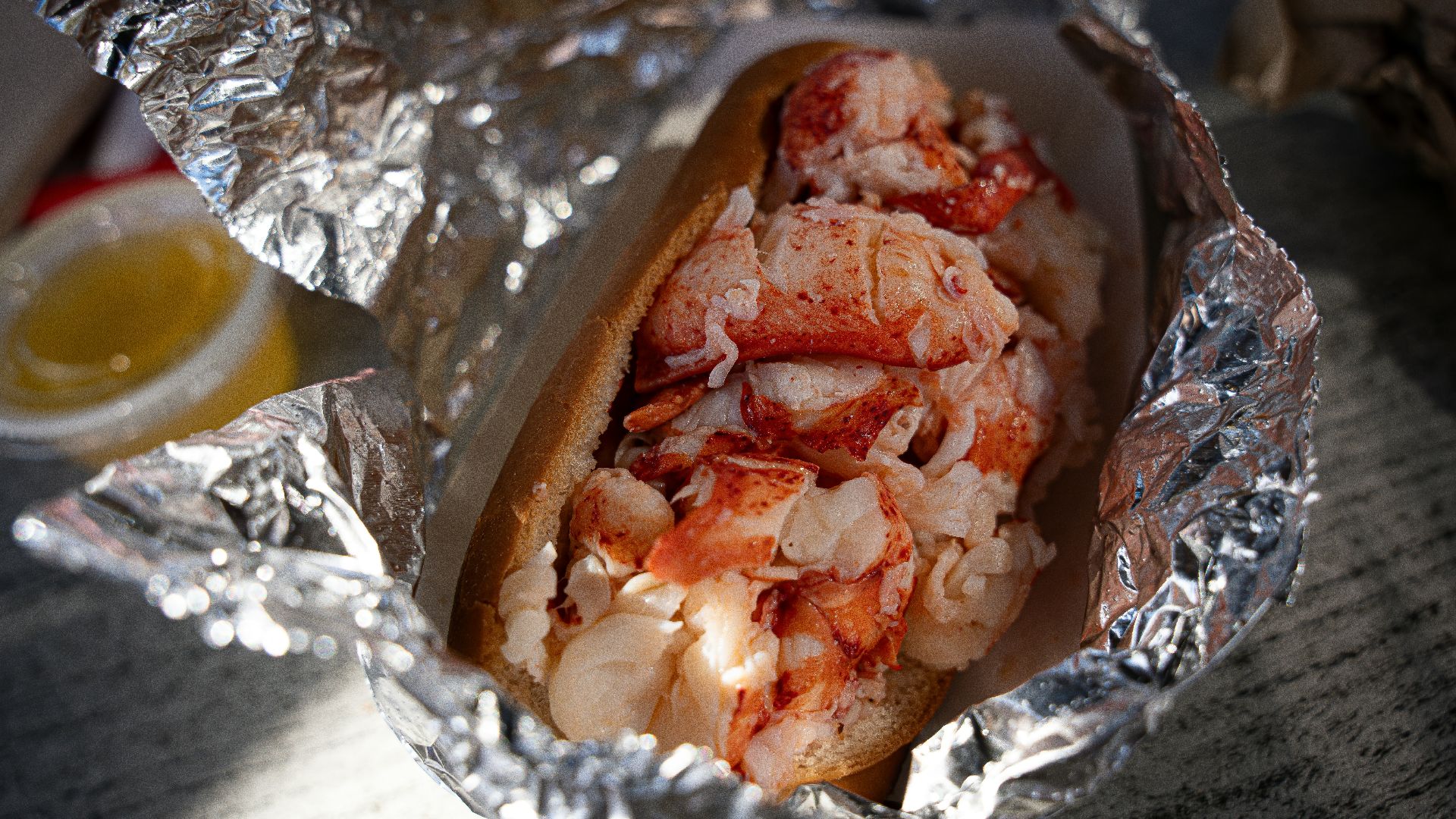
Route 1 in Maine turned the lobster roll into one of the country’s most reliable food detours. Towns like Wiscasset built a whole roadside reputation around takeout counters and picnic-table seafood, and that’s part of why summer drives in Maine so often end up planned around lunch.
13. North Shore Clam Shacks
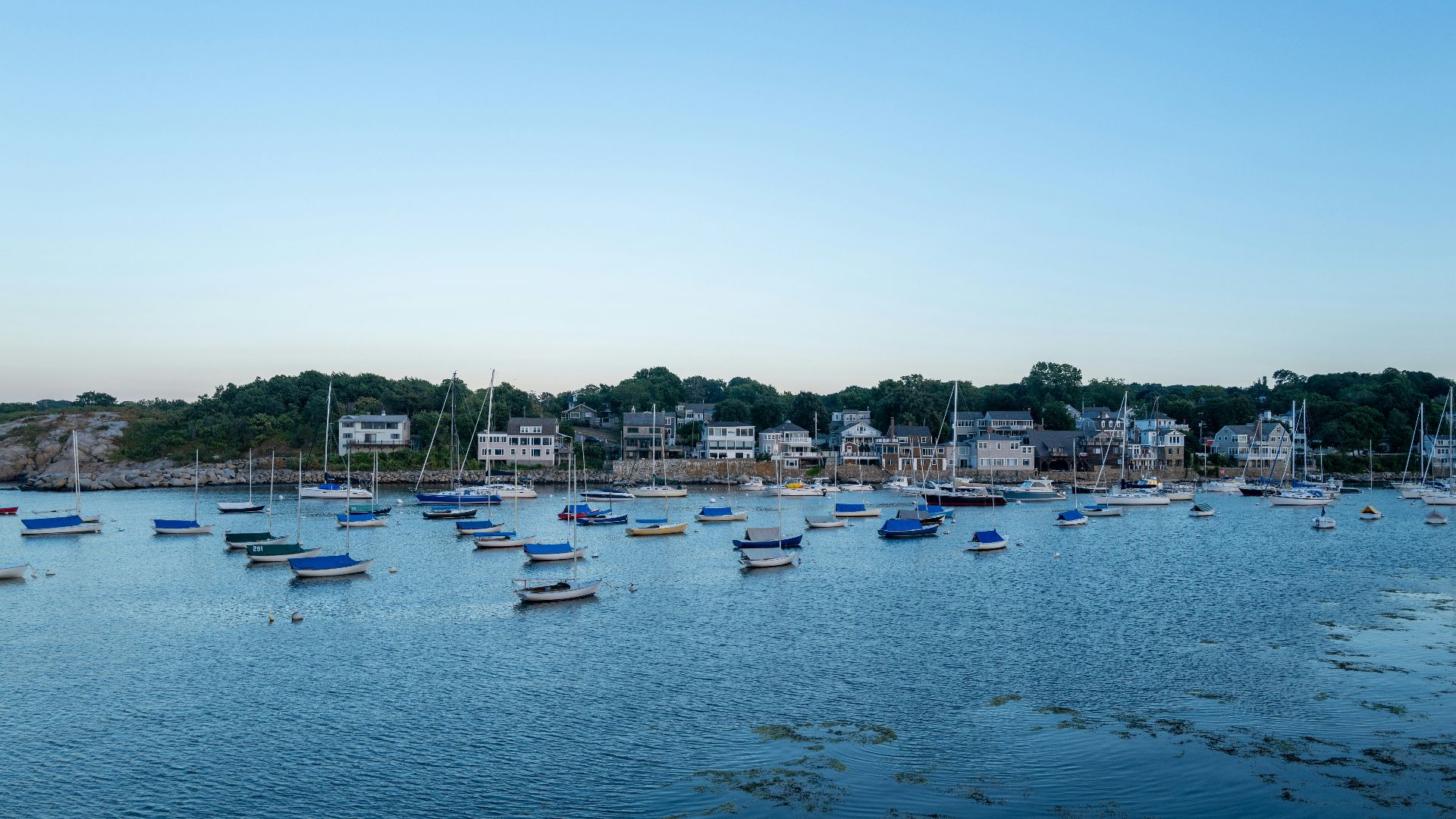
On Massachusetts’ North Shore, the clam went from mud-flat staple to full roadside institution. Fried clam shacks in places like Essex and Ipswich became part of the region’s identity, and there’s still something very satisfying about a seafood stop that comes with a parking lot, a paper plate, and absolutely no ceremony.
14. Corn Dogs On Route 66
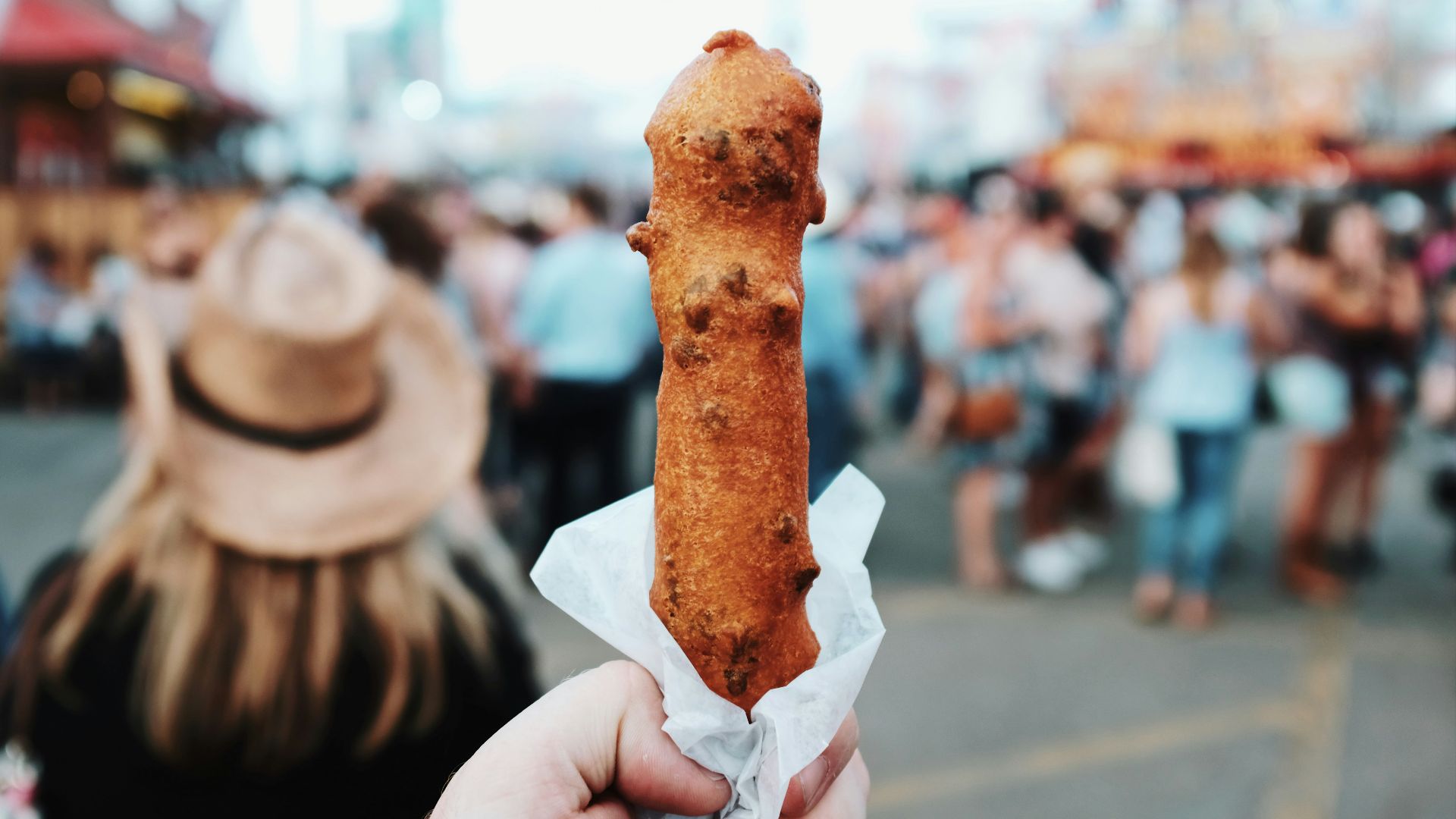
Springfield, Illinois, gave the Mother Road one of its best handheld foods. Cozy Dog’s official history ties the drive-in to Route 66 in 1949, and the corn dog’s whole appeal, hot, portable, and a little ridiculous, made it perfect for road-trip eating.
15. Roadside Fried Chicken
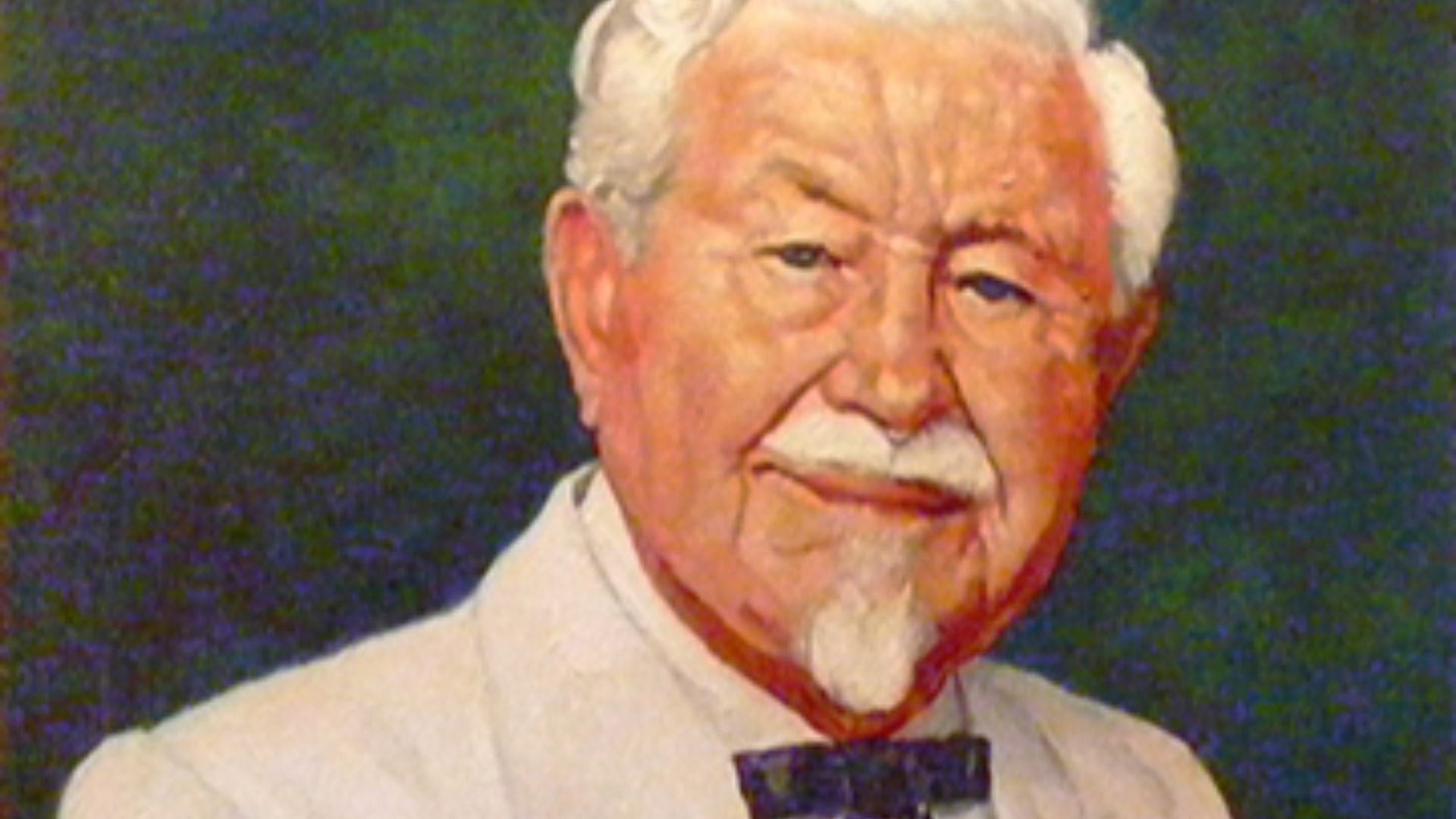
Harland Sanders didn’t build his name in some polished corporate test kitchen. He started serving fried chicken from a roadside restaurant in North Corbin, Kentucky, during the Great Depression, and that origin story matters because it kept the food tied to travel, traffic, and people stopping. After all, they were hungry right now.
16. Truck-Stop Kitchens
Truck stops carried the old roadside promise into the interstate age. Iowa 80 opened in Walcott in 1964, before the interstate system was even finished, and places like that kept serving the same basic comforts people had always wanted: hot food, strong coffee, pie, and a seat for whoever came through the door.
17. Green Book Restaurants
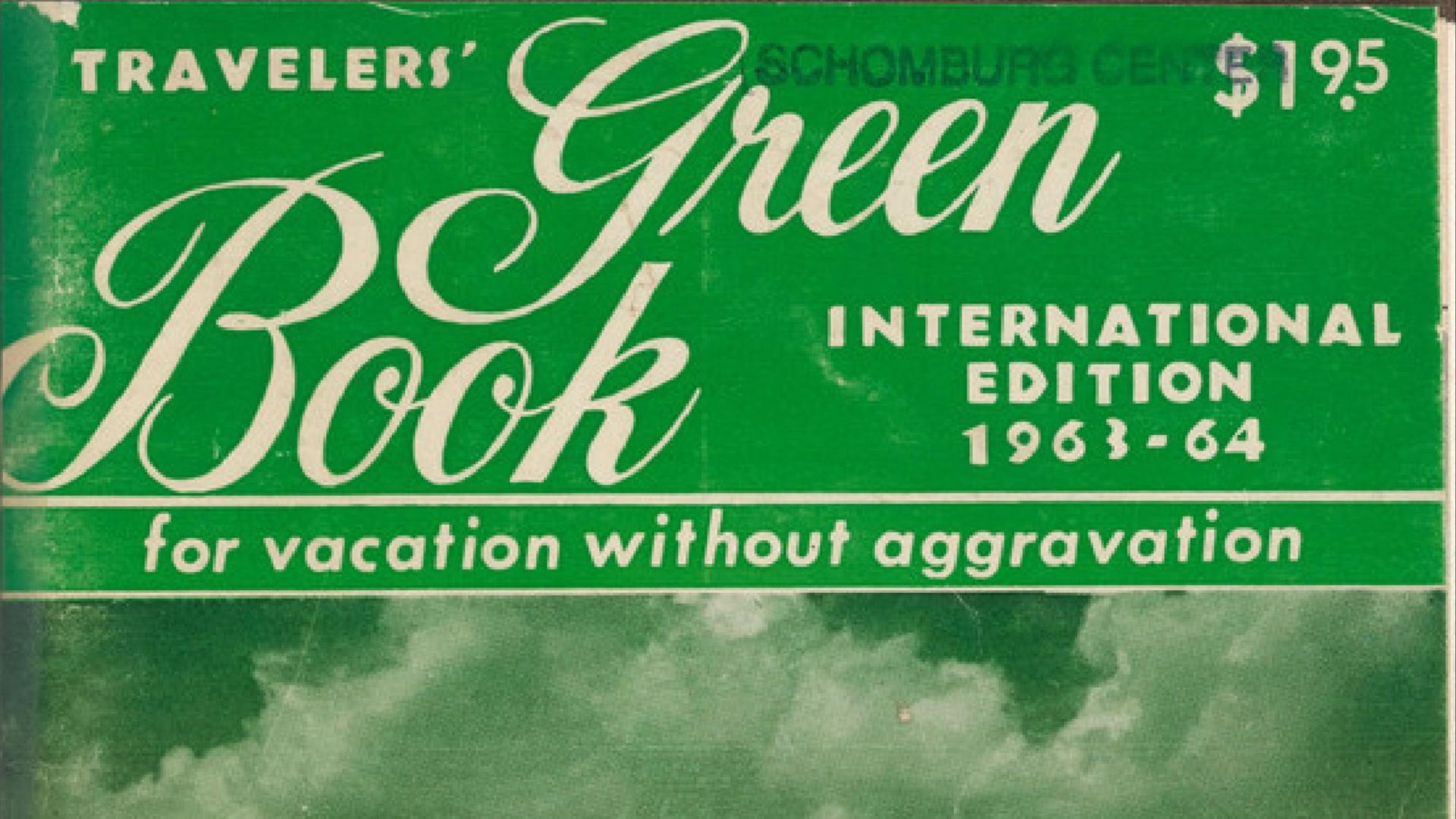
Any honest road-trip story has to include the businesses that made travel safer for Black motorists during Jim Crow. From 1936 to 1966, the Green Book listed restaurants, service stations, hotels, and other stops where Black travelers could count on being served, and those places were central to American roadside culture.
 Victor Hugo Green on Wikimedia
18. Novelty-Shaped Roadside Stands
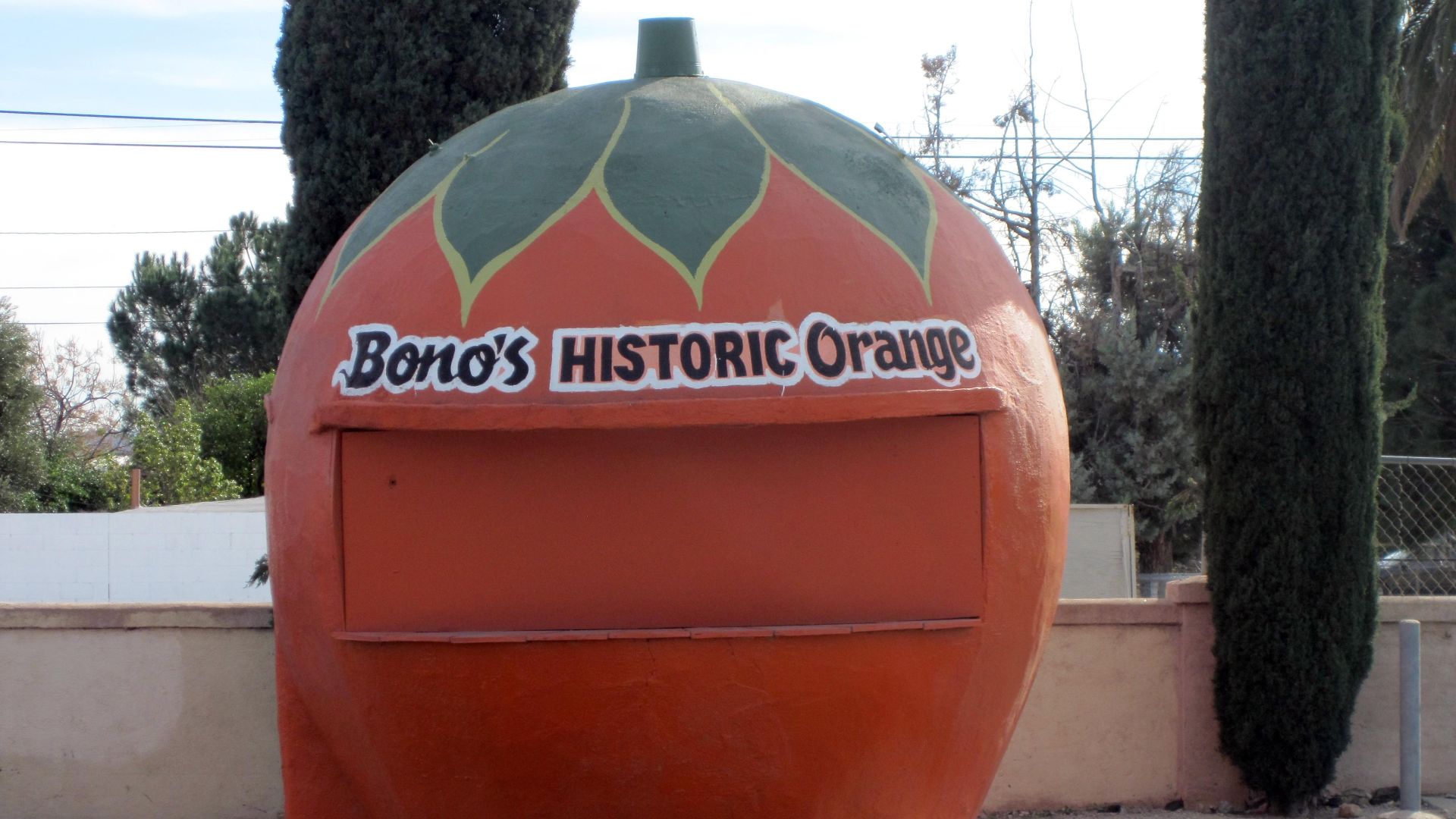
California’s giant orange stands understood one basic truth very early: if the building catches your eye, people will pull over. Some of those fruit-shaped stands sold juice, some sold hot dogs or burgers later on, and all of them helped turn the roadside stop into something a little playful and memorable.
19. Neon Route 66 Diners
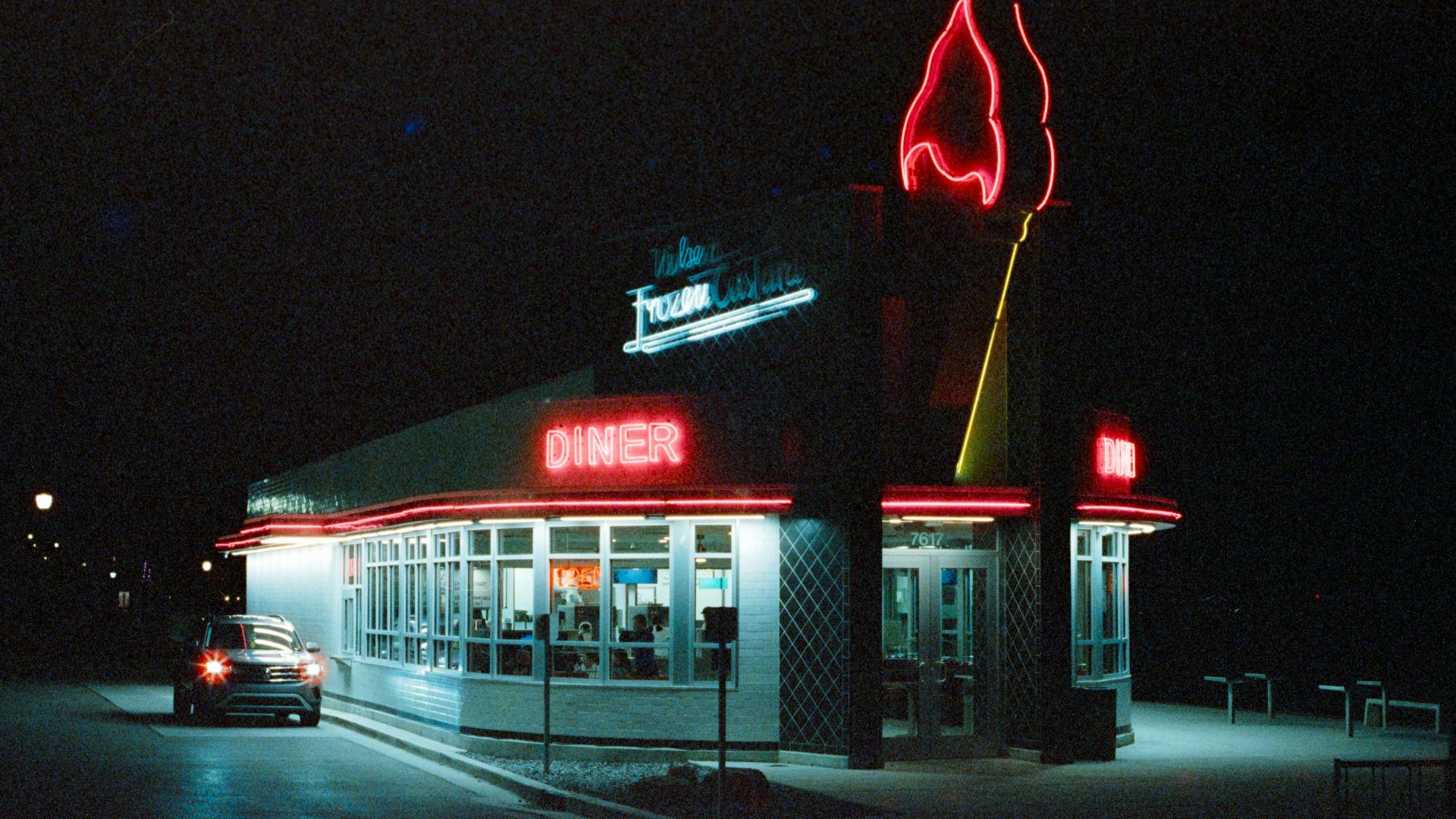
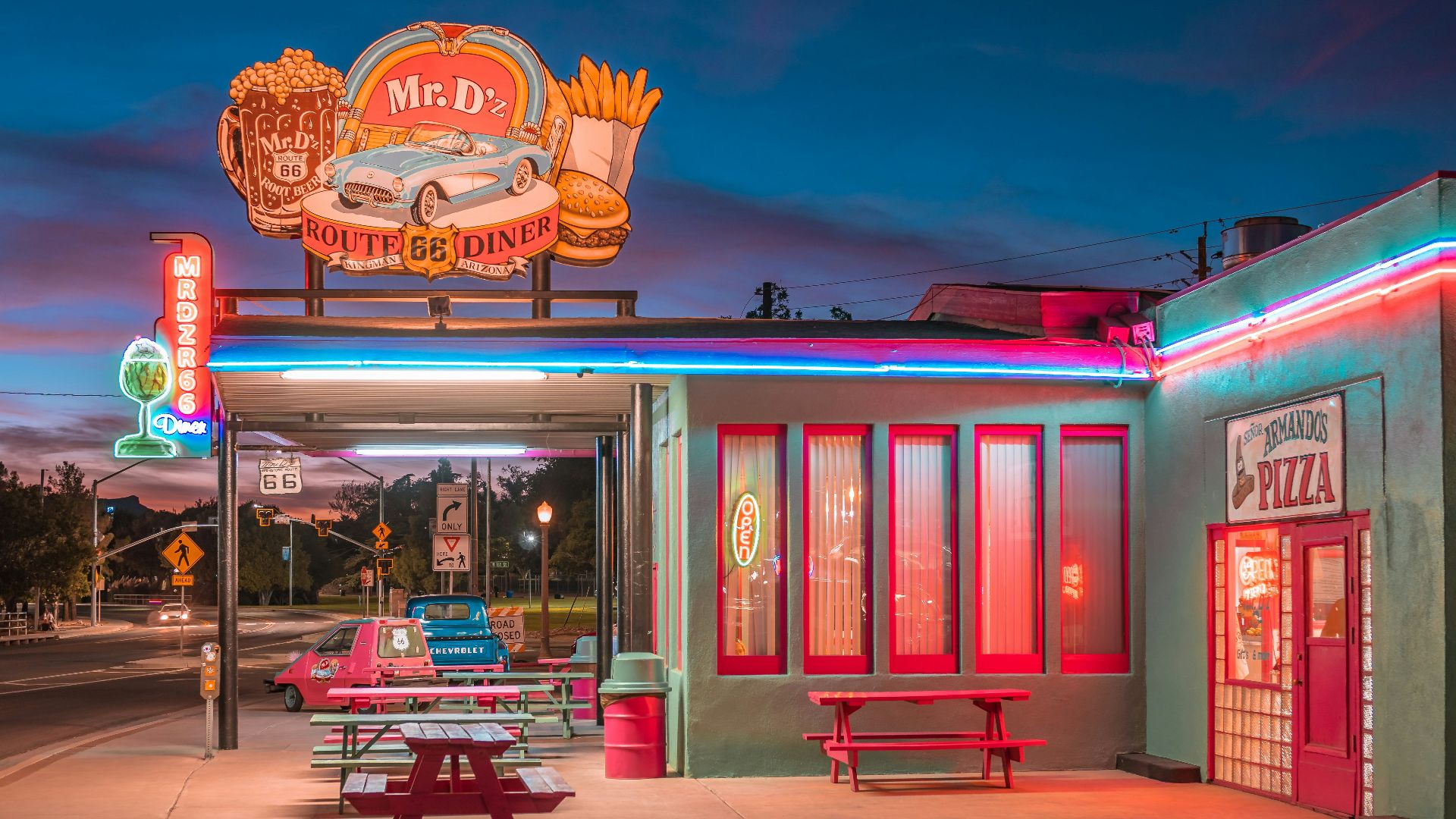
By the postwar years, the look of the roadside restaurant mattered almost as much as the menu. Neon, aluminum, glass, and bright signage made places visible from the street and hard to forget after dark, which is a big part of why Route 66 diners still loom so large in the American memory.
20. The Pre-Road Breakfast Counter
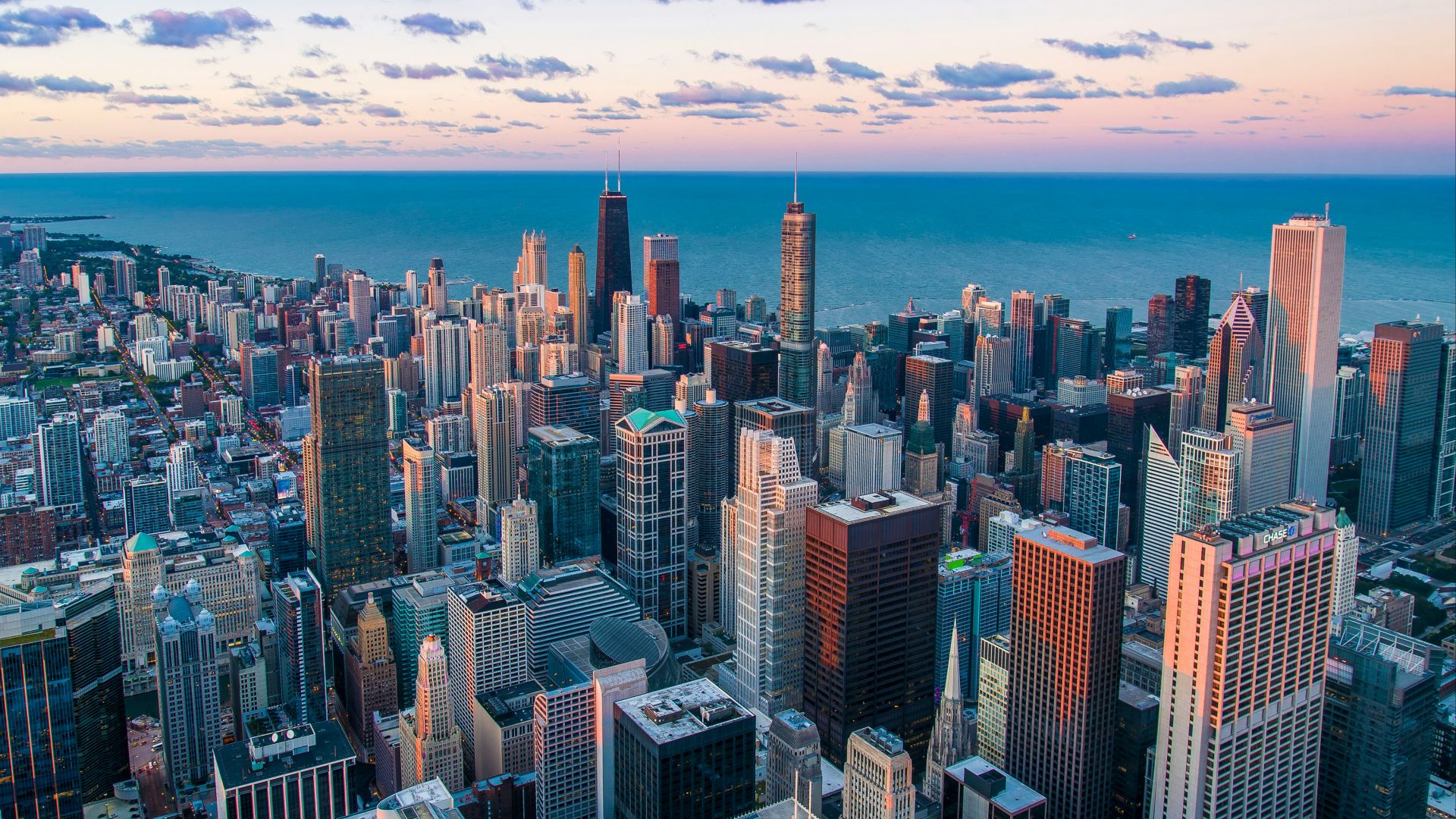
Some roadside traditions are quieter than the flashy ones, and breakfast at the counter is one of them. Lou Mitchell’s in Chicago became famous not just for its 1923 roots and 1949 makeover, but for the mix of locals and travelers who started their Route 66 day there, which says a lot about how the road trip often began with coffee, eggs, and a booth near the door.
KEEP ON READING
The Most Popular Signature Dishes Around the World