20 Times A Single Person Made a Food Go from Relatively Unknown to Extremely Popular
20 Times A Single Person Made a Food Go from Relatively Unknown to Extremely Popular
The People Who Turned Obscure Foods Into Household Names
Food trends don't always start with giant companies or years of careful marketing. Sometimes, one chef, entrepreneur, writer, or even a very determined customer helps push a little-known food into the spotlight. If you've ever wondered how certain dishes went from regional curiosities to things you can find in grocery stores, fast-food chains, and social feeds, these are 20 of the people who helped make that happen.
1. Kikkoman’s Mogi Family & Soy Sauce
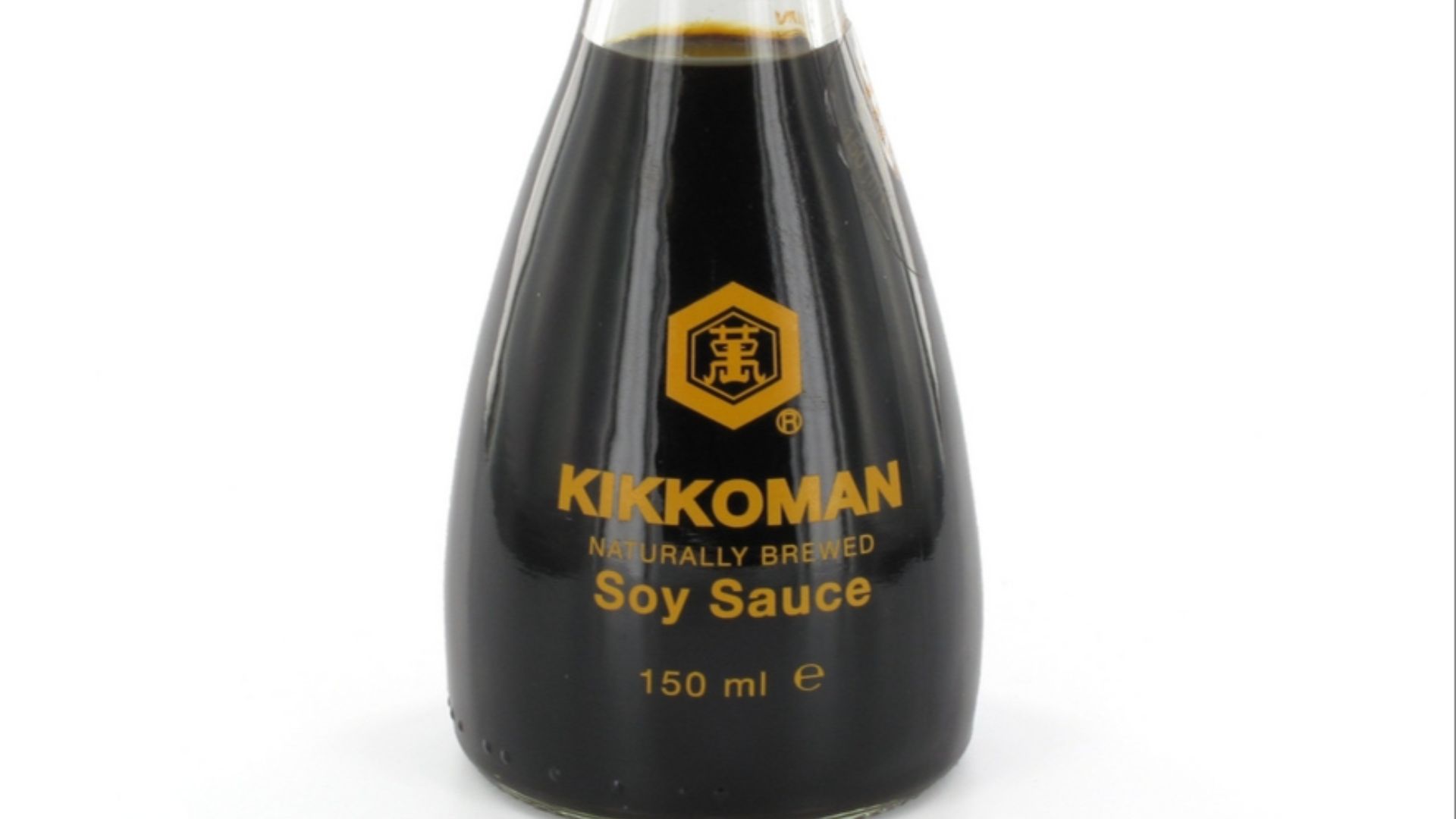
For a long time, soy sauce was still seen by many Americans as something tied to a narrow category of "foreign" cooking. The Mogi family, which built Kikkoman into a global brand, changed that by pushing soy sauce into American supermarkets and home kitchens. Instead of keeping it limited to Japanese food, they helped position it as an everyday seasoning you could use on meat, vegetables, and rice.
2. Yevhen Klopotenko & Borscht
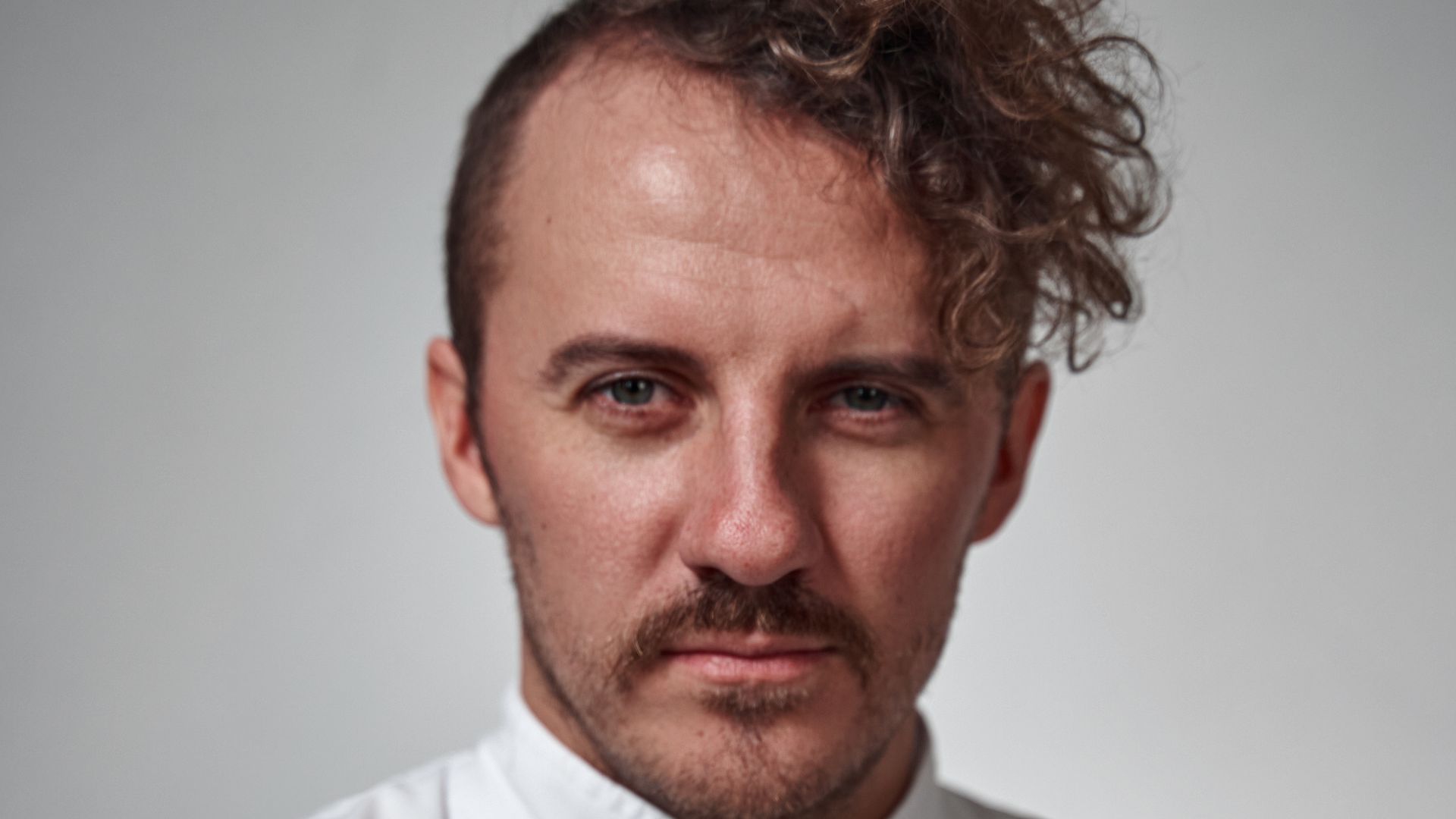
Although it's been around for centuries, Ukrainian chef and food advocate Yevhen Klopotenko did a lot to bring borscht to wider global attention. He played a pivotal role in modernizing, promoting, and protecting the reputation of borscht, particularly in establishing it as a cornerstone of Ukrainian national identity on the global stage.
 Владислав Нагорний on Wikimedia
3. Nobu Matsuhisa & Miso Black Cod
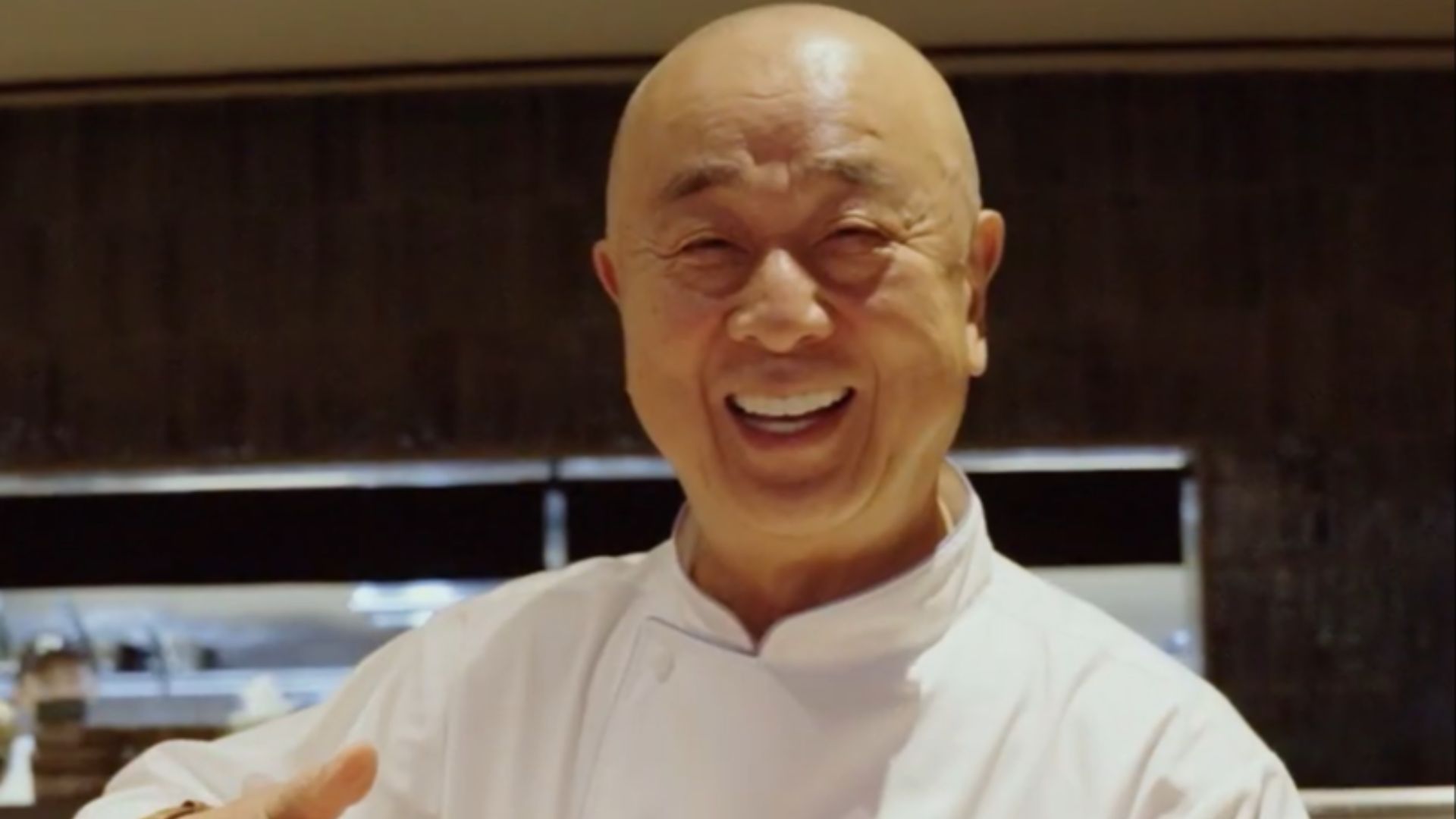
Plenty of diners had never heard of miso-marinated black cod before Nobu Matsuhisa made it one of his signature dishes. He took a preparation that felt refined but approachable and placed it in front of celebrities, travelers, and high-end restaurant crowds around the world to the point where it became a globally iconic dish.
 Sethluifoodtravel on Wikimedia
4. Julia Child & Vichyssoise
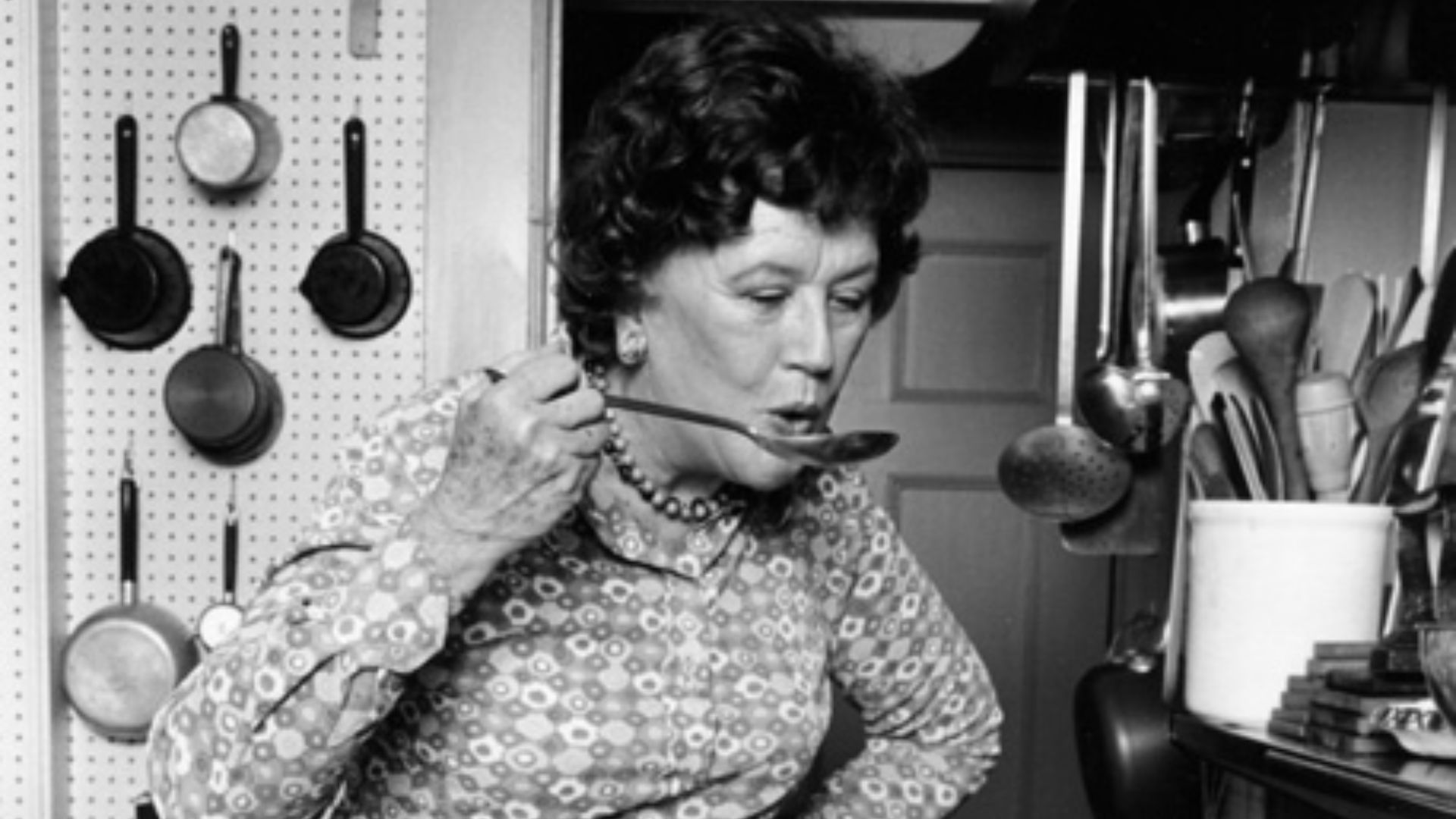
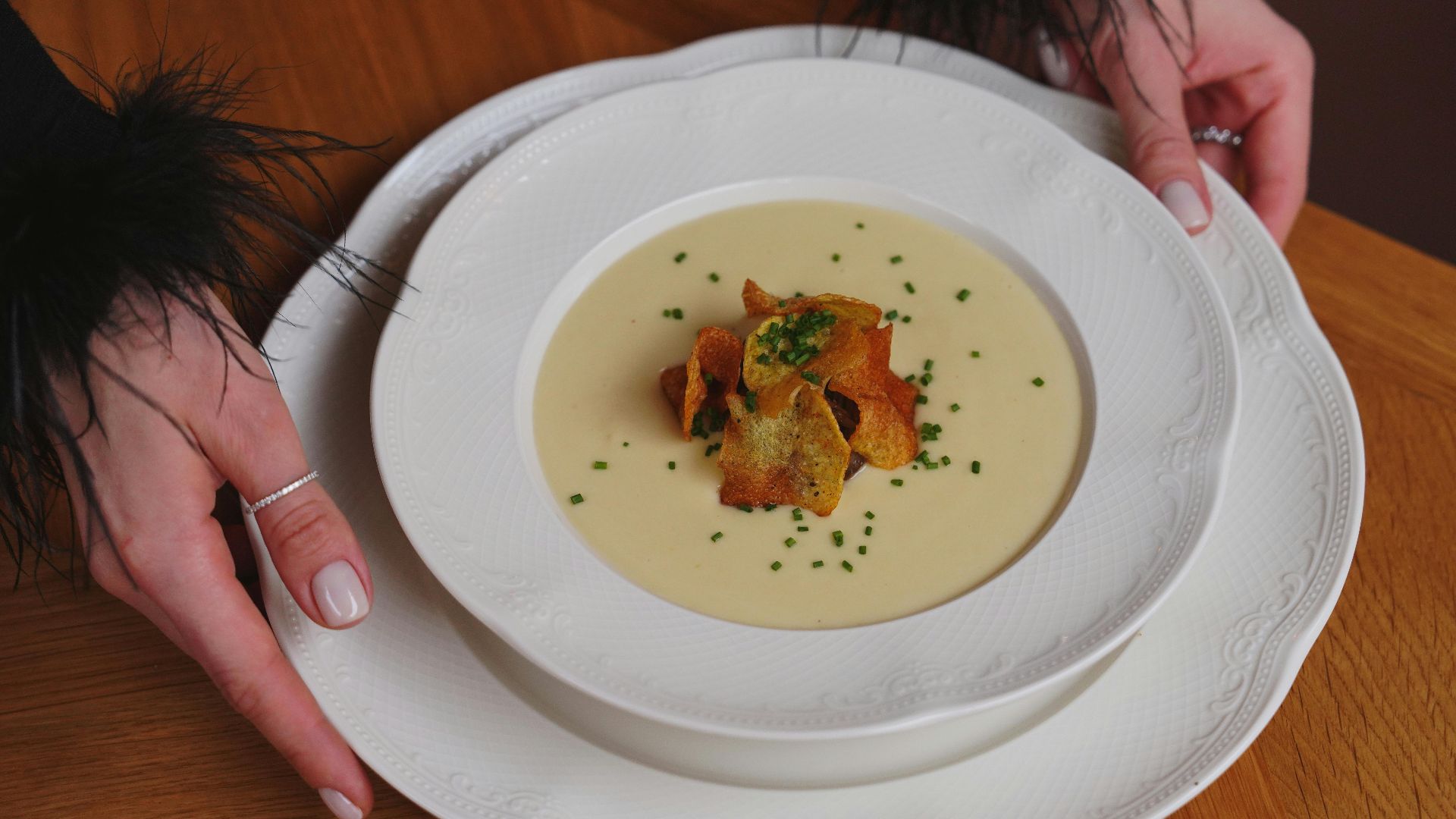
Cold potato and leek soup doesn't exactly sound like the kind of thing that would become fashionable. That is until Julia Child got her hands on it. She had a gift for taking foods that seemed intimidating or unfamiliar and making them sound not only manageable, but also worth getting excited about. Her influence on American home cooking made plenty of French dishes feel newly accessible, and vichyssoise benefited from that wider appetite.
5. David Chang & Pork Buns
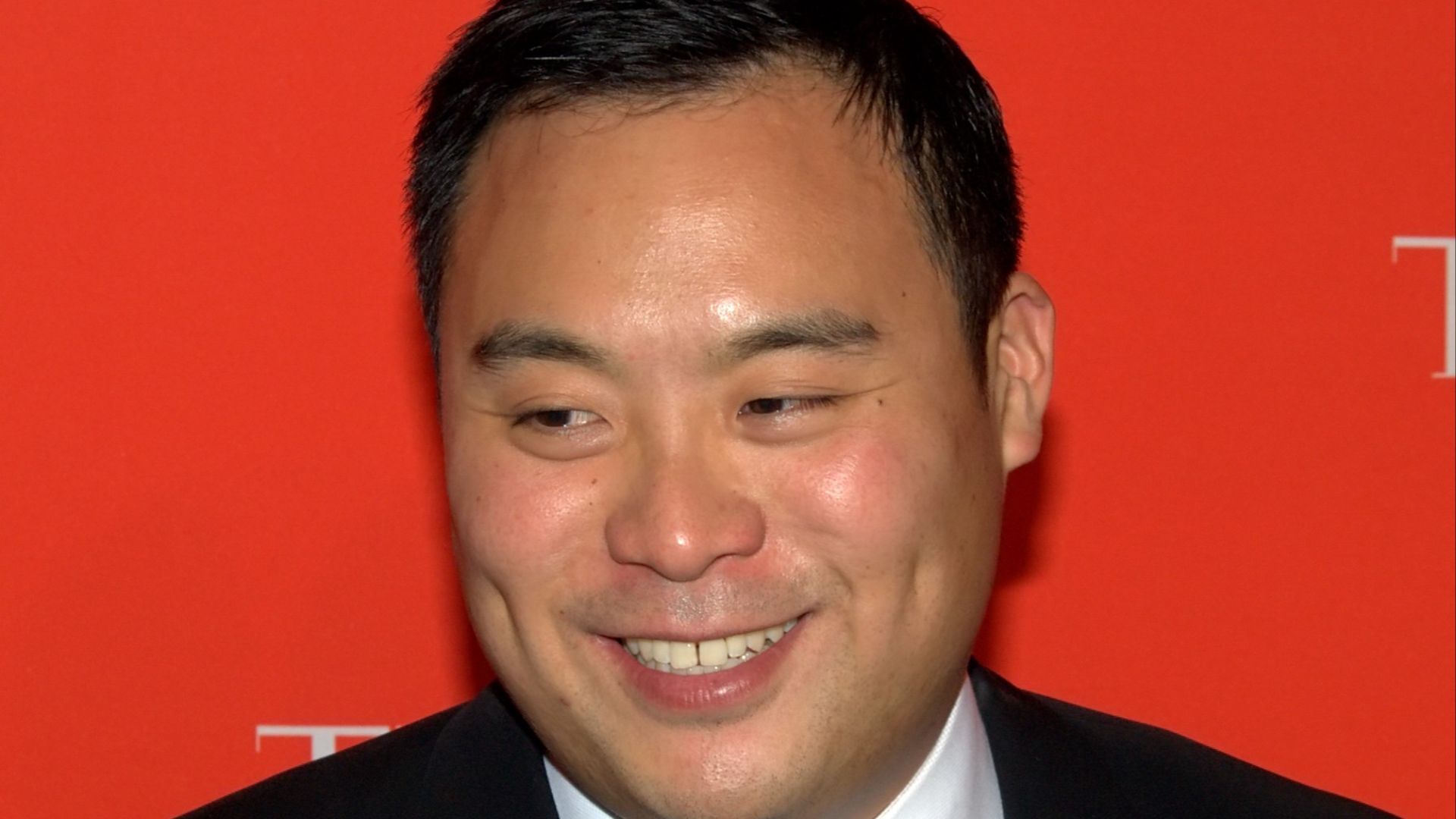
Pork buns weren't unknown before David Chang, but he helped turn them into one of those foods that suddenly appeared everywhere. Through Momofuku, he presented them in a way that felt casual, craveable, and cool enough to inspire imitation across the restaurant world. Chefs and diners alike responded because the dish was rich, simple, and easy to remember after just one bite.
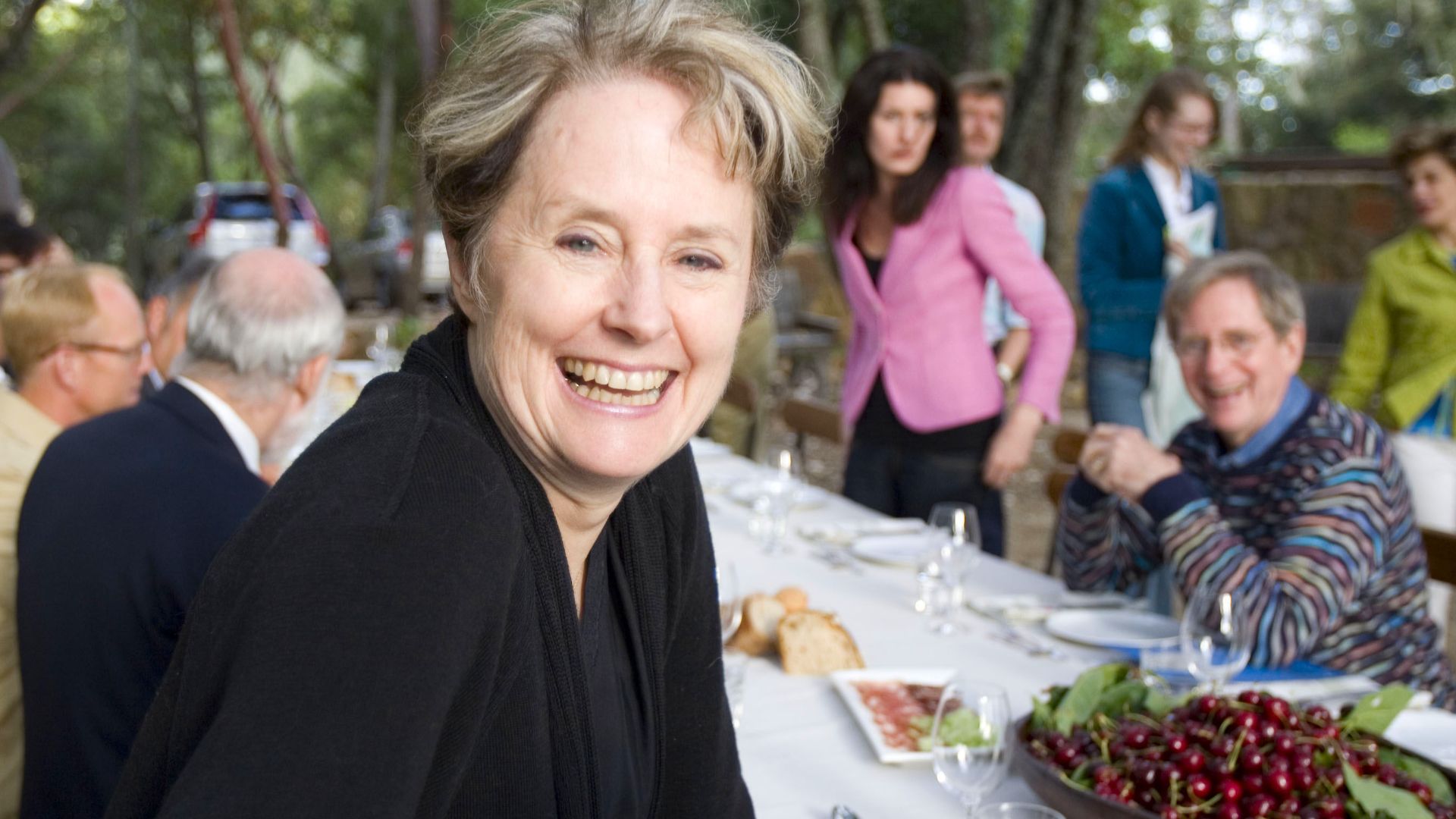
6. Alice Waters & Arugula
It's funny now, but arugula once felt unfamiliar to many American diners outside certain food circles. Alice Waters' championing of fresh, seasonal produce helped make ingredients like arugula seem essential rather than obscure. Because she treated quality greens with real seriousness, restaurant menus and home cooks started doing the same.
7. Wolfgang Puck & Smoked Salmon Pizza
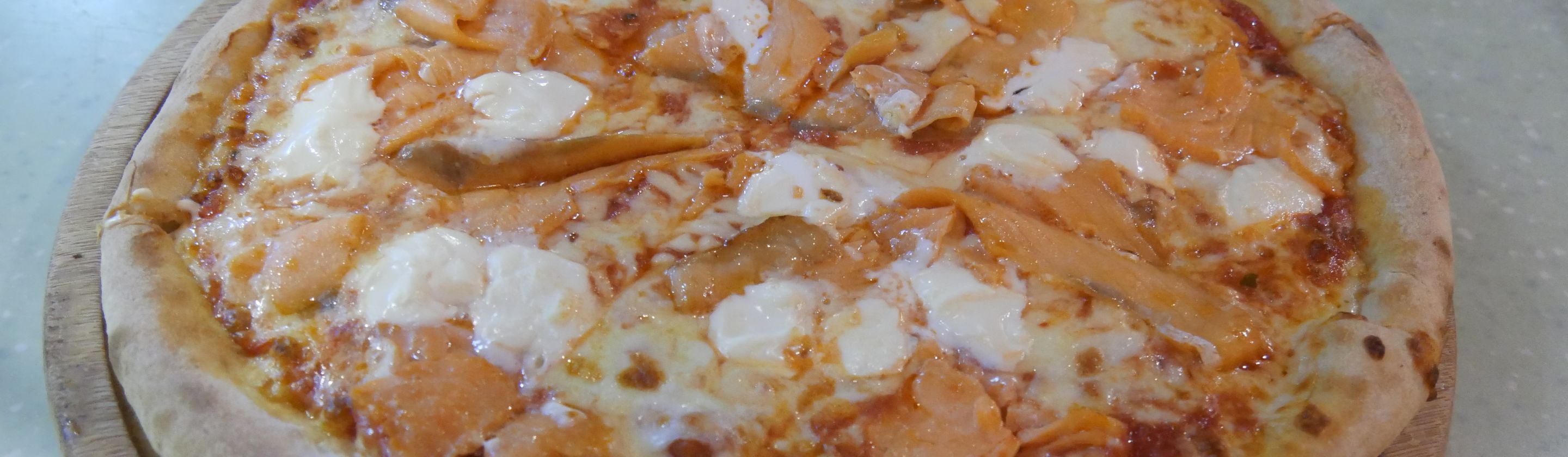
A lot of people probably wouldn't have guessed that smoked salmon pizza could become famous, but Wolfgang Puck made it happen. He's widely credited with not only popularizing it, but inventing the dish. By serving smoked salmon pizza at Spago, he turned an unusual combination into a marker of trendy dining in Los Angeles and beyond.

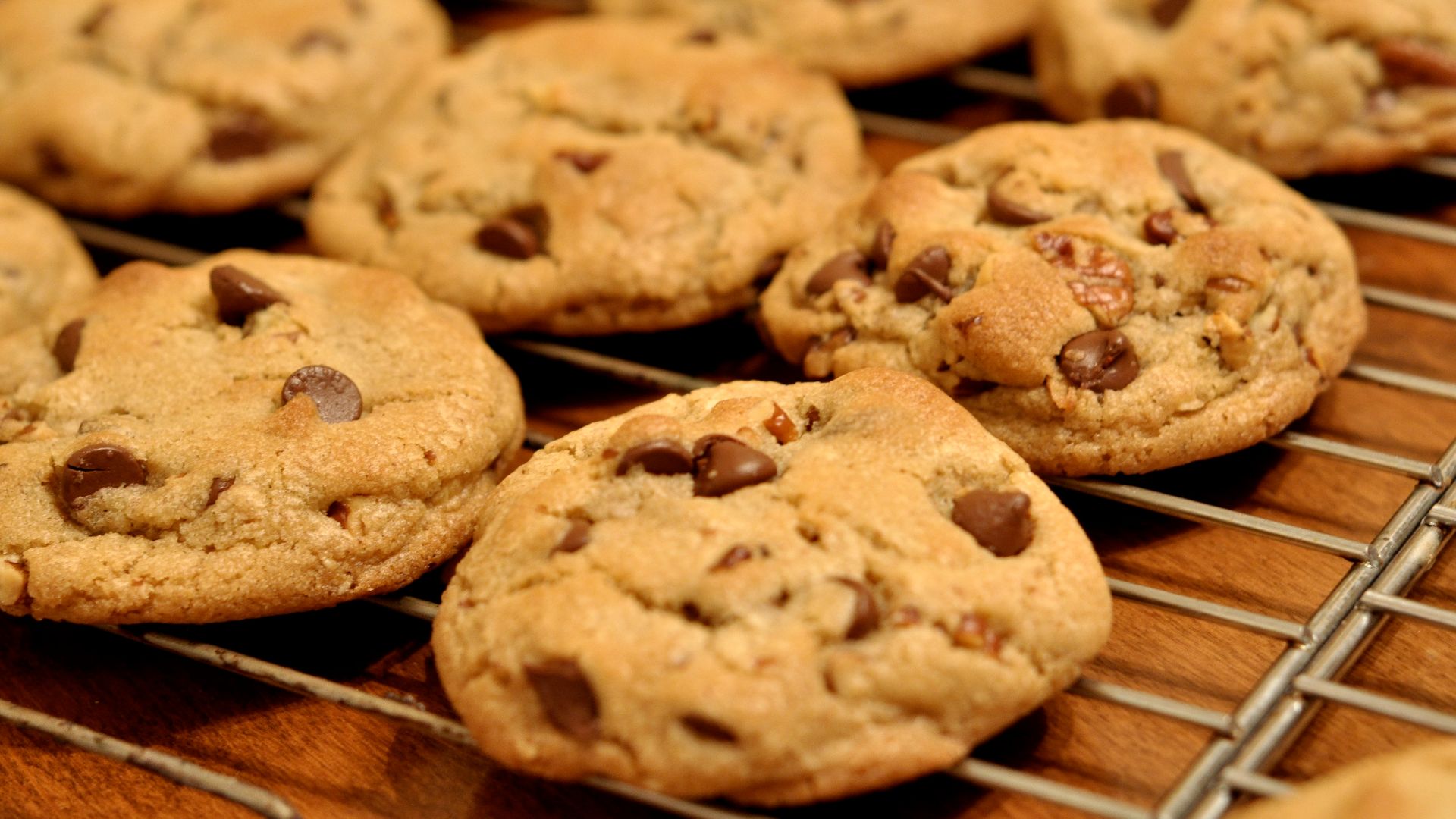
8. Ruth Wakefield & Chocolate Chip Cookies
Ruth Wakefield didn't set out to invent one of the most beloved cookies in America, but that's exactly what happened when she added chopped chocolate to cookie dough at the Toll House Inn. That one recipe turned a variation into a full-blown classic, and it spread fast because it was easy to recreate and even easier to love. Nestle later helped commercialize it, but Wakefield was the person who got the whole thing rolling.
 Kimberly Vardeman on Wikimedia
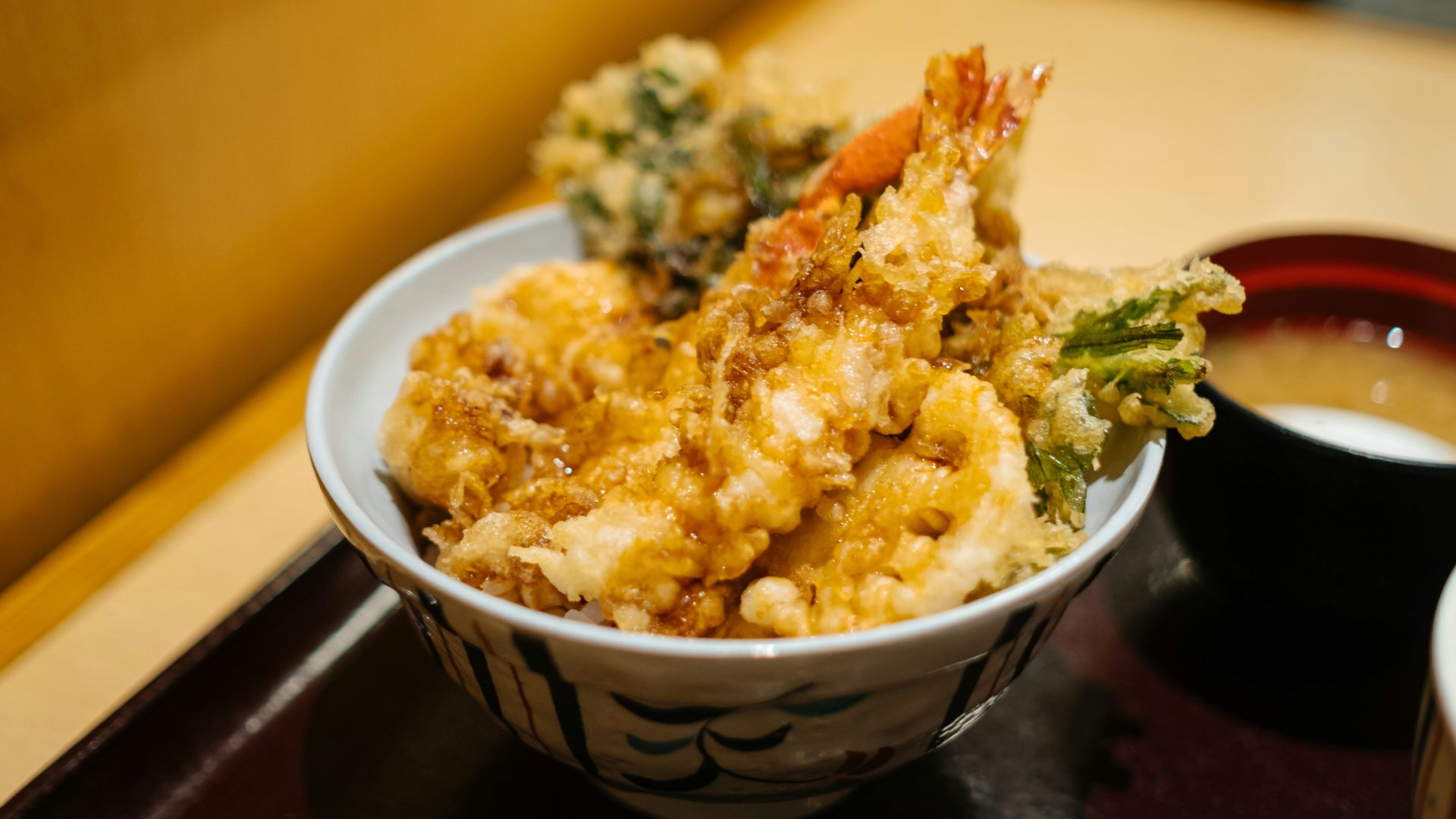
9. Fumio Kondo & Tempura
Tempura has a deep history in Japan, but its wider popularity abroad often depended on chefs and restaurateurs who introduced it with care and consistency. Fumio Kondo spent years promoting tempura domestically and internationally to the point where it became seen as more than just fried food. He refined and elevated the tempura experience and transformed it into something people in the west wanted to seek out.
10. Craig Claiborne & Quiche
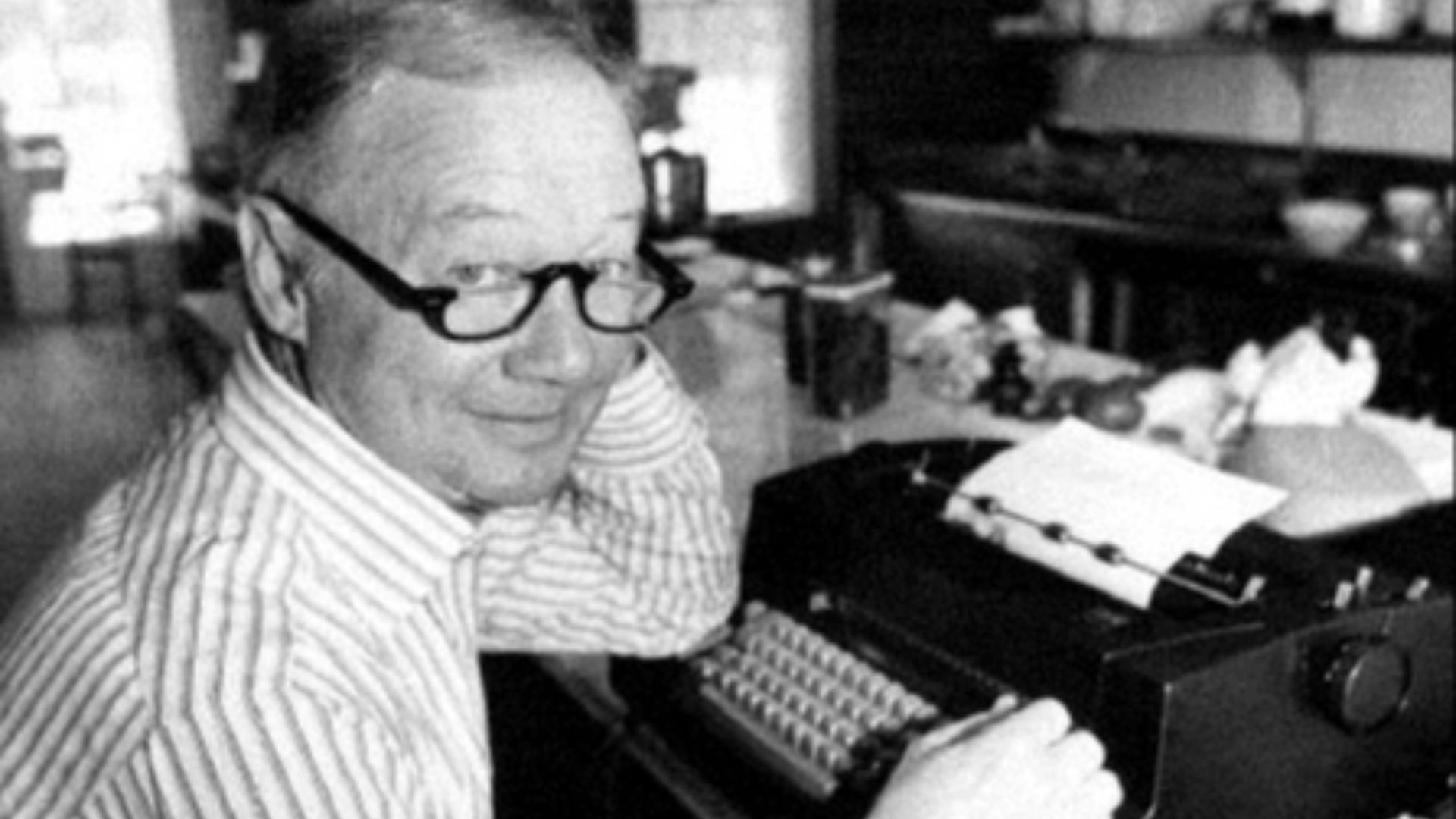
There was a stretch when quiche seemed to show up everywhere, and food writer Craig Claiborne played a real part in that. His influence at The New York Times gave certain dishes prestige and visibility at a moment when American readers were hungry for new ideas. Once quiche got that kind of media attention, it started moving from something you'd see on the occasional restaurant menu into a brunch staple in the U.S.
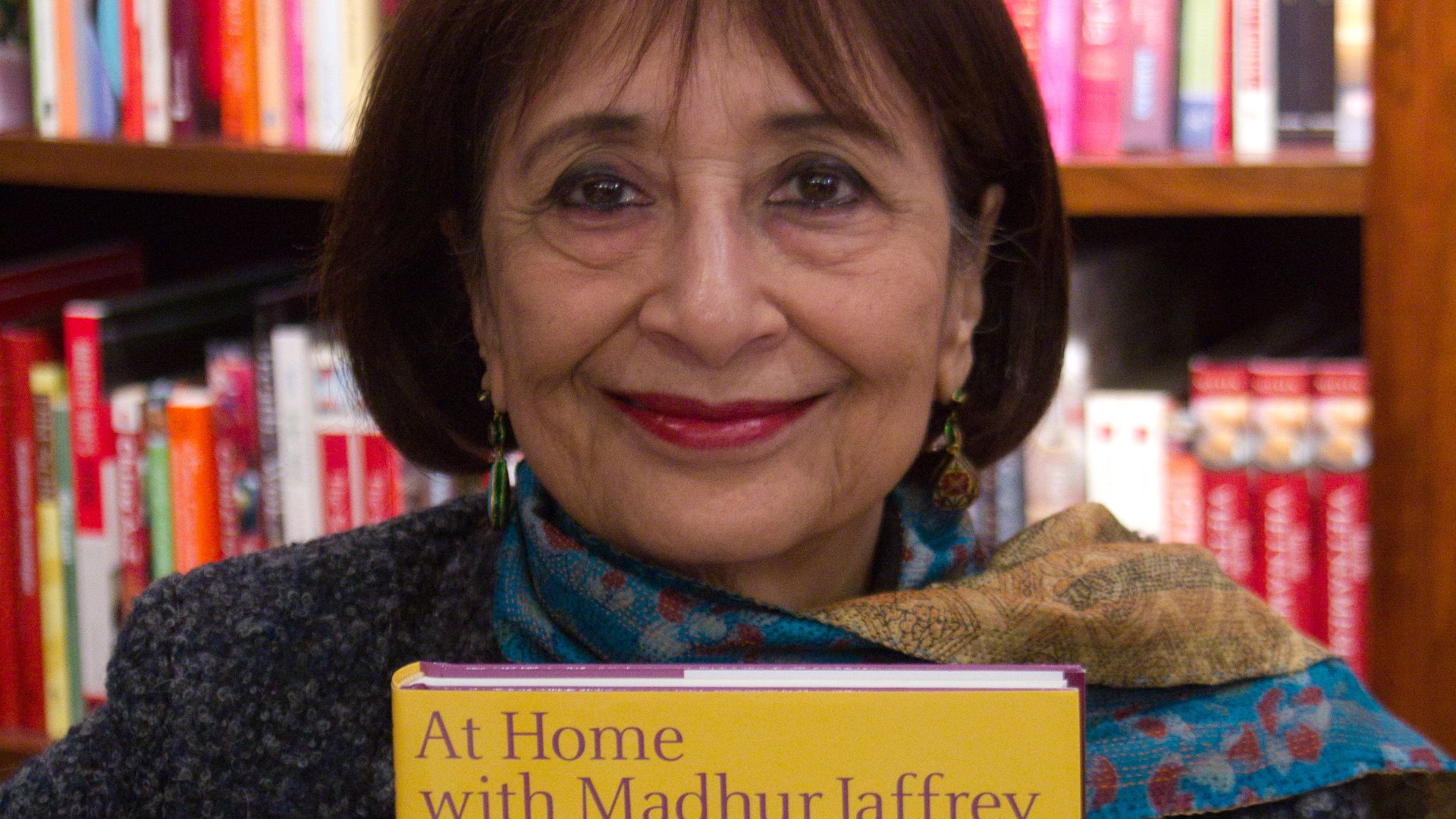
11. Madhur Jaffrey & Dal
Dal wasn't invented by Madhur Jaffrey, of course, but she helped bring it into countless English-language kitchens through her cookbooks and television work. She wrote about Indian food with clarity and warmth, which made dishes that seemed unfamiliar feel much less intimidating. For many readers, dal became one of the first Indian foods they felt confident cooking at home.
12. J. Kenji Lopez-Alt & Kimchi Fried Rice
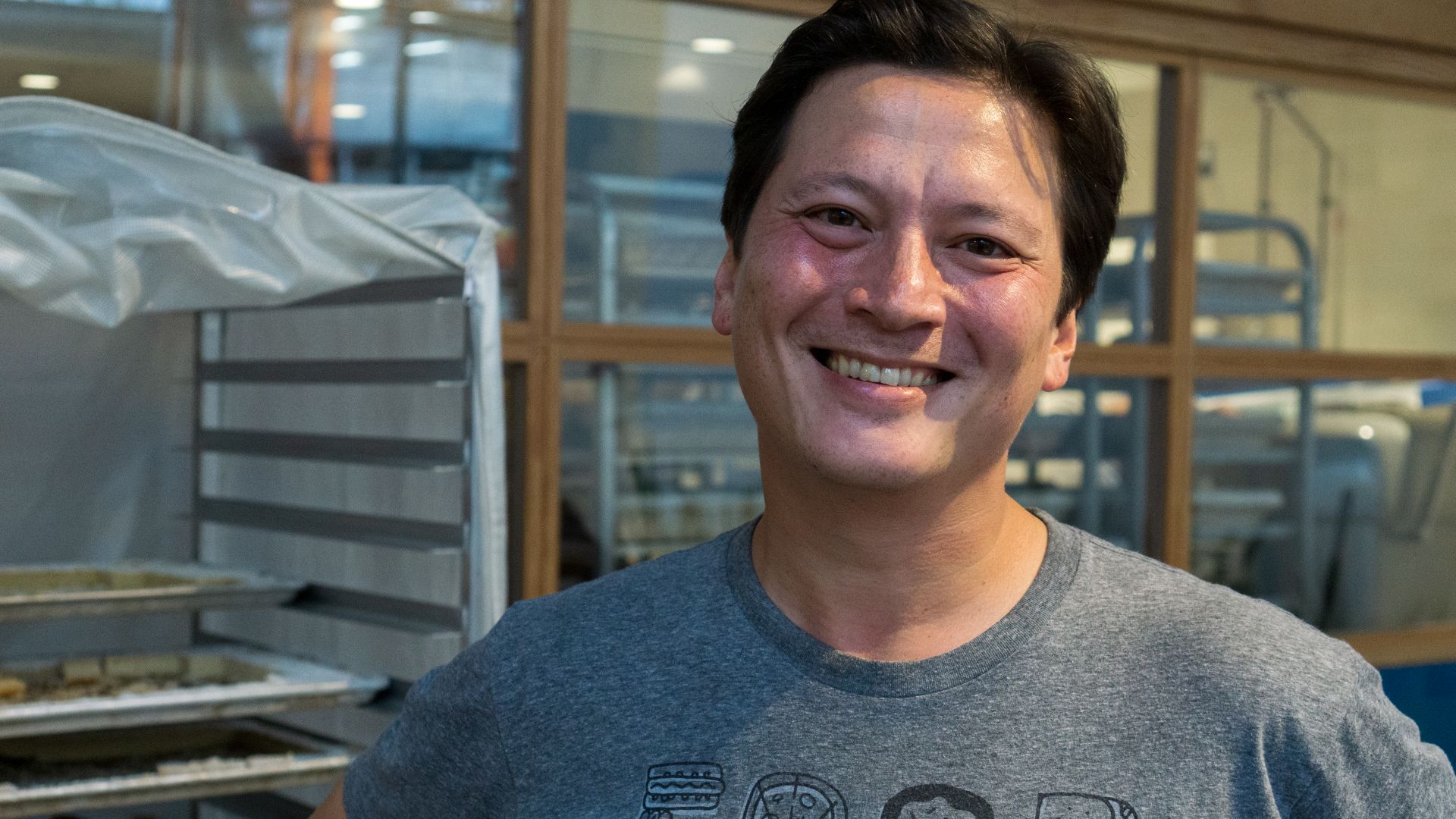
Kimchi had already been growing in popularity, but internet-savvy food writers helped turn certain kimchi dishes into staples for home cooks. J. Kenji Lopez-Alt had a talent for presenting recipes in a way that made people think, "I can do that tonight." Even if you don't know realize it, he was the one that turned kimchi fried rice into the crowd-pleasing weeknight regular that it is today.
13. Nancy Silverton & Burrata
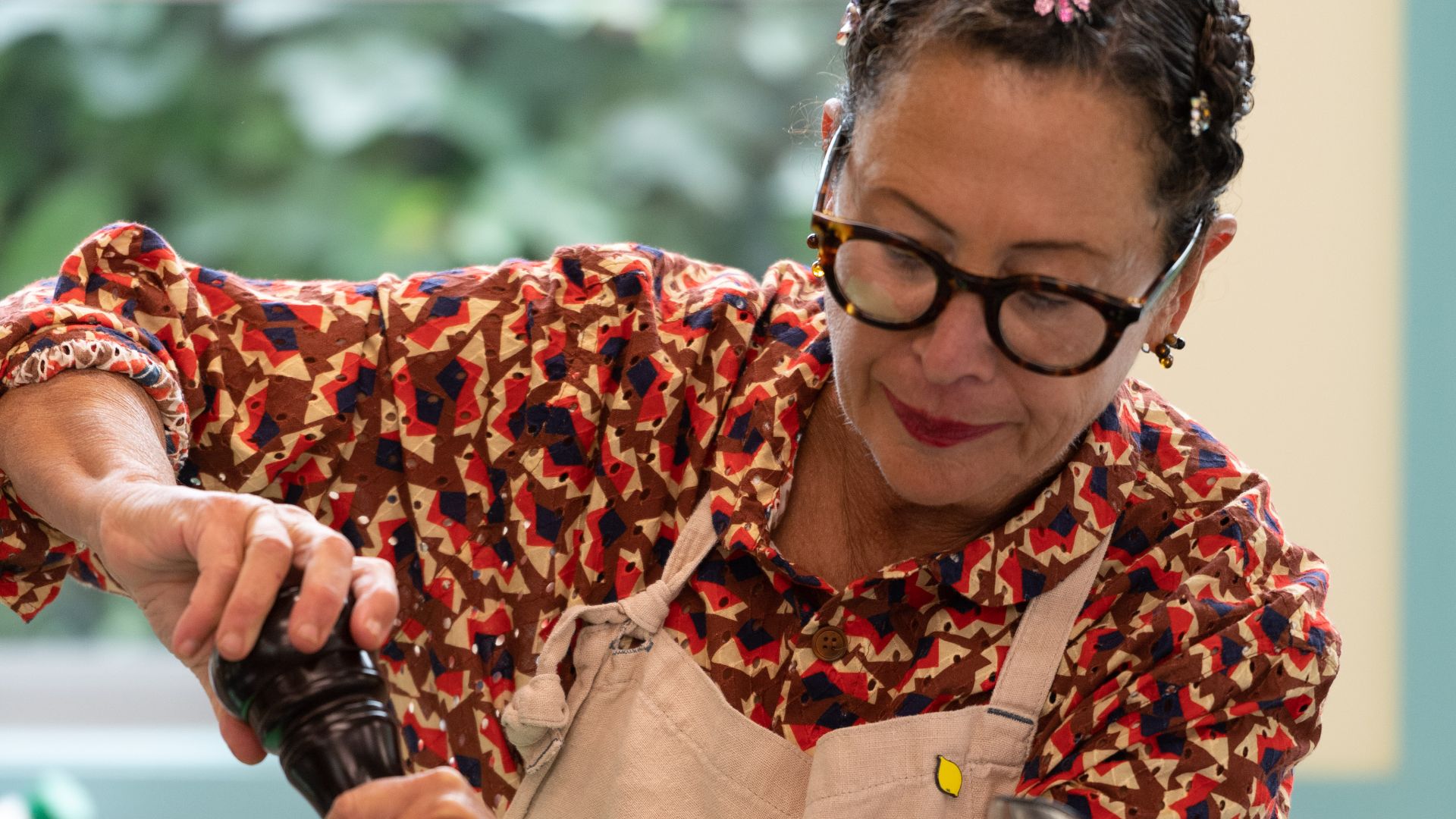
Burrata has that magical effect on diners where one taste usually leads to immediate devotion. Nancy Silverton played a big role in popularizing it in the American restaurant scene. By serving it in a way that highlighted its richness without overcomplicating it, she made it unforgettable. After that, burrata stopped being a hidden gem and started becoming the cheese that every menu wanted to show off.
14. Roy Choi & Korean Tacos
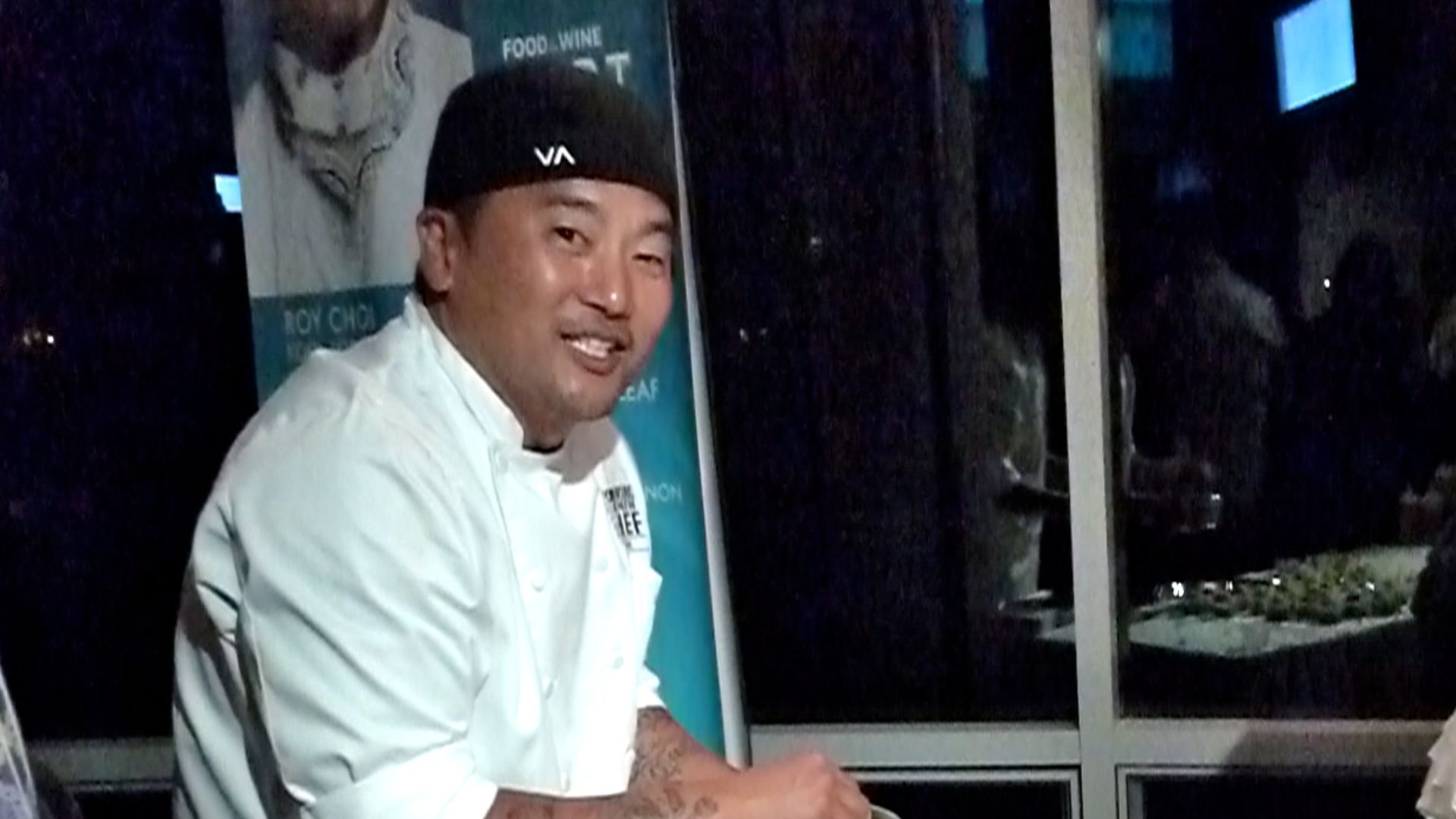
A lot of food mash-ups come and go, but Roy Choi's Korean tacos hit at exactly the right time and in exactly the right way. Through Kogi, he didn't just sell a clever combination, he created a food movement that people actively chased across L.A. The excitement around one truck and one chef helped push Korean flavors into a broader mainstream conversation.
 Ann Larie Valentine on Wikimedia
15. Ina Garten & Roast Chicken
Roast chicken wasn't unknown, but it certainly wasn't trendy in haut cuisine, either. Ina Garten transformed it into something you felt like you should master if you wanted to cook well at home. Her style made people trust that something simple could still feel special and worth perfecting. Thanks to her influence, roast chicken became a kind of goalpost for home cooks rather than just another dinner.
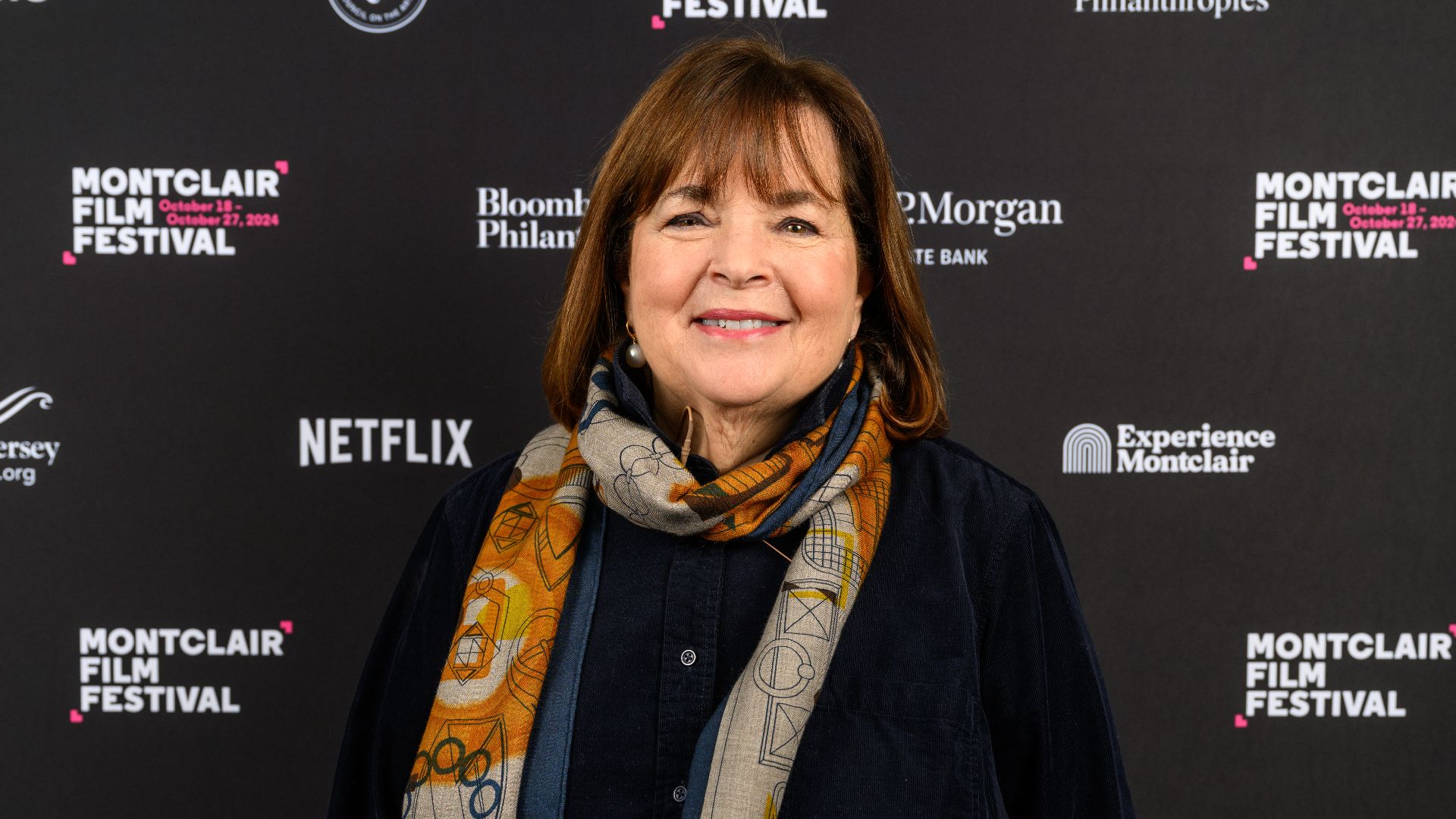
16. Fuchsia Dunlop & Sichuan Cuisine
A lot of people who now crave dan dan noodles or mapo tofu first encountered those dishes through writers and teachers who explained them well. Fuchsia Dunlop did exactly that by writing about Sichuan food with depth, authority, and real affection. By giving readers context, she gave once-unfamiliar dishes a devoted following in the West.
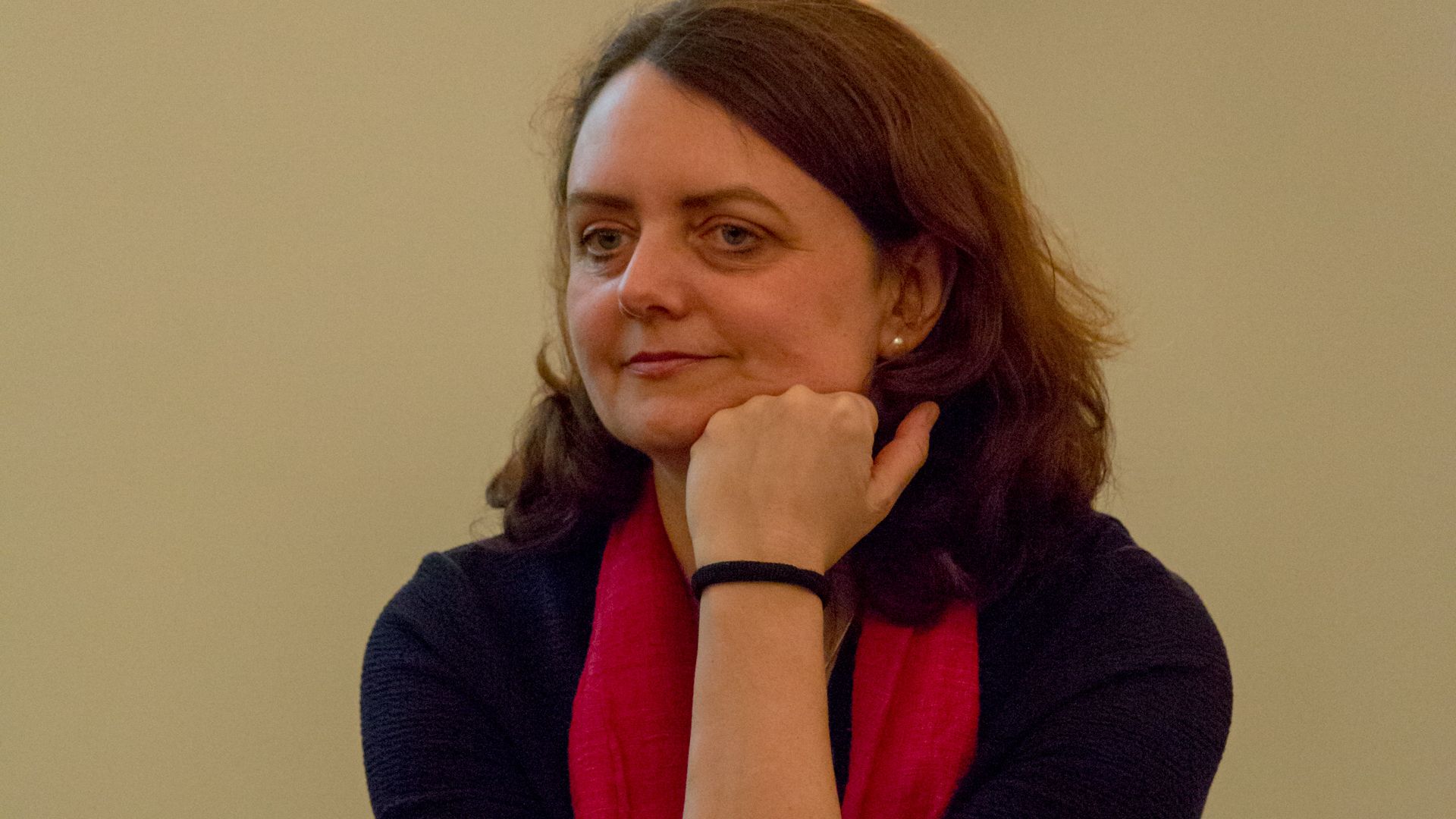
17. David Chang & Gourmet Ramen
For a long time, plenty of Americans still linked ramen more with instant packets than with serious restaurant cooking. David Chang played a huge role in shifting that perception by making ramen feel like something worth talking about, waiting for, and treating like a high-quality dining experience. Through Momofuku, he helped turn it into the kind of dish people would travel for instead of something they associate with college dorm rooms.
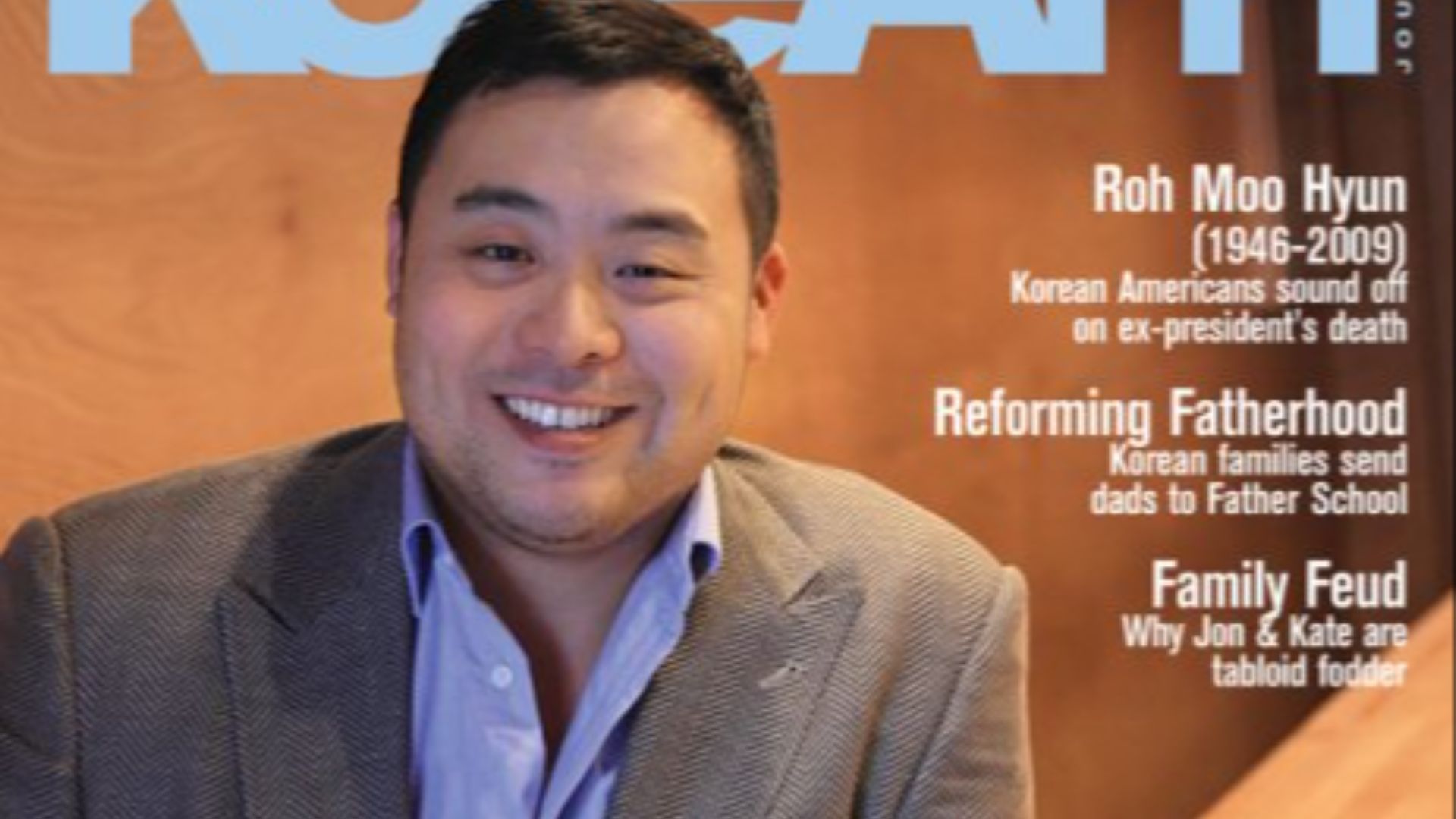
18. Jonathan Gold & Tacos
Tacos were never unknown, of course, but Pulitzer Prize-winning food critic Jonathan Gold helped a lot of readers see them differently by writing about them with real seriousness and excitement. He treated taco stands, trucks, and hole-in-the-wall spots as places worth seeking out, not just quick stops you grabbed without thinking. When a critic makes people feel like a humble food is worth chasing across a city, its reputation starts to change fast.
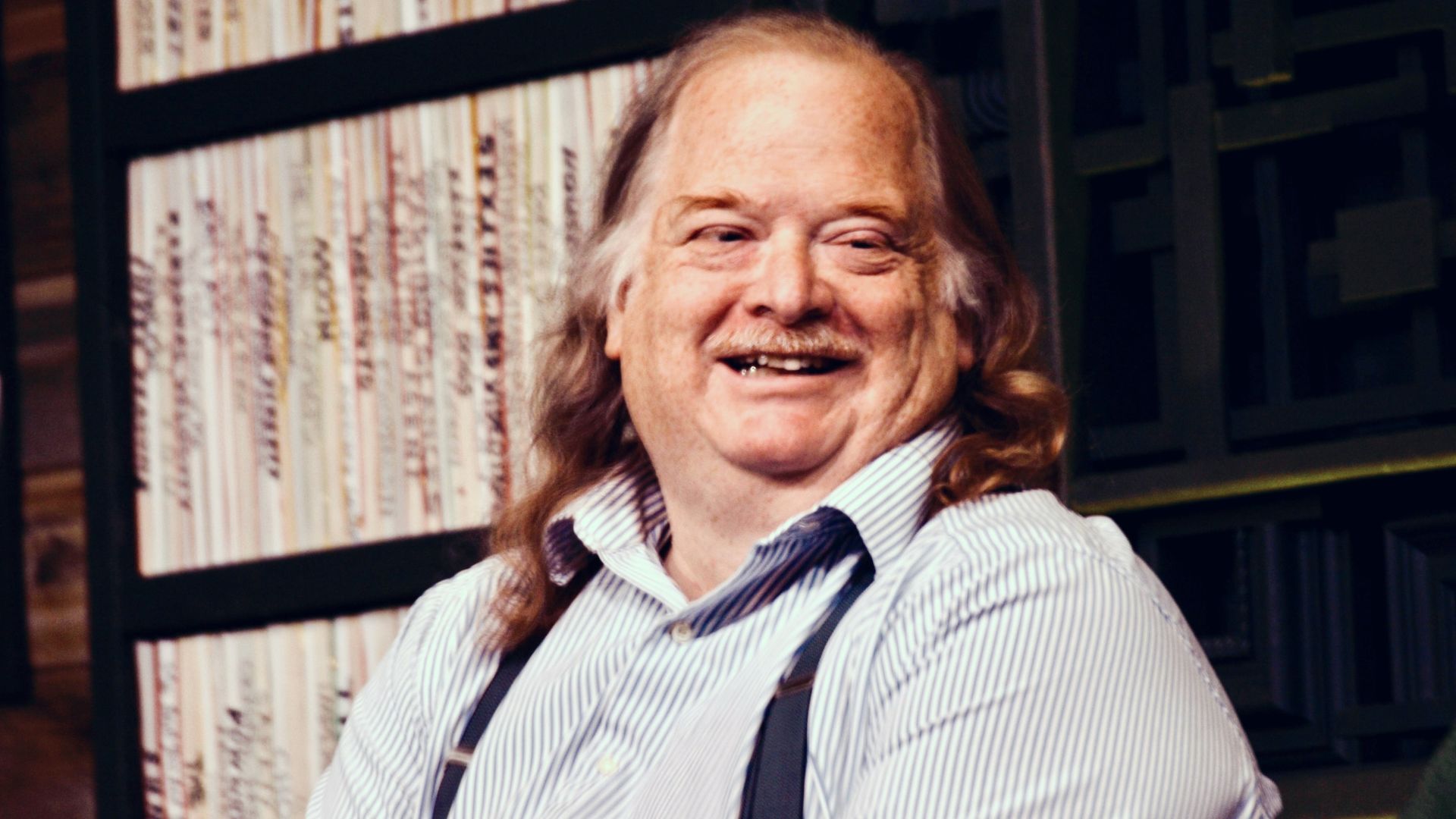
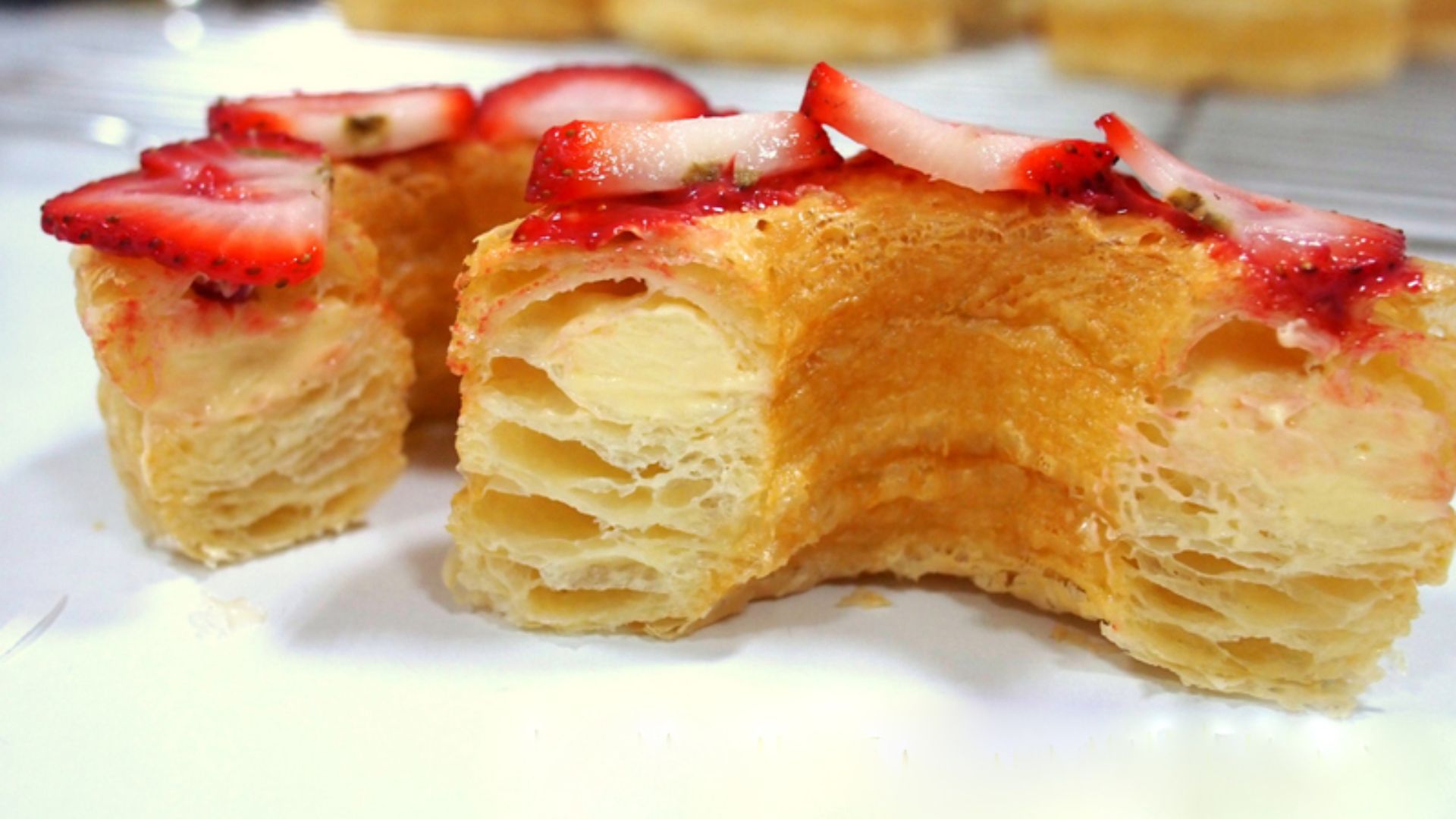
19. Dominque Ansel & the Cronut
The cronut is one of the clearest modern examples of a single person turning a food into an instant cultural event. Dominique Ansel created a pastry that was unusual enough to spark curiosity and photogenic enough to spread everywhere at high speed. People lined up, media coverage exploded, and copycats appeared almost immediately. In a very short time, something nobody had heard of became one of the most talked-about pastries in the world.
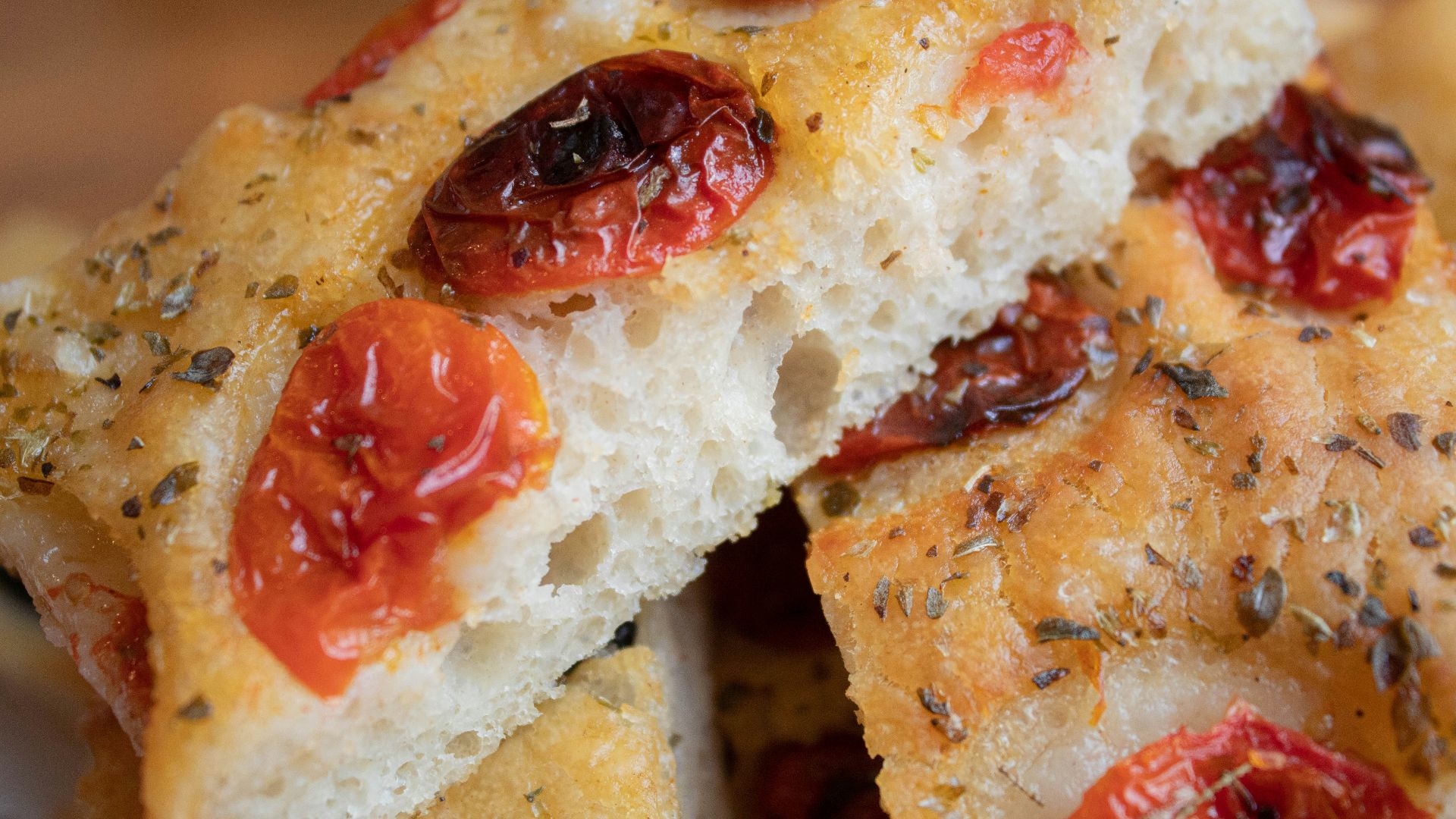
20. Samin Nosrat & Focaccia
Focaccia had been around forever, but plenty of home cooks only recently started treating it like the ideal baking project. Samin Nosrat's approachable teaching style gave people the confidence to make it themselves, and that helped the bread take off online in a much bigger way. Sometimes a food doesn't need to be new, it just needs one person to make you finally want to try it.
KEEP ON READING
20 Fast Food Items With Surprisingly Weird Origins
20 Foods Only Rich Kids Ate Growing Up