What The Greats Actually Craved
History books love to talk about wars and treaties and speeches, but they rarely mention what someone ate before signing a peace agreement or storming a beach. Food has a way of humanizing even the most towering figures, turning emperors and inventors back into people who got hungry and had opinions about dinner. Some of these cravings shaped policy or turned into legend, while others were just quiet, private comforts nobody expected. A few of these facts might make you rethink how you picture certain icons entirely. Here's 20 historical figures and the foods they couldn't get enough of.
1. Abraham Lincoln's Apples
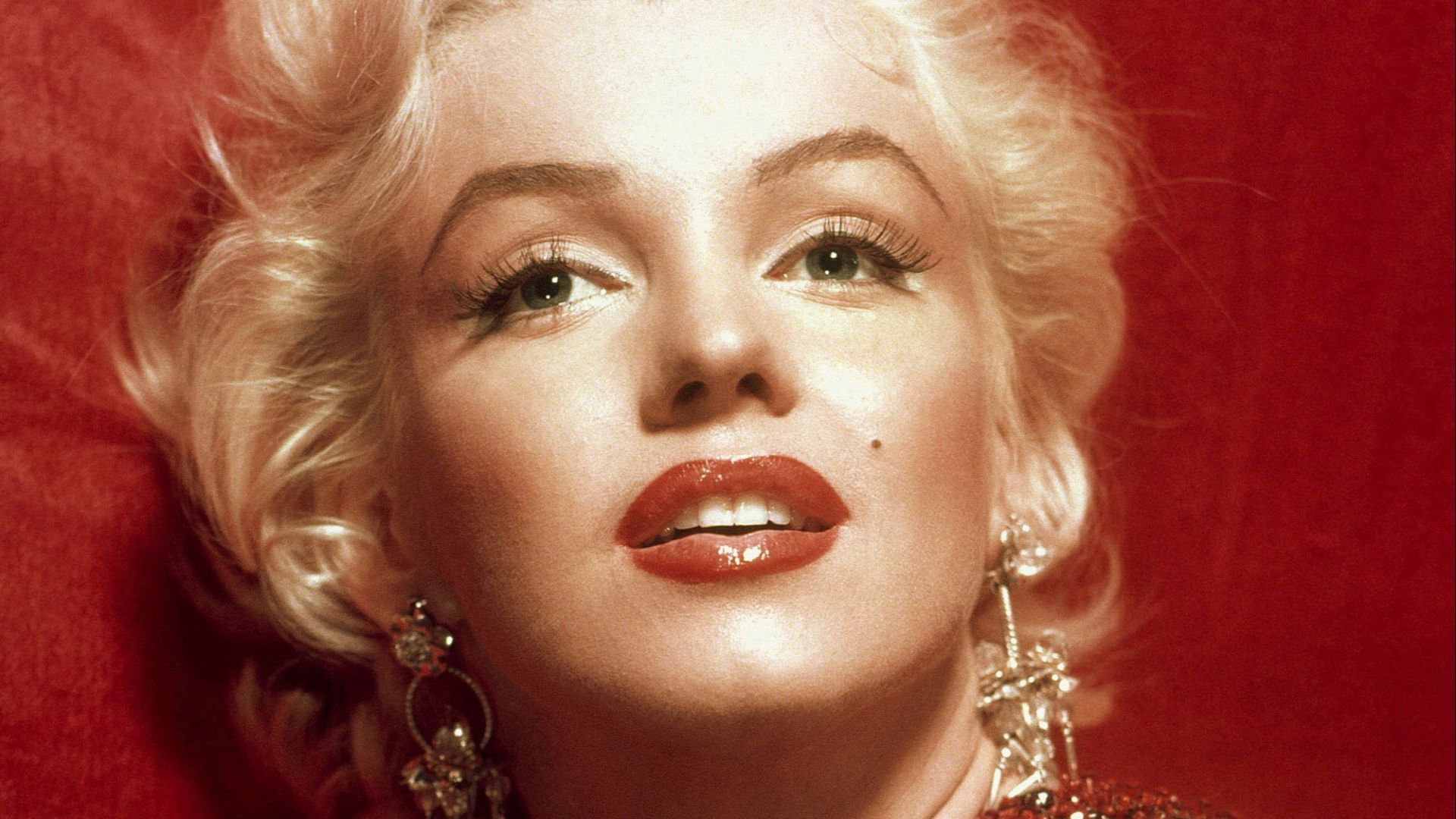
Lincoln kept things simple at the table, and fresh fruit was where his real enthusiasm showed. He was known to snack on apples throughout the day, treating them almost like a working man's fuel rather than a treat. Friends noted he barely touched heavier meats, preferring something he could eat with one hand while reading.
2. Napoleon's Chicken
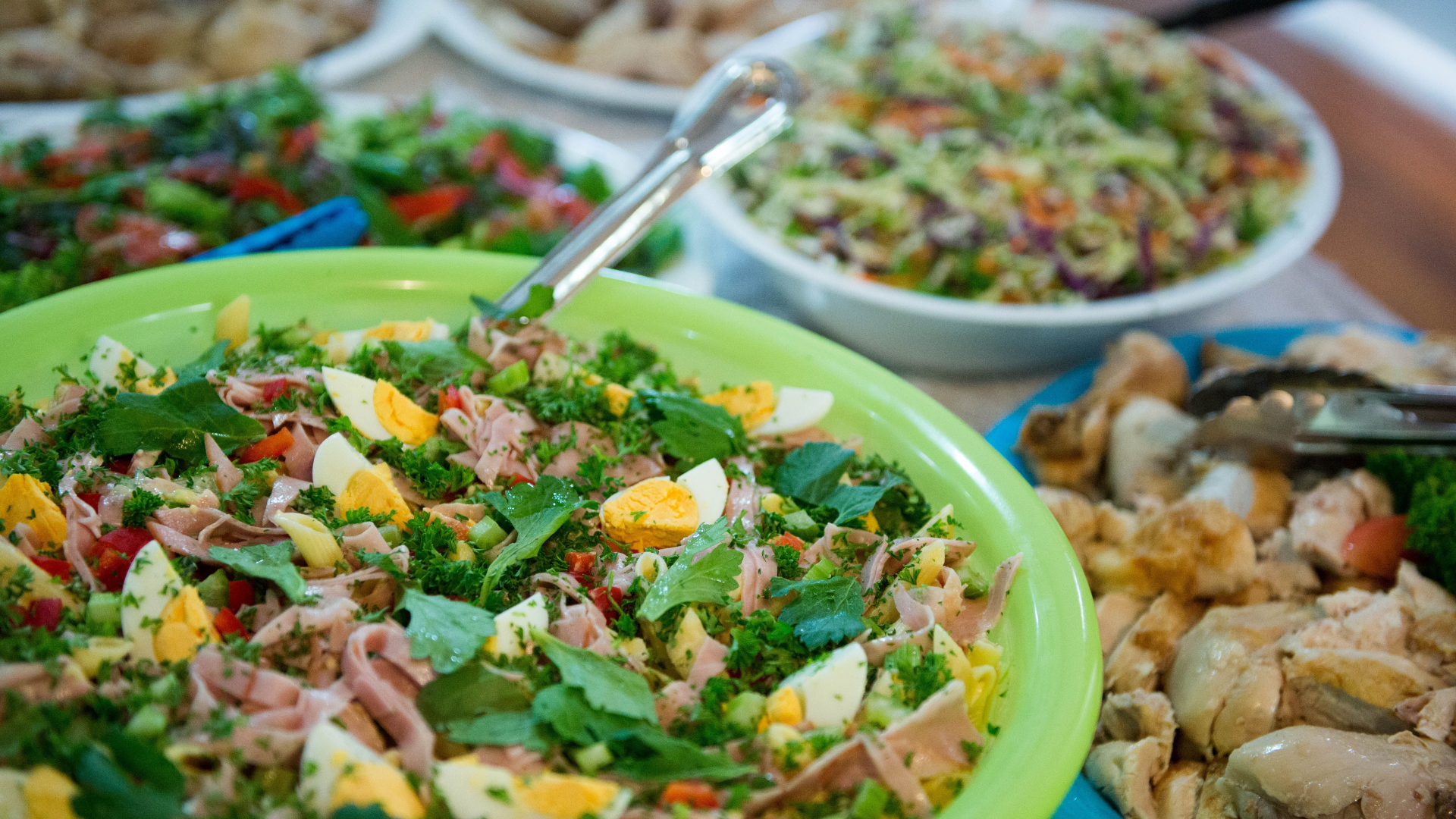
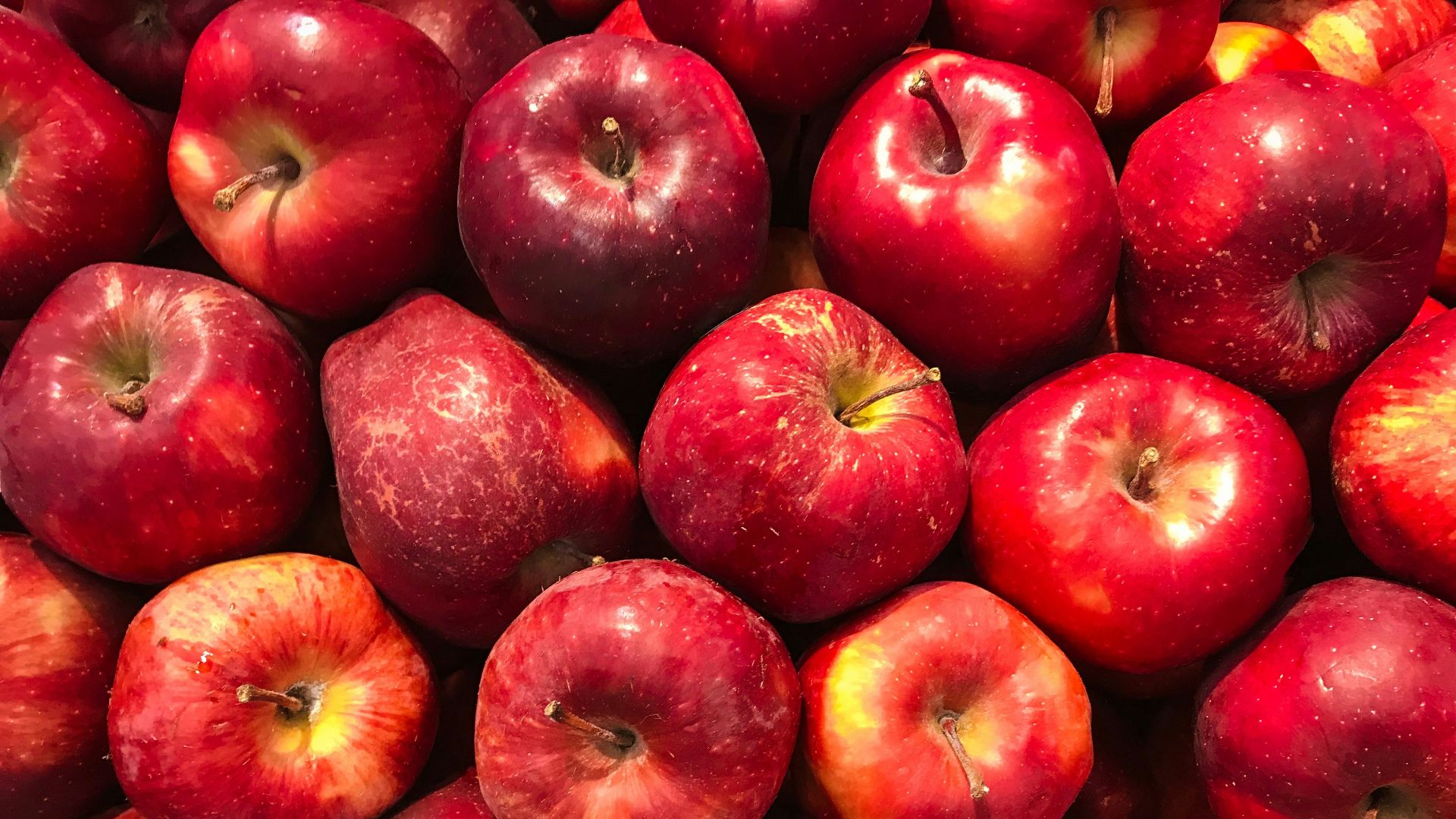
Napoleon ate fast, often finishing a meal in under ten minutes because there was always somewhere else to be. Chicken Marengo, a dish thrown together by his chef after a battle using whatever ingredients were on hand, became a personal favorite almost by accident. He reportedly asked for it again and again, superstitious that it had brought him luck.
3. Queen Elizabeth II's Chocolate Cake
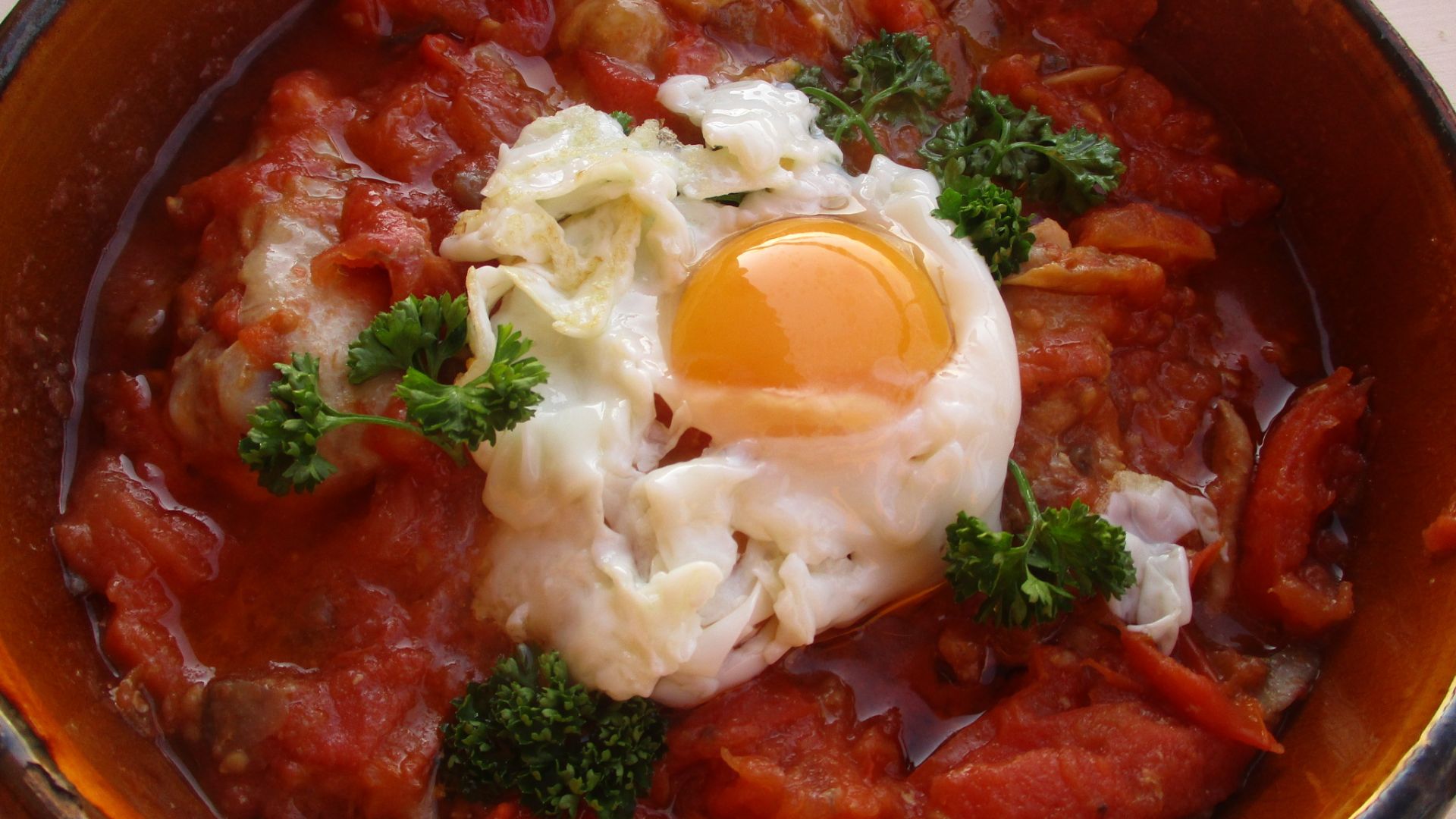
Despite decades of state dinners featuring the finest cuisine in the world, the late queen had a soft spot for something far humbler: a chocolate biscuit cake made with crushed tea biscuits and dark chocolate. It reportedly appeared at her birthday celebrations for most of her life. Palace staff have said she'd request a slice even on ordinary weeks.
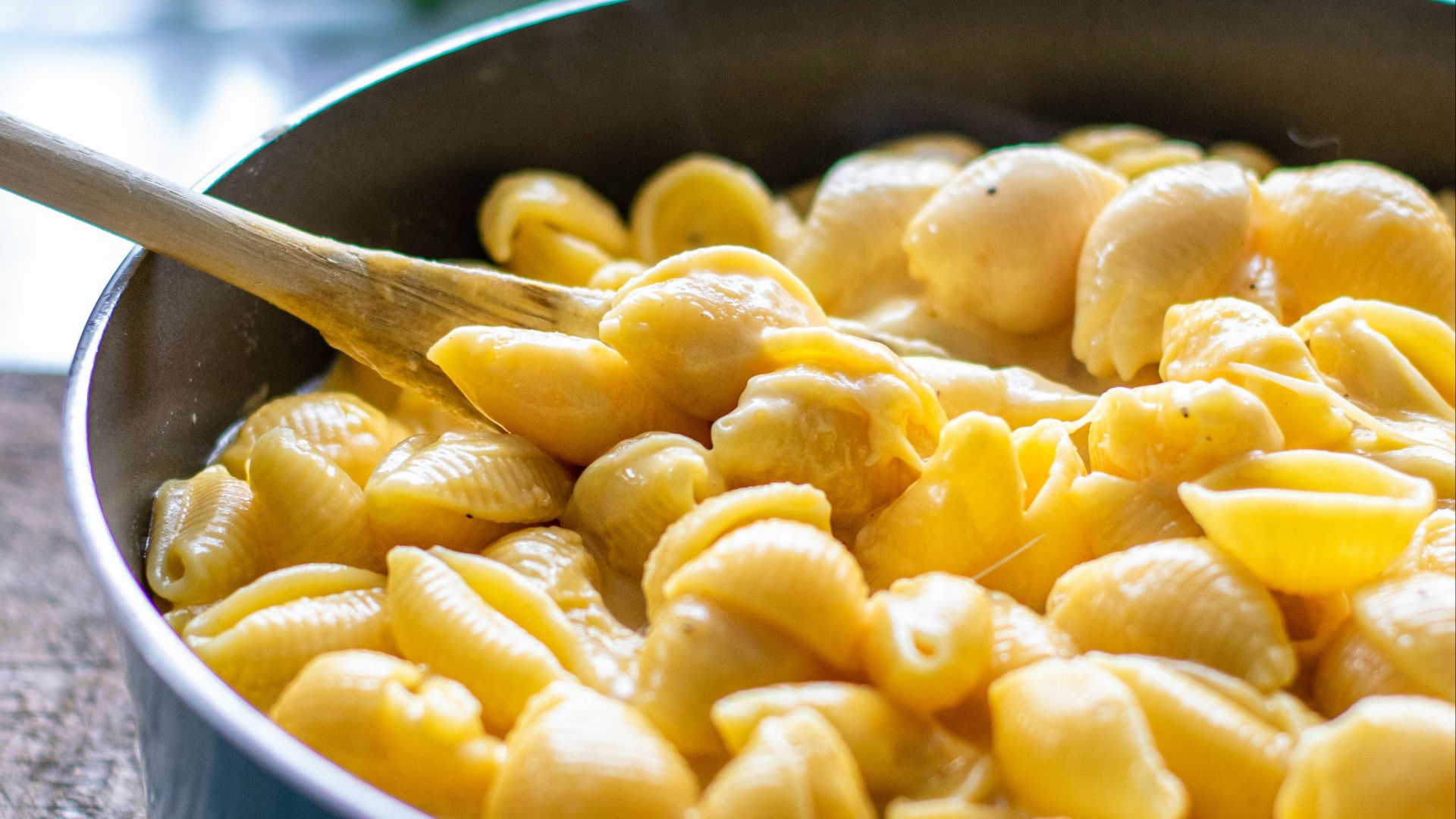
4. Thomas Jefferson's Macaroni And Cheese
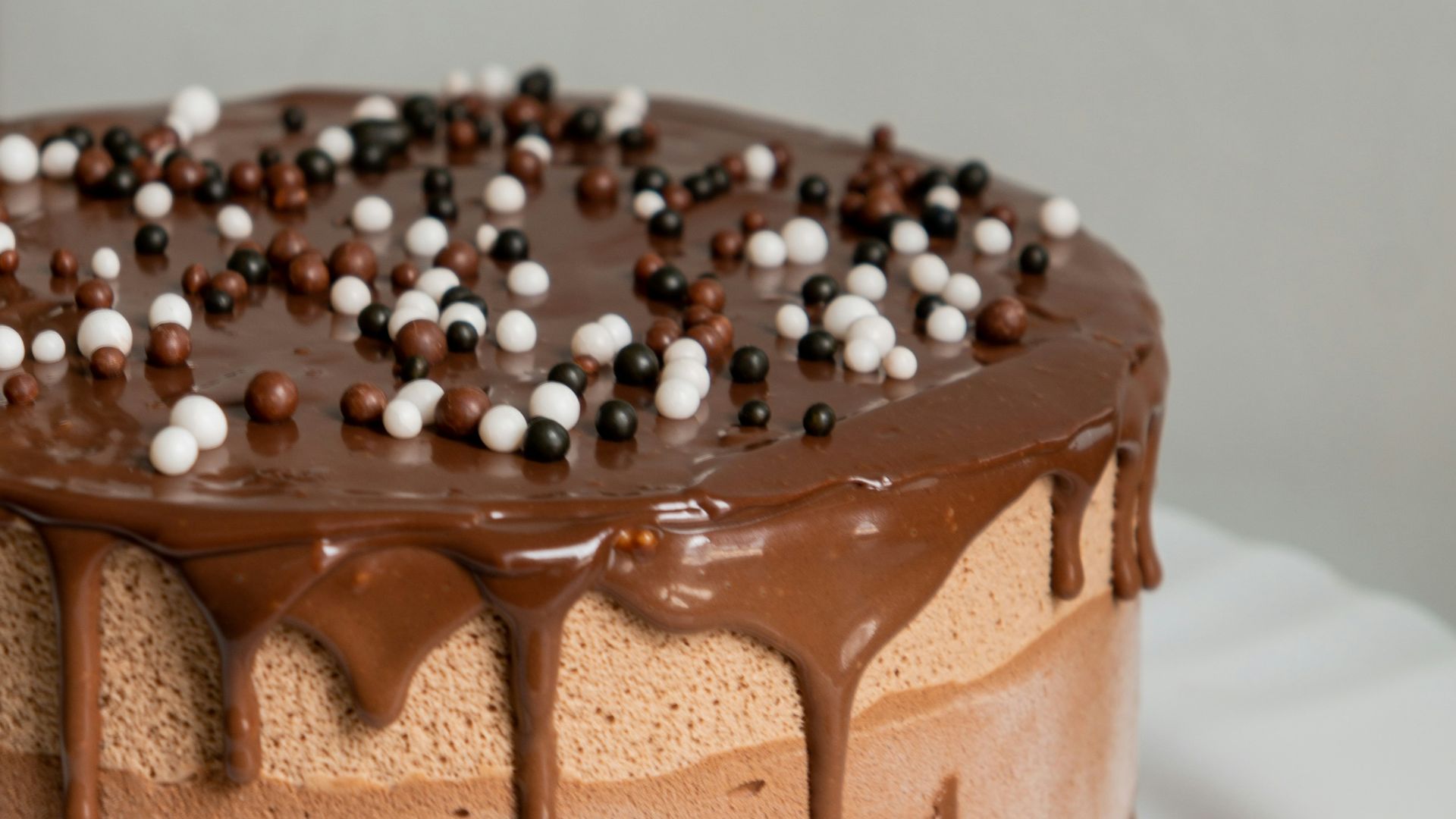
Jefferson brought a pasta-making machine back from Italy and became a bit obsessive about the dish that followed. Macaroni and cheese, still fairly obscure in America at the time, became something he served proudly at dinner parties. He's also credited with popularizing ice cream stateside, but the pasta was where his real fixation lived.
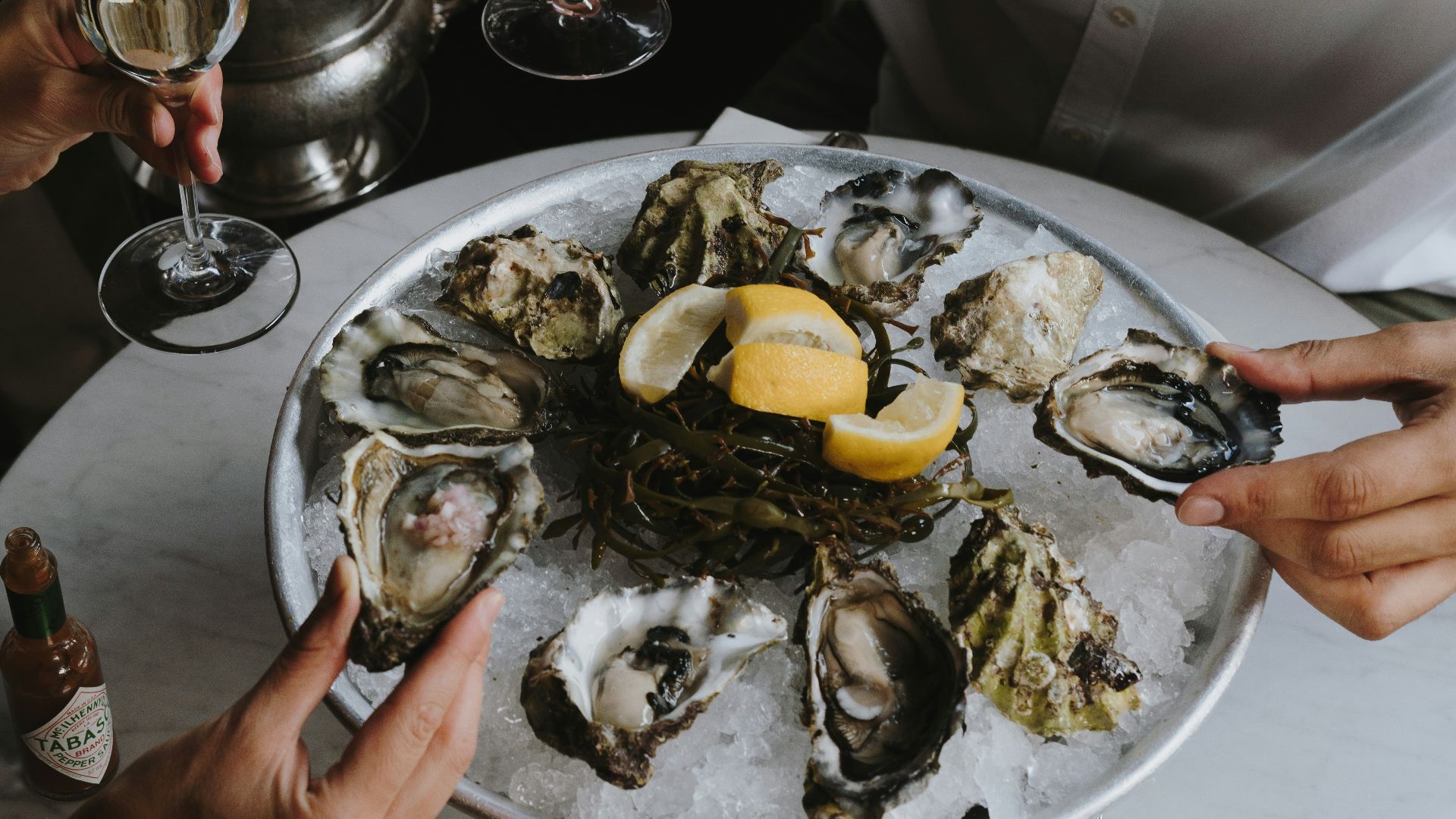
5. Winston Churchill's Oysters And Champagne
Churchill treated meals like small ceremonies, and oysters paired with champagne were a near-daily ritual for him. He reportedly worked his way through enormous quantities of both over the course of his life. Roast beef rounded things out, but the oysters came first, almost every time.
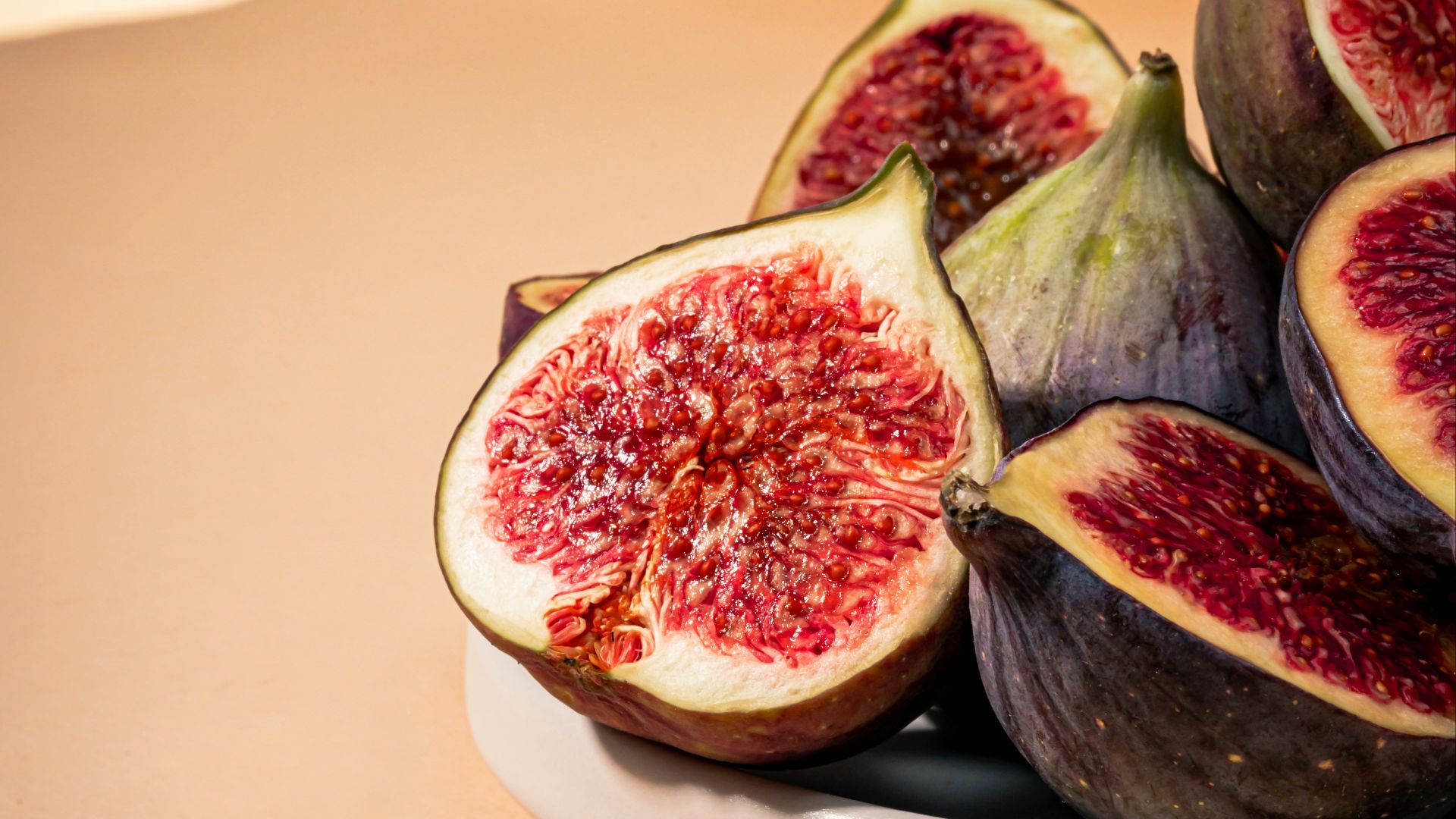
6. Cleopatra's Figs
Cleopatra had access to nearly any delicacy in the ancient world, yet figs kept showing up in accounts of her diet. Legend even ties the fruit to her final moments, since the asp said to have killed her was allegedly hidden in a basket of figs.
Whether or not that detail is accurate, her fondness for the fruit itself is well documented.
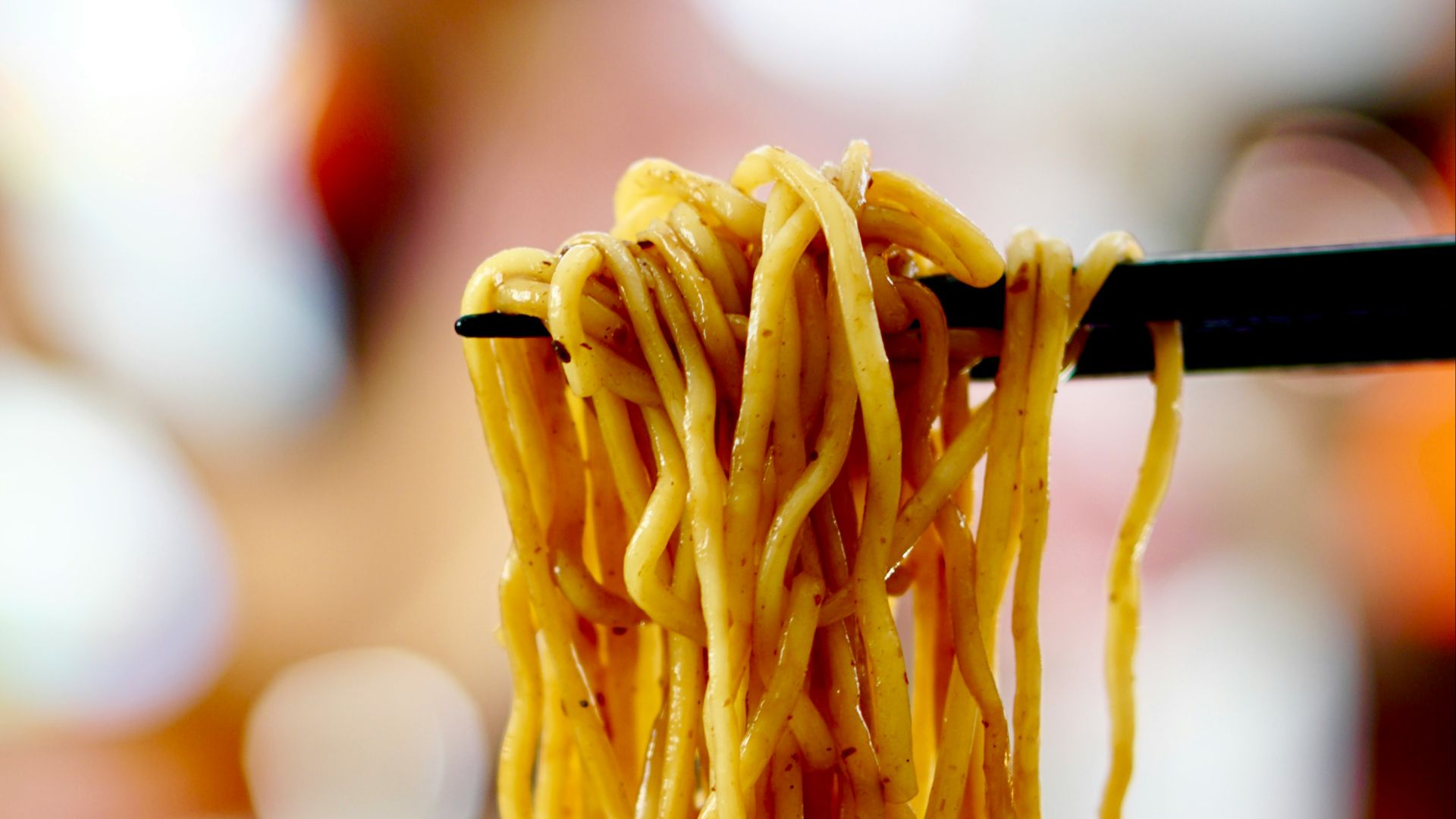
7. Albert Einstein's Noodles
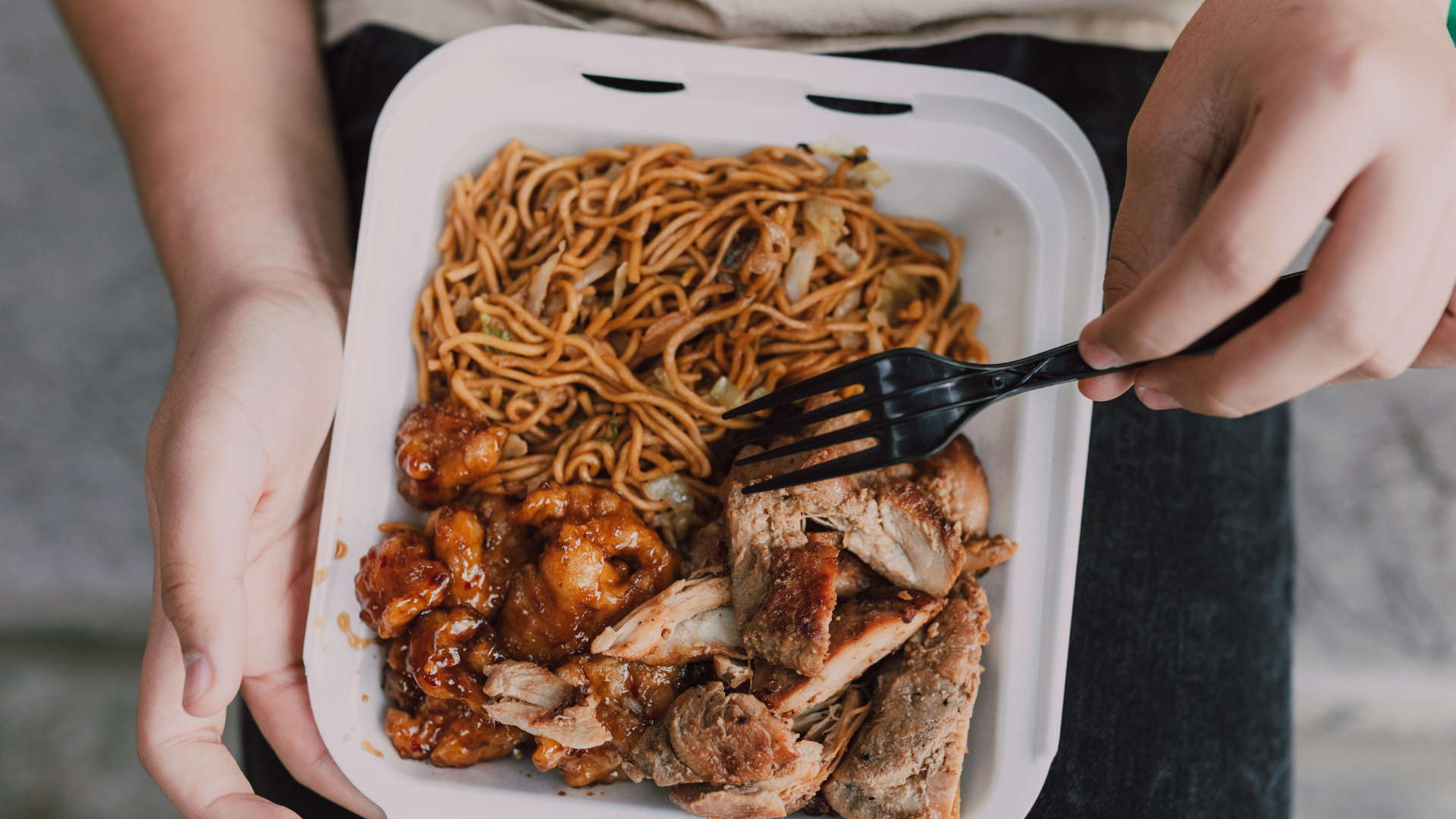
Einstein wasn't picky, but noodles showed up often enough in his letters and household accounts to count as a genuine favorite. He also had a well-known love of pickled herring, a taste that stuck with him from childhood in Germany. Simple, filling food seemed to suit a mind that was busy elsewhere most of the time.
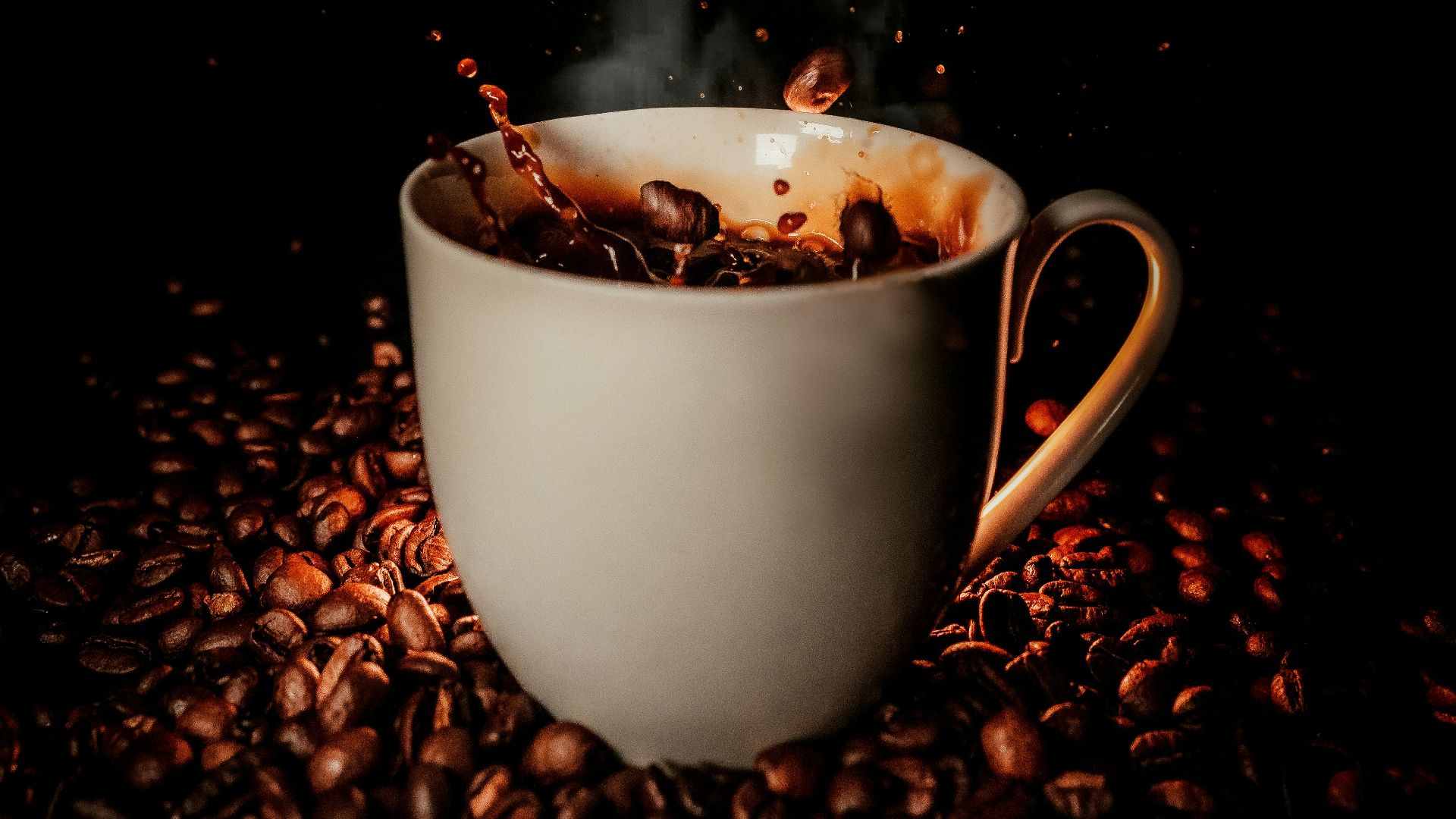
8. Beethoven's Sixty Coffee Beans
Beethoven was famously particular about his morning coffee, counting out exactly sixty beans per cup by hand. Anything less felt weak to him, and anything more apparently threw off the balance he wanted. It's a small, strange ritual, but it fits a man known for obsessive control over his craft.
9. Charles Dickens's Gin Punch
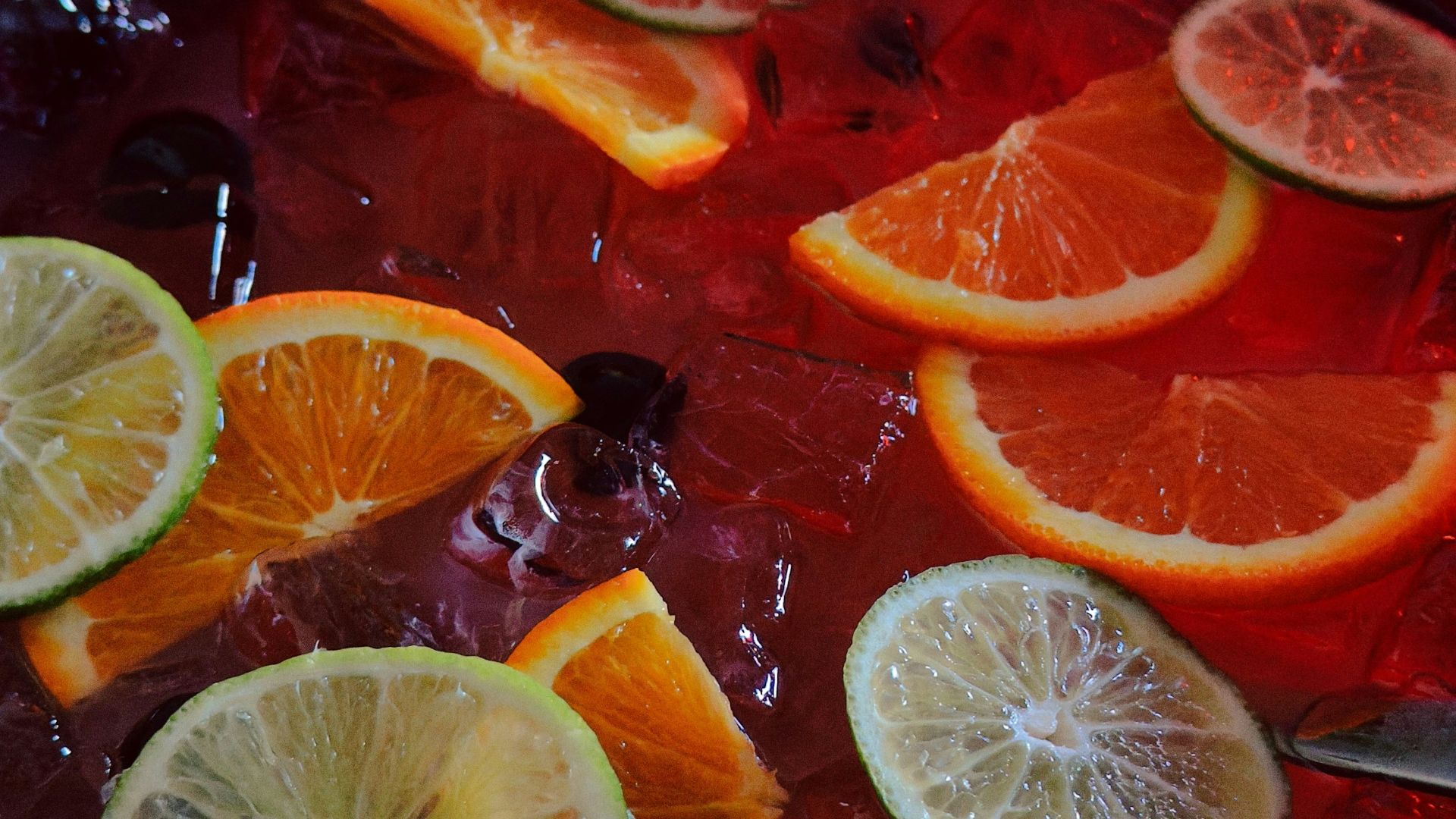
Dickens loved throwing dinner parties, and his own recipe for gin punch was something of a signature. He'd mix it himself at gatherings, adjusting the proportions like he was editing a manuscript. Oysters were another staple, cheap and plentiful in Victorian London and a frequent presence at his table.
10. Mark Twain's Fried Chicken
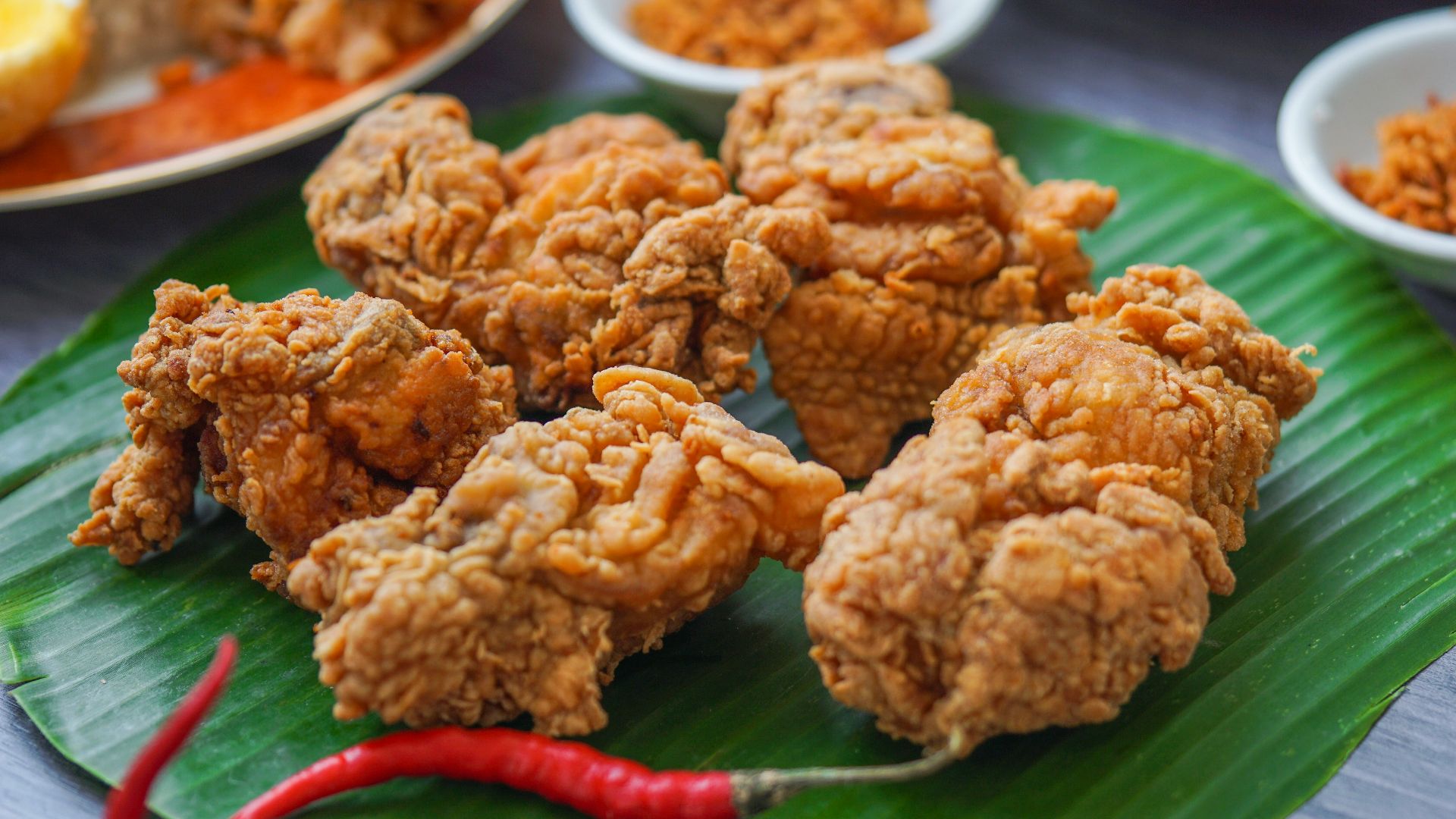
Twain wrote about food almost as vividly as he wrote about anything else, and fried chicken got some of his warmest praise. He once claimed no European cook could touch a proper Southern fried chicken, calling it evidence of American superiority in at least one department.
Corn pone and coffee rounded out a diet that leaned comfortingly regional.
11. George Washington's Hoecakes
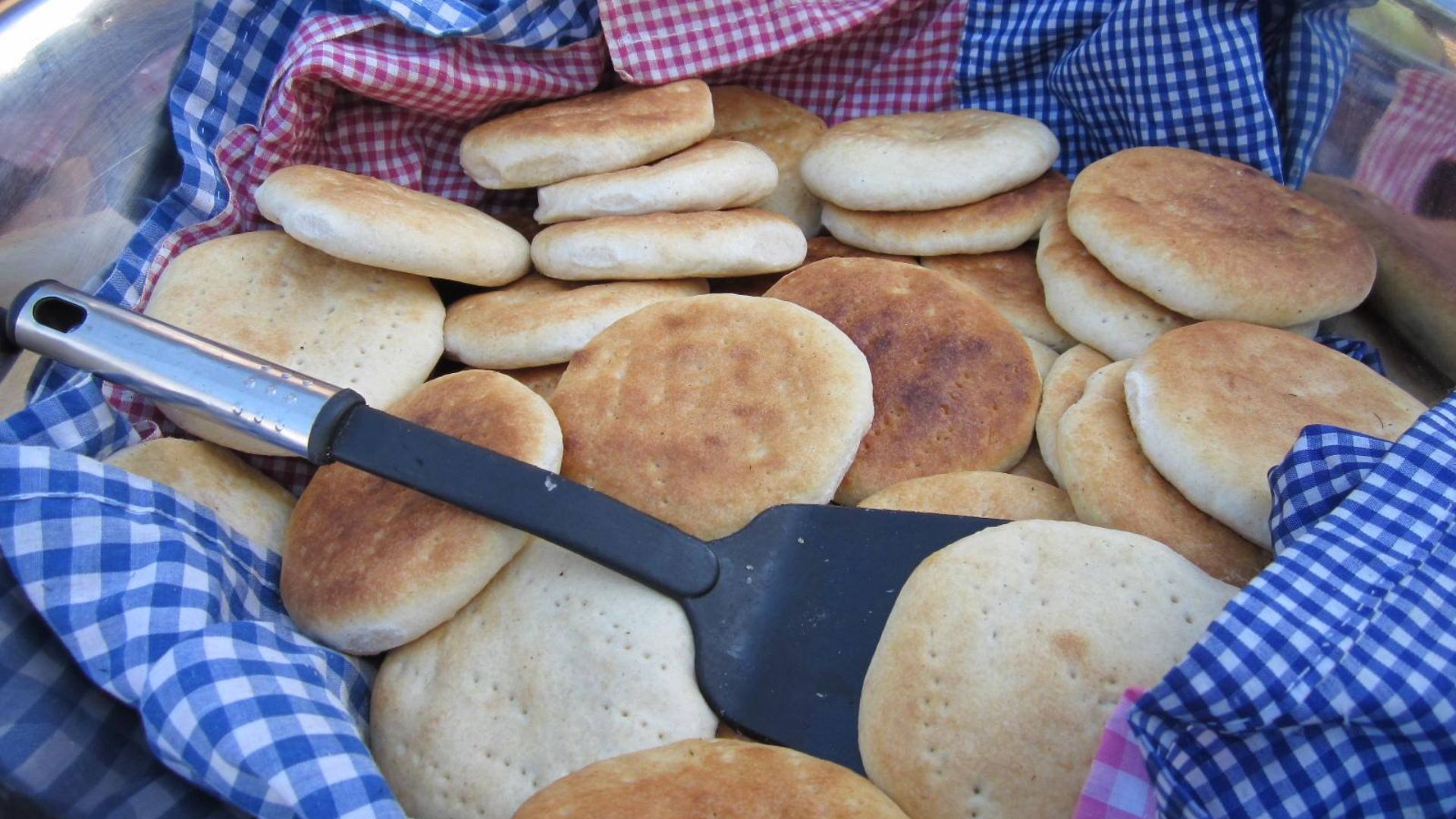
Washington started his mornings with hoecakes drizzled in honey, a habit that stayed with him from his Virginia upbringing straight through his presidency. The cornmeal cakes were humble compared to the formal dinners he hosted later in life. Guests noted he ate the same simple breakfast almost without fail.
 US Embassy Belize on Wikimedia
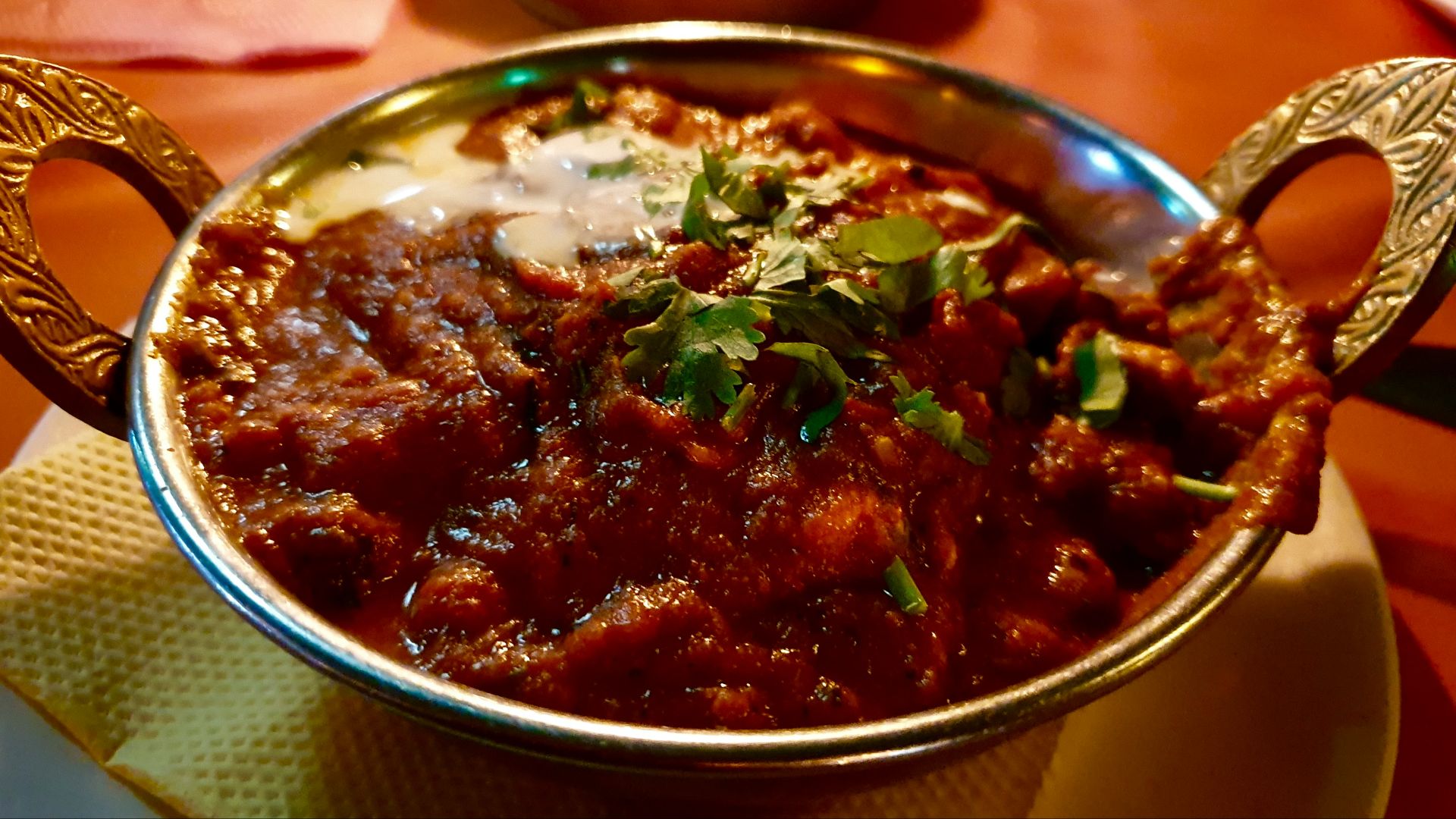
12. Genghis Khan's Mutton
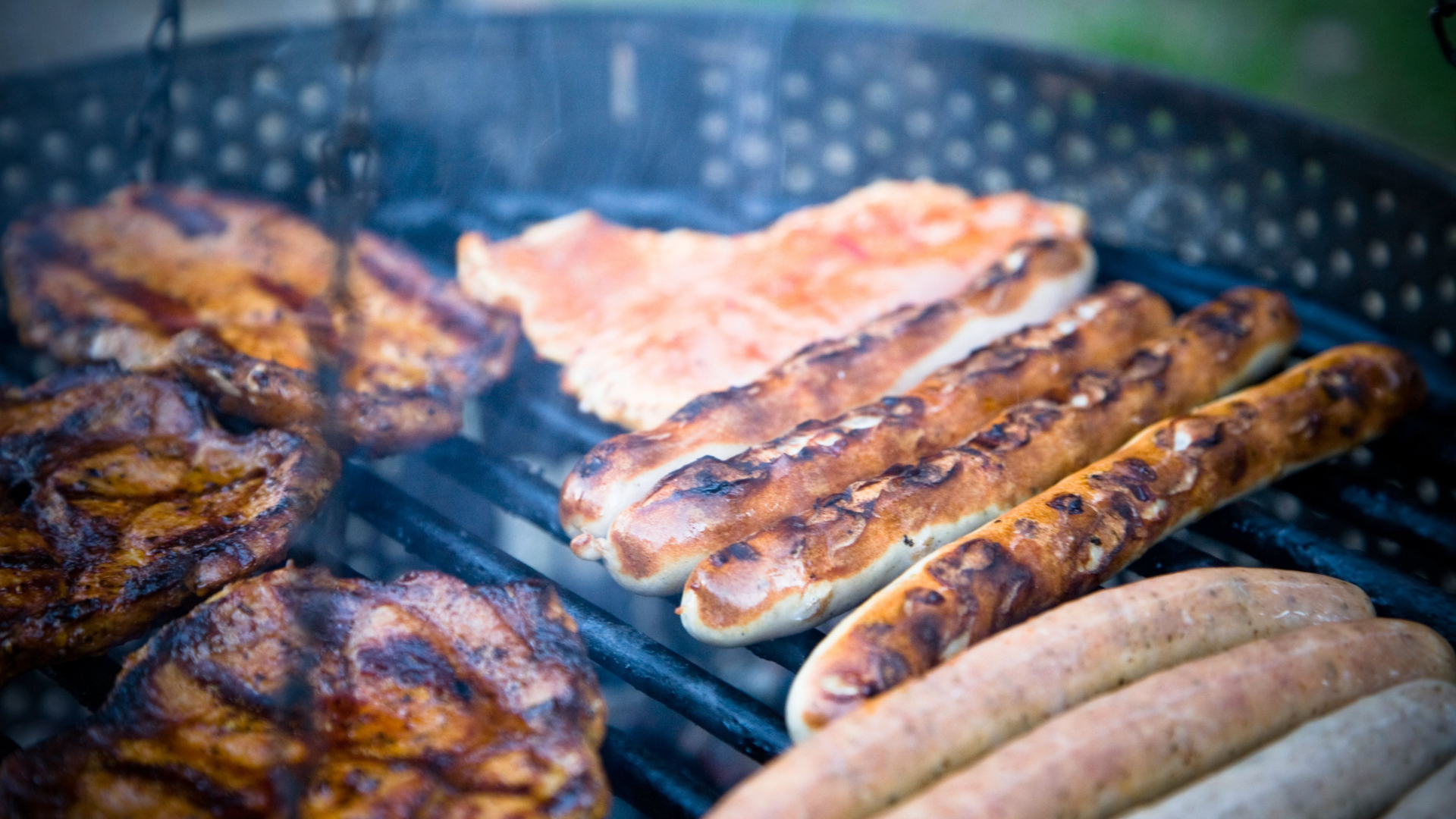
Life on the steppe shaped Genghis Khan's diet, and mutton was the backbone of it. Fermented mare's milk, known as airag, was the other constant, providing calories and mild intoxication on long rides. Meals were practical rather than elaborate, built for an army that needed to move fast.
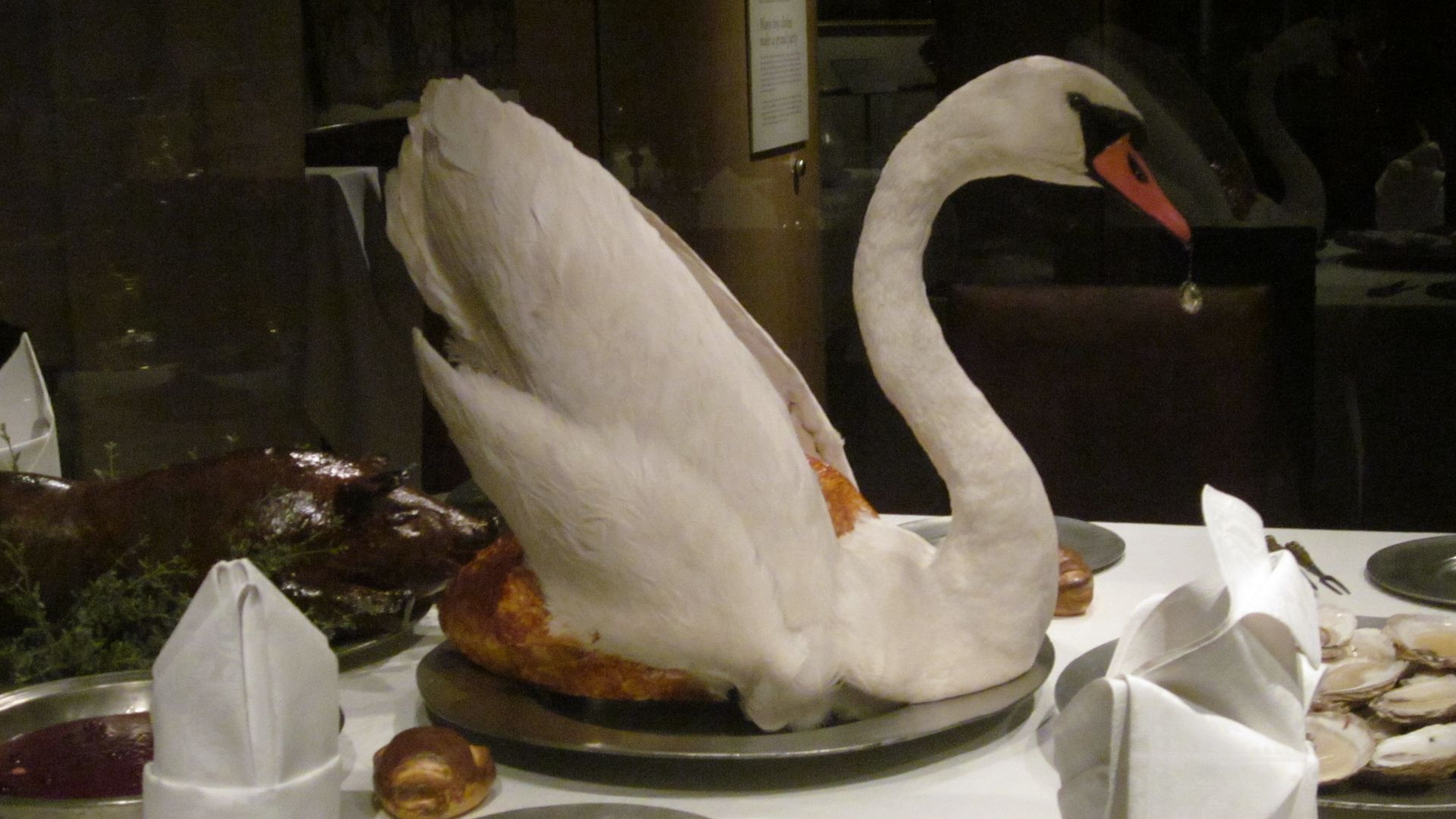
13. Henry VIII's Roasted Swan
Henry VIII's appetite has become almost as legendary as his marriages, and roasted swan sat near the top of his favorites. Feasts under his reign could stretch for hours, with course after course of game and rich sauces. Swan in particular signaled wealth and power, which suited a king who rarely did anything modestly.
 Blake Handley from Victoria, Canada on Wikimedia
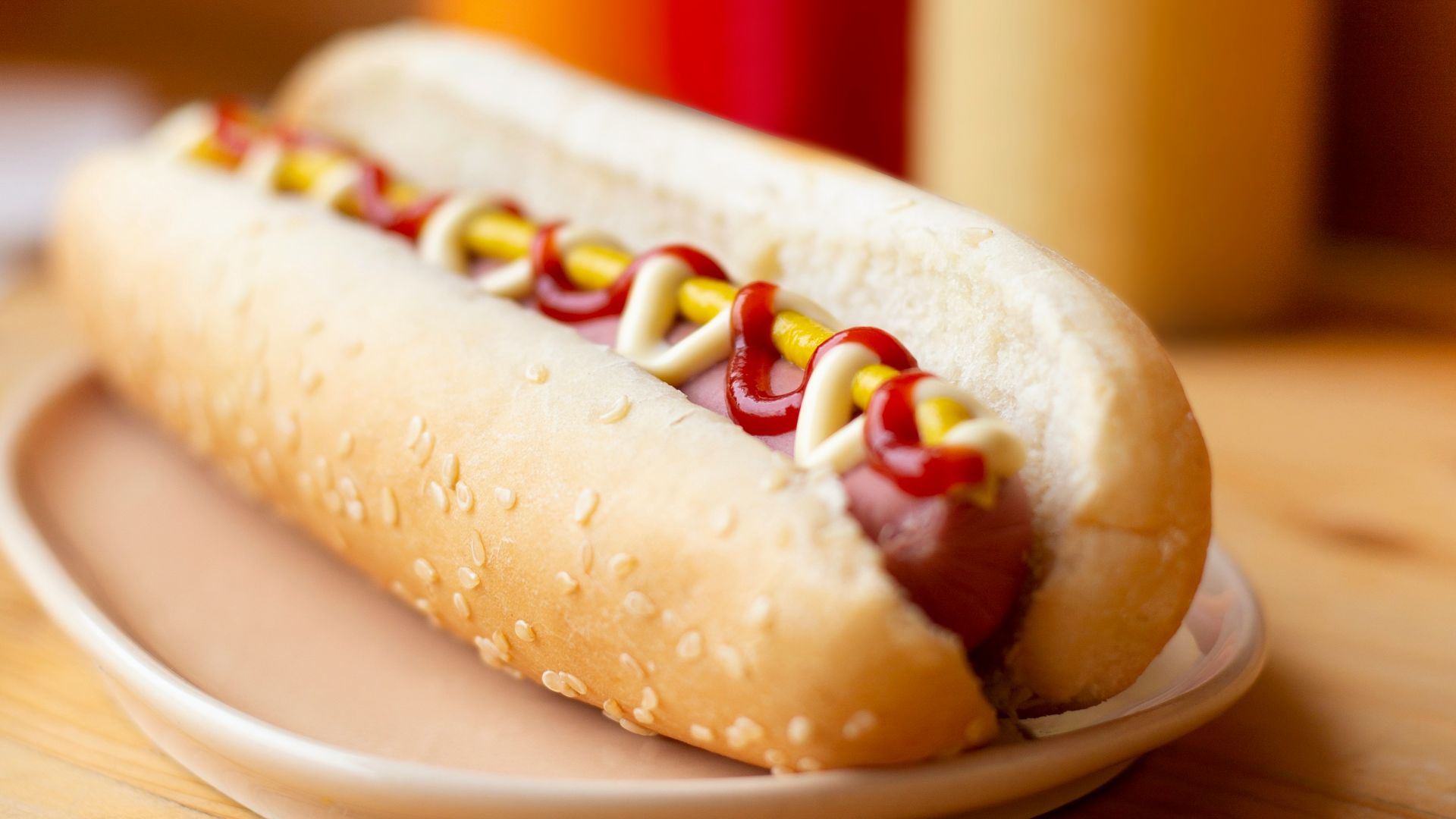
14. Franklin D. Roosevelt's Hot Dogs
Roosevelt famously served hot dogs to King George VI during a 1939 visit, a move some advisors worried was too casual for royalty. The king reportedly enjoyed them enough to ask for seconds. It was a small, telling detail about a president who liked food that felt unpretentious.
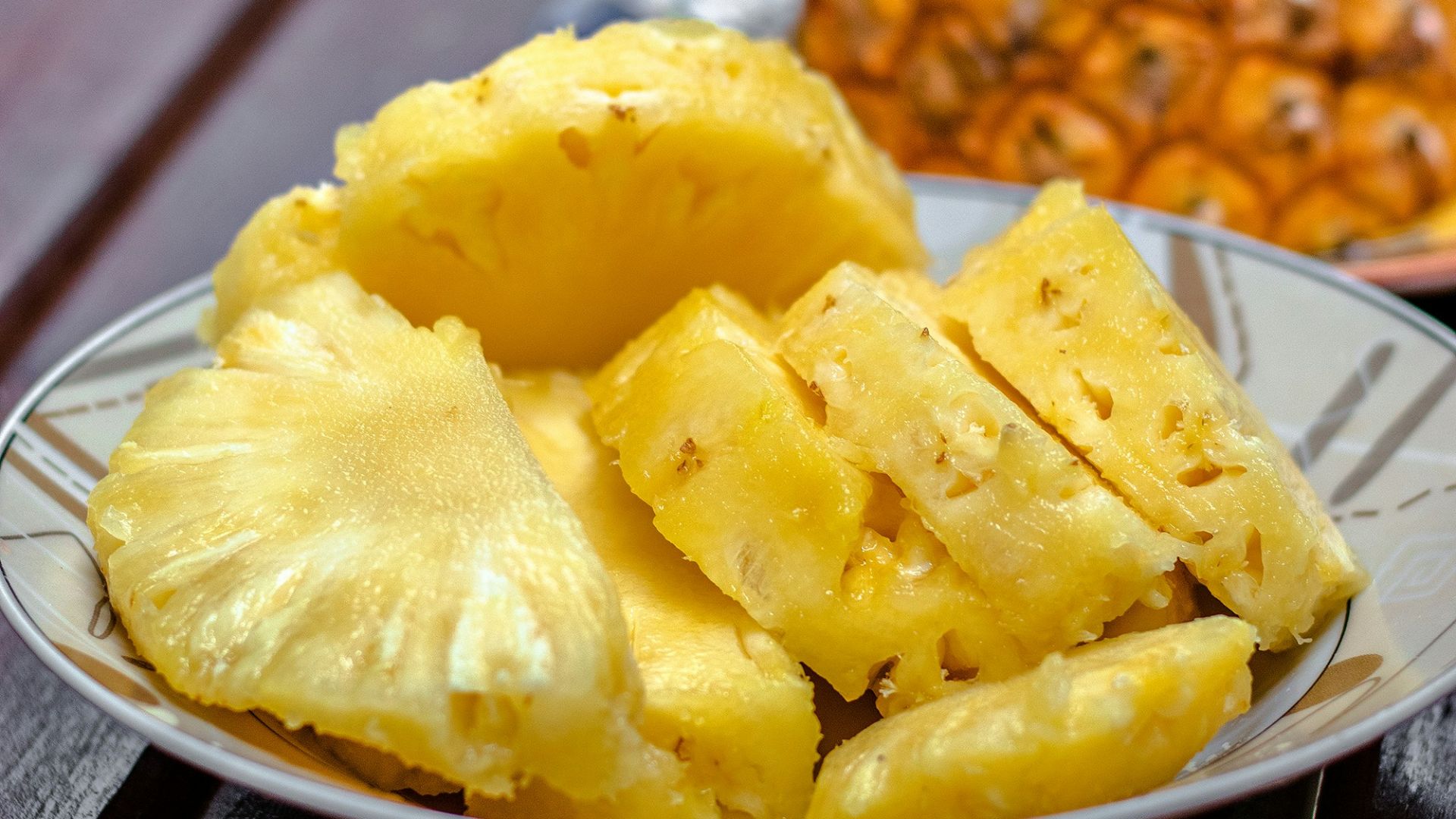
15. Catherine The Great's Pineapple
Pineapple was an extravagant status symbol in eighteenth-century Russia, and Catherine the Great made sure her court had access to it. Greenhouses were built specifically to grow the fruit domestically rather than rely on slow imports. Her fondness for it became something of a running symbol of imperial excess.
16. Voltaire's Coffee
Voltaire's coffee habit bordered on legendary, with some accounts putting his daily intake at dozens of cups. He reportedly drank it mixed with chocolate, treating the combination as fuel for his relentless writing schedule. Doctors of the era warned him it would kill him, and he outlived most of them anyway.
17. Andy Warhol's Campbell's Soup
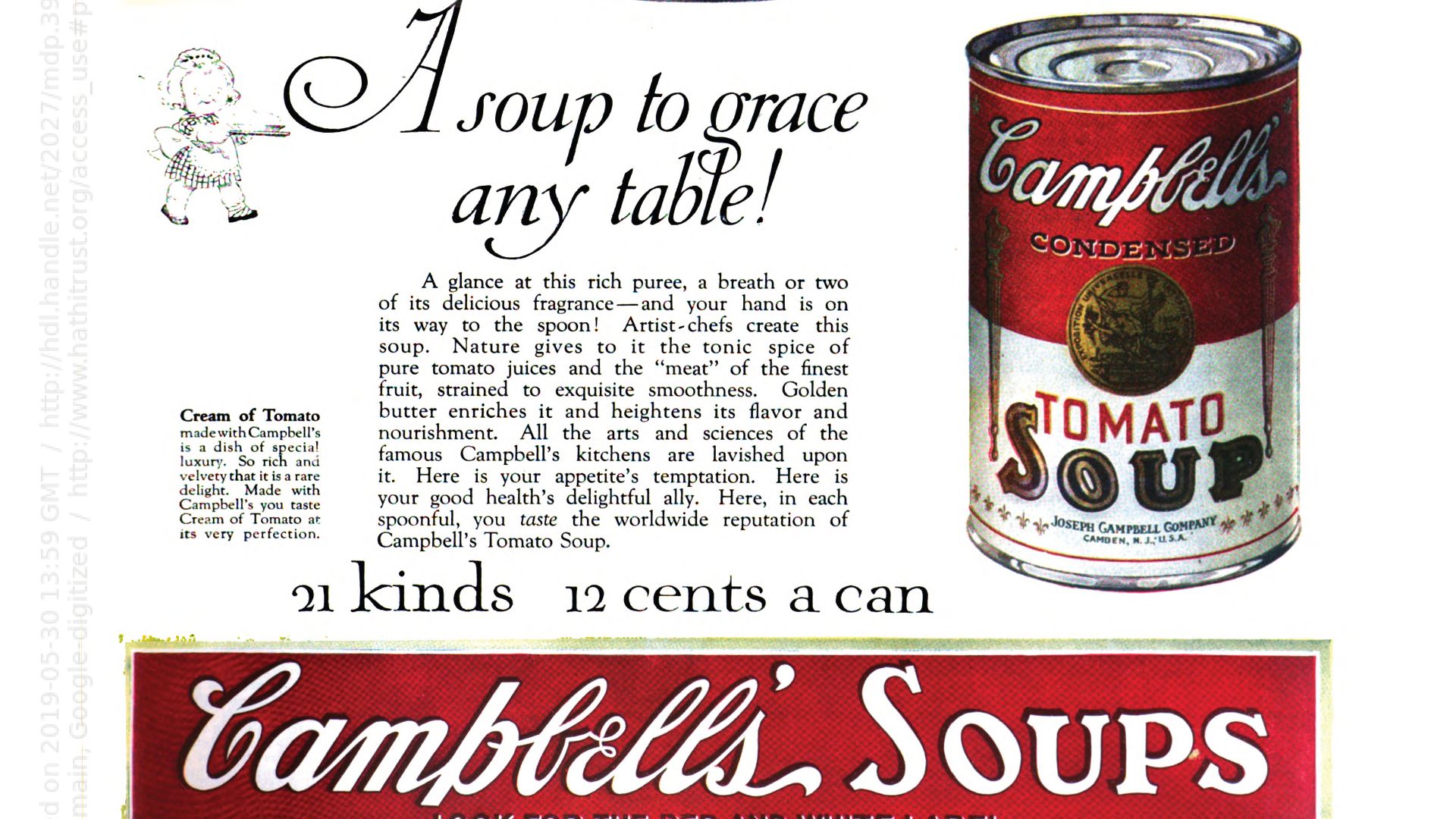
Warhol's fascination with Campbell's soup went beyond art history footnotes; he genuinely ate it often, sometimes daily, for years. Chicken noodle and tomato were reported favorites, eaten straight from the can more than once. The famous paintings weren't just commentary on consumer culture, they were also a fairly literal snapshot of his lunch.
 Campbell's Soup Co. on Wikimedia
18. Marilyn Monroe's Hot Dogs
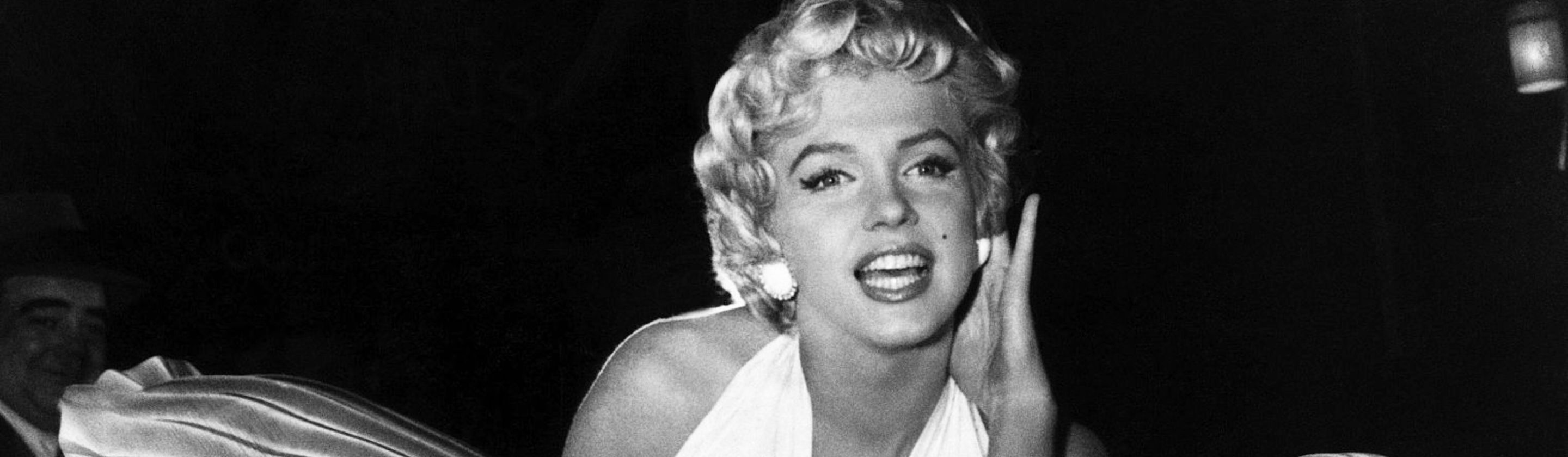
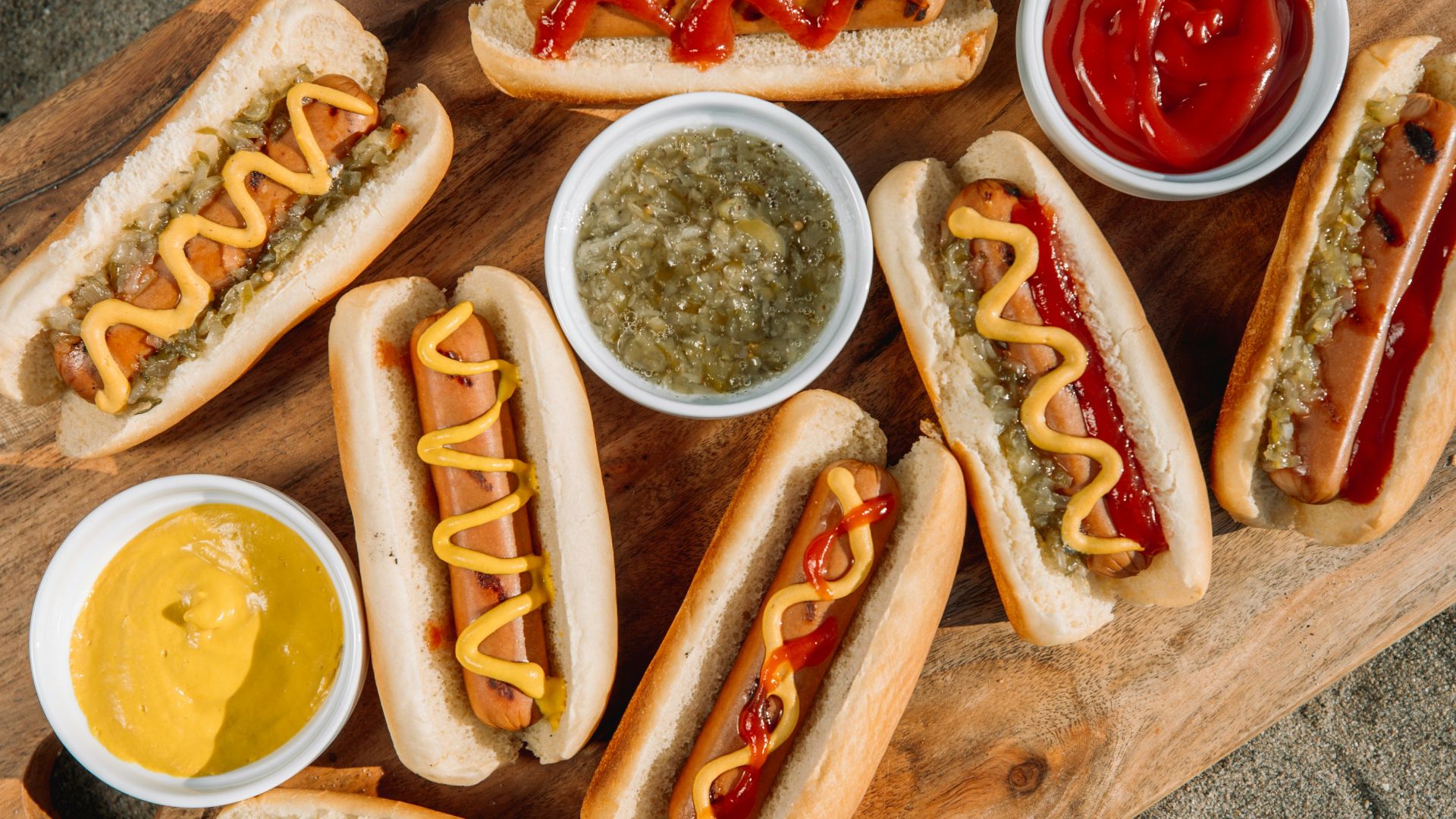
Away from the glamour of film sets, Marilyn Monroe kept things simple, with hot dogs showing up as a frequent, unfussy meal. Steak and baked potatoes were another regular pairing when she wanted something more substantial. Friends described her diet as surprisingly plain for someone photographed constantly at glittering parties.
19. Elvis Presley's Peanut Butter And Banana Sandwiches
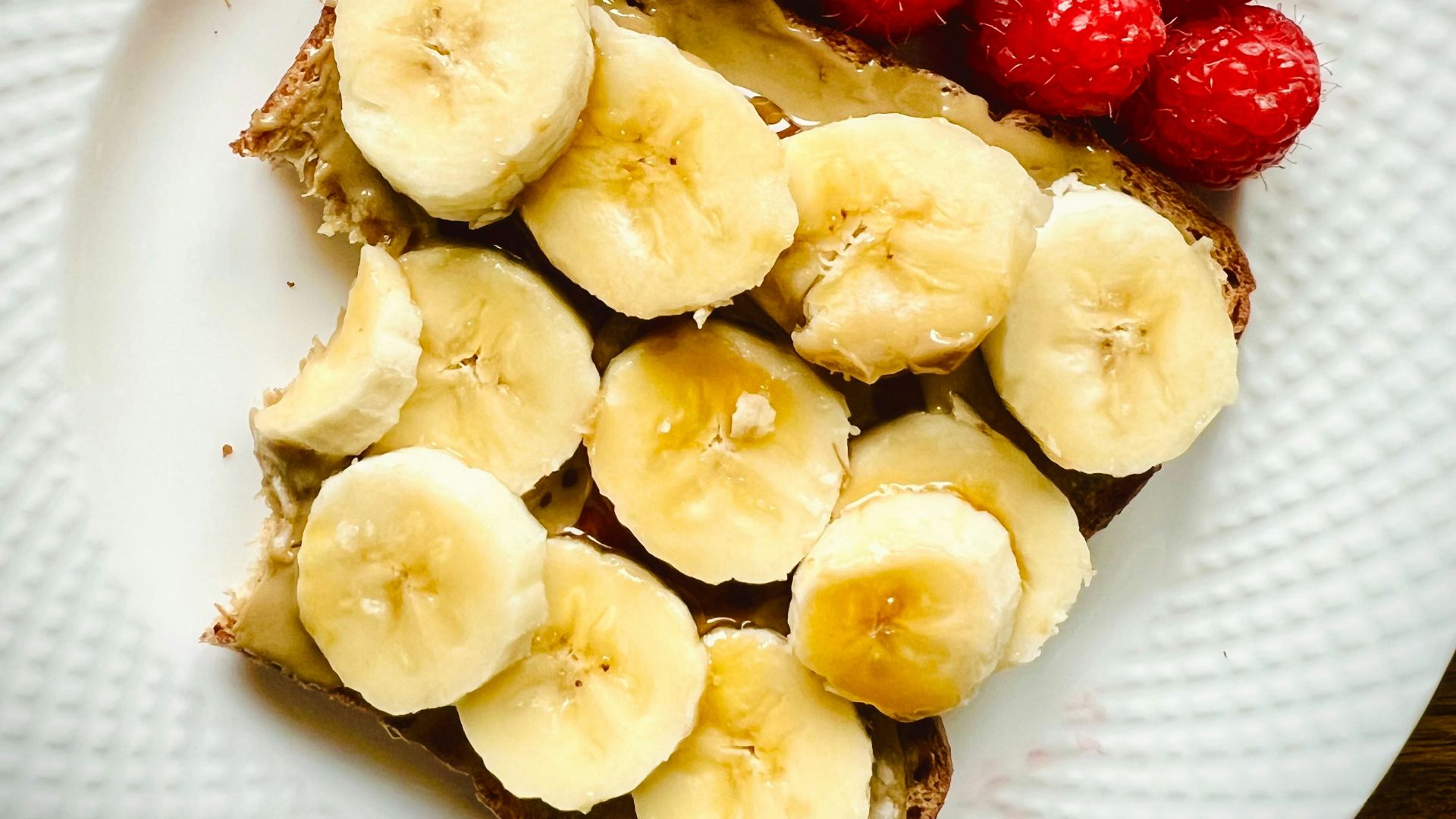
Elvis's love of peanut butter, banana, and bacon sandwiches, fried until the bread turned golden, has become almost as iconic as his music. He'd reportedly order them by the dozen while touring, treating the sandwich like comfort food from home. The combination still bears his name on diner menus decades later.
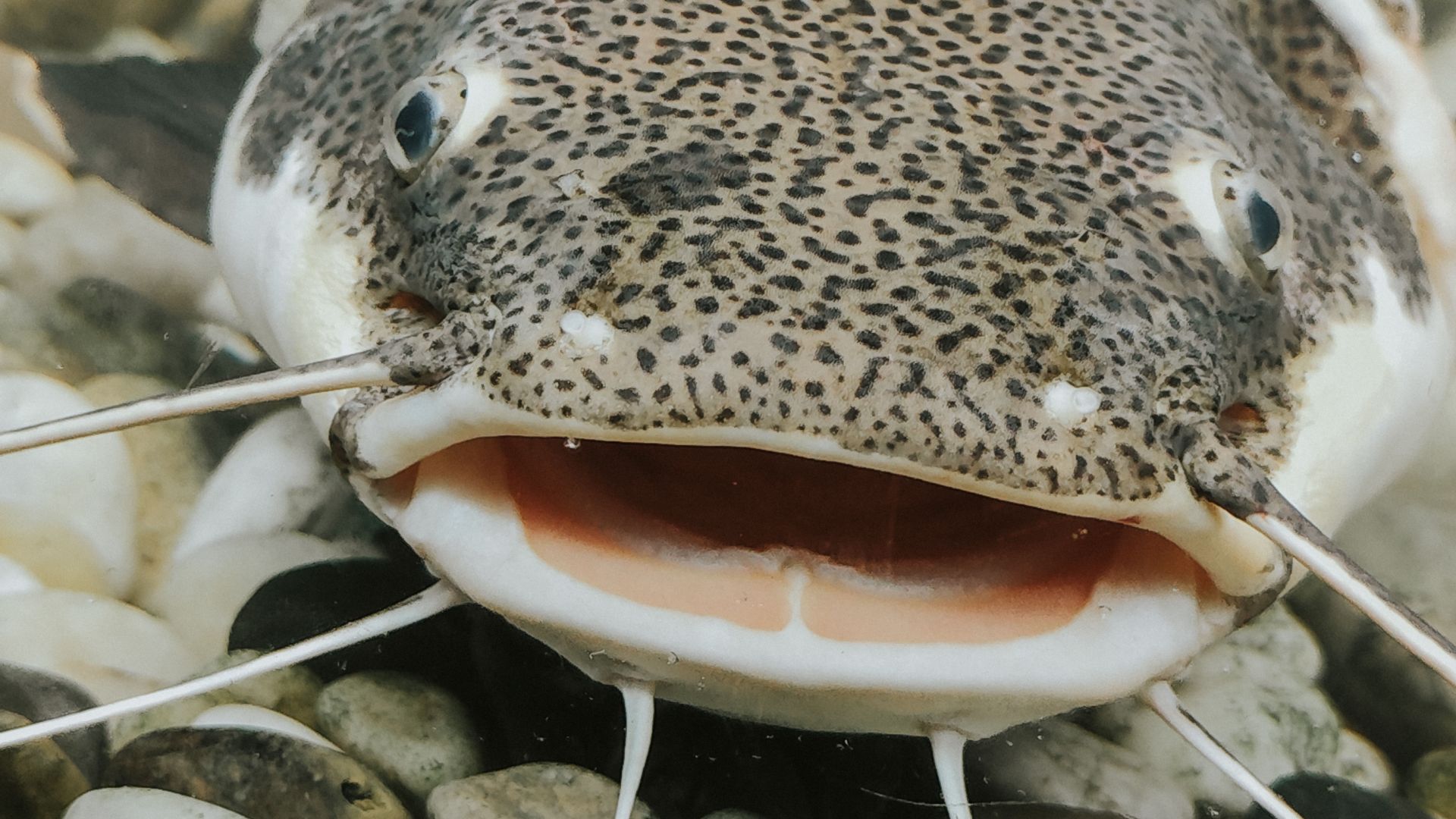
20. Julius Caesar's Fish
Caesar's meals leaned toward fish and seafood, a preference that fit the coastal tastes of Roman elite dining. Barbel, a freshwater fish prized at the time, showed up often at gatherings he hosted. For a man constantly on campaign, seafood dinners back in Rome likely felt like a rare, welcome luxury.