What You Eat Can Boost Your Longevity
You've probably heard the saying, "You are what you eat." That means if you tend to binge on junk food, you're not going to get the strong, healthy body you want, even if eating chips and drinking soda gives you a feel-good dopamine spike in the short run. After all, the foods you choose to eat every day play a massive role in how long and how well you live. So swap your fries for some berries and your soda for a glass of freshly squeezed orange juice, and take a look at these 20 foods that science suggests can help you add years to your life.
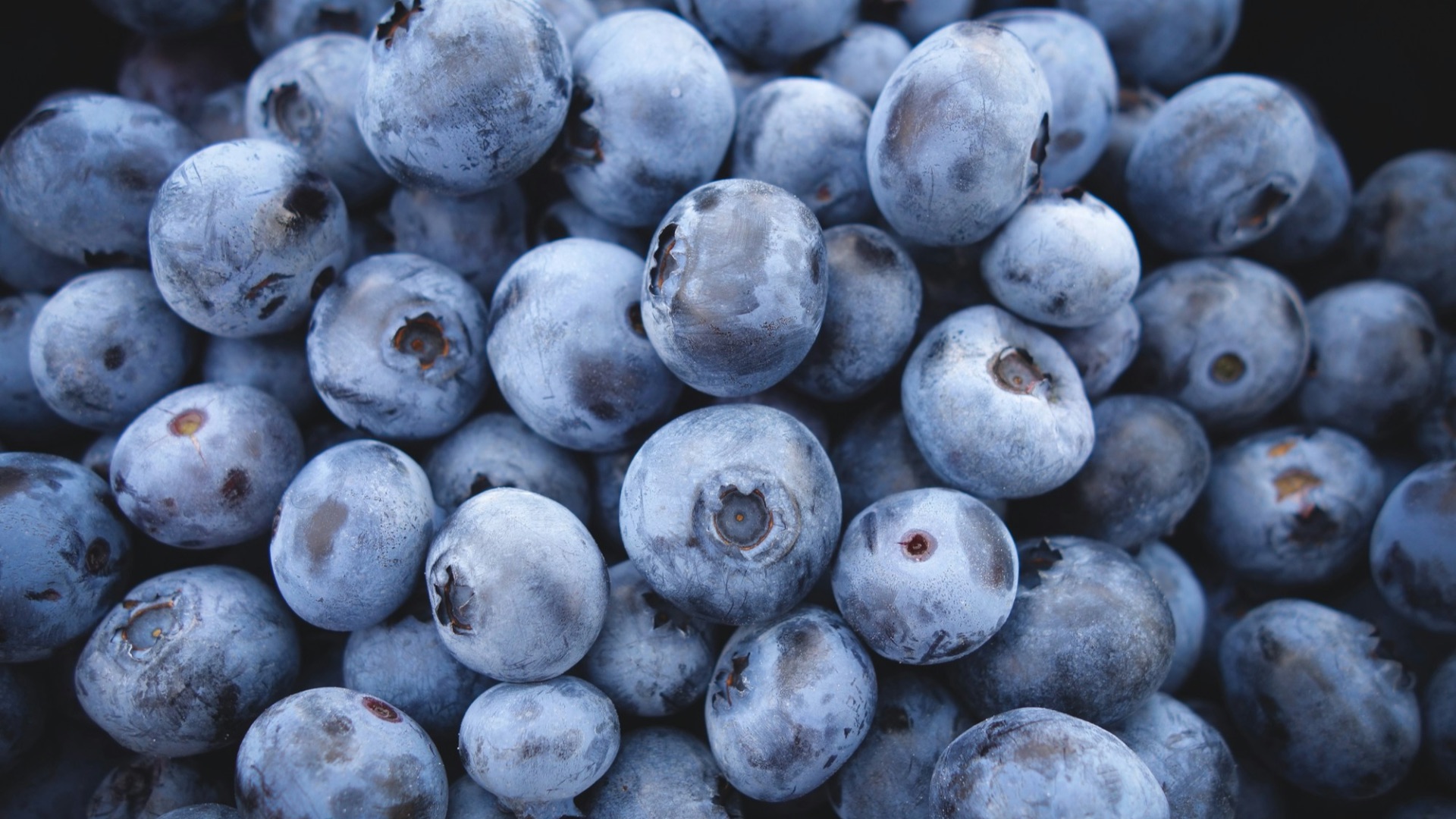
1. Blueberries
Blueberries pack an impressive amount of antioxidants into a tiny package, which helps your body fight off cellular damage caused by free radicals. Studies have linked regular blueberry consumption to improved memory and slower cognitive decline as you age. You can toss a handful into your morning oatmeal or blend them into a smoothie for an easy boost.
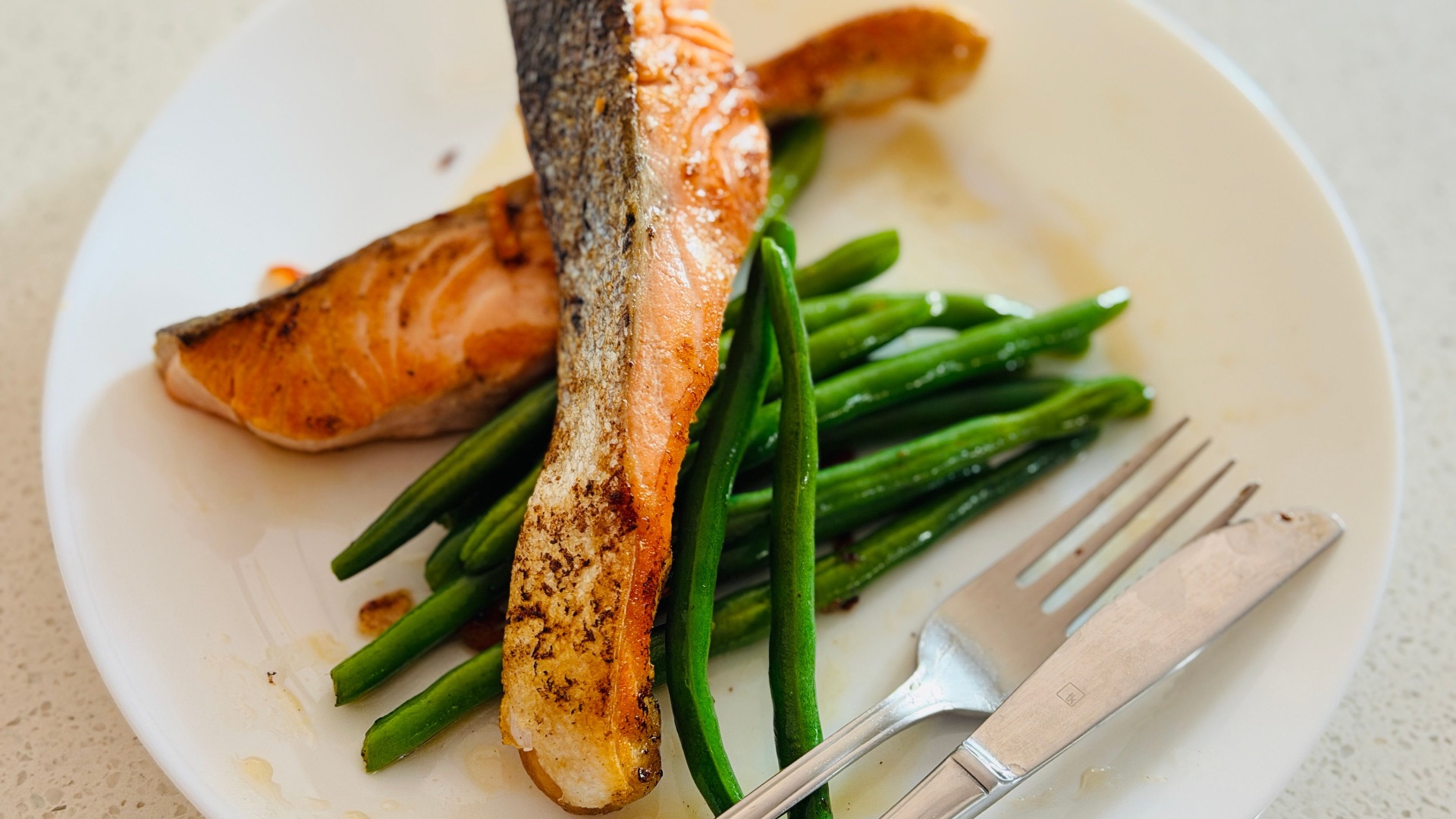
2. Salmon
Salmon delivers a generous dose of omega-3 fatty acids, which support heart health and help reduce inflammation throughout your body. People who eat fatty fish like salmon regularly tend to have lower rates of heart disease, one of the leading causes of premature death worldwide. Grilling or baking it with a bit of lemon makes for a simple, nutritious dinner option.

3. Leafy Greens
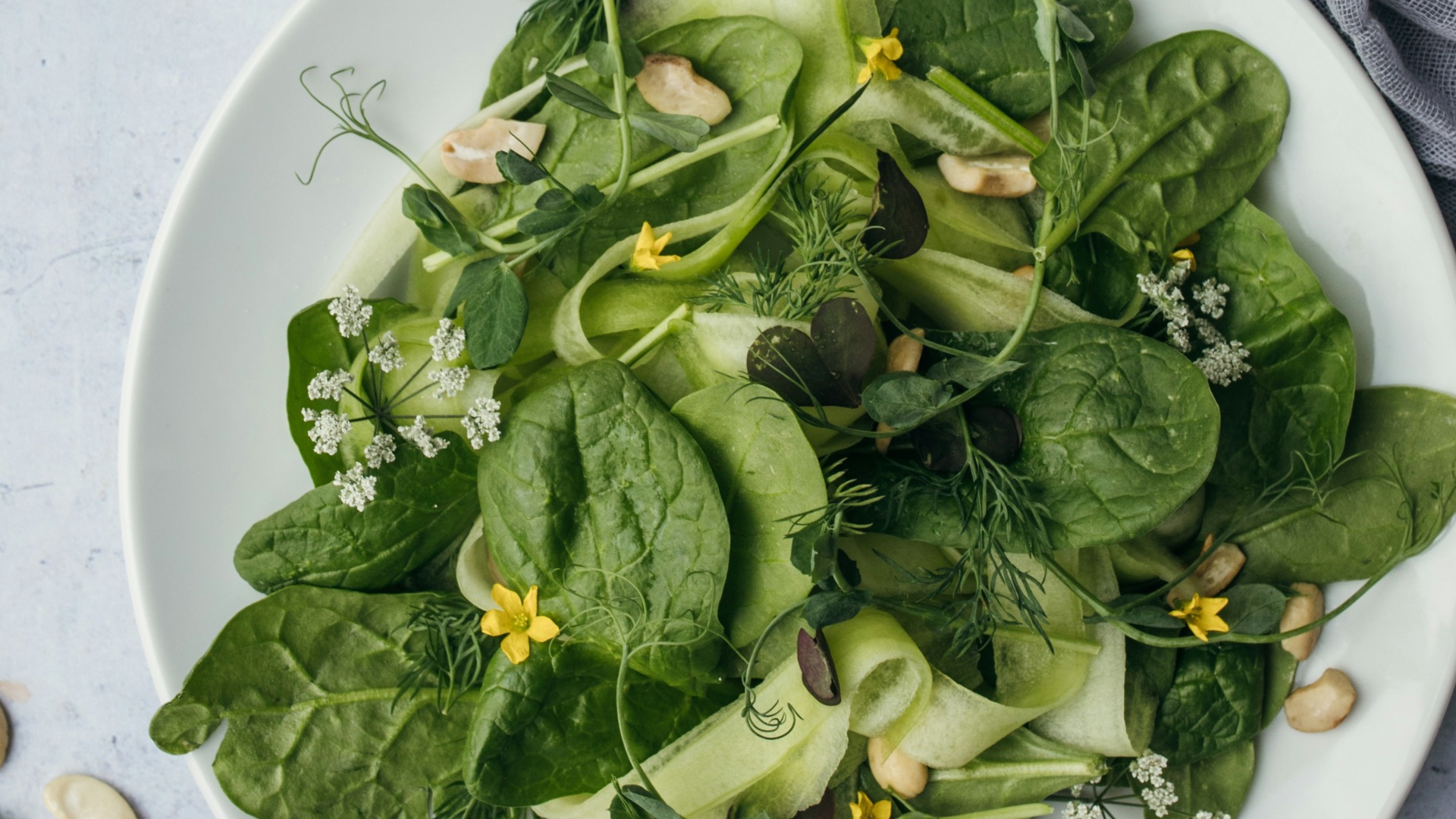
Spinach, kale, and other leafy greens are loaded with vitamins A, C, and K, along with minerals that support bone health and immune function. Diets rich in leafy vegetables have been associated with a lower risk of chronic diseases like diabetes and heart disease. Adding a side salad to your meals is an easy way to work more of these greens into your routine.
4. Walnuts
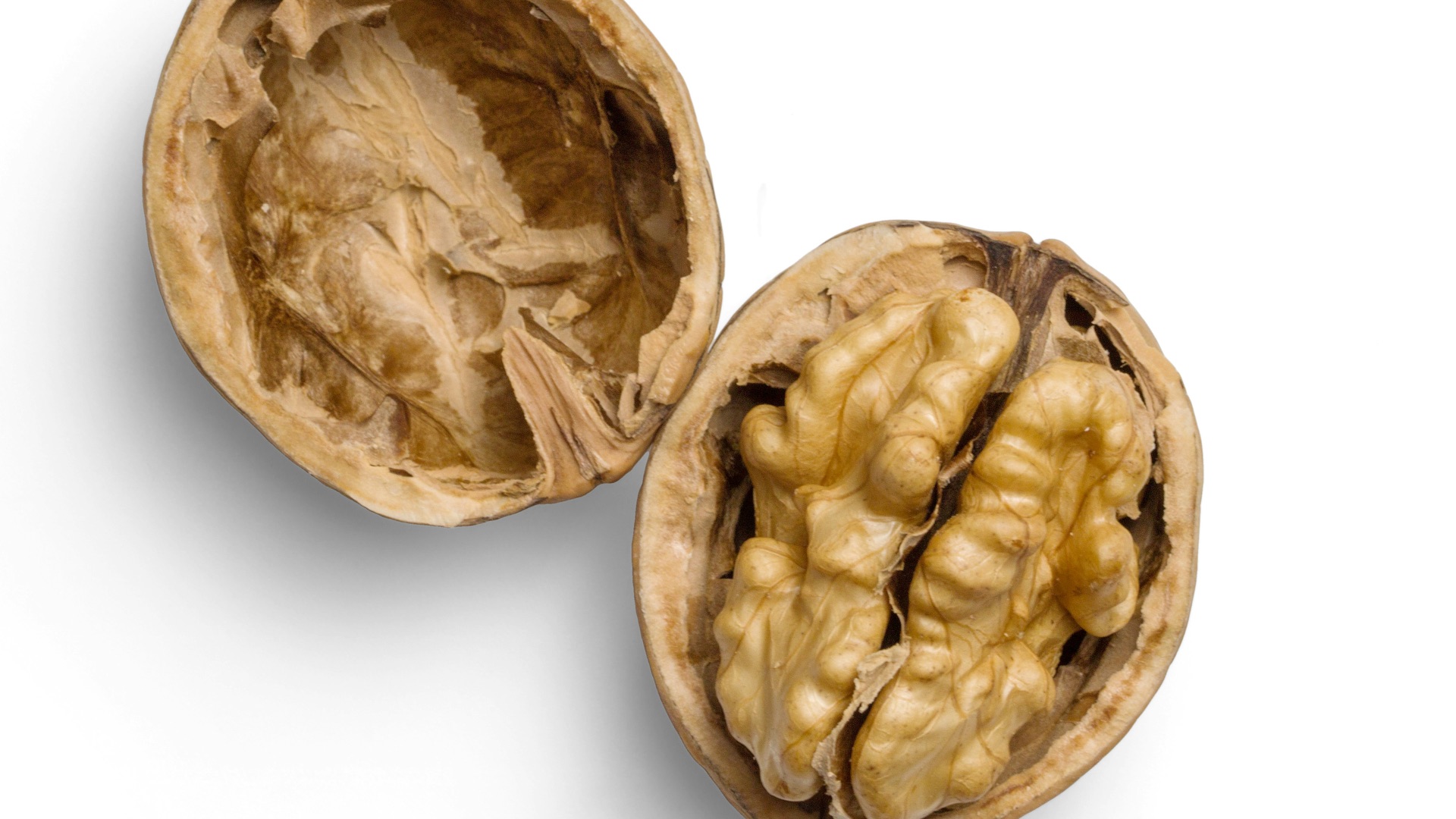
Walnuts stand out among nuts for their high concentration of alpha-linolenic acid, a plant-based omega-3 that supports brain and heart function. Research has shown that people who snack on walnuts regularly may have a reduced risk of cardiovascular problems. A small handful makes for a satisfying snack that keeps you full between meals.
5. Extra Virgin Olive Oil
Extra virgin olive oil forms the foundation of the Mediterranean diet, which has consistently been linked to longer life expectancy in population studies. It's rich in monounsaturated fats and polyphenols that help protect your cells from oxidative stress. Drizzling it over vegetables or using it as a base for salad dressings gives your meals a flavorful, healthy upgrade.

6. Garlic
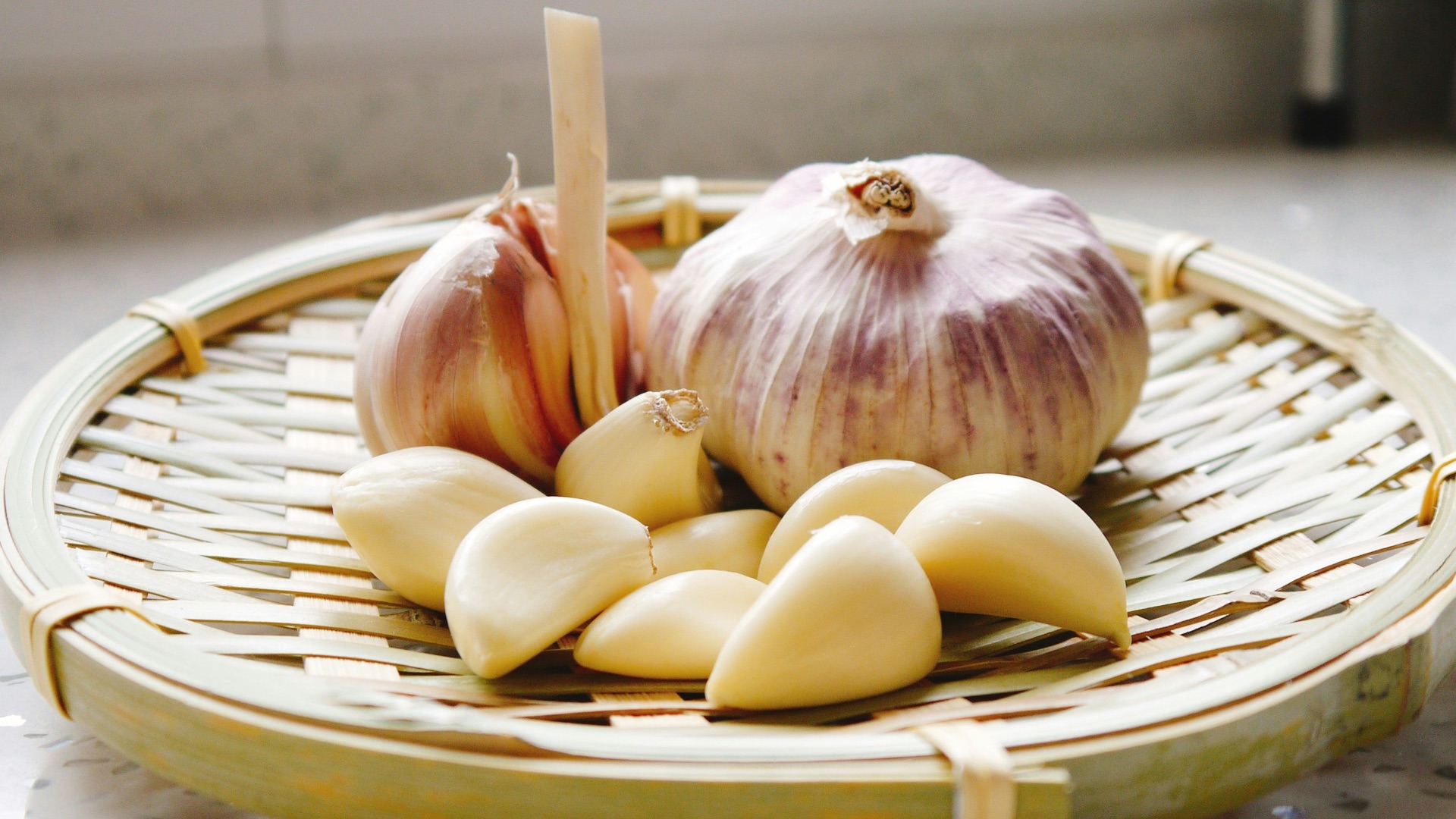
Garlic contains a compound called allicin, which has been shown to support healthy blood pressure and cholesterol levels. Many cultures with notably long-lived populations use garlic as a dietary staple, often incorporating it into nearly every savory dish. Roasting a few cloves and spreading them on bread brings out a milder, sweeter flavor if raw garlic feels too intense.
7. Tomatoes
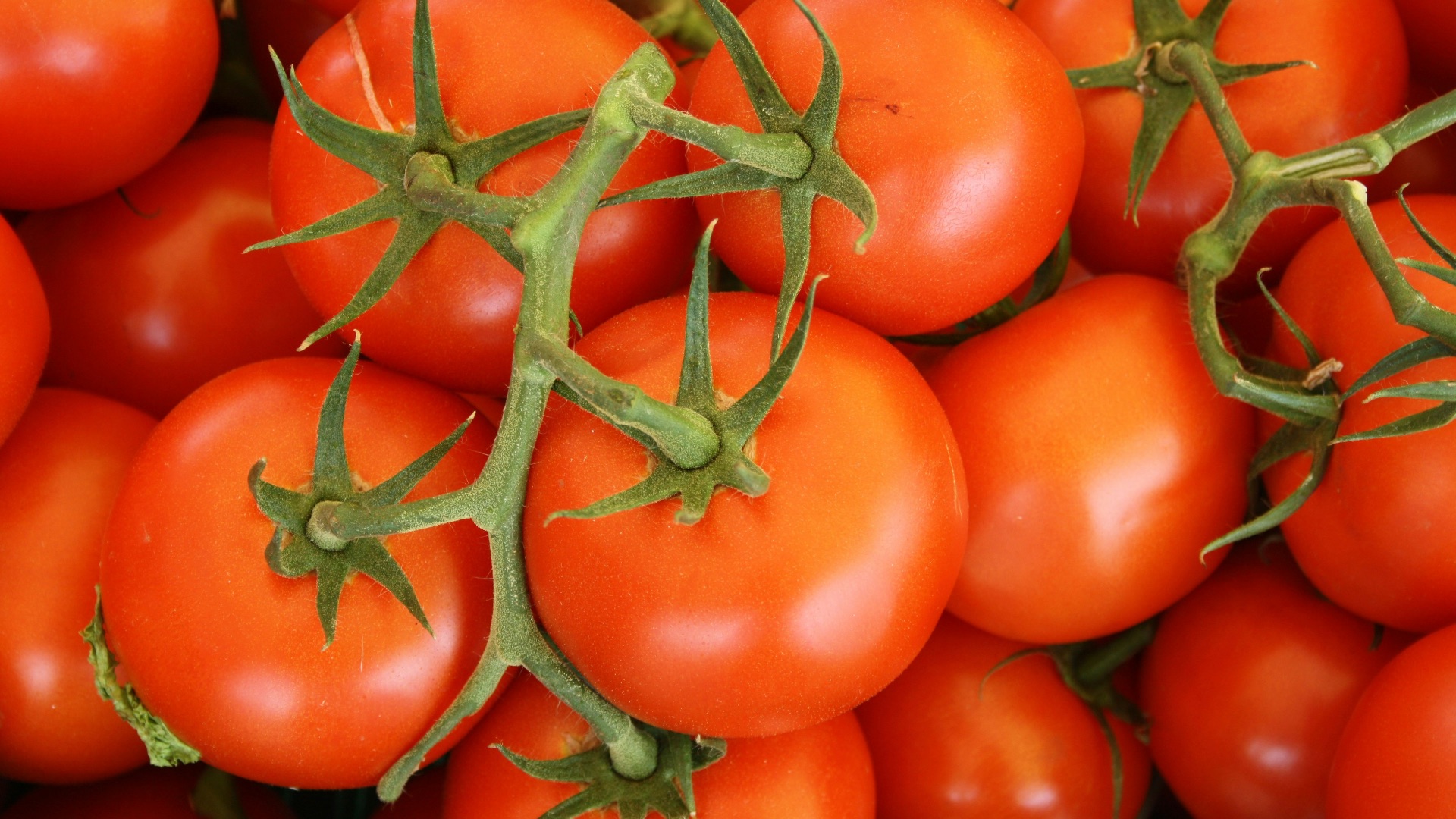
Tomatoes are packed with lycopene, an antioxidant that's been studied for its potential role in reducing the risk of certain cancers and heart disease. Cooking tomatoes actually increases the bioavailability of lycopene, so sauces and soups offer even more benefit than raw slices. Adding them to pasta dishes or roasting them alongside other vegetables makes them easy to enjoy often.
8. Greek Yogurt
Greek yogurt provides a solid source of protein and probiotics that support a healthy gut microbiome, which researchers increasingly link to overall longevity. The live cultures found in yogurt can help improve digestion and may even play a role in supporting your immune system. Choosing plain varieties and adding your own fruit keeps sugar content low while still tasting great.
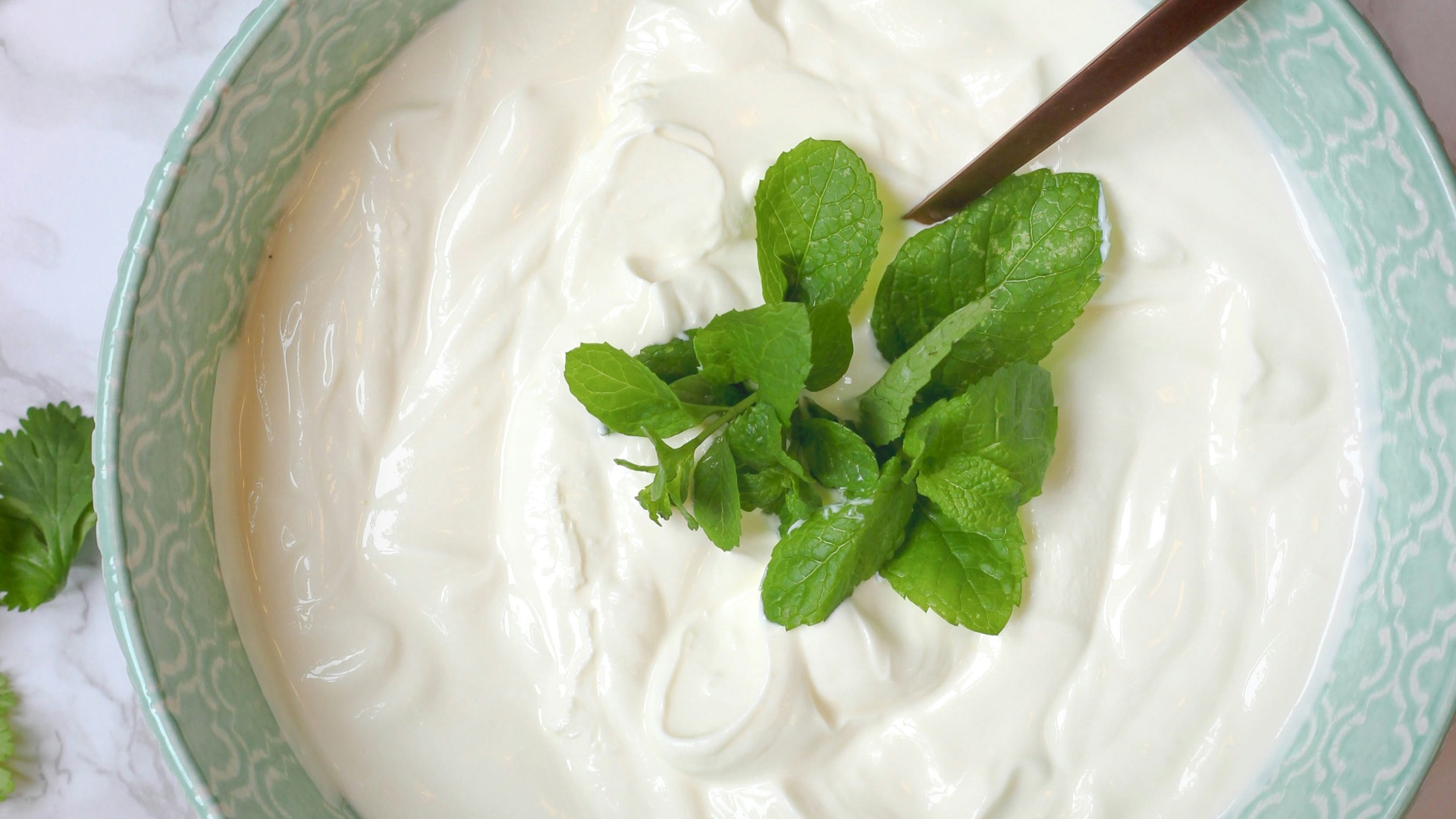 micheile henderson on Unsplash
9. Sweet Potatoes
Sweet potatoes are a favorite in several regions known for exceptional longevity, thanks to their fiber content and rich supply of beta-carotene. This nutrient converts to vitamin A in your body, supporting eye health and immune function as you age. Baking or roasting them brings out their natural sweetness without the need for added sugar.

10. Green Tea
Green tea contains catechins, a group of antioxidants that have been studied for their potential to support heart health and reduce inflammation. People who drink green tea regularly often show lower rates of certain chronic illnesses in long-term studies. Swapping your afternoon coffee for a cup of green tea now and then could offer some added health perks.

11. Lentils
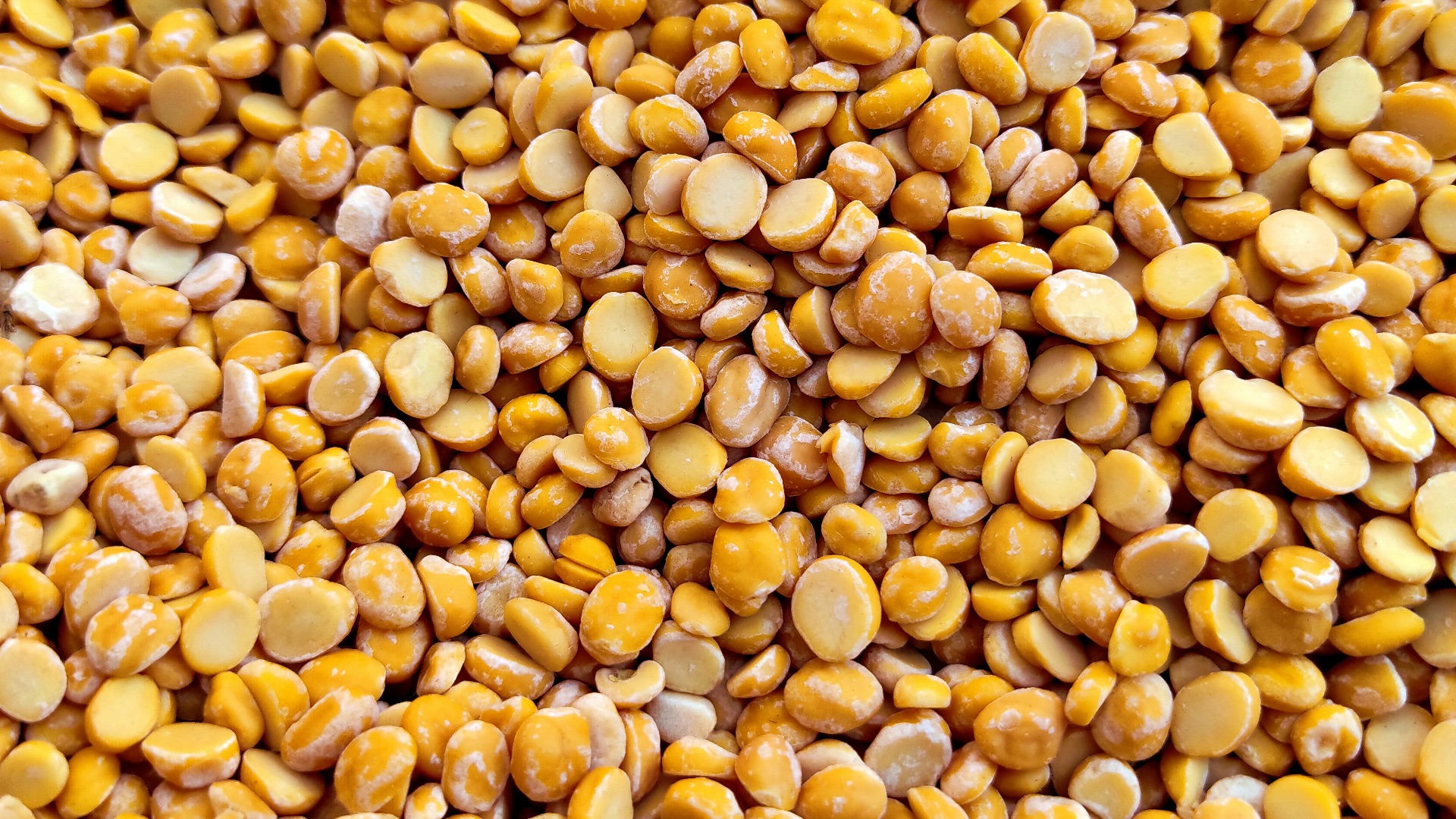
Lentils give you protein, fiber, folate, iron, potassium, and other nutrients without requiring much preparation. Their high fiber content can support digestive health while also helping with blood sugar and cholesterol management. Since legumes are consistently included in dietary patterns linked with reduced mortality risk, lentils can be an especially practical way to eat more plant-based meals during the week.
12. Avocados
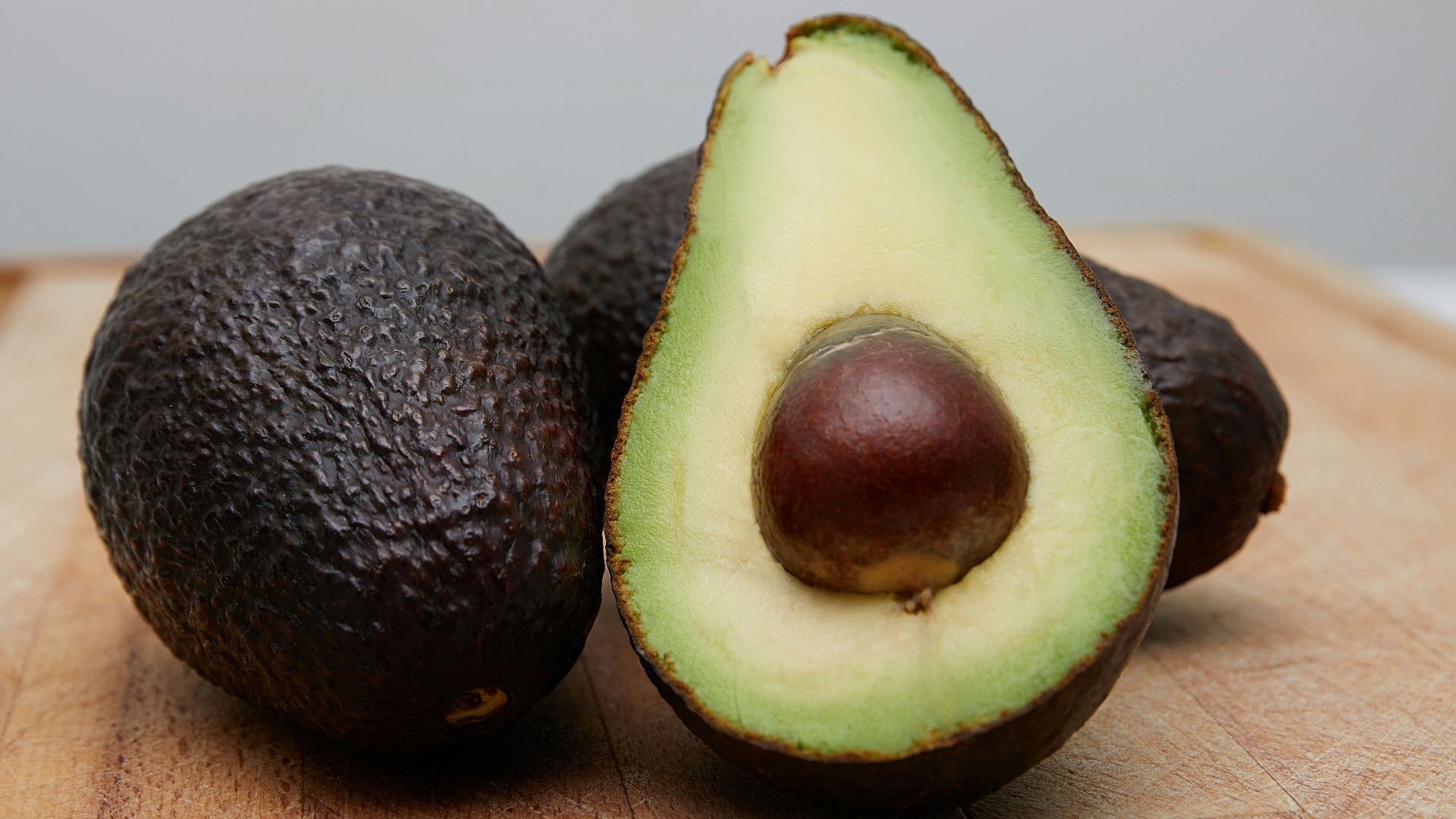
Avocados offer a rich source of monounsaturated fats, which support healthy cholesterol levels and provide long-lasting energy. They also contain potassium, a mineral that helps regulate blood pressure and supports proper muscle function. Spreading mashed avocado on toast or slicing it into a salad adds both flavor and nutrition to your meal.
13. Sardines
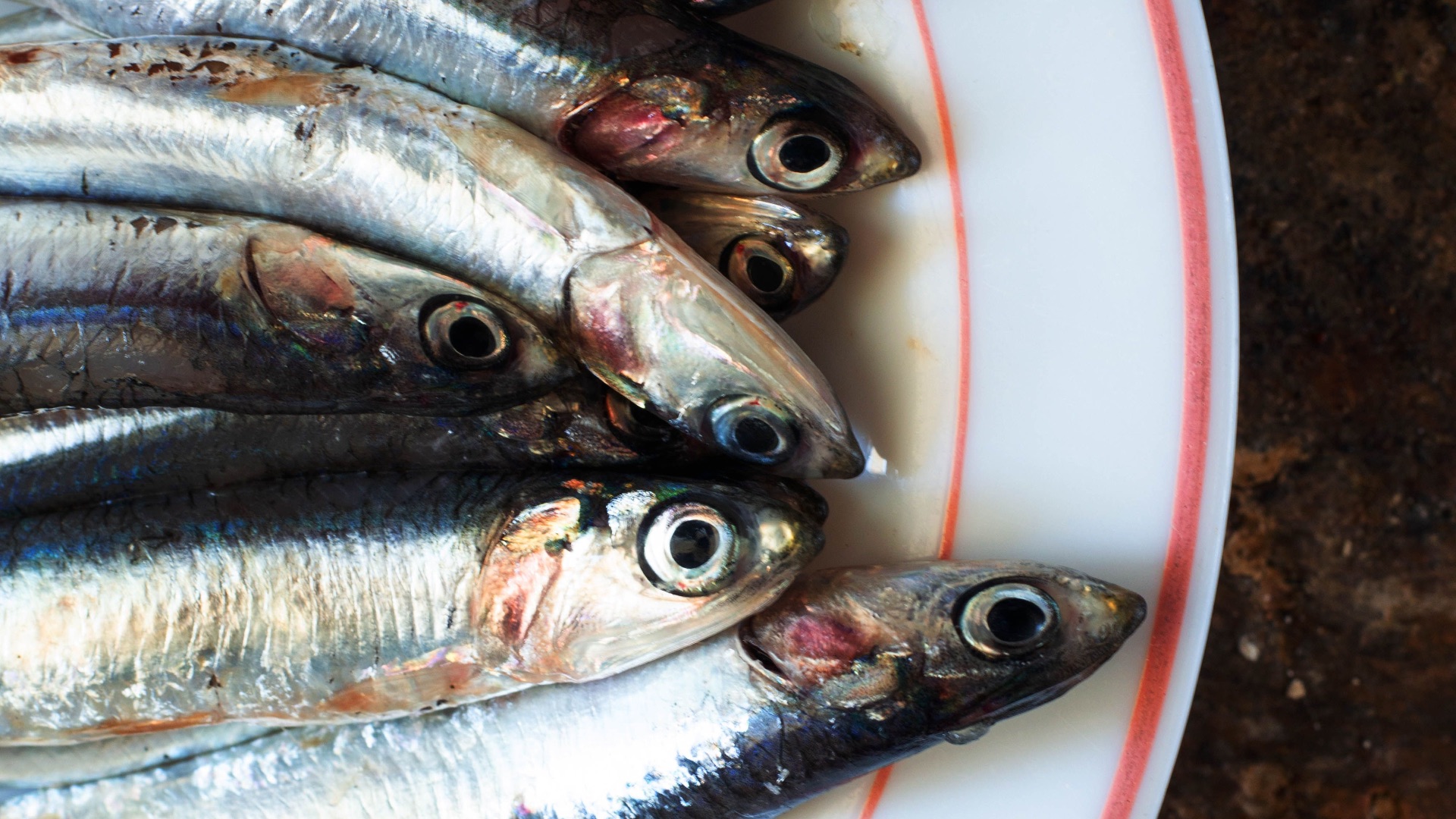
Sardines deserve more attention than they tend to get because they're rich in omega-3 fats, protein, vitamin B12, and, when the bones are eaten, calcium. They're also convenient enough to keep in the pantry, which makes eating fish regularly easier when you don't have time to cook something elaborate. Since higher fish intake is consistently associated with healthier dietary patterns and reduced mortality risk, sardines are a particularly nutrient-dense option.
14. Berries (Beyond Blueberries)
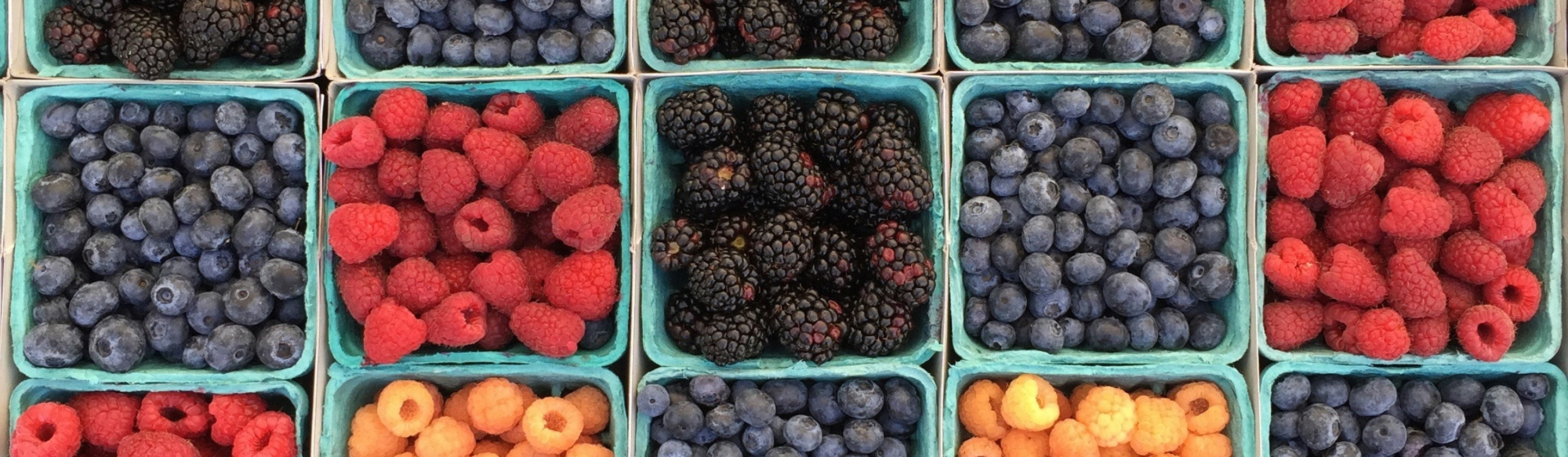
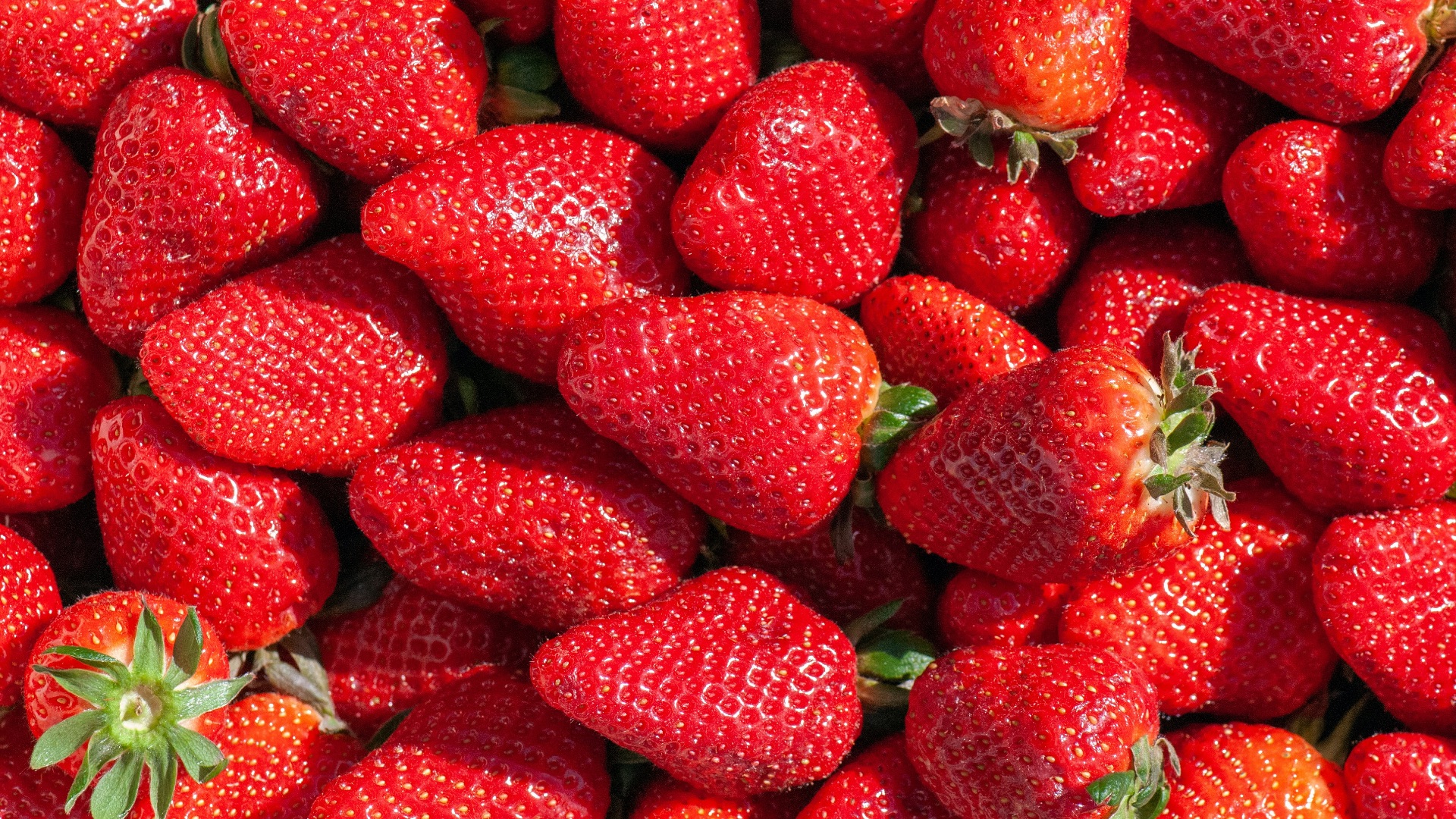
Strawberries, raspberries, and blackberries all bring their own unique blend of antioxidants and fiber to the table, making them a smart addition to any diet aimed at longevity. Their natural sweetness makes them an easy substitute for less nutritious desserts. Mixing a variety of berries into your weekly meals keeps things interesting while maximizing their health benefits.
15. Broccoli
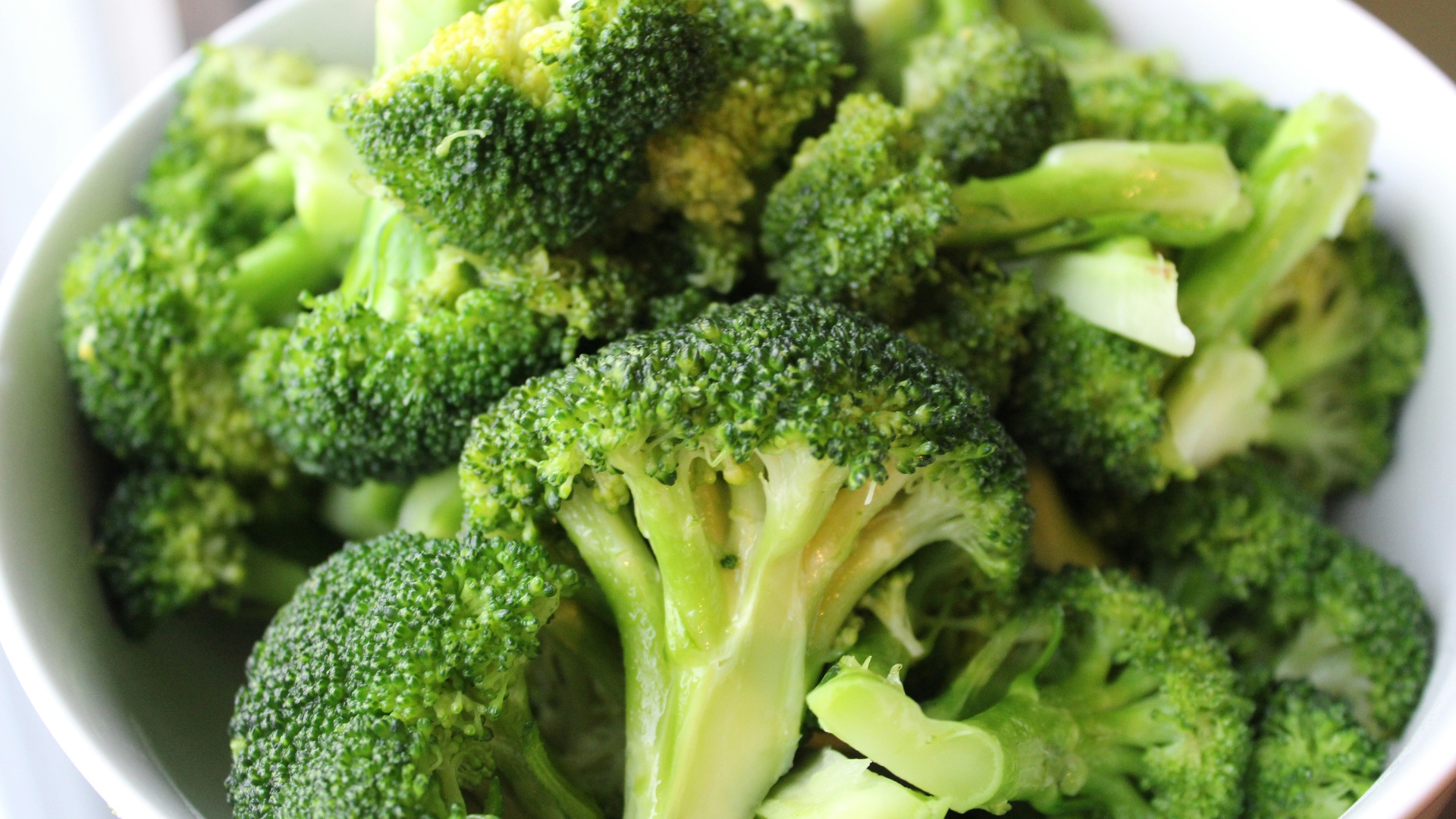
Broccoli belongs to the cruciferous vegetable family, which has been studied extensively for its potential role in reducing cancer risk. It's also loaded with vitamin C, fiber, and compounds that support your body's natural detoxification processes. Steaming it lightly helps preserve its nutrients better than boiling it for extended periods.
 Tyrrell Fitness And Nutrition on Unsplash
16. Turmeric
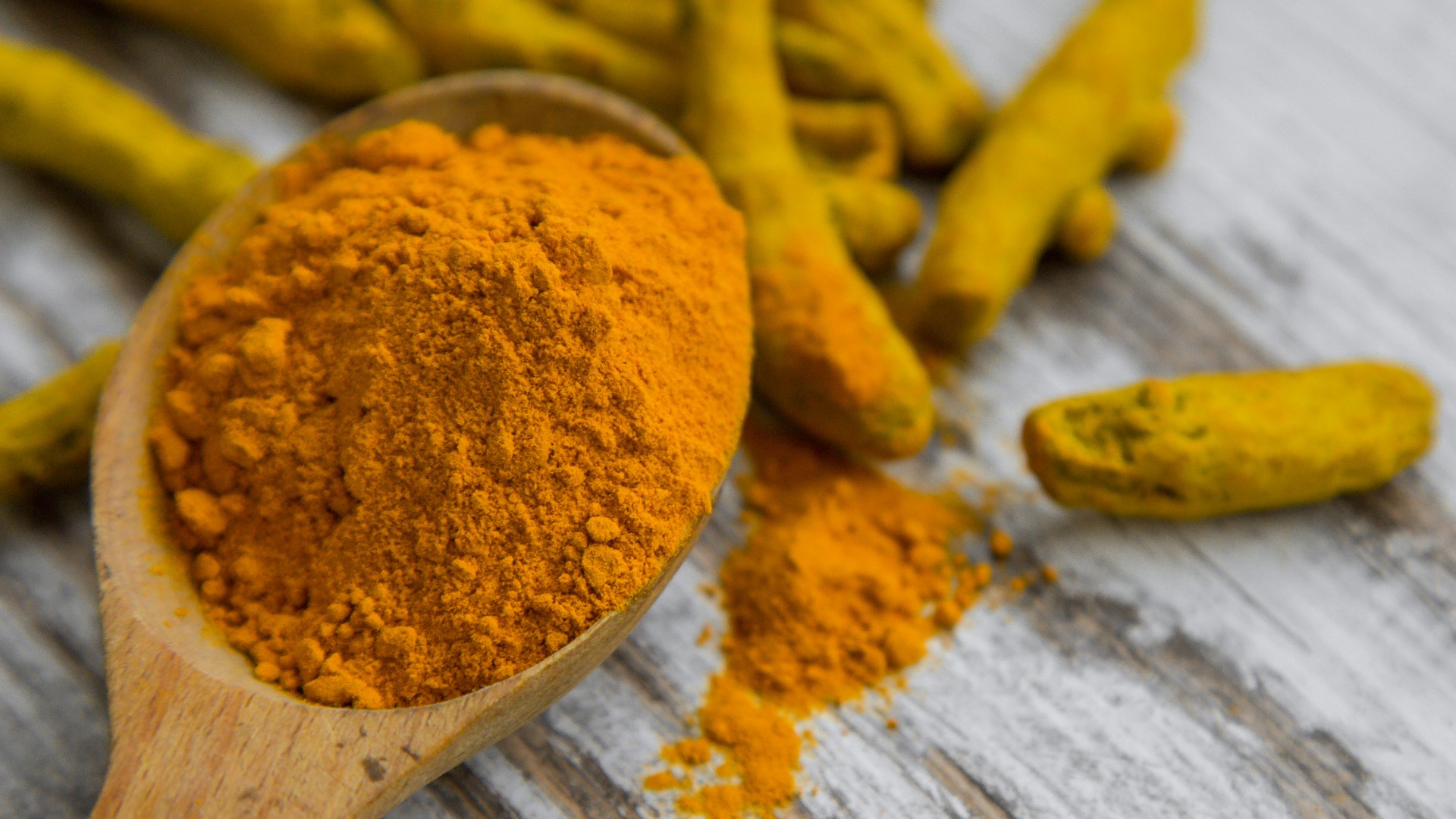
Turmeric owes much of its reputation to curcumin, a compound with notable anti-inflammatory and antioxidant properties. Chronic inflammation has been linked to numerous age-related diseases, so incorporating turmeric into your cooking may offer long-term benefits. Adding a pinch to soups, curries, or even scrambled eggs is an easy way to work it into your diet.
17. Almonds
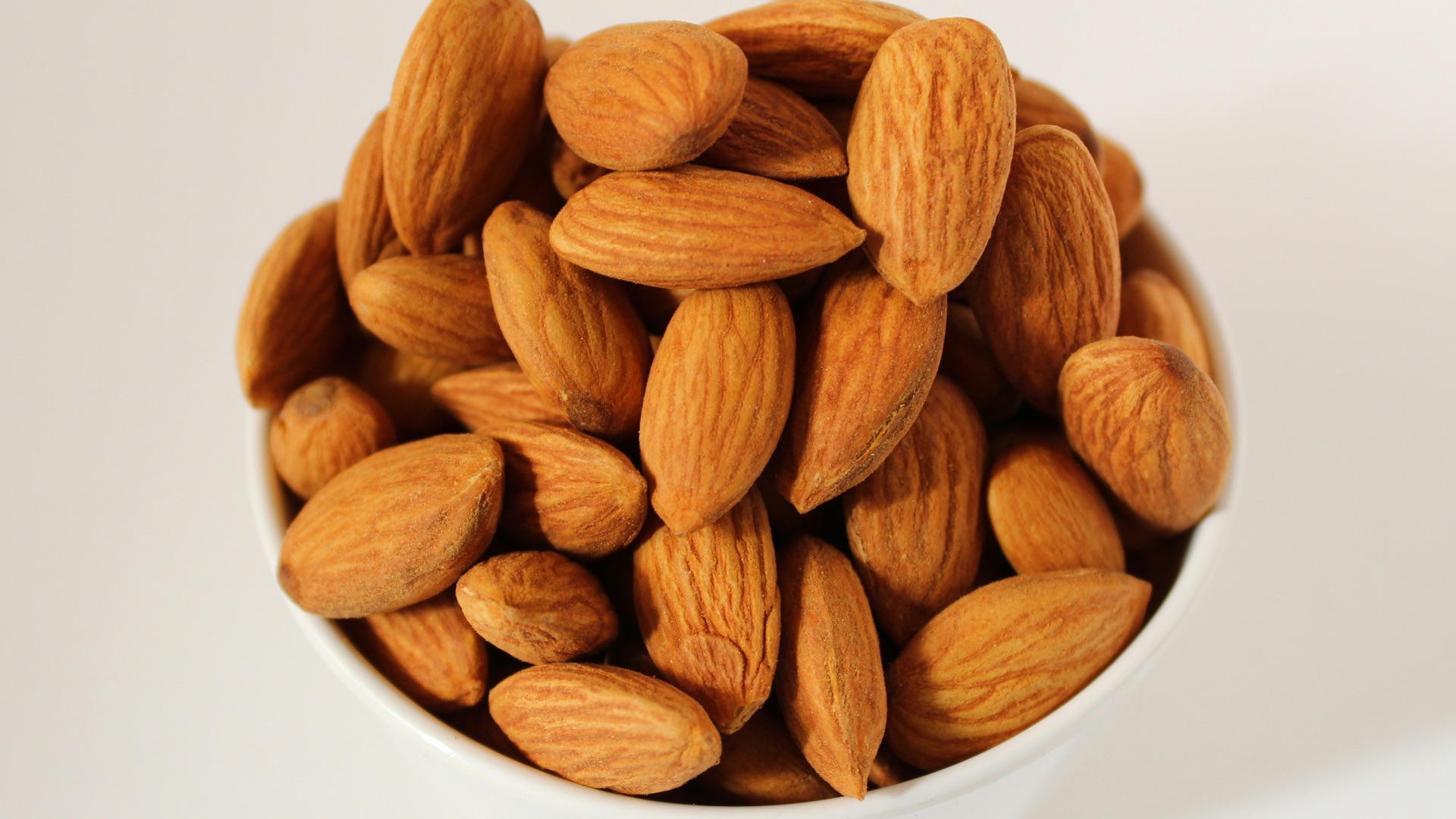
Almonds provide a good source of vitamin E, magnesium, and healthy fats that support heart and brain health. Snacking on a small portion regularly has been linked to improved cholesterol levels in several studies. Keeping a bag on hand for a quick, portable snack makes it easy to reap these benefits without much effort.
18. Whole Grains
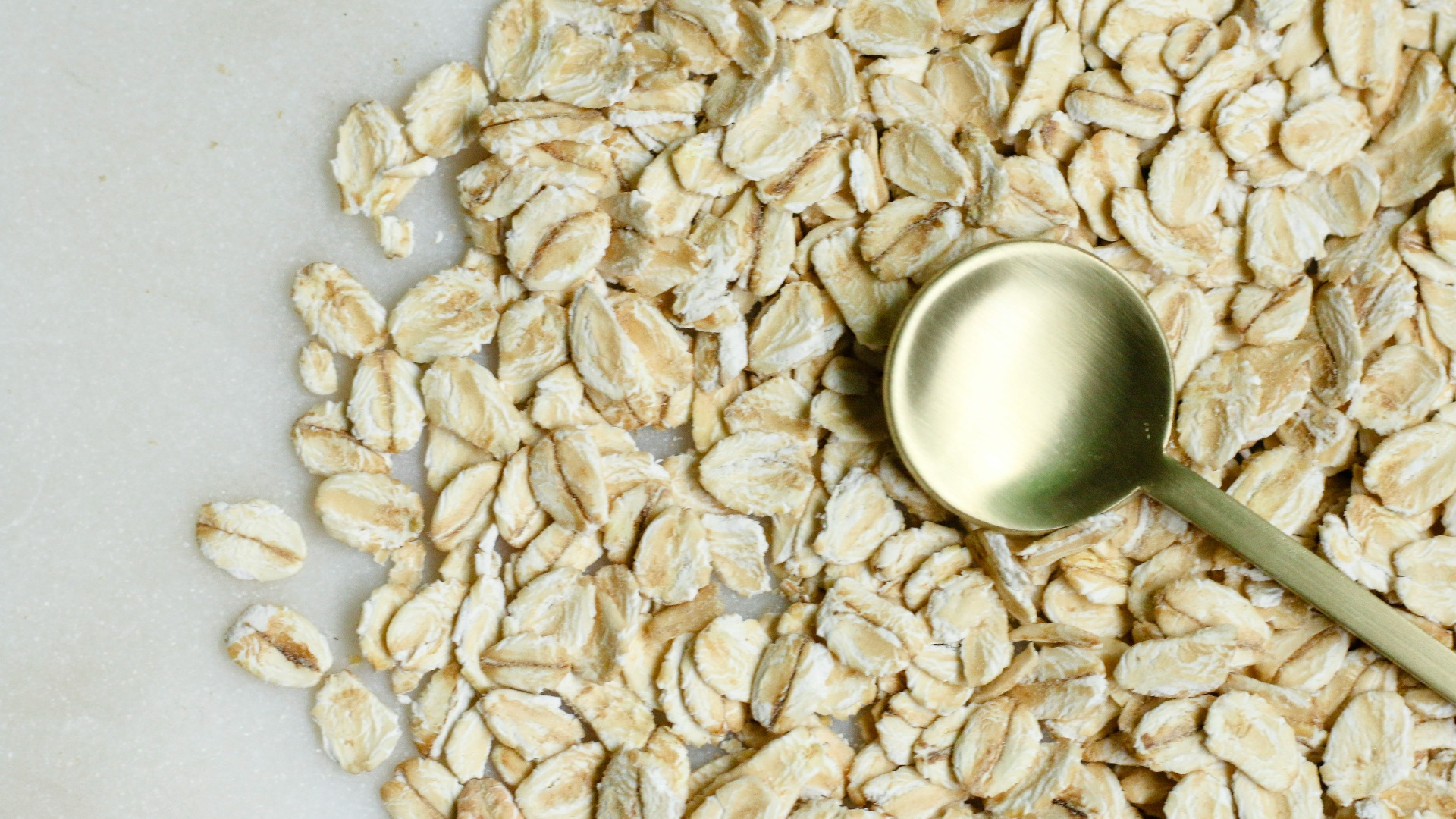
Whole grains like oats, quinoa, and brown rice retain their fiber and nutrient content in ways that refined grains simply can't match. Diets higher in whole grains have been associated with reduced risks of heart disease, type 2 diabetes, and certain cancers. Swapping white rice or white bread for whole-grain alternatives is a simple shift that pays off over time.
19. Fermented Foods
Fermented foods such as kimchi, sauerkraut, and miso introduce beneficial bacteria into your gut, supporting digestion and overall immune function. Emerging research continues to explore the connection between gut health and everything from mood regulation to disease prevention. Trying a small serving alongside a meal is a manageable way to start incorporating these foods regularly.
 Portuguese Gravity on Unsplash
20. Citrus Fruits
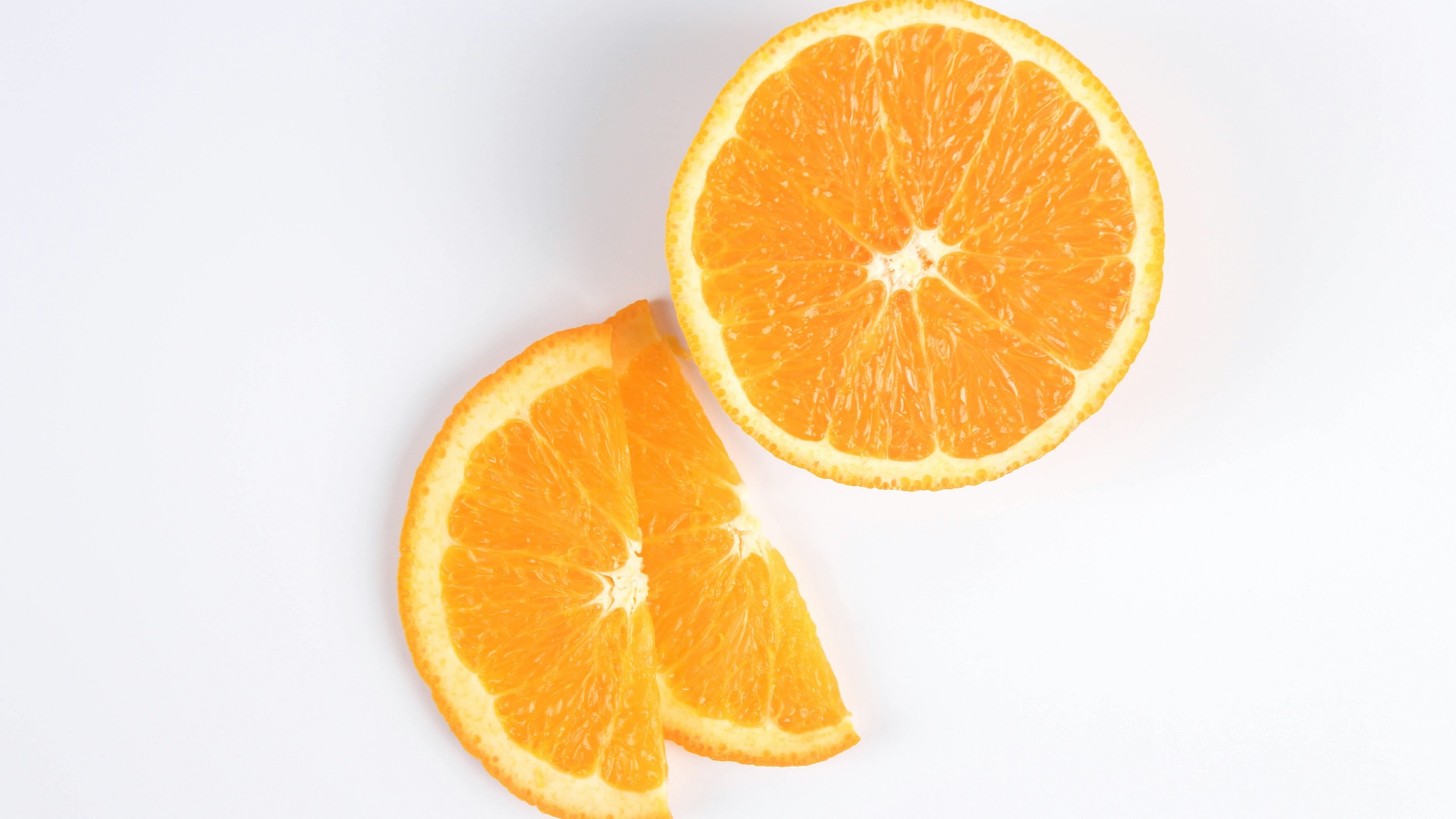
Citrus fruits like oranges, grapefruits, and lemons offer a substantial dose of vitamin C, which plays a key role in immune support and collagen production. Their natural fiber content also supports healthy digestion and helps regulate blood sugar levels. Starting your day with a piece of citrus fruit or adding fresh lemon juice to your water is an easy habit that supports long-term health.
KEEP ON READING



20 Dishes That Built Modern American Cuisine