Familiar Names, Very Different Plates
Immigration has shaped American food for generations, and many dishes changed substantially as cooks adapted recipes to local ingredients, restaurant expectations, regional tastes, and new customers. Those changes often produced foods that developed identities of their own rather than simply becoming inaccurate copies of something served elsewhere. From oversized portions and sweeter sauces to entirely new fillings and cooking methods, these 20 global dishes were Americanized so extensively that their U.S. versions can look remarkably different from the foods that inspired them.
1. Pizza
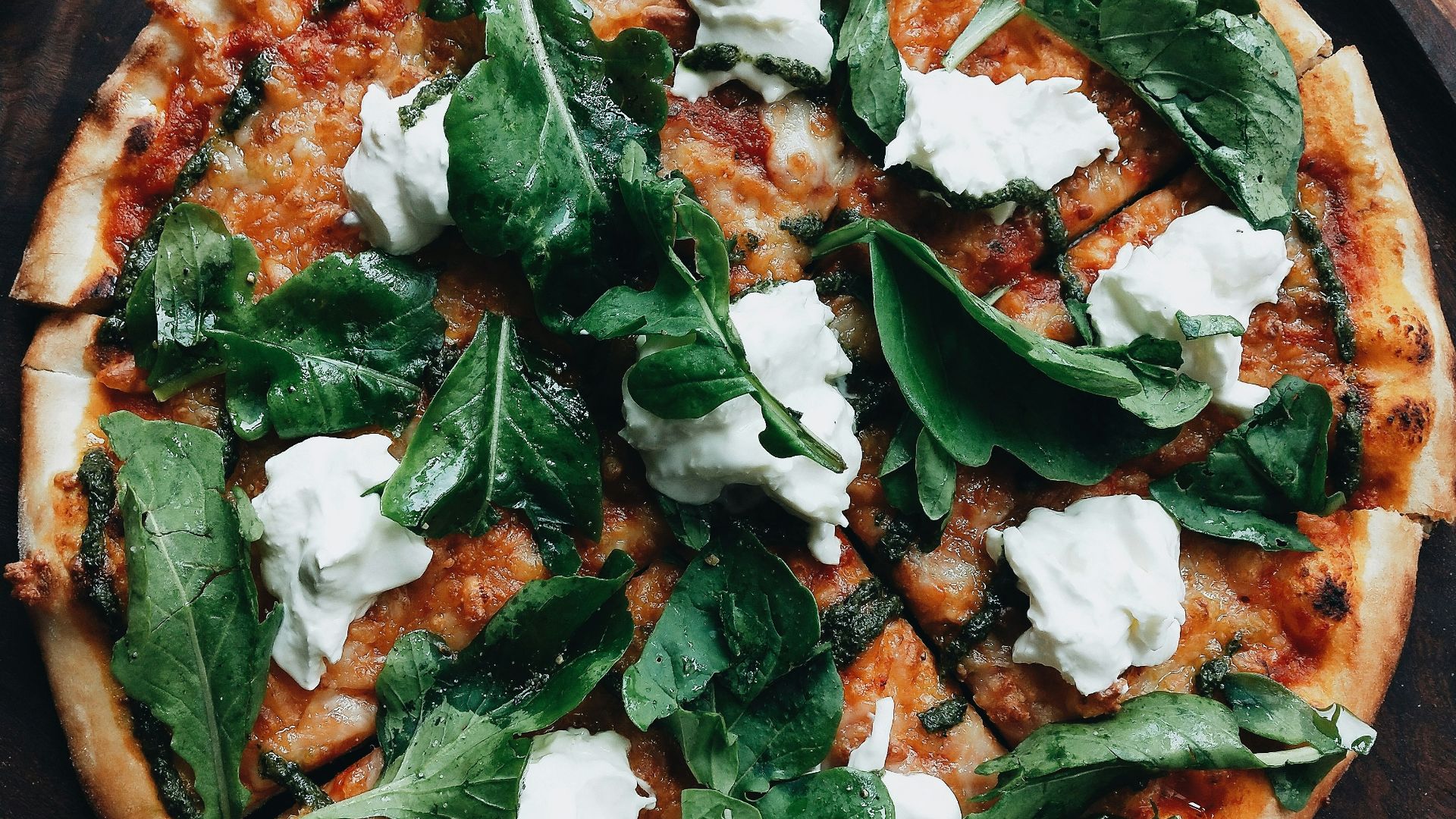
Traditional Italian pizza can be remarkably restrained, particularly styles built around thin dough, tomatoes, cheese, and only a few toppings. American pizza developed thicker crusts, heavier cheese, abundant meat, stuffed edges, and countless regional variations. Chicago deep-dish and heavily loaded delivery pizzas would be difficult to confuse with a simple Neapolitan pie.
 Saundarya Srinivasan on Unsplash
2. Spaghetti and Meatballs
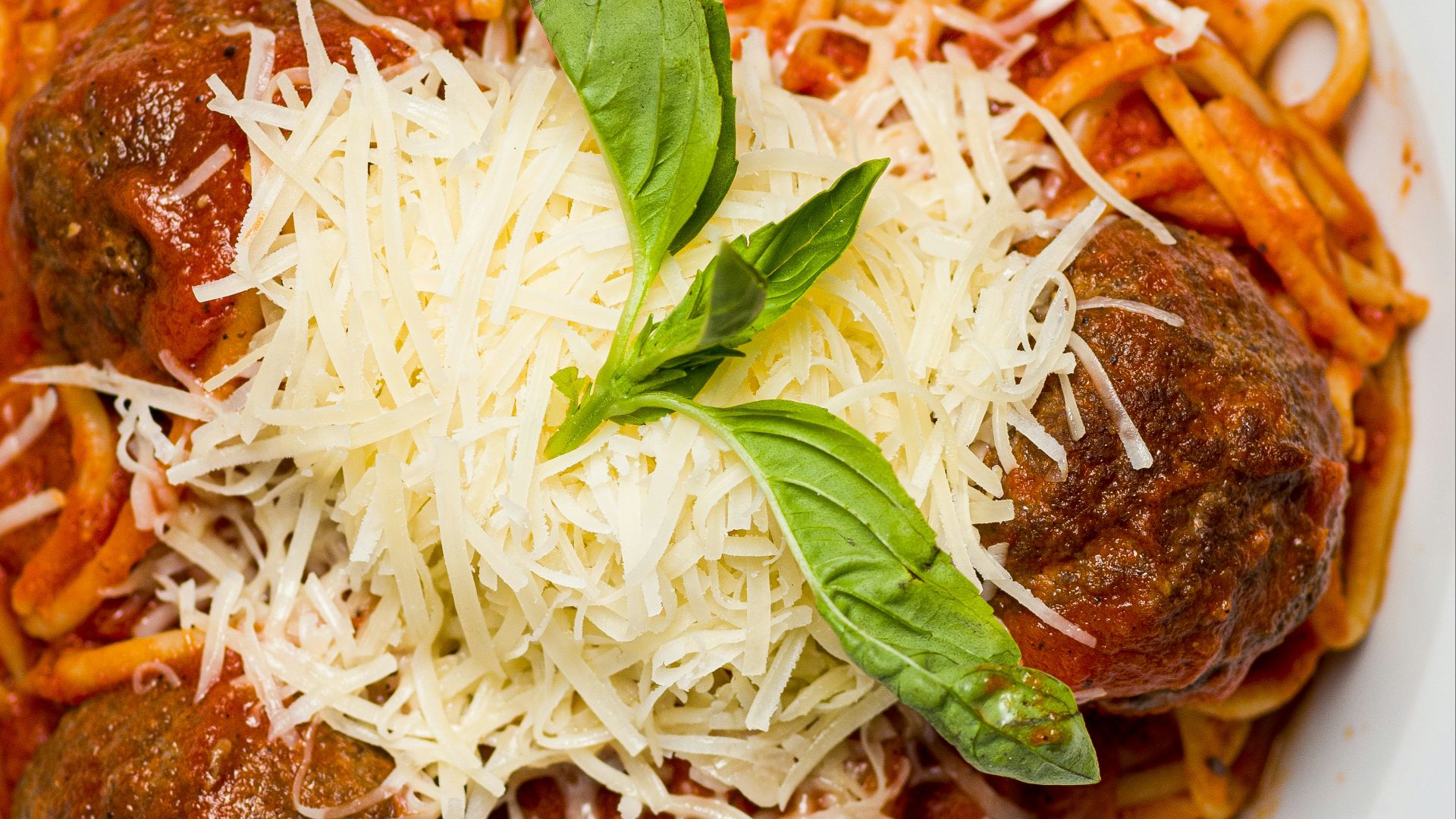
Pasta and meatballs both exist in Italian cooking, but the enormous combination familiar to Americans largely developed in Italian immigrant communities in the United States. American restaurants transformed the pairing into a substantial, sauce-heavy main course.
3. Fettuccine Alfredo
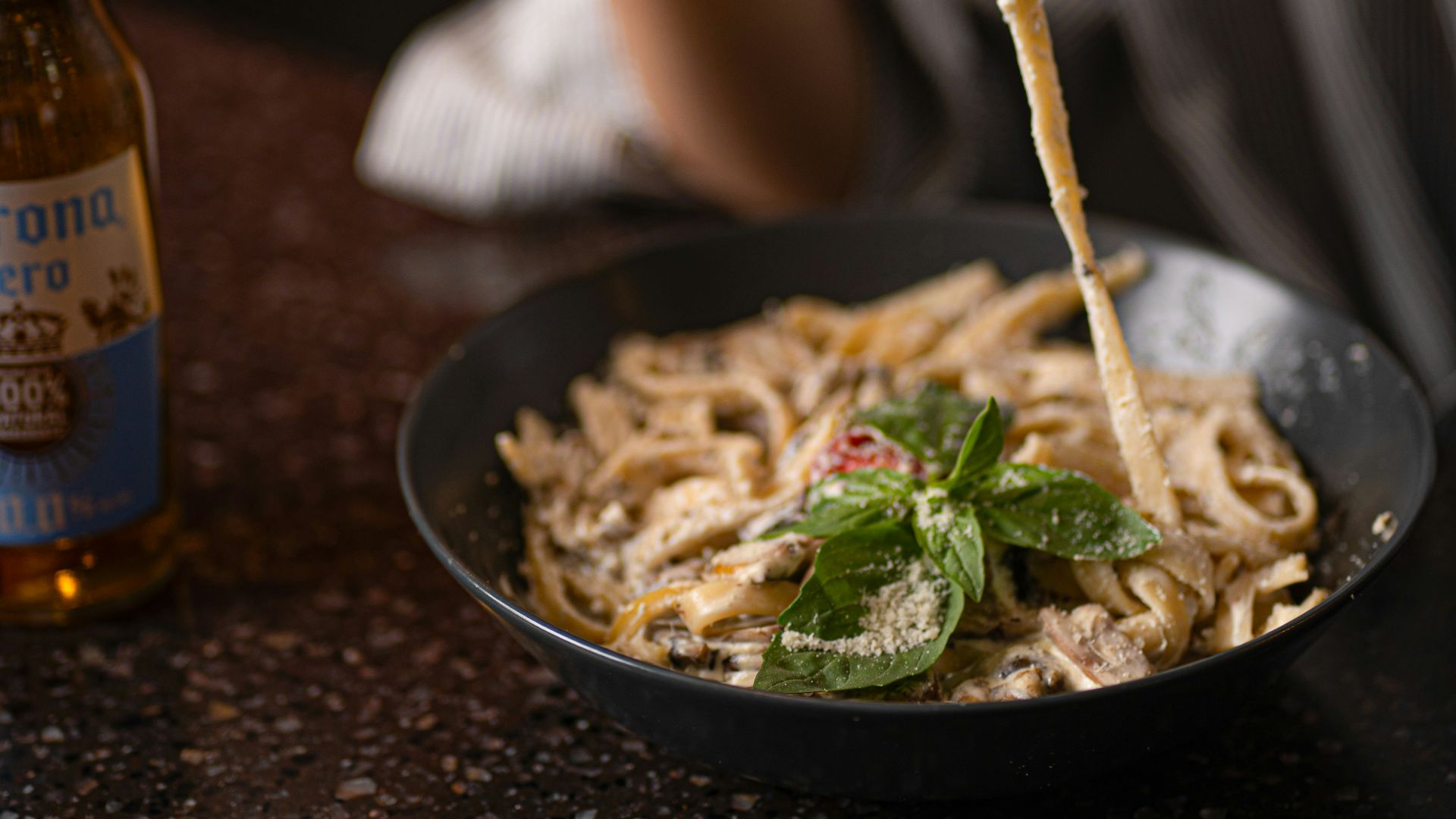
The Roman dish associated with Alfredo di Lelio was famously simple, relying primarily on pasta, butter, and Parmesan emulsified together. American versions commonly add heavy cream and sometimes chicken, shrimp, garlic, or other ingredients. The result is much richer and heavier than the restrained preparation that inspired its name.
4. Chicken Parmesan
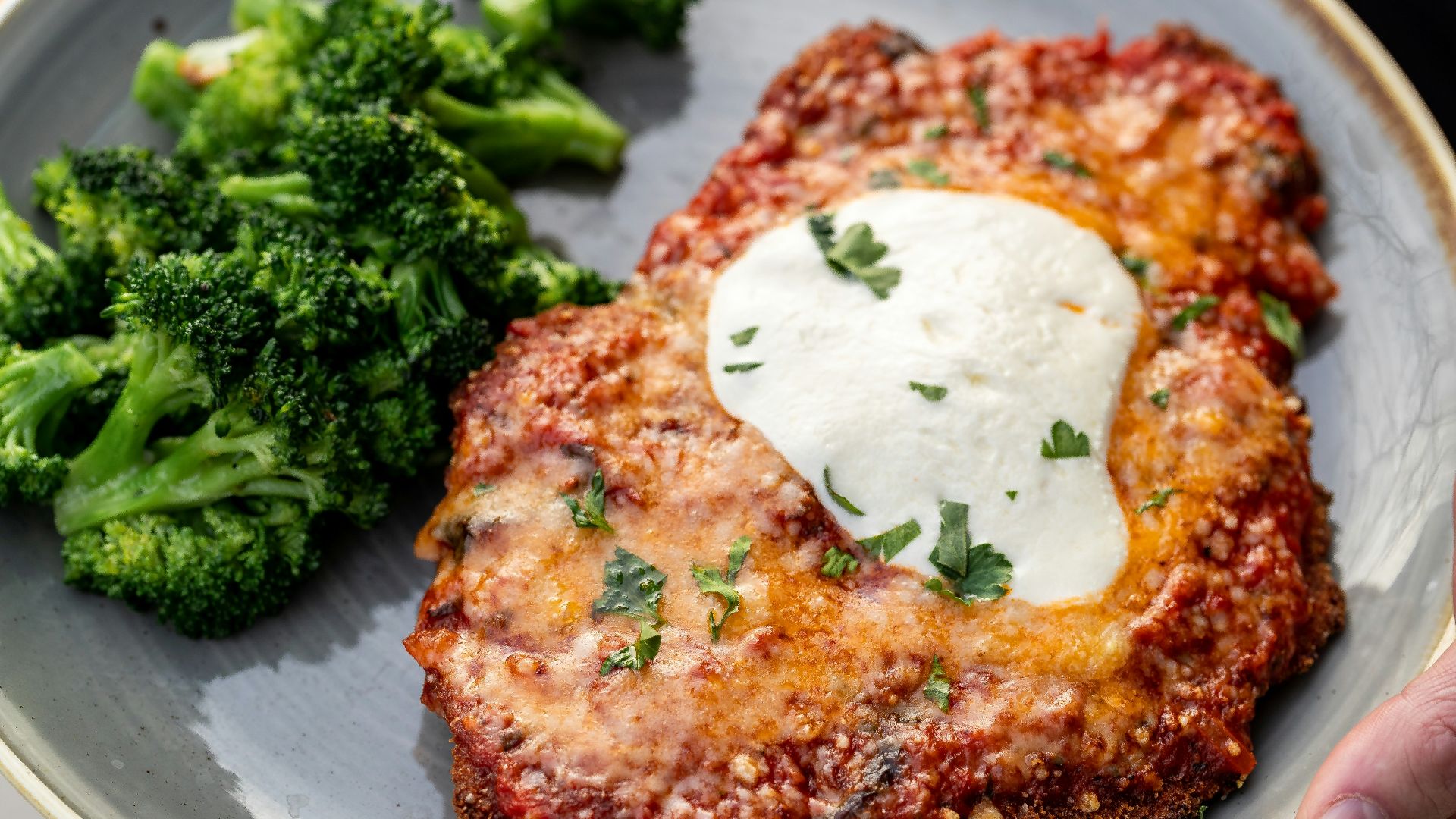
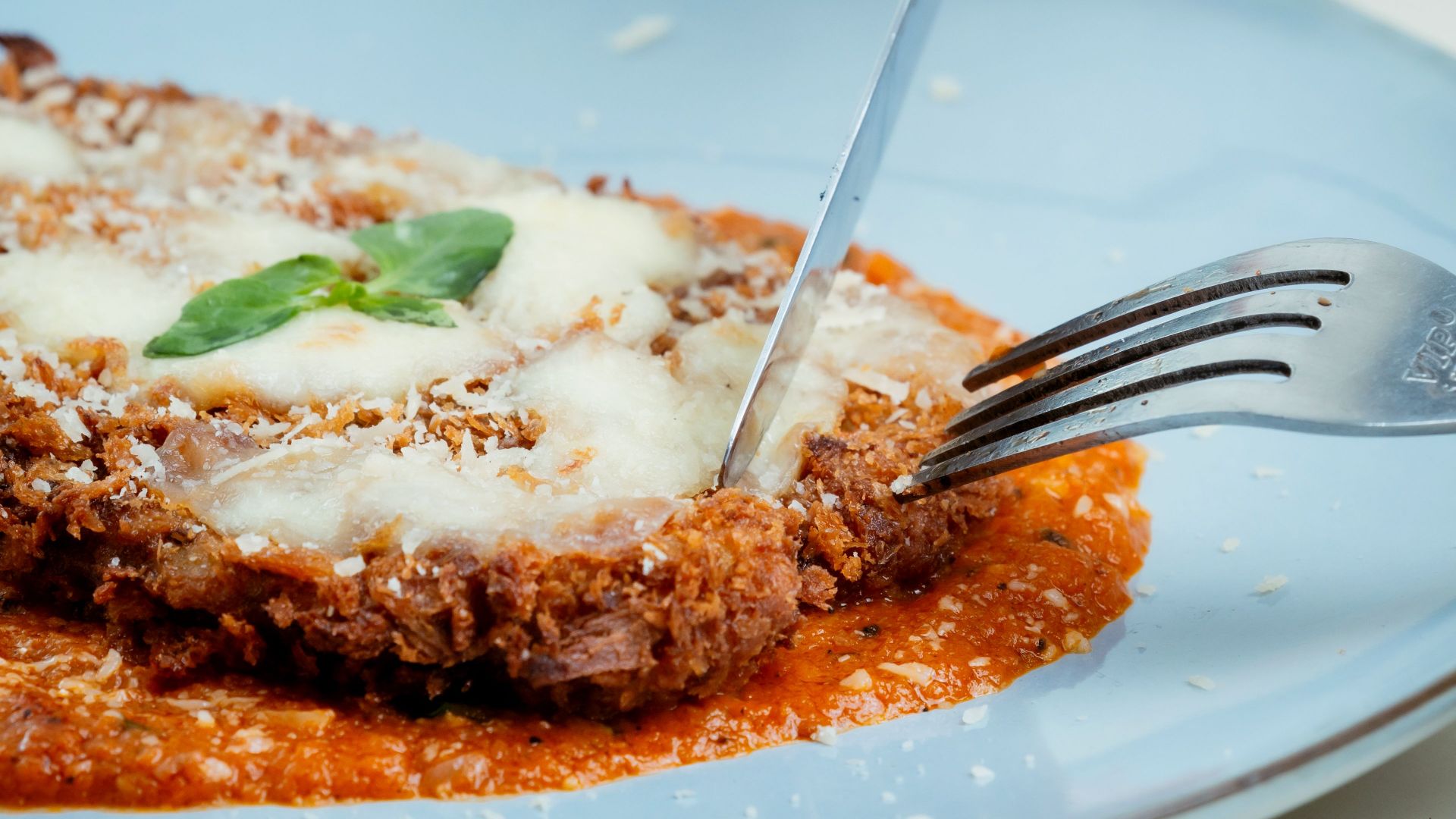
Chicken Parmesan is closely associated with Italian-American restaurants rather than traditional cooking in Italy. American cooks substituted breaded chicken cutlets, creating the large, mozzarella-covered entrée now considered a comfort-food standard.
5. Garlic Bread
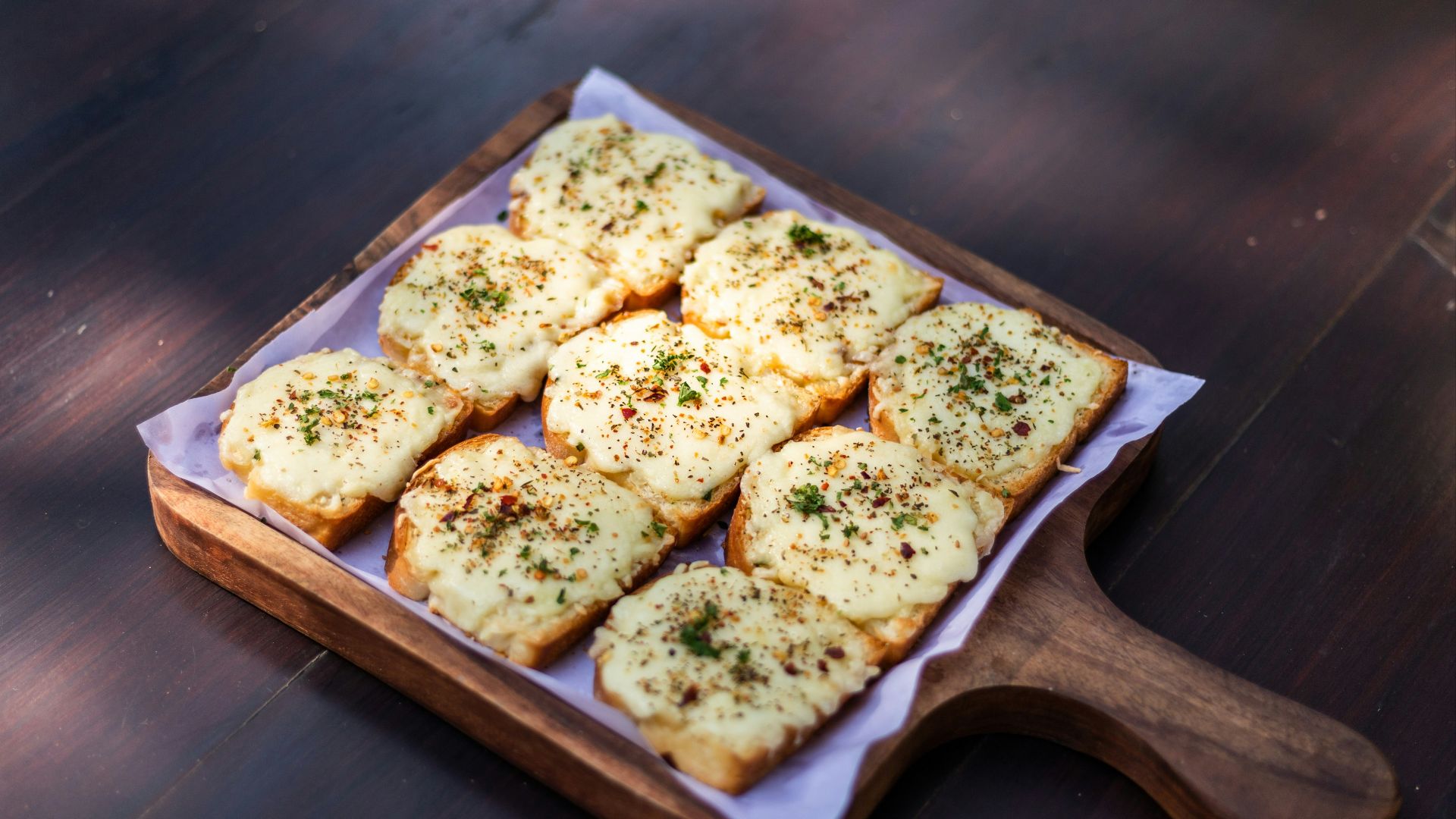
American garlic bread usually means a sliced loaf generously coated with butter, garlic, herbs, and sometimes melted cheese. Italian cuisine certainly includes bread served with garlic or olive oil, but the heavily buttered restaurant version developed primarily in the United States. Its richness makes it distinctly Italian-American rather than a straightforward Italian import.
6. General Tso's Chicken
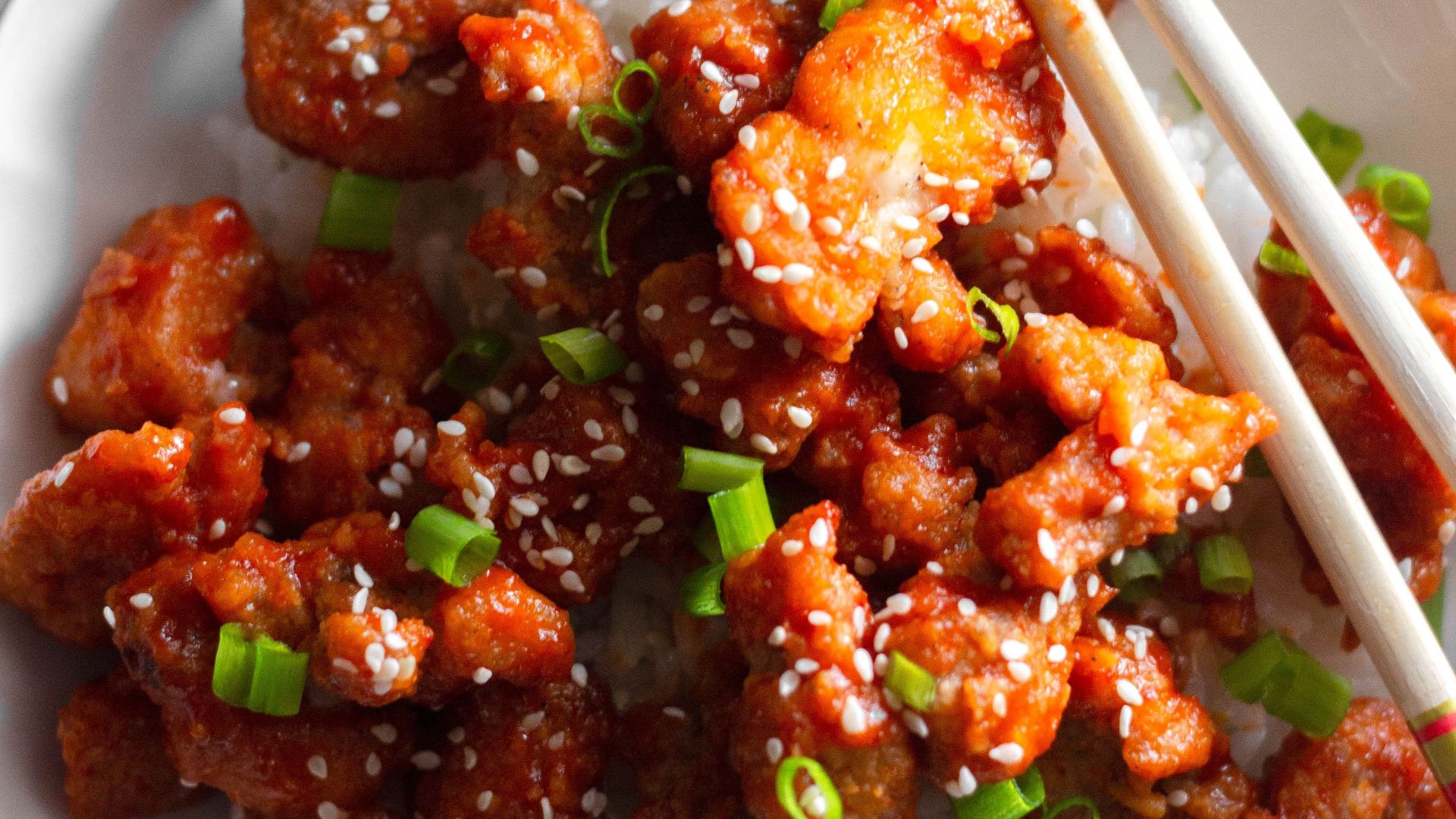
General Tso's chicken became a Chinese-American restaurant favorite through a complicated history involving Chinese chefs and adaptations made for American diners. The familiar U.S. version typically features battered, fried chicken coated in a thick, sweet, slightly spicy sauce.
7. Orange Chicken
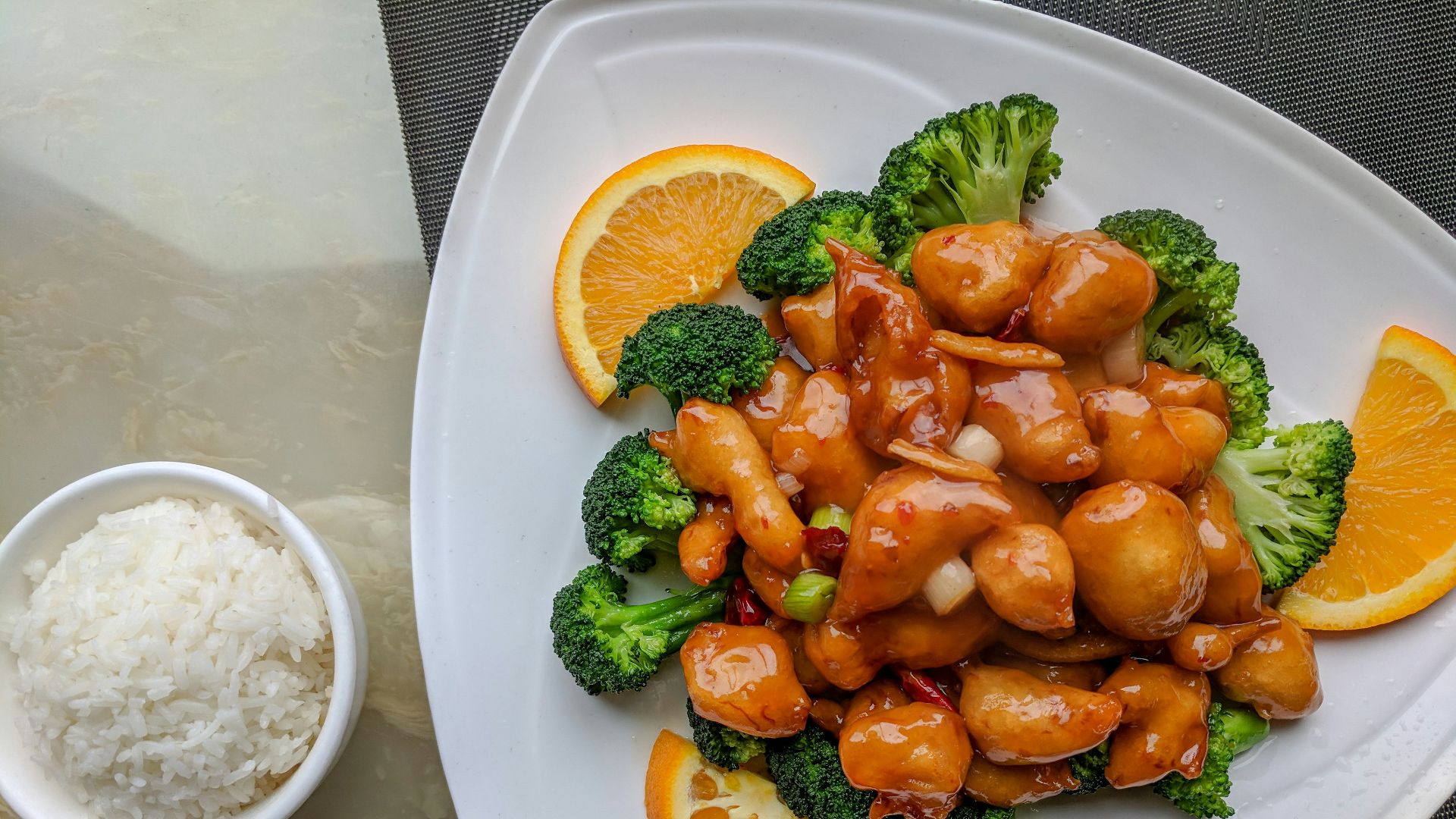
Orange-flavored meat dishes have precedents in Chinese cooking, but American orange chicken developed into something notably different. The popular restaurant version generally uses battered fried chicken covered in a sticky, intensely sweet citrus sauce.
8. Chow Mein
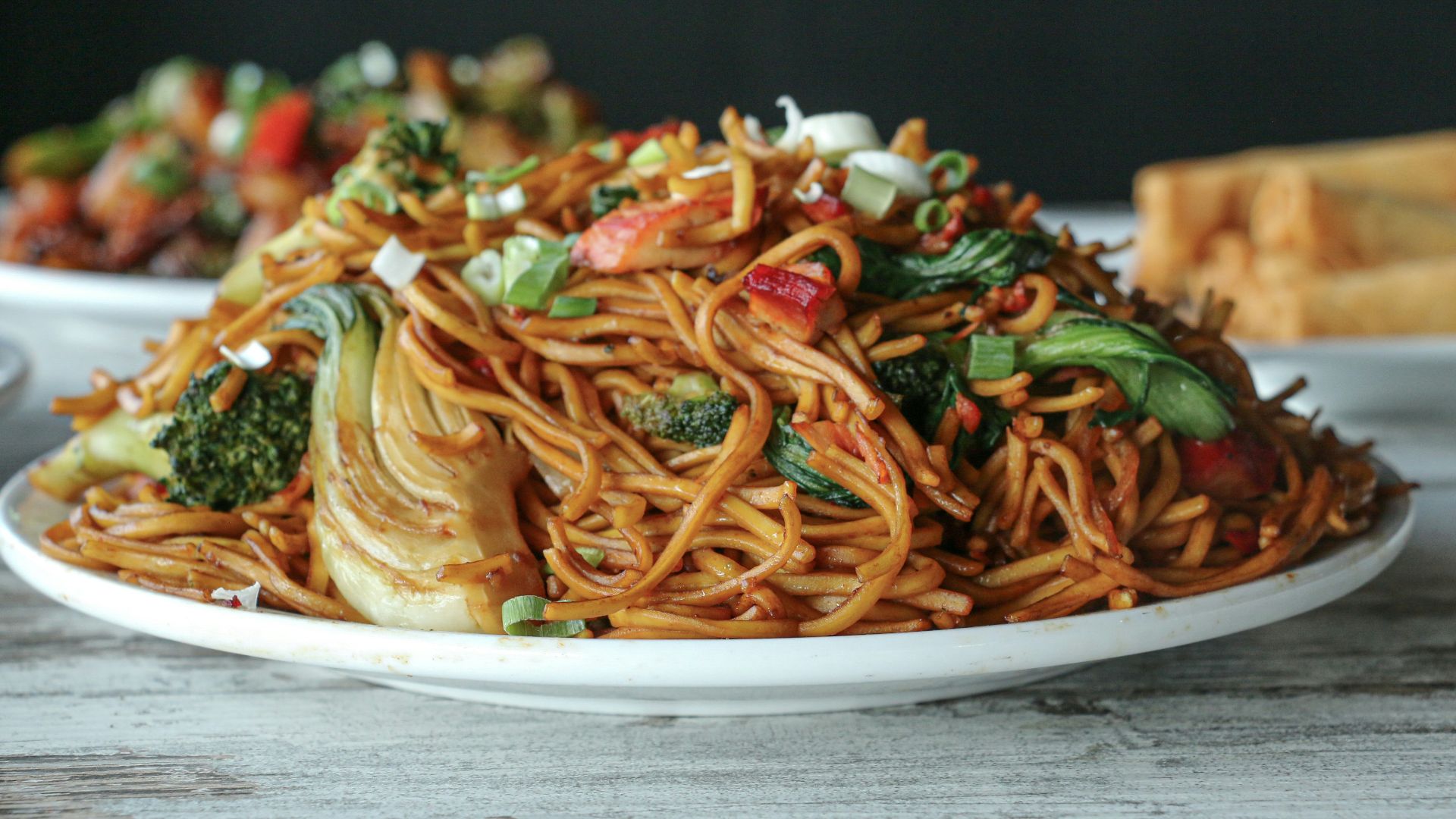
Chow mein literally relates to stir-fried noodles, yet American interpretations have varied dramatically by region and restaurant tradition. Some older U.S. versions emphasized vegetables, thick sauces, and crispy noodles rather than the straightforward fried noodle dishes found in China. The name consequently came to describe very different meals depending on where Americans ordered it.
9. Egg Rolls
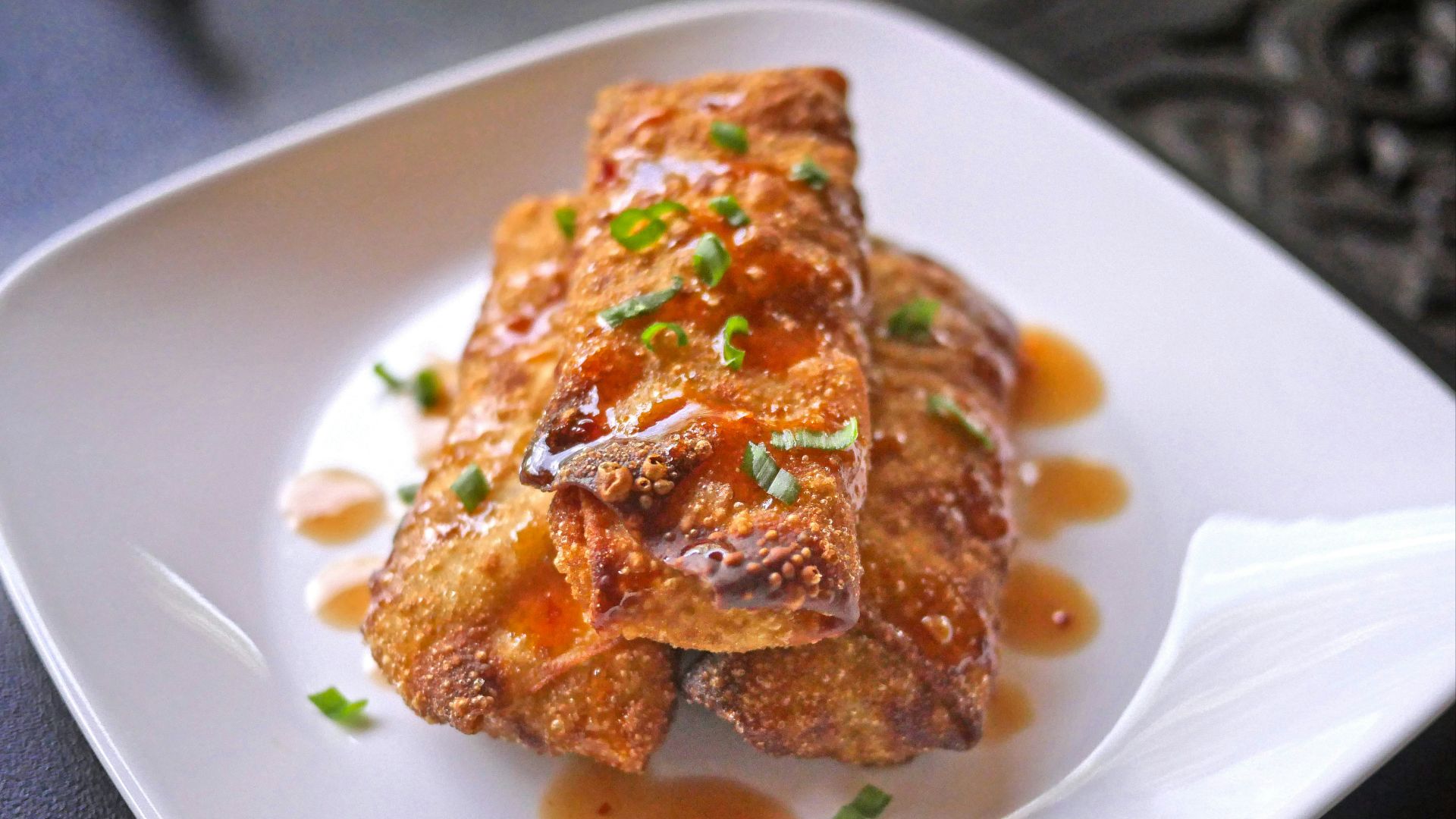
Chinese-American egg rolls are typically larger and heavier than the spring rolls and similar wrappers found across several Asian cuisines. They often contain cabbage, meat, and other vegetables inside a thick wrapper that's deep-fried until blistered and crisp. Their substantial size and dense filling became hallmarks of American Chinese takeout.
10. Crab Rangoon
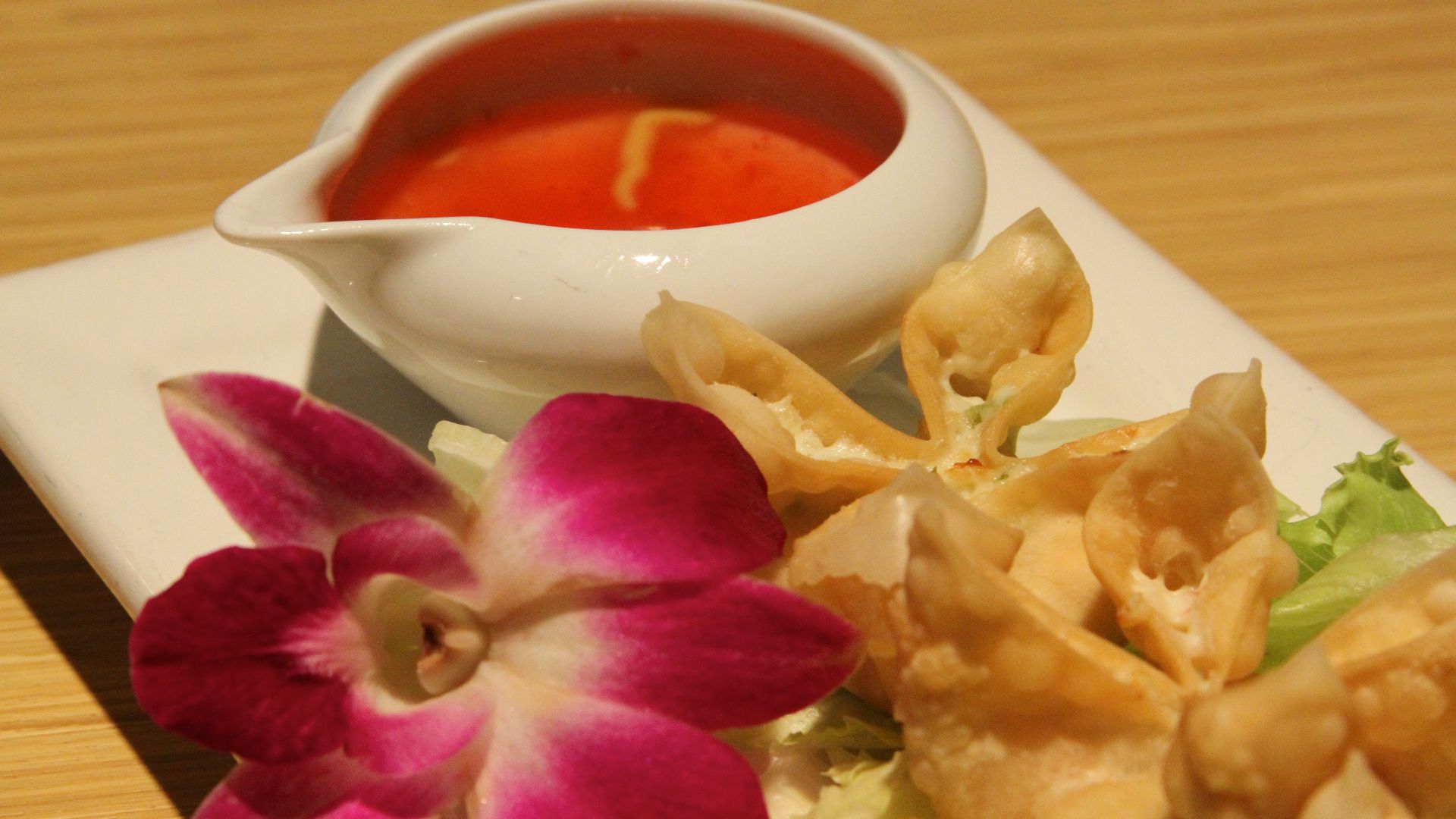
Despite its vaguely Southeast Asian name, crab Rangoon is generally understood as an American restaurant creation rather than a traditional Burmese dish. Cream cheese, imitation or real crab, and seasonings are sealed inside wrappers and fried.
11. Sushi Rolls
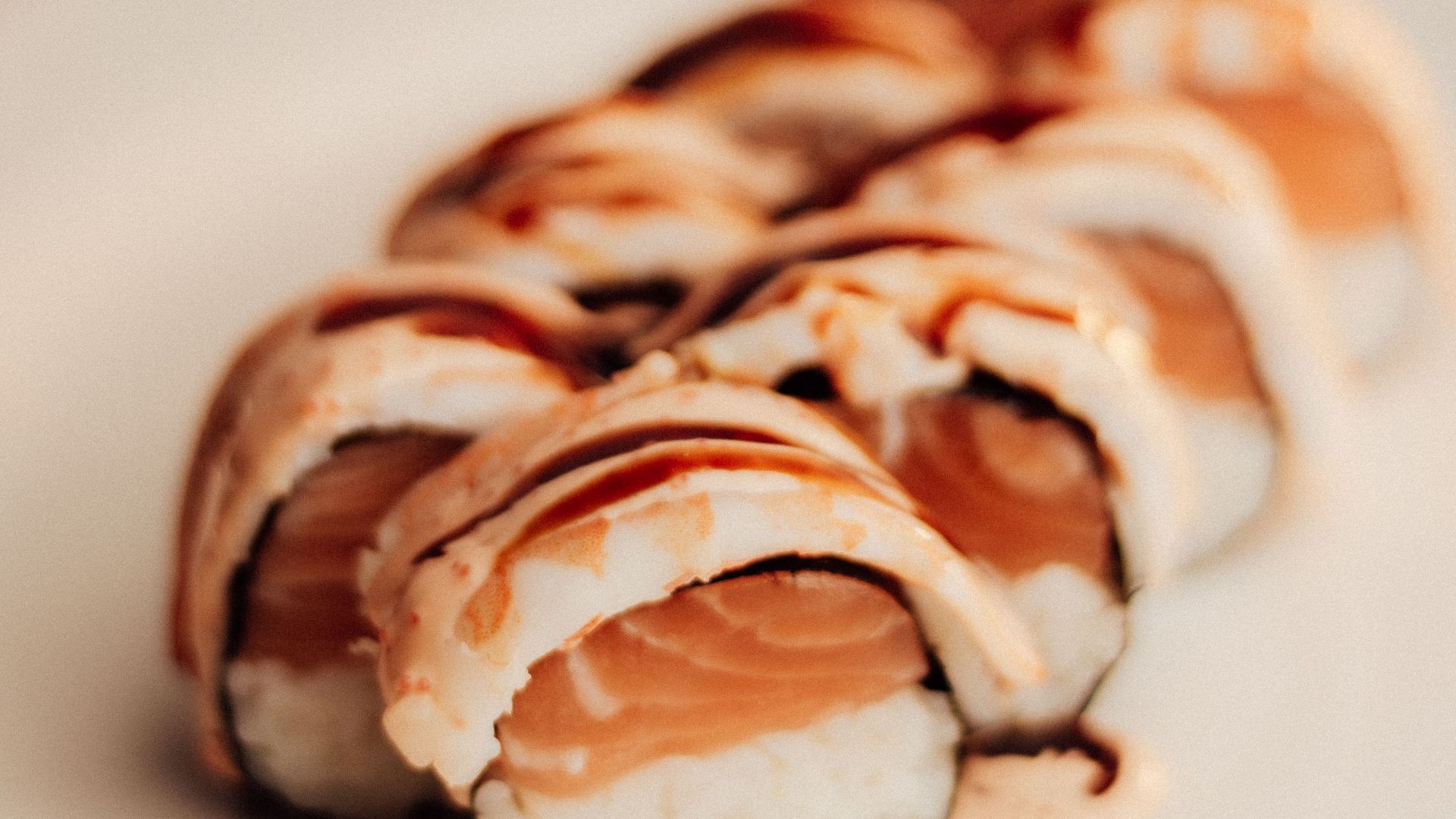
Japanese sushi traditionally places considerable emphasis on carefully prepared rice, seafood, and relatively restrained presentation. American sushi restaurants popularized elaborate rolls containing avocado, cream cheese, spicy mayonnaise, fried ingredients, and multiple sauces.
12. Teriyaki
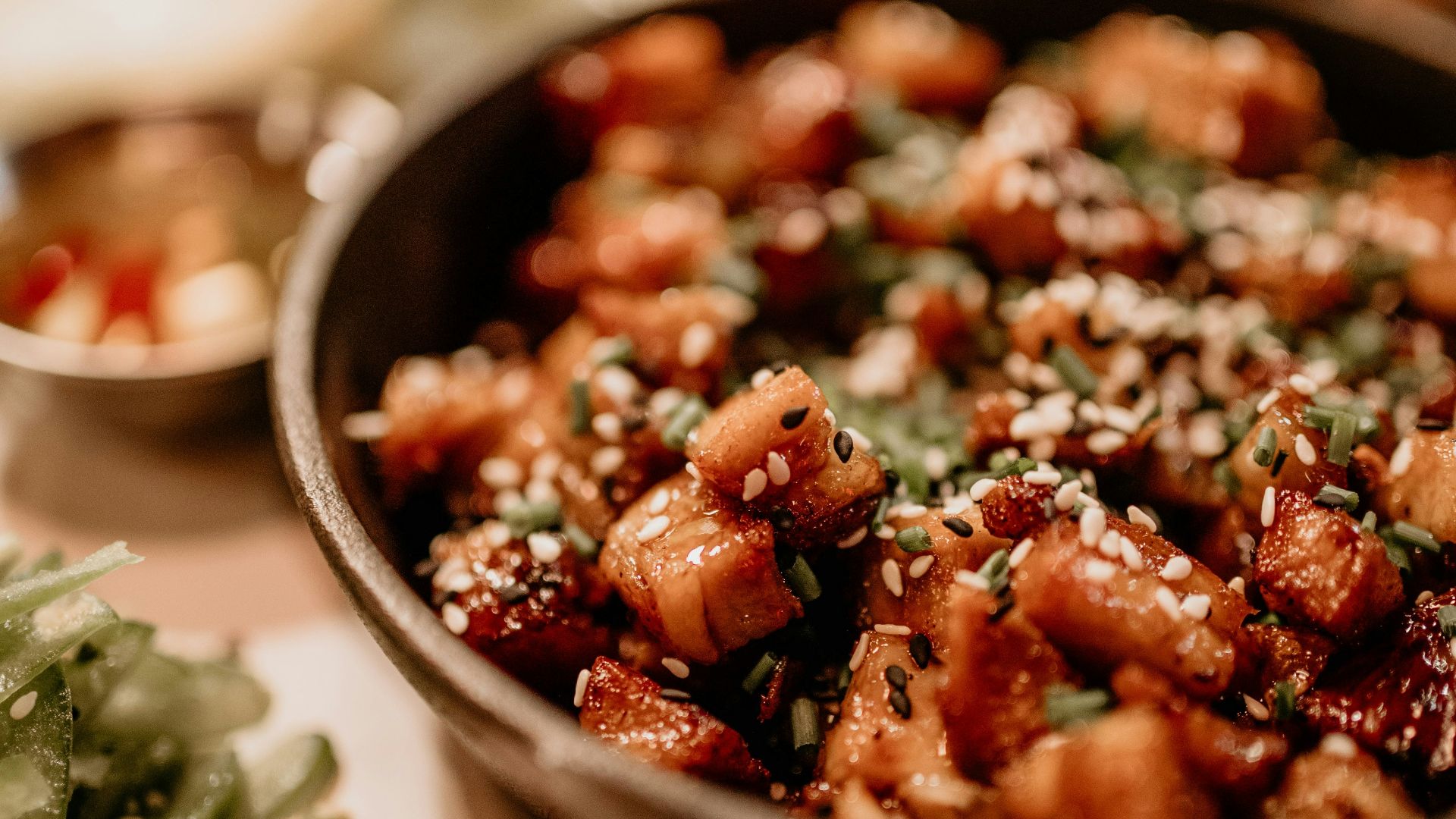
In Japan, teriyaki traditionally refers to a cooking technique involving foods glazed with a mixture commonly built around soy sauce, mirin, and sugar. American versions often turn teriyaki into a thick, bottled sauce that's significantly sweeter and used on everything from chicken to burgers.
13. Tacos
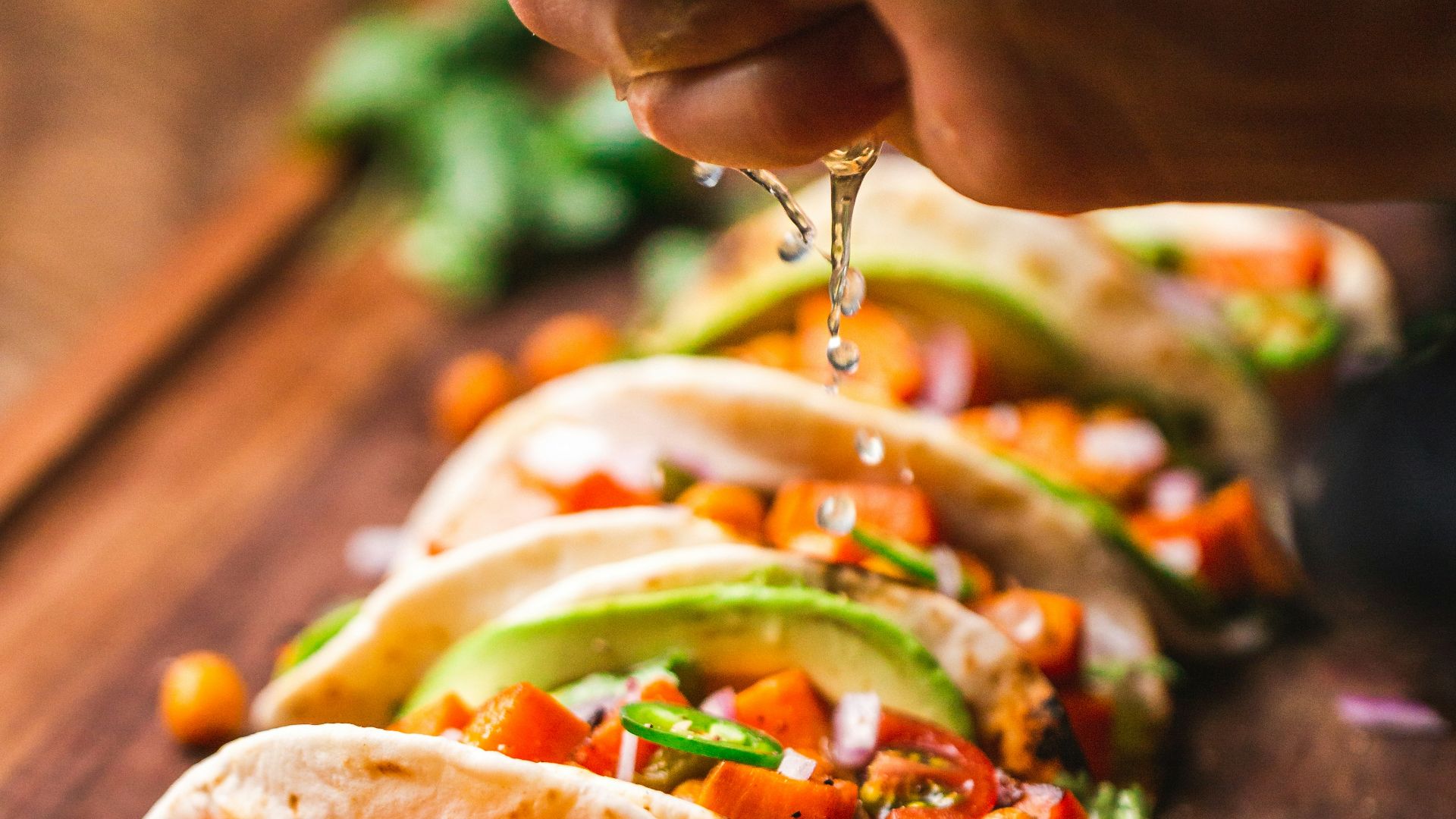
Traditional Mexican tacos encompass tremendous regional variety, but the American fast-food taco developed a particularly recognizable formula. A preformed crunchy shell filled with ground beef, shredded lettuce, cheddar cheese, and sour cream became a national standard. That combination differs substantially from many Mexican tacos served on small, soft corn tortillas with simpler toppings.
14. Burritos
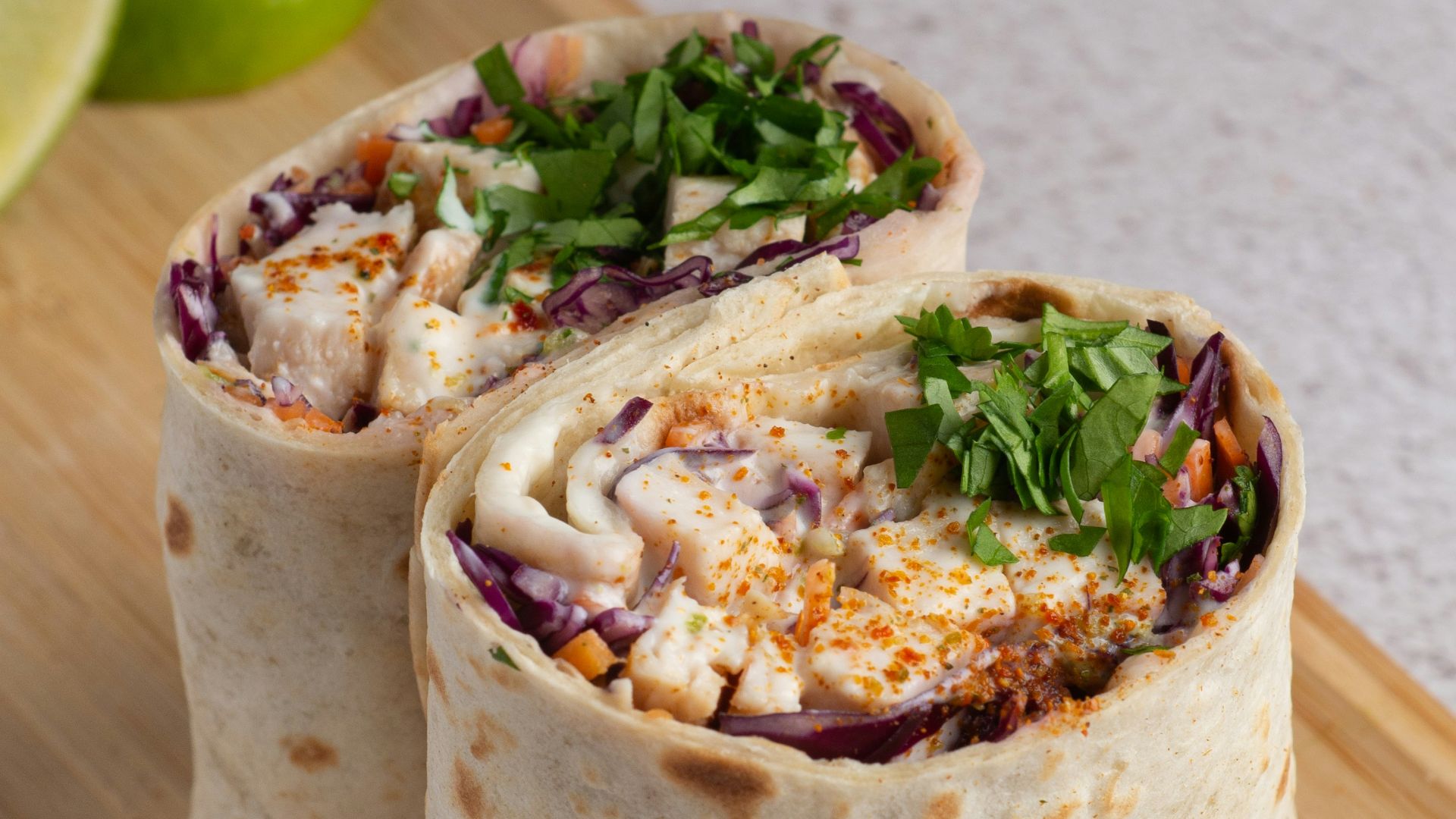
Burritos originated in northern Mexican food traditions, where versions can be comparatively compact and straightforward. In the United States, especially through California's Mission-style tradition, burritos became enormous meals filled with rice, beans, meat, cheese, salsa, sour cream, and numerous extras.
15. Nachos
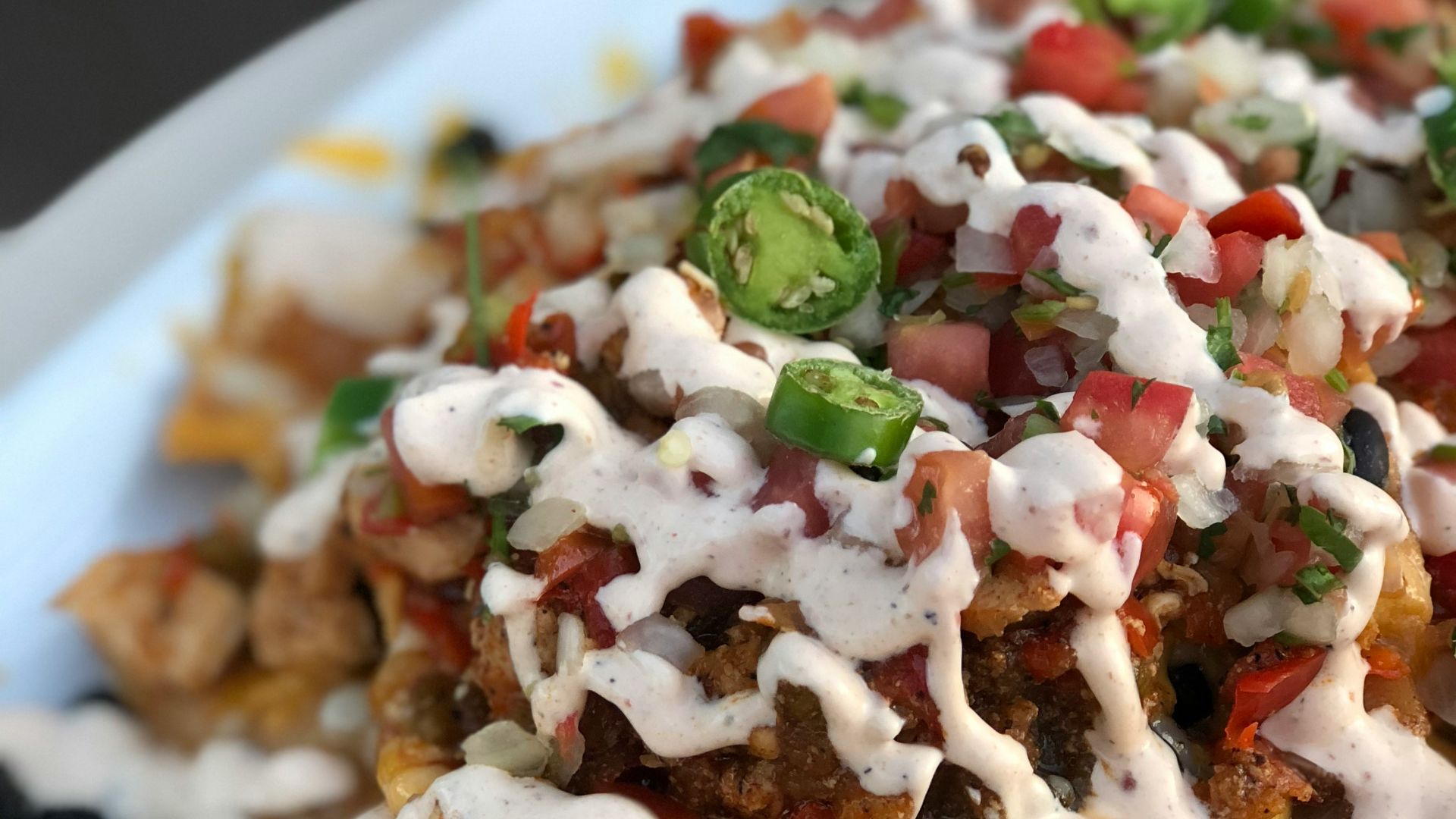
The original nachos created in northern Mexico were relatively simple, consisting of fried tortilla pieces topped with cheese and sliced chiles. American restaurants expanded them into towering platters covered with meat, beans, sour cream, guacamole, tomatoes, processed cheese sauces, and other toppings.
16. Corned Beef and Cabbage
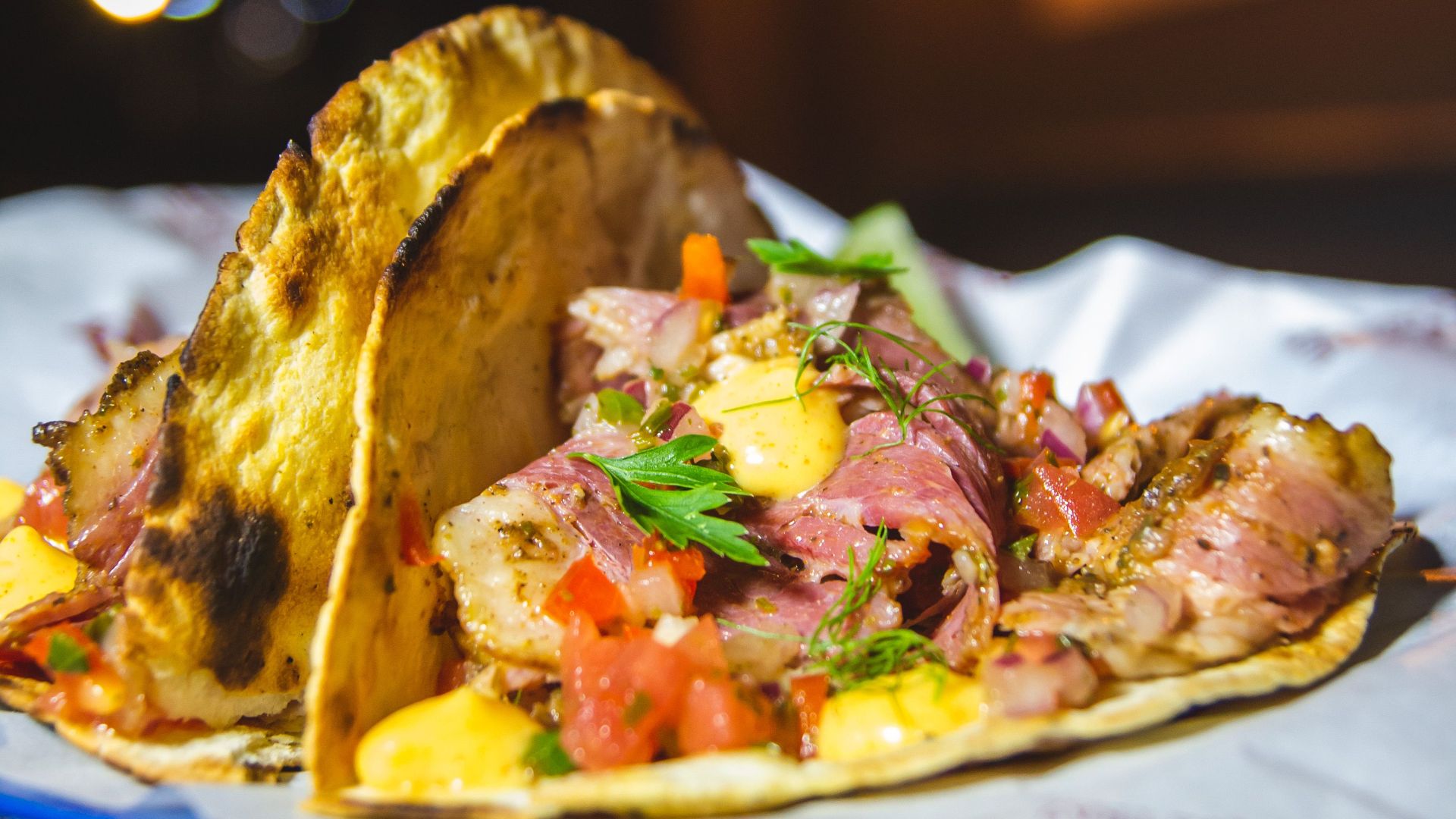
Corned beef and cabbage is strongly associated with Irish-American celebrations, although its history in Ireland is more complicated than that reputation suggests. Irish immigrants in the United States often substituted relatively affordable corned beef for the pork traditionally eaten with cabbage.
17. Hot Dogs
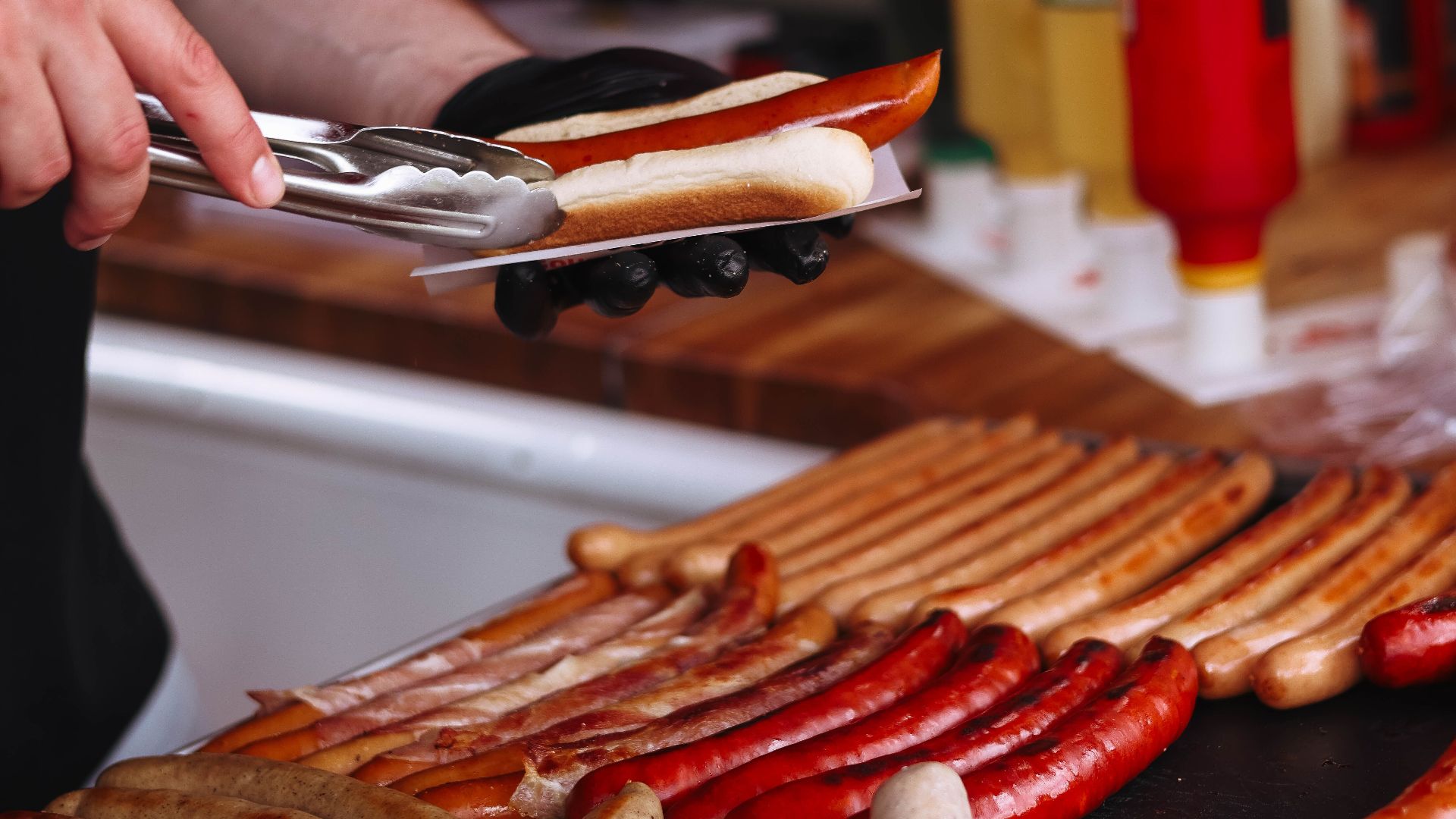
The American hot dog developed from Central European sausage traditions brought by immigrants, particularly German-speaking communities. In the United States, the sausage entered a soft bun and accumulated regional toppings ranging from chili and cheese to relish, onions, and elaborate combinations.
18. Beef Stroganoff
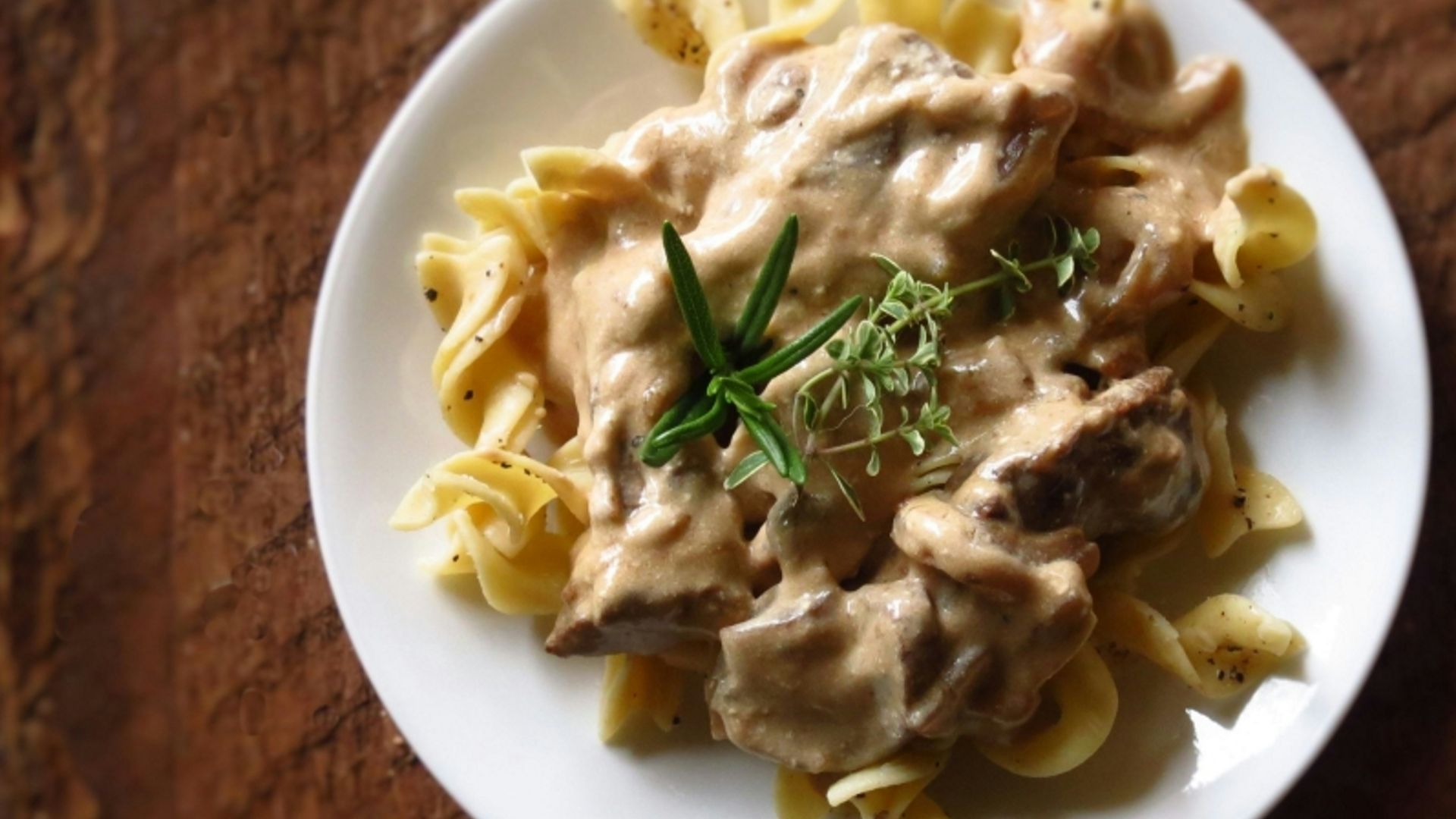
Russian beef Stroganoff has appeared in many forms over its long history, so there isn't one single immutable recipe. American versions became particularly associated with strips or pieces of beef served in a creamy mushroom sauce over egg noodles.
19. Bagels
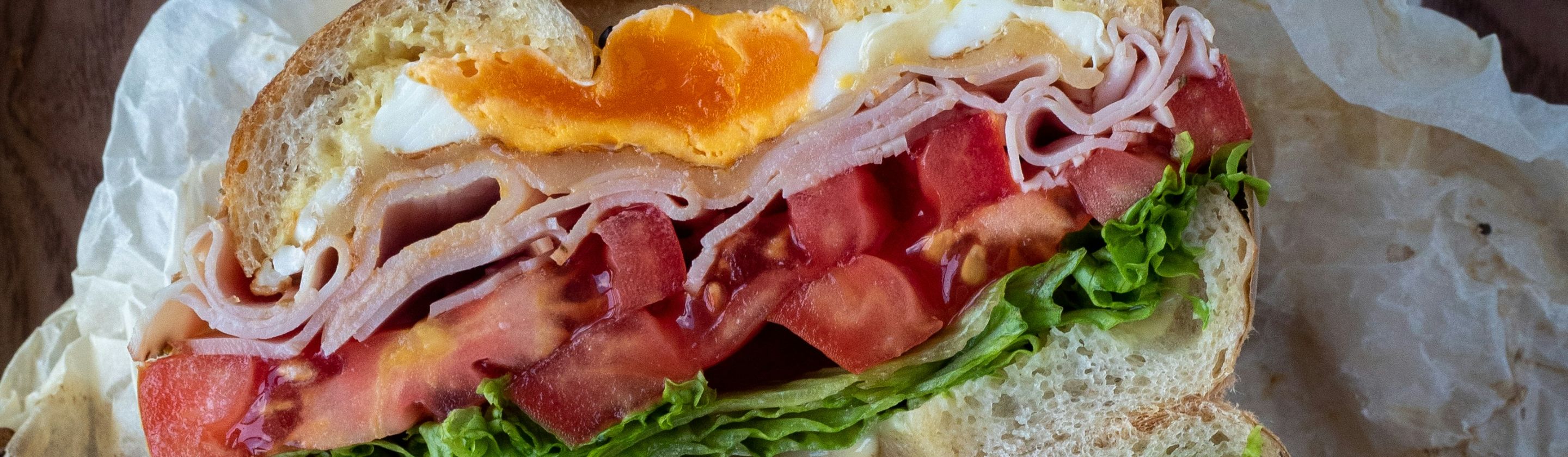
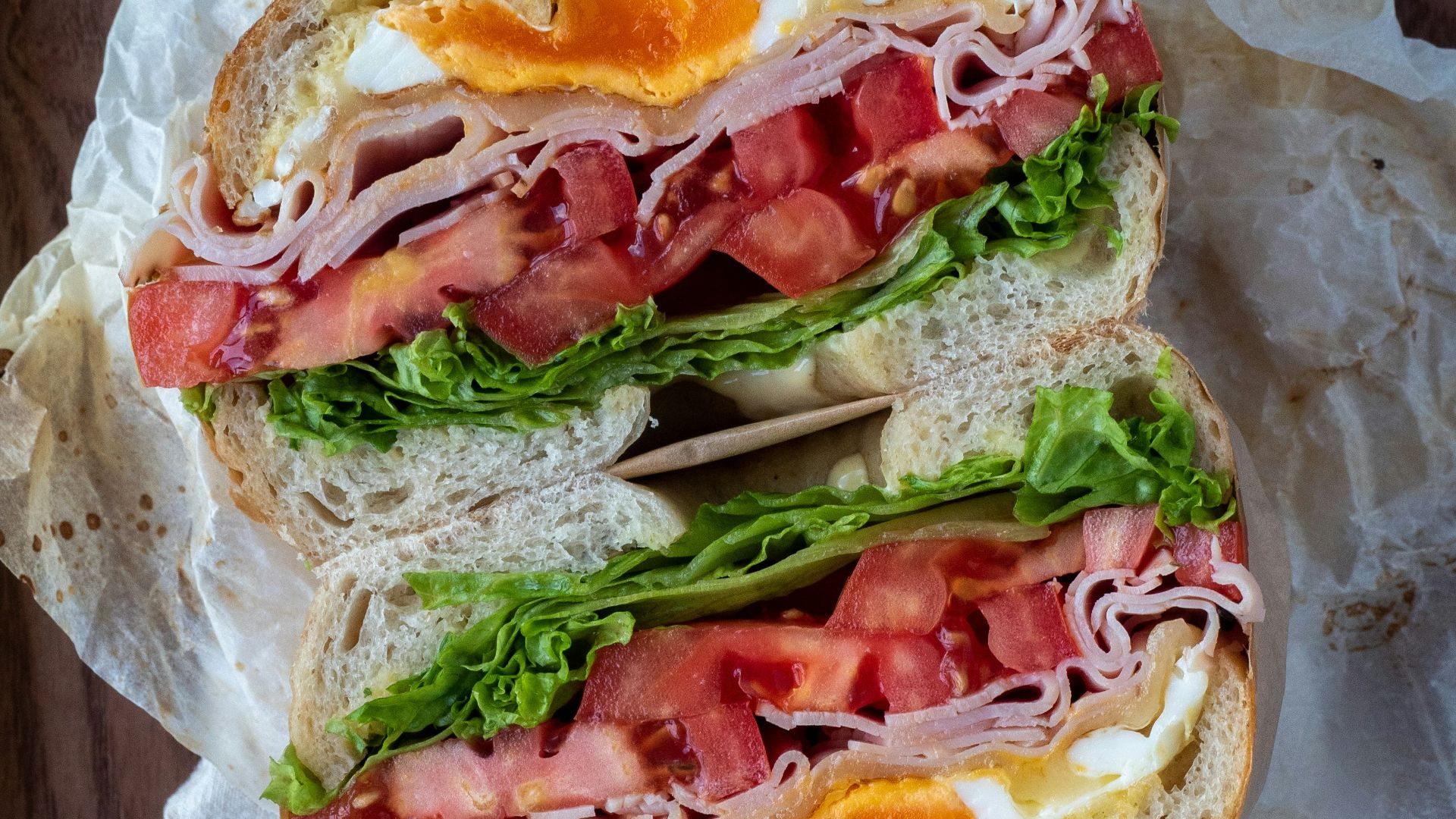
Bagels came to the United States through Jewish immigrant communities with roots in Eastern Europe. Oversized portions, sweet flavors, abundant toppings, and sandwiches stuffed with eggs, meat, or several fillings transformed them into much larger meals.
20. Poke
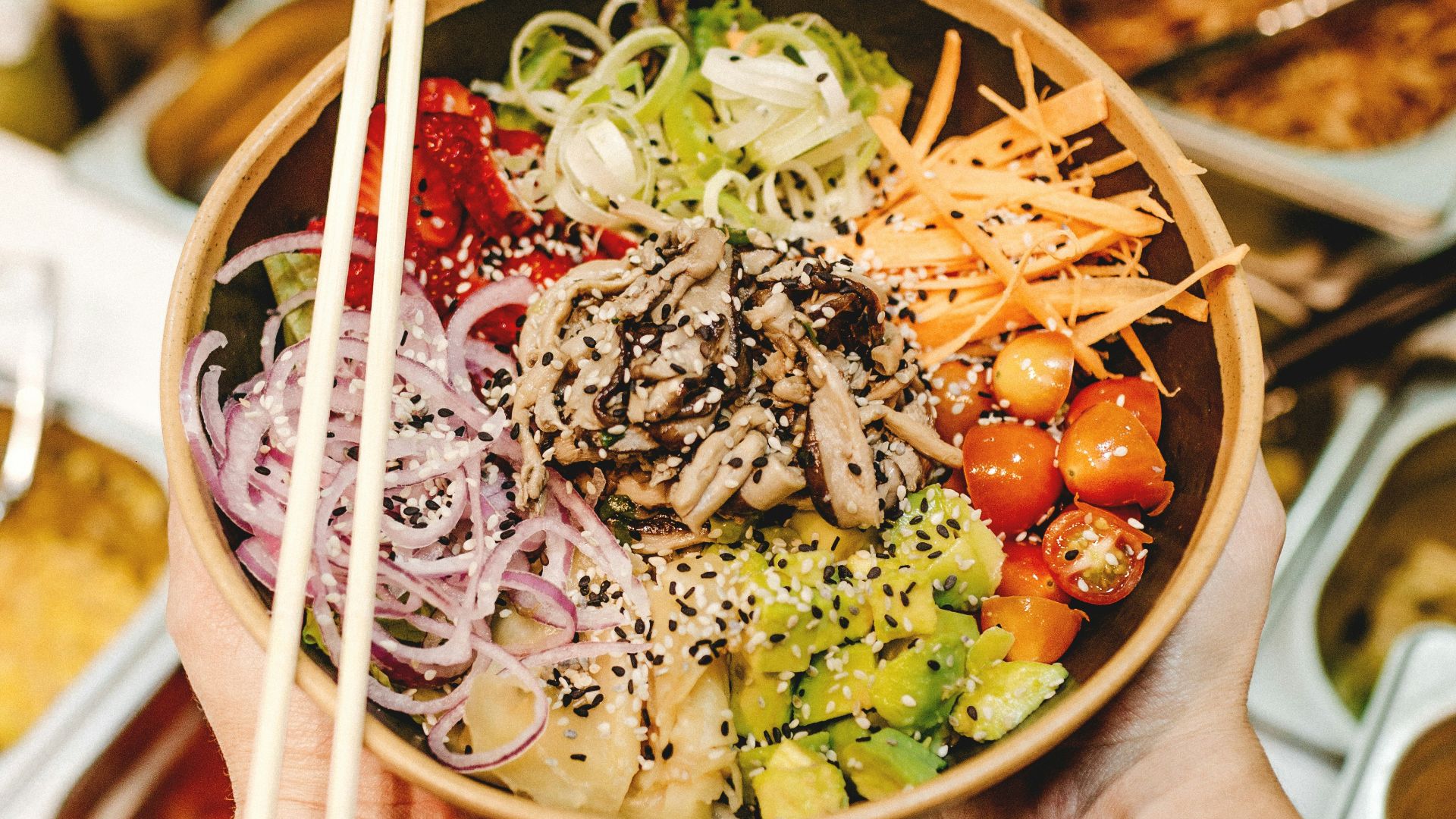
Traditional Hawaiian poke centers on cubed seafood seasoned relatively simply, with ingredients that may include sea salt, seaweed, and kukui nut. Mainland American restaurants turned poke into customizable bowls filled with rice, vegetables, sauces, crunchy toppings, avocado, and numerous proteins.
KEEP ON READING