We’d Be Nothing Without These Foods
Long before freeze-dried camping meals and vacuum-sealed energy bars existed, expanding the map required a special kind of culinary stubbornness. Early adventurers could not exactly pull over for fast food when crossing uncharted oceans or trekking across frozen tundras, so they had to rely on ingenious survival rations designed to withstand the elements. These historic foods were rarely fancy, and they definitely did not win any awards for presentation or gourmet flavor.
 José Ignacio Pompé on Unsplash
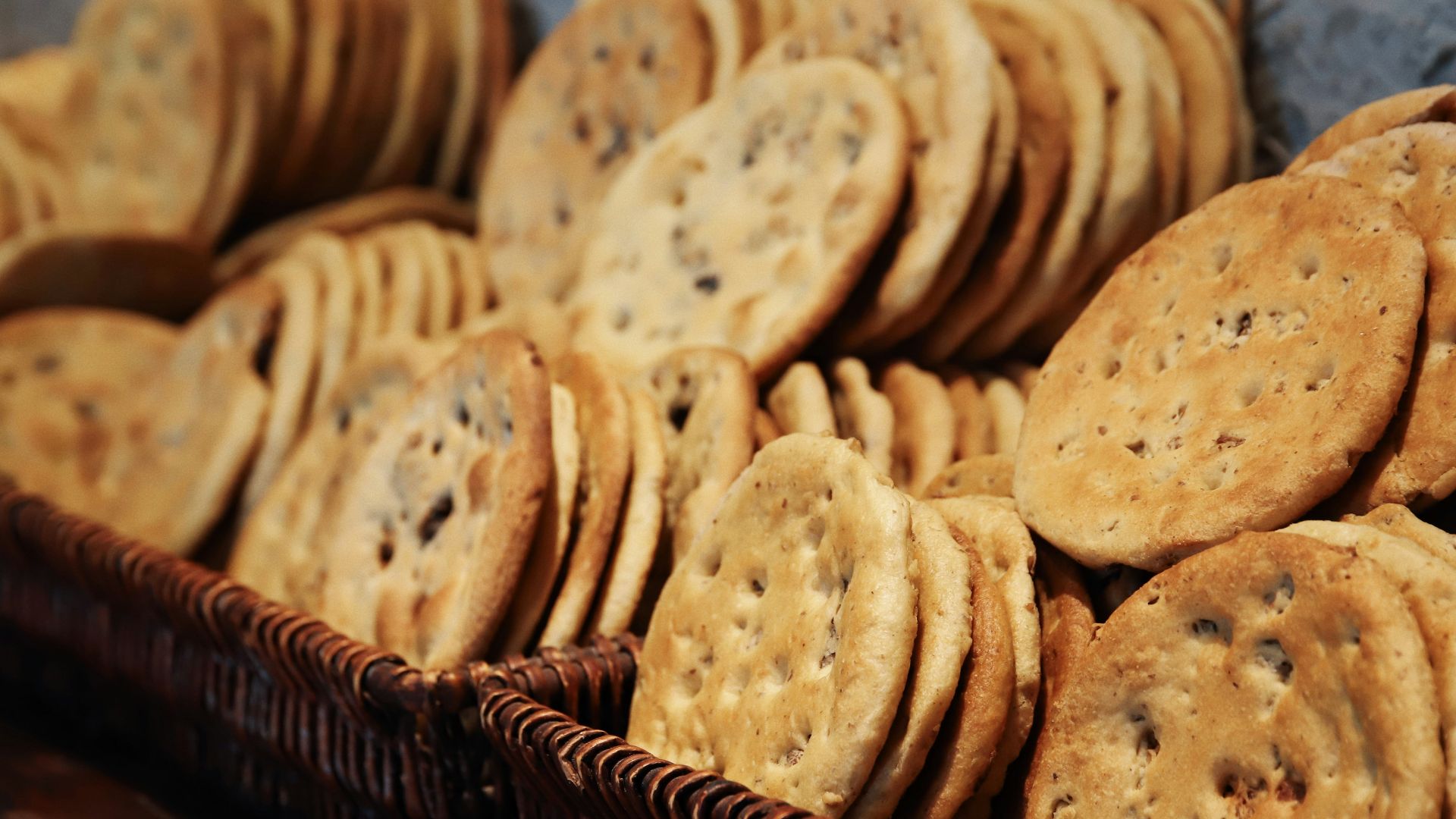
1. Hardtack Biscuits
Sailors and soldiers across the centuries knew this legendary survival ration as a tooth-breaking mix of flour, water, and salt. Baked multiple times to remove every single drop of moisture, it could easily last for years in a ship's hold if kept dry. You had to soften the rock-hard squares in water, coffee, or soup.
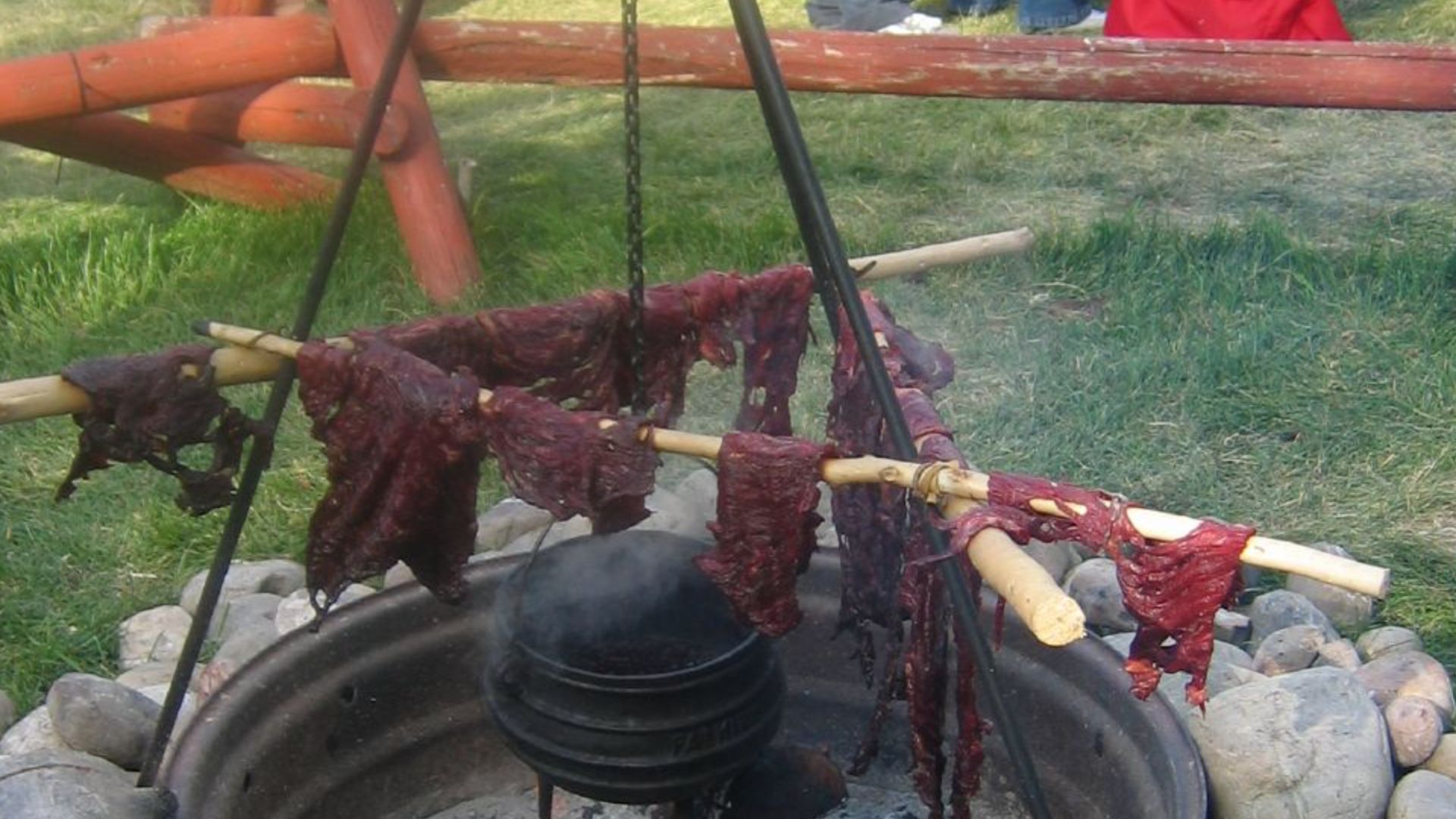
2. Native American Pemmican
Pemmican was a genius innovation that featured dried meat fat, melted tallow, and crushed berries all mixed together. Hunters, explorers, and fur traders loved it because you could save it for weeks without refrigeration, and it offered an insane amount of calories per serving. Eat it cold on the trail, or boil it into a stew after dinner.
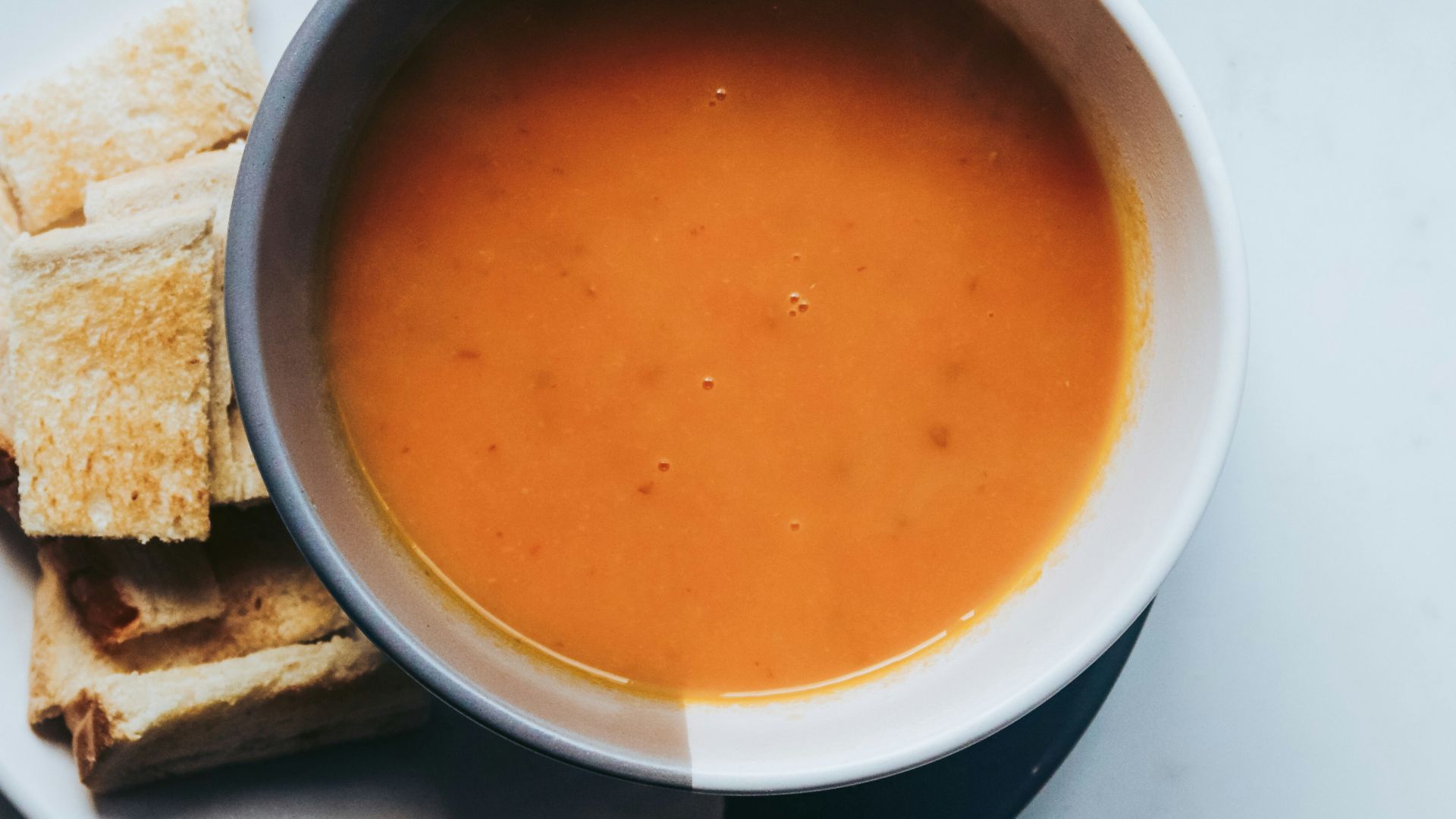
3. Portable Soup Squares
Portable soup was the ancient cousin to today’s bouillon cubes. It was invented by boiling down meat broth until it became a gelatinous, rubber-sheet-like substance. Captain James Cook brought portable soup along on his famous expeditions to help keep his crew healthy in cold, wet environments.
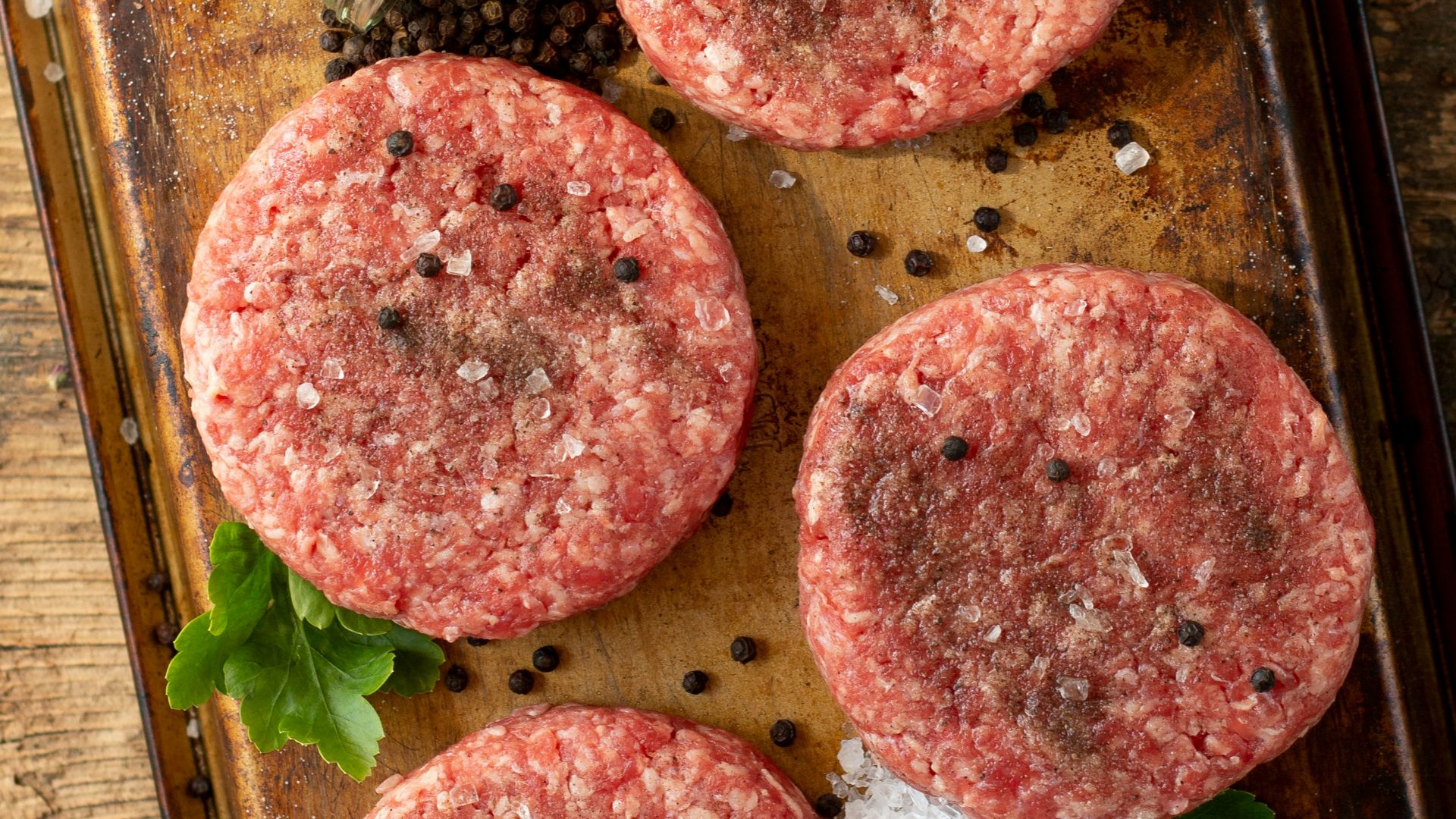
4. Mongolian Borts
Empires have risen and fallen based on how many barrels of borts they can store. Borts is essentially air-dried, pounded-up horse or beef meat that you can turn into a nutritious powder. Mongolian warriors would put the shredded powder into pouches on their horses for easy access.
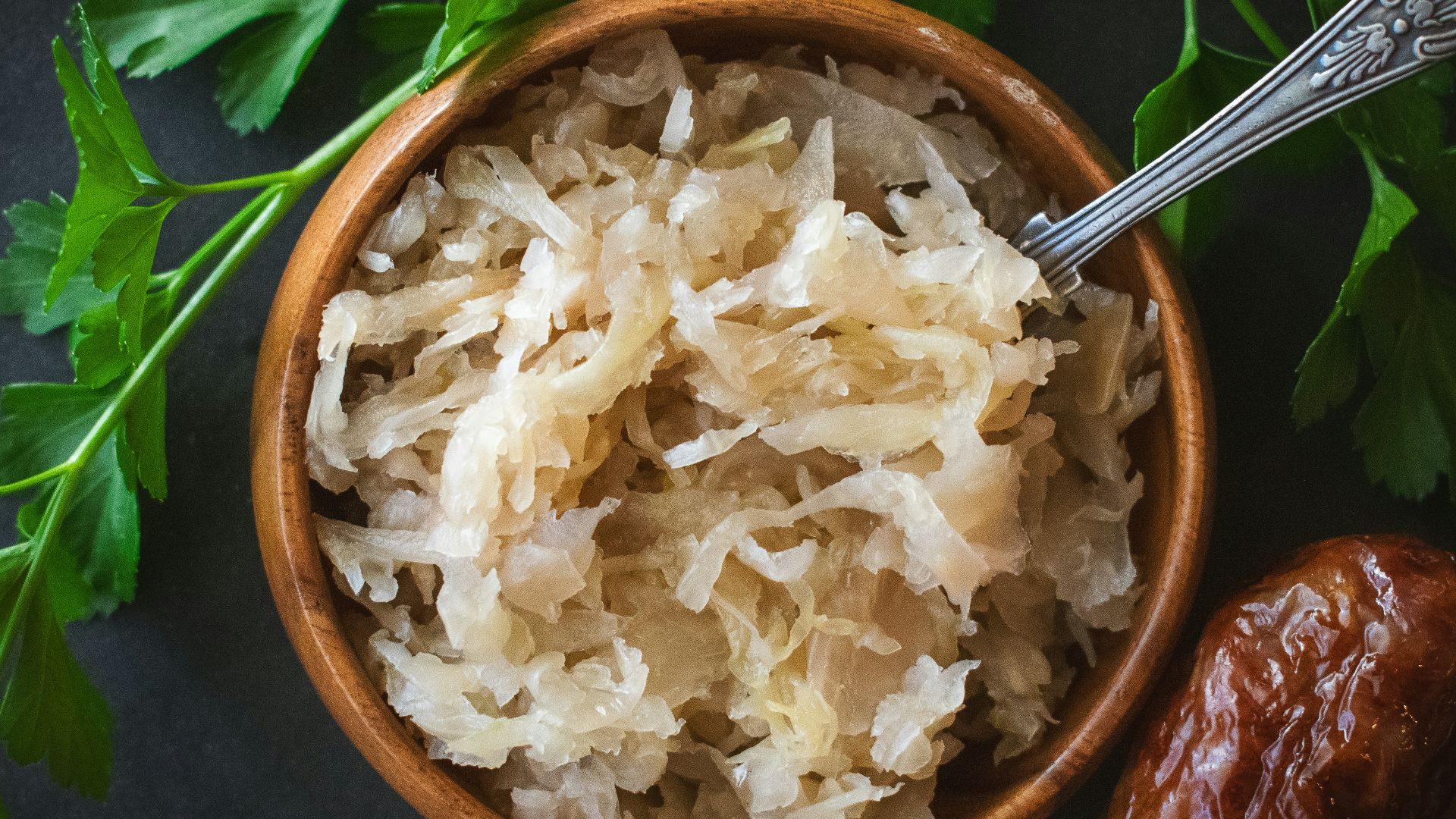
5. Shipboard Sauerkraut
Today, people enjoy fermented cabbage for its gut-health benefits. But back in the day, sailors knew sauerkraut as an essential component in fighting scurvy on long voyages. The fermented cabbage could last for months in wooden barrels when other produce would typically spoil.
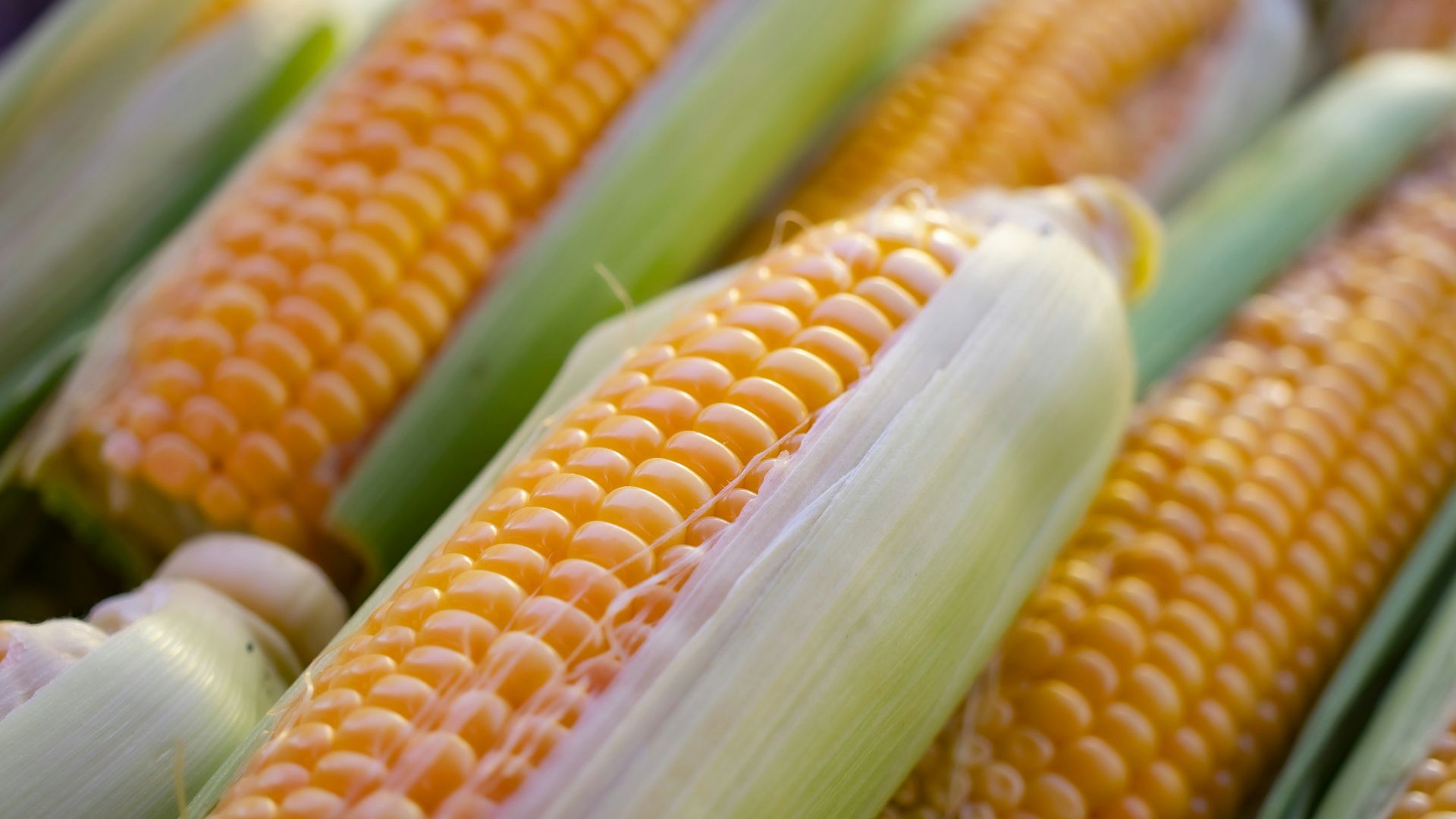
6. Parched Corn
Native Americans figured out how to roast corn kernels on an open flame without boiling them away in water. This technique created a light snack that was easy to pack and full of carbohydrates for sustained energy. Ideal for travelers who needed a quick snack while on the move all day.
 Wouter Supardi Salari on Unsplash
7. Salt Pork Barrels
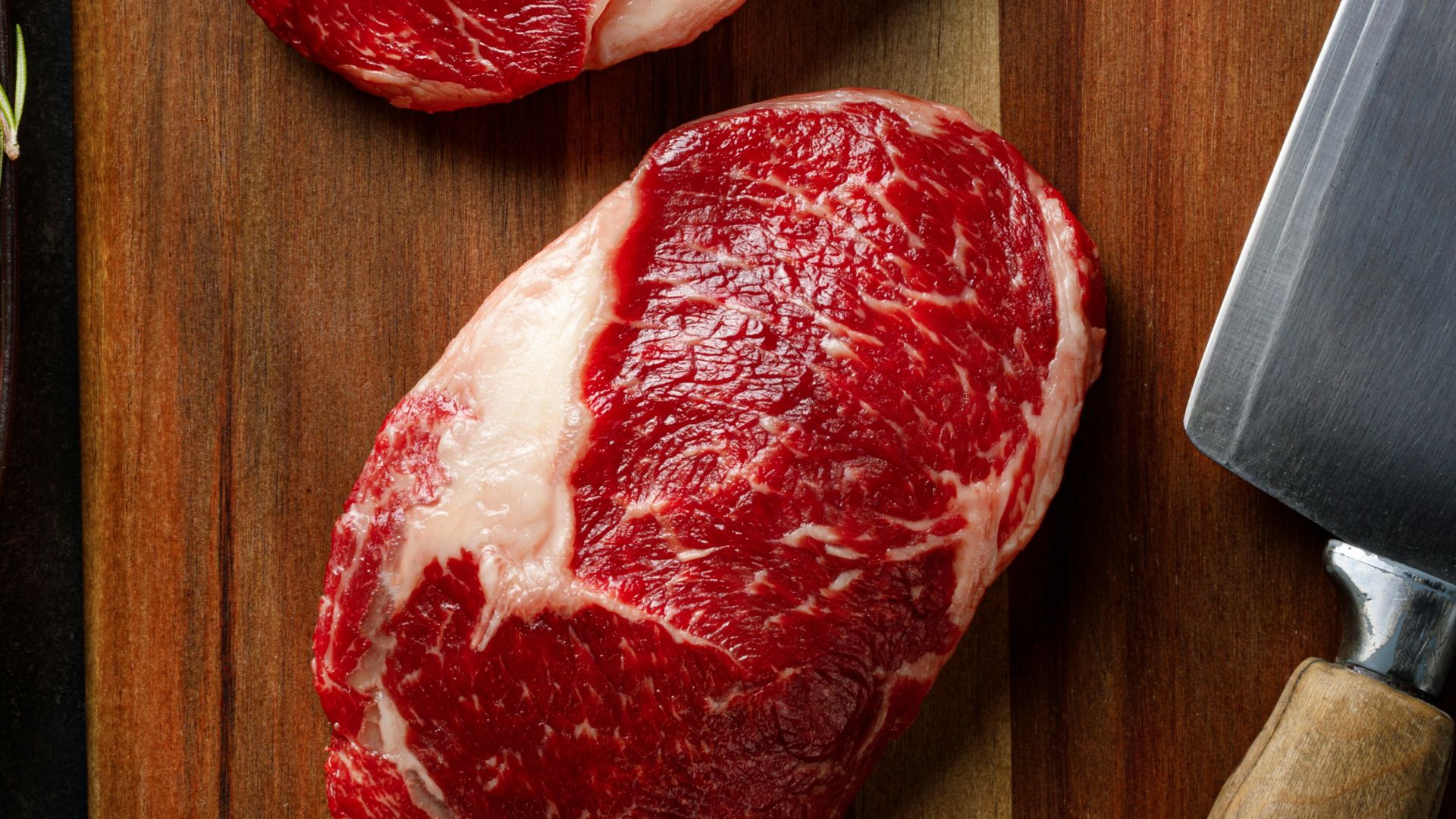
Before refrigerators, meat was preserved by packing cuts of pork in barrels with thick layers of salt. Salt is what inhibited bacterial growth, but at a cost to flavor. Pork turned into a soggy, salty brick that required extensive rinsing before cooking.
8. Ancient Roman Buccellatum
Think of buccellatum as the fuel that helped win wars back in ancient Rome. Roman legionaries were dependent on this twice-baked cracker to keep their bodies moving during long marches. Production was strictly regulated by the government to ensure consistent quality and size.

9. Dried Cod Fish
Salt cod became a worldwide commodity after European fishermen realized how easy it was to preserve in the sun. Rich in protein, dried cod could last for years when stored properly. Before you could eat it, the blocks had to be pounded flat and boiled for hours.
10. Chicha de Jora Pastes
Incan messengers running along the Andes relied on chicha de jora paste to keep their energy high. Made from dried maize, the paste could be reconstituted with water to form a thick drink. It served as a highly effective liquid fuel that tied a massive mountainous kingdom together.
11. Toasted Tsampa Barley
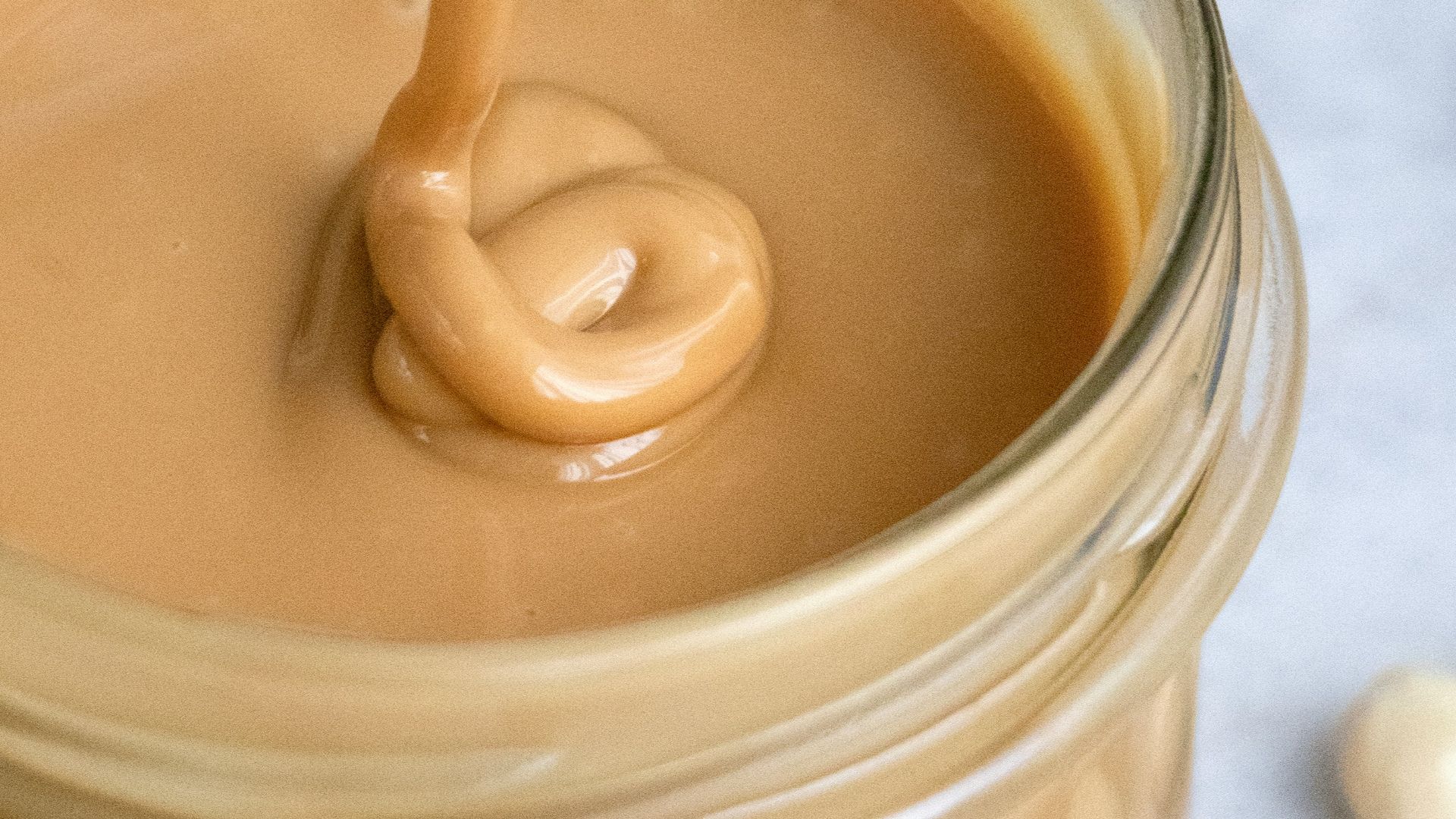
Tibetan nomads and high-altitude explorers have relied on this simple mixture of roasted barley flour and yak butter for centuries. You mix the ingredients directly by hand in a small bowl until it forms a dense, doughy ball that satisfies hunger instantly. Because the flour is already cooked during the roasting process, you can eat it anywhere without needing to build a fire.
12. Dehydrated Chuño Potatoes
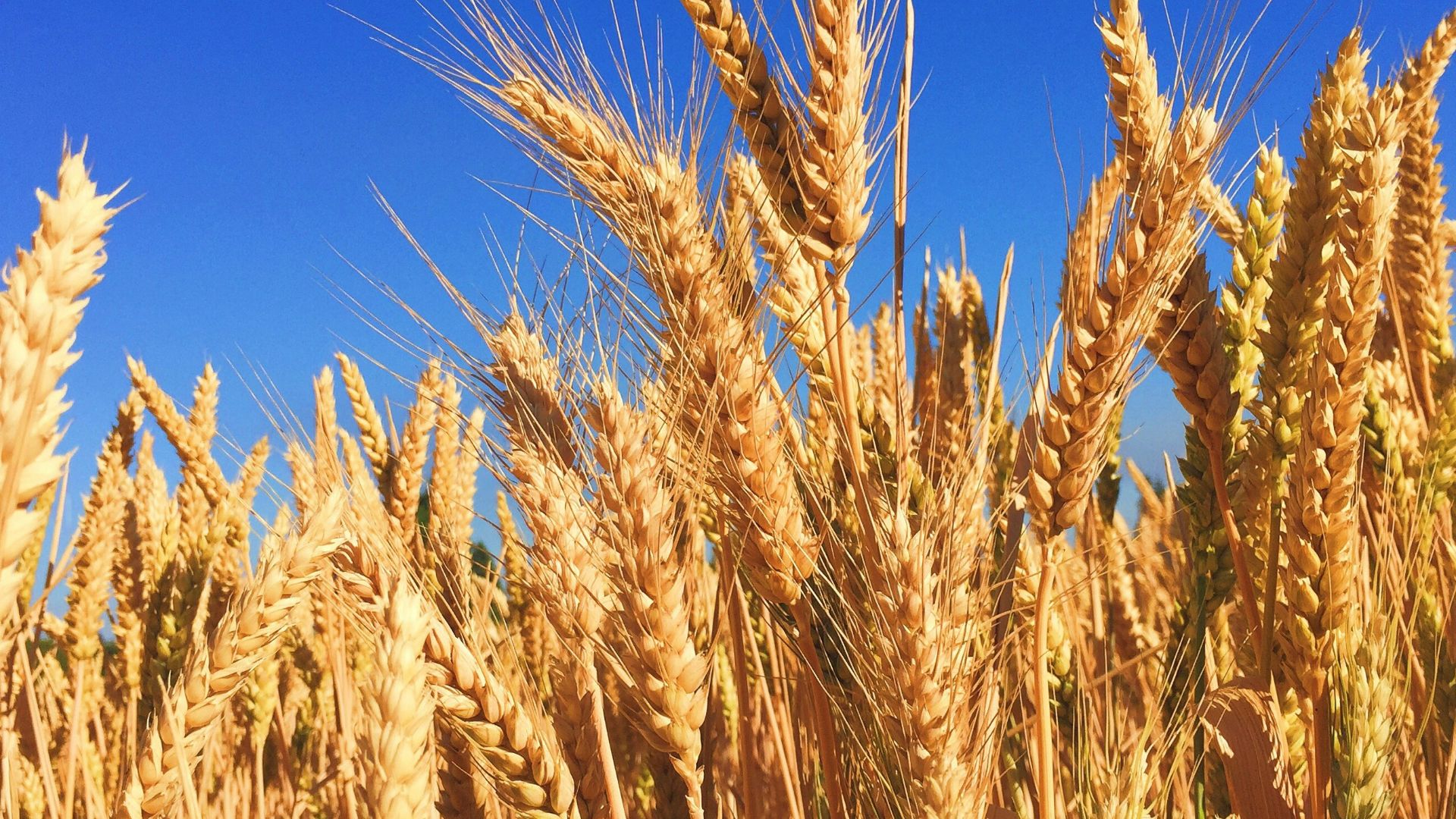
Long before modern freezing technology, the indigenous peoples of the Andes utilized the extreme mountain climate to freeze-dry potatoes naturally. They left the tubers out in the freezing night air and then trampled them during the day to squeeze out every drop of moisture. The resulting chalky, lightweight spheres could be stored in warehouses for up to a decade.
13. Military Pea Sausage
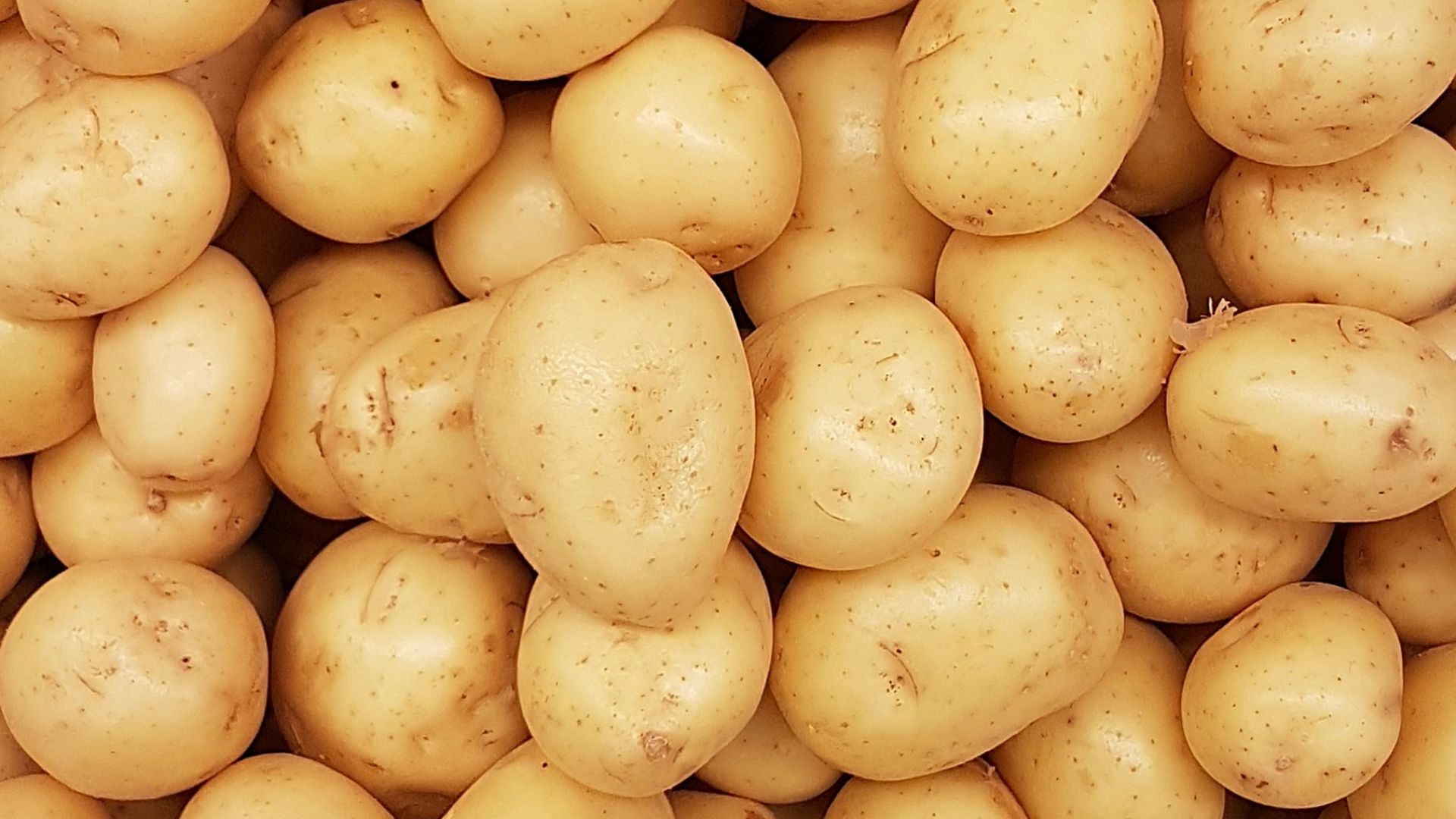
Most people don’t know this, but German pea soup was actually encased in a sausage skin. Easy to slice open and add boiling water to, pea sausage was a convenient food source for 19th-century armies on the go.
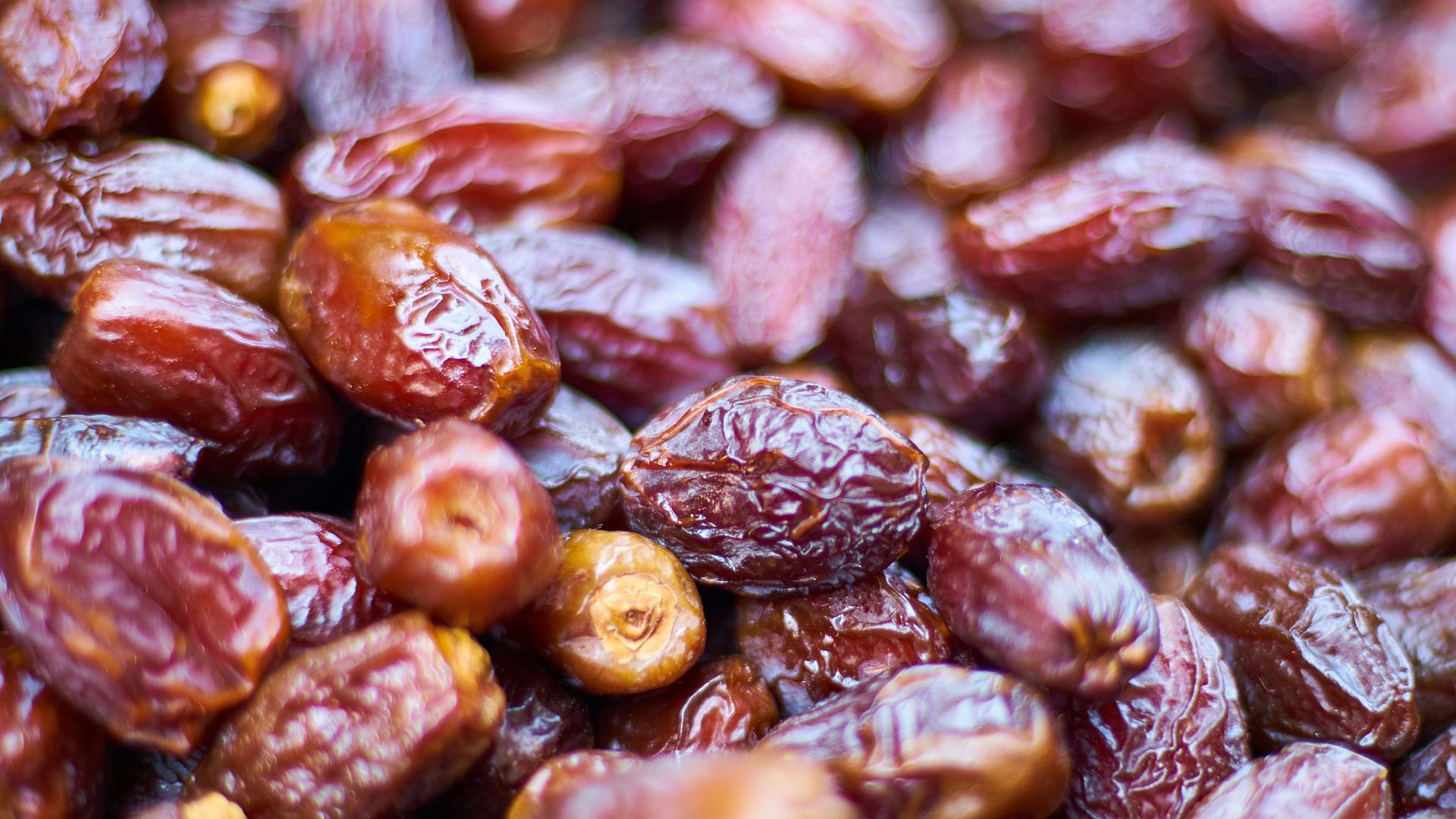
14. Sweet Dried Dates
Dates are another naturally sweetened food that helped prevent spoilage. While crossing the Sahara Desert, travelers could munch on dates to keep hunger at bay. They contain lots of vitamins and will provide a quick energy boost when you eat them.
15. Standard Issue Bully Beef
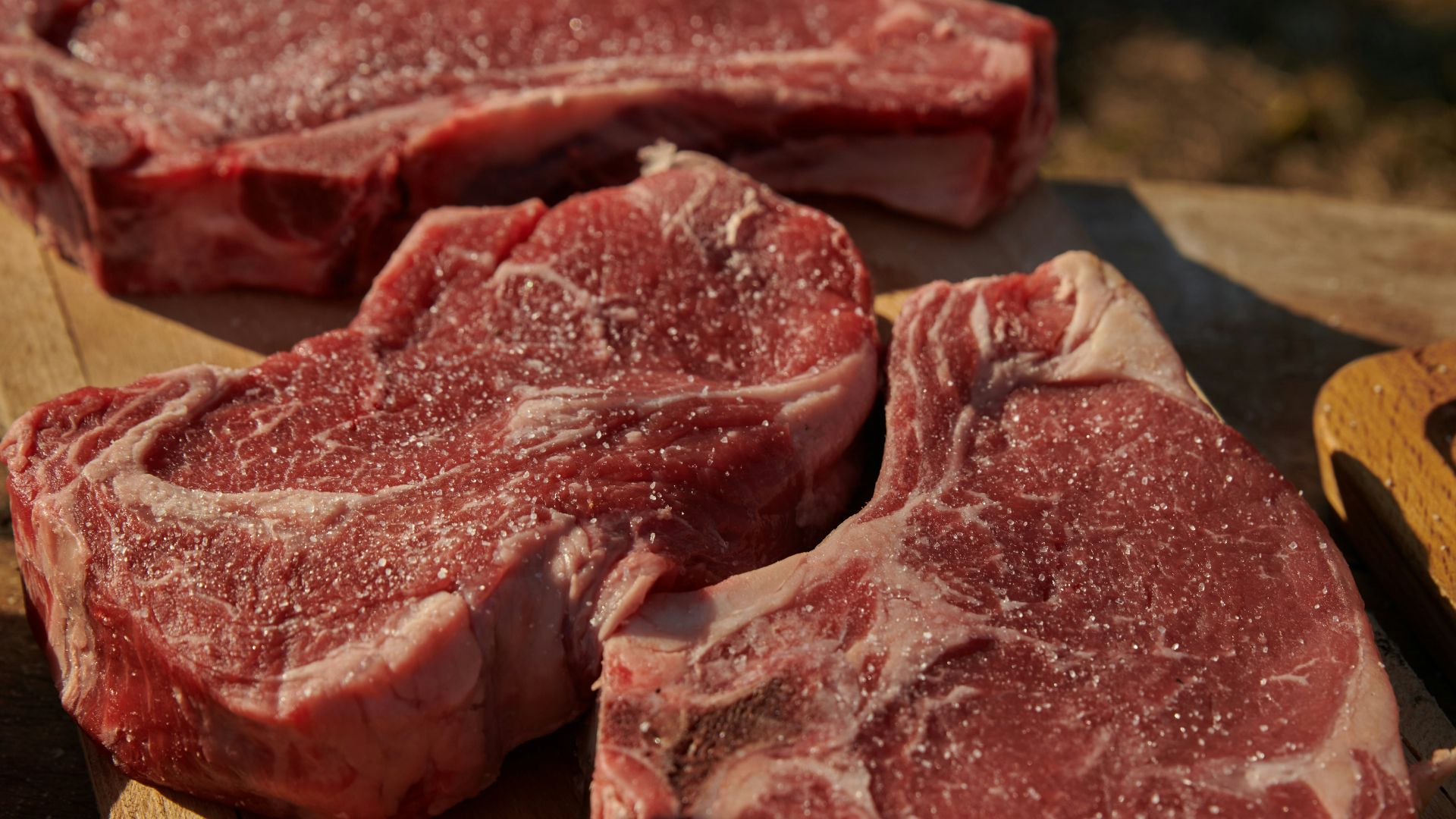
Talk about a game changer. No longer was fresh meat required to keep sailors happy on their journeys. Improvements to the canning process gave way to the creation of bully beef, which looks like a rectangular tube of corned beef.
16. Concentrated Malt Biscuits
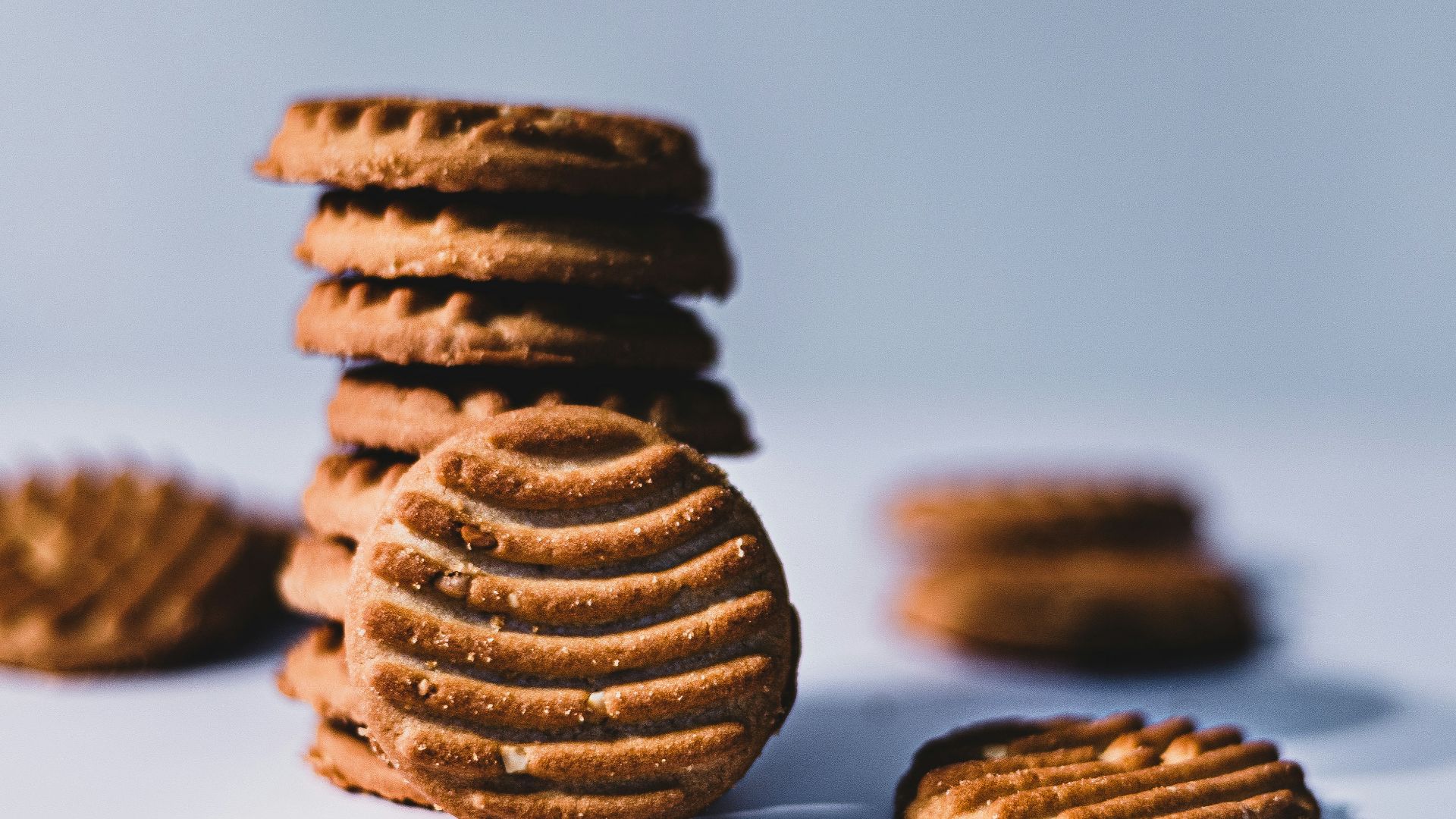
Fear and excitement fueled Ernest Shackleton and his crew as they shoveled High-Calorie Malt Biscuits into their mouths. Specifically designed for Antarctic conditions, these biscuits gave explorers tons of energy per ounce.
17. Desiccated Coconut Meat
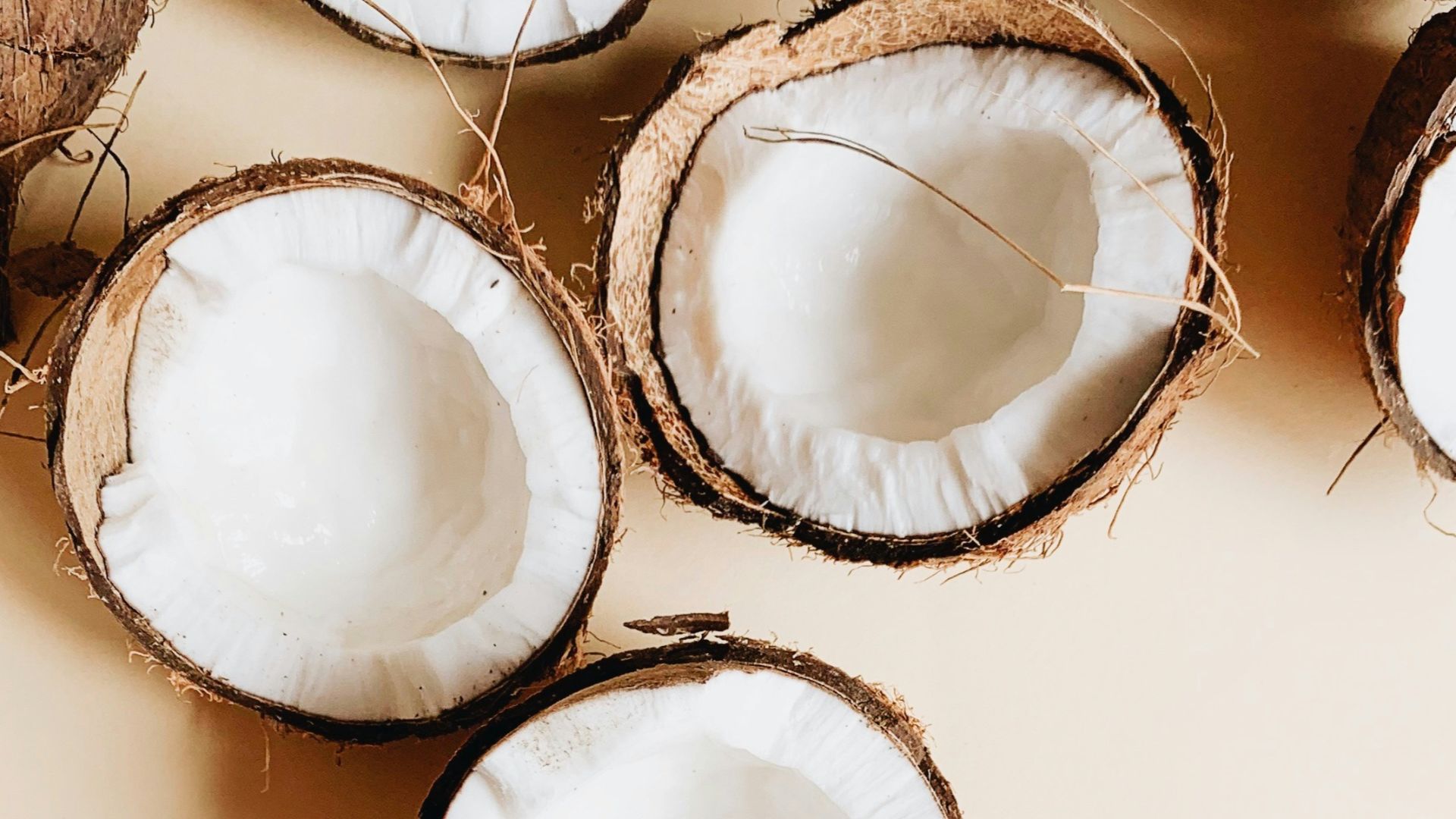
Nothing beats curling up with a nice bowl of oatmeal and dried coconut meat after a long day at sea. Seriously though, dried coconut provided healthy fats and vitamins that helped Polynesian sailors go the distance. Chop it up and eat it as a snack, or cook it like you would oatmeal.
18. Fermented Poi Paste
Speaking of oatmeal, Pacific Islanders also carried poi paste to provide carbohydrates on long voyages. Poi paste is made from fermented taro root and can be stored for months without refrigeration. This starchy paste provided the complex carbohydrates required.
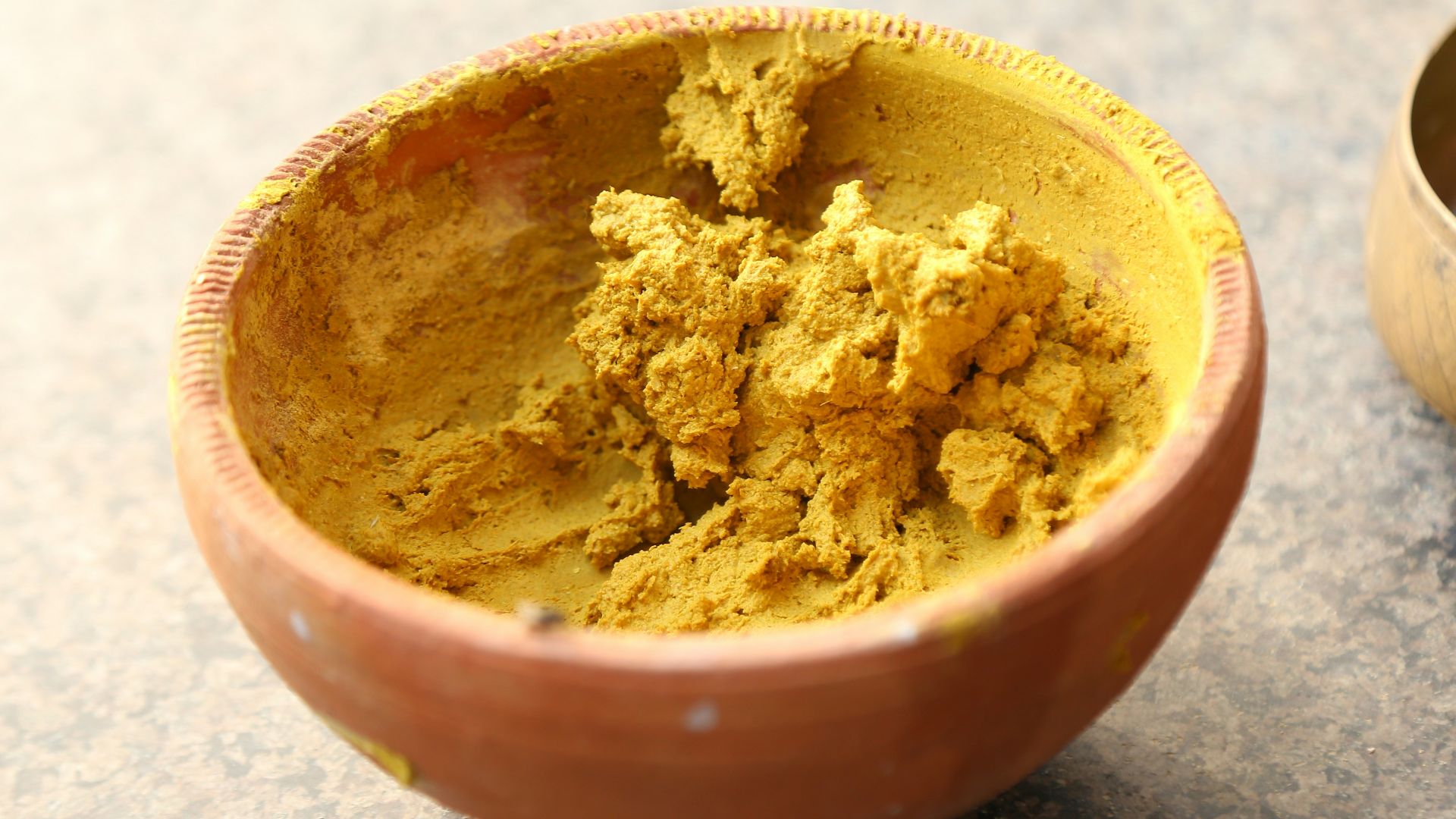
19. Preserved Fig Cakes
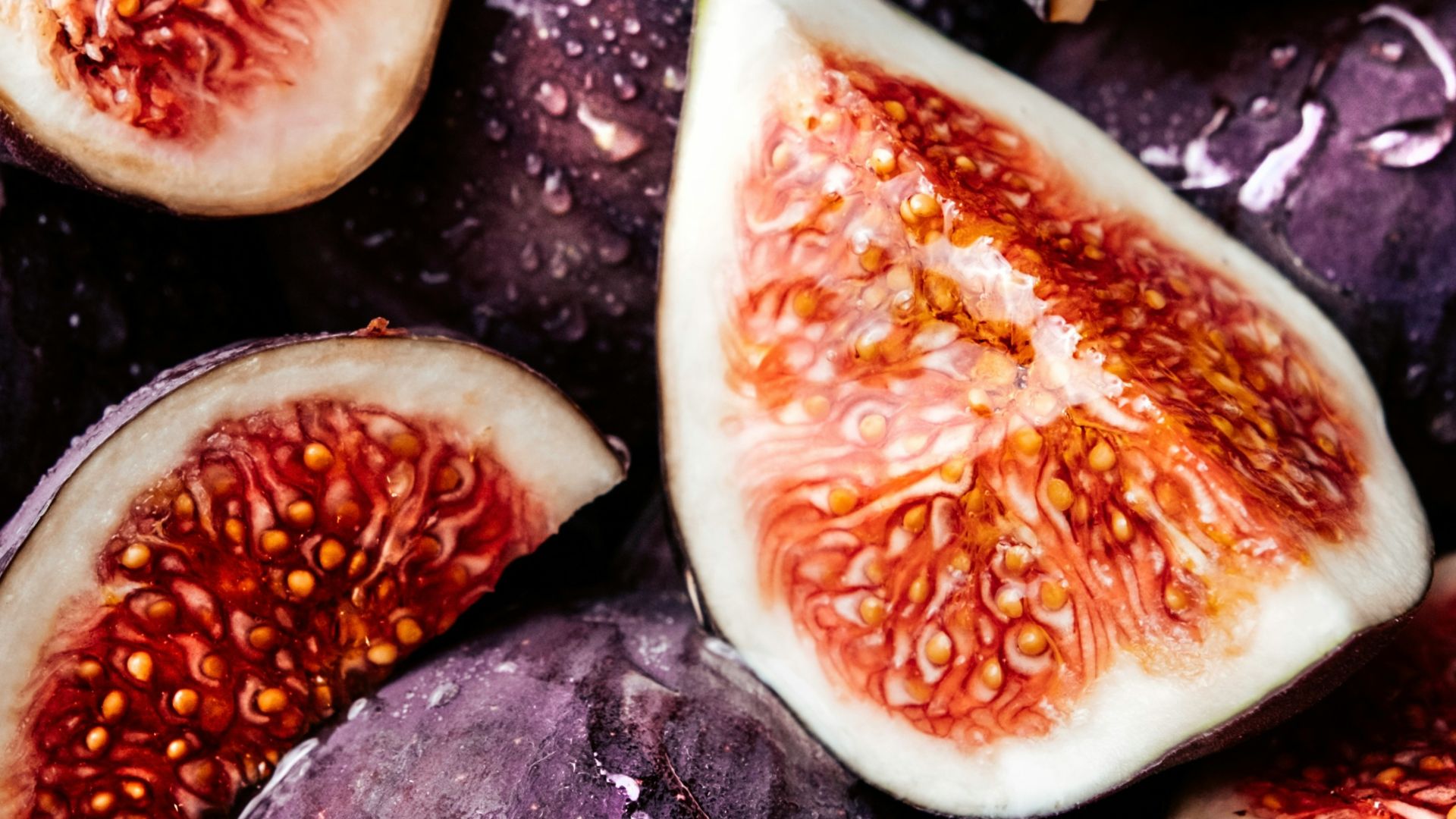
Ancient civilizations from Phoenicia to Greece heavily depended on dried fig cakes. Workers would compress dried figs into bricks to reduce the cake’s air content. It was a highly valued commodity.
20. Compressed Tea Bricks
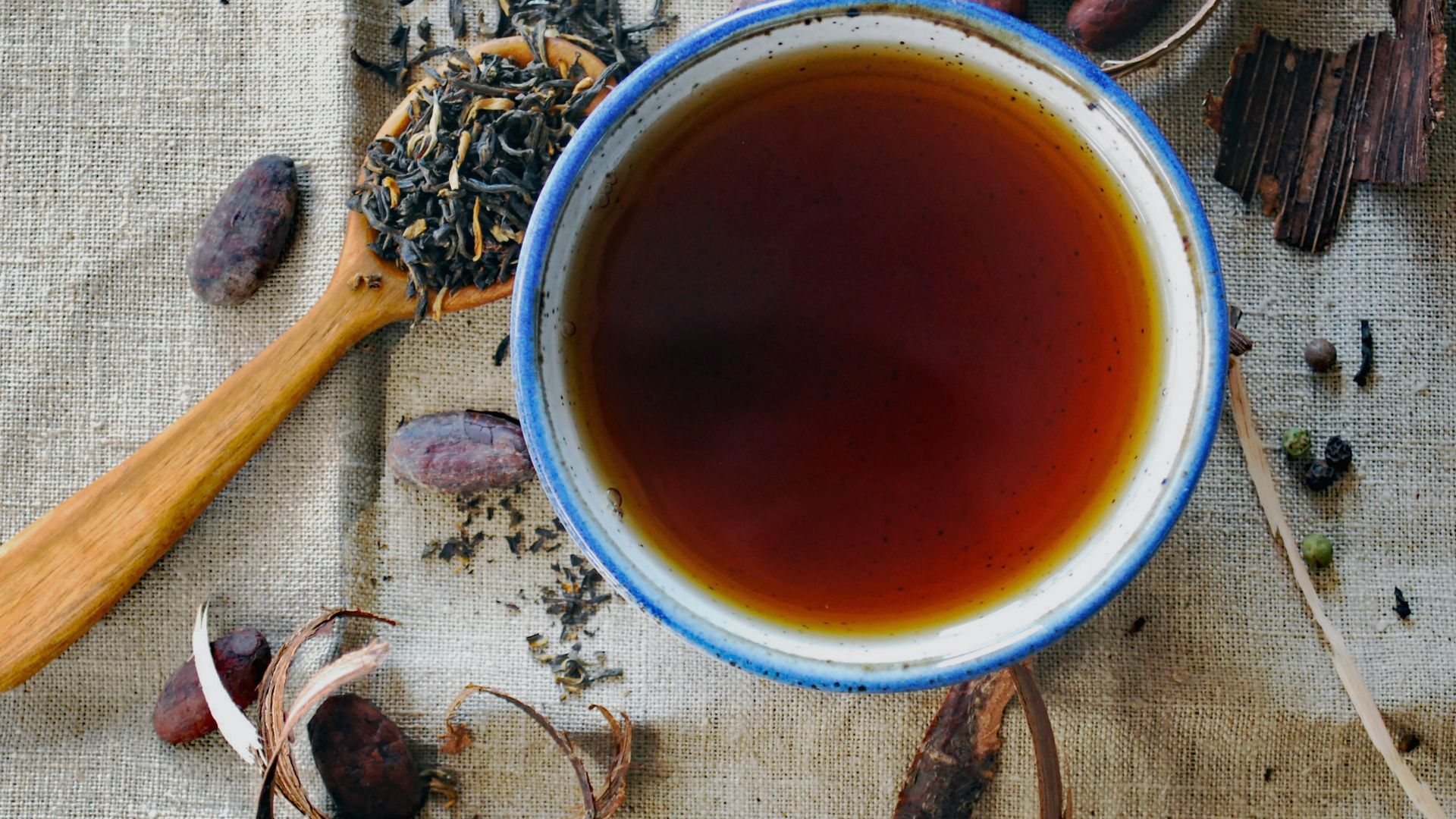
Finally, we have tea bricks. Tea didn’t just provide comfort for ancient explorers, but currency as well. Tea bricks could be traded along the Silk Road for fresh goods.
KEEP ON READING