Building a charcuterie board can feel expensive, especially when photos online make it seem like you need imported cheeses, specialty meats, and a board large enough for a banquet. In reality, a great board is less about buying the fanciest ingredients and more about choosing items that work well together. With a little planning, you can create something that looks generous, tastes balanced, and still respects your grocery budget.
The best budget charcuterie boards rely on smart variety rather than costly abundance. You want a mix of salty, creamy, crunchy, sweet, and fresh elements so every bite feels interesting. When you shop with that balance in mind, even simple supermarket ingredients can feel polished. The goal isn’t to impress people with price tags, but to give them plenty of easy, delicious combinations.
Start With Affordable Core Ingredients
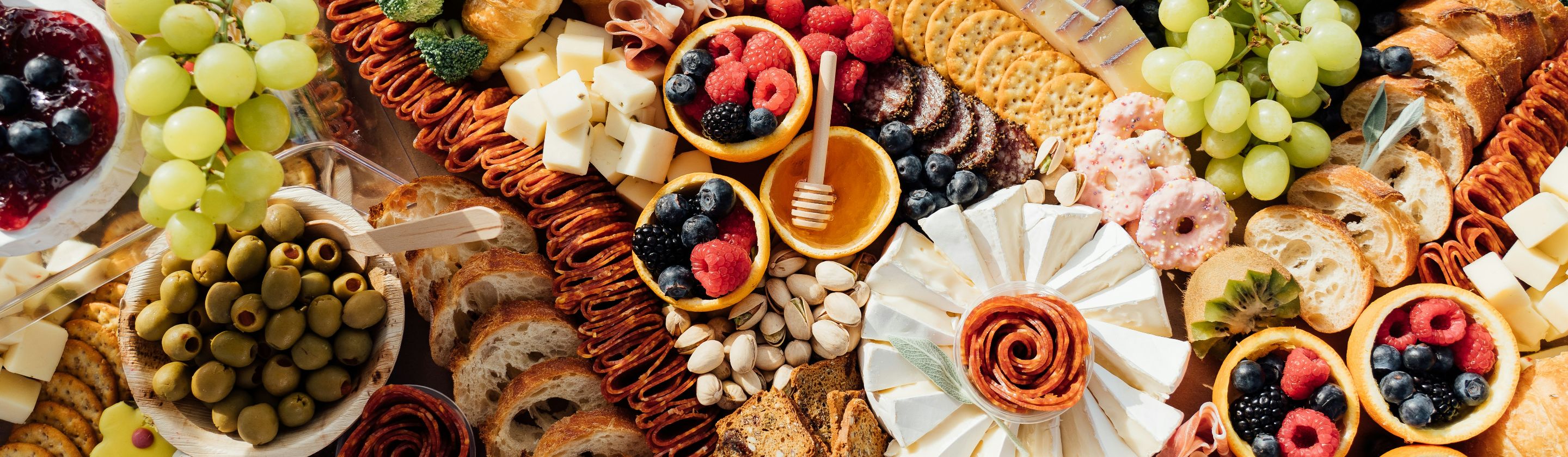
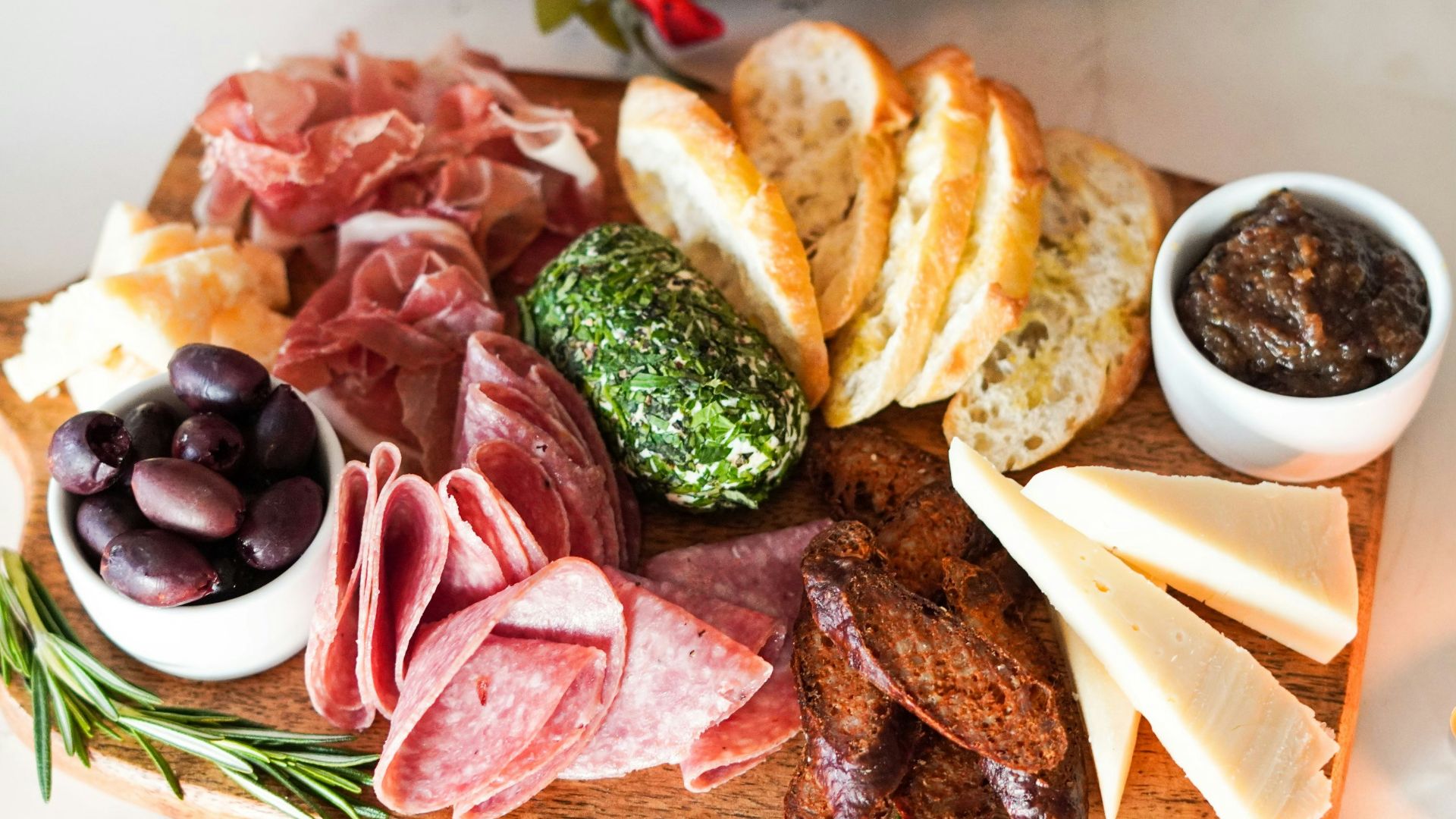
Begin with two or three cheeses instead of trying to offer every style at once. A block of cheddar, a soft cheese like brie or goat cheese, and a budget-friendly mozzarella or pepper jack can provide enough variety for most boards. Buying blocks instead of pre-sliced cheese is often cheaper and lets you cut pieces in different shapes. That small detail makes the board look more intentional without adding cost.
For meats, choose one or two dependable options rather than several expensive cured selections. Salami, pepperoni, and deli ham can all work well when folded, rolled, or stacked neatly. You don’t need large amounts because cured and salty meats are usually eaten in small bites. Spreading them across the board visually helps them feel more abundant.
Crackers and bread are where you can stretch the board without overspending. Plain water crackers, baguette slices, pita chips, or store-brand toasted rounds give guests plenty of ways to build bites. Using two textures, such as crisp crackers and chewy bread, makes the board feel more complete. These inexpensive fillers also help balance richer cheeses and meats.
Add Color, Freshness, And Texture
Fruit is one of the easiest ways to make a budget board look inviting. Grapes, apple slices, orange wedges, and berries add color while giving guests something fresh between salty bites. Seasonal fruit is usually the best value because it tends to cost less and taste better. A small amount can brighten the entire board when placed in a few different spots.
Vegetables also deserve a place, especially when you want the board to feel lighter and more balanced. Baby carrots, cucumber slices, cherry tomatoes, and bell pepper strips are inexpensive, colorful, and easy to prepare. They pair well with dips, soft cheeses, and hummus, which makes them more useful than decoration. Adding vegetables also helps accommodate guests who want something beyond meat and cheese.
For crunch and extra flavor, use pantry-friendly additions that don’t require much money. Pretzels, roasted nuts, pickles, olives, and popcorn can all bring texture and contrast to the board. Small bowls are helpful for items that roll, leak, or need containment. They also create height, which makes even a modest board look fuller.
Arrange Everything So It Looks Abundant
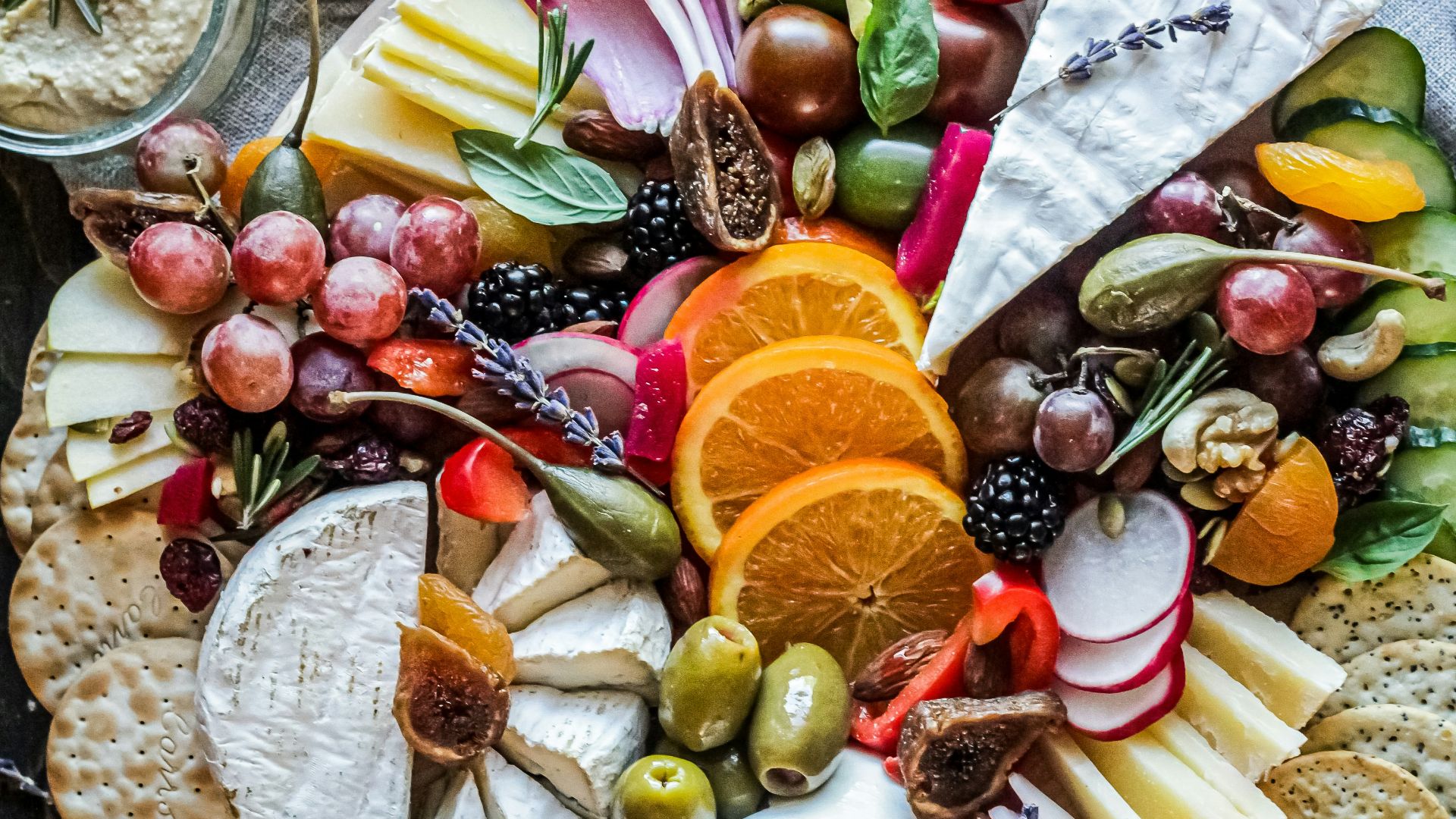
Start by placing cheeses and small bowls on the board first because they act as anchors. Then arrange meats around them in loose folds, rows, or small piles. After that, fill open spaces with crackers, fruit, vegetables, and crunchy snacks. Working from larger items to smaller ones helps the board come together naturally.
Try not to group every ingredient in one large pile. Repeating colors and textures in different areas makes the board easier to enjoy and more attractive. For example, place grapes on one side and apple slices on another, or scatter crackers in two separate sections. This simple trick makes the spread feel more generous than it really is.
Presentation matters, but it doesn’t need to be fussy. Use a cutting board, baking sheet, platter, or even parchment paper on a clean table if that’s what you have. Slice some cheese, leave some in wedges, and fold meats differently to create visual variety. A board looks best when it feels full, approachable, and easy for people to serve themselves.
Building the perfect charcuterie board on a budget is mostly about planning, balance, and smart placement. Choose a few affordable cheeses and meats, stretch the spread with crackers and produce, and use colorful extras to make everything feel more thoughtful. When each ingredient has a purpose, the board looks impressive without becoming expensive. With the right mix of flavors and textures, you can serve something fun, practical, and crowd-pleasing without overspending.
KEEP ON READING
10 Best Finds at Costco & 10 Worth Skipping


20 American Foods That Are Best When They're Simple