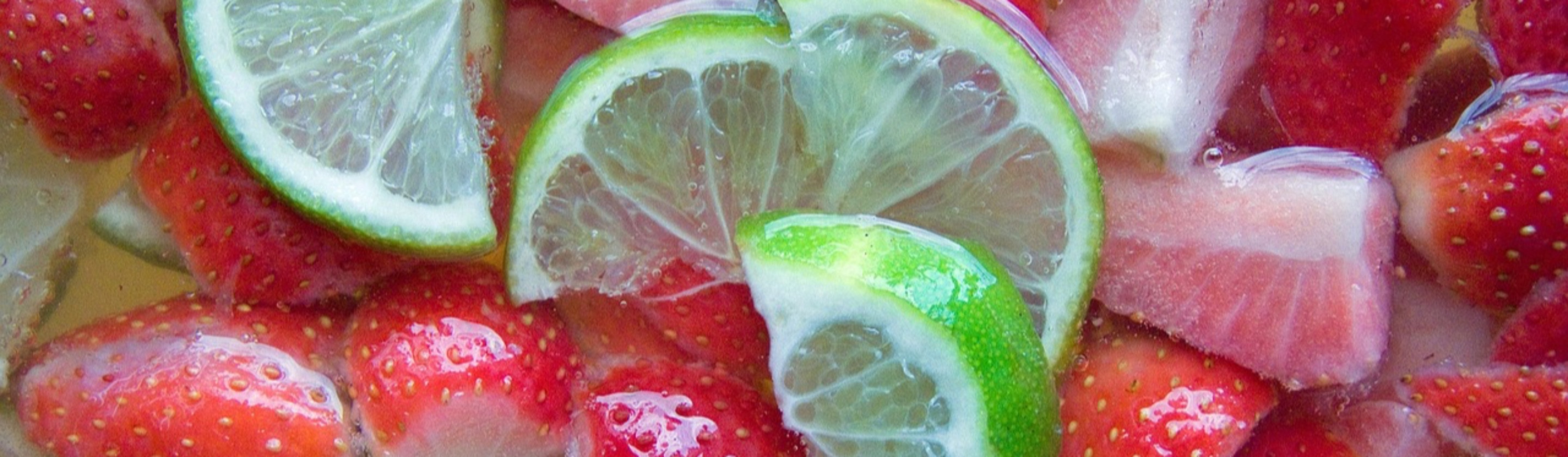
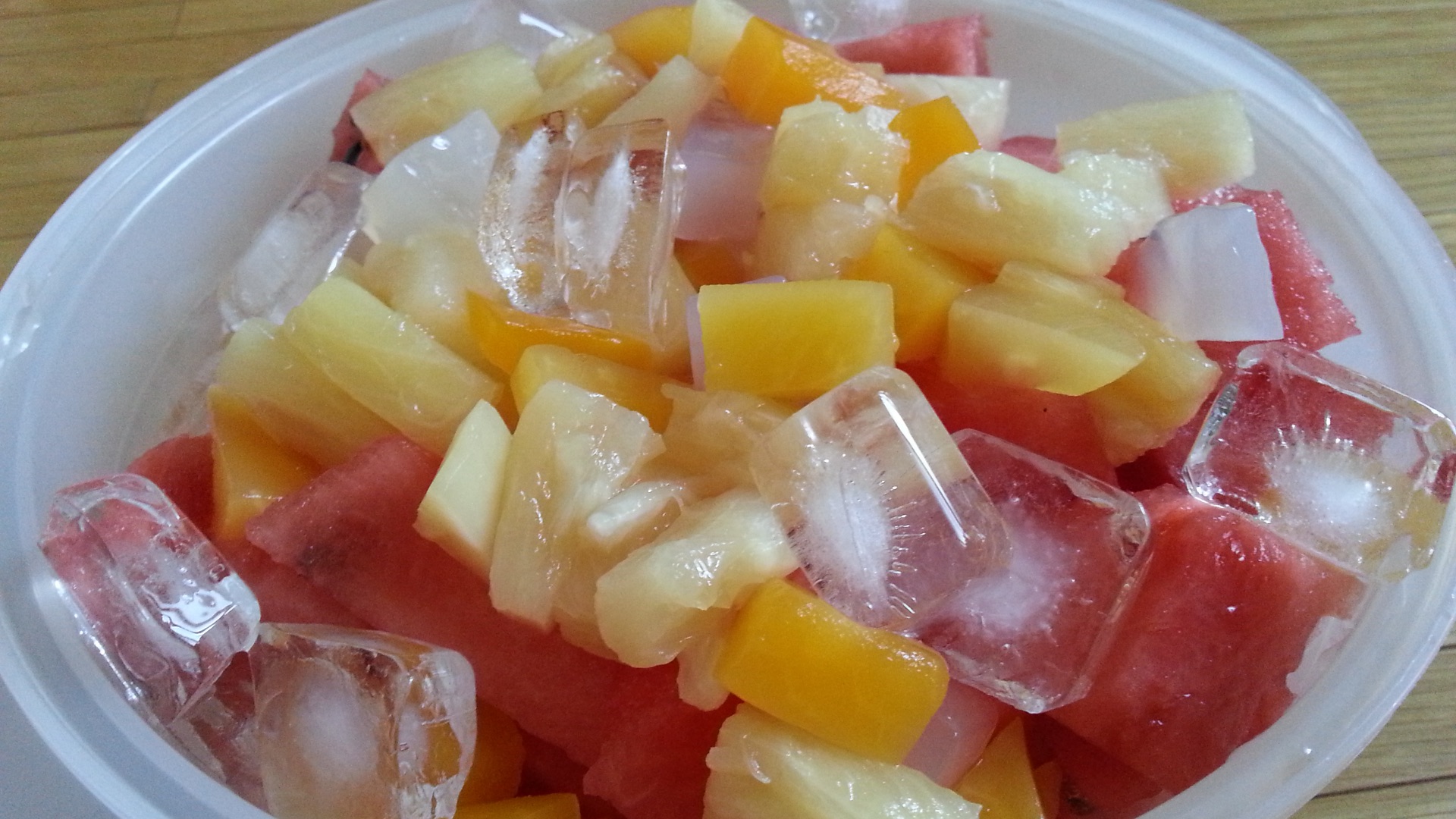
If you've ever stumbled across a TikTok of someone spooning colorful chunks of watermelon and fruit from a giant bowl filled with icy, creamy soda at 3 a.m., you've already encountered hwachae. The word hwachae loosely translates to "fruit punch" in English, and it's often made with chunks of watermelon and fresh fruits soaked in strawberry milk and a carbonated beverage. It's the kind of dish that tastes as good as it sounds, and it's been turning heads far beyond Korea's borders.
Dating back centuries, hwachae was originally created as a way to stay cool and hydrated during Korea's hot summers, combining the natural sweetness of ripe fruits with refreshing liquids to create an elegant drink that serves as both a beverage and a light dessert. These days, it's had a serious glow-up on social media, and it's not hard to see why. Whether you're making it for a summer get-together or just trying to survive a heat wave, hwachae is worth knowing about.
A Dish with Deep Roots
Hwachae isn't a modern invention. In fact, it has a long history tied to Korean tradition and seasonal eating. Traditional hwachae is known to have originated during the Joseon Dynasty, when it was prepared by adding flower petals into honey-sweetened water, creating a sweet and refreshing traditional beverage. During this era, hwachae was a royal delicacy, mainly enjoyed by those of nobility.
Centuries ago, Koreans made hwachae using edible petals, azaleas, and seasonal fruits as a ceremonial offering or special treat during summer festivals. Its name has stuck around even as the recipe evolved, a nod to those original floral ingredients. What's remarkable is how naturally the dish transitioned from a ceremonial beverage into an everyday summer staple, adapting to whatever ingredients were on hand and in season.
The emphasis on natural fruit sweetness rather than added sugars reflects the Korean culinary philosophy of highlighting ingredients rather than masking them. That guiding principle has remained consistent even as modern versions swapped the omija (a unique, five-flavored berry) base for strawberry milk and Sprite. The dish's spirit (cool and fruit-forward) has stayed intact across centuries of change.
More Varieties Than You'd Expect
One of the most impressive things about hwachae is just how many forms it can take. There are more than 30 types of hwachae in Korean cuisine, each reflecting regional tastes, seasonal availability, and the traditions surrounding specific holidays and festivals. Most people outside of Korea only know the watermelon (subak) version, but that's really just the tip of the iceberg. Omija hwachae, for example, is made with magnolia berry syrup and often accented with pear slices, while milgam hwachae is a citrusy Jeju Island favorite using oranges in their own juice with lemon and sugar.
Some varieties are even tied to specific cultural celebrations throughout the year. Jindallae hwachae uses petals from the Korean rhododendron served in honeyed magnolia berry juice, traditionally enjoyed during samjinnal—a festival on the third day of the third lunar month; while aengdu hwachae, a cherry punch, is associated with Dano, a festival on the fifth day of the fifth lunar month. Today, the most common type is subak hwachae, made with watermelon that is scooped out and mixed with bite-sized pieces of other fruits such as bananas and apples. It's the version most likely to show up on your social media feed, and it's also the easiest to recreate at home.
A Viral Beverage
Hwachae's recent explosion in popularity didn't happen by accident. You could probably scroll through your social media feed and come across a few videos of it as soon as summer starts to rear its head, with influencers (and casual posters alike) rushing to recreate it. Being so refreshing and flavorful, it's no surprise that the drink has gone viral.
Beyond the social media moment, though, hwachae's appeal is grounded in something more practical: it's actually good for you. Well, kind of, anyway. Hwachae uses fruits that are high in water content, which helps to replenish lost fluids in the body; watermelon and strawberries, in particular, are rich in vitamins, minerals, and electrolytes. Watermelon in particular is 92% water, making it a delicious way to rehydrate—and when you combine it with chilled milk and fizzy soda, you end up with something that's both refreshing and satisfying in a way that a glass of water simply isn't. (You'll, of course, still want to be careful with the sugar levels, though.)
Ultimately, hwachae is one of those dishes that earns its popularity on every level. It has centuries of cultural history behind it, an impressive range of regional varieties, and a modern revival that introduced it to a global audience in the most unexpected way. If you're looking for something to beat the summer heat that's also easy to put together and visually stunning, this is it.
KEEP ON READING


20 Dishes That Built Modern American Cuisine