
Some Cookbooks Push Boundaries While Others Stay Comfortable
Cookbooks serve different purposes depending on the audience they're trying to reach. Some encourage readers to experiment with unfamiliar ingredients, advanced techniques, and new culinary traditions, while others focus on recipes designed to appeal to the widest possible audience. Both approaches have value, but there's a noticeable difference between books that inspire culinary exploration and those that rarely venture beyond familiar ground. Here are the 10 most adventurous cookbooks and 10 that play it safe.
1. The Noma Guide to Fermentation
Few books ask readers to rethink ingredients and preservation methods as dramatically as this one. Detailed guidance encourages experimentation with processes that many home cooks have never attempted before. The emphasis is on discovery, creativity, and developing entirely new flavor profiles.
2. The Whole Fish Cookbook
Rather than focusing on the most commonly purchased cuts, this book explores an ingredient in its entirety. Readers learn techniques that reduce waste while expanding their culinary skills. The result is a deeper understanding of preparation methods that are often overlooked.
 Food Photographer | Jennifer Pallian on Unsplash
3. The Flavor Bible
Instead of relying on traditional step-by-step recipes, this work encourages independent thinking in the kitchen. It focuses on how ingredients interact and complement one another. Readers are given tools to create rather than simply follow instructions.
 S O C I A L . C U T on Unsplash
4. On Vegetables
Plant-based ingredients are treated with the same attention often reserved for premium proteins. Unexpected techniques and combinations challenge assumptions about what vegetables can contribute to a meal. The approach rewards cooks willing to move beyond standard side dishes.

5. Pok Pok
Regional culinary traditions take center stage through recipes that prioritize authenticity over convenience. Many dishes require unfamiliar ingredients and preparation methods. Readers are encouraged to embrace flavors that differ significantly from typical Western interpretations.

6. The Art of Fermentation
This book opens the door to countless preservation methods used around the world. Rather than presenting rigid rules, it encourages experimentation and adaptation. The possibilities expand as readers gain confidence with the underlying principles.

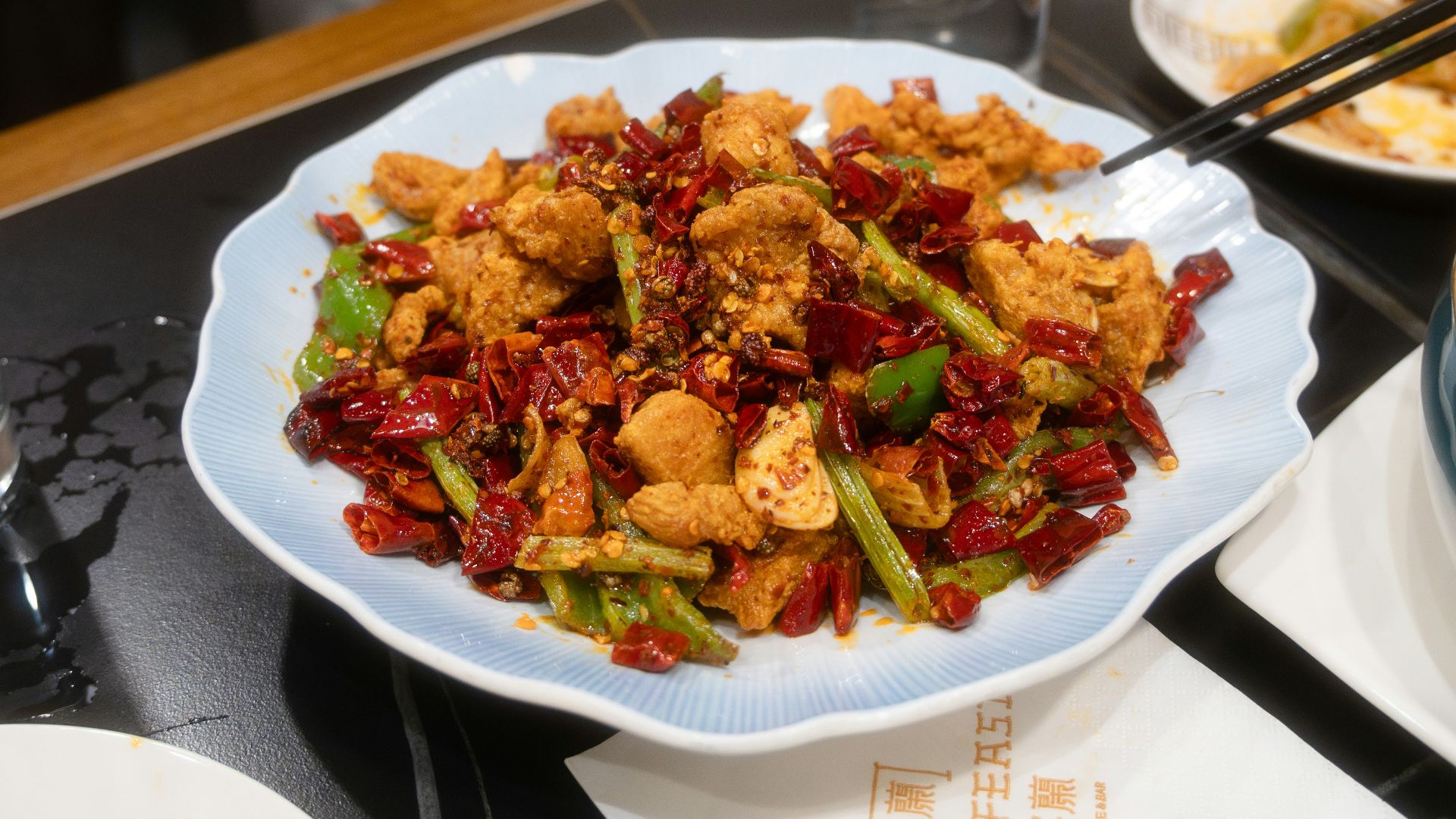
7. The Food of Sichuan
Complex flavors, specialized ingredients, and detailed techniques create a rewarding challenge. The recipes go far beyond the most internationally recognized dishes from the region. Exploring the collection offers a deeper appreciation of a remarkably diverse culinary tradition.
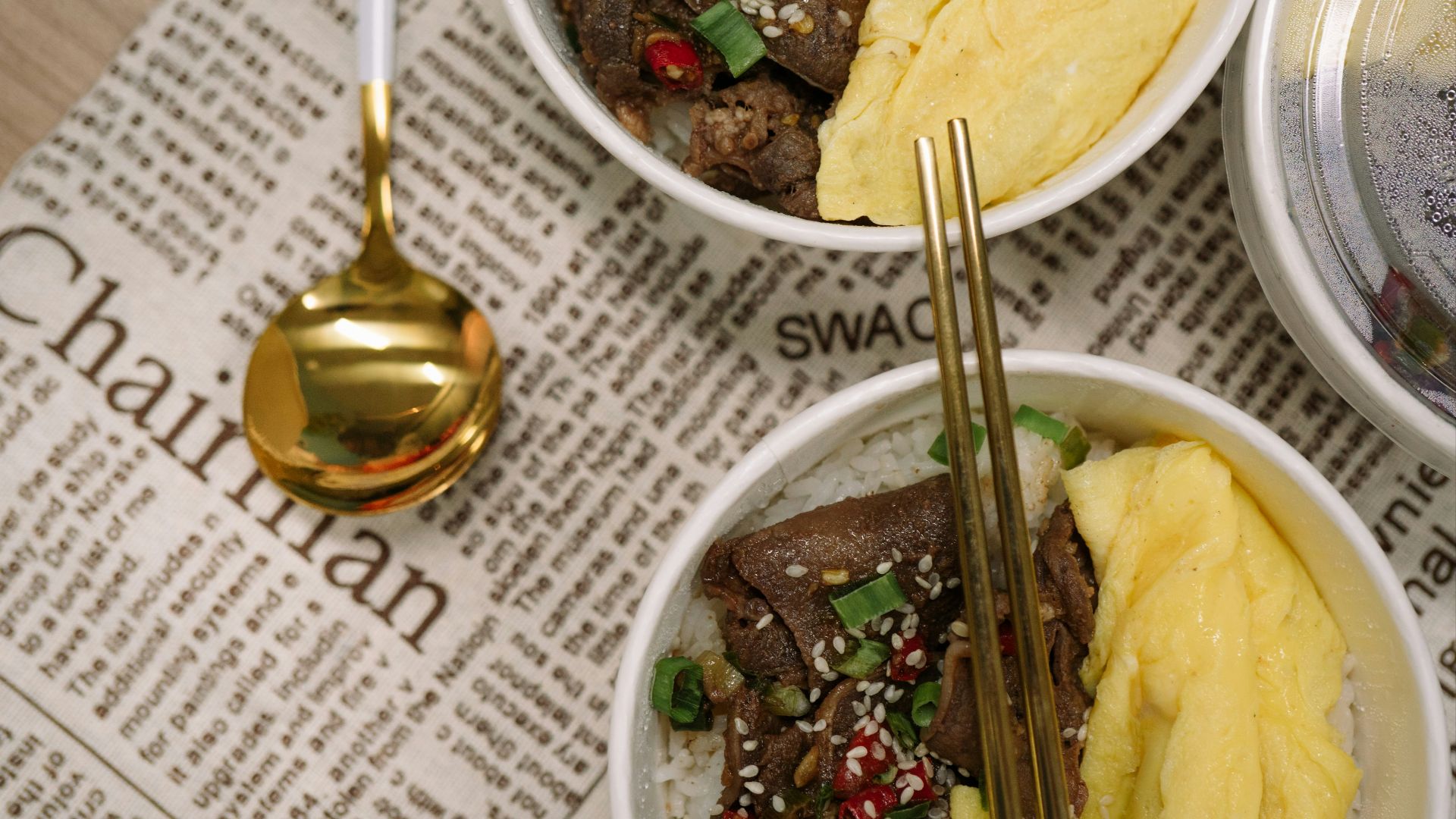
8. Nose to Tail Eating
This influential work encourages cooks to utilize parts of an animal that are often ignored in modern kitchens. It challenges conventional ideas about which ingredients deserve attention. The philosophy promotes both resourcefulness and culinary curiosity.
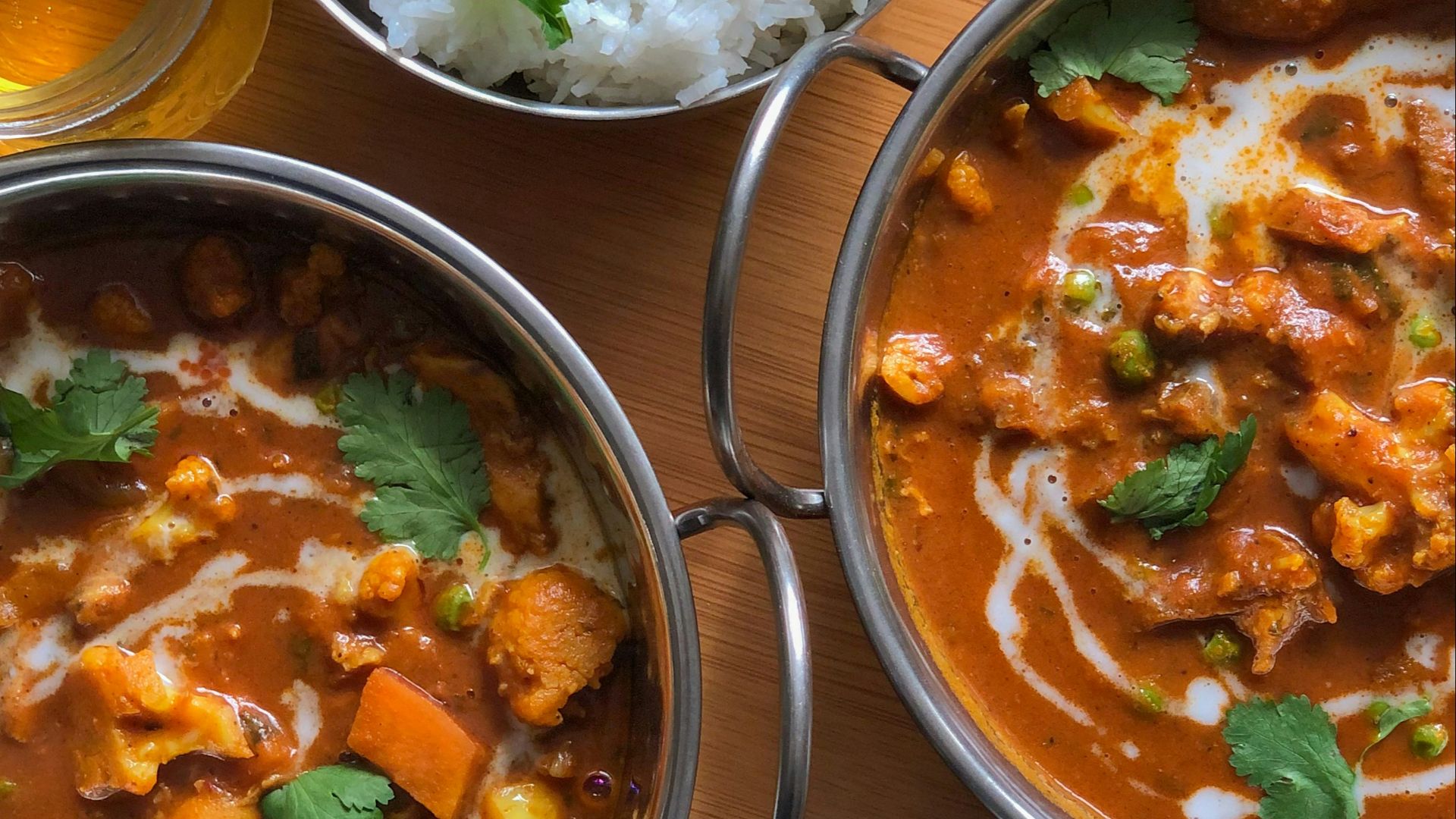
9. Asma's Indian Kitchen
Regional diversity and family traditions are explored through dishes that many readers may not have encountered before. The recipes introduce a broad range of flavors and techniques without oversimplifying them. This creates an experience that feels educational as well as practical.
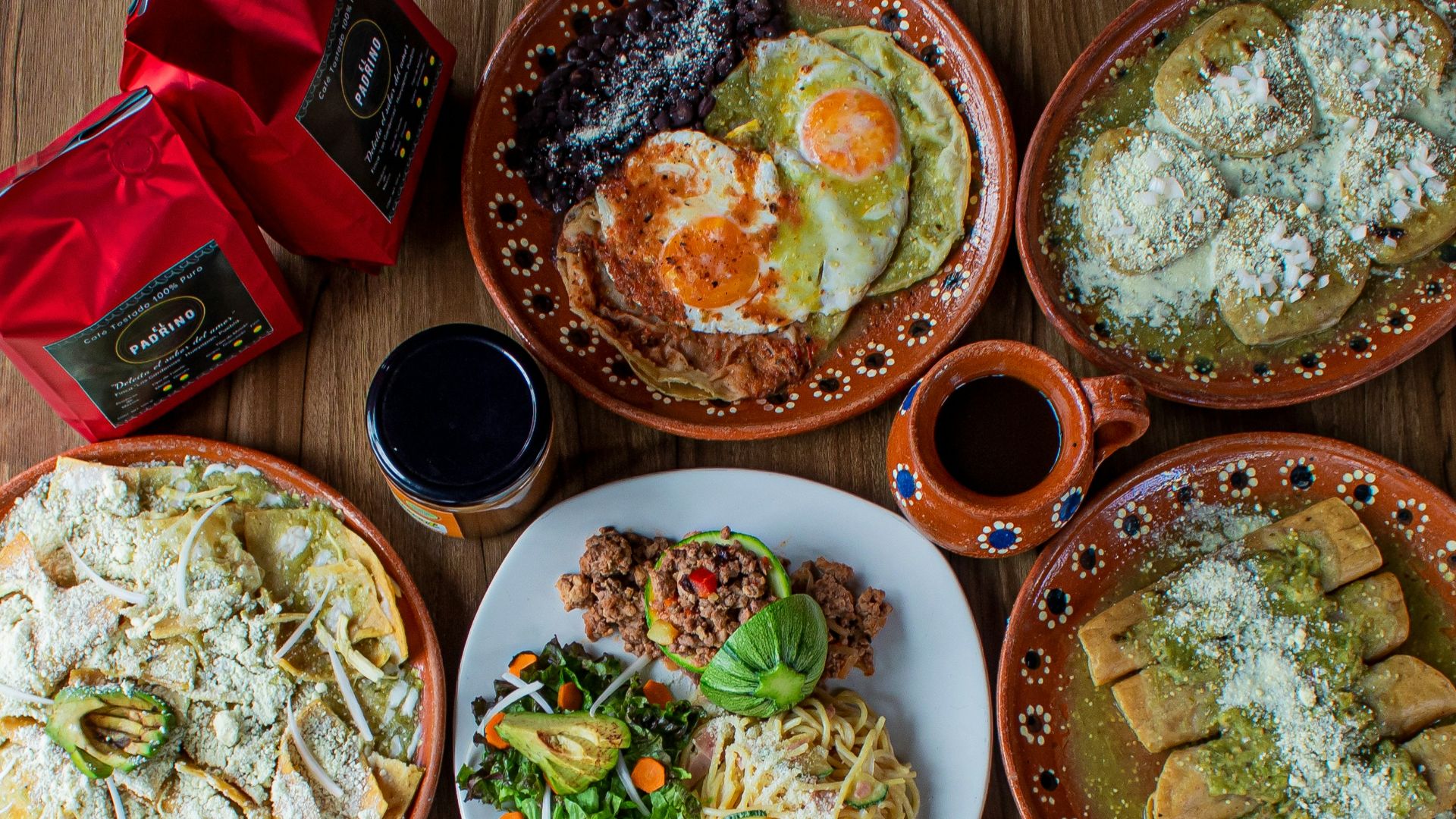
10. Mexico: The Cookbook
The sheer variety on display highlights the depth and complexity of a major culinary tradition. Readers encounter regional specialties, lesser-known ingredients, and techniques that require careful attention. The collection encourages exploration far beyond the most familiar dishes.
1. Better Homes & Gardens New Cook Book
Its long-standing popularity comes from reliability and accessibility. Most recipes prioritize broad appeal and straightforward preparation over innovation. While dependable, it rarely pushes readers outside their comfort zones.
 Better Homes and Gardens on Wikimedia
2. Betty Crocker Cookbook
This classic focuses on practical recipes designed for everyday success. Ingredients are generally easy to find, and techniques remain approachable for beginners. The result is useful but seldom adventurous.

3. The Joy of Cooking
Although incredibly comprehensive, many sections emphasize established techniques and familiar dishes. The goal is often to teach fundamentals rather than encourage experimentation. Readers gain a strong foundation but may need other sources for culinary exploration.
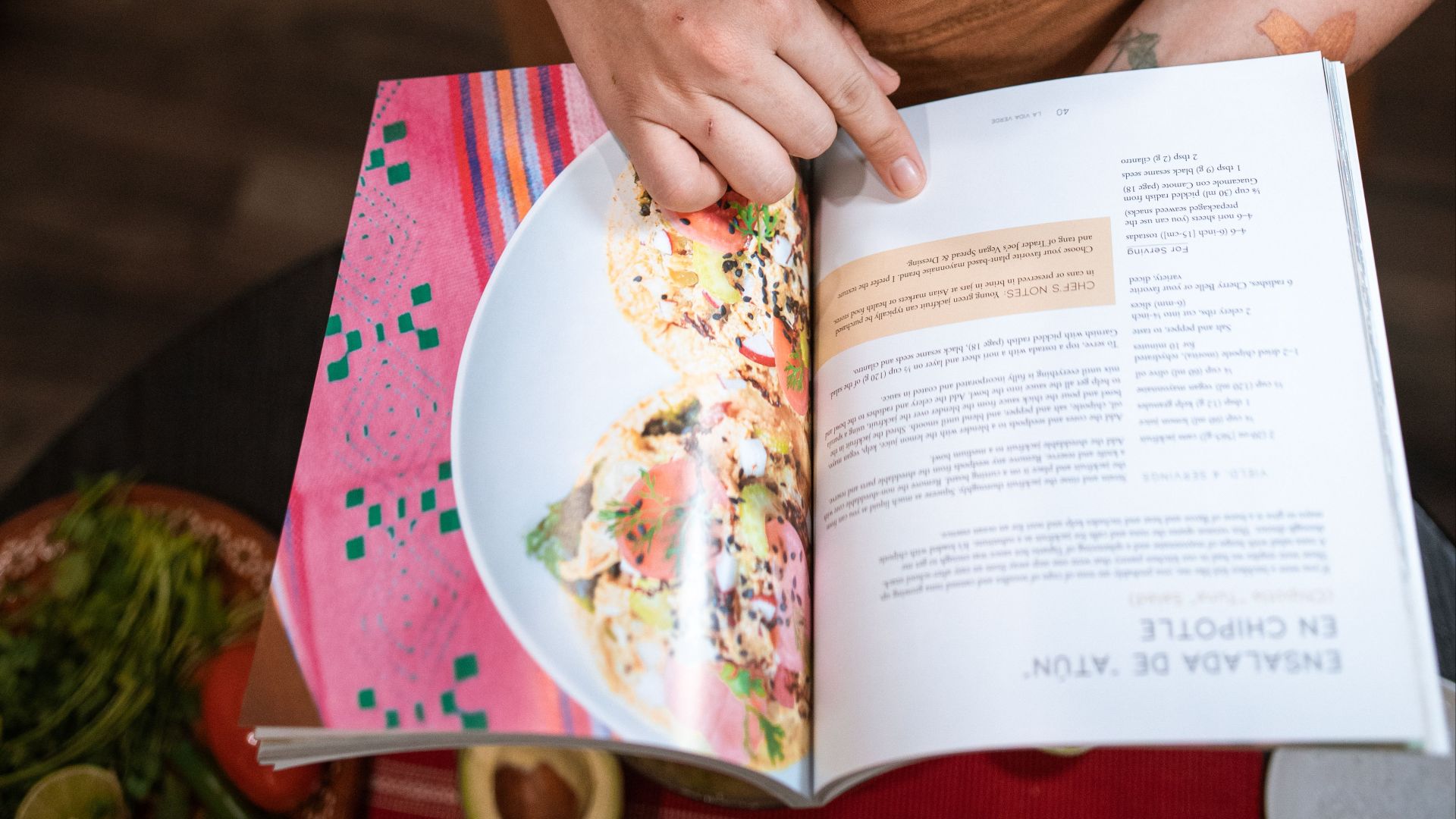
4. Better Homes and Gardens Biggest Book of Recipes
Variety is certainly present, but most selections are designed to satisfy mainstream tastes. The recipes tend to avoid unusual ingredients or particularly challenging methods. Accessibility remains the primary objective throughout.
 Panos Katsigiannis on Unsplash
5. Good Housekeeping Cookbook
This collection prioritizes consistency and broad family appeal. Most dishes feel familiar and approachable regardless of skill level. While useful, it generally avoids taking significant culinary risks.

6. Taste of Home Cookbook
Recipes submitted and refined for home kitchens often emphasize comfort and practicality. The focus remains on dependable meals that fit everyday schedules. As a result, experimentation tends to take a back seat.

7. Better Homes and Gardens Quick & Easy Cookbook
Convenience drives nearly every decision in this collection. Preparation methods and ingredients are selected to minimize complexity. While efficient, that simplicity leaves little room for bold culinary exploration.
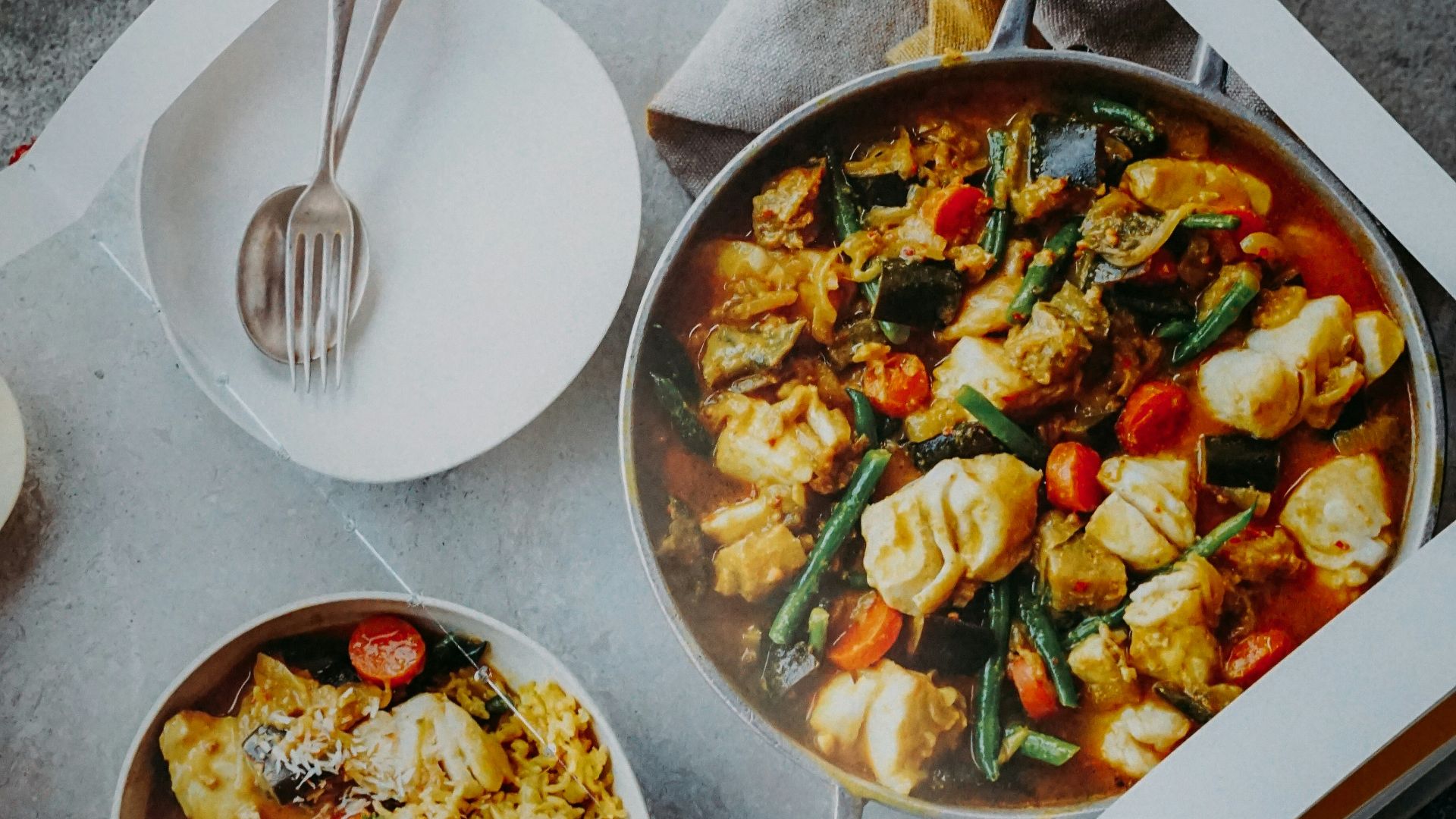
8. The American Woman's Cook Book
This influential classic reflected the tastes and expectations of its era. Many recipes focus on established standards rather than introducing unfamiliar flavors. Its historical significance outweighs its adventurousness.

9. Pillsbury Complete Cookbook
The emphasis is on helping readers achieve reliable results with minimal uncertainty. Techniques remain straightforward, and ingredient lists rarely surprise anyone. It succeeds as a practical guide but not as a source of culinary discovery.

10. Better Homes and Gardens Cooking for Two
Recipes are carefully tailored for smaller households and everyday convenience. The collection favors familiar flavors and efficient preparation methods. Readers looking for comfort will be satisfied, but those seeking culinary challenges may want something more ambitious.

KEEP ON READING