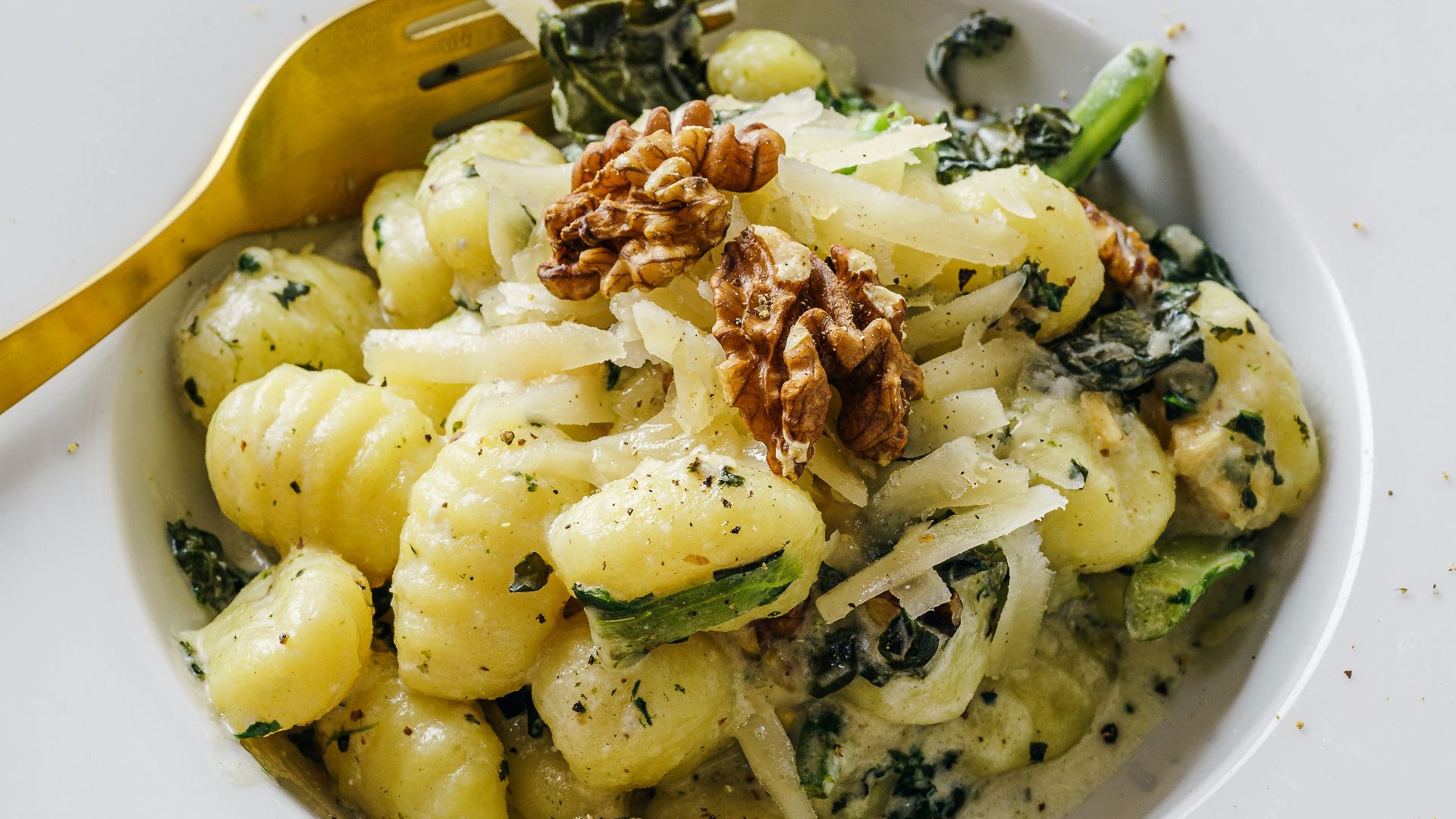
 Sebastian Coman Photography on Unsplash
There’s something comforting about a bowl of pasta that doesn’t require a long ingredient list or complicated techniques. Simple pasta dishes often rely on pantry staples, a few fresh ingredients, and thoughtful timing rather than elaborate preparation. When you understand a handful of basic principles, you can create meals that taste far more impressive than the effort involved. That simplicity is part of what has made pasta a global favorite for generations.
You don’t need to be a trained chef to pull this off. In fact, some of Italy’s most beloved pasta dishes are rooted in simplicity and restraint. The key is learning how to balance flavor, texture, and technique so that each ingredient plays its part without overwhelming the others. Once you grasp those fundamentals, weeknight cooking becomes much less intimidating.
Start With Quality Ingredients
When a dish only has a few components, each one matters more. High-quality dried pasta made from durum wheat semolina holds its shape better and has a firmer texture when cooked al dente. If you’re using fresh pasta, make sure it’s properly stored and not overly dry or sticky before cooking.
Olive oil is another foundational ingredient worth choosing carefully. Extra-virgin olive oil offers a fruity, peppery flavor that can carry an entire dish when used correctly. Since it’s often added at the end or used as a base for sauces, its quality will noticeably affect the final result.
Fresh produce and herbs also elevate simple pasta. Ripe tomatoes, fresh basil, garlic, and lemons can transform a basic plate into something vibrant and satisfying. Because there’s little to hide behind in a minimalist recipe, freshness truly shines through, and seasonal ingredients provide the most depth and natural sweetness.
Master The Technique Of Cooking Pasta
Cooking pasta properly is more important than most people realize. Use a large pot with plenty of water so the pasta has room to move and cook evenly. Salting the water generously, until it tastes lightly like the sea, enhances the flavor from the inside out.
Timing is crucial if you want the ideal al dente texture. Most packaged pasta includes cooking times, but testing a piece a minute or two early helps prevent overcooking. Pasta should be tender yet firm to the bite, which gives the dish structure and balance.
One of the most overlooked steps is reserving pasta water. That starchy liquid can be added to sauces to help them cling to the noodles and create a silky consistency. A few spoonfuls can make the difference between a dry plate and a cohesive, restaurant-quality finish.
Build Simple, Flavorful Sauces
Simple pasta sauces often begin in a skillet while the pasta cooks. Sautéing garlic gently in olive oil creates a fragrant base, but it’s important not to let it brown too much, as burnt garlic turns bitter quickly. From there, you can add tomatoes, leafy greens, or even just red pepper flakes for a classic aglio e olio-style dish.
Cheese-based sauces don’t need to be heavy or complicated. Finely grated Parmesan or Pecorino Romano melts smoothly when tossed with hot pasta and a splash of reserved water. The heat helps emulsify the cheese with the starch, forming a creamy coating without the need for cream.
You can also keep things fresh and bright with simple additions like lemon zest, cracked black pepper, or chopped herbs. A squeeze of lemon juice at the end can lift rich flavors and add balance. When you taste and adjust seasoning thoughtfully, even the most basic combination can feel complete.
Keep The Add-Ins Balanced
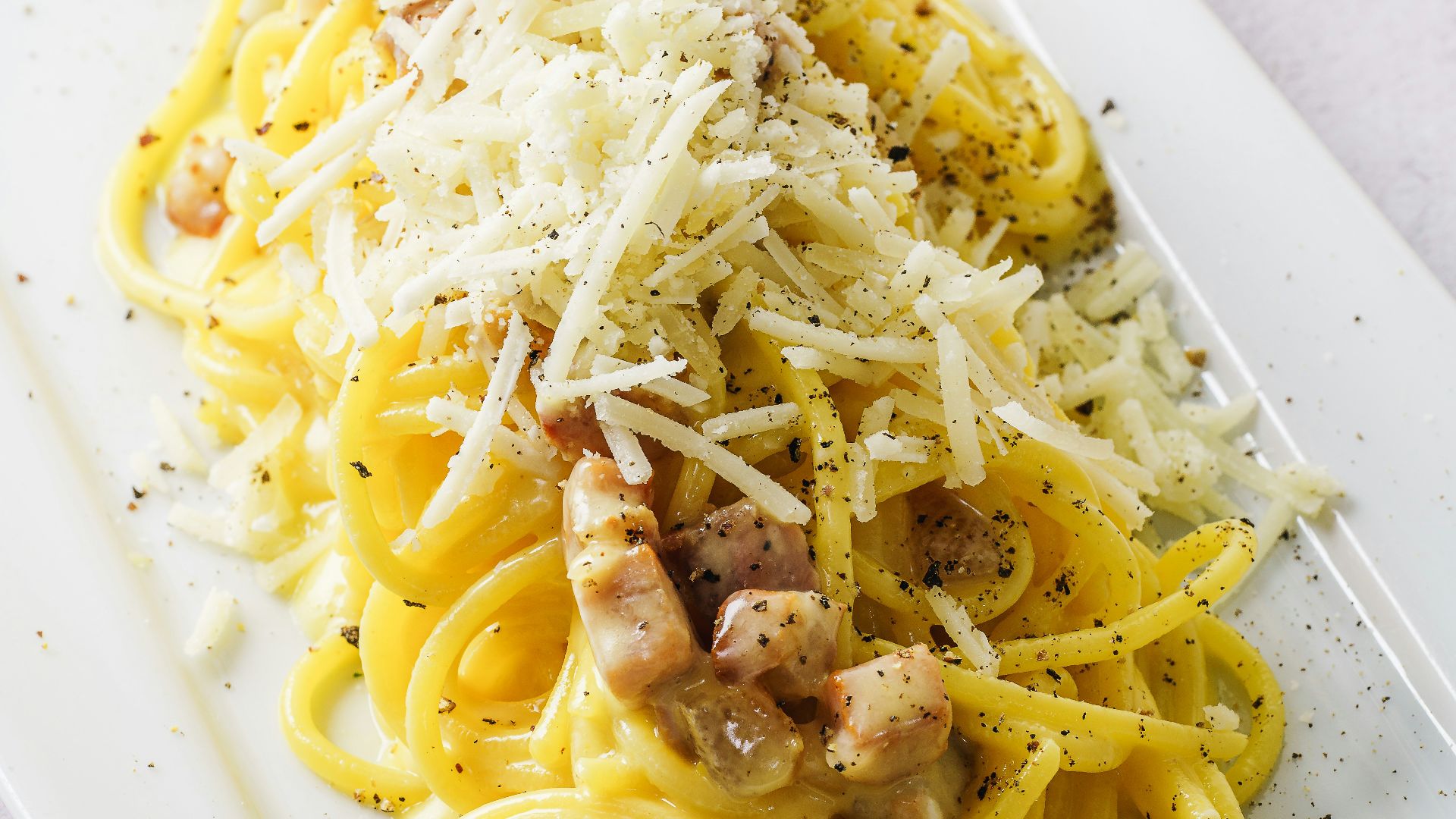 Sebastian Coman Photography on Unsplash
Protein additions should complement, not dominate, the pasta. Small amounts of sautéed shrimp, grilled chicken, or crispy pancetta can add depth without turning the dish into something heavy. The goal is harmony rather than overload. Keeping portions moderate allows the pasta and sauce to remain the stars.
Vegetables are often best when cooked briefly to maintain texture and color. Blanched broccoli, sautéed zucchini, or wilted spinach can blend seamlessly into a pasta dish. Leaving a bit of bite in the vegetables keeps the overall texture interesting. Overcooked vegetables can dull both flavor and appearance.
Finally, resist the urge to crowd the plate with too many ingredients. A simple tomato and basil sauce, or olive oil with garlic and chili flakes, can be more satisfying than a mixture of competing flavors. When you allow each element space to shine, the dish feels intentional and refined.
In the end, creating simple pasta dishes comes down to respecting ingredients and paying attention to technique. You don’t need elaborate sauces or exotic components to make something memorable. With good pasta, properly salted water, balanced seasoning, and restraint, you can prepare meals that are both comforting and elegant. Sometimes the most satisfying dishes are the ones that prove less truly is more, especially when care and quality lead the way.