From Scraps To White Tablecloths
Some of the most “luxurious” dishes on a menu began as practical cooking, the kind that happens when the pantry is thin and the day has already asked too much. People used what was cheap or available: stale bread, tough cuts, bony fish, beans, and offal, plus enough salt, heat, and time to make it feel like a real meal. As ingredients became scarcer, cities got richer, and restaurant culture got louder, those survival dishes picked up new stories and sharper price tags. The funny part is that the makeover rarely changes the fundamentals, just the lighting, the vocabulary, and the menu copy. Here are 20 dishes that traveled from necessity to icon status, one humble pot at a time.
 David Todd McCarty on Unsplash
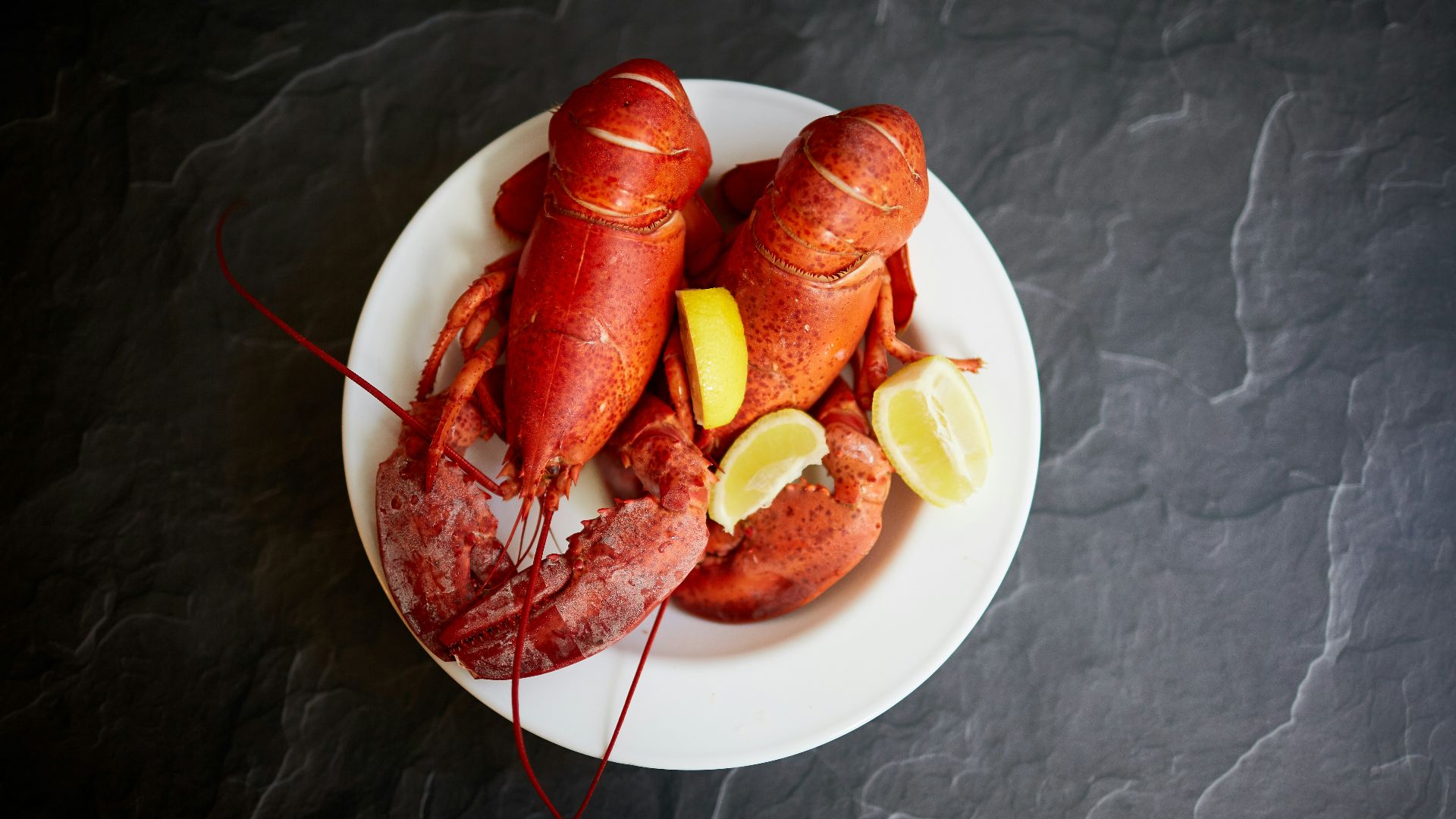
1. Lobster
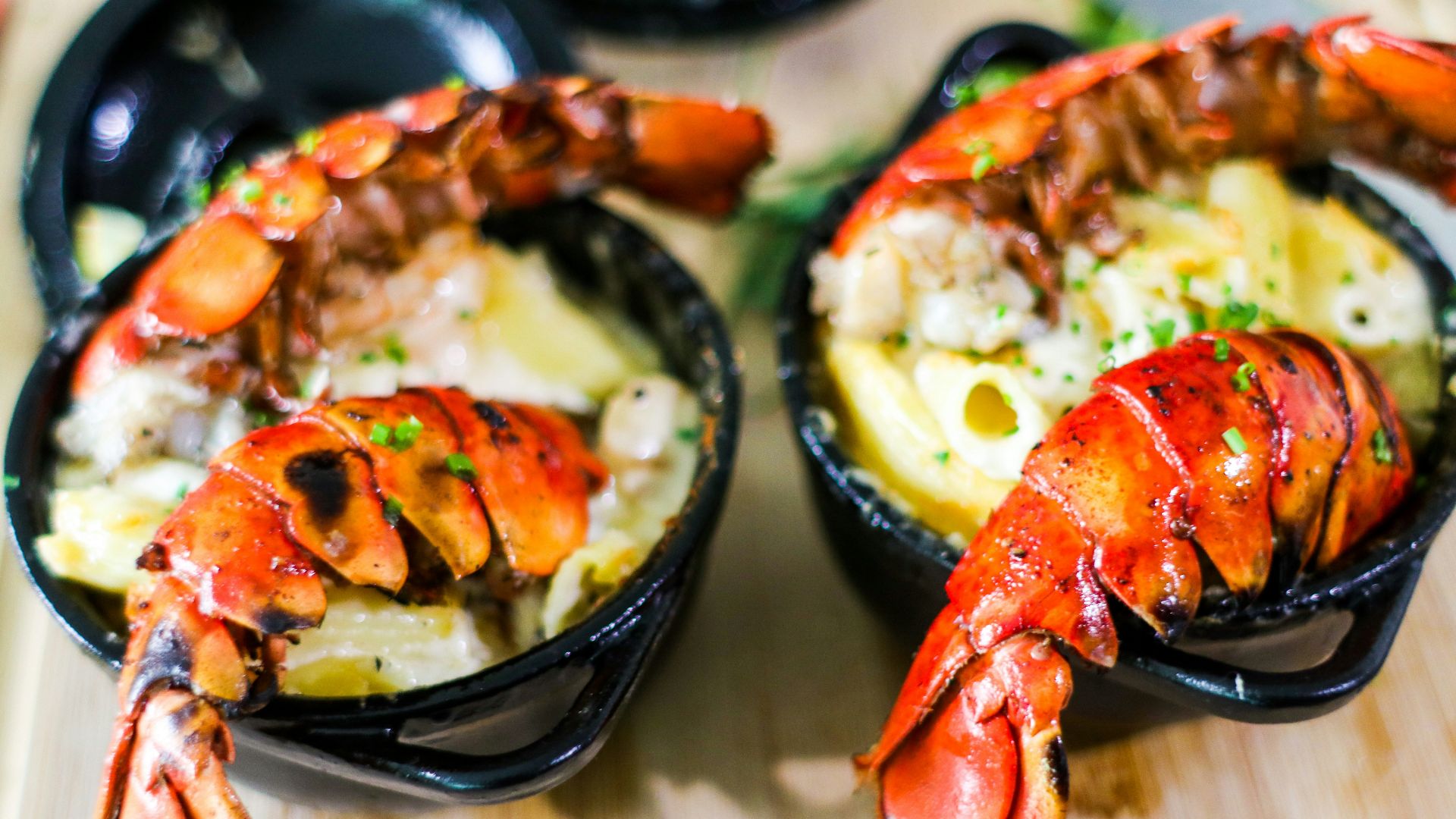
In parts of colonial New England, lobster was so plentiful it could be treated as low-status food, more “use it up” than celebration. Today it’s a luxury symbol, yet it still tastes best with treatment that stays basic: sweet meat, hot butter, and salt.
2. Oysters
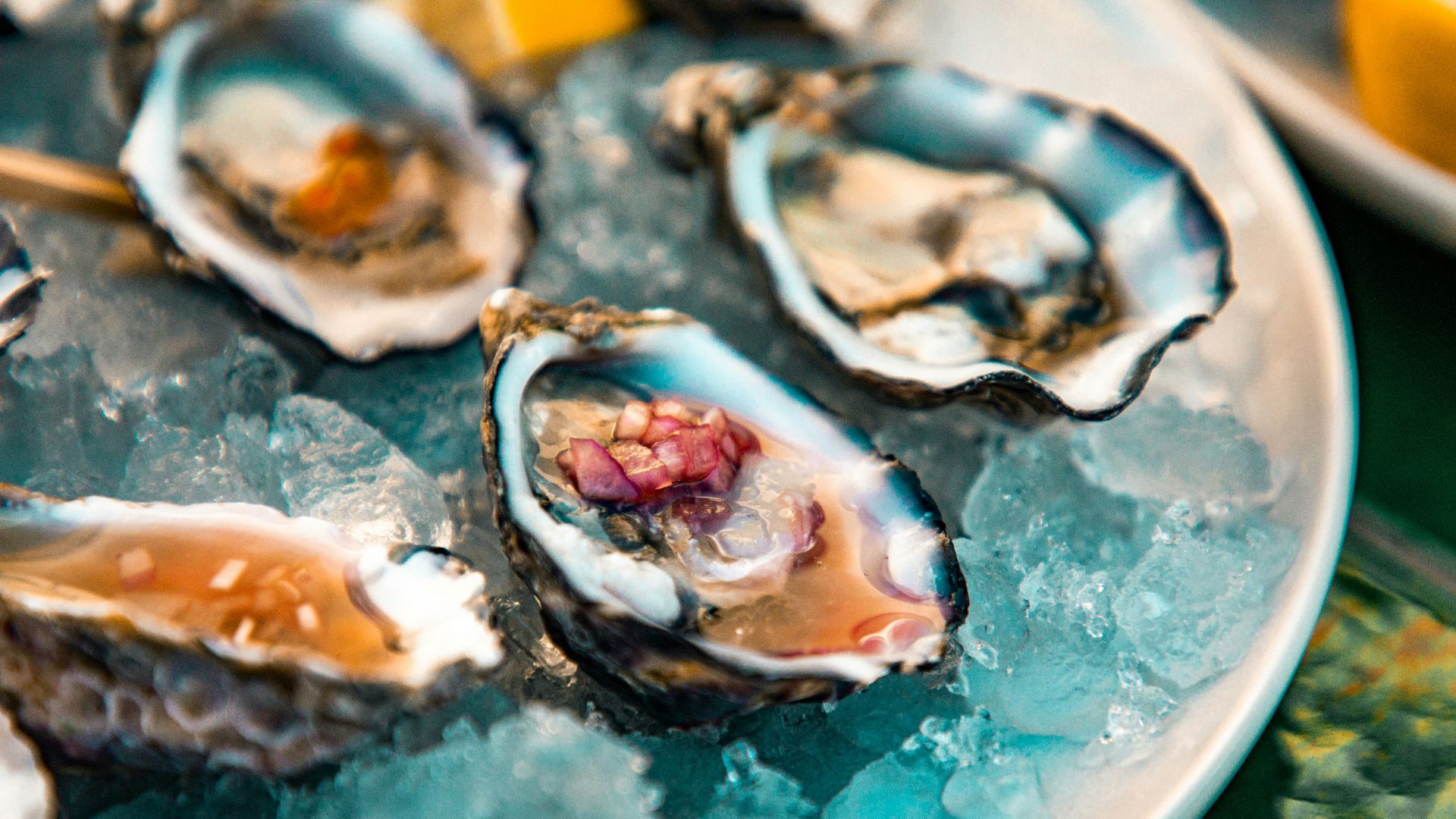
In the nineteenth century, oysters were common and cheap in American coastal cities, sold as street food rather than a special-occasion indulgence. As reefs declined and supply tightened, oysters became curated and expensive, even though the payoff is still briny bite and cold snap.
3. Bouillabaisse
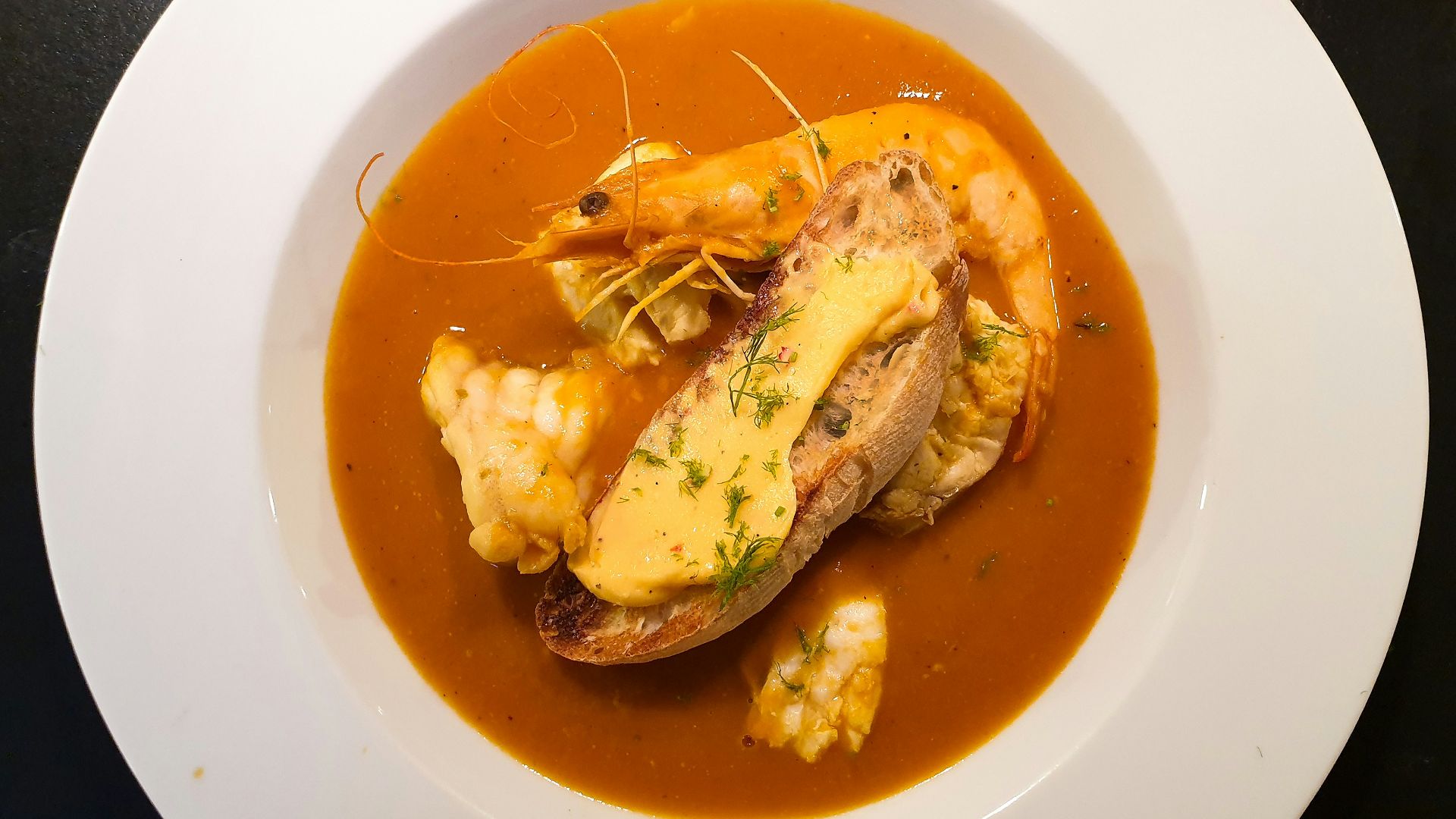
Bouillabaisse began as Marseille fisherman’s stew, built from bony, unsellable fish and a broth that could forgive everything. Restaurant versions add seafood and ceremony, but the heart remains strong stock, garlic, olive oil, saffron, and time.
4. Cassoulet
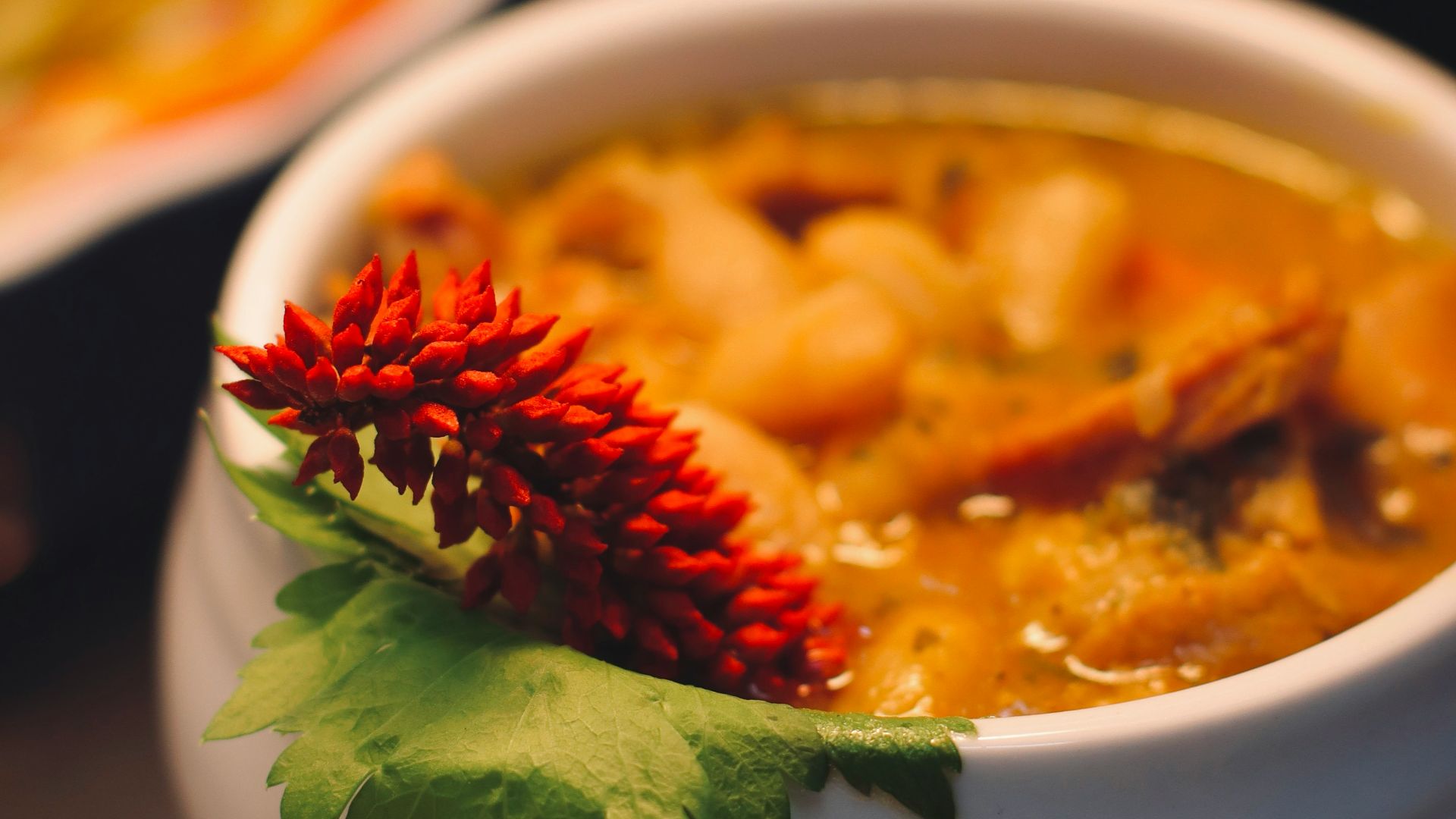
Cassoulet is bean-and-meat persistence, historically assembled from preserved bits, confit, and sausage meant to stretch a household through winter. In fine dining it turns glossy and composed, yet it still eats like warmth in a bowl, rich enough to slow the world down.
5. Polenta
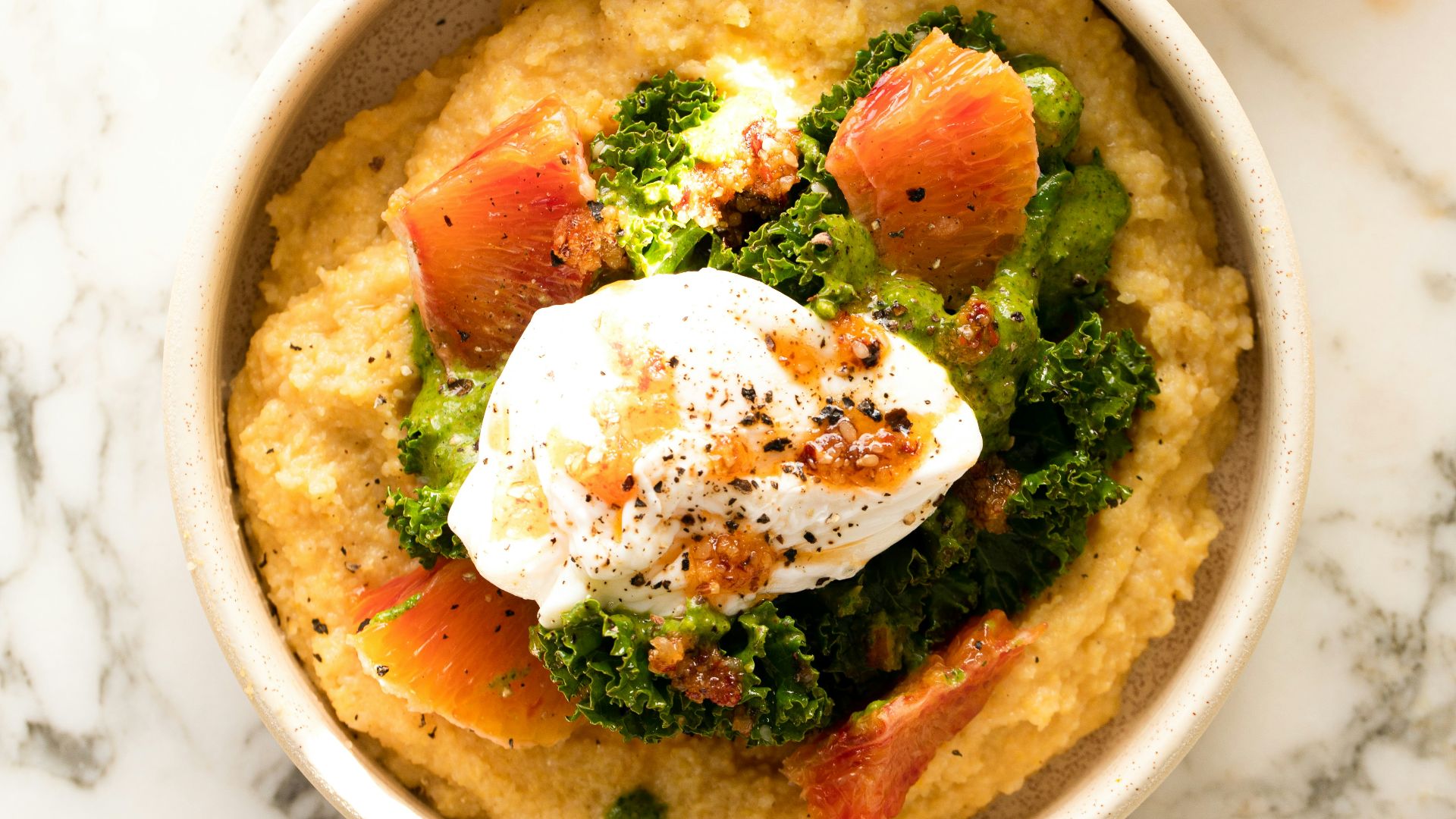
Polenta became a northern Italian staple because cornmeal was affordable and filling, a base that could carry cheese or a spoonful of sauce. Now it’s whipped with butter and cheese, topped with truffles or braises, and still delivers the same comfort-first warmth.
 Bakd&Raw by Karolin Baitinger on Unsplash
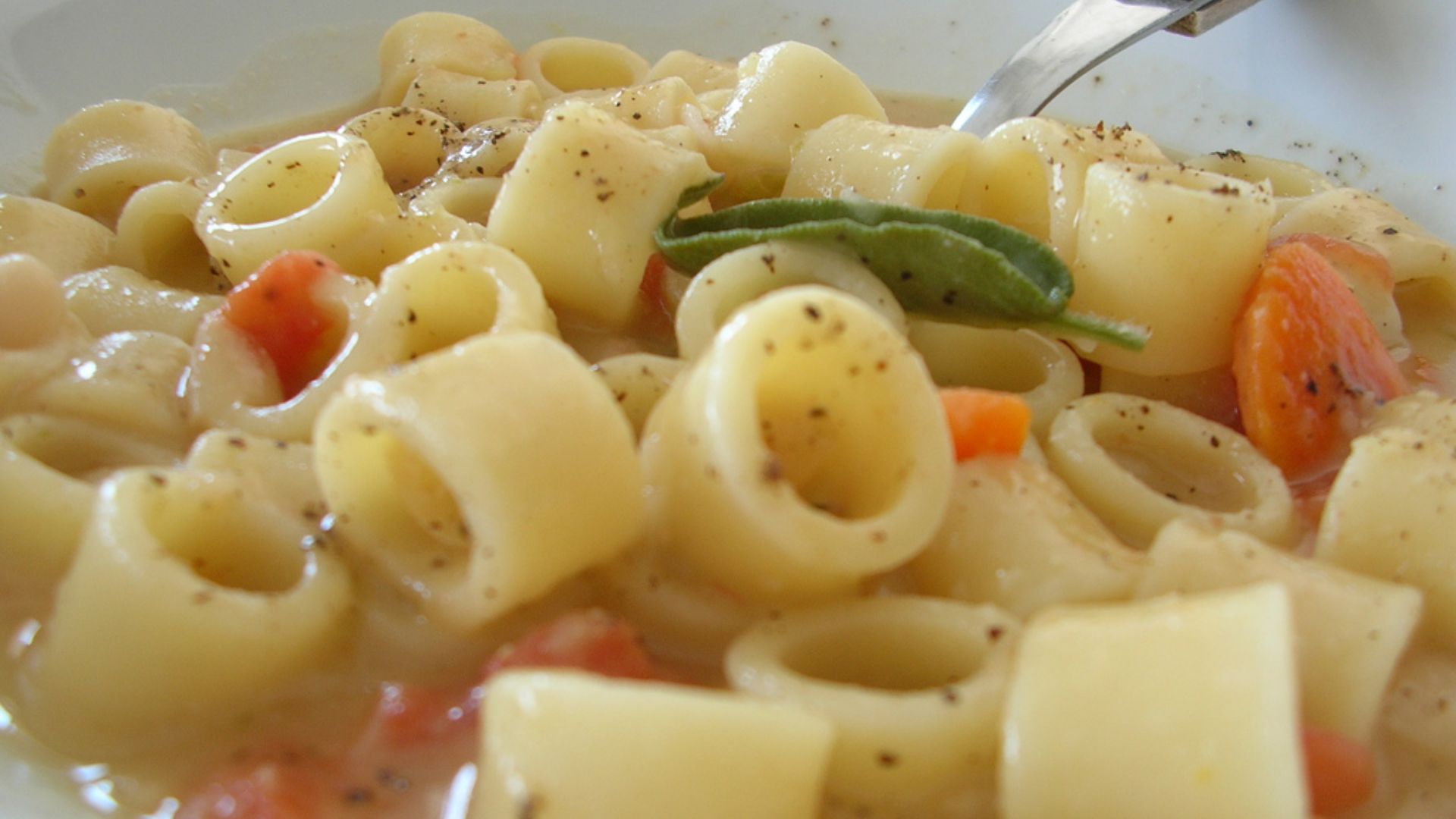
6. Pasta E Fagioli
Pasta e fagioli is pantry math: beans for body, pasta for comfort, aromatics for lift, and enough broth to pull it together. Restaurant bowls get fussier in texture and finish, but the point stays steady, a modest soup that feels like rescue.
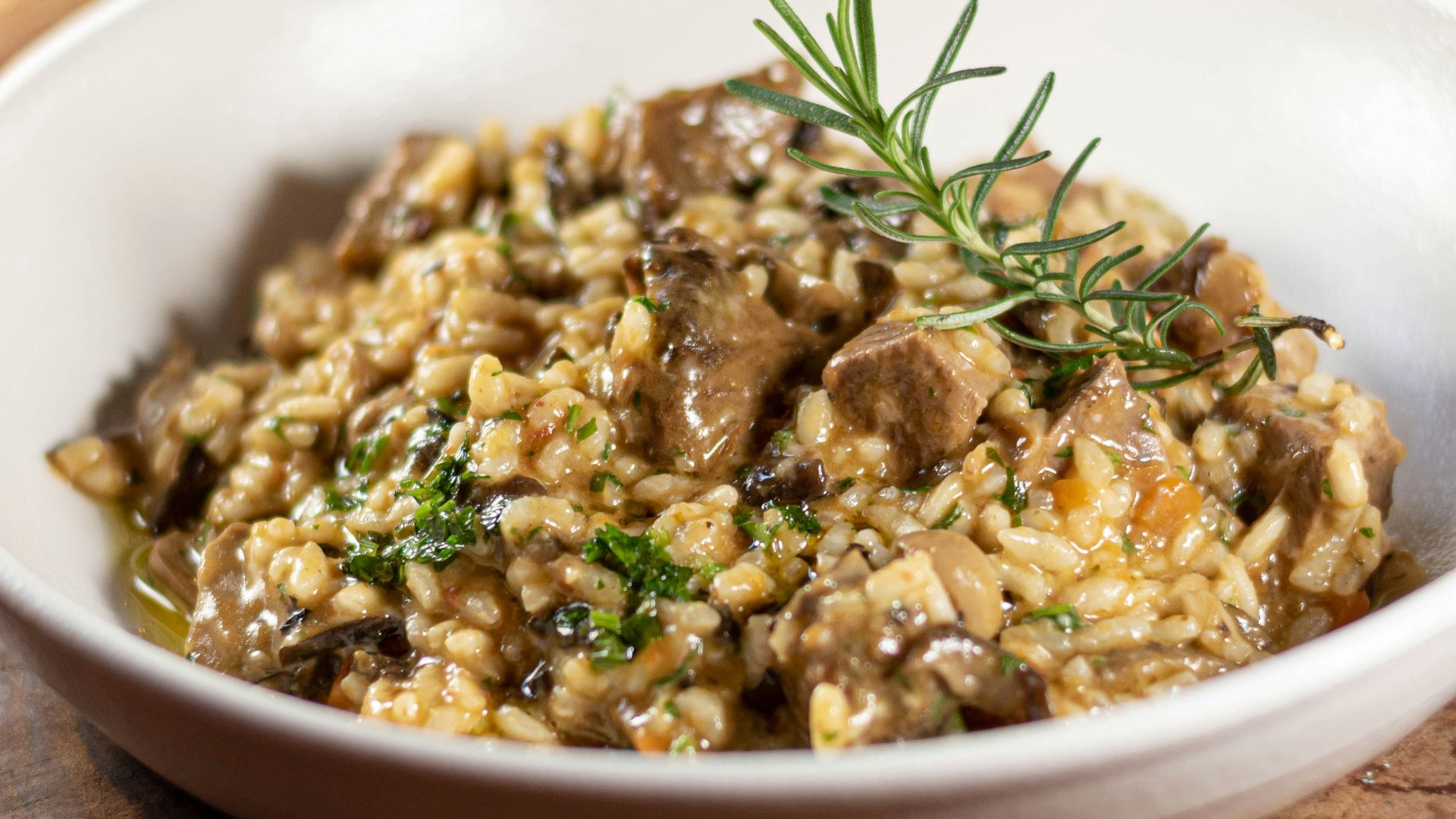
7. Risotto
Risotto turns rice into something plush through attention, steady heat, and broth added a little at a time. Fine dining loves it as a canvas for saffron, porcini, crab, or truffle, yet the luxury is the technique, not the topping.
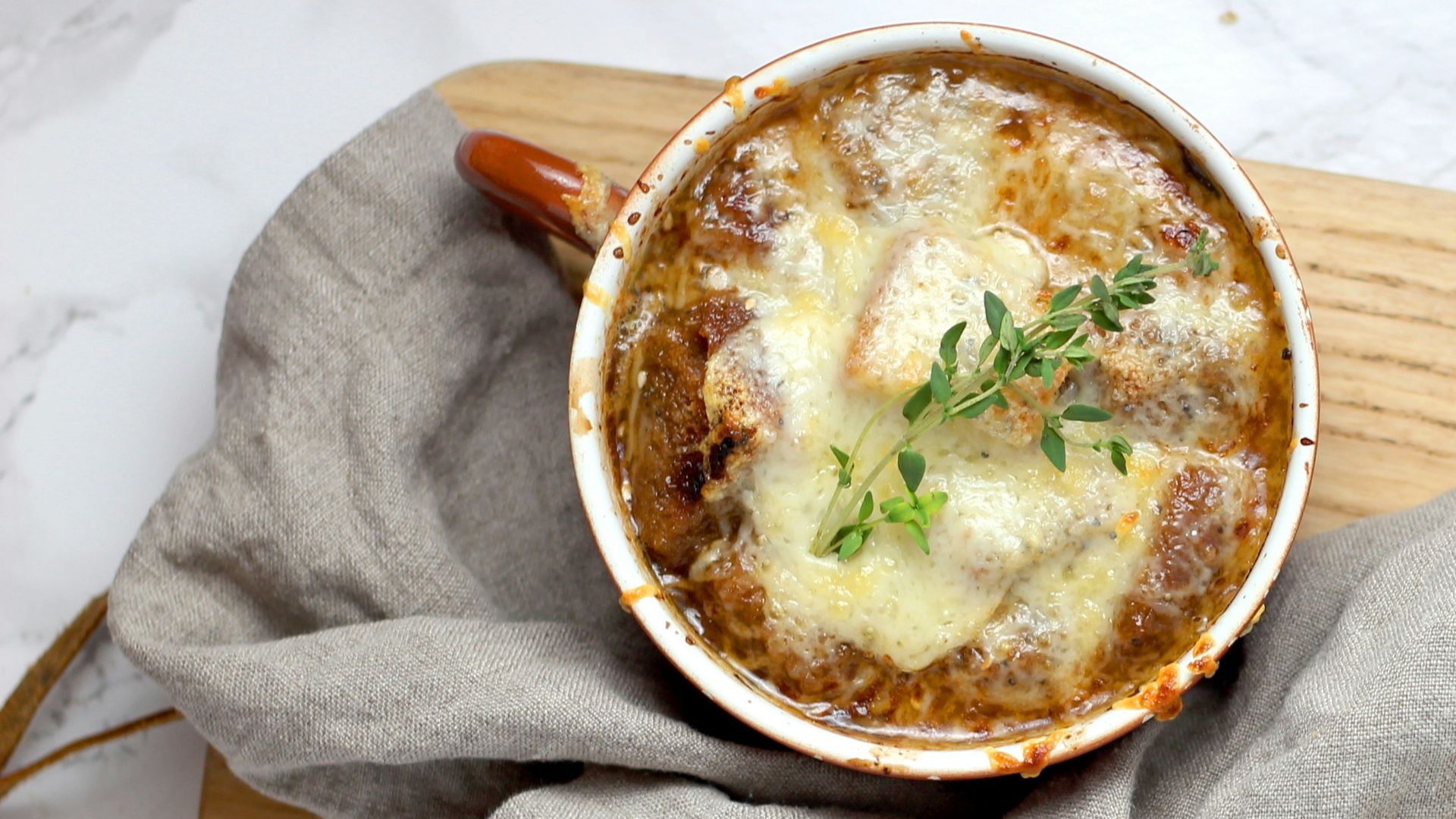
8. French Onion Soup
French onion soup started as thrift, onions and stock plus yesterday’s bread, made satisfying through caramelization. The restaurant version keeps the same bones, just with a browned cheese lid and a crock that makes it feel ceremonial.
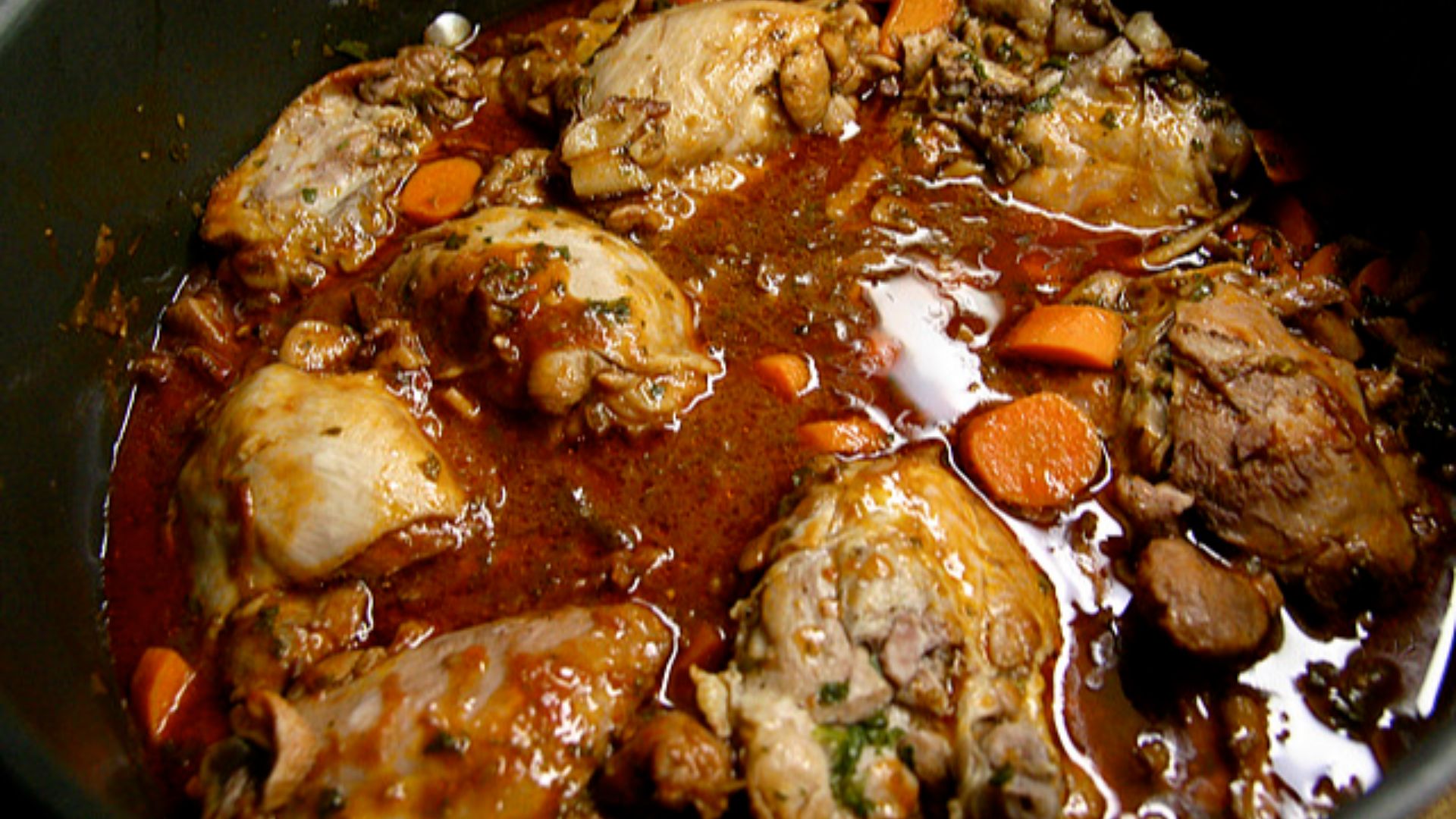
9. Coq Au Vin
Coq au vin grew from the reality that older birds can be tough, and wine plus time can turn tough into tender. In dining rooms it’s served with glossy sauce and tidy garnishes, but it still tastes like patience doing its job.
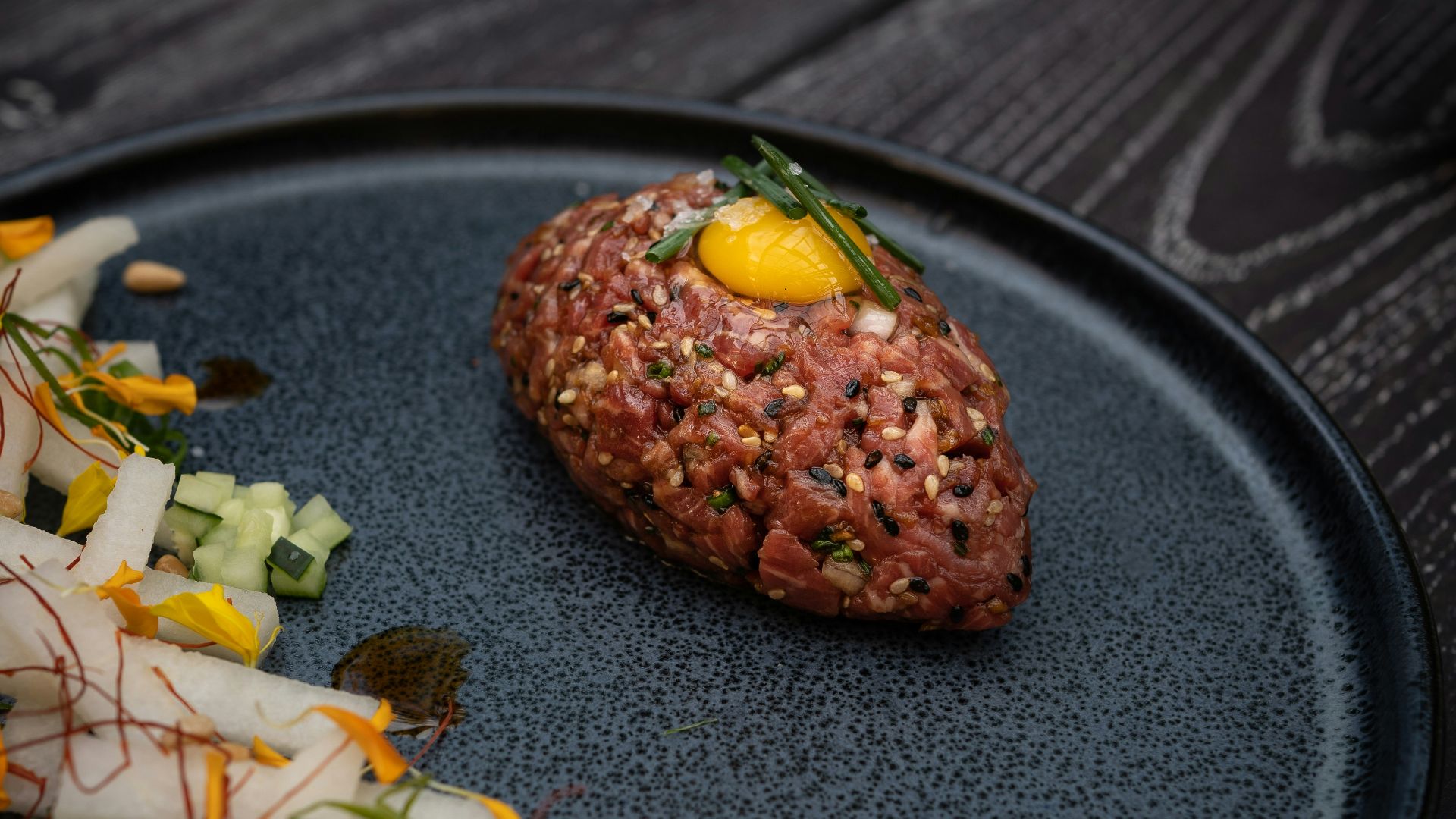
10. Steak Tartare
Raw chopped beef has roots in traditions where fresh meat and sharp condiments could make a meal without a stove. Fine dining turned it into ritual, knife work, chilled plates, and seasoning dialed in so the beef stays vivid.
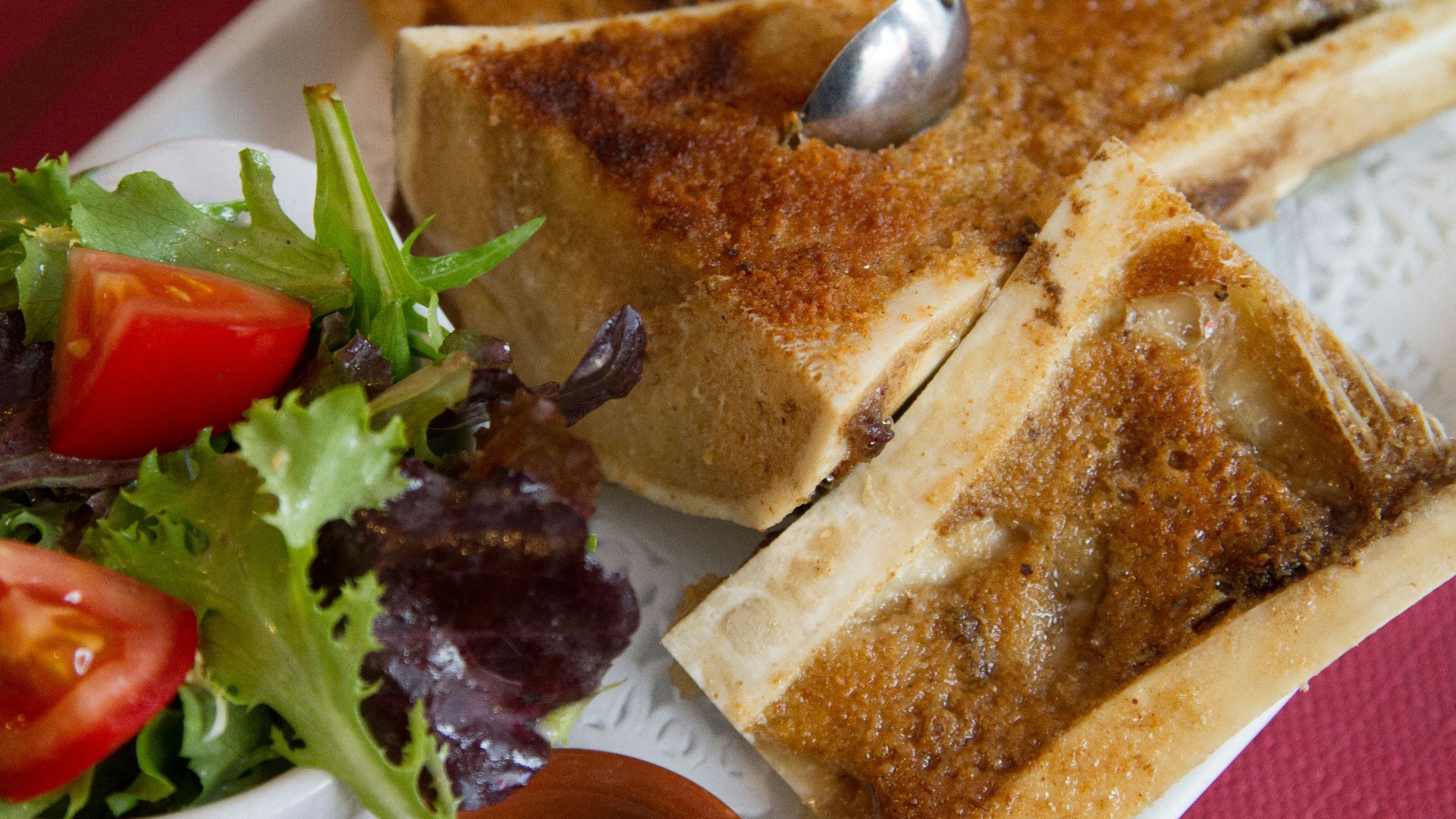
11. Bone Marrow
Marrow was once the reward for anyone who refused to waste the animal, roasted or simmered until it turned spoon-soft. Now it’s plated with toast and acid, and it still hits the same: rich fat, crisp bread, instant silence.
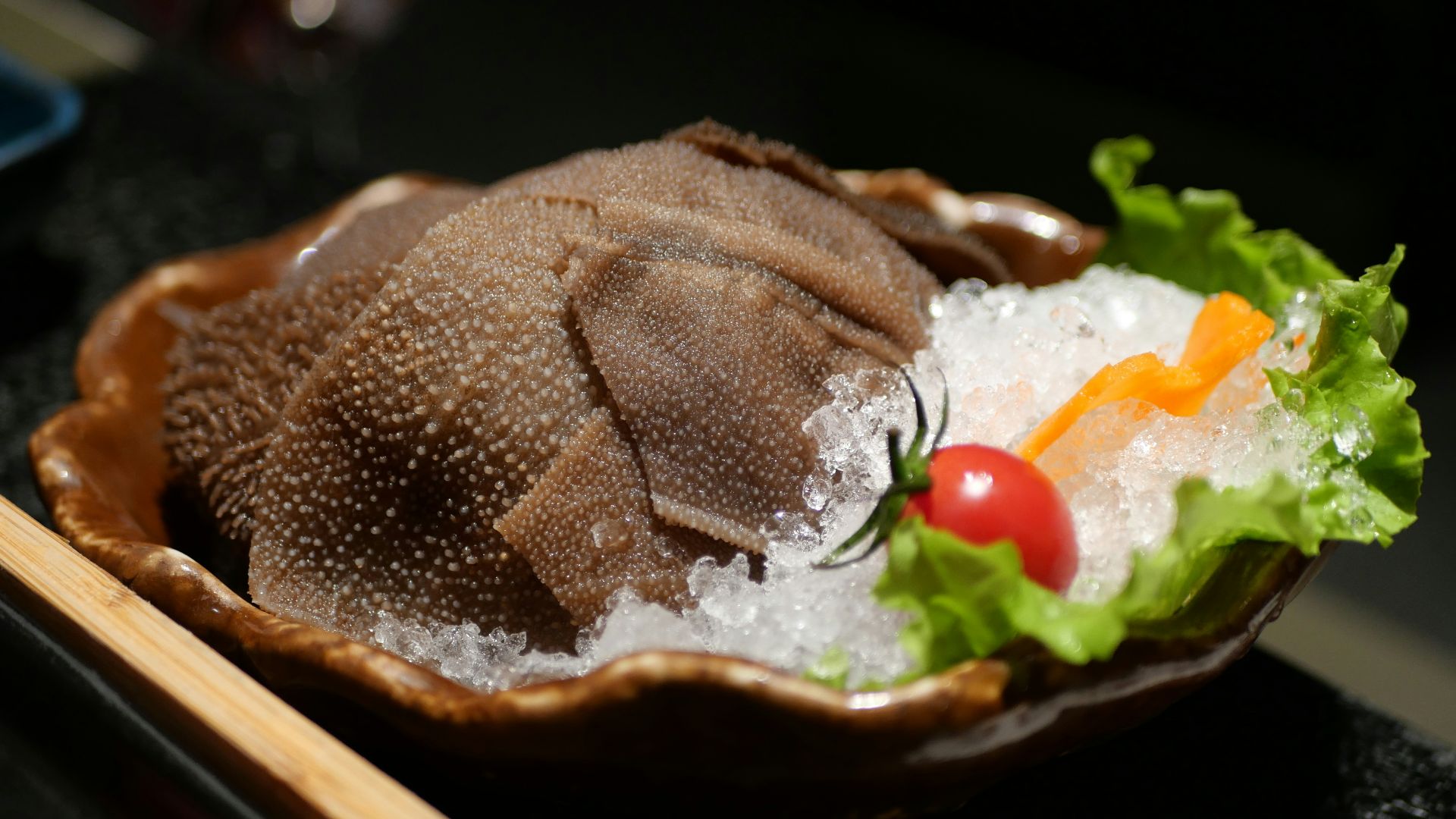
12. Tripe
Tripe appears in cooking around the world because it’s affordable and becomes tender only with long, attentive heat. Upscale kitchens serve it cleaner and prettier, yet it keeps its chew and character, proving effort can read as luxury.
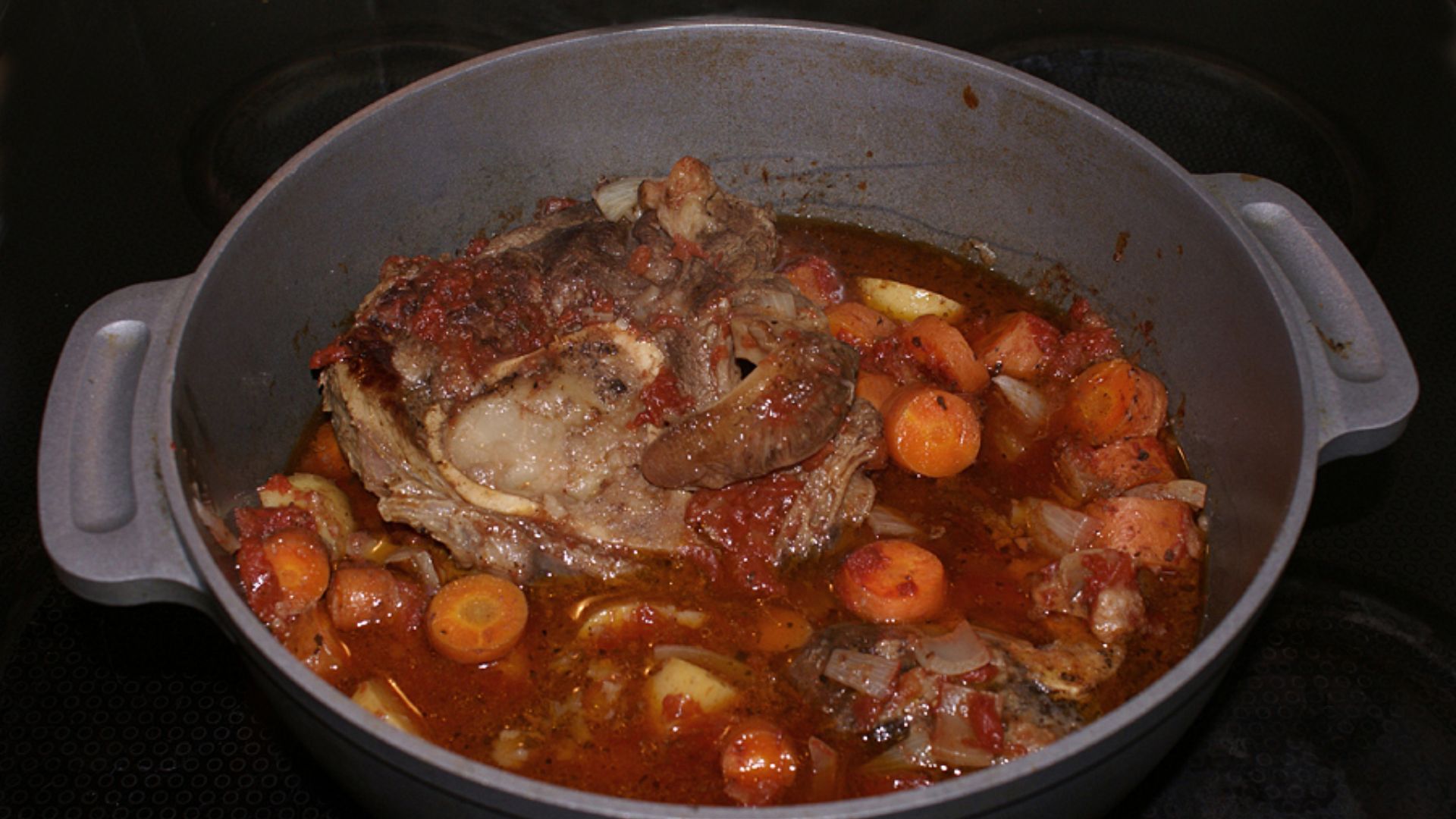
13. Osso Buco
Osso buco takes a shank, long considered a less glamorous cut, and braises it into richness, with marrow as the hidden prize. Restaurants lean into the bone and gremolata, while the flavor still feels like a bargain you earned.
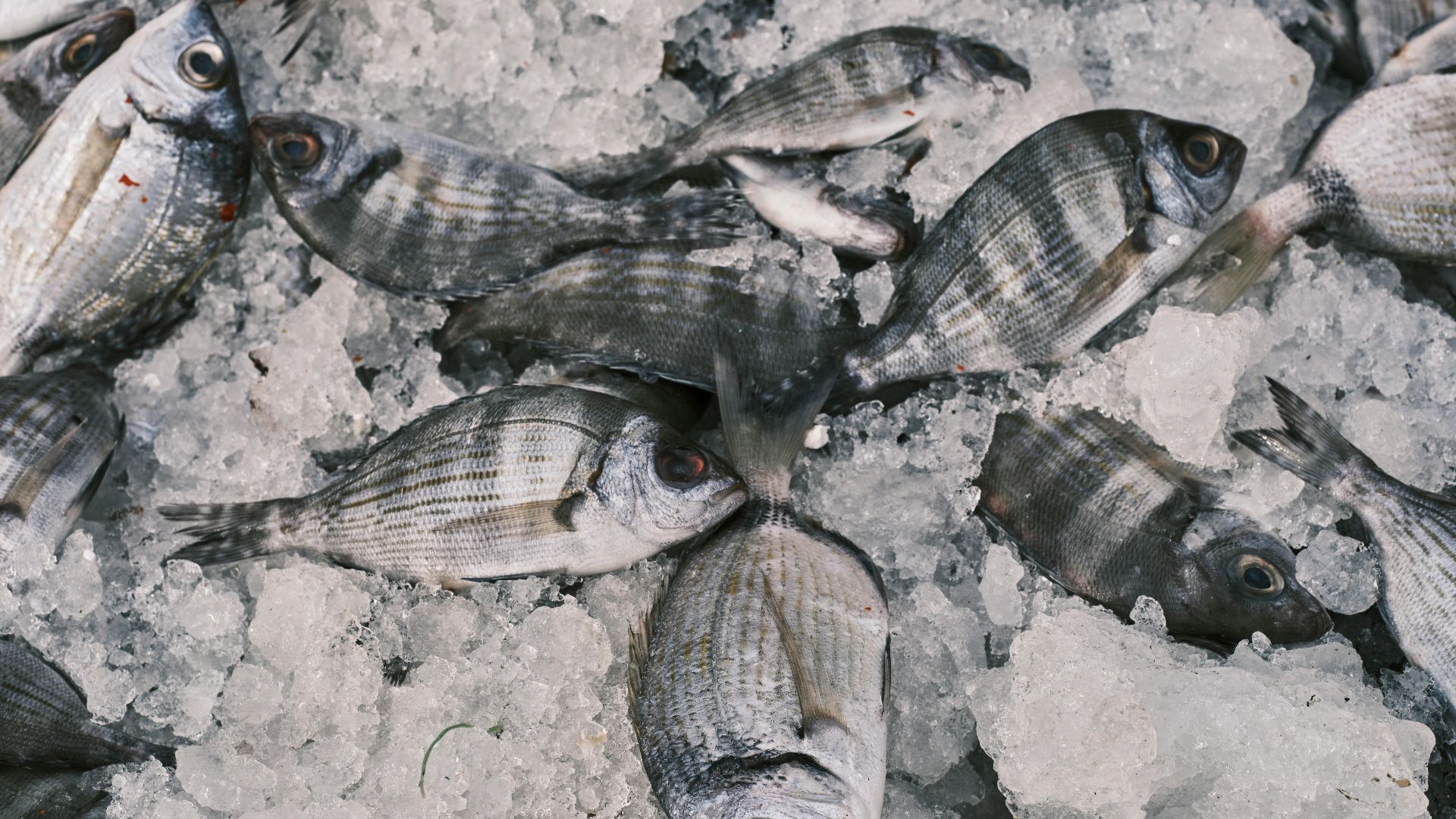
14. Branzino In Salt
Salt-baking fish began as practical engineering, a crust that seals in steam so the flesh stays moist and cooks evenly. In restaurants it becomes theater, yet the point is still tenderness and clean flavor.
15. Paella
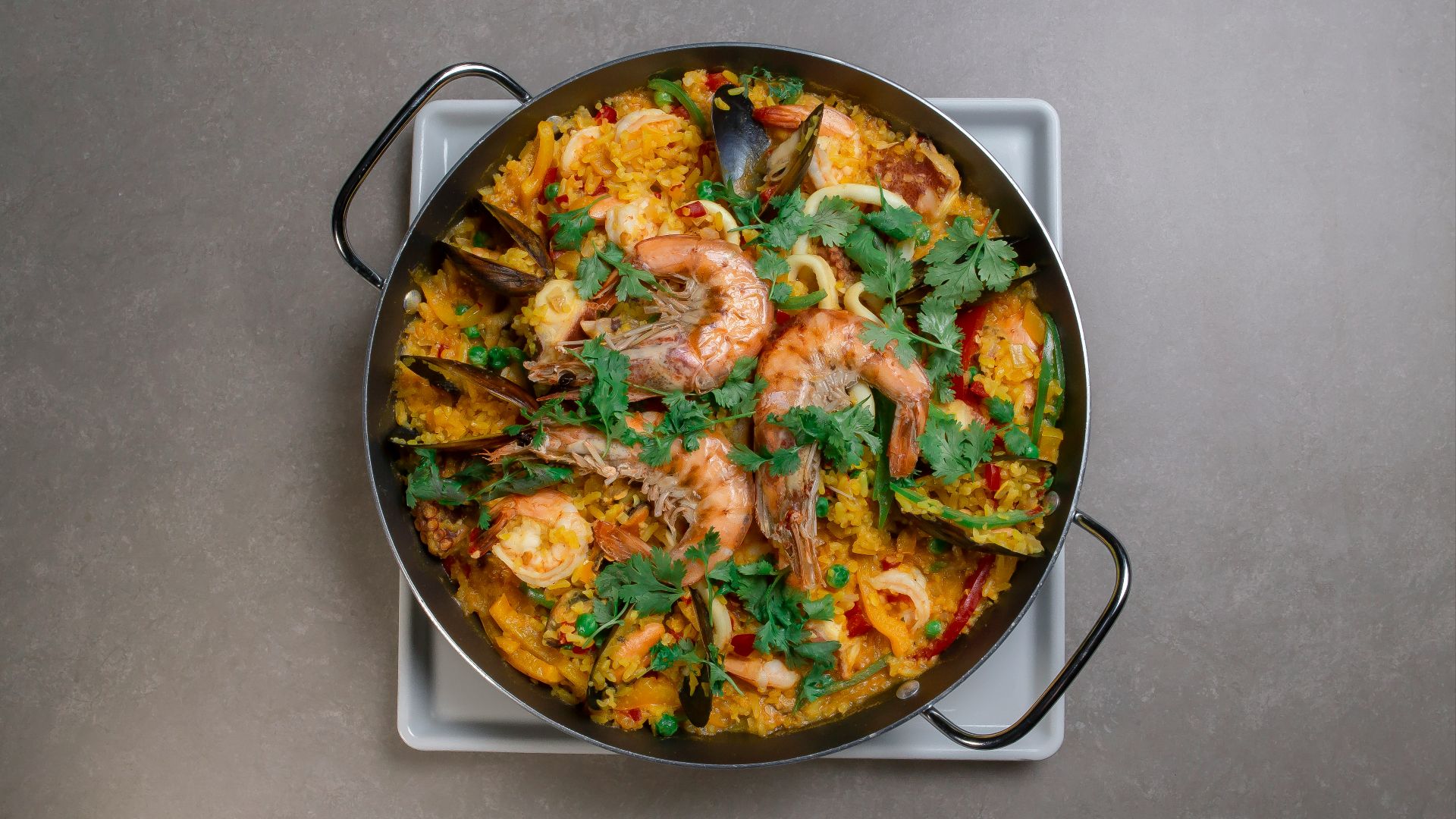
Paella comes from Valencia as communal rice cooked over fire, often built from what was available in that season and landscape. Fine dining might add shellfish and chase perfect socarrat, but it still tastes smoky, saffron-scented, and shared.
16. Ramen
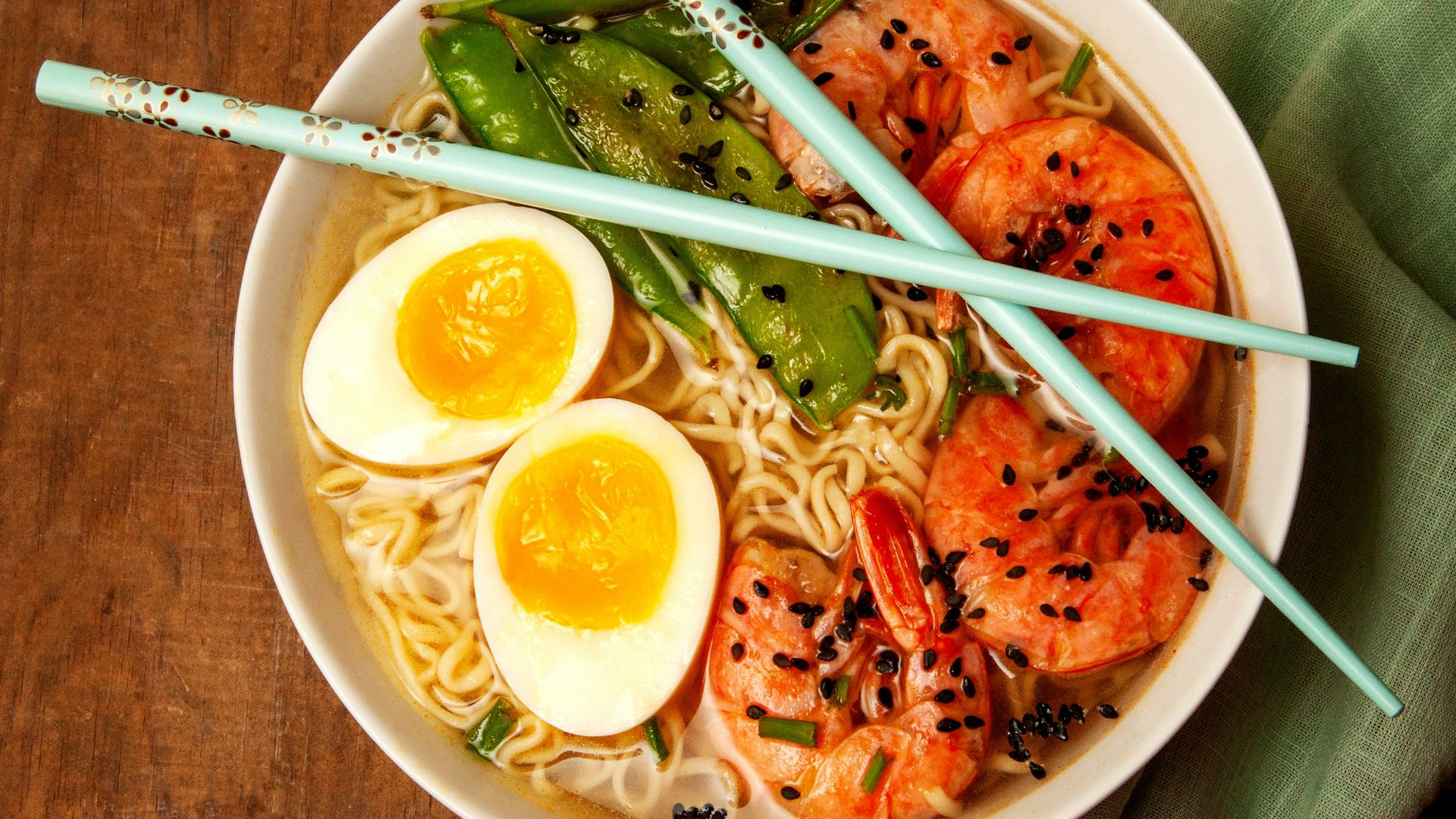
Ramen earned its reputation as affordable comfort, a bowl meant to warm you up fast and leave you satisfied on a budget. High-end versions obsess over broth, noodles, and toppings, yet the soul stays the same, a bowl you lean into until the last drop.
17. Pho
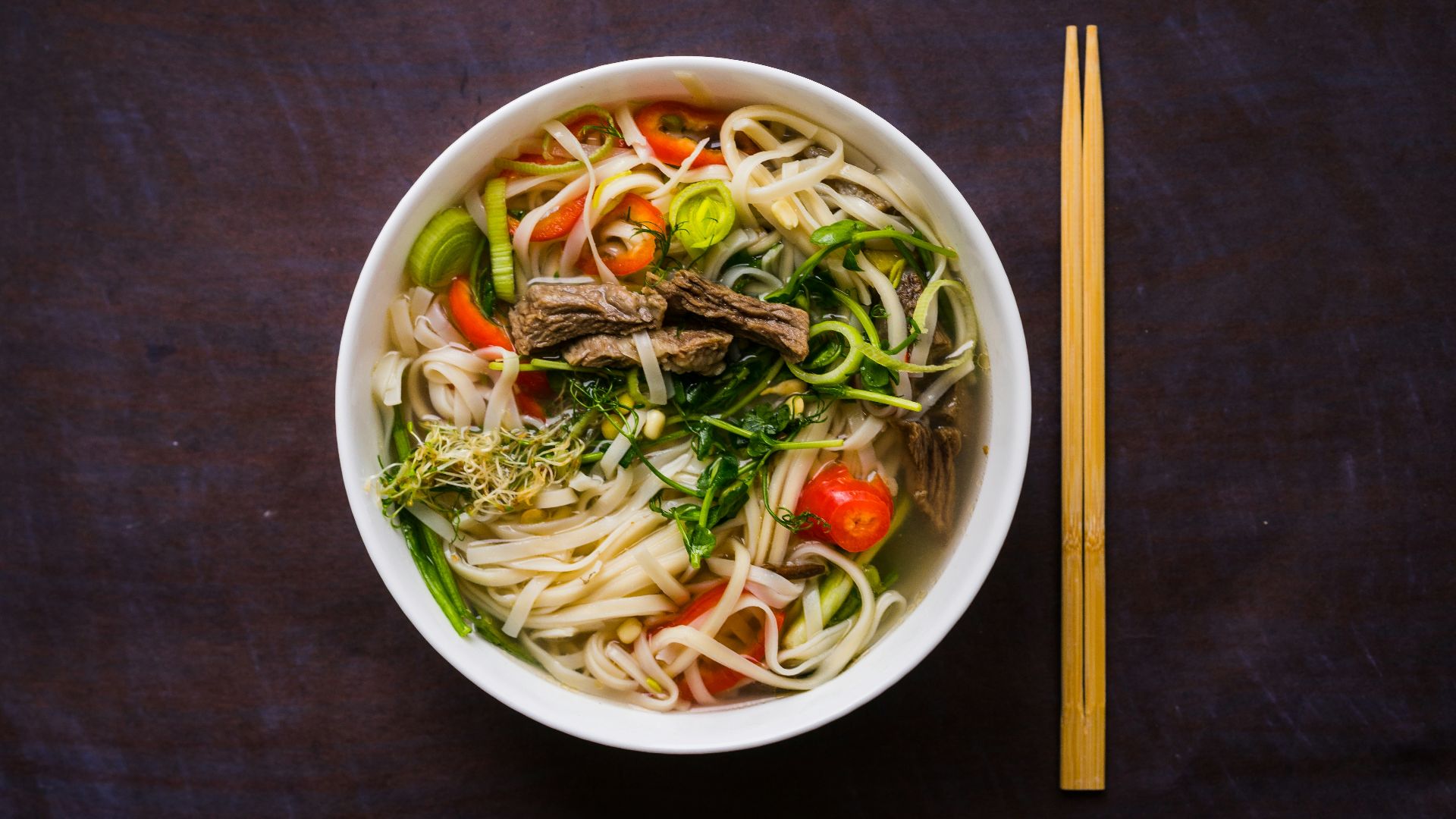
Pho developed as everyday nourishment in Vietnam, built on long-simmered bones, charred aromatics, and spices that perfume the air. Upscale pho gets cleaner presentation and pricier beef, but it still lands as grounding comfort.
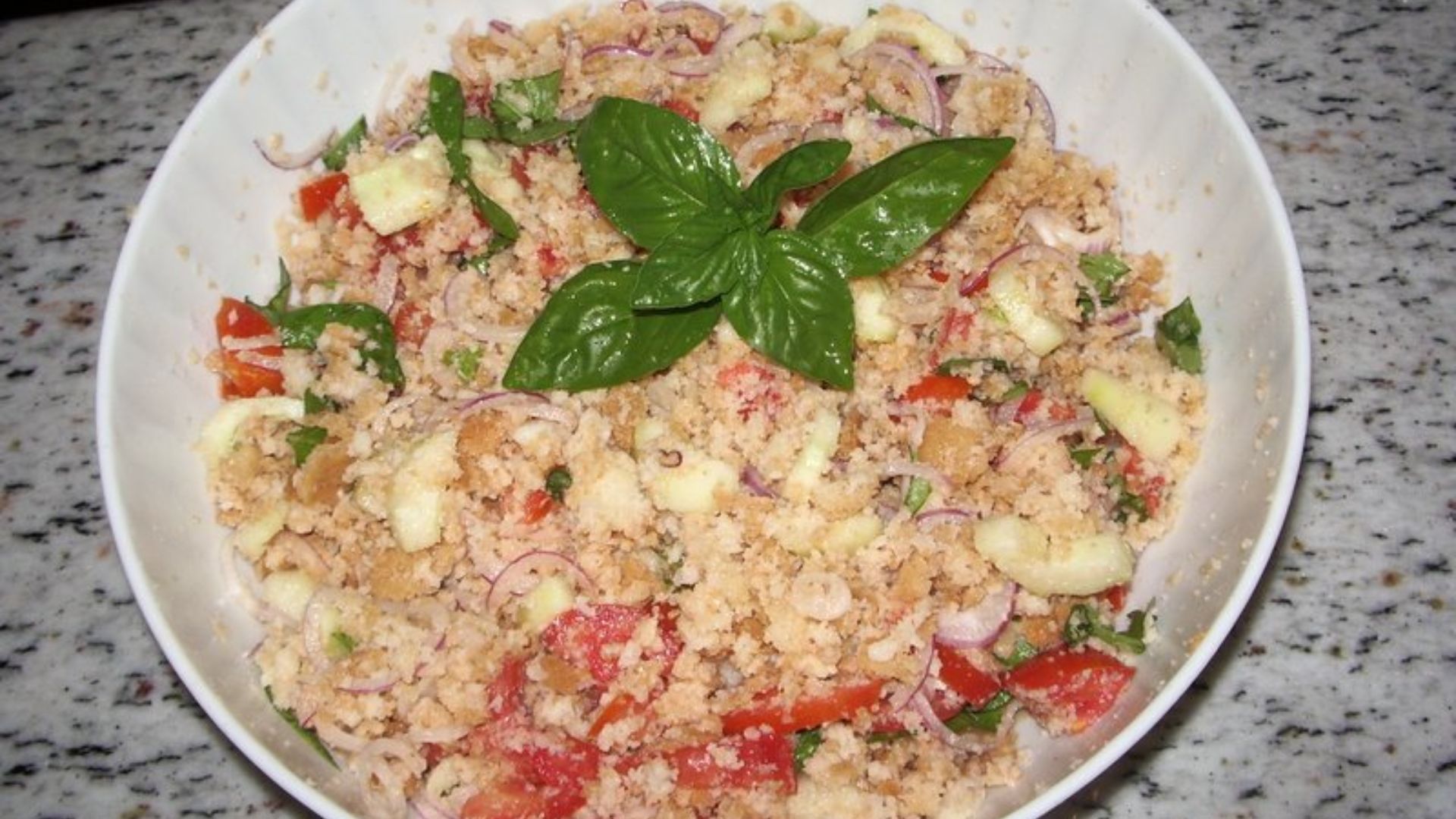
18. Panzanella
Panzanella is Tuscan thrift, stale bread revived with tomato juices, vinegar, and olive oil until it turns soft and lively. Restaurant versions chase perfect tomatoes and add-ons, yet the satisfaction comes from turning leftovers into something bright.
 LupoCapra at Italian Wikipedia on Wikimedia
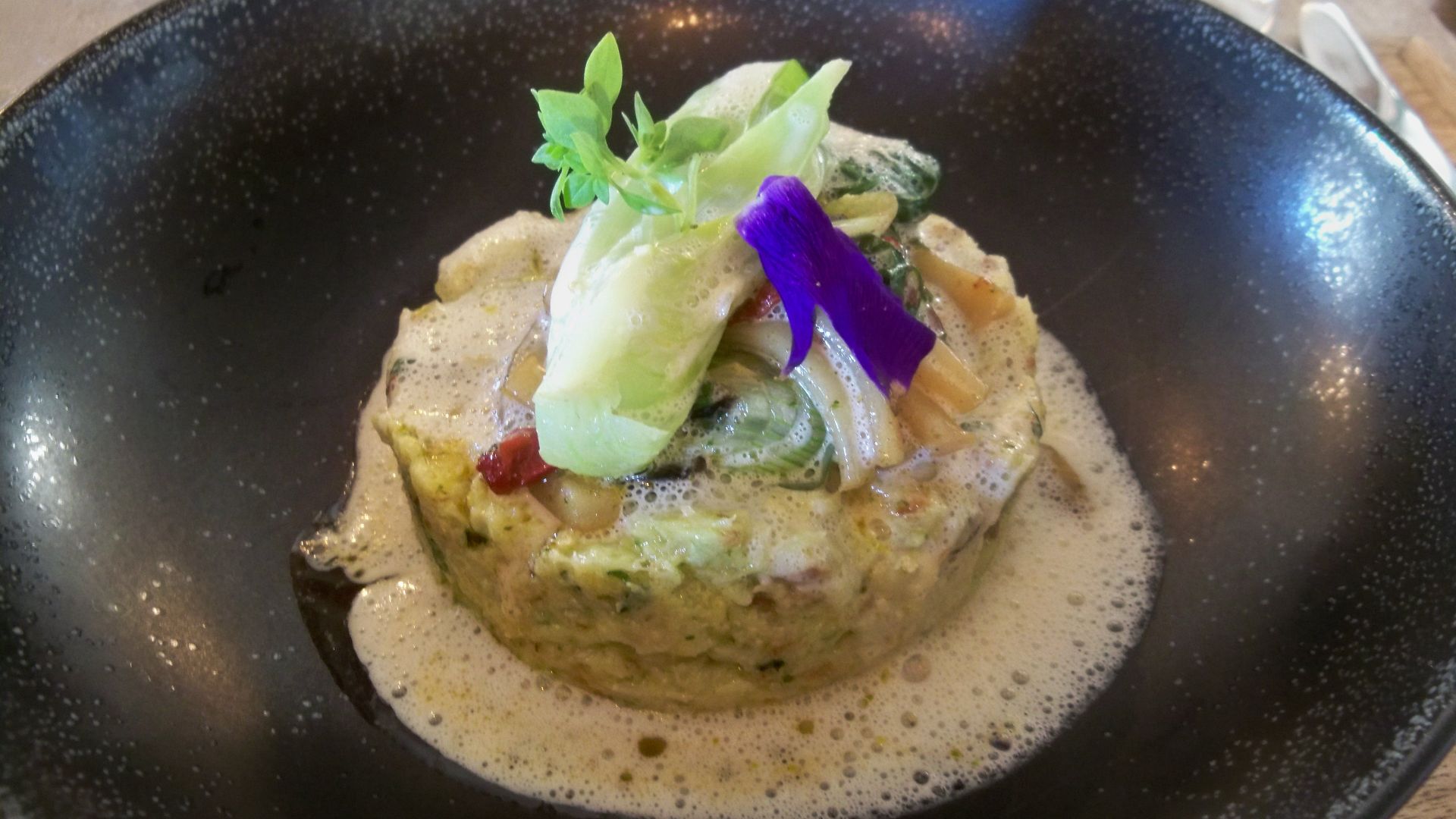
19. Brandade De Morue
Brandade de morue transforms salted cod, a staple, into something creamy by whipping it with olive oil and, in many traditions, milk or potato. Fine dining reshapes it into croquettes or quenelles, while the flavor stays salty and coastal.
 Marianne Casamance on Wikimedia
20. Bread Pudding
Bread pudding exists because throwing out stale bread is a luxury, and soaking it in milk and eggs turns scraps into dessert. Restaurants add bourbon sauce and edges, but the bite is still sweet, custardy, and proudly unpretentious.
KEEP ON READING
20 Food Requests Only Spoiled People Ask For

20 Hardest Foods on Earth To Eat

Do Vitamin Supplements Actually Make You Healthier?