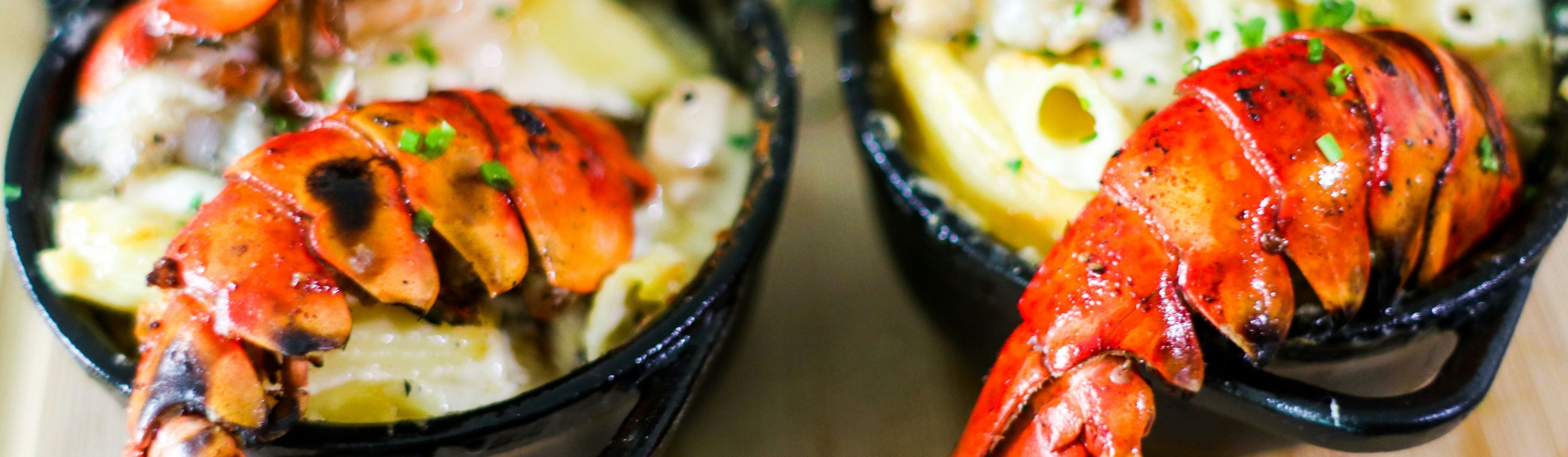
From Scraps to Splurges
Food has always had a funny way of changing its reputation. Many dishes that originally started as cheap, practical meals for working people are now dressed up on restaurant menus, sold in gourmeshops, or discussed as rare treasures. Here are 20 foods that used to be considered "low-class" that somehow made the jump to full-on luxury items.
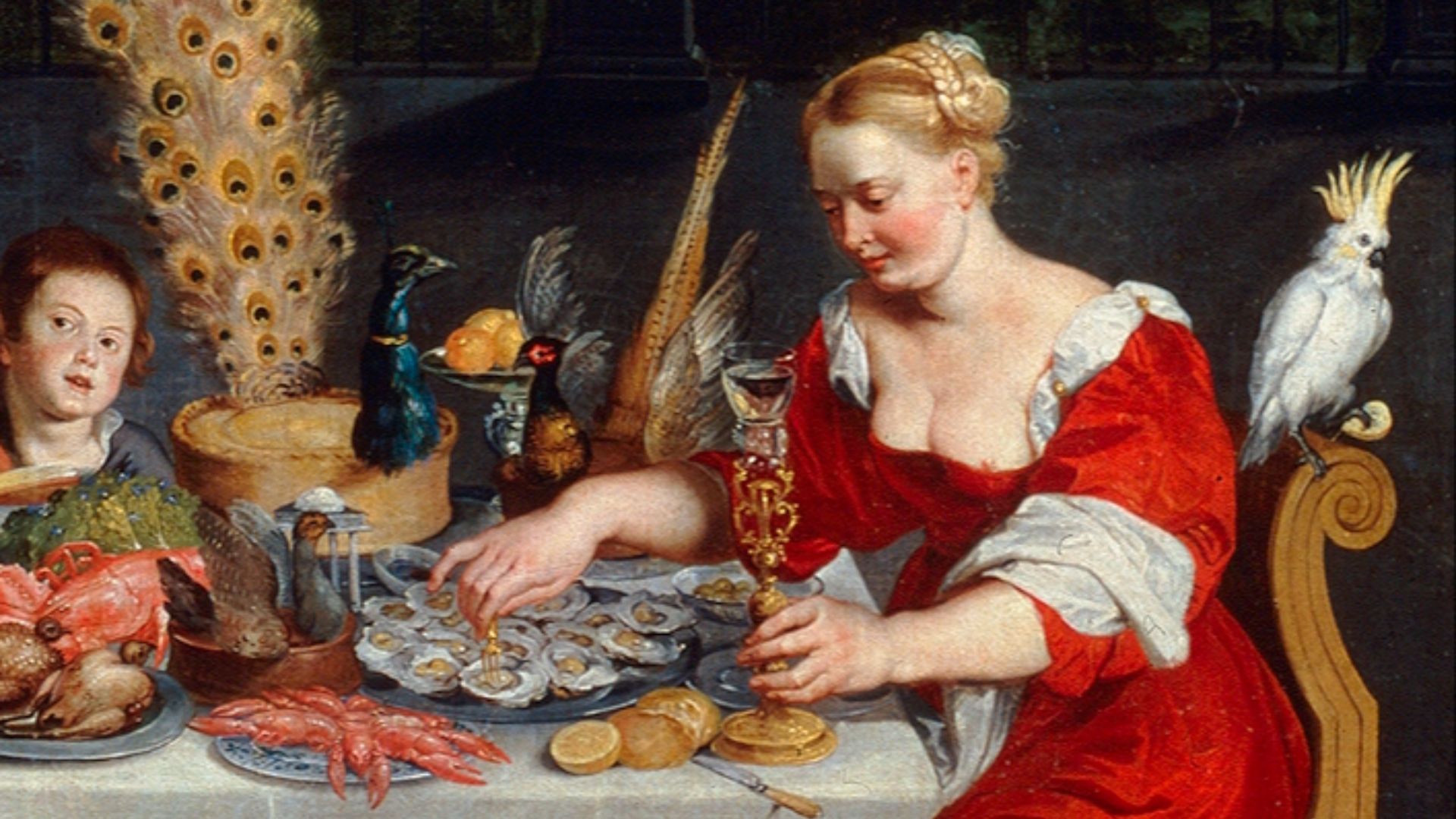 Jan Brueghel the Elder on Wikimedia
1. Lobster
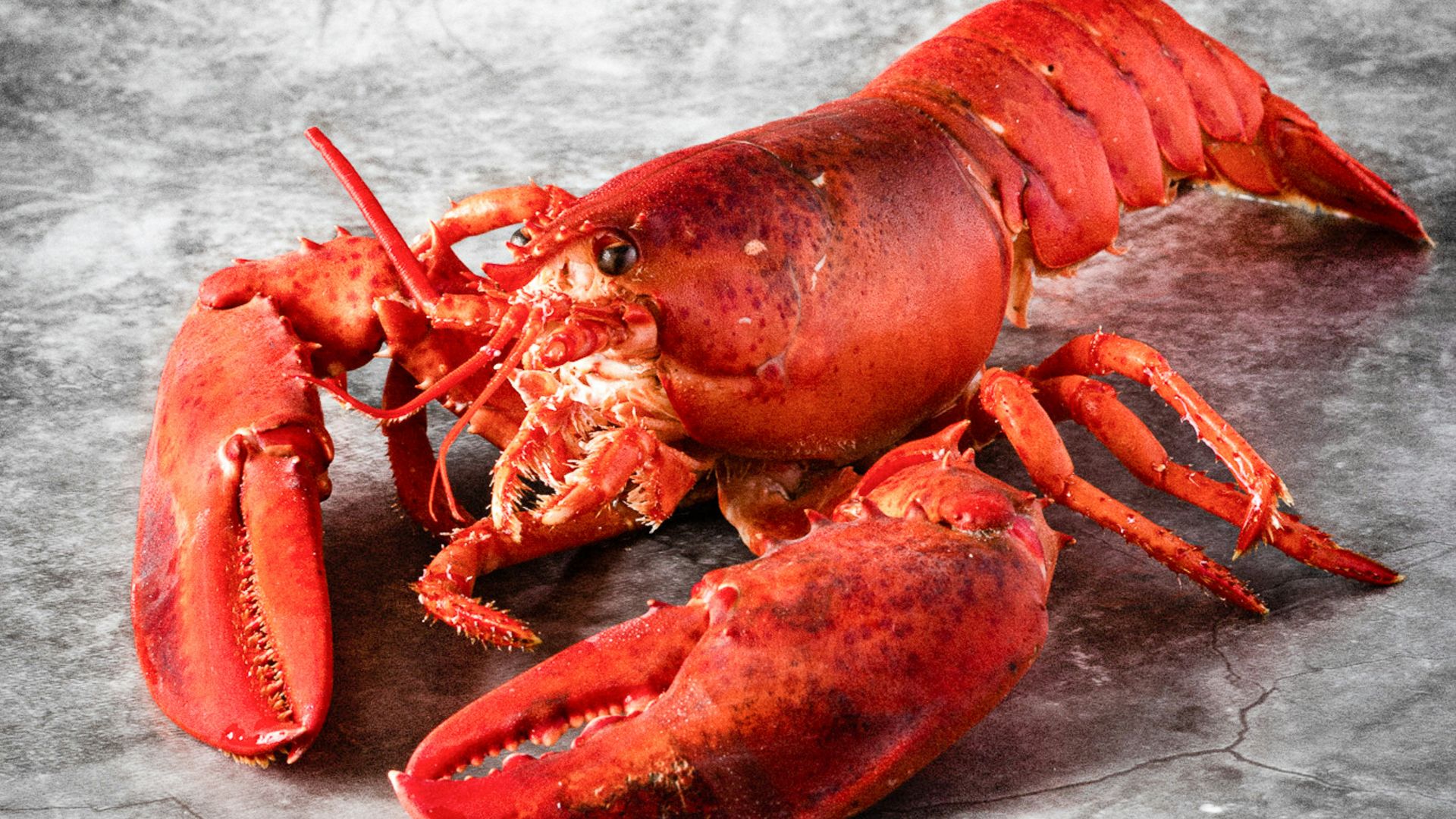
Lobster used to be so common in coastal areas that it was fed to prisoners, servants, and anyone else who didn't have much say in the matter. Back then, people saw it as rough, messy food that washed up in huge piles and spoiled quickly. Once transportation and storage improved, lobster became easier to sell as a fresh delicacy instead of a desperate meal. Now you pay a premium for the same creature people once complained about eating too often.
2. Oysters
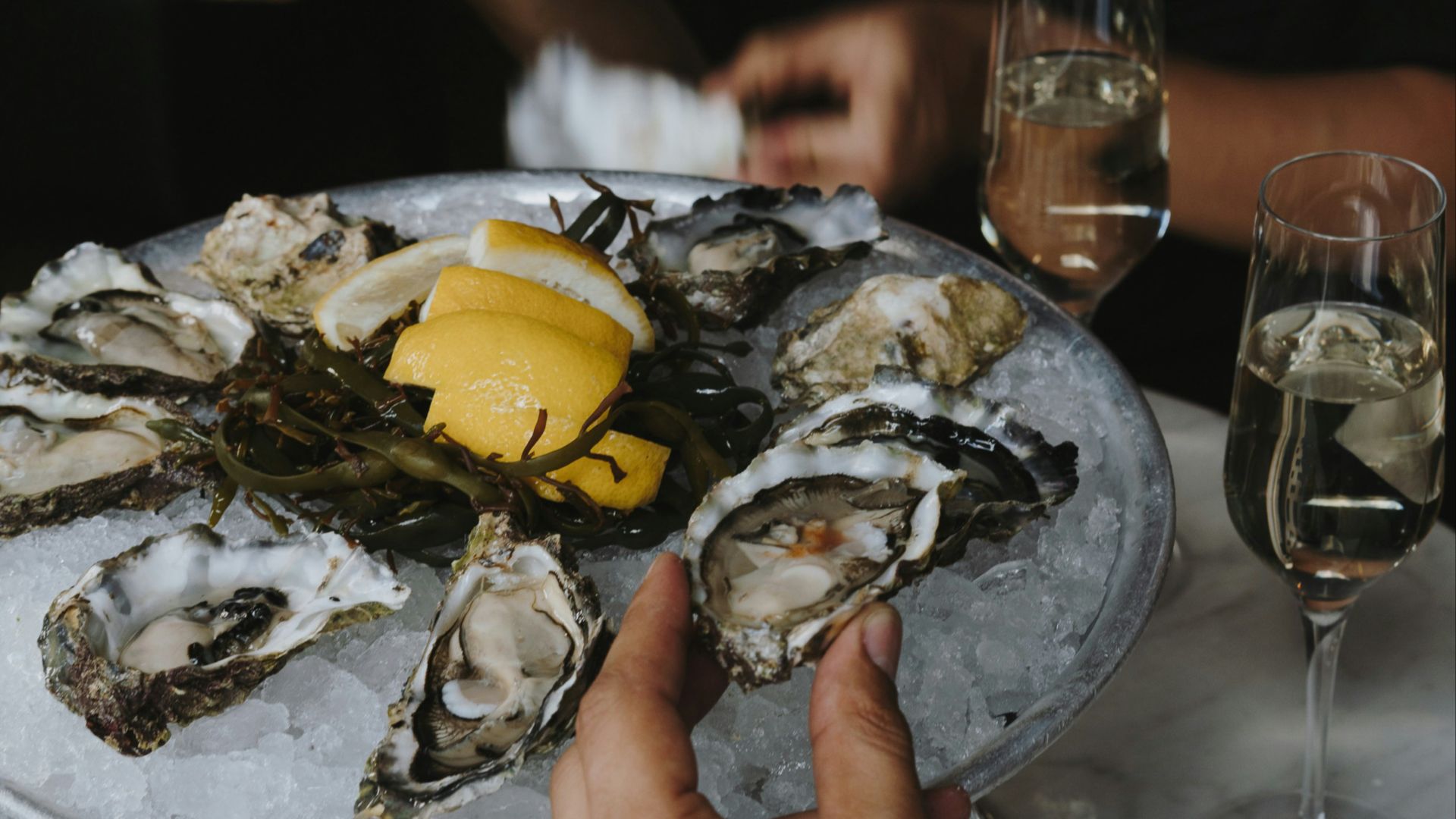
There was a time when oysters were cheap street food and an easy source of protein for working-class families. In American cities, they were sold from carts and tossed into stews without much fuss because they were plentiful and easy to get. Overharvesting and pollution changed that, and suddenly the once-ordinary oyster started looking a lot more special.
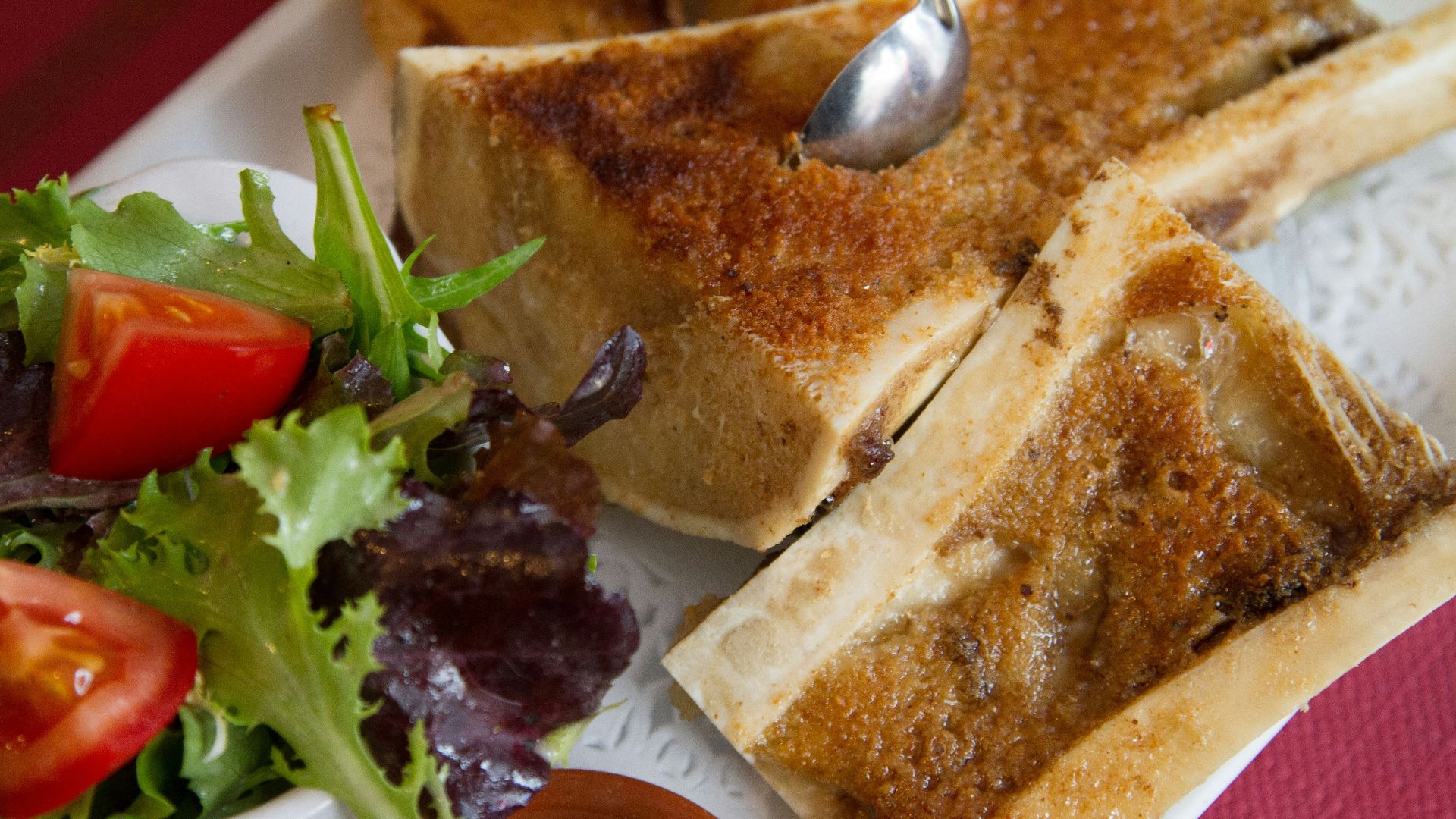
3. Bone Marrow
For a long time, bone marrow was the kind of thing people ate because they didn't believe in wasting any part of the animal. It was rich, filling, and useful, especially in households that needed to stretch every ingredient as far as possible. Then restaurants discovered that roasting marrow bones and serving them with toast looked rustic in a very profitable way, and now it's treated like a trendy appetizer instead of the practical food it once was.
4. Brisket
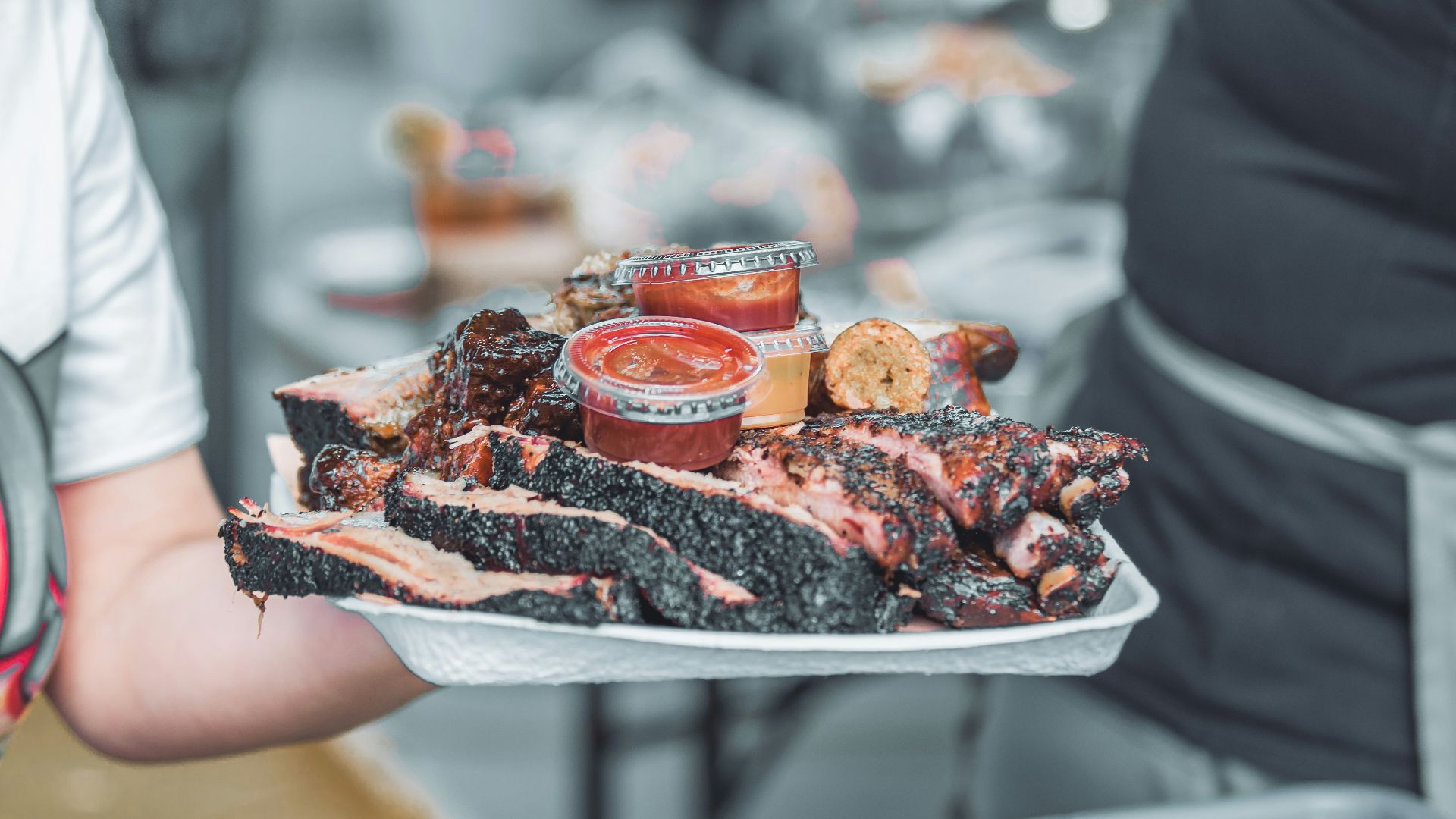
Brisket used to be one of the cheaper cuts because it came from a tough part of the cow and needed time, patience, and skill to cook well. Families who knew how to braise, smoke, or slow-cook it could turn an affordable piece of meat into something deeply satisfying. Once barbecue culture exploded, and pitmasters turned brisket into a point of pride, prices climbed fast.
5. Short Ribs
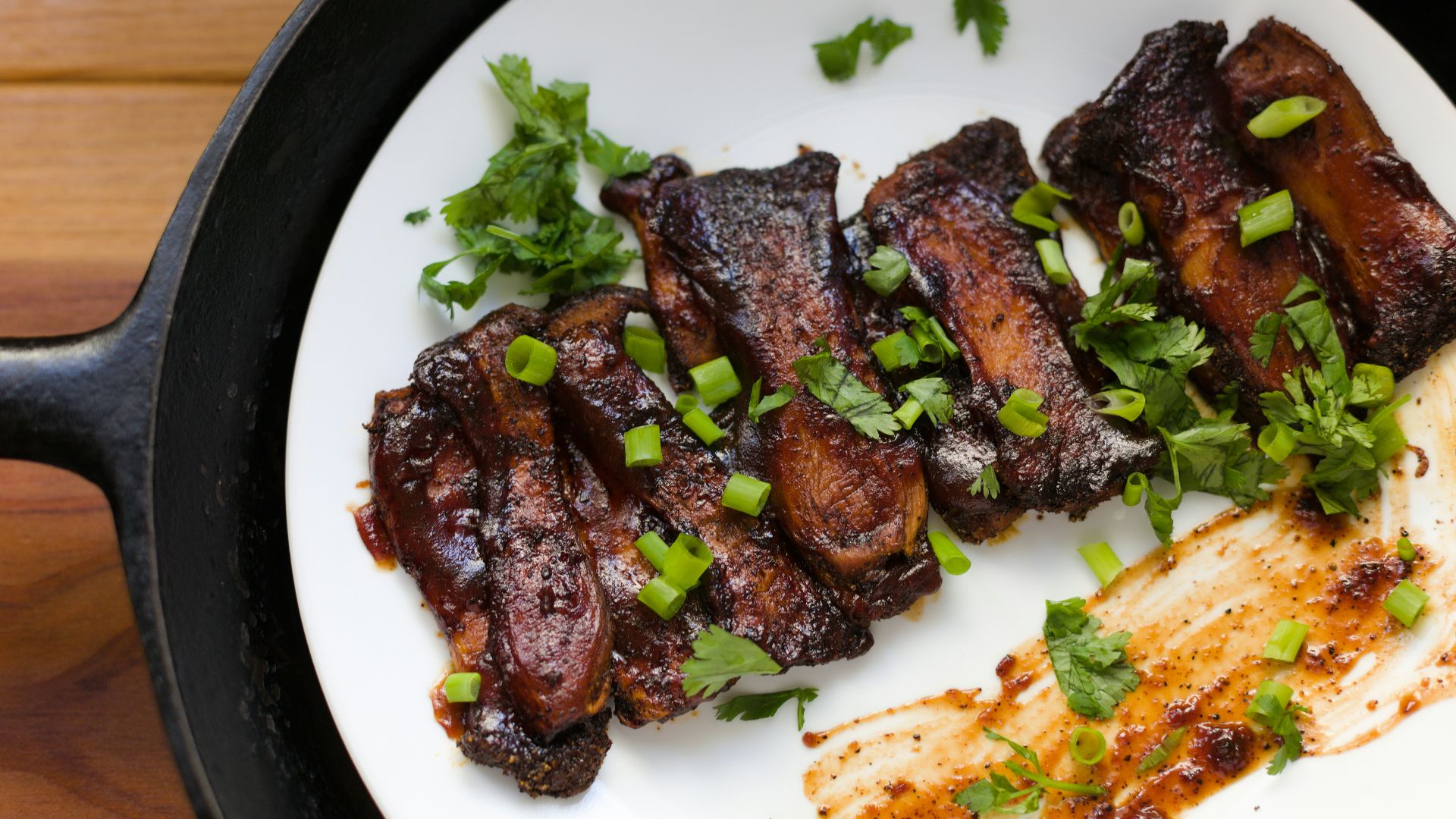
Short ribs weren't always a menu star, even though they had plenty of flavor. They were once valued mainly by home cooks who knew that low heat and a long cooking time could make them tender and comforting. As soon as upscale restaurants started braising them in wine and plating them over creamy sides, their image changed completely. What used to be a smart budget choice now often shows up with a price tag that says otherwise.
6. Oxtail
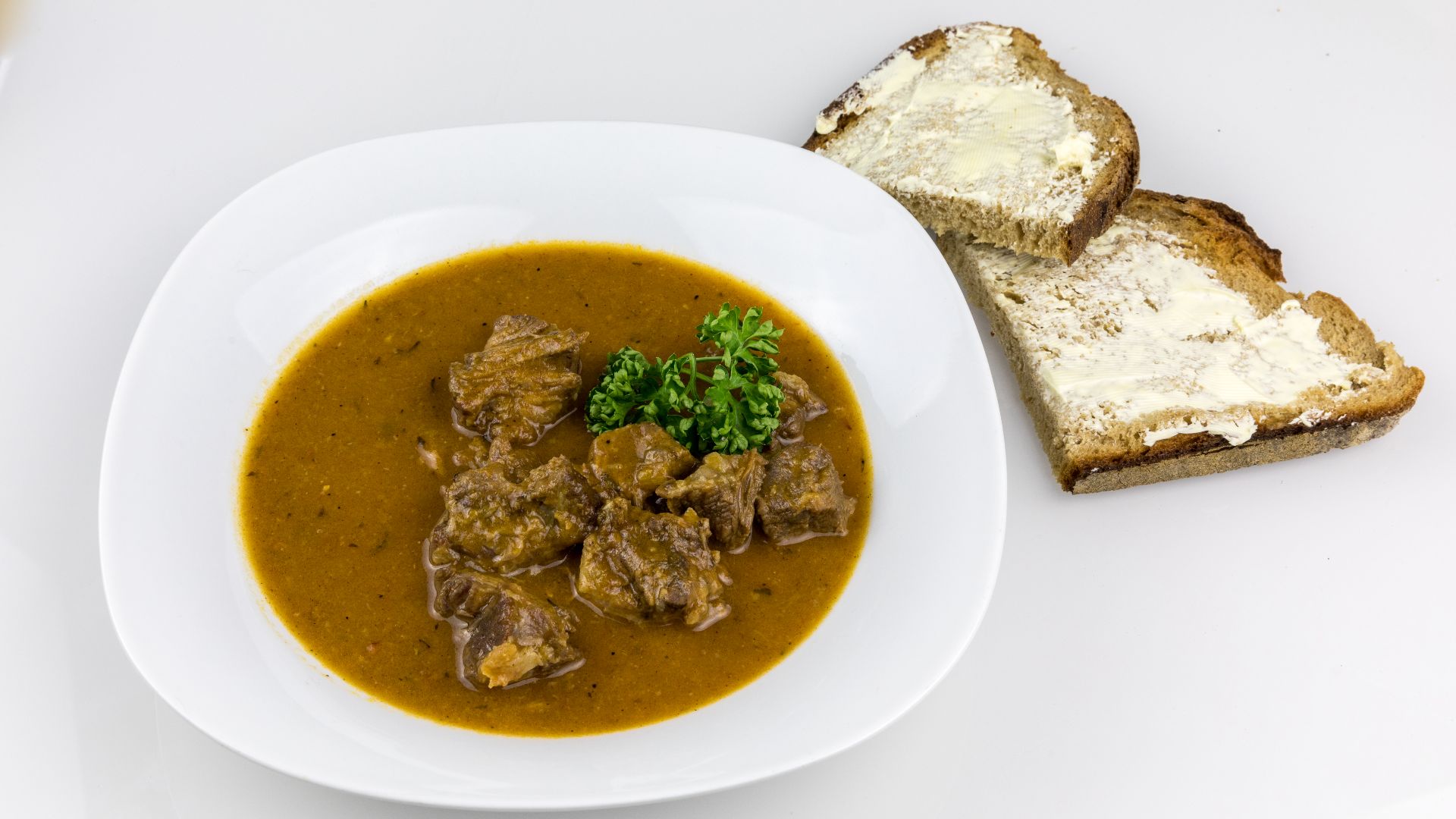
Oxtail began as a classic example of making do with what others ignored. Since it came from a part of the animal that wasn't considered glamorous, it became popular in soups, stews, and slow-cooked dishes across many cultures. Its deep flavor and silky texture eventually caught the attention of chefs and food lovers who were willing to pay more for that richness.
7. Tongue
Beef tongue was once a practical food for households that used the whole animal and didn't have the luxury of turning up their noses at offal. When prepared properly, it's tender, flavorful, and far better than you might expect if you haven't tried it. Over time, specialty butchers, restaurants, and adventurous diners helped turn tongue into something that seemed more exclusive than ordinary, and now it no longer necessarily comes with a bargain price.
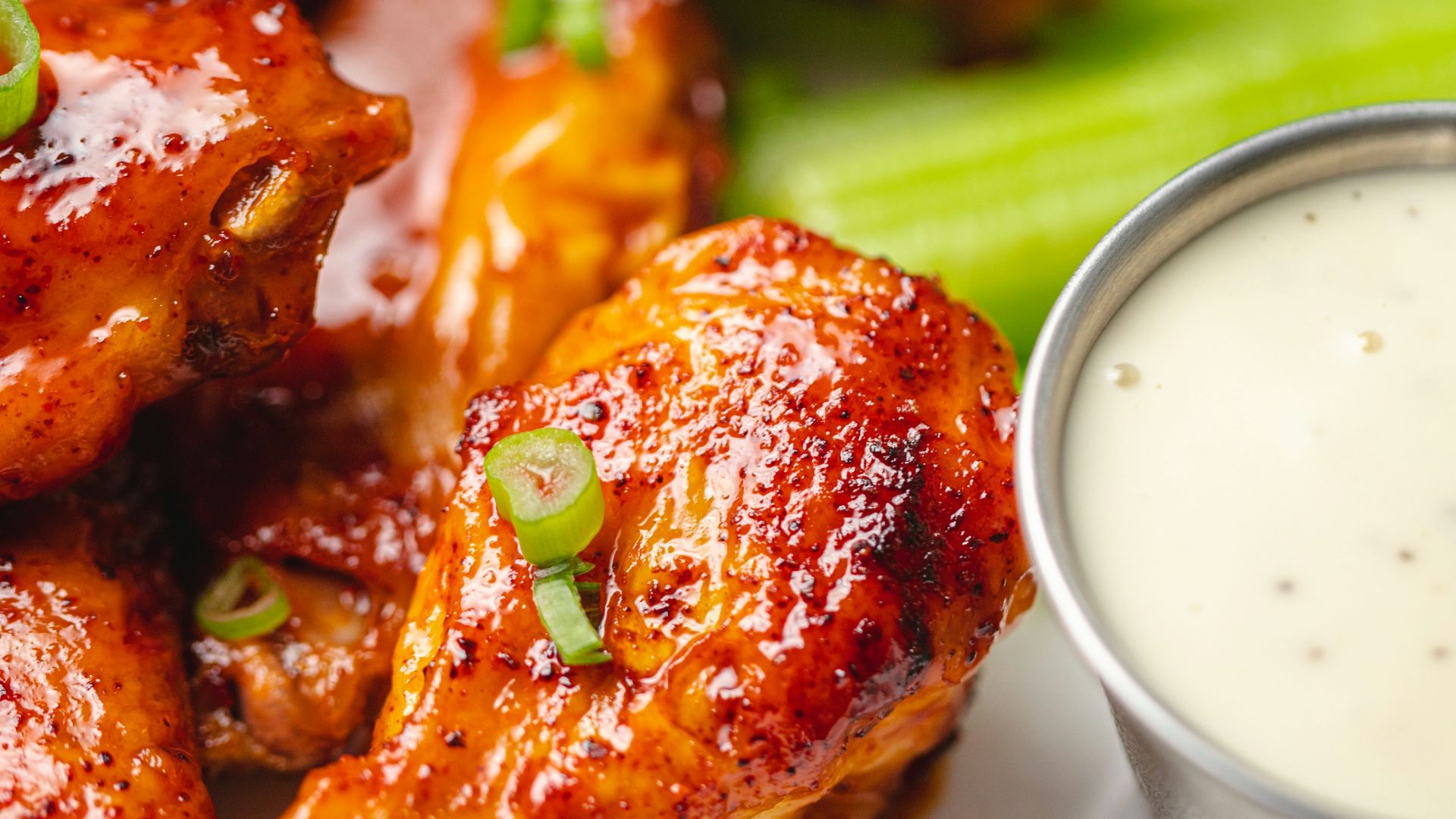
8. Chicken Wings
Chicken wings were basically an afterthought before they became bar food royalty. For years, they were one of the least desirable parts of the bird because there wasn't much meat on them, and they took effort to eat. Then buffalo wings took off, and suddenly people couldn't get enough of them. Now, a basket of wings can cost far more than you'd expect for something that was once considered scraps.
9. Sardines
Sardines were long known as a pantry food for people who needed something cheap, filling, and shelf-stable. They didn't have much glamour attached to them, and for a while, they were more associated with practicality than pleasure. In recent years, though, fancy imported tins, stylish packaging, and foodie enthusiasm gave sardines a surprising makeover. What used to be humble canned fish is now something people collect, gift, and serve like a conversation piece.
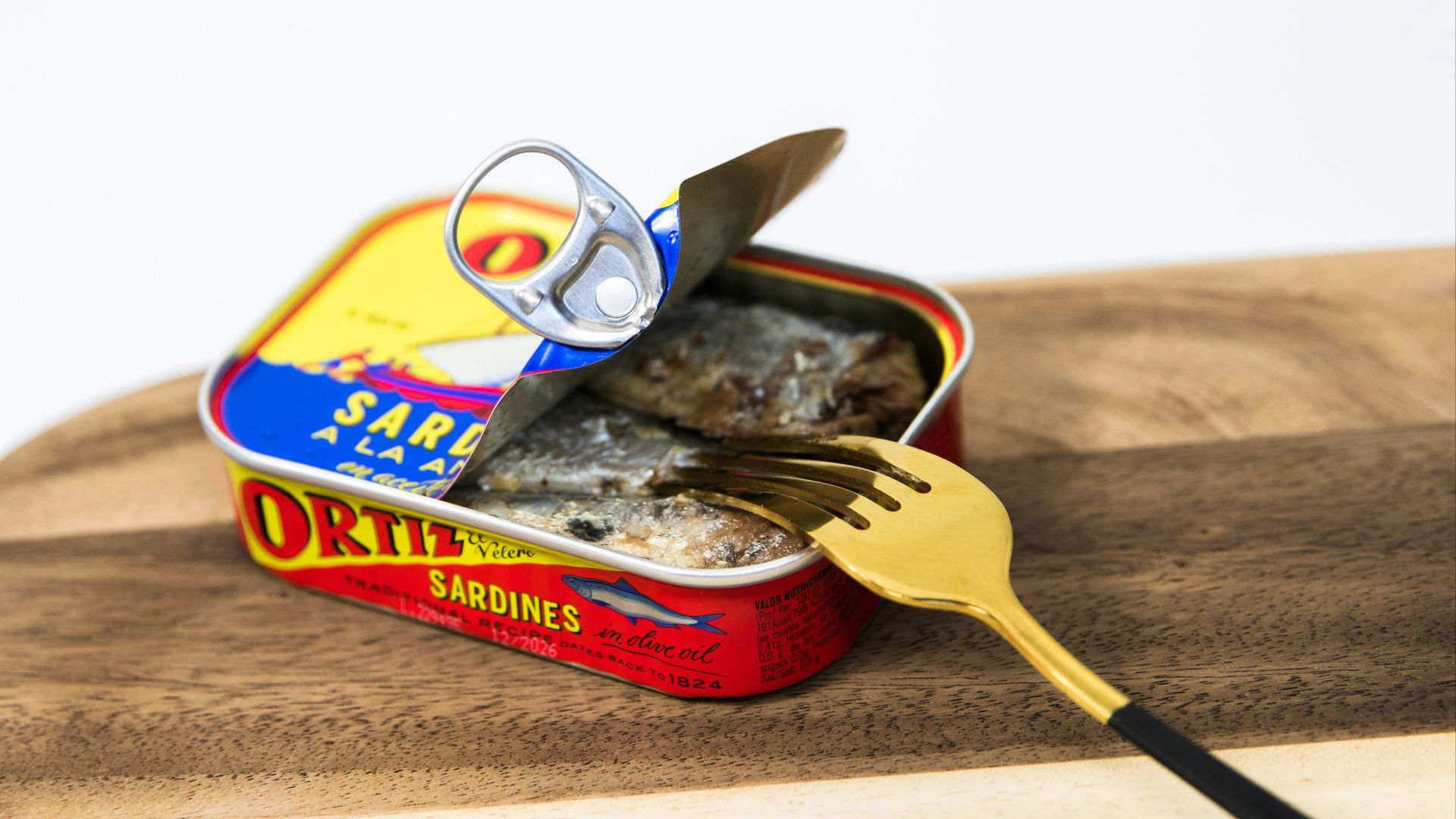 S O C I A L . C U T on Unsplash
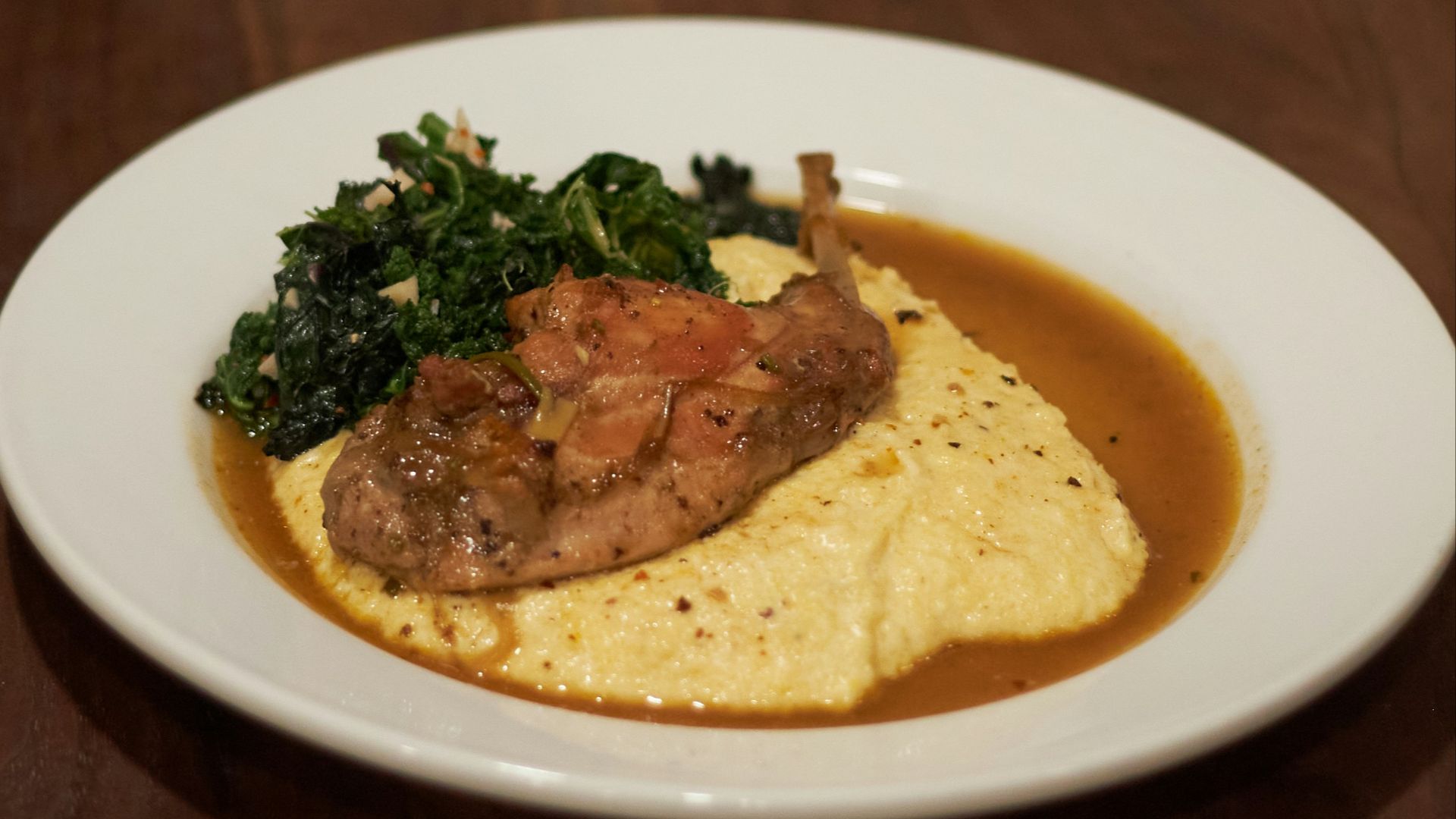
10. Polenta
Polenta began as a peasant staple because cornmeal was inexpensive and easy to turn into a hot, hearty meal. It filled stomachs without draining the household budget, which made it especially valuable in hard times. Eventually, restaurants started serving it creamy, grilled, or topped with upscale ingredients, and that changed how people viewed it. These days, something once tied to necessity can look downright elegant on a plate.
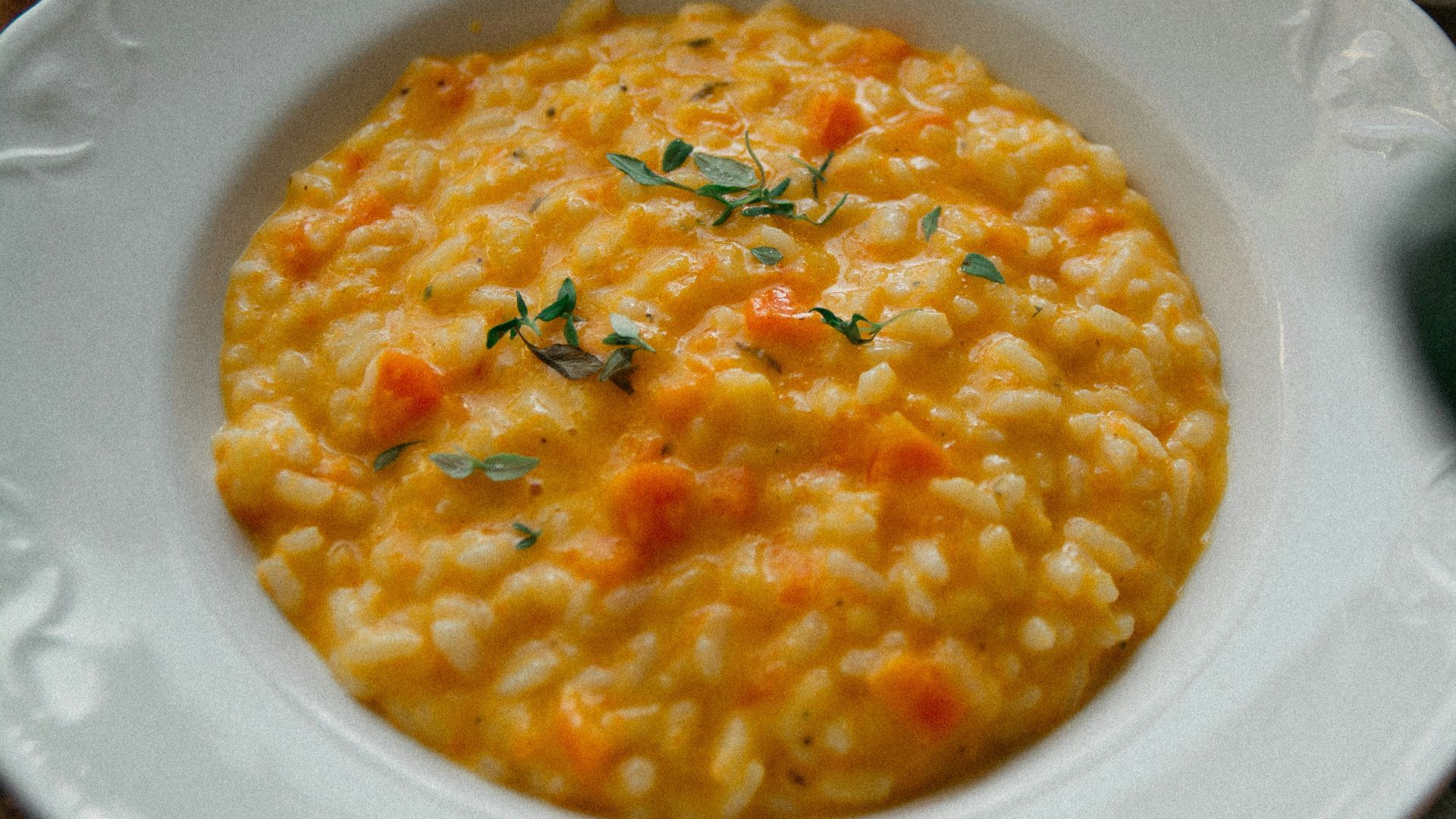
11. Risotto
Risotto may sound refined now, but rice-based dishes like it were often rooted in making simple ingredients stretch. It was never flashy at its core, since the magic came more from patience and technique than from expensive components. Once it became associated with fine dining, however, it picked up an air of sophistication that stuck.
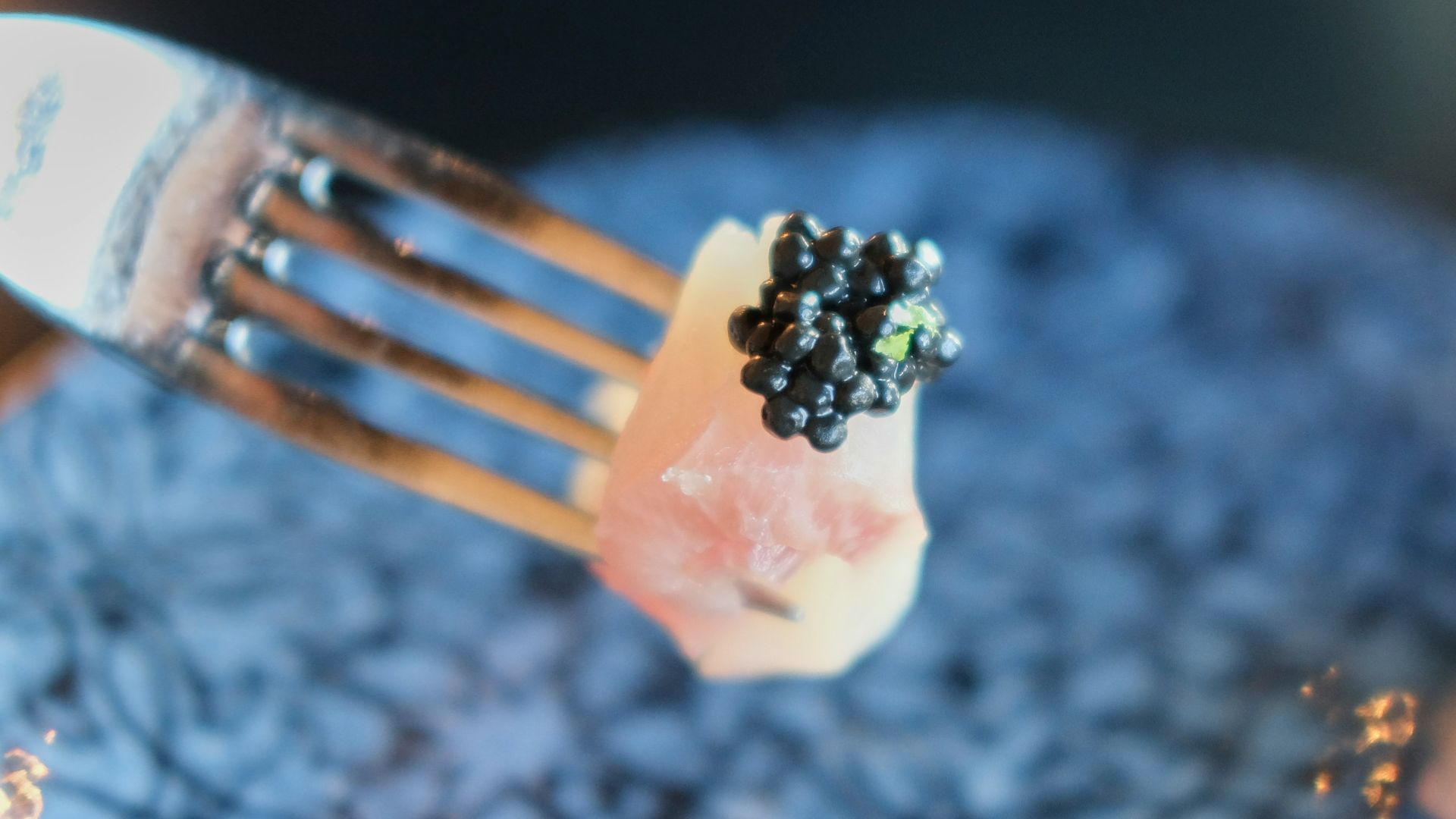
12. Caviar
Not all caviar started out as untouchable luxury, especially in places where fish roe was more common and not yet wrapped in status. In some regions, it was simply another preserved food people ate because it was available and nutritious. Scarcity, branding, and elite dining culture pushed it into a completely different category over time. Now, they're one of the most expensive bites you can order.
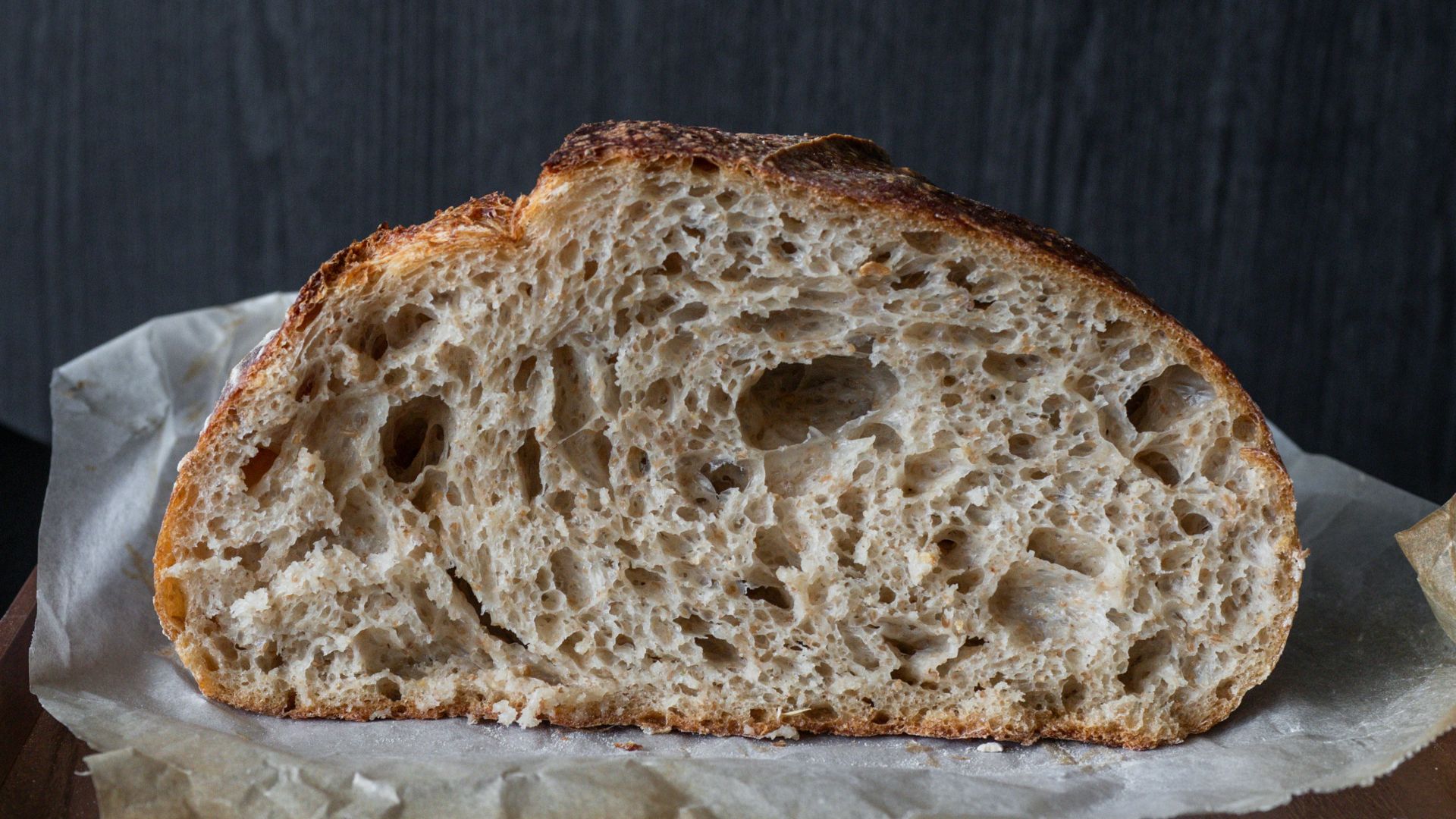
13. Artisanal Bread
Bread was once the definition of everyday survival food. It was basic, affordable, and made in homes or bakeries for the simple purpose of feeding people well enough to get through the day. Then came the era of long fermentation, heirloom grains, and bakery lines that wrap around the block. Now a loaf can cost enough to make you wonder whether you should eat it or put it in a display case.
14. Cupcakes
Cupcakes weren't always cute little boutique treats with perfect swirls of frosting. They started as smaller, practical cakes that were easier and cheaper to bake than large celebration desserts. Once specialty bakeries stepped in with designer flavors and decorative toppings, the whole category got a major glow-up. What used to be a modest homemade sweet can now cost more per bite than a full slice of cake.

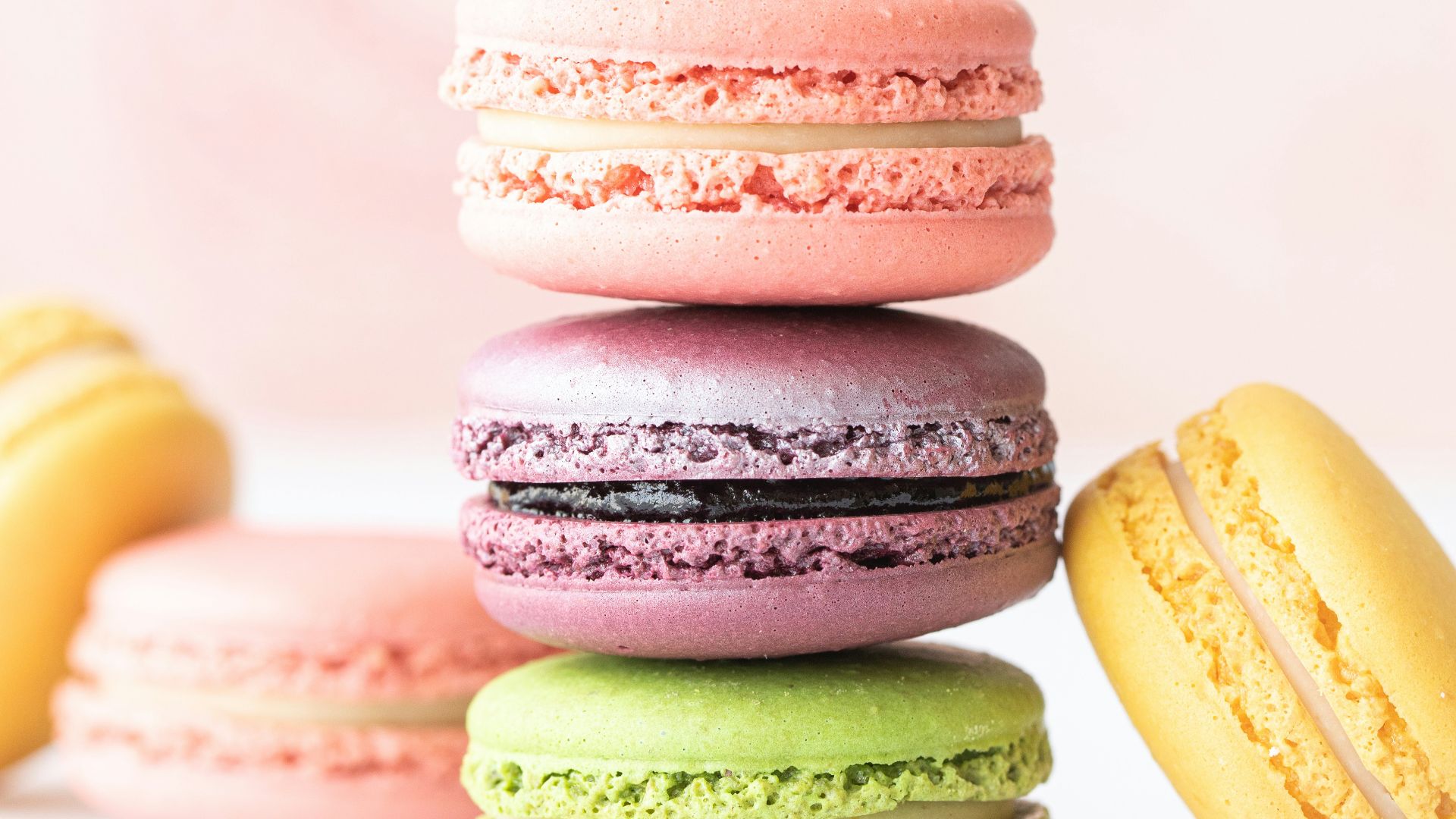
15. Macarons
Macarons are now linked with polished bakery counters and carefully chosen gift boxes, but they had humble beginnings. Made by nuns in Venetian monasteries, their ingredients are simple, but the technique has always required care. As branding, presentation, and exclusivity took over, macarons became less of a casual cookie and more of a premium indulgence.
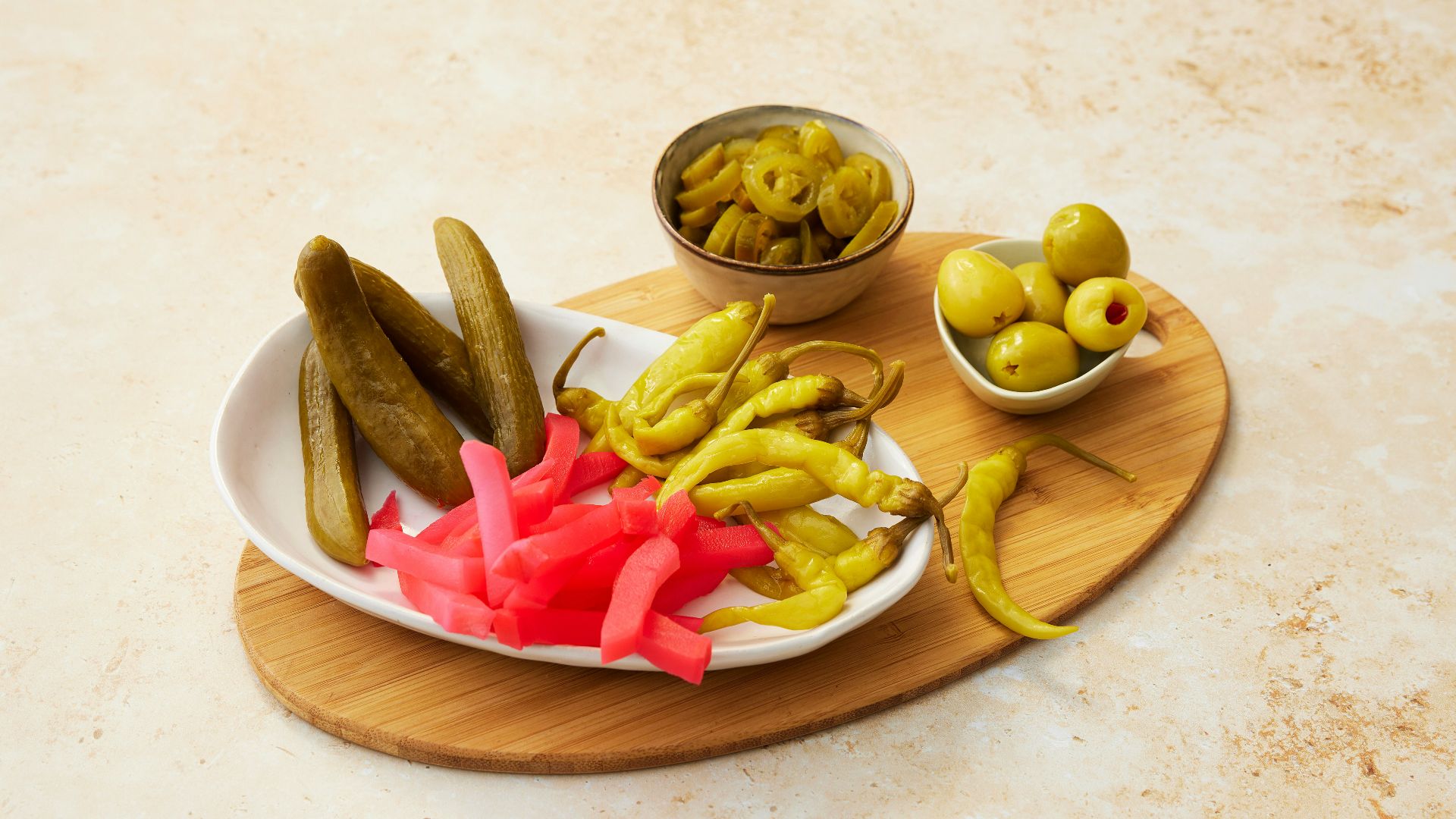
16. Pickled Foods
Pickling started as a practical way to keep food from going bad, especially when money was tight, and waste wasn't an option. People pickled vegetables, fish, and whatever else they could preserve because it helped them survive lean seasons. Somewhere along the line, jars of pickled everything started showing up in gourmet shops with sleek labels and bold flavor claims. The old survival method is now sold back to you as a specialty experience.
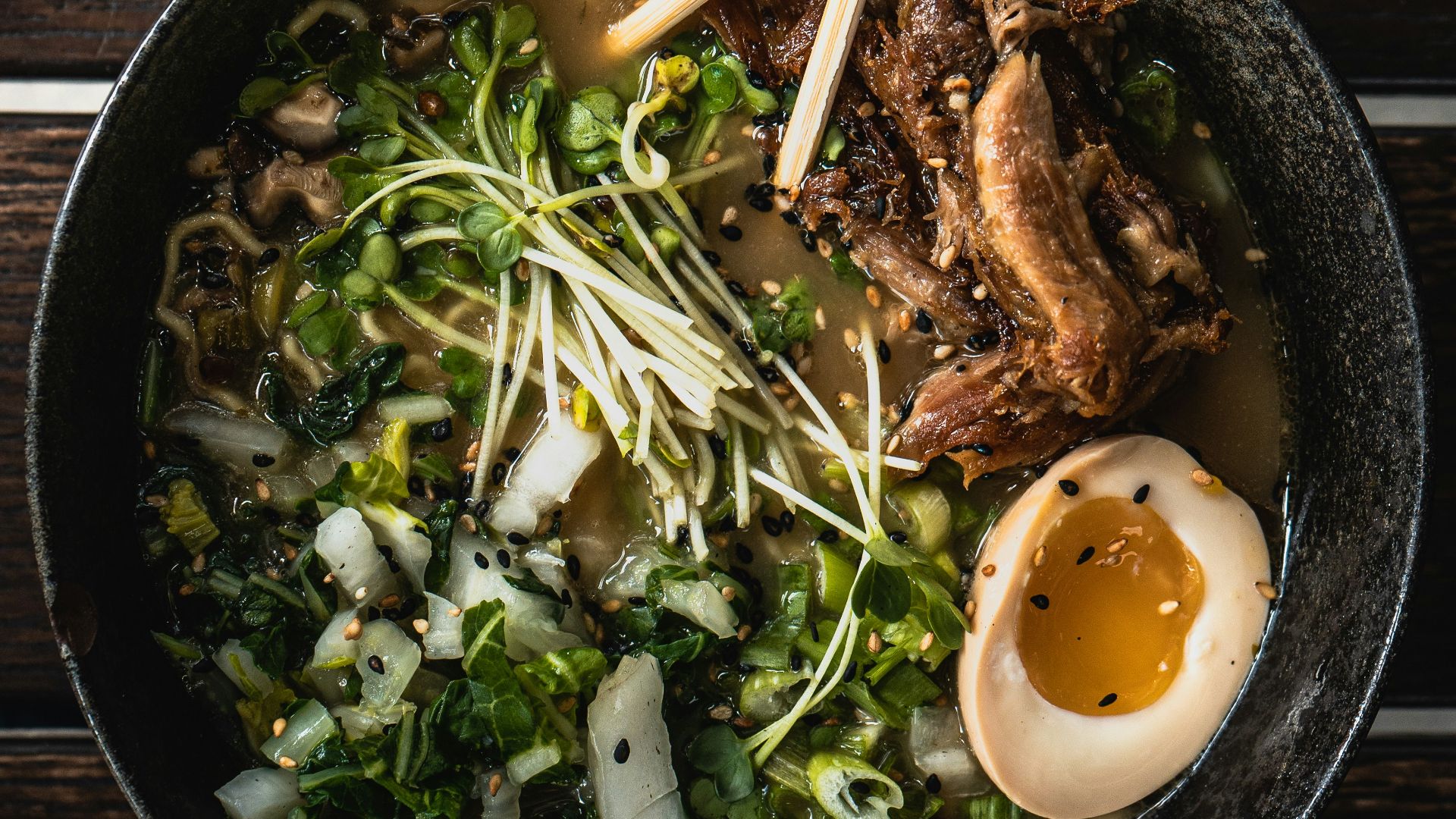
17. Ramen
Instant ramen is still cheap, but traditional ramen has gone in a very different direction. Noodle soups were built around affordability and comfort, giving people a satisfying meal without asking much from their wallets. Today, a carefully developed broth, handmade noodles, and premium toppings can turn a bowl into a serious splurge. It's still comforting, but it isn't always budget-friendly anymore.
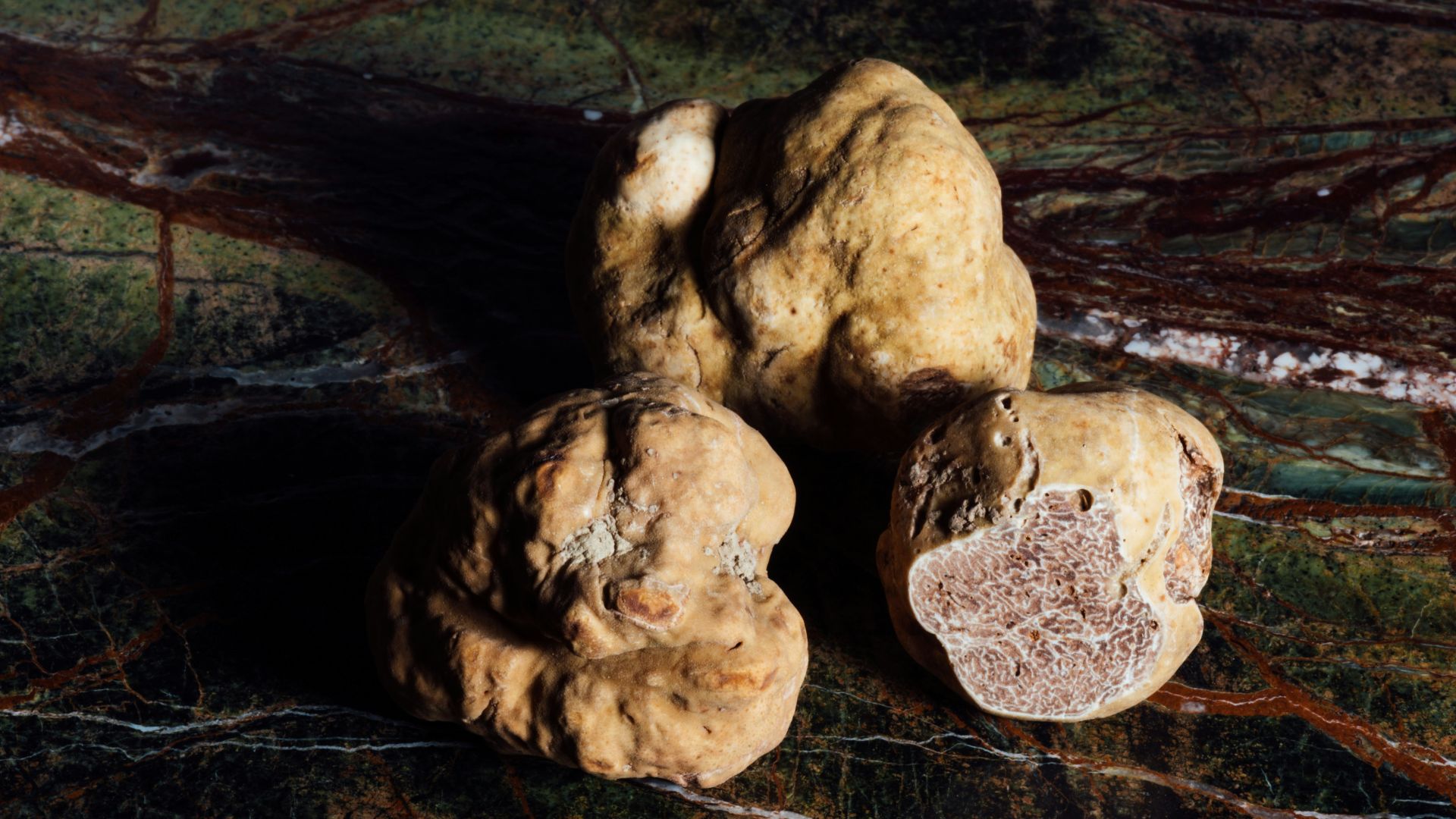
18. Truffles
Truffles have become the definition of culinary luxury, yet they began as ingredients gathered from the ground by rural communities who knew where to find them. They weren't always mass symbols of elite dining, even if they were appreciated for their flavor. Once rarity, demand, and restaurant culture took hold, truffles became almost mythically expensive. Now, even a few shavings can change the whole price of a dish.
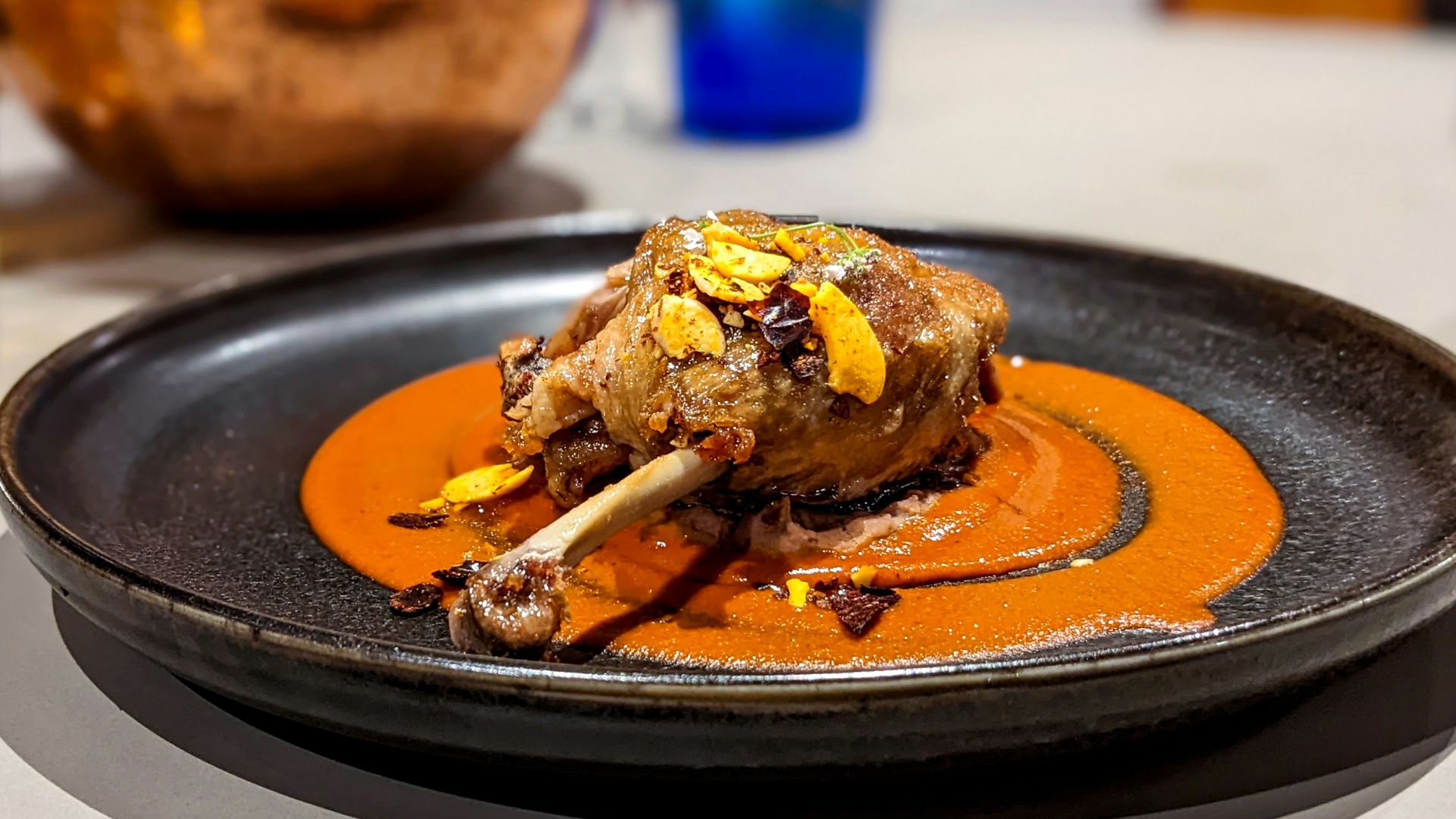
19. Duck Confit
Duck confit came from preservation, not extravagance. Cooking duck slowly in its own fat helped people store meat longer, which made it practical in a world before modern refrigeration. Over time, that smart old method became tied to classic French cooking and a more upscale image. These days, it lands on menus as something luxurious, even though it started as a way to avoid waste.
20. Charcuterie
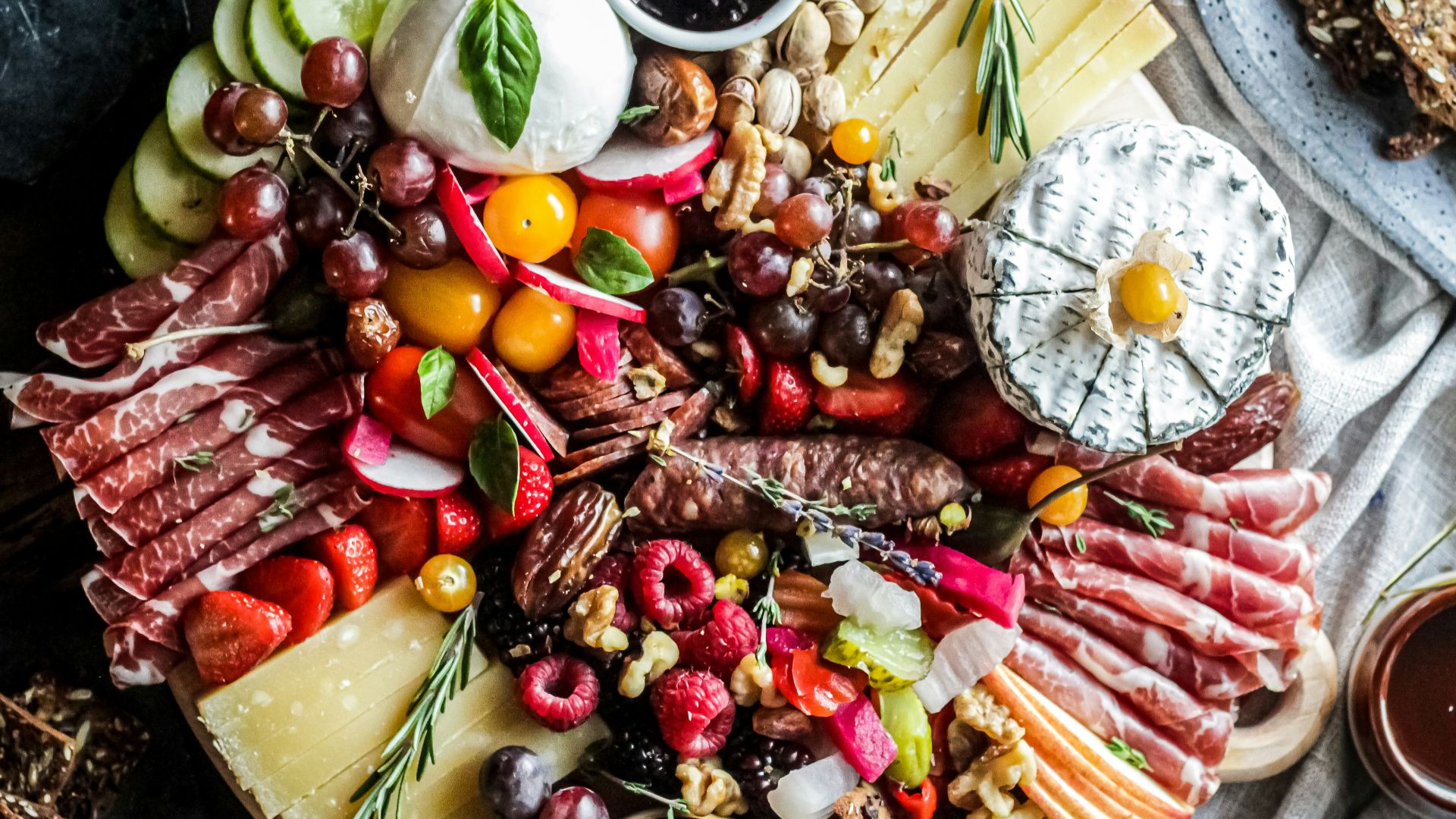
Charcuterie began with the simple idea that preserved meats were useful, economical, and necessary. People cured, salted, and stored what they could because letting good food go to waste wasn't an option. Now, charcuterie boards arrive piled with imported meats, specialty cheeses, and little extras that somehow turn snack time into a luxury event.
KEEP ON READING

The 5 Most Consumed Foods in the Entire World